
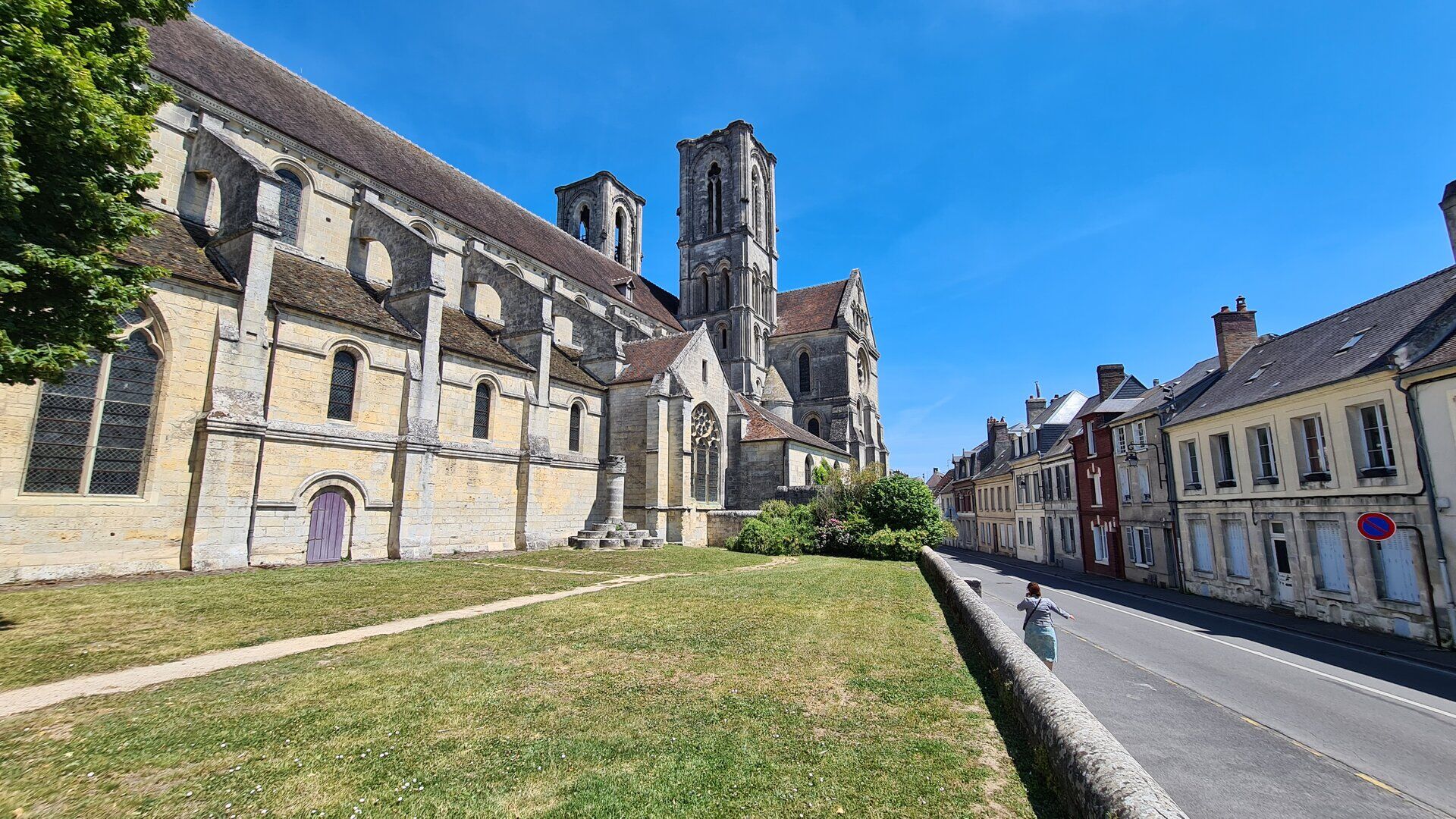
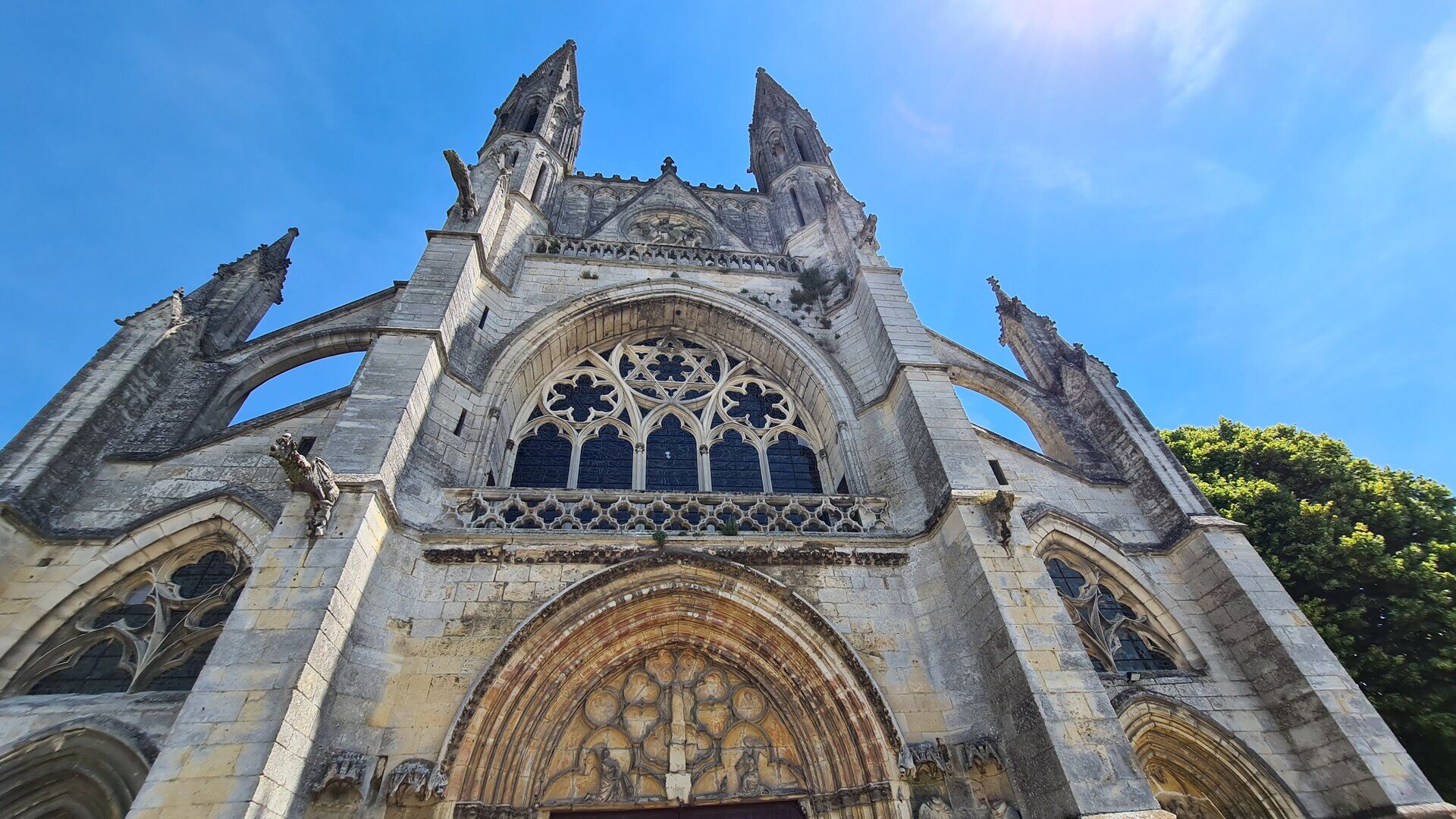

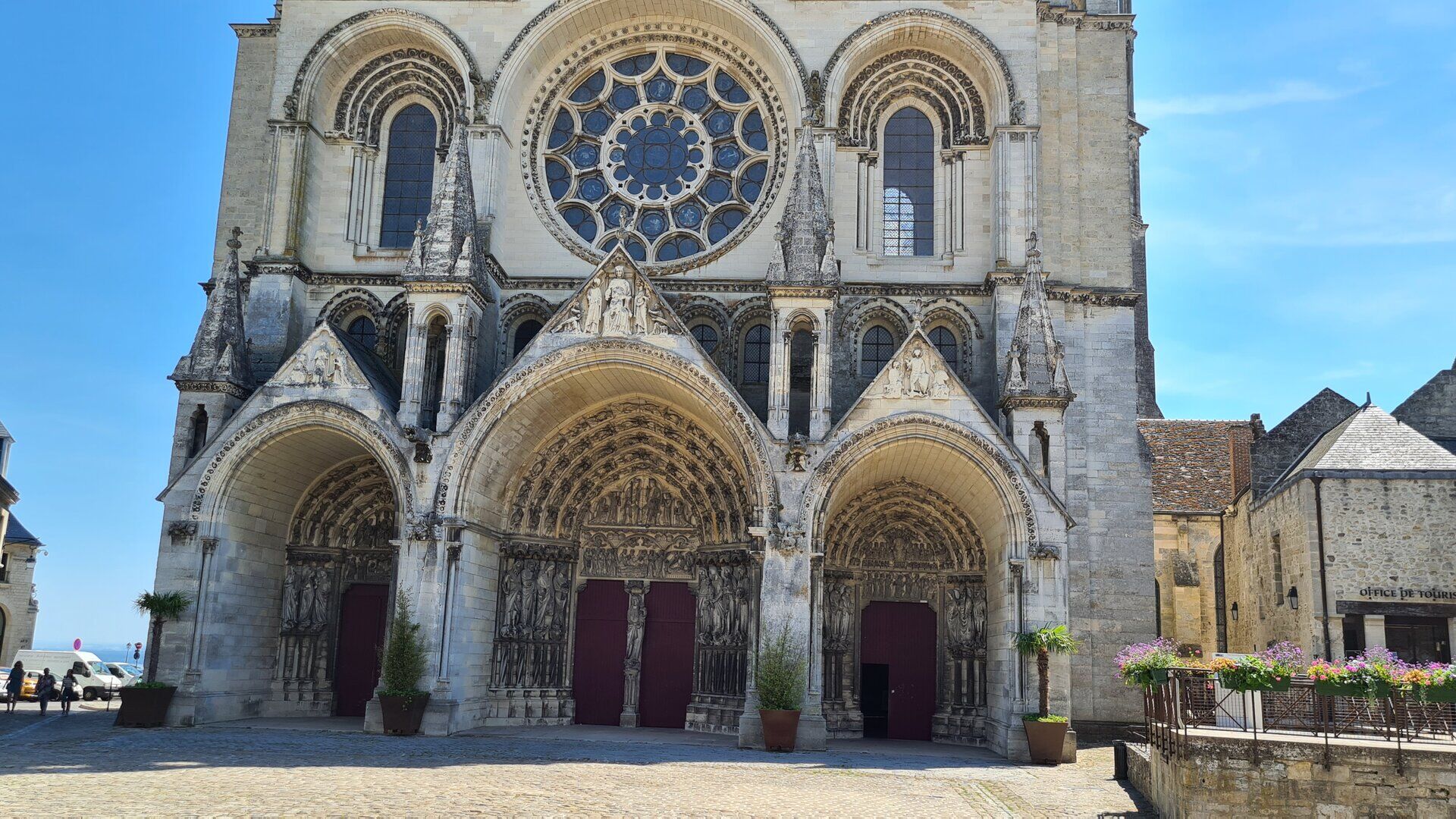



Laon is a historic town located in northern France, in the region of Hauts-de-France. It is set on a prominent limestone hill that rises steeply above the surrounding plains, giving the town a striking and easily recognizable silhouette. This elevated position has shaped Laon’s identity for centuries, making it both a strategic stronghold and a symbolic center of power.
The town is known for its exceptionally well-preserved medieval character. Its old town occupies the hilltop, encircled by walls and accessed by steep roads and ramps, while modern development spreads across the lower town below. Laon’s historic center is compact and walkable, allowing visitors to experience centuries of architecture and urban planning in a concentrated area.
Laon has a temperate climate with cool winters and mild summers. Its location in an agricultural region has historically linked the town to surrounding rural communities. Today, Laon functions as a regional administrative and cultural center, combining everyday life with a strong historical presence.
History
Laon’s history dates back to antiquity, when the hill served as a fortified settlement due to its natural defensive advantages. During the early Middle Ages, Laon became one of the most important towns in northern France and served as a royal center under the early French kings.
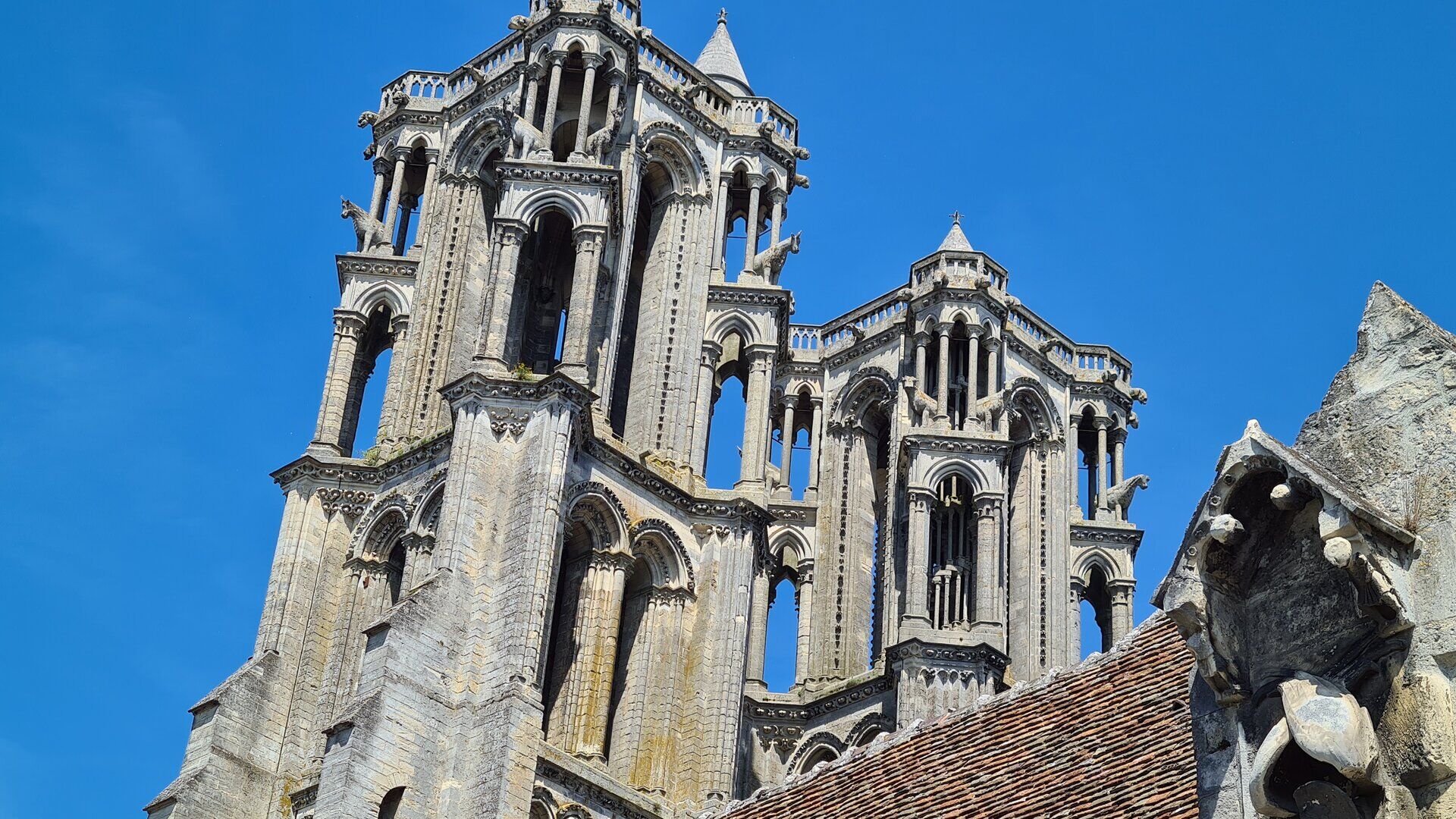
In the 12th and 13th centuries, Laon reached its height of influence. The town developed into a major ecclesiastical center, reflected in the construction of its cathedral and numerous religious buildings. During this period, Laon was also known for its communal movement, as citizens sought greater autonomy from feudal and ecclesiastical authorities.
Over the following centuries, Laon’s political importance declined, but its medieval core remained largely intact. The town experienced periods of hardship, including conflict and economic change, yet avoided large-scale destruction. This continuity allowed Laon to preserve its historic urban fabric into the modern era.
Geology
Laon is built on a limestone plateau, part of the geological formations that characterize much of northern France. The hill on which the old town stands is composed mainly of sedimentary limestone, formed millions of years ago when the region was covered by shallow seas.
This limestone foundation provided both a defensive advantage and a valuable building material. Stone quarried from the hill was used to construct Laon’s walls, cathedral, and houses, contributing to the visual unity of the historic town.
Erosion shaped the steep slopes around the hill, accentuating Laon’s elevated position. The geology of the area continues to influence land use, architecture, and the town’s relationship with its surrounding landscape.
Landscape and Urban Environment
Laon’s urban environment is defined by its dramatic topography. The hilltop old town offers panoramic views across the surrounding plains, reinforcing its historic role as a place of oversight and control. Narrow streets, stone buildings, and enclosed spaces characterize the upper town.
Green spaces, gardens, and tree-lined promenades soften the town’s defensive architecture. The contrast between the compact historic center and the more open lower town reflects centuries of urban evolution.
The surrounding countryside is largely agricultural, creating a clear visual and functional distinction between the fortified town and its rural hinterland.
Things to See
Laon offers a rich selection of historical and cultural highlights:
Historic Architecture
- Medieval walls and gates surrounding the old town
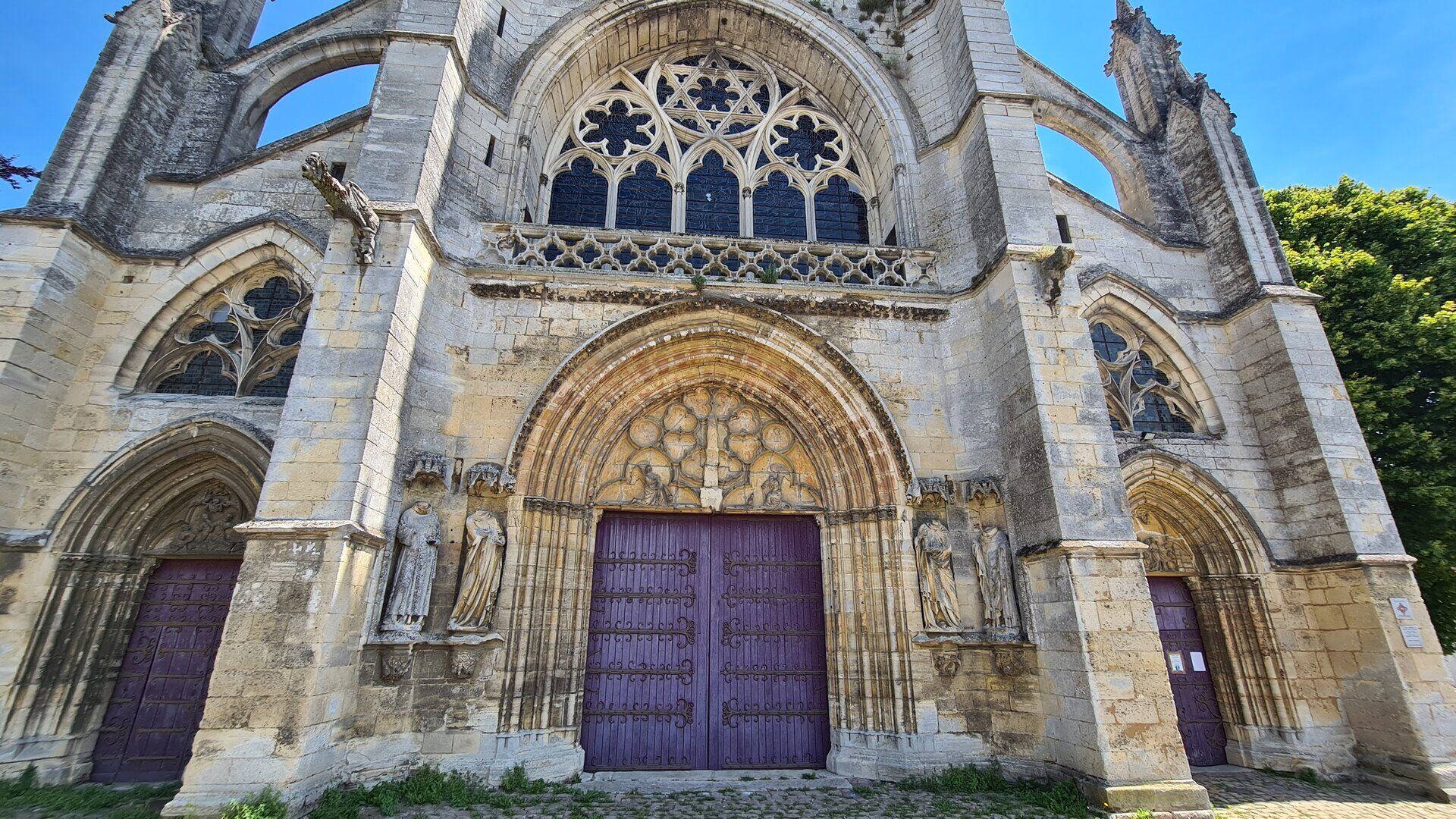
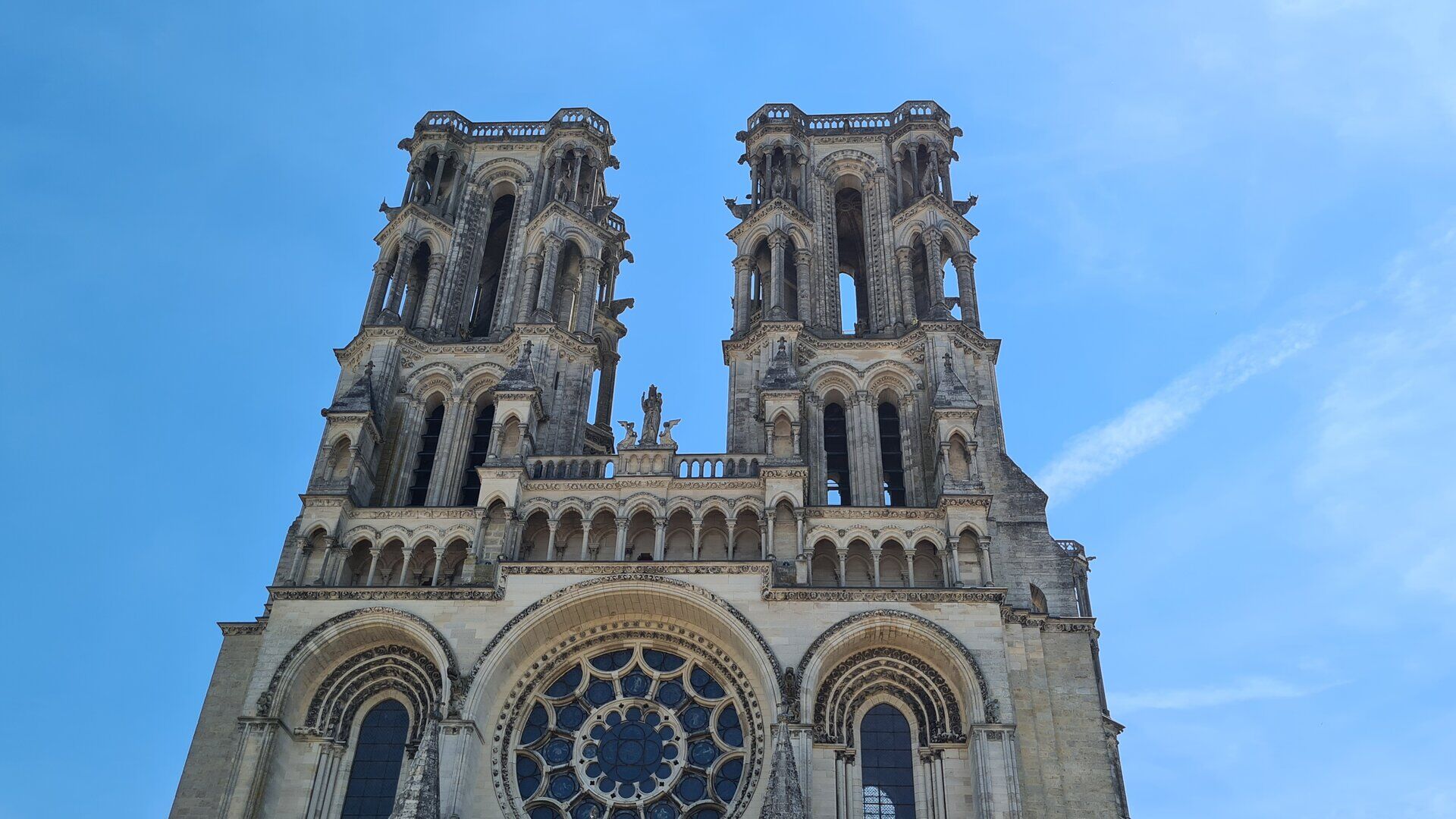
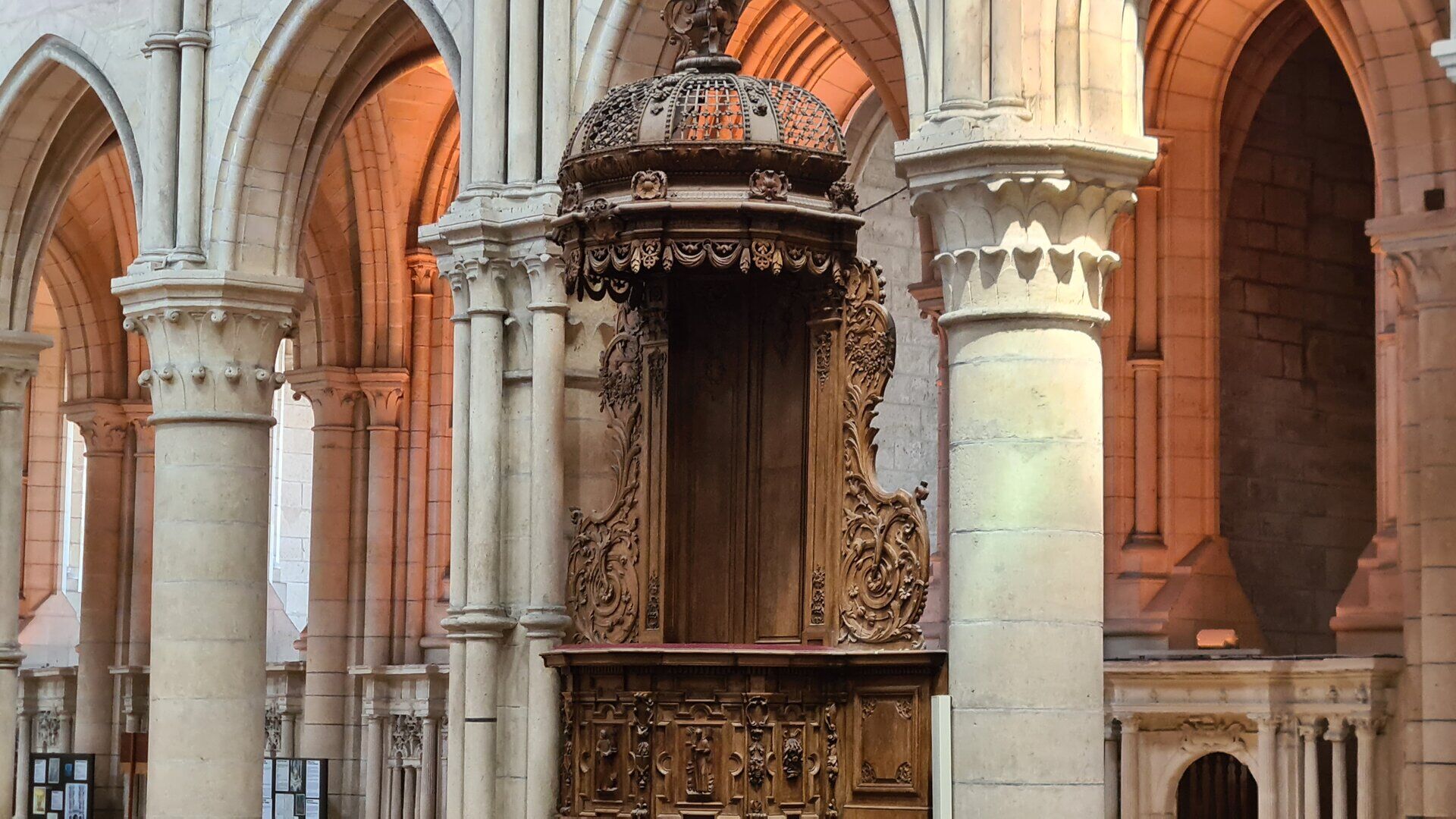
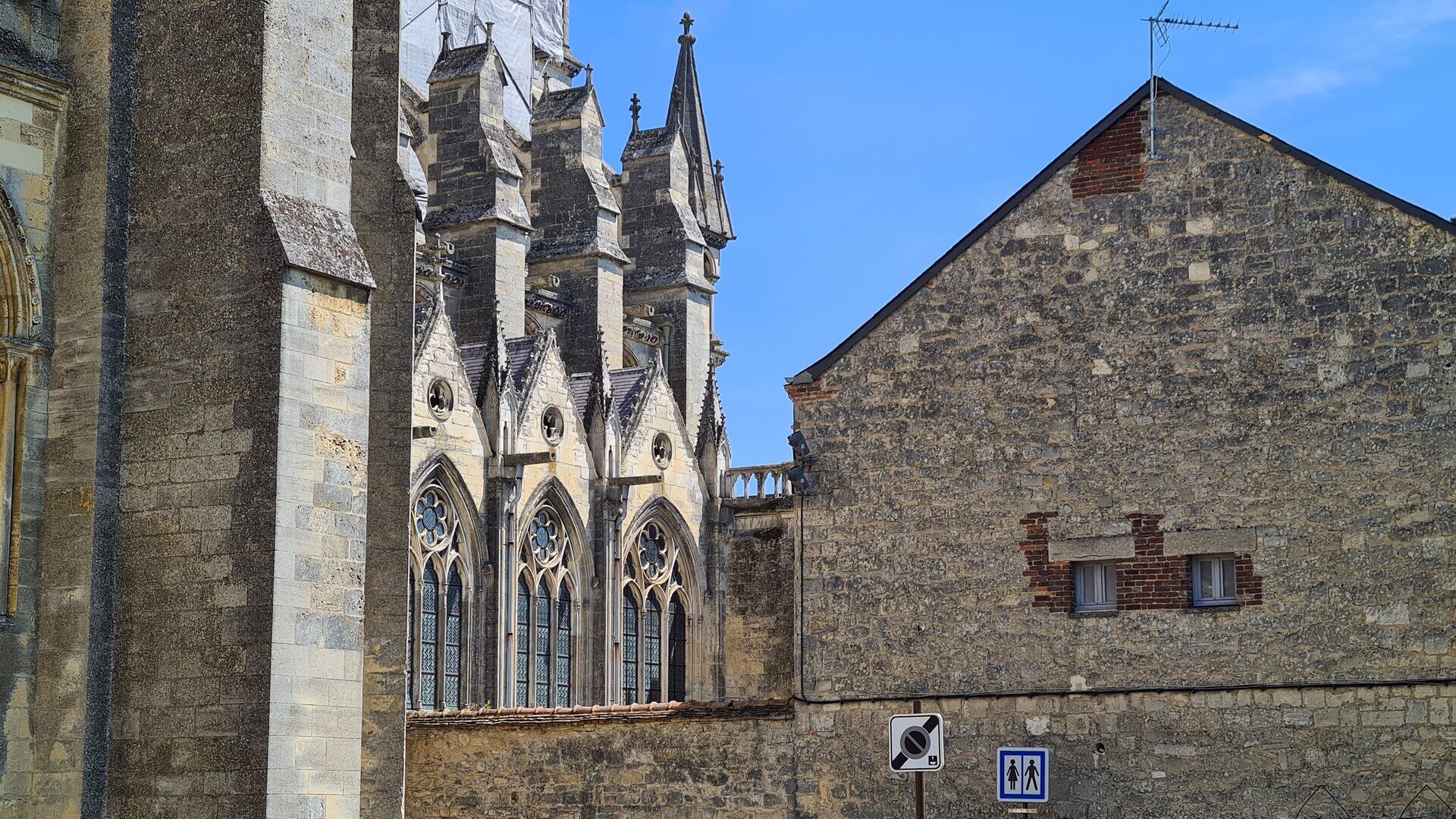
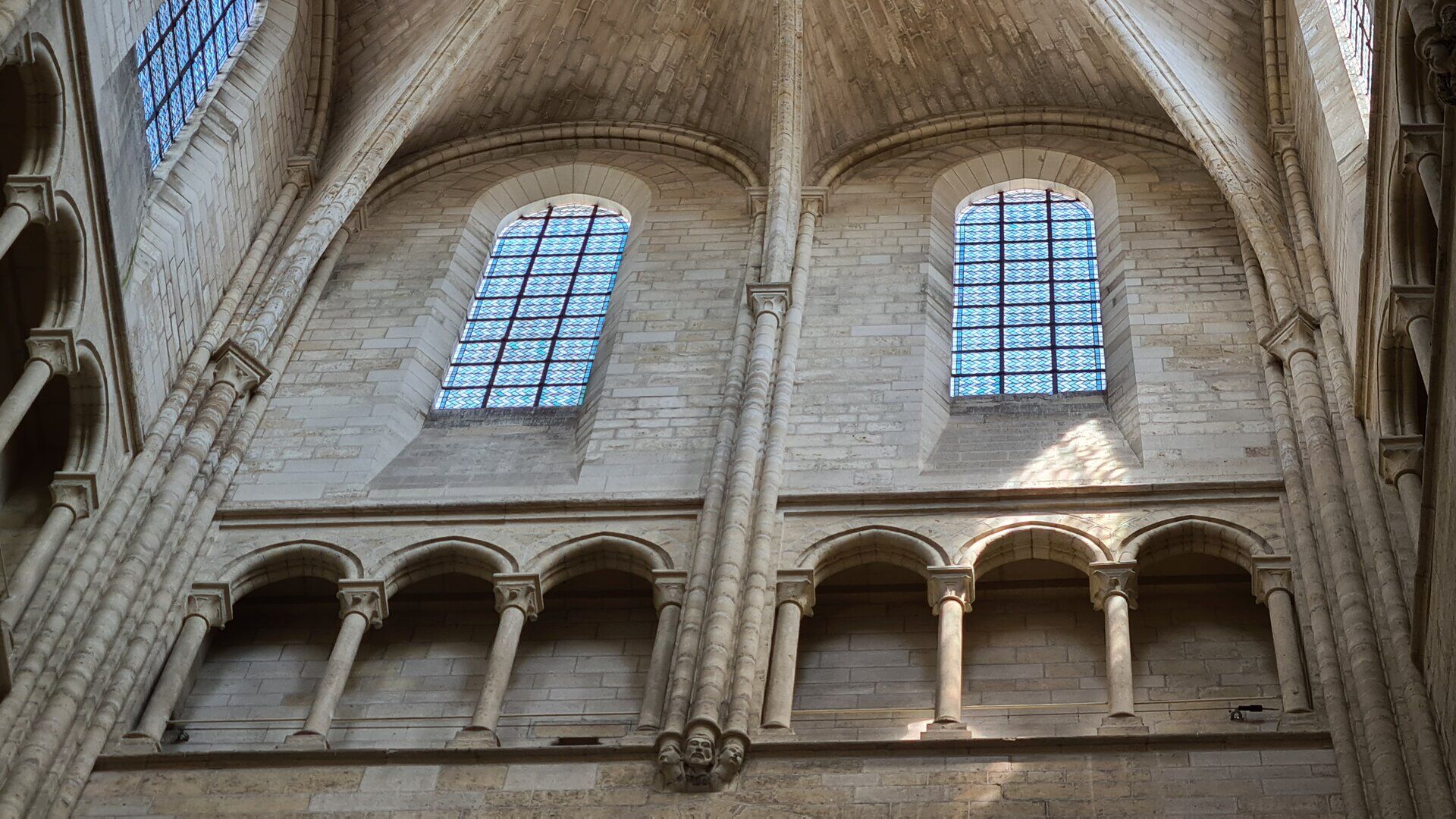
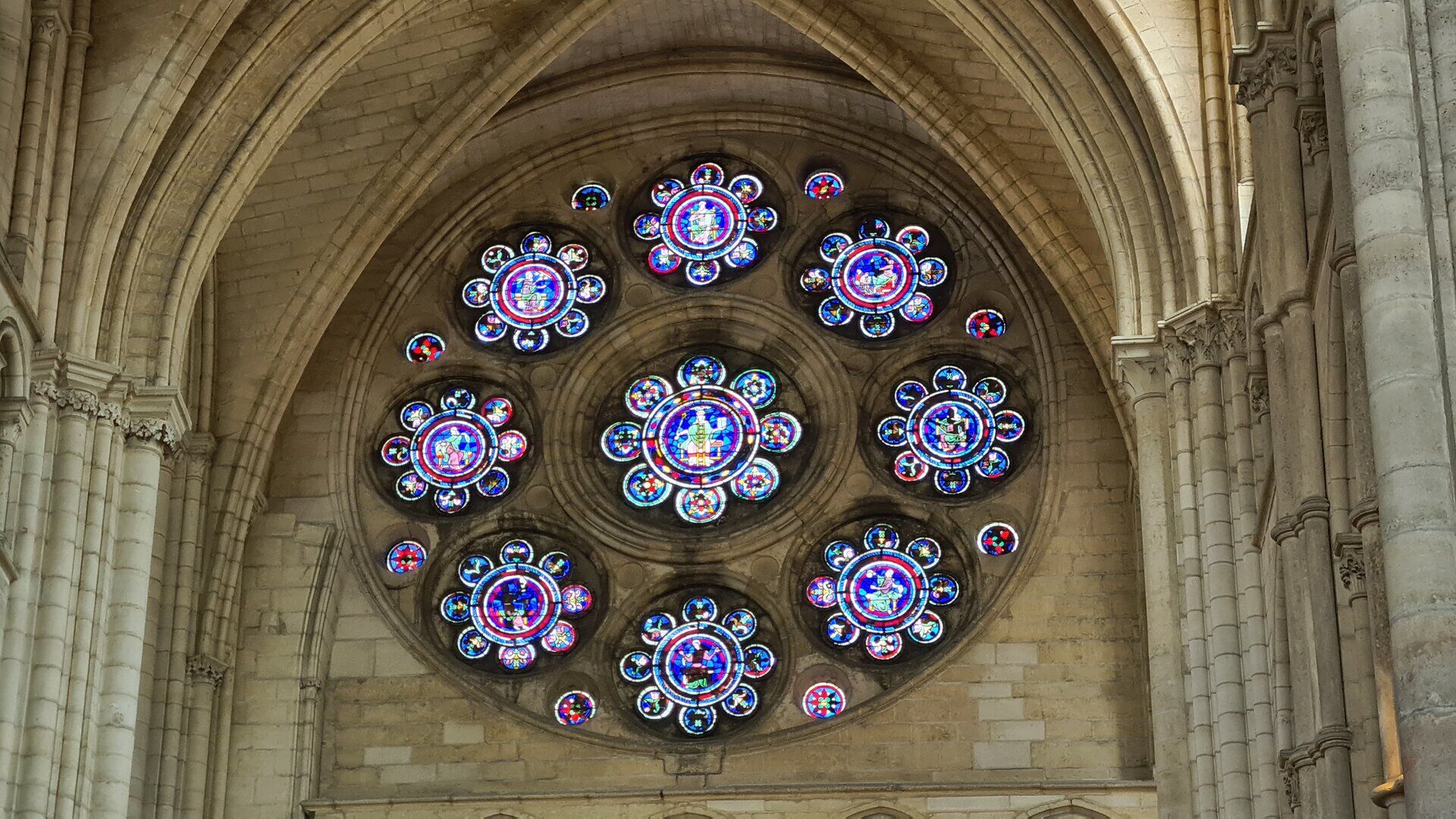
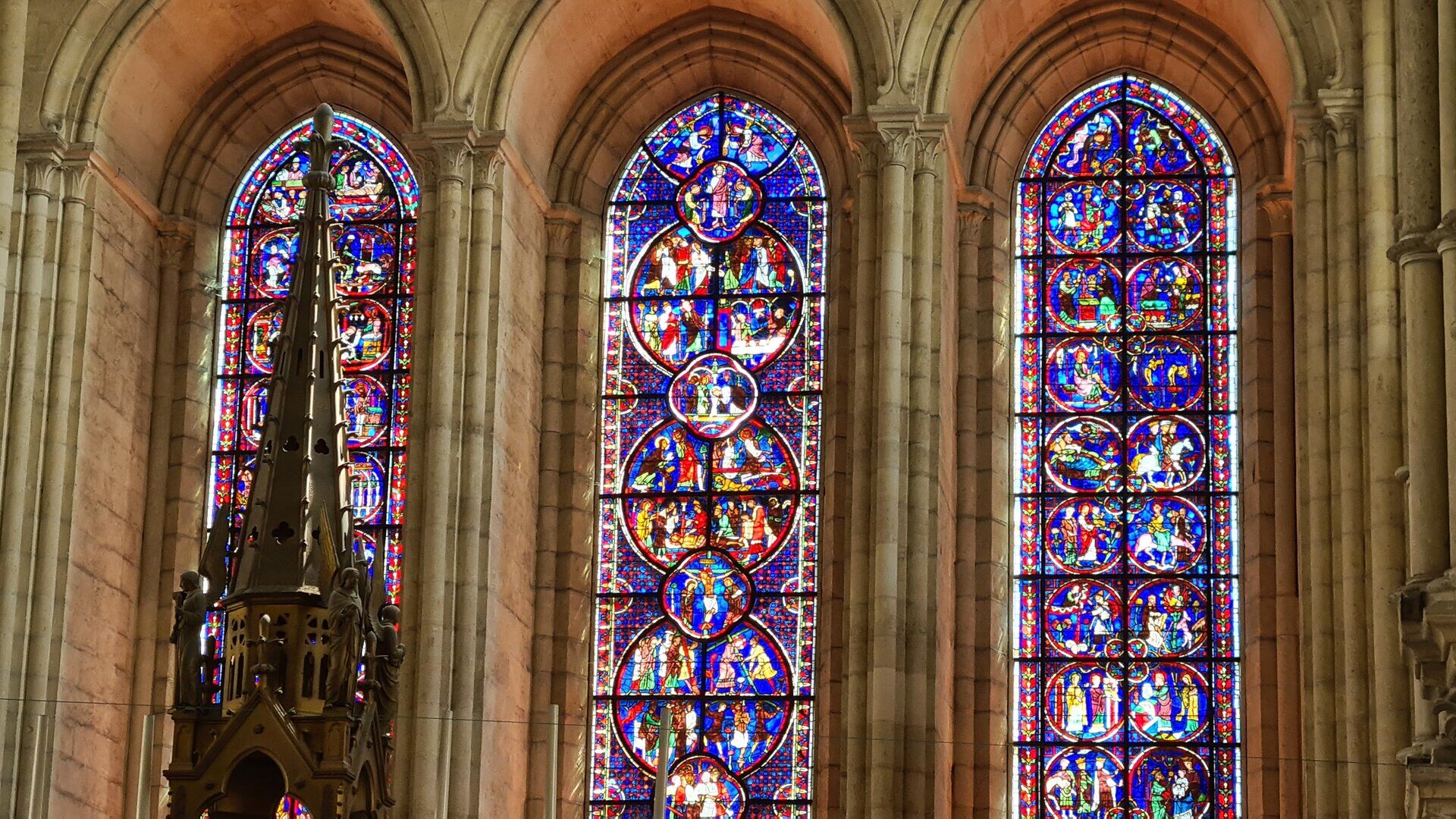
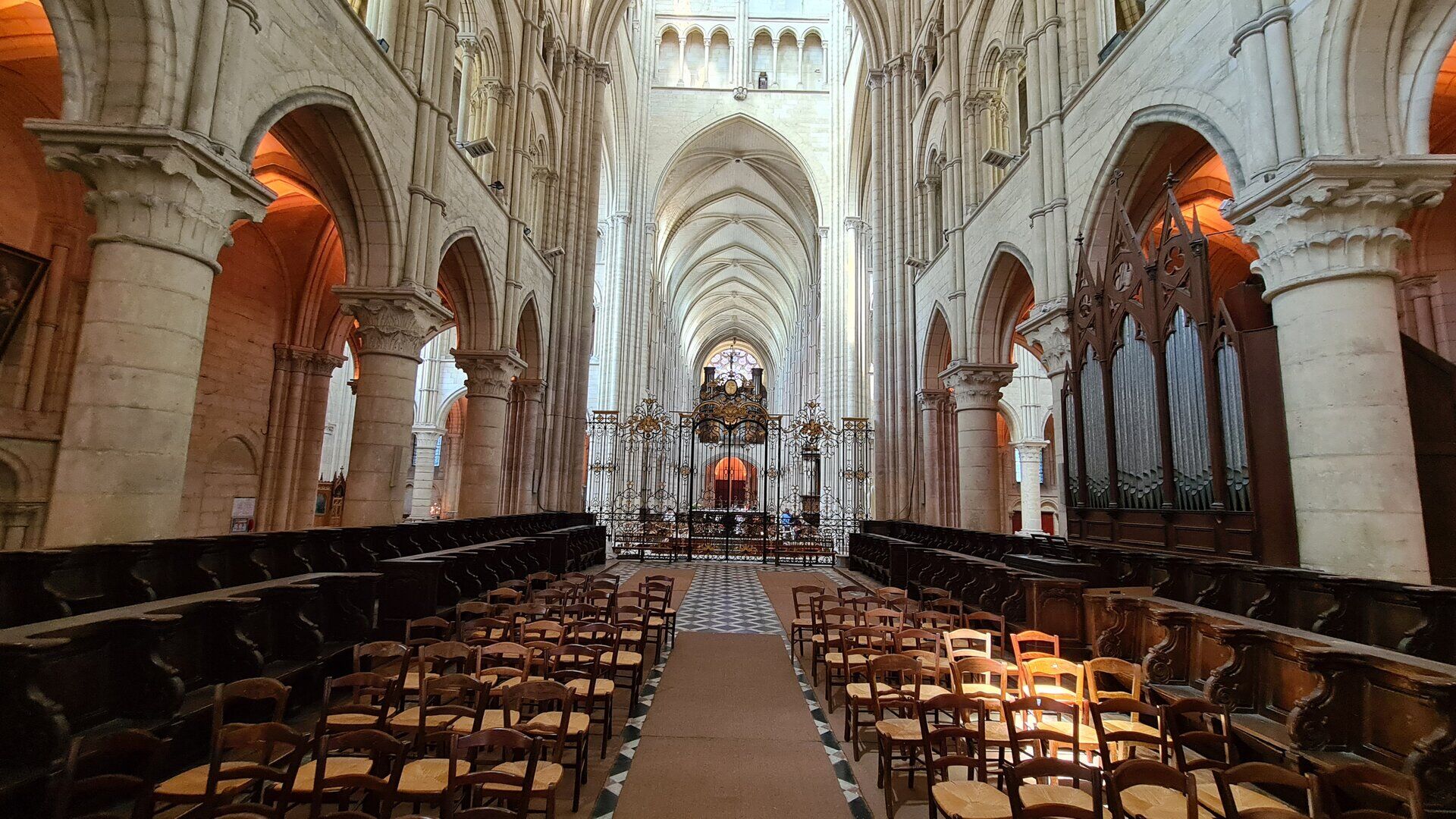
- Romanesque and Gothic religious buildings
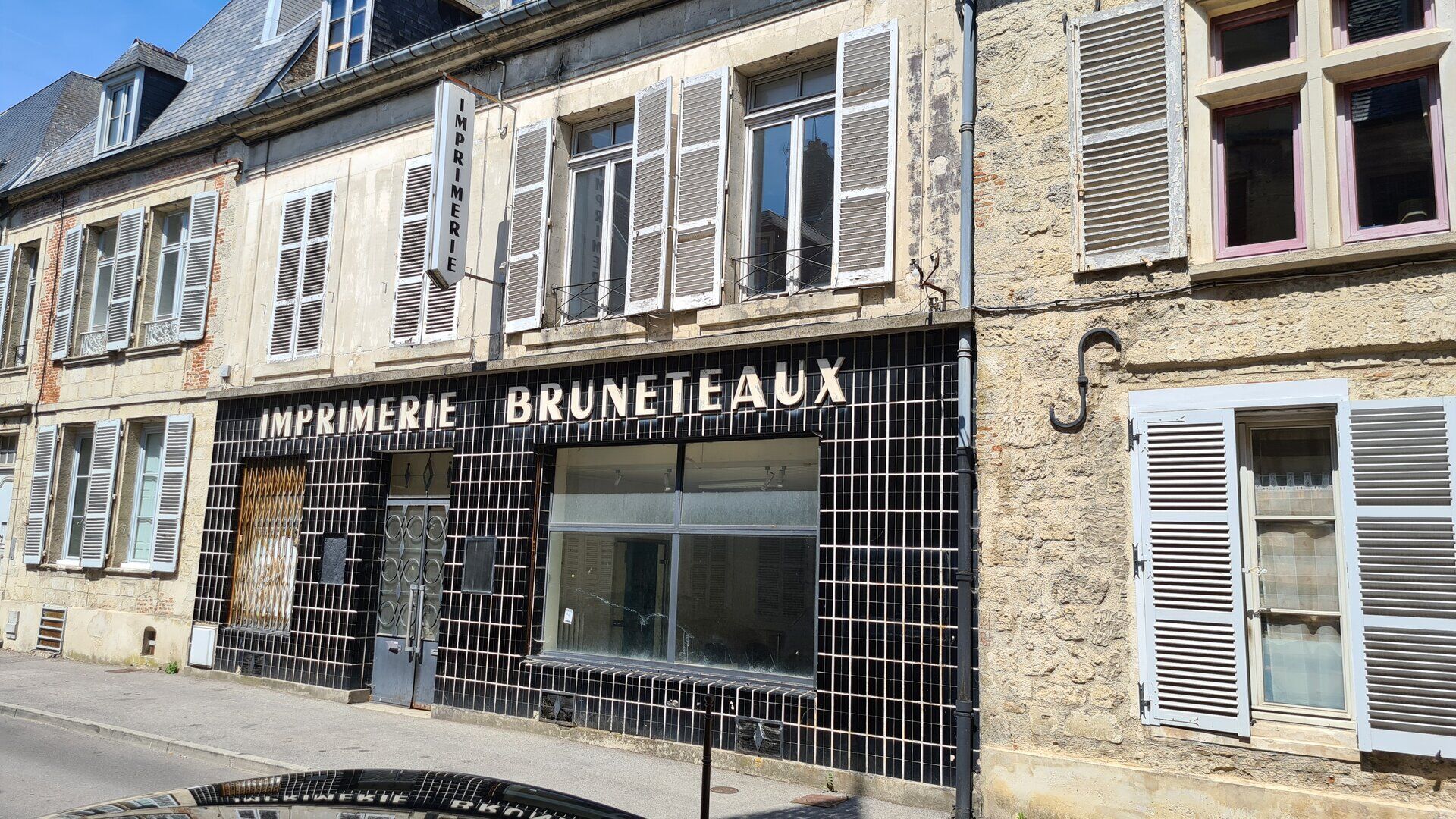
- Stone houses and narrow medieval streets
Religious and Cultural Sites
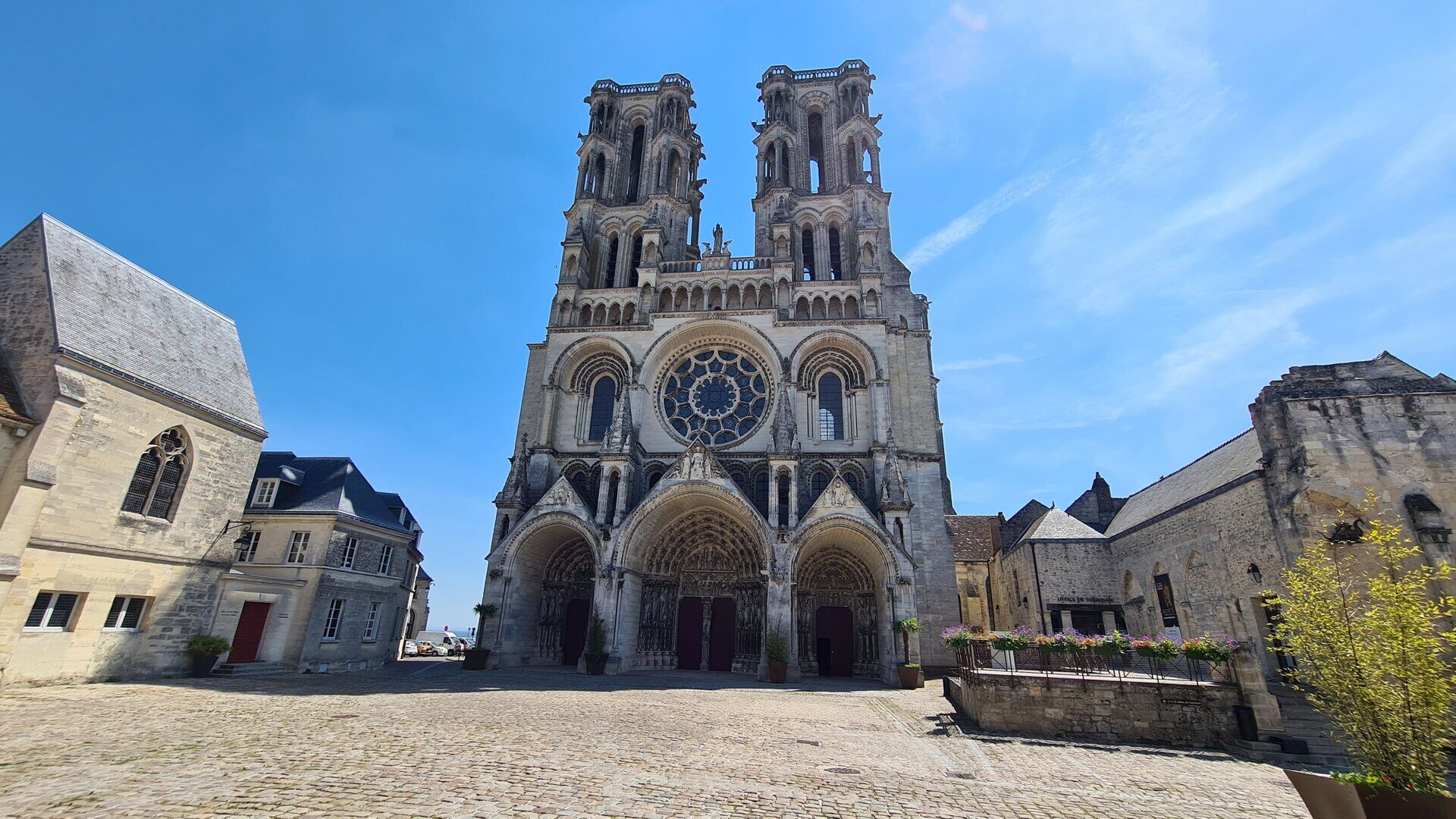
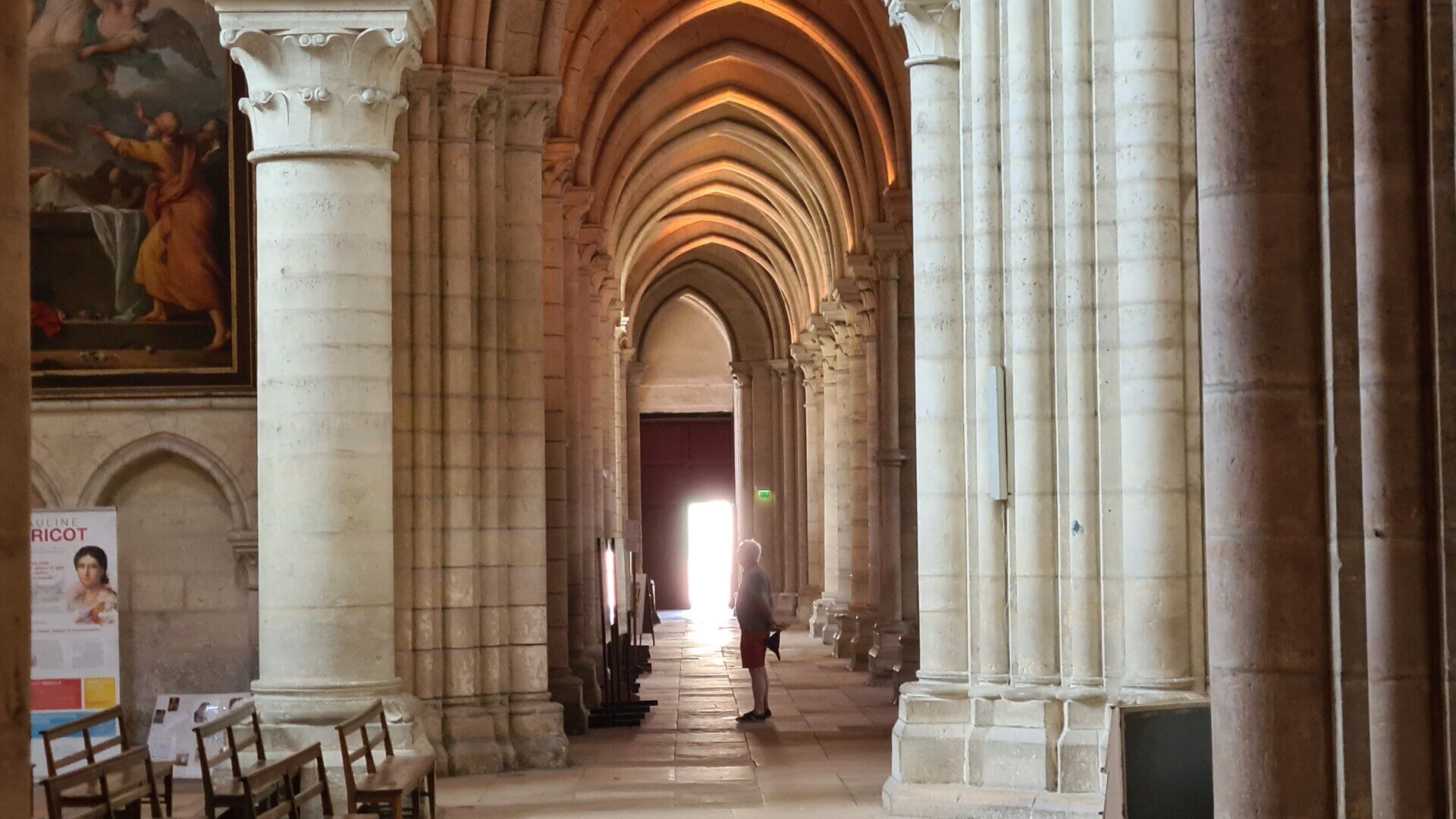
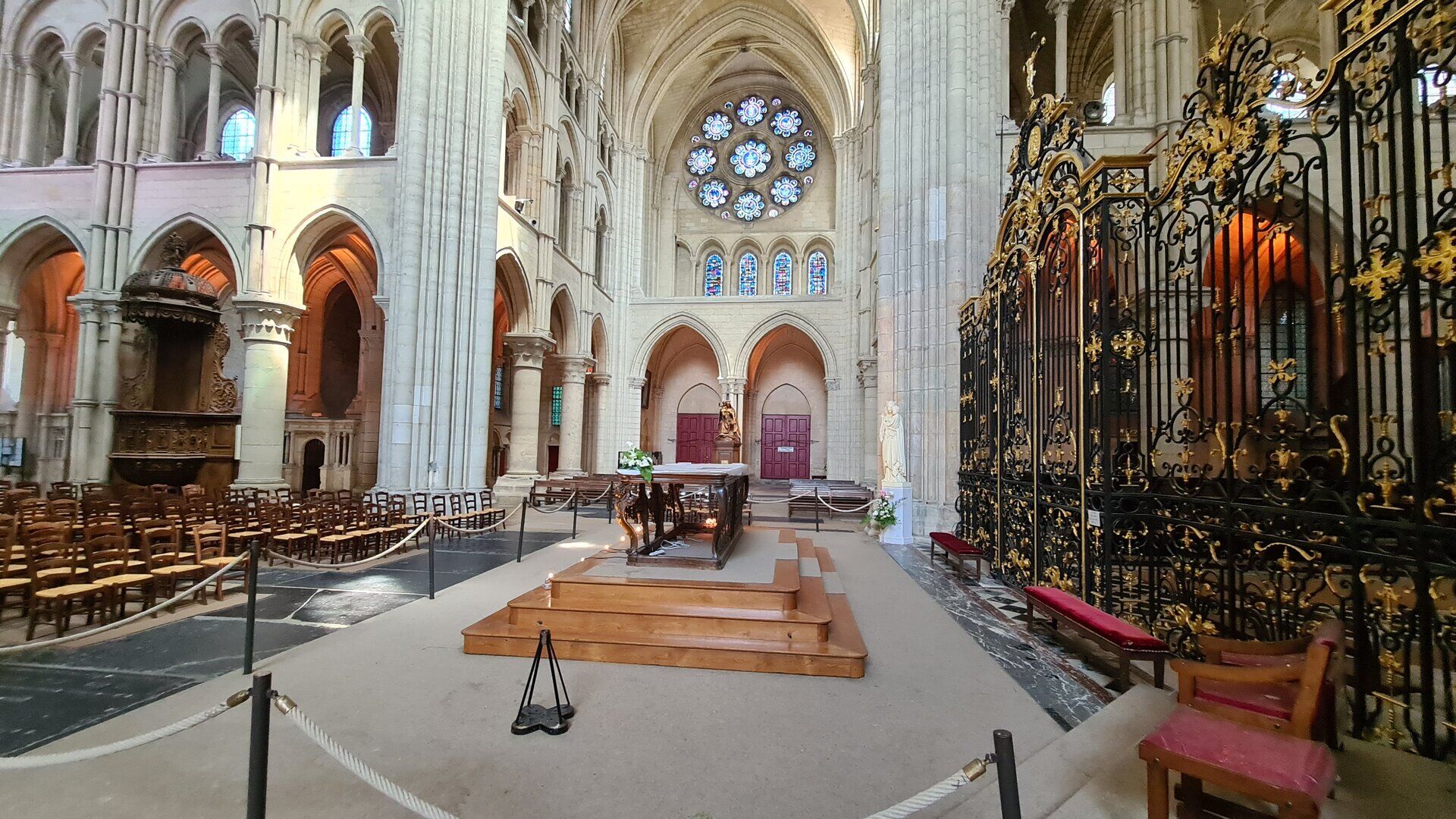
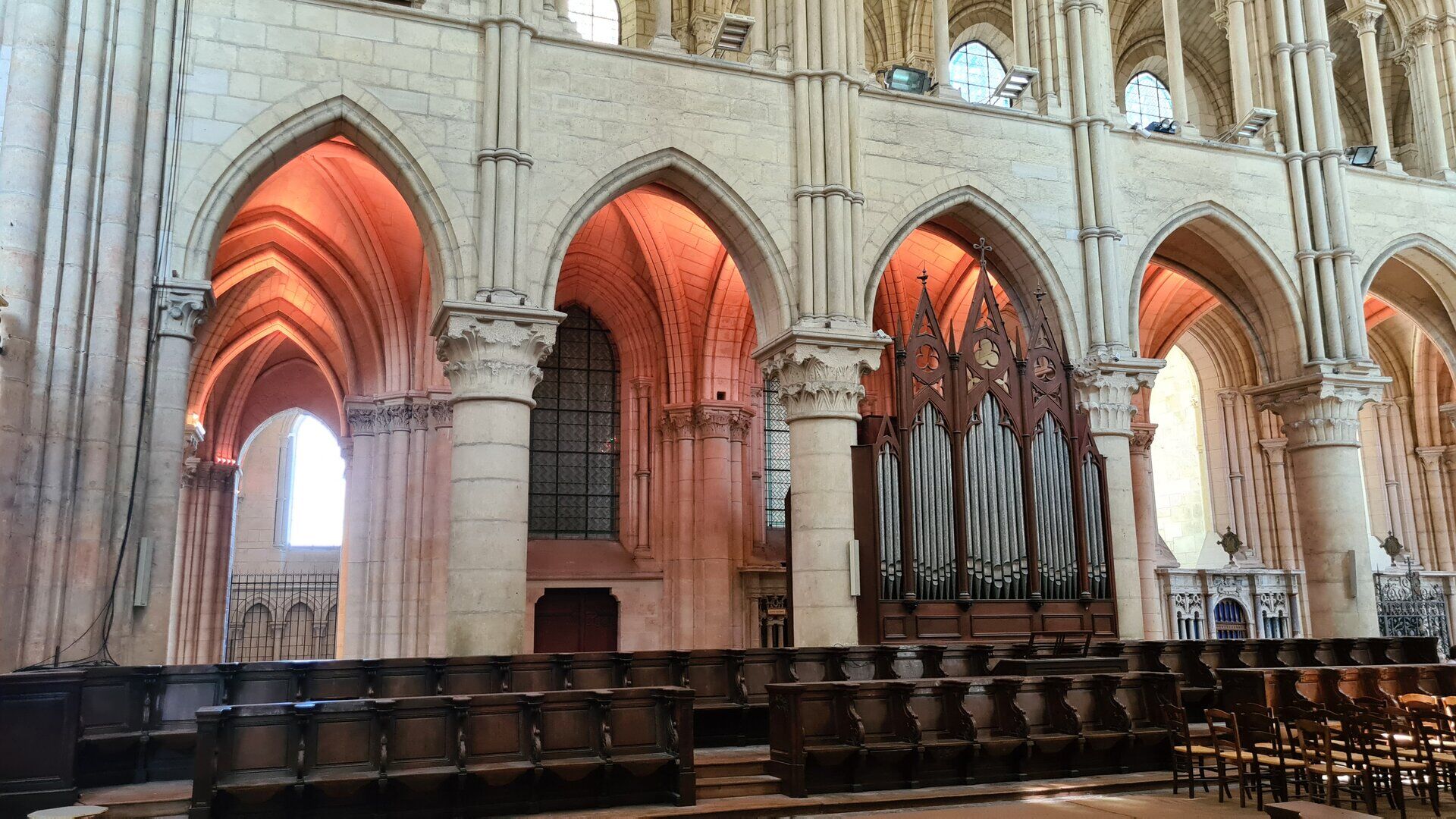
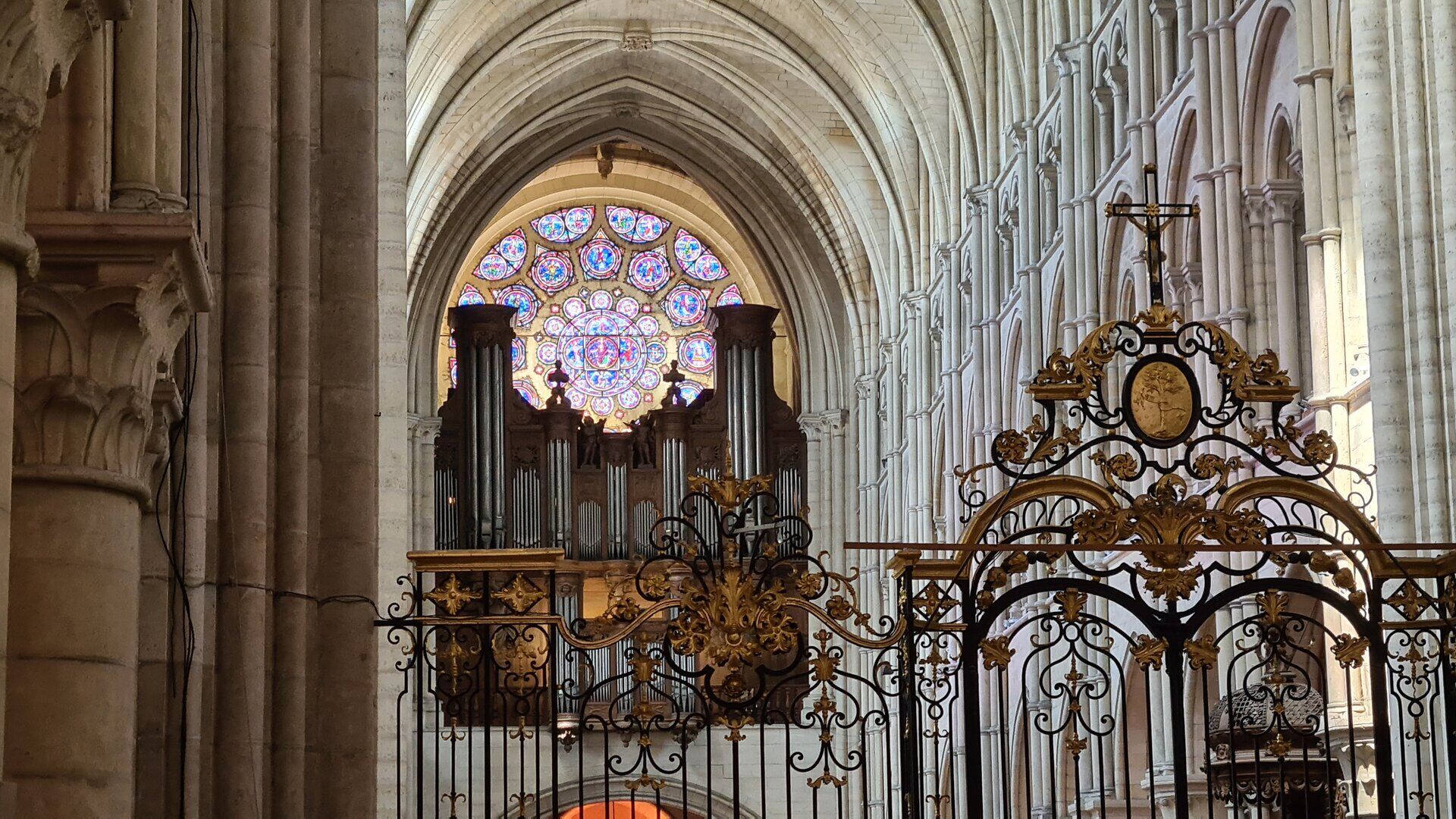
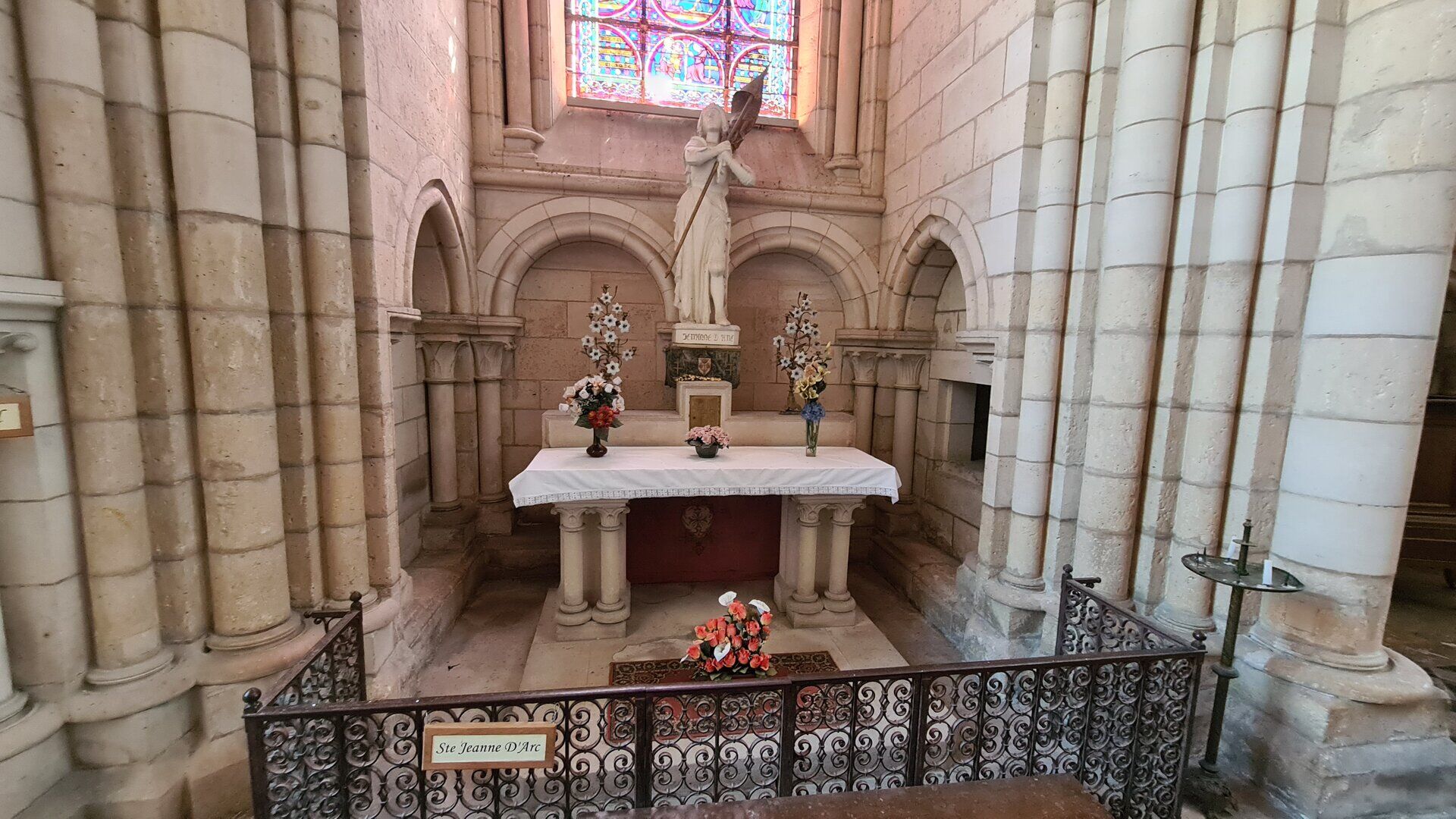
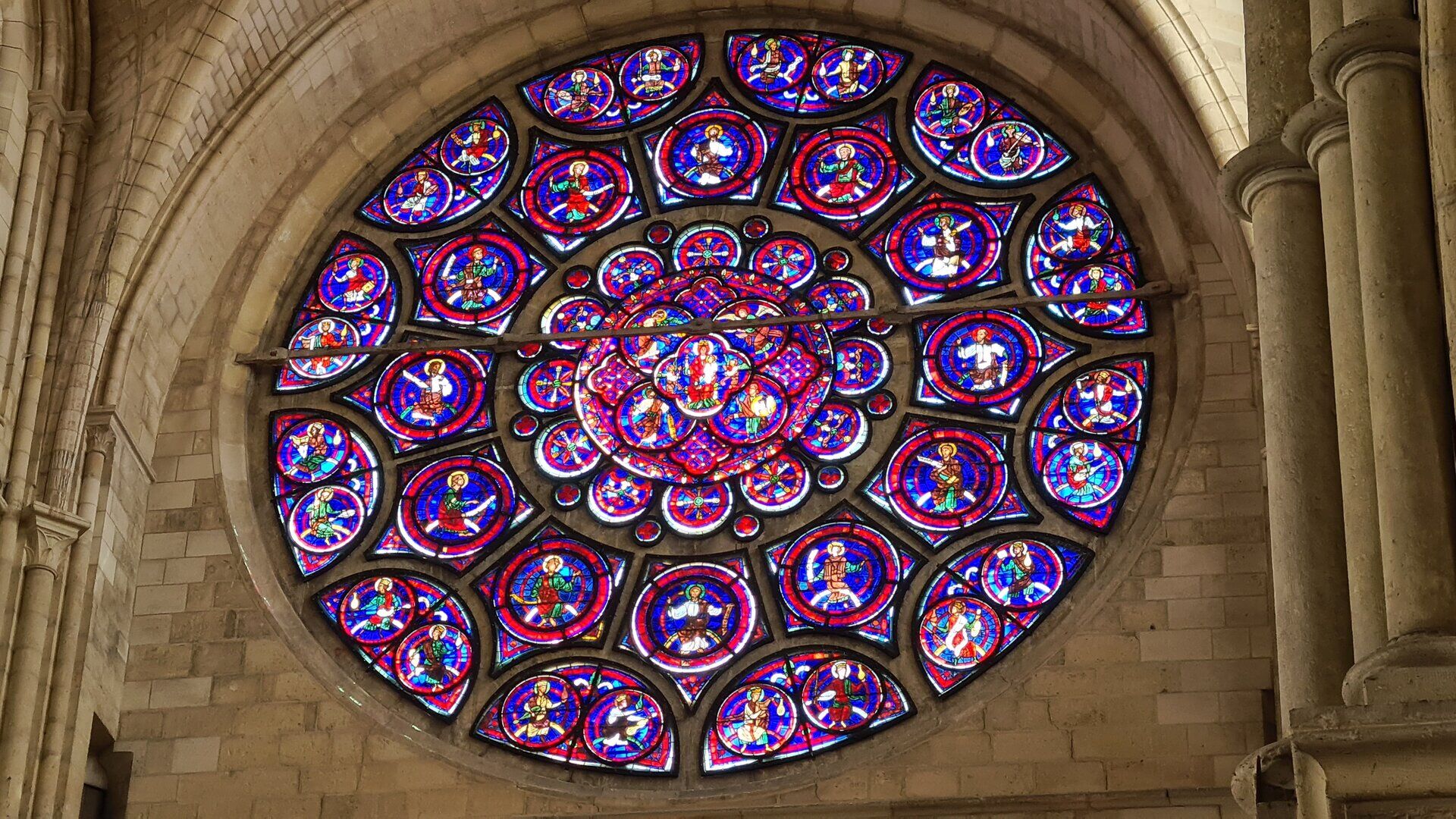
- A major cathedral dominating the skyline
- Former abbeys and ecclesiastical complexes
- Museums dedicated to regional history
Views and Urban Spaces
- Panoramic viewpoints over the plains
- Public squares and quiet courtyards
- Elevated walkways along the town walls
Experience and Character
Laon is defined by elevation, enclosure, and continuity. Its hilltop setting creates a sense of separation from the modern world, while the preserved medieval streets invite slow exploration. The town offers a quieter and more contemplative experience than larger historic cities.
The relationship between landscape, architecture, and history is especially clear in Laon. The town’s form reflects centuries of adaptation to its physical setting and political role. Laon remains a powerful example of medieval urban planning preserved within a living community.