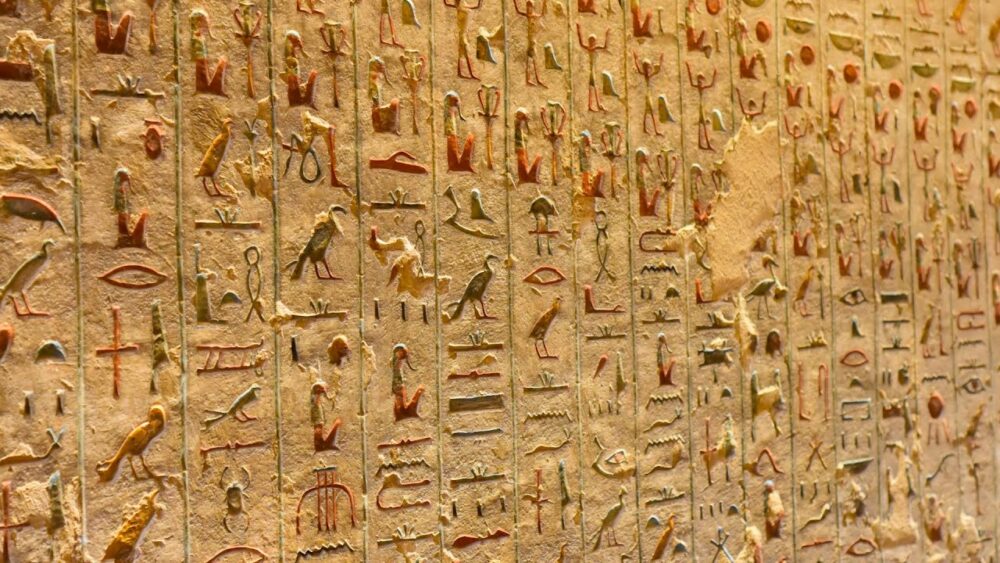
The Valley of the Kings and the Valley of the Queens are two of the most important archaeological sites in Egypt, both located on the west bank of the Nile near Luxor, the ancient city of Thebes. Together, they represent the pinnacle of New Kingdom burial traditions, spanning roughly from the 16th to the 11th centuries BCE. While the Valley of the Kings served as the burial place of Egypt’s most powerful pharaohs, the Valley of the Queens was dedicated to royal wives, princesses, and princes. Both valleys provide invaluable insight into Egyptian art, religion, and beliefs about the afterlife, and they remain among the most visited sites in the world.
The Valley of the Kings was chosen as the royal necropolis for the rulers of the 18th, 19th, and 20th Dynasties. Instead of monumental pyramids, which had been vulnerable to tomb robbers, the New Kingdom pharaohs opted for hidden tombs cut deep into the limestone cliffs of the desert valley. This shift reflected both practical concerns for security and the evolution of religious thought, particularly the belief in a more secret, symbolic journey to the afterlife. More than 60 tombs have been discovered in the valley, ranging from simple pits to vast, multi-chambered complexes richly decorated with scenes from the Book of the Dead, the Amduat, and other funerary texts.
Among the most famous tombs is that of Tutankhamun (KV62), discovered in 1922 by Howard Carter. Although a relatively small tomb compared to those of greater pharaohs, its nearly intact treasures—golden shrines, jewelry, chariots, and the world-famous golden death mask—captured the world’s imagination and remain symbols of ancient Egypt today. Other significant tombs include those of Seti I, with its intricately painted corridors, and Ramses VI, whose ceilings are adorned with spectacular astronomical scenes. Each tomb was not only a burial chamber but also a symbolic passage, guiding the king through the dangers of the underworld toward rebirth with the sun god Ra and eternal union with Osiris, the god of the dead.
The Valley of the Queens, situated a short distance southwest of the Valley of the Kings, served a similar purpose but for royal women and children. Over 90 tombs have been found here, belonging mainly to the wives and offspring of pharaohs from the same dynasties. The valley’s most celebrated tomb is that of Queen Nefertari, the Great Royal Wife of Ramses II. Discovered in 1904, Nefertari’s tomb is considered the most beautifully decorated in Egypt, with brilliantly preserved paintings depicting the queen in graceful poses, playing games, making offerings, and being welcomed by the gods. The vibrant reds, blues, and yellows on the walls remain astonishing even after more than 3,000 years, testifying to the skill of New Kingdom artisans.
Unlike the Valley of the Kings, many tombs in the Valley of the Queens were left unfinished or are far more modest in design. Yet they hold great importance for understanding the role of queens and royal children in Egyptian society. Queens were seen not only as companions of the pharaoh but also as powerful intercessors with the gods and participants in divine rituals. The tombs reflect these roles, often emphasizing themes of beauty, motherhood, and divine protection.
Both valleys have faced challenges over the centuries. Tomb robbery was rampant in antiquity, with most treasures long plundered by the time modern archaeologists arrived. Natural forces have also taken their toll: flash floods, earthquakes, and the slow but steady damage from salt crystallization and human visitation threaten the delicate wall paintings. Today, Egyptian authorities and international teams work intensively to preserve these monuments through conservation projects, limiting tourist numbers in some tombs and using technology to create detailed replicas for visitors.
Together, the Valley of the Kings and the Valley of the Queens form a monumental landscape of death, but also of hope. They reflect the Egyptian conviction that life continued after death in a perfected, divine form. The tombs were more than resting places—they were carefully constructed cosmic gateways designed to ensure safe passage to eternity. Modern visitors who descend into the cool, painted corridors can still sense the awe these places inspired in antiquity. As part of the UNESCO World Heritage Site of Ancient Thebes with its Necropolis, the valleys remain not just archaeological treasures but also timeless reminders of humanity’s quest for immortality.