



Vancouver is a major coastal city located in the province of British Columbia on Canada’s west coast. It lies between the Pacific Ocean and the Coast Mountains, creating a setting where urban development, forested slopes, and ocean landscapes exist in close proximity. Vancouver is one of Canada’s most internationally recognized cities and functions as a key economic, cultural, and transport hub for the Pacific region.
The city is part of the larger Metro Vancouver area, which includes surrounding municipalities and suburban communities. Vancouver itself has a relatively compact urban core, with high-density development balanced by extensive parks, waterfront areas, and protected natural spaces. Its location contributes strongly to the city’s identity and lifestyle.
Vancouver has a mild oceanic climate compared to much of Canada, with wet winters and relatively dry summers. This climate supports year-round outdoor activity and contributes to the region’s lush vegetation. The local economy is diverse, including trade, technology, film and television production, tourism, education, and port-related industries.
History
The Vancouver area has a long Indigenous history, with the land traditionally belonging to the Musqueam, Squamish, and Tsleil-Waututh First Nations. These communities lived along the coast and river systems for thousands of years, relying on fishing, trade, and seasonal movement. Indigenous culture remains an important part of the city’s identity today.
European settlement expanded in the mid-19th century, driven by resource extraction, trade, and the establishment of transport links. The completion of the Canadian Pacific Railway in the late 1800s marked a turning point, connecting Vancouver to eastern Canada and accelerating its growth as a port city.
Throughout the 20th century, Vancouver developed into a multicultural metropolis shaped by immigration from Asia, Europe, and other parts of the world. Its history reflects both colonial foundations and ongoing efforts to recognize and integrate Indigenous perspectives.
Geology and Natural Setting
Vancouver’s landscape is defined by the interaction of mountains, ocean, and river systems. The Coast Mountains rise immediately to the north of the city, while the Fraser River delta extends to the south and east. This geography creates strong visual contrasts and influences urban form.
The region’s geology was shaped by glacial activity during the last ice age. Retreating glaciers carved valleys, deposited sediments, and shaped coastlines. These processes created fertile lowlands, forested slopes, and sheltered waterways.
Vancouver’s shoreline includes bays, inlets, and beaches, while nearby fjords and deep-water channels connect the city to the Pacific. The surrounding natural environment plays a critical role in climate moderation and ecosystem diversity.
Urban Structure and Green Spaces
Vancouver is known for integrating green spaces into its urban fabric. Large parks, waterfront paths, and urban forests are distributed throughout the city, providing residents with easy access to nature. Stanley Park, one of the largest urban parks in North America, forms a forested peninsula adjacent to the downtown core.
The city’s urban planning emphasizes density in central areas, with high-rise residential towers surrounded by lower-density neighborhoods. This approach aims to limit urban sprawl while preserving surrounding natural landscapes and agricultural land.
Waterfront redevelopment has transformed former industrial areas into mixed-use neighborhoods with residential, commercial, and recreational spaces. Public access to the shoreline remains a key planning principle.
Coastal and Mountain Lifestyle
Vancouver’s lifestyle is strongly influenced by its natural surroundings. Outdoor activities such as hiking, skiing, cycling, kayaking, and sailing are accessible within short travel times from the city center. The mountains provide winter sports opportunities, while the ocean supports water-based recreation.
Beaches along English Bay, Kitsilano, and Spanish Banks offer views of mountains and ocean, creating a distinctive urban-coastal experience. Seasonal changes shape recreational patterns, with snow sports in winter and beach activities in summer.
This connection to nature contributes to Vancouver’s reputation for quality of life and environmental awareness.
Economy and Global Connections
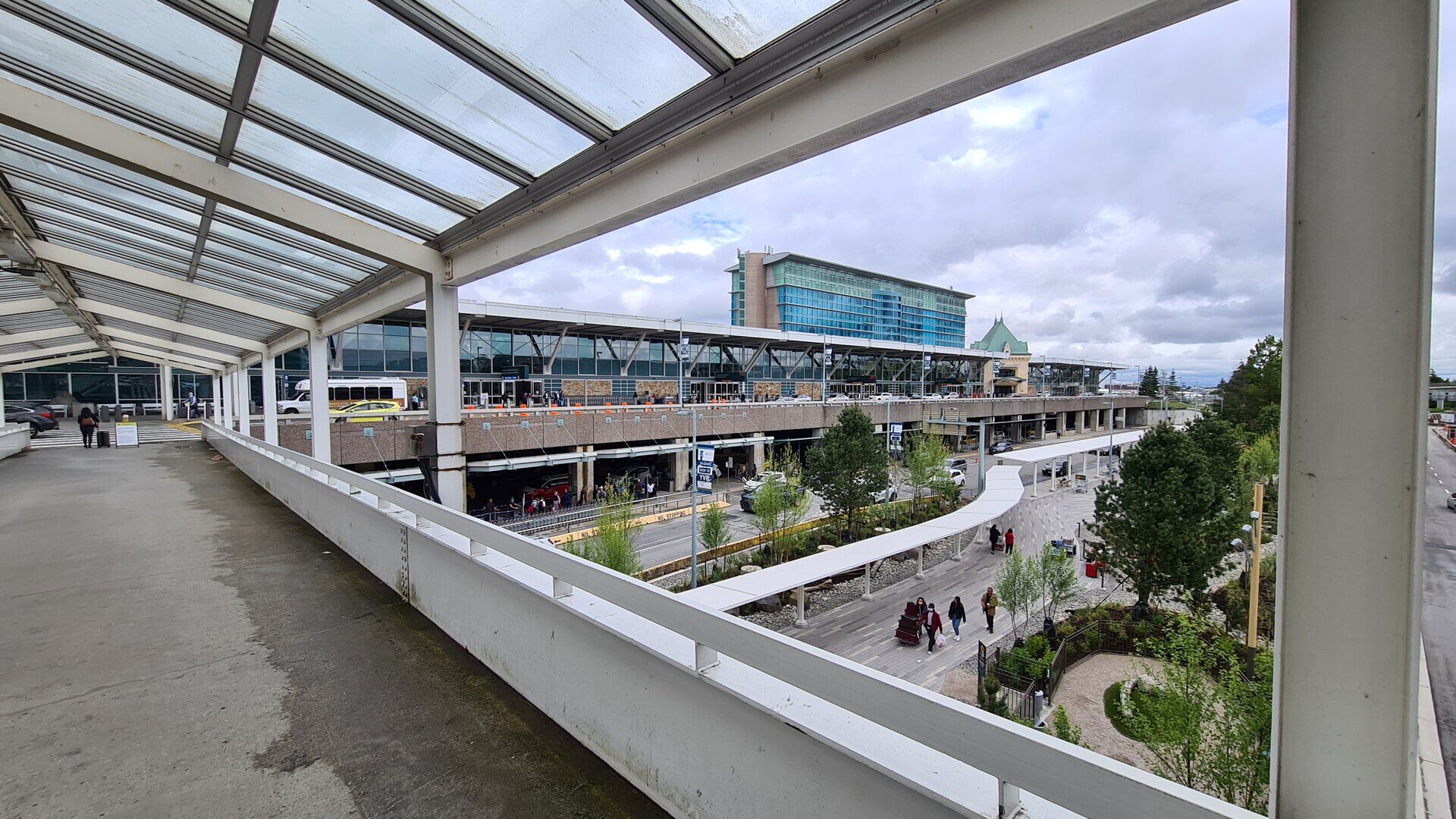
Vancouver is one of Canada’s most important port cities, with the Port of Vancouver serving as the country’s largest and connecting Canada to Asia-Pacific trade routes. The city’s airport supports extensive international travel and reinforces Vancouver’s role as a global gateway.
Key industries include film and television production, technology, tourism, education, and professional services. Vancouver’s multicultural population supports international business links and cultural exchange.
Experience and Character
Vancouver is often described as a city where nature and urban life are closely intertwined. The presence of mountains, forests, and water within the city limits shapes daily routines and long-term planning. This balance attracts residents and visitors seeking both metropolitan amenities and access to outdoor environments.
The city’s character is shaped by diversity, environmental awareness, and its Pacific orientation. Vancouver serves as a bridge between Canada and the wider Pacific world, both geographically and culturally.