
Southern Queensland: Landscape, History and Geology
Southern Queensland is one of Australia’s most diverse and dynamic regions, offering a rich blend of natural beauty, cultural history, and geological significance. From subtropical coastlines and ancient rainforests to inland agricultural plains, this part of Queensland is as varied in its landscapes as it is in its stories.


General Overview
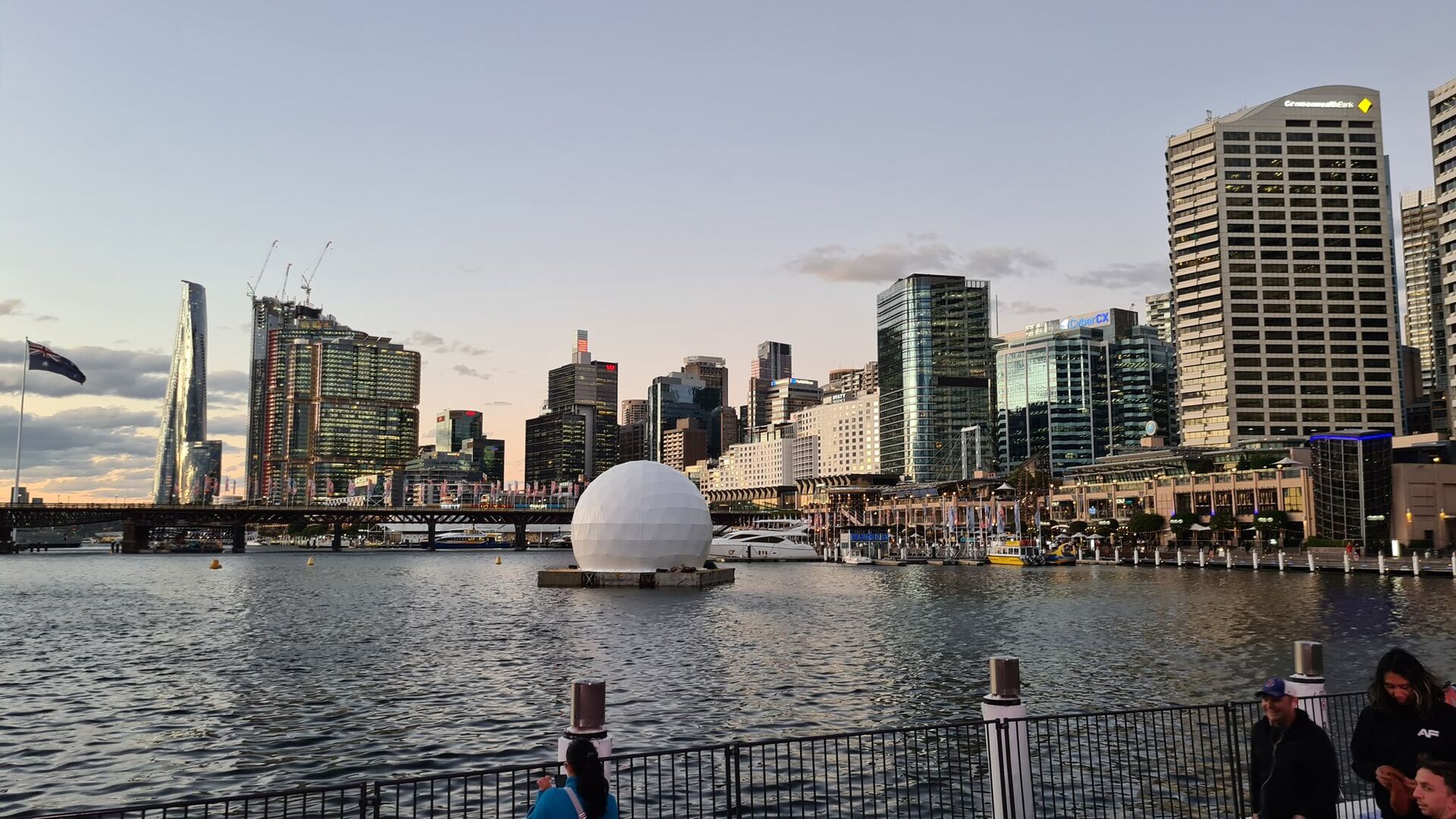
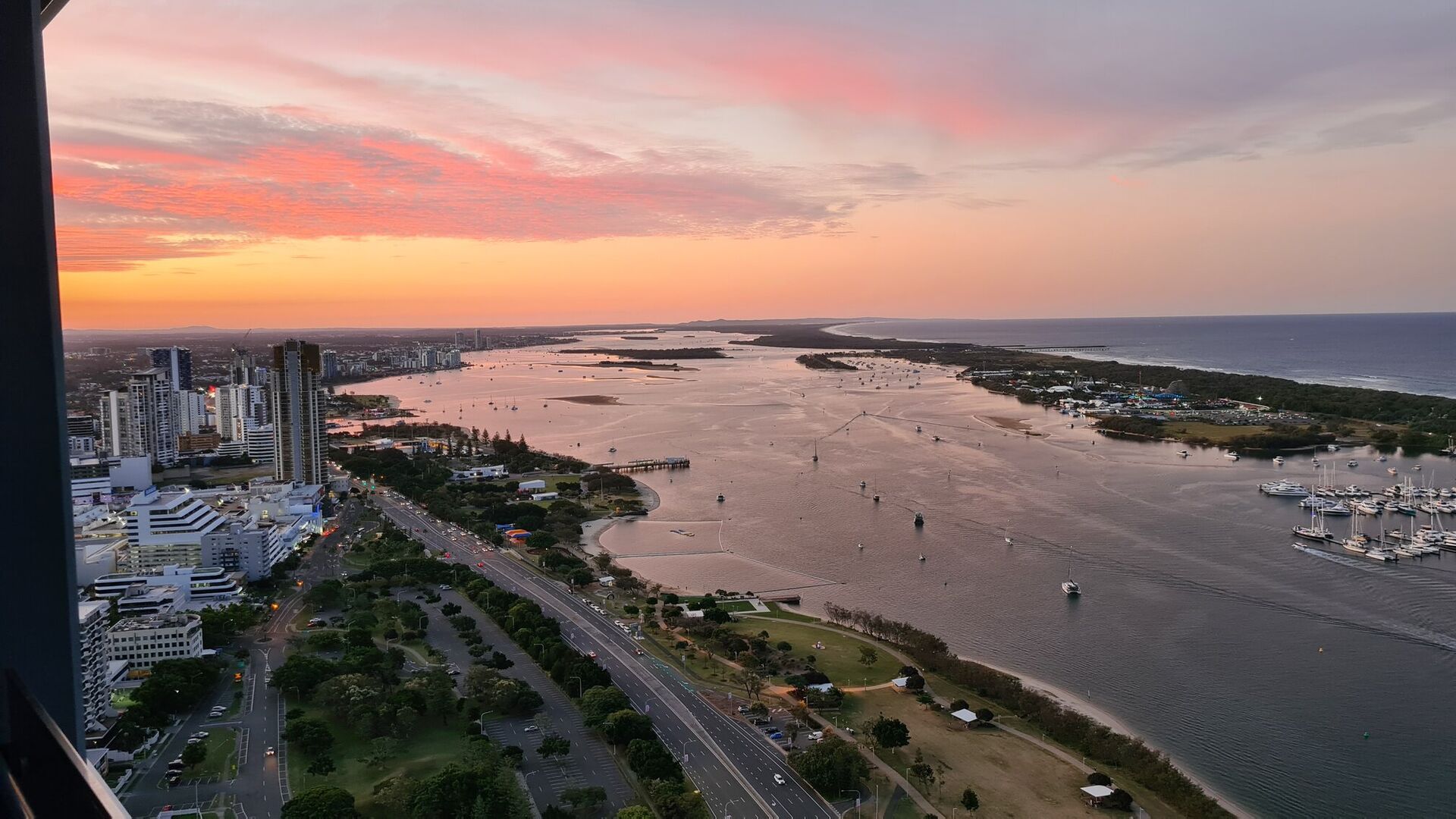
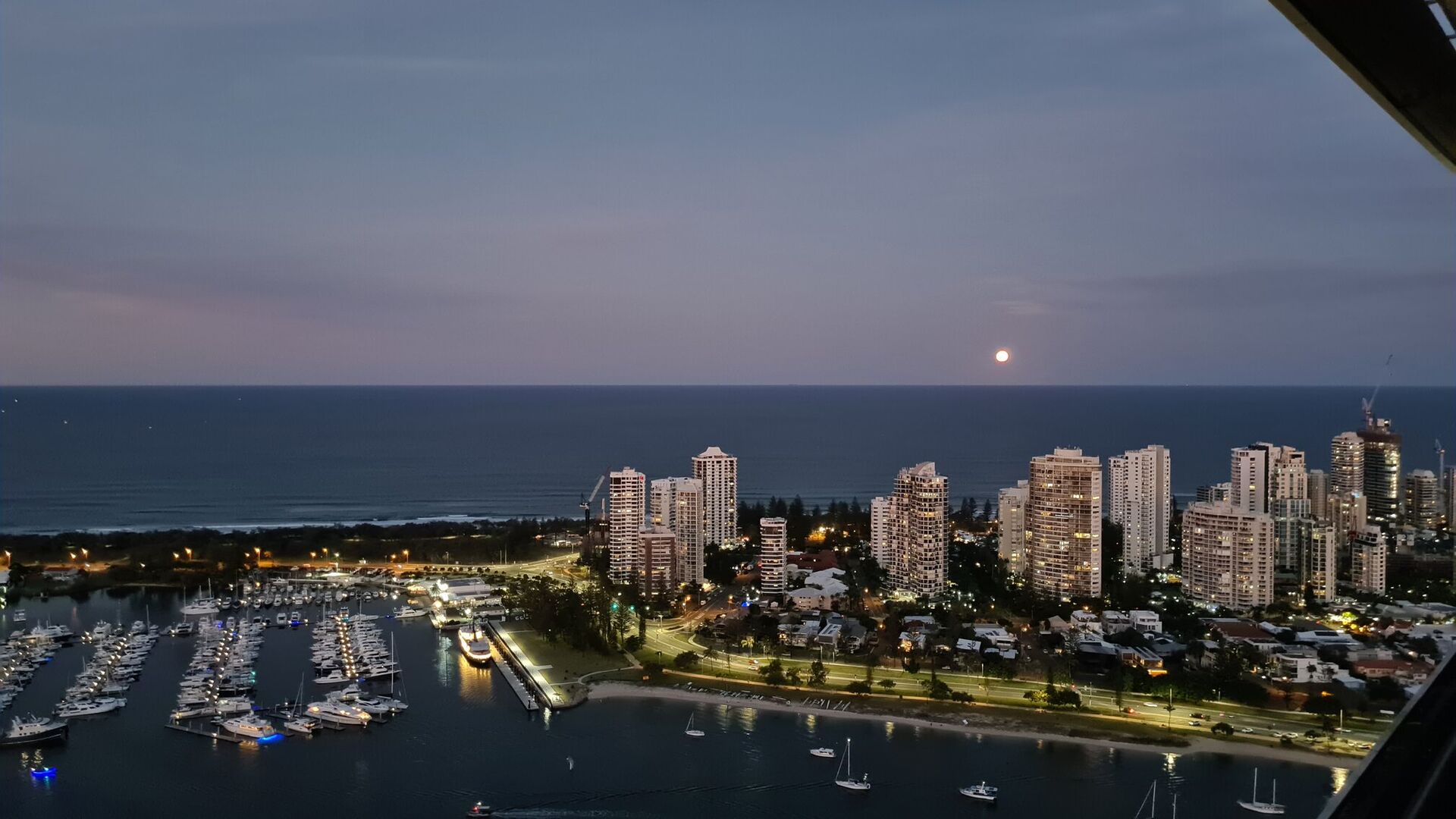
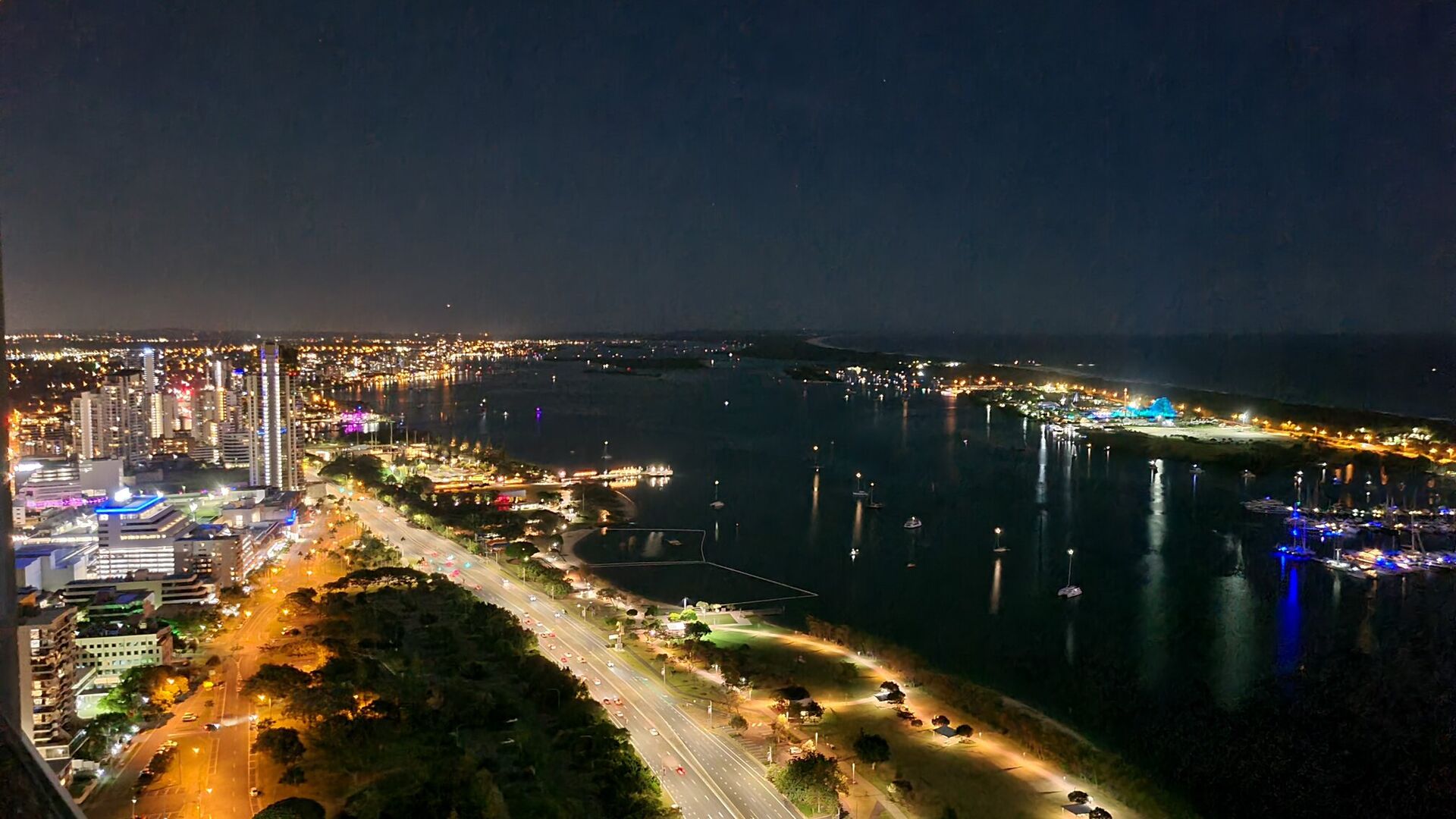
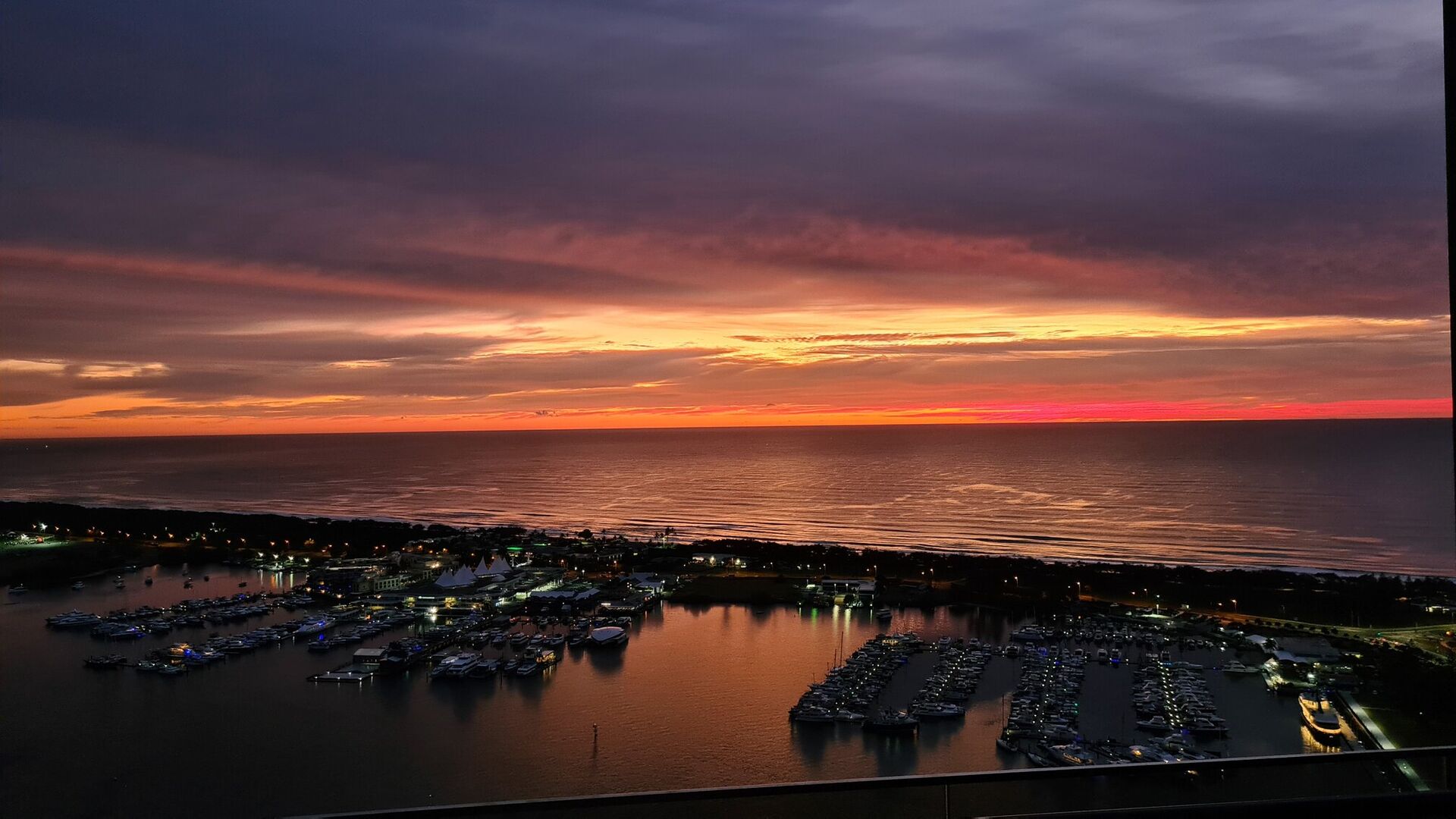
Southern Queensland covers a broad area stretching from the New South Wales border up through Brisbane and the Sunshine Coast, and westward into the inland regions of the Darling Downs and beyond. It includes major cities and towns such as Brisbane, Gold Coast, Toowoomba, Ipswich, and Warwick.
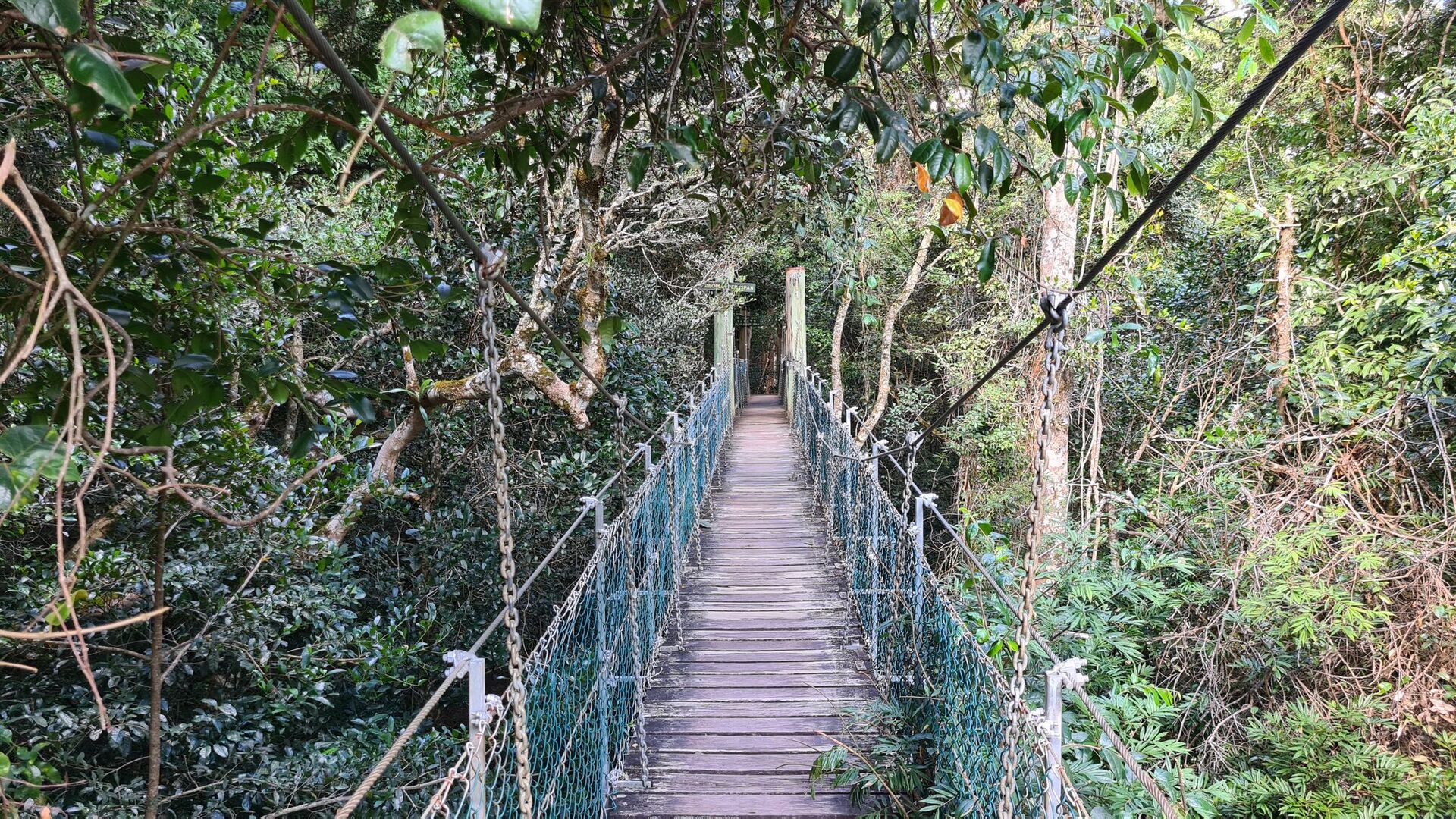
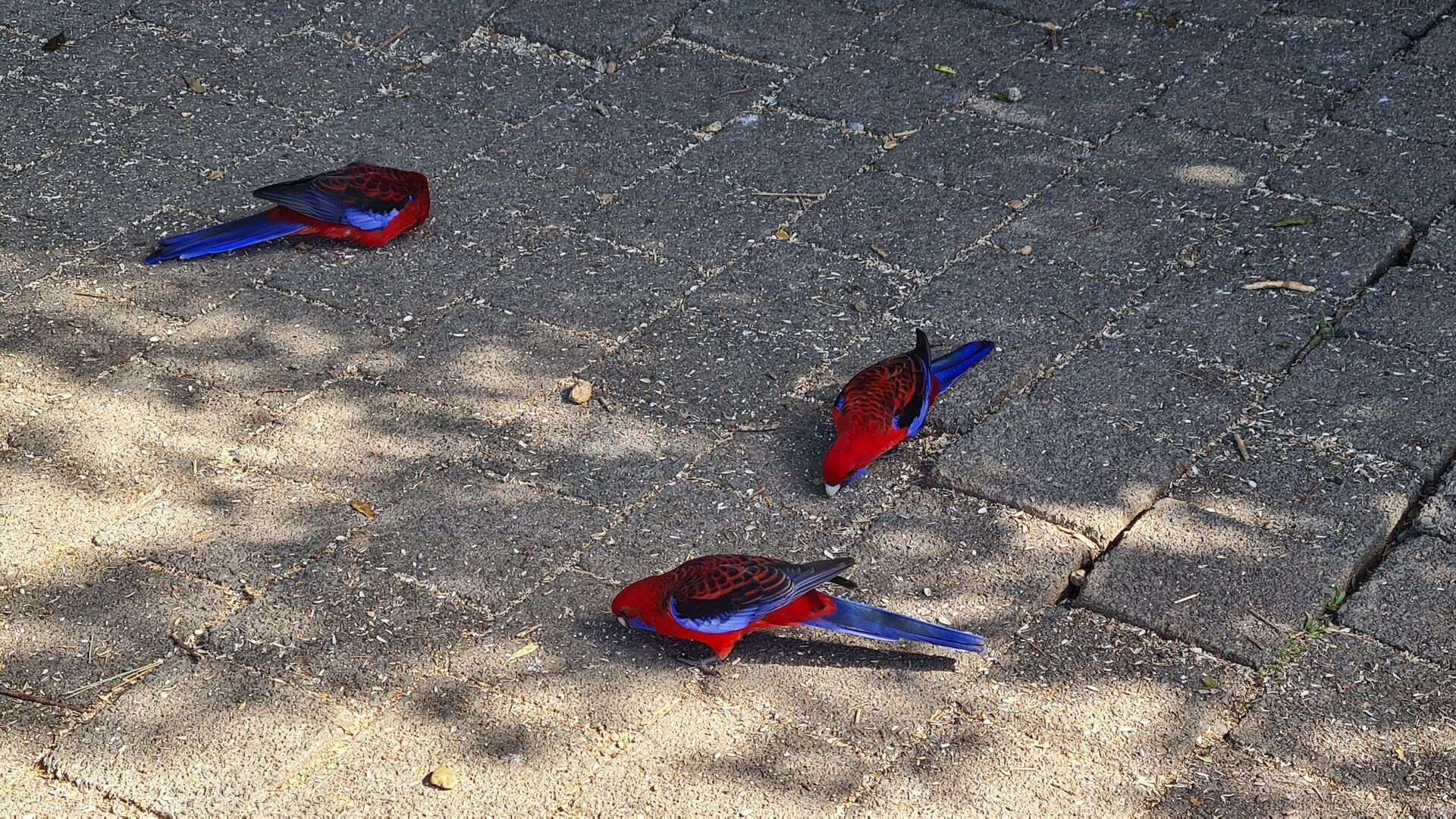
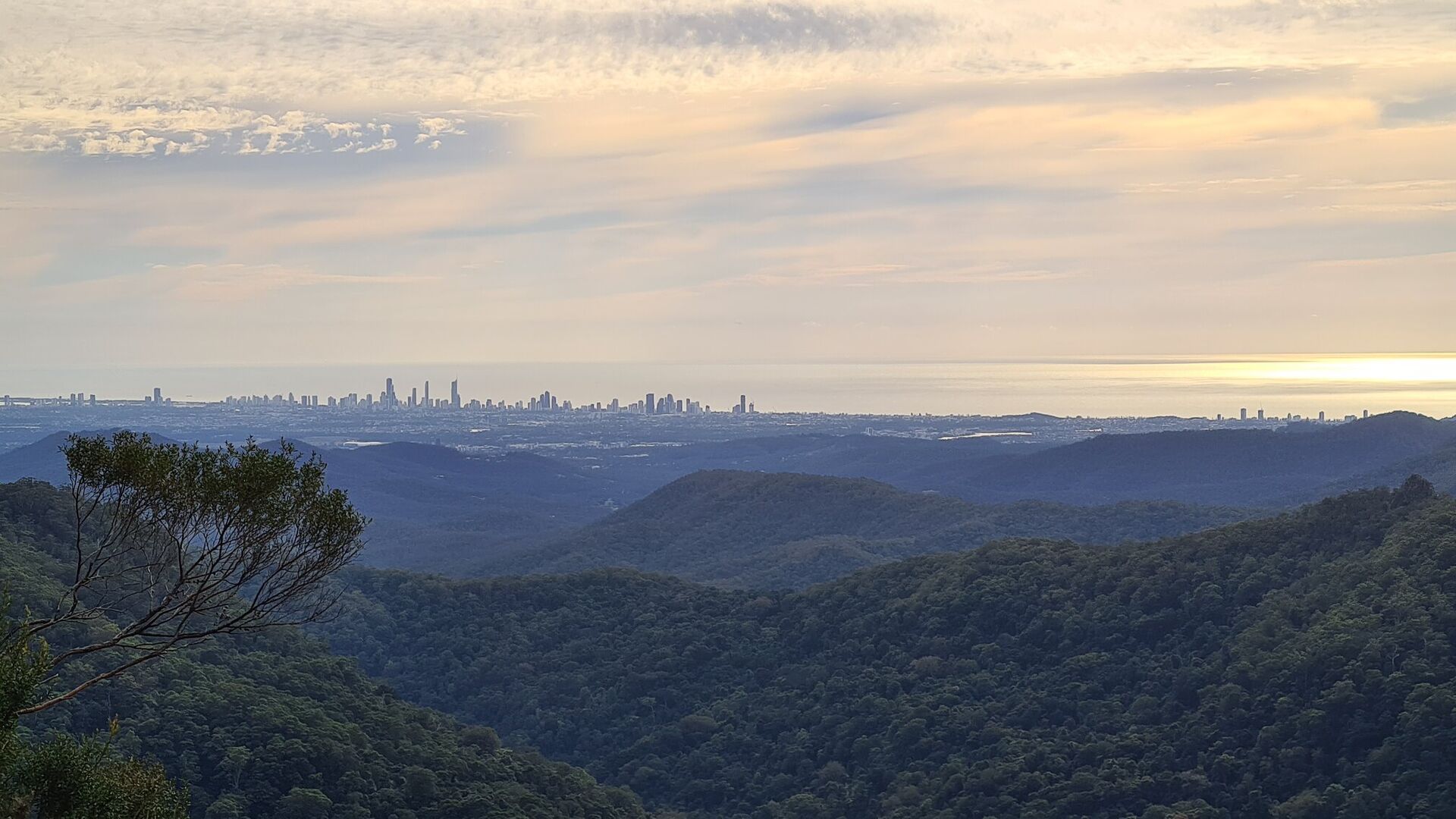
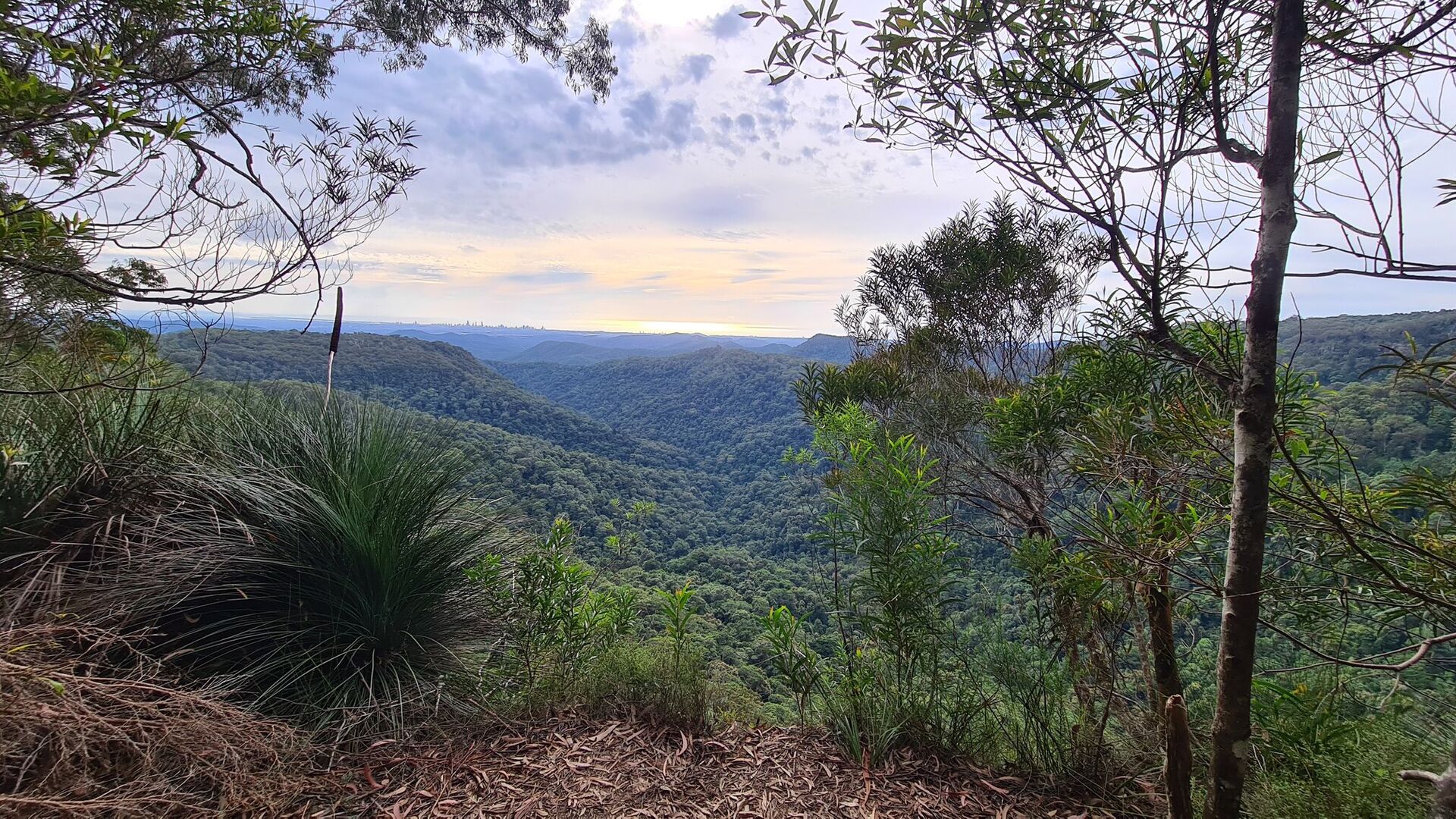
The region features a variety of ecosystems, including coastal zones, hinterlands, mountain ranges, and inland plains. Its climate ranges from humid subtropical along the coast to more temperate conditions inland. Economically, Southern Queensland is a powerhouse, driven by agriculture, tourism, education, mining, and technology.
Brisbane, the state capital, is not only a center for government and commerce but also a vibrant cultural hub. Meanwhile, the Gold and Sunshine Coasts are globally recognized for their beaches, national parks, and tourism infrastructure.
Historical Background
Aboriginal Heritage
Southern Queensland has been home to Aboriginal peoples for tens of thousands of years. Groups such as the Turrbal, Jagera, Yuggera, Gubbi Gubbi, and Bundjalung peoples lived across this region, maintaining complex social systems and sustainable land management practices.
These communities developed rich oral traditions, cultural customs, and strong spiritual ties to the land. Many of their Dreaming stories are connected to geographical features across the region, and their influence remains vital in understanding the full history of Southern Queensland.
Colonial Expansion
The arrival of Europeans in the early 19th century marked a period of rapid and often violent change. Brisbane began as a penal colony in 1824, and over the following decades, European settlers moved inland and along the coast, establishing farms, towns, and infrastructure.
This expansion led to widespread displacement of Aboriginal communities and significant cultural disruption. Despite this, Aboriginal groups continue to play a critical role in preserving the region’s cultural identity and heritage.
By the late 1800s, Southern Queensland saw significant development through agriculture, railways, and mining. Toowoomba became a central hub for the Darling Downs farming region, while the Gold Coast began its transformation into a popular seaside resort.
Geology and Landforms
Southern Queensland’s geology reflects a long and complex history of tectonic activity, erosion, and volcanic events. The region includes both ancient rock formations and more recent volcanic landscapes.
Volcanic Origins
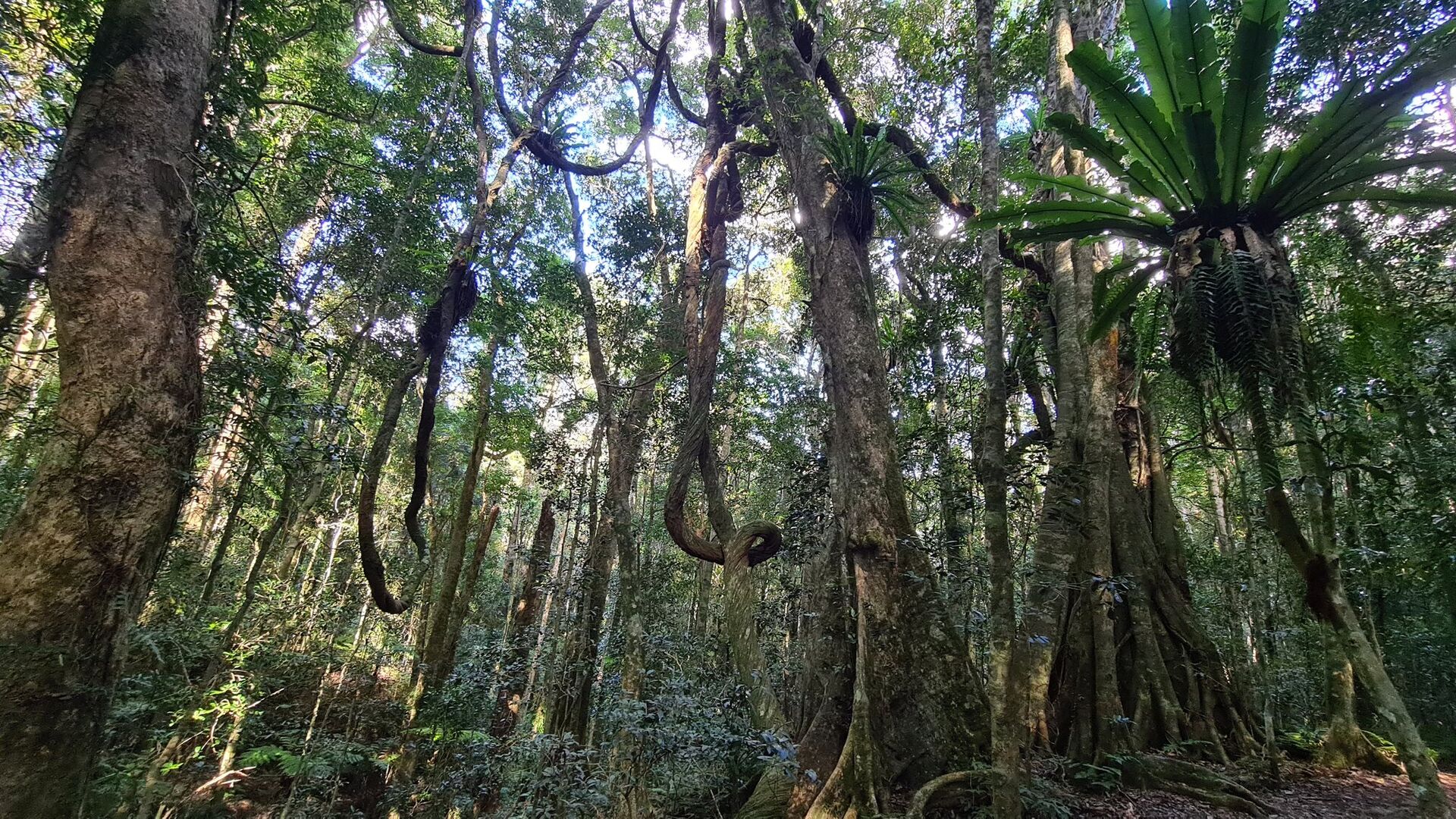
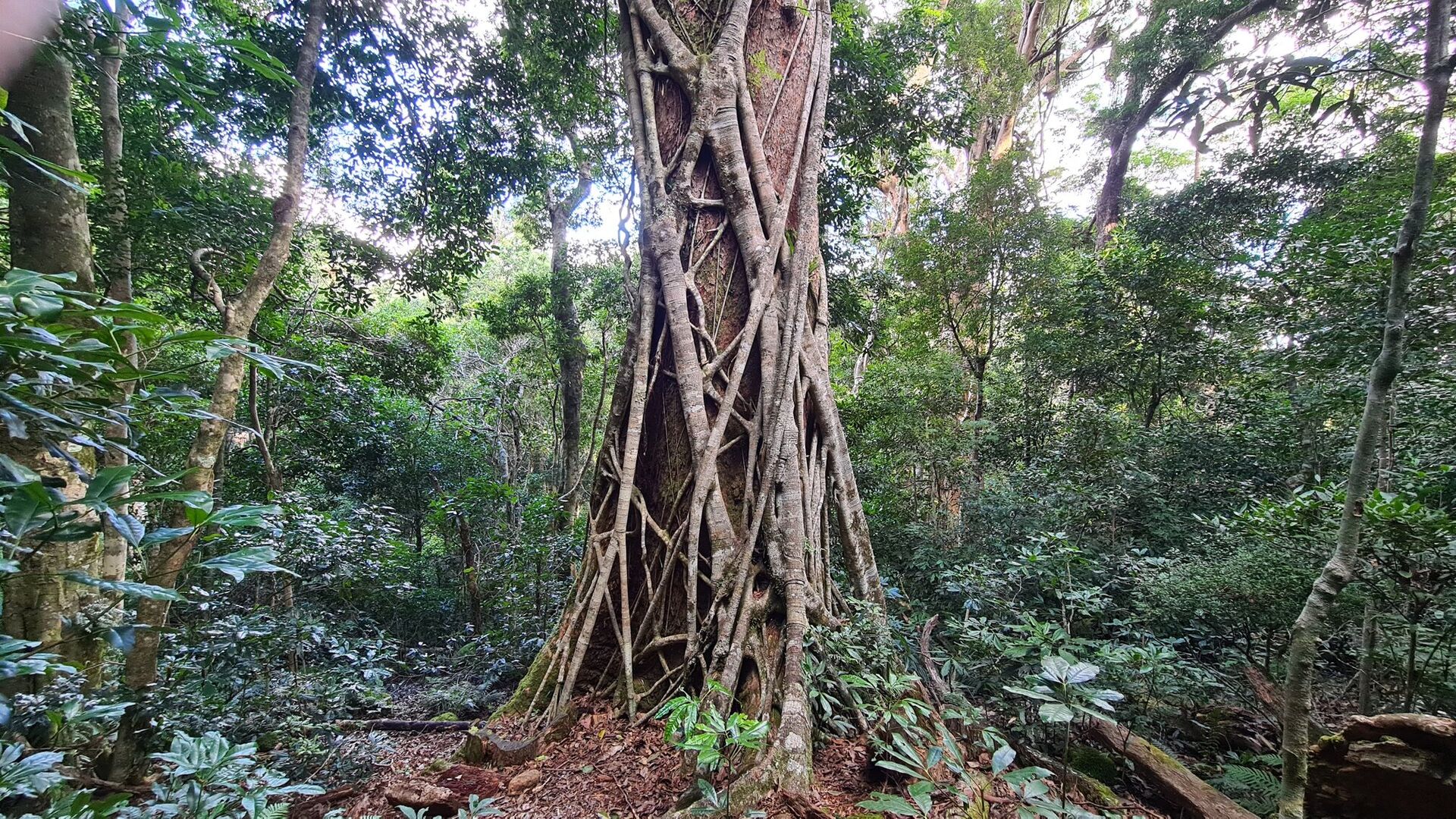
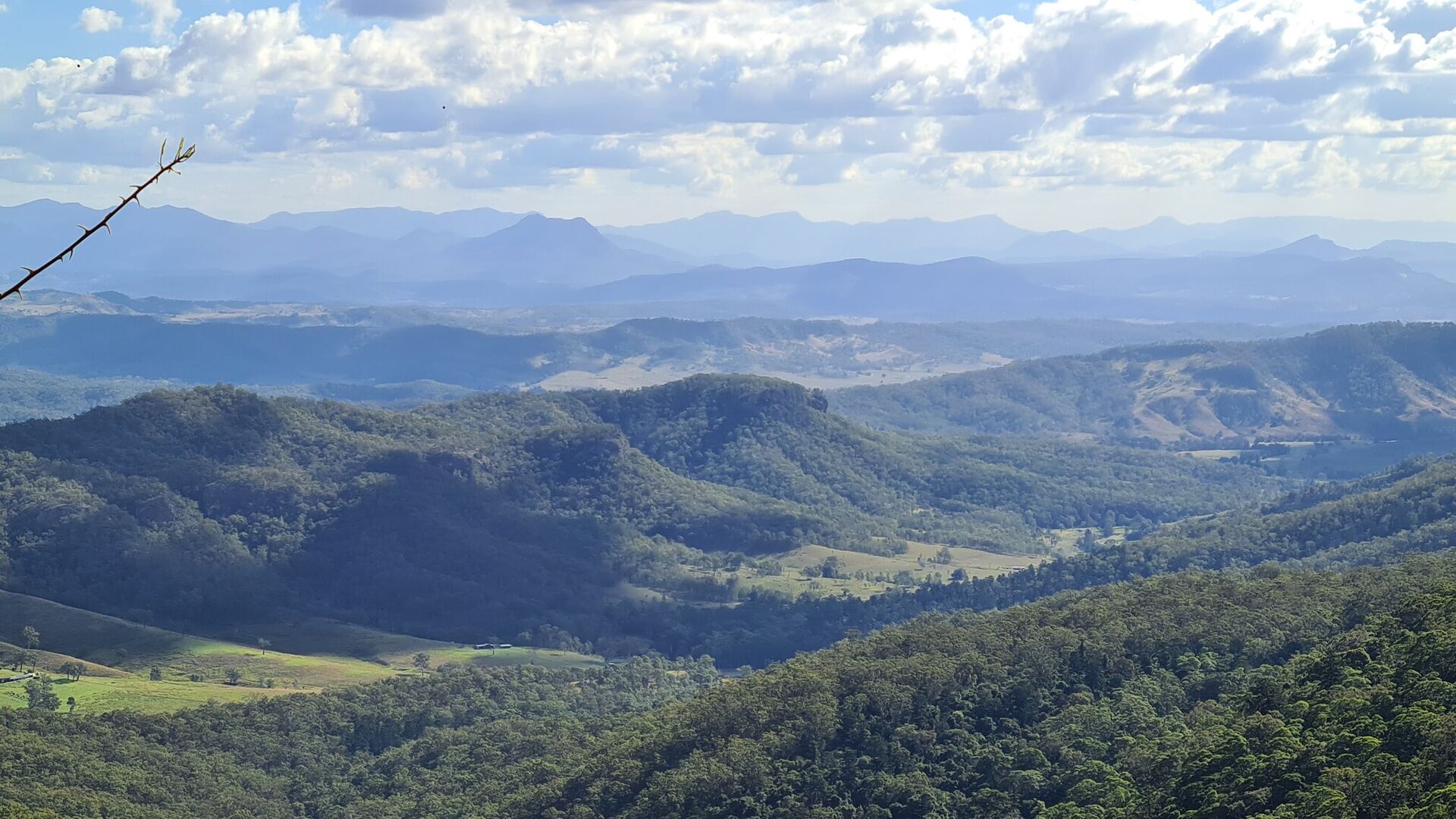
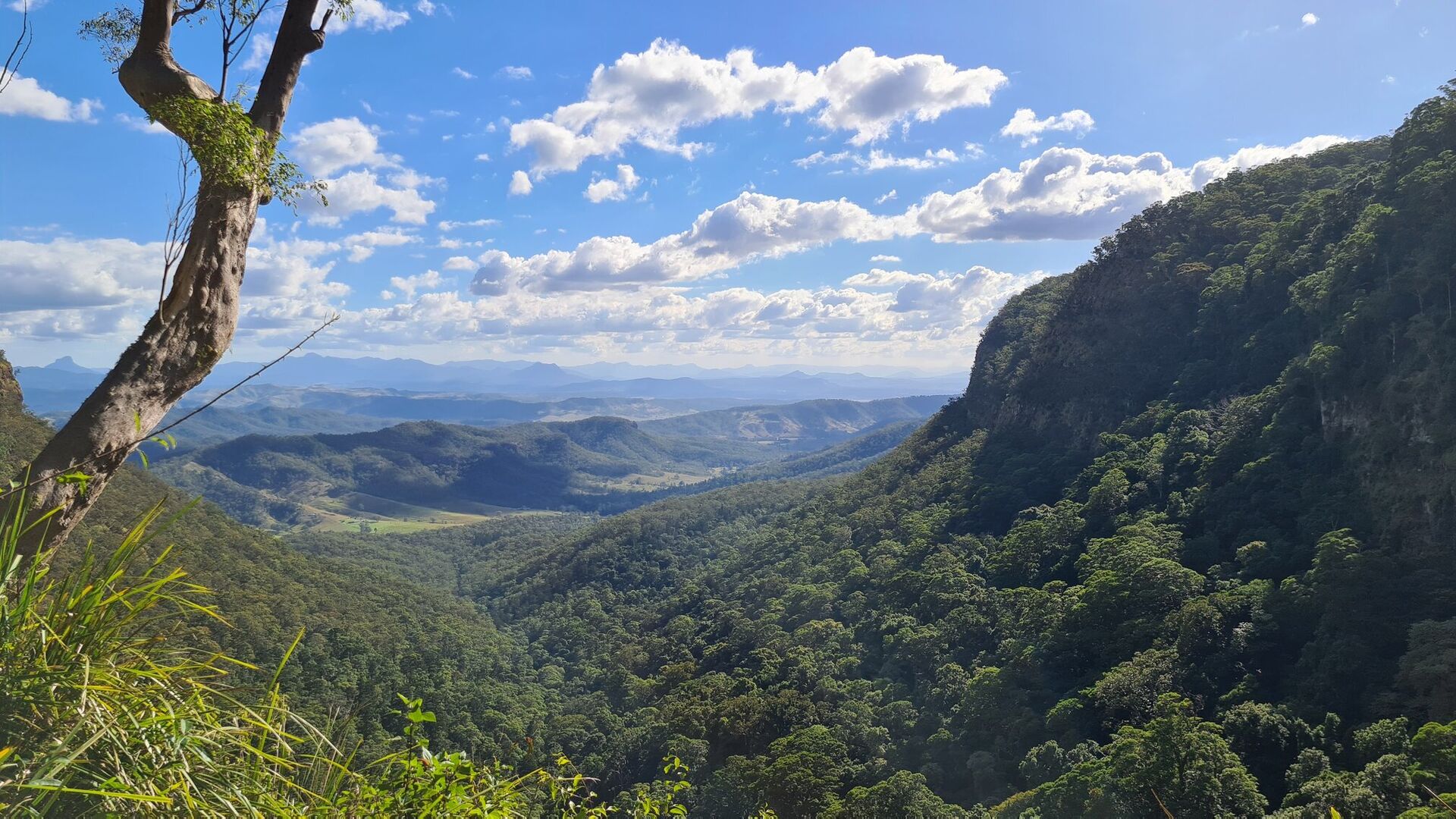
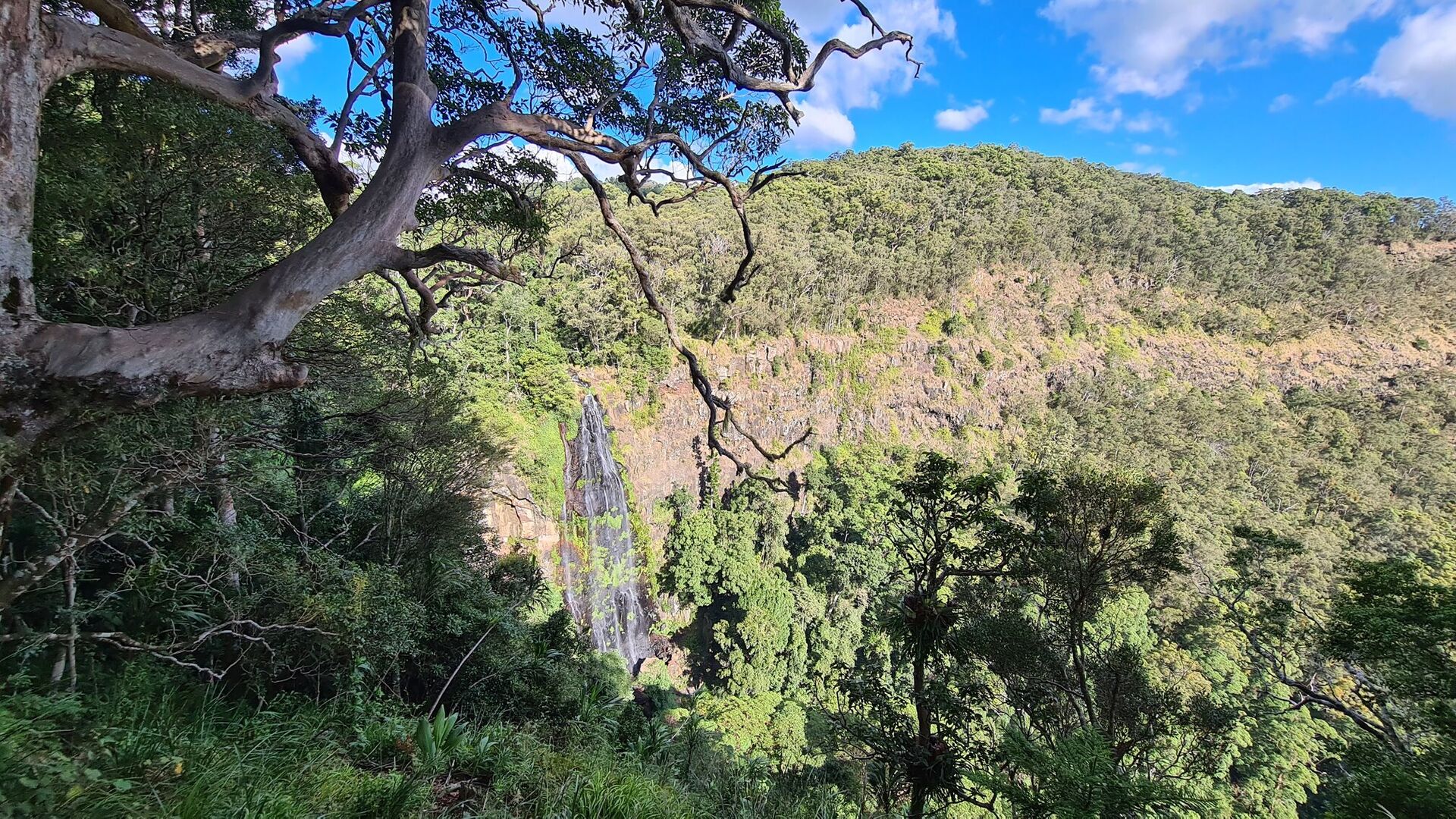
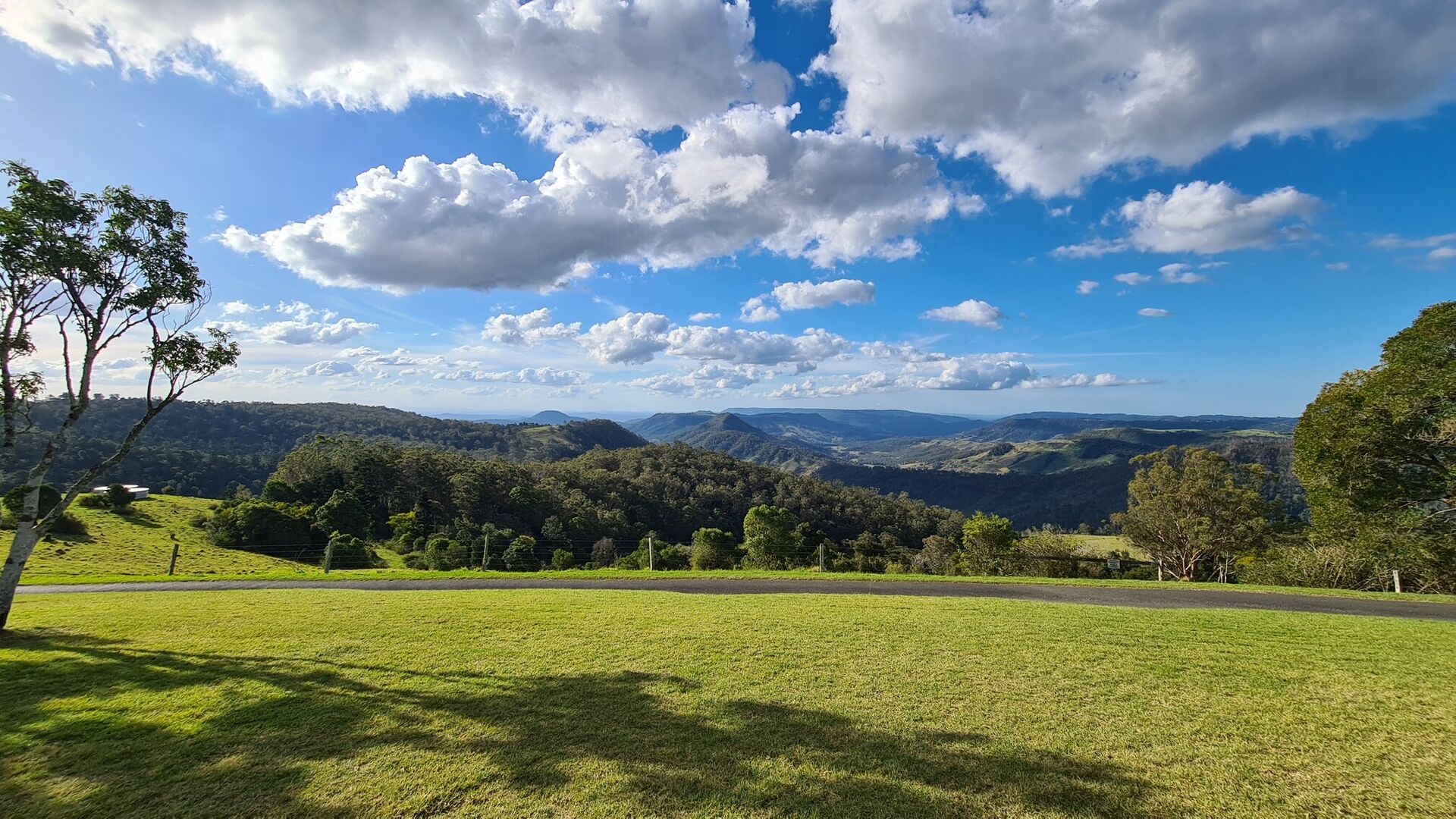
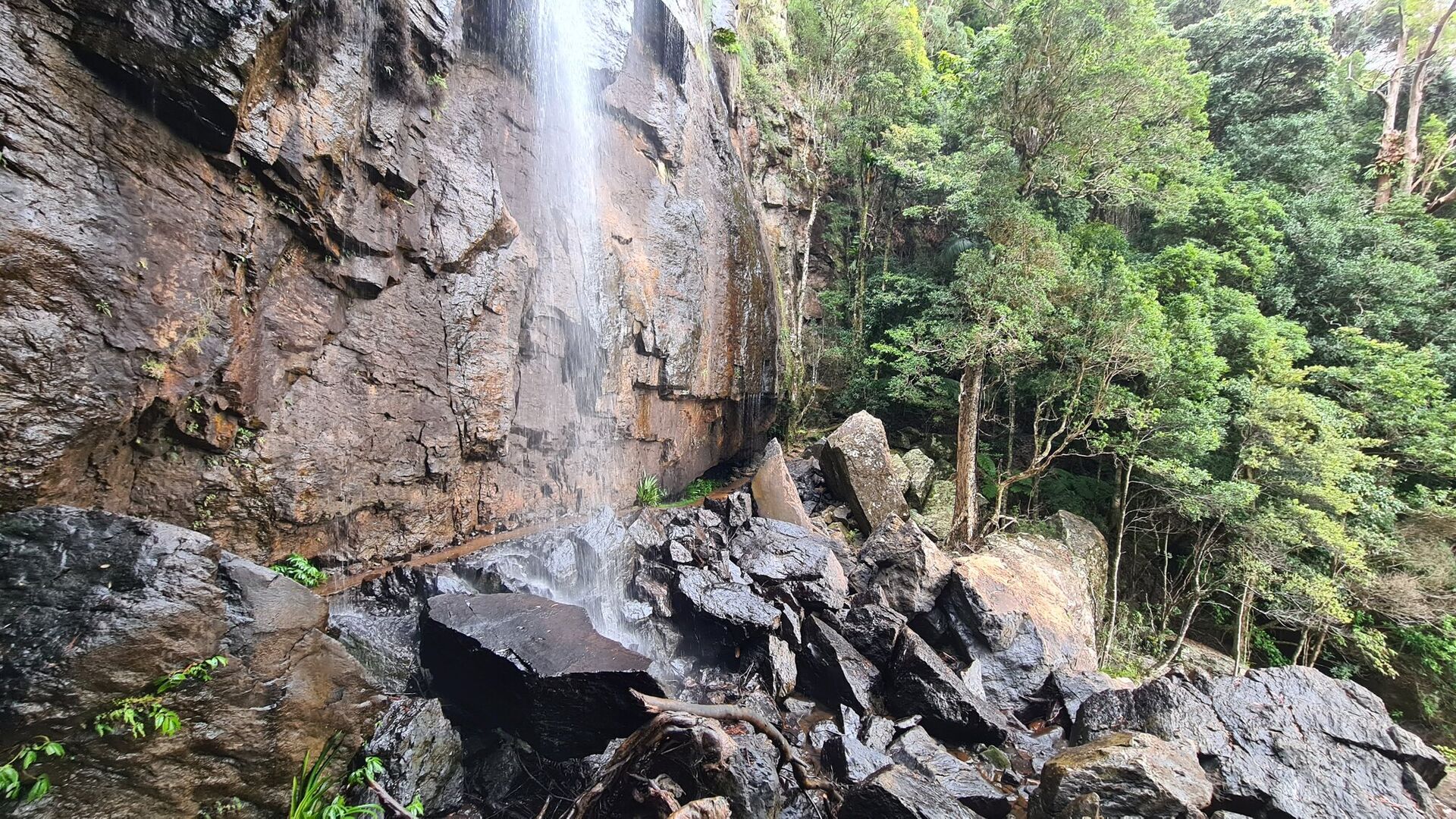
The Scenic Rim, a mountainous area forming part of the border with New South Wales, is the remnant of massive shield volcanoes that were active around 20 to 23 million years ago. Erosion over millions of years has left behind dramatic peaks, plateaus, and valleys. Notable features include Mount Tamborine, Lamington Plateau, and the Springbrook Range, all of which are now part of protected national parks.
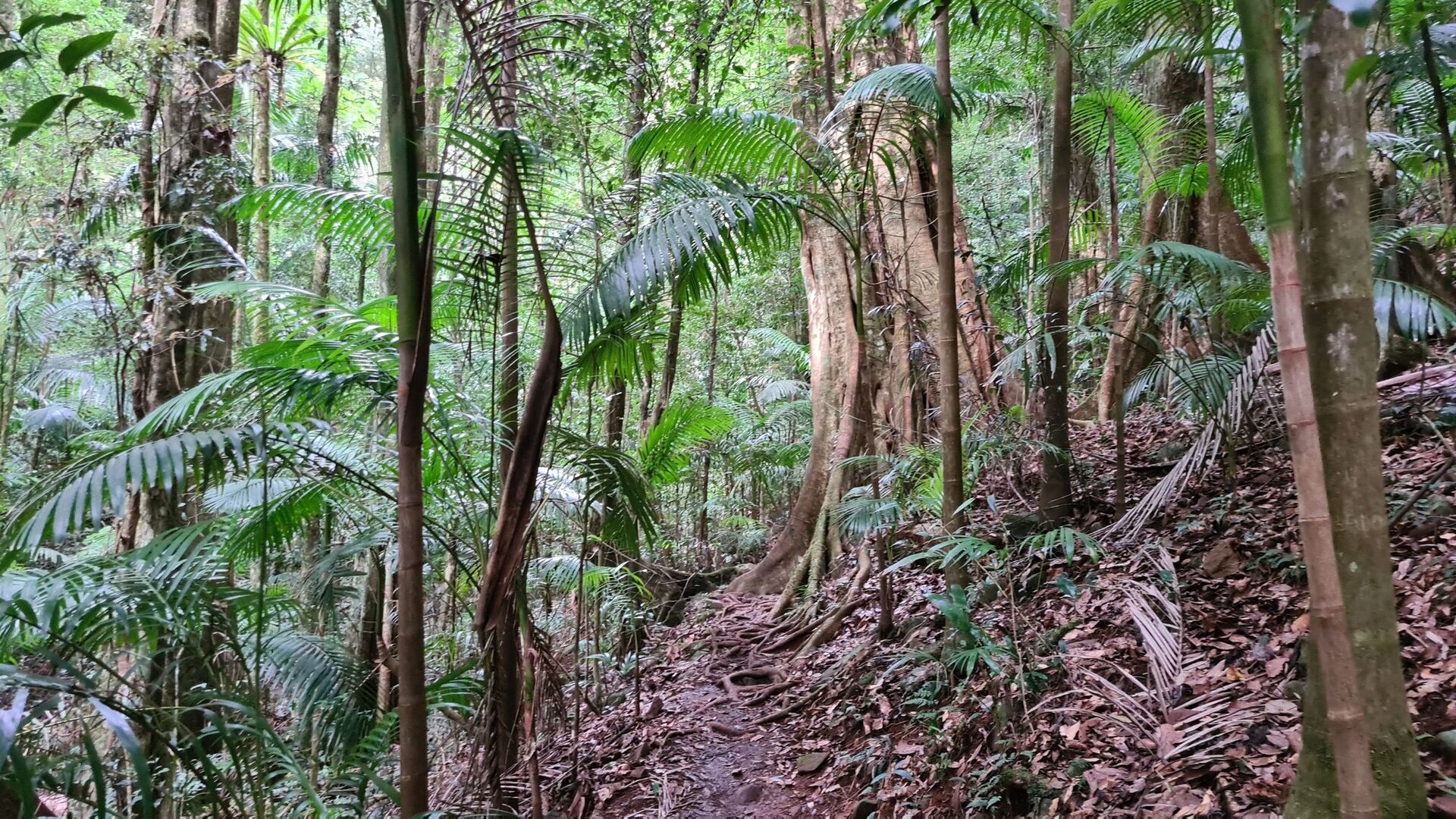
These areas are rich in biodiversity and are recognized for their ecological and geological importance. The basaltic soils produced by ancient volcanic activity are also highly fertile, supporting both natural rainforest and modern agriculture.
Sedimentary Basins
Inland areas such as the Darling Downs lie within the Surat Basin, a vast geological structure containing layers of sedimentary rock formed over 200 million years. This basin is significant for both its agricultural potential and its natural gas and coal reserves.
The flat plains and gentle hills of the Downs have made it one of Australia’s most productive farming regions, known especially for grain, beef, and dairy production.
Coastal Formation
The coastal regions of Southern Queensland, including Moreton Bay and the wide sand islands to the north (such as K’gari/Fraser Island), have been shaped by long-term processes of sea-level change, sediment movement, and tidal activity. These environments are dynamic and fragile, providing crucial habitats for marine and bird life.
Moreton Bay itself is a complex estuarine system bordered by barrier islands and is notable for its mix of mangroves, seagrass beds, and sandy beaches. It plays an essential ecological role and is a key recreational area for residents of Brisbane and surrounding areas.