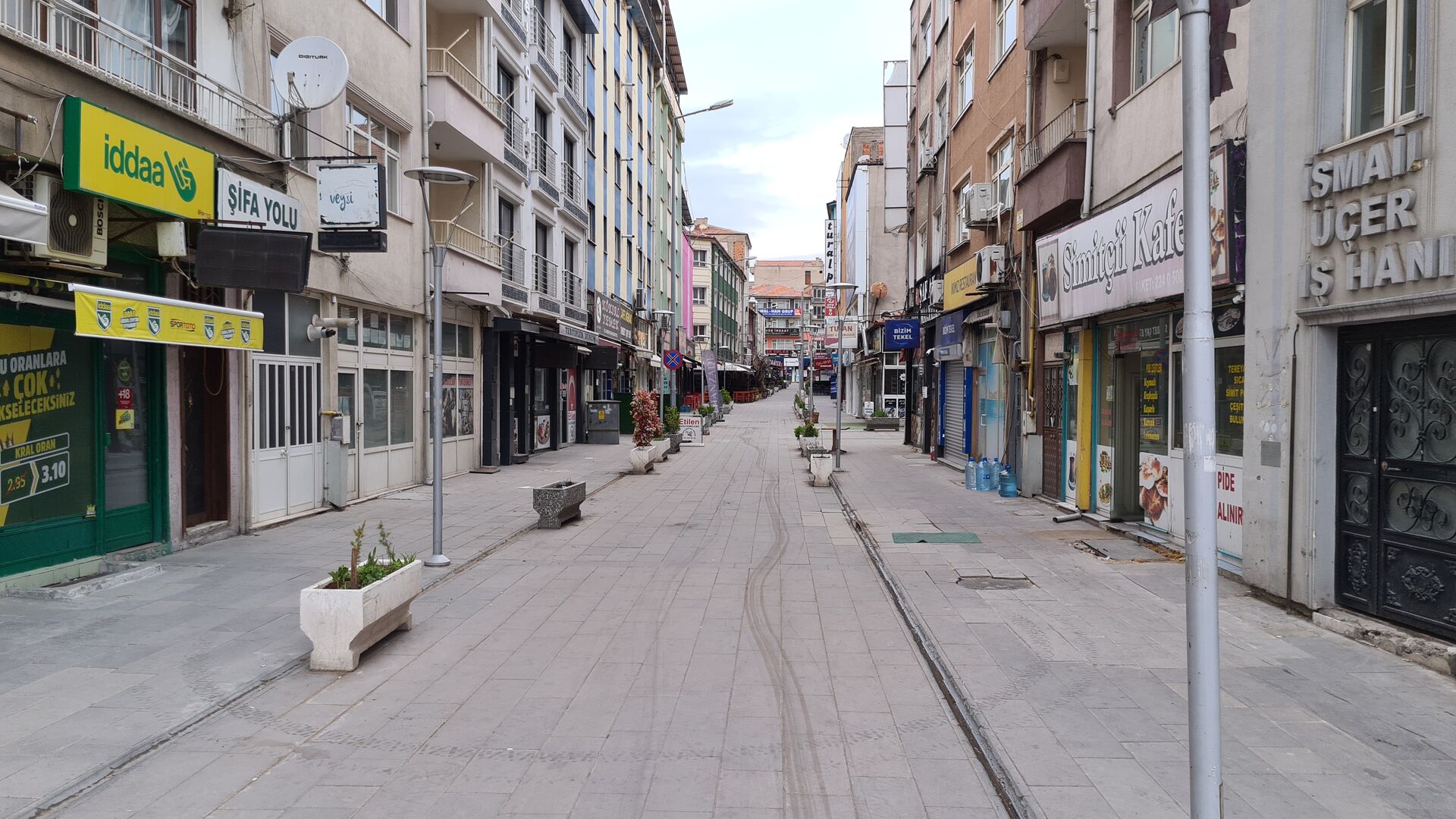
Kırıkkale is a city located in central Turkey, within the Central Anatolia Region. It lies approximately 80 kilometers east of Ankara and occupies a strategic position along major transportation routes connecting central Anatolia with eastern parts of the country. Kırıkkale serves as both a provincial capital and an important industrial center.
The city developed primarily as a modern settlement in the 20th century and has a population of around 280,000 residents. Kırıkkale’s urban structure reflects its industrial origins, with residential districts closely linked to manufacturing and public-sector employment. The surrounding area is characterized by plains, low hills, and agricultural land.
Kırıkkale has a continental climate, with hot, dry summers and cold winters. The local economy is dominated by defense manufacturing, metallurgy, energy production, public administration, and education. The presence of Kırıkkale University has strengthened the city’s role as a regional center for higher education and research.
History
Compared to many ancient Anatolian cities, Kırıkkale has a relatively recent urban history. While the surrounding region has been inhabited since antiquity, Kırıkkale itself began to develop as a settlement in the late 19th and early 20th centuries.
The city’s growth accelerated during the early years of the Turkish Republic, particularly after the establishment of state-owned arms and ammunition factories. These facilities attracted workers from surrounding villages and regions, transforming Kırıkkale from a small rural settlement into an industrial town.
In 1989, Kırıkkale was officially designated as a separate province, marking a major milestone in its administrative development. Since then, the city has expanded its infrastructure, educational institutions, and public services, while maintaining its identity as an industrial and administrative hub.
Geology
Kırıkkale is situated within the Central Anatolian Plateau, a region characterized by relatively flat terrain, sedimentary basins, and low mountain ranges. The geological structure of the area consists mainly of sedimentary rocks, including limestone, clay, and sandstone, formed over millions of years.
The surrounding landscape has been shaped by erosion and tectonic movements associated with Anatolia’s complex geological history. Although the region is not highly mountainous, it is influenced by nearby fault systems, which are characteristic of much of Turkey’s tectonically active environment.
The geological conditions support agriculture in surrounding areas and have also influenced the availability of construction materials and natural resources. Rivers and seasonal streams contribute to soil fertility and local land use patterns.
Things to See
While Kırıkkale is primarily known for its industrial role, it offers several cultural, historical, and recreational points of interest:
Urban and Cultural Sites
- Cumhuriyet Square and central city areas
- Kırıkkale City Museum, highlighting local history and industrial heritage
- Mosques reflecting modern and traditional Turkish architecture
- Cultural centers and public institutions
Natural and Recreational Areas
- Kızılırmak River, Turkey’s longest river, flowing near the city
- Parks and green spaces within the urban area
- Nearby countryside suitable for walking and picnics
- Thermal and natural attractions in surrounding districts
Education and Community Life
- Kırıkkale University campus
- Local markets and community events
- Sports facilities and cultural festivals
- Regional cuisine reflecting Central Anatolian traditions