
I got up without any trouble around 04:30. After showering, I packed my things, left the network cable behind the table, and checked out of the room. Outside it was already bright, and hardly anything was going on. At the station, however, there was noticeably more activity. Numerous travelers were waiting in the waiting hall.
Since two trains were scheduled to depart shortly one after the other, I asked someone next to me whether boarding had already begun. He first said no, then shortly afterward said yes—apparently because both trains were arriving at the platform at the same time.
Once on the platform, I still had to wait another ten minutes until the other train departed. That part felt rather pointless.
Departure was around 06:30. This time the train was already full, probably because it had been running for half the night. Someone was lying in my seat, and I had to shake him awake first. Fortunately there was still room for my backpack. The journey to Tianjin was supposed to take about six hours.
There was nothing scenic to see at all. Only the endless new districts with their skyscrapers were somewhat interesting. Inside, the train was rather chaotic. A trolley with food and drinks constantly passed through the aisle. Some passengers had to stand in the corridor or directly between the cars in the designated smoking areas. On the window tables there were metal bowls intended for rubbish. People were constantly eating—sunflower seeds, fruit, sausages, and especially vacuum-packed chicken feet. Eating seems to take place everywhere and at all times, and inevitably rubbish accumulates on the floor.

The attendant responsible for the carriage passed through regularly with a broom, sweeping up the debris. The temperature in the air-conditioned cars was always a bit too cold for me, which at least allowed me to wear more clothes and free some space in my backpack. Many passengers prepared instant soups in large 750 ml cups; hot water was provided separately in the carriage. Apart from eating, most people did very little—some played with their phones, some listened to music on their phones, others simply stared into space. Quite often, I was the object of that staring, especially when I wrote in my notebook or read the LP.
You can think what you want about the LP, but it is an enormous help when plunging into the unknown. In China, only the rather nonsensical phrasebook is annoying as a translation aid. Luggage was stacked everywhere in the car except the central aisle, which had to remain free for the food carts. There are different train categories: the fastest are marked with “D”, while I was travelling on a “K” train. The K is probably the lowest category still comparable to a German IC. There are also trains with only numbers and no letters; those often have no air-conditioning, and their windows can be opened.
A D train costs about twice as much as a K train and may be a few hours faster and more comfortable. Because of the crowds and the communication difficulties, I never really had the chance to book anything other than a K. The luggage racks were completely full of bags, sacks, and barrels. Under the seats there was some storage space, but it was usually already occupied. Many passengers refilled transparent plastic bottles—often green tea bottles—with water. The train stopped roughly every 30 minutes at small stations.
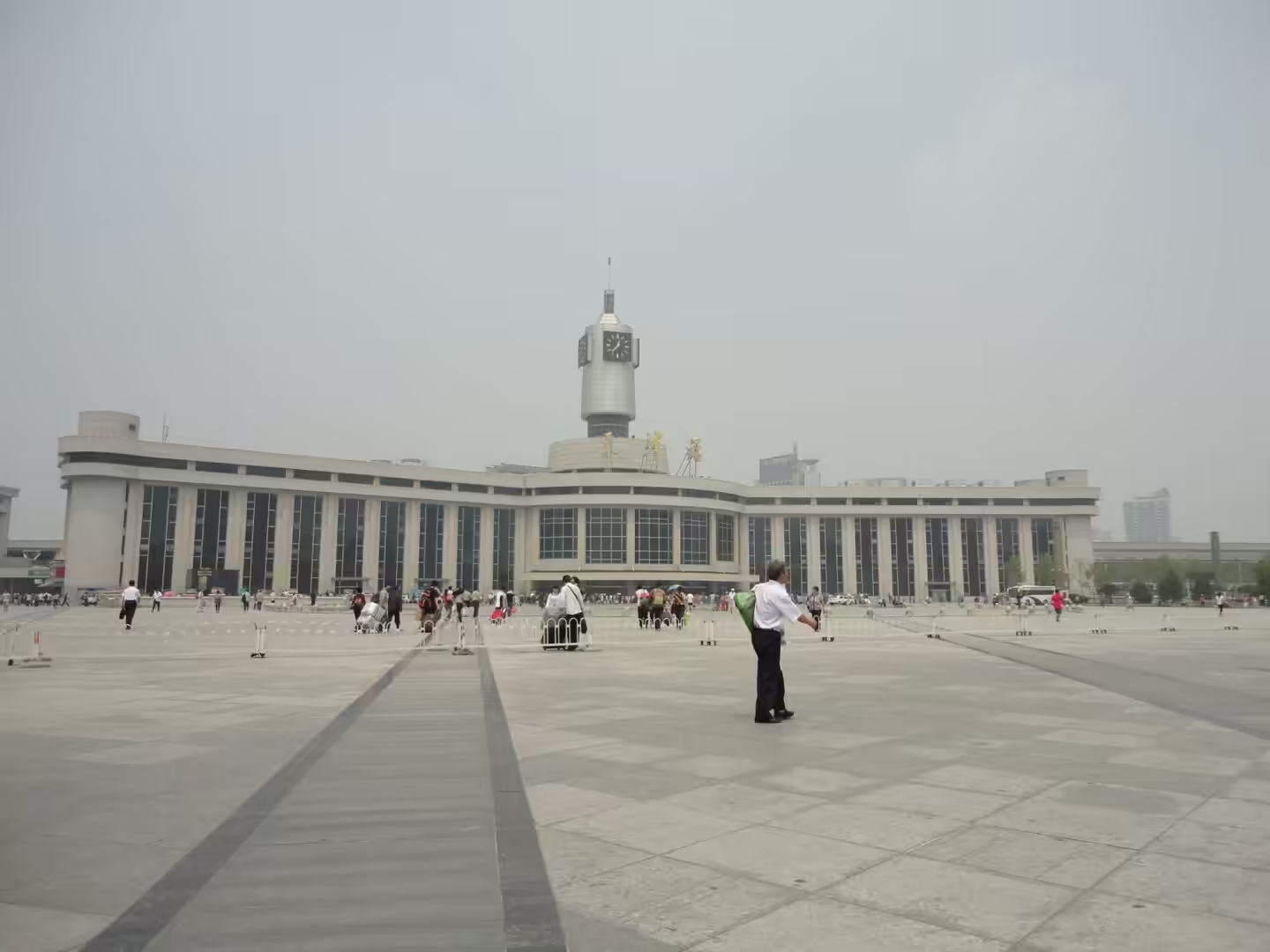
We arrived in Tianjin relatively on time. I didn’t even notice it at first and had to ask. From the first platform, one exits the station sideways. Outside, the usual chorus of taxi drivers and bus touts awaited. After the long hours sitting in an air-conditioned carriage, the midday sun felt very pleasant—around 26 °C, I estimated.



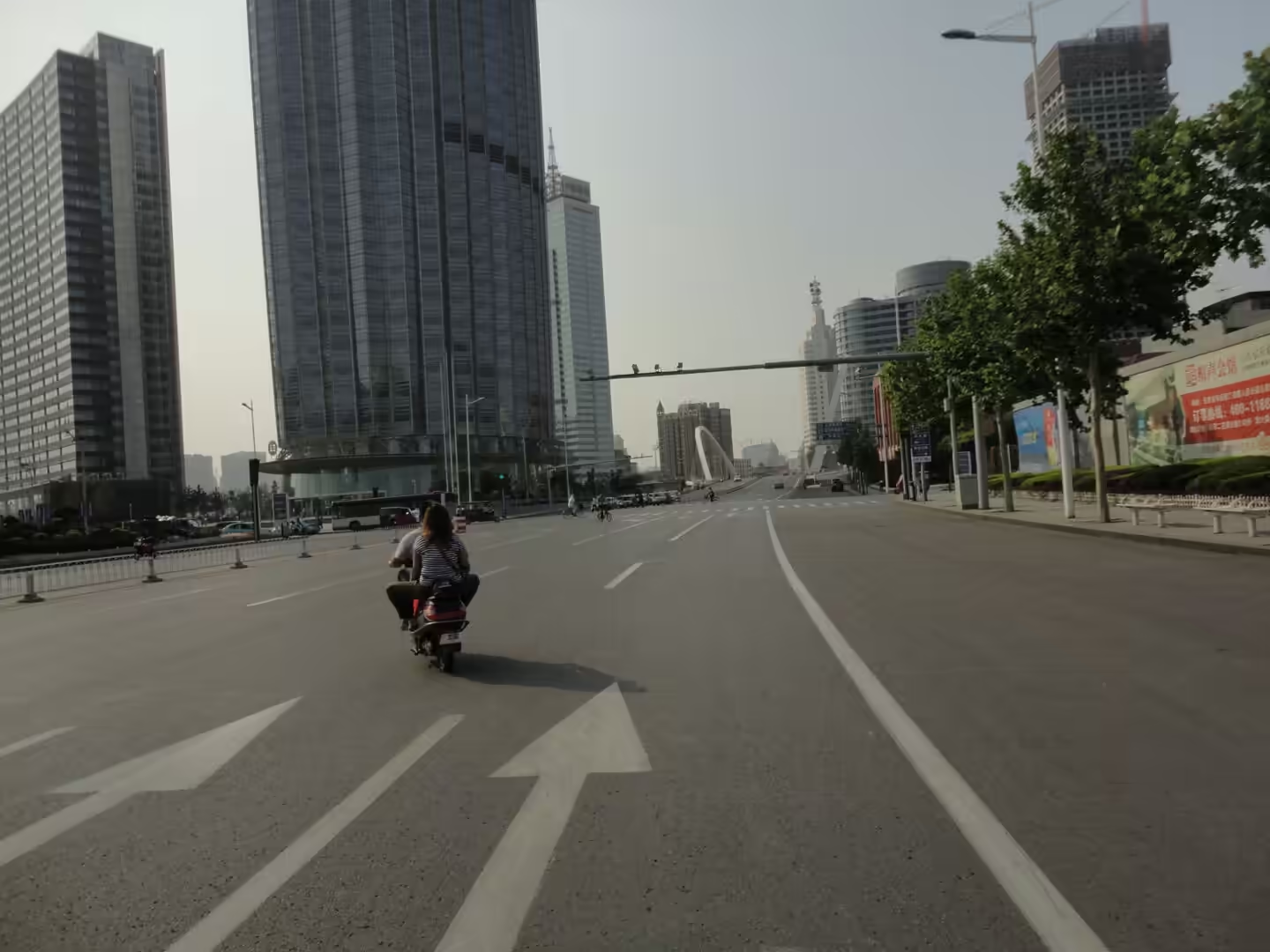
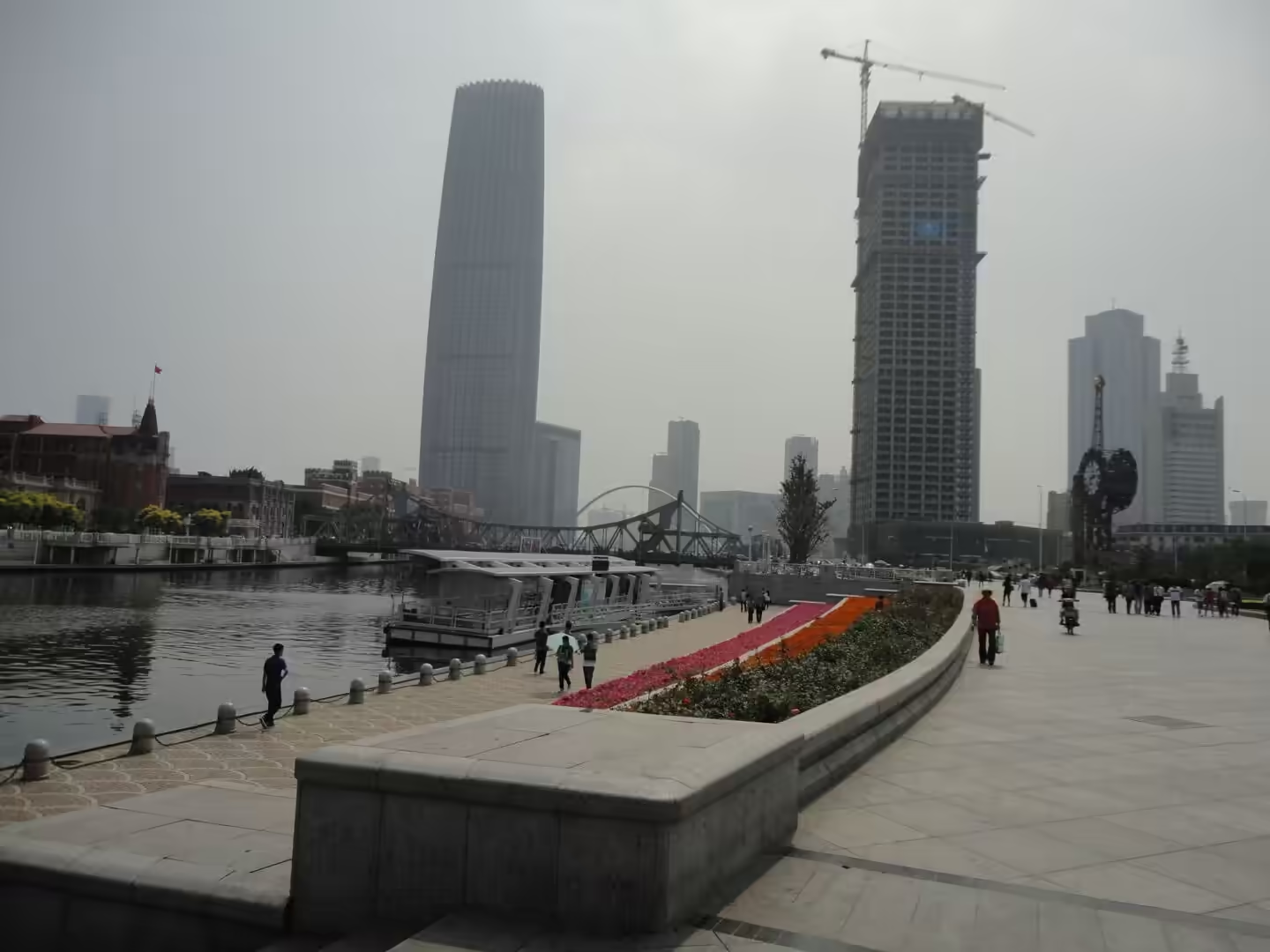
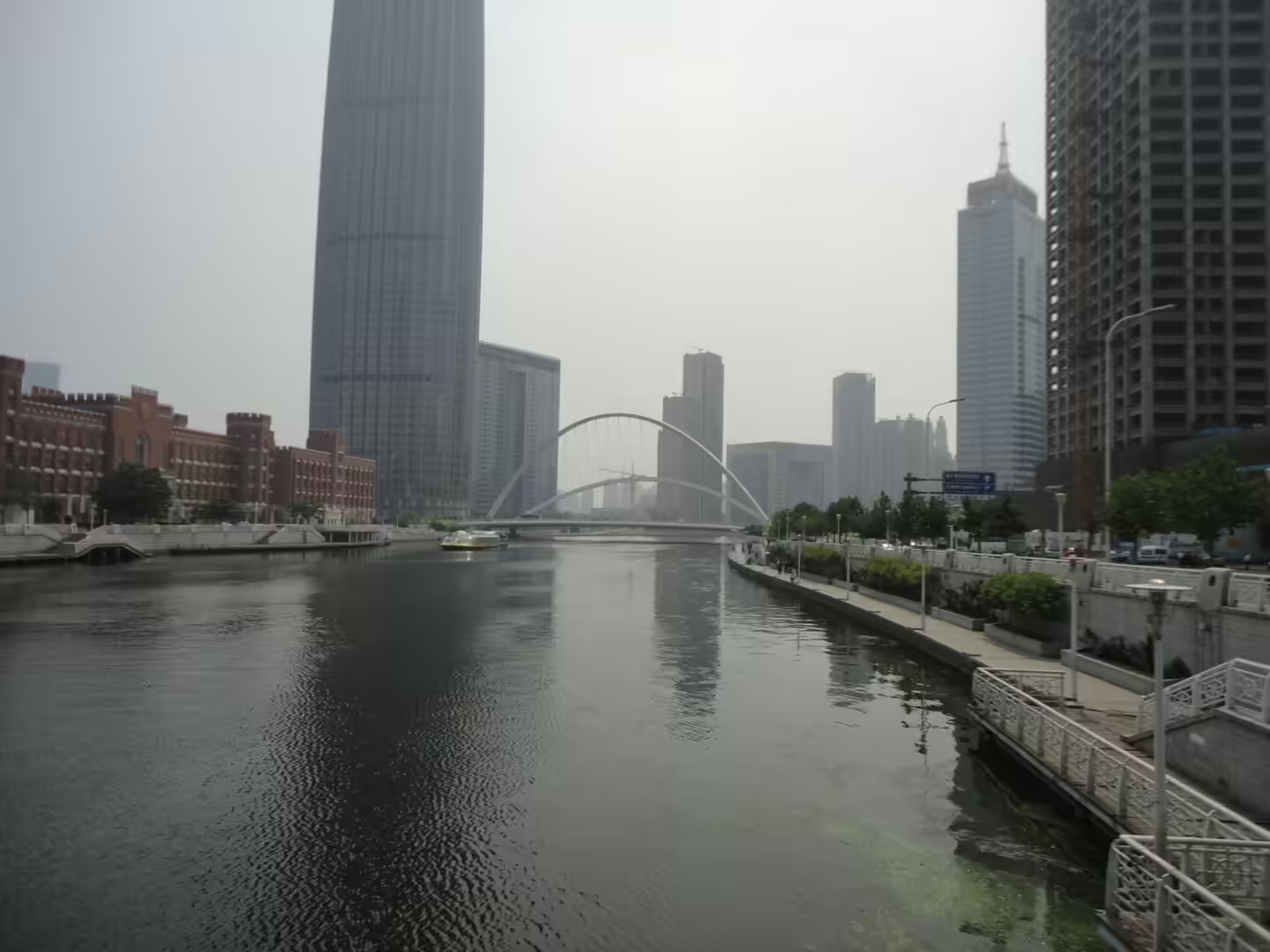
Once again I didn’t know which hotel to choose, but I crossed the large bridge in front of the station toward the city centre. The city made an extraordinarily modern and clean impression. After just a few hundred metres, I suddenly found myself standing in front of a Home Inn, where I had already stayed in Dalian. The room cost 219 Y. At least here I knew what to expect: a clean room, internet access, and a warm shower. I dropped off my luggage, ate a noodle soup, and drank a cappuccino.
Before going out again, I prepared my rucksack by placing a plastic bag inside it, just to see later whether anything had been disturbed. I even took a photo of it for comparison. Then I went out with a plastic bag containing the LP and cigarettes. The LP served as both a communication and orientation aid, and together with my navigation system it worked extremely well.
I realised I had forgotten to buy a map for the train journey and walked back to the station. Once again, buying a ticket worked quickly and without any problems. The ticket to Jinan for the following day cost 55 Y—about 7 € for the 370 km route south. The train was scheduled to depart around 06:30, with arrival in Jinan at about 11:30.
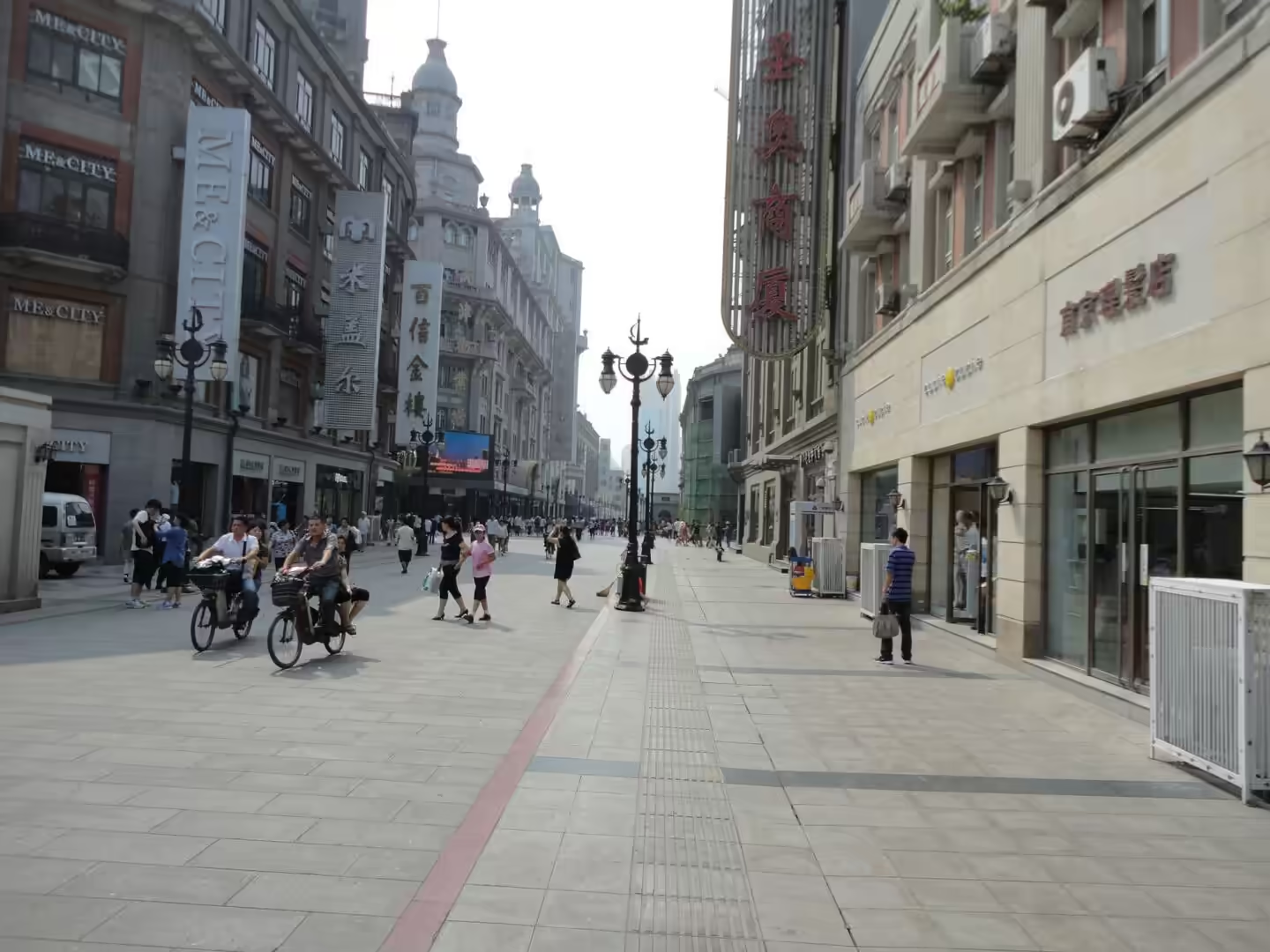
I returned toward the old city centre, crossed a wide avenue, and entered the shopping district. Here were the usual intersecting streets filled with the same shops you find in any Chinese city. The side streets, however, were far more interesting and packed with food stalls. I was hungry, but there was mostly meat, and I couldn’t tell what kind. The crowds were a bit too much for me, so I wandered through smaller, shaded side streets away from the main shopping roads.
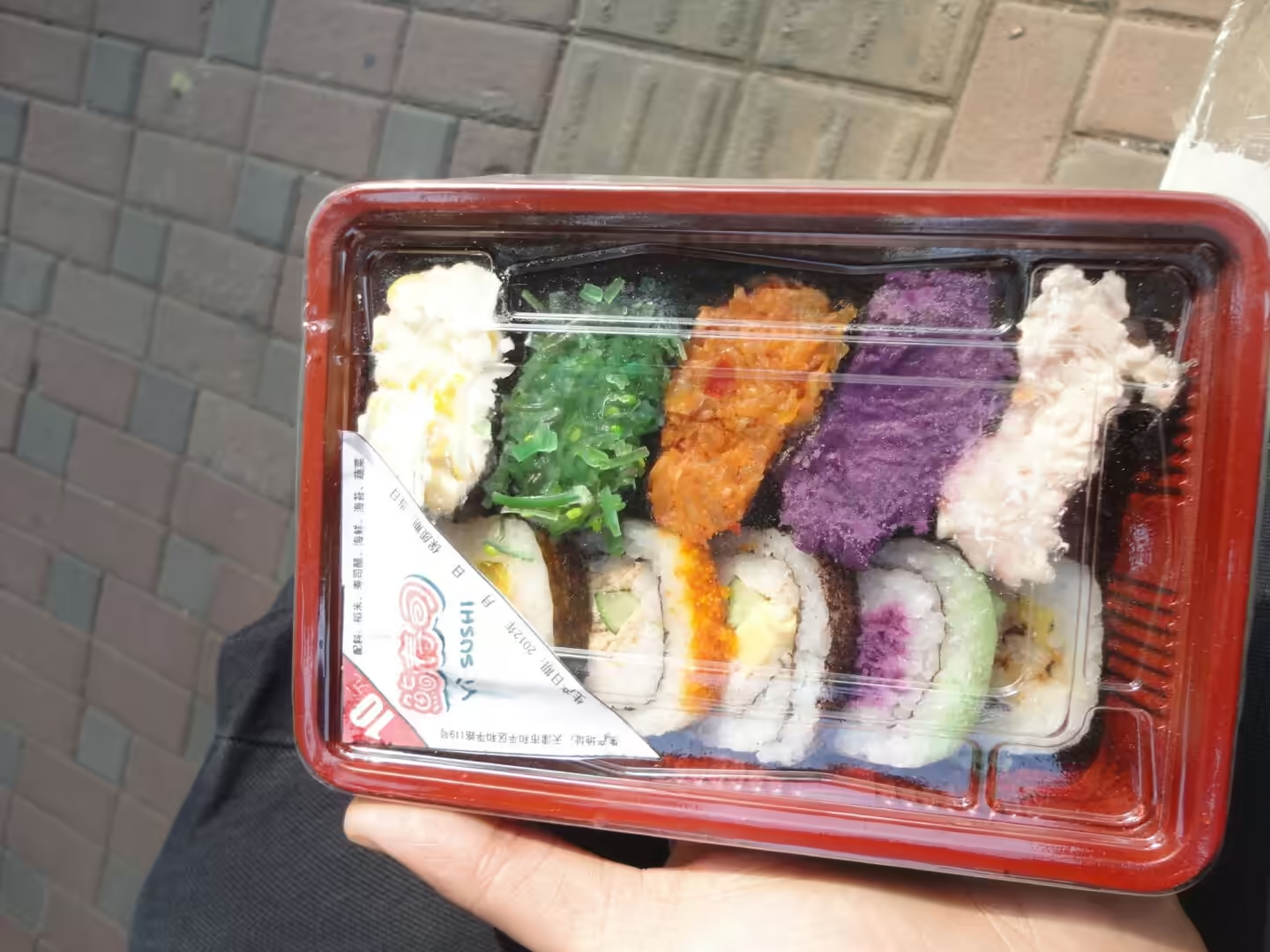
At one corner I discovered a sushi shop. Individual pieces cost 1–3 Y, or a box of ten for 10 Y. I chose a box and sat down on a shady bench. I had no idea what exactly I was eating, but it tasted great. I went back and bought two more boxes for later. I continued wandering through the side streets, where the scene repeated itself endlessly: small shops, food stalls, everyday goods.
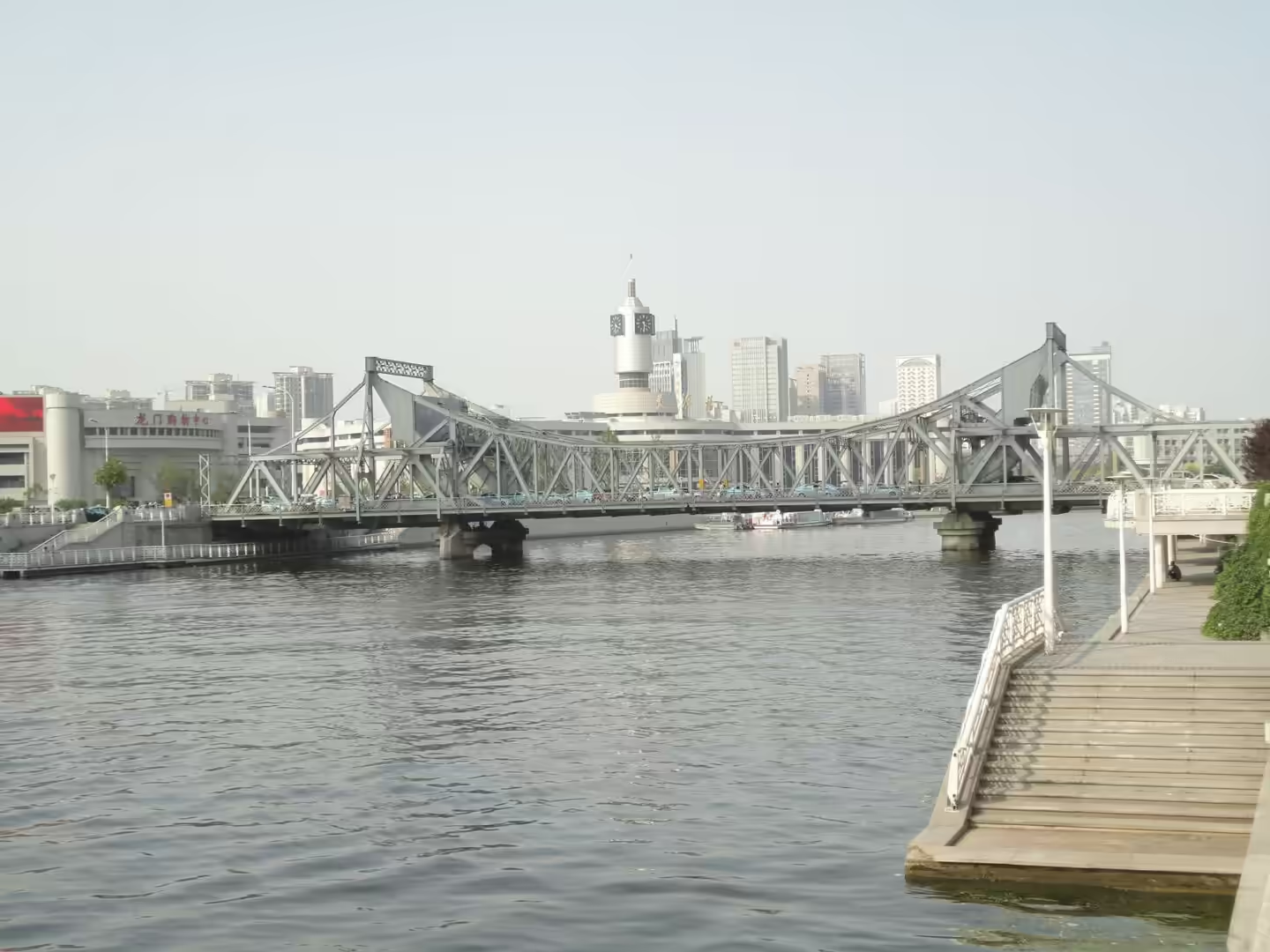

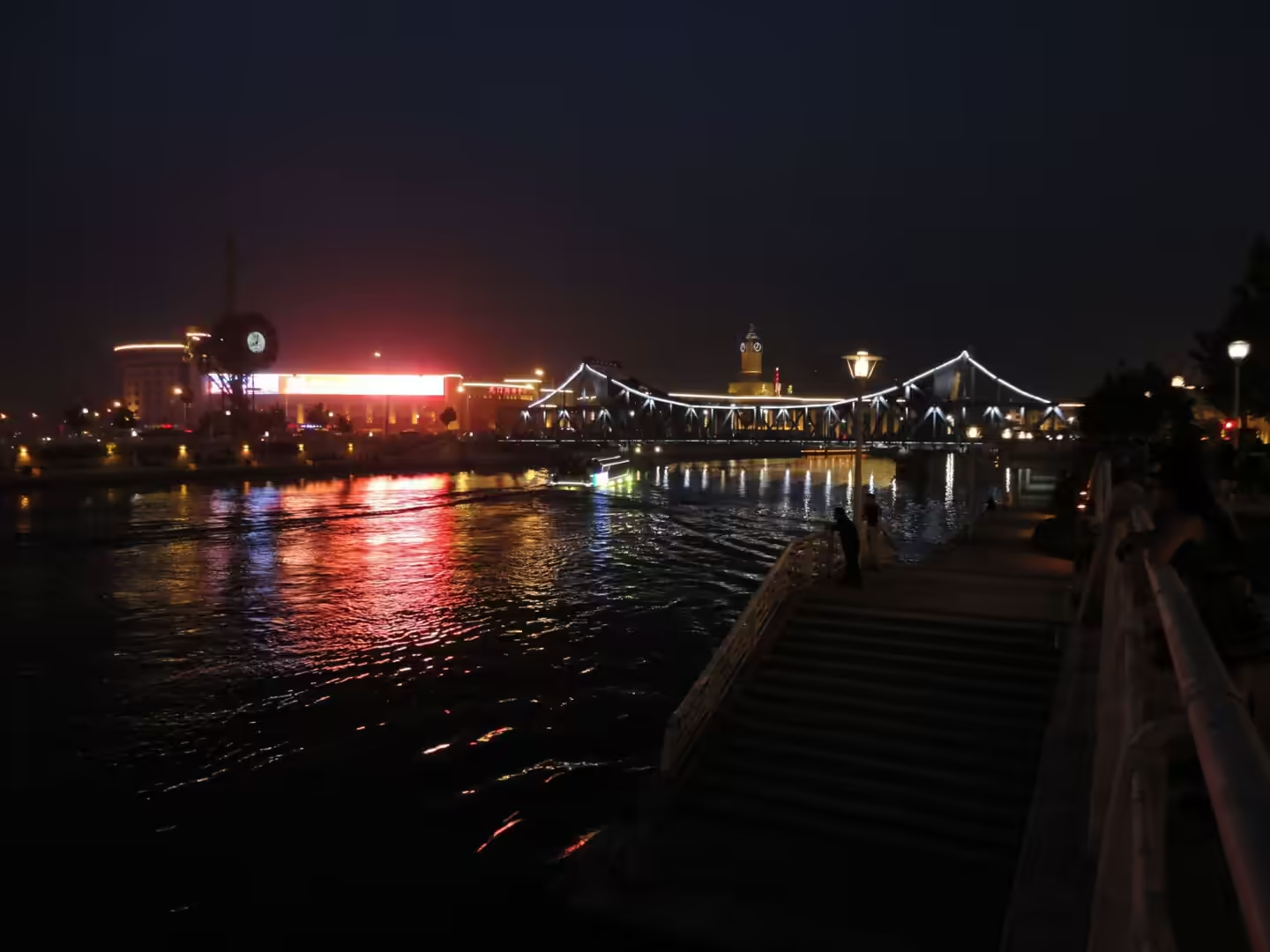
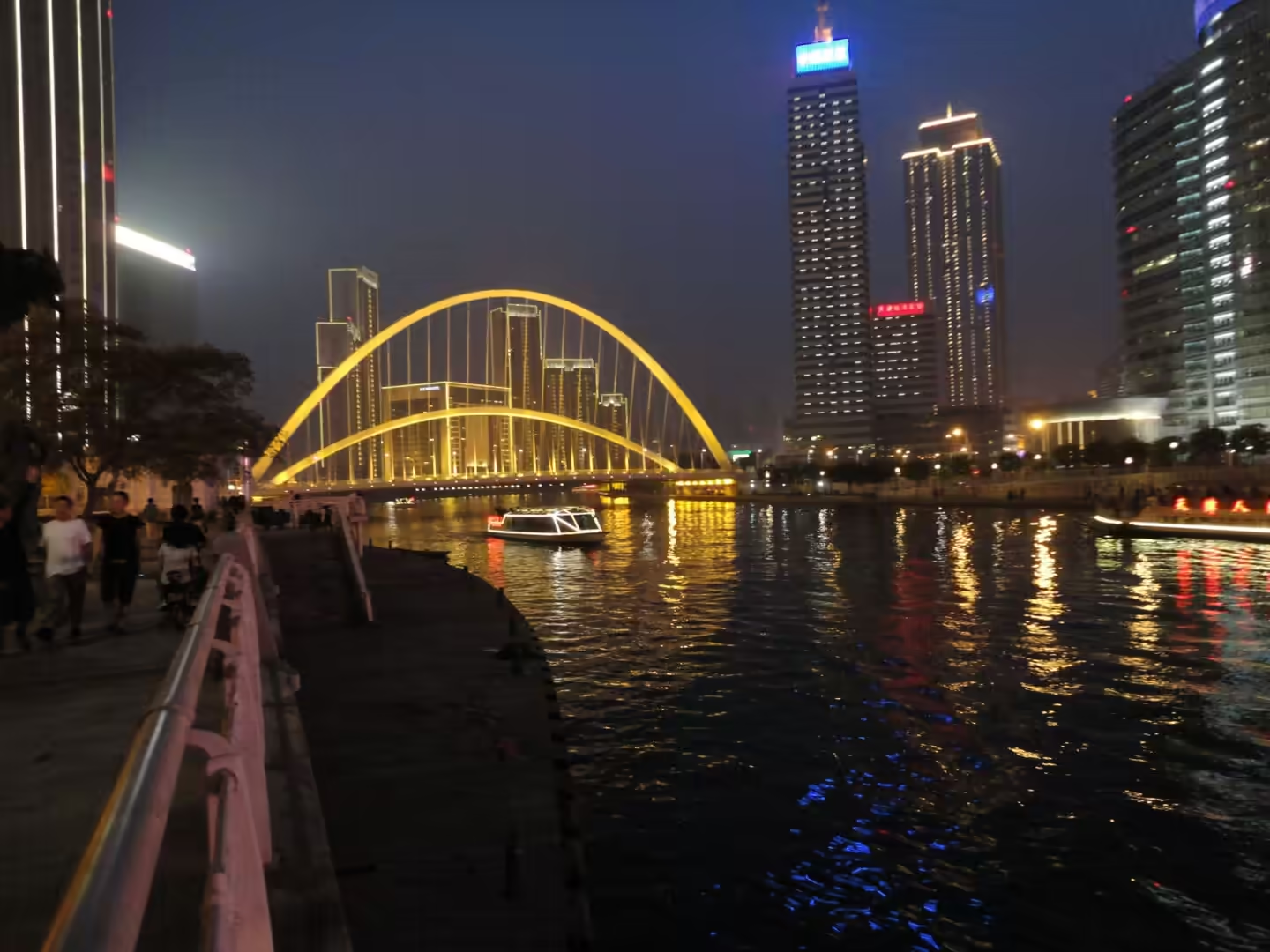
I was actually looking for souvenirs but mostly found the same things everywhere—grills, convenience stores, metal goods. After walking for a long time, I returned toward the river, to the bridge area with a few nude sculptures, and ate another box of sushi. Opposite, a skyscraper under construction was already about 50 storeys high.
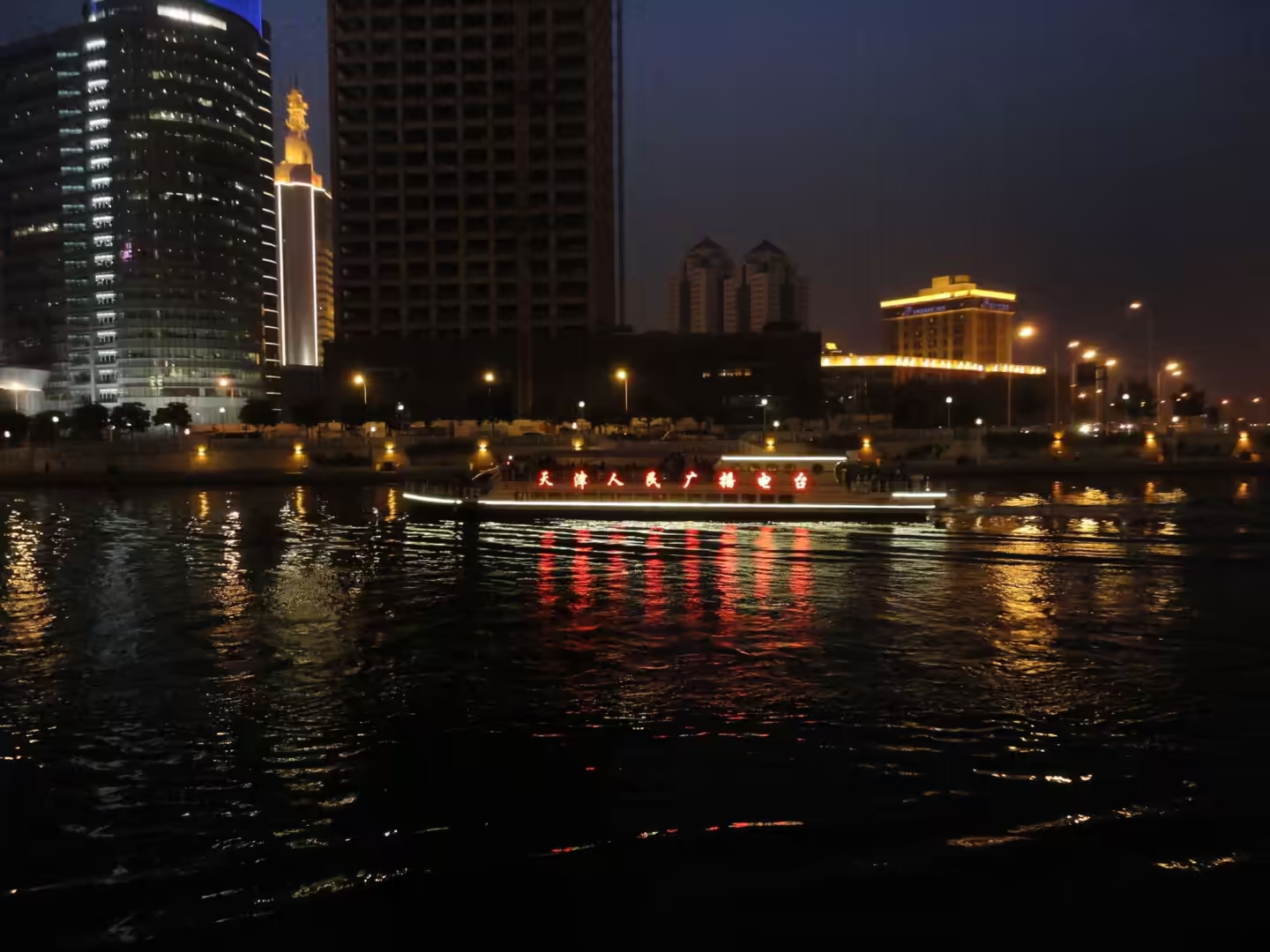
Back at the hotel I tried the internet connection. This time almost nothing worked properly. Chats were occupied by Chinese-only rooms, many websites loaded extremely slowly or not at all, and uploading photos was impossible. I managed to exchange a few emails and then went back to the bridge to take photos of the city at night.
Earlier I had found a small souvenir in a side street shop: a ceramic tea vessel with a little candle holder—cheap and simple. At night the skyscrapers were illuminated by gigantic LED displays that lit up the whole city. Later, near the hotel, I tried to buy cigarettes. The vendor wanted 65 Y for a pack of Taishan cigarettes that usually cost 10 Y. I laughed, bought a beer instead—for the correct price of about 4 Y—and called it a day, after several more unsuccessful attempts to upload photos.