The Confucius Temple of Nanjing
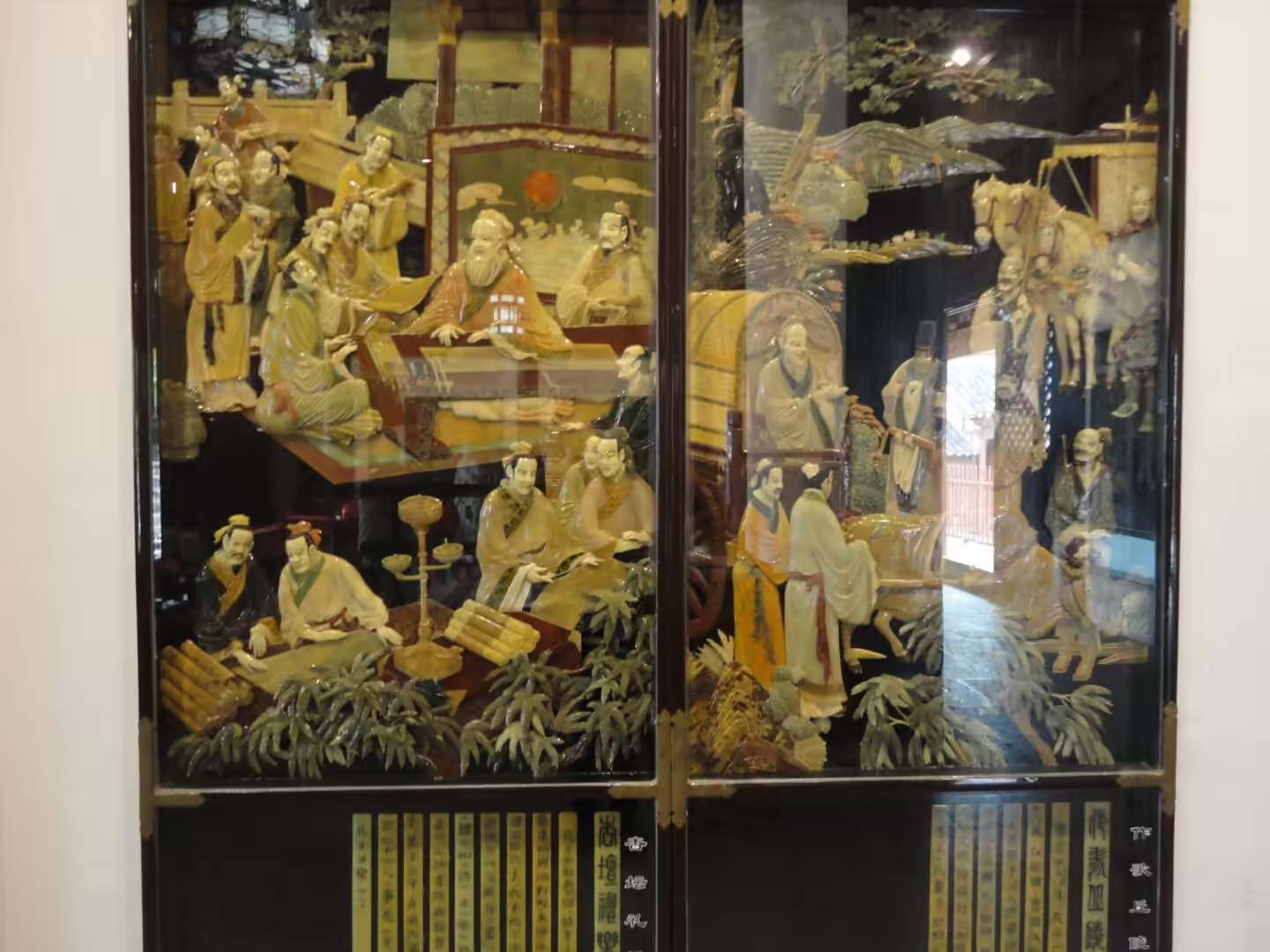
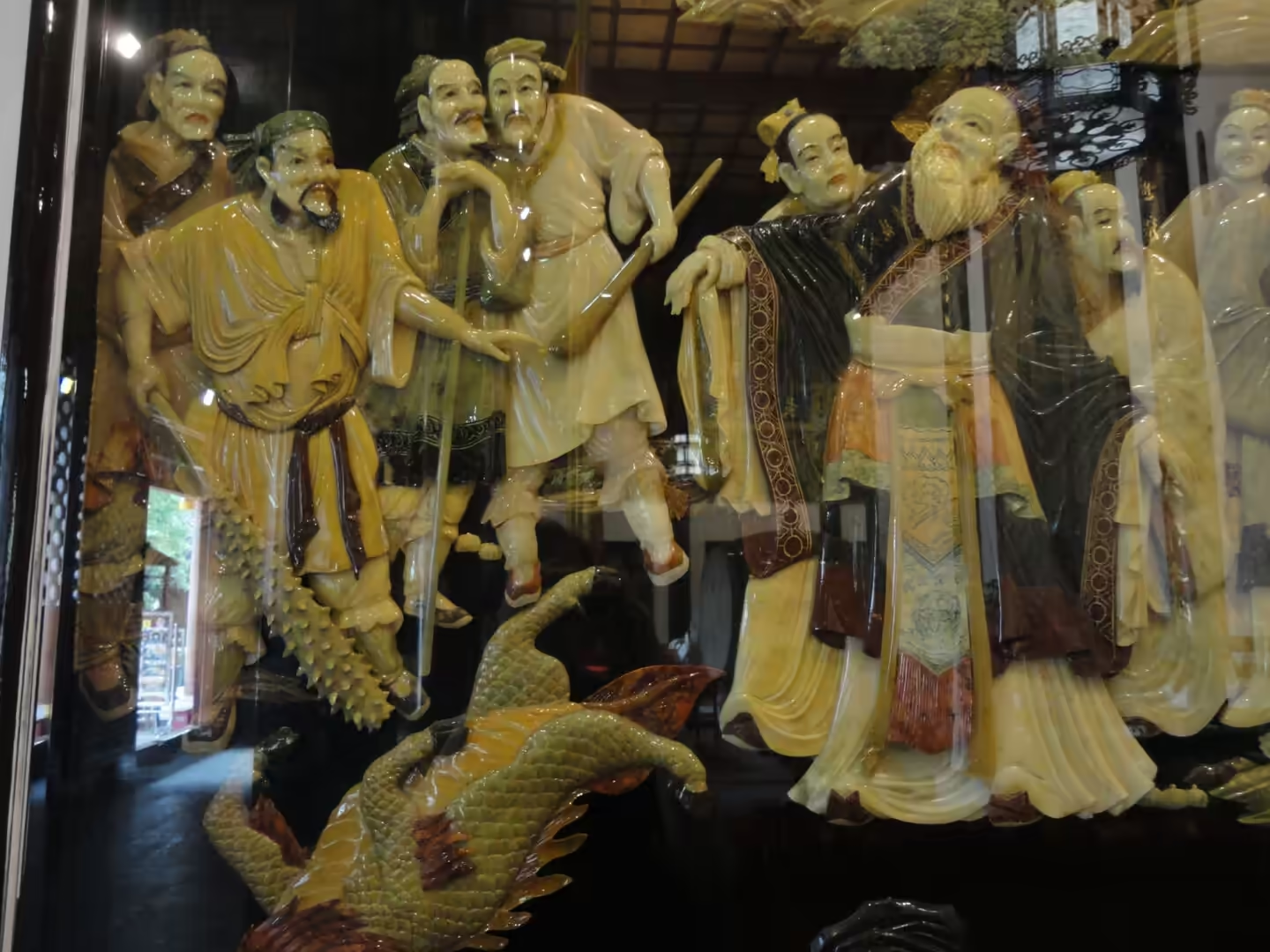
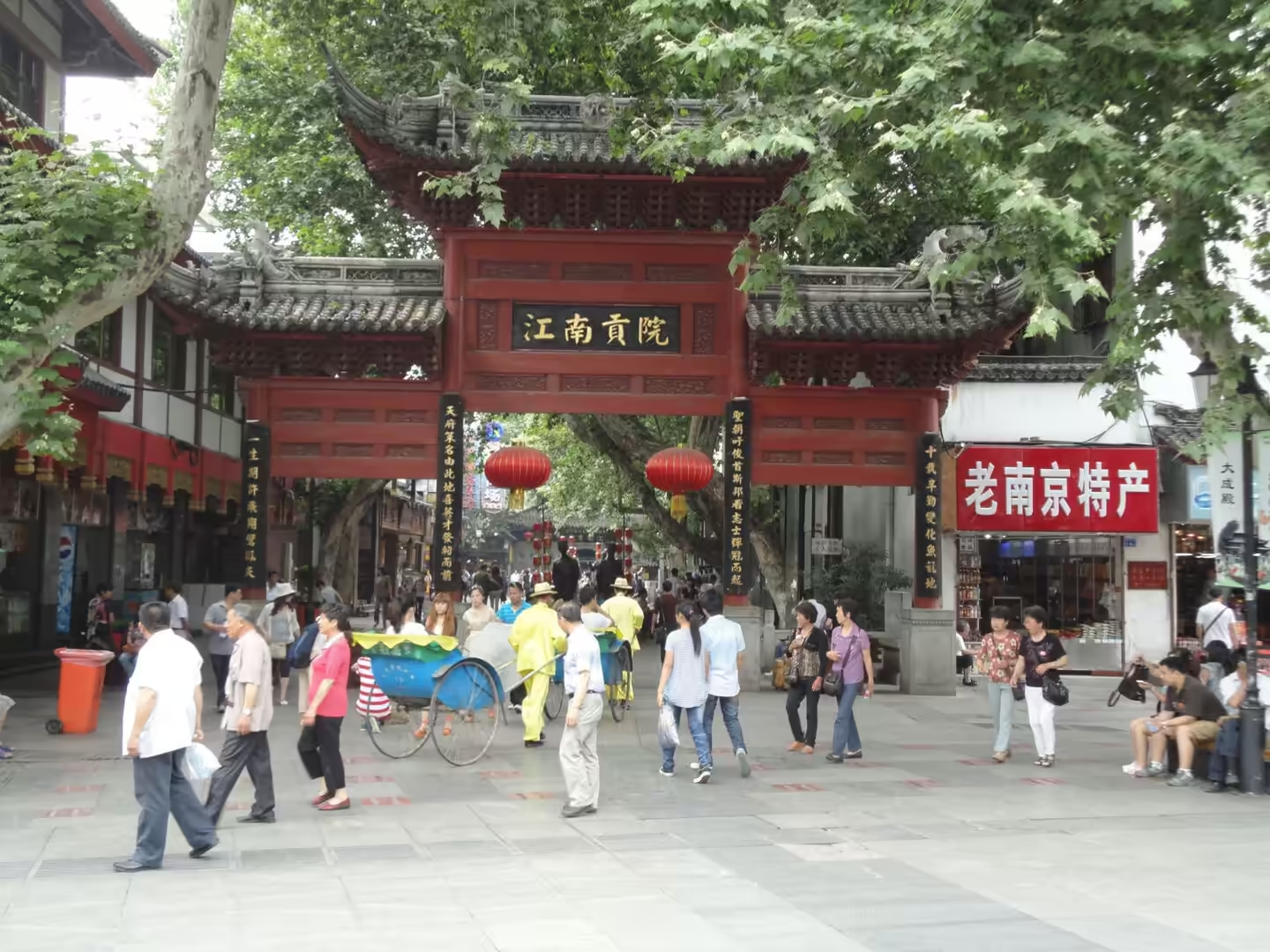
The Confucius Temple (Nanjing), commonly known as Fuzimiao, is one of the most important cultural and intellectual landmarks in Nanjing. Its origins date back to 1034 CE during the Northern Song dynasty, when it was established as a state-sponsored site for the veneration of Confucius and the promotion of Confucian education. Unlike purely religious temples, the Confucius Temple functioned primarily as an educational and ceremonial complex, closely linked to the imperial examination system that shaped China’s bureaucratic elite for nearly a millennium.
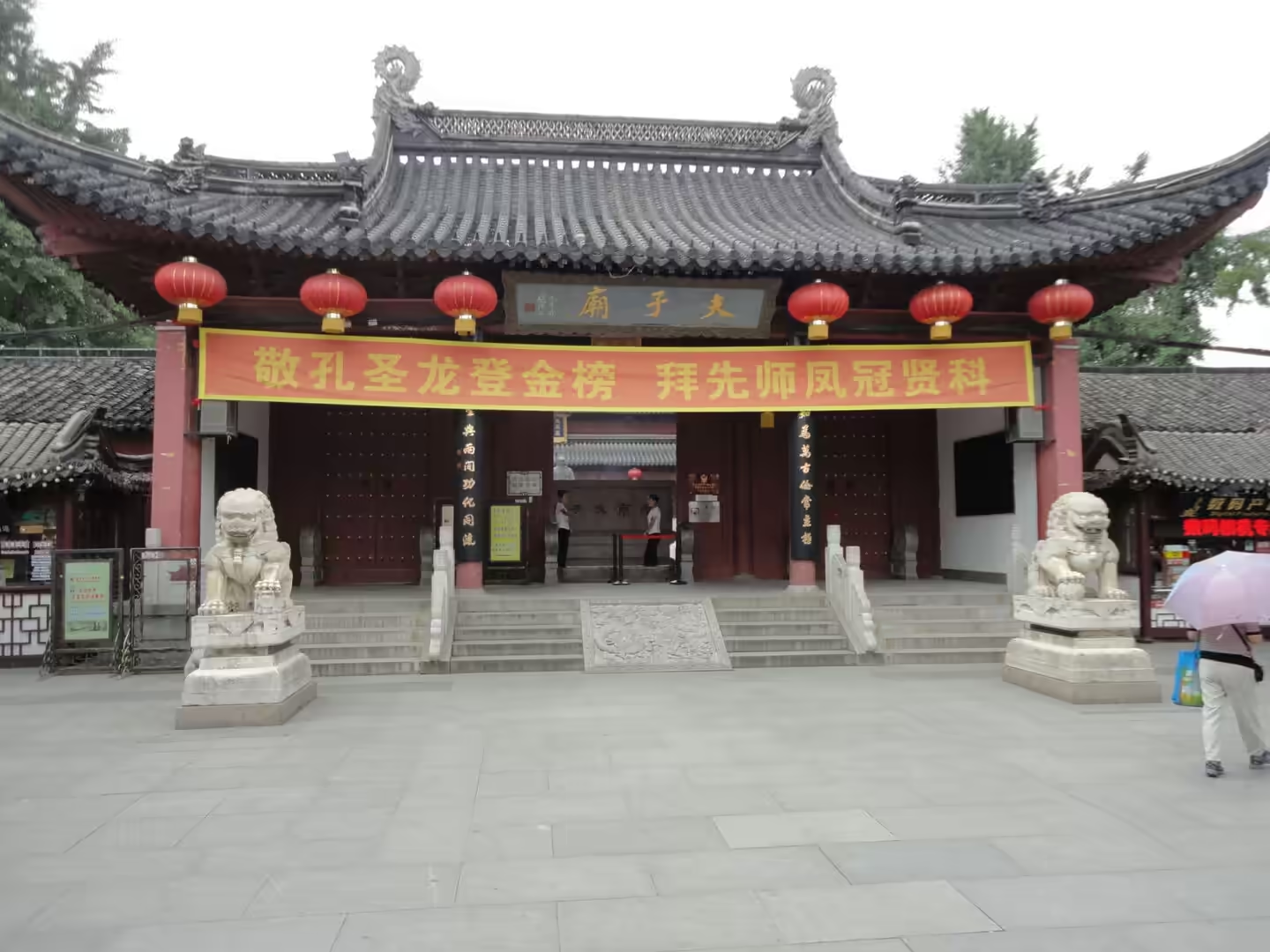
Architecturally, the temple complex reflects classical Confucian ideals of order, hierarchy, and restraint. Its layout follows a strict axial symmetry, with courtyards, gates, and halls arranged to guide movement from the secular outer spaces toward increasingly formal and ritualized inner areas. The main hall, dedicated to Confucius, emphasizes proportion and clarity rather than monumental excess, underscoring the Confucian emphasis on moral cultivation over divine transcendence. Historically, the surrounding area developed into a dense educational and commercial district, serving students, scholars, and officials who gathered there for study, examinations, and ceremony.

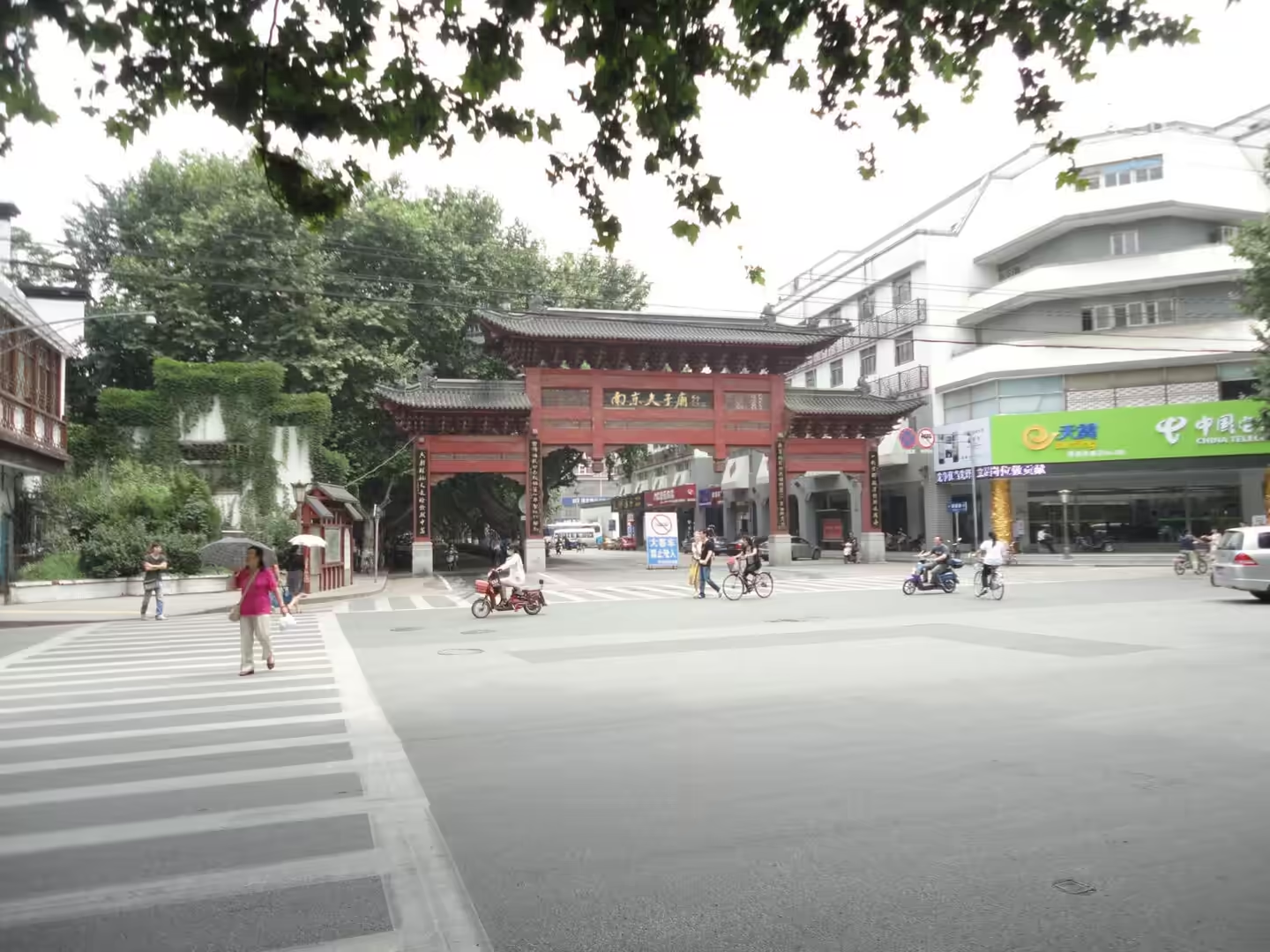
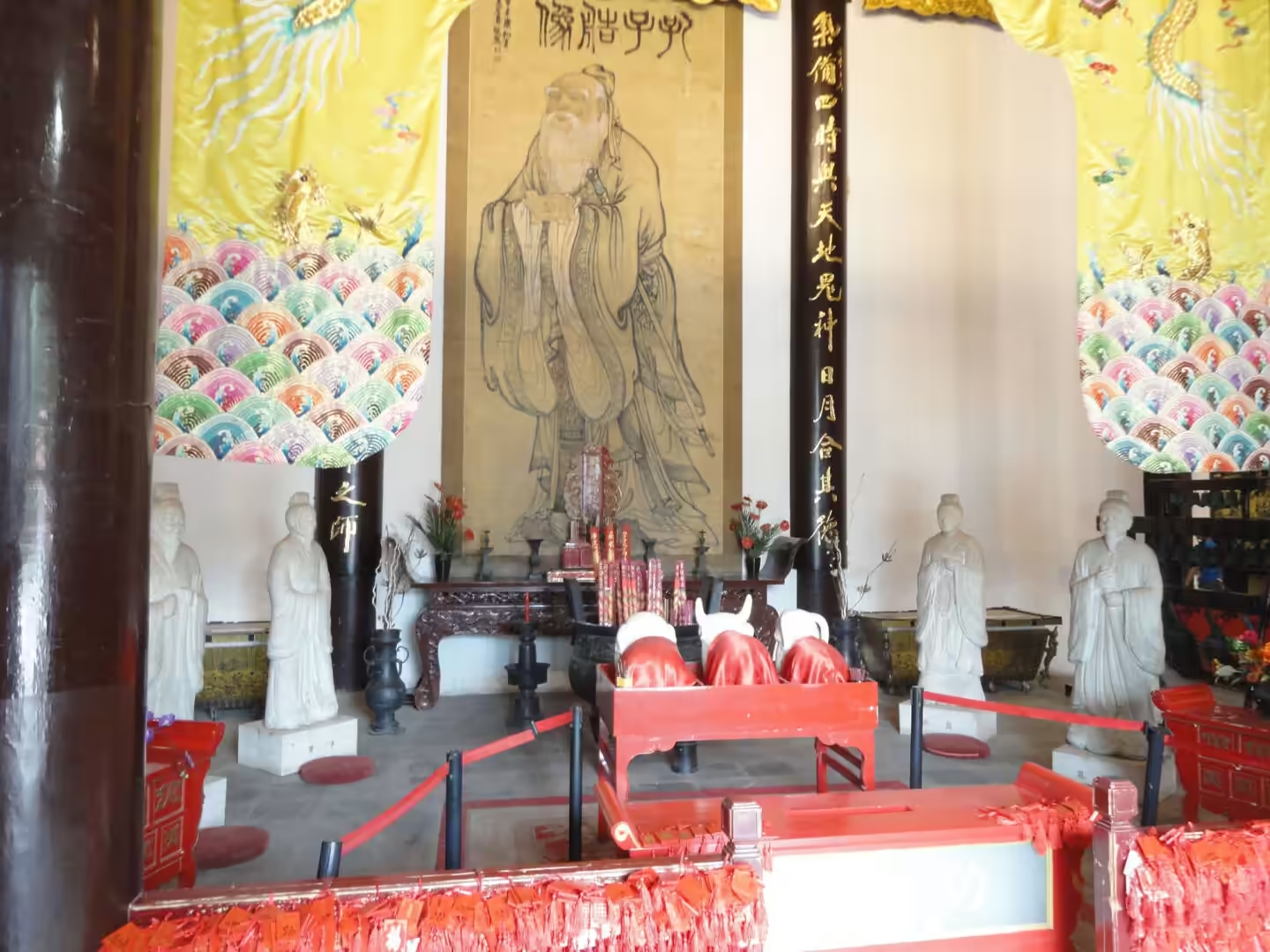
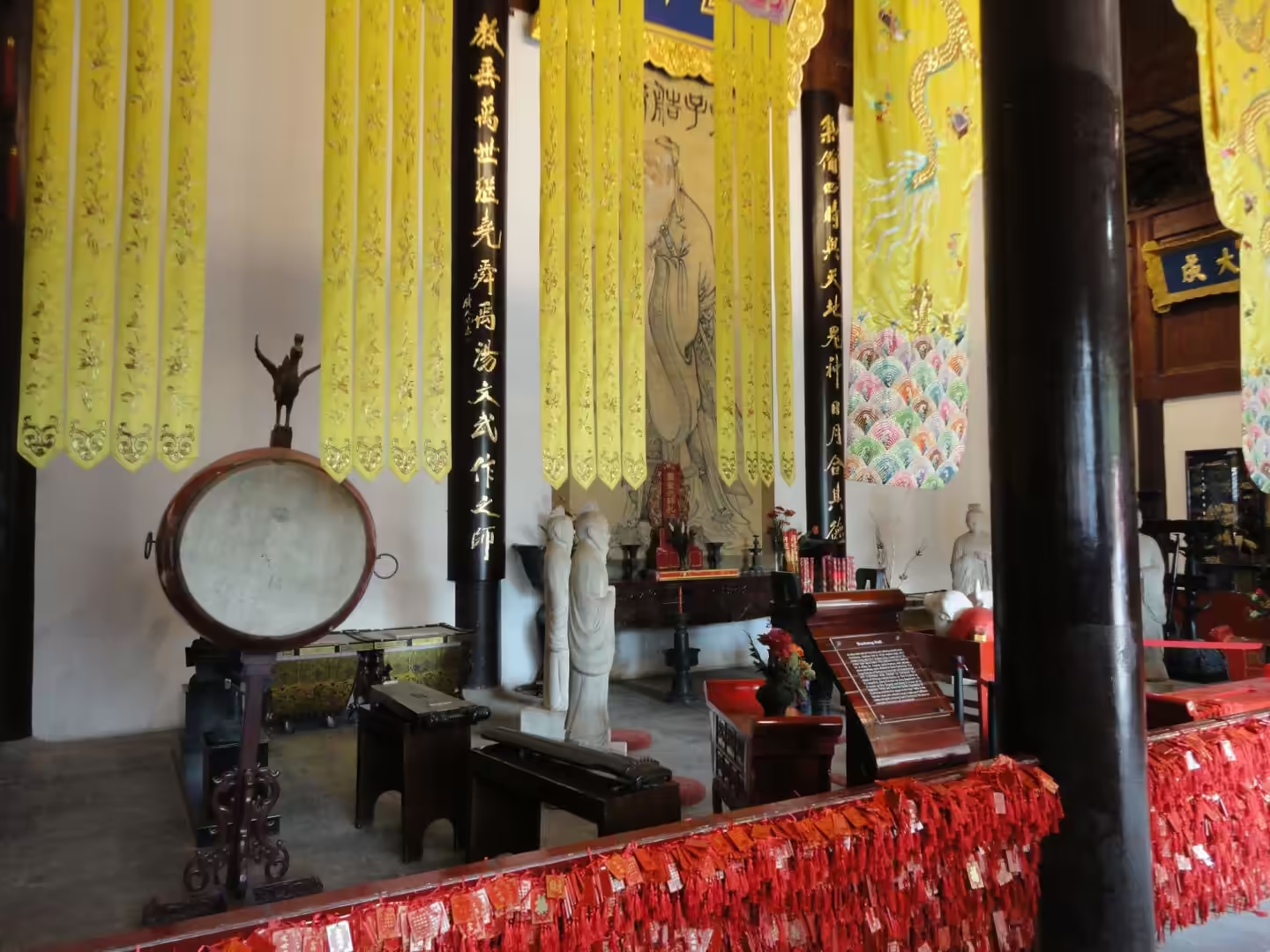
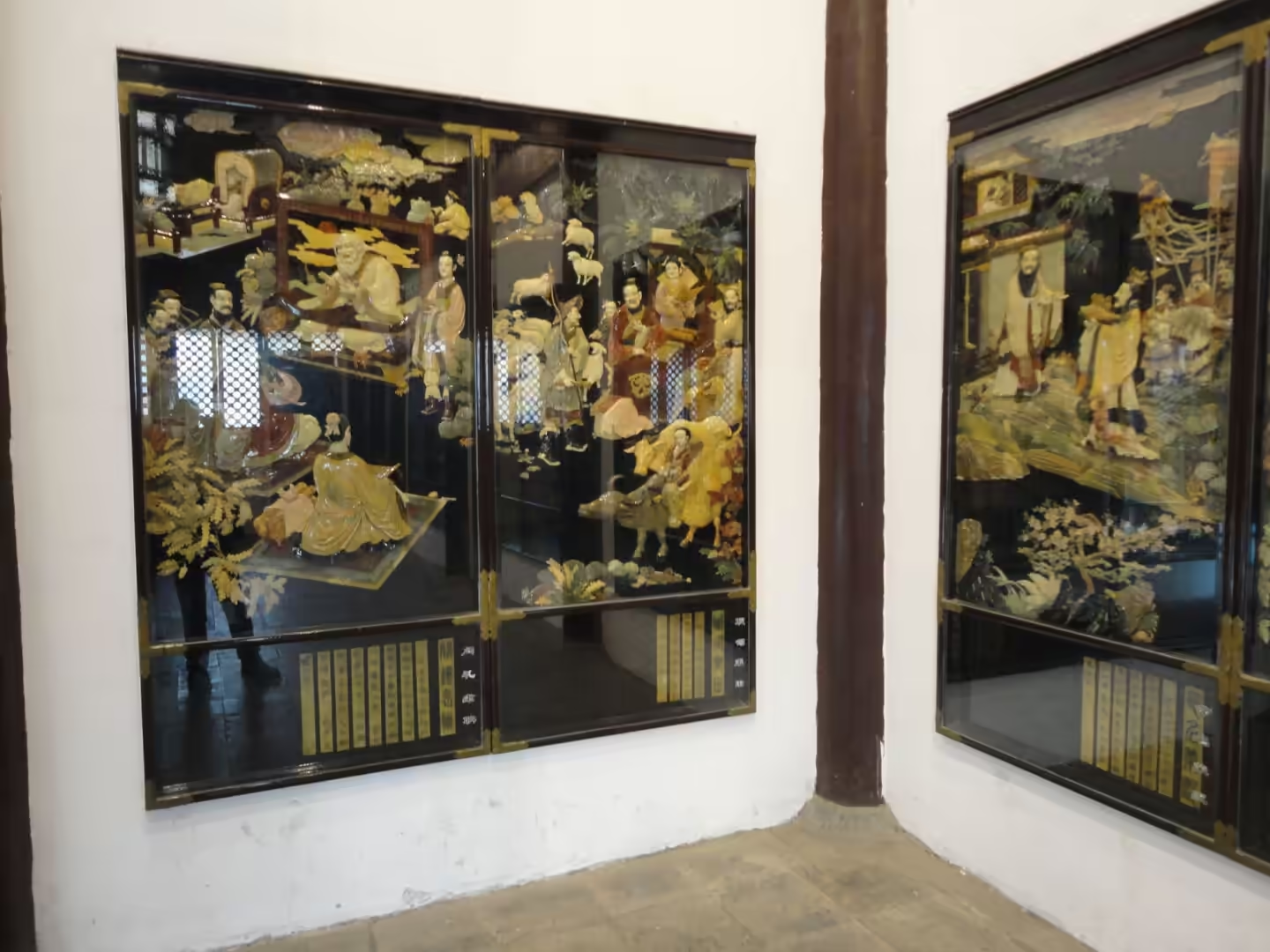
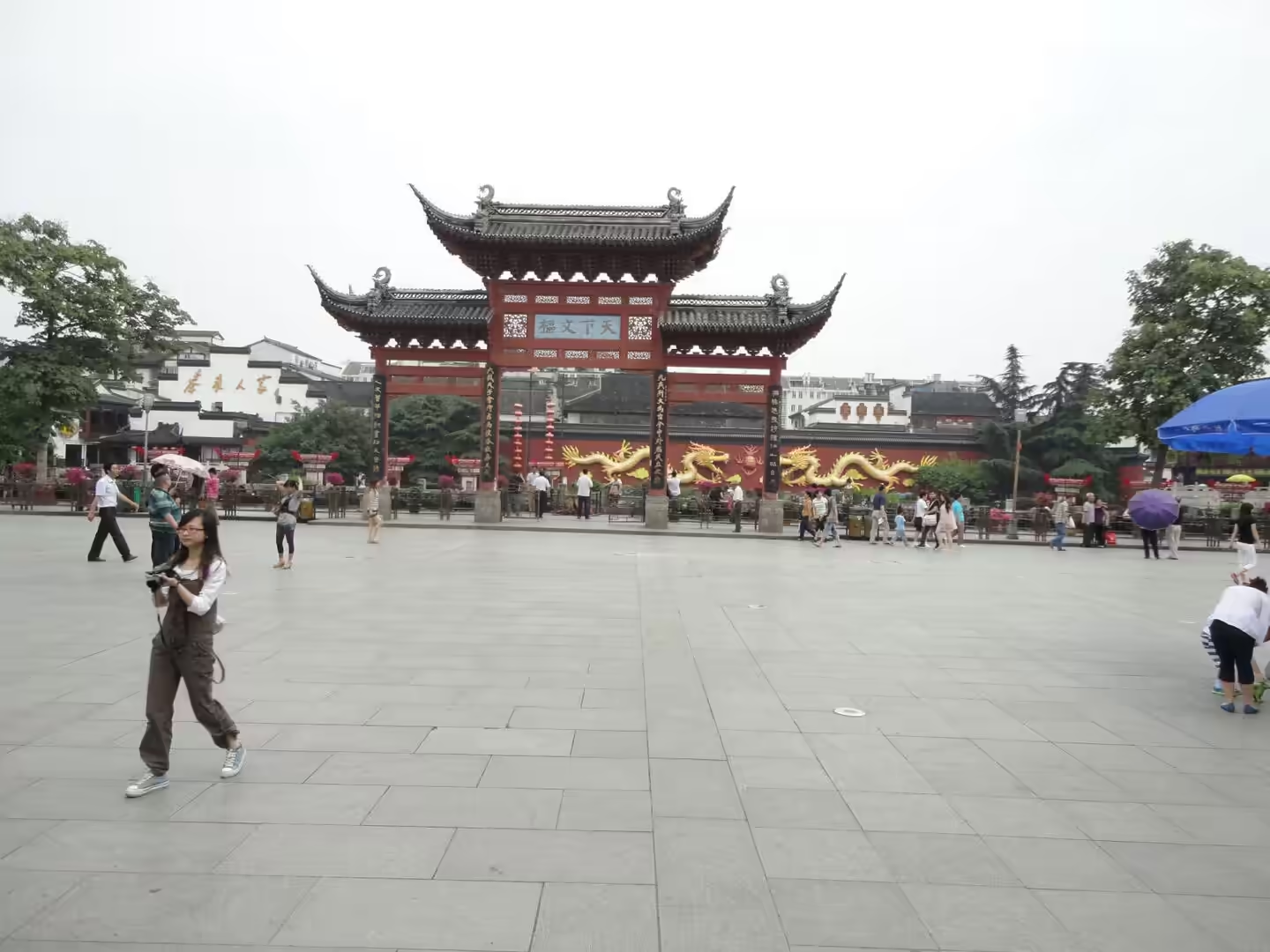
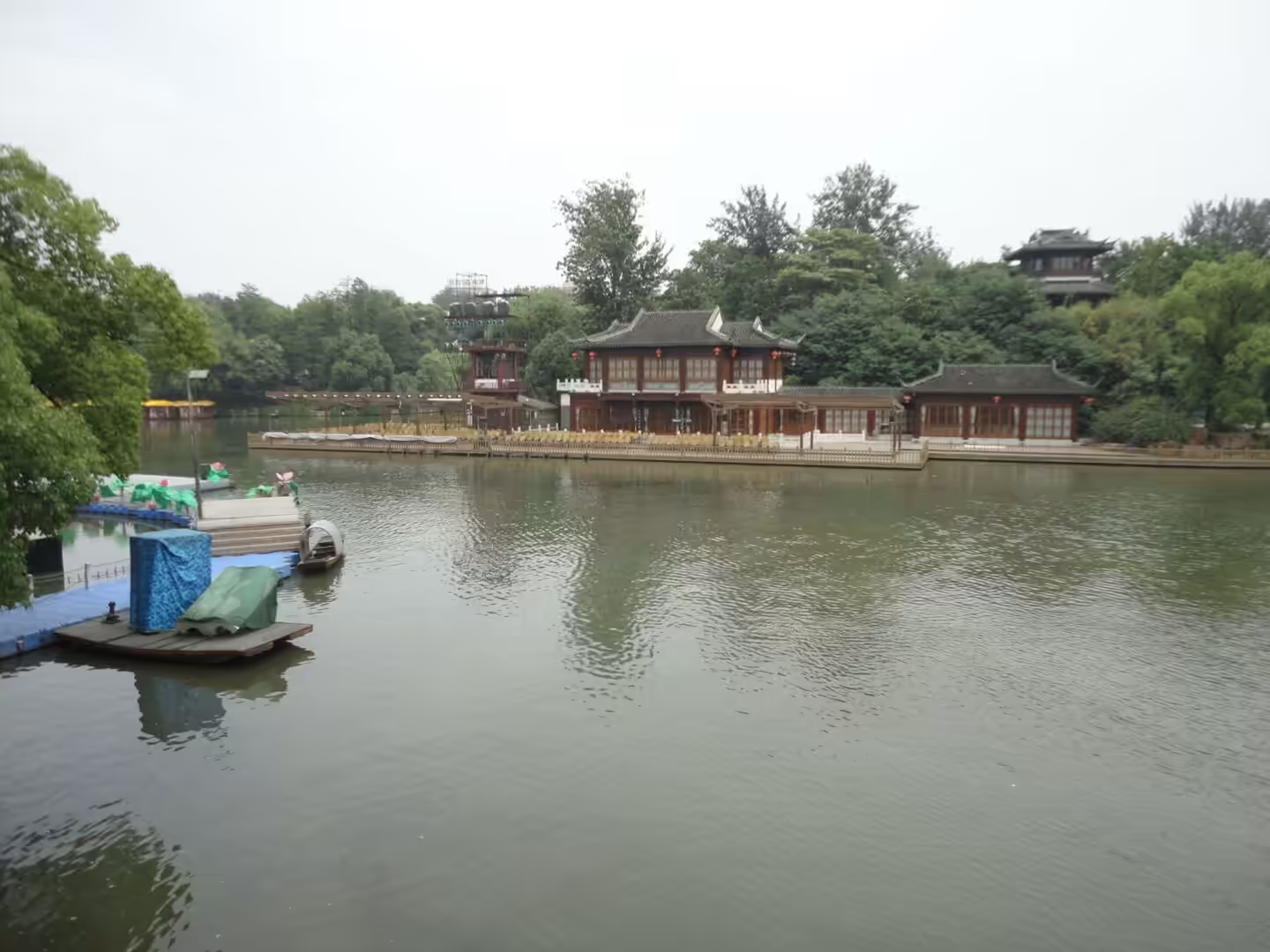
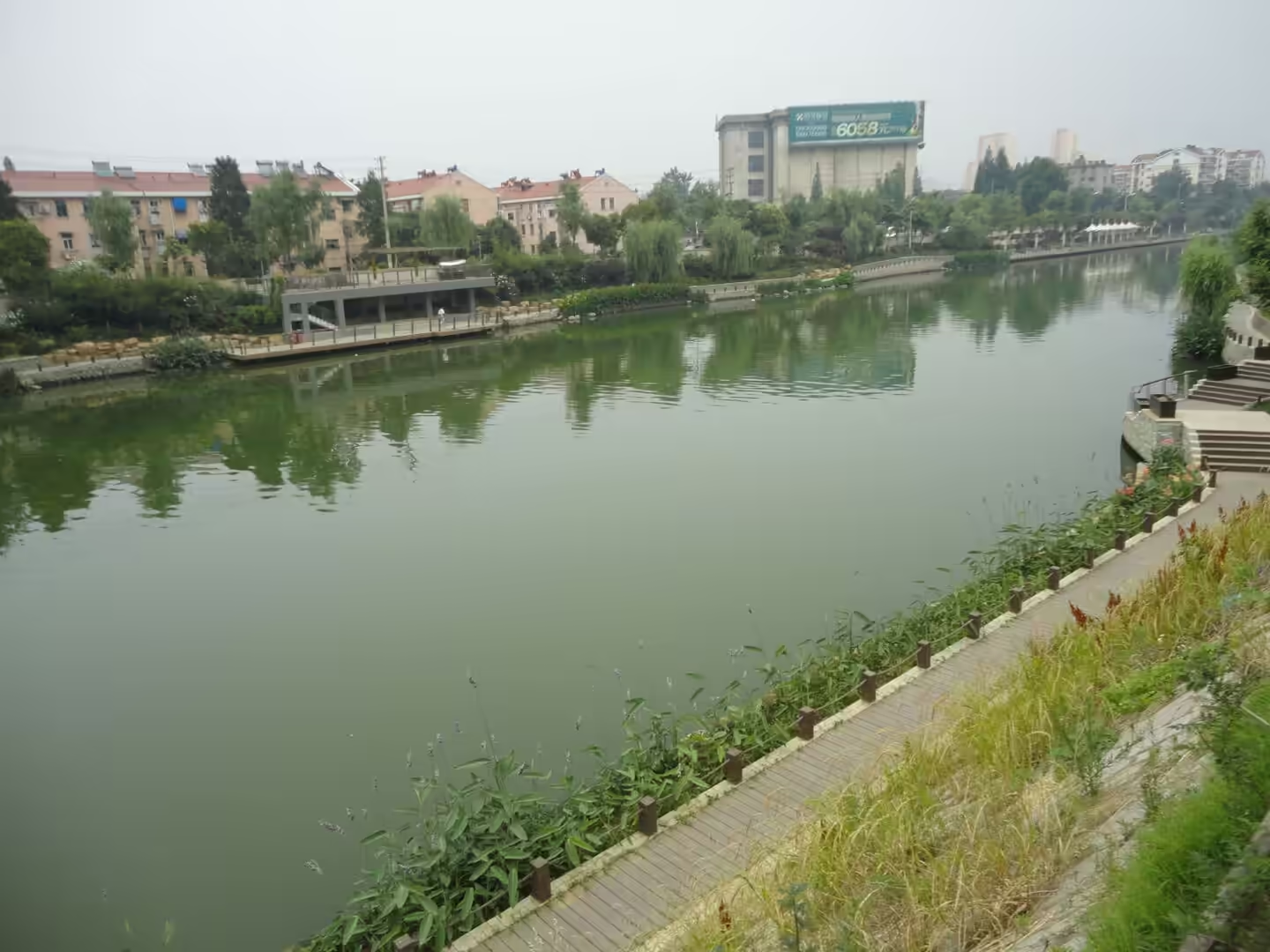
The temple’s location along the Qinhuai River is not incidental. Waterways were integral to Nanjing’s urban life, and the Qinhuai served as both a transportation route and a cultural artery. Over time, the area around the Confucius Temple evolved into a lively urban quarter combining scholarship, ritual, trade, and entertainment. Although much of the present structure reflects later reconstructions, particularly after destruction during wars and upheavals, the site remains a powerful symbol of Confucian intellectual tradition and its role in shaping Chinese statecraft and social order.


The Nanjing Yangtze River Bridge
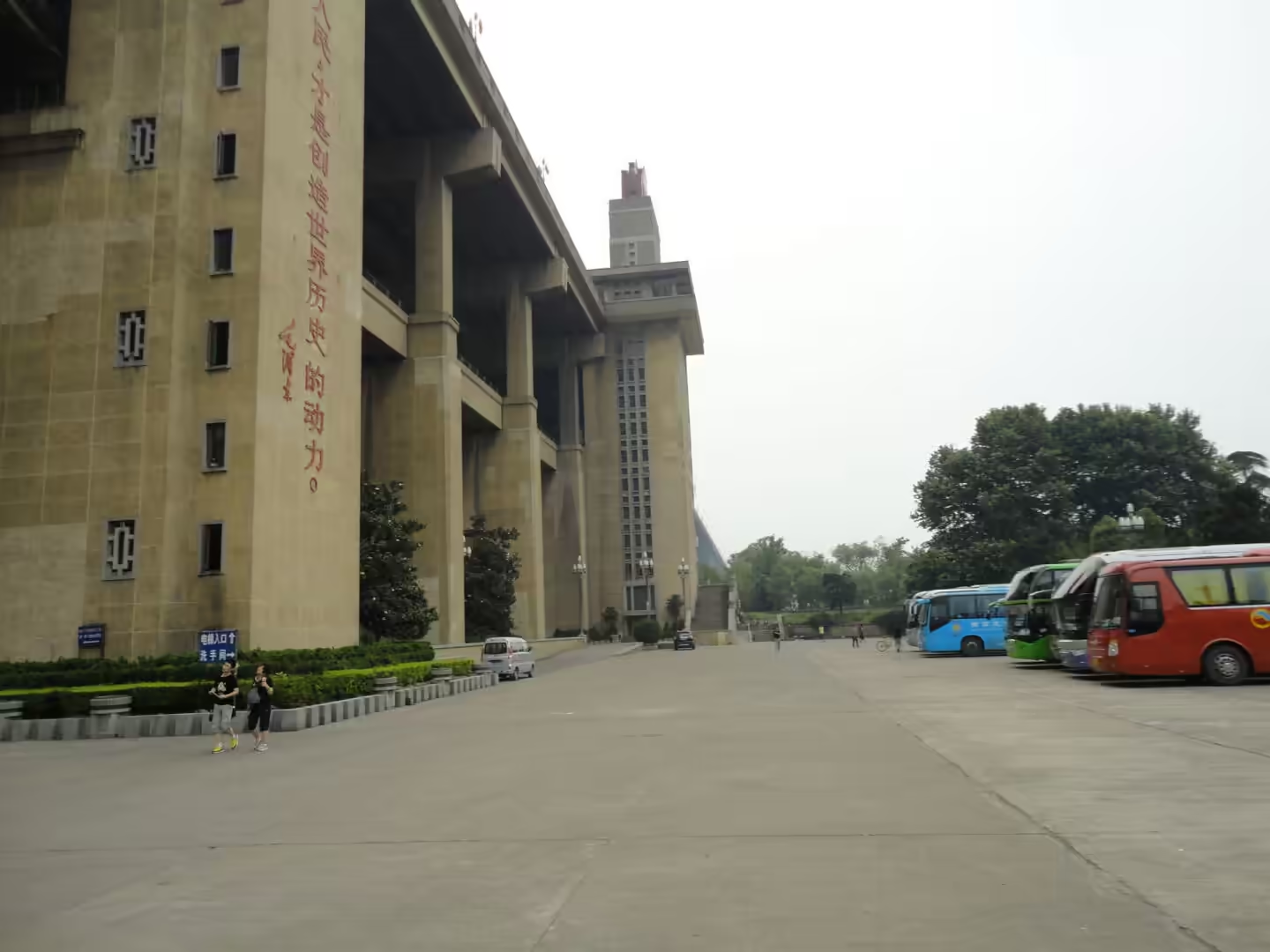
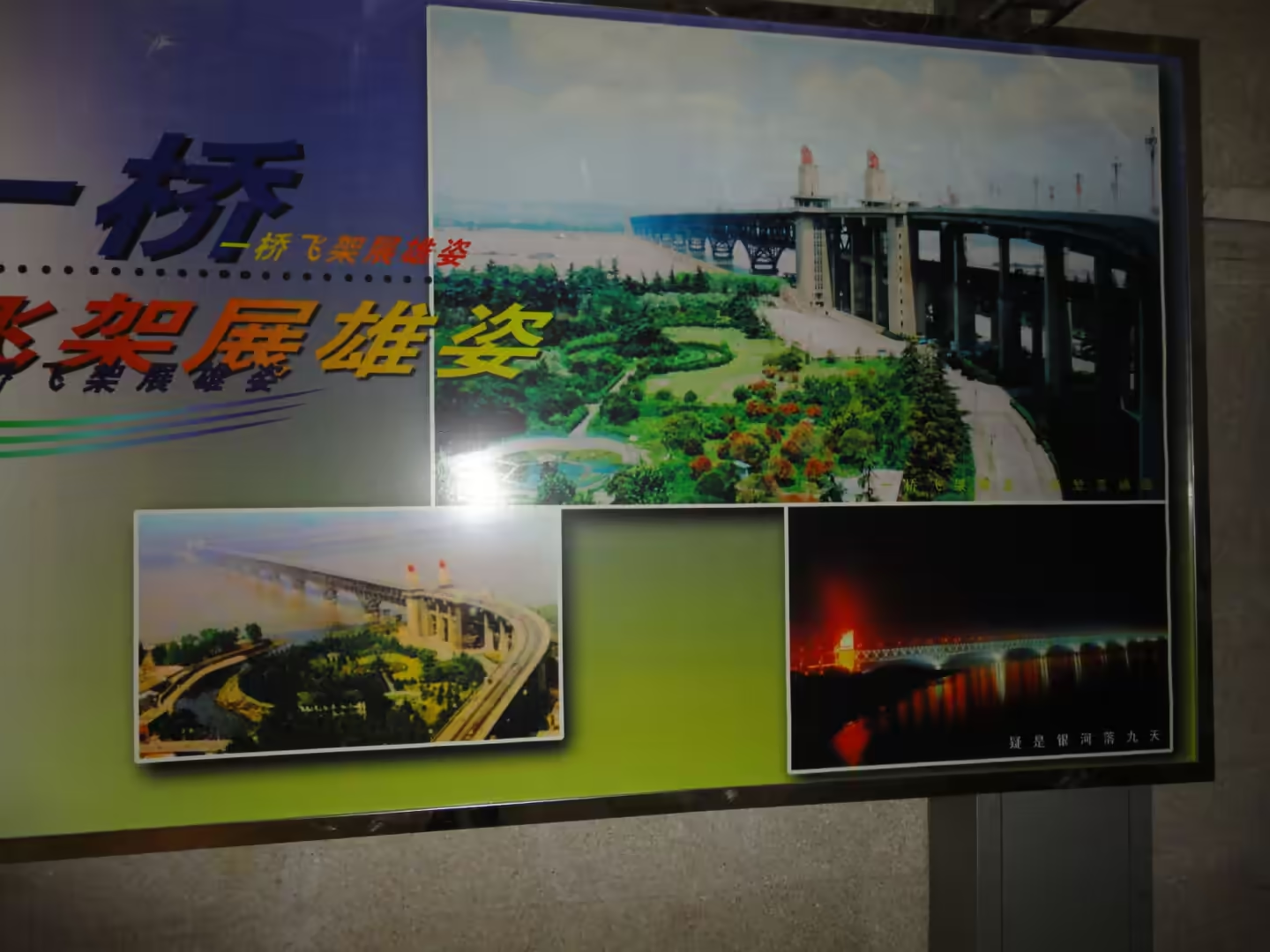
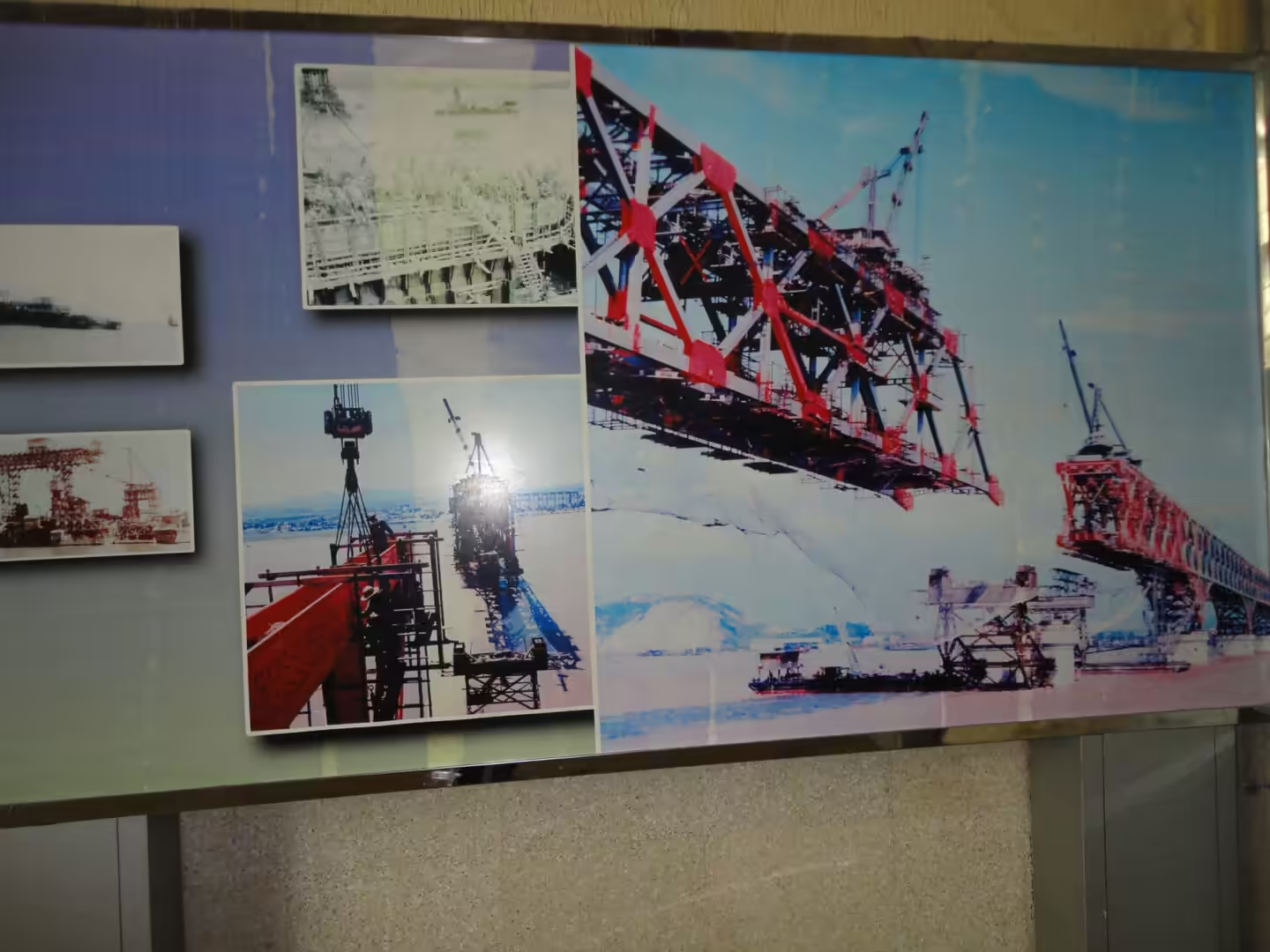
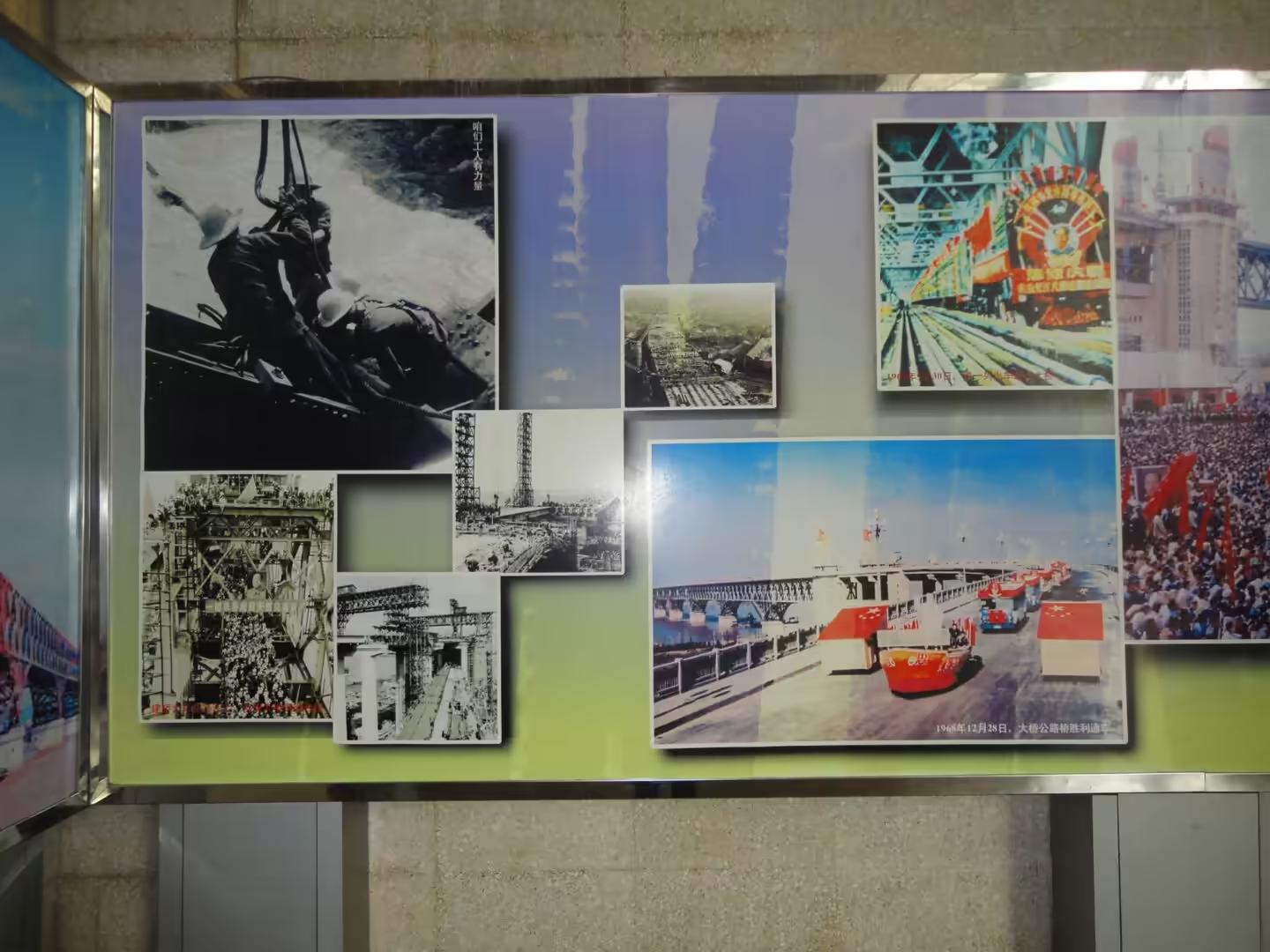
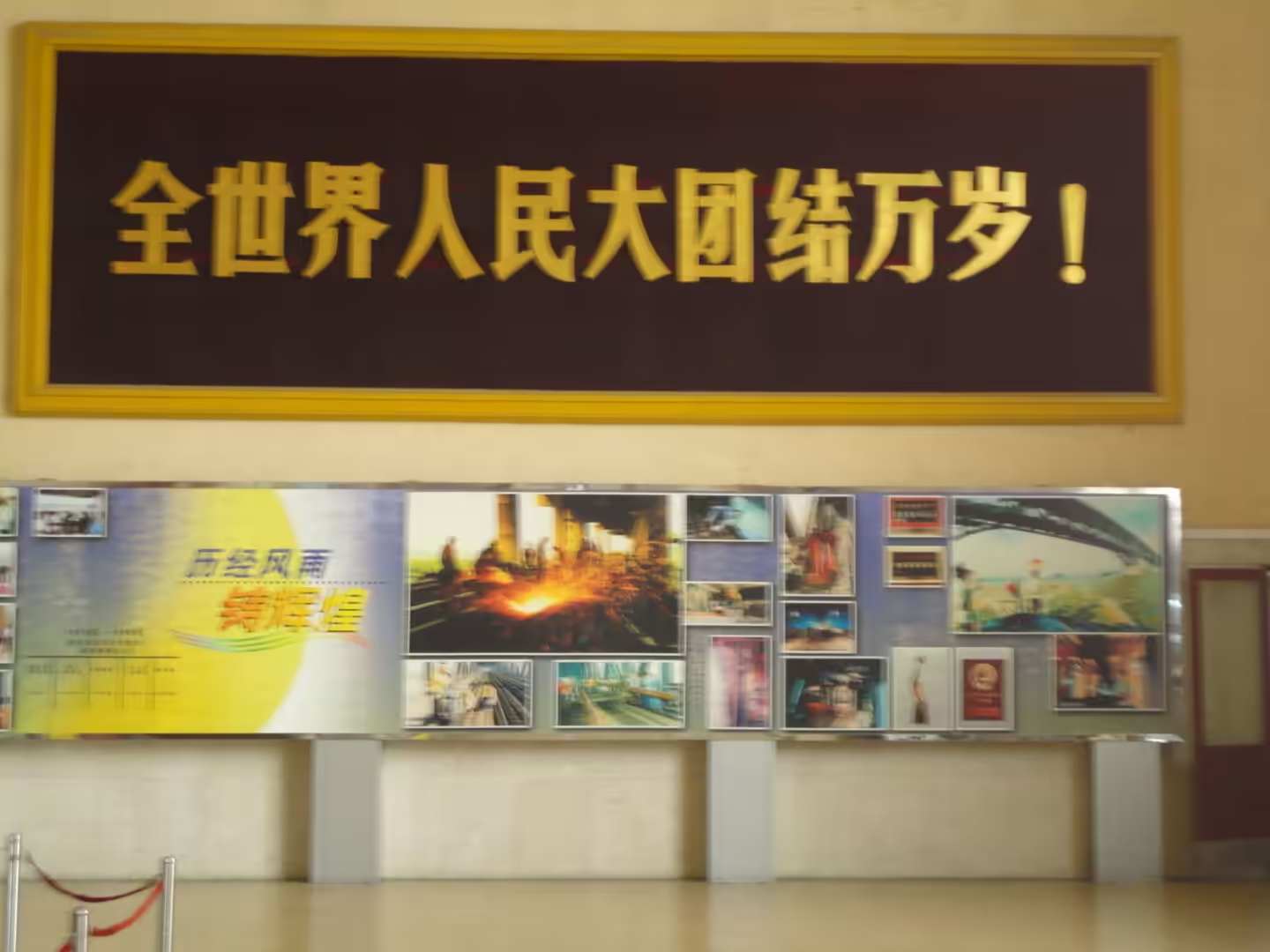
The Nanjing Yangtze River Bridge represents a very different, but equally significant, layer of Nanjing’s history. Completed in 1968, it was the first major bridge over the Yangtze River designed and built entirely with Chinese technology. At the time, the Yangtze was not only a vast physical barrier but also a strategic and symbolic one, dividing northern and southern China and complicating transportation, logistics, and national integration.

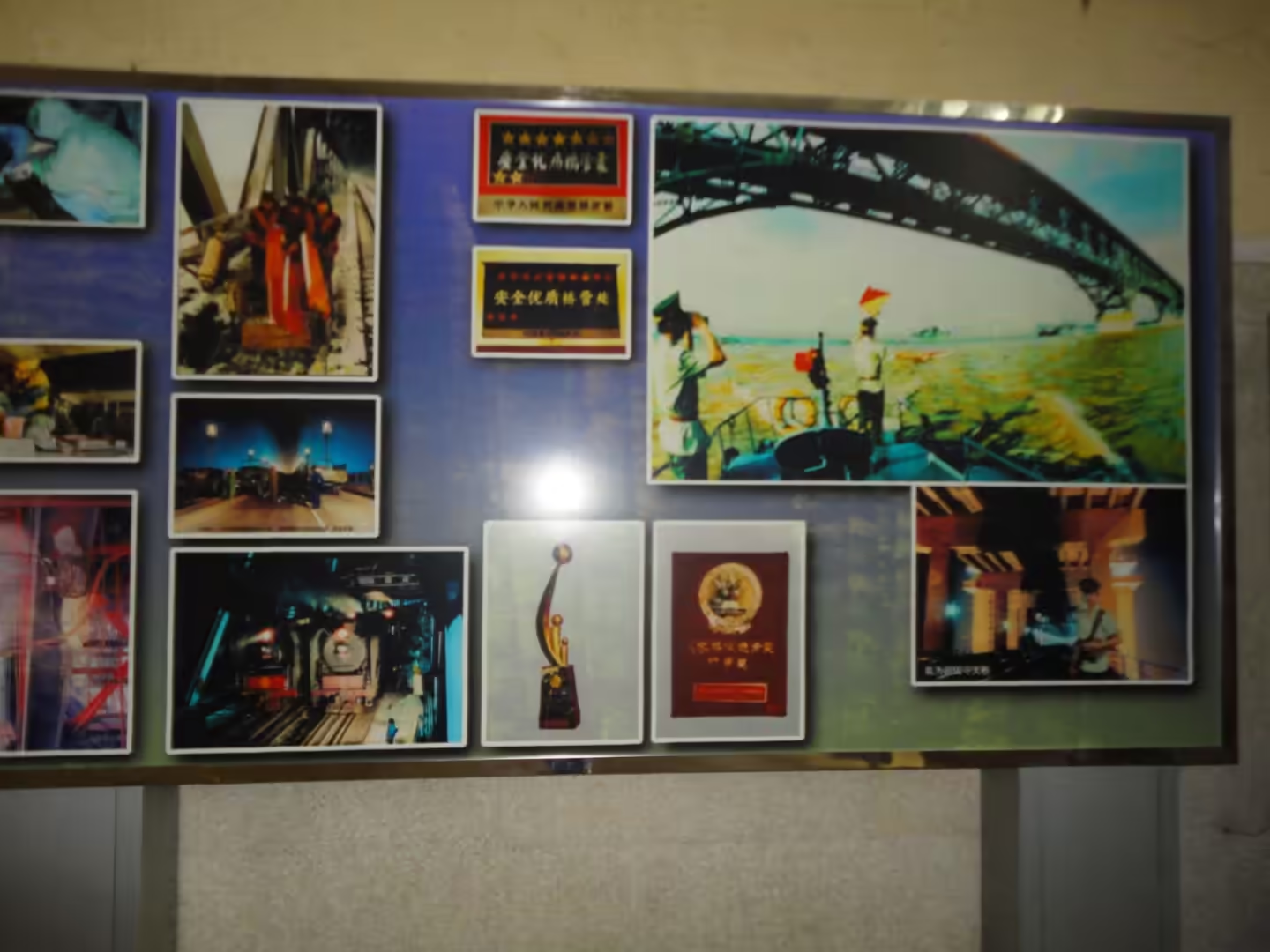
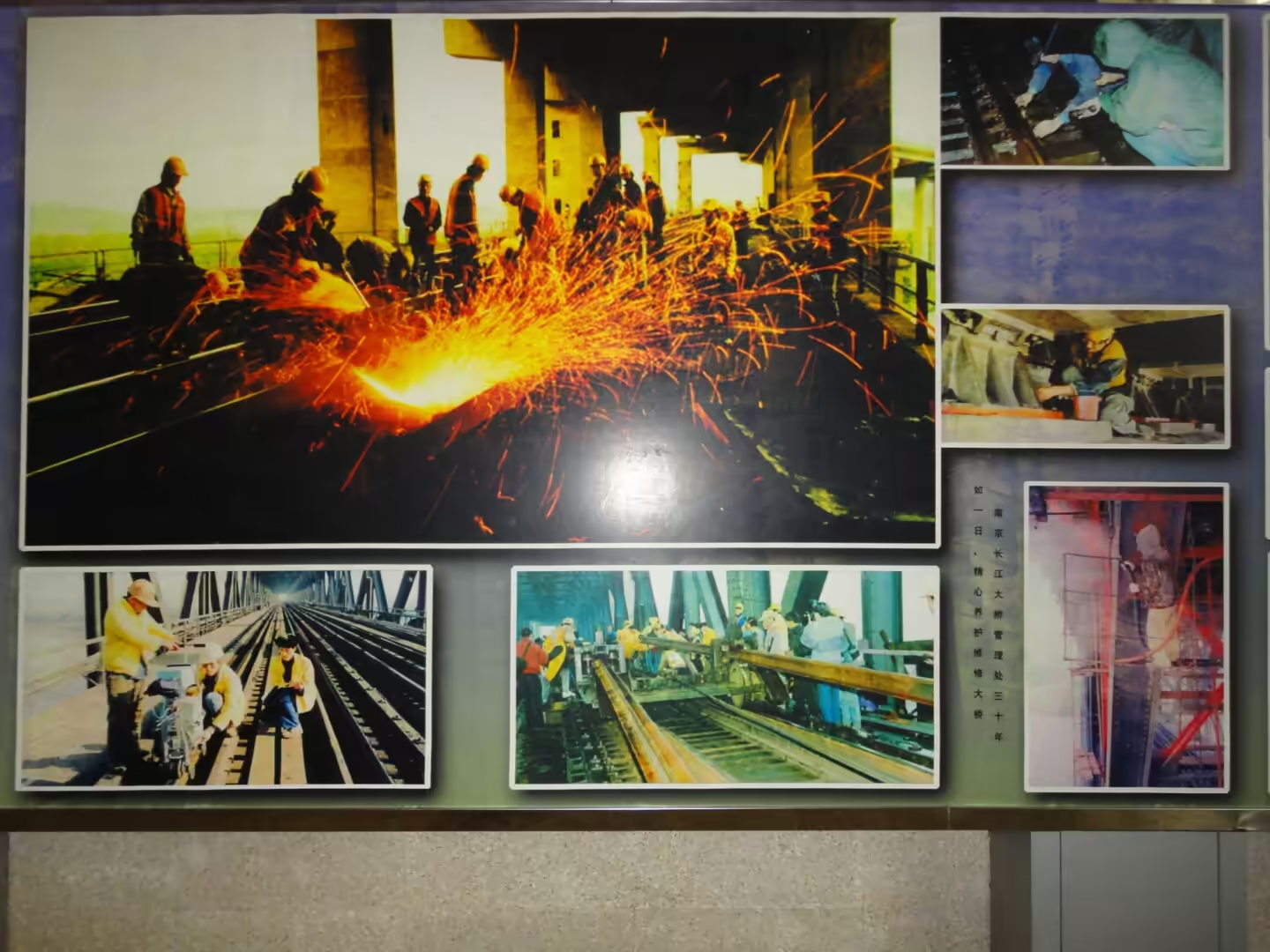
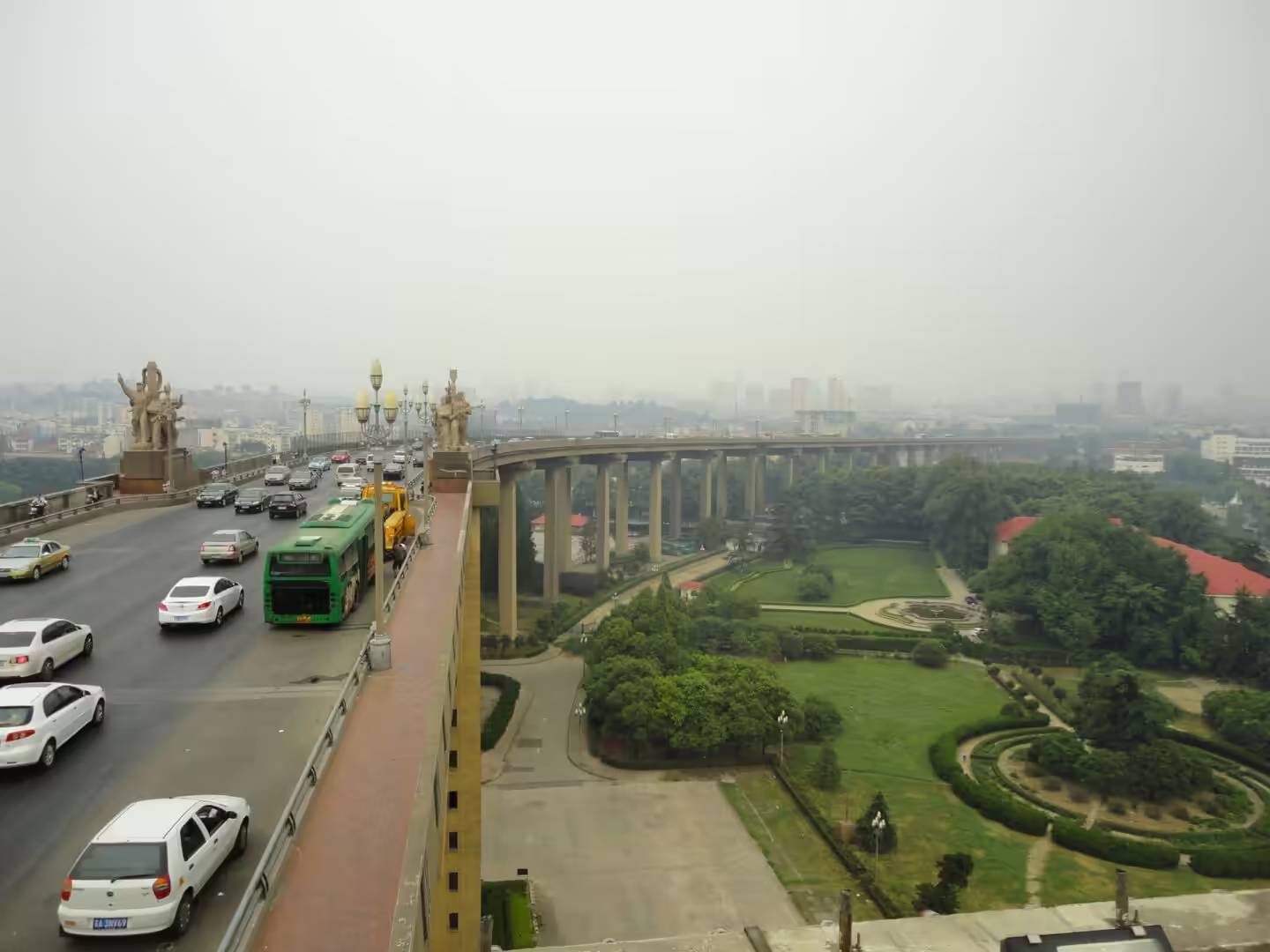
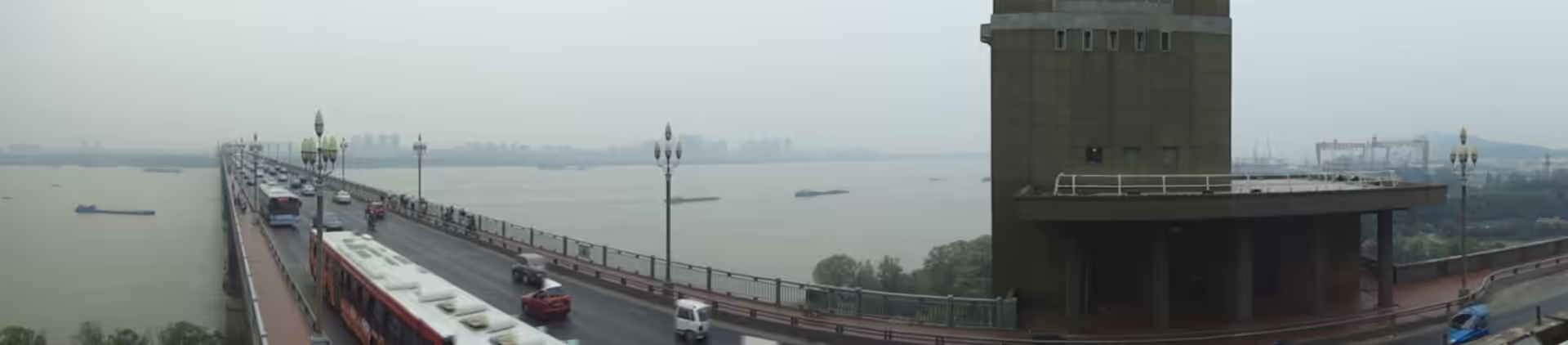
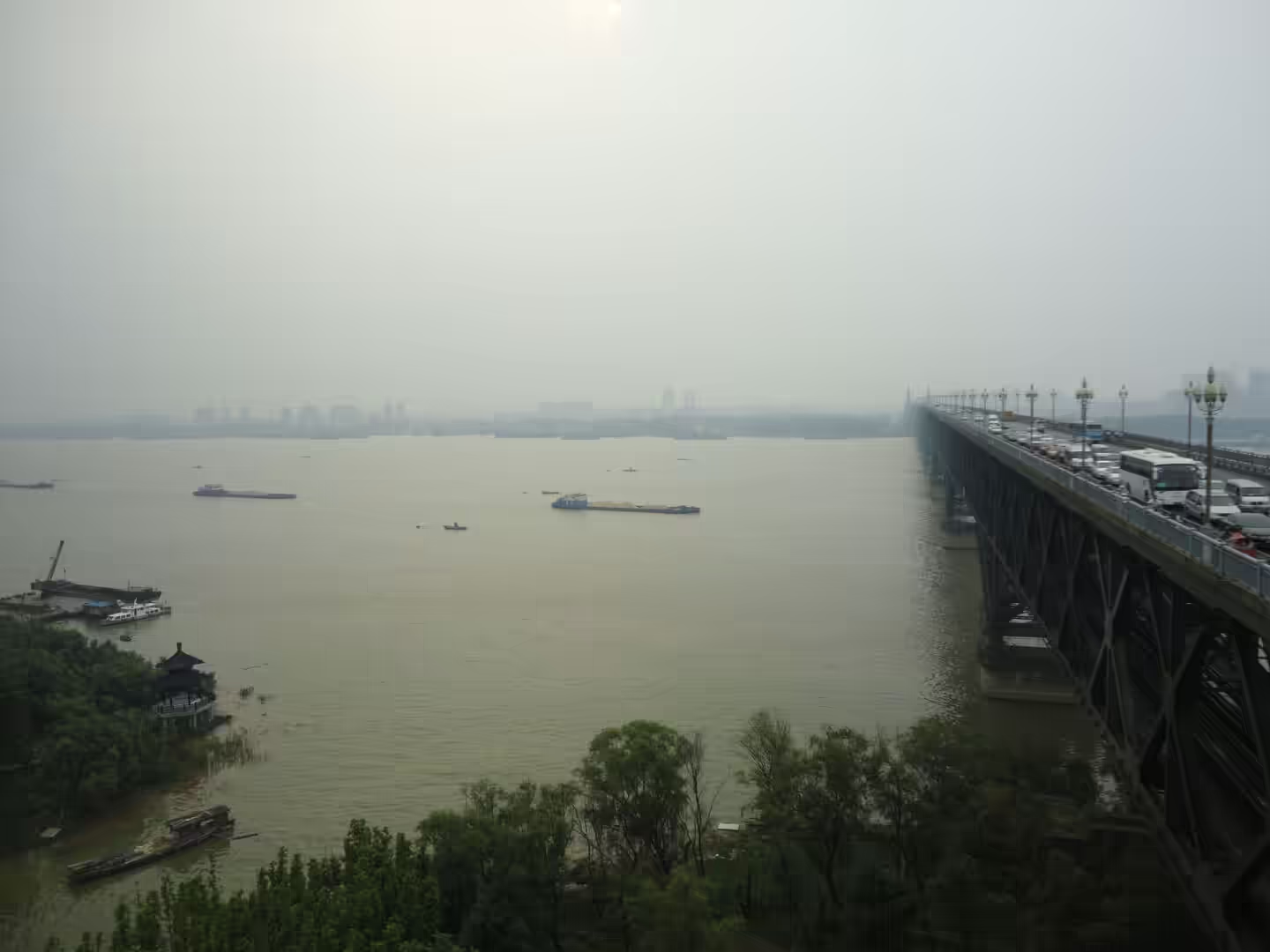
From an engineering perspective, the bridge is a response to the Yangtze’s immense scale and dynamic hydrology. The river’s strong currents, fluctuating water levels, and heavy sediment load required deep foundations and robust structural design. The bridge carries both road traffic on its upper deck and railway lines on its lower deck, reflecting a comprehensive approach to infrastructure that integrates multiple transport systems into a single structure. Its piers were designed to withstand seasonal floods and the constant erosive forces of the river, making it a landmark achievement in mid-20th-century Chinese civil engineering.




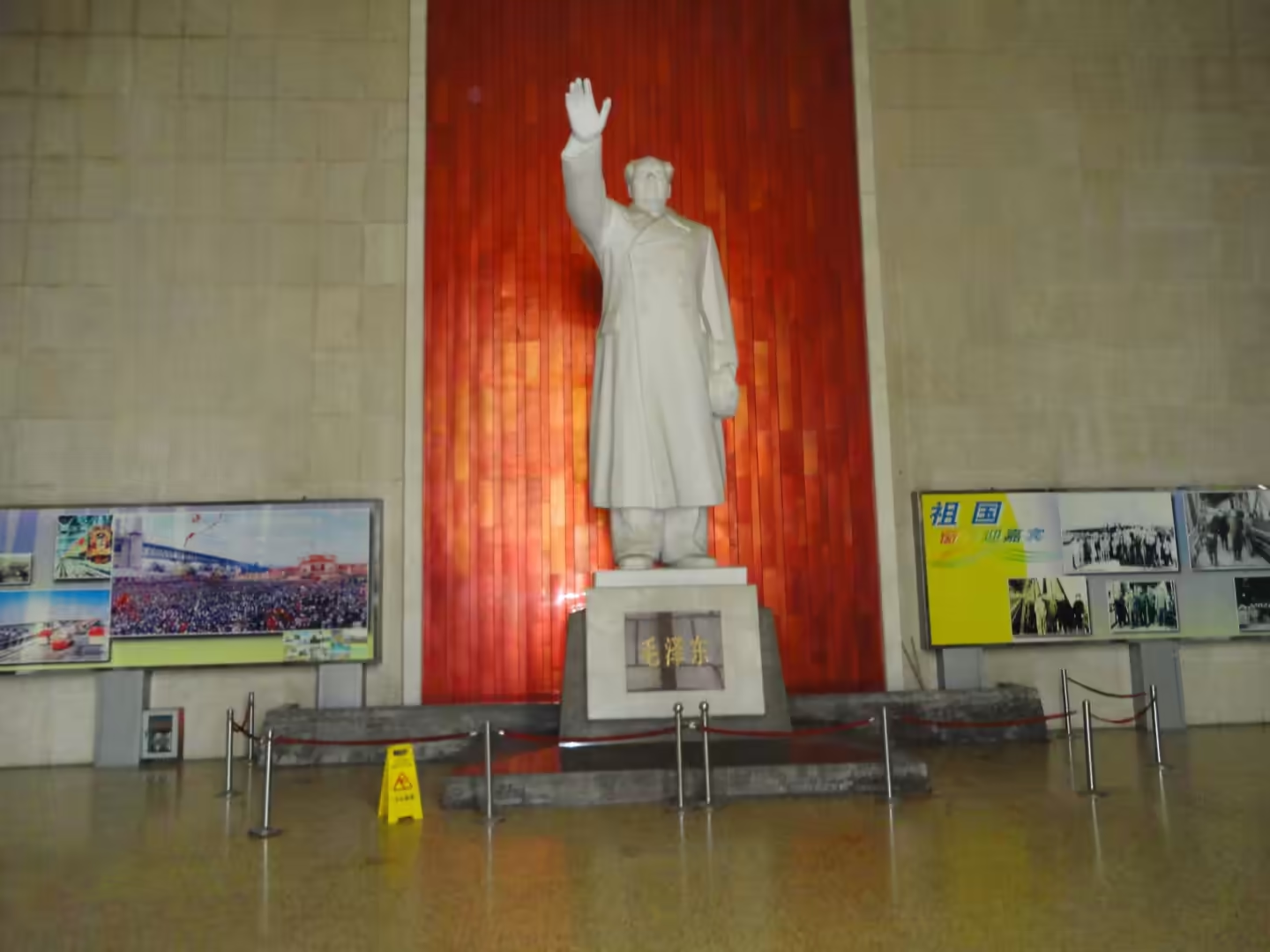
Beyond its technical significance, the bridge carries strong political and cultural symbolism. Built during a period of international isolation, it was celebrated as evidence of national self-reliance and industrial capability. For decades, it stood as a visual and ideological statement, linking modern socialist ambition with mastery over nature. Today, while newer bridges have surpassed it in scale and capacity, the Nanjing Yangtze River Bridge remains a powerful icon of the city’s modern identity.
Continuity and Contrast
Together, the Confucius Temple and the Yangtze River Bridge illustrate the extraordinary historical range of Nanjing. One embodies a millennium-old tradition of moral philosophy, education, and ritual order; the other represents modern engineering, industrial power, and state-driven transformation. Both are deeply connected to their physical environment—one through its placement within a river-based urban culture, the other through its confrontation with one of Asia’s great rivers. In this contrast, Nanjing reveals itself as a city where intellectual heritage and technological ambition coexist within the same geographic and historical framework.


Nanjing offers an unusually dense concentration of historically, culturally, and scientifically significant sites, reflecting its long role as an imperial capital, intellectual center, and modern metropolis. What distinguishes Nanjing from many other Chinese cities is the way its monuments are embedded in natural landforms—hills, rivers, and plains—rather than standing apart from them.
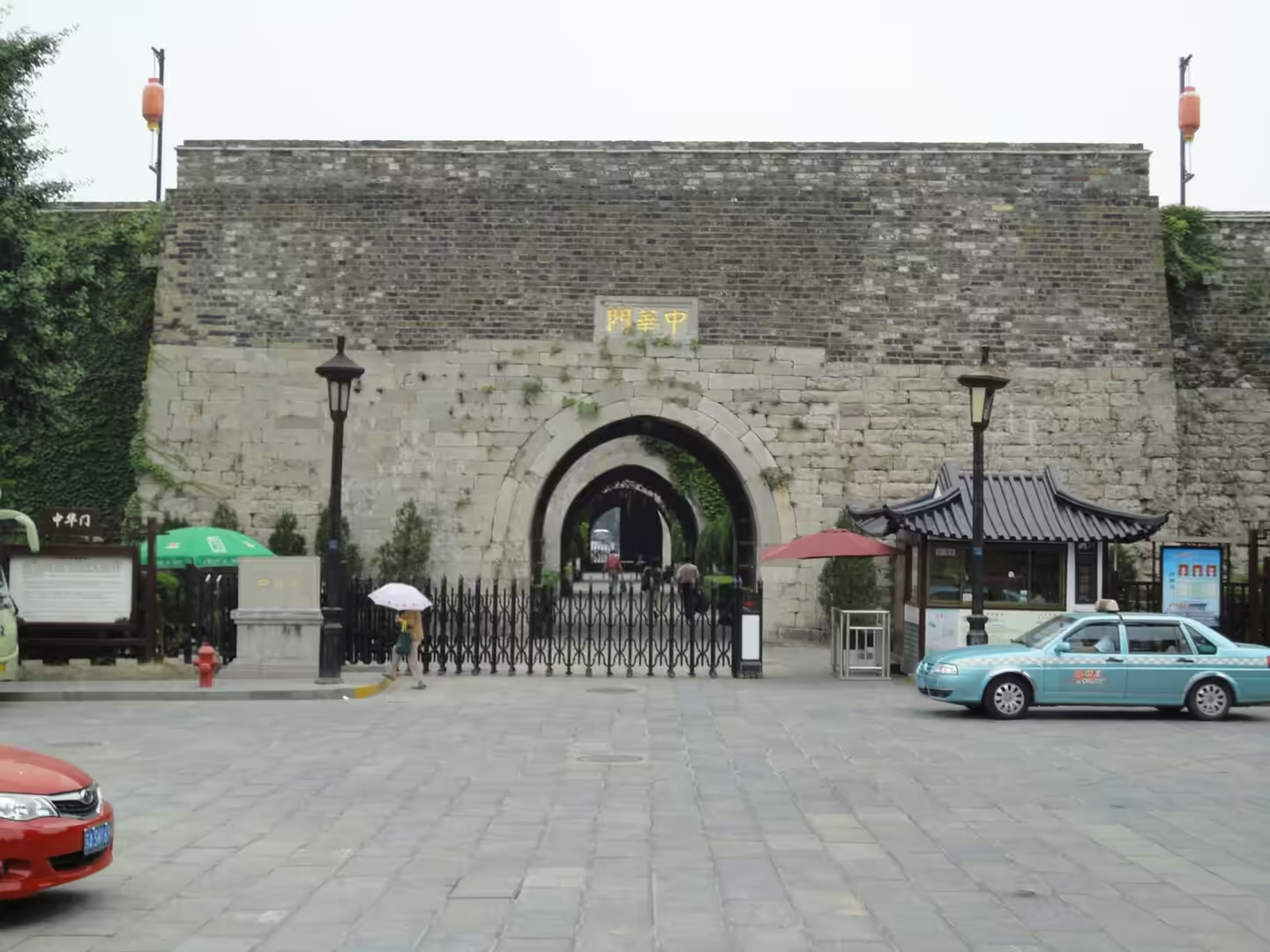
One of the most defining features of the city is the Ming City Wall. Extending for more than 30 kilometers, it is among the longest and best-preserved city walls in the world. Unlike geometrically rigid walls in other capitals, Nanjing’s wall follows the natural topography, incorporating hills, lakes, and ridges into its defensive logic. Walking along the wall provides insight into Ming-era military engineering as well as sweeping views of the city’s layered urban structure.

At the eastern edge of the historic city rises Purple Mountain, a cultural and geological landmark that concentrates several major sites. Here lies the Ming Xiaoling Mausoleum, the tomb of the first Ming emperor, which is carefully aligned with surrounding hills and valleys according to geomantic principles. The approach path, lined with monumental stone animals, illustrates how cosmology, landscape, and imperial power were fused in burial architecture. Nearby, the Sun Yat-sen Mausoleum represents a much later chapter of history, symbolizing China’s transition from empire to republic and demonstrating how modern political memory was inscribed into a traditional sacred landscape.
In the lowlands near the Qinhuai River, the Confucius Temple area forms a contrast to the monumental scale of imperial tombs. This district developed as an educational, ceremonial, and commercial hub, centered on Confucian learning and the imperial examination system. The surrounding streets and waterways reveal how scholarship, trade, and urban life intertwined in premodern China. Even today, the area conveys a sense of cultural continuity tied to education and civic values.

Nanjing’s modern history is inseparable from sites of remembrance. The Memorial Hall of the Victims in the Nanjing Massacre stands as a sober and architecturally restrained space dedicated to historical memory and reflection. Its design avoids spectacle, instead using scale, materials, and voids to communicate loss and gravity. Visiting the site is essential for understanding the city’s 20th-century experience and its impact on collective identity.
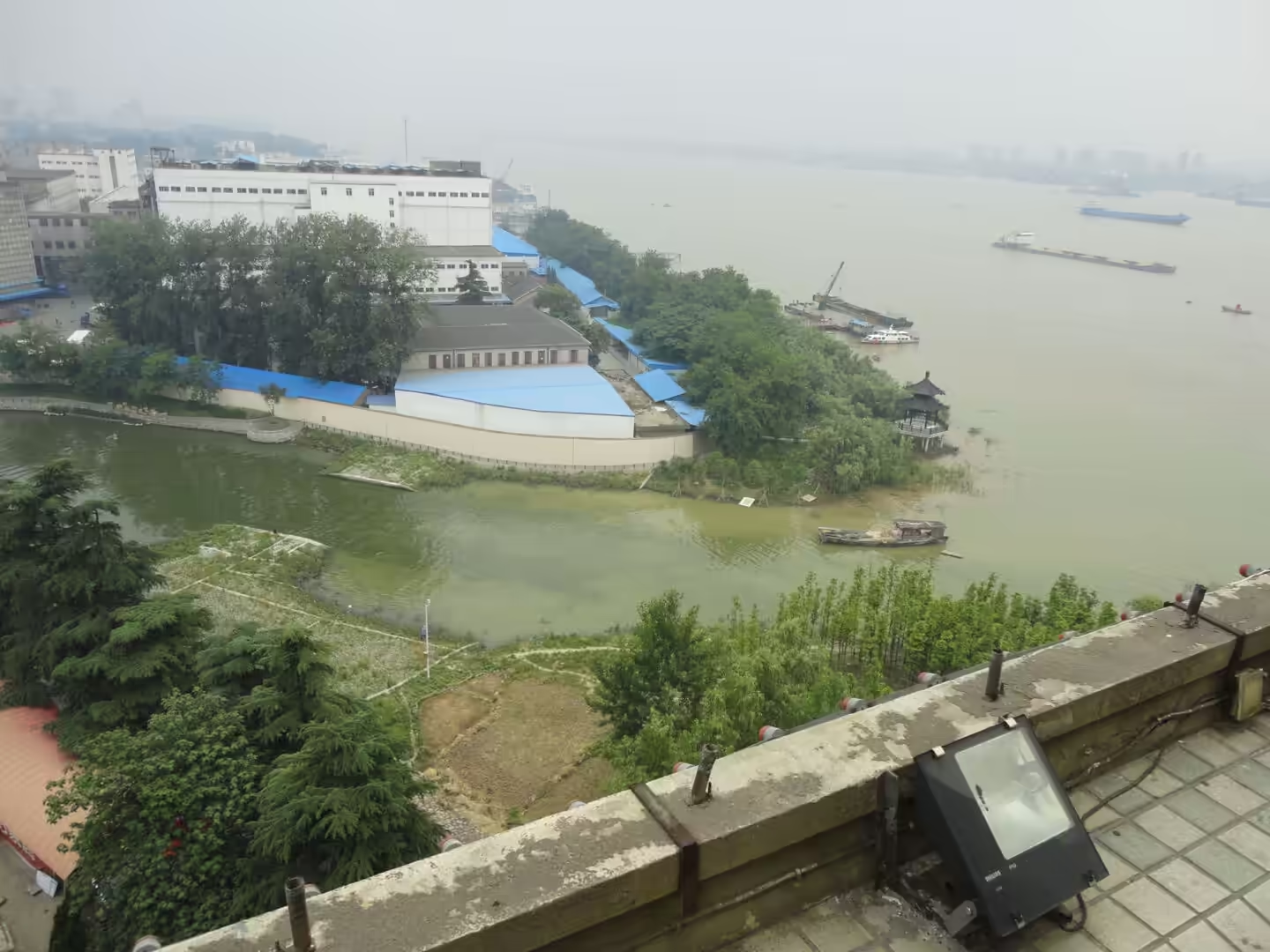
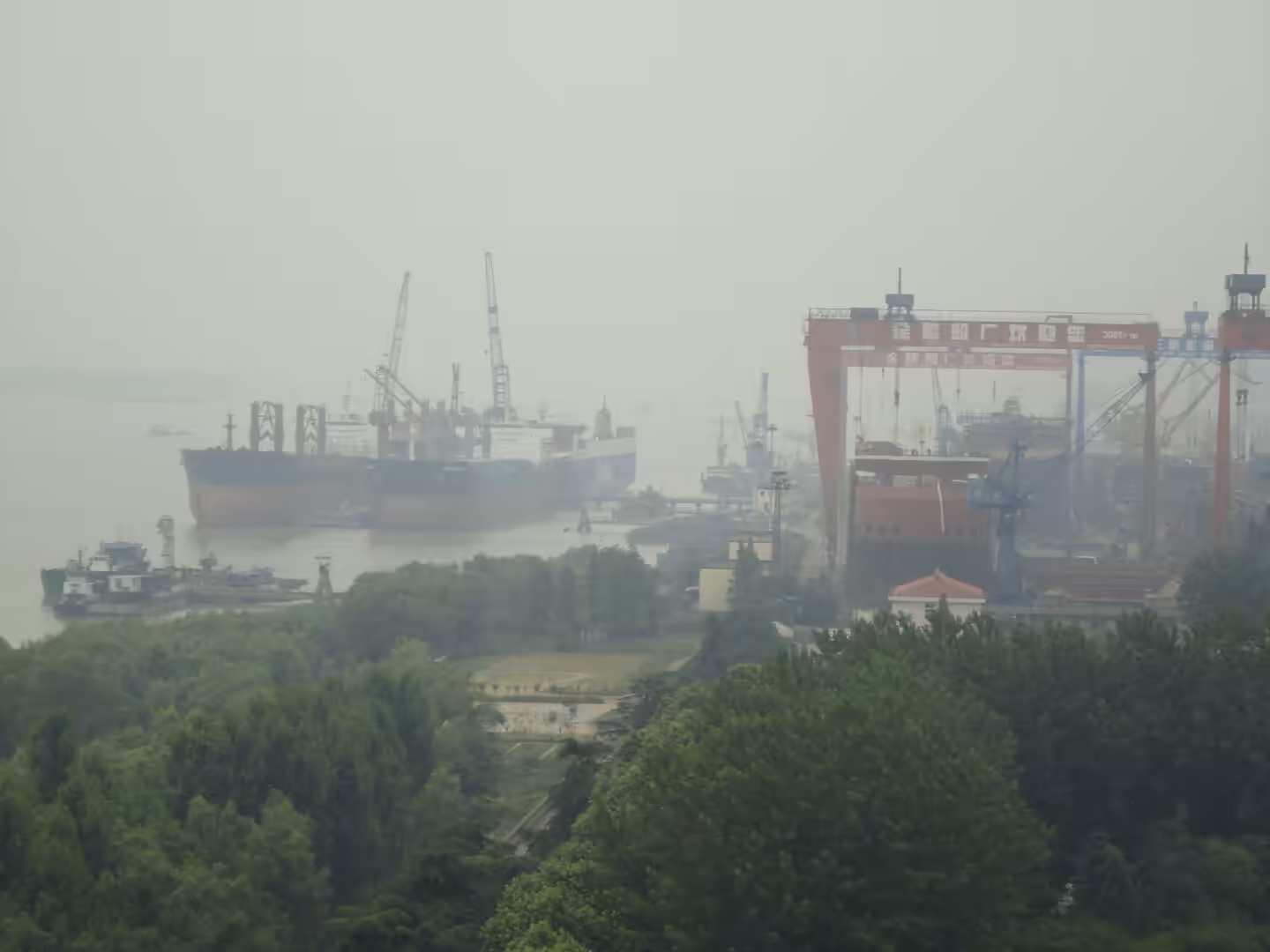
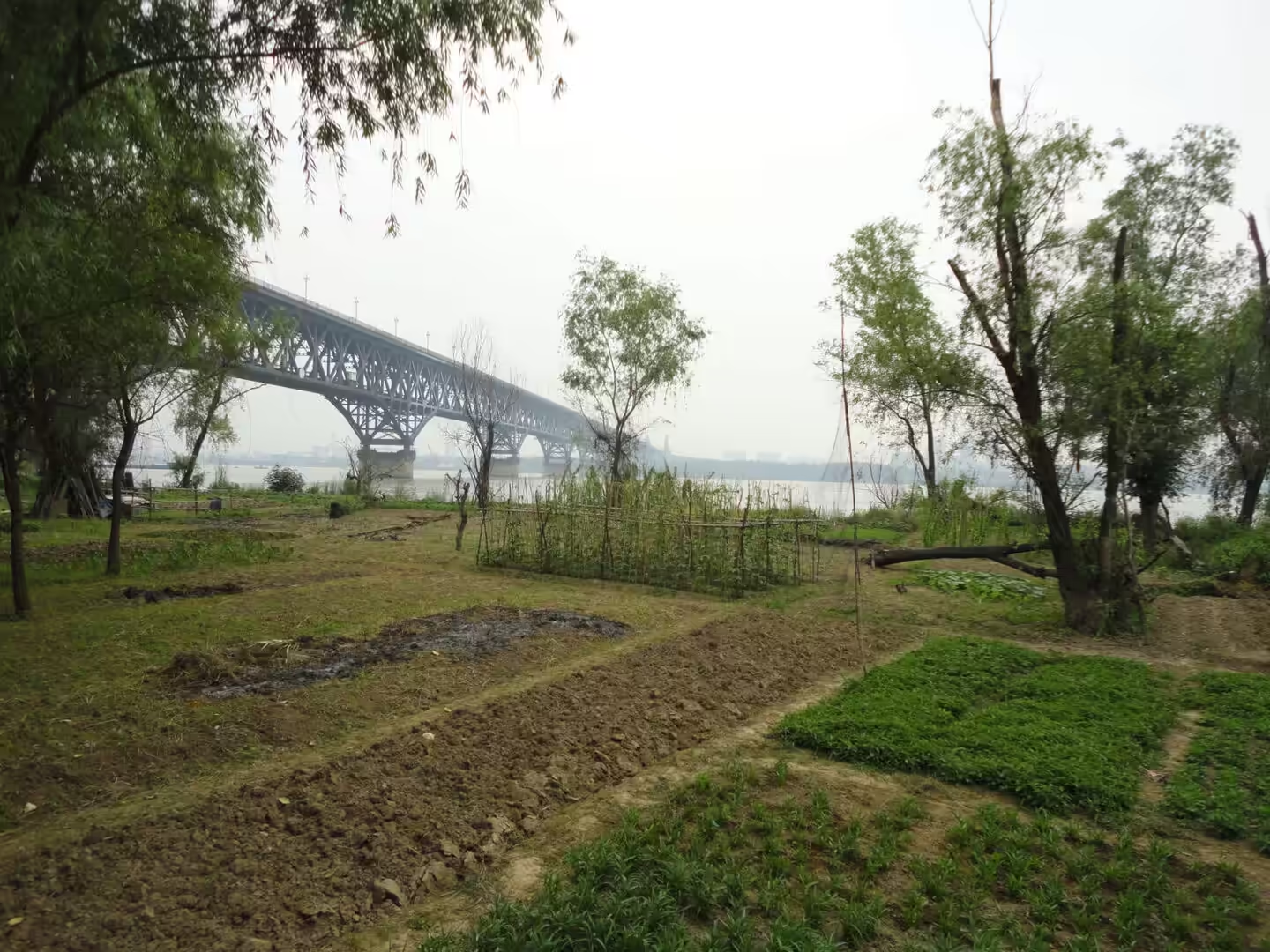
The Yangtze River itself is a central sight, not only as a natural feature but as a force shaping the city’s past and present. The Nanjing Yangtze River Bridge, spanning the river with both rail and road decks, remains one of the most recognizable symbols of modern Nanjing. Beyond its engineering significance, the bridge marks a moment when the city redefined itself as an industrial and infrastructural hub within modern China.

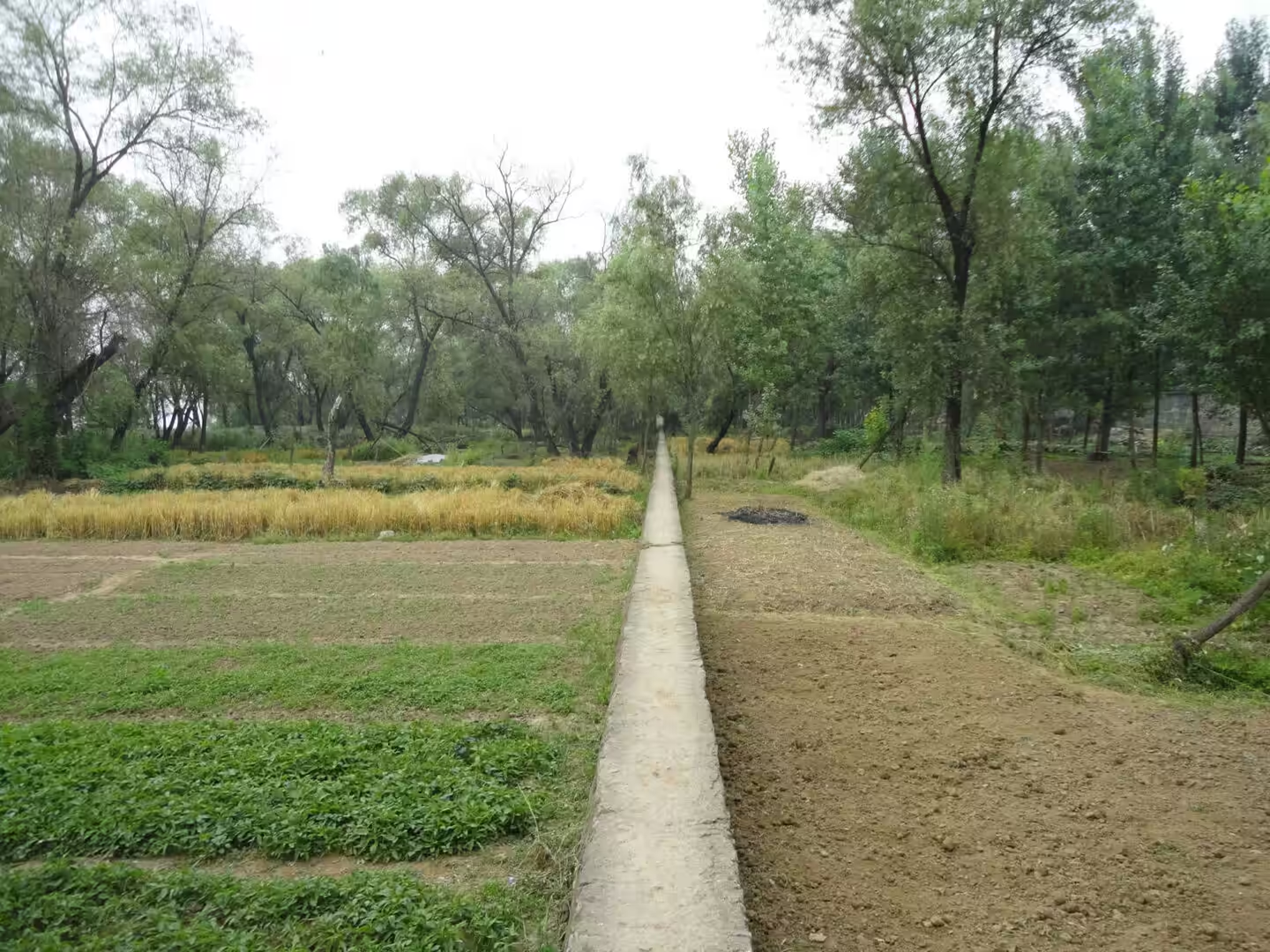
For those interested in everyday urban history, Nanjing’s old neighborhoods and markets provide valuable insight. Areas around the old city gates and along surviving canals preserve patterns of street life that differ markedly from newer districts. Traditional food culture, small temples, and local crafts continue to occupy spaces shaped centuries ago.
Taken together, the things to see in Nanjing form a coherent narrative rather than a collection of isolated attractions. From imperial tombs and ancient walls to revolutionary monuments and modern bridges, the city presents itself as a place where geography, history, memory, and urban life are tightly interwoven.
Finally, Nanjing is also a city of learning. Its universities, museums, and observatories—some with roots in imperial-era scholarship—reflect a long-standing engagement with science, astronomy, and natural studies. This intellectual tradition remains visible in the city’s strong academic presence today.