Shanghai is China’s largest city and one of the world’s most prominent examples of rapid urban transformation. Located on the eastern edge of the Yangtze River Delta, Shanghai’s development has been shaped by an unusual combination of geological youth, hydrological instability, colonial-era globalization, and state-driven modernization. Unlike many ancient Chinese cities, Shanghai’s rise to global significance is relatively recent, making it an especially revealing case for studying the interaction between natural constraints and accelerated urban growth.
Geological Setting and Delta Environment
Shanghai lies entirely within the Yangtze River Delta, a landscape formed almost exclusively during the late Quaternary period. The ground beneath the city consists of thick layers of unconsolidated alluvial and marine sediments—silts, clays, and fine sands deposited by the Yangtze River and influenced by changing sea levels. Bedrock lies tens to hundreds of meters below the surface, giving Shanghai one of the softest geological foundations of any megacity.
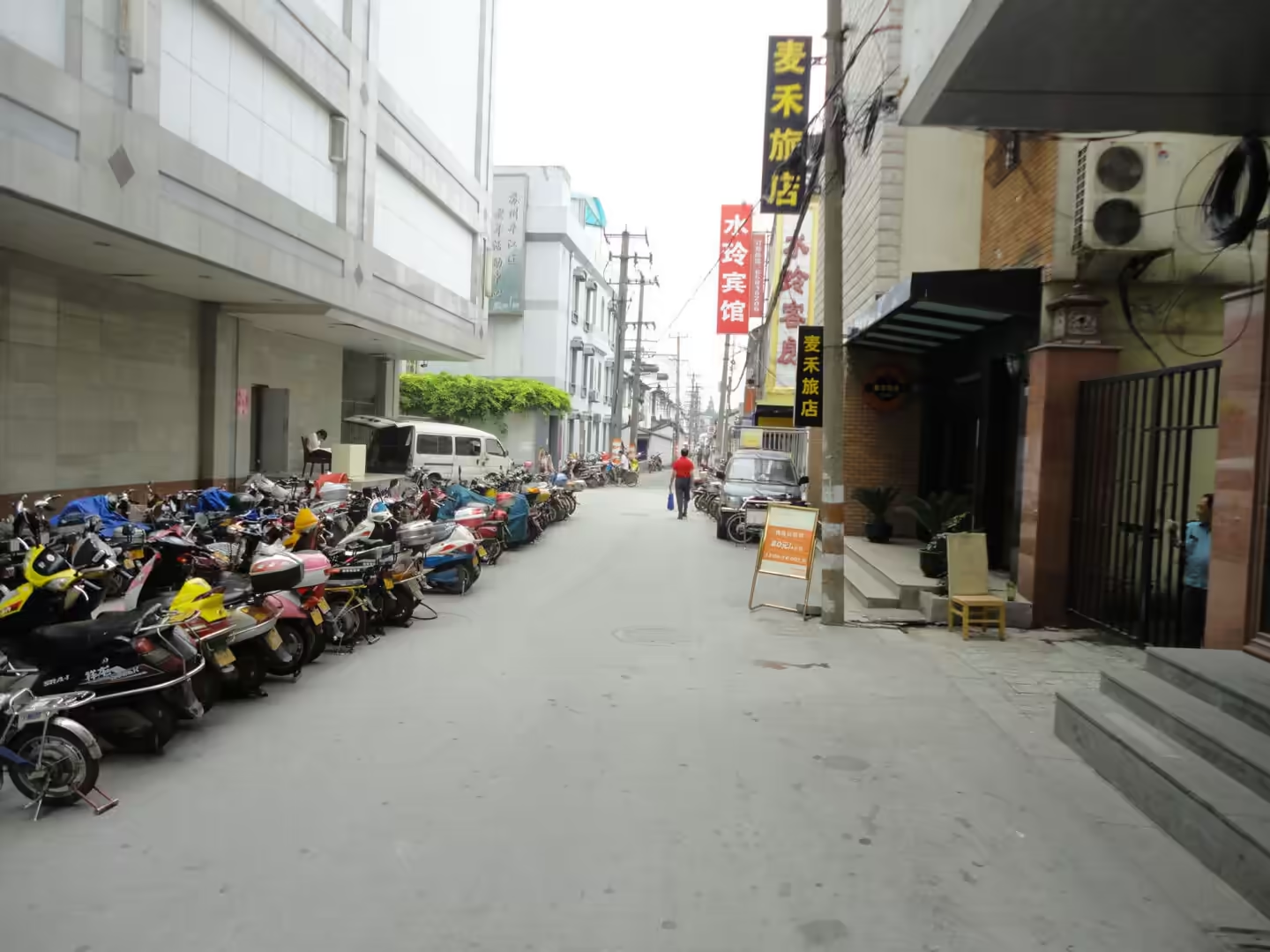
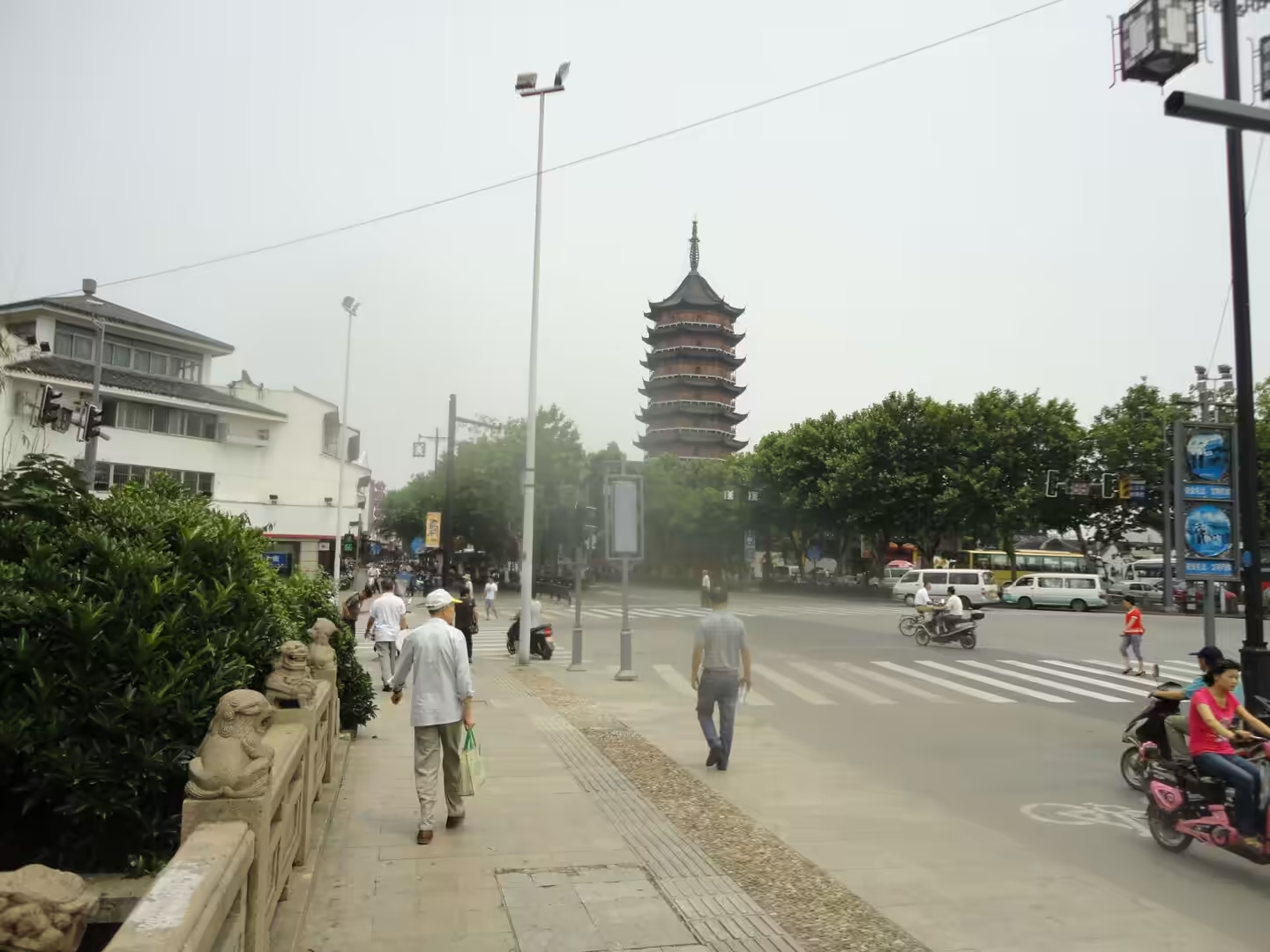
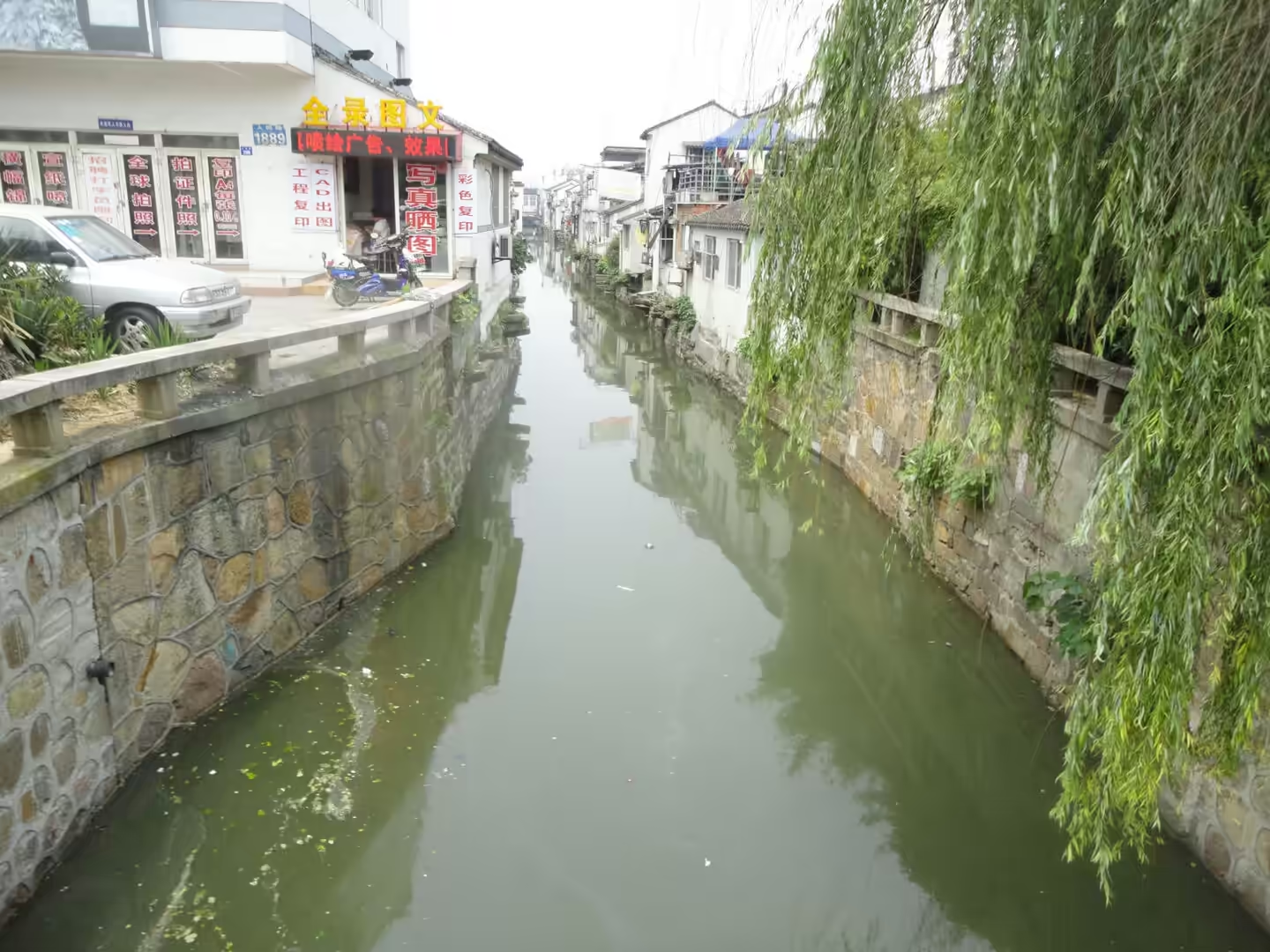
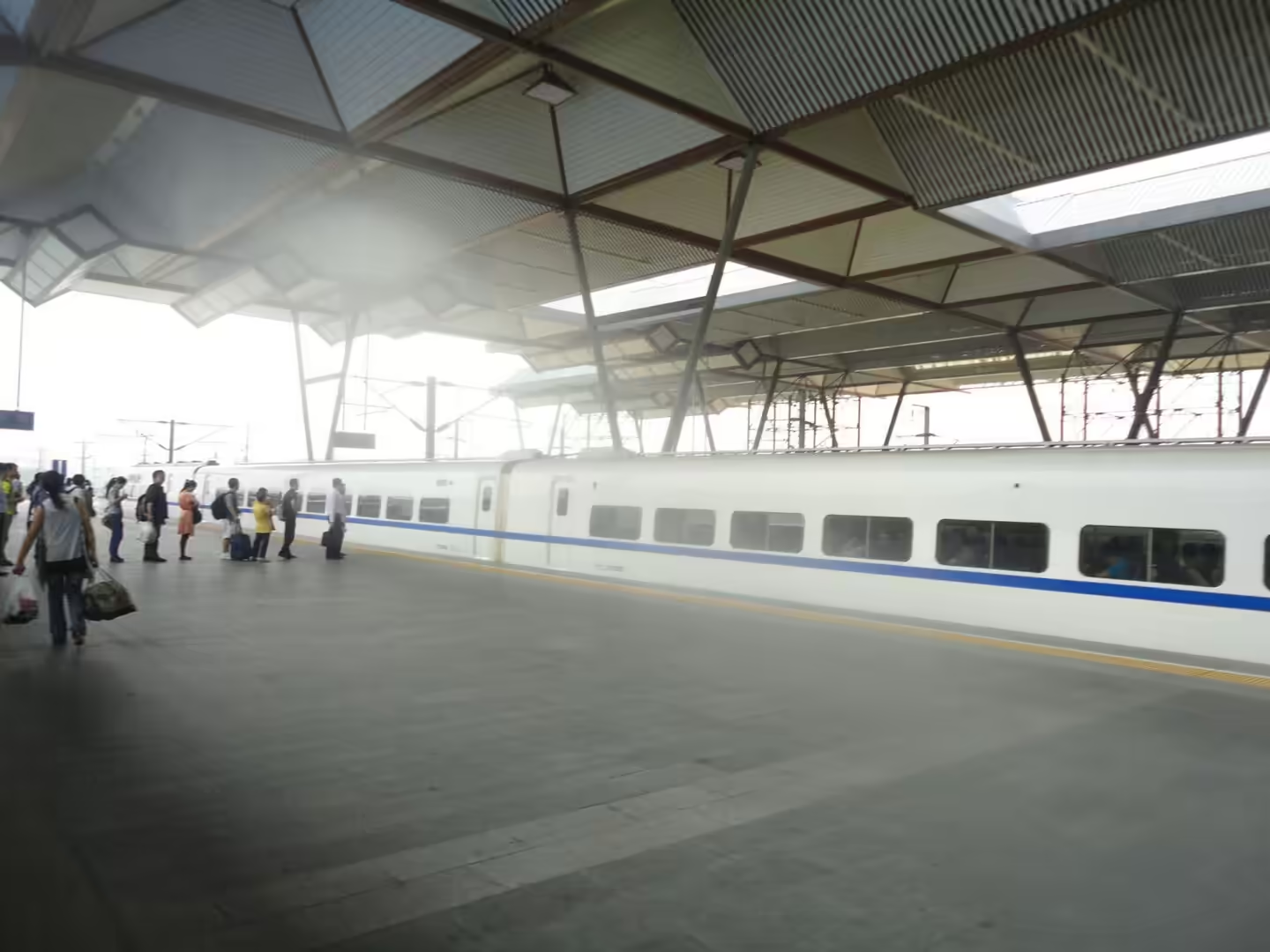
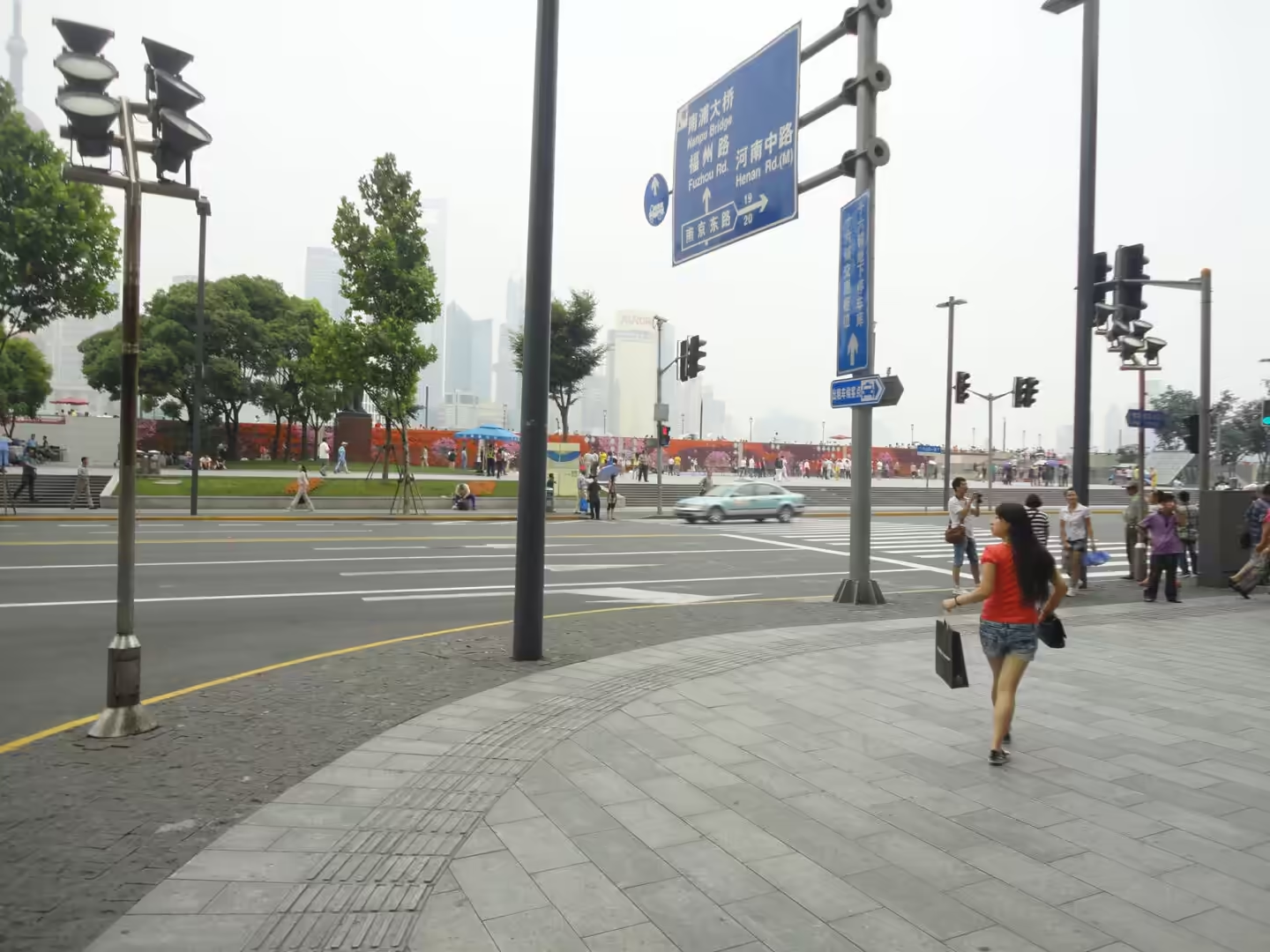
This deltaic setting creates both advantages and challenges. Fertile soils and flat terrain favored agriculture and later large-scale construction, but the lack of solid ground makes the city highly susceptible to subsidence. Groundwater extraction in the 20th century caused measurable sinking in several districts, leading to modern regulations and engineered foundations such as deep piling and soil stabilization. Flood risk from river discharge, storm surges, and typhoons remains a central concern in urban planning.
Early Settlement and Regional Role
For much of its early history, Shanghai was a modest fishing and market town rather than a political or cultural capital. Its location near the mouth of the Yangtze made it useful for regional trade, but frequent flooding and shifting river channels limited large-scale urban development. Only with the stabilization of waterways and embankments during the late imperial period did Shanghai begin to grow in importance as a commercial port.
The city’s decisive transformation began in the 19th century after it was opened as a treaty port following the First Opium War. Foreign concessions introduced new legal systems, architecture, and infrastructure, turning Shanghai into a unique hybrid city where Chinese urban traditions coexisted with European-style planning and industry.
Colonial Urbanism and Industrial Expansion
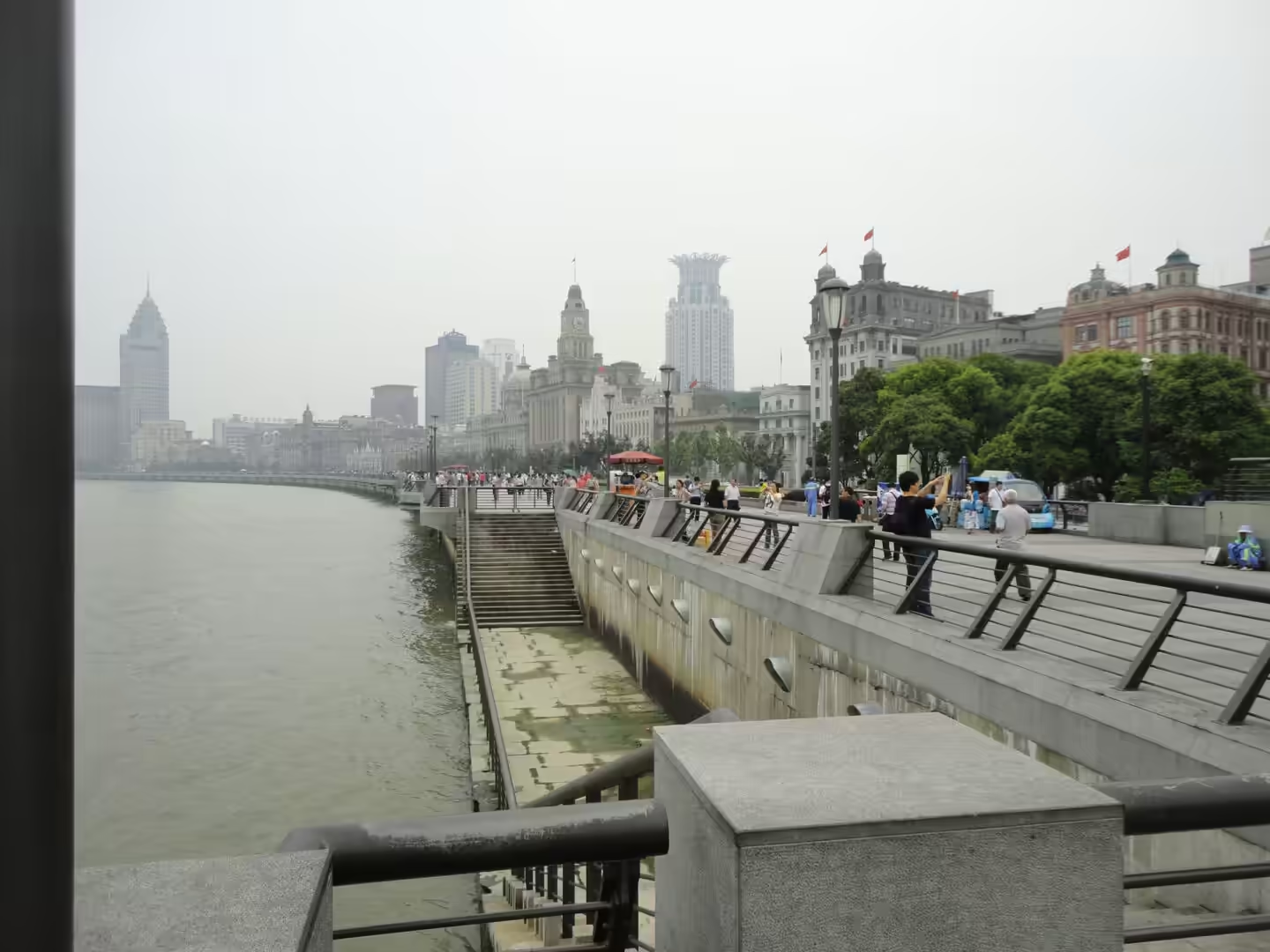
During the late 19th and early 20th centuries, Shanghai became East Asia’s leading industrial and financial center. Warehouses, factories, banks, and shipping facilities lined the Huangpu River, while railways and roads connected the city to the interior. The Bund, with its monumental stone buildings, reflects not only economic power but also engineering solutions adapted to weak delta soils and fluctuating water levels.
This period also saw extreme social contrasts, as rapid industrialization produced wealth alongside dense working-class neighborhoods. Shanghai’s urban form expanded outward rather than upward, constrained by both technology and soft ground conditions.
Socialist Reorganization and Post-1978 Transformation
After 1949, Shanghai was reorganized as a major industrial base within the socialist economy. Large-scale manufacturing dominated, while urban growth was tightly controlled. The most dramatic transformation came after the economic reforms beginning in the late 1970s, when Shanghai was repositioned as a global financial and logistical hub.
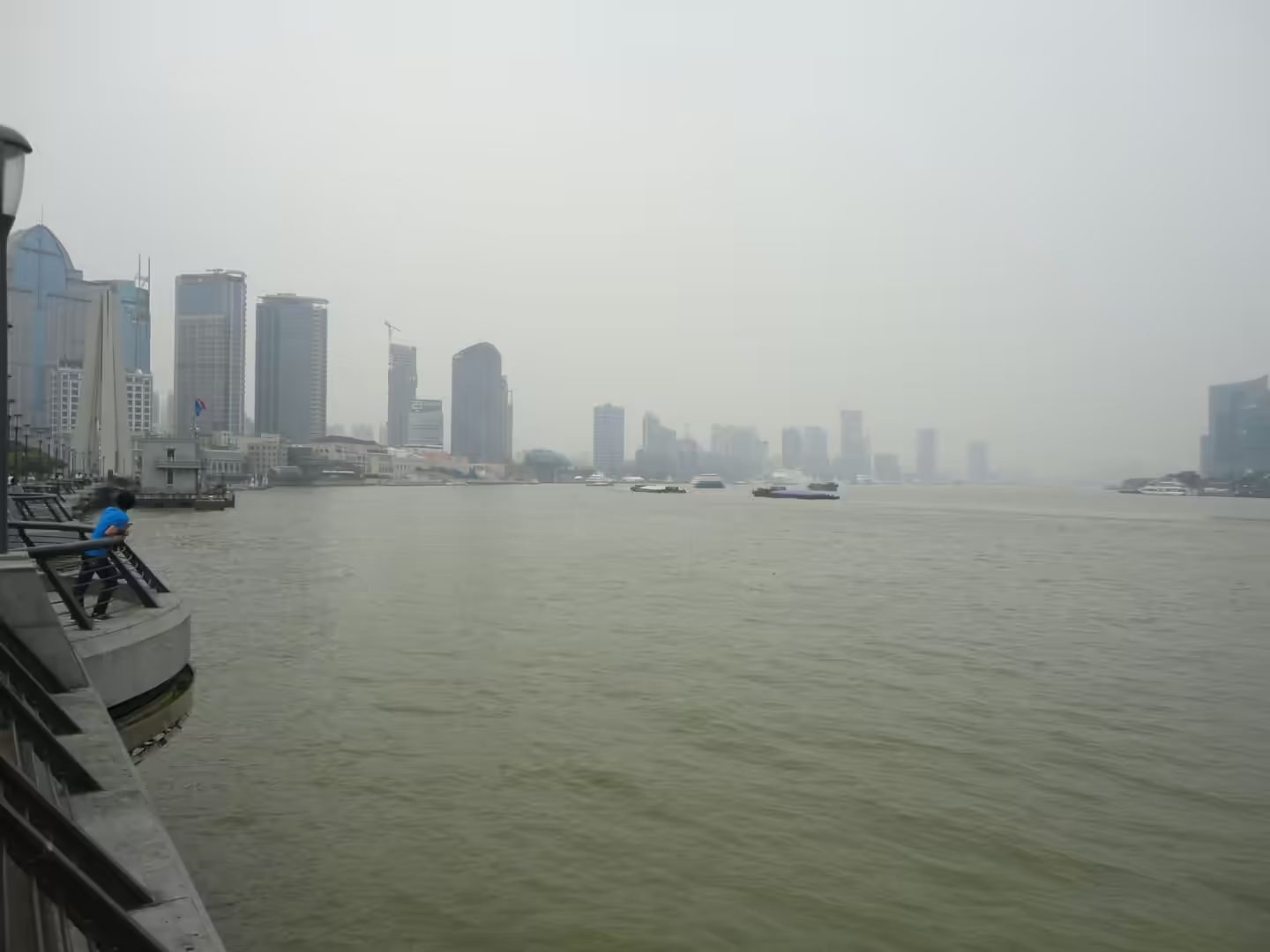
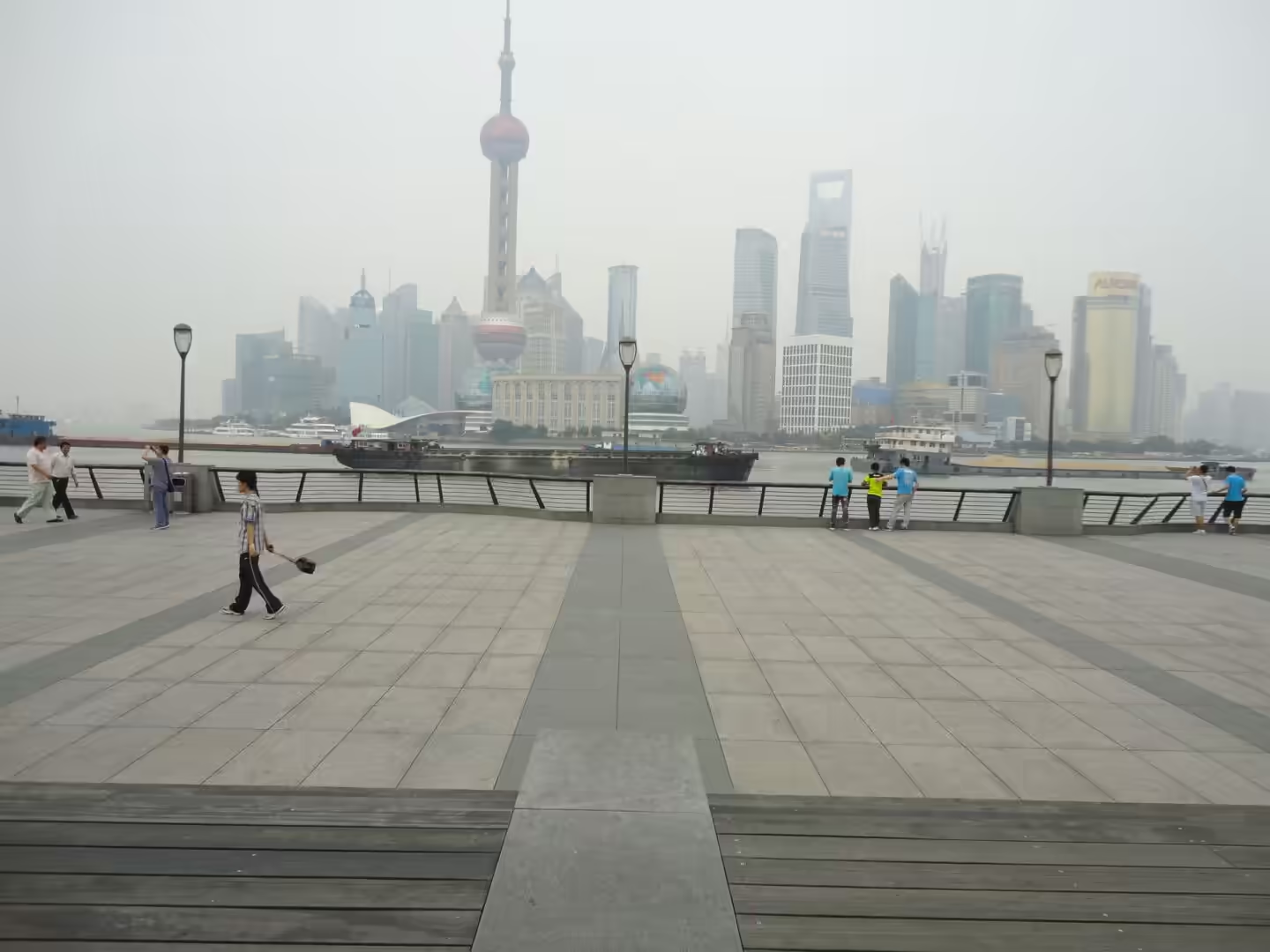

The development of Pudong on the east bank of the Huangpu exemplifies state-led urbanization on a geological frontier. Entire districts were built on reclaimed or low-lying land using advanced foundation engineering, flood barriers, and zoning. Skyscrapers such as those in Lujiazui rely on deep pile foundations anchored far below the soft sediments, turning geological weakness into an engineering challenge rather than a limitation.
Water, Infrastructure, and Environmental Engineering
Water management is central to Shanghai’s survival. Extensive levee systems, pumping stations, floodgates, and seawalls protect the city from both river flooding and coastal storm surges. Canal systems that once supported agriculture now function as drainage and transport corridors, while modern reservoirs and treatment plants address the needs of a population exceeding 20 million.
Environmental pressures—including water pollution, land subsidence, and rising sea levels—have driven significant investment in monitoring, modeling, and adaptive infrastructure. Shanghai has become a testing ground for large-scale urban resilience strategies in delta environments.
Cultural Landscape and Urban Identity
Despite its modern skyline, Shanghai retains historical layers that reveal its complex past. Traditional neighborhoods, colonial-era streets, and socialist housing blocks coexist within the metropolis. Unlike cities centered on imperial heritage, Shanghai’s identity is rooted in commerce, migration, and openness to external influence.
Culturally, the city has long been associated with innovation in literature, cinema, fashion, and design, reflecting its role as a gateway between China and the world. This openness continues today in scientific research, finance, and technology.