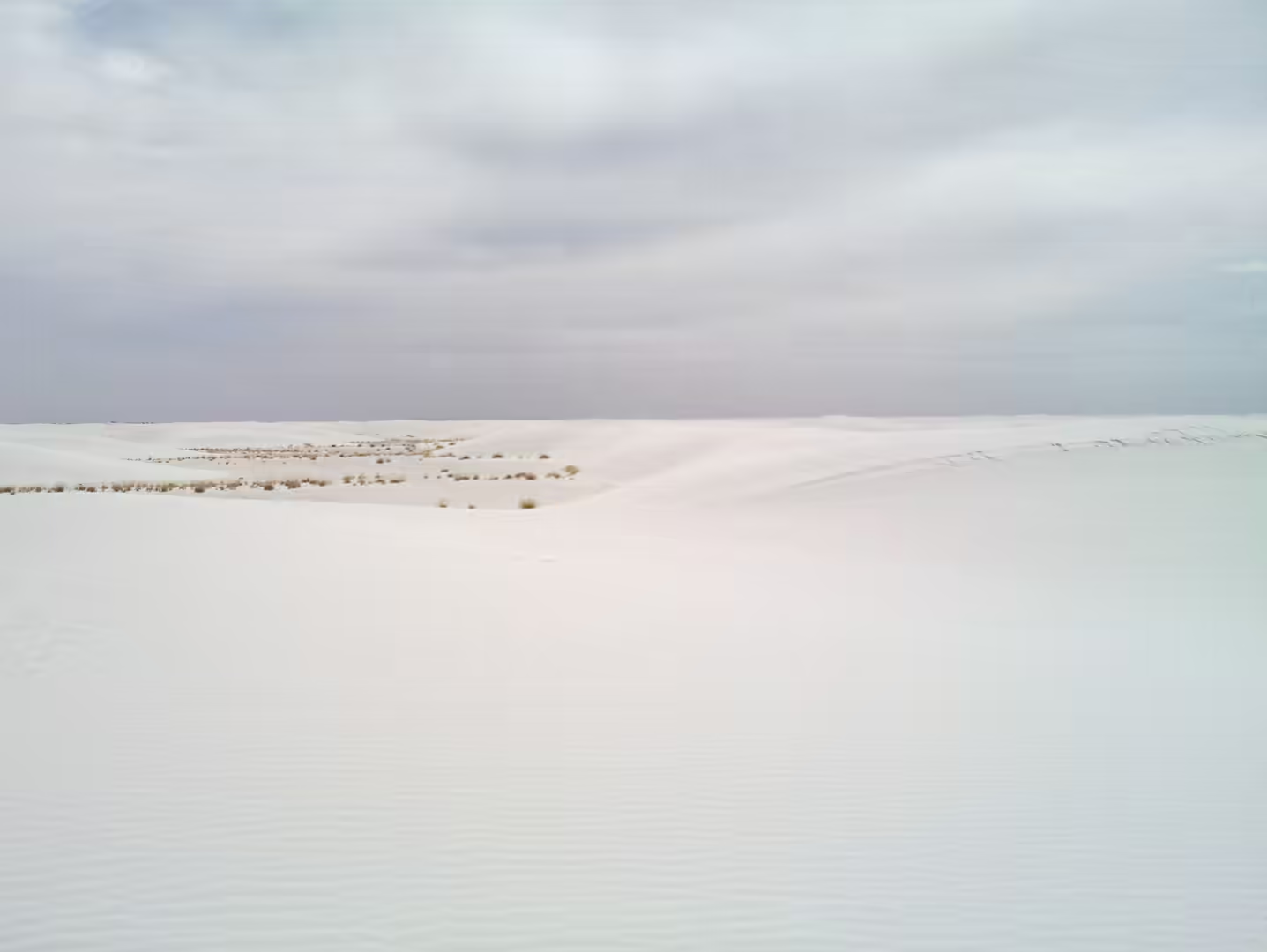
White Sands National Park is one of the most unique desert landscapes in the world and protects the largest gypsum dune field on Earth. Located in southern New Mexico within the Tularosa Basin, the park covers vast expanses of brilliant white dunes that stretch across the desert for hundreds of square kilometers. Unlike traditional sand deserts made primarily of quartz, the dunes at White Sands consist almost entirely of gypsum crystals, giving the landscape its striking white appearance and unusual texture.
The constantly shifting dunes create a surreal environment of rolling hills, smooth ridges, and open white plains that resemble snow-covered terrain rather than a desert. Light conditions dramatically transform the landscape throughout the day. During sunrise and sunset, the dunes reflect soft pastel colors, while midday sunlight creates intense contrasts between bright white surfaces and deep blue skies.
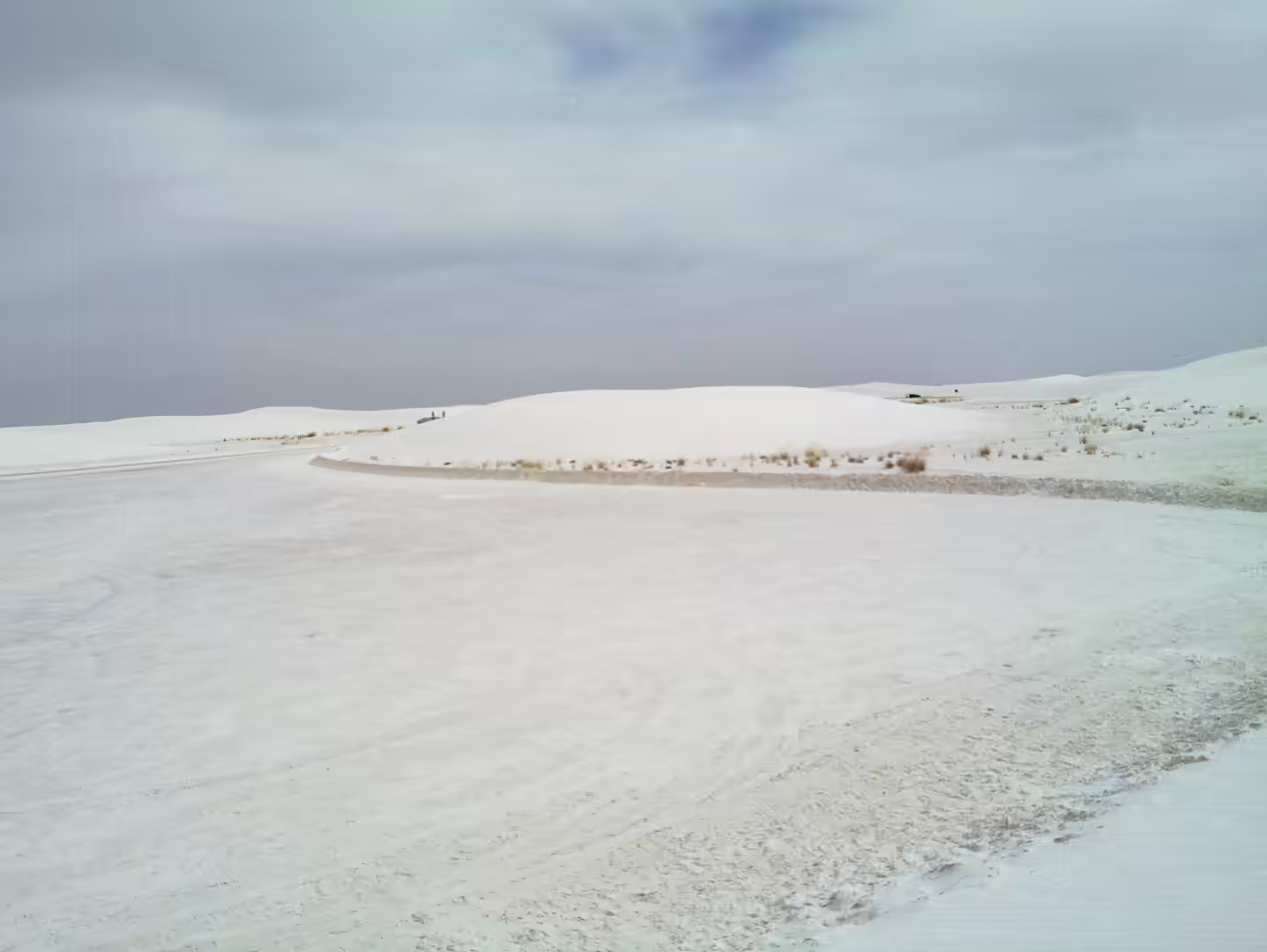
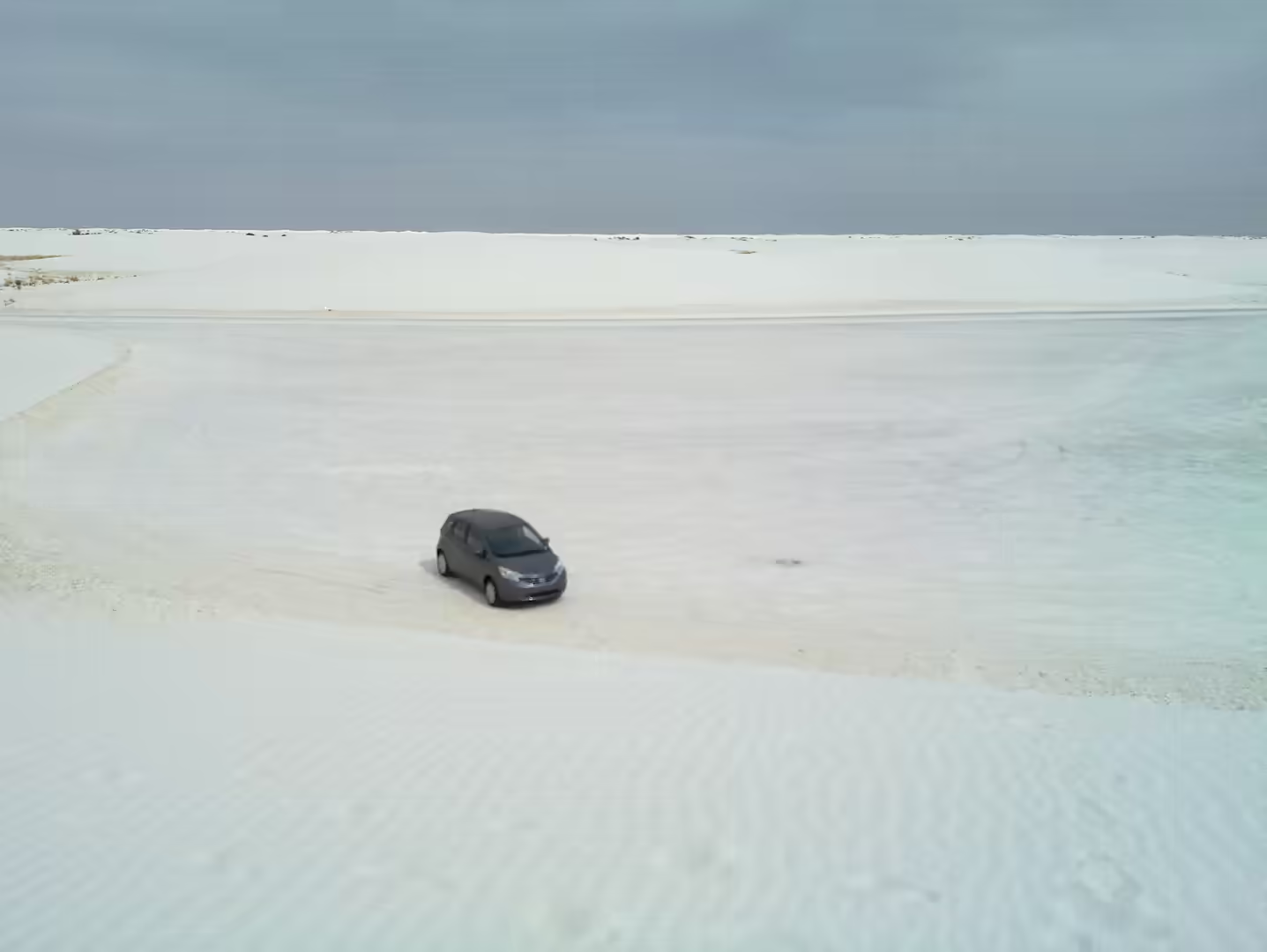
Although the environment appears harsh and empty at first glance, White Sands supports a specialized ecosystem with plants and animals adapted to extreme heat, dryness, and reflective sunlight. Many species developed lighter coloration to camouflage themselves against the white gypsum sand. The region is also known for its silence, wide open space, and exceptionally dark night skies.
Today, White Sands National Park is a popular destination for hiking, photography, sand sledding, camping, and astronomy. Its unusual appearance has made it one of the most recognizable desert landscapes in North America.
History
Human activity in the White Sands region dates back thousands of years. Archaeological discoveries in the area, including fossilized human footprints, suggest that people lived in the basin more than 20,000 years ago. These findings are among the oldest known traces of human presence in North America.
For centuries, indigenous peoples used the basin for hunting and seasonal travel. Water sources near the dunes supported wildlife and allowed temporary habitation in an otherwise difficult desert environment. The surrounding region later became home to Apache communities and other indigenous groups with strong cultural connections to the desert landscape.
Spanish explorers entered the area during the 16th century, followed by settlers, ranchers, and military expeditions. Because of the isolated terrain and limited water resources, large settlements remained relatively rare.
The striking dune field gradually became known outside the region during the late 19th and early 20th centuries. Scientists and photographers were fascinated by the unusual geology and bright white landscape. In 1933, the area was designated as White Sands National Monument to preserve its unique natural features. It officially became White Sands National Park in 2019.
Geology
The geology of White Sands is highly unusual because the dunes are composed of gypsum, a soft sulfate mineral that rarely forms large sand deserts. Millions of years ago, the region was covered by a shallow inland sea that deposited thick layers of gypsum and other evaporite minerals.
As tectonic forces uplifted the surrounding mountain ranges, gypsum-rich rock formations became exposed to weathering and erosion. Rainwater dissolved gypsum from the mountains and transported it into the closed Tularosa Basin, where water accumulated in temporary lakes.
Over time, the lakes evaporated under the hot desert climate, leaving behind gypsum crystals. Wind gradually broke these crystals into fine particles and transported them across the basin, forming the massive dune field visible today.
Unlike darker quartz sand, gypsum reflects sunlight efficiently, which keeps the surface cooler than many other deserts. The dunes themselves are constantly moving and changing shape due to wind activity. Rippled surfaces, crescent dunes, and smooth ridges continuously evolve across the landscape.
The surrounding region also contains dry lakebeds, desert grasslands, volcanic formations, and fault-block mountain ranges that are characteristic of the Basin and Range geological province.
Things to See
White Sands Dune Field
The endless white dune landscape is the main attraction of the park. Walking through the dunes provides a sense of scale and isolation unlike almost anywhere else in the American Southwest.
Dunes Drive
This scenic road leads deep into the gypsum desert and offers multiple viewpoints, picnic areas, and access to hiking trails across the dunes.
Alkali Flat Trail
A longer backcountry route crossing remote sections of the dune field. The trail offers expansive panoramic views and showcases the constantly changing dune formations.
Interdune Boardwalk
An educational boardwalk explaining the geology, ecology, and plant life adapted to the harsh desert environment.
Lake Lucero
A seasonal lakebed where gypsum crystal formation can still be observed today. This area represents the geological origin of the dune system.
Sunset Viewing Areas
The dunes become especially dramatic during sunset when soft shadows and changing colors create one of the most photogenic landscapes in New Mexico.
White Sands Missile Range
General
White Sands Missile Range is the largest military testing range in the United States and one of the most historically important sites in the development of modern rocket science and aerospace technology. Located in southern New Mexico, the range occupies a vast section of remote desert terrain surrounded by mountain ranges, lava fields, and dry basins.
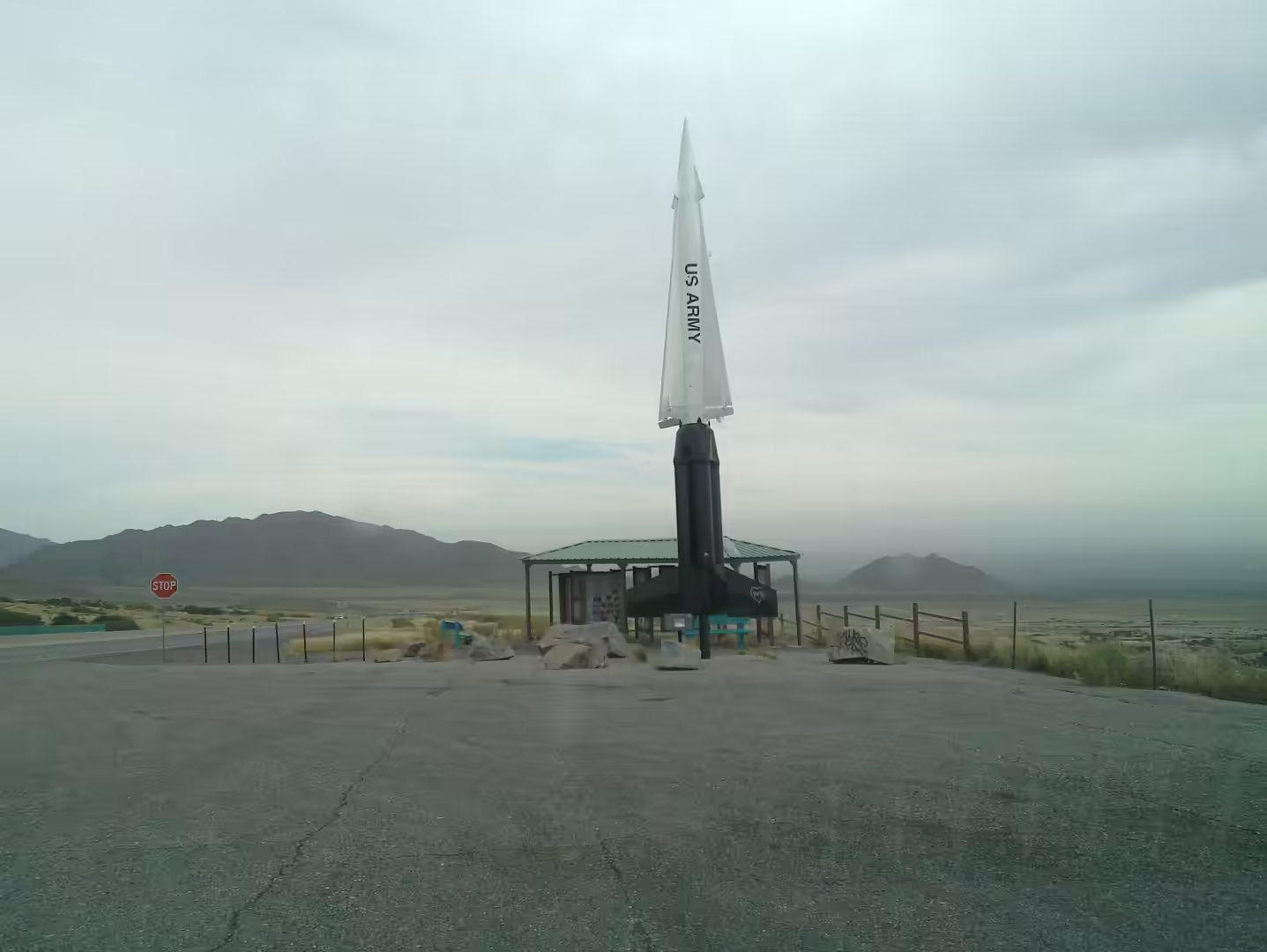

The isolated environment, stable weather conditions, and enormous uninhabited areas made the region ideal for missile testing and experimental aerospace research. Since its establishment in 1945, White Sands Missile Range has played a central role in the development of rockets, guided missiles, radar systems, and space technologies.
The range remains an active military installation today and continues to support advanced weapons testing, defense research, and aerospace programs. At the same time, its museums and historical sites preserve the early history of American rocket development and the origins of the space age.
History
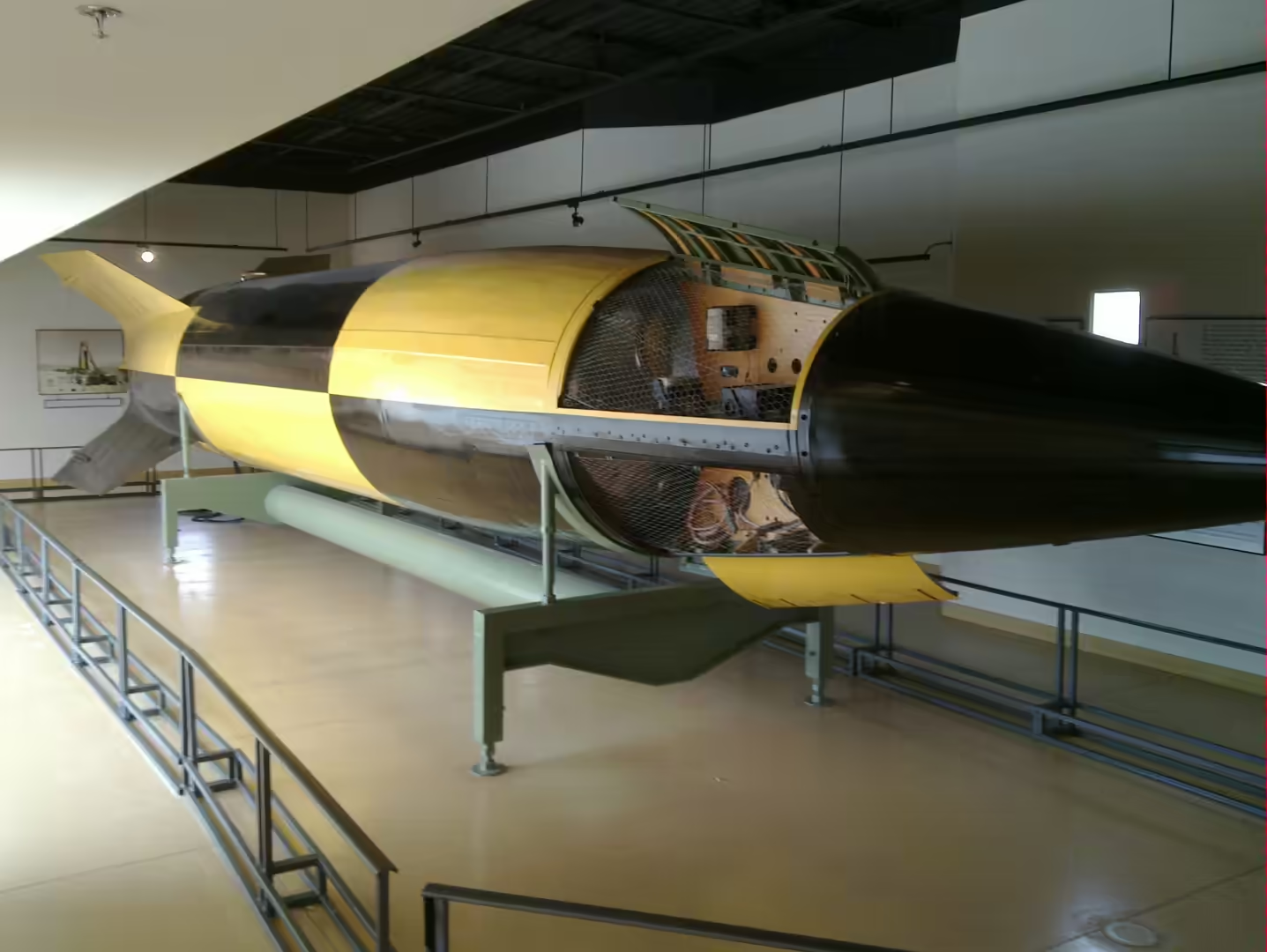
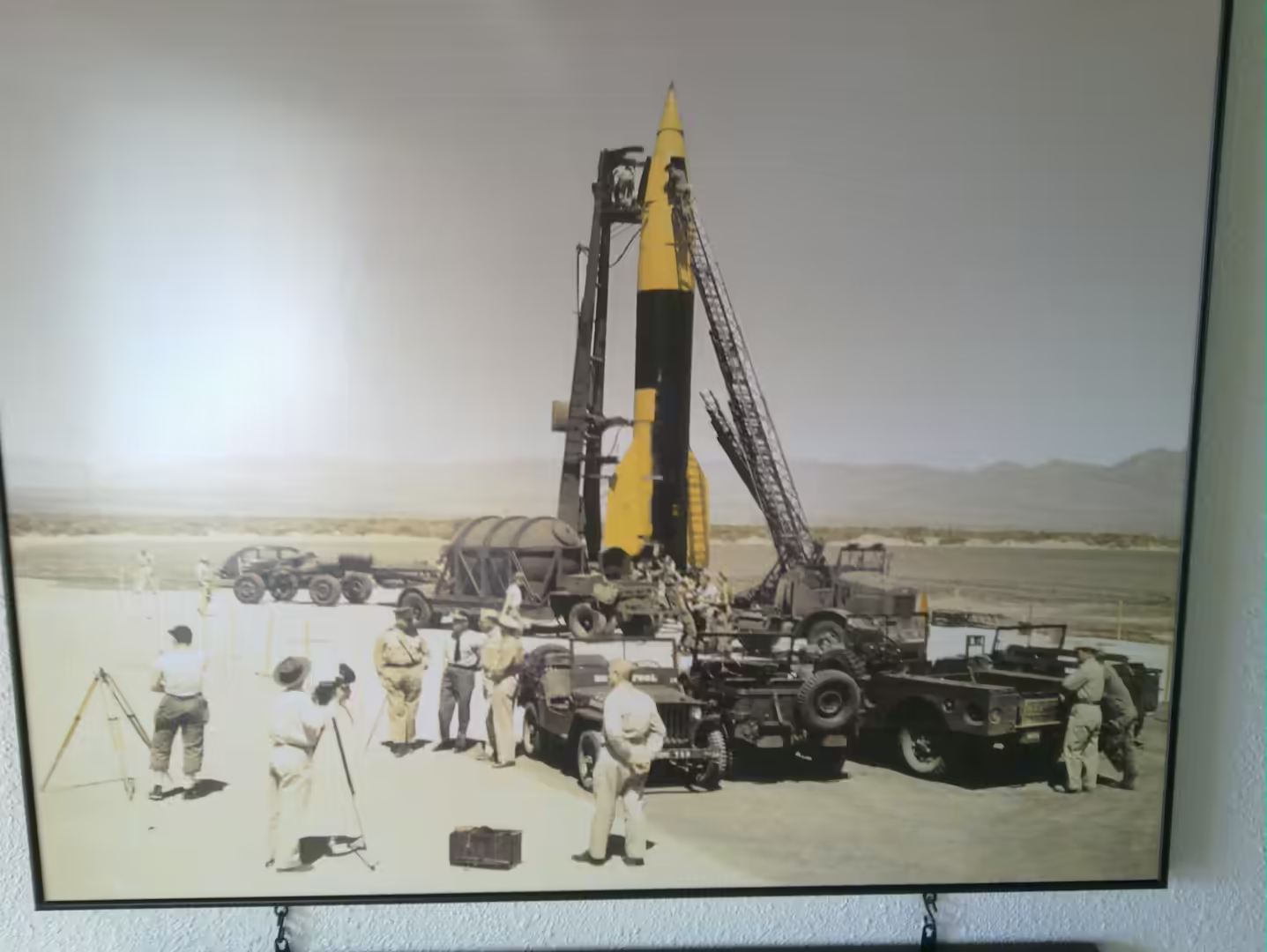
White Sands Missile Range was established shortly after World War II during the rapid expansion of American rocket research programs. Captured German V-2 rockets and scientific personnel were transferred to the United States under Operation Paperclip, and many of the earliest American rocket experiments took place at White Sands.
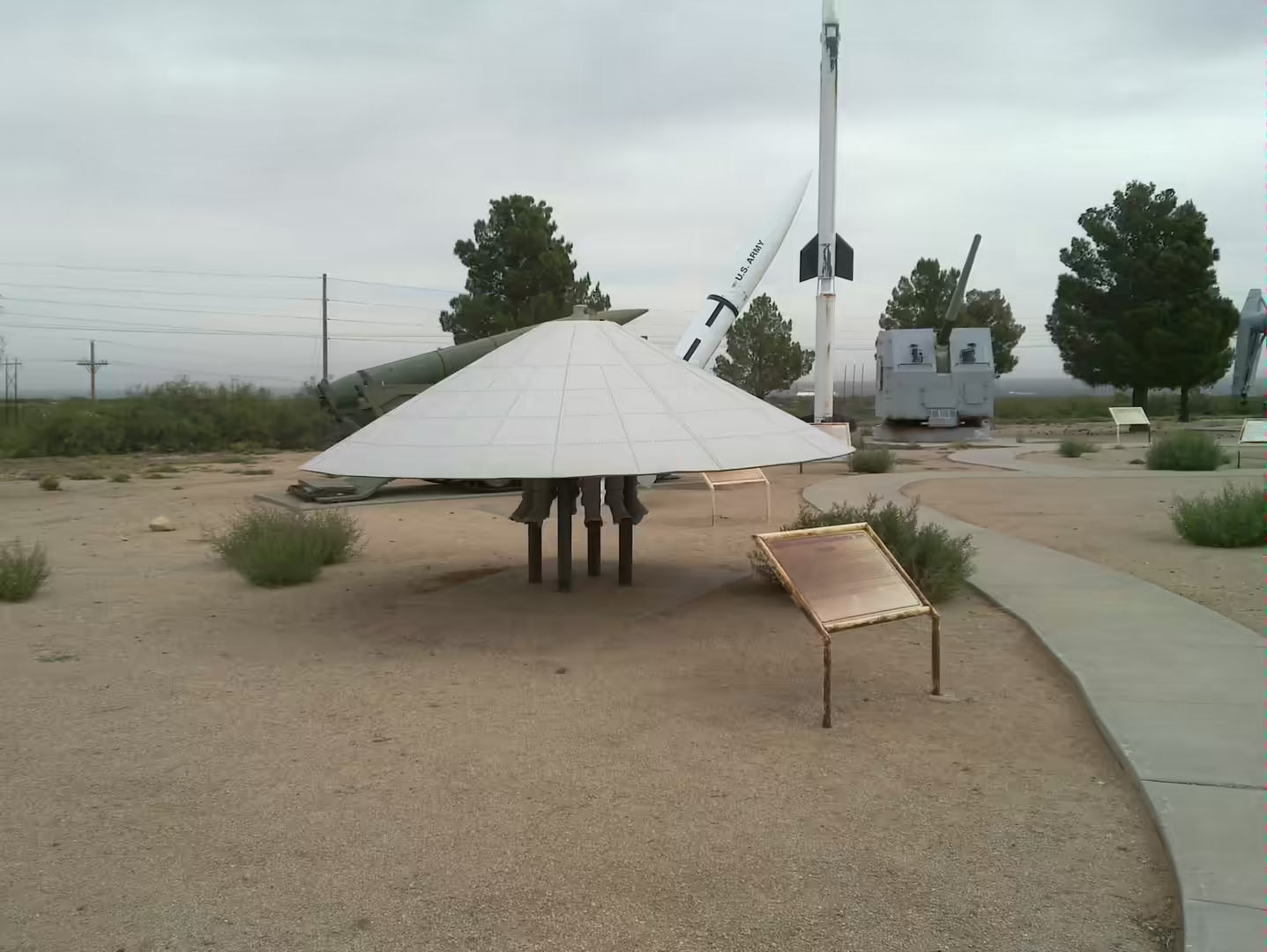
The V-2 program became the foundation for later missile and space technologies. Scientists used these rockets for atmospheric research, biological experiments, and high-altitude photography. Some of the first photographs of Earth from space were taken using rockets launched from the range.
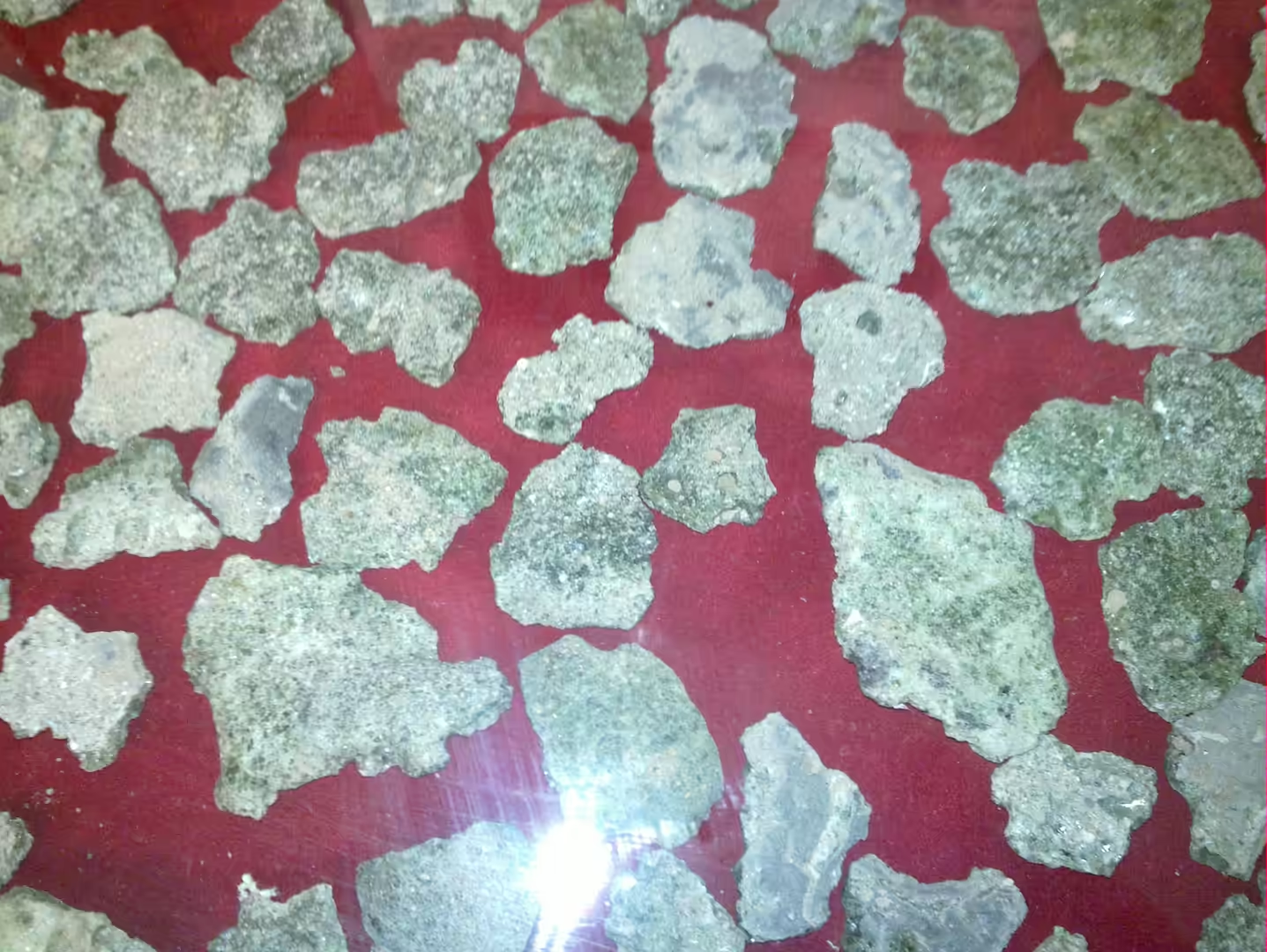
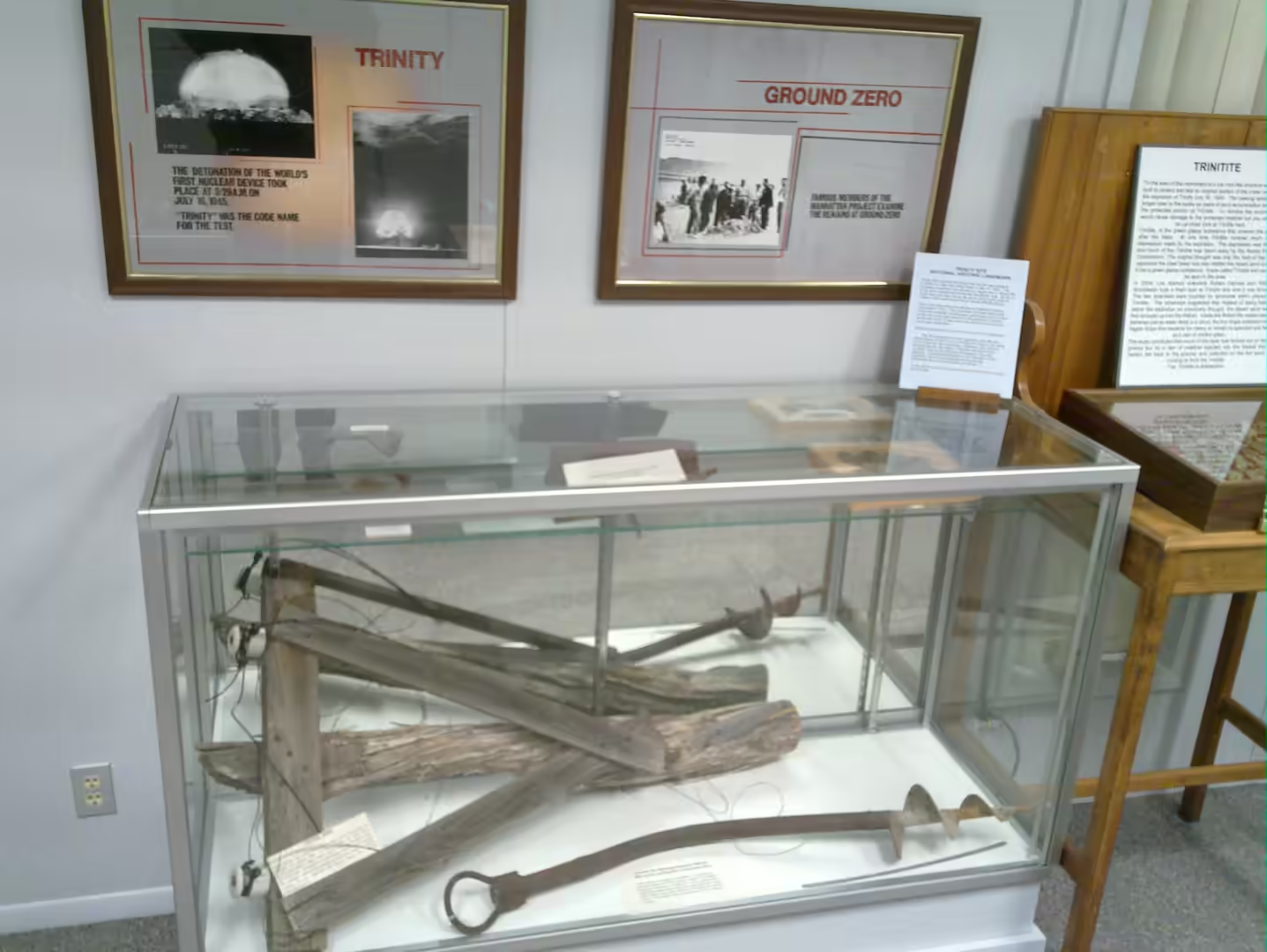
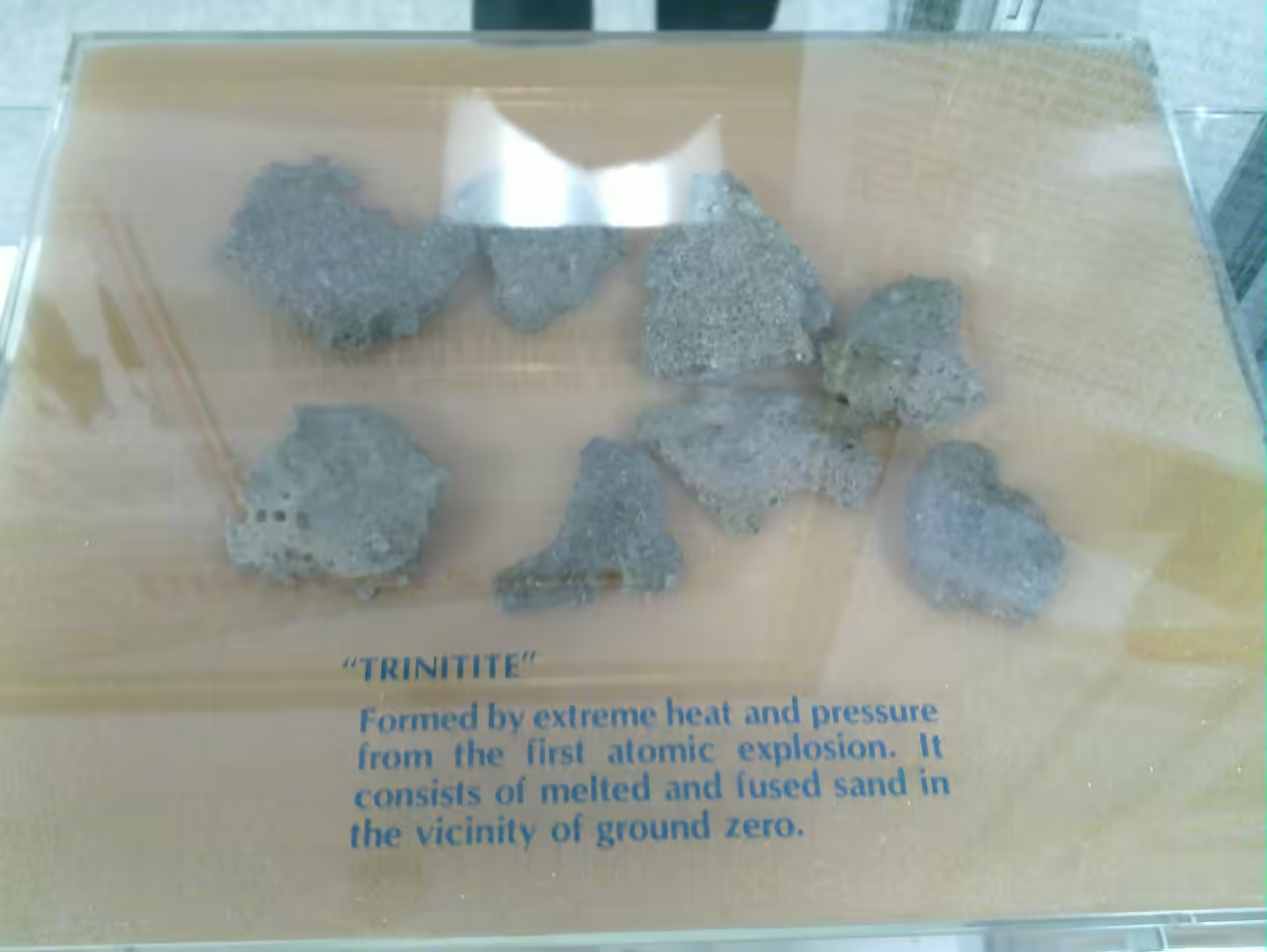
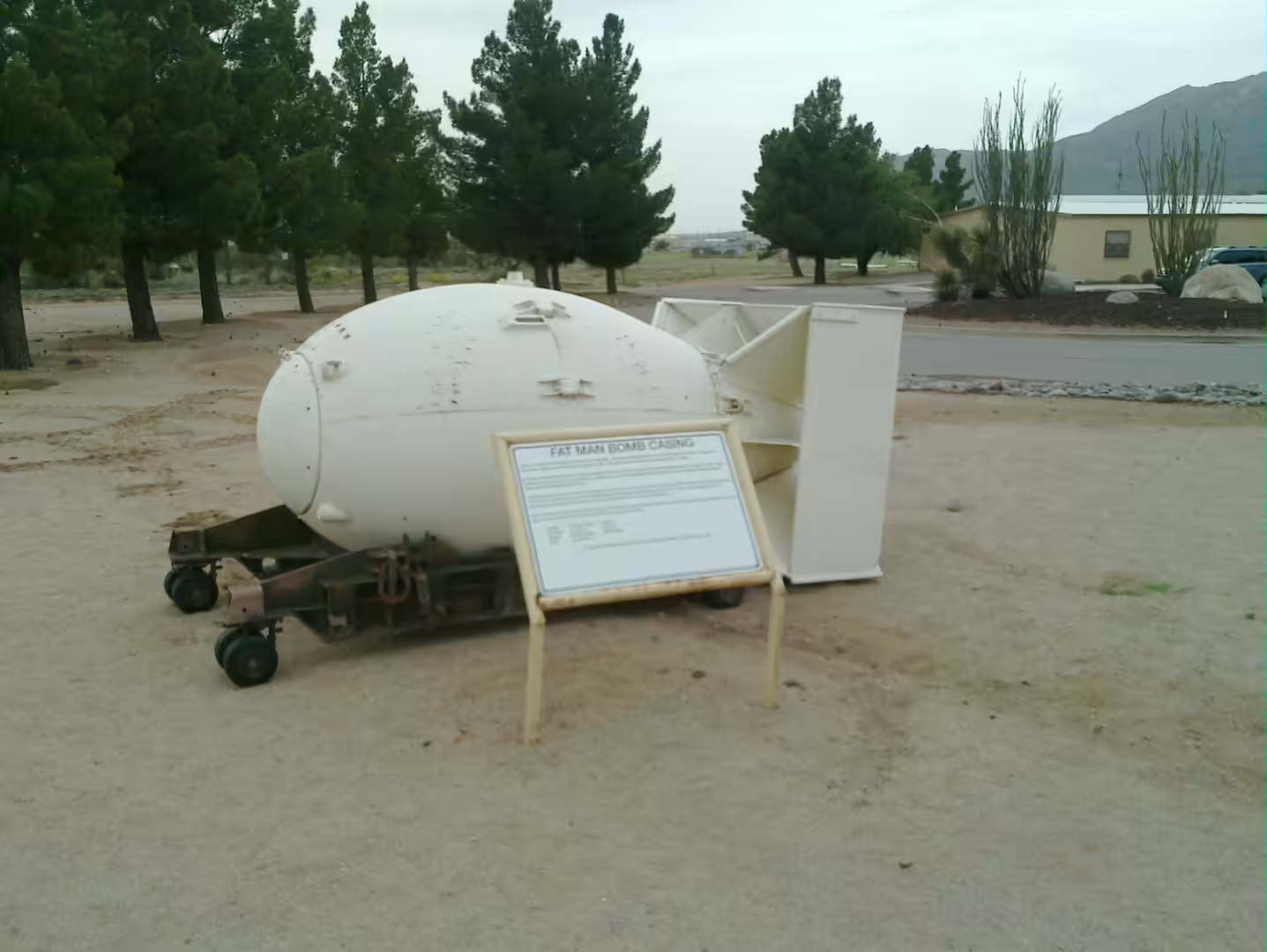
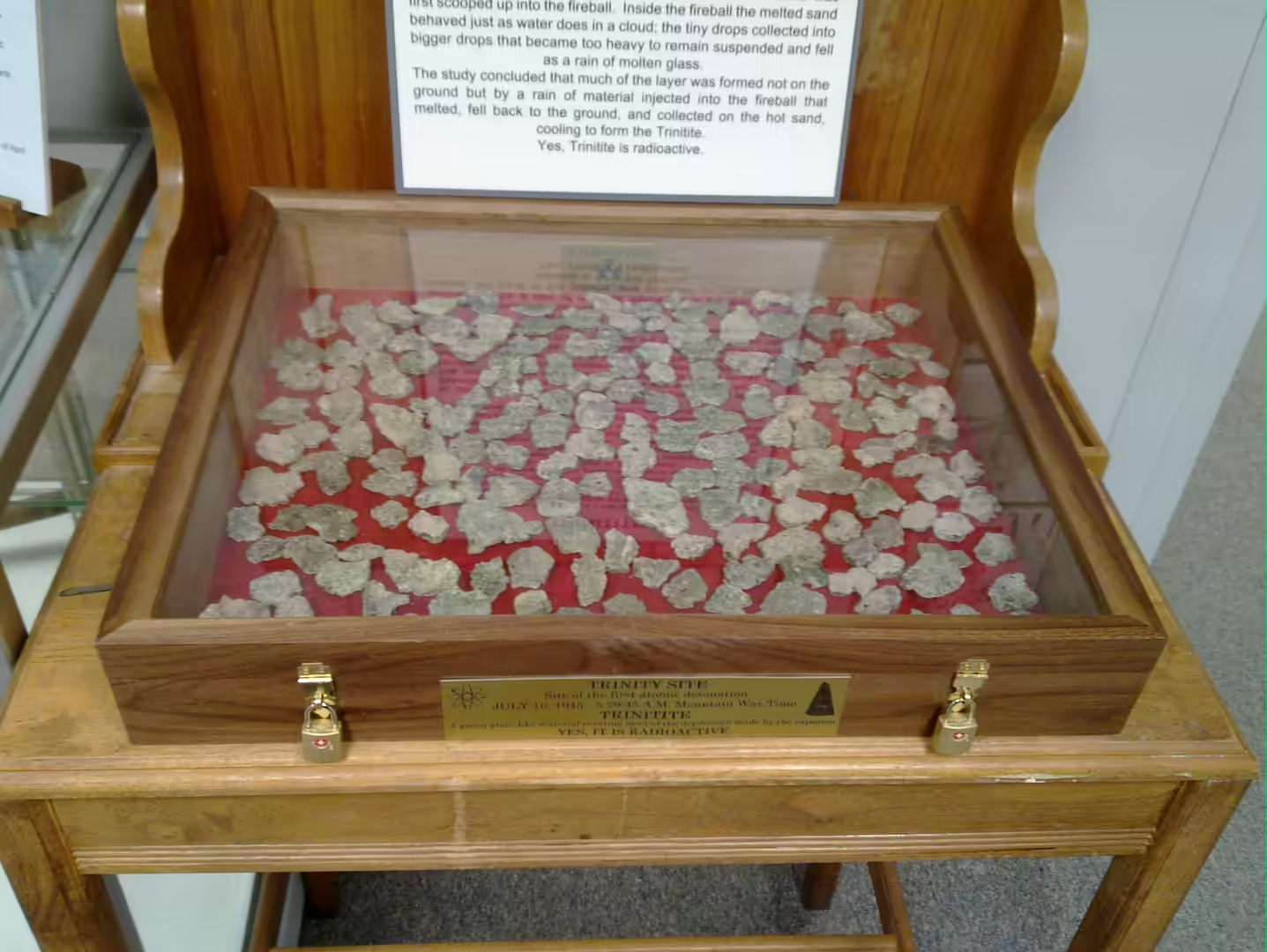
The region is also closely connected to the history of nuclear weapons. Nearby Trinity Site became the location of the first successful nuclear detonation in July 1945. This event marked the beginning of the atomic age and fundamentally changed global military and political history.
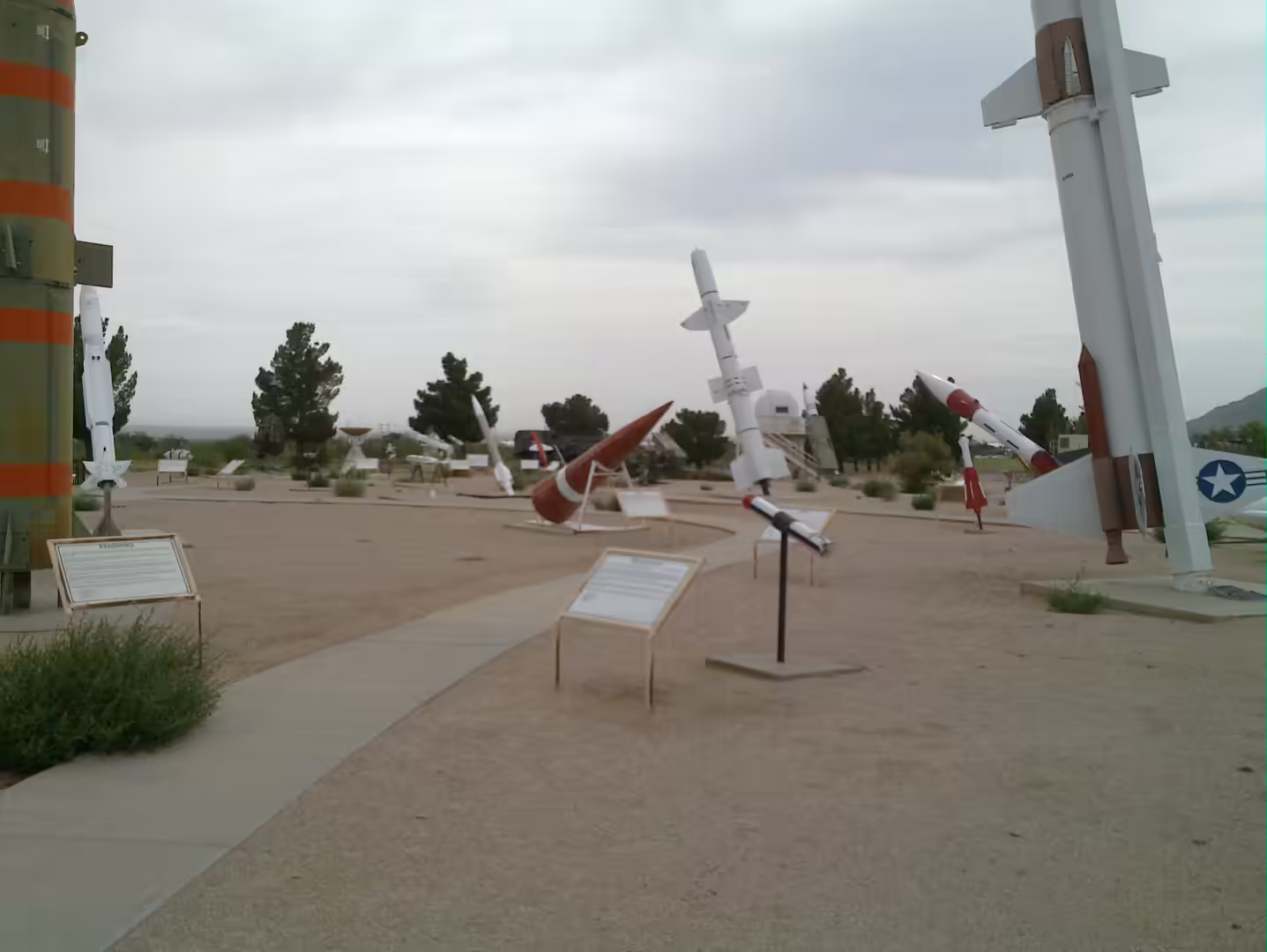
During the Cold War, White Sands Missile Range supported the development and testing of numerous missile systems, including anti-aircraft missiles, ballistic missiles, and experimental aerospace vehicles. The site also contributed to NASA research and early space exploration programs.
Today, the range remains one of the most important military and scientific facilities in the United States.
Geology
White Sands Missile Range lies within the Tularosa Basin and the northern Chihuahuan Desert, a region shaped by Basin and Range tectonic activity. Over millions of years, crustal stretching created alternating mountain ranges and wide desert basins throughout the region.
The landscape contains extensive volcanic formations, lava fields, sedimentary basins, dry lakebeds, and desert plains. Nearby mountain ranges such as the San Andres and Oscura Mountains rise sharply from the desert floor and create dramatic contrasts across the terrain.
Volcanic activity in surrounding regions produced basalt lava flows and dark volcanic rock formations that contrast strongly with the white gypsum dunes farther south. Erosion and sediment transport gradually filled the basin with mineral-rich deposits and desert sediments.

The broad open valleys and dry climate provided ideal conditions for long-range missile testing, aerospace experiments, and radar tracking operations.
Things to See
White Sands Missile Range Museum
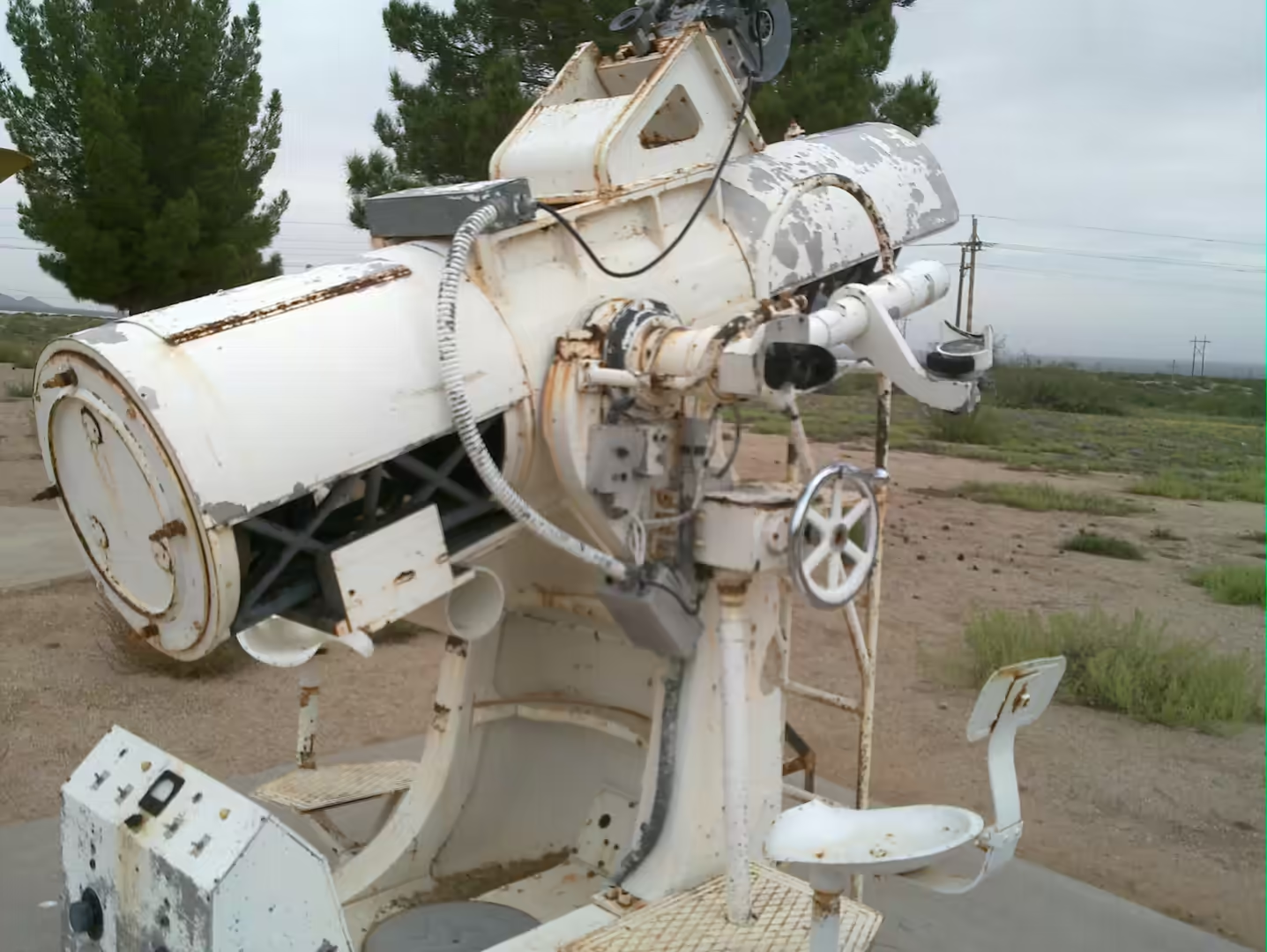
The museum displays historic rockets, missiles, military vehicles, and aerospace artifacts related to early American rocket research and Cold War missile programs.
V-2 Rocket Display
One of the most historically significant exhibits at the range, representing the origins of modern large-scale rocket engineering in the United States.
Trinity Site
The location of the first nuclear explosion in human history. Public access is limited and only available during specific open house events.
McDonald Ranch House
Historic ranch house associated with preparations for the Trinity nuclear test in 1945.
Jornada del Muerto Basin
A vast desert basin with historical significance related to trade routes, military expeditions, and scientific research.
Desert and Mountain Landscapes
The surrounding region offers dramatic desert scenery, volcanic terrain, dry basins, and isolated mountain ranges typical of southern New Mexico.