
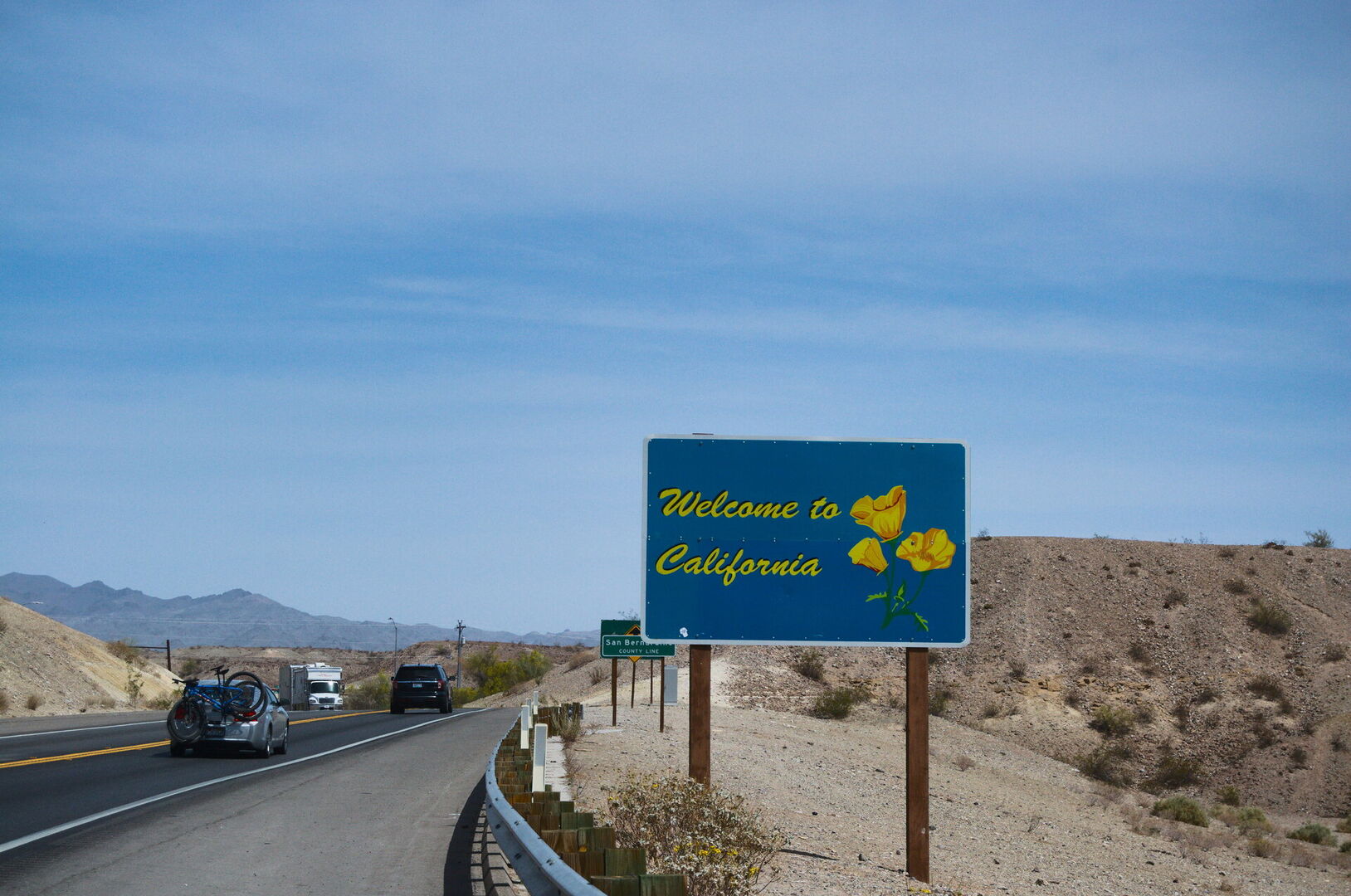


California is a large and diverse state located on the west coast of the United States, bordering the Pacific Ocean. It is the most populous state in the country and one of the most economically and culturally influential regions in the world. California’s identity is shaped by its extraordinary geographic variety, dynamic cities, agricultural productivity, and global cultural impact.
The state stretches from the temperate rainforests of the north to the deserts of the south-east, and from rugged coastal cliffs to high mountain ranges. California’s coastline extends for more than 1,300 kilometers, while its interior includes fertile valleys, volcanic landscapes, and alpine environments. This diversity supports a wide range of ecosystems and lifestyles.
California’s economy is among the largest in the world, driven by technology, entertainment, agriculture, tourism, education, and international trade. Major metropolitan areas such as Los Angeles, San Francisco, San Diego, and Silicon Valley serve as global centers of innovation and culture, while rural regions play a vital role in food production and resource management.
History
Human history in California extends back more than 13,000 years. Indigenous peoples lived throughout the region long before European contact, developing complex societies adapted to California’s varied environments. Hundreds of distinct tribes and languages existed, reflecting the state’s ecological diversity.
European exploration began in the 16th century, with Spanish expeditions establishing missions along the coast in the late 18th century. These missions played a central role in shaping early settlement patterns, often at great cost to Indigenous communities. California later became part of Mexico before being ceded to the United States in the mid-19th century.
The discovery of gold in 1848 marked a turning point in California’s history. The Gold Rush triggered rapid population growth, economic expansion, and lasting social change. Throughout the 20th century, California emerged as a center of agriculture, manufacturing, entertainment, and technology, shaping both national and global culture.
Geology
California’s geology is among the most complex and dynamic in North America. The state lies along the boundary between the Pacific and North American tectonic plates, making it highly active in terms of earthquakes, mountain building, and volcanic activity.
Major geological features include the Sierra Nevada mountain range, the Central Valley, coastal mountain ranges, and desert basins. The San Andreas Fault system runs through much of the state and is a defining element of California’s seismic landscape.
Volcanic activity has shaped northern California, where lava flows, volcanic cones, and geothermal features remain visible. Glaciation carved deep valleys and dramatic granite formations in the Sierra Nevada, including iconic landscapes found in Yosemite National Park. Erosion, uplift, and tectonic movement continue to reshape California’s terrain.
Landscapes and Natural Environment
California’s landscapes are exceptionally varied. Coastal regions feature cliffs, sandy beaches, wetlands, and marine ecosystems. Inland valleys support some of the most productive agricultural land in the world, while surrounding mountains provide watersheds and forested environments.
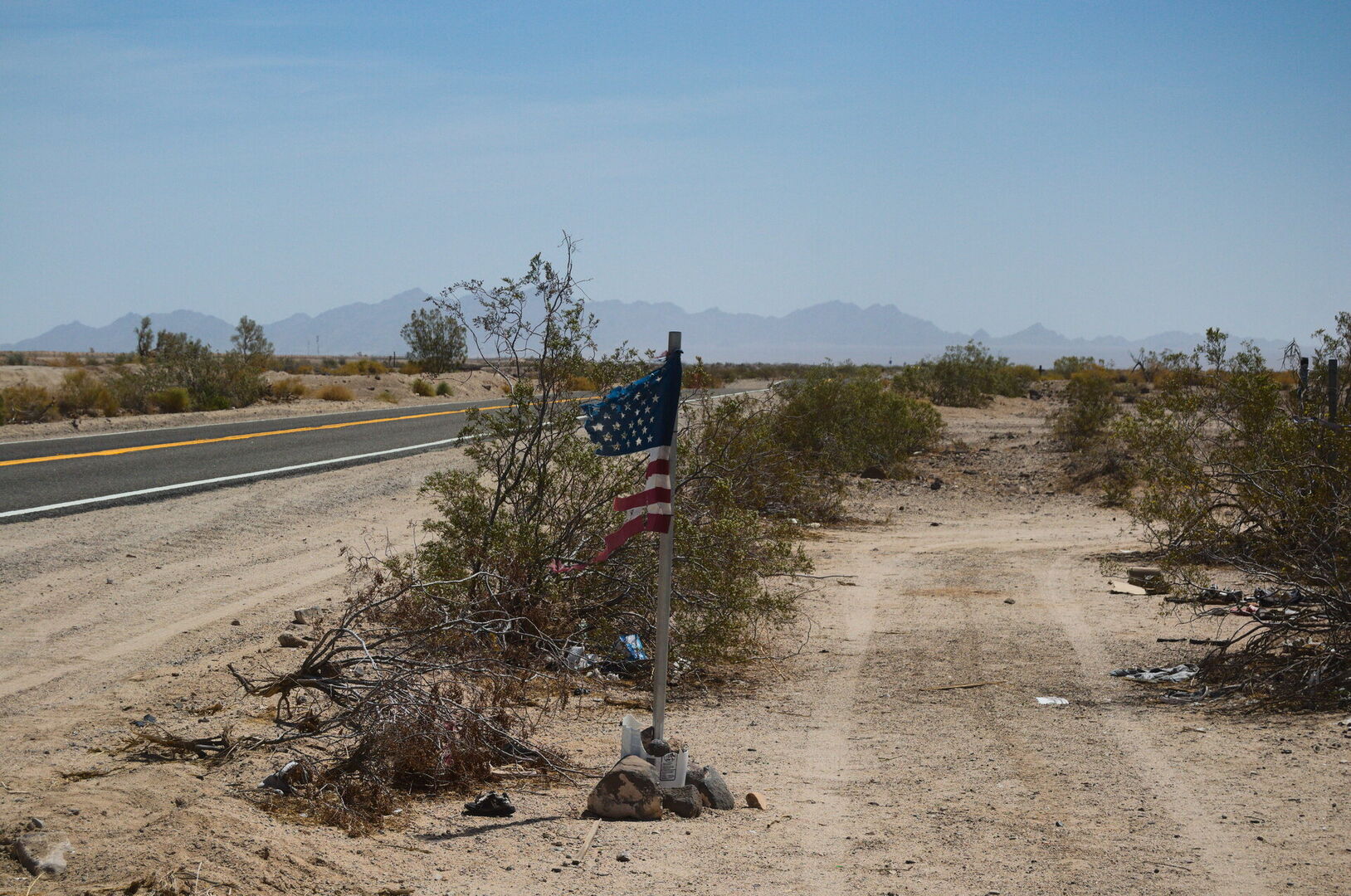
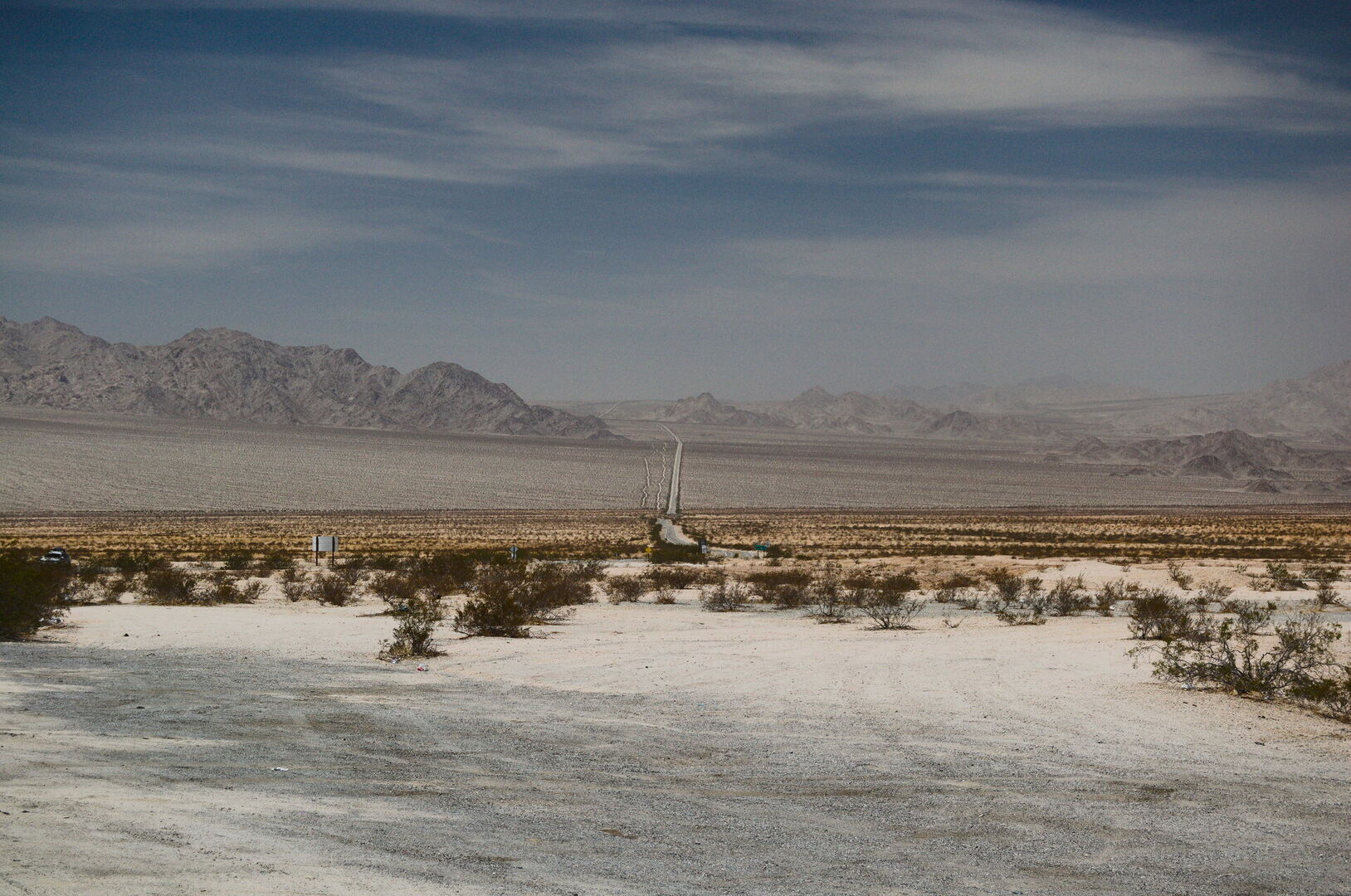
The Sierra Nevada contains some of the highest peaks in the continental United States, along with alpine lakes and ancient forests. In contrast, desert regions such as the Mojave and Colorado deserts include vast arid basins, sand dunes, and extreme temperature variations.
California is also home to extensive forests, including redwood groves, pine-covered mountains, and chaparral-covered hills. These ecosystems support diverse wildlife and play a critical role in climate regulation and water supply.
Things to See
California offers a wide range of natural, cultural, and recreational attractions:
Natural Landscapes
- Pacific Coast Highway and coastal cliffs
- Sierra Nevada and alpine environments
- Redwood forests in northern California
- Desert landscapes in Death Valley and Joshua Tree
Cultural and Urban Centers
- Los Angeles and the entertainment industry
- San Francisco and the San Francisco Bay Area
- San Diego and its coastal neighborhoods
- Historic mission sites and Gold Rush towns
Outdoor Activities
- Hiking, skiing, and mountaineering
- Surfing, swimming, and coastal recreation
- National parks and protected areas
- Wine regions and agricultural landscapes
Experience and Character
California is often associated with innovation, creativity, and outdoor living. The state’s climate, landscapes, and cultural diversity encourage a lifestyle centered on movement, exploration, and expression. At the same time, California faces challenges related to population growth, water management, natural hazards, and environmental protection.
Despite these complexities, California remains a place of opportunity and influence. Its ability to combine natural beauty with economic and cultural power continues to shape its identity and global presence.