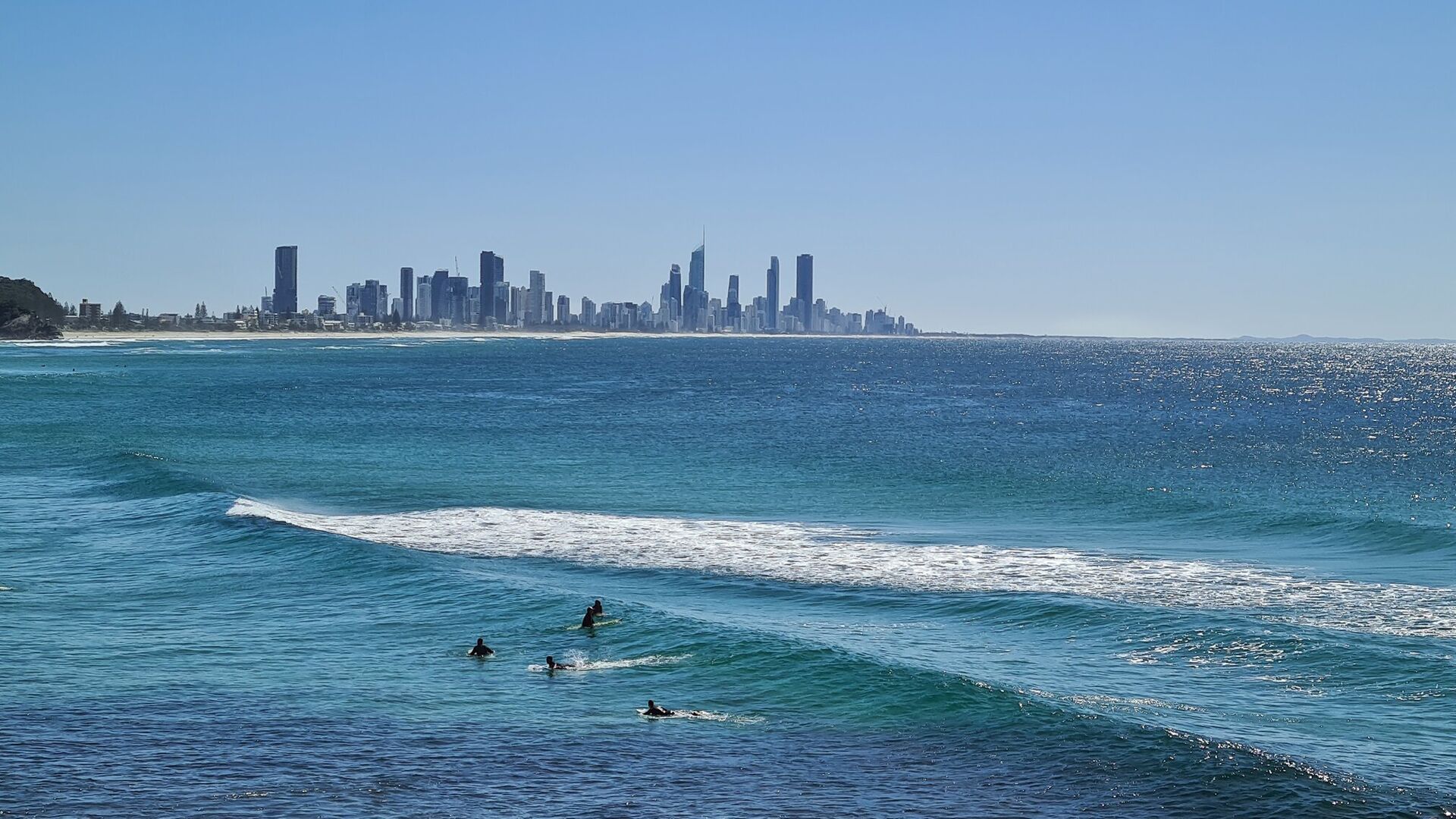
The Gold Coast: A Region of Coastline, Culture, and Geological Wonder
The Gold Coast is one of Australia’s most iconic regions, known for its long stretches of beach, vibrant city life, and subtropical hinterland. Situated in the southeastern corner of Queensland, the Gold Coast is a destination that combines natural beauty with a dynamic urban environment, attracting millions of visitors each year while also supporting a thriving local population.
General Overview
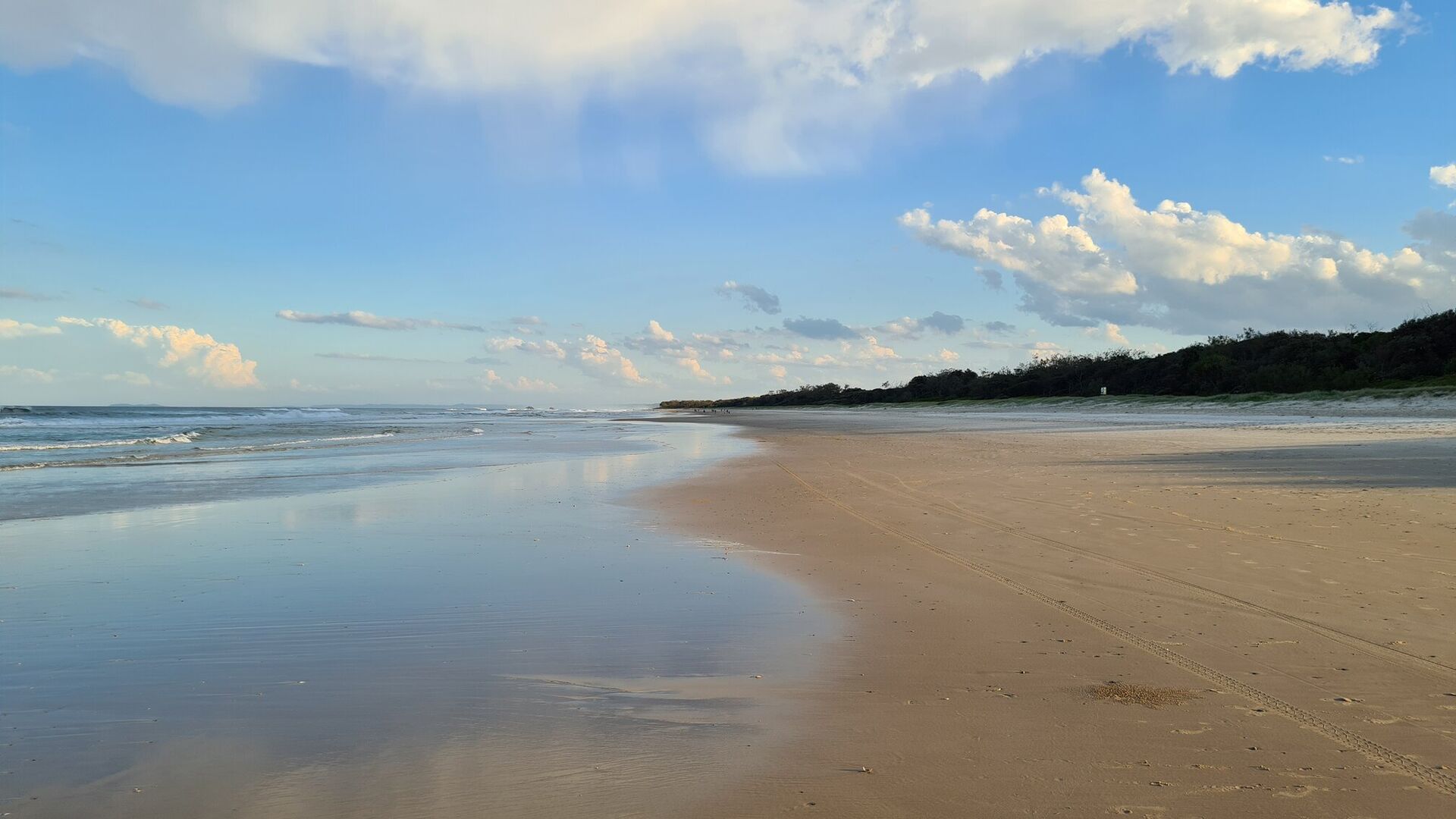
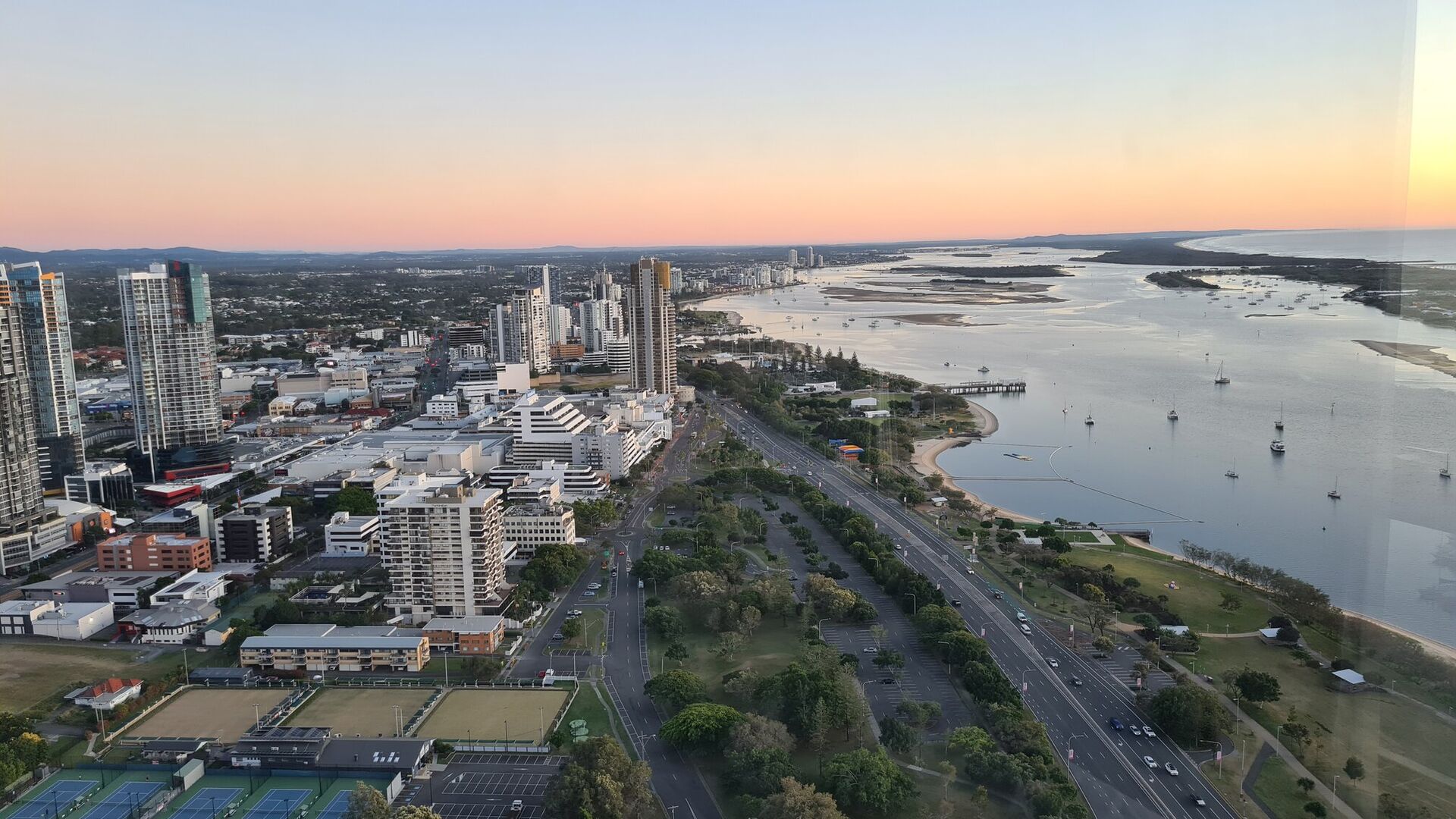
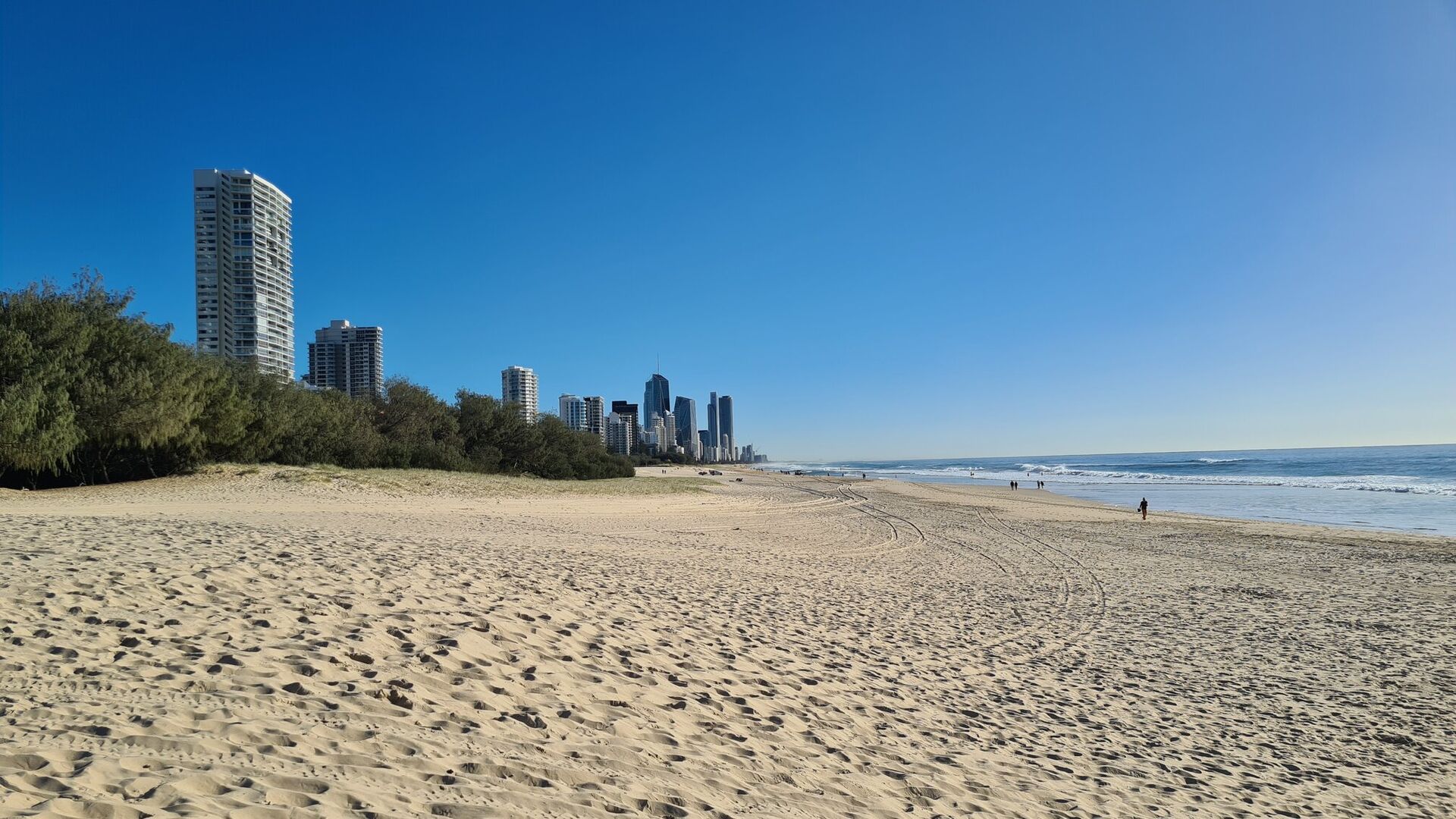
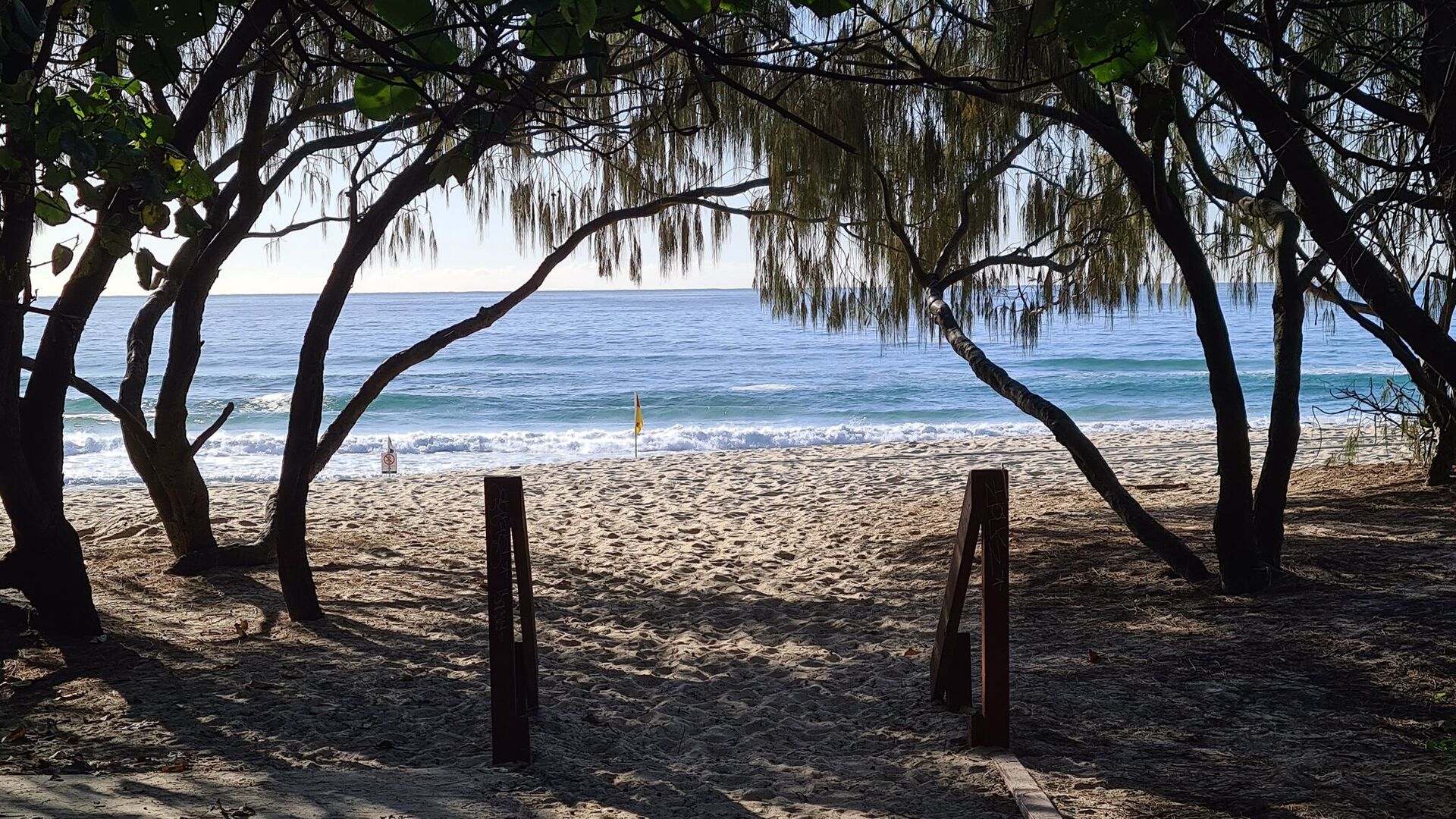
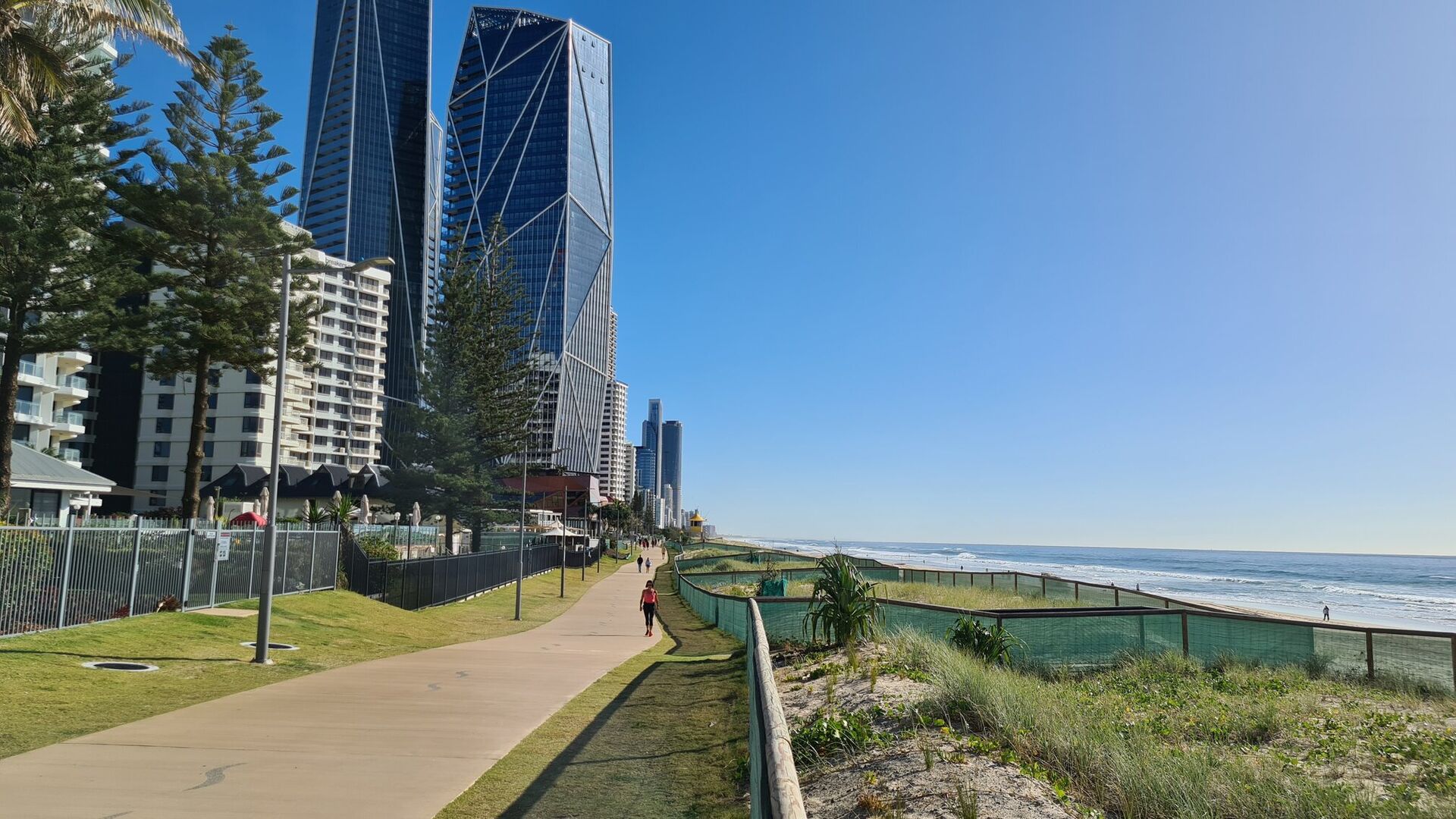
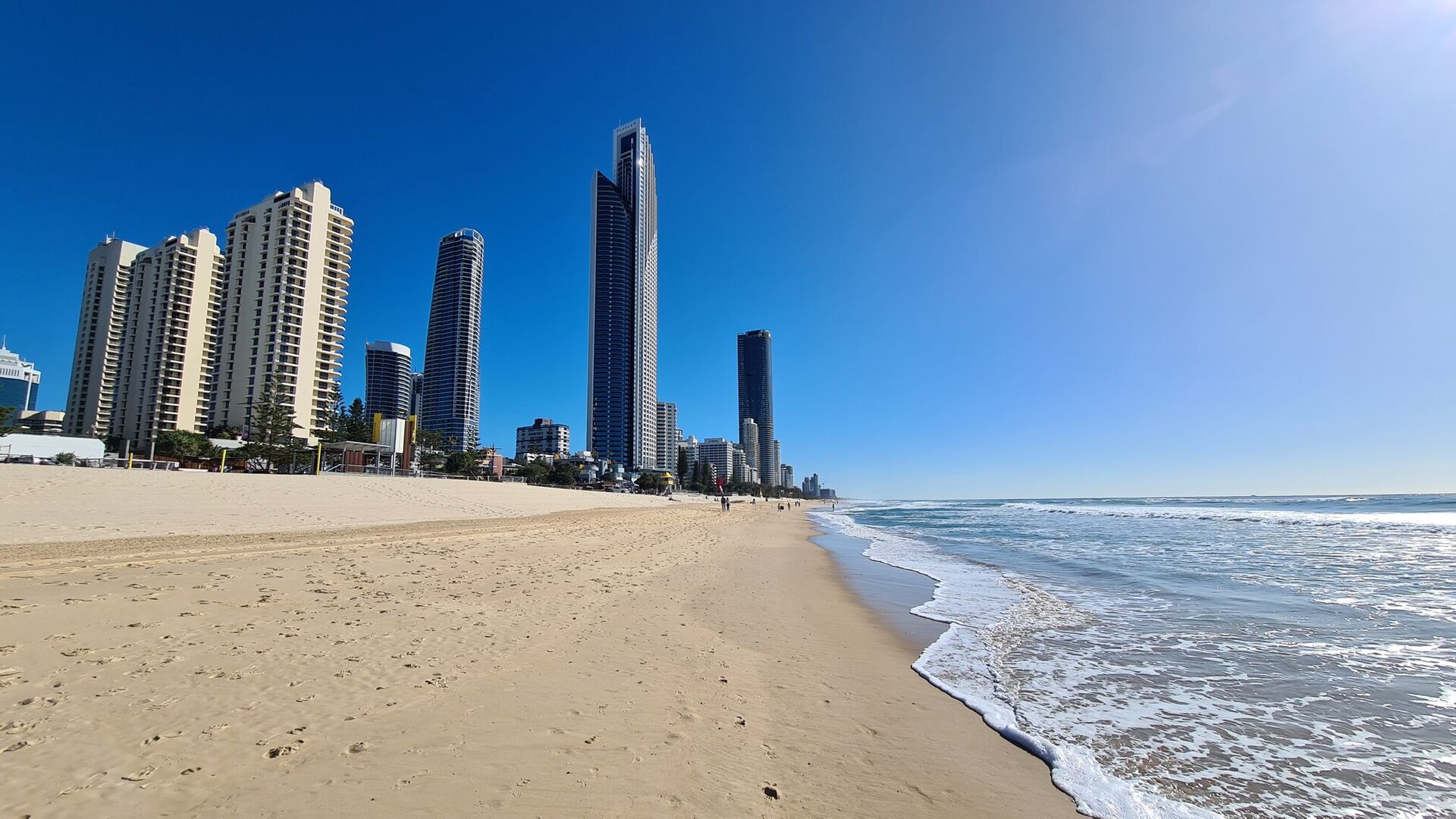
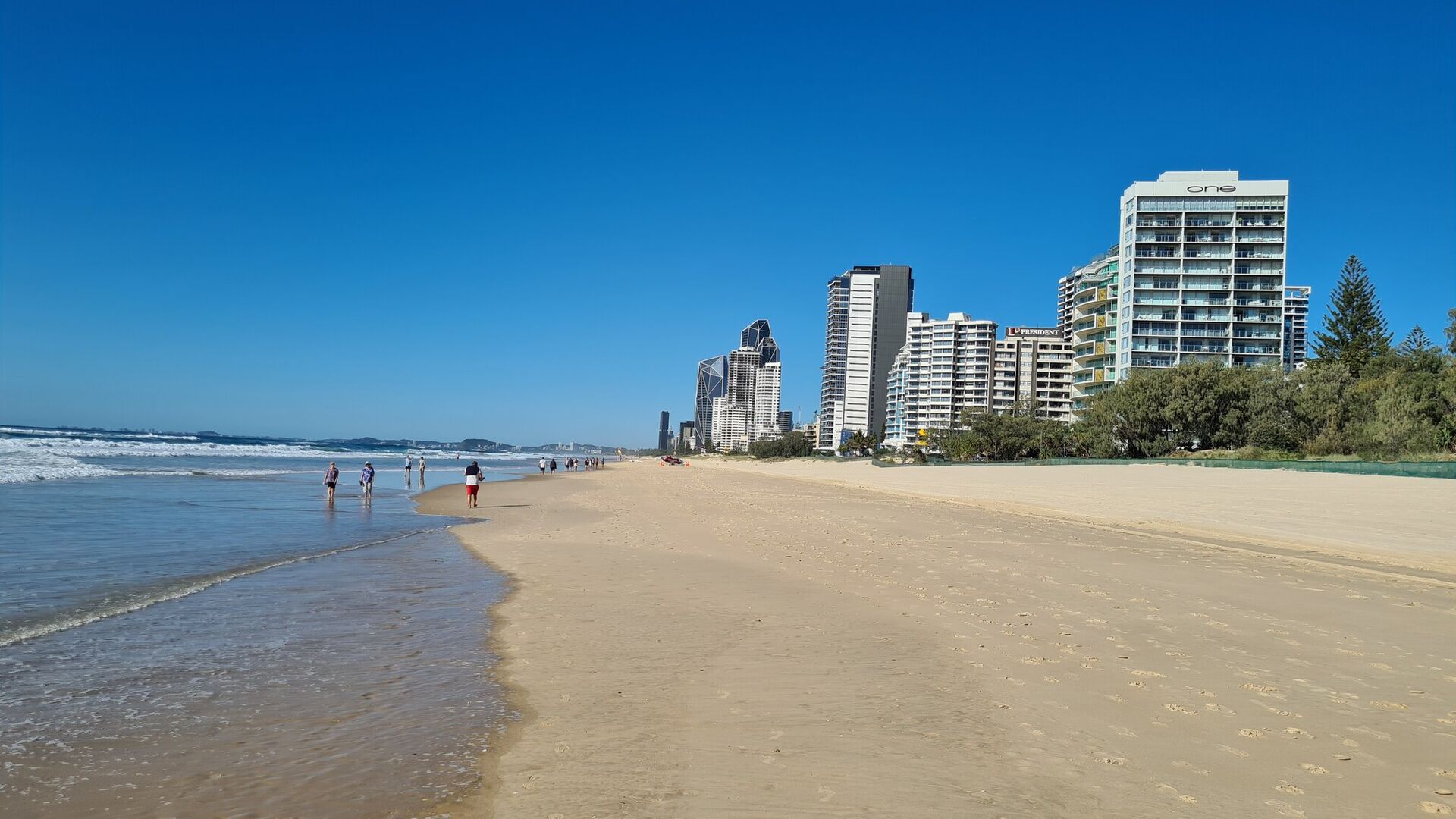
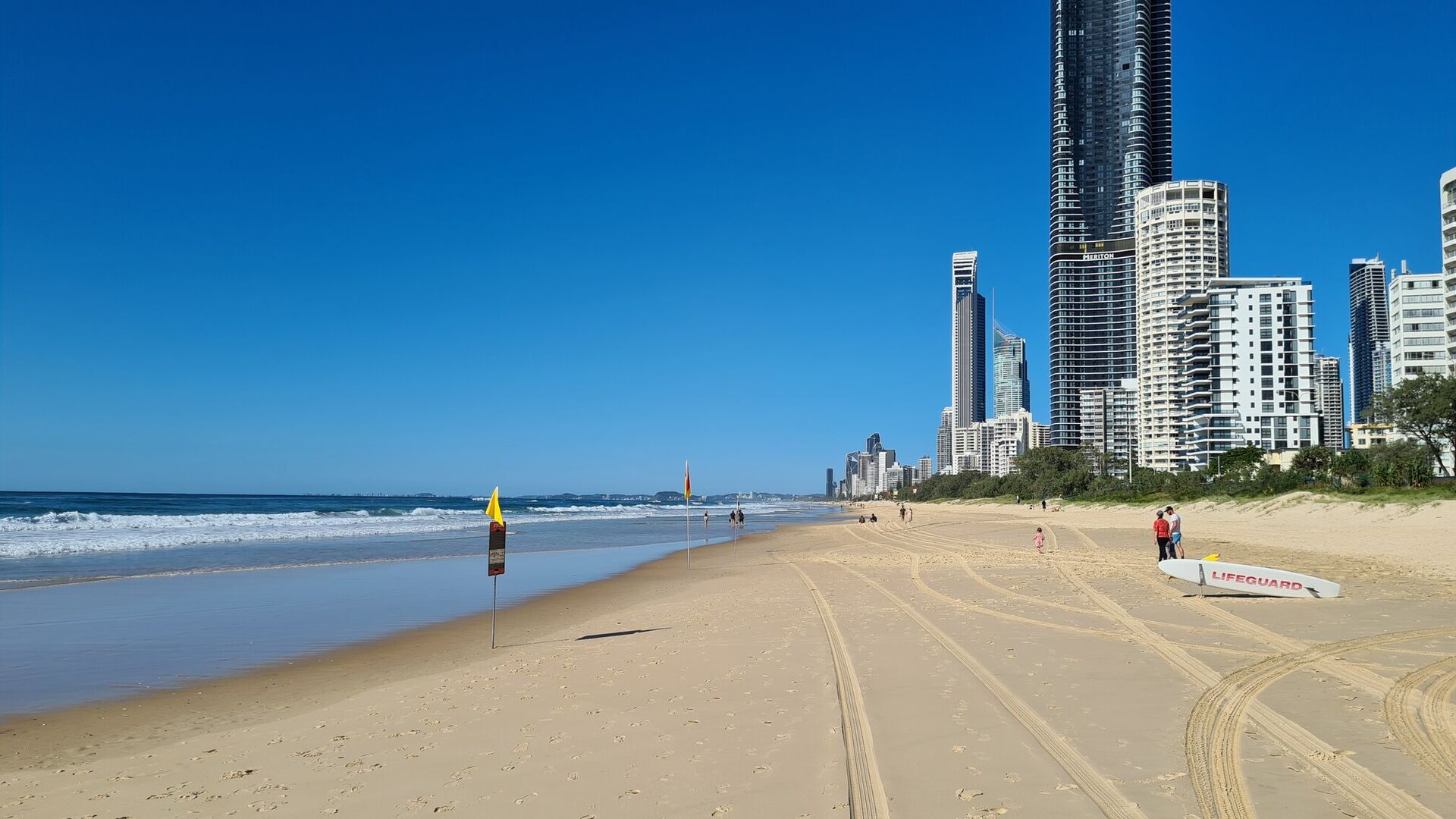
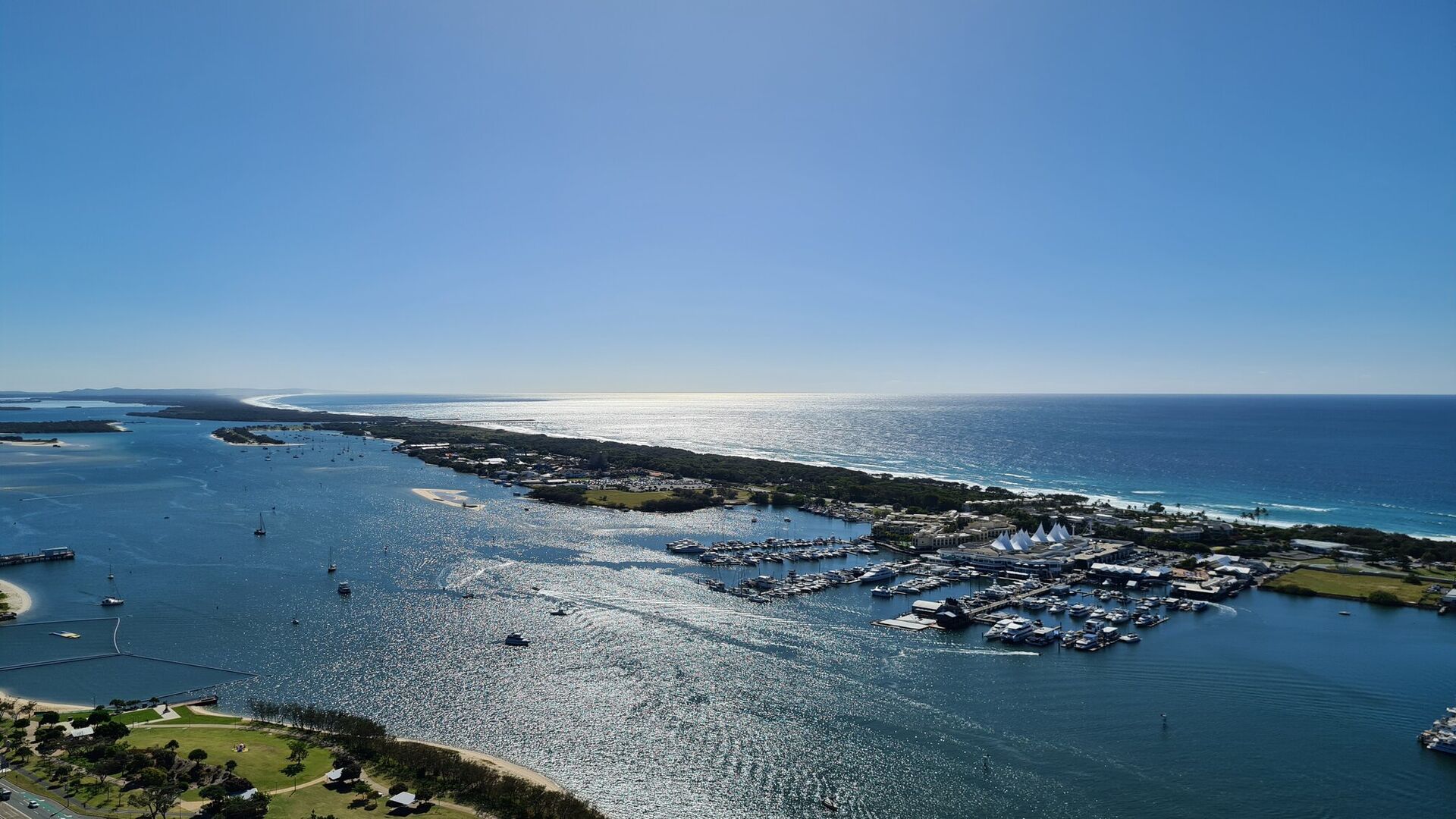
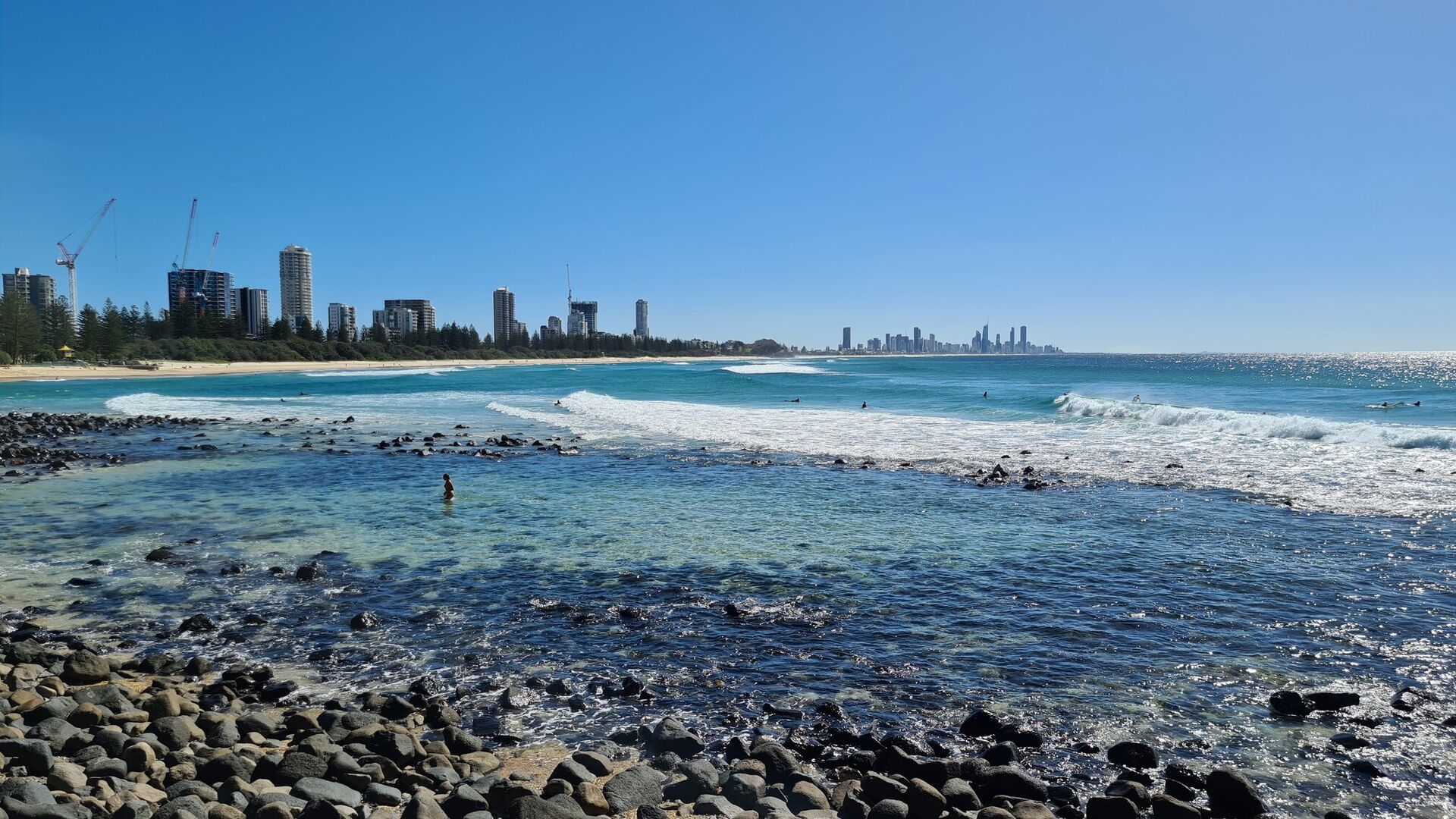
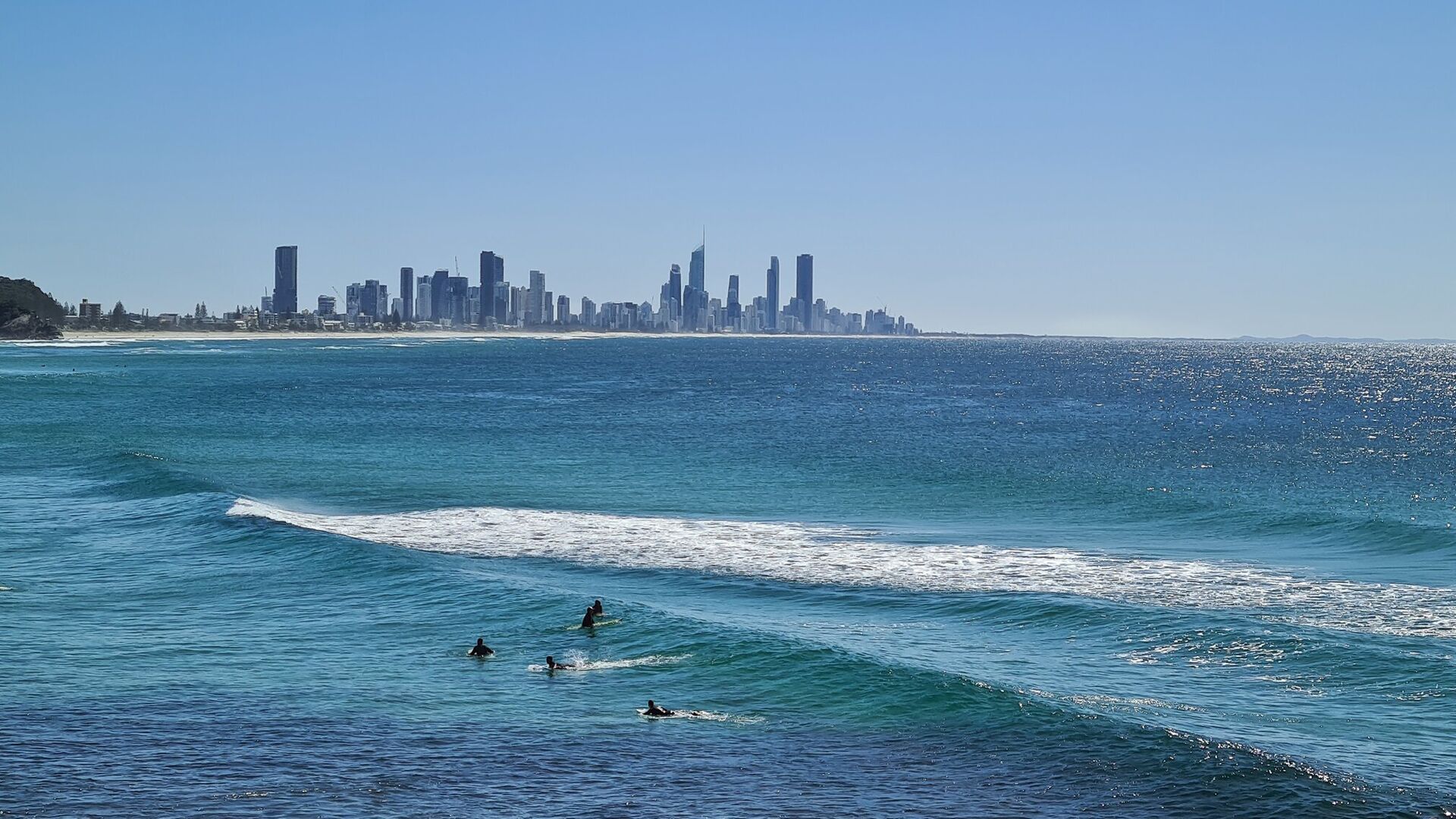
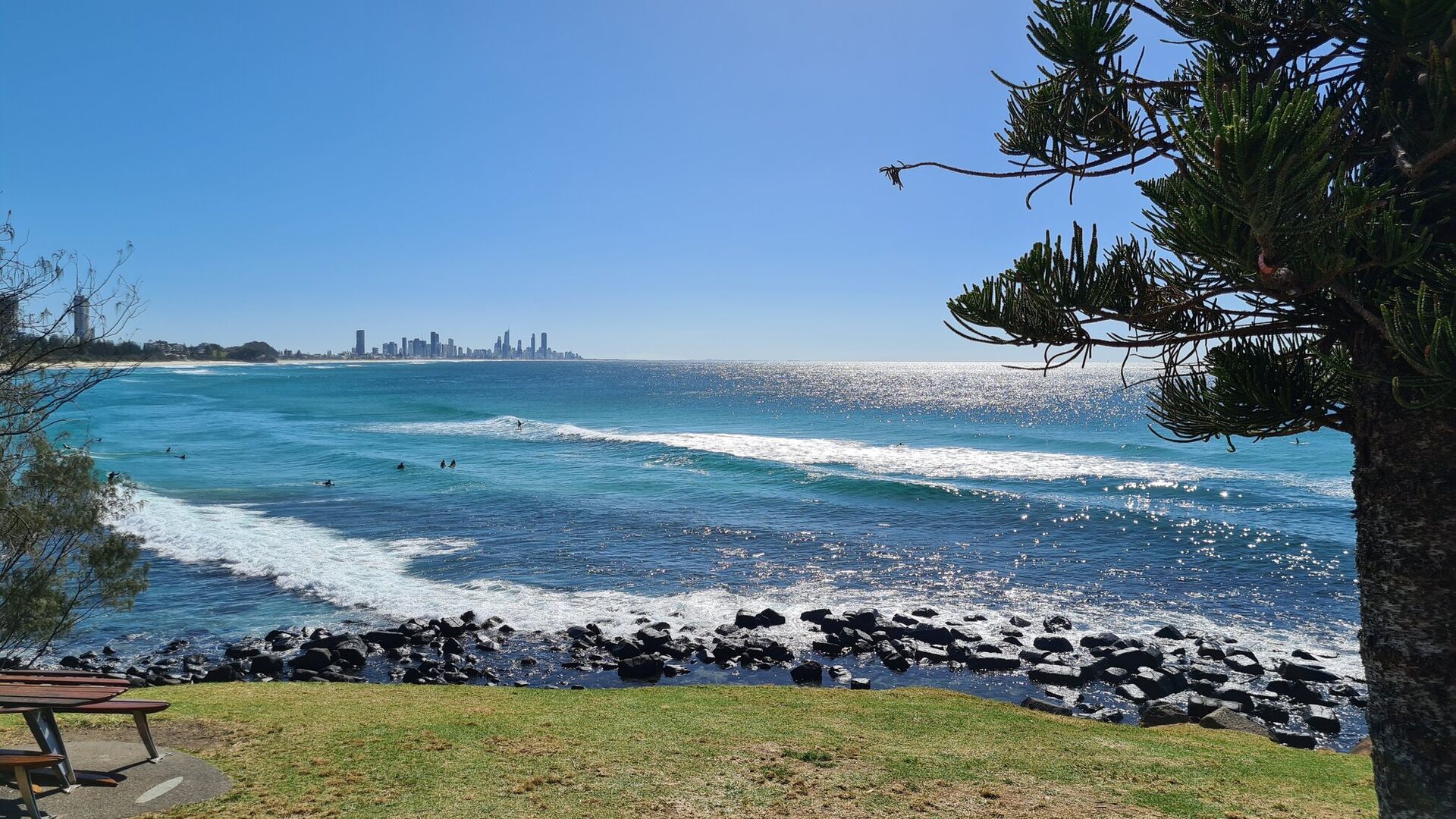
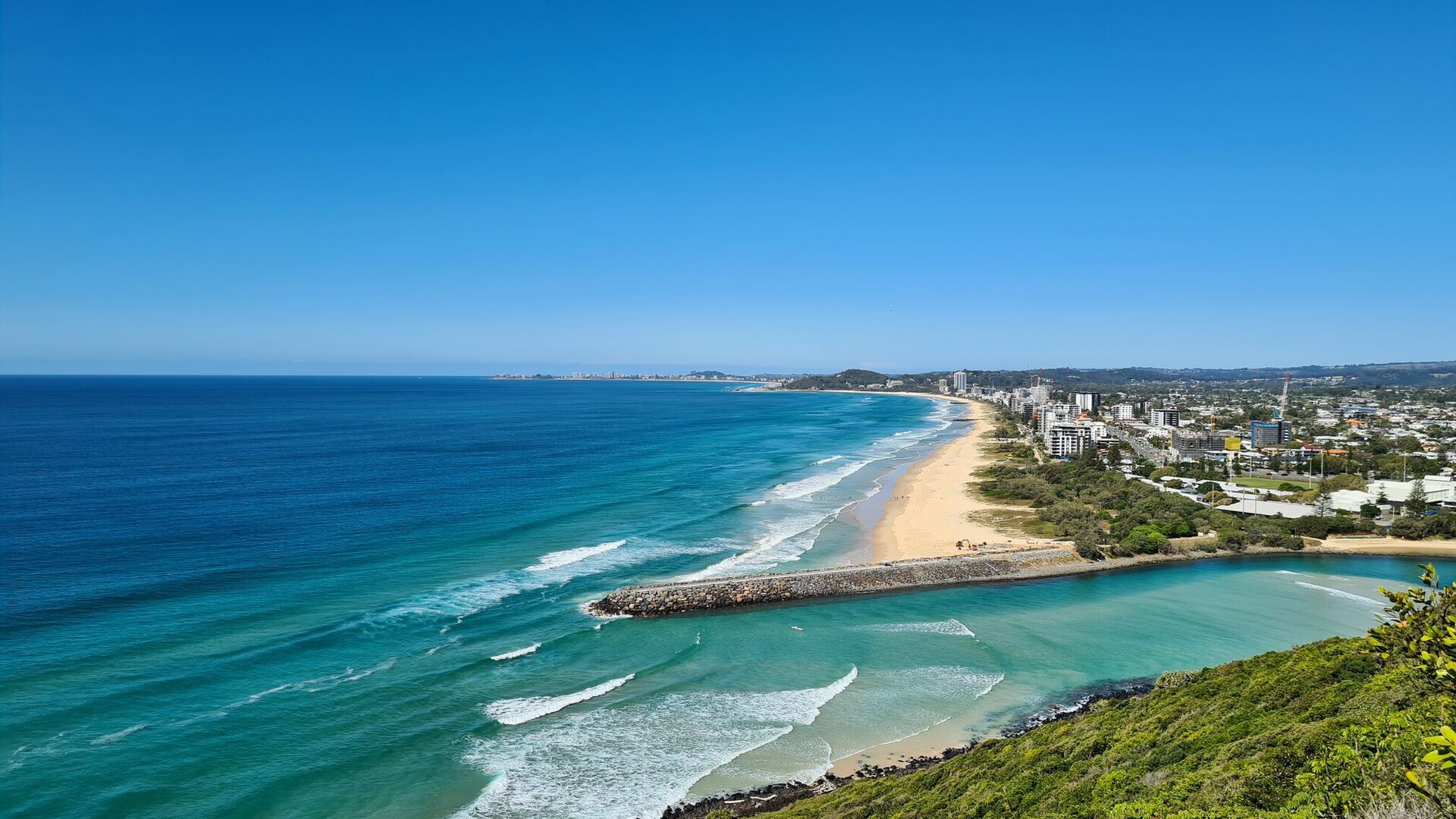
The Gold Coast extends along approximately 70 kilometers of coastline, from the border town of Coolangatta in the south to South Stradbroke Island in the north. Inland, the region rises into the rainforest-clad mountains of the hinterland, part of the Great Dividing Range.
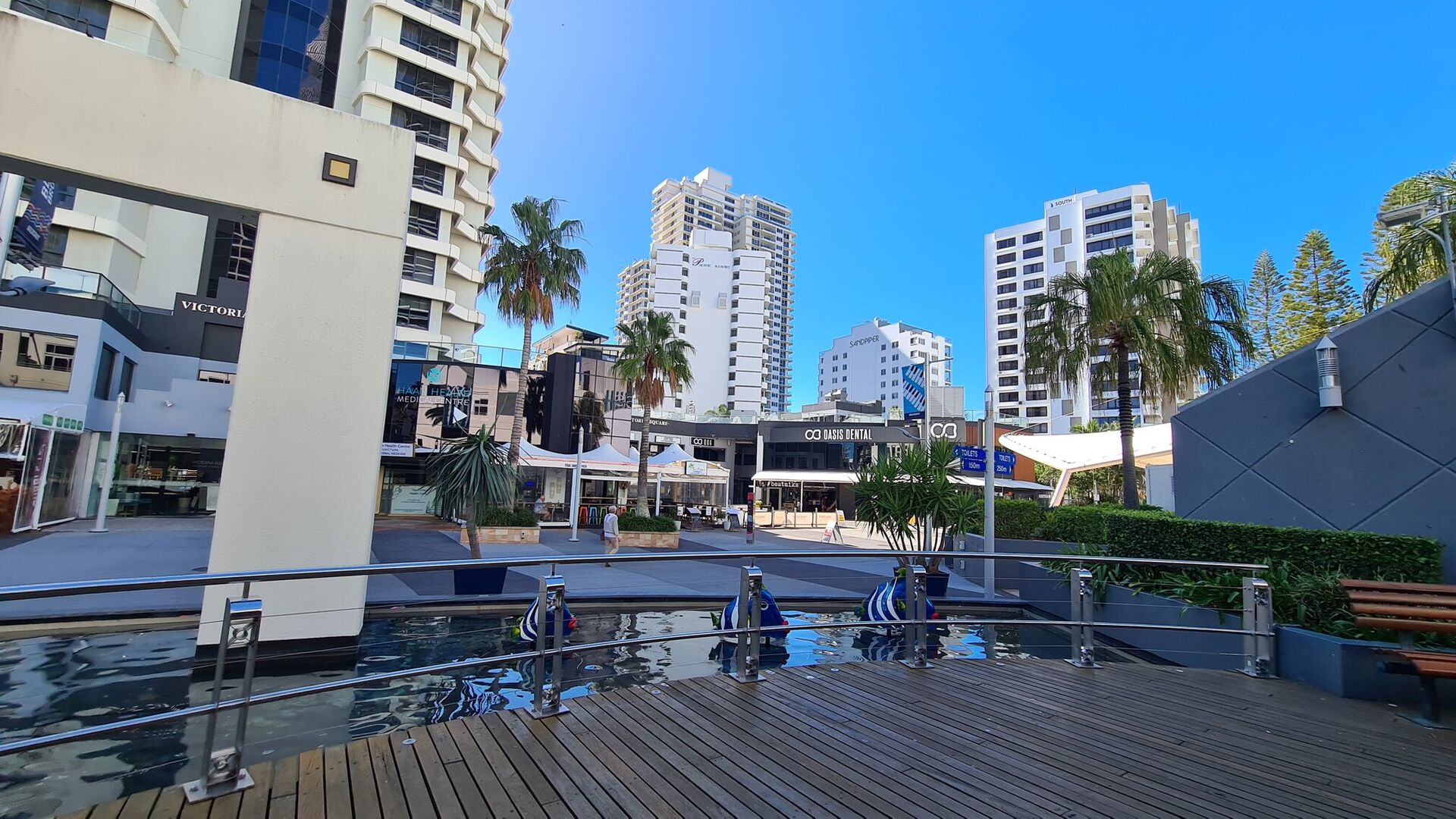
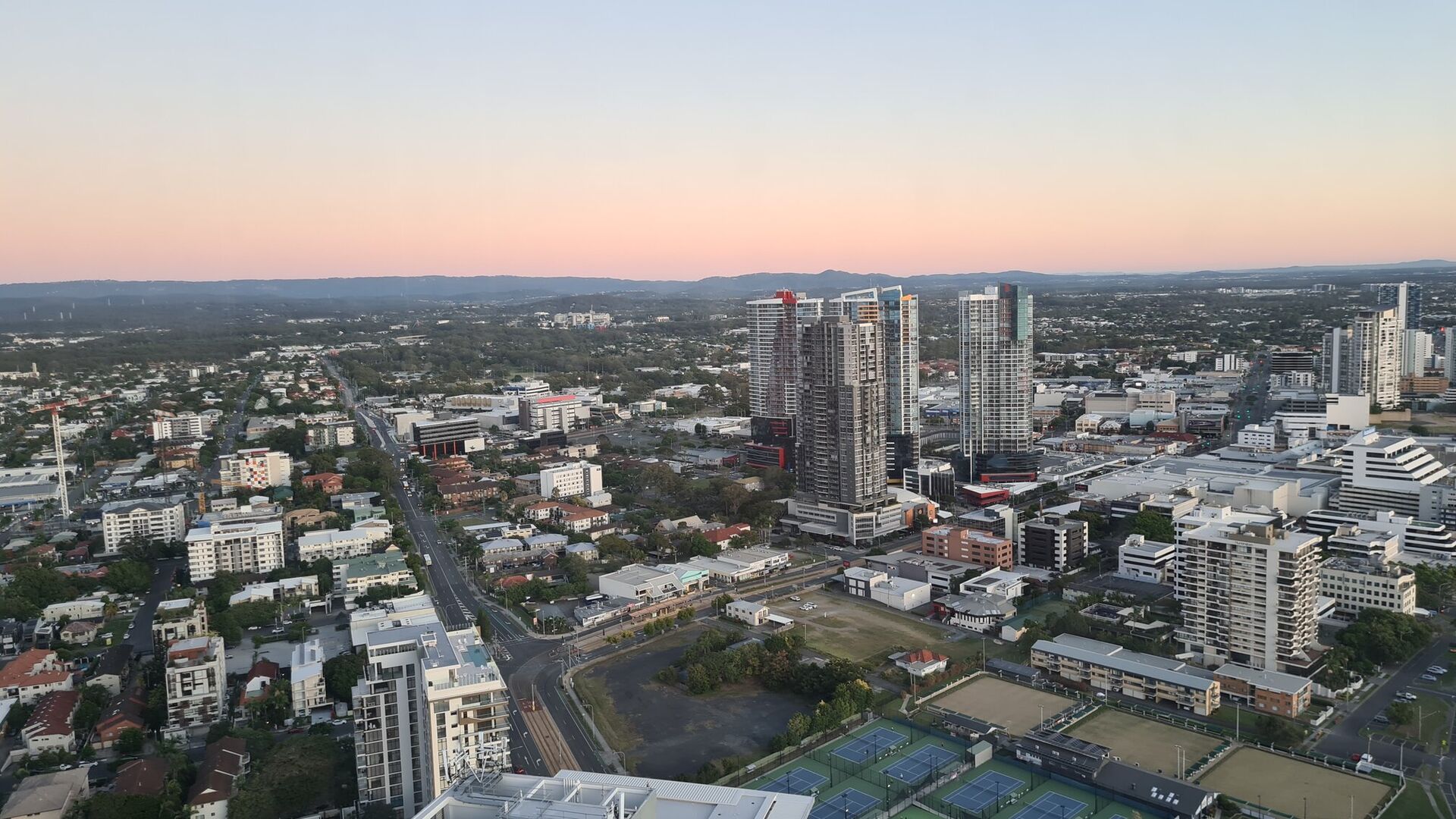
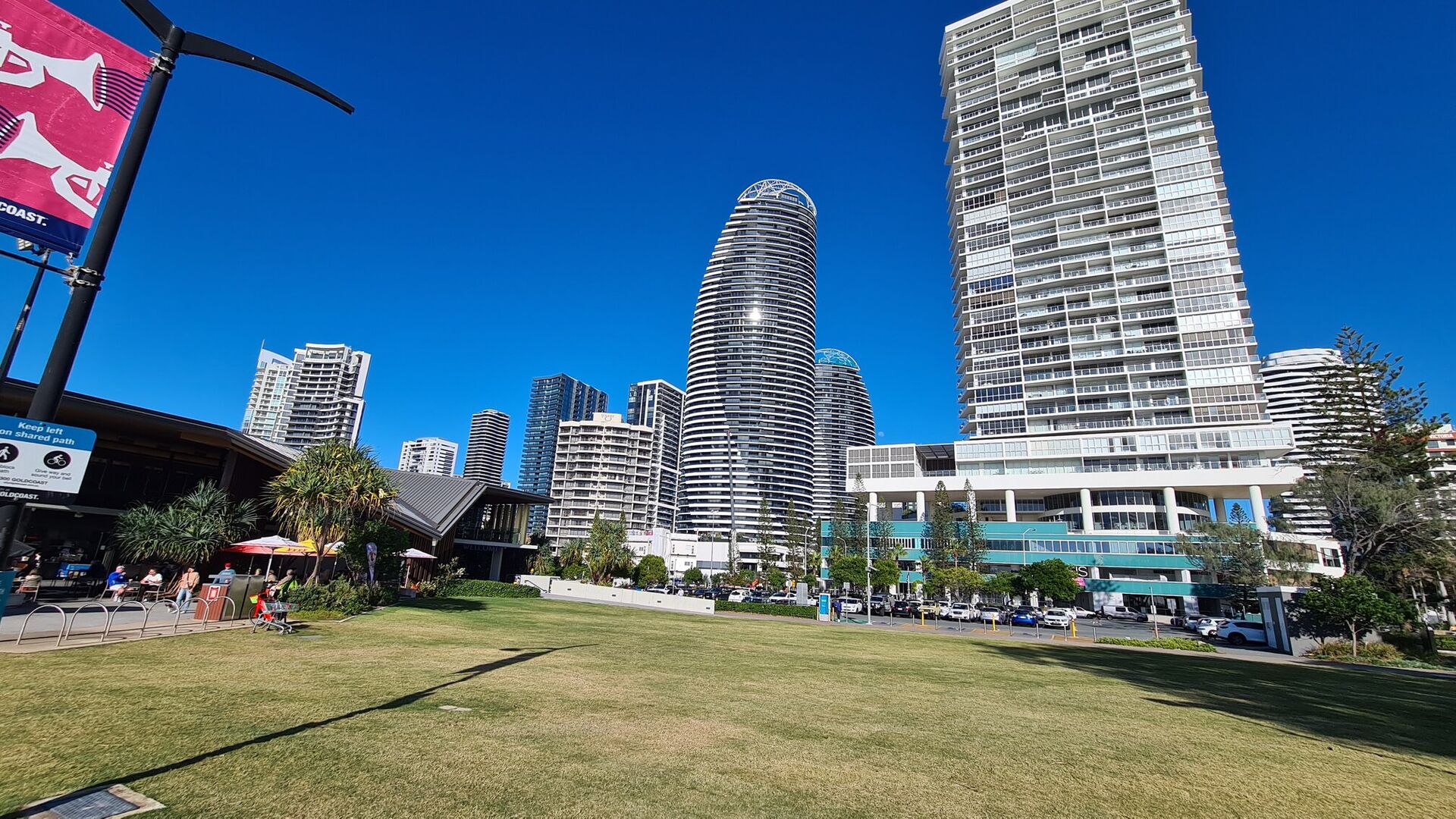
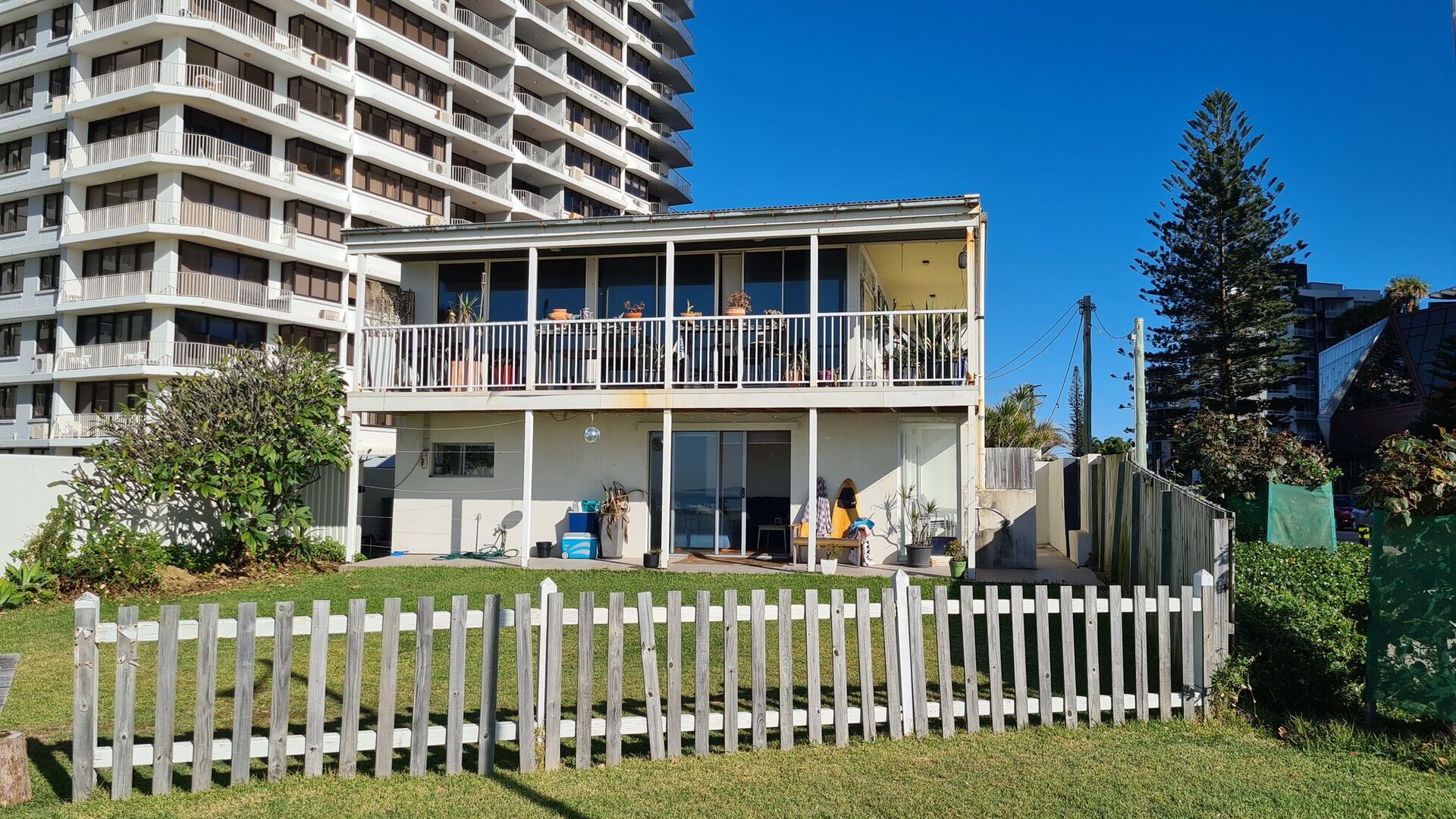
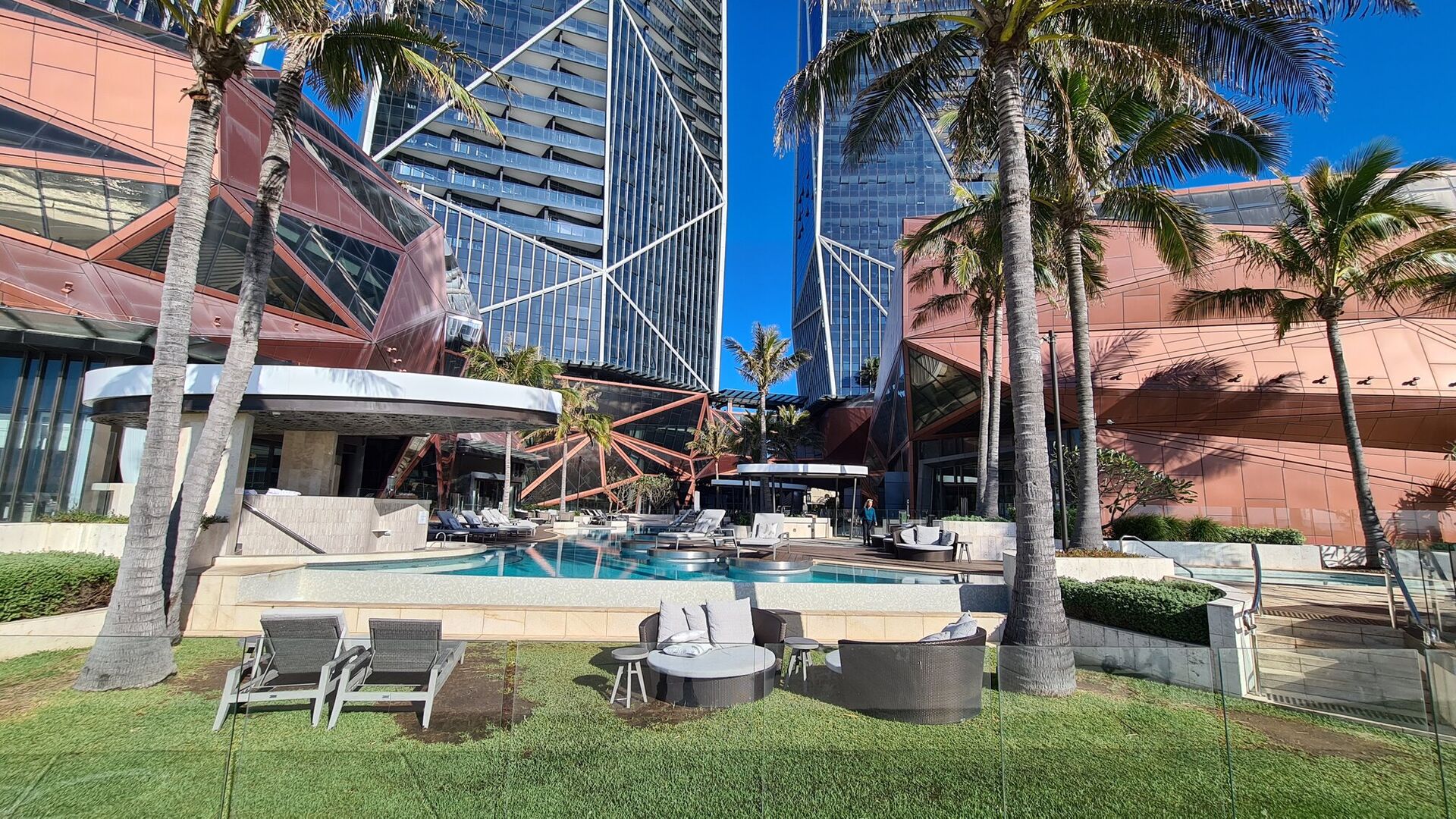
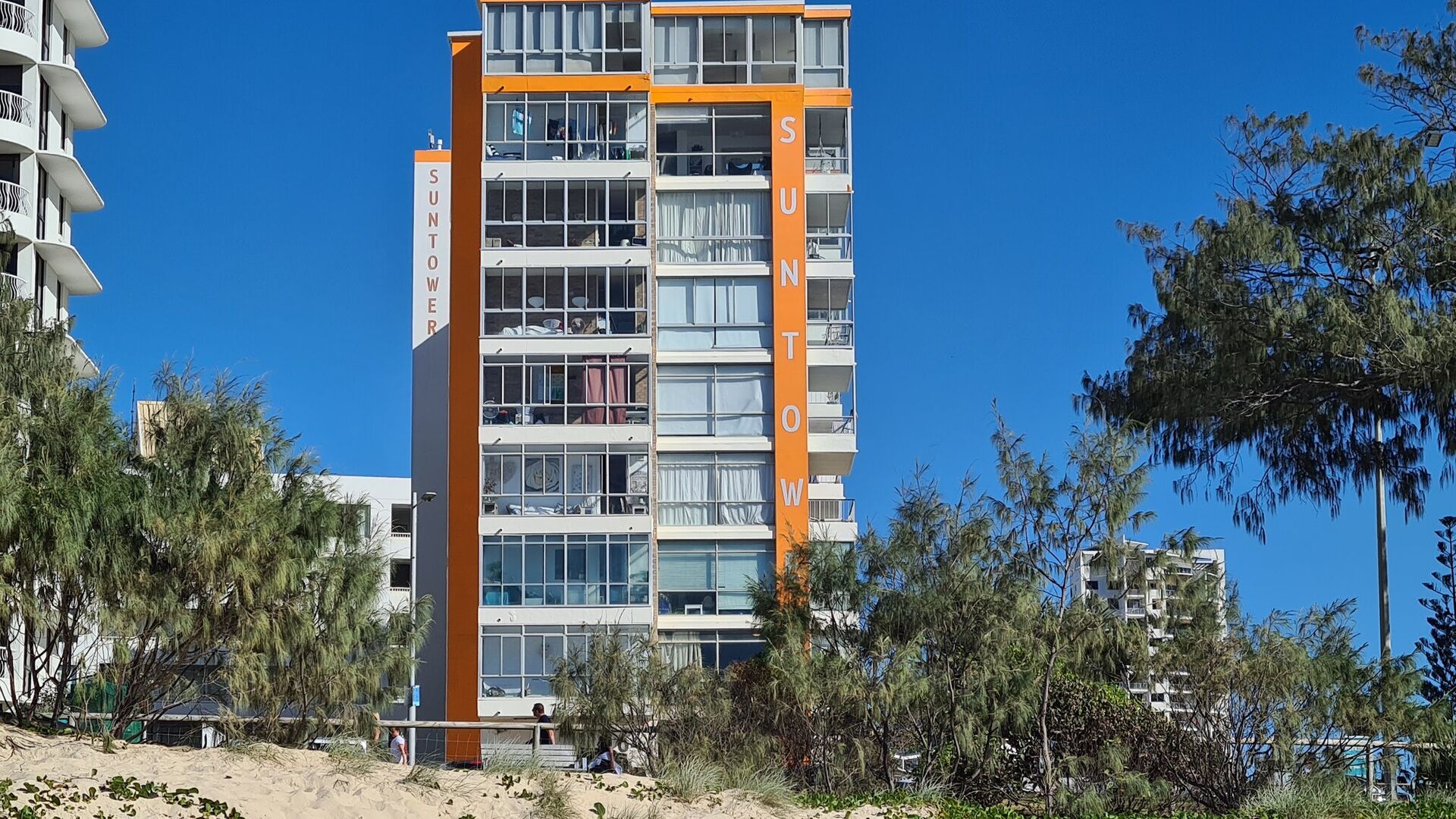
The city of Gold Coast is the second-largest in Queensland and includes suburbs such as Surfers Paradise, Broadbeach, Burleigh Heads, and Robina. It is known for its high-rise skyline, canal estates, expansive beaches, theme parks, and strong tourism infrastructure.
While tourism is the dominant industry, the Gold Coast also has a growing economy based on education, health, construction, retail, and creative industries. Its universities, particularly Griffith University and Bond University, attract students from around the world.
Historical Background
Indigenous Heritage
Before European settlement, the Gold Coast region was home to the Yugambeh people, who lived along the coast and hinterland for tens of thousands of years. They developed complex systems of social organization, land stewardship, and cultural traditions deeply connected to the region’s rivers, forests, and coastal zones.
Archaeological evidence and oral histories reveal a long-standing relationship between the Yugambeh people and the natural environment, including sustainable fishing, seasonal migration, and ceremonial practices. Many place names in the area are derived from Yugambeh language and remain important markers of cultural identity.
European Development
European exploration began in the 1820s, with timber-getting being one of the first industries established in the hinterland. The fertile volcanic soils and abundant cedar forests attracted settlers, leading to the rapid clearing of land and the development of small agricultural communities.
By the late 19th and early 20th centuries, the coastline began to attract holidaymakers from Brisbane and beyond. Towns such as Southport developed as seaside retreats, while the area known as Surfers Paradise emerged in the 1930s as a hub for beach tourism.
The post-war boom in the mid-20th century transformed the Gold Coast into a major urban and tourist center. Infrastructure expansion, high-rise development, and the construction of theme parks all contributed to its rapid growth. Today, it continues to evolve as a lifestyle destination and international tourist city.
Geology and Landforms
The geology of the Gold Coast is closely tied to the volcanic activity and tectonic processes that shaped southeastern Queensland during the Miocene epoch, around 20–23 million years ago.
Volcanic Foundations
Much of the Gold Coast hinterland forms part of the Tweed Volcano system, an ancient shield volcano centered near Mount Warning (Wollumbin) just across the border in New South Wales. The erosion of this massive volcanic structure left behind a large caldera and a series of prominent peaks and plateaus.
Notable geological features in the Gold Coast hinterland include:
- Tamborine Mountain: A volcanic plateau known for its basalt cliffs, waterfalls, and rich soils.
- Springbrook Plateau: Part of the caldera rim, it features high rainfall, dramatic escarpments, and Gondwana Rainforests protected by World Heritage status.
- Lamington National Park: Home to ancient rainforests and extensive networks of walking trails, it preserves a section of the caldera’s southern rim.
These areas are not only significant for their geological history but also for their biodiversity, with many endemic plant and animal species.
Coastal Processes
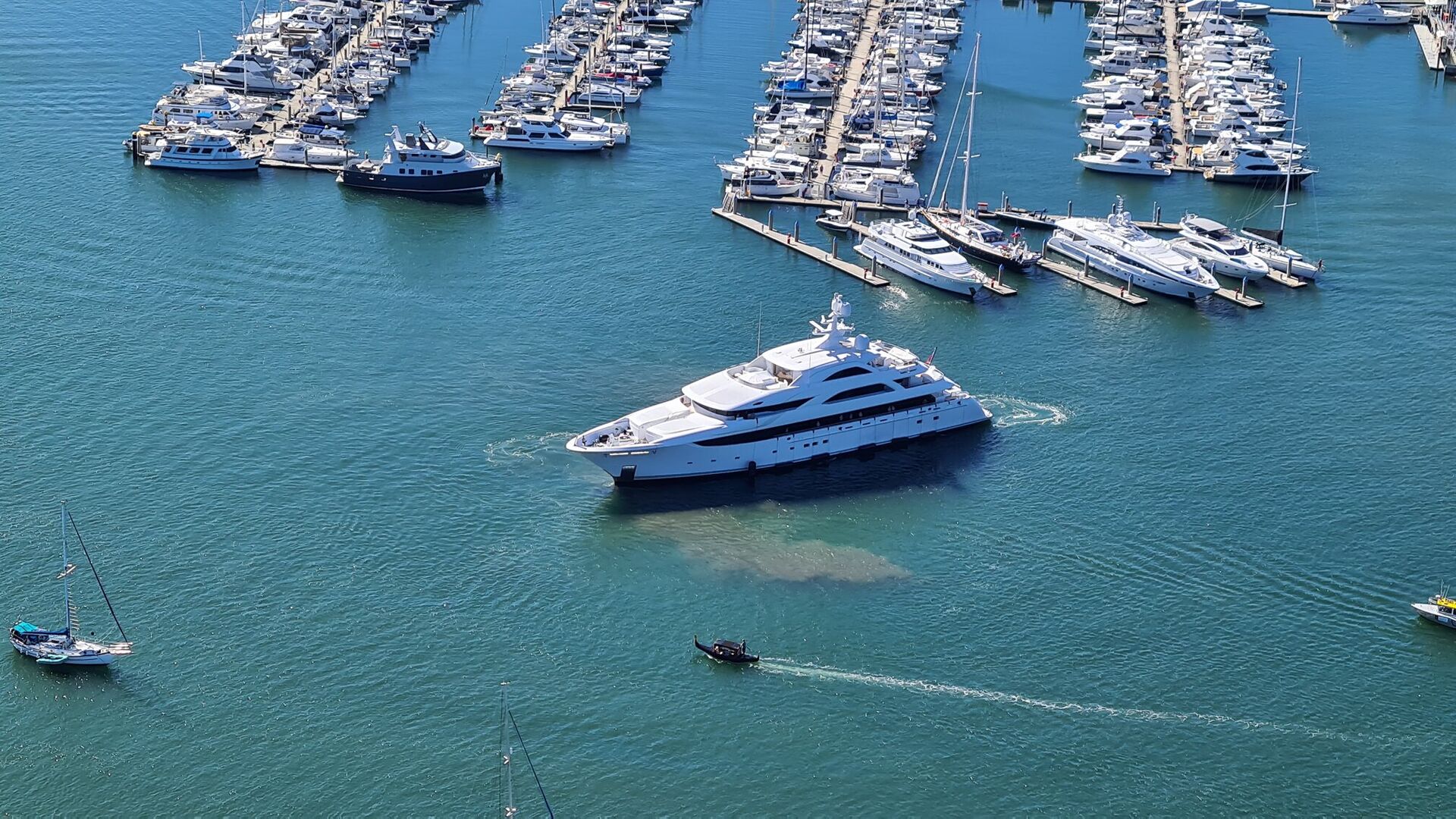
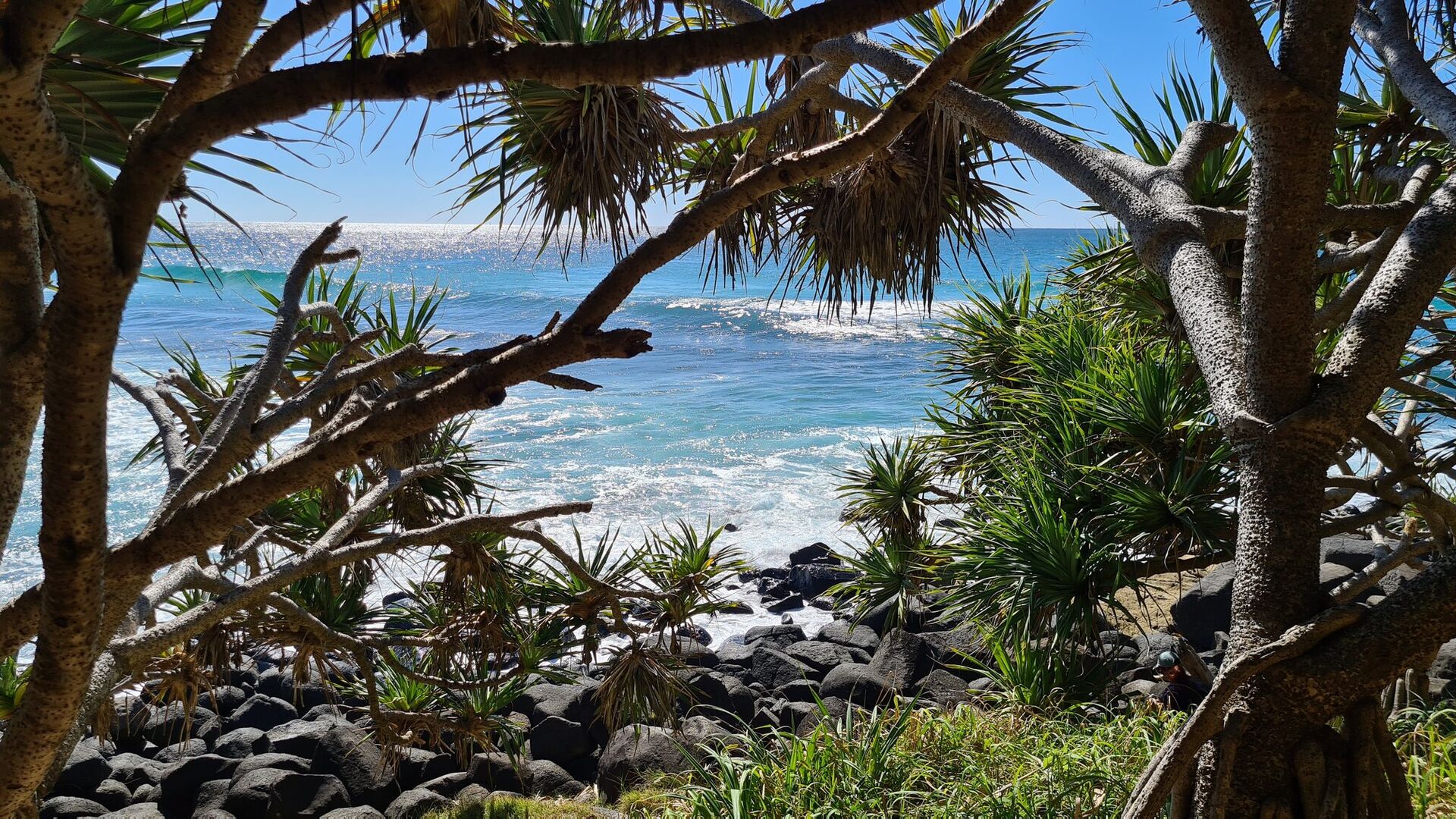
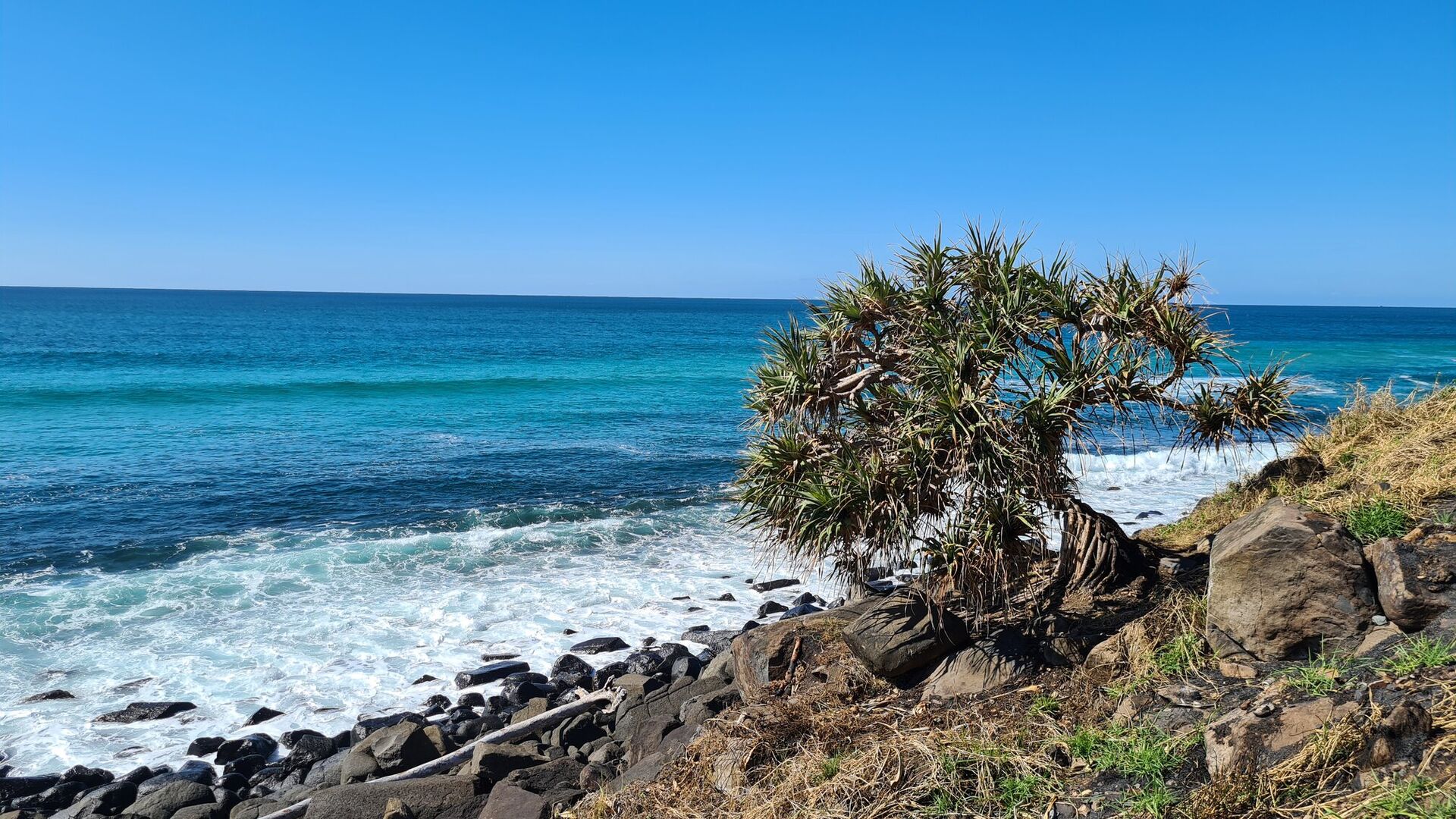
The Gold Coast’s famous beaches are shaped by long-term coastal processes, including wave action, sediment transport, and sea-level changes. Sand is continually moved northward by longshore drift, reshaping the shoreline over time. The extensive system of canals and waterways is partly natural and partly engineered, creating a unique urban aquatic environment.
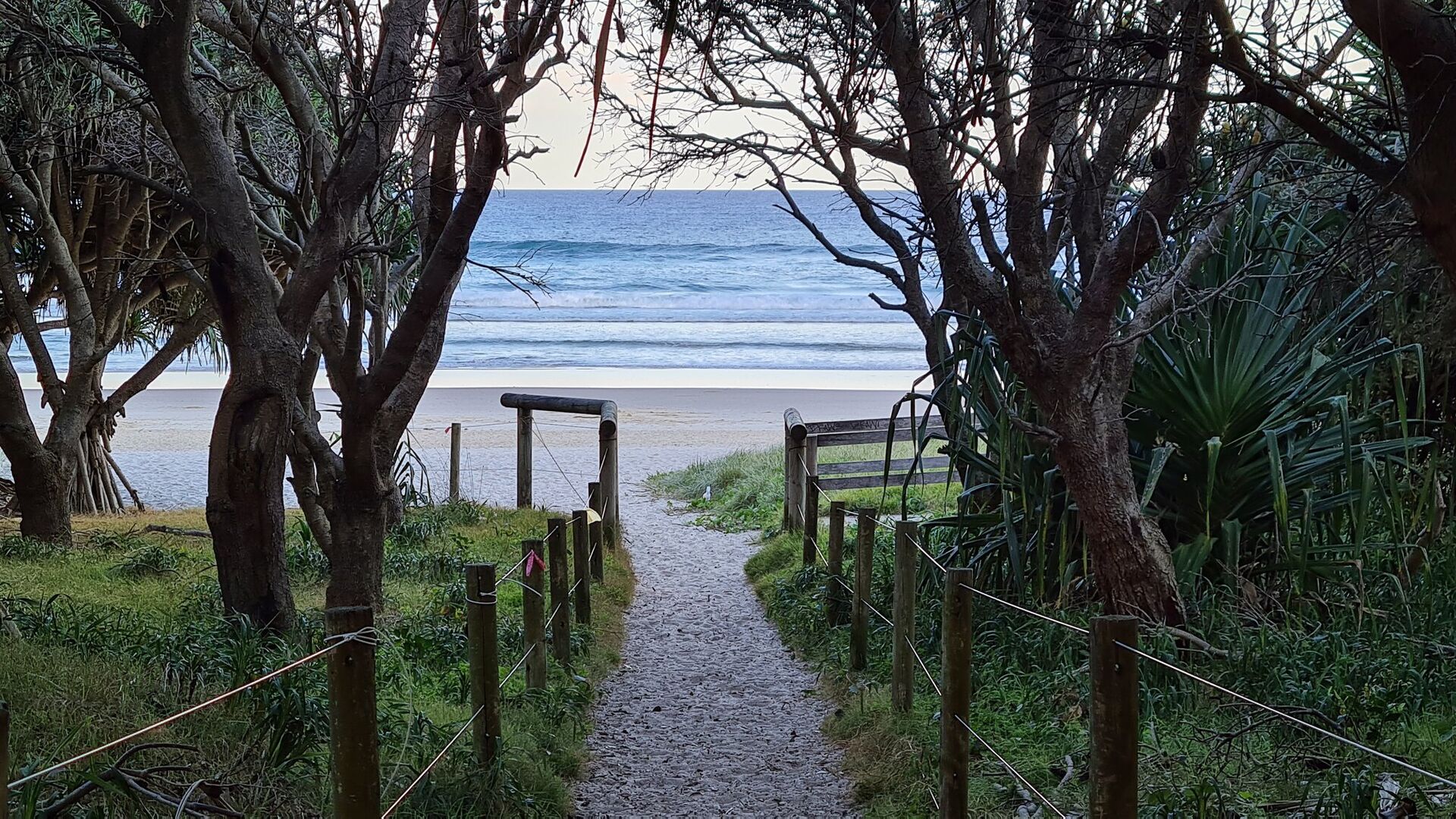
Sandbanks, estuaries, and dune systems also play a role in maintaining the coastal landscape, although they are subject to erosion and storm damage. The region has invested heavily in coastal engineering and beach nourishment projects to protect its shorelines and tourism assets.