
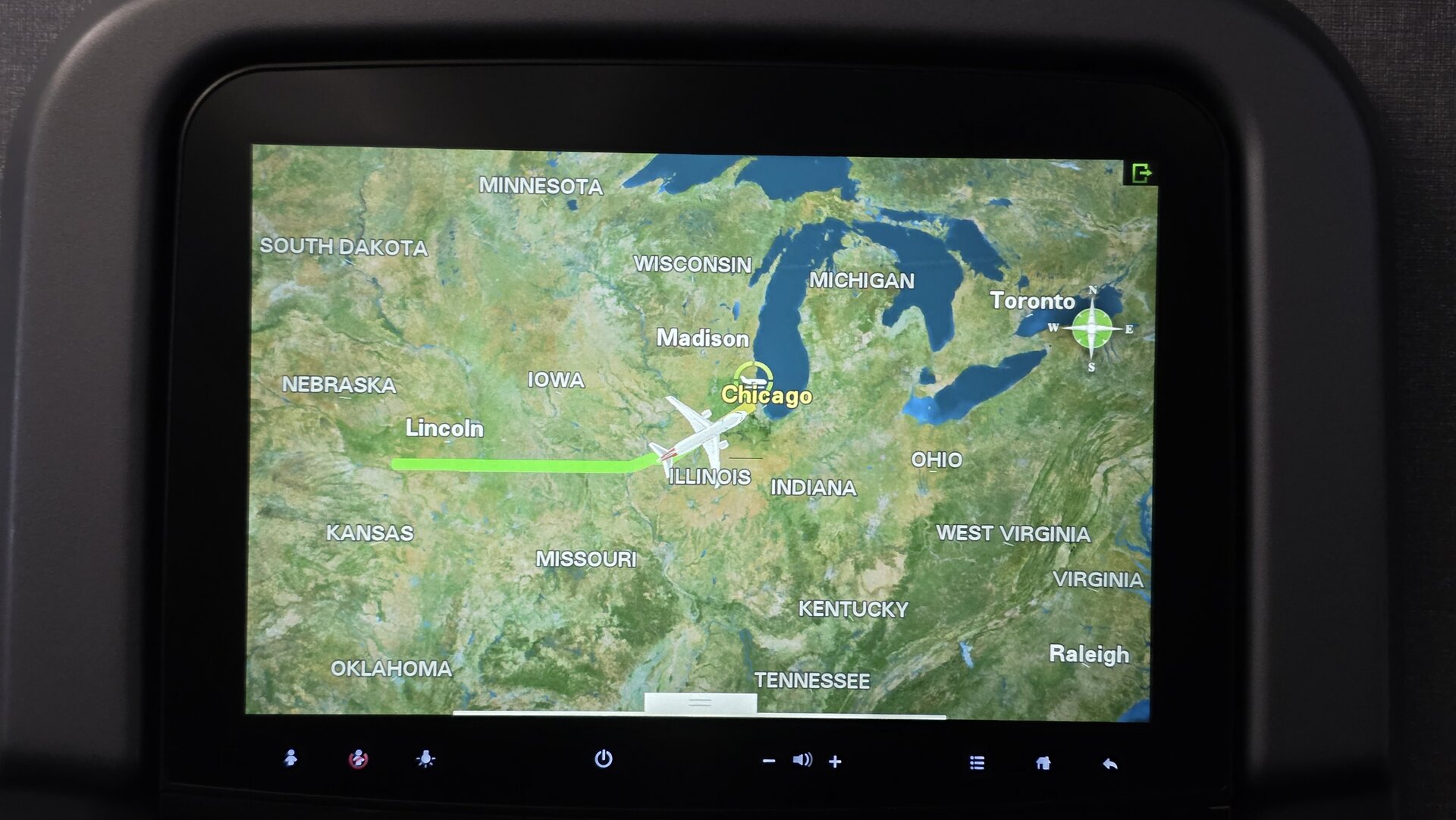

















Chicago is the largest city in the state of Illinois and the third most populous city in the United States. It is located in the Midwest region along the southwestern shore of Lake Michigan and functions as a major economic, transportation, and cultural hub for North America. Due to its central geographic position, Chicago has long served as a critical connection point between the eastern and western parts of the country.
The city covers a large and diverse urban area made up of distinct neighborhoods, each with its own cultural identity, history, and architectural character. Chicago is known for its strong civic institutions, extensive public transportation network, and prominent skyline. The city’s lakefront, which stretches for more than 25 miles, is largely dedicated to public parks, beaches, and recreational spaces.
Chicago’s economy is highly diversified, with major industries including finance, commerce, logistics, manufacturing, healthcare, education, technology, and tourism. The city is home to major universities, research institutions, and corporate headquarters, making it a global center for business and innovation. Its climate is continental, with cold winters, warm summers, and seasonal weather variations influenced by Lake Michigan.
History
Chicago’s origins date back to the late 18th century, when it emerged as a small trading post near a strategic portage connecting the Great Lakes to the Mississippi River system. Incorporated as a city in 1837, Chicago experienced rapid growth fueled by canals, railroads, and its role as a transportation and distribution center.
The Great Chicago Fire of 1871 was a defining event in the city’s history. While the fire destroyed much of the central area, it also provided an opportunity for large-scale rebuilding. This period marked the rise of innovative urban planning and architectural experimentation, leading to the development of early skyscrapers and modern construction techniques.
During the late 19th and early 20th centuries, Chicago became a major destination for immigrants from Europe and migrants from rural America. These populations shaped the city’s labor force, culture, and neighborhoods. Throughout the 20th century, Chicago played a central role in industry, politics, labor movements, and the arts. Today, the city reflects a layered history of growth, resilience, and cultural diversity.
Geology
Chicago’s geological landscape is primarily the result of glacial activity during the last Ice Age. As glaciers advanced and retreated, they flattened the terrain and left behind layers of sediment, shaping the region’s relatively level topography.
Lake Michigan was formed by glacial meltwater and remains a dominant geological and environmental feature. The lake has influenced settlement patterns, climate conditions, and economic development, particularly through shipping, water supply, and recreation.
Beneath the city lie sedimentary rock layers, including limestone and dolomite, which have been important for construction and infrastructure. The Chicago area’s geology also played a role in major engineering projects, such as the reversal of the Chicago River, which redirected water flow away from Lake Michigan to improve sanitation and public health.
Things to See
Chicago offers a wide range of attractions reflecting its architectural legacy, cultural life, and urban environment:
Architecture and Urban Landscape
- The Loop, featuring historic and modern skyscrapers
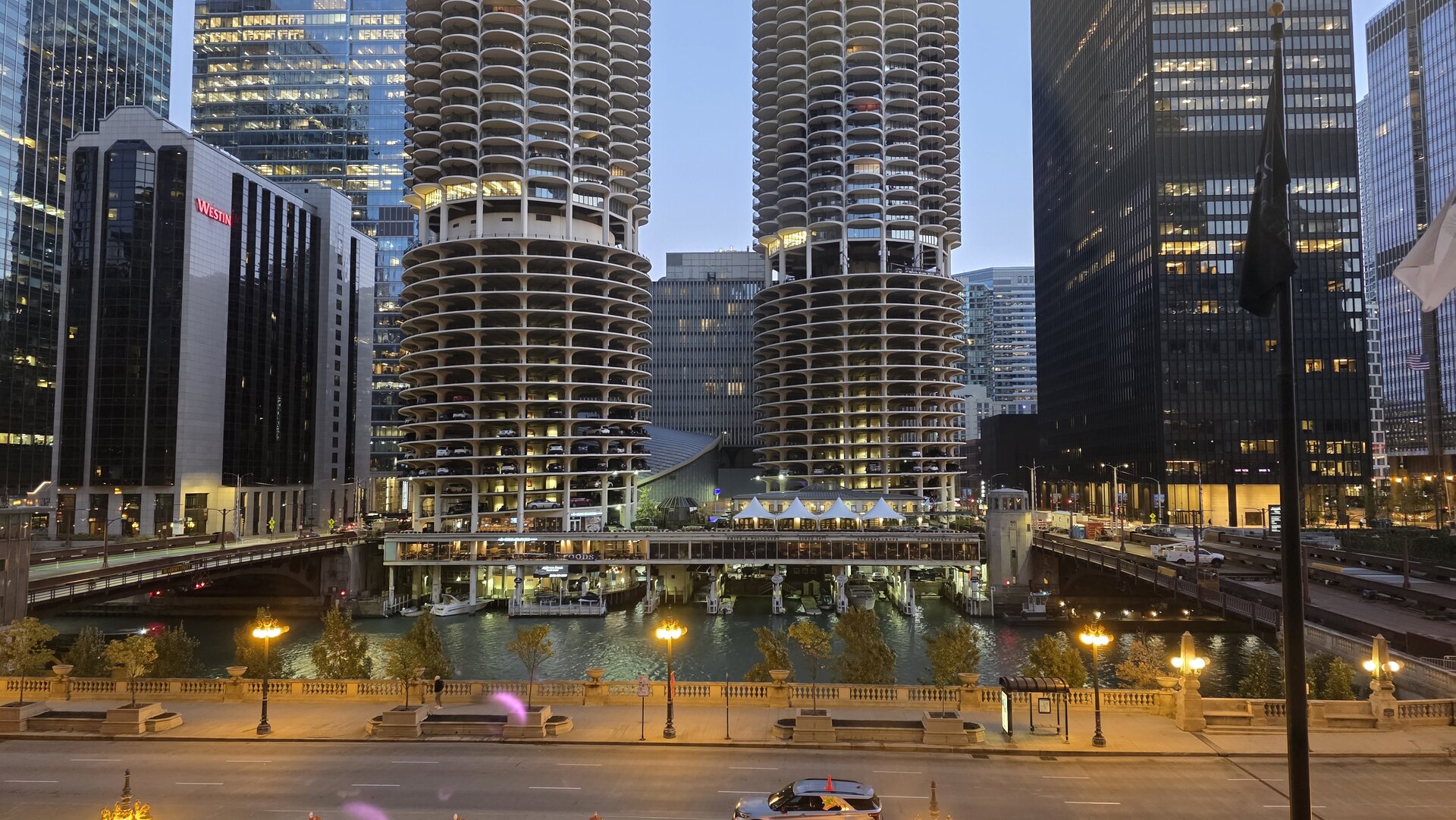
- Willis Tower and other iconic high-rise buildings
- Chicago Riverwalk, highlighting architectural tours and public spaces
- Historic neighborhoods showcasing residential architecture
Museums and Cultural Institutions
- Art Institute of Chicago, renowned for its global collections
- Museum Campus, including the Field Museum, Shedd Aquarium, and Adler Planetarium
- Cultural centers, theaters, and music venues throughout the city
- Institutions dedicated to jazz, blues, and contemporary arts
Parks and Recreation
- Millennium Park, known for public art and performances
- Grant Park and the continuous lakefront park system
- Navy Pier, combining recreation, entertainment, and views of the lake
- Extensive cycling and walking trails along Lake Michigan