





Boston is the capital and largest city of the Commonwealth of Massachusetts, located in the north-eastern United States along the Atlantic coast. It is one of the oldest cities in the country and serves as a major cultural, educational, economic, and political center of New England.
The city is situated on Massachusetts Bay and is characterized by a compact urban core surrounded by diverse neighborhoods and suburban communities. Boston combines historic architecture with modern infrastructure and is known for its walkability, extensive public transportation system, and strong civic identity.
Boston’s economy is driven by education, healthcare, finance, biotechnology, technology, tourism, and professional services. The city hosts numerous universities, hospitals, and research institutions, making it a global leader in innovation and academic excellence. Its climate is humid continental, with cold winters, warm summers, and distinct seasonal changes.
History
Boston was founded in 1630 by Puritan settlers and quickly became one of the most important ports in colonial America. Its early economy was based on trade, shipping, and craftsmanship, which helped establish the city as a key center of commerce and political influence.
Boston played a central role in the American Revolution. Events such as the Boston Tea Party, the Boston Massacre, and the early battles of the Revolutionary War positioned the city at the heart of the movement for independence. Many historic sites from this period are preserved and accessible today.
During the 19th century, Boston underwent significant industrialization and urban growth, attracting large numbers of immigrants from Europe. In the 20th century, the city experienced economic transformation, shifting from manufacturing to education, healthcare, and technology. Today, Boston reflects a blend of colonial heritage, industrial history, and modern urban development.
Geology
Boston’s geology has been shaped primarily by glacial activity during the last Ice Age. Retreating glaciers sculpted the region’s coastline, hills, and harbor, leaving behind deposits of sand, gravel, and clay that influenced early settlement and land use.
Much of the city’s current landscape was modified through land reclamation projects in the 18th and 19th centuries. Areas such as Back Bay and the Seaport District were built on filled land, altering the original shoreline and expanding the urban area.
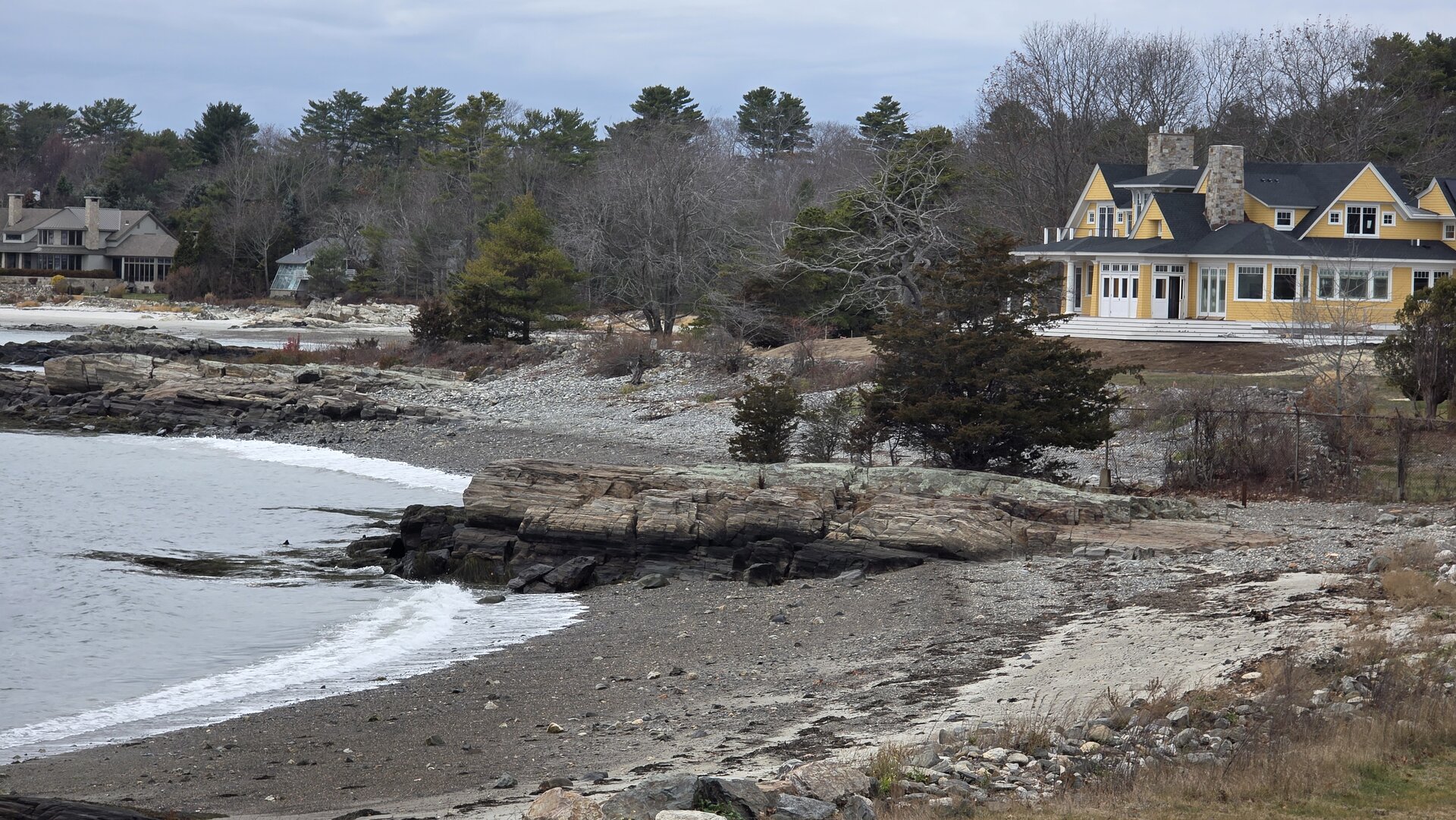
The city lies on a foundation of sedimentary and igneous rock, with shallow bedrock influencing construction and infrastructure. Boston Harbor, with its numerous islands, remains a defining geological and environmental feature, shaping maritime activity and coastal ecosystems.
Things to See
Boston offers a wide range of historical, cultural, and recreational attractions:
Historical and Cultural Sites
- Freedom Trail, a walking route connecting key Revolutionary War landmarks
- Boston Common and Public Garden, the oldest public park in the United States
- Faneuil Hall and Quincy Market
- Historic neighborhoods such as Beacon Hill and North End
Museums and Education
- Museum of Fine Arts
- Museum of Science
- New England Aquarium
- Harvard University and MIT in nearby Cambridge
Urban Life and Waterfront
- Boston Harborwalk and waterfront districts
- Fenway Park, one of the oldest baseball stadiums in the country
- Charles River Esplanade for walking and cycling
- Vibrant food scene influenced by seafood traditions and international cuisines