Orlando, located in Central Florida, is one of the world’s most recognizable travel destinations and the cultural and economic center of Orange County. Although internationally associated with theme parks and entertainment, the city itself is far more than a tourist backdrop. Orlando combines rapid urban growth, a strong convention industry, and a distinctive suburban lifestyle shaped by Florida’s climate and geography.
The history of Orlando began as a small military outpost in the 19th century, originally established during the Seminole Wars. For decades, the region remained rural, relying on cattle ranching and citrus farming. Repeated freezes in the late 19th and early 20th centuries damaged much of the citrus industry, but the city gradually expanded with the arrival of railroads and improved infrastructure. Orlando’s decisive transformation came in the second half of the 20th century, particularly after the opening of Walt Disney World in 1971. This single development reshaped the city’s economy, population growth, and global visibility, turning Orlando into a major international destination within a few decades.
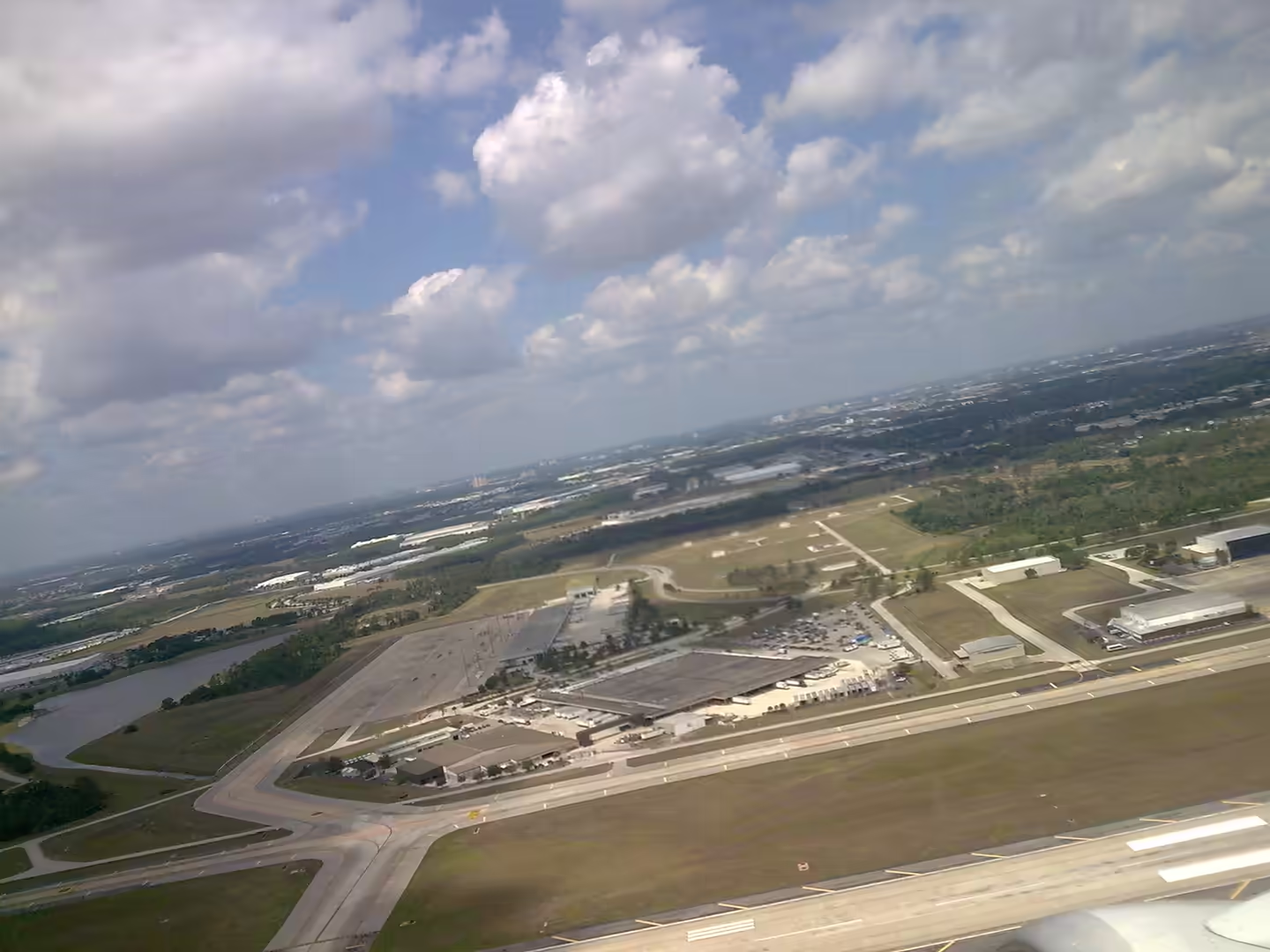
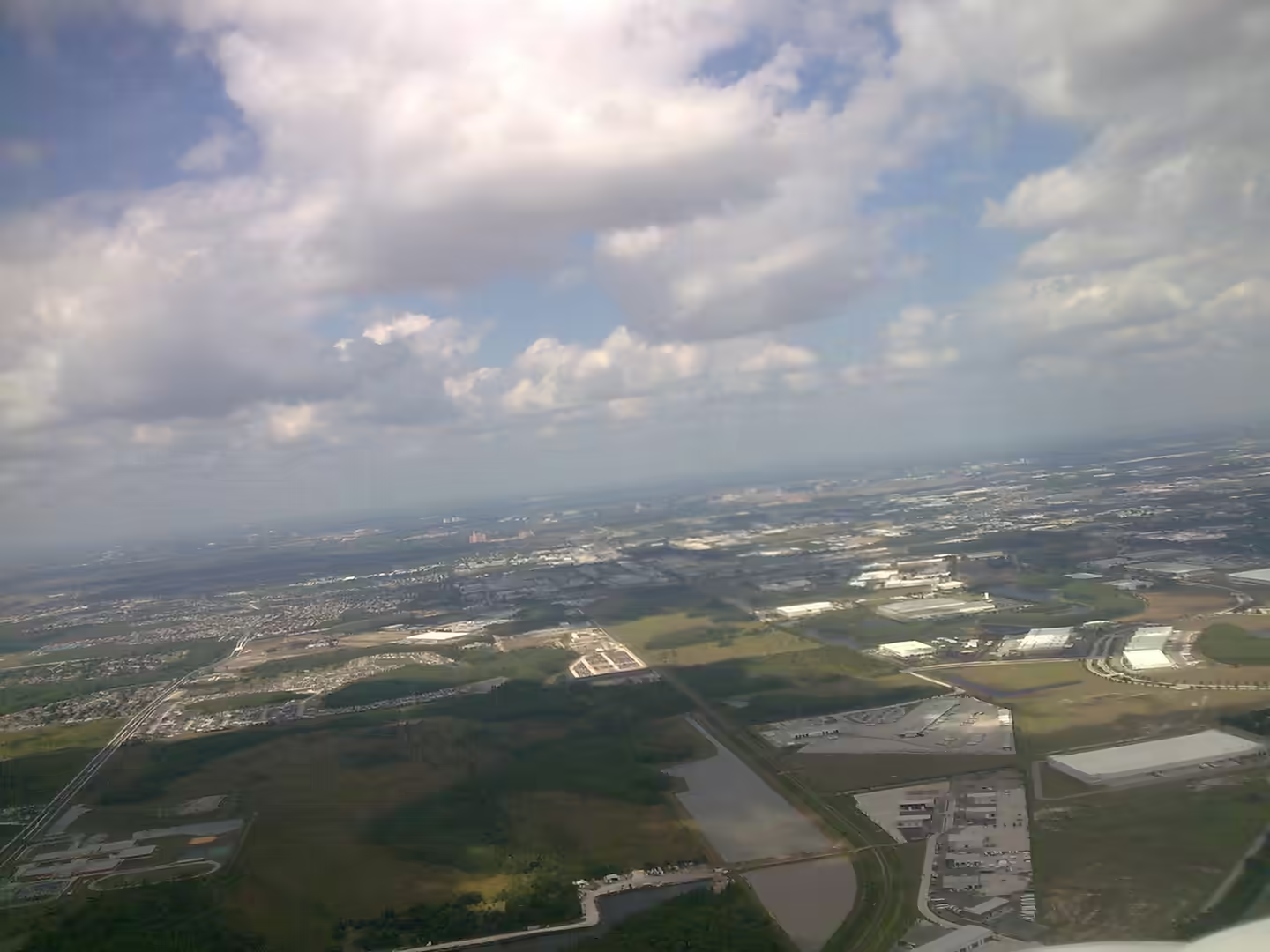
Geologically, Orlando sits on Florida’s limestone bedrock, formed millions of years ago when the region lay beneath shallow seas. This foundation has produced a landscape marked by numerous lakes, sinkholes, and underground aquifers. Unlike mountainous regions, Orlando’s terrain is flat, contributing to its sprawling urban layout. The city’s many lakes, such as Lake Eola in downtown Orlando, are natural features integrated into residential areas and parks. The subtropical climate brings long, hot summers with frequent thunderstorms and mild, generally dry winters, making the region attractive for year-round travel.
From a visitor’s perspective, Orlando offers an unusual mix of spectacle and everyday American life. World-famous attractions such as Walt Disney World Resort and Universal Orlando Resort dominate the tourism landscape and draw millions of visitors each year. Beyond these complexes, the city features a growing downtown with cultural venues, lakeside parks, and dining districts, as well as extensive shopping areas and outlet centers. Nearby natural sites, including freshwater springs and state parks, provide opportunities for swimming, kayaking, and wildlife observation, offering a contrast to the highly engineered theme park environments.

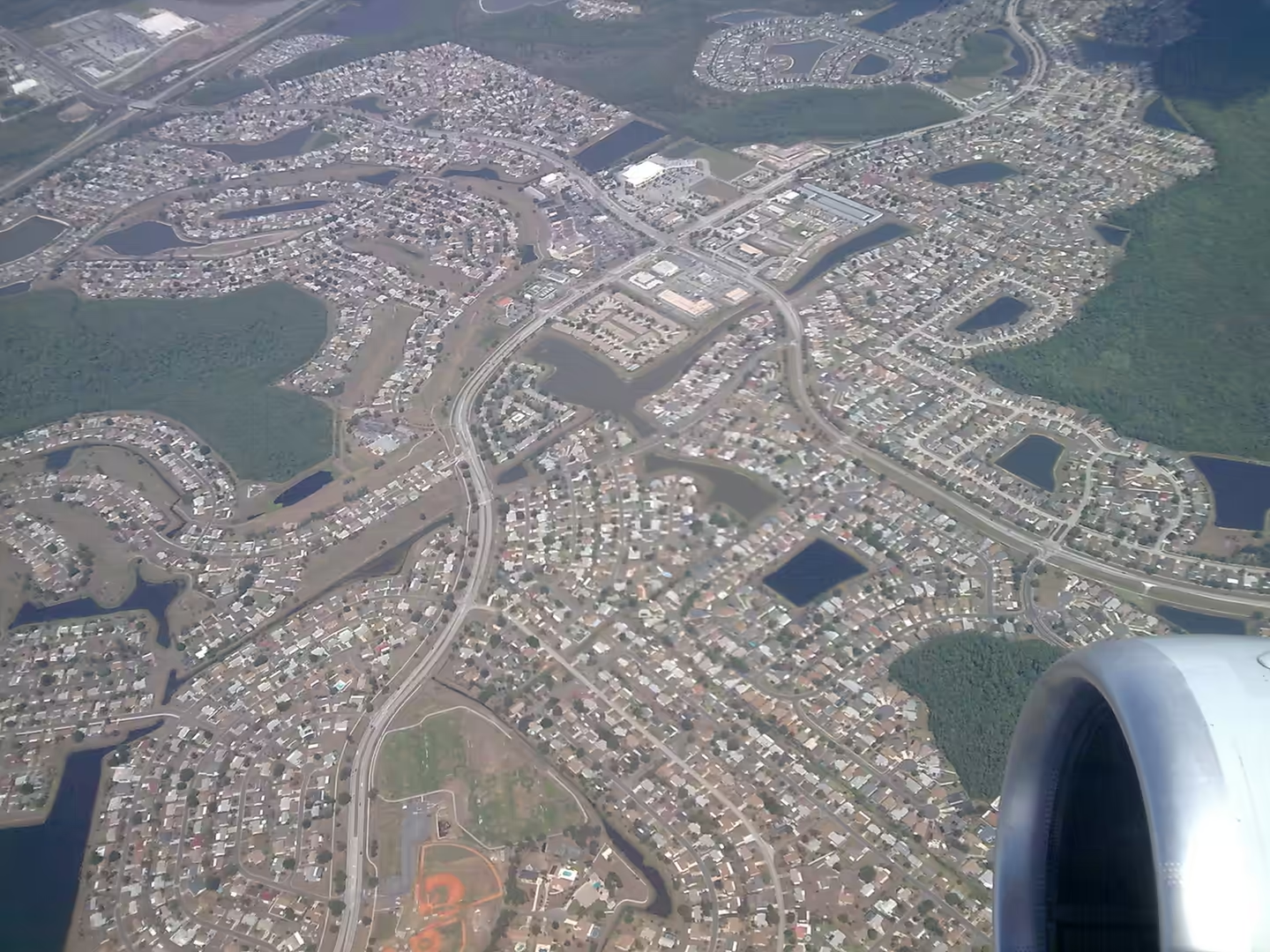
What defines Orlando most clearly is its sense of scale and purpose-built design. The city is strongly car-oriented, with wide highways, low-density neighborhoods, and large commercial zones. At the same time, it reflects Florida’s broader identity: a place of reinvention, leisure, and constant growth. Orlando may lack the historic depth of older cities, but it compensates with accessibility, variety, and an atmosphere that blends fantasy with everyday reality, making it a uniquely American destination.