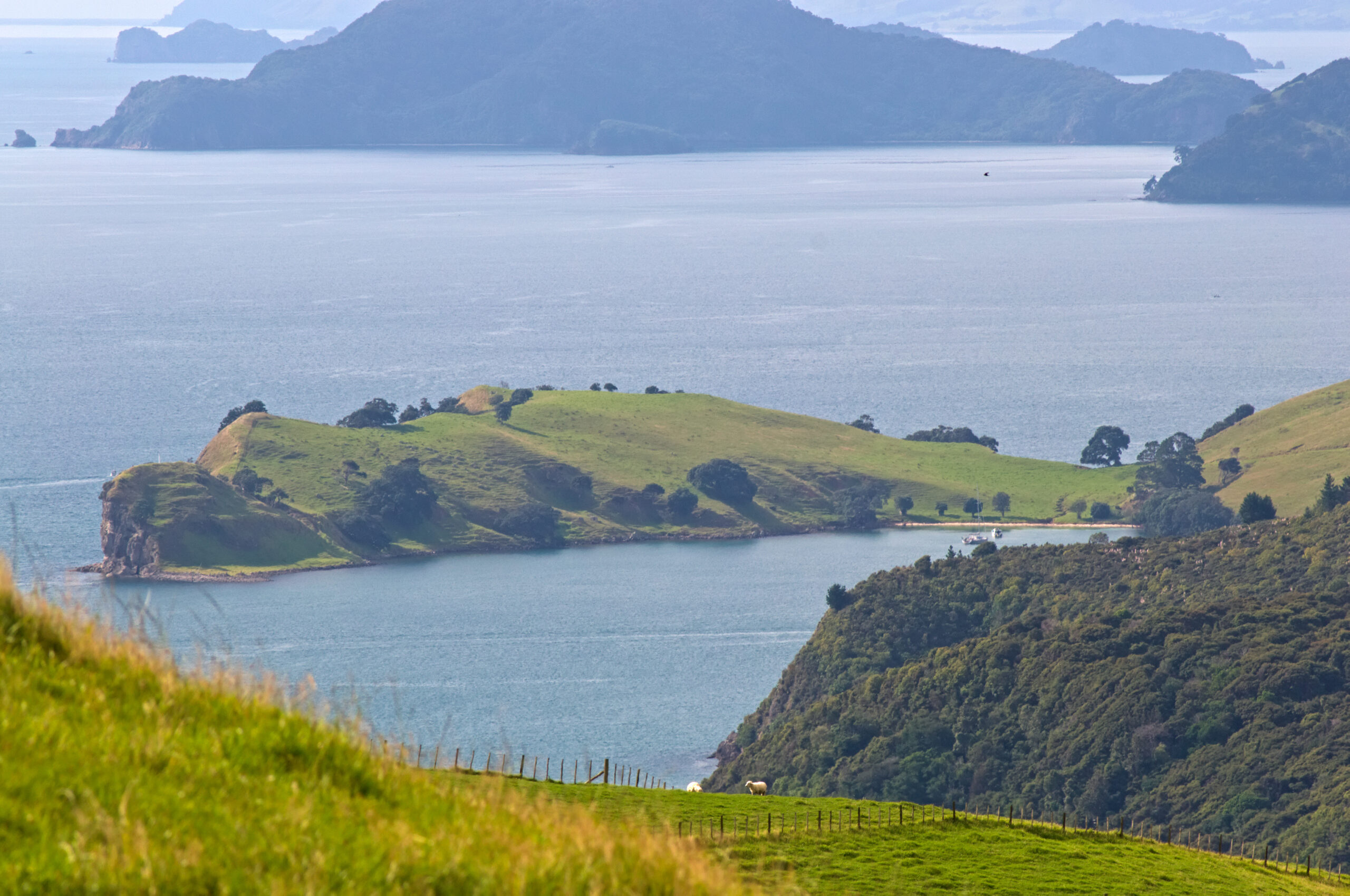

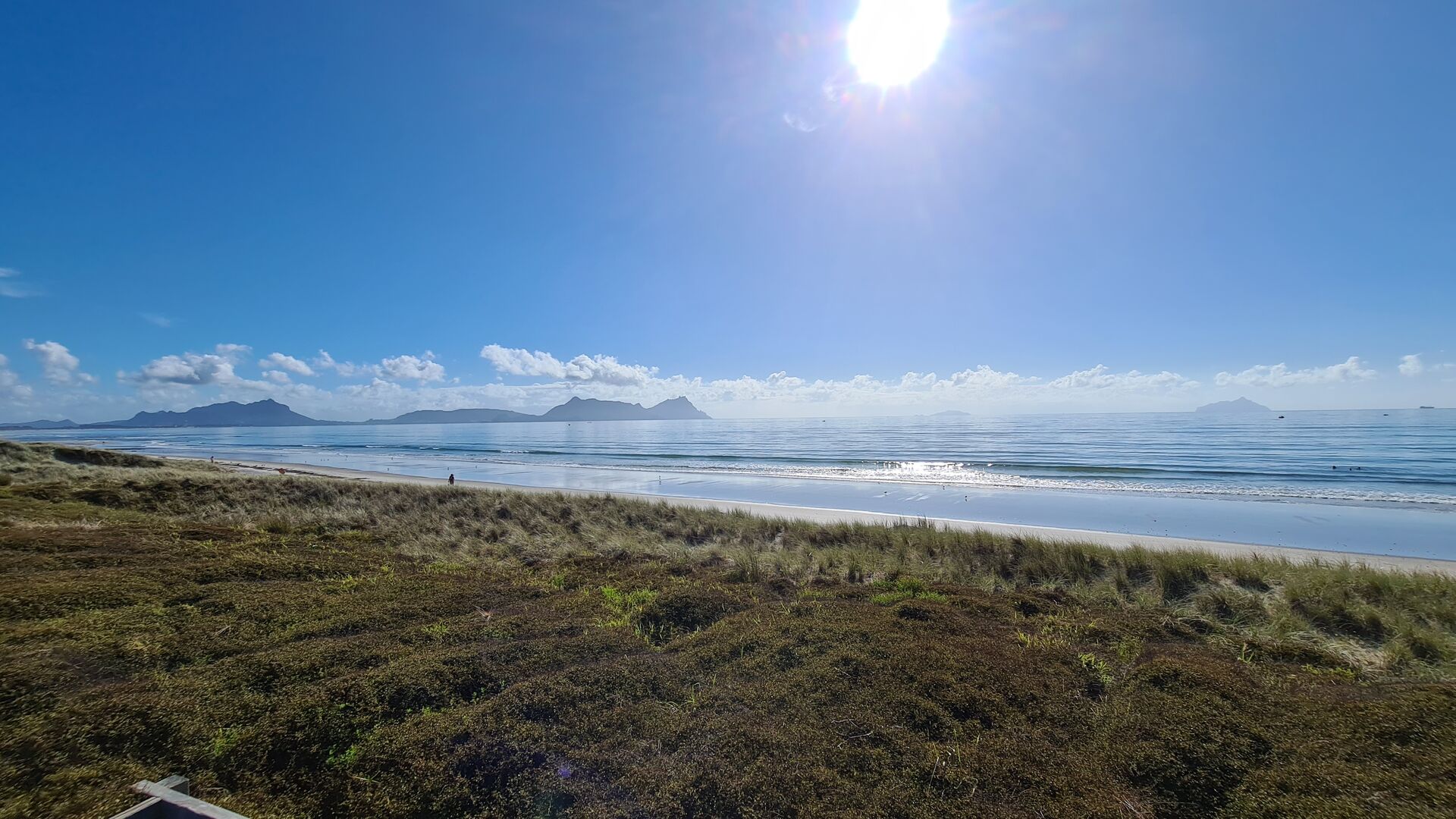
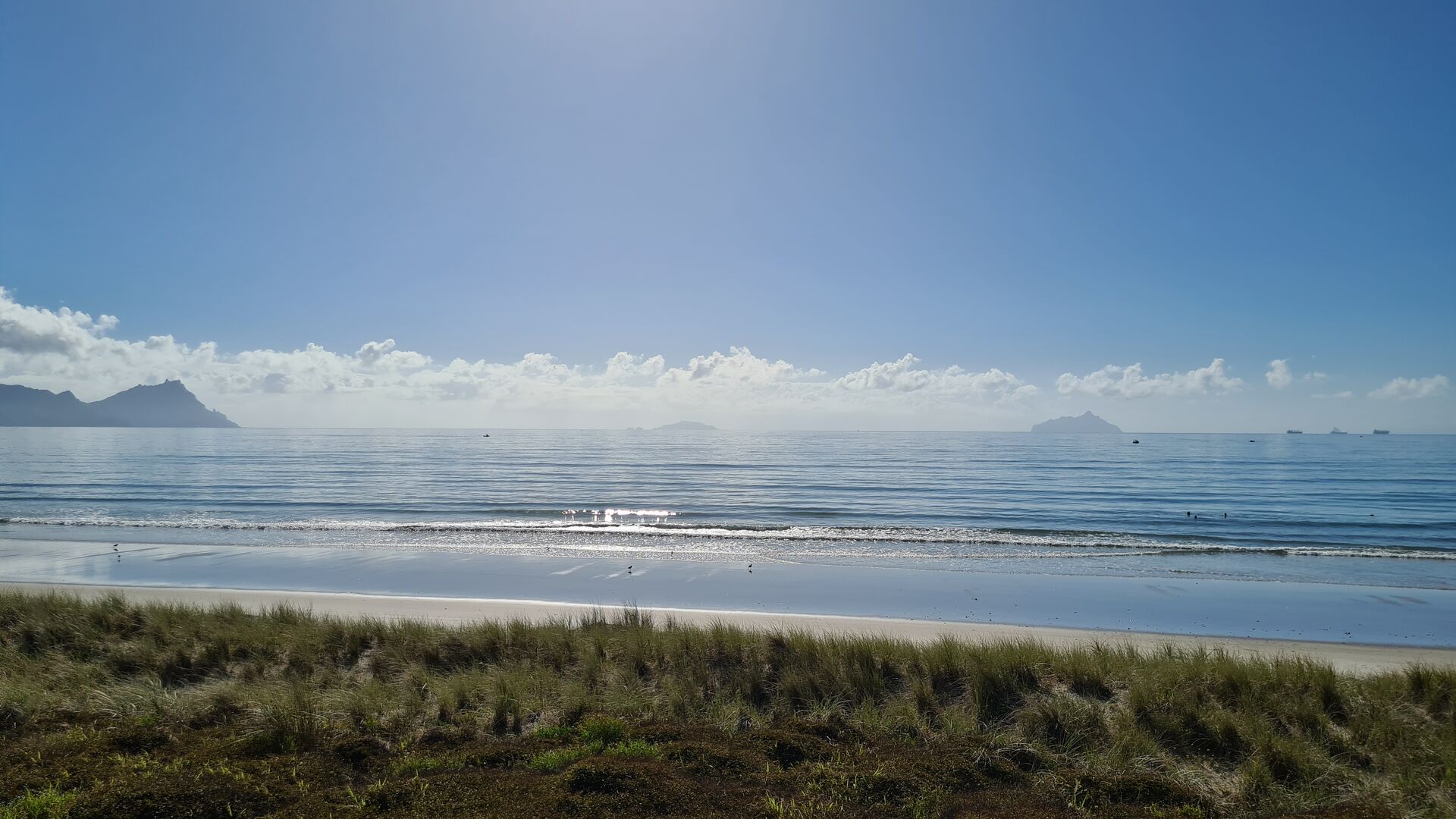
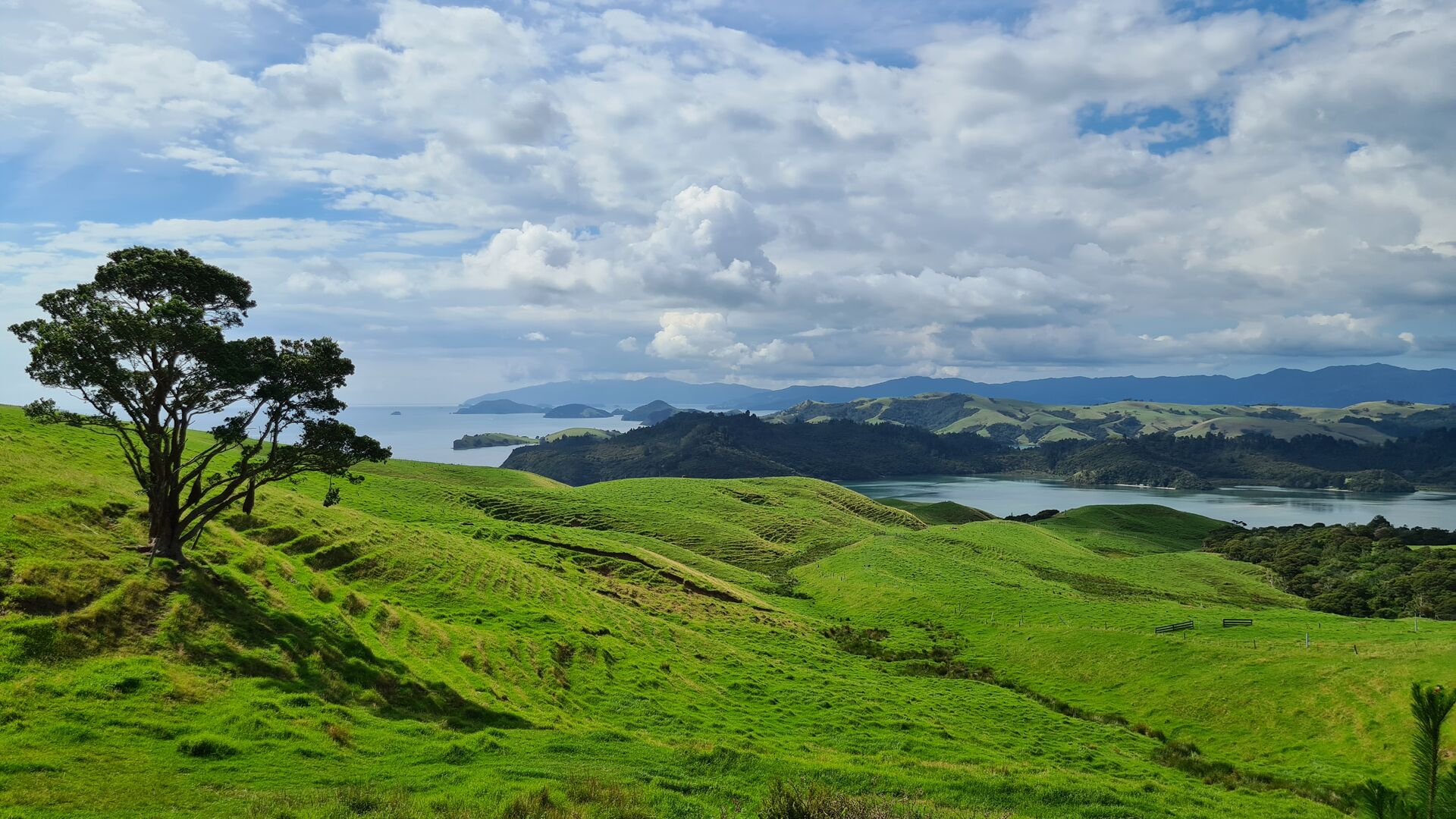
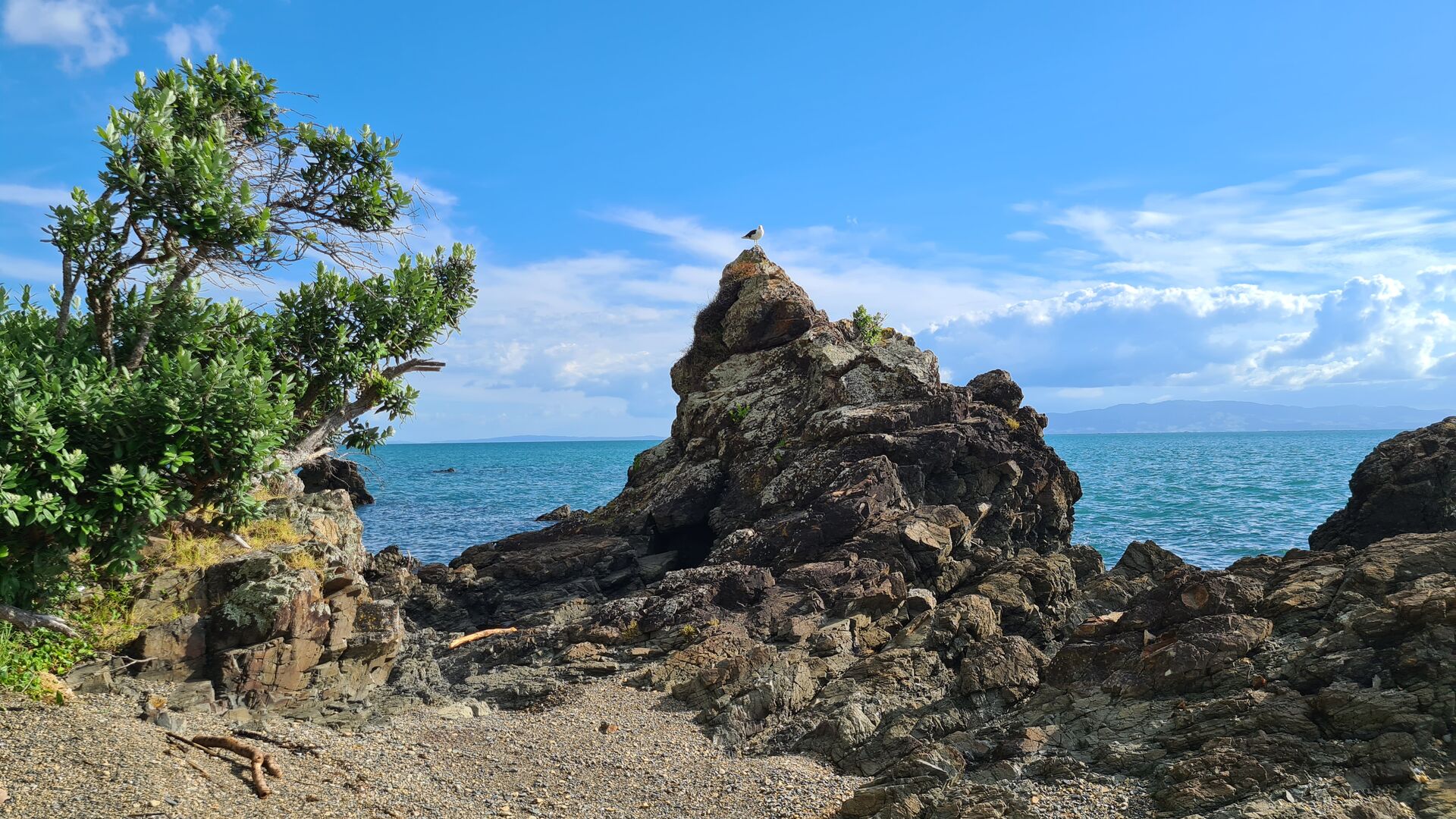
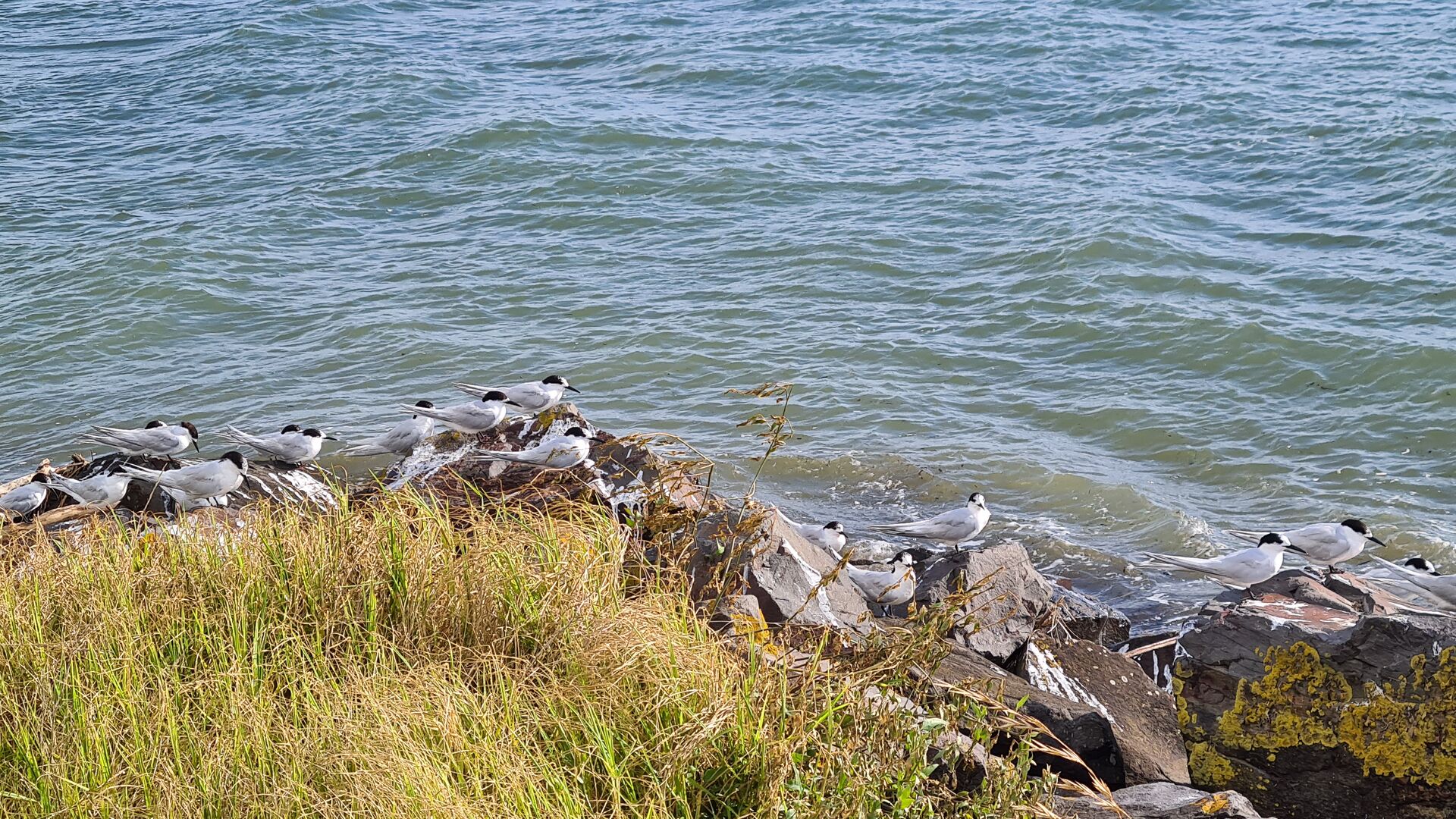
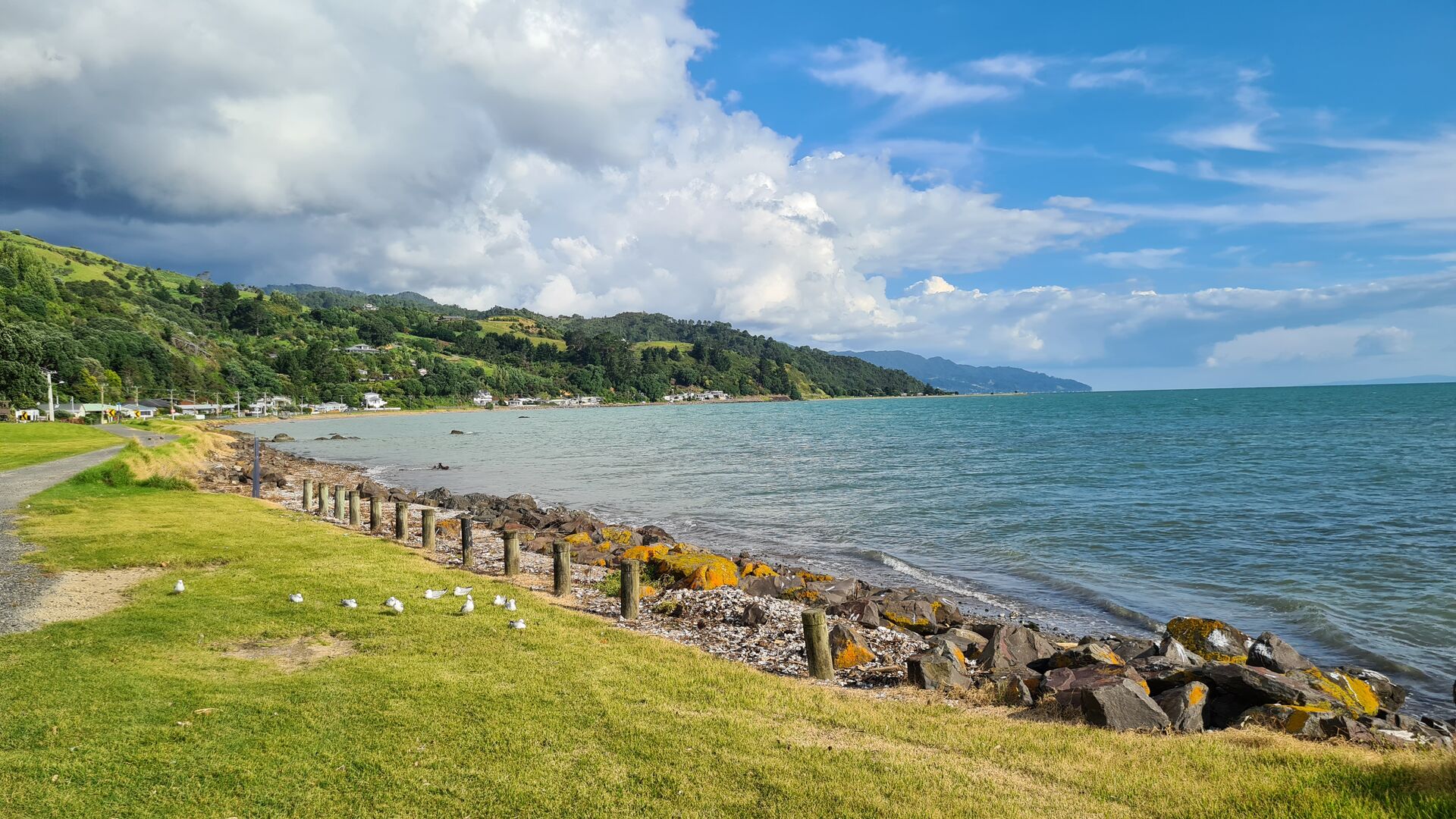
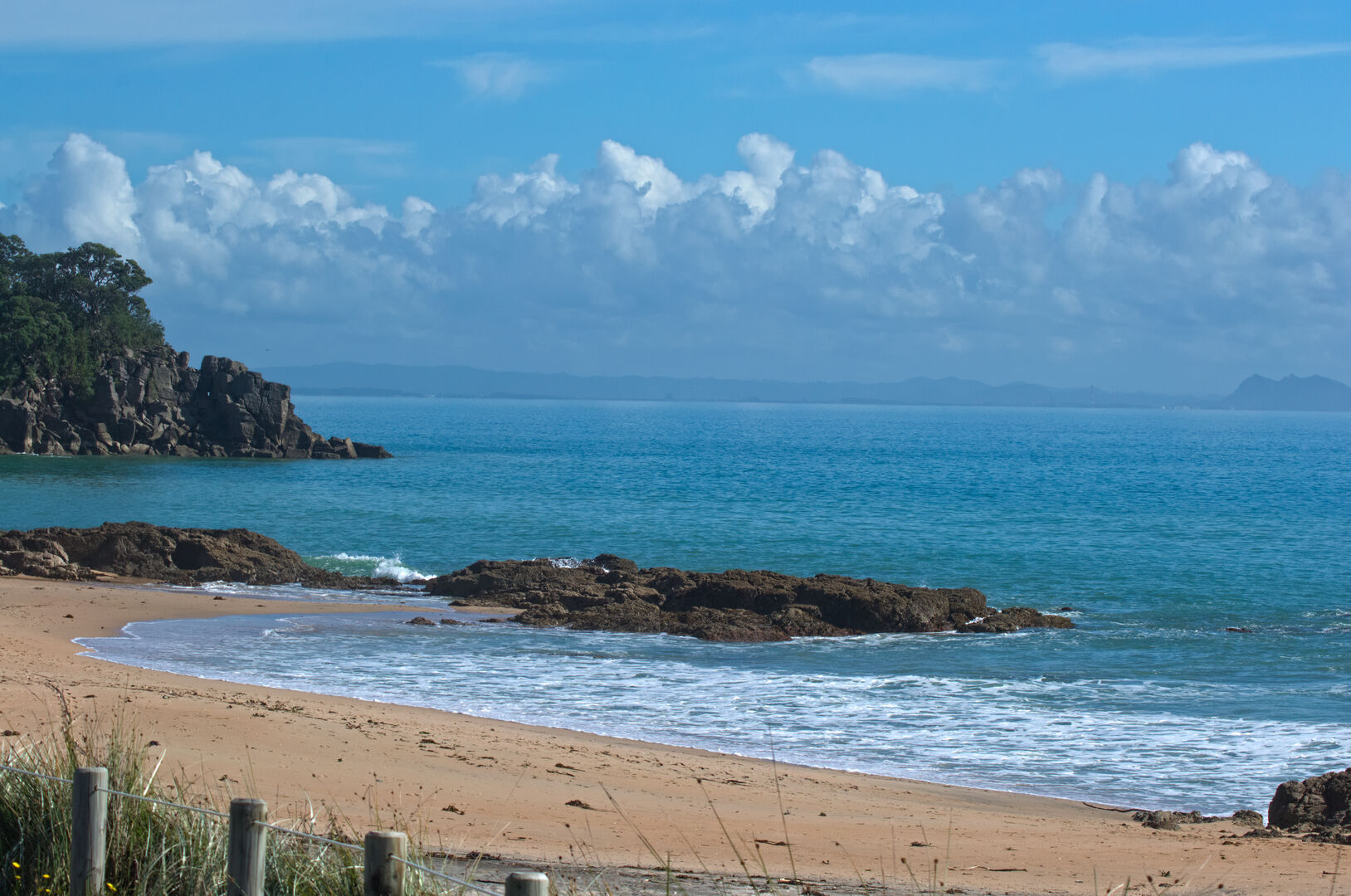
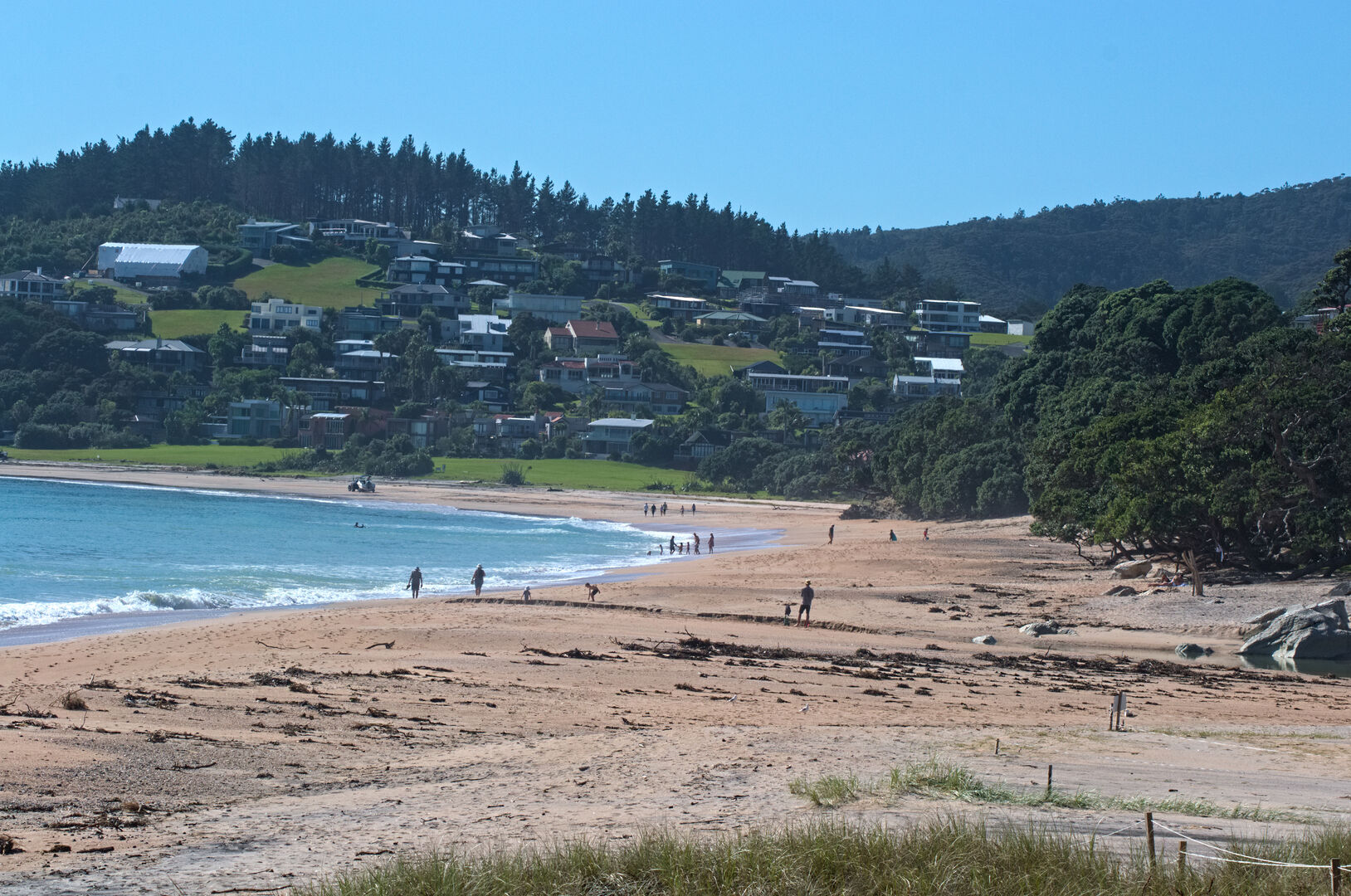
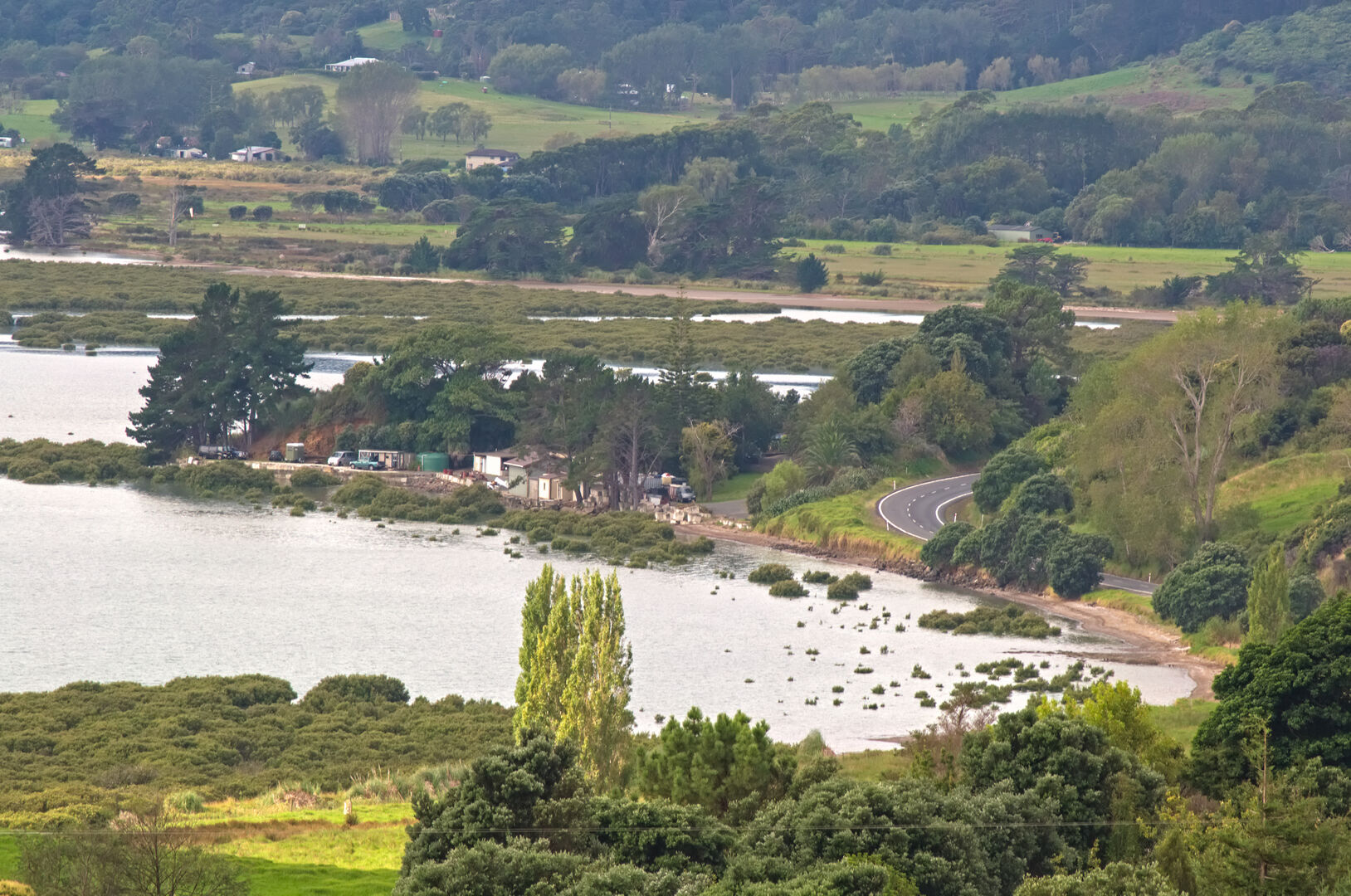
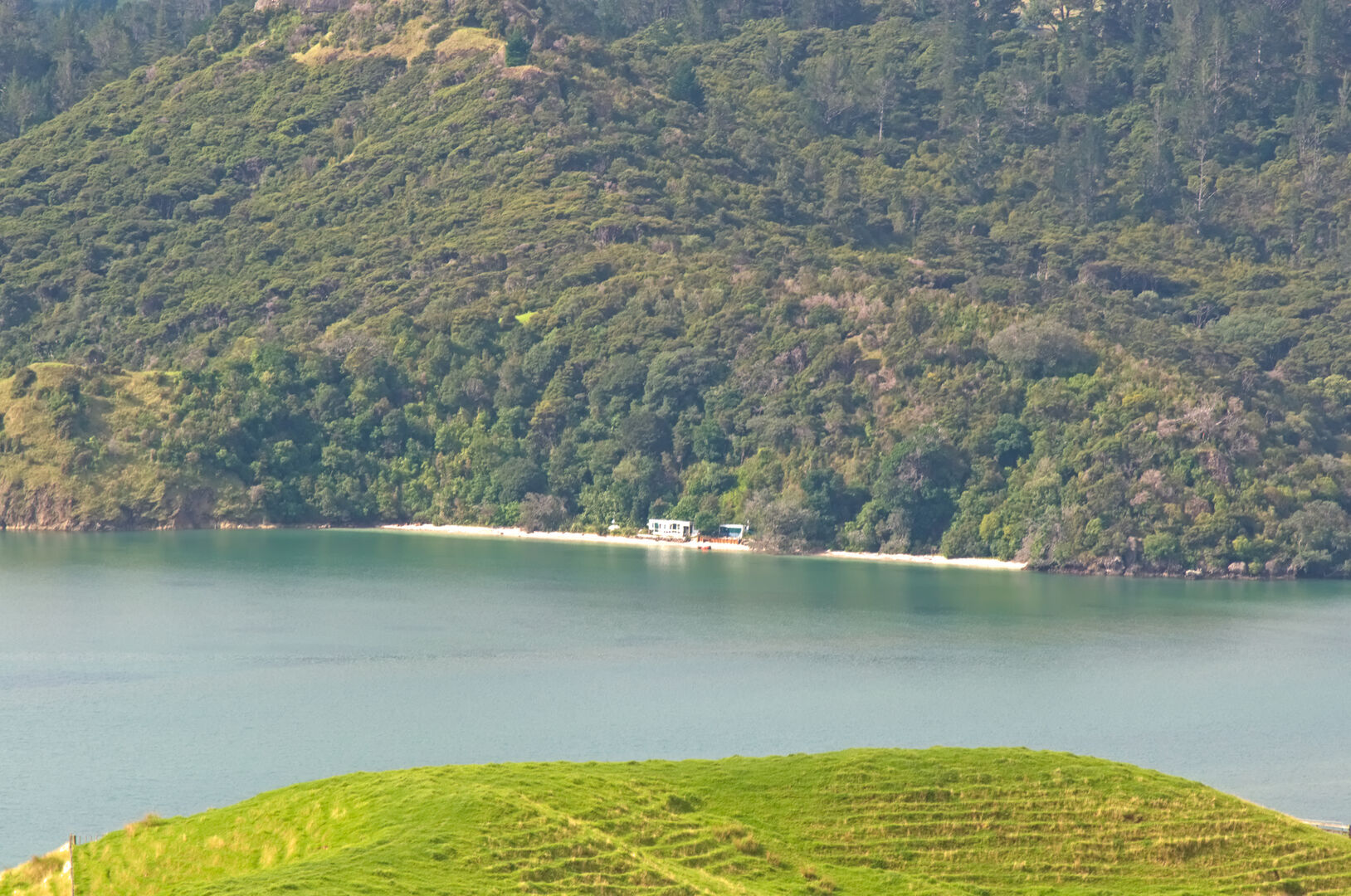
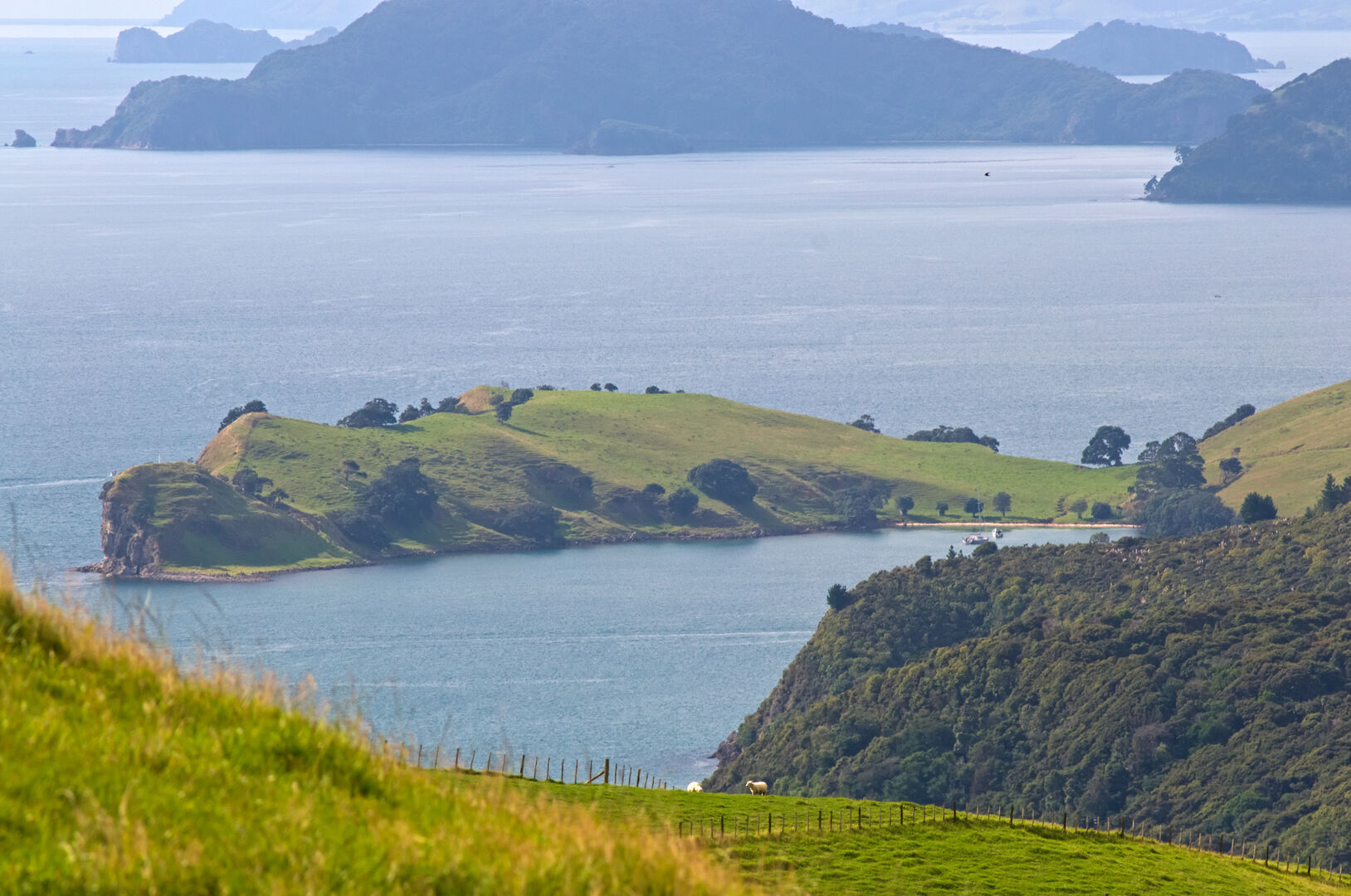
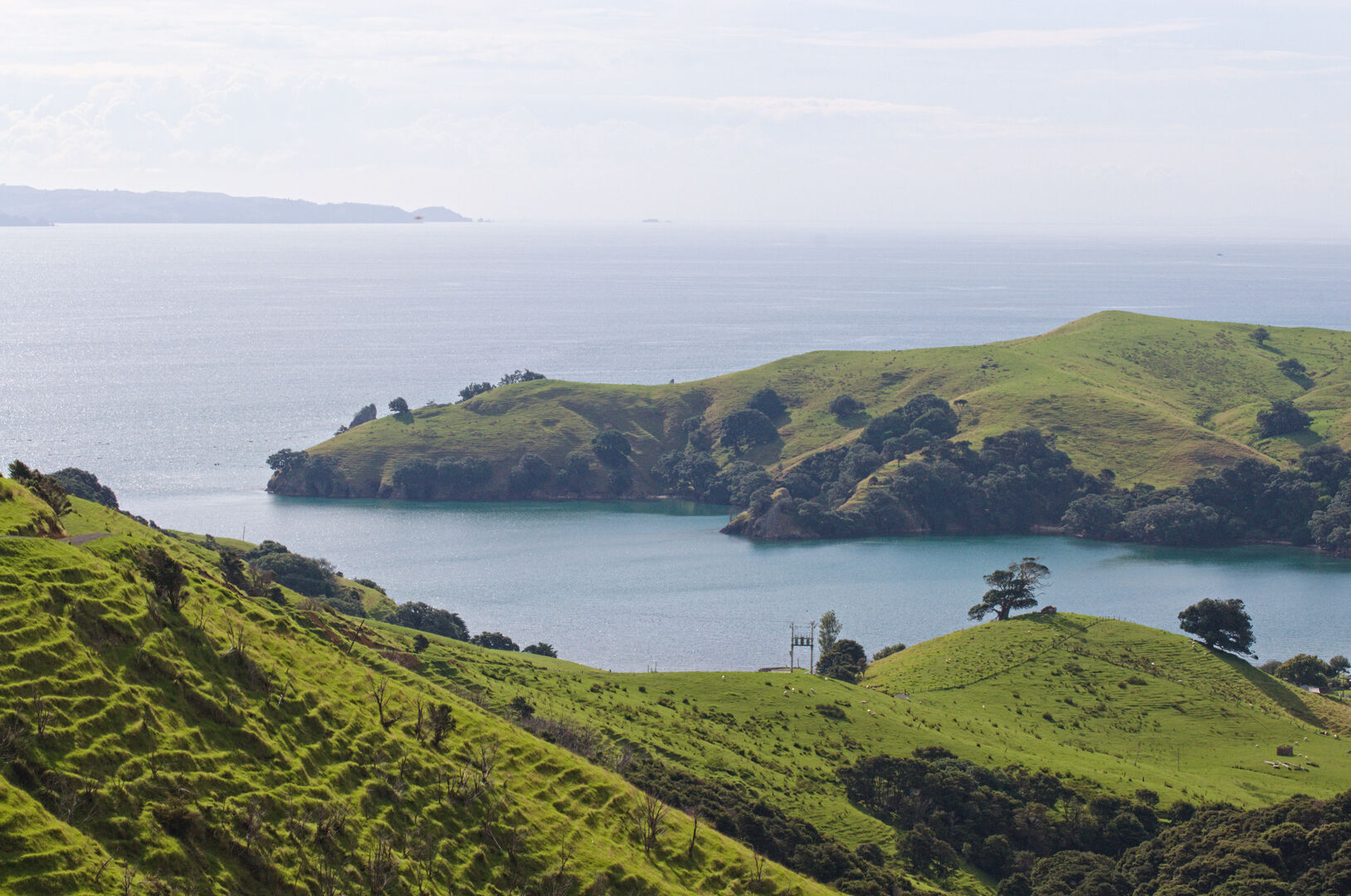
The Coromandel Peninsula is a distinctive and scenic region located on the east coast of New Zealand’s North Island, separating the Hauraki Gulf from the Bay of Plenty. The peninsula extends northward from the Waikato region and is known for its rugged coastline, forested ranges, beaches, and relaxed lifestyle. Despite its proximity to Auckland, the Coromandel retains a strong sense of remoteness and natural character.
The region includes small towns and settlements such as Thames, Coromandel Town, Whitianga, and Tairua, as well as numerous beaches and rural communities. Development has remained relatively low-density, with large areas protected as conservation land, forest reserves, and marine environments.
The Coromandel has a warm temperate climate with mild winters and warm, humid summers. Tourism is a major economic driver, alongside forestry, agriculture, and small-scale fishing. The area is especially popular for holiday travel, second homes, and outdoor recreation.
History
The Coromandel Peninsula has a long history of Māori settlement, with iwi such as Ngāti Maru, Ngāti Tamaterā, and Ngāti Whanaunga maintaining strong connections to the land and sea. The region’s forests, waterways, and coastal resources were central to traditional life, trade, and navigation.
European involvement increased in the mid-19th century following the discovery of gold. Gold mining transformed the peninsula, leading to the rapid growth of towns such as Thames and Coromandel Town. Mining infrastructure, settlements, and transport routes reshaped parts of the landscape and attracted large numbers of settlers.
As gold resources declined, many mining towns reduced in size or shifted focus. Forestry and farming became more important, and in the late 20th century tourism emerged as a dominant industry. Today, the Coromandel reflects layers of Māori heritage, mining history, and modern conservation-focused development.
Geology
The geology of the Coromandel Peninsula is complex and closely tied to volcanic activity and tectonic processes. The peninsula is part of a volcanic zone formed millions of years ago, resulting in rugged mountain ranges, steep valleys, and mineral-rich rock formations.
These geological conditions led to the presence of gold and other minerals, which fueled 19th-century mining. The central mountain spine of the peninsula consists largely of volcanic rock, while coastal areas include beaches, cliffs, and alluvial plains shaped by erosion and marine processes.
The region’s geology also contributes to geothermal features, mineral springs, and fertile soils. Ongoing erosion, landslides, and coastal change influence land management and infrastructure planning.
Things to See
The Coromandel Peninsula offers a wide range of natural, cultural, and recreational attractions:
Coastal and Natural Attractions
- Long sandy beaches and secluded coves
- Coastal cliffs, headlands, and offshore islands
- Native forests and the Coromandel Forest Park
- Waterfalls, streams, and scenic walking tracks
Cultural and Historical Sites
- Historic gold-mining towns and heritage buildings
- Māori cultural sites and traditional landscapes
- Small museums and interpretation centers
- Art galleries and craft studios
Recreation and Lifestyle
- Swimming, surfing, and kayaking
- Boating, fishing, and marine exploration
- Hiking and cycling through forest and coastal routes
- Relaxed town life with cafés and local markets
Experience and Character
The Coromandel Peninsula is often described as a place where nature dominates daily life. Dense forests descend toward the sea, beaches remain largely undeveloped, and small communities maintain strong local identities. The pace of life is generally slow, particularly outside peak holiday periods.
The region appeals to visitors and residents seeking outdoor experiences, creative communities, and a strong connection to the environment. Its combination of accessibility and wilderness makes the Coromandel one of New Zealand’s most distinctive coastal regions.