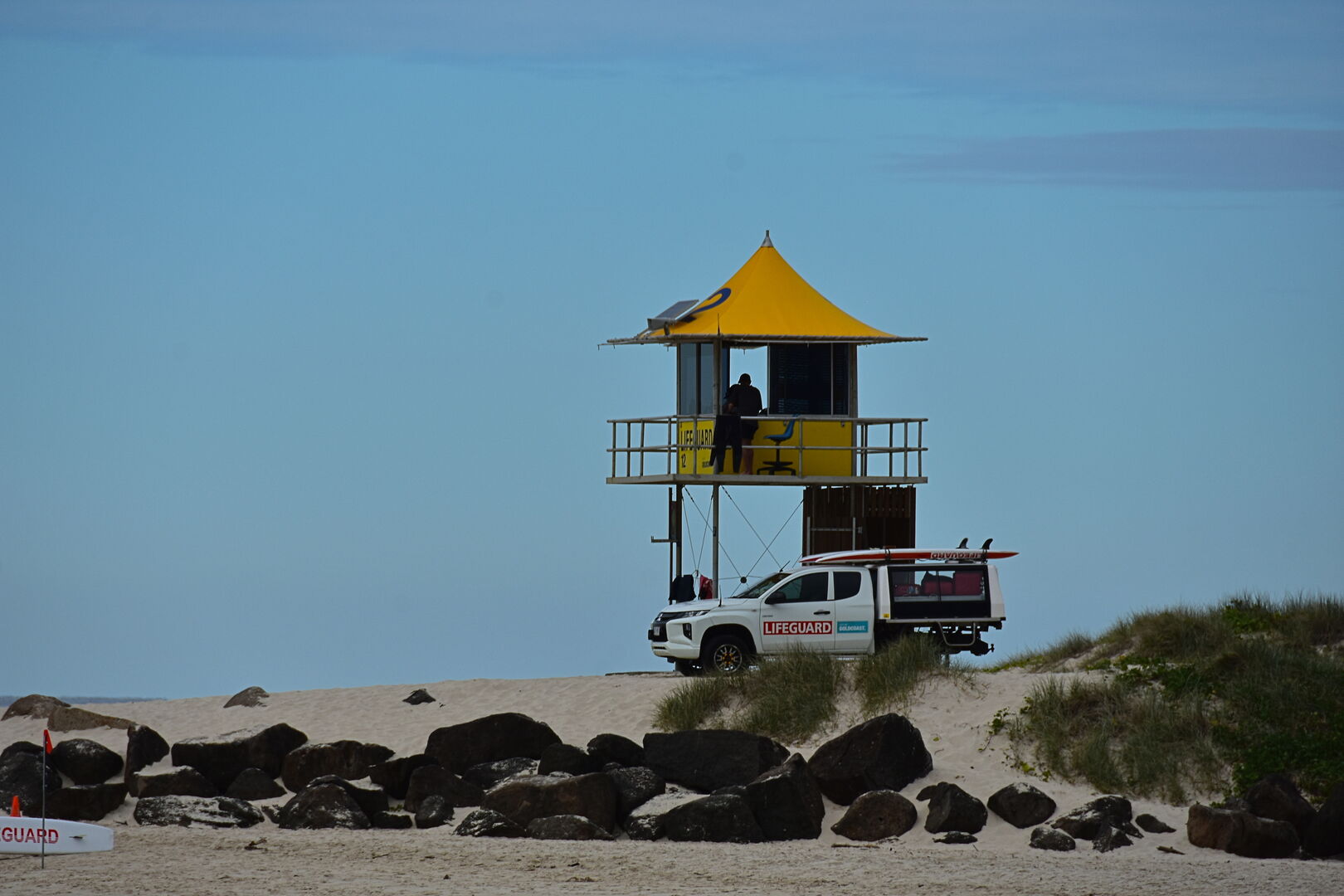





The Gold Coast is a major coastal city located in south-eastern Queensland, Australia, along the Pacific Ocean. It lies approximately 70 kilometers south of Brisbane and forms part of one of Australia’s fastest-growing urban regions. Known internationally for its beaches, surf culture, and tourism industry, the Gold Coast combines natural landscapes with modern urban development.
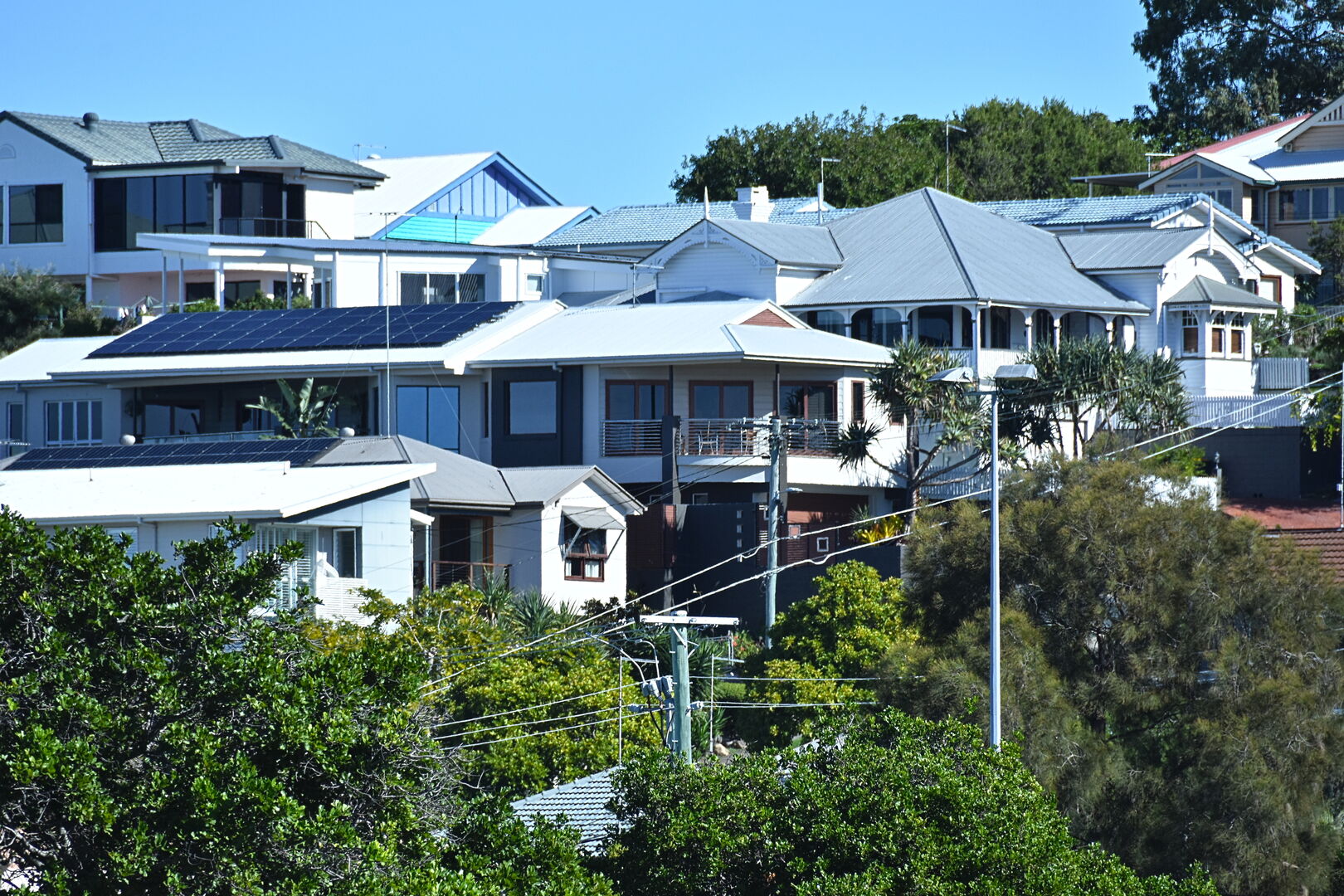
The city stretches along more than 50 kilometers of coastline and includes a mix of high-rise beachfront districts, residential suburbs, hinterland communities, and protected natural areas. Its population exceeds 600,000 residents and continues to grow due to domestic and international migration.
The Gold Coast has a subtropical climate, characterized by warm temperatures year-round, mild winters, and high sunshine levels. Tourism is a key economic driver, supported by construction, education, healthcare, retail, and creative industries. The city also hosts international events, conferences, and sporting competitions, reinforcing its global profile.
History
Before European settlement, the Gold Coast region was inhabited by Aboriginal peoples, particularly the Yugambeh language group, who lived sustainably along the coast, rivers, and hinterland for thousands of years. Their cultural heritage remains an important part of the region’s identity.
European exploration began in the late 18th and early 19th centuries, followed by timber harvesting, farming, and small coastal settlements. The area was originally known as the South Coast and developed slowly until the early 20th century.
Tourism growth accelerated after World War II, driven by improved transport infrastructure and rising domestic travel. The rebranding of the region as the Gold Coast in the mid-20th century marked a turning point, leading to large-scale urban development, high-rise construction, and international recognition. In 1959, the Gold Coast was officially declared a city, and it has since evolved into a major metropolitan center.
Geology
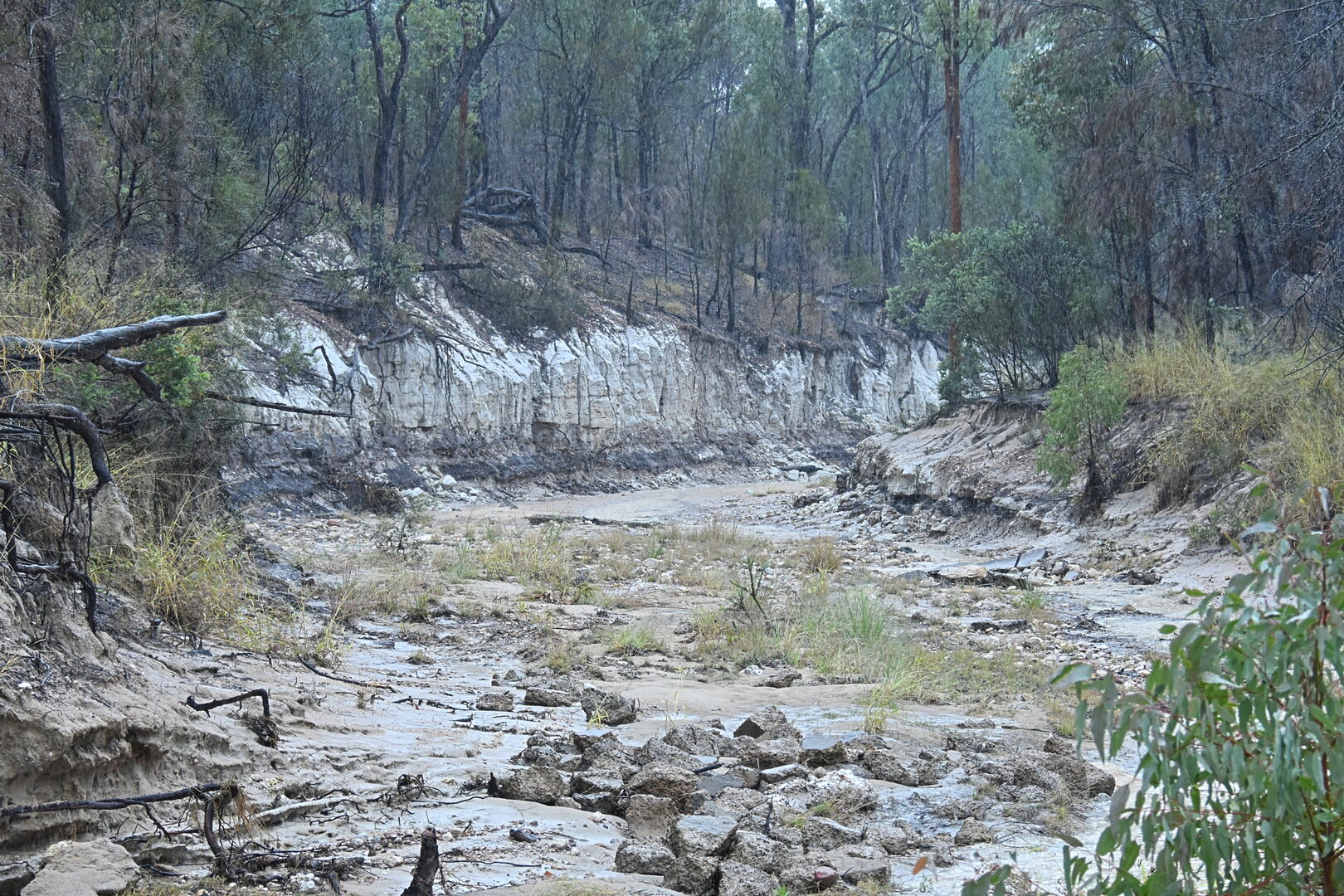
The geology of the Gold Coast is shaped by long-term coastal processes, volcanic activity, and erosion. The coastal plain consists mainly of sand dunes, beach ridges, and alluvial deposits formed by rivers and ocean currents over thousands of years.
To the west, the Gold Coast hinterland rises sharply into the remnants of ancient volcanic systems, including the Tweed Volcano. This extinct volcano, active more than 20 million years ago, created the mountainous terrain seen today in areas such as Lamington National Park and Springbrook National Park.
These geological features contribute to diverse landscapes, ranging from beaches and estuaries to rainforests, cliffs, and waterfalls. The region’s geology also plays a role in coastal erosion, river behavior, and land management, making environmental planning a critical aspect of urban development.
Things to See
The Gold Coast offers a wide variety of attractions across natural, cultural, and recreational categories:
Beaches and Coastal Areas
- Surfers Paradise, known for its skyline and surf beaches
- Broadbeach and Burleigh Heads, popular for swimming and coastal walks
- Coolangatta and Snapper Rocks, internationally recognized surfing locations
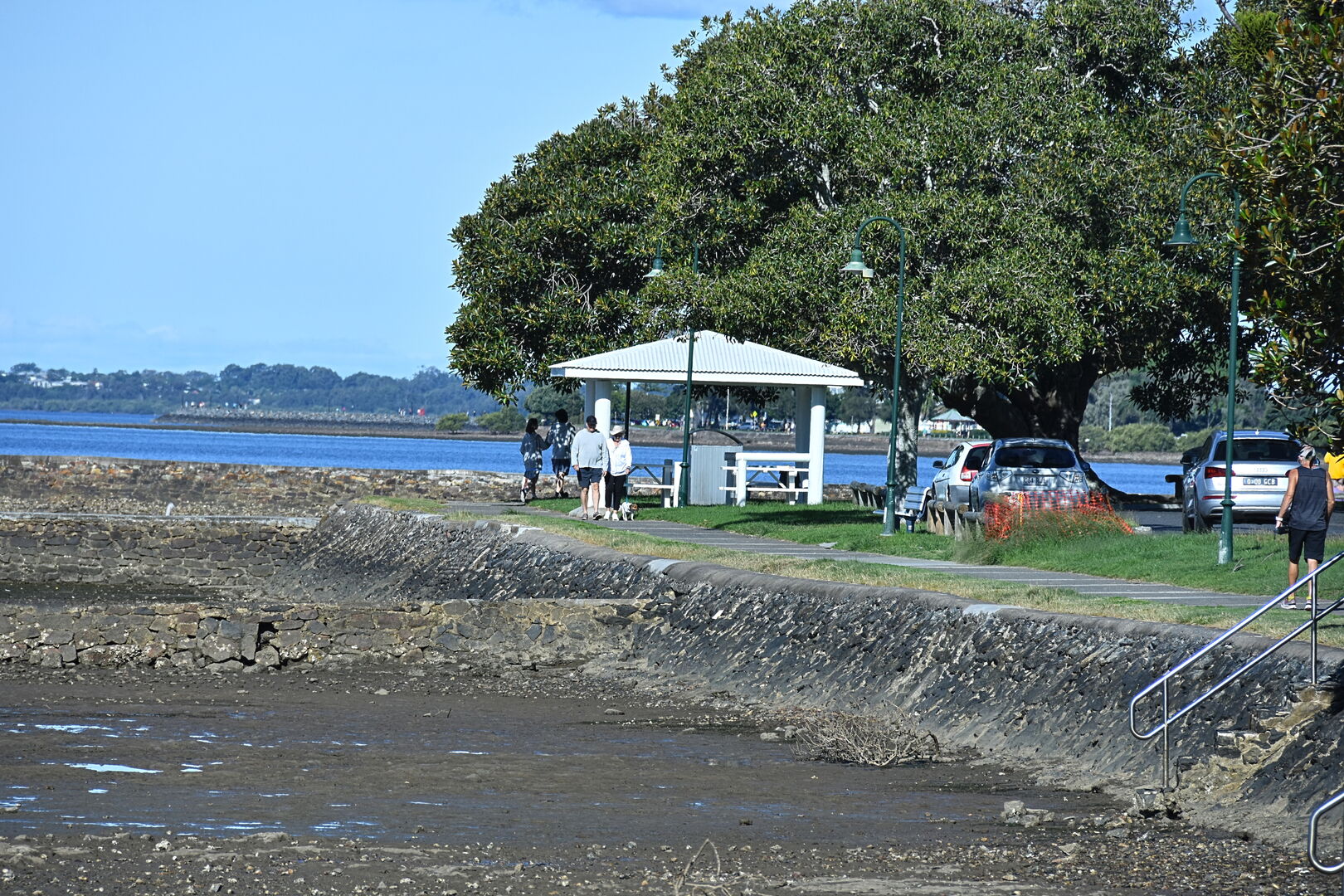
- Coastal walking and cycling paths with ocean views
Natural Attractions
- Lamington National Park and Springbrook National Park
- Rainforest trails, waterfalls, and lookout points
- Currumbin Valley and inland scenic drives
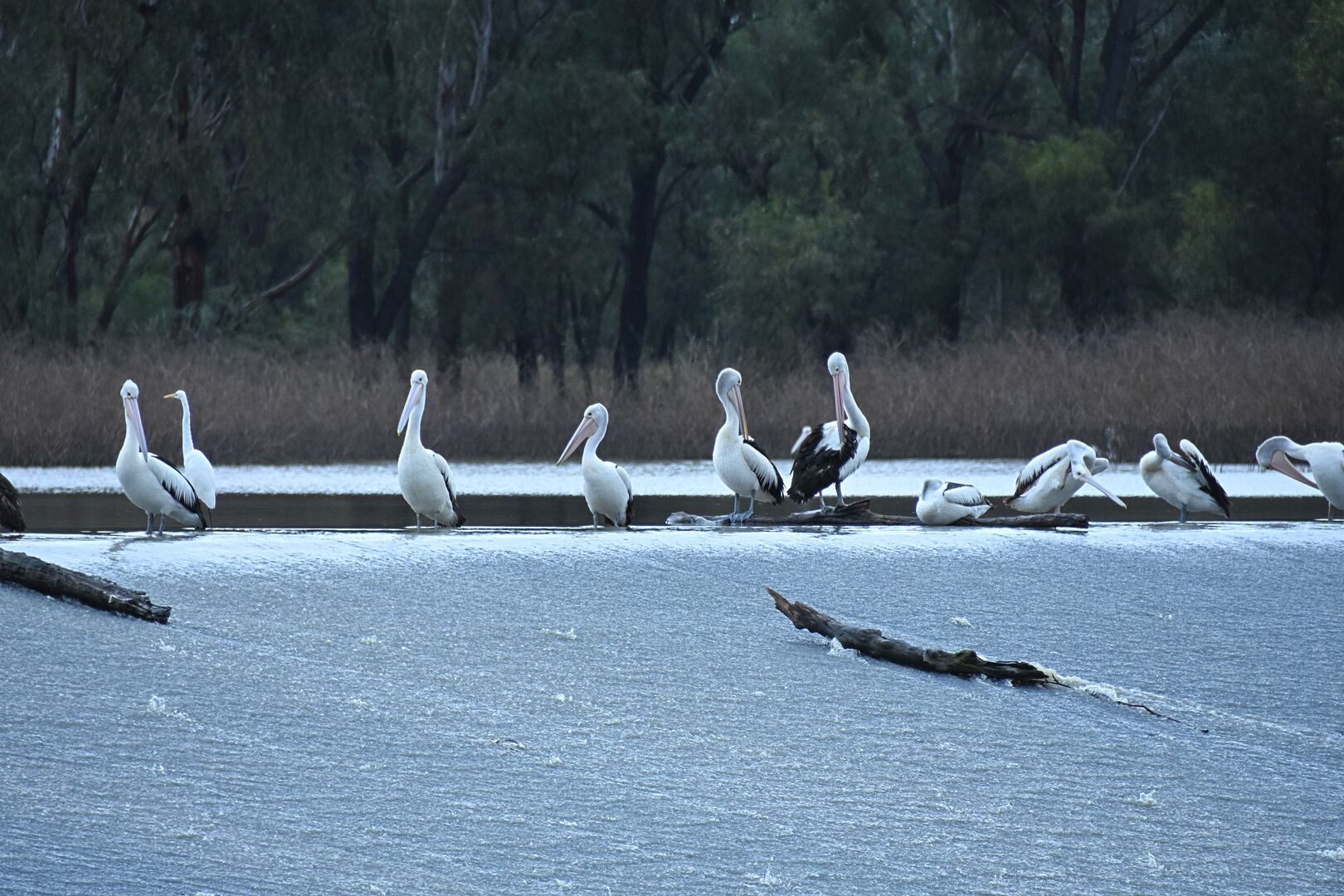
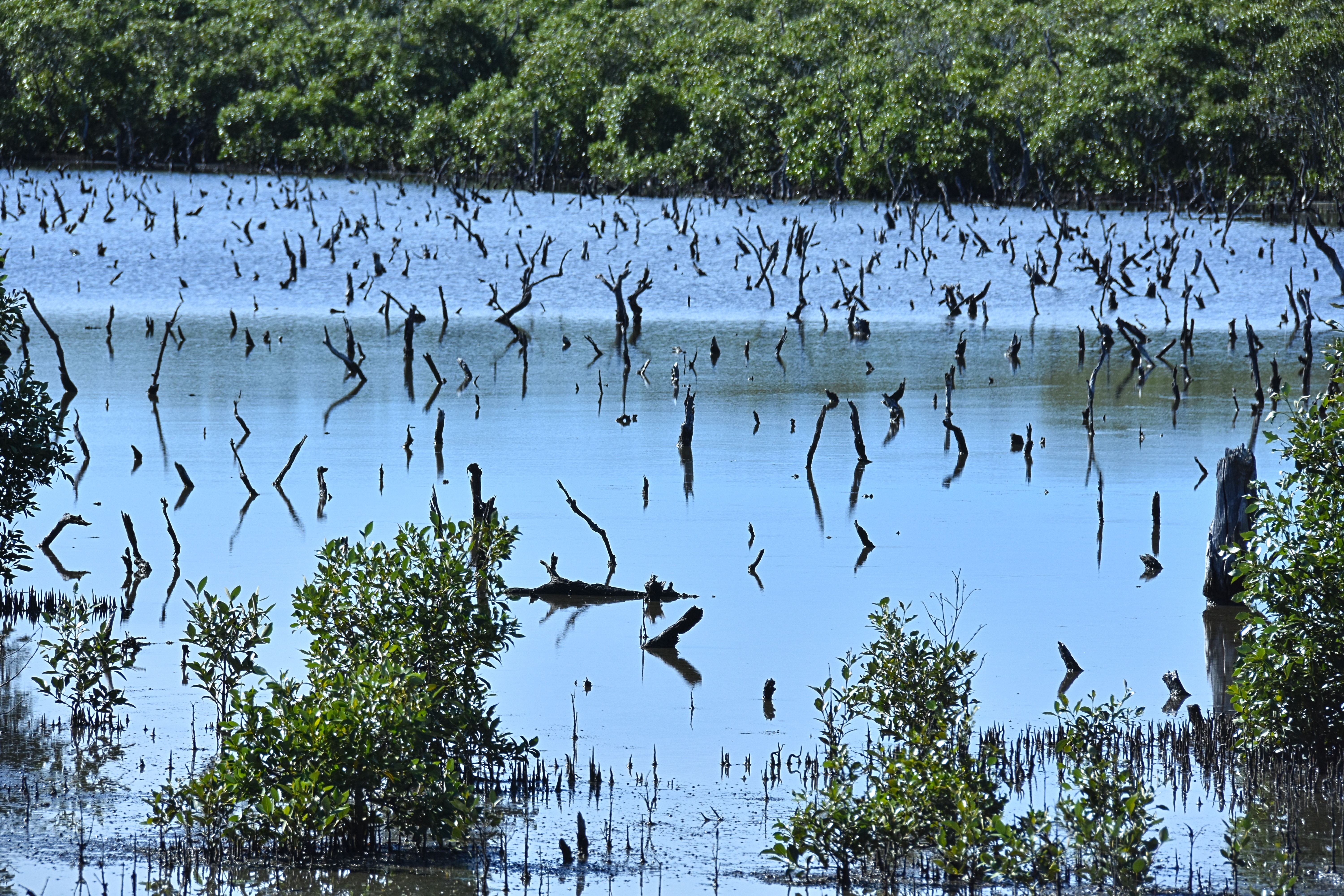
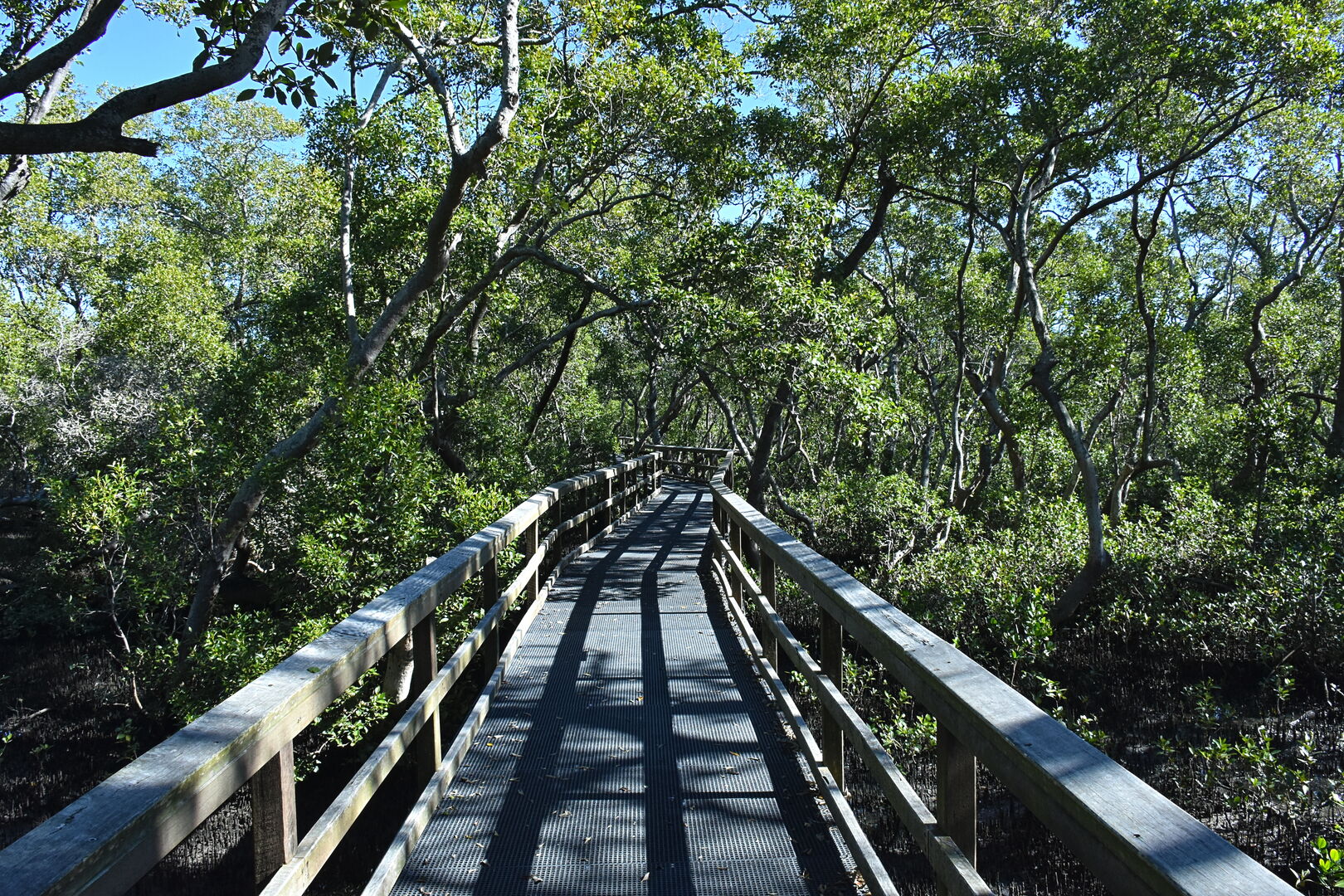
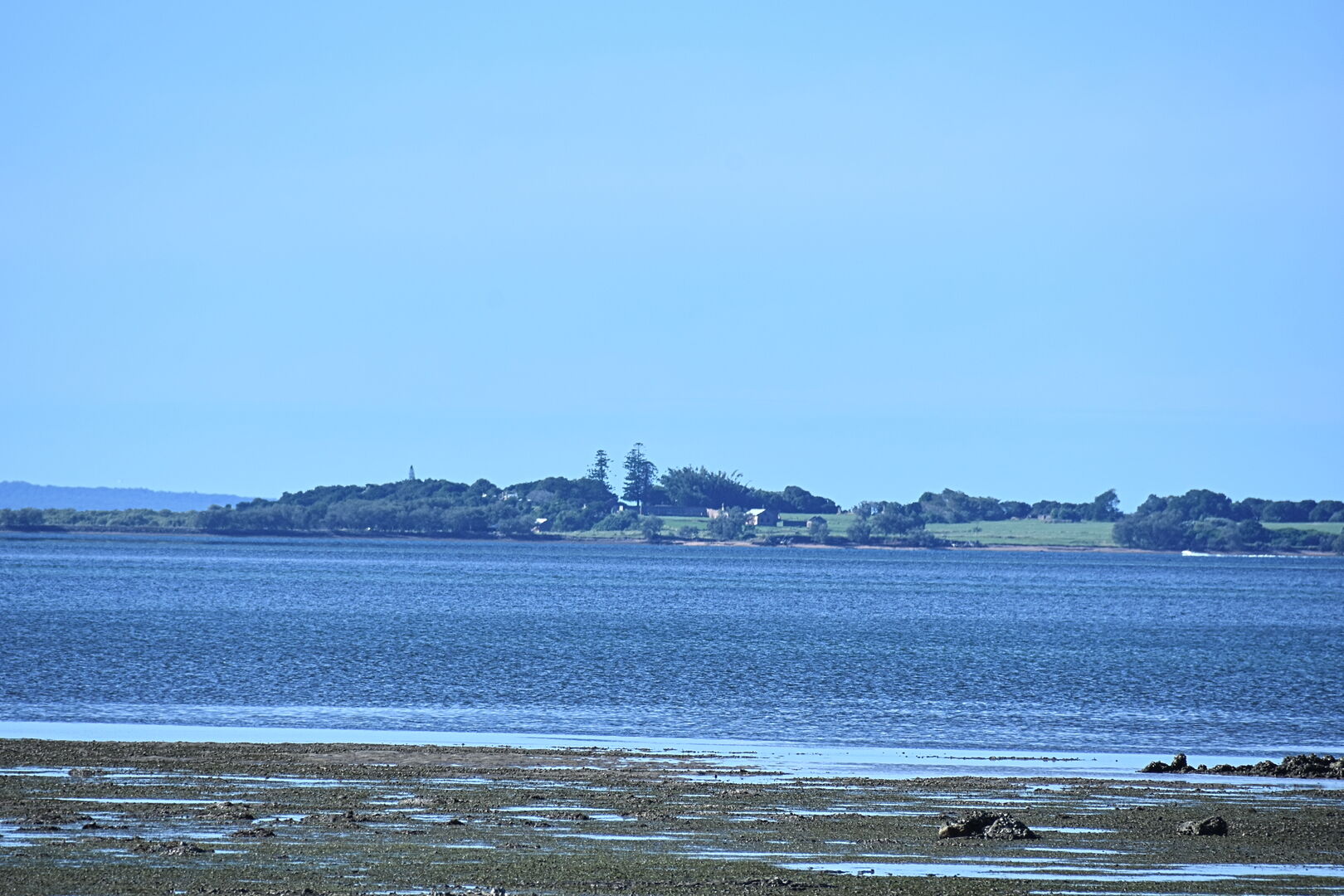
- Marine environments including estuaries and protected coastal zones
Urban and Cultural Attractions
- Theme parks such as Dreamworld, Sea World, and Warner Bros. Movie World
- Arts and cultural precincts, galleries, and live music venues
- Shopping and dining districts throughout the city
- Major sporting and cultural events, including international competitions