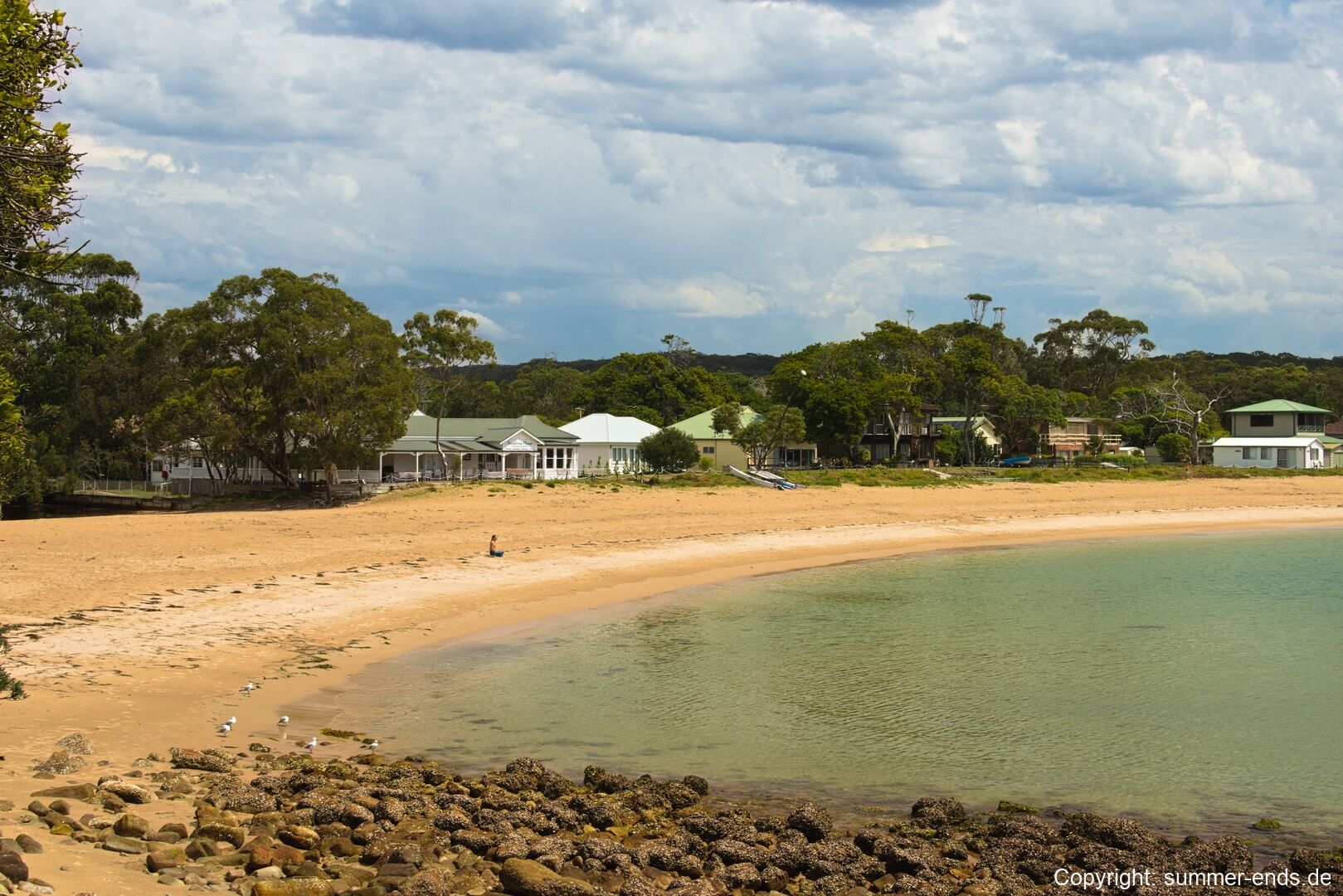
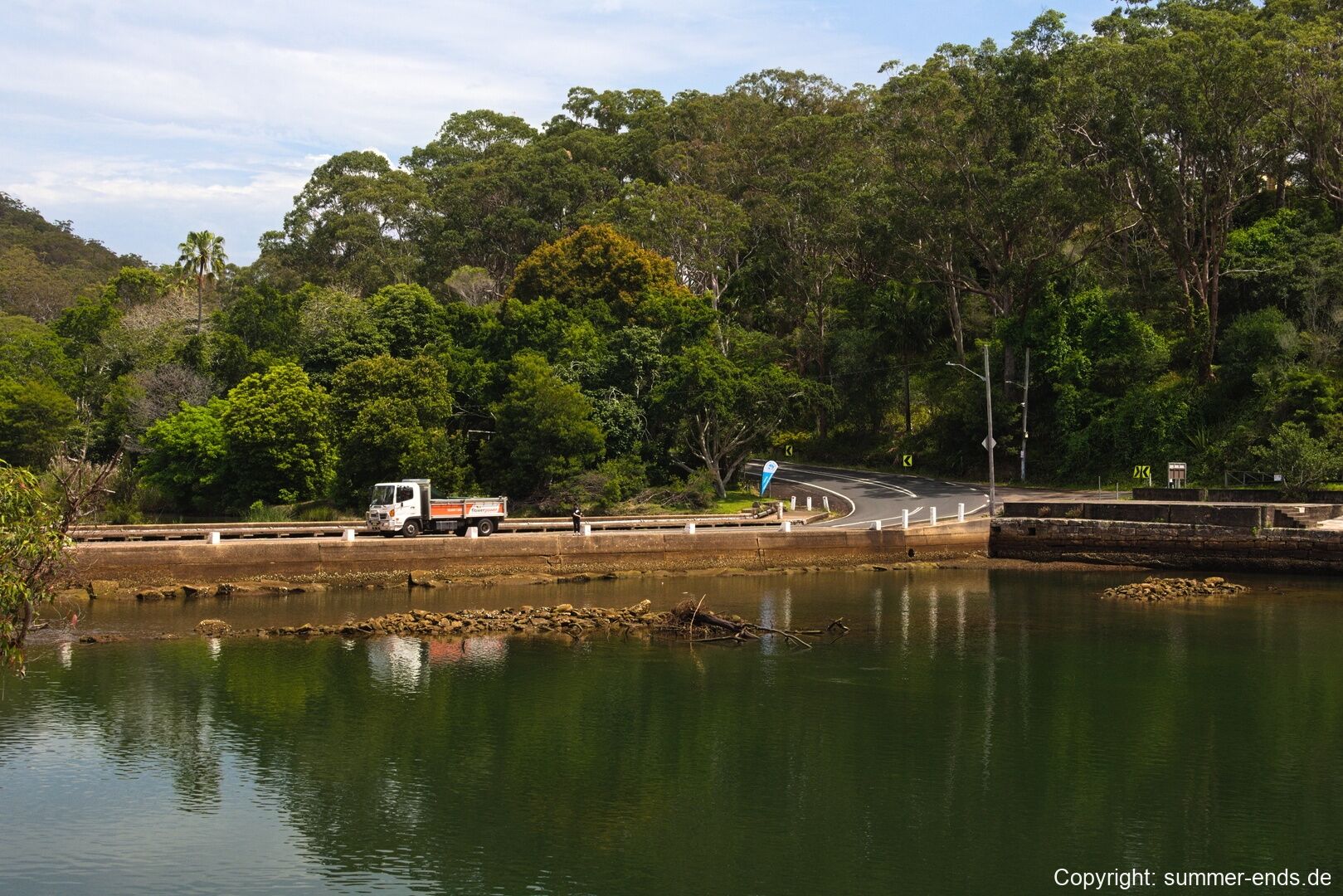
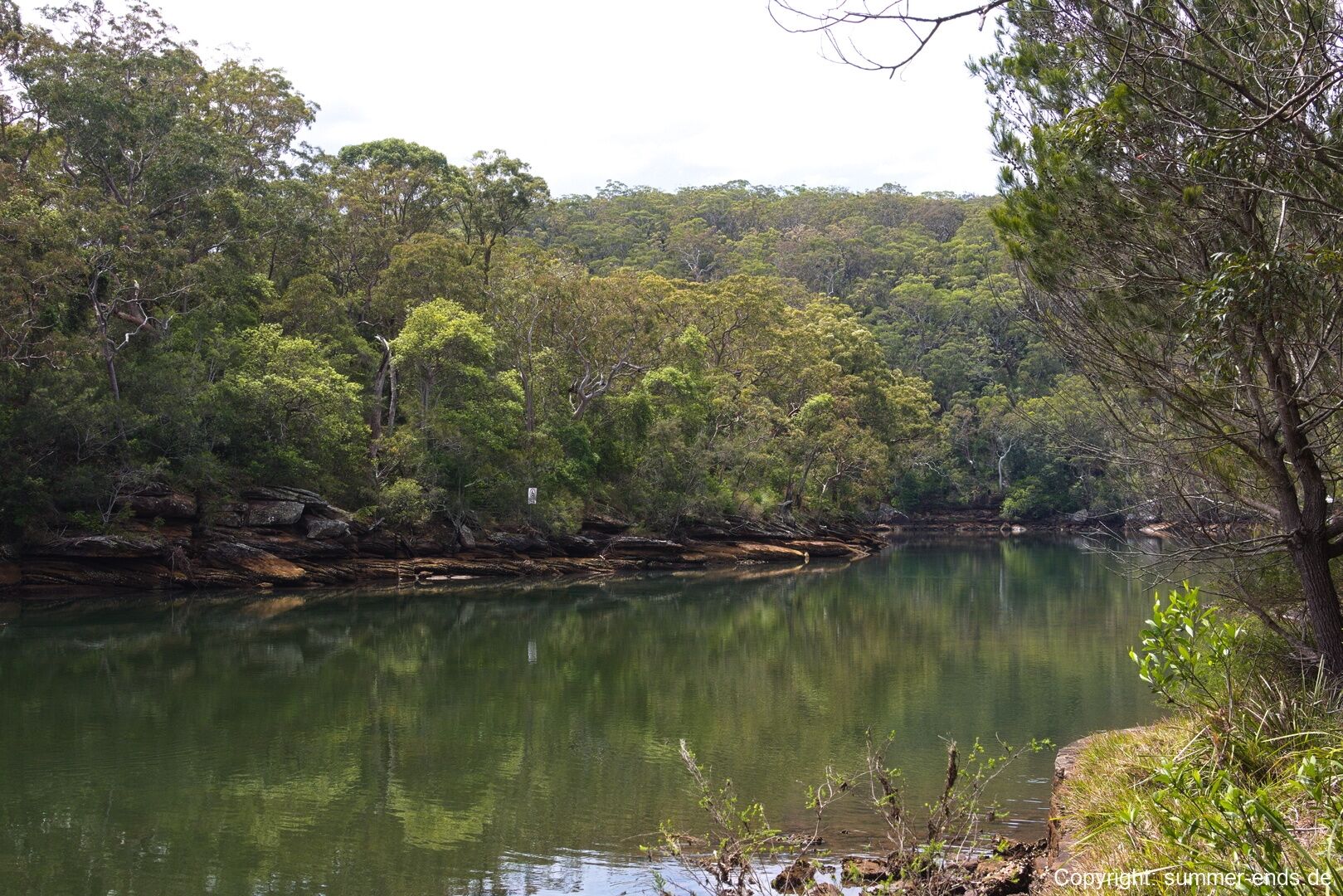
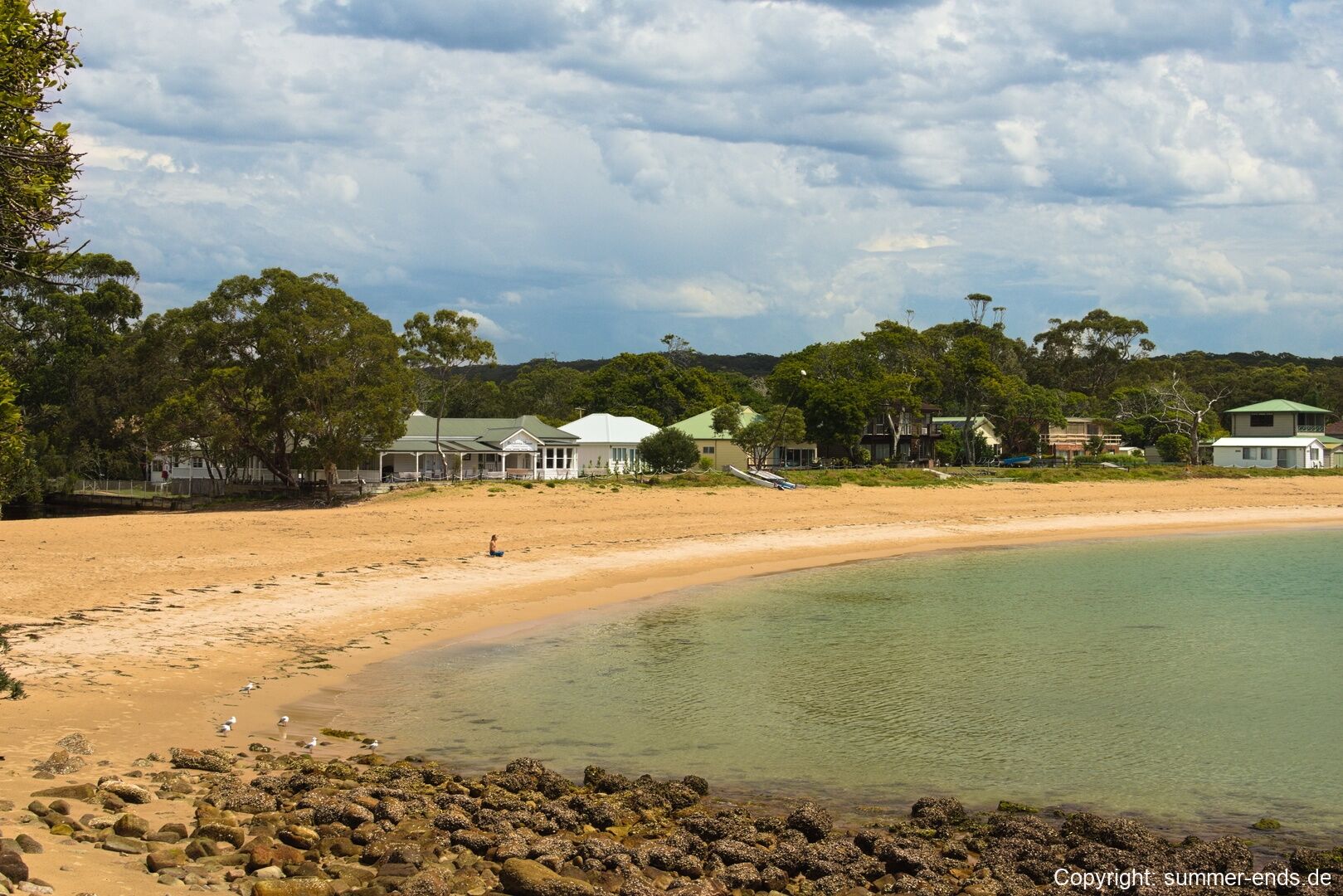
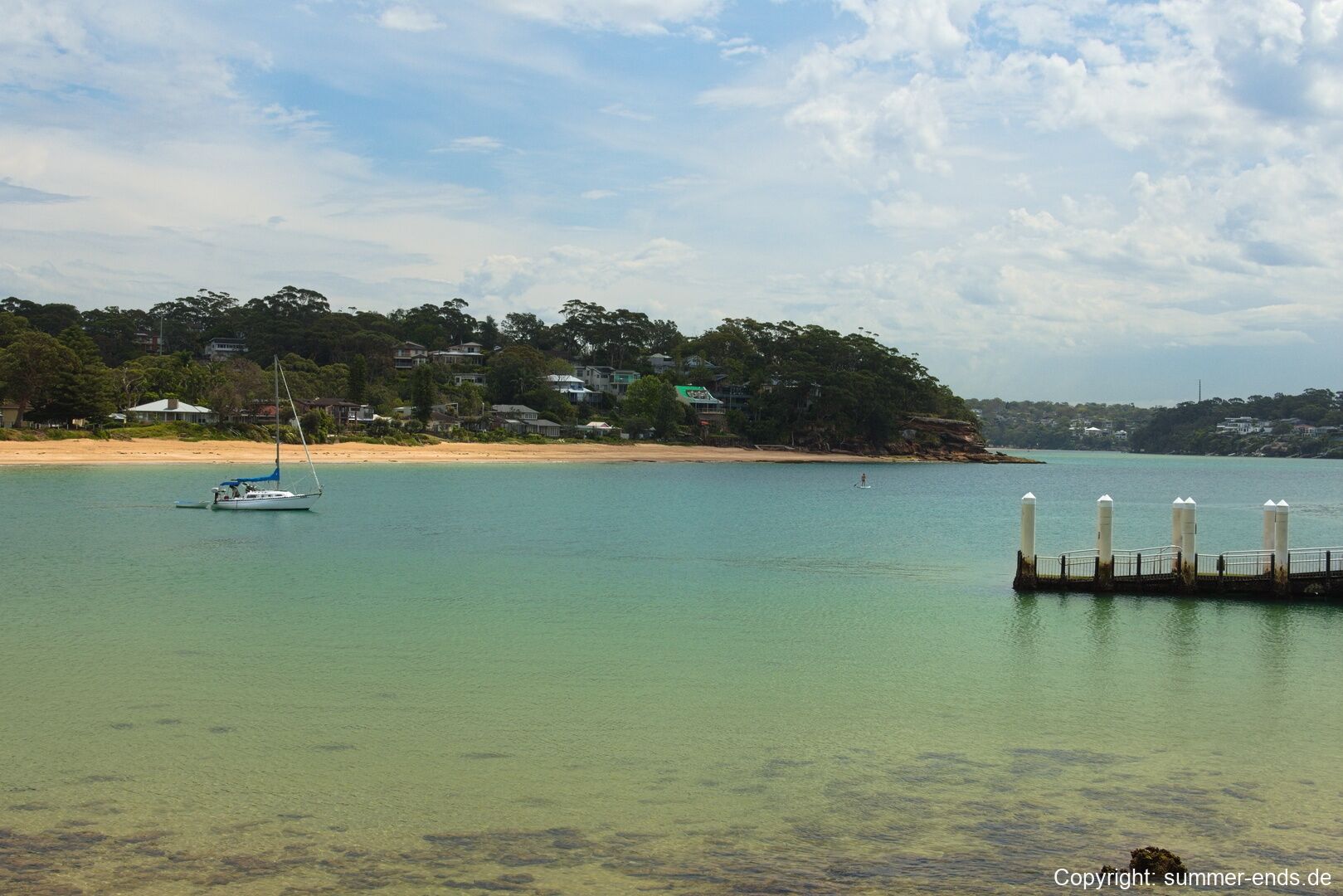
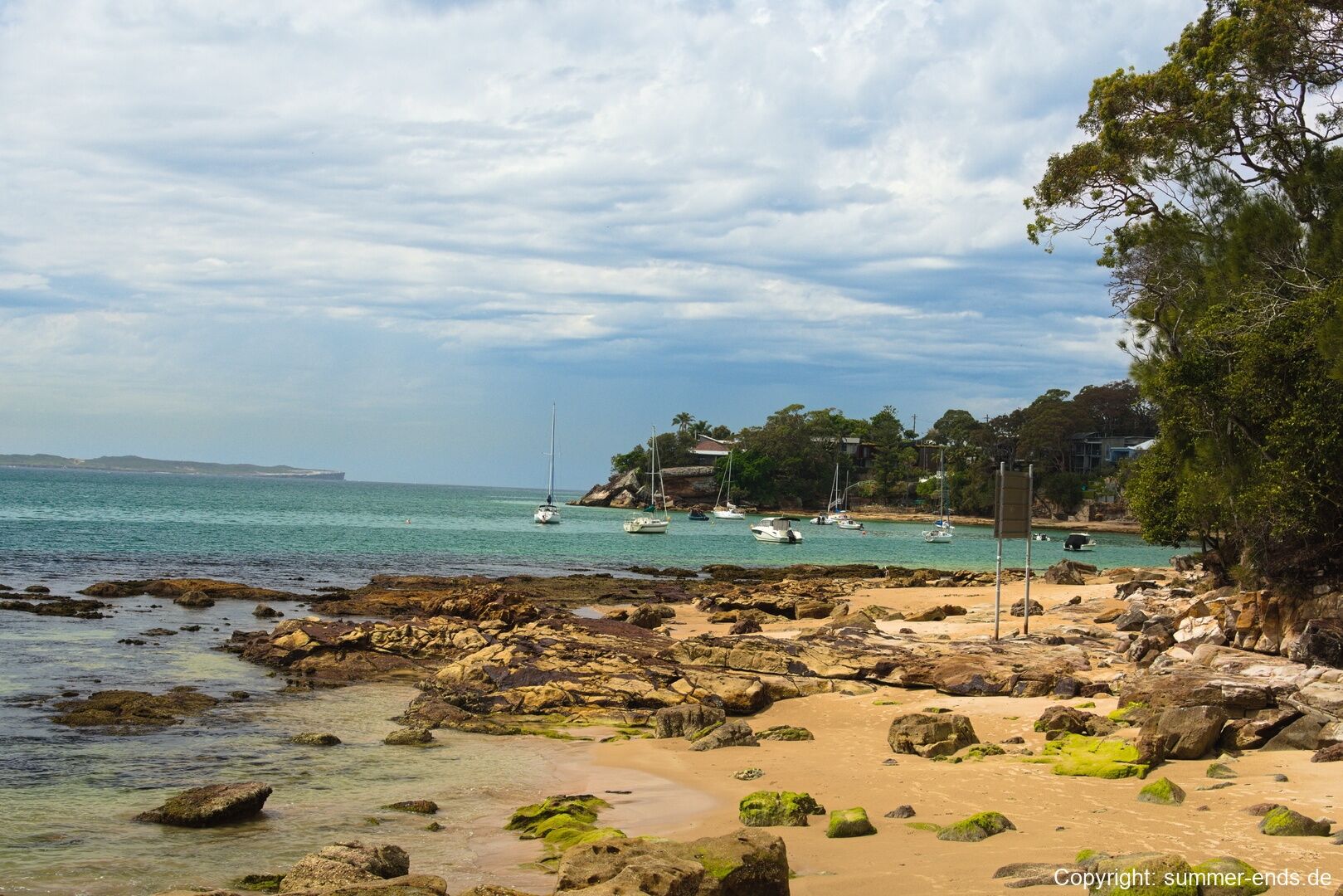
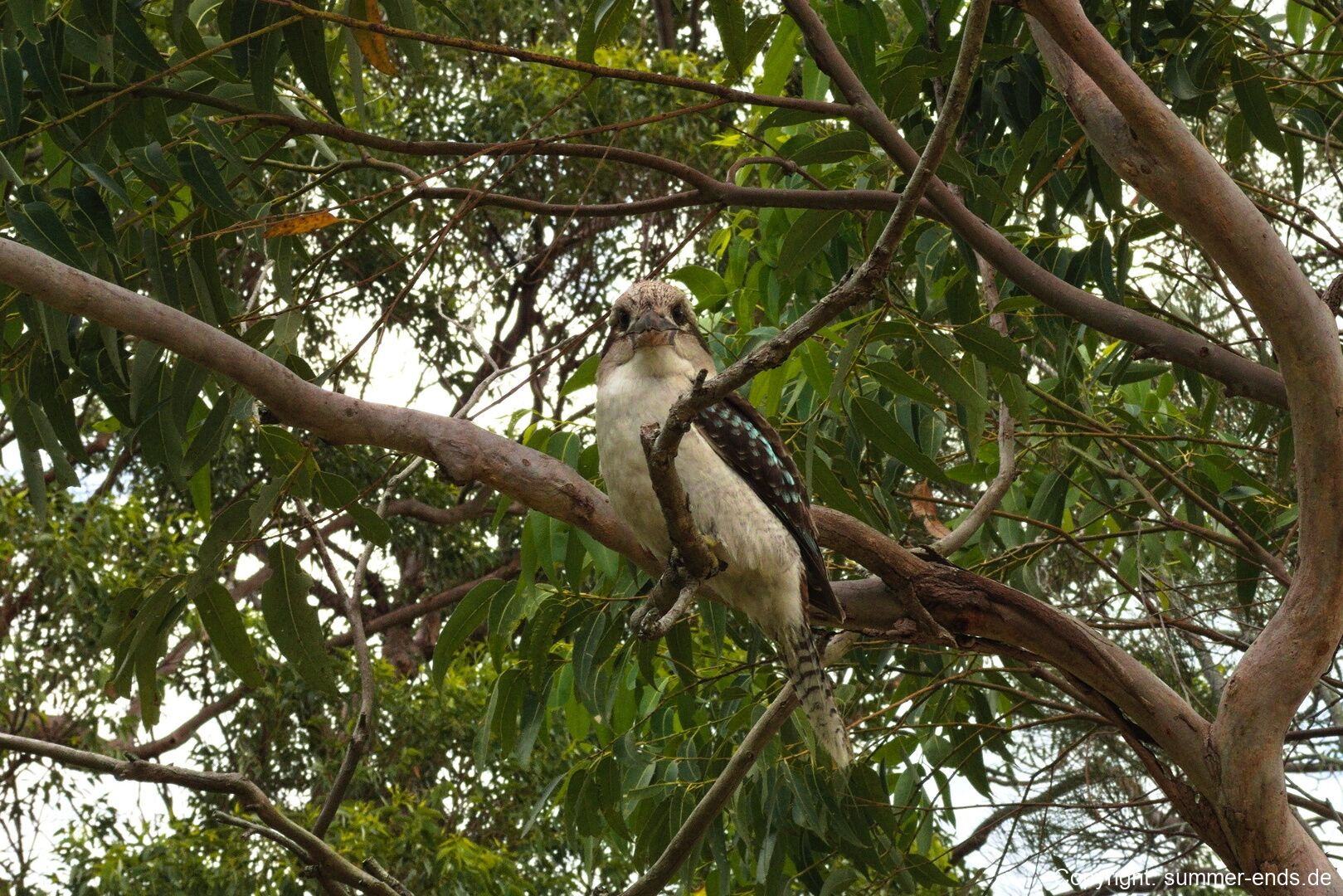
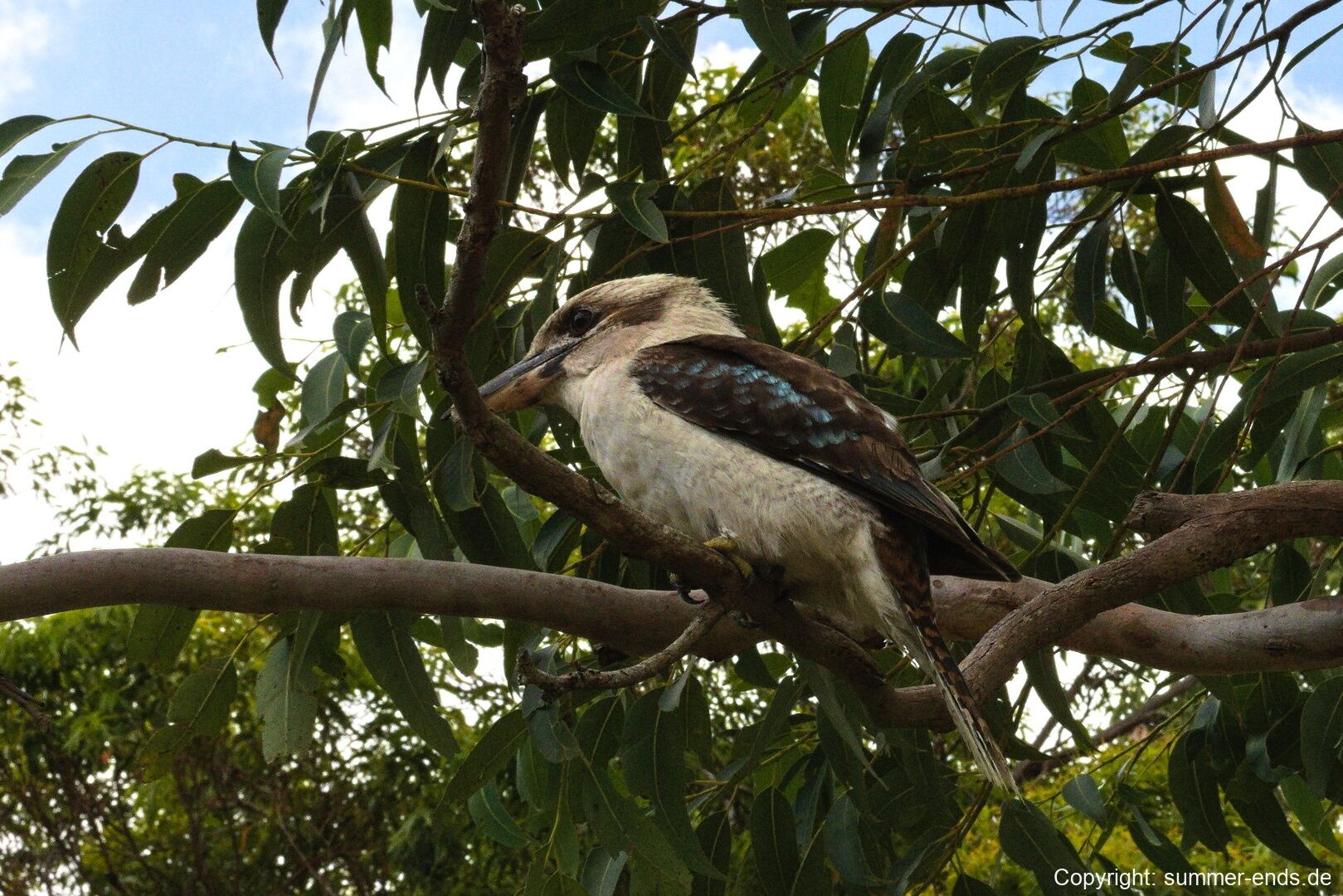
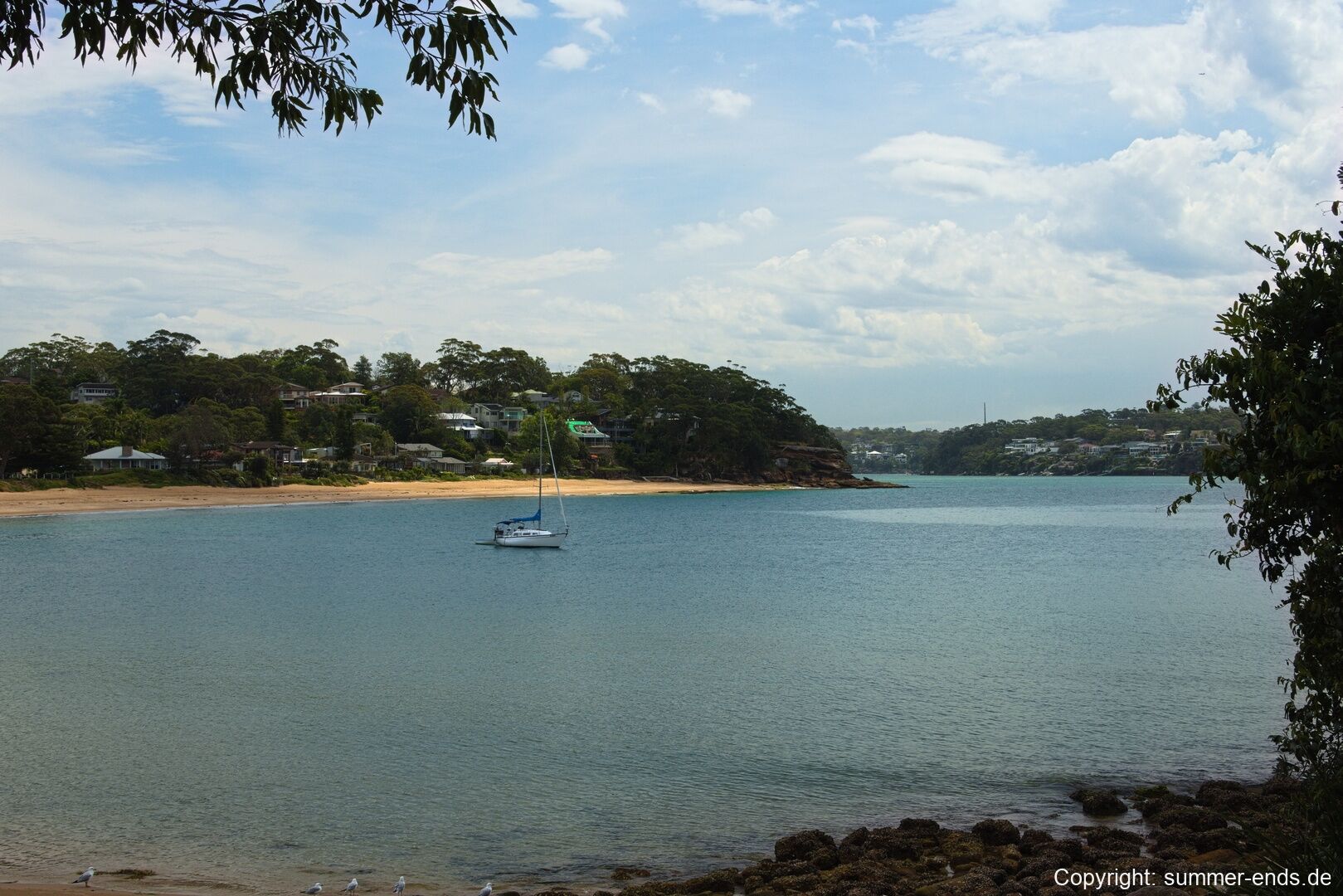
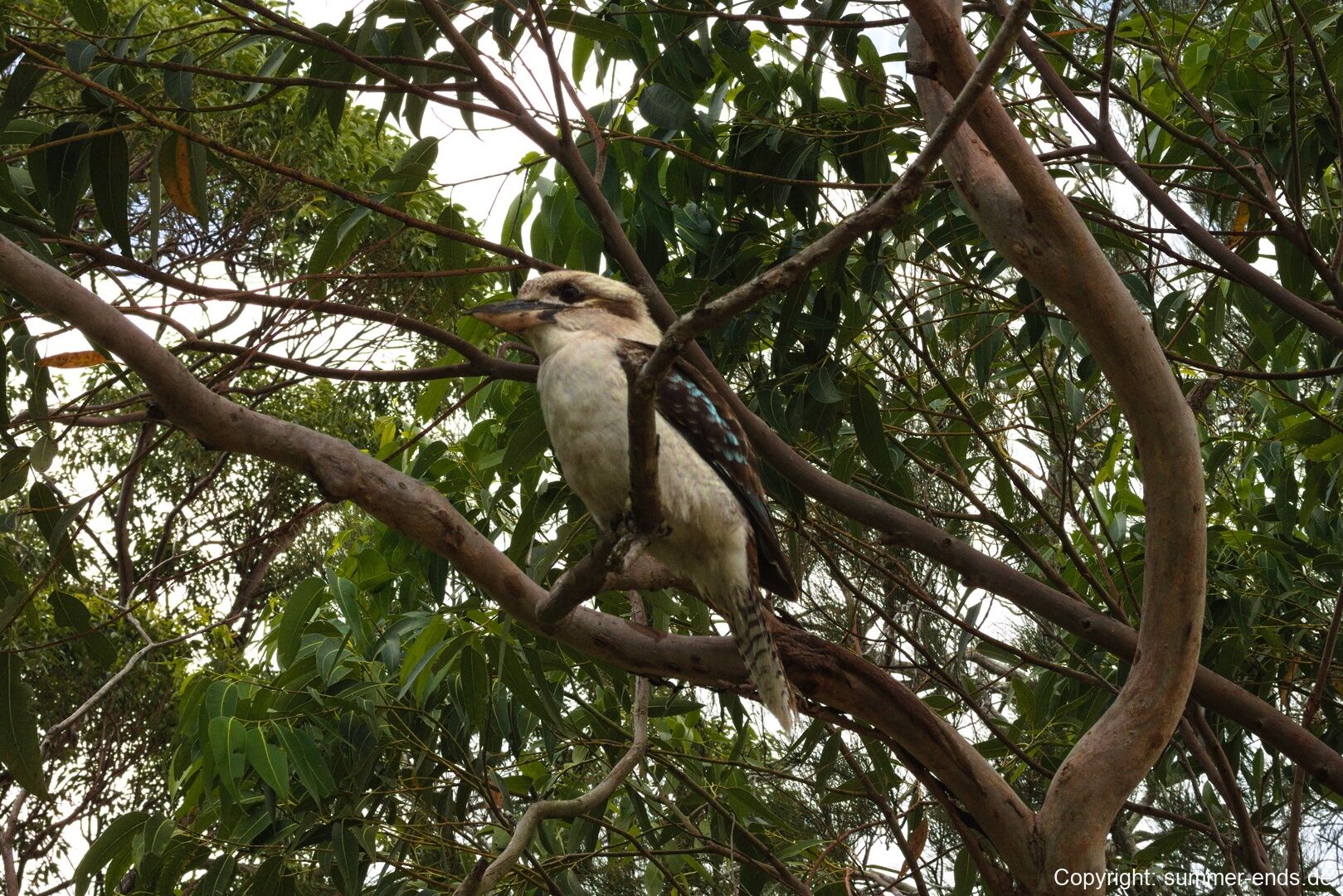
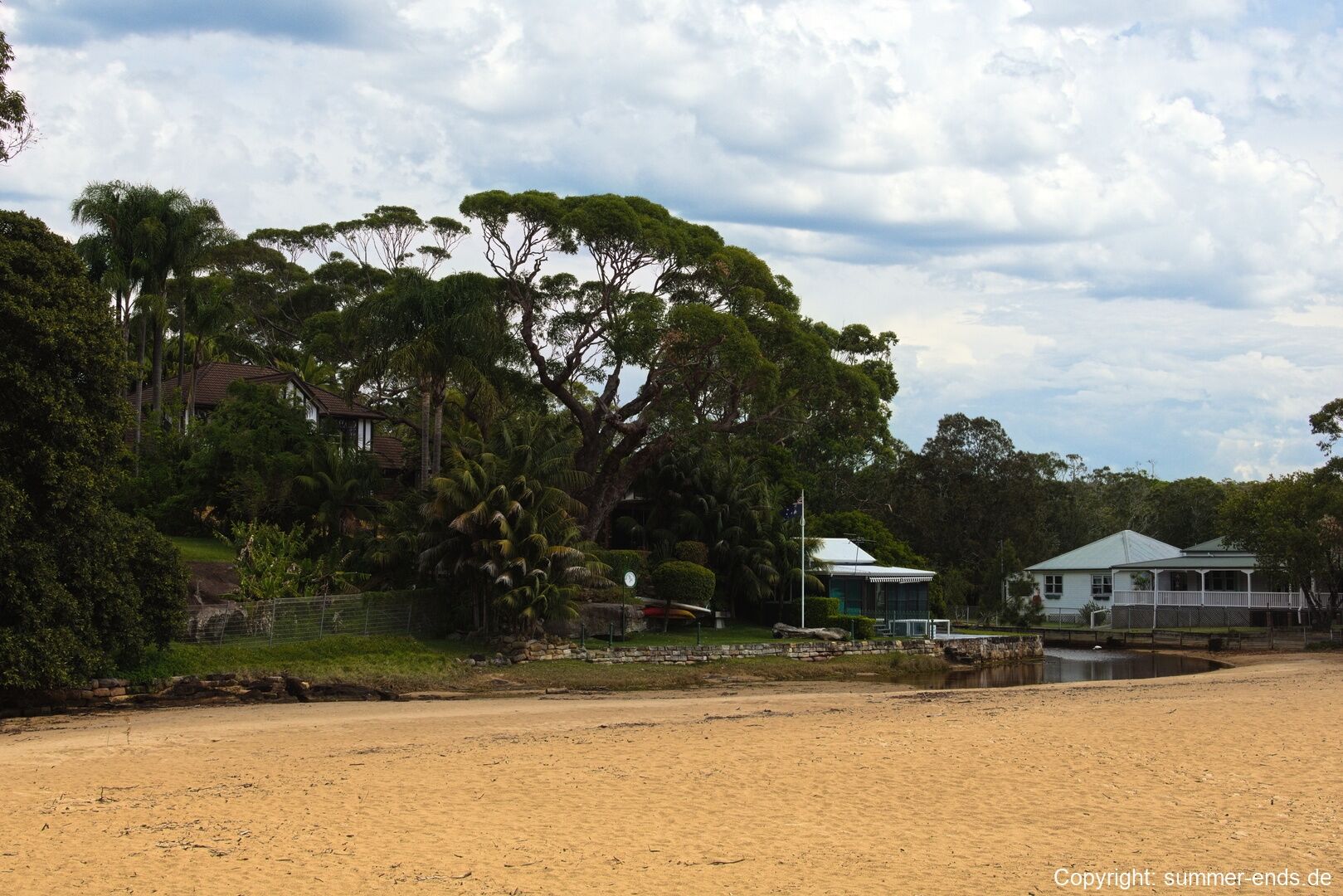
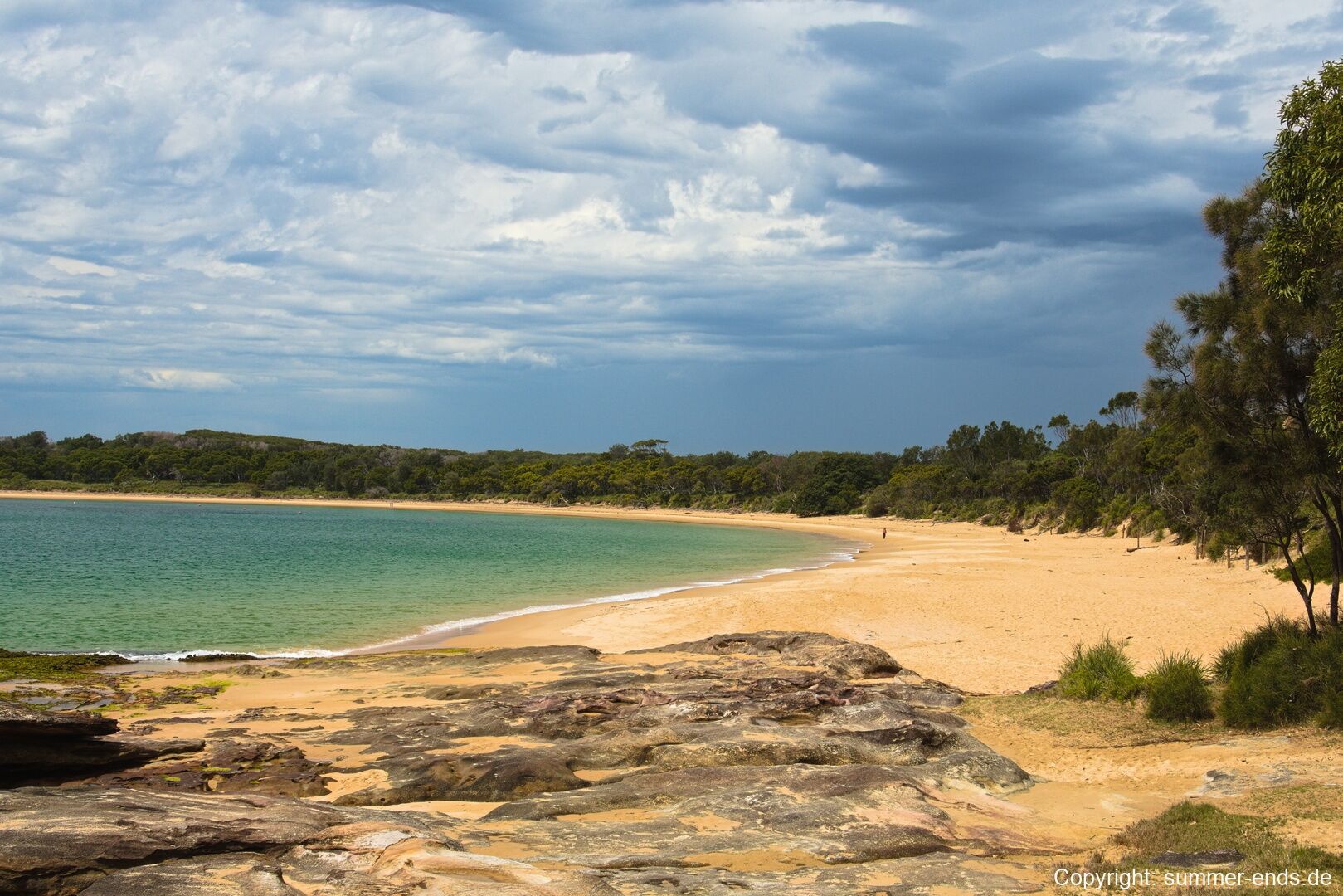
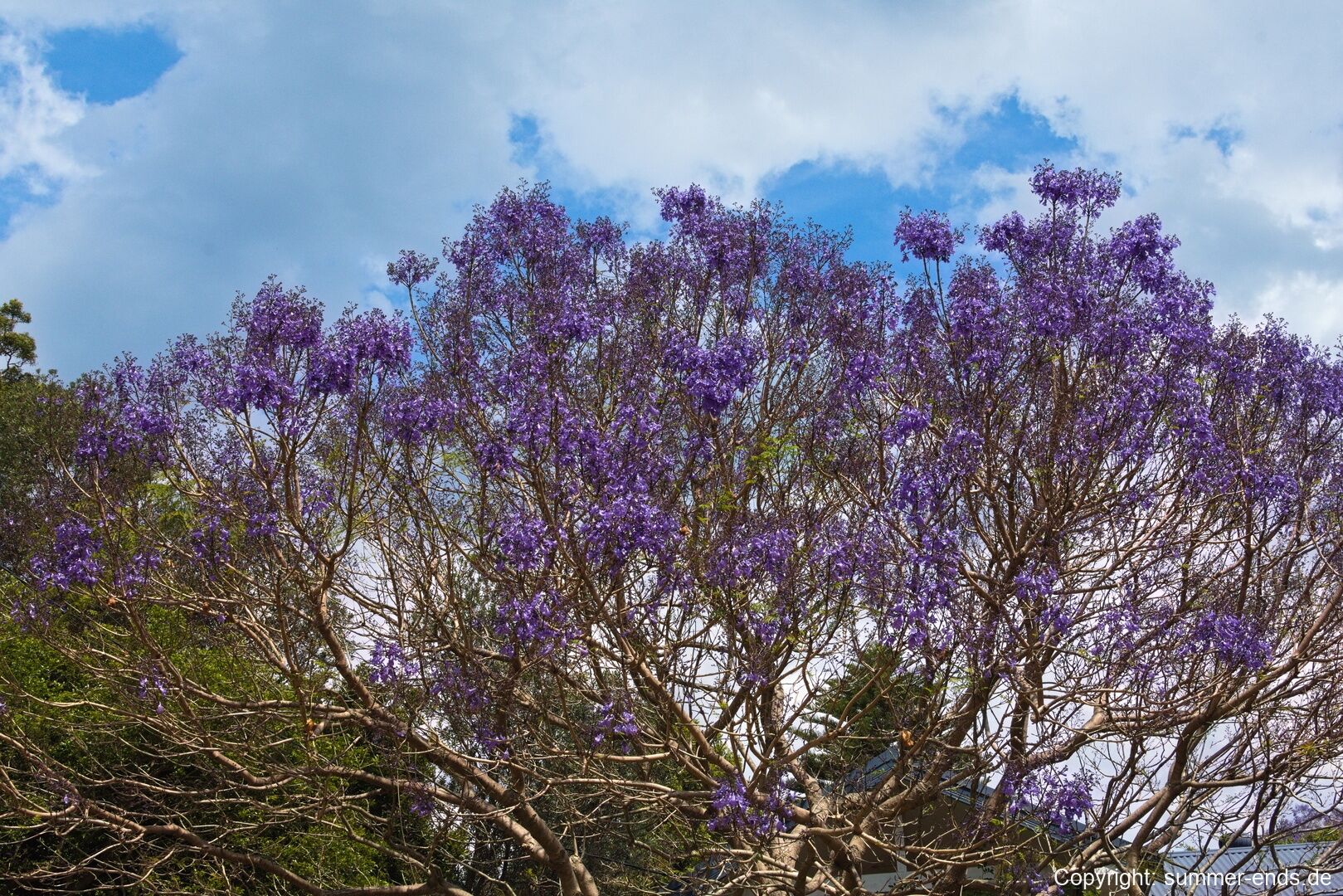
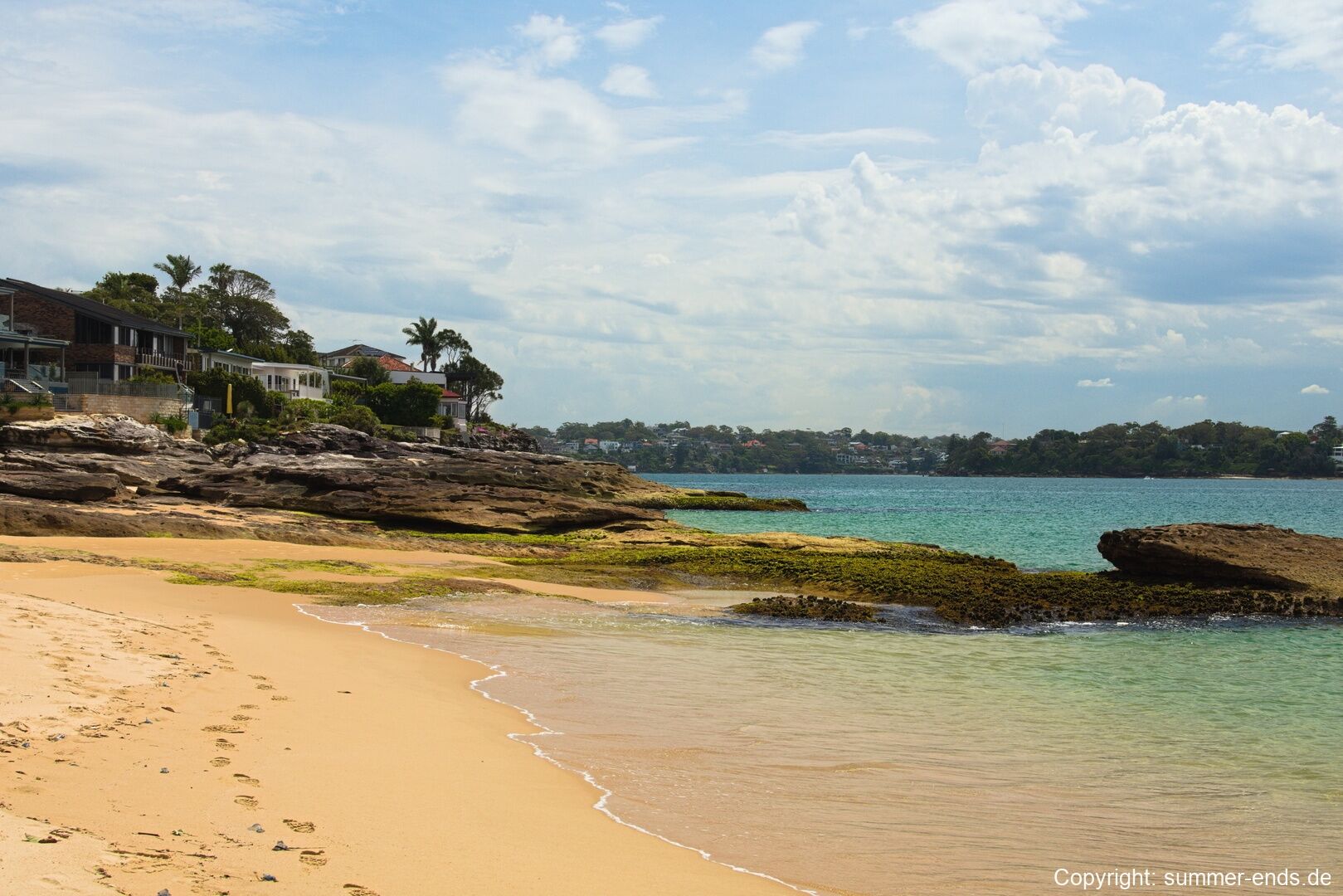
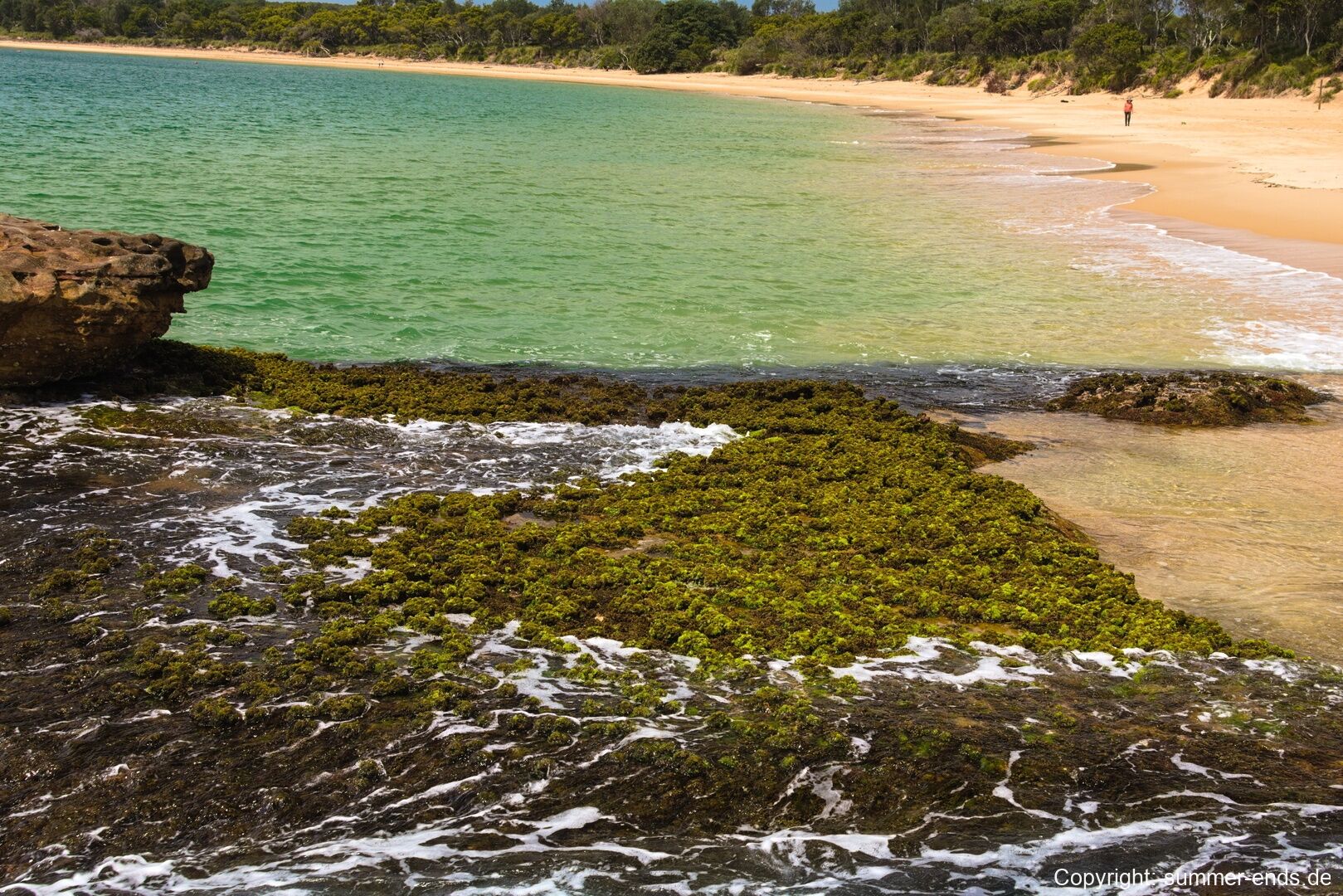
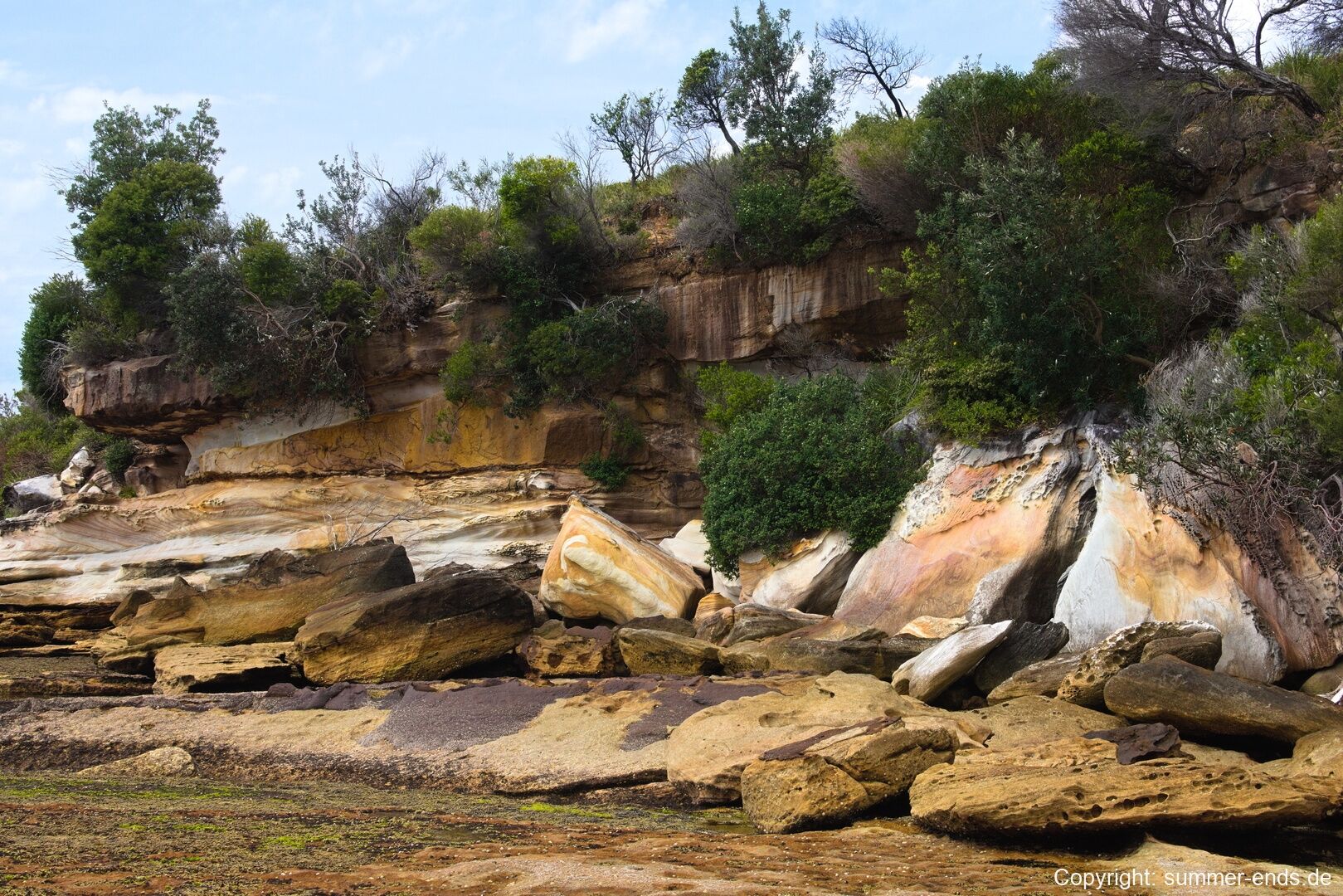
Bundeena is a small coastal settlement in the state of New South Wales, Australia, located on the southern edge of the Royal National Park, approximately 30 kilometres south of central Sydney. The village lies on Bate Bay, at the northern end of Jibbon Beach, and forms part of the Sutherland Shire local government area. Bundeena is characterized by its immediate proximity to protected national parkland, coastal environments, and sandstone plateaus. Development density is low, and the settlement has a predominantly residential and recreational character, strongly oriented toward outdoor activities, coastal landscapes, and nature-based tourism. Access to Bundeena is primarily via ferry from Cronulla or by a single road passing through the Royal National Park, contributing to its relative isolation and quiet atmosphere.
History
Prior to European settlement, the area surrounding Bundeena formed part of the traditional lands of the Dharawal people. Archaeological evidence, including rock engravings, shell middens, and stone tools, indicates long-term Aboriginal occupation and use of the coastal and forest environments for subsistence, cultural practices, and seasonal movement. These sites represent some of the most significant Indigenous cultural landscapes in the greater Sydney region.
European activity in the area began during the 19th century, initially associated with fishing, timber extraction, and small-scale agriculture. With the establishment of the Royal National Park in 1879, large-scale development was restricted at an early stage, preserving much of the natural landscape. During the late 19th and early 20th centuries, Bundeena developed as a recreation and holiday destination for residents of Sydney, facilitated by regular ferry services. Over the course of the 20th century, the village evolved into a permanent residential and holiday community with a strong emphasis on environmental conservation and cultural heritage protection.
Geology
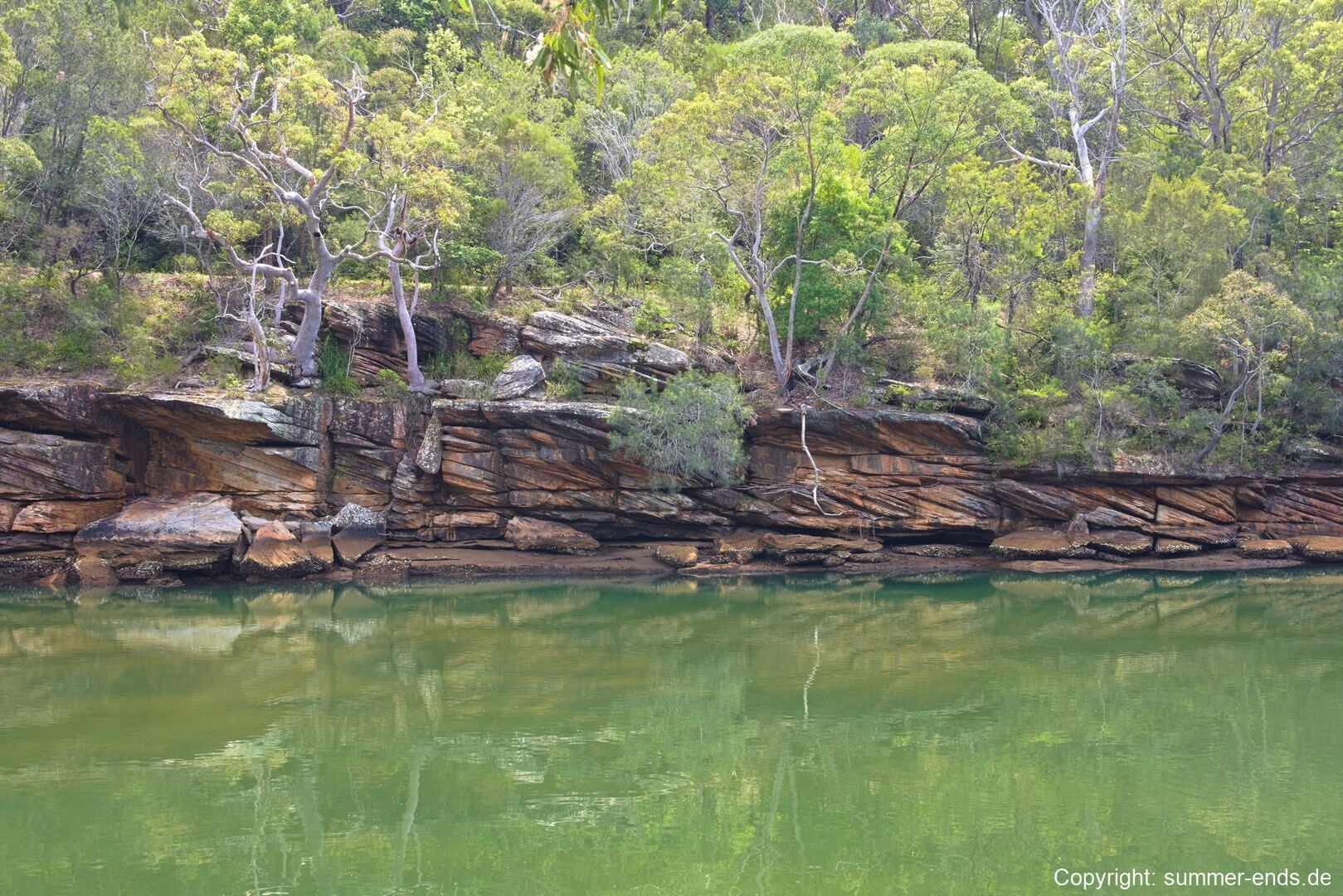
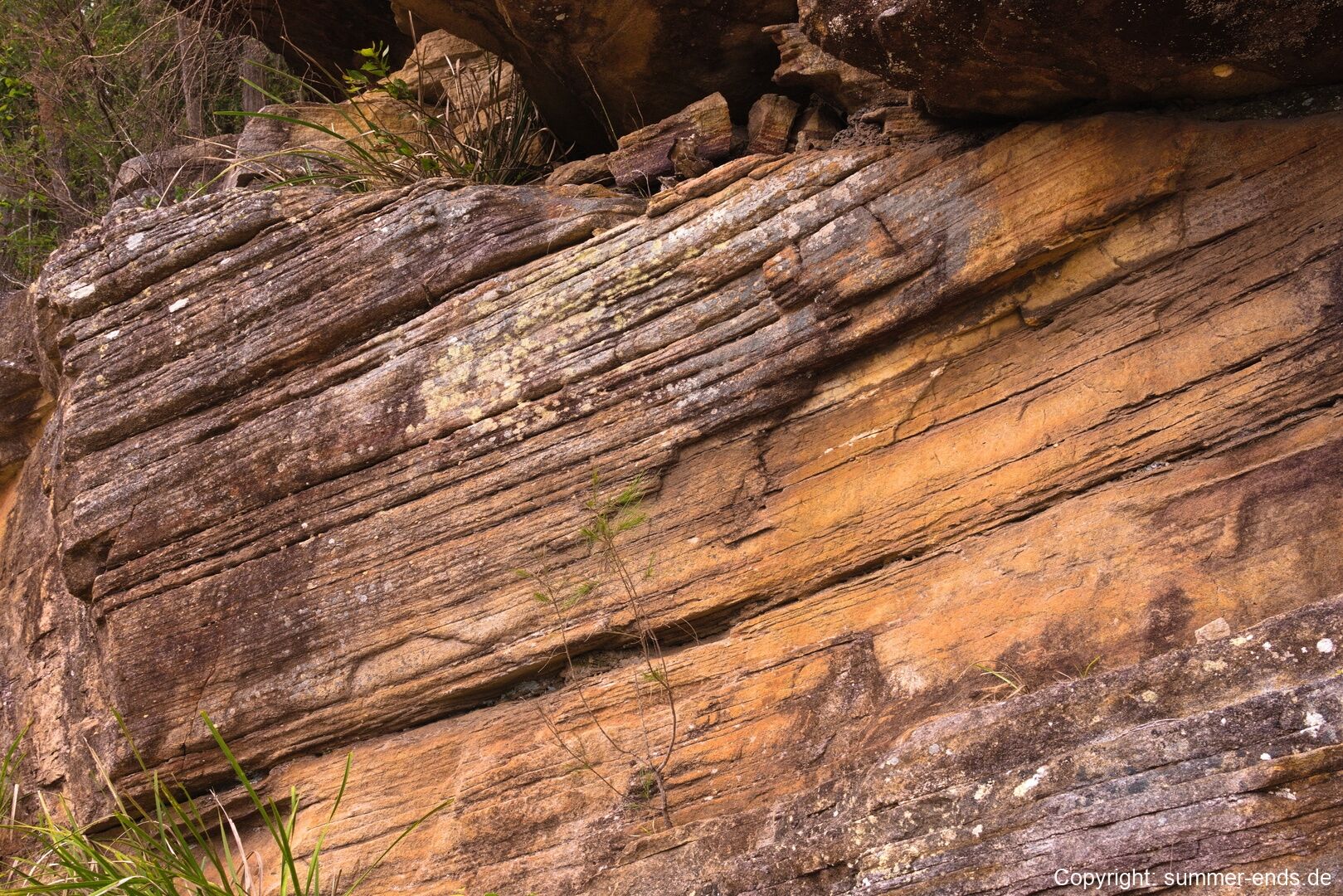
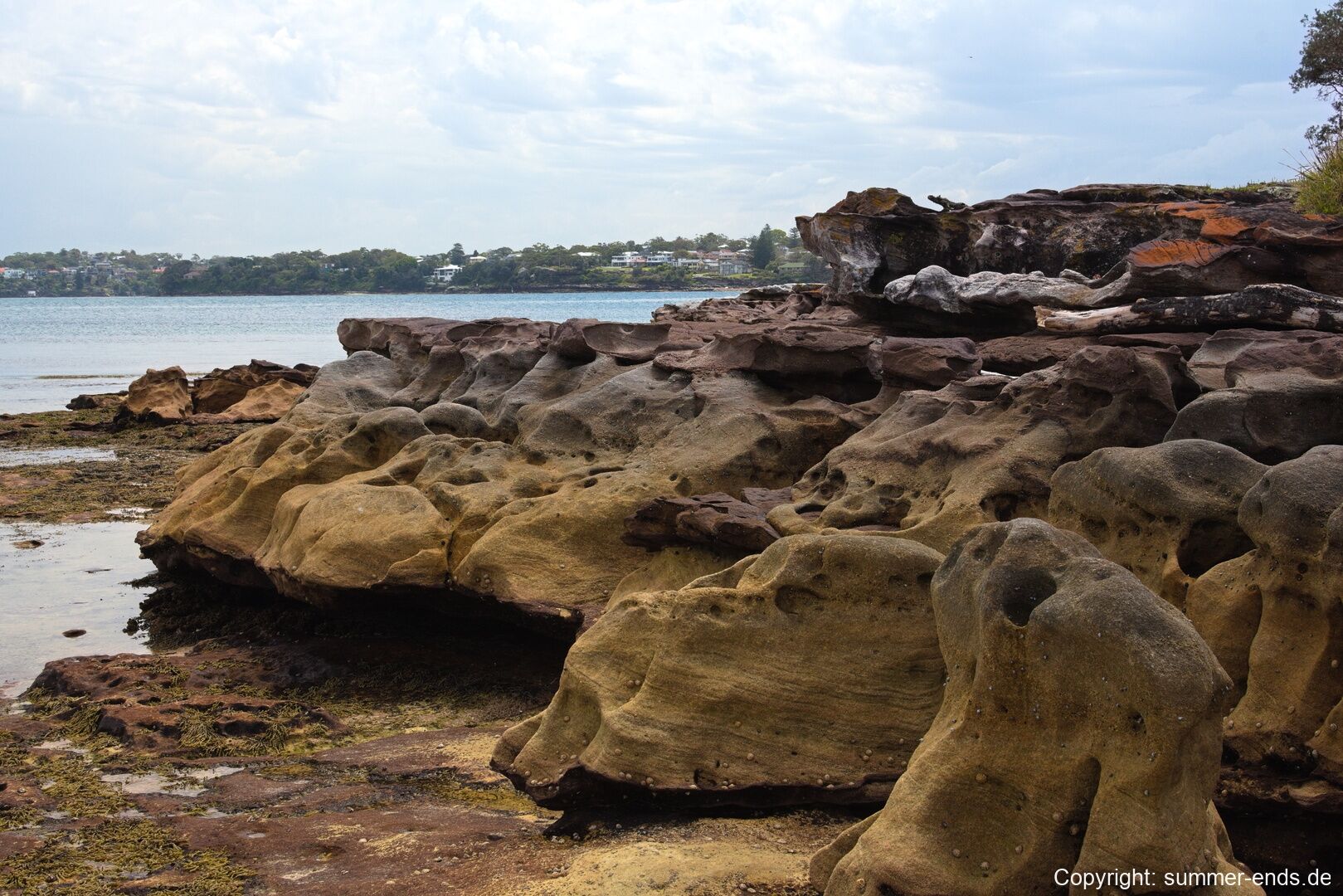
Geologically, Bundeena lies within the Sydney Basin, a large sedimentary basin composed primarily of Permian and Triassic sandstones, shales, and siltstones. The dominant geological unit in the area is the Hawkesbury Sandstone, a quartz-rich, coarse-grained sandstone deposited approximately 200 million years ago in fluvial and deltaic environments.
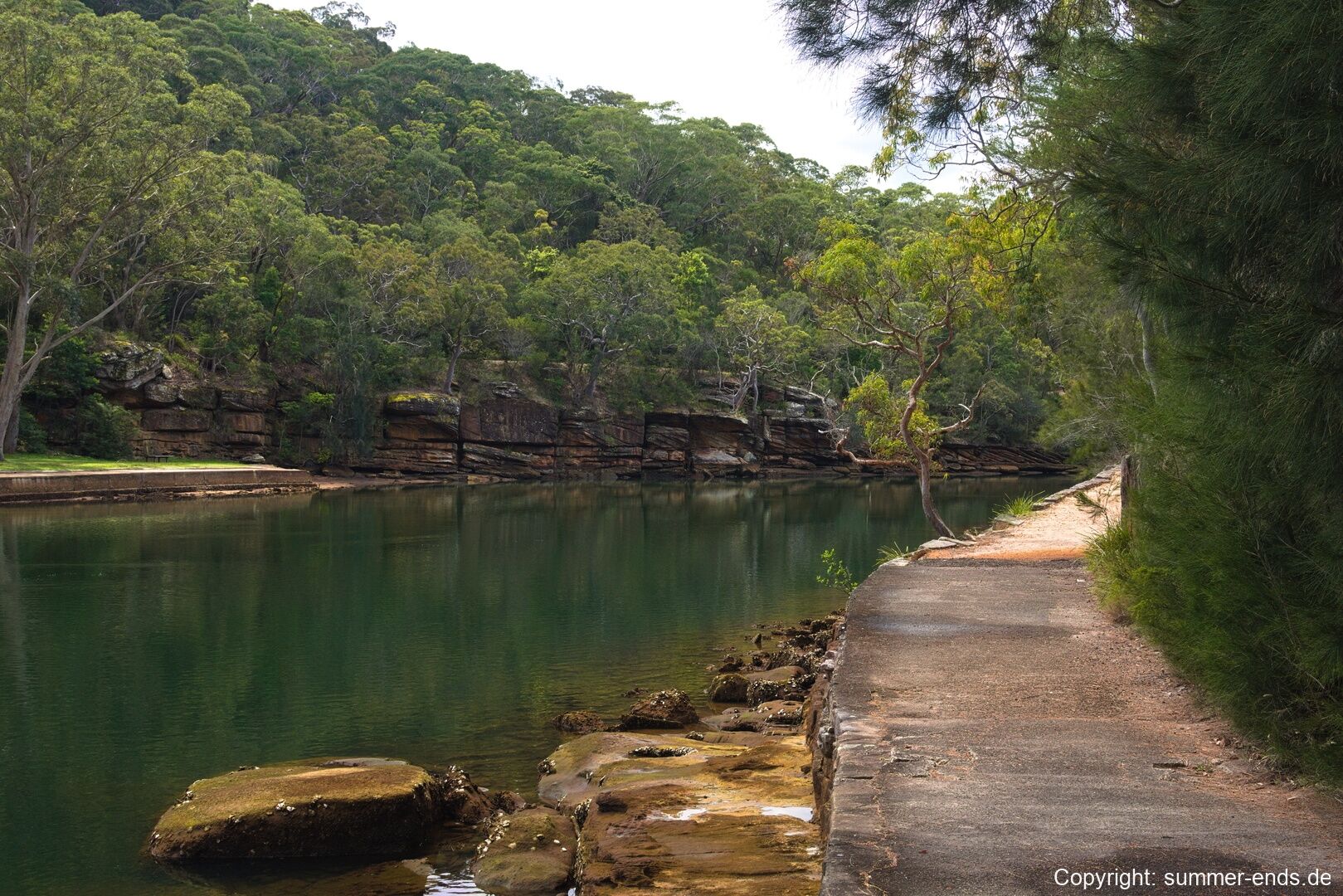
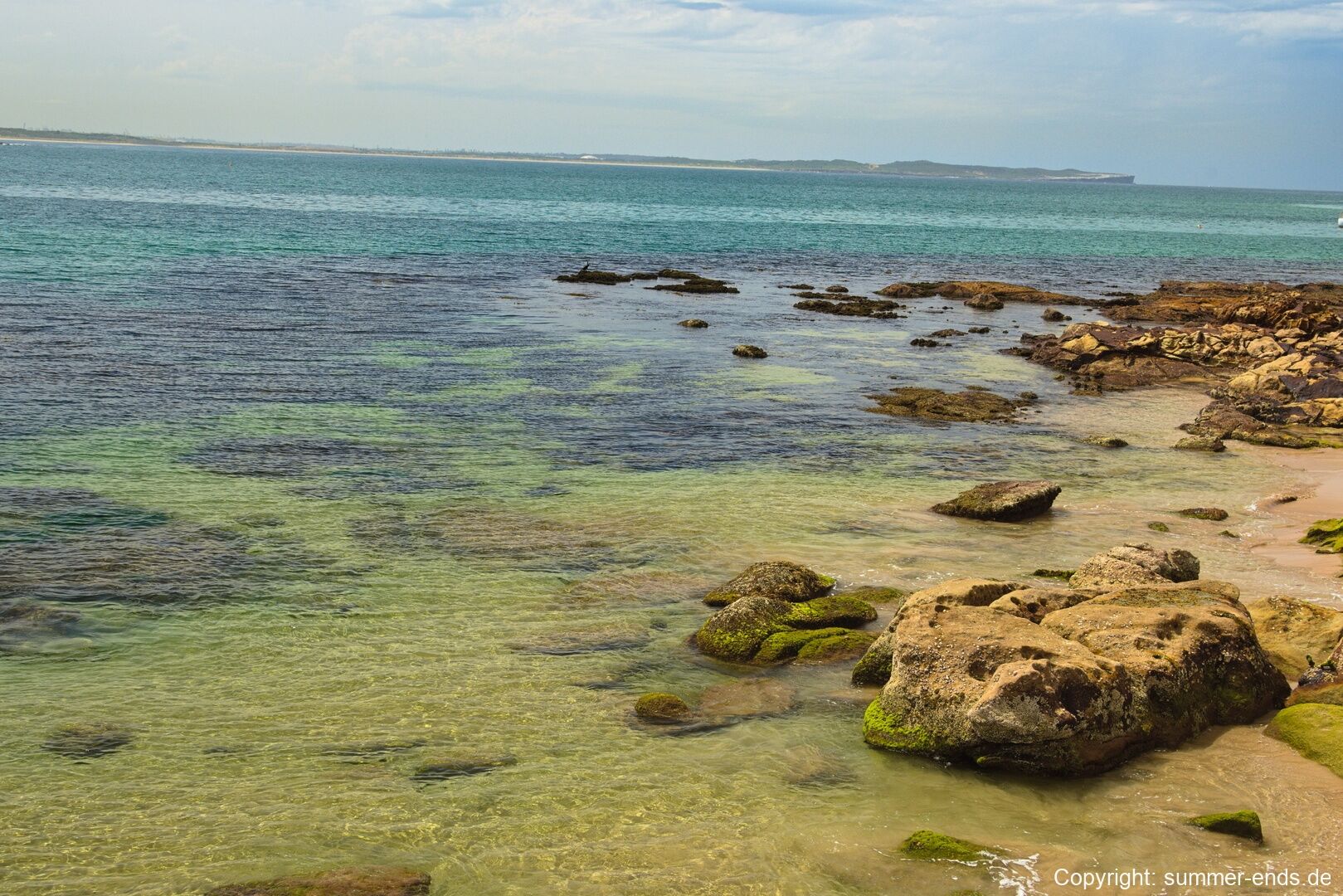
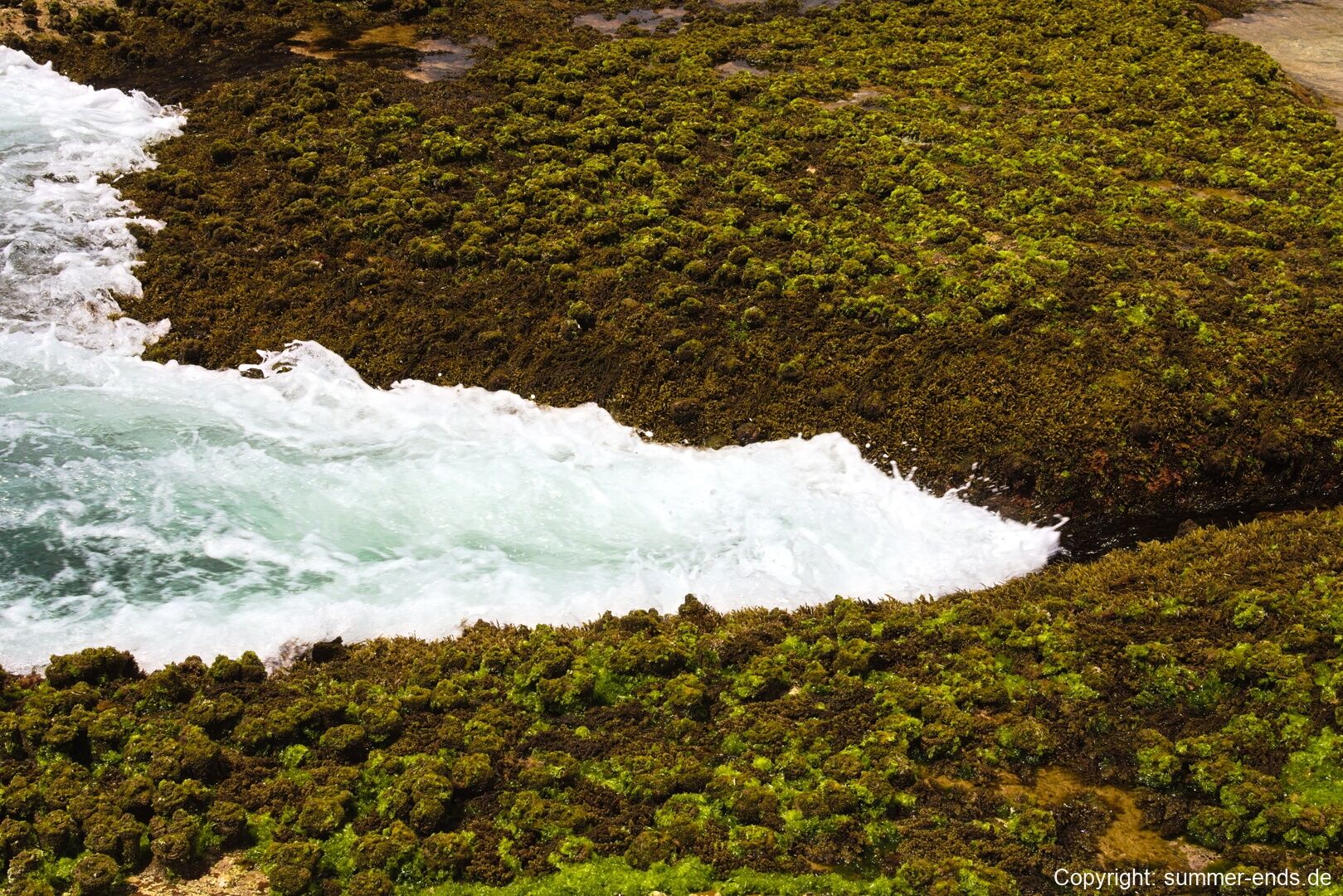
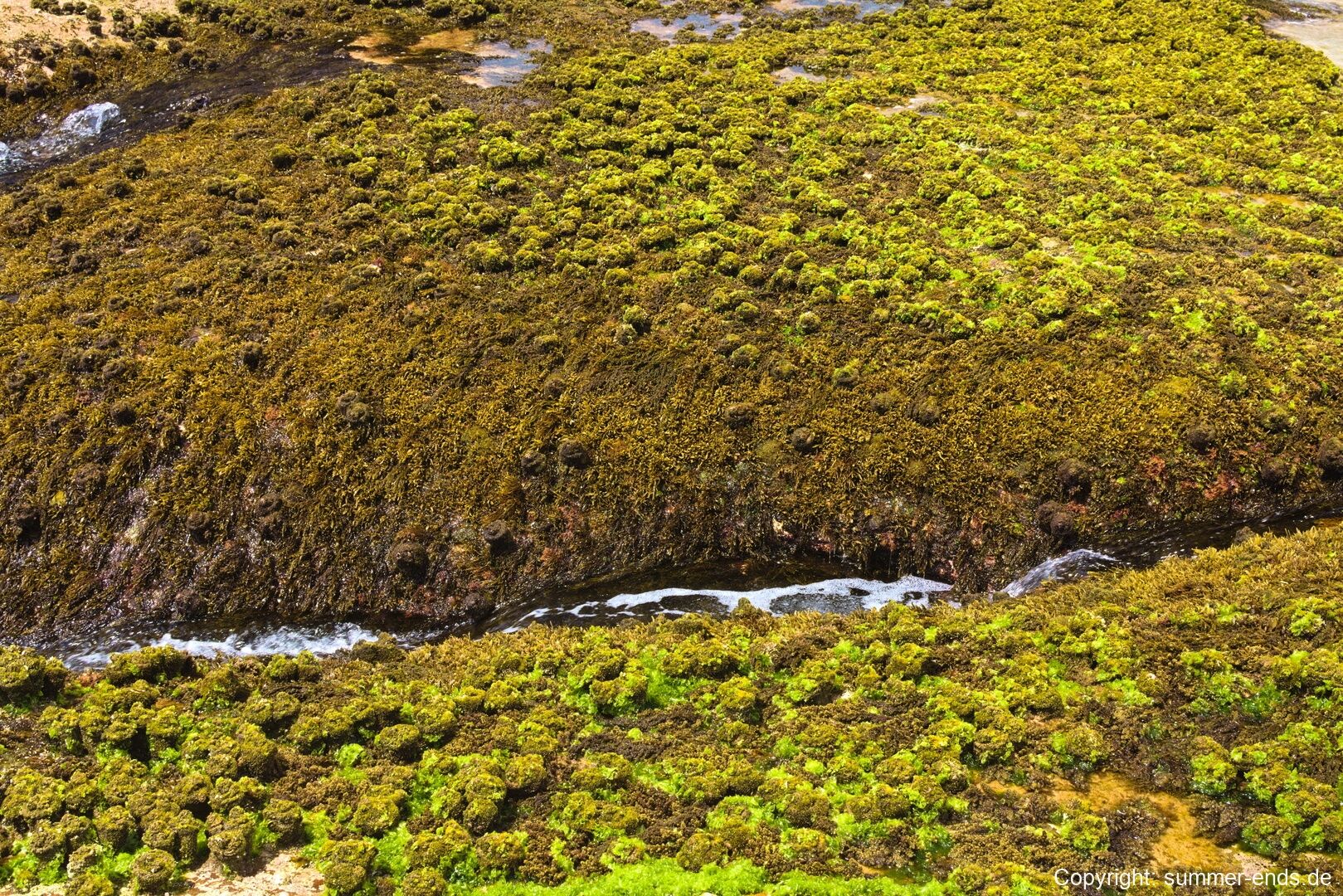
This sandstone is extensively jointed and highly susceptible to weathering, resulting in the development of steep cliffs, narrow plateaus, rock overhangs, and deeply incised valleys. Coastal erosion driven by wave action and chemical weathering shapes the beaches and rock platforms along Bate Bay. Soils derived from the Hawkesbury Sandstone are generally sandy and nutrient-poor, strongly influencing vegetation patterns and favoring heathland and open woodland ecosystems. The geological structure of the area has also provided suitable rock surfaces for Aboriginal engravings, contributing to the concentration of cultural heritage sites in the region.
Things to See
Key points of interest in and around Bundeena include Jibbon Beach and adjacent coastal sections, characterized by pale sand, rocky platforms, and expansive views across Bate Bay. Of particular significance are the Aboriginal rock engravings at Jibbon Head and along the Marley Track, which form one of the largest and most well-preserved collections of rock art in the Sydney region.
The Royal National Park offers an extensive network of walking tracks, including coastal paths, bushland trails, and plateau routes that provide insights into local geology, vegetation, and wildlife. Cliff-top lookouts afford wide views over the Pacific Ocean and the surrounding sandstone landscapes. The small village centre of Bundeena, including the ferry wharf and nearby cafés, serves as a gateway to the national park and coastal walking routes, making the area a focal point for nature-based exploration and cultural appreciation.