
I got up again around 08:00. The night had become quite cold, especially in a room without any heating. I hadn’t really expected that. In the otherwise orderly hotel there was already a lot going on, and the noise from inside was joined by the sounds from outside.
First I checked out with the old, painfully slow man at the reception and then walked a few meters to the left of the Royal to have my usual breakfast: strong coffee with plenty of milk and an omelette. Sitting comfortably by the street with cigarettes and coffee, watching the surroundings, I noticed a car rental across the road, which made me think that I should at least ask about the prices.
I gathered my things and crossed to the other side of the street. A sign on the door informed me that there were no cars left to rent. Directly opposite, however, I spotted another rental agency in a side street. As usual, I hesitated briefly because I still had a cigarette in my hand—but the rental agent came out immediately and invited me in. That was completely unexpected. An ashtray was placed in front of me right away, and I explained what I was looking for.
He still had a car available; now it was just a matter of details. I wanted the car for 48 hours, planning to spend one more night in Ouarzazate and then return to Marrakech by bus. The total cost was about €60, which I found reasonable, especially since it would give me much more freedom.
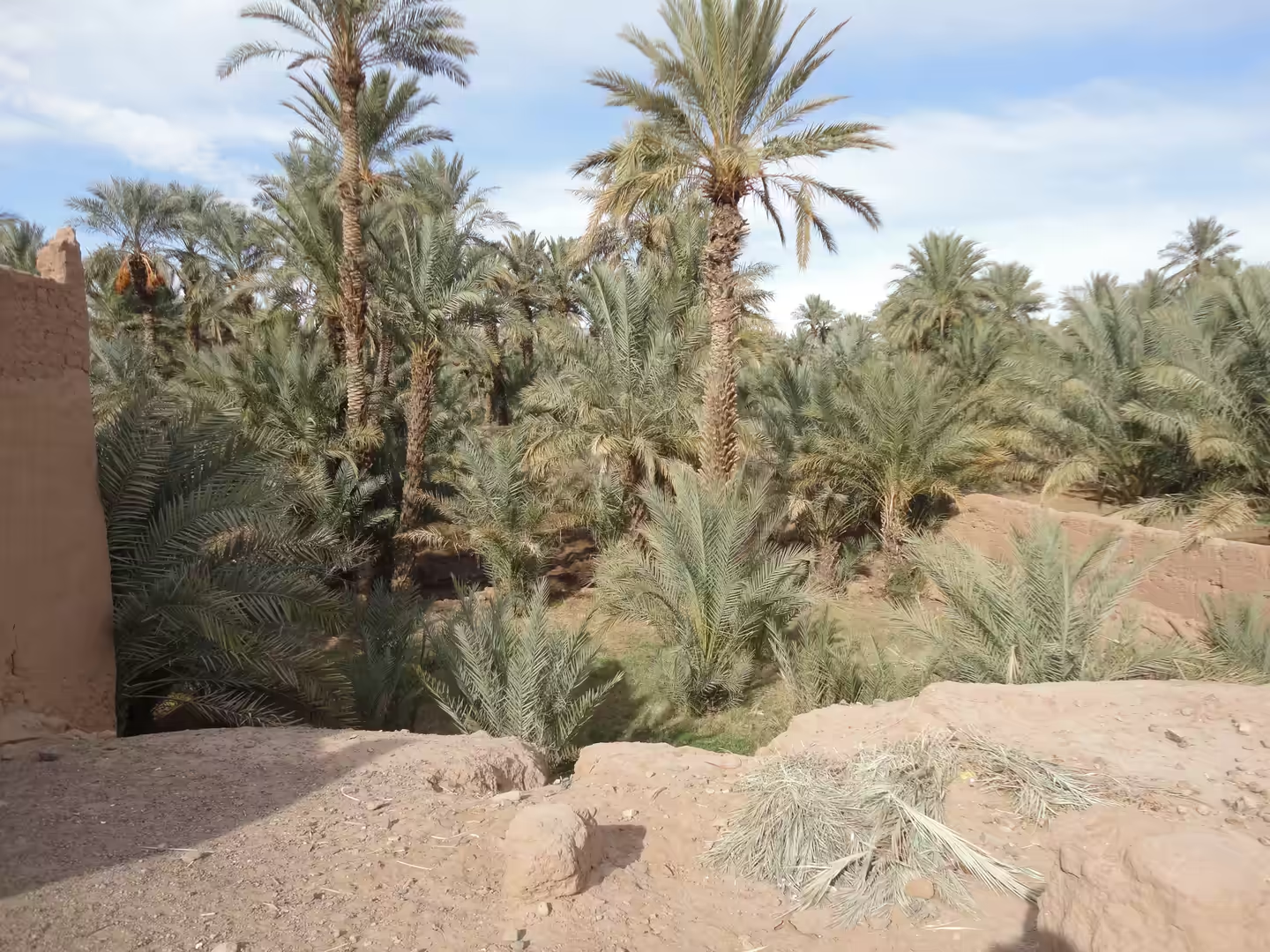
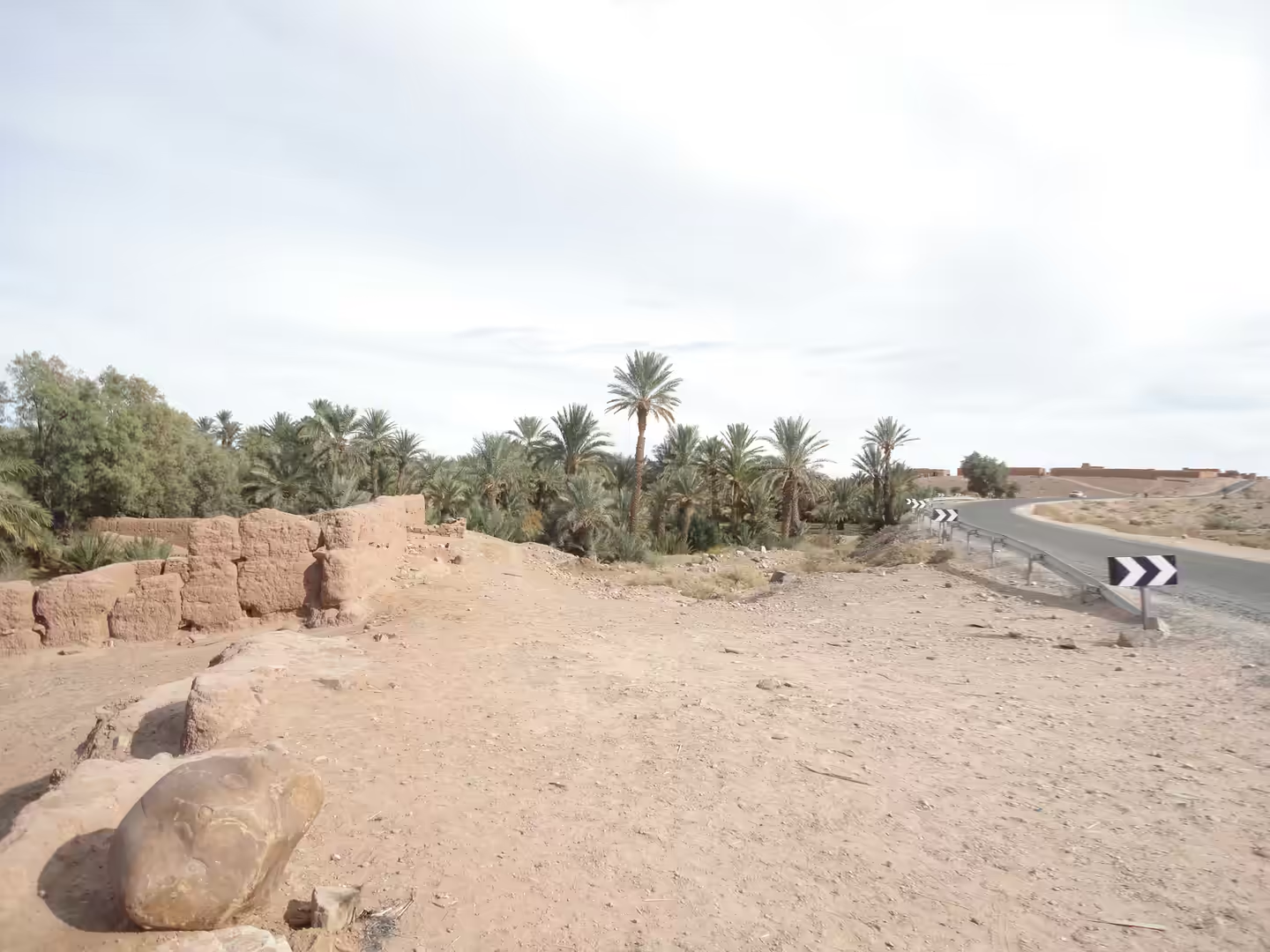
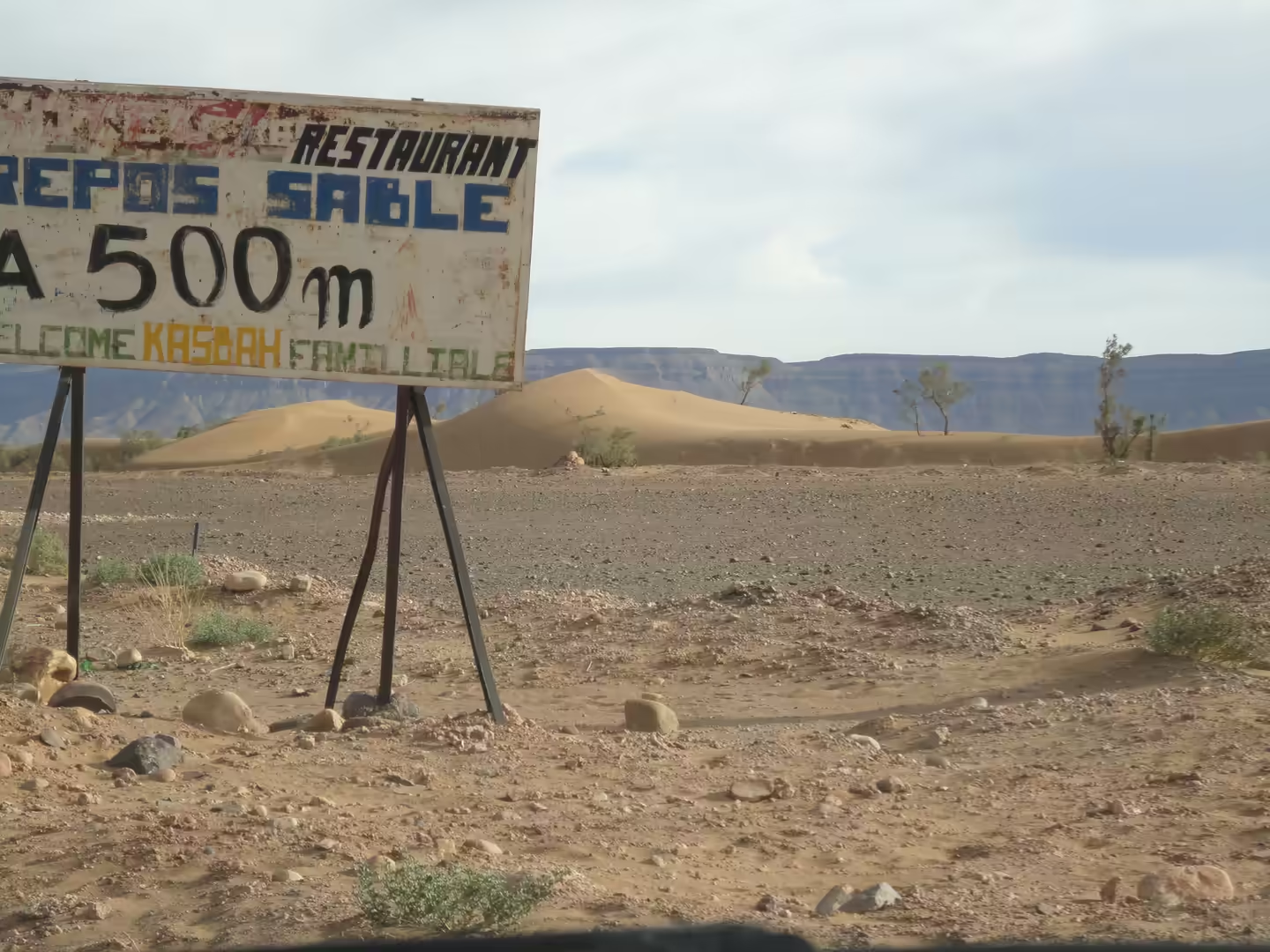
After completing the formalities—including a credit card deposit—I went out to inspect the car for dents and damage. Normally I expect one or two scratches, but this vehicle had quite a list. The car itself was incredibly small, and throughout the entire process I had no idea what brand or model it was, as there was no name or logo anywhere. I even wondered whether I would be able to drive it properly.
Shortly before 10:00 everything was done. I threw my backpack onto the back seat and set off. At first, driving such a small car felt strange, but I quickly got used to it. Everything worked fine. I drove through the city toward the Sahara.
I didn’t actually intend to go all the way to Zagora. The plan was to drive in that direction as far as I felt like it, then turn back and look for a place to stay somewhere along the way. I left Ouarzazate through the newer part of town, crossed the Draa River, and climbed over a hill out of the city. The landscape became increasingly appealing.
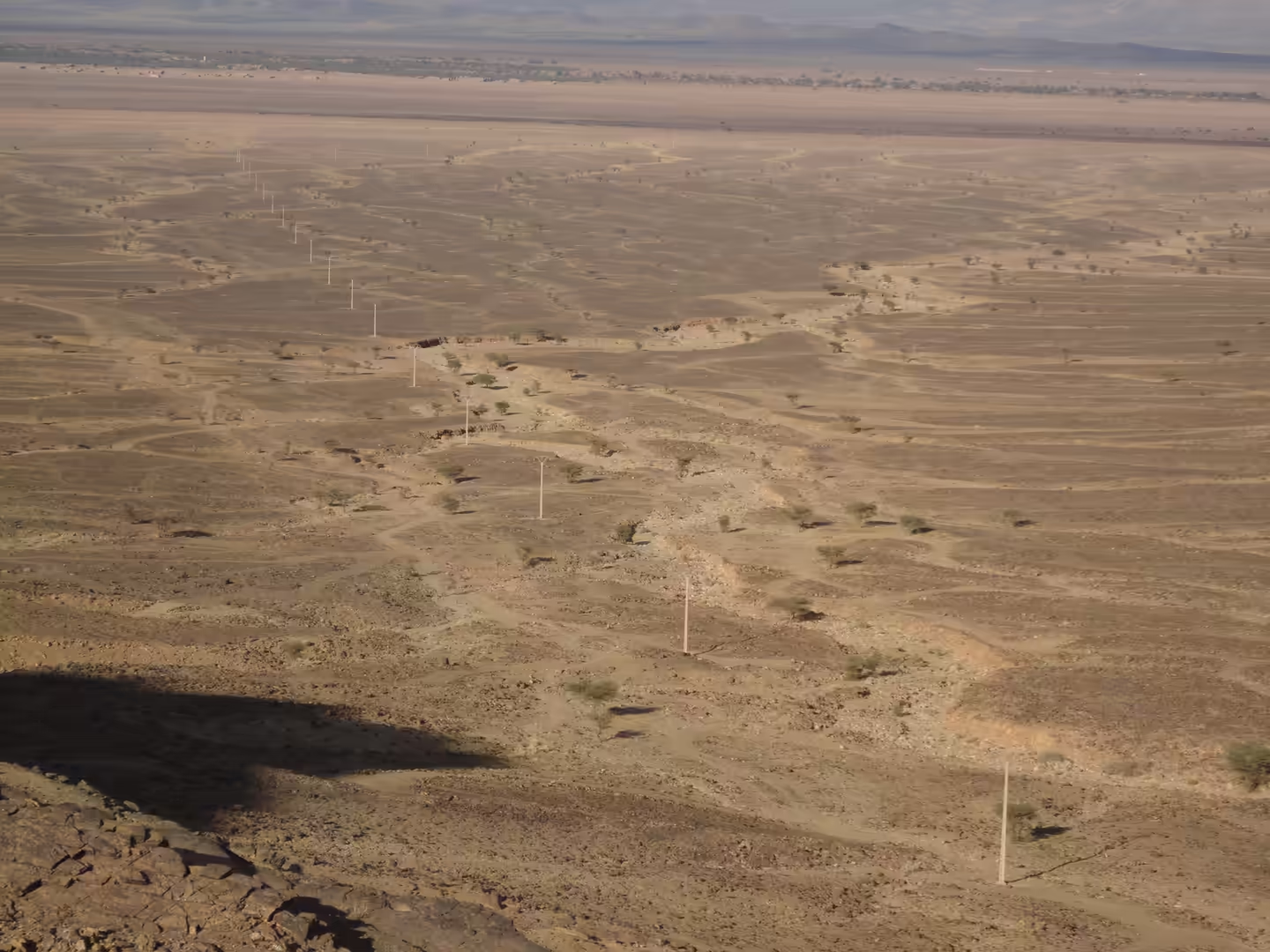
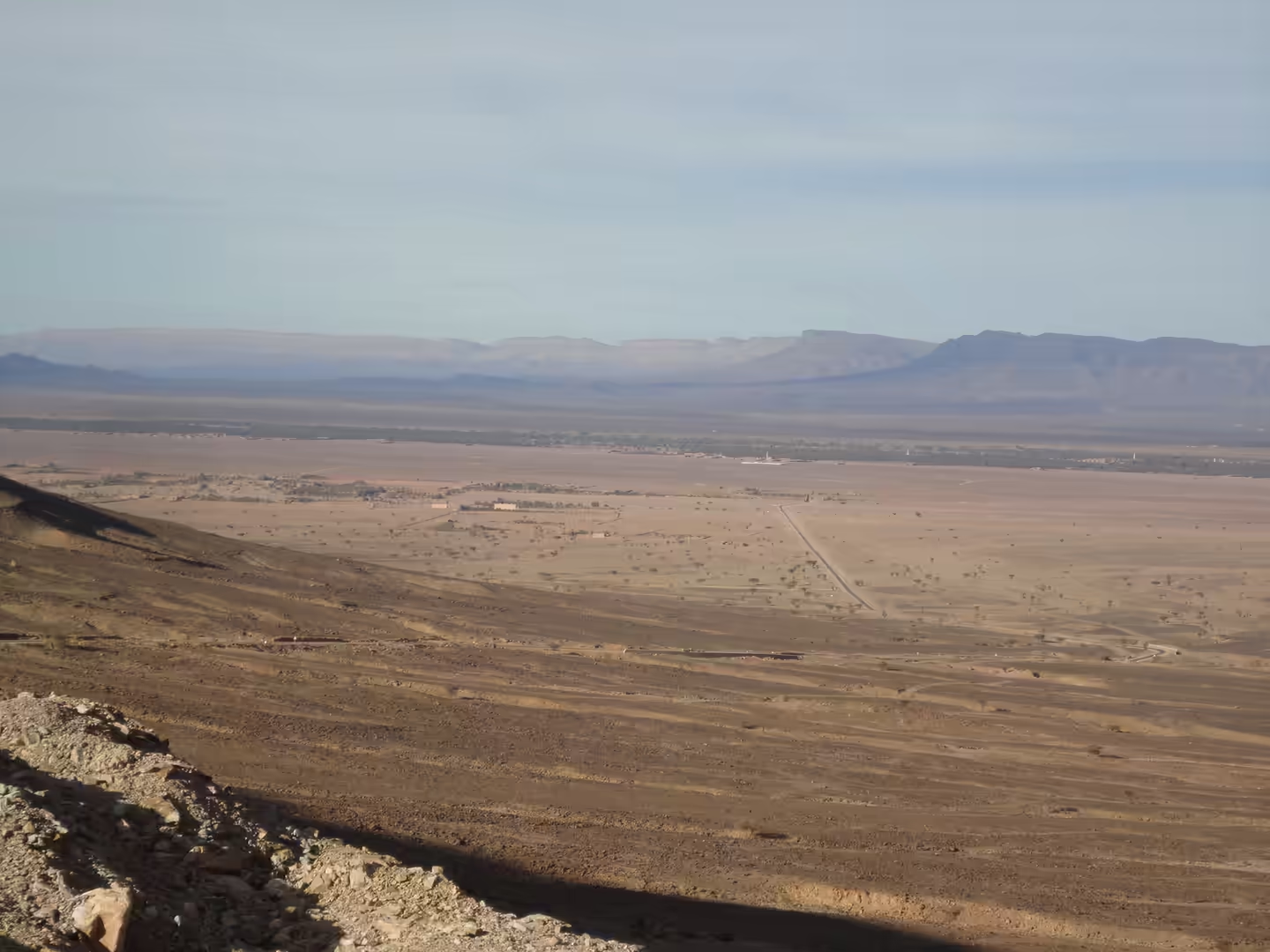
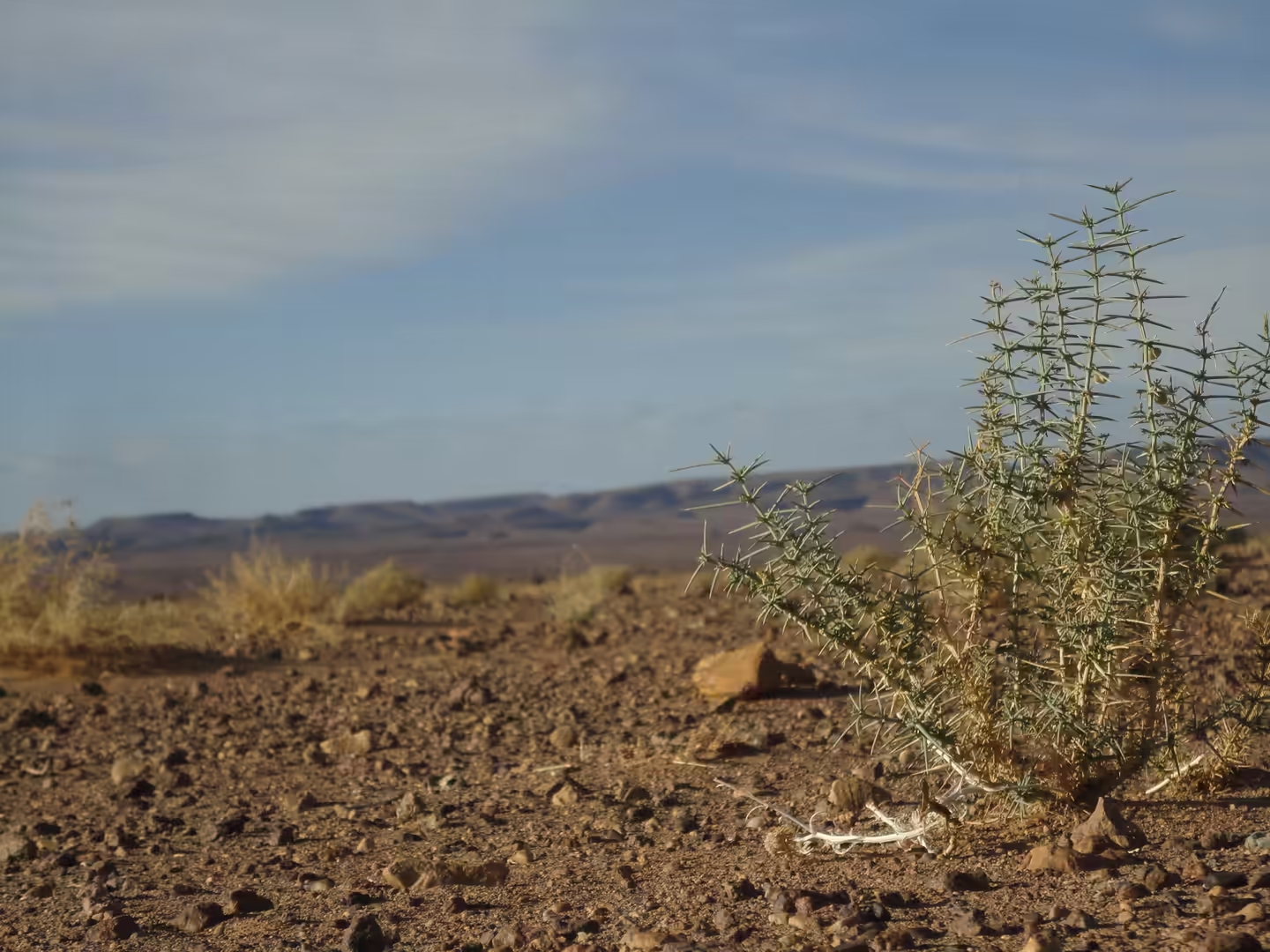
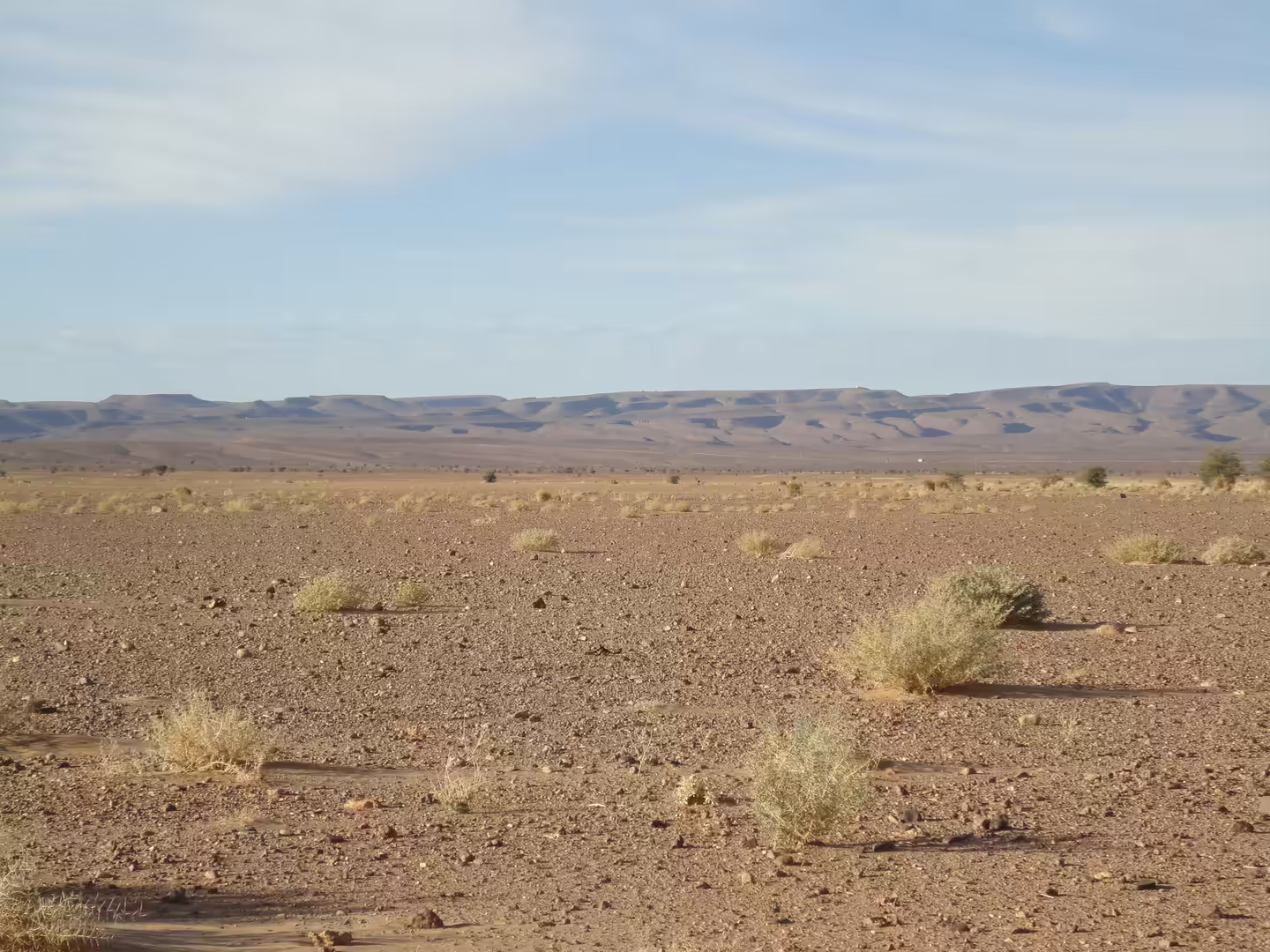
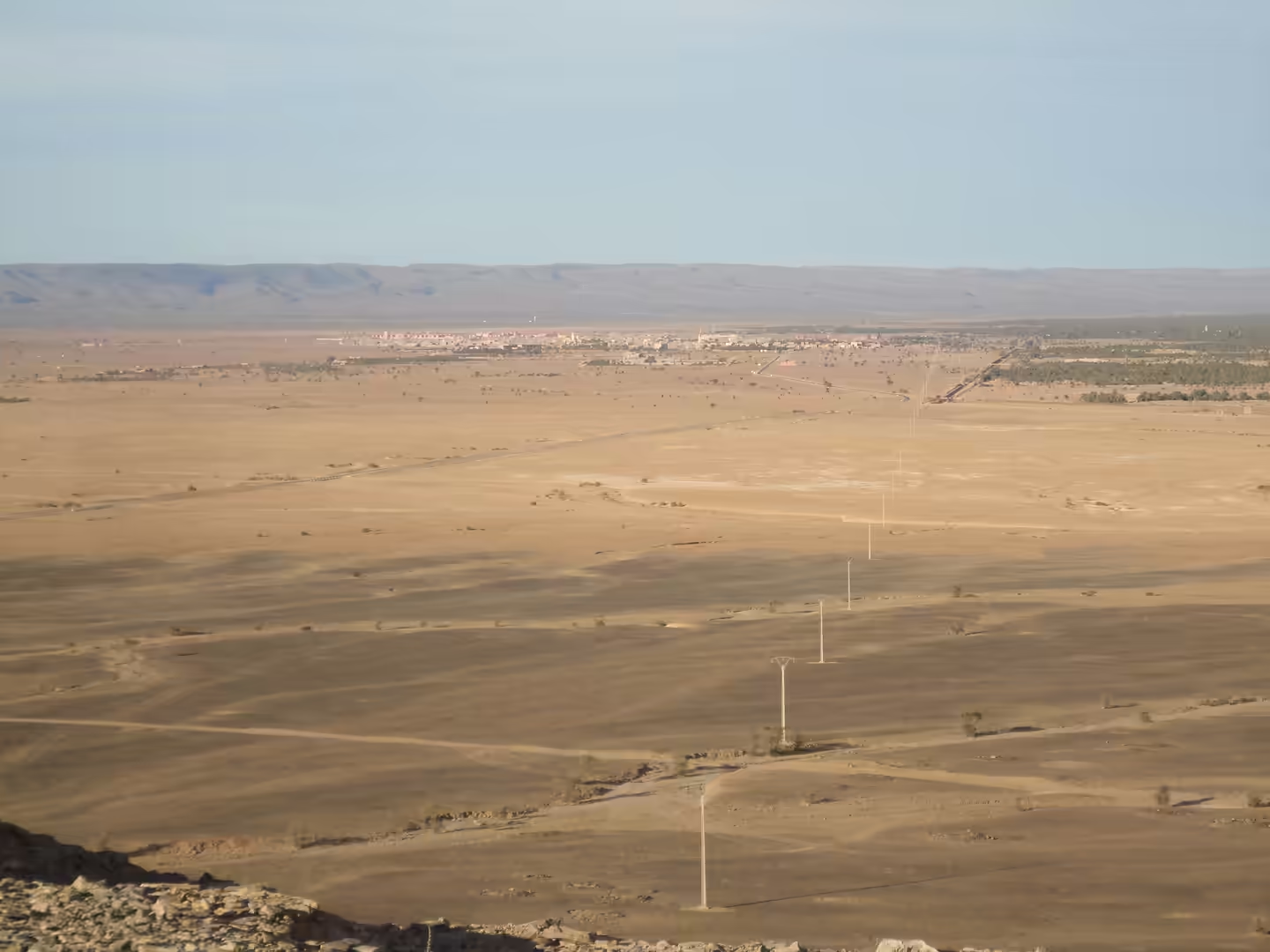
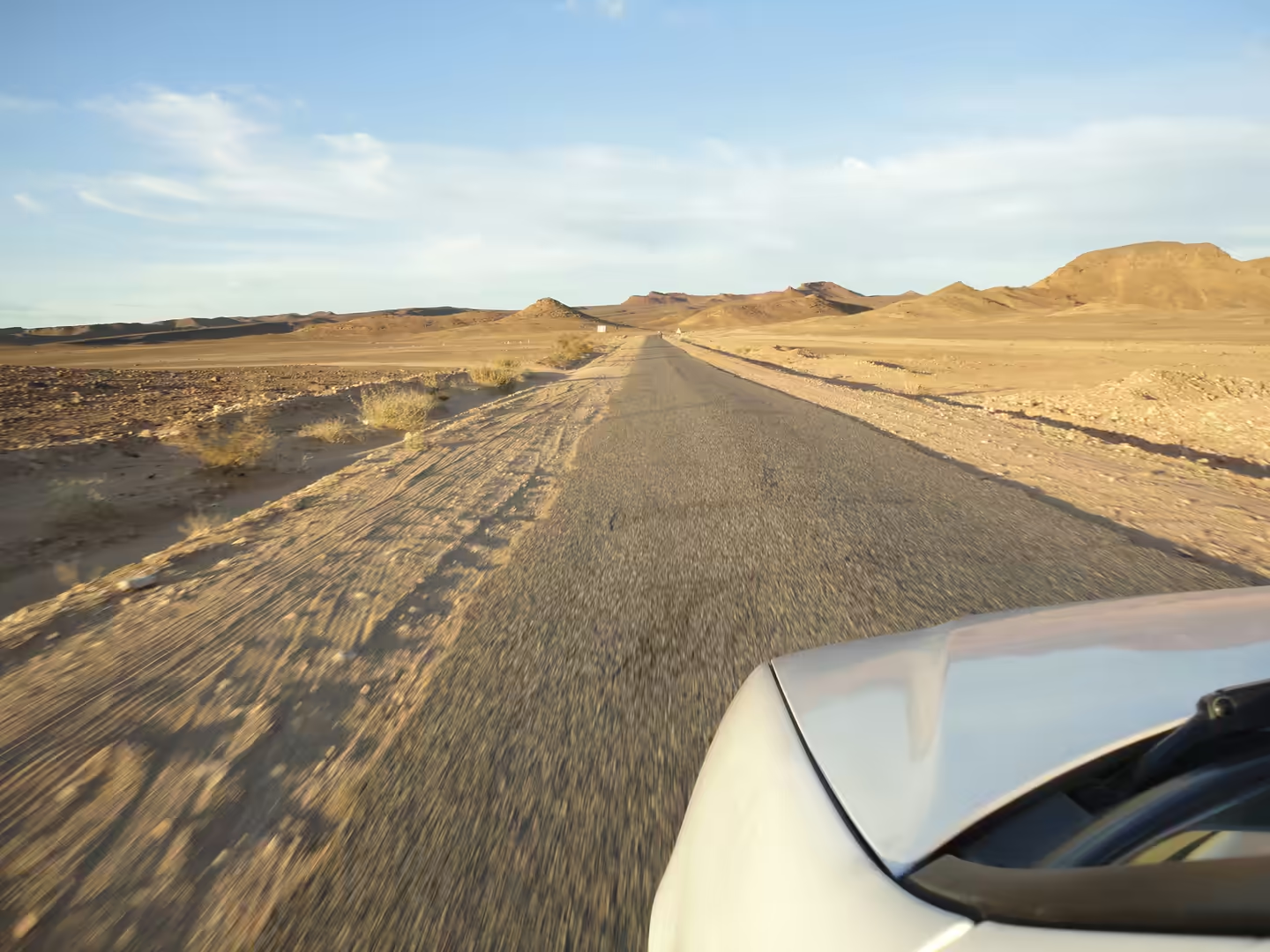
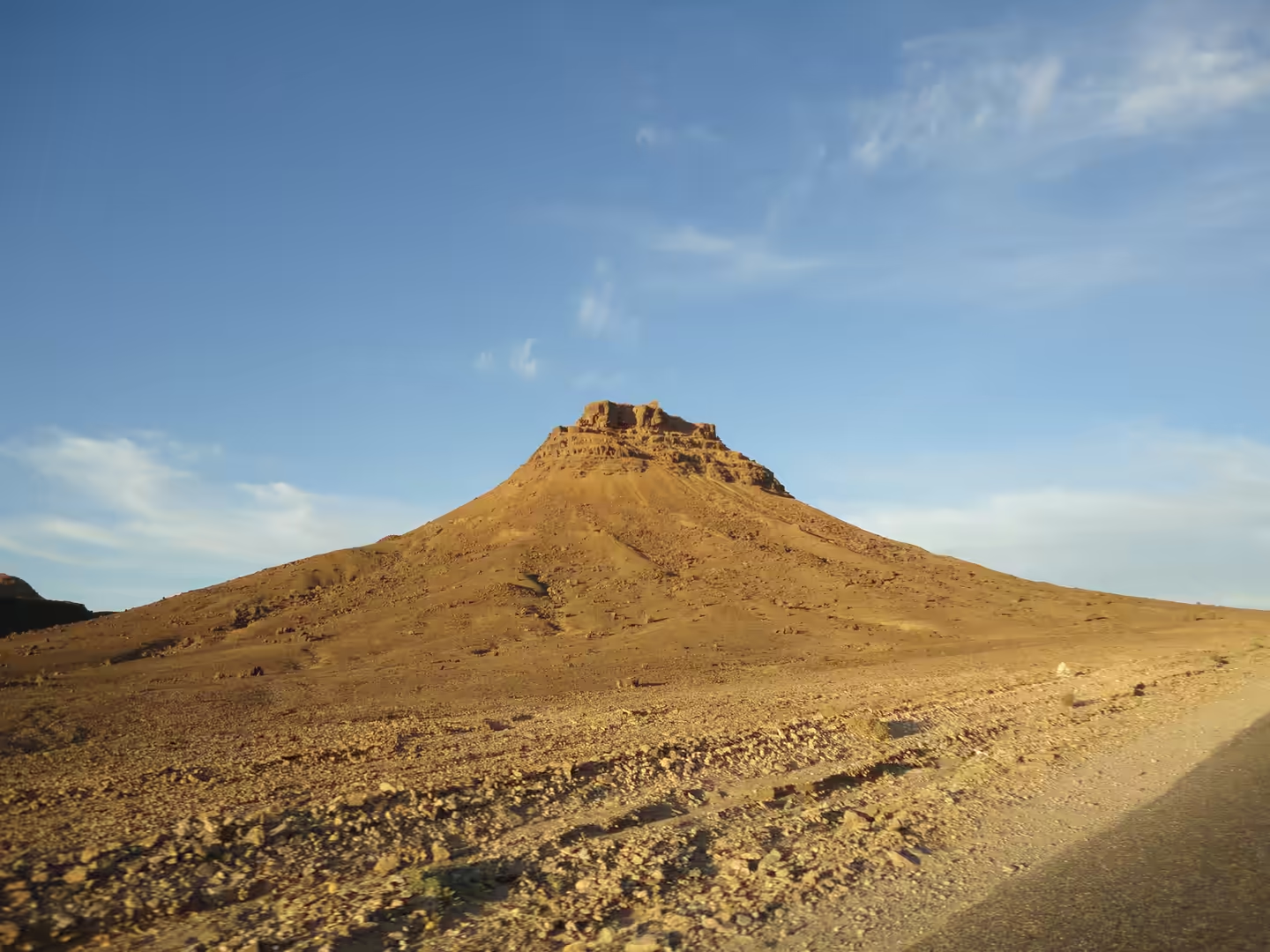
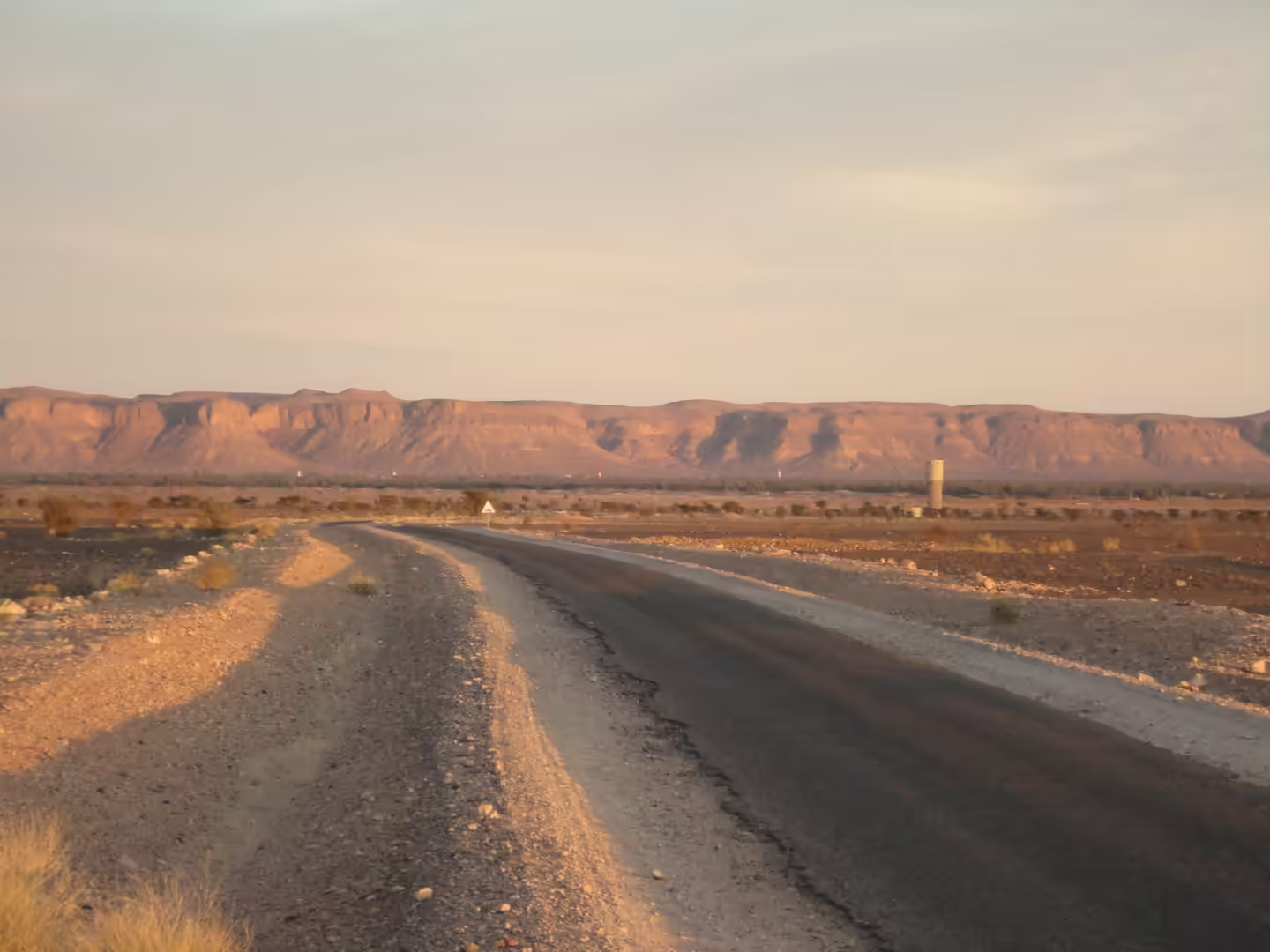
Low hills appeared, and the road followed the Draa—sometimes close to the river, sometimes farther away. Apart from the river valley itself, there was hardly any vegetation. Near Ouarzazate the river was still about ten meters wide, but it grew narrower and narrower as the journey continued. At times the road led across higher, dry ground, far from the river.
After about an hour of driving on an excellent road, I saw a broken-down car on the left and two men standing beside it. One approached me and said he needed to fetch a part from the next village, which was supposedly only ten minutes away. The road led down from the plateau via beautiful serpentines into a small village. From the start I suspected that his story wasn’t entirely true, but I had time and was curious to see what would happen.
We stopped in the small town—Ait Saoun, or something similar—in front of a carpet shop. At that point everything was clear, but I decided to go along with it, away from the hustle and bustle. Inside the spacious shop hung all kinds of carpets, and an elderly man was waiting for us. He spoke surprisingly good English, so communication was easy.
I was asked to sit down and was offered extremely fresh-tasting dates and an ashtray. The man asked what kind of carpet I was looking for. I looked around and pointed to one, making it clear from the beginning that I didn’t really intend to buy anything and just wanted to look. He ignored that as best he could.
In the end, I found one carpet visually appealing—a thin, light piece, something like a prayer rug. It was light enough to fit easily into my backpack. He told me all kinds of stories about it, some of which were probably exaggerated. The carpet was supposedly made of dromedary hair—not camel hair, he emphasized—and came from Timbuktu.
He explained the symbols woven into it in great detail. They were clearly hand-embroidered with silk, which he demonstrated by briefly touching one thread with my cigarette to prove it wasn’t synthetic. The price was €200, which I had no intention of paying.
I reached into my pocket and showed him the 200 dirhams (€20) I had. He tried to explain how we could still make a deal, even though I insisted I didn’t want a carpet and had only that amount. He assured me that credit cards were no problem—even here in the desert.
When I finally stood up to leave, he agreed. I gave him the 200 dirhams and, as an extra, a pack of 100 aspirin tablets (99 cents in the US). I felt slightly guilty afterward, but he would never have agreed if he hadn’t made a profit, and nothing dishonest had happened. Over time, I actually grew to like the carpet more and more.
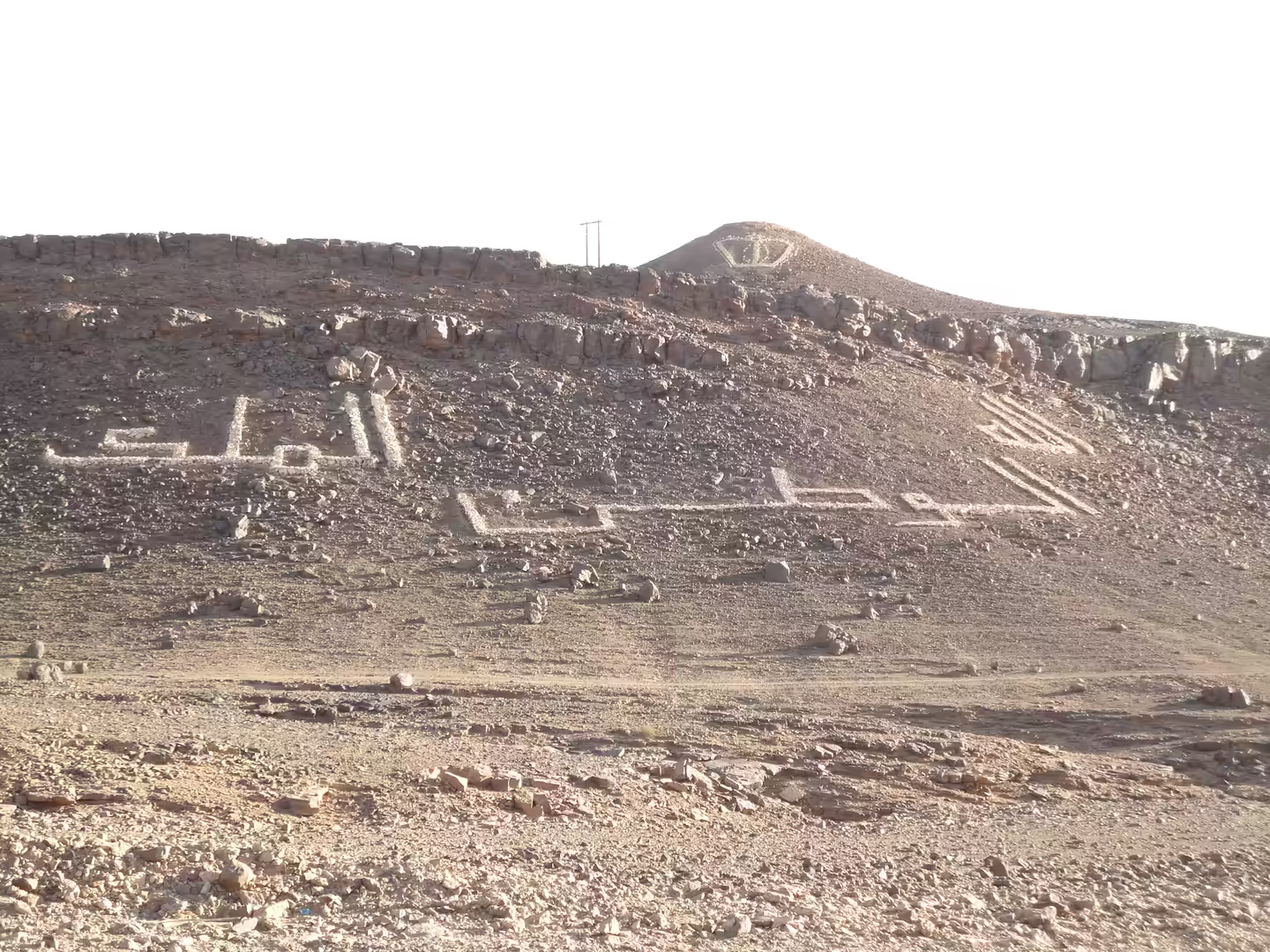
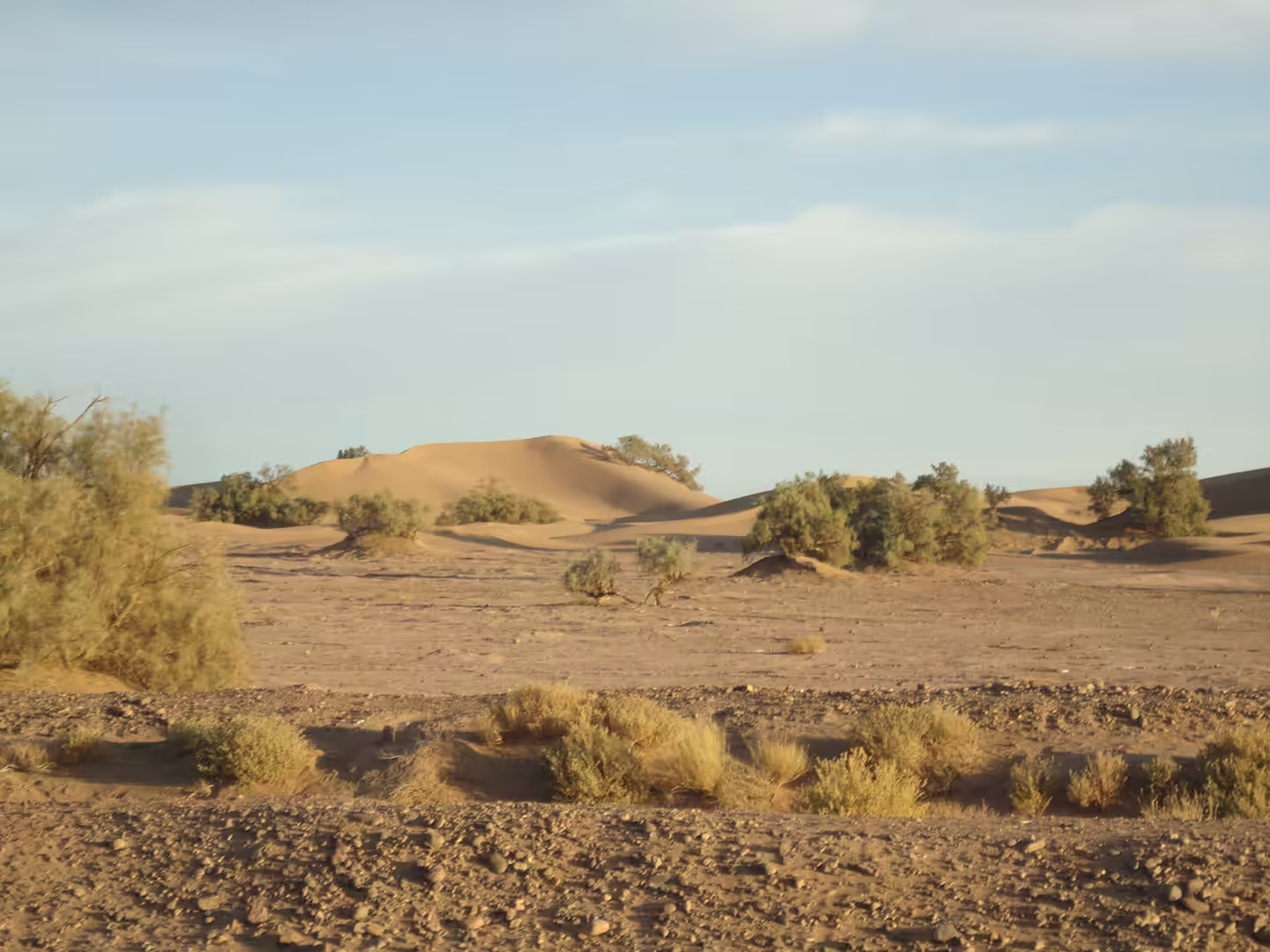
By then it was already almost 14:00, so I pressed on. The landscape turned into rocky desert and oases as I continued southeast. At first it felt strange to see hardly any people on the road and almost no motorized traffic. But in even the smallest villages there was always intense activity.
People walked across the road, donkey carts stood by the roadside or right in the street, children, dogs, donkeys, chickens, sheep, and market stalls filled the space. Coming from the calm glide through the desert, this sudden chaos was always a bit shocking. Much of it stemmed from the informal traffic rules, which are initially incomprehensible to Europeans.
At first you assume there are rules and signs. Then you realize they are largely ignored. Eventually, you begin to understand the real system. As others had told me before, everyone in North Africa pays attention to everyone else. That sounds odd at first, but it’s true. This becomes especially clear through the frequent and seemingly strange use of the horn. Most of the time it simply means: Attention, I’m coming from behind. Before overtaking someone, you honk to warn them—often depending on the size of the vehicle.