








The Grande Traversata delle Alpi (GTA) is a long-distance hiking route that crosses the western Italian Alps from north to south, following a network of historic mountain paths. Extending for approximately 1,000 kilometers, the route runs through the Piedmont region, connecting high alpine passes, remote valleys, and small mountain villages rarely visited by mass tourism.
The GTA is not a single engineered trail, but a carefully assembled itinerary that links traditional footpaths used for centuries by shepherds, traders, and local communities. It emphasizes continuity of landscape and culture rather than individual landmarks. Walkers experience gradual transitions in terrain, climate, and vegetation as the route moves from high alpine environments toward lower, more Mediterranean-influenced regions.
Accommodation along the GTA is intentionally modest and locally based. Instead of large alpine huts, hikers stay in posto tappa, small guesthouses, family homes, agriturismi, and village inns. This structure keeps the route deeply connected to local life and encourages sustainable, low-impact travel.
History
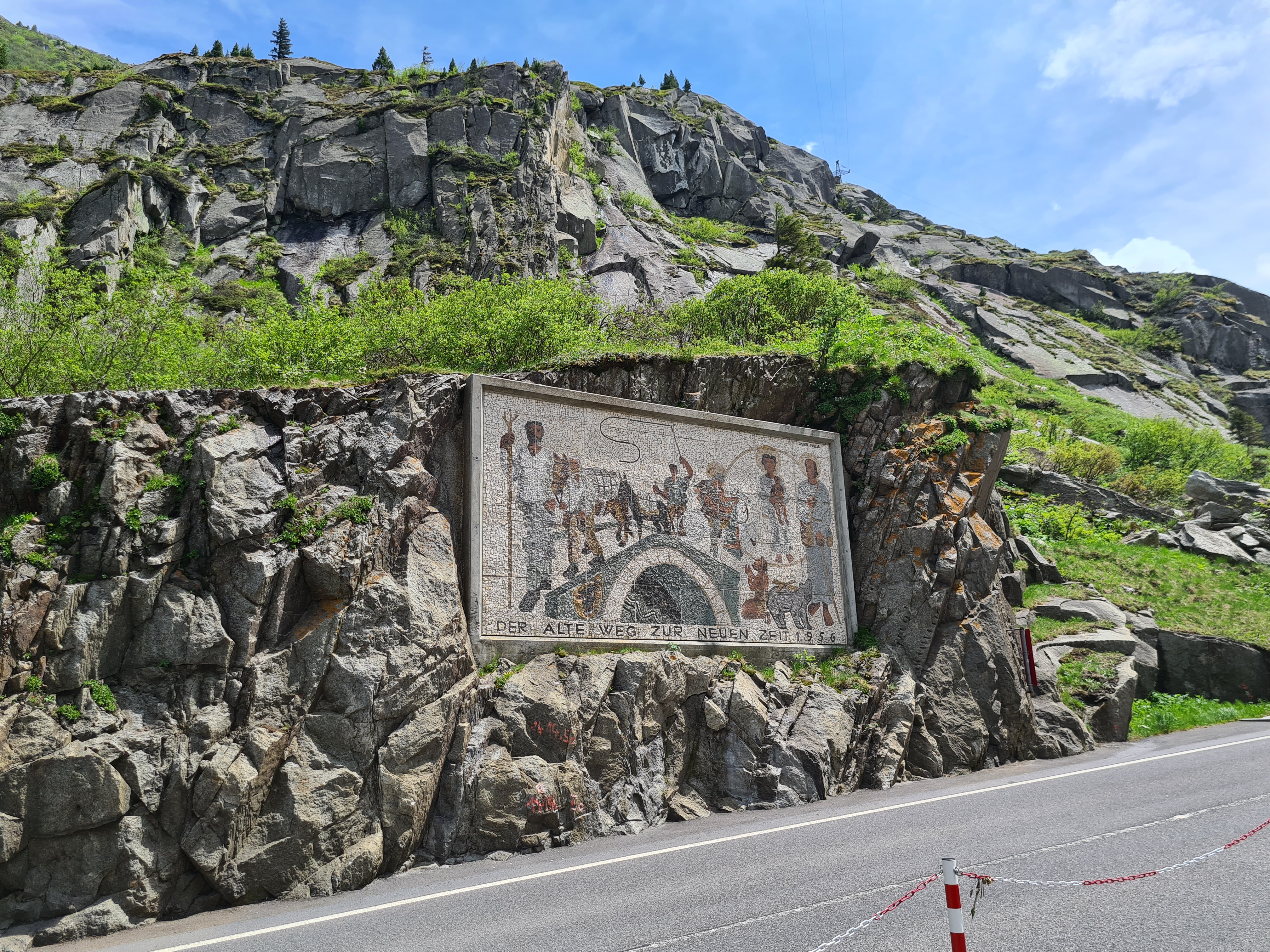
The historical foundation of the GTA lies in the human geography of the Alps. Long before modern hiking routes existed, alpine valleys were interconnected by footpaths essential for survival. These routes enabled seasonal livestock migration, exchange of goods, religious travel, and communication between isolated settlements.
As industrialization and urban migration accelerated in the 19th and 20th centuries, many of these mountain paths fell into disuse. Villages depopulated, and traditional alpine economies declined. The GTA emerged in the late 20th century as a response to this trend, aiming to preserve cultural landscapes by giving them renewed relevance through walking tourism.
Rather than reshaping the mountains to suit hikers, the GTA invites hikers to adapt to the mountains. This philosophy distinguishes it from more commercial alpine routes and gives the trail its distinctive character rooted in authenticity, effort, and respect for place.
Geology
The western Alps traversed by the GTA are among the most geologically complex regions in Europe. They were formed by the collision of continental plates, which caused intense folding, uplift, and metamorphism. Over millions of years, erosion sculpted the dramatic relief seen today.
Along the route, hikers encounter a wide spectrum of geological formations, including:
- Crystalline massifs of gneiss and schist
- Sedimentary limestone zones with cliffs and karst features
- Glacial landforms such as cirques, moraines, and U-shaped valleys
These geological differences influence the shape of valleys, the steepness of passes, and the distribution of vegetation and settlements. The trail often follows natural geological corridors that have guided human movement for centuries.
Landscape and Natural Environment
The landscapes of the GTA change continuously. Northern sections are dominated by high-altitude terrain with open alpine meadows, rocky slopes, and expansive views. Central sections pass through forested valleys, terraced hillsides, and grazing land shaped by long-term human use.
As the route continues south, elevations gradually decrease and the environment becomes warmer and drier. Chestnut forests, mixed woodland, and sun-exposed slopes signal the transition toward the Ligurian and Mediterranean regions.
Wildlife is typical of the western Alps and includes ibex, chamois, marmots, foxes, and birds of prey. Plant life varies strongly with elevation and exposure, making the GTA especially appealing to walkers interested in alpine ecology.
Things to See
The GTA does not rely on singular attractions but offers a continuous sequence of meaningful experiences:
Alpine Scenery
- Remote high-mountain passes
- Broad glacial valleys and narrow gorges
- Alpine lakes and ridgelines
Cultural Landscapes
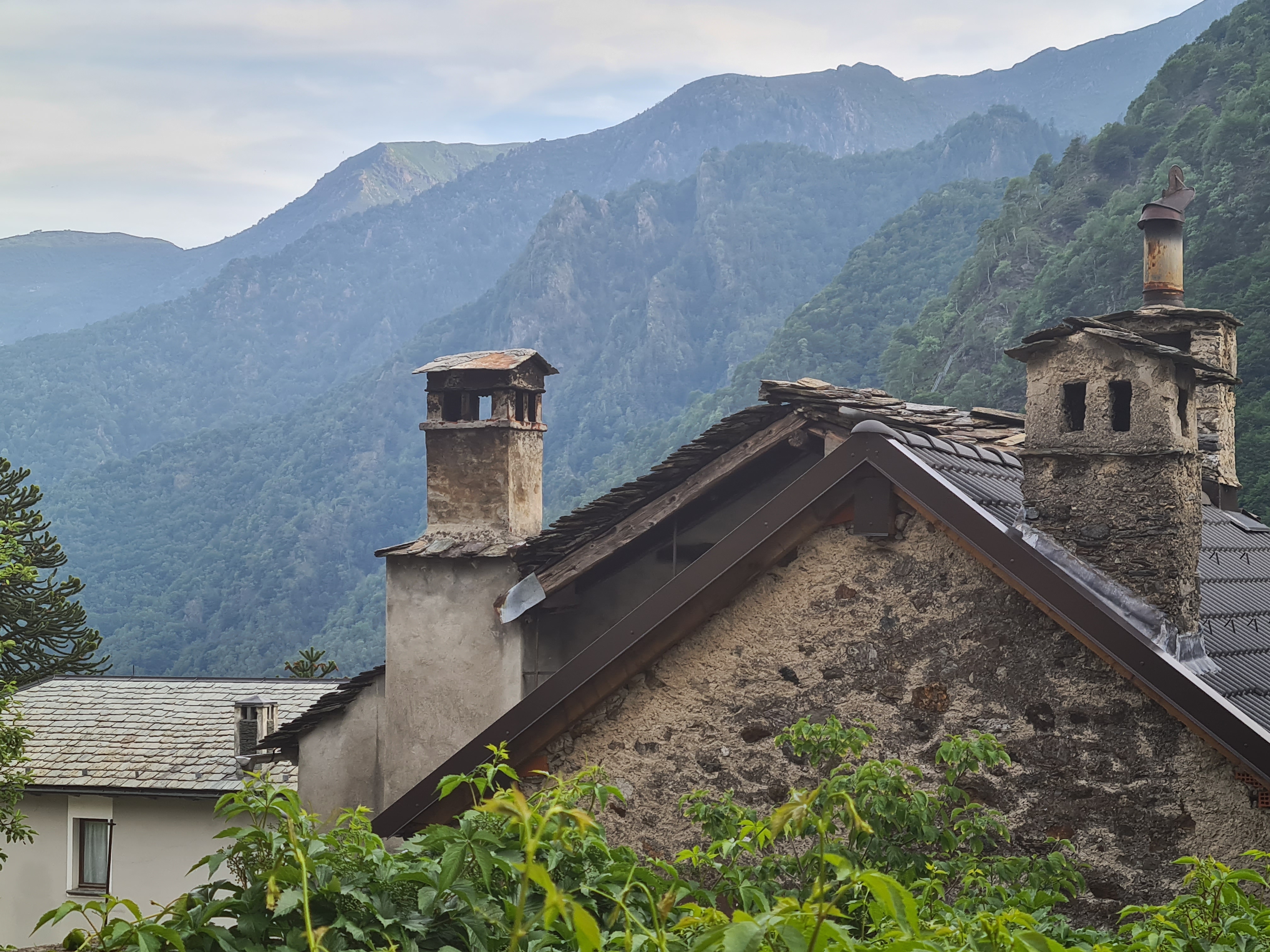
- Stone villages with centuries-old architecture
- Abandoned hamlets reflecting historical depopulation
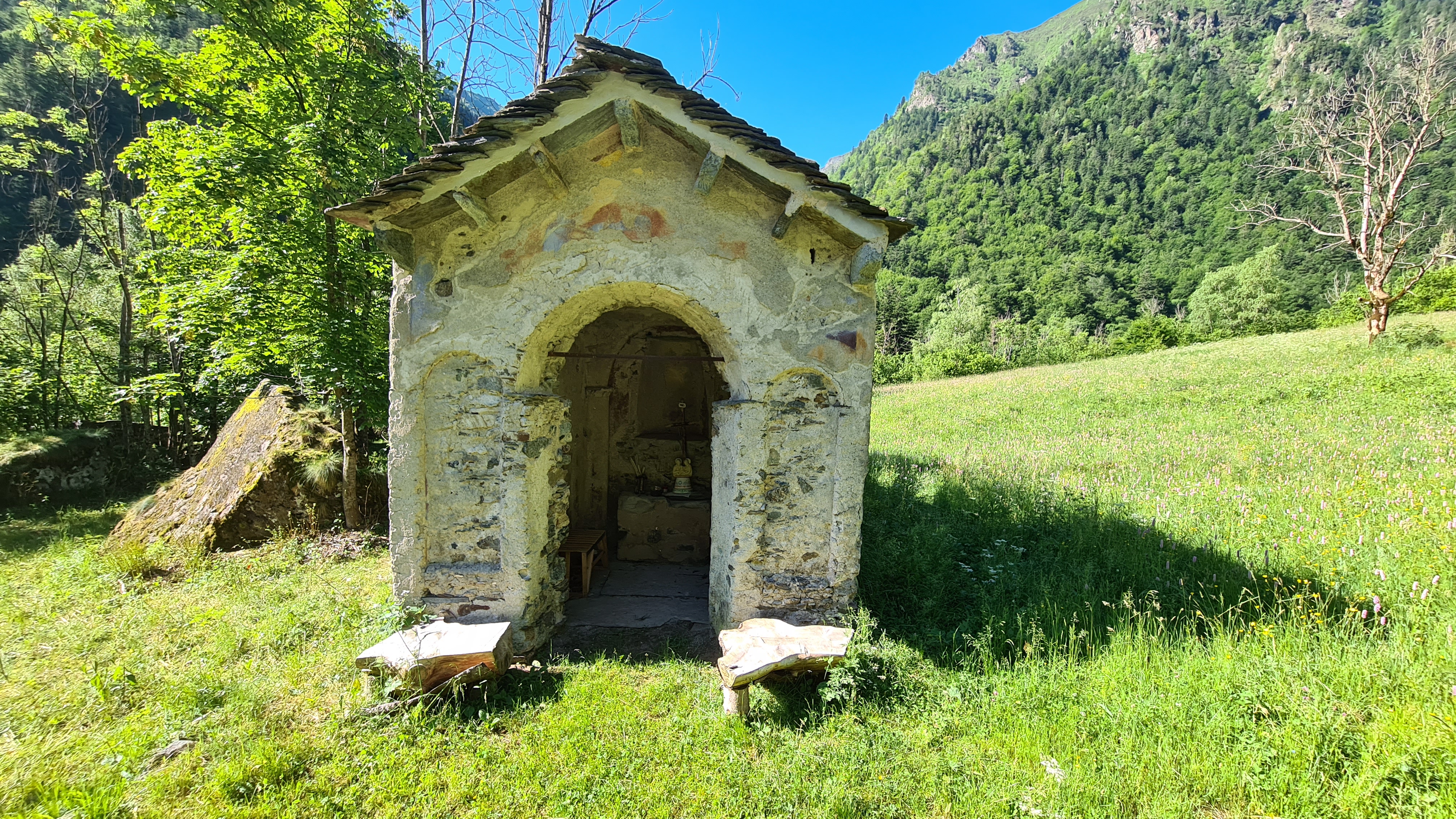
- Alpine chapels, shrines, and rural landmarks
Everyday Mountain Life
- Traditional farming and pastoral practices
- Local food, dialects, and customs
- Direct interaction with residents along the route
Hiking Experience
- Long, demanding stages requiring preparation
- Minimal infrastructure in remote areas
- Strong sense of solitude and immersion
Experience and Character
The Grande Traversata delle Alpi is defined by time and continuity. It is a journey measured not in highlights but in accumulated experience. Days unfold through steady walking, changing weather, and gradual shifts in landscape and culture.
The route encourages self-reliance, patience, and openness to simplicity. Comfort is found not in luxury but in rhythm: walking, eating local food, resting, and moving on. For many hikers, the GTA represents a deeper form of alpine travel that prioritizes connection over spectacle.