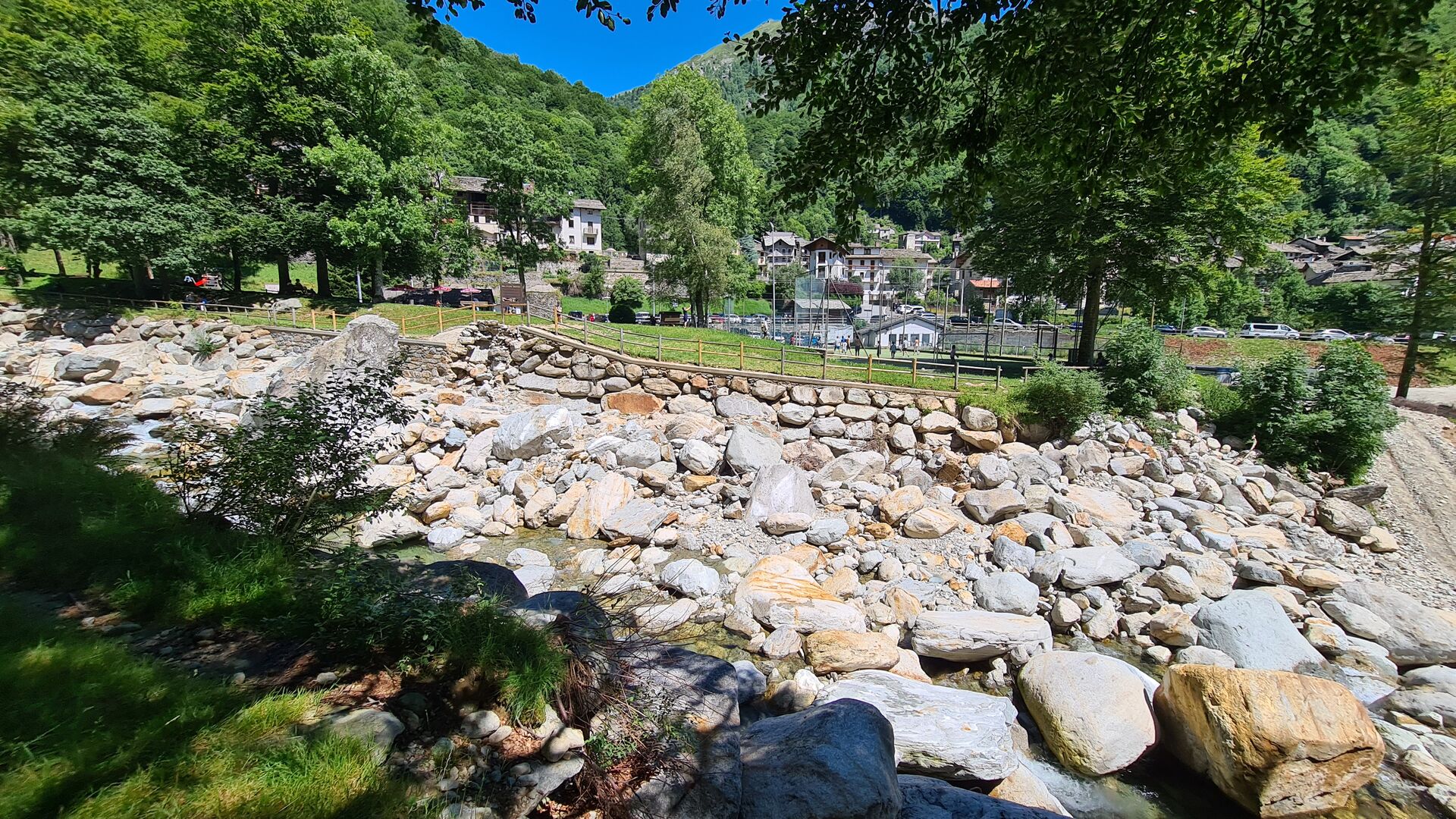
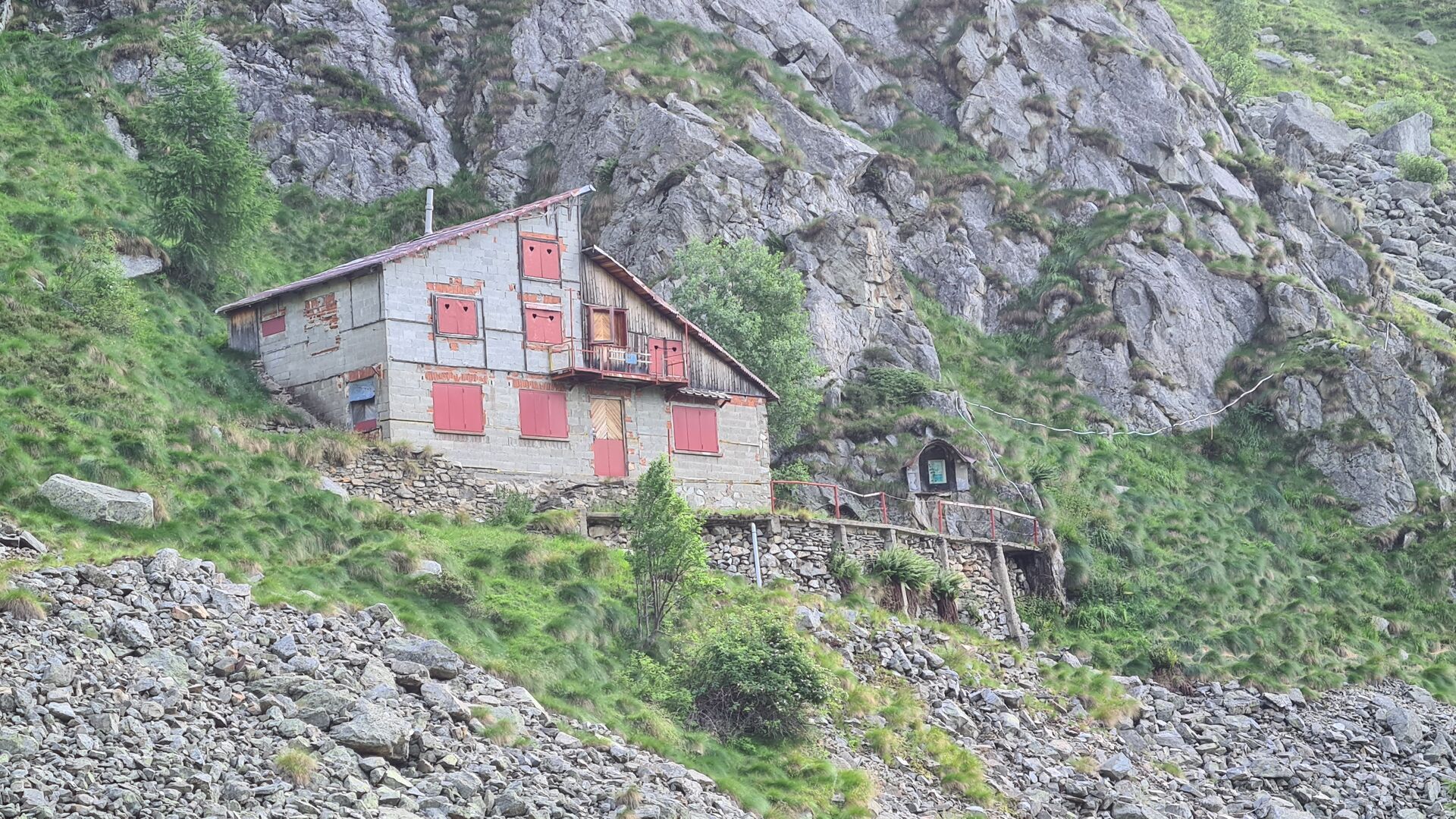
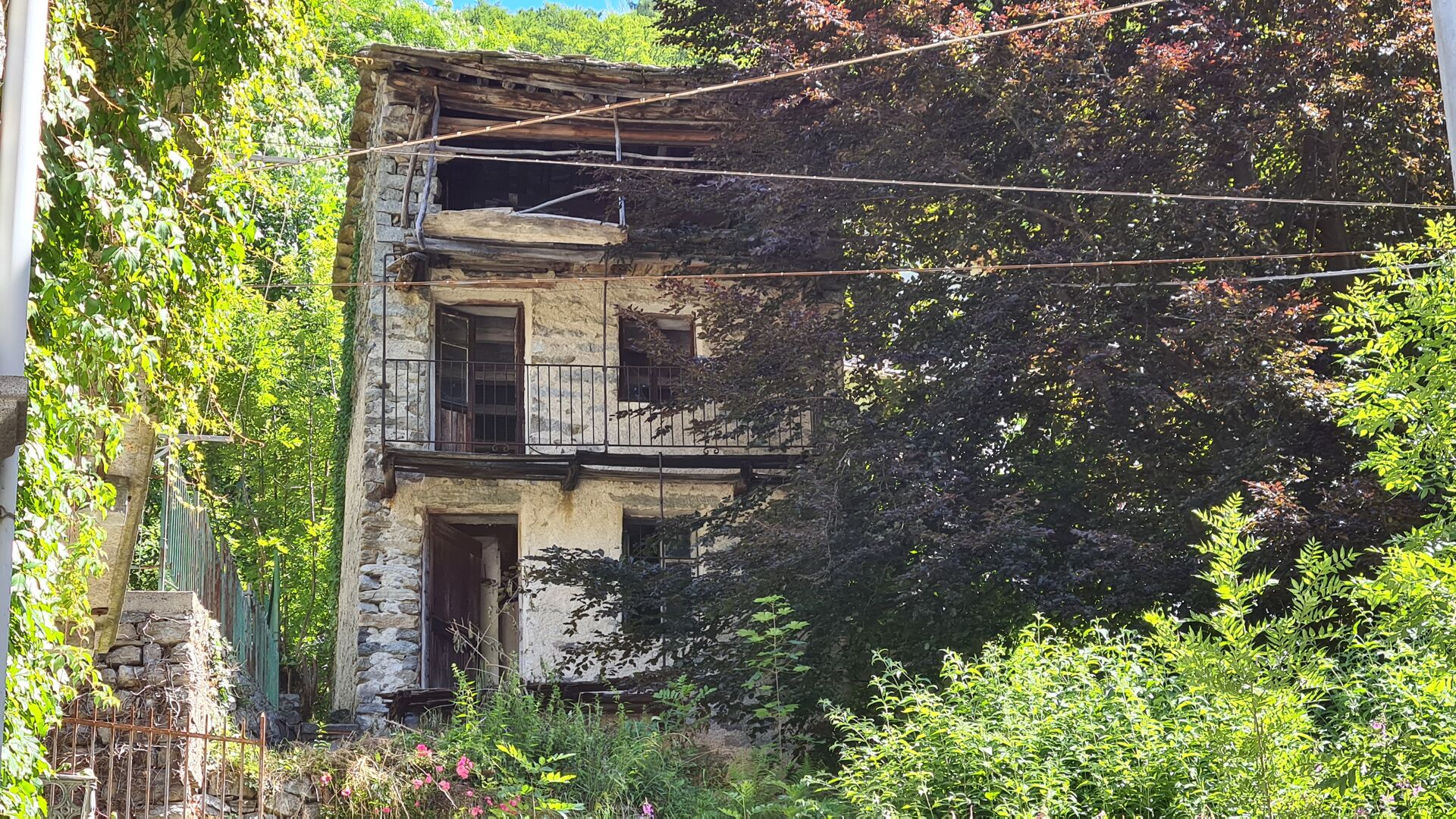
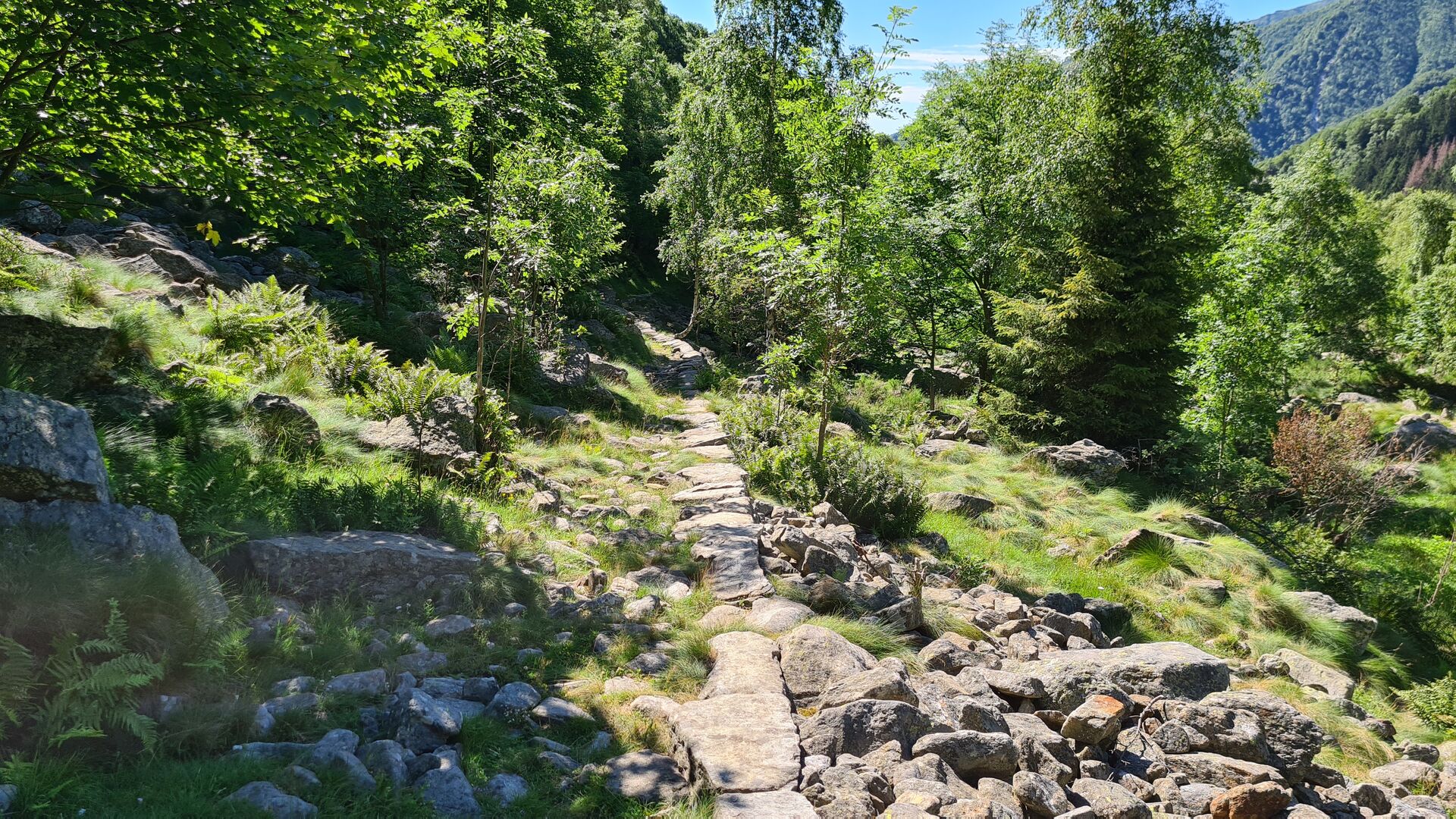
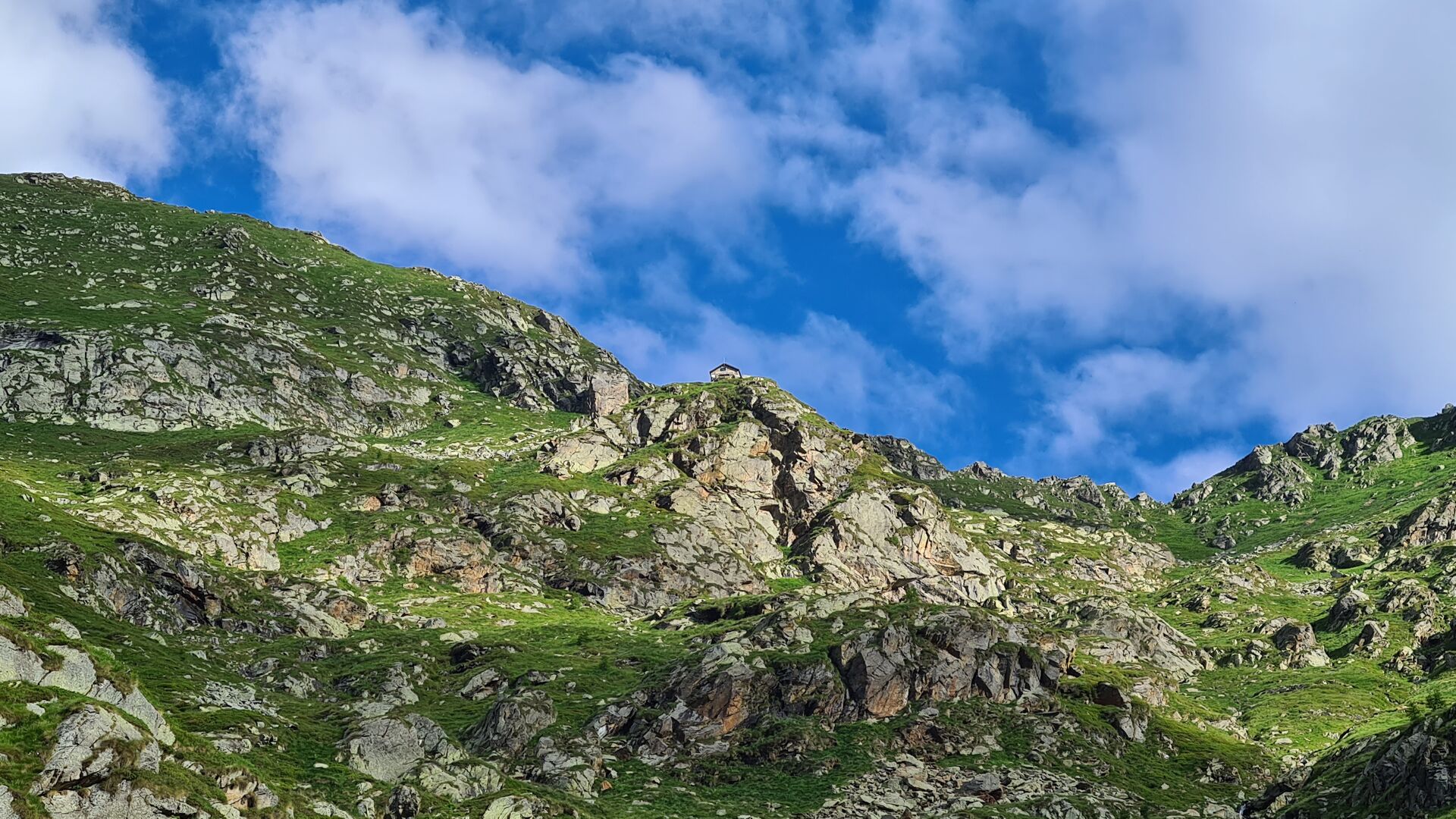
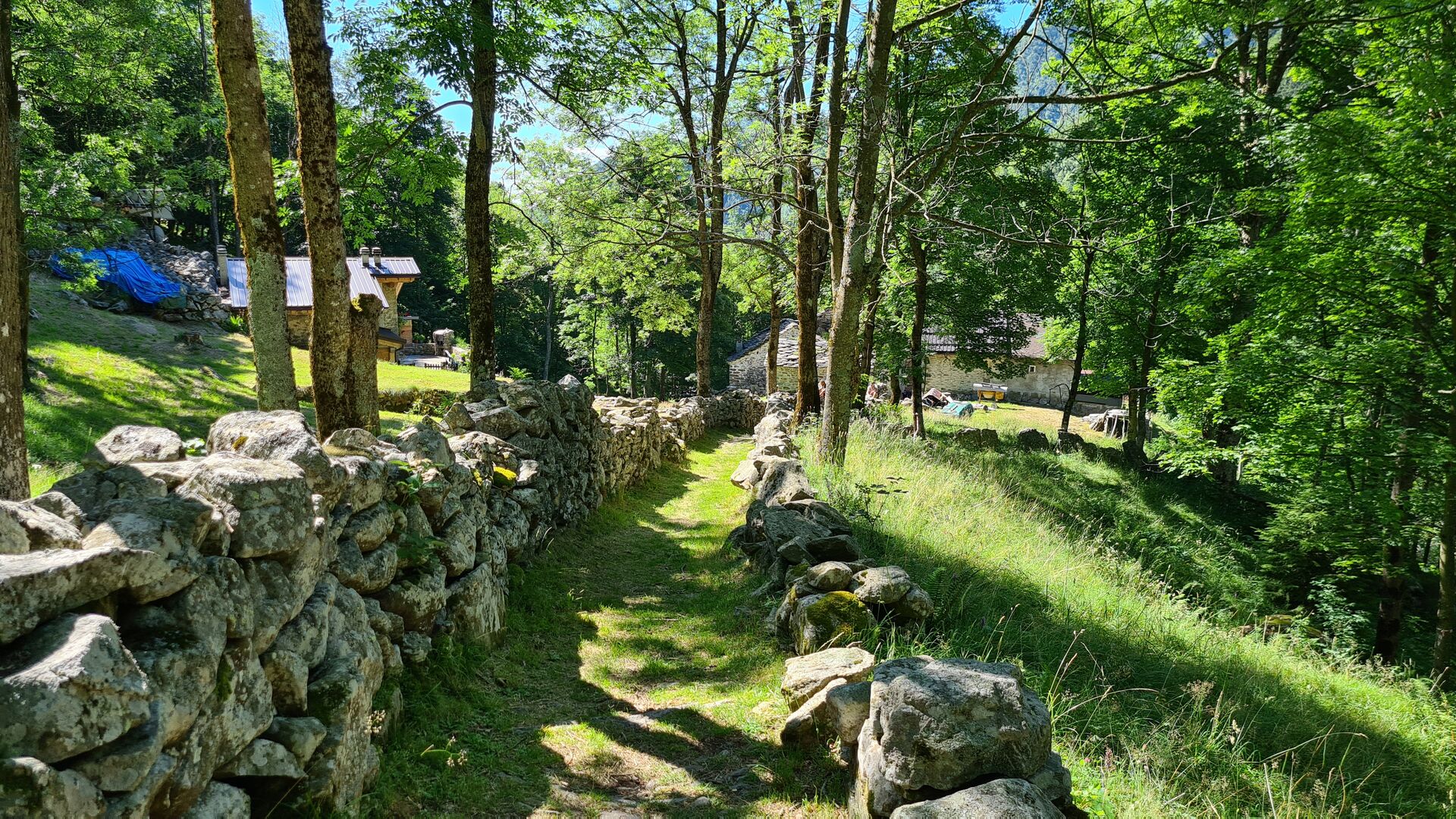
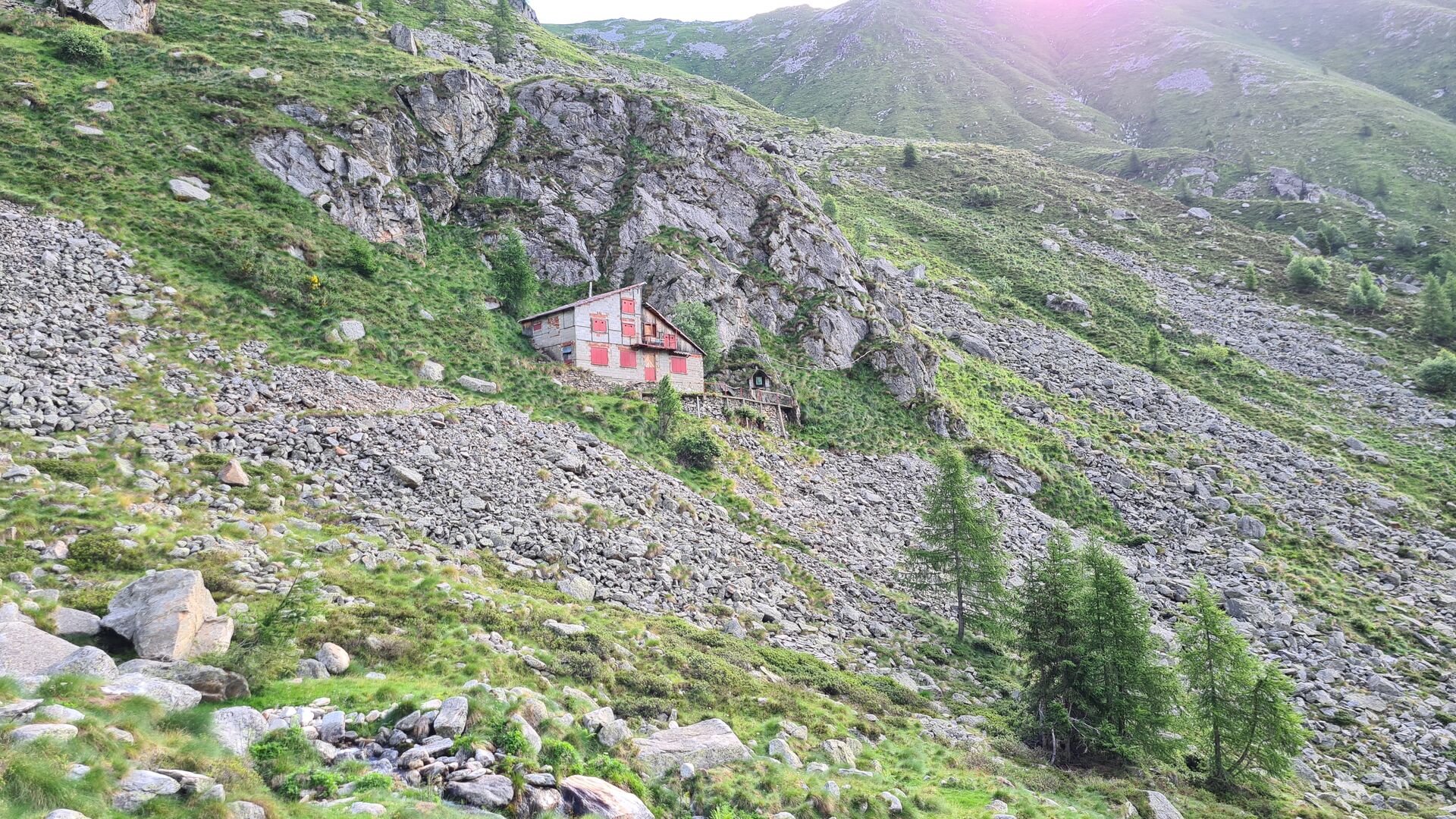
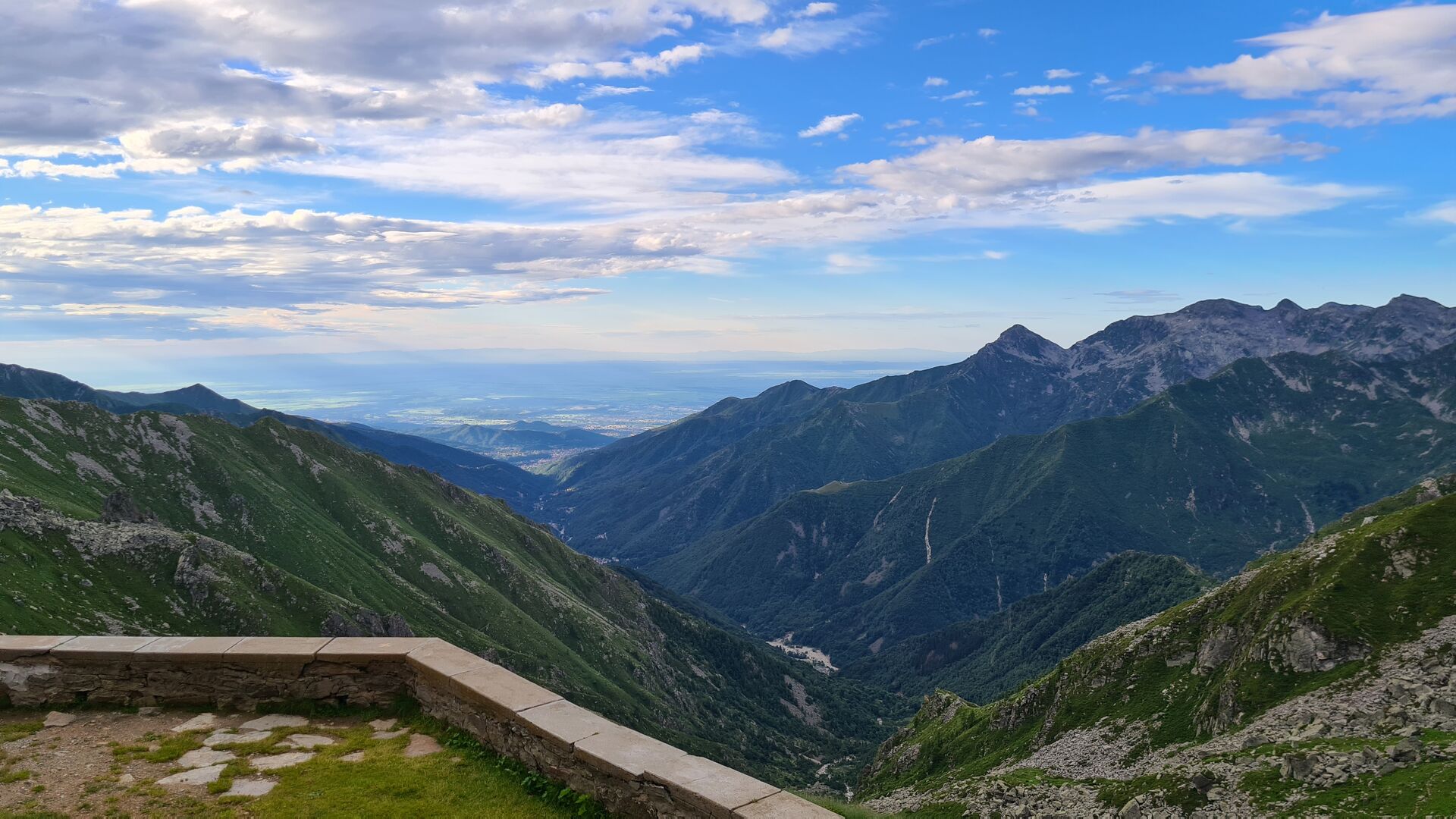
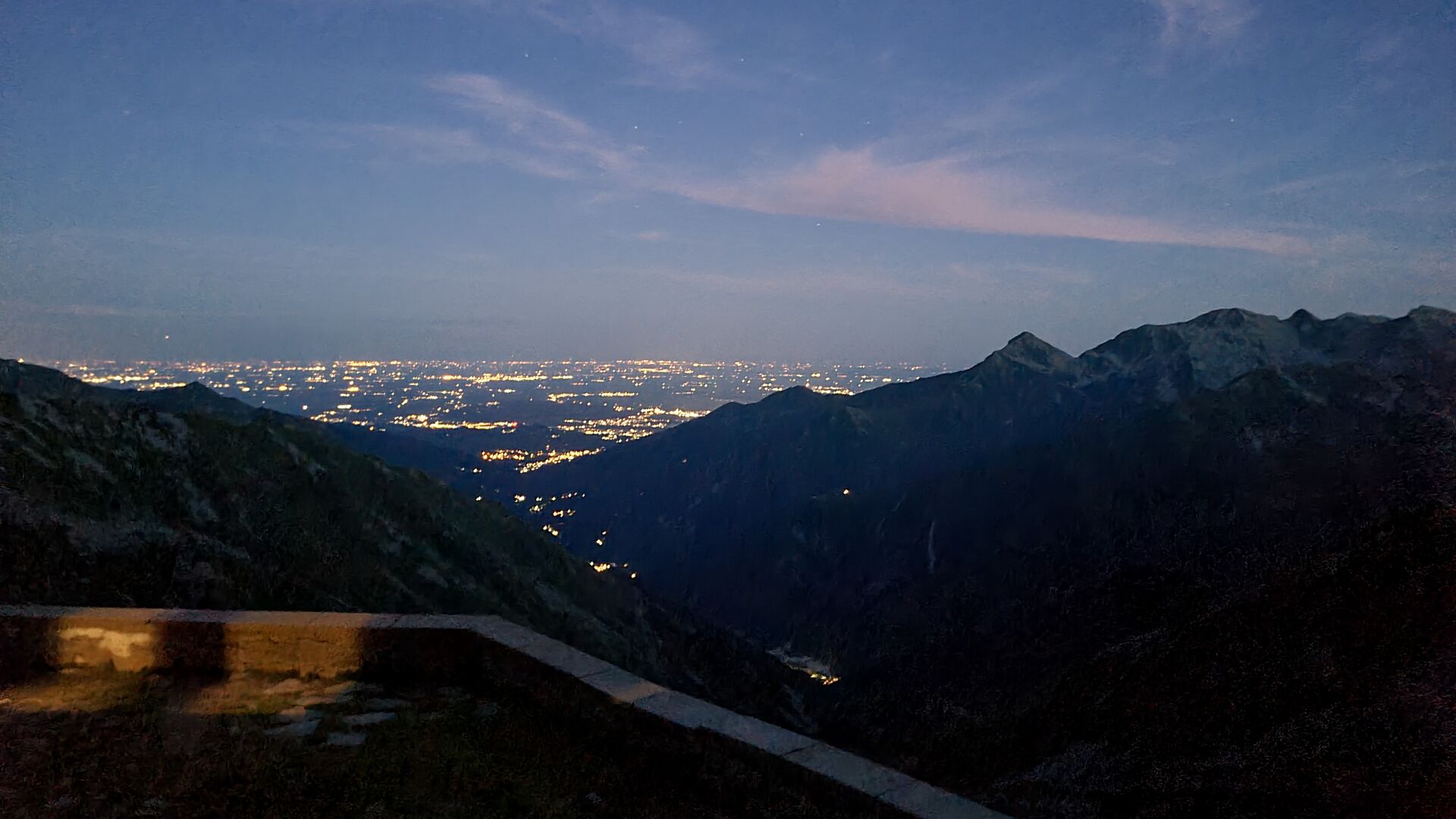
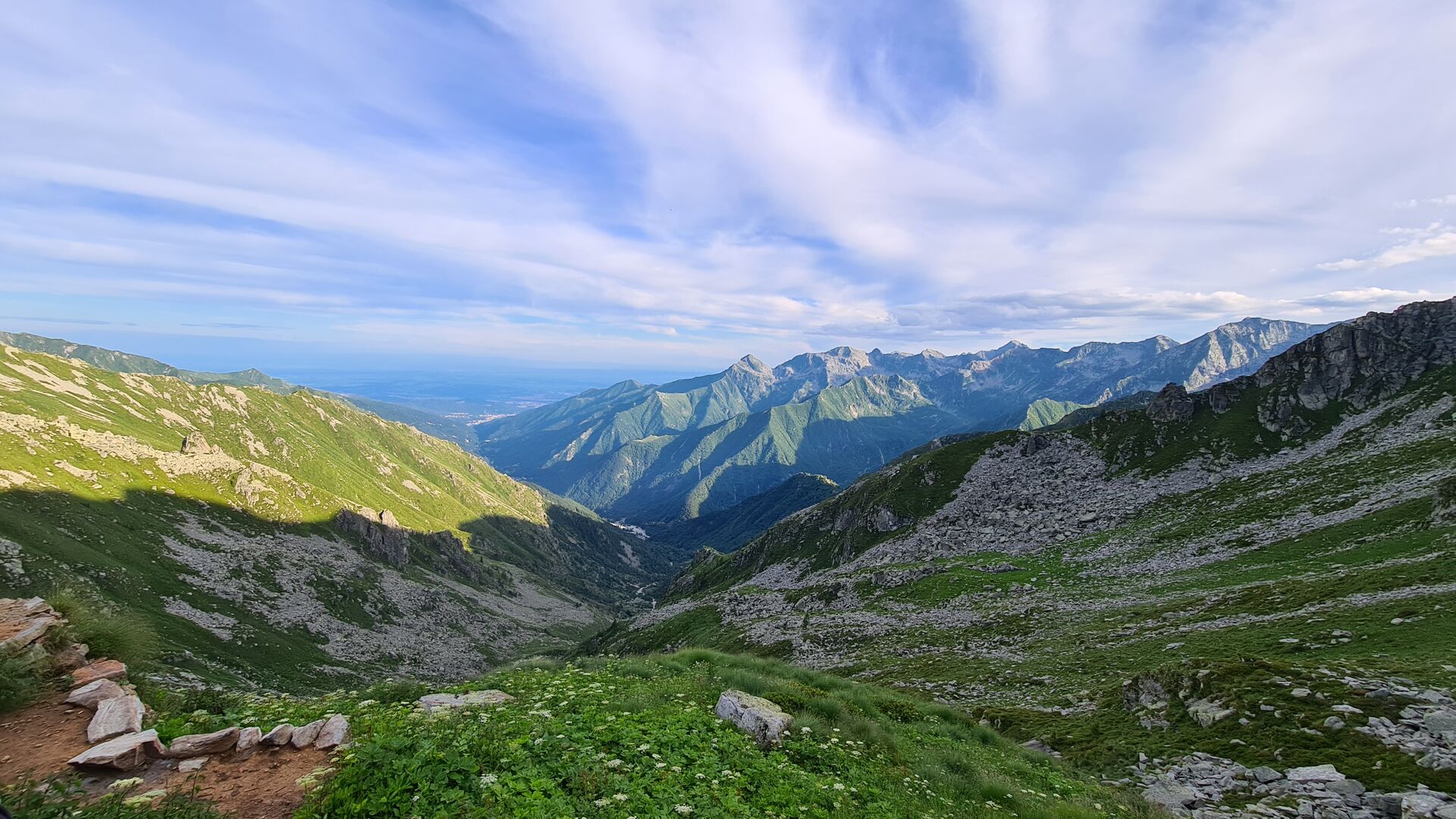
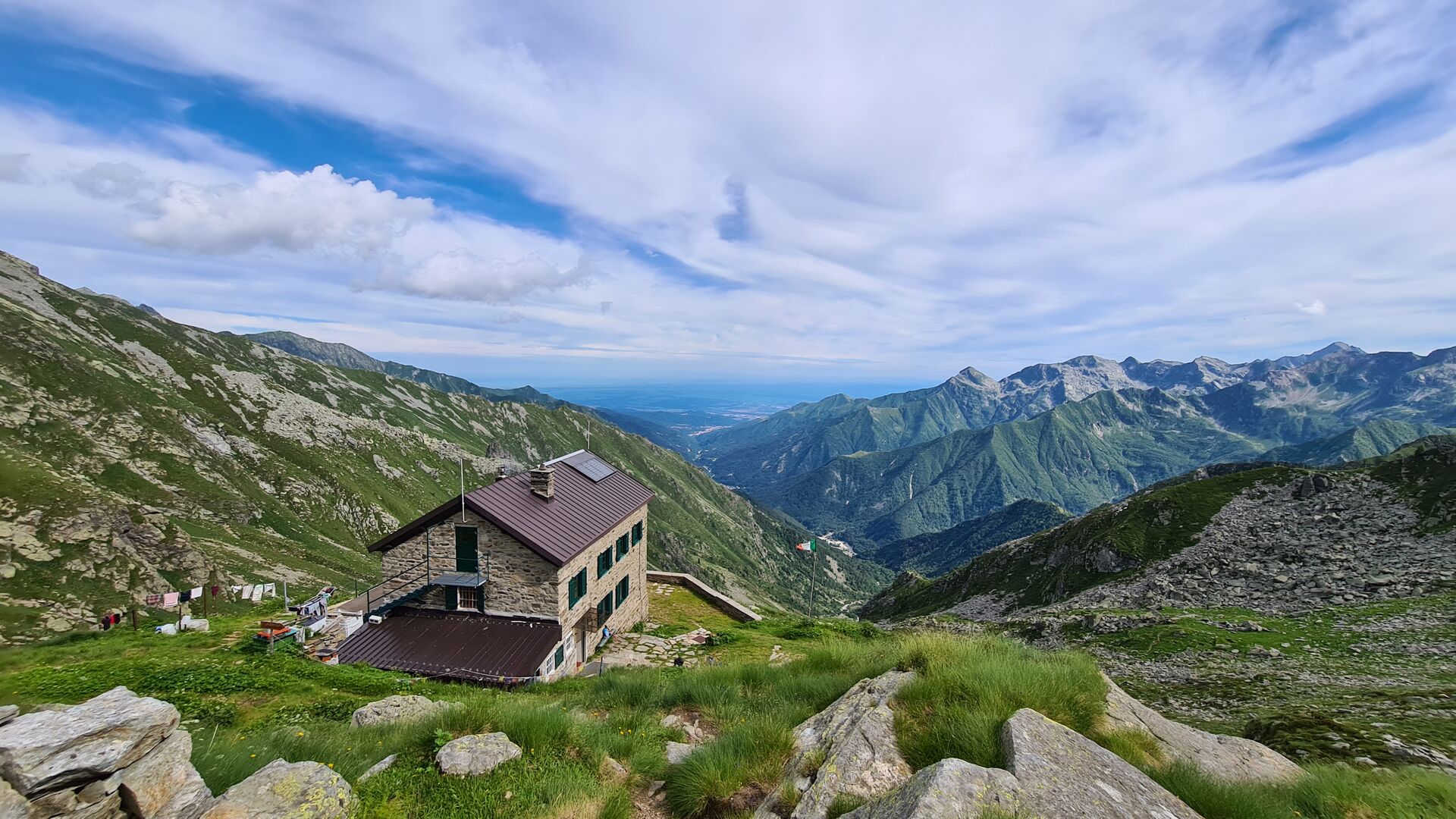
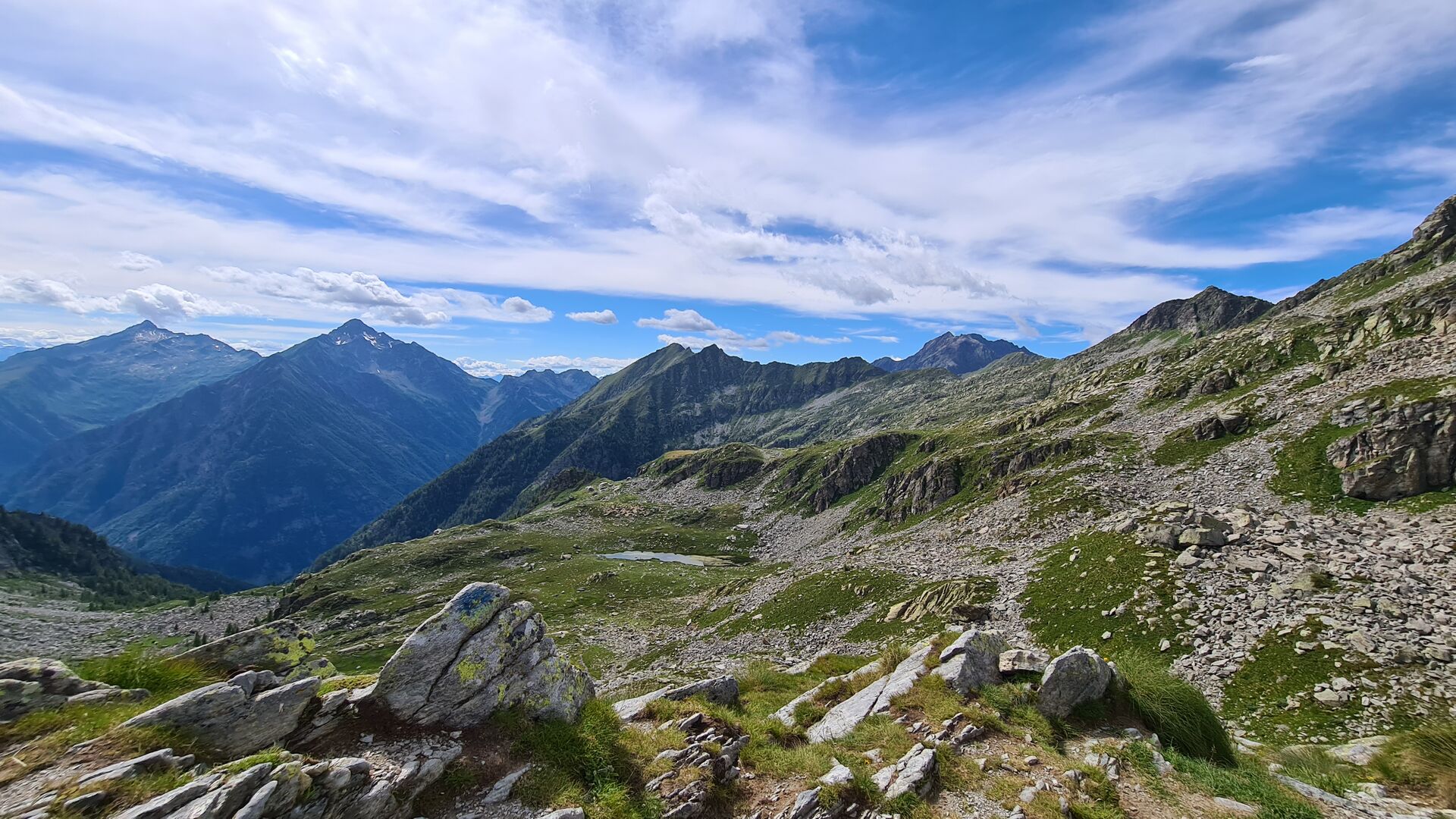
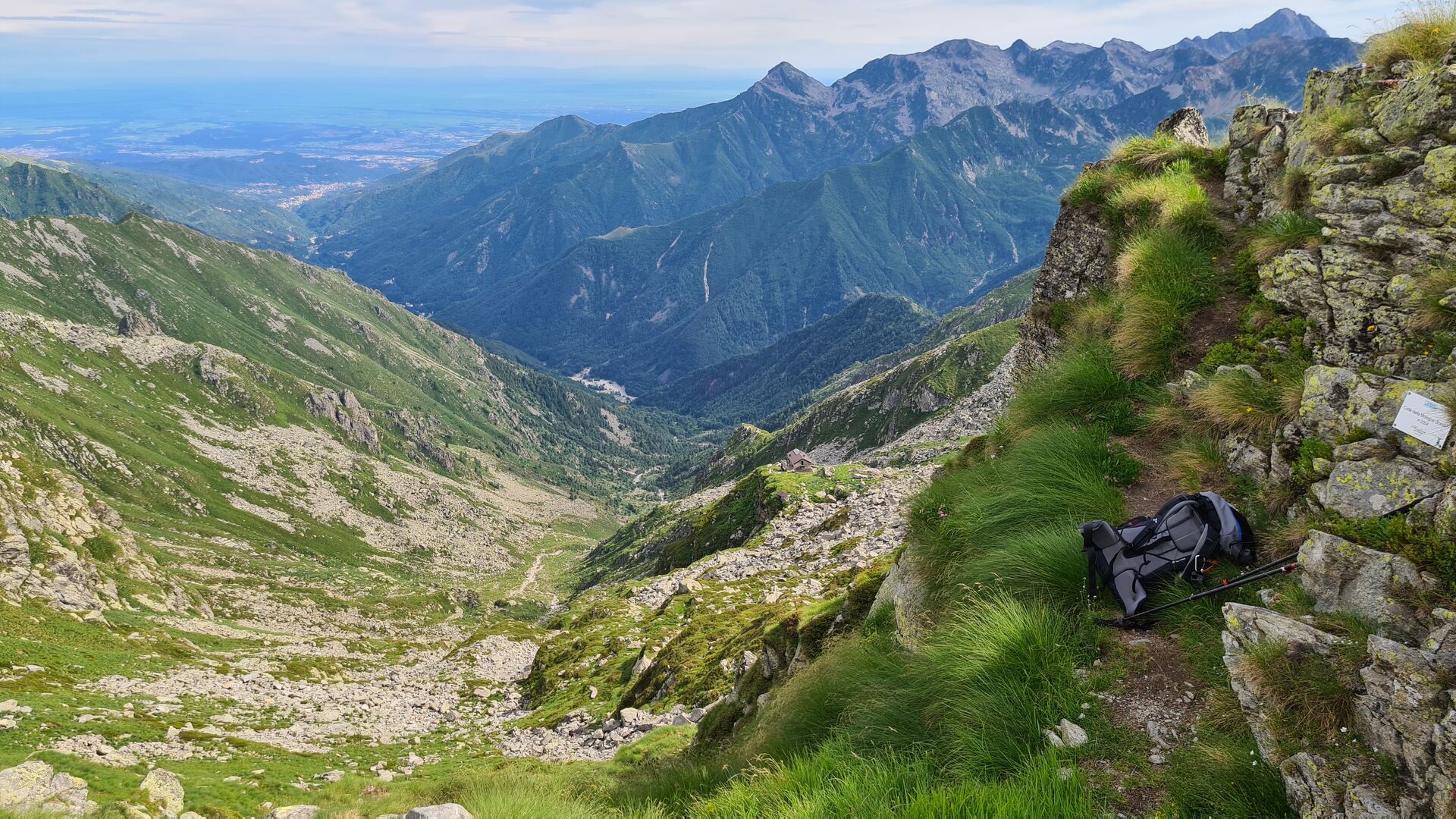
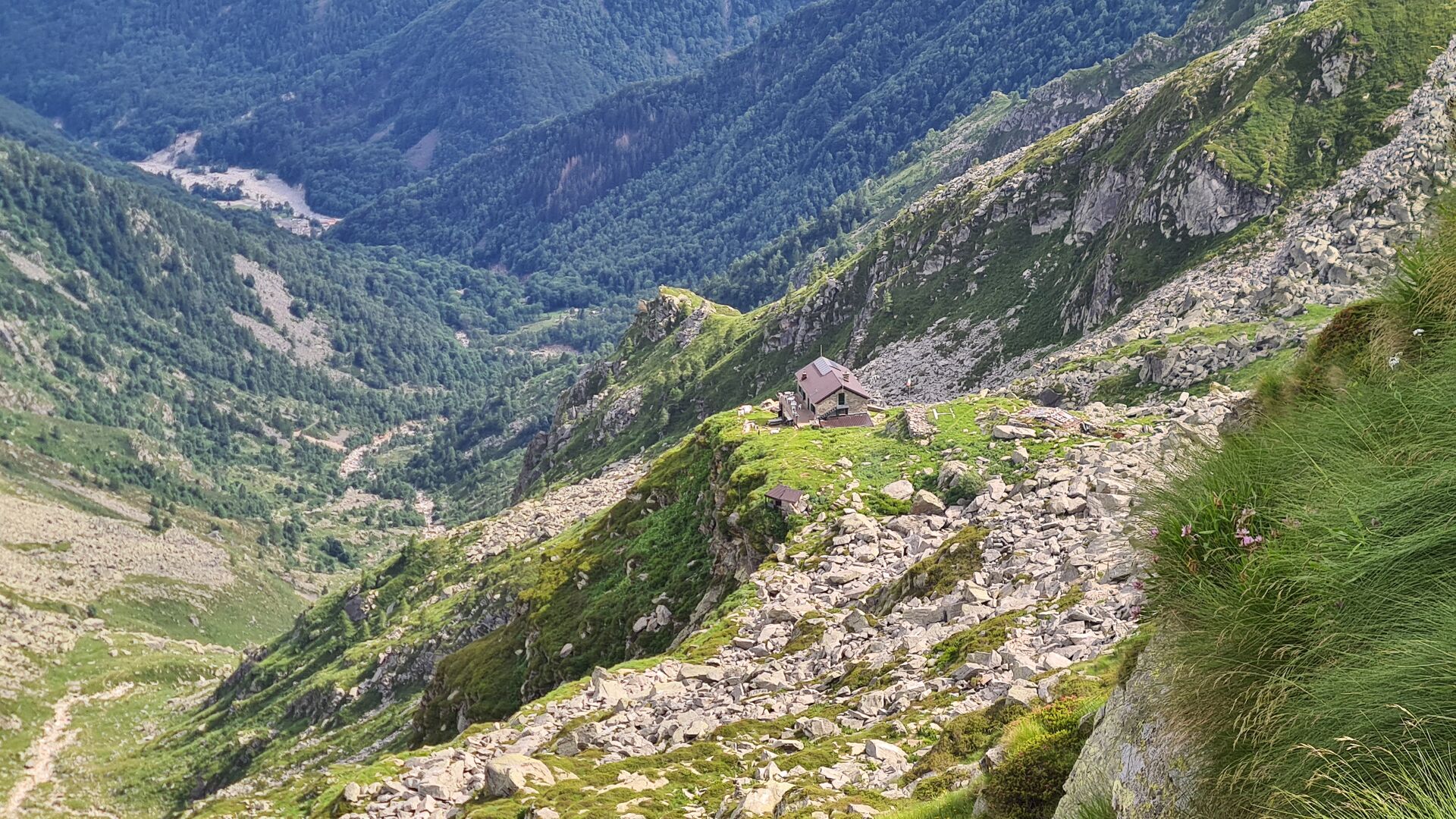
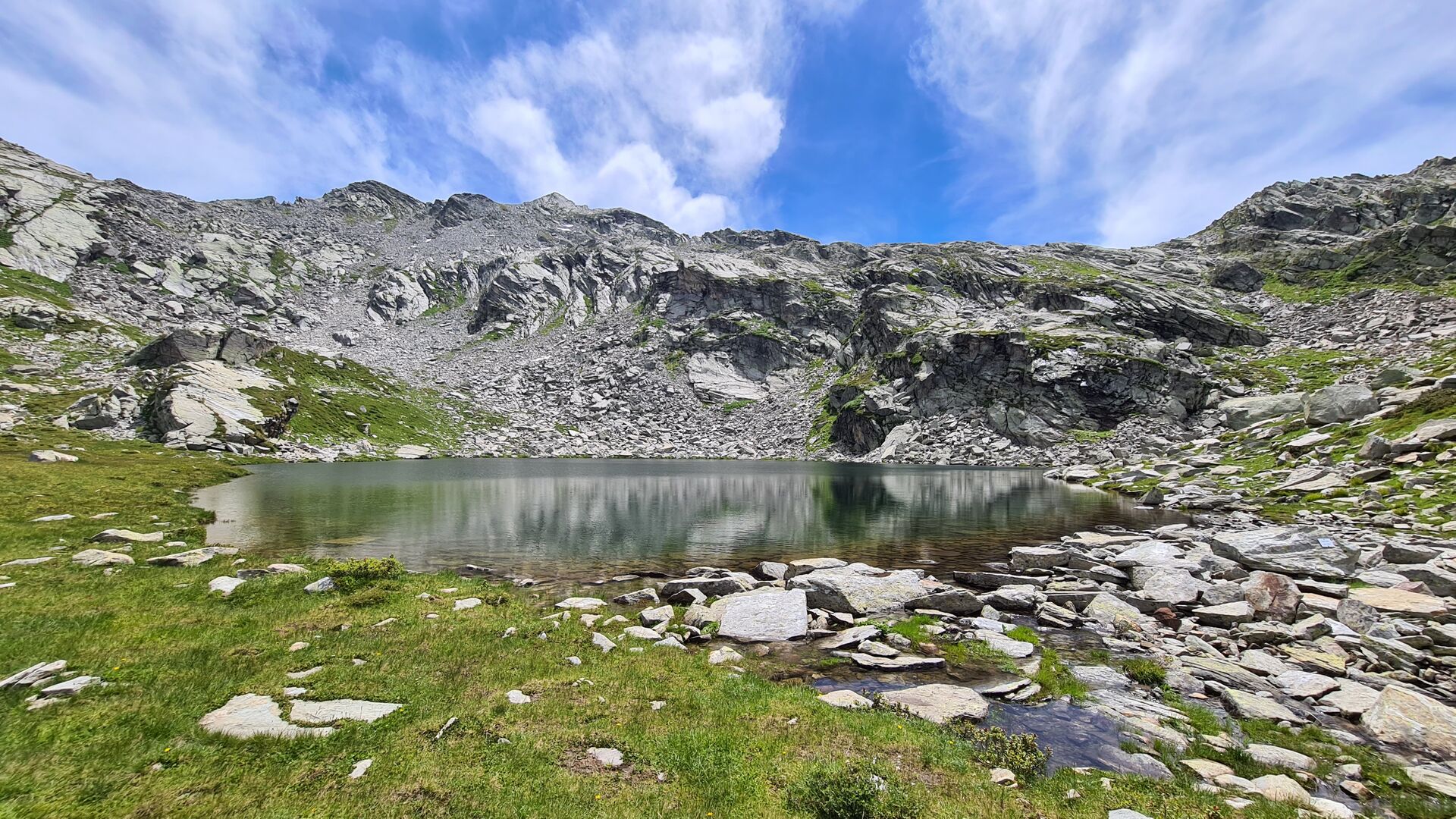
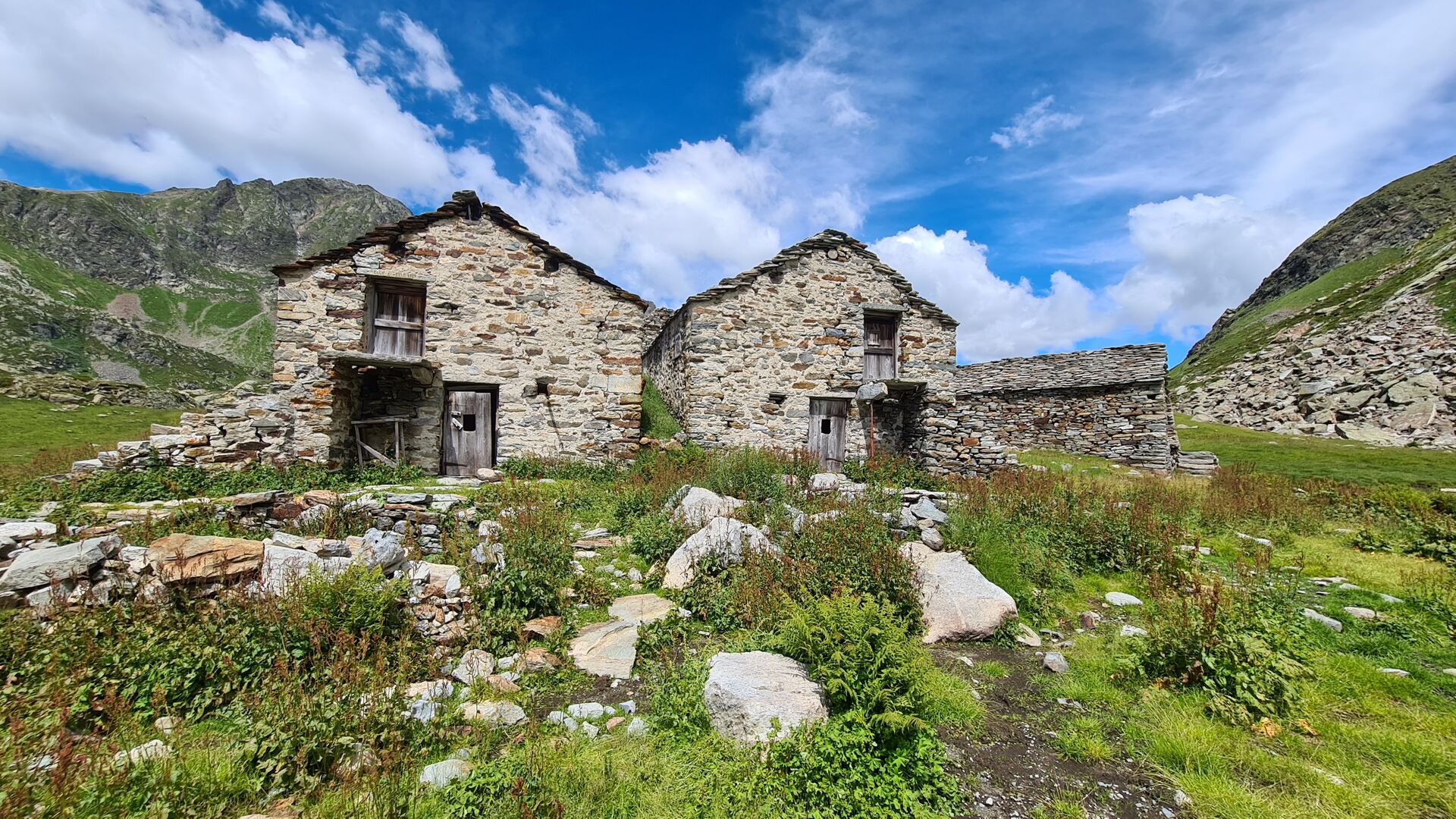
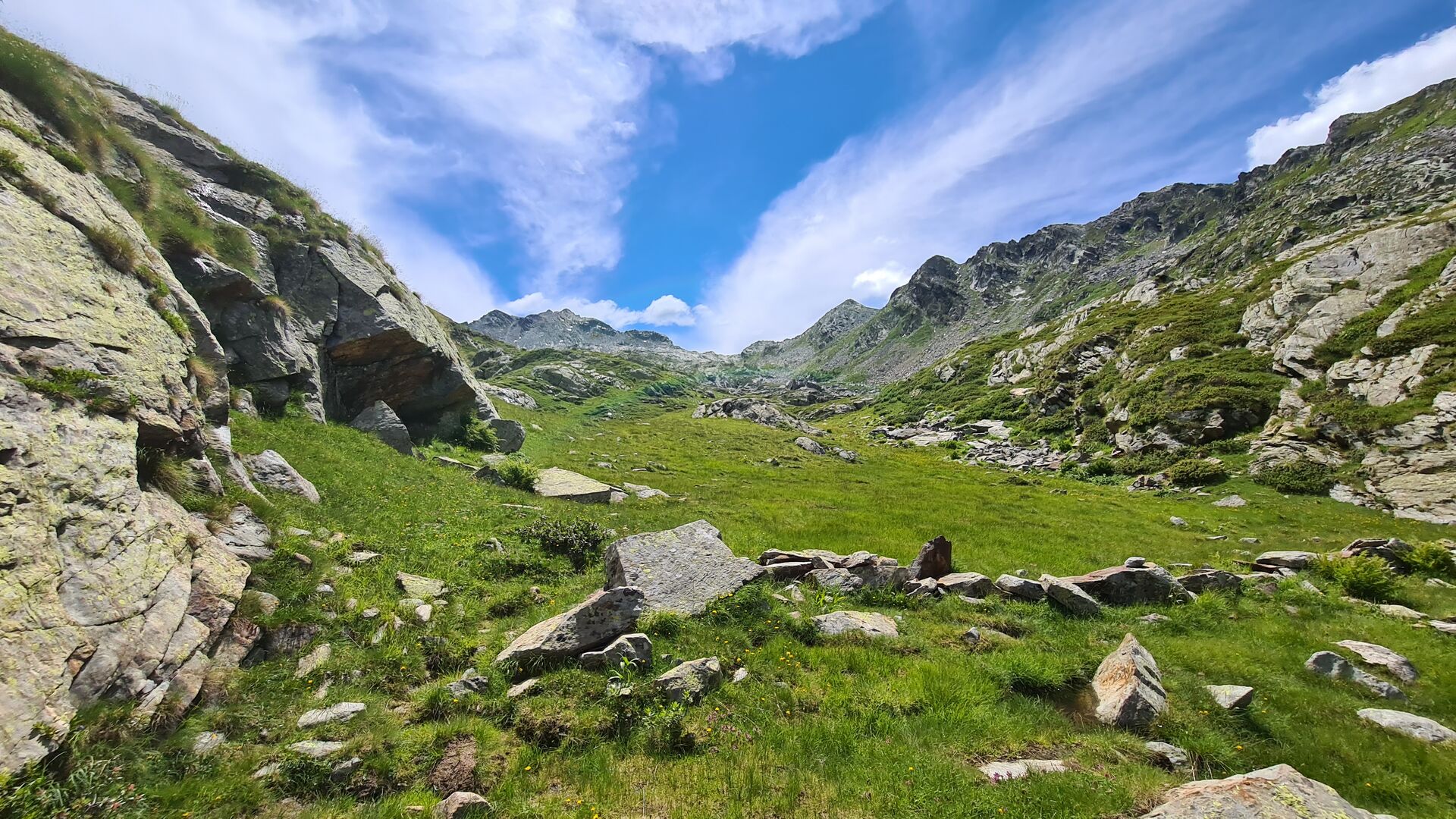
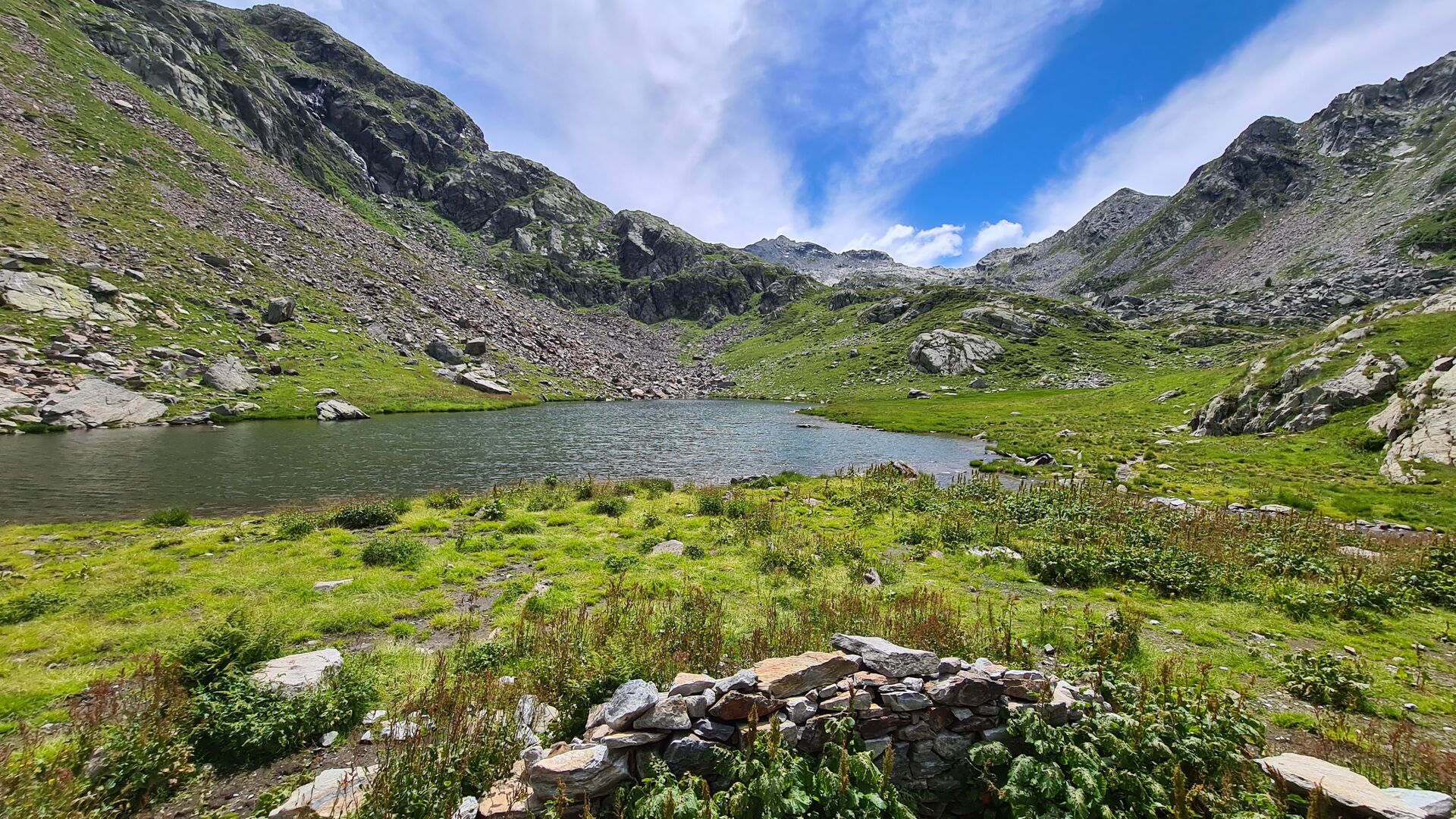
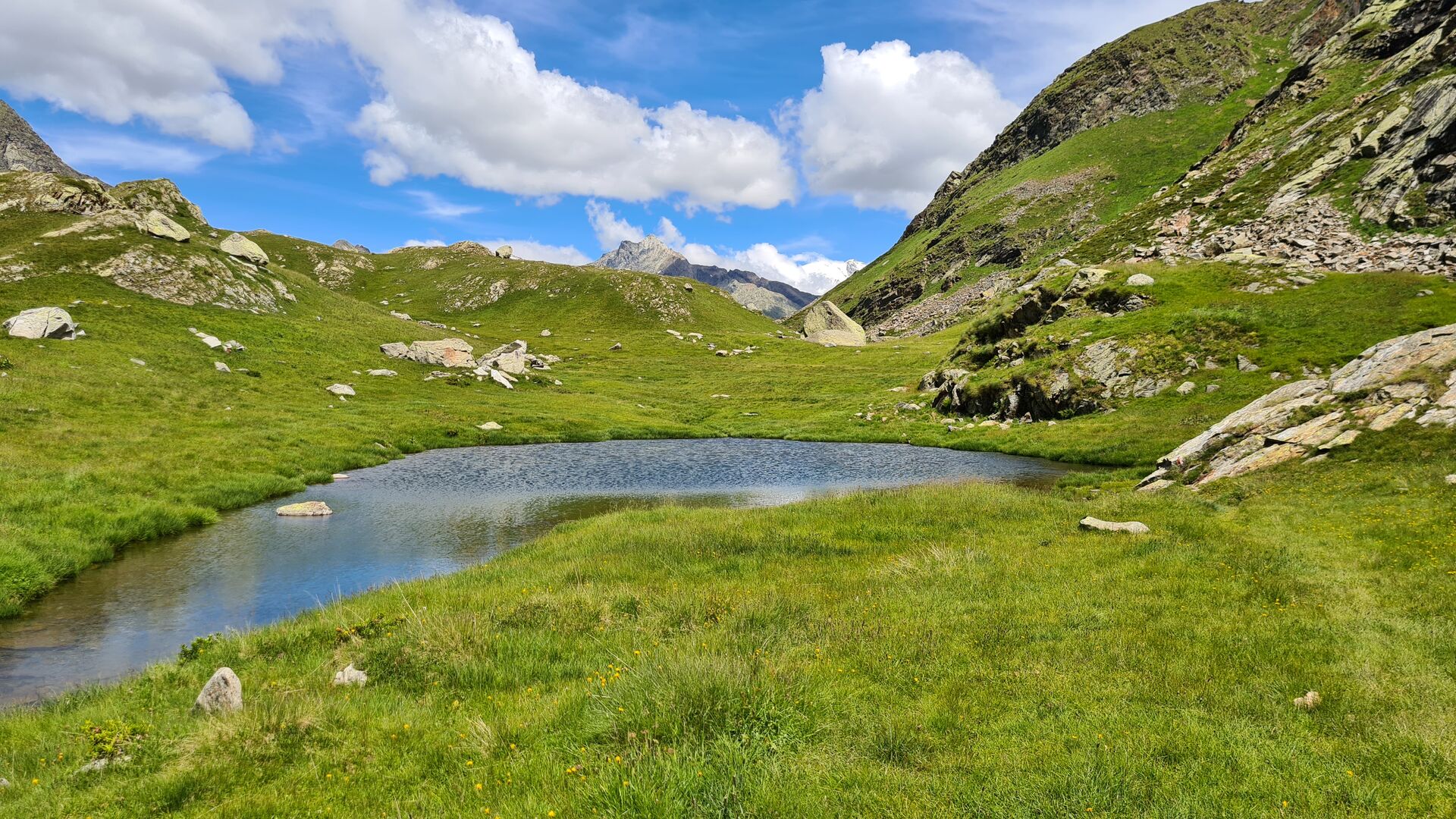
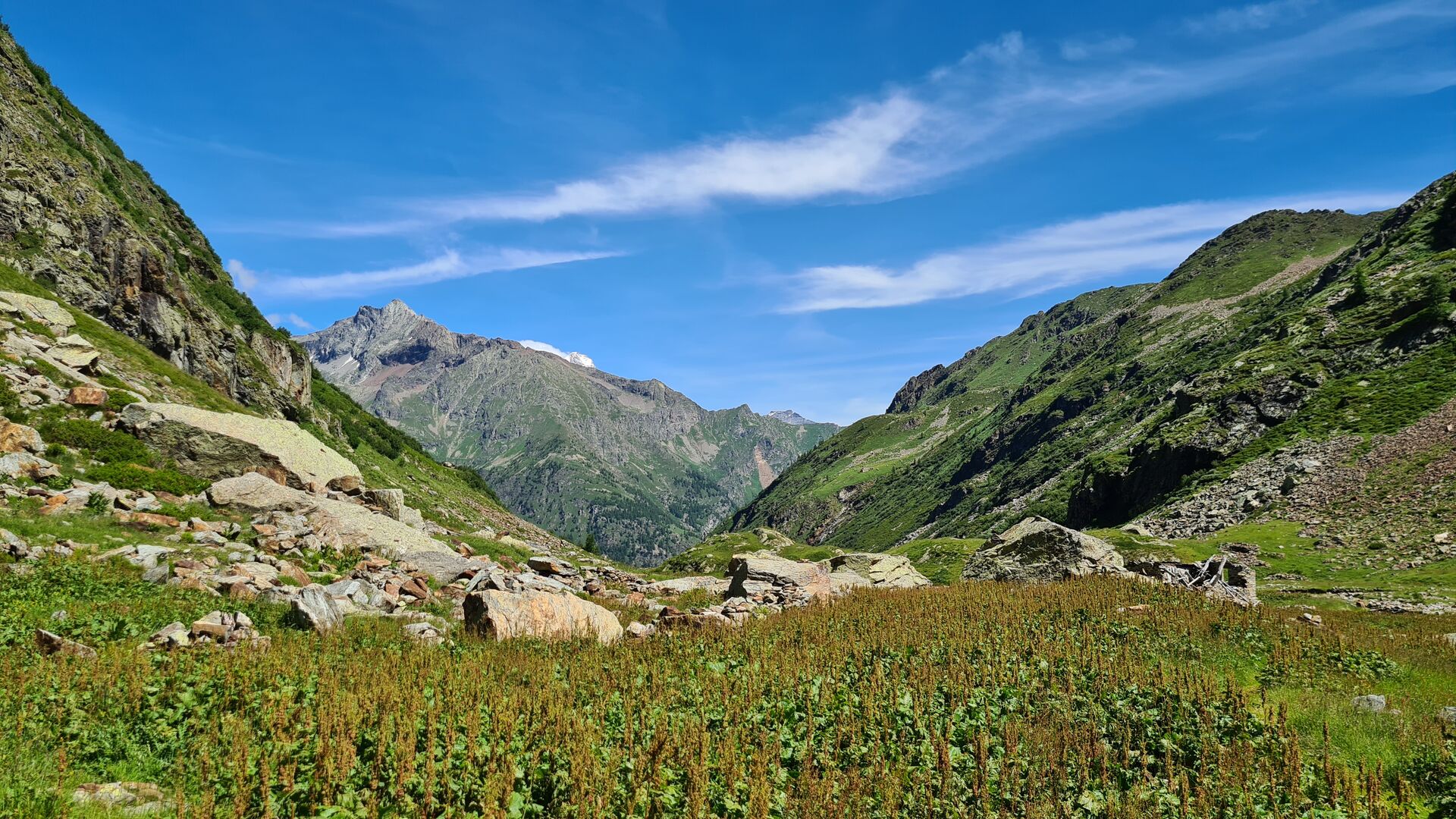
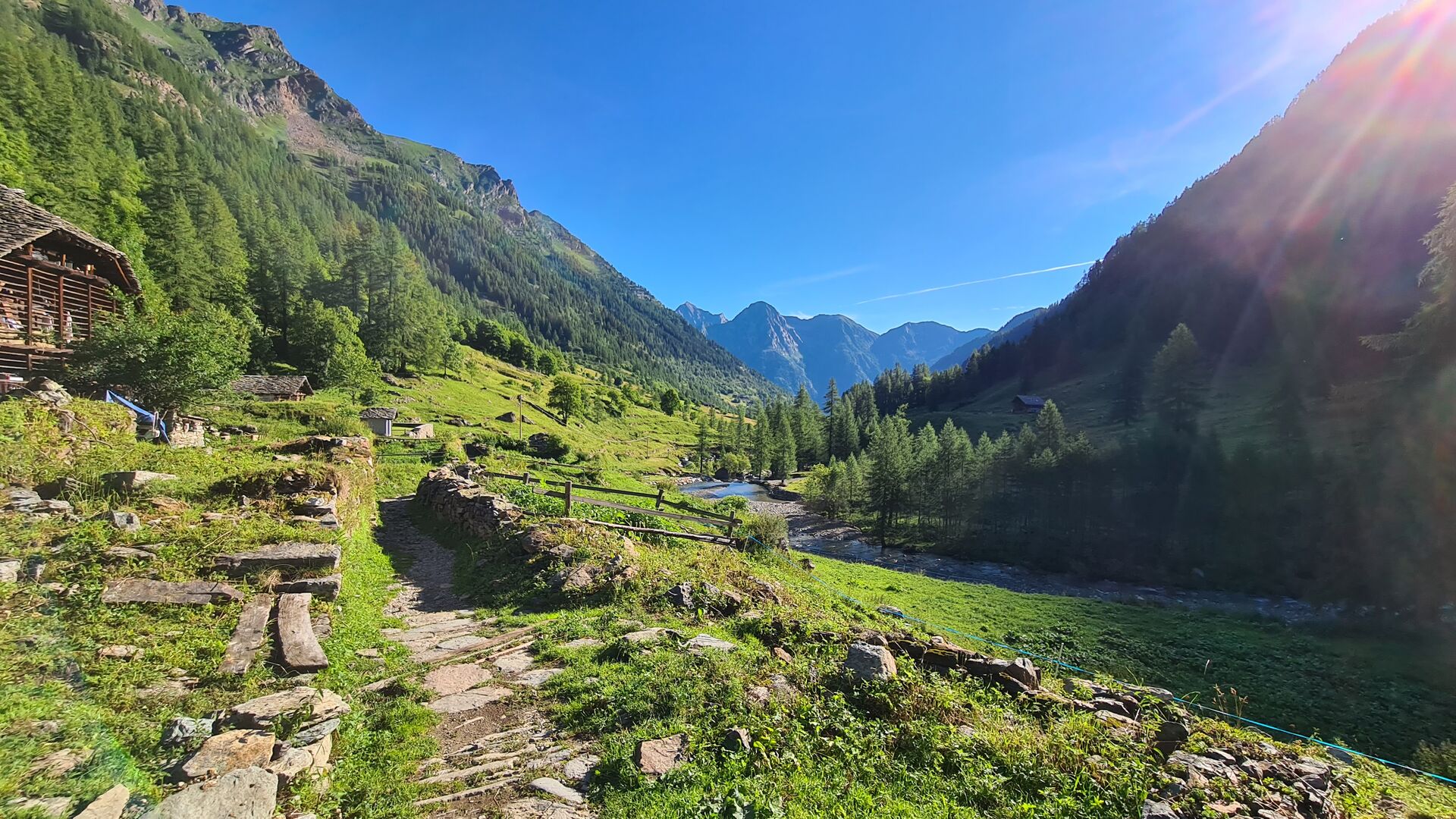
The Grande Traversata delle Alpi (GTA) — or Great Alpine Traverse — is one of Italy’s most ambitious and rewarding long-distance walking routes. Stretching for roughly 1,000 km across the western Italian Alps, the GTA leads hikers from the Swiss border in Piedmont southward toward the Ligurian frontier. The route traverses remote valleys, high ridges, wild alpine terrain, and centuries-old mountain communities, offering a deep, immersive experience of Italy’s high mountains away from major tourist corridors.
Unlike more famous alpine routes focused on singular peaks or huts, the GTA is a multi-section network of historic trails and path links, unified into a single long-distance route. Many of its segments follow ancient mule tracks, shepherd paths, and local footways that once served as lifelines between isolated valleys and villages. Accommodations along the GTA are typically family-run guesthouses, agriturismi, B&Bs, small refuges, and rural lodges, rather than large, commercial hut networks.
The GTA’s essence is its rhythm of place: long walks through natural environments of high diversity, daily exchanges with local culture, seasonal pastoralism, and the enduring stone and wood architecture of the Alps.
History
The GTA is not an ancient pilgrimage path or a single continuous Roman road, but a modern route grounded in centuries-old human movement through the mountains. Many individual sections of the GTA have existed for hundreds, even thousands of years as the means by which alpine communities connected for trade, seasonal livestock movement (transhumance), religious exchange, and mutual aid.
In the mid- to late-20th century, as rural depopulation and modernization reduced foot traffic in mountain regions, walkers and local enthusiasts began to piece together these old trails into a coherent long-distance route. The intention was not to carve out a new “bucket list hike,” but to reconnect people to traditional alpine landscapes and the small communities that shaped them.
The GTA has been gradually refined and waymarked through the support of local mountain associations, municipalities, and regional tourism bodies, particularly in Piedmont where much of the route’s infrastructure is documented. Unlike highly commercialized alpine routes, the GTA maintains a grassroots character — resilient, local, and rooted in tradition.
Geology and Landscapes
The GTA crosses a highly dynamic geological region shaped by the collision of the African and Eurasian tectonic plates. The western Italian Alps display a complex record of uplift, folding, metamorphism, and erosion. Geological formations vary dramatically along the route, including:
- Crystalline foundations of gneiss and schist in high-valley cores
- Limestone massifs and karst plateaus with caves and sinkholes
- Glacial cirques and U-shaped valleys carved by past ice ages
- Moraines, scree slopes, and alpine lakes sculpted during glacial retreat
This geological variety not only shapes the terrain and difficulty of walking segments, but also influences soil, vegetation, and water availability. North of the Alpine watershed, hikers encounter stark, high-alpine topography with rugged summits and passes; further south, the landscape transitions through forested slopes, pastureland, and finally into lower, more Mediterranean-influenced valleys.
Natural Environment
The GTA encompasses a remarkable range of ecosystems. At higher elevations, sparse alpine grasslands and lichens give way to snowfields and bare rock. Mid-elevation slopes support alpine meadows and conifer forests, with visible evidence of pastoral land use. Further down, mixed deciduous forests and montane shrublands enrich the walking experience with seasonal variation in flora and fauna.
Wildlife along the GTA is representative of the western Alps: chamois, ibex, marmots, golden eagles, ptarmigan, and a host of smaller species adapted to mountain life. The diversity of habitats — from cliff faces to silty riverbeds — means a variety of plant communities and migratory bird corridors.
Things to See
The appeal of the GTA lies in its layering of nature, culture, and landscape. Highlights include:
Dramatic Alpine Terrain
- High mountain passes, often above 2,000 m
- Glacial basins and cirque lakes
- Panoramic ridgelines with expansive views
Traditional Mountain Villages
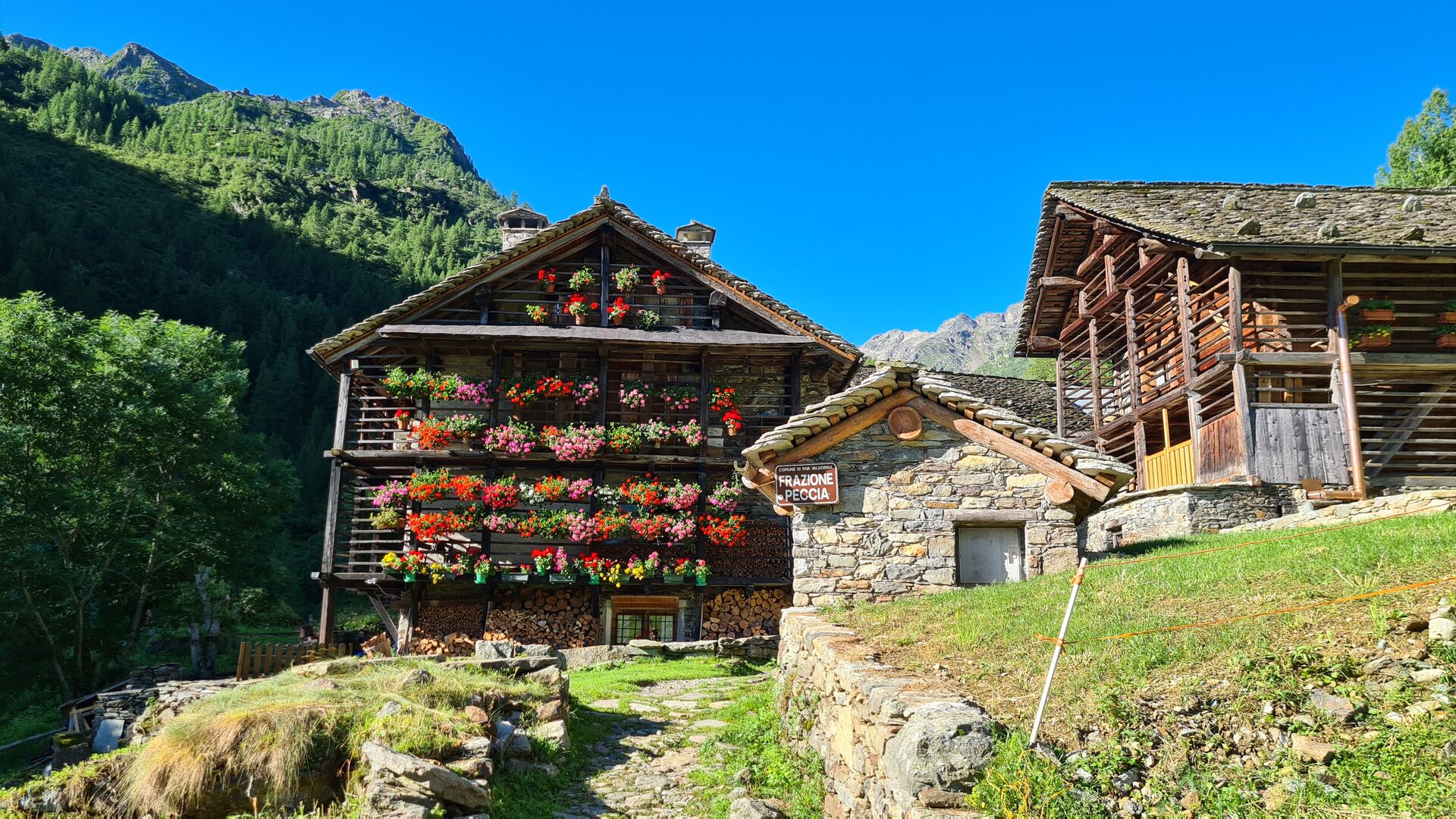
- Stone hamlets and pastoral settlements
- Locally operated guesthouses and food shops
- Seasonal livestock and alpine pastures
Historic and Cultural Features
- Ancient mule tracks and shepherd routes
- Local chapels, shrines, and communal ovens
- Alpine festivals, crafts, and seasonal customs
Natural and Outdoor Experiences
- Day hikes and multi-day sections tailored to ability
- Mountain flora and fauna observation
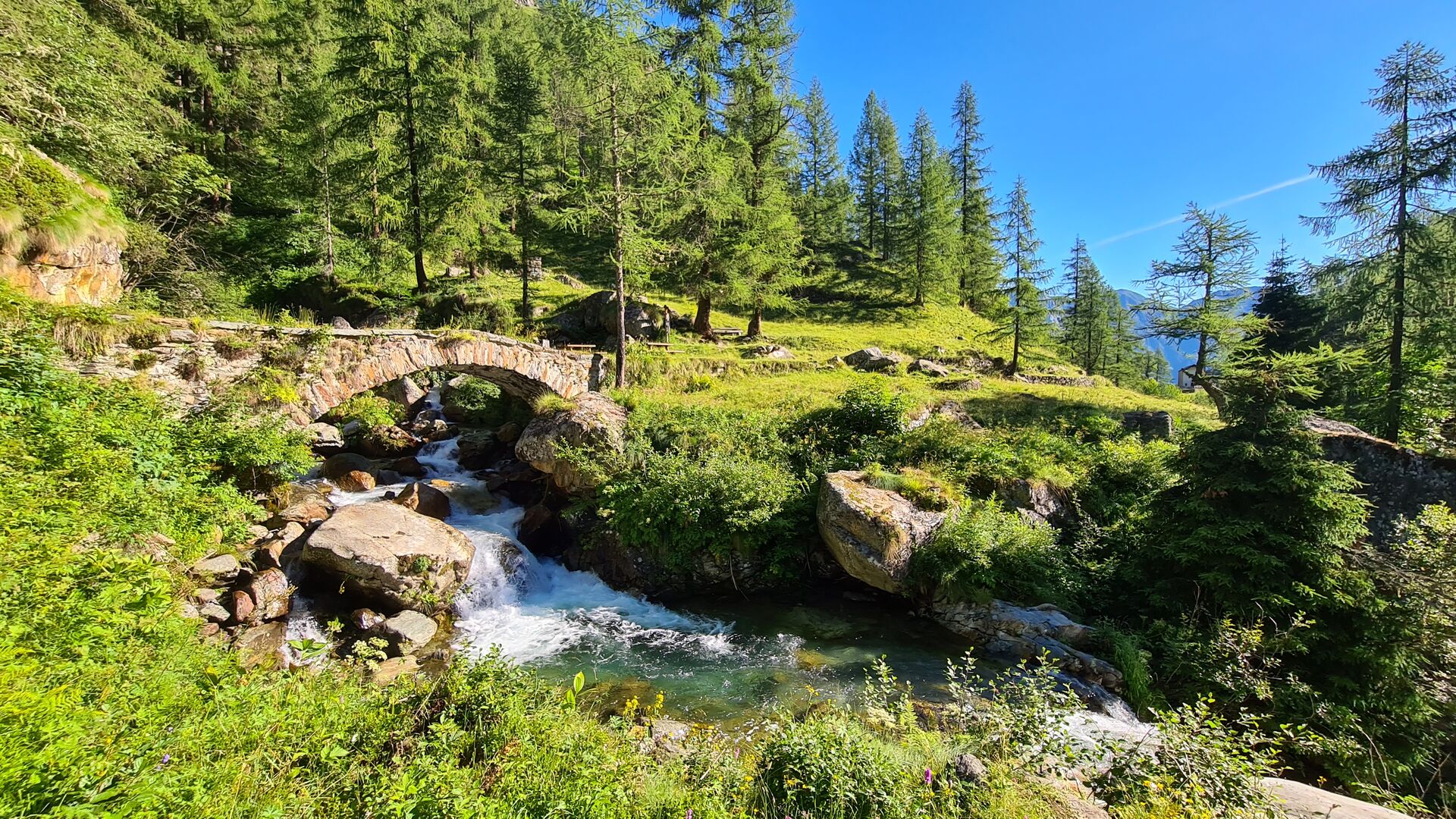
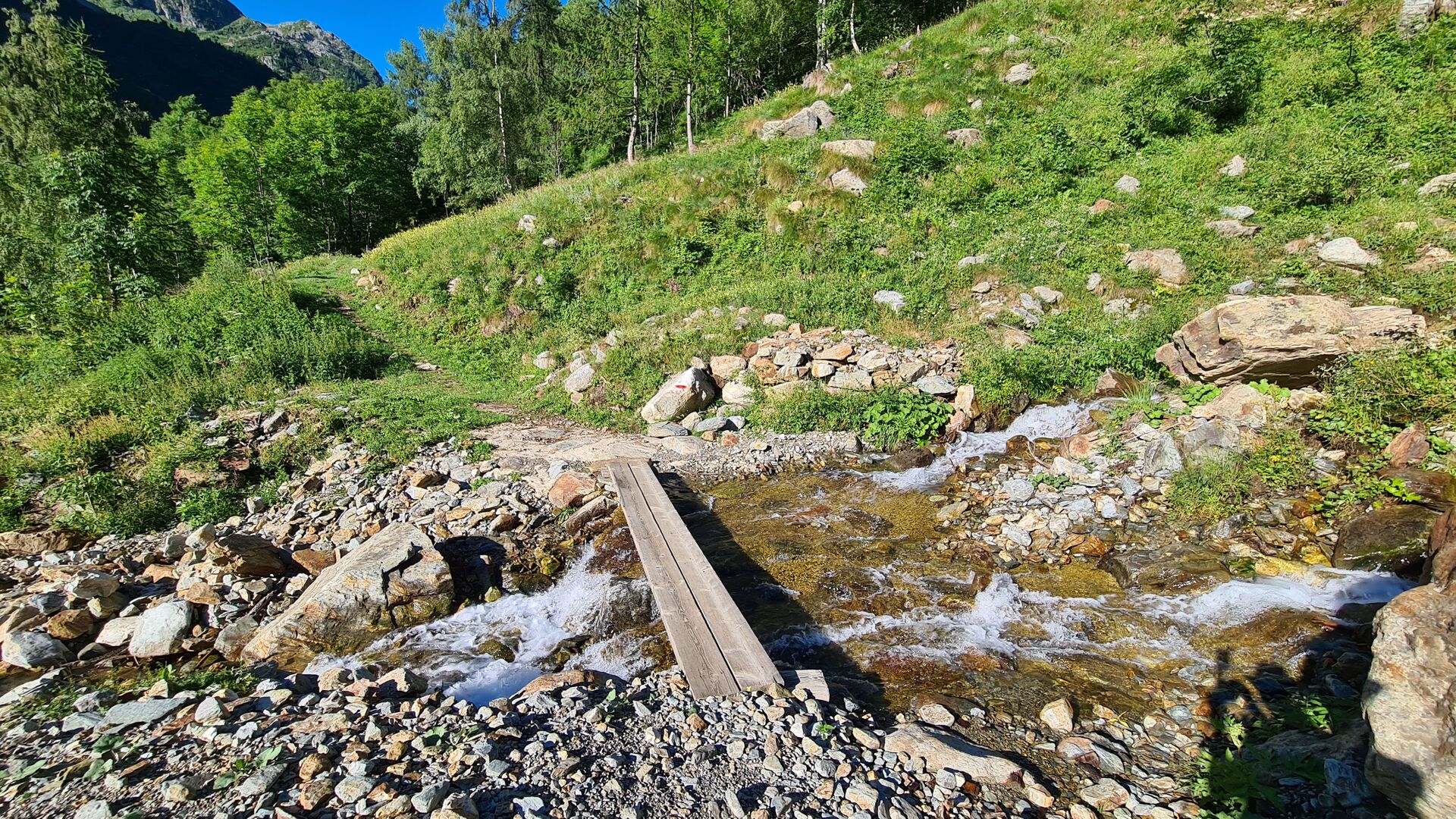
- River crossings, forests, meadows, and open plateaus
Planning and Practical Notes
The GTA is suited to experienced walkers and those comfortable with long distances, changing weather, and occasional route finding. Unlike highly signposted European long-distance trails, some sections of the GTA require careful preparation with maps, GPS, or local guidance.
Best seasons depend on elevation: mid-summer through early autumn are most accessible for higher passes, while late spring and early autumn can be ideal on gentler, lower-lying sections.
Accommodation is generally simple and local; advanced booking is recommended, especially in peak season.