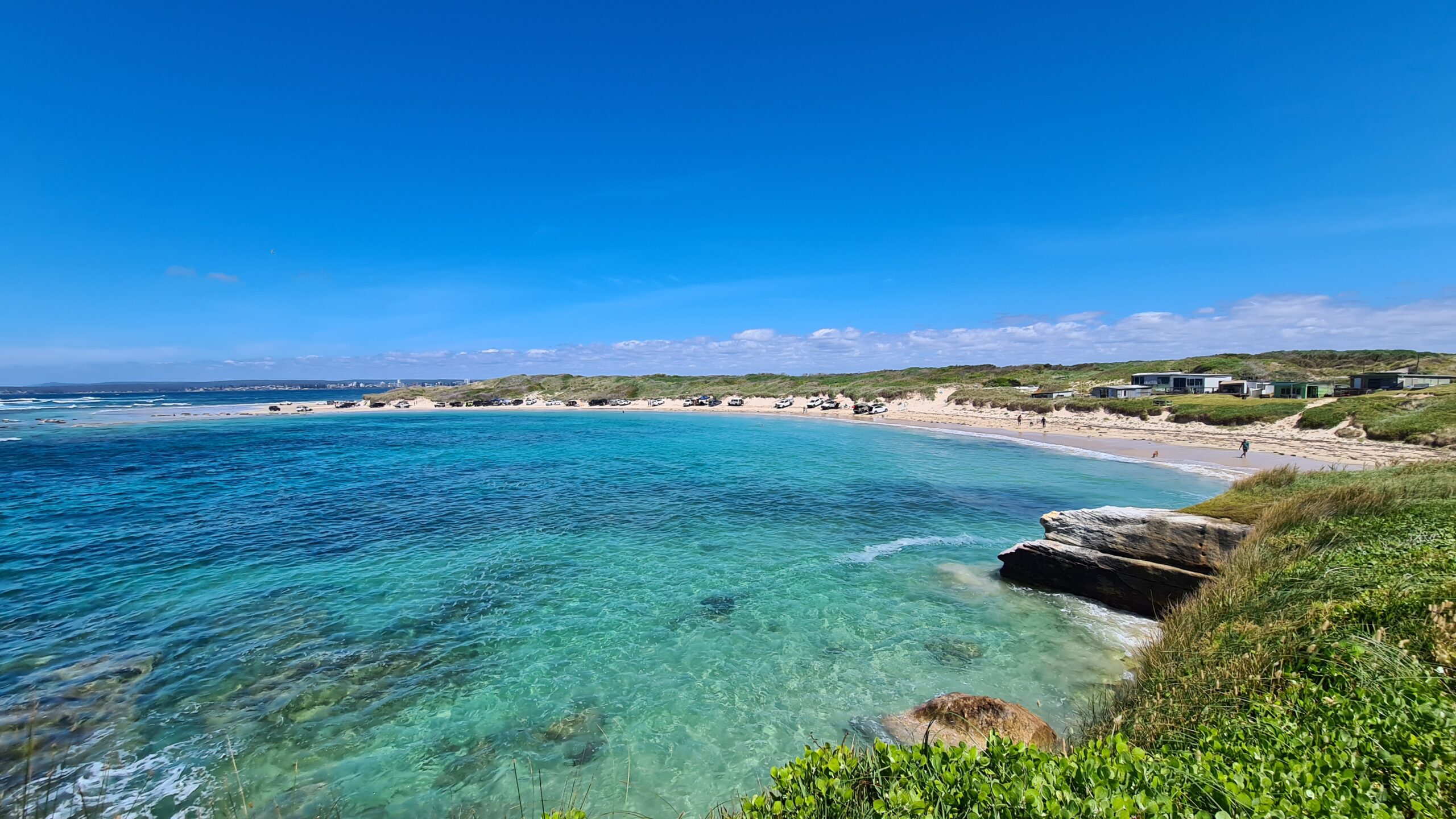


Cronulla is a coastal suburb located in the southern part of Sydney, New South Wales, facing the Pacific Ocean. It is one of the few beachside areas in Sydney with direct train access from the city center, making it a popular destination for both residents and visitors. Cronulla is known for its long sandy beaches, coastal walks, and strong surf culture.
The suburb sits on a narrow peninsula bordered by the ocean on one side and Port Hacking on the other. This geographic setting gives Cronulla a strong maritime character and provides a variety of coastal environments, including open surf beaches, calmer bays, and rocky headlands.
Cronulla has a temperate coastal climate with warm summers and mild winters. Sea breezes moderate temperatures, and ocean conditions play an important role in shaping daily life. The area combines residential neighborhoods, beachside infrastructure, and natural coastal landscapes.
History
The Cronulla area has a long history of Indigenous occupation. It is part of the traditional lands of the Gweagal people of the Dharawal Nation. Coastal resources such as fish, shellfish, and plant materials supported a sustainable way of life, and the area retains cultural significance today.
European settlement expanded in the 19th century, initially driven by fishing, tourism, and transport connections. Cronulla developed as a seaside destination as ferry and rail services improved access from central Sydney.
Throughout the 20th century, Cronulla grew into a major beach suburb. Surf lifesaving clubs, public baths, and coastal infrastructure shaped its identity as a recreational area. While development increased, efforts were made to preserve access to beaches and coastal landscapes.
Geology
Cronulla’s geology is part of the broader Sydney Basin, dominated by sandstone formations formed millions of years ago. These sedimentary rocks underlie the headlands, cliffs, and rocky platforms that frame the beaches.
Wave action and coastal erosion shaped the shoreline, creating sandy beaches interspersed with rocky outcrops. Sand movement along the coast continues to influence beach shape and size, requiring ongoing management.
The peninsula’s low-lying areas consist of sand deposits and alluvial material, while higher points expose sandstone bedrock. This geological foundation influences drainage, vegetation, and coastal stability.
Landscape and Natural Environment
Cronulla features a mix of open ocean beaches, sheltered bays, rocky headlands, and coastal vegetation. Dune systems protect parts of the shoreline and support native plant species adapted to salt spray and shifting sands.
Marine environments offshore support diverse aquatic life, while nearby estuaries provide important habitats for birds and fish. Seasonal whale migrations can be observed from coastal viewpoints.
Despite urban development, Cronulla maintains significant natural and recreational spaces, including coastal parks and walking paths.
Things to See
Cronulla offers a variety of natural, recreational, and cultural attractions:
Beaches and Coastal Areas
- Long sandy surf beaches with strong wave action
- Sheltered bays suitable for swimming and boating
- Rocky headlands with ocean views
Coastal Walks and Lookouts
- Scenic coastal paths along cliffs and beaches
- Viewing points for marine life and sunsets
- Access to nearby national parks and reserves
Recreation and Lifestyle
- Surfing and surf lifesaving culture
- Cafés, restaurants, and beachside amenities
- Water-based activities in Port Hacking
Experience and Character
Cronulla is defined by openness, movement, and coastal rhythm. The ocean shapes daily life through surf conditions, tides, and seasonal changes. The suburb combines relaxed beach culture with urban convenience, making it both a destination and a residential community.
Its accessible coastline, strong sense of local identity, and connection to the sea give Cronulla a distinctive place within Sydney’s coastal landscape.