
The Blue Mountains are a vast mountainous region located in New South Wales, Australia, west of Sydney. Forming part of the Great Dividing Range, the area extends across a broad plateau deeply dissected by valleys, cliffs, and escarpments. The Blue Mountains are internationally recognized for their dramatic scenery, extensive eucalyptus forests, and large areas of protected wilderness.
The region includes towns and villages such as Katoomba, Leura, Blackheath, and Wentworth Falls, which developed along the ridge lines and serve as gateways to surrounding natural areas. The Blue Mountains are designated as a UNESCO World Heritage Site due to their ecological diversity and representation of eucalyptus-dominated ecosystems.
The climate is cooler than Sydney, with mild summers and cool winters that can occasionally bring frost and mist. The region’s name comes from the bluish haze often seen over the landscape, caused by light scattering through eucalyptus oil droplets released by the forests.
History
The Blue Mountains have a long history of Indigenous occupation. The area is part of the traditional lands of several Aboriginal groups, including the Dharug and Gundungurra peoples. The landscape holds deep cultural significance, reflected in rock art, ceremonial sites, and traditional pathways.
For European settlers, the Blue Mountains formed a major barrier to inland expansion. Early attempts to cross the rugged terrain were unsuccessful until a route was identified in the early 19th century. The crossing of the Blue Mountains marked a turning point in the expansion of colonial settlement into the interior of New South Wales.
Throughout the 19th and early 20th centuries, towns developed along transport routes, particularly with the arrival of the railway. The area became a popular retreat for visitors seeking cooler temperatures and scenic landscapes. Tourism and conservation grew alongside each other, shaping the modern identity of the region.
Geology
The geology of the Blue Mountains is dominated by sandstone formations deposited over millions of years during the Triassic period. These sediments were laid down in ancient river systems and later uplifted as part of the Great Dividing Range.
Erosion by water and wind carved the plateau into a complex system of valleys, cliffs, gorges, and waterfalls. Vertical sandstone cliffs define much of the region’s dramatic scenery, while narrow canyons cut deep into the plateau.
Coal seams and shale layers beneath the sandstone influenced early industrial activity and settlement patterns. The region’s geology continues to shape drainage systems, vegetation distribution, and landscape stability.
Landscape and Natural Environment
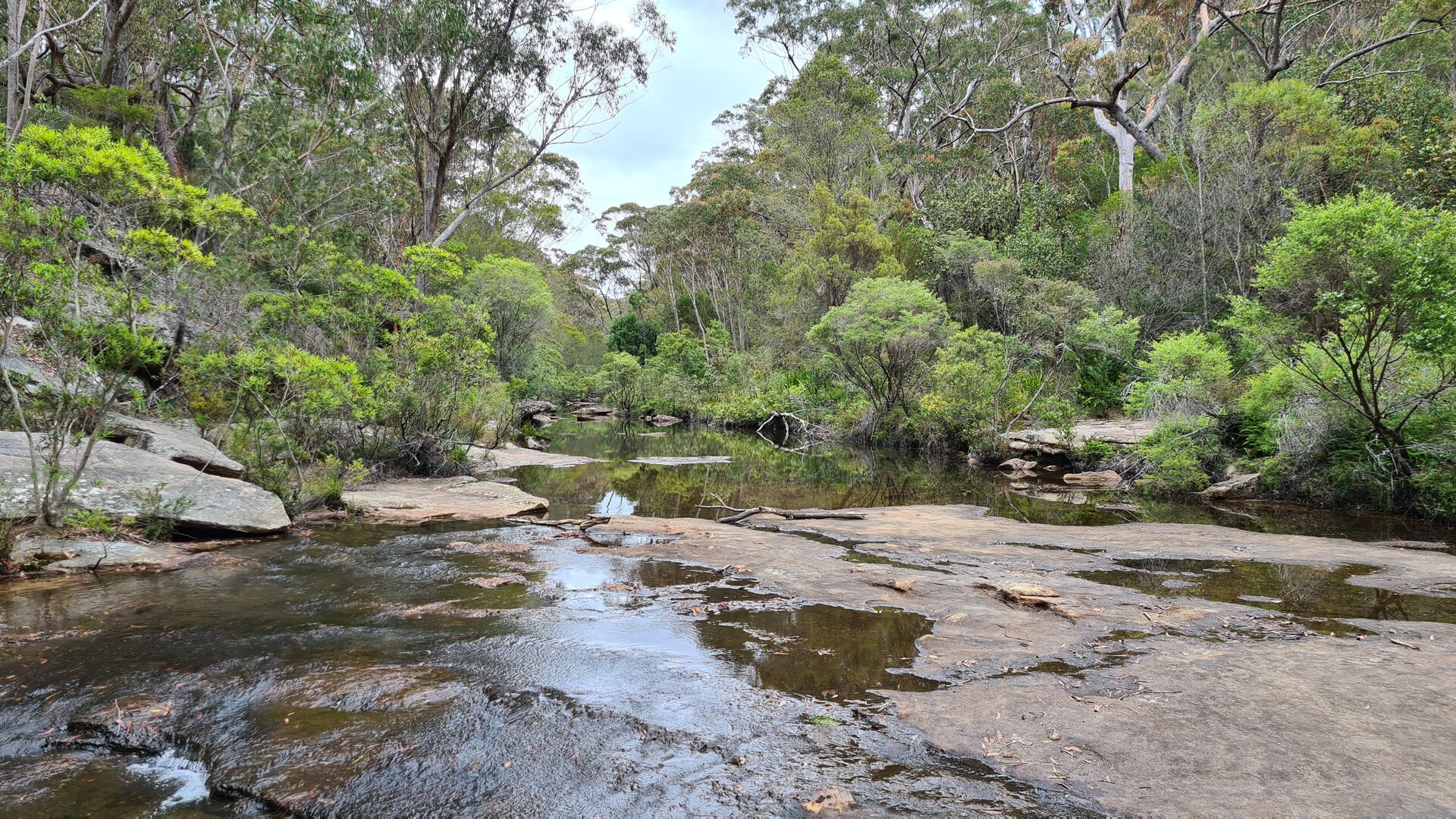
The Blue Mountains are characterized by vast eucalyptus forests, deep valleys, rugged cliffs, and remote wilderness areas. The vegetation is dominated by eucalyptus species, but also includes heathland, rainforest pockets, and wet sclerophyll forests in sheltered valleys.
The region supports a wide range of wildlife, including birds, reptiles, mammals, and insects adapted to varied elevation and climate conditions. Biodiversity is especially high due to the complex topography and range of microclimates.
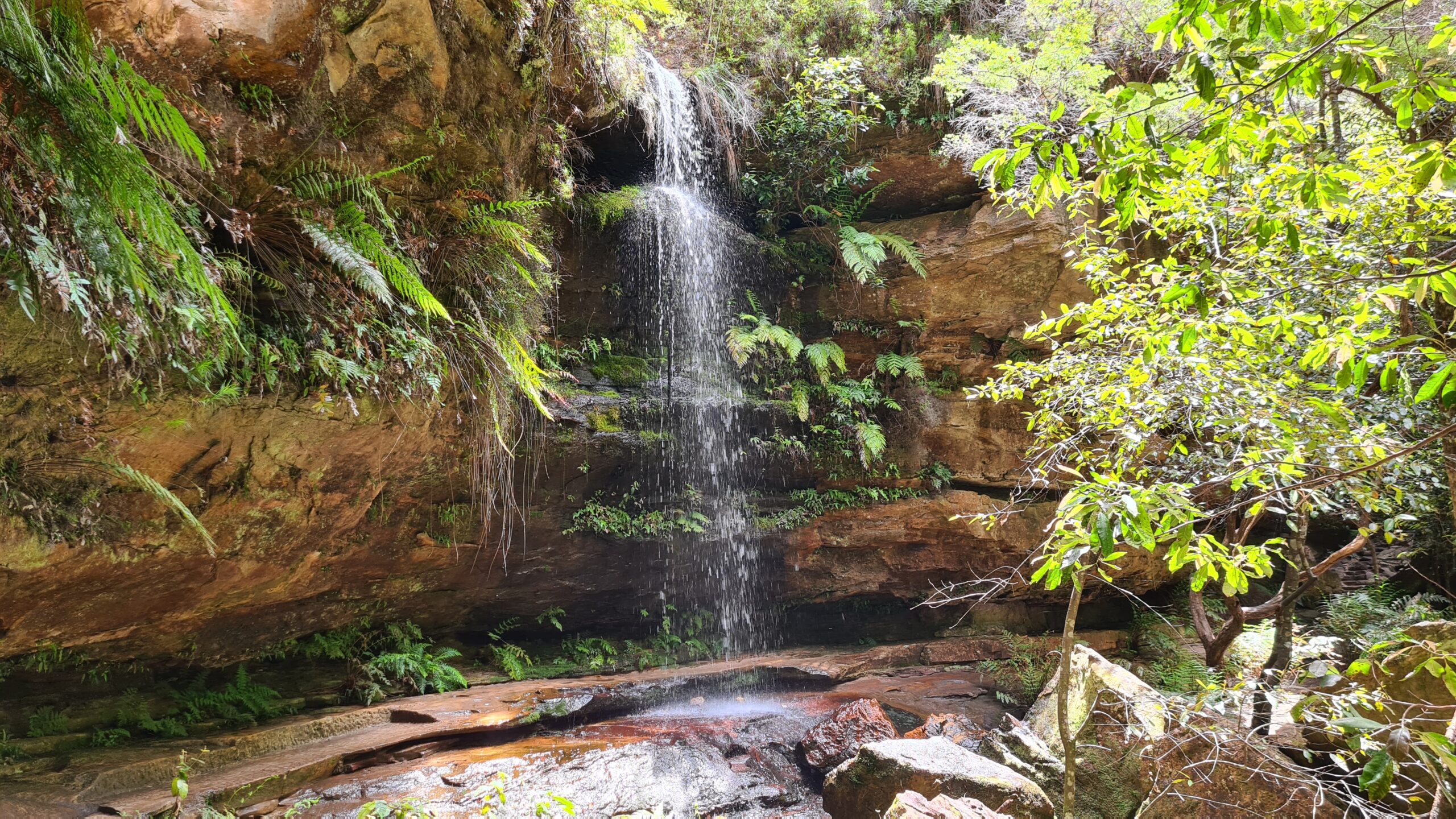
Waterfalls, creeks, and rivers flow through the valleys, particularly after rainfall. Mist and cloud frequently form in the cooler air, enhancing the region’s atmospheric quality and visual depth.
Things to See
The Blue Mountains offer an exceptional variety of natural and cultural attractions:
Scenic Landscapes
- Vast sandstone escarpments and deep valleys
- Panoramic lookouts overlooking forested landscapes
- Waterfalls cascading into secluded gorges
Natural Features
- Eucalyptus forests creating the characteristic blue haze
- Rock formations shaped by erosion
- Remote canyons and wilderness areas
Cultural and Historic Sites
- Aboriginal rock art and cultural landscapes
- Historic towns and heritage buildings
- Early transport routes and lookouts
Outdoor Activities
- Hiking and bushwalking trails of varying difficulty
- Canyoning and rock scrambling in narrow gorges
- Scenic drives and viewpoints
- Photography and nature observation
Experience and Character
The Blue Mountains are defined by scale, depth, and atmosphere. Unlike sharply peaked mountain ranges, the region’s power lies in its expansive plateaus and immense valleys, creating a sense of openness and distance.
Visitors often experience a feeling of calm and immersion, enhanced by forest sounds, shifting light, and changing weather. The region combines accessibility with genuine wilderness, allowing for both casual exploration and demanding outdoor adventures.
The Blue Mountains represent a balance between conservation and tourism, offering a landscape shaped by both natural processes and long-term human interaction.