
Ostia Antica is an extensive archaeological site located near the western outskirts of Rome, close to the modern coastline of the Tyrrhenian Sea. Once the main harbor city of ancient Rome, Ostia Antica played a crucial role in supplying the capital with grain, goods, and materials from across the Roman Empire. Today, it is one of the best-preserved ancient cities in the world and offers a detailed insight into everyday life in Roman times.
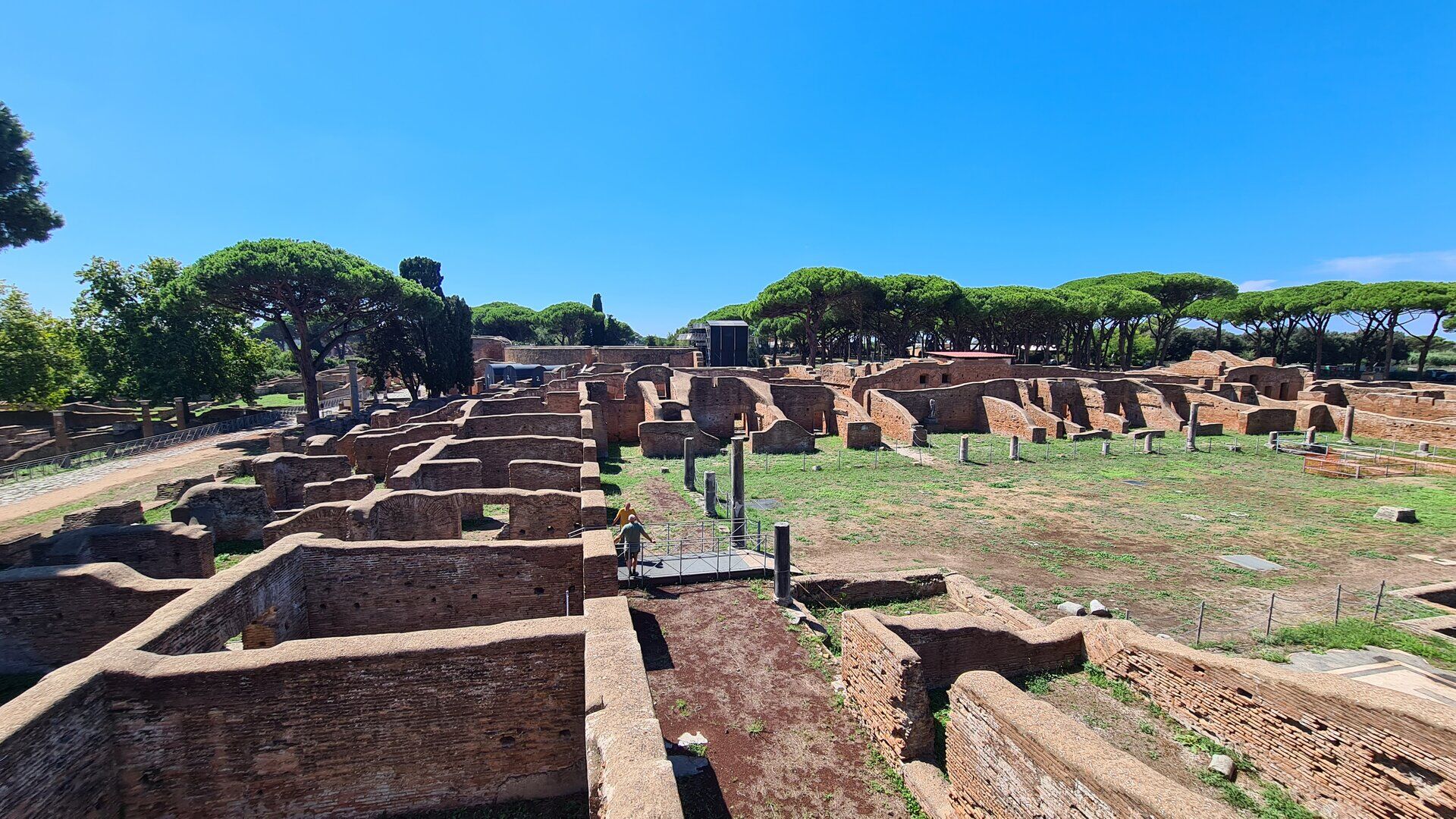
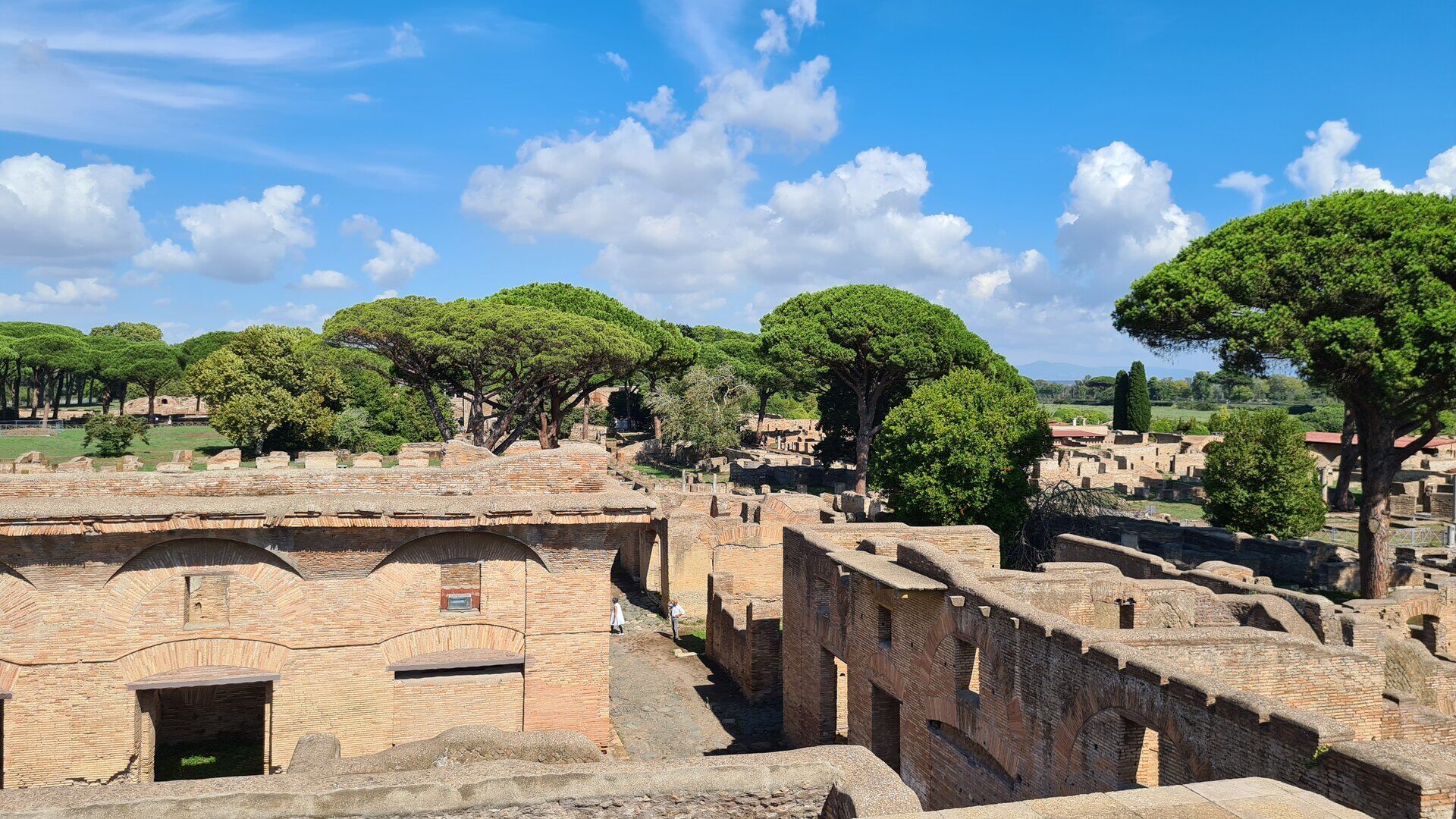
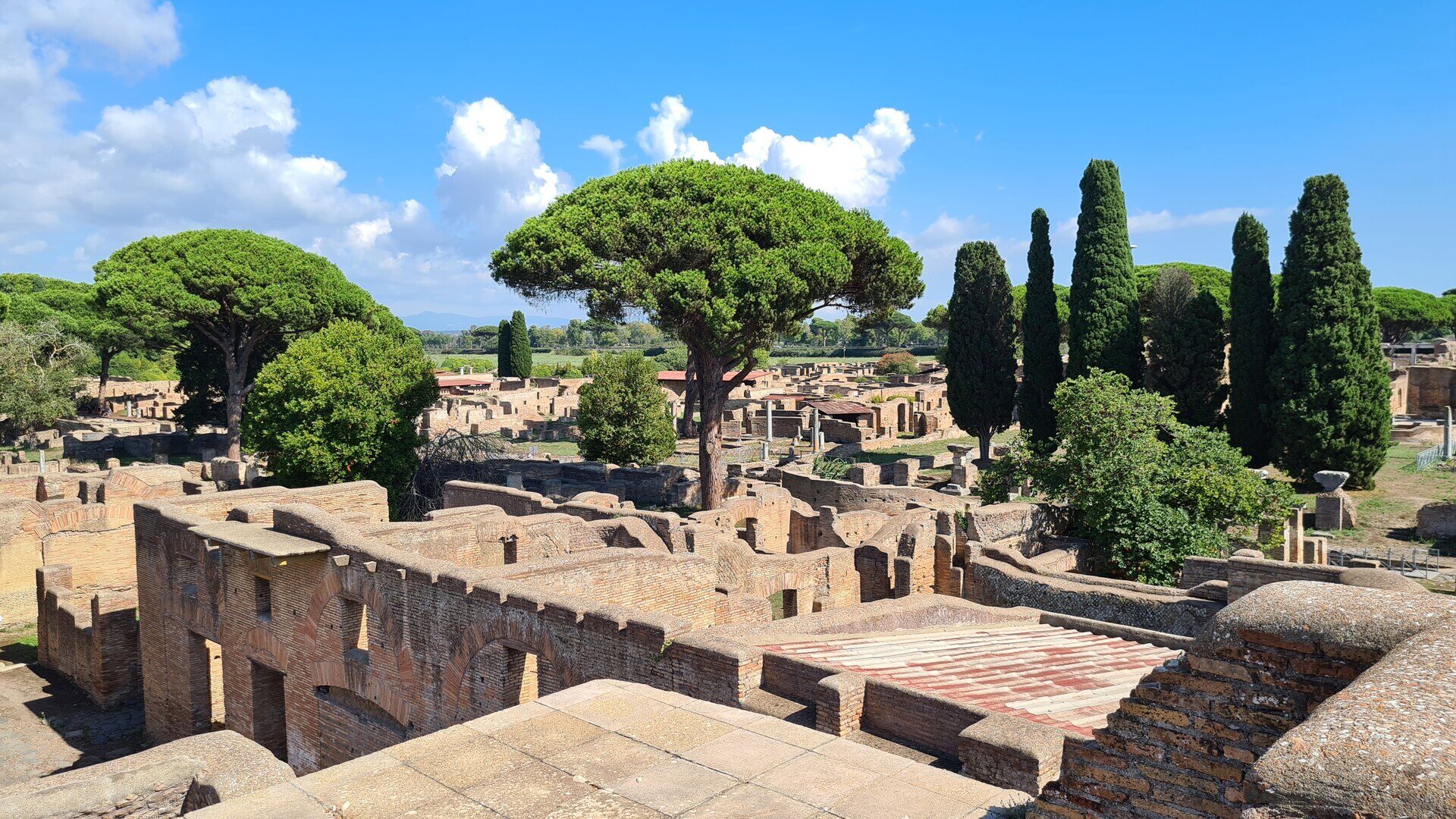
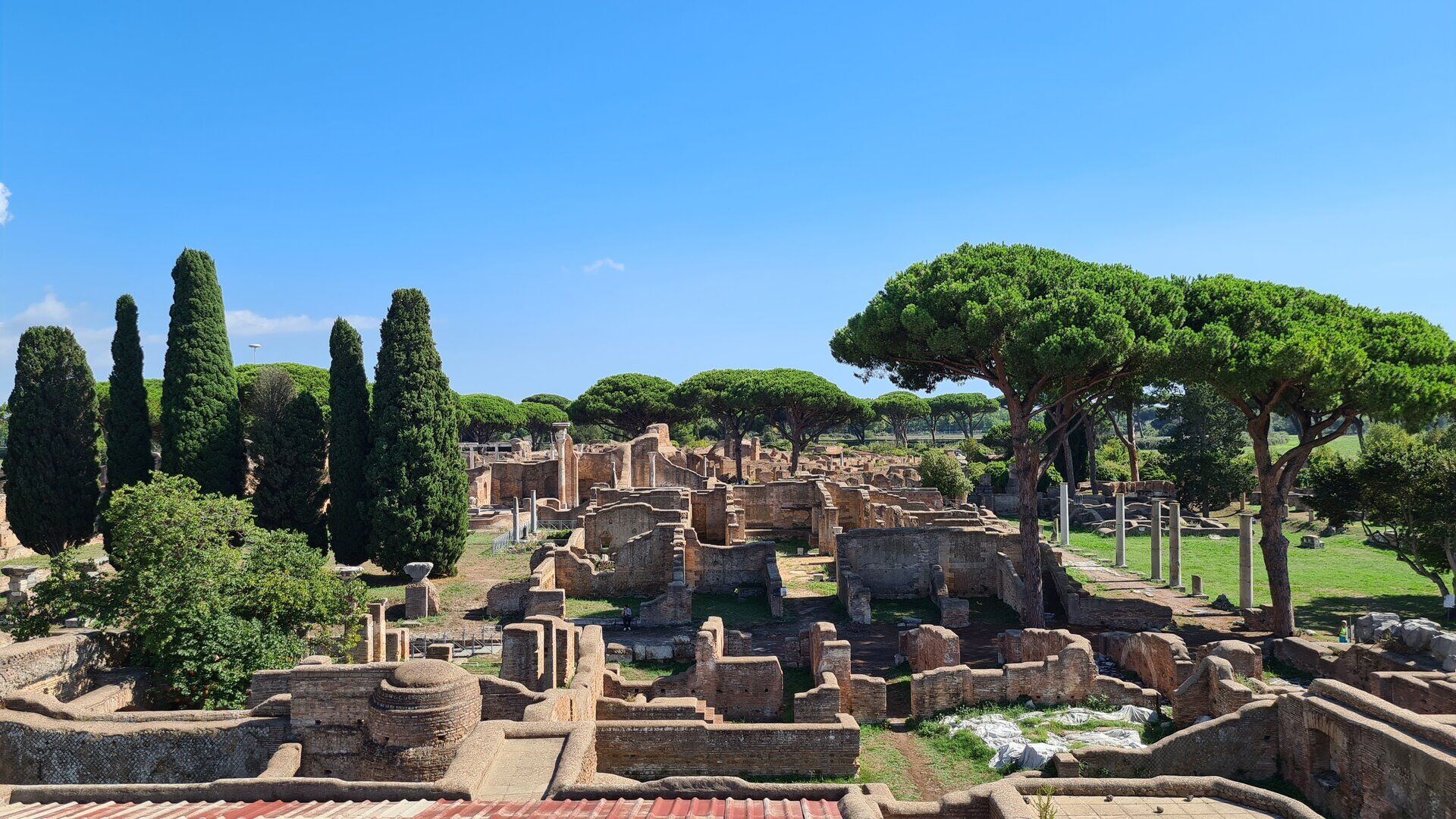
The site covers a large area of ruins, including streets, houses, warehouses, baths, temples, and public buildings. Unlike many archaeological sites that focus on monumental structures, Ostia Antica is notable for its residential architecture and urban layout, which reflect the daily routines of merchants, sailors, officials, and workers.
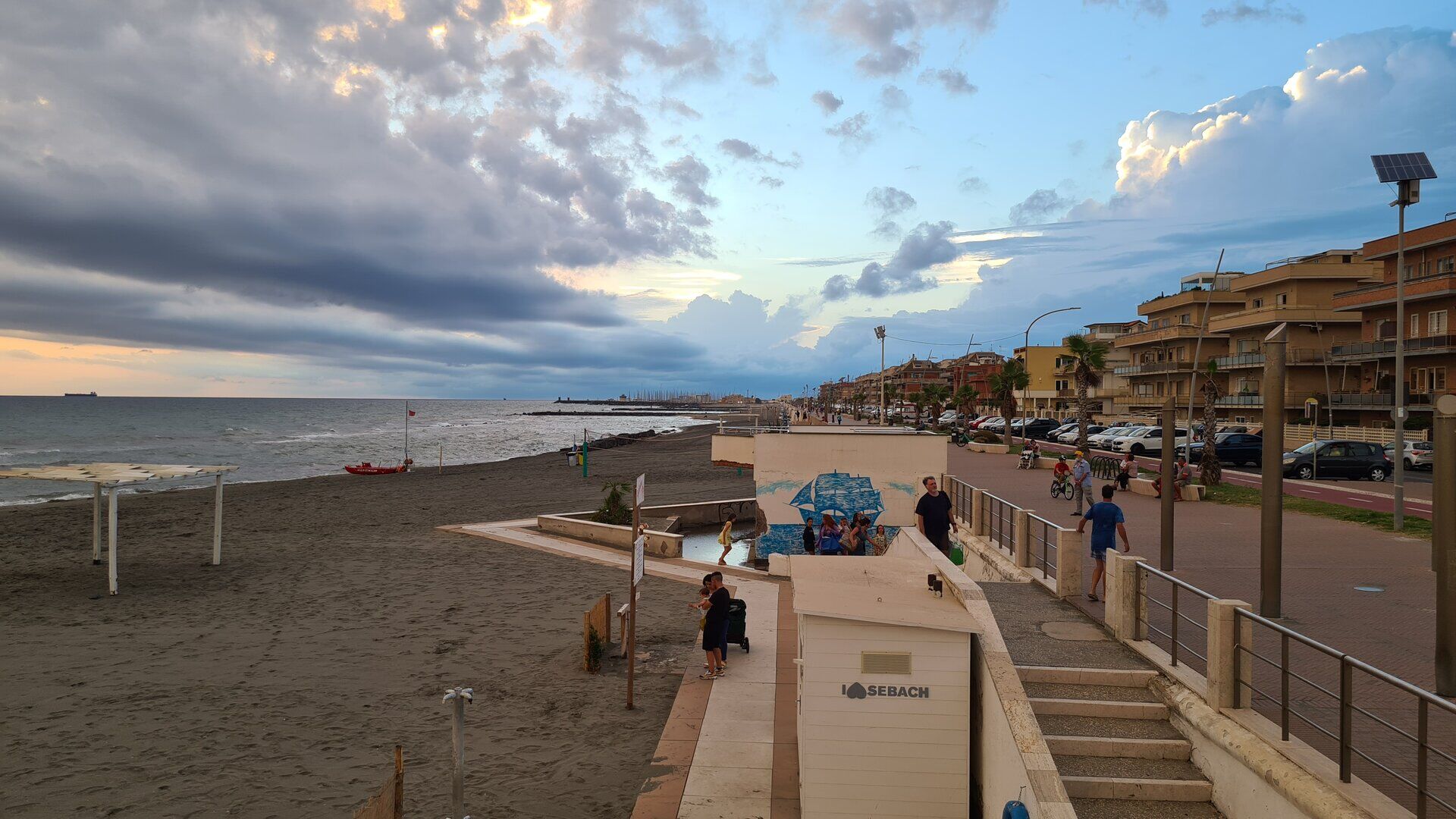
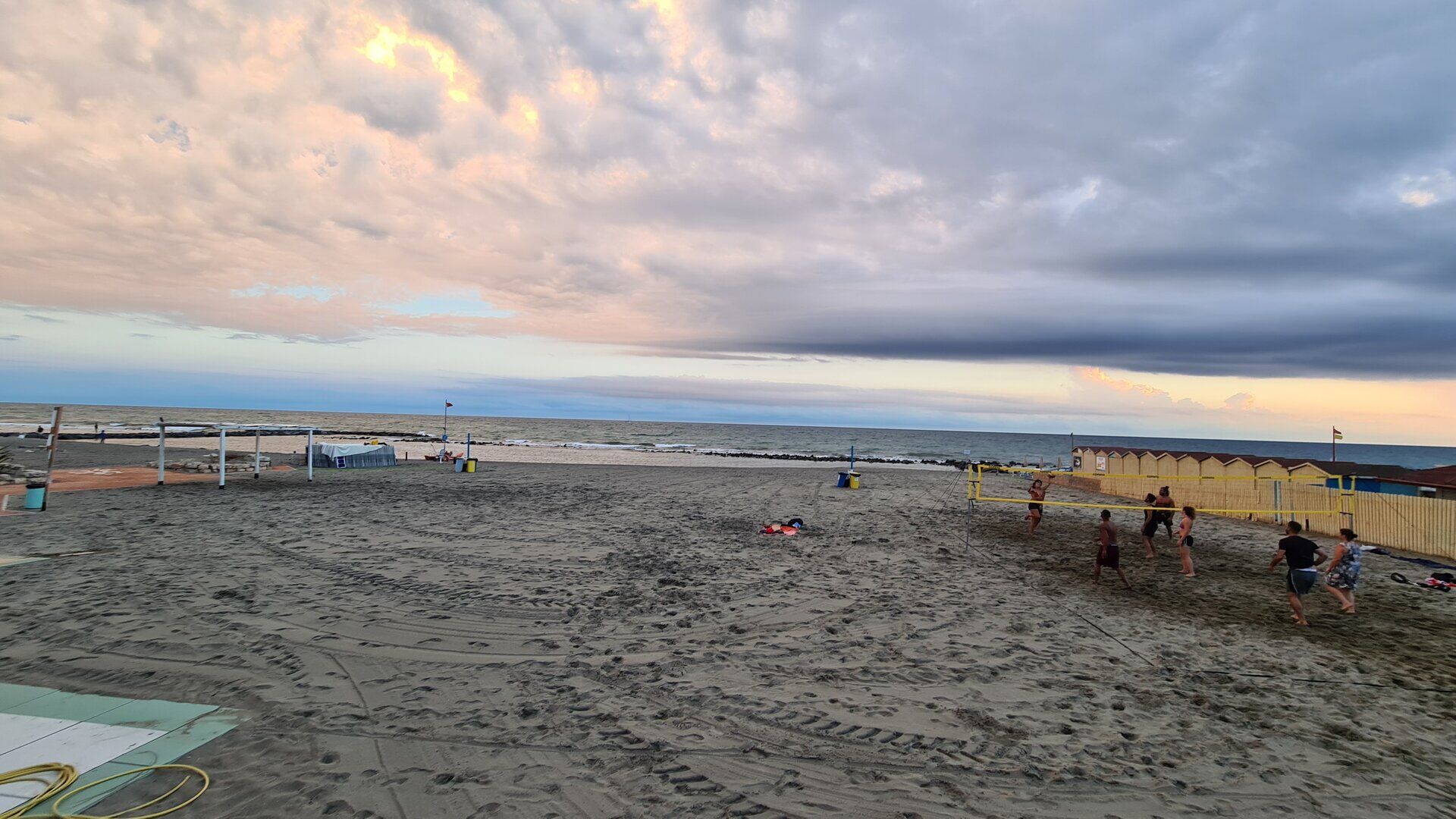
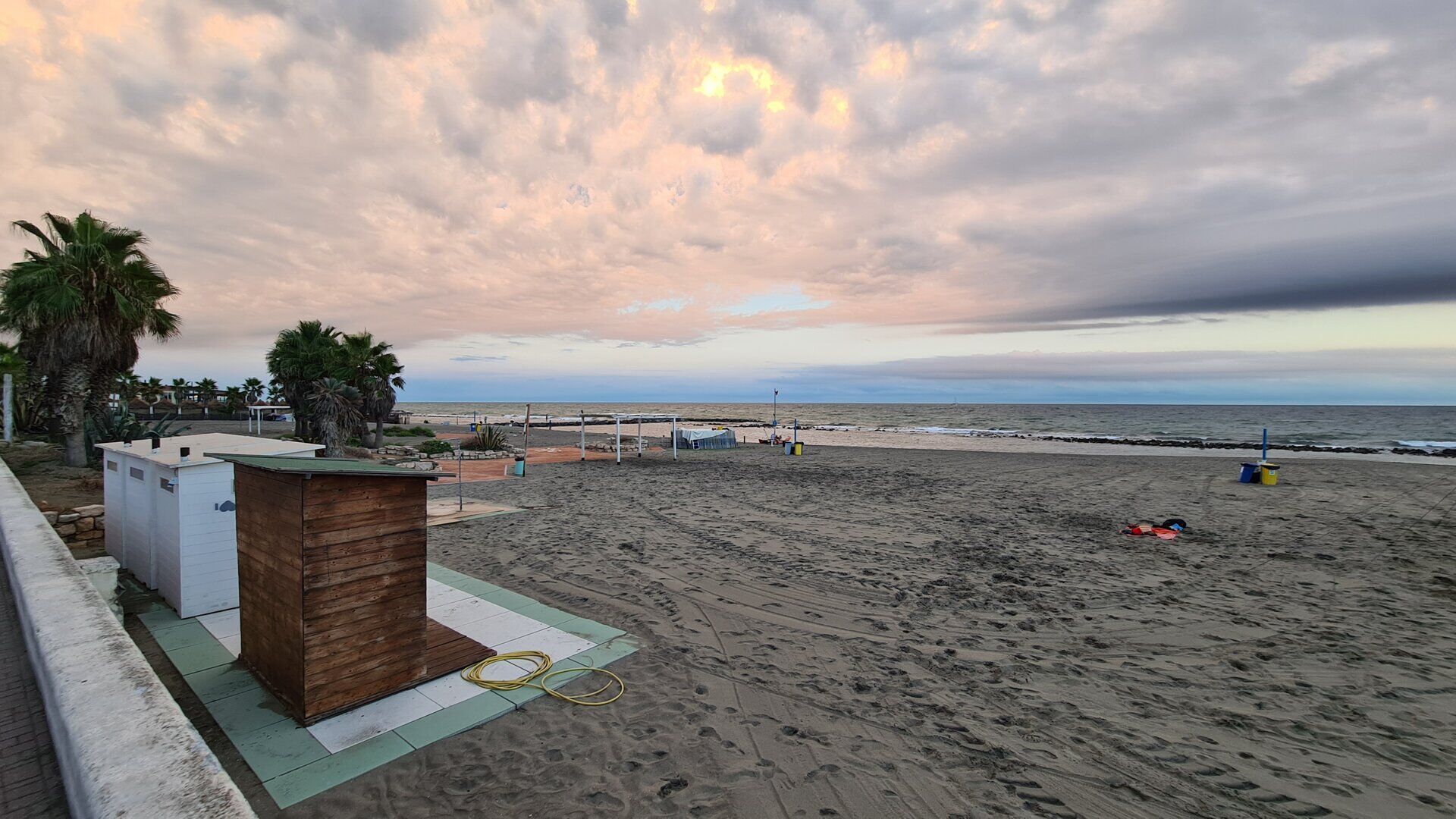
Ostia Antica is located inland from the modern shoreline because of centuries of sedimentation that shifted the coastline. The surrounding landscape is flat and open, with Mediterranean vegetation and proximity to the mouth of the Tiber River, which shaped the city’s historical importance.
History
Ostia Antica was founded in the 4th century BCE, traditionally attributed to the Roman king Ancus Marcius. Its original purpose was to protect Rome’s access to the sea and control salt production at the river’s mouth. Over time, Ostia developed into Rome’s principal port and a key hub for trade and transportation.
During the Roman Republic and early Empire, Ostia expanded rapidly. Warehouses stored grain from North Africa and Egypt, while ships arriving from across the Mediterranean unloaded wine, olive oil, marble, and luxury goods. The city became densely populated, with multi-story apartment buildings housing a diverse population.
In the later Imperial period, changes in trade routes and the development of new ports led to Ostia’s gradual decline. Flooding, silting of the river, and political instability further reduced its importance. By the early Middle Ages, much of the city was abandoned and eventually buried under layers of sediment, which contributed to its remarkable preservation.
Geology
The geology of Ostia Antica is closely connected to the Tiber River and coastal processes. The site is built on alluvial deposits formed by centuries of river sediment carried downstream from central Italy. These deposits created fertile soils but also contributed to flooding and gradual changes in the landscape.
Coastal sedimentation caused the shoreline to move westward over time, leaving Ostia Antica inland from the sea. This geological process altered the city’s relationship with maritime trade and played a role in its decline.
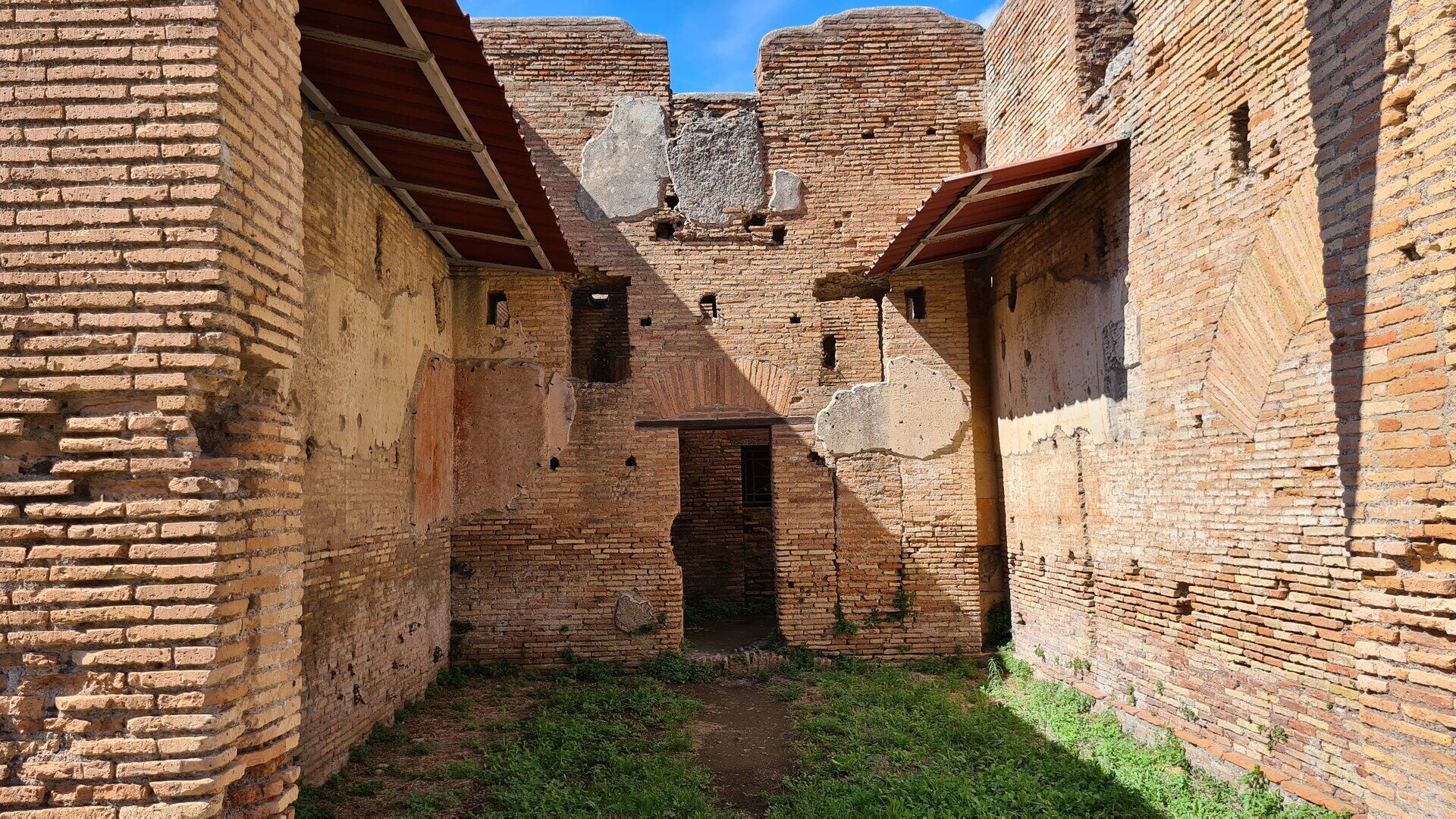
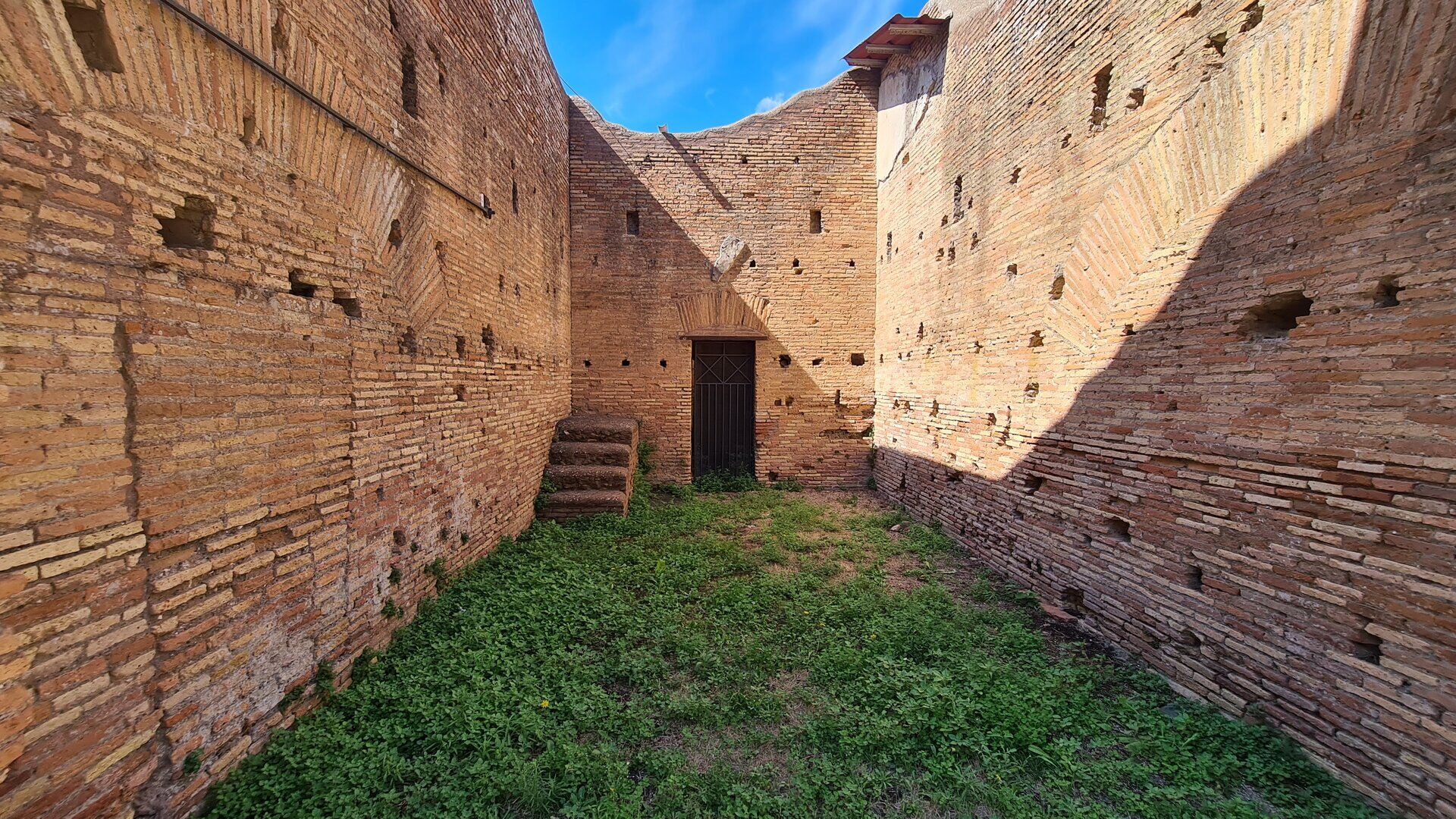
The building materials used in Ostia reflect local geology and Roman engineering practices. Bricks, concrete, and stone sourced from regional quarries were combined with innovative construction techniques, allowing for durable multi-story buildings that have survived for centuries.
Landscapes and Urban Environment
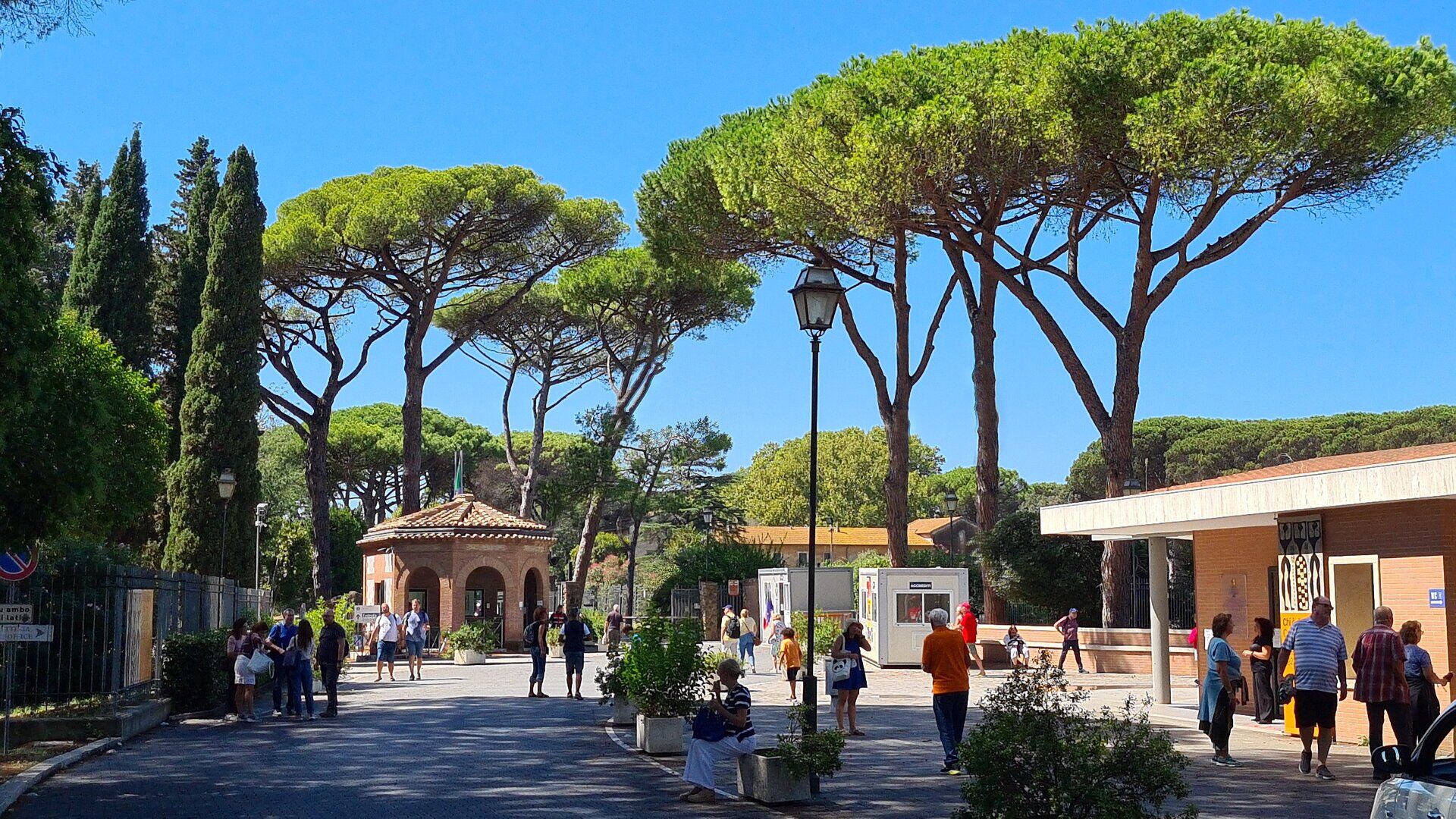
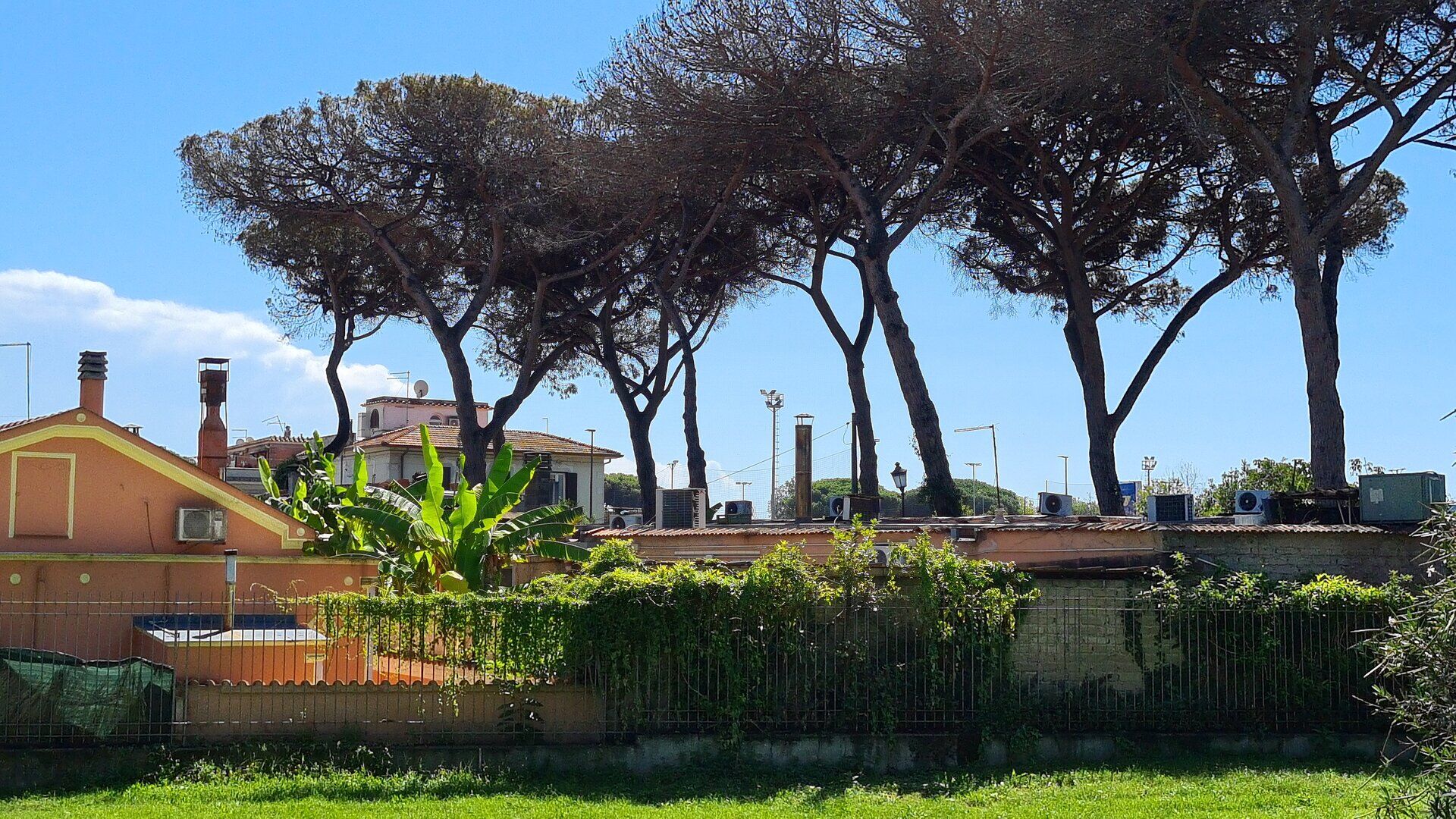
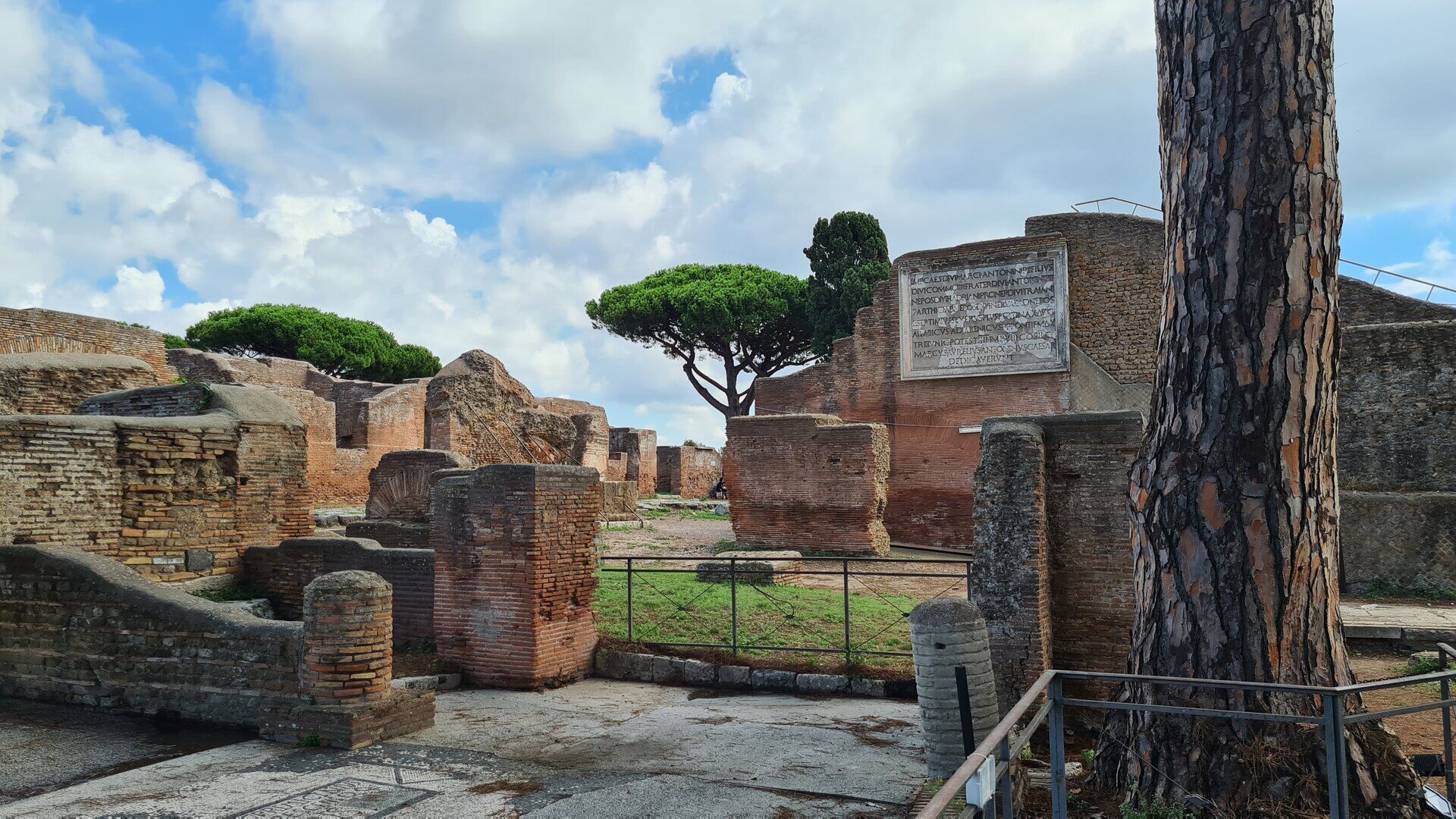
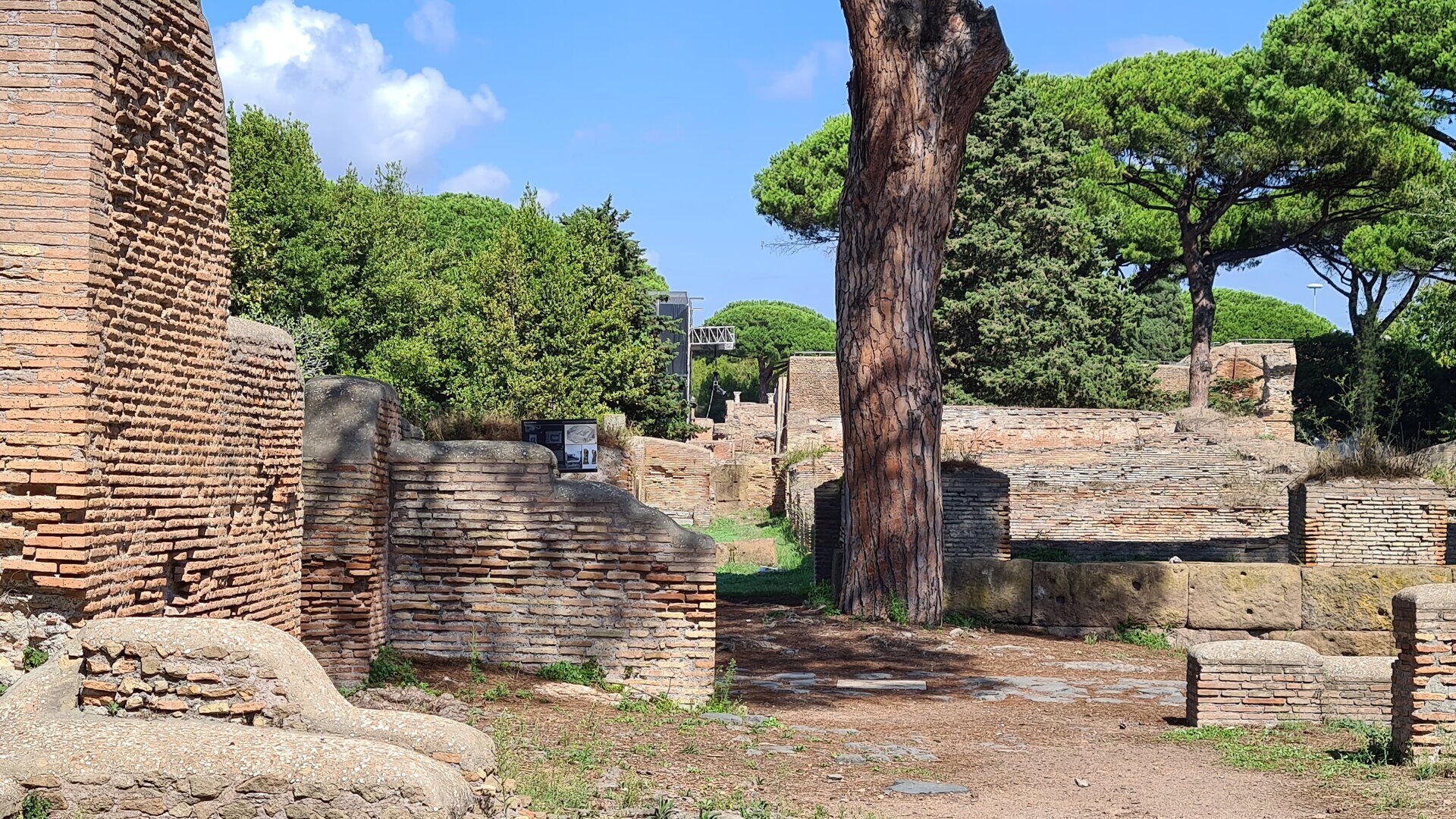
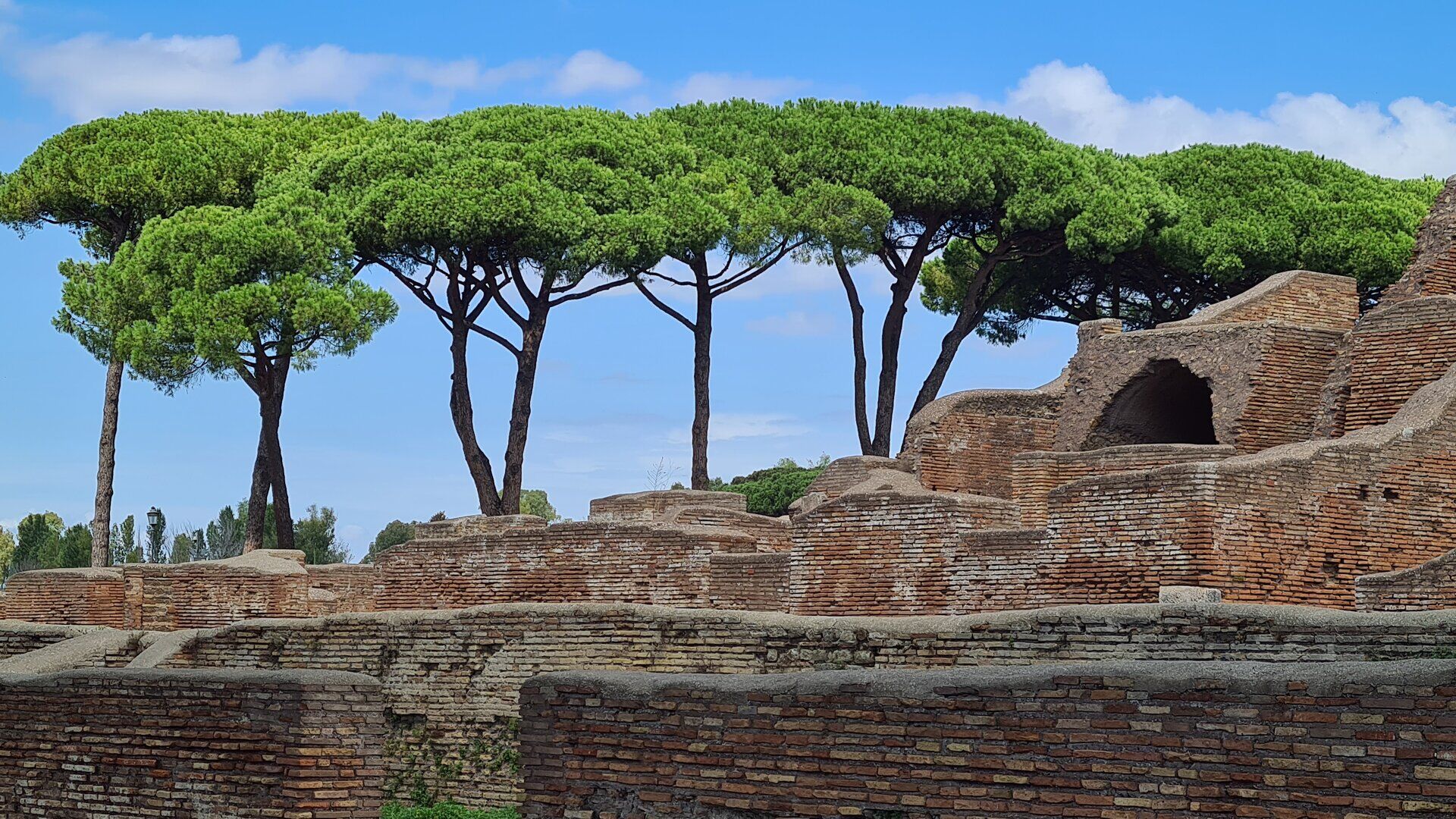
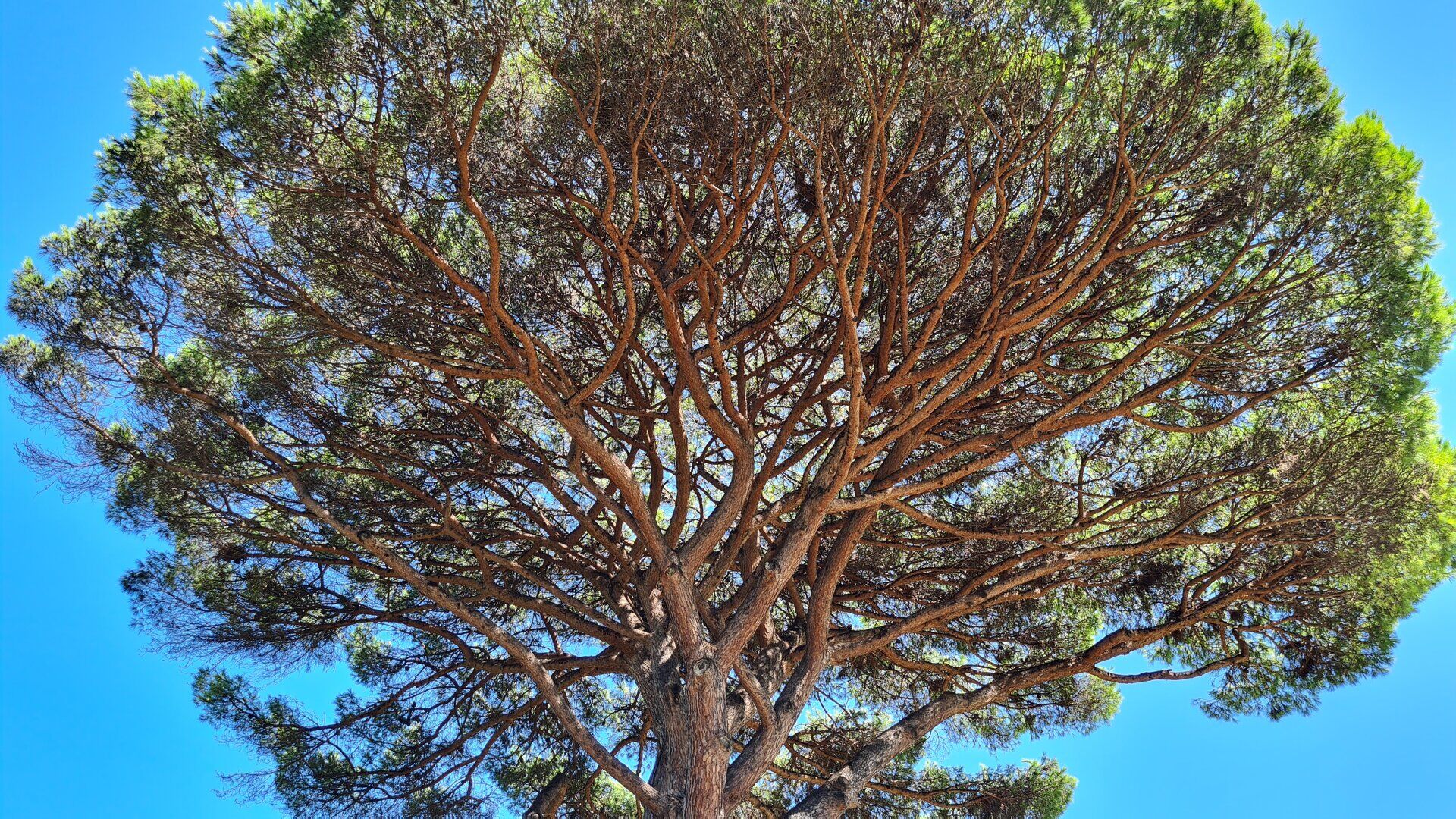
Ostia Antica’s ruins are set within a tranquil, semi-natural environment. Tree-lined streets, open courtyards, and grassy areas create a park-like atmosphere that contrasts with the site’s dense urban past. Mediterranean pines, cypress trees, and shrubs frame the ruins and provide shade.
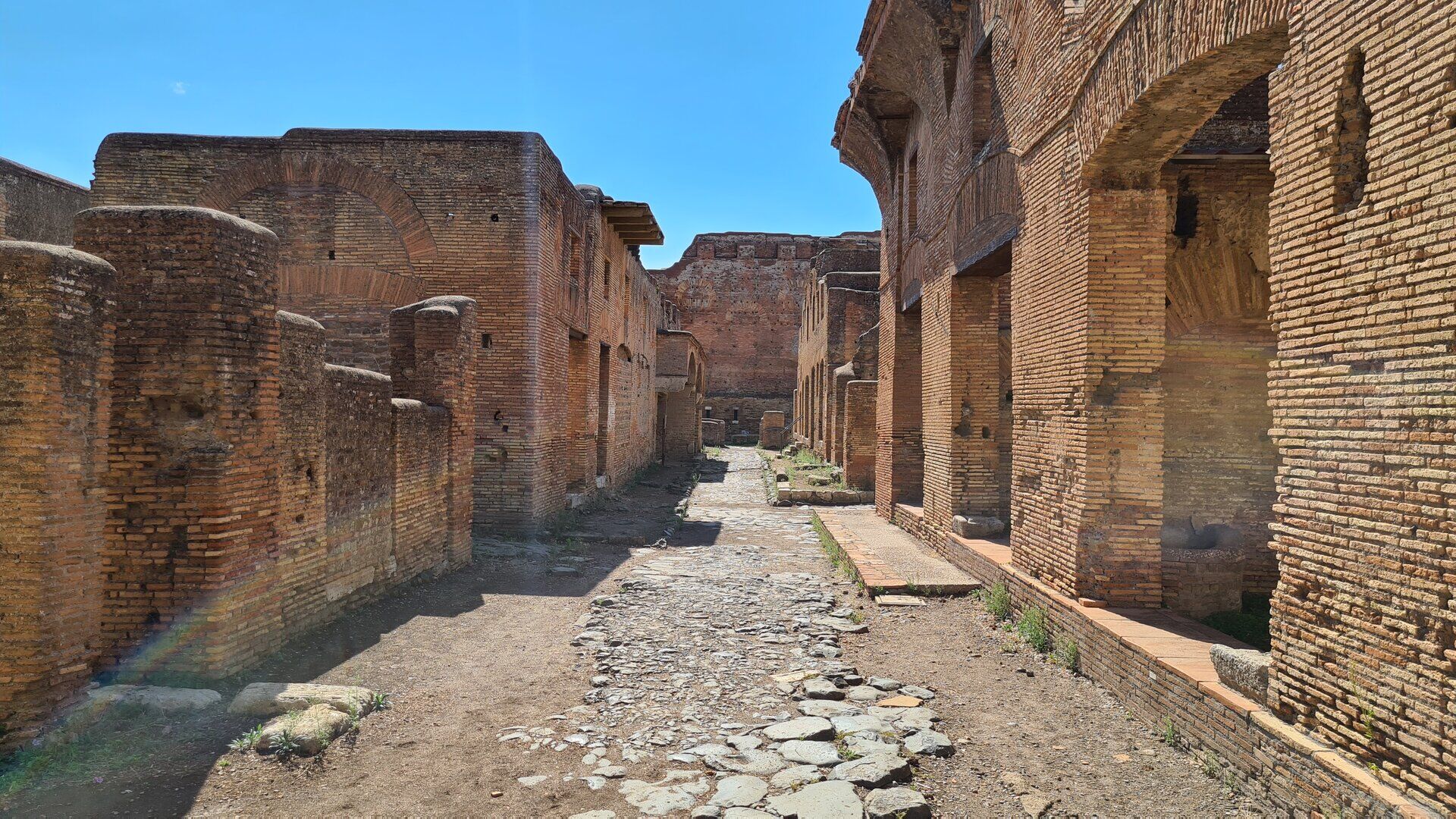
The layout of the city remains clearly visible, with stone-paved roads, sidewalks, and drainage systems. Public spaces such as forums and bath complexes illustrate the social organization of Roman urban life.
The absence of modern buildings within the archaeological zone allows visitors to experience the scale and structure of an ancient city with minimal visual distraction.
Things to See
Ostia Antica offers an exceptional range of archaeological and cultural highlights:
Urban Architecture
- Well-preserved Roman streets and intersections
- Multi-story apartment buildings (insulae)
- Warehouses and commercial structures
Public and Religious Buildings
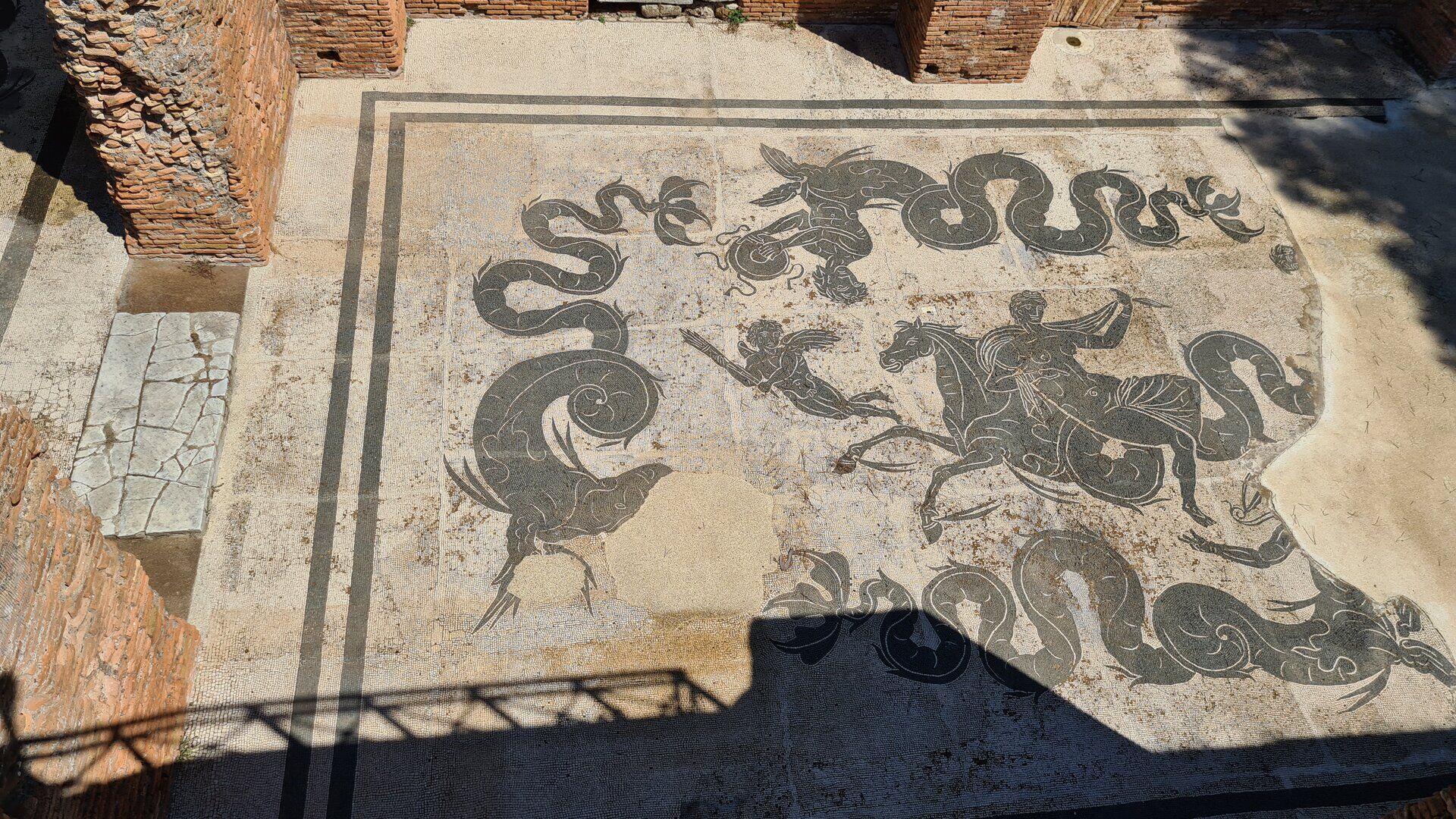
- Bath complexes with mosaics and heating systems
- Temples and religious sanctuaries
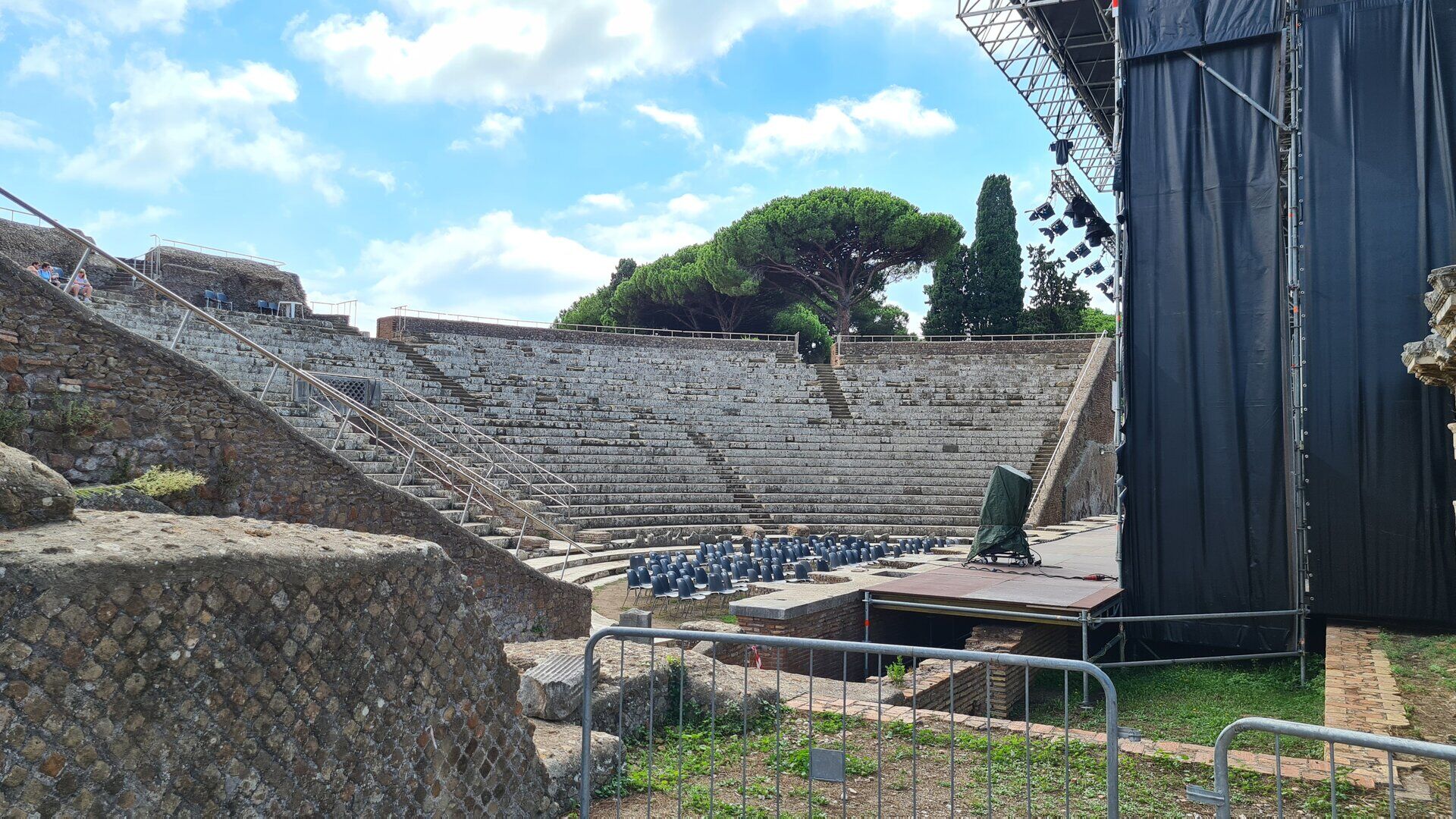
- The ancient theater and public gathering spaces
Art and Daily Life
- Floor mosaics depicting trades, animals, and mythology
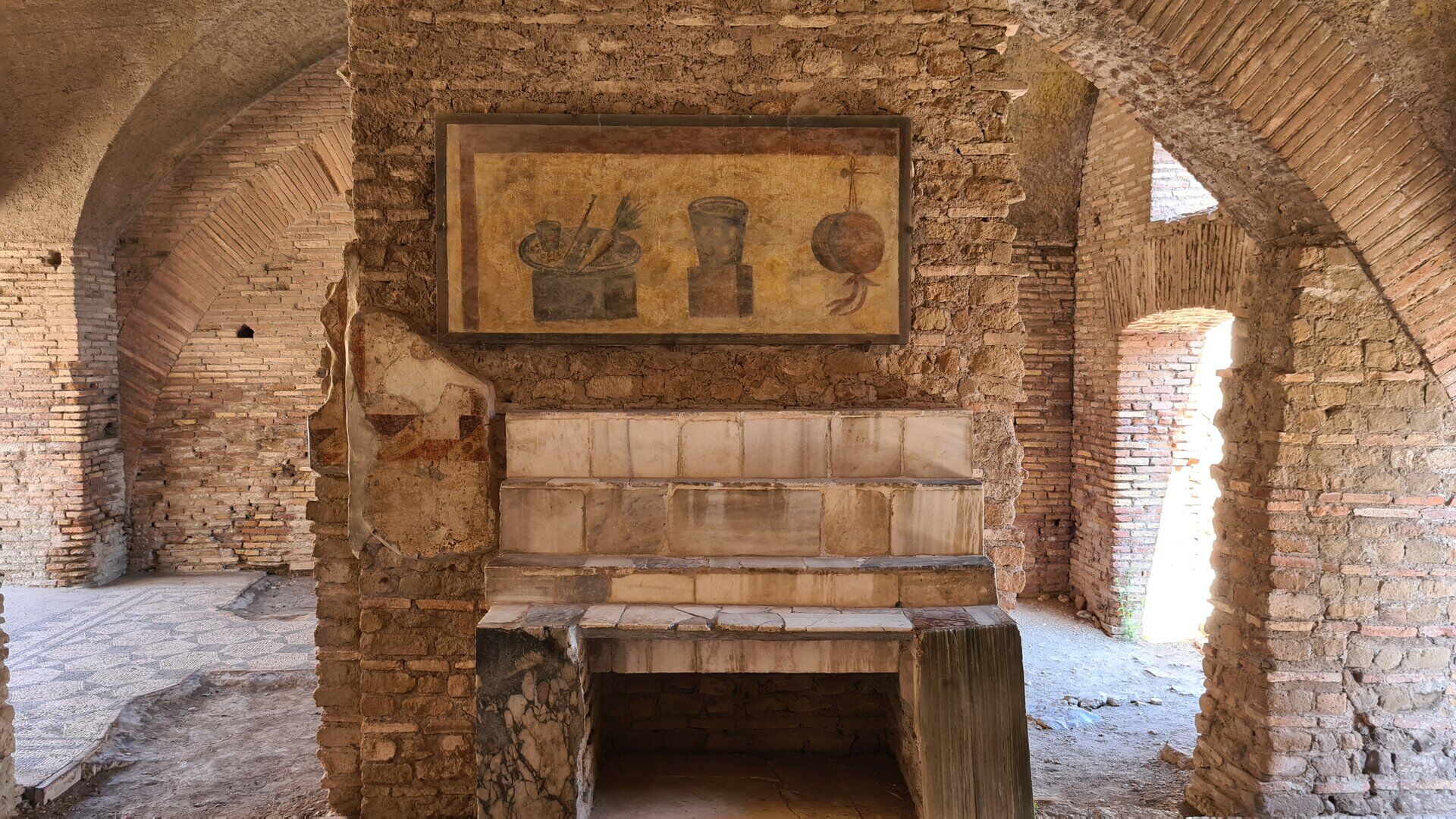
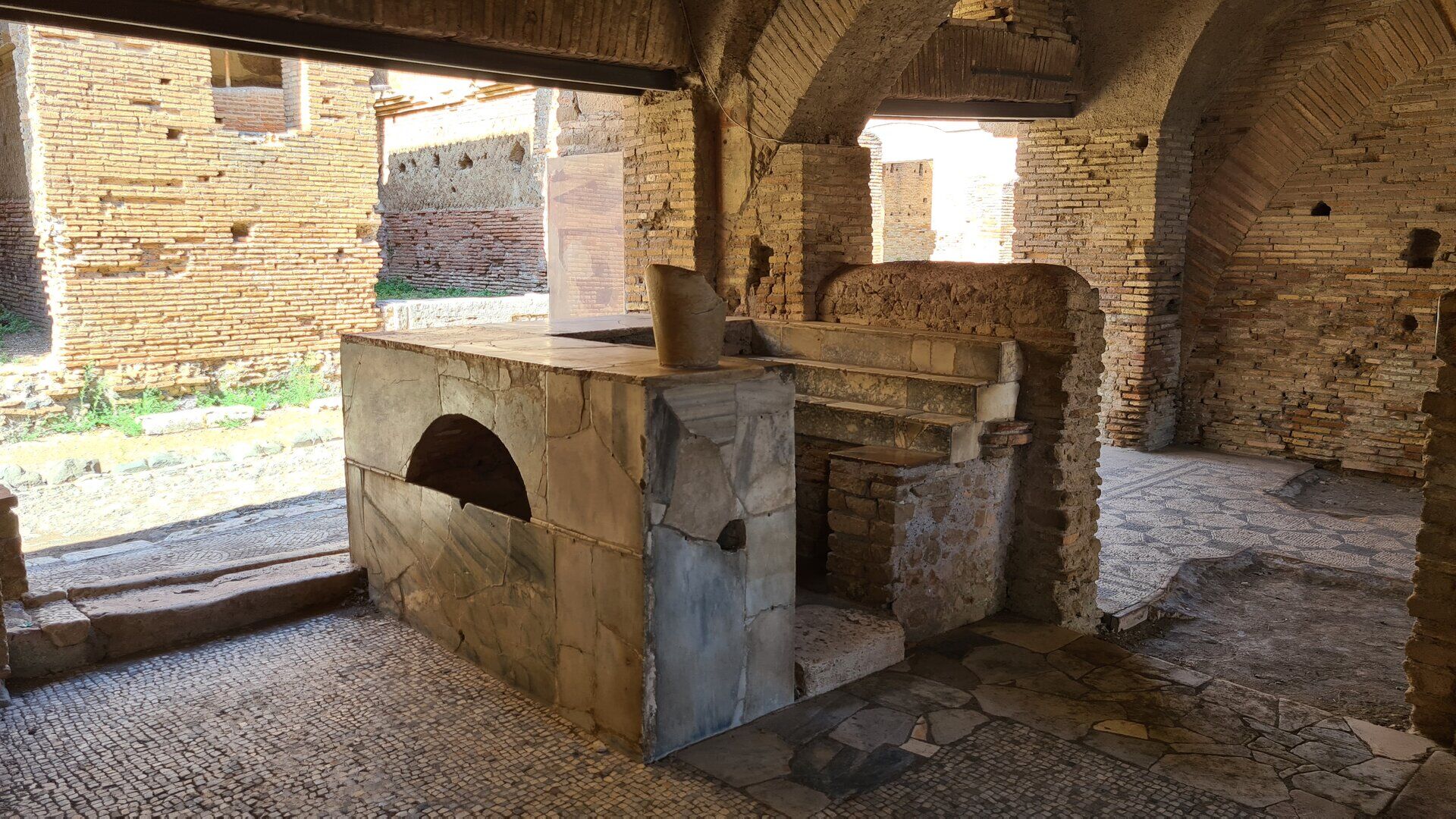
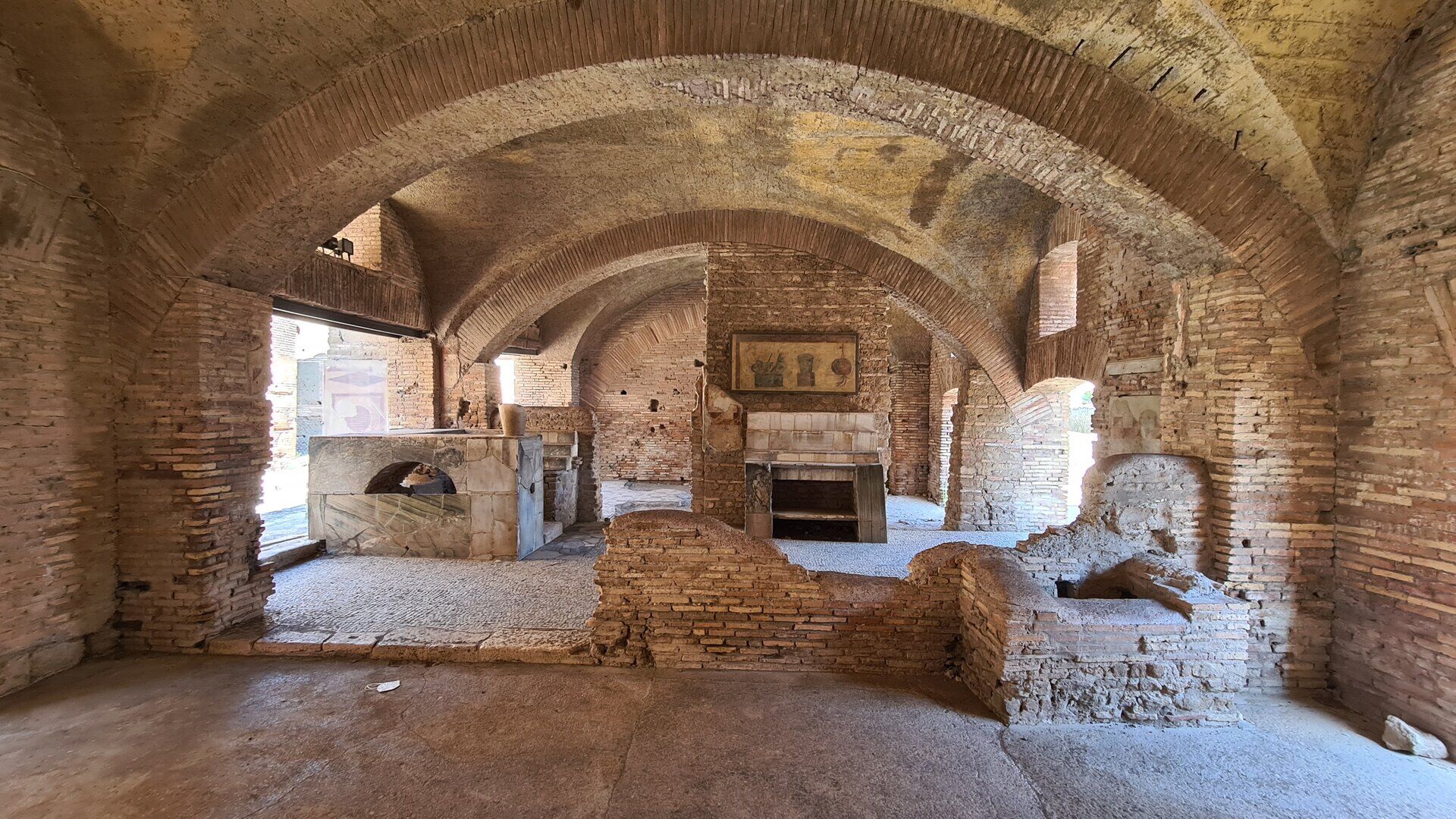
- Bakeries, taverns, and workshops
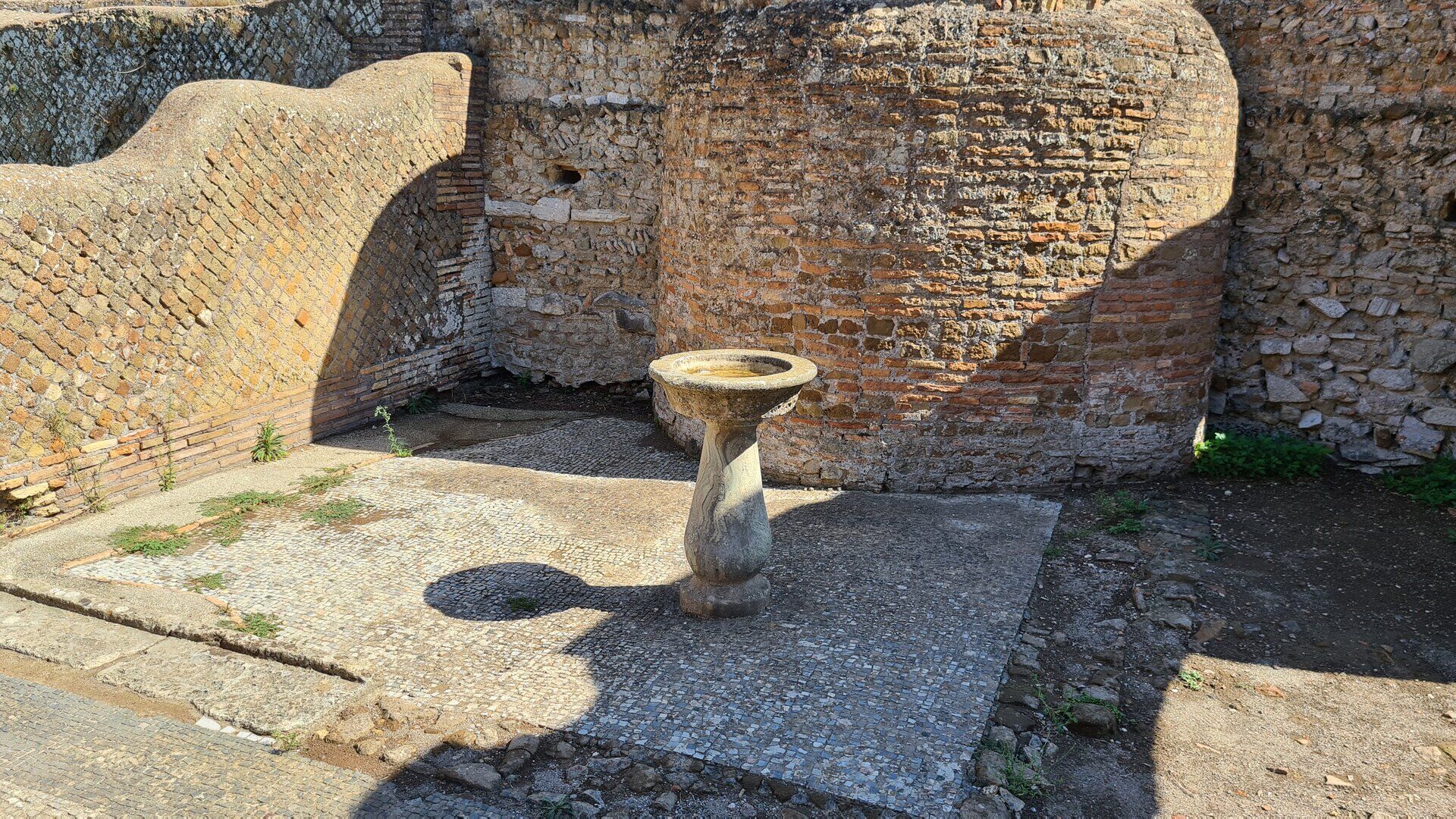
- Public latrines and water systems
Infrastructure and Engineering
- Advanced drainage and sewer systems
- Harbors and river-related structures
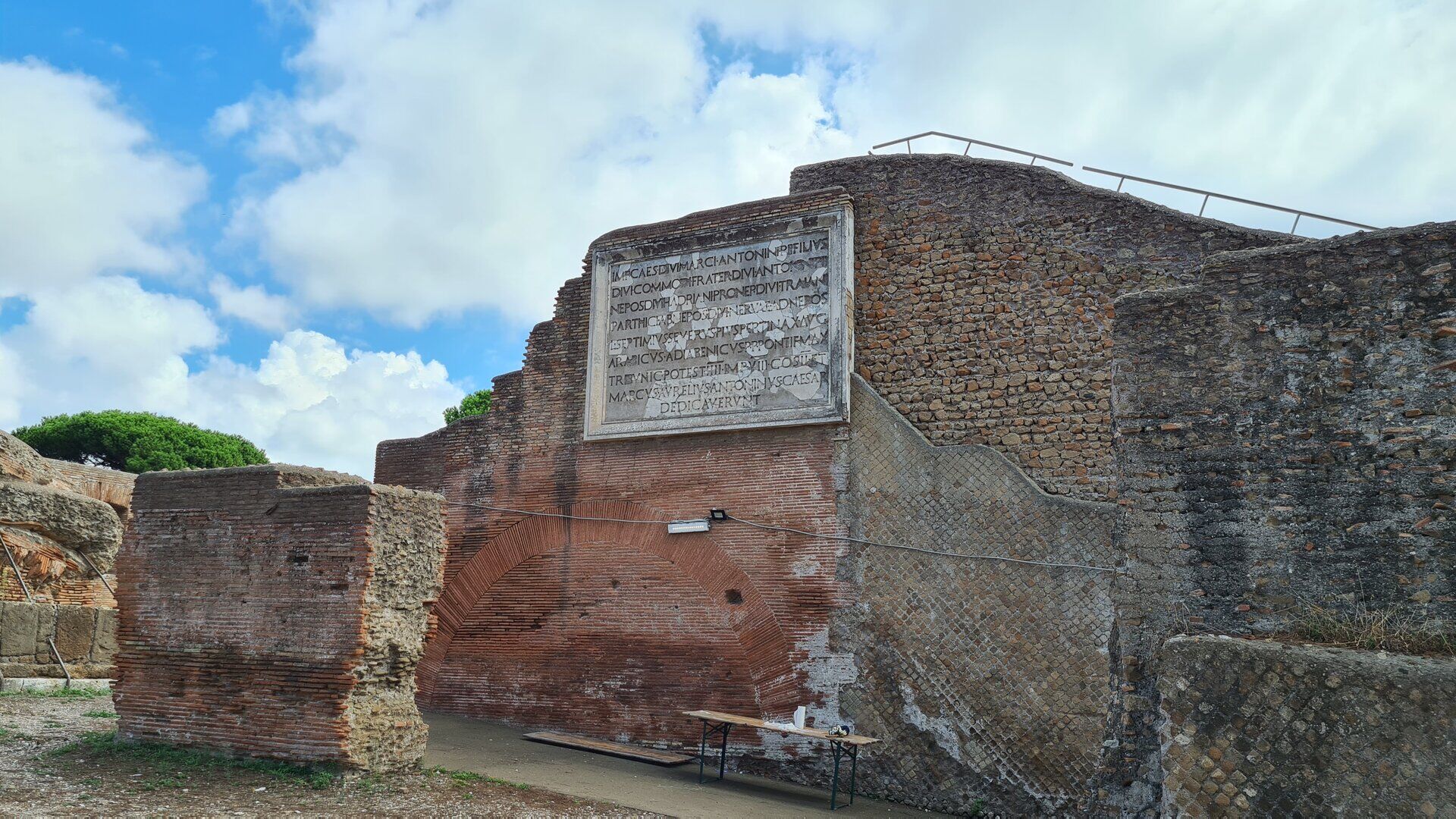
- Evidence of Roman concrete and brickwork
Experience and Character
Ostia Antica is defined by immersion and intimacy. Walking through its streets feels less like visiting a monument and more like entering a living city frozen in time. The focus on residential and commercial buildings offers a rare perspective on ordinary Roman life rather than imperial spectacle.
The site’s size allows for quiet exploration, even during busy periods. Ostia Antica provides a powerful sense of continuity between ancient and modern urban living, highlighting Rome’s dependence on trade, infrastructure, and organization.