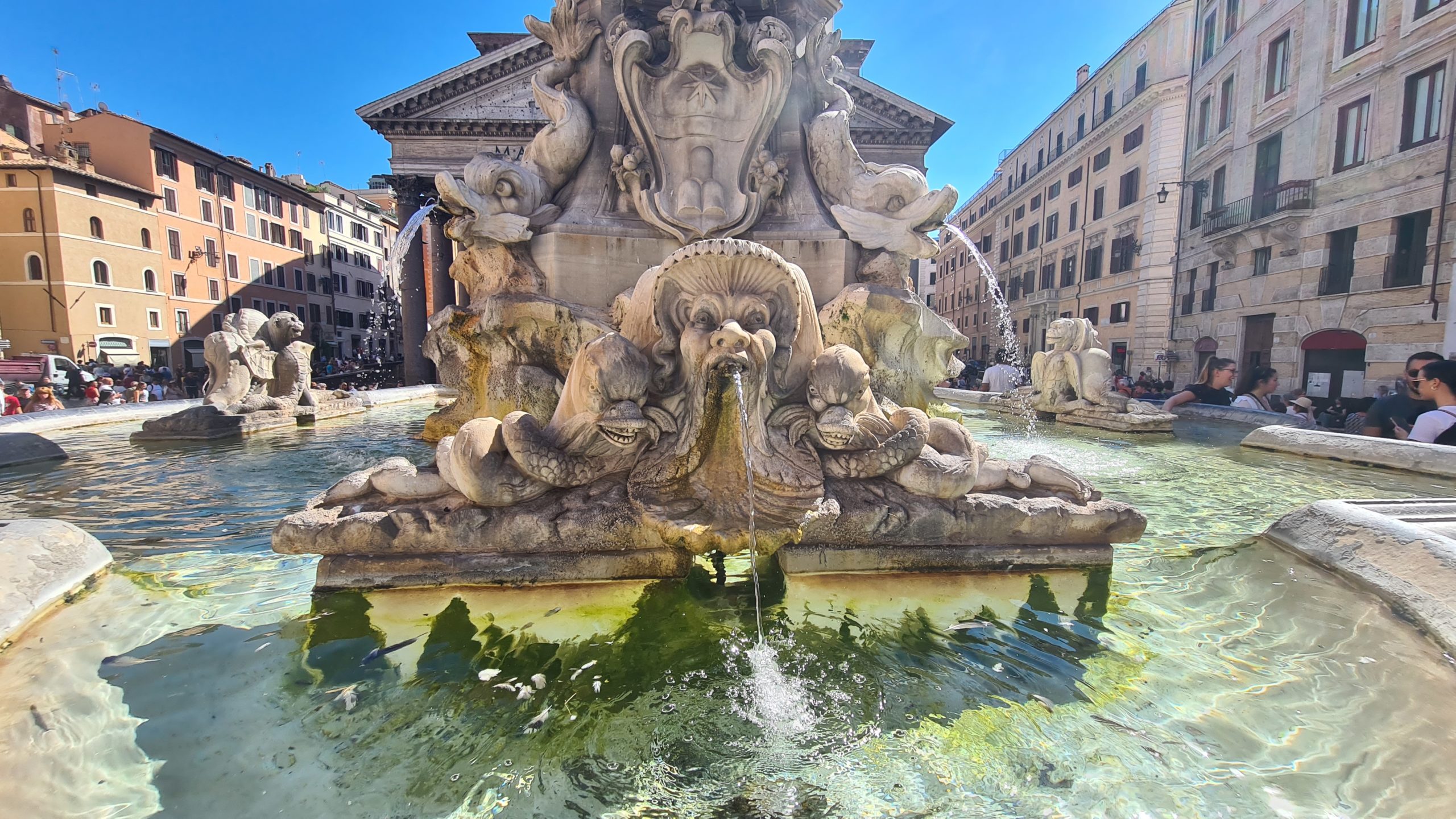


Rome is the capital city of Italy and one of the most historically significant cities in the world. Located in central Italy along the Tiber River, Rome has served as a political, cultural, and religious center for more than two millennia. Often referred to as the “Eternal City,” Rome is known for its unparalleled concentration of historical monuments, archaeological sites, and artistic heritage.
The city combines ancient ruins, medieval quarters, Renaissance palaces, and modern urban districts within a continuously inhabited landscape. Rome’s historic center is a UNESCO World Heritage Site, reflecting its global cultural importance. Despite its long history, Rome remains a living city, functioning as a modern capital with active political institutions, universities, and diverse neighborhoods.
Rome has a Mediterranean climate with hot summers and mild winters. Its urban character is shaped by layered history, dense street networks, public squares, and the constant presence of monuments that connect daily life with the past.
History
Rome’s history traditionally begins in 753 BCE, with legends describing its founding by Romulus and Remus. Archaeological evidence confirms early settlement on the hills along the Tiber, where geography provided defense, trade routes, and access to fertile land.
Rome evolved from a small settlement into the capital of the Roman Republic and later the Roman Empire, which at its height controlled vast territories across Europe, North Africa, and the Middle East. During this period, Rome became a center of administration, engineering, law, and culture, leaving behind monumental architecture that still defines the city.
Following the fall of the Western Roman Empire, Rome remained significant as the seat of the Papacy. Throughout the Middle Ages and Renaissance, the city experienced cycles of decline and renewal, producing influential art, architecture, and urban planning. In 1871, Rome became the capital of unified Italy, entering the modern era while preserving its historic identity.
Geology
Rome’s geology is closely tied to the Tiber River and the volcanic activity of central Italy. The city is built on a series of hills composed of volcanic tuff and sedimentary deposits, formed by ancient eruptions from nearby volcanic districts.
The Seven Hills of Rome provided natural defensive advantages and influenced early urban development. Volcanic tuff was widely used as a building material in ancient Rome due to its availability and ease of carving.
Alluvial deposits from the Tiber shaped low-lying areas and contributed to periodic flooding throughout history. Engineering works, including embankments and drainage systems, were developed to manage water and stabilize the urban environment.
Landscape and Urban Environment
Rome’s landscape is defined by its hills, river valleys, and dense urban fabric. The Tiber River flows through the city, historically serving as a transportation route and source of water. Bridges, embankments, and riverfronts connect different parts of the city and reflect centuries of urban development.
The city contains numerous public squares, gardens, and archaeological zones integrated into modern neighborhoods. Pine trees, stone streets, and open piazzas contribute to Rome’s distinctive visual identity.
Rome’s urban environment reflects continuity rather than uniformity, with layers of history visible in walls, foundations, and reused structures throughout the city.
Things to See
Rome offers one of the richest collections of cultural and historical attractions in the world:
Ancient Rome
- Ruins of temples, forums, and public buildings
- Amphitheaters, baths, and imperial palaces
- Archaeological areas revealing daily life in antiquity
Religious and Medieval Heritage
- Churches and basilicas spanning centuries of architecture
- Medieval streets and fortifications
- Religious institutions and pilgrimage sites
Renaissance and Baroque Rome
- Palaces, fountains, and piazzas
- Works by renowned artists and architects
- Planned urban spaces reflecting artistic ideals
Modern Rome
- Museums and cultural institutions
- Government buildings and contemporary districts
- Public parks and cultural venues
Experience and Character
Rome is defined by depth and continuity. Unlike cities built around a single historical period, Rome reveals its past in layers that coexist within daily life. Walking through the city means moving between eras, where ancient ruins stand beside modern cafes and offices.
The city’s character is shaped by contrast: monumental spaces and intimate streets, grandeur and informality, history and modernity. Rome offers an immersive experience where cultural heritage is not confined to museums but embedded in the urban environment itself.