
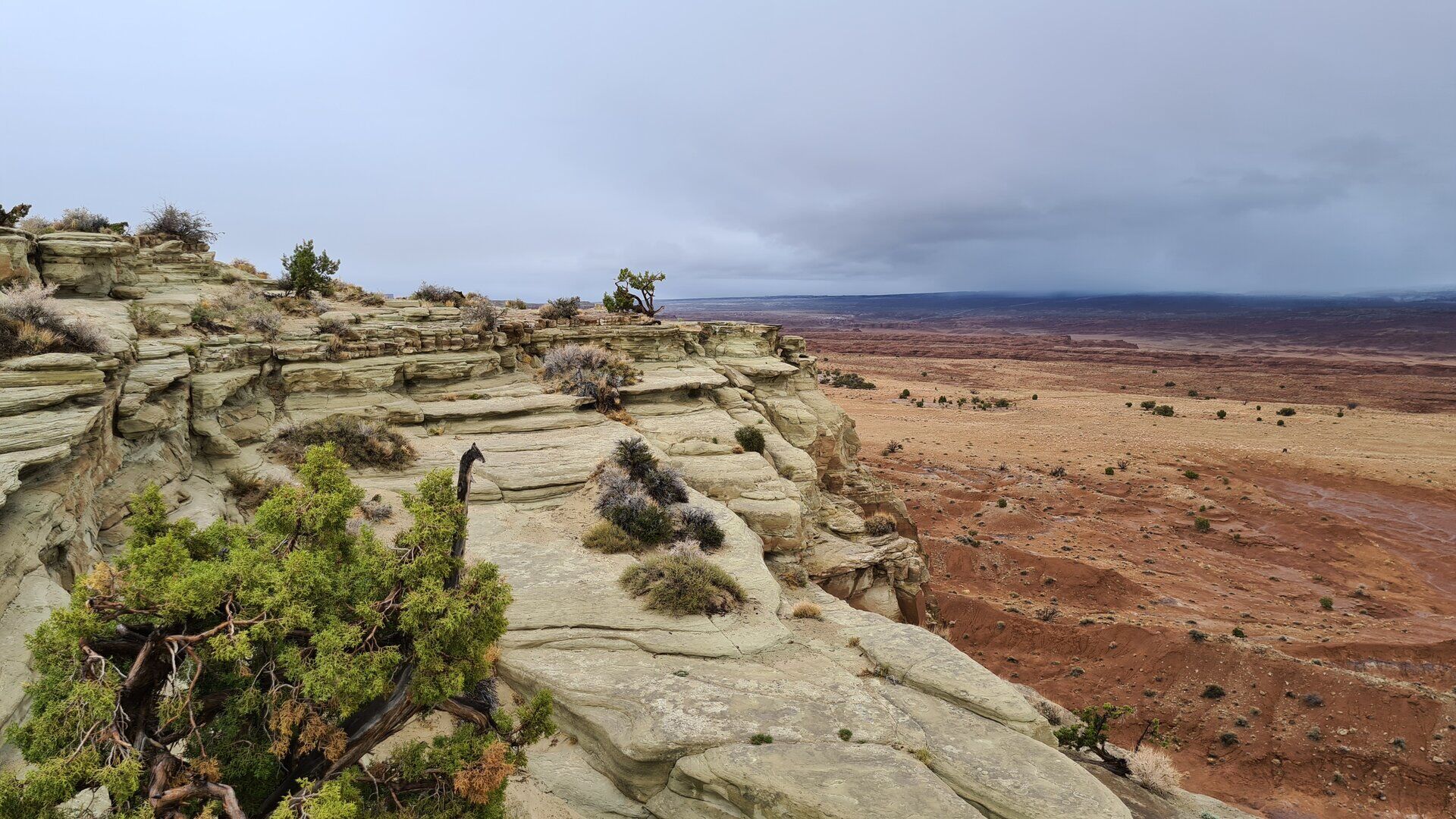
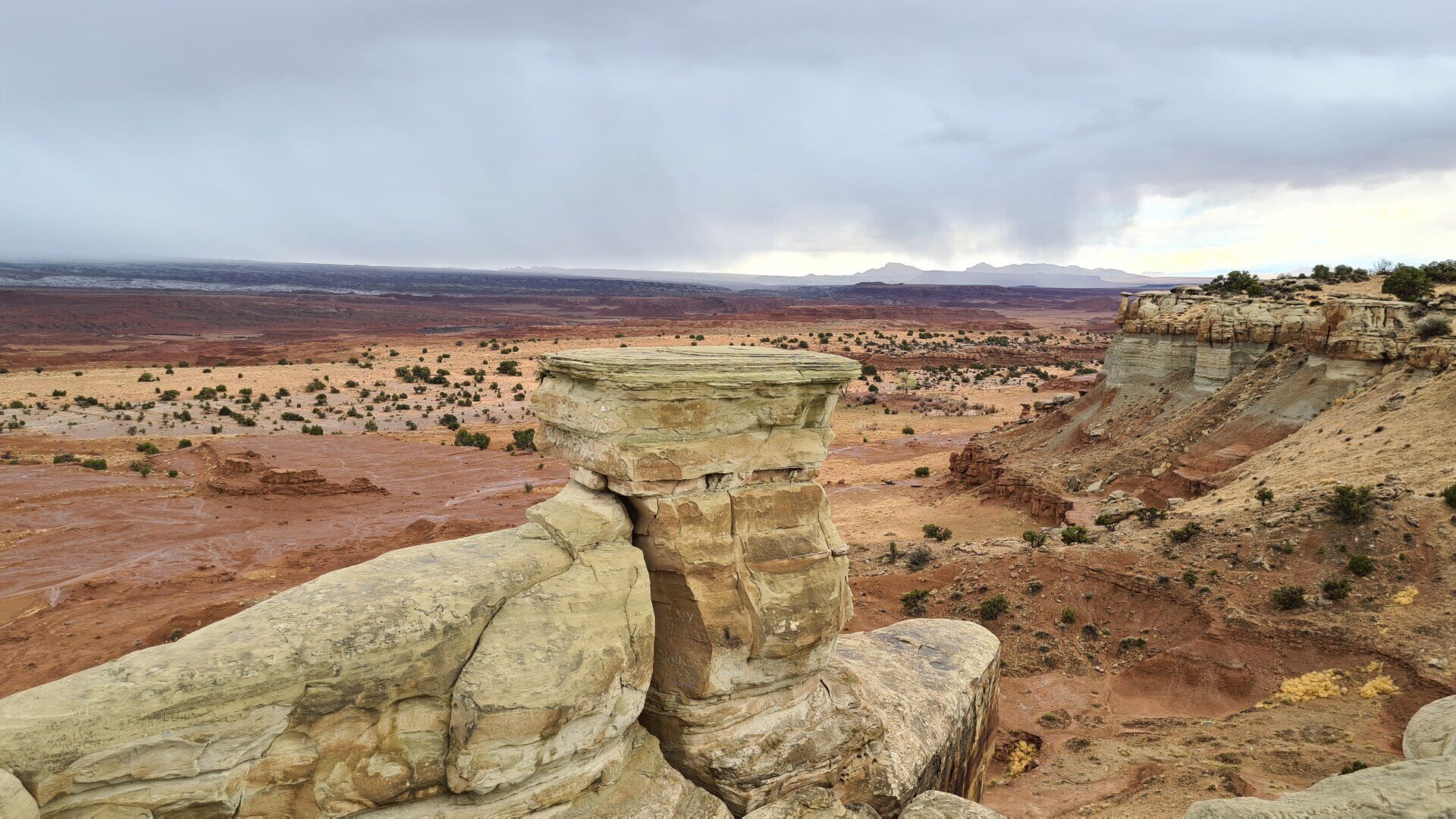
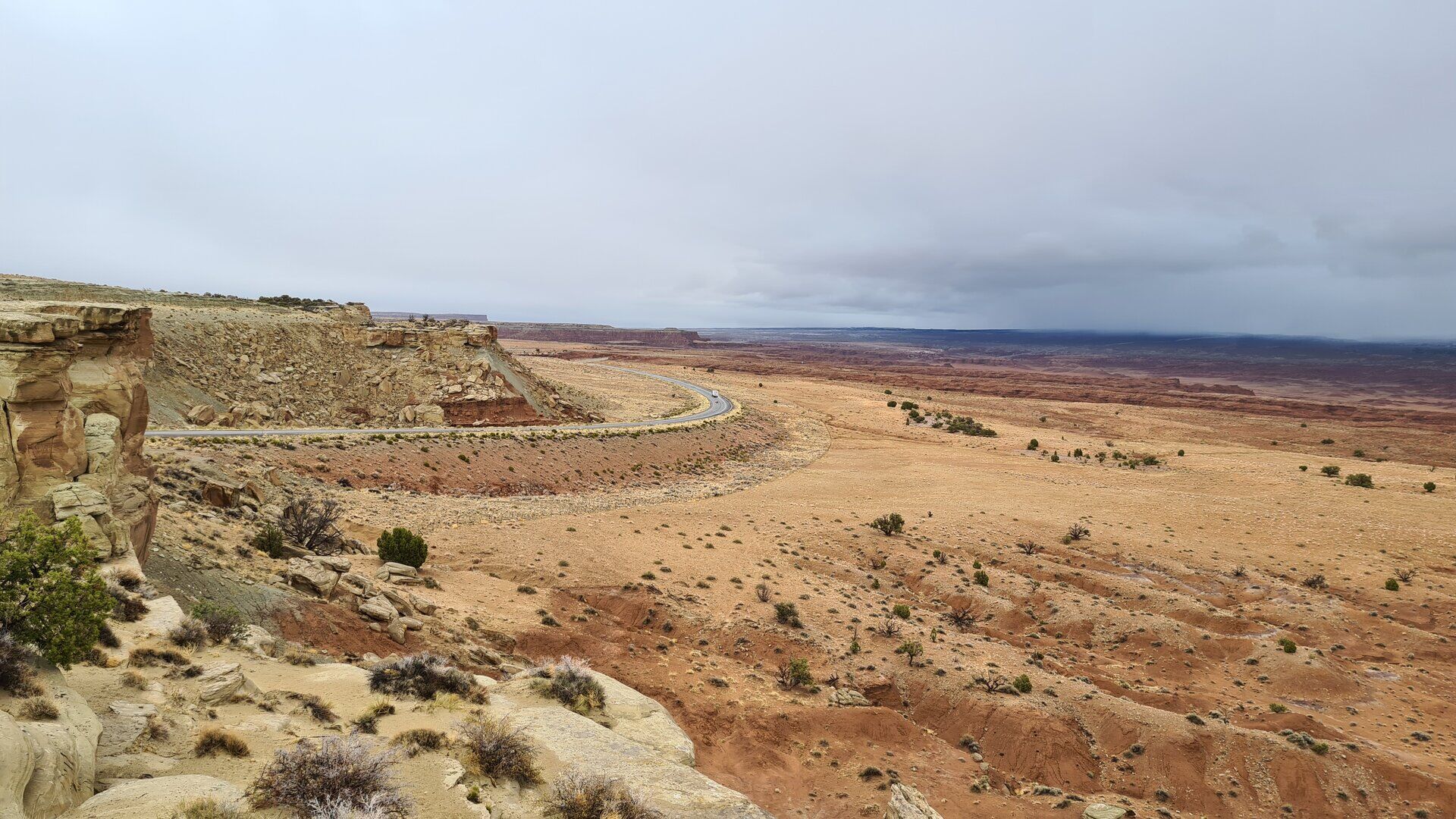
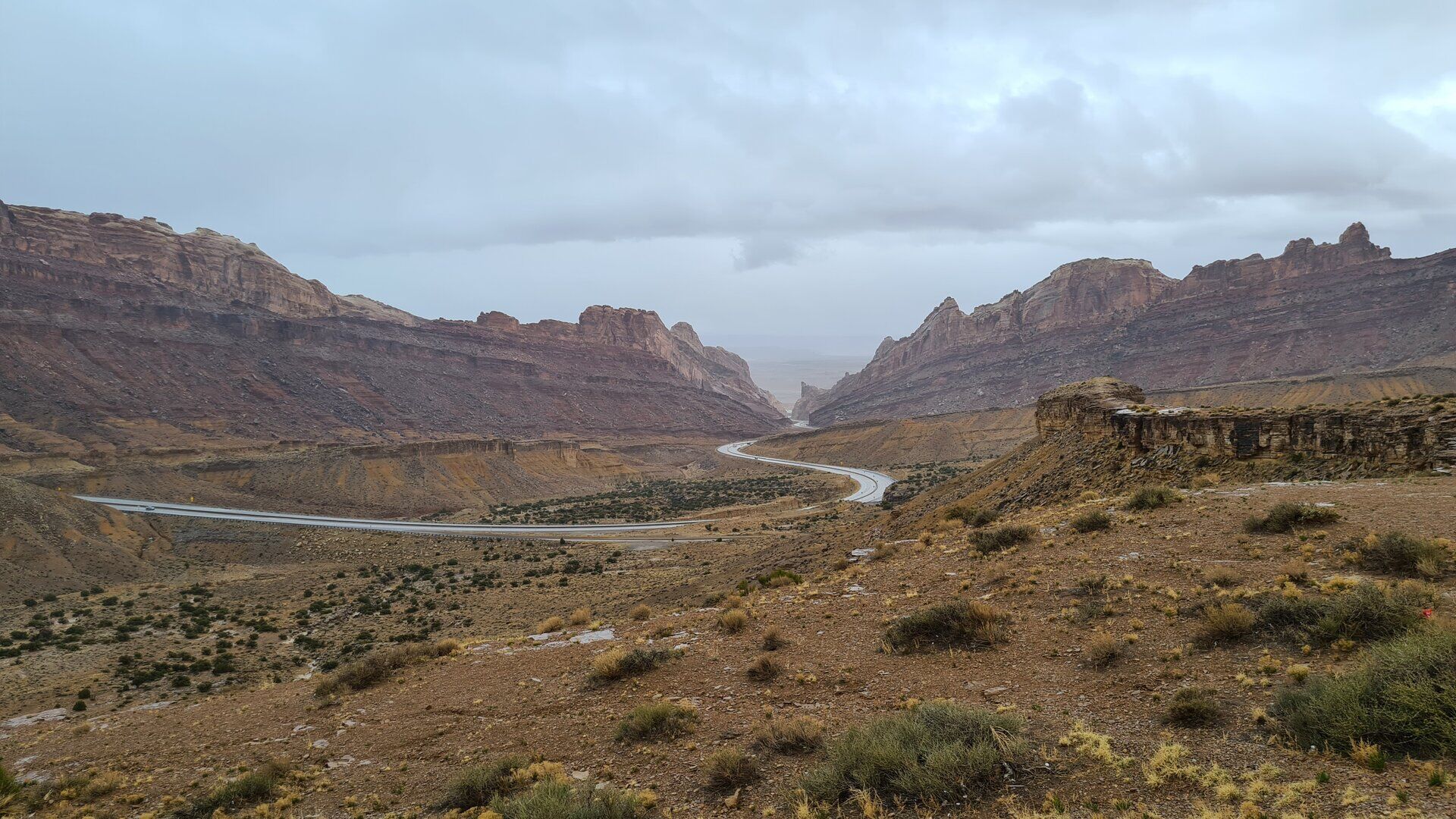
Utah is a state located in the western United States, positioned at the intersection of the Rocky Mountains, the Colorado Plateau, and the Great Basin. It is known for its dramatic natural landscapes, wide-open spaces, and concentration of protected wilderness areas. Utah combines arid desert regions, high mountain ranges, deep canyons, and fertile valleys within a relatively compact geographic area.
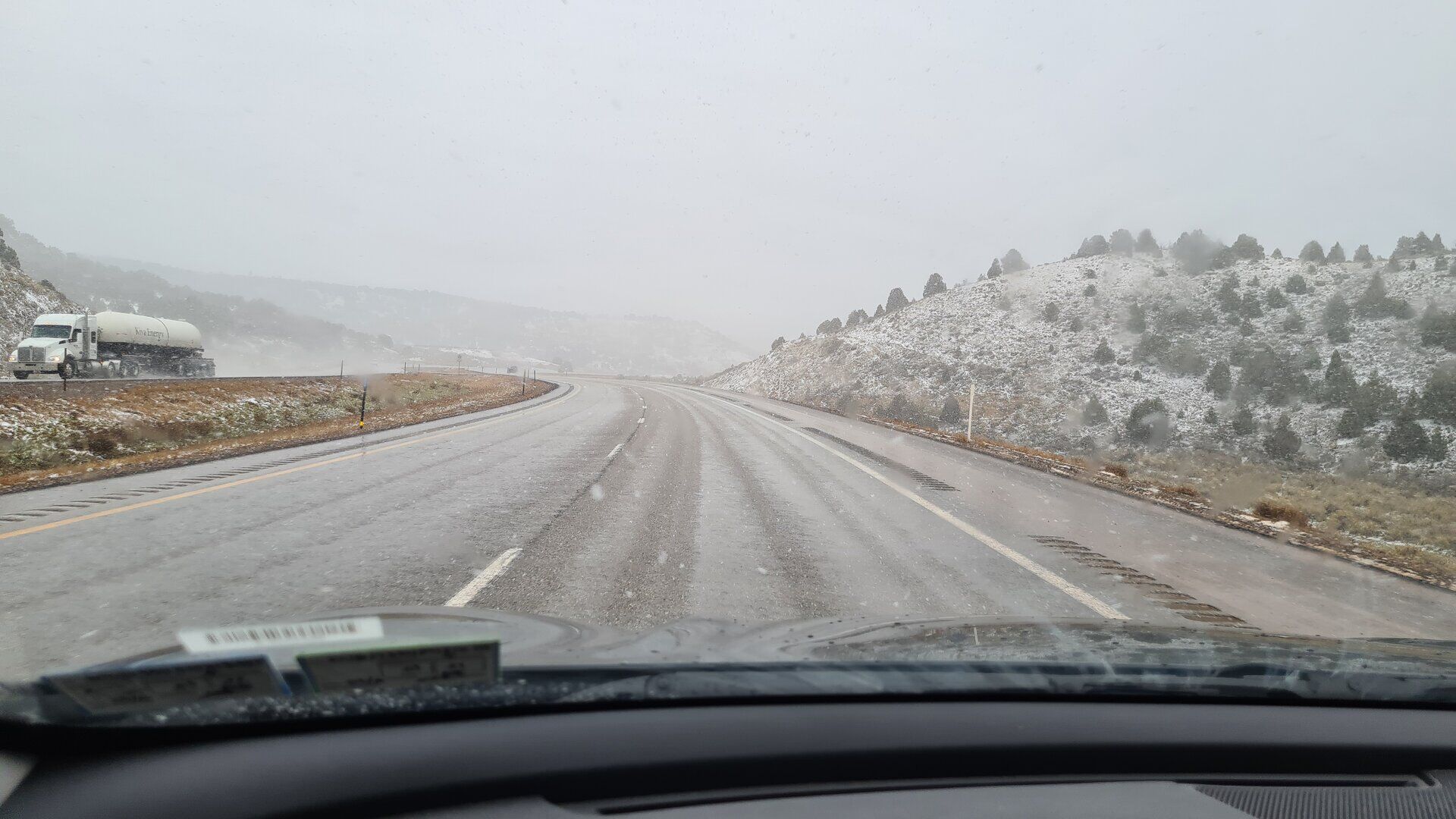
The state has a largely arid to semi-arid climate, with hot summers in desert regions and cold, snowy winters in mountainous areas. Elevation plays a significant role in shaping local conditions, creating strong contrasts between low desert basins and alpine environments. Much of Utah remains sparsely populated, with urban development concentrated along the Wasatch Front.
Utah’s economy is diverse and includes technology, mining, agriculture, tourism, and outdoor recreation. The state is especially renowned for its national parks, scenic byways, and outdoor lifestyle, attracting visitors from around the world.
History
Human presence in Utah dates back thousands of years. Indigenous peoples, including the Ancestral Puebloans, Fremont culture, Ute, Navajo, and Paiute tribes, lived throughout the region and adapted to its varied environments. Archaeological sites, rock art, and ancient dwellings remain visible across the state.
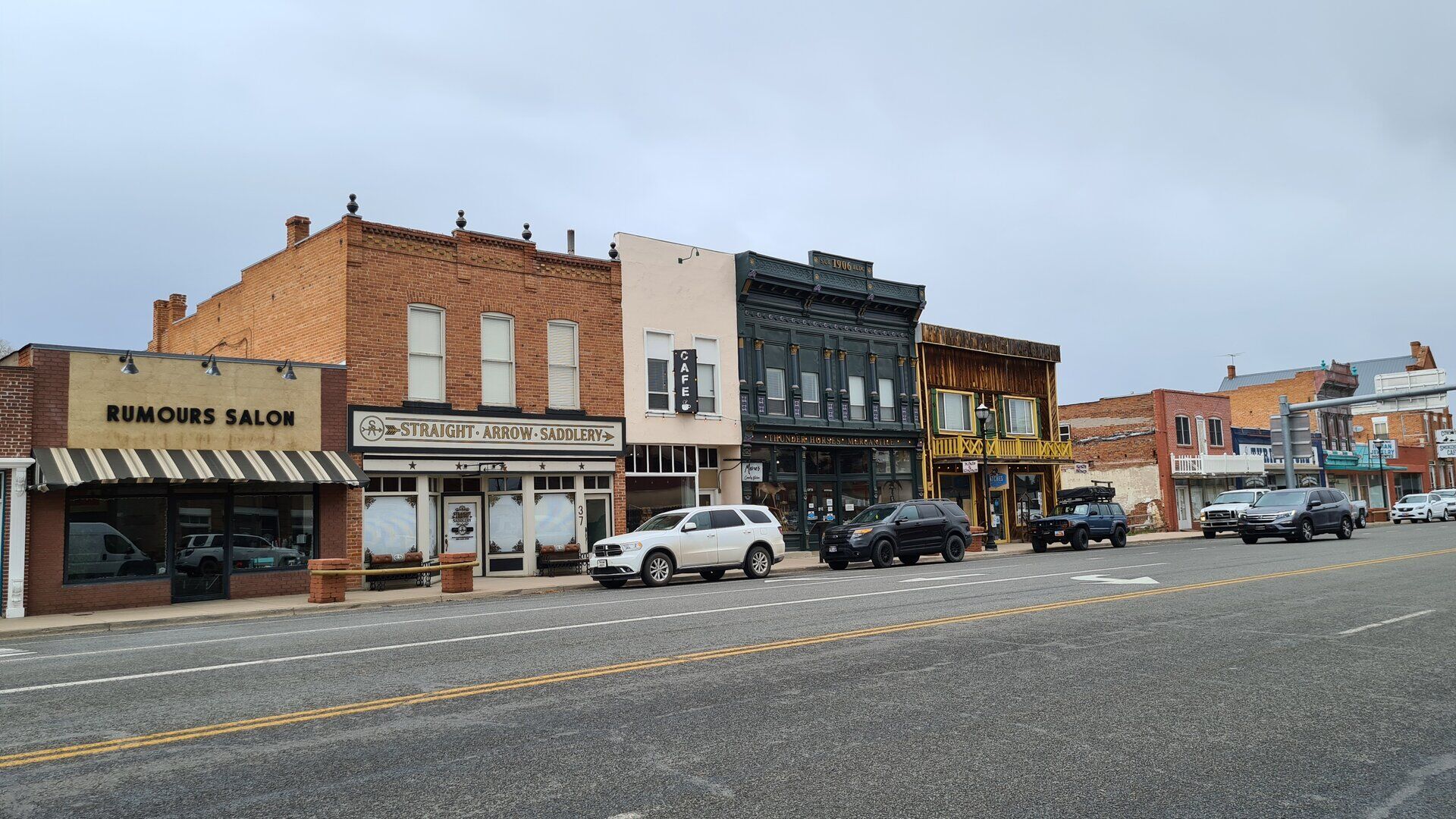
European-American settlement increased in the mid-19th century, largely driven by Mormon pioneers seeking religious freedom. They established agricultural communities, irrigation systems, and trade routes that shaped much of Utah’s settlement pattern. Salt Lake City became the cultural and economic center of the region.
Utah achieved statehood in 1896. Over the 20th century, mining, railroads, and military installations contributed to economic growth. In more recent decades, tourism and conservation have become central to Utah’s identity, with significant efforts dedicated to preserving its natural landscapes.
Geology
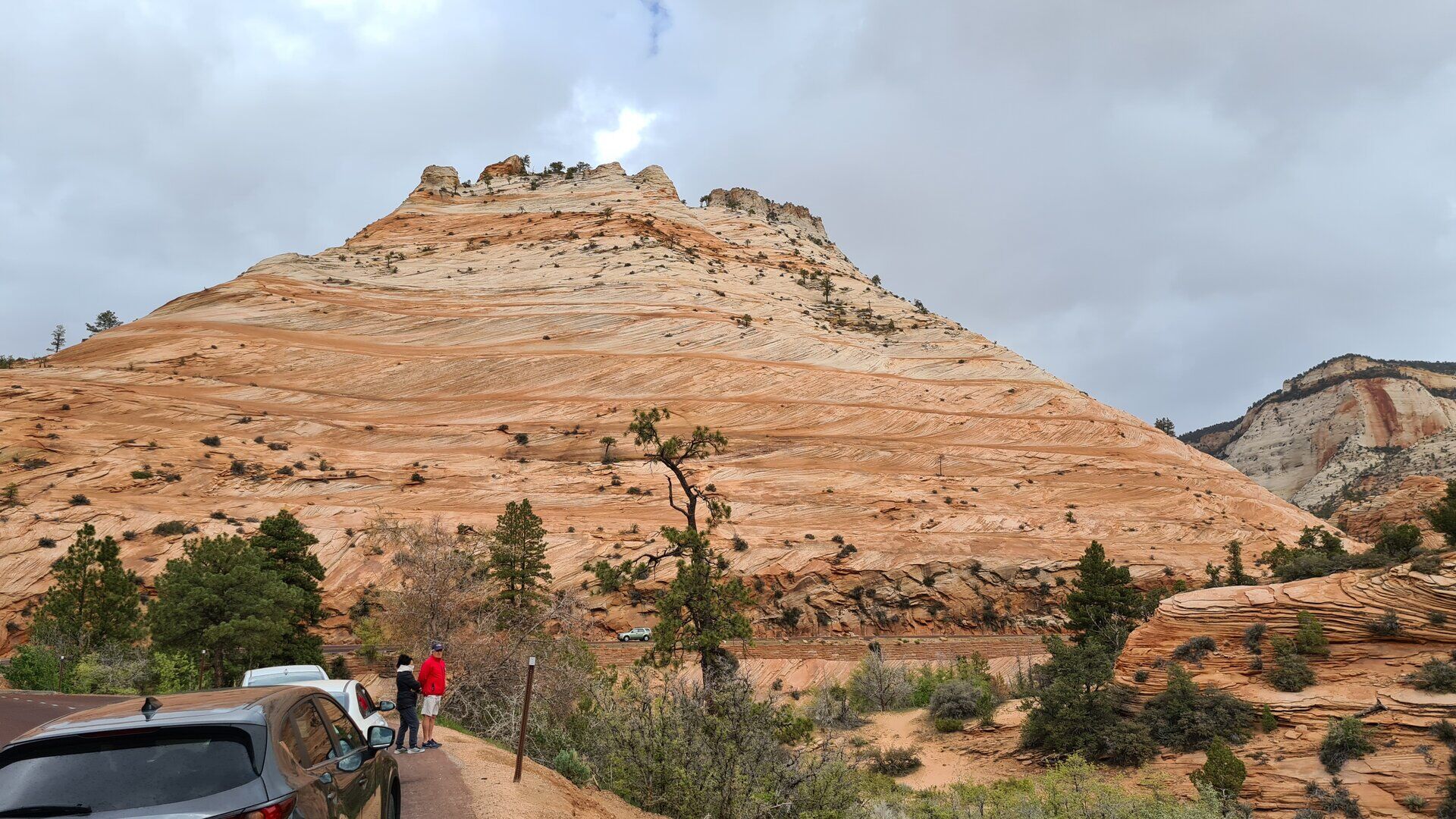
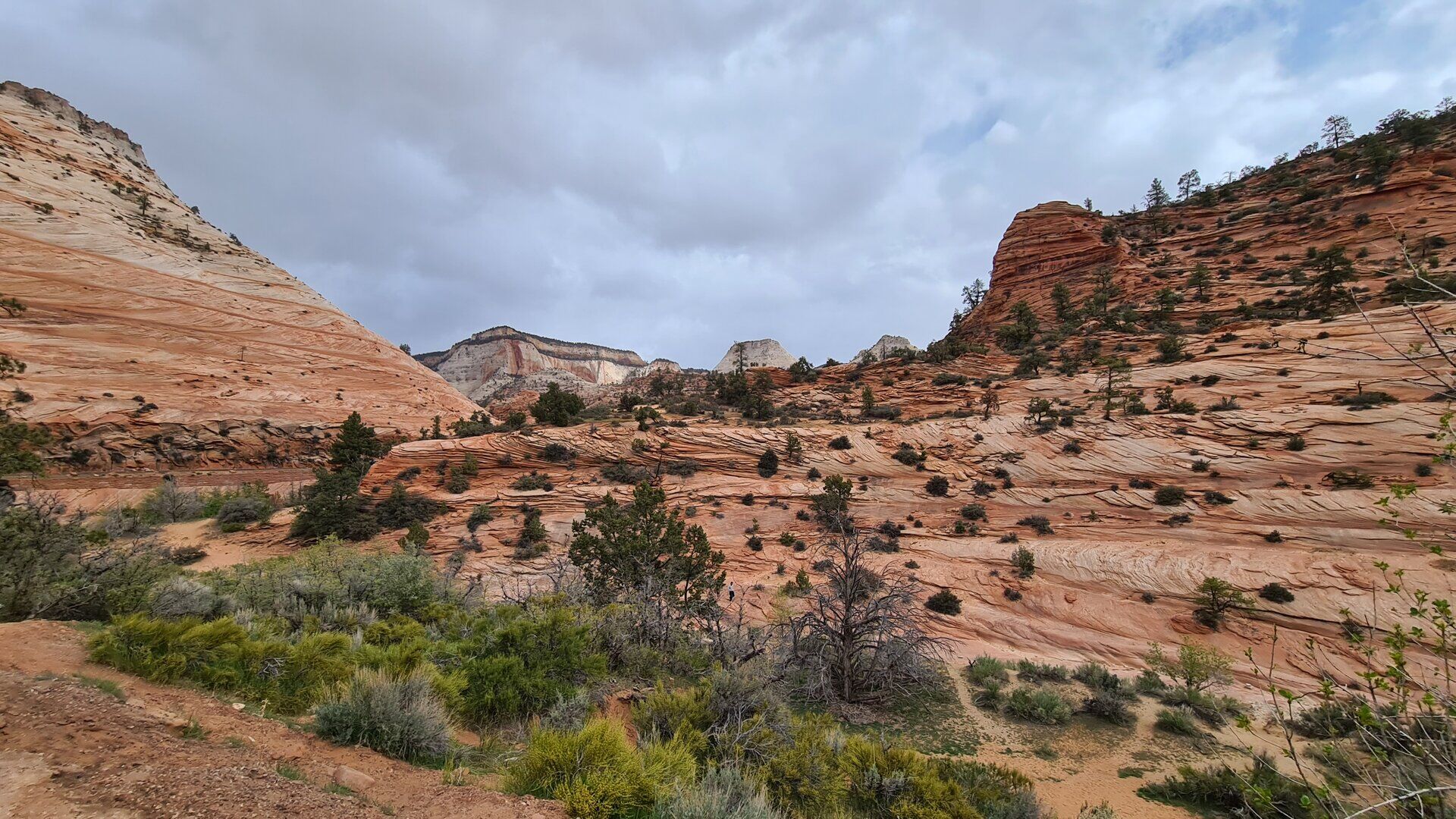
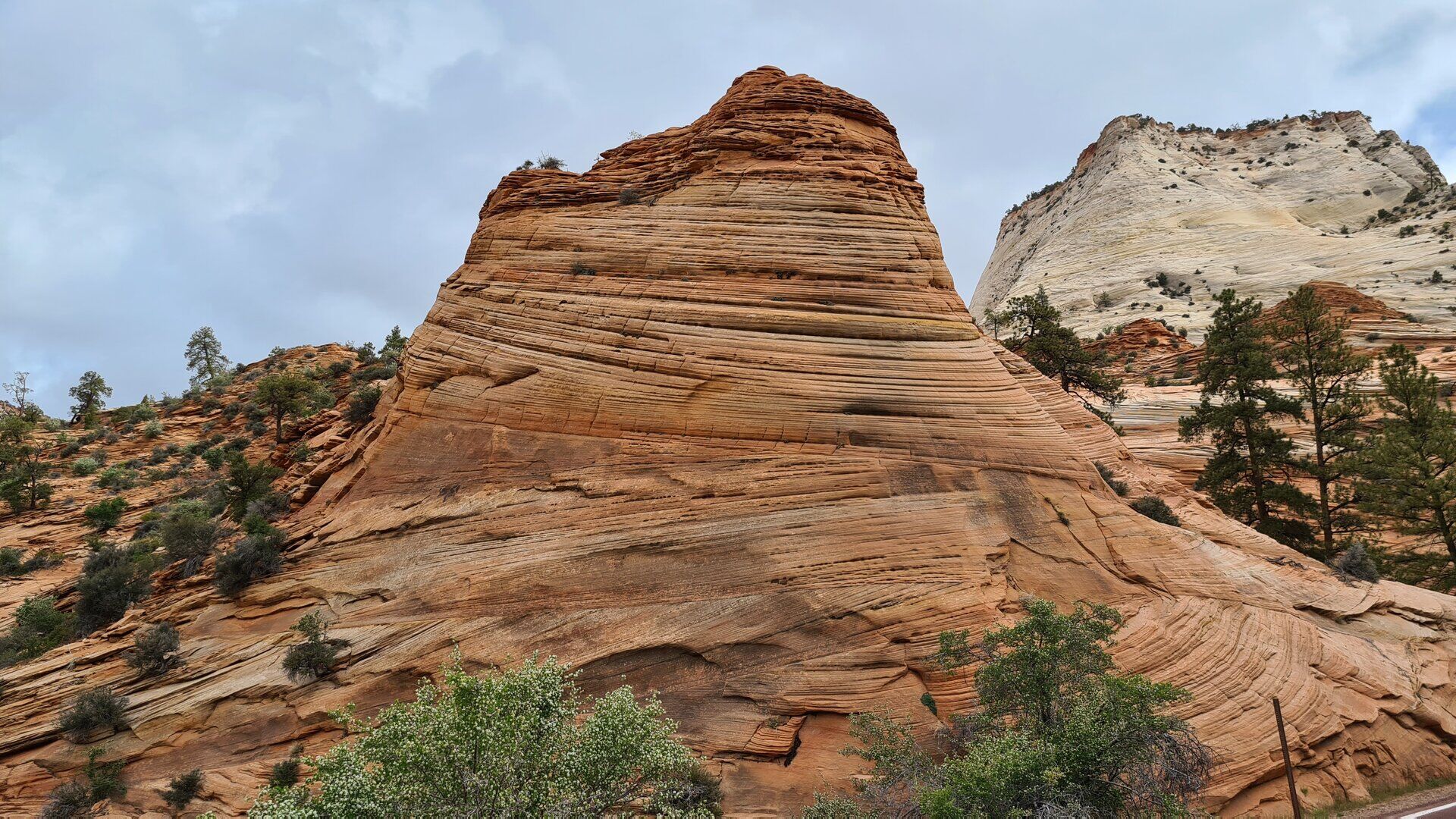
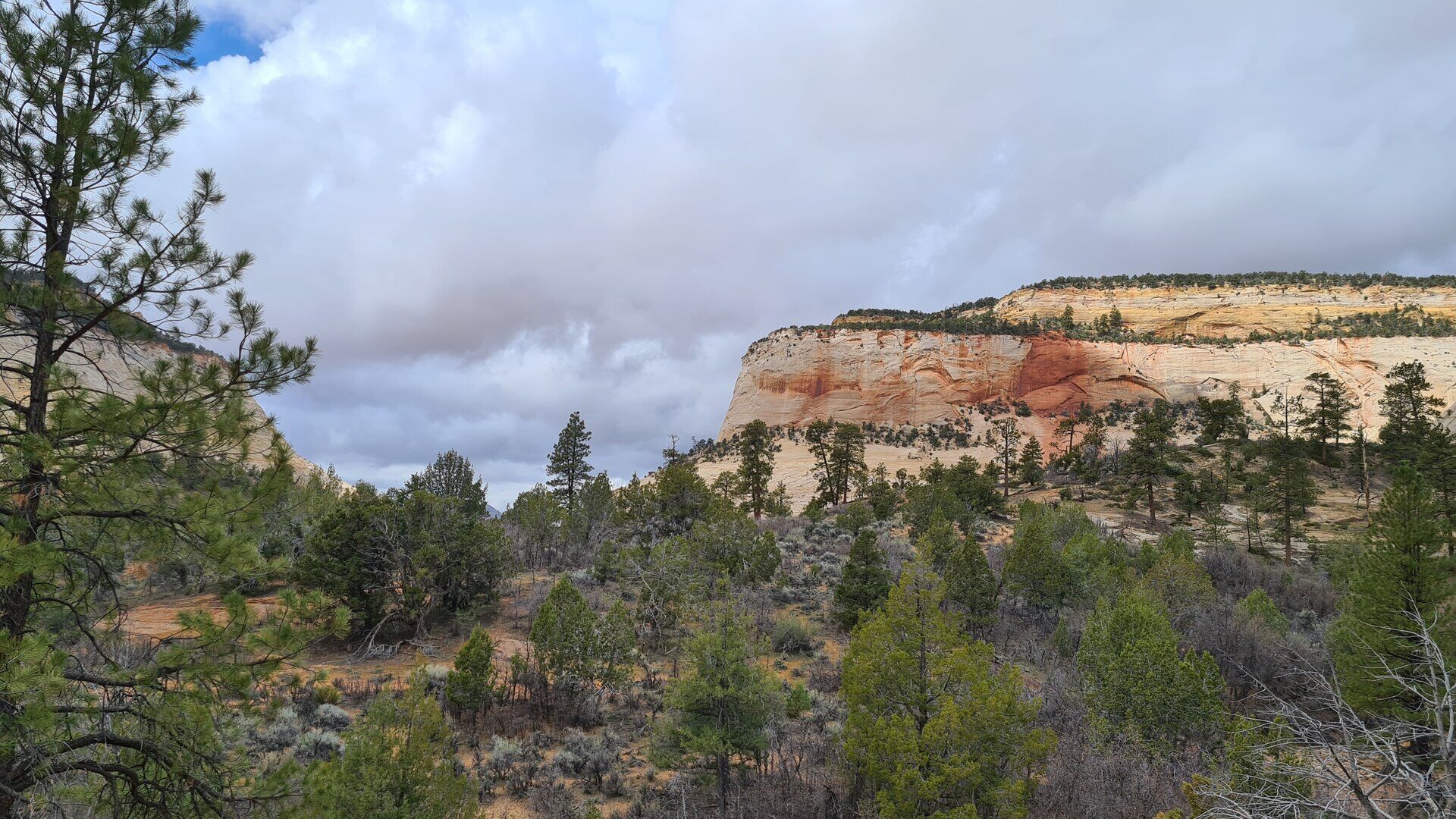
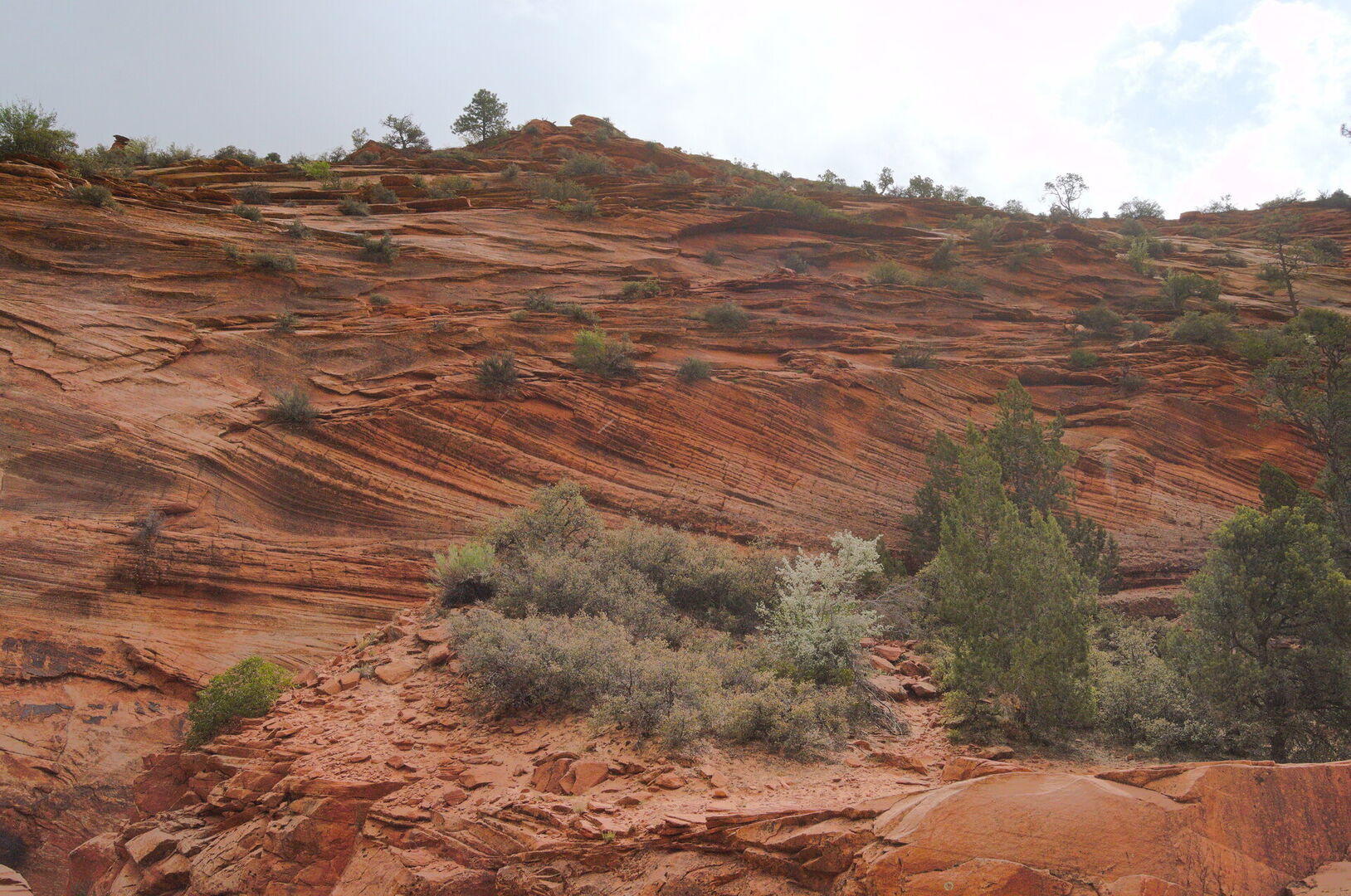
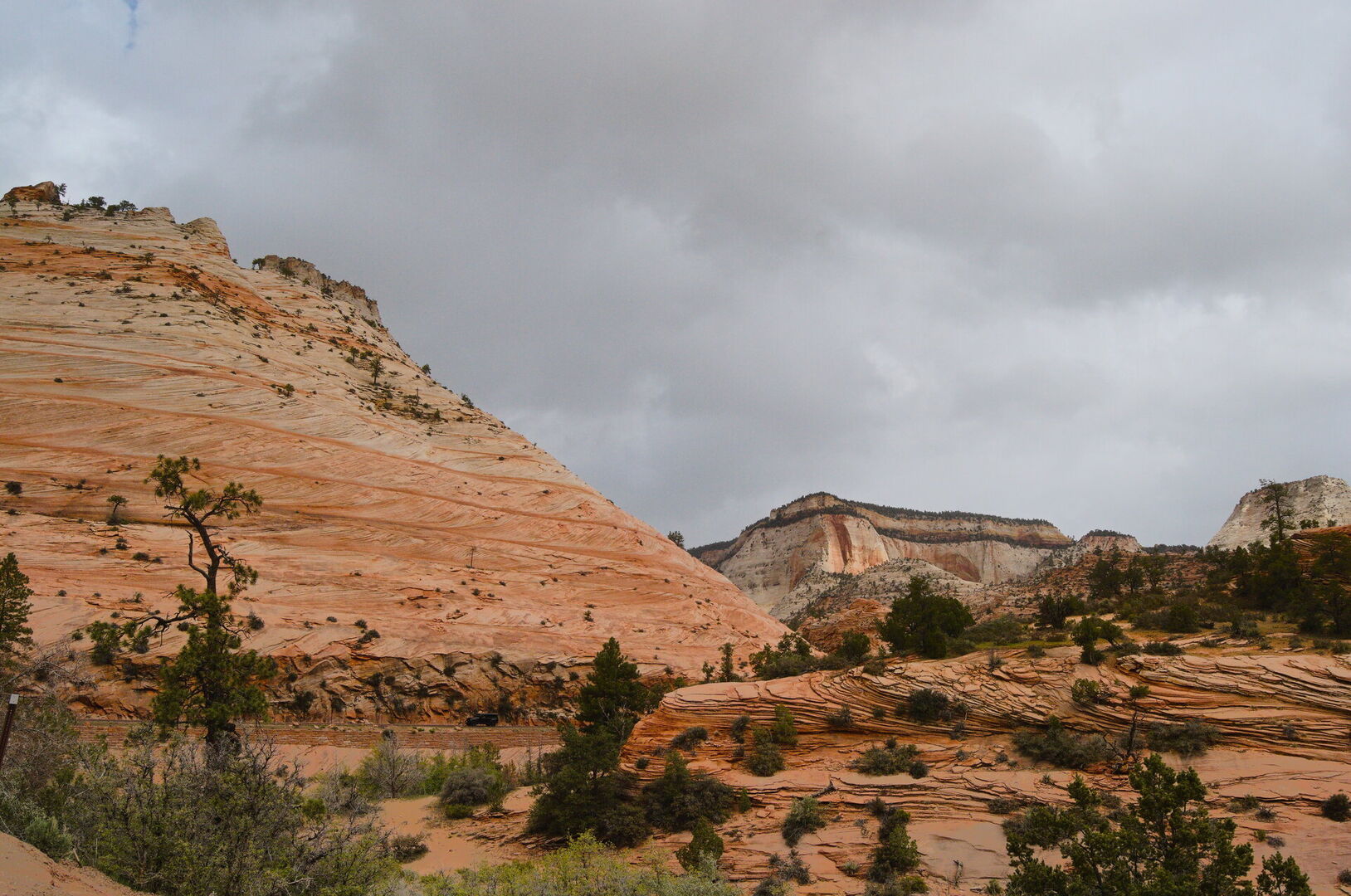
Utah is one of the most geologically diverse states in the United States. The Colorado Plateau dominates the southern and eastern portions of the state, featuring layered sedimentary rock formations, deep canyons, mesas, and arches. These rocks preserve hundreds of millions of years of geological history.
The Basin and Range Province influences western Utah, creating broad valleys separated by mountain ranges formed through crustal stretching. Northern Utah includes the Wasatch Range, a fault-bounded mountain chain that rises sharply from the valleys below.
Volcanic activity, uplift, erosion, and glaciation have all shaped Utah’s landscape. Rivers such as the Colorado and Green Rivers carved deep canyons, while wind and water erosion sculpted arches, hoodoos, and sandstone cliffs.
Landscapes and Natural Environment
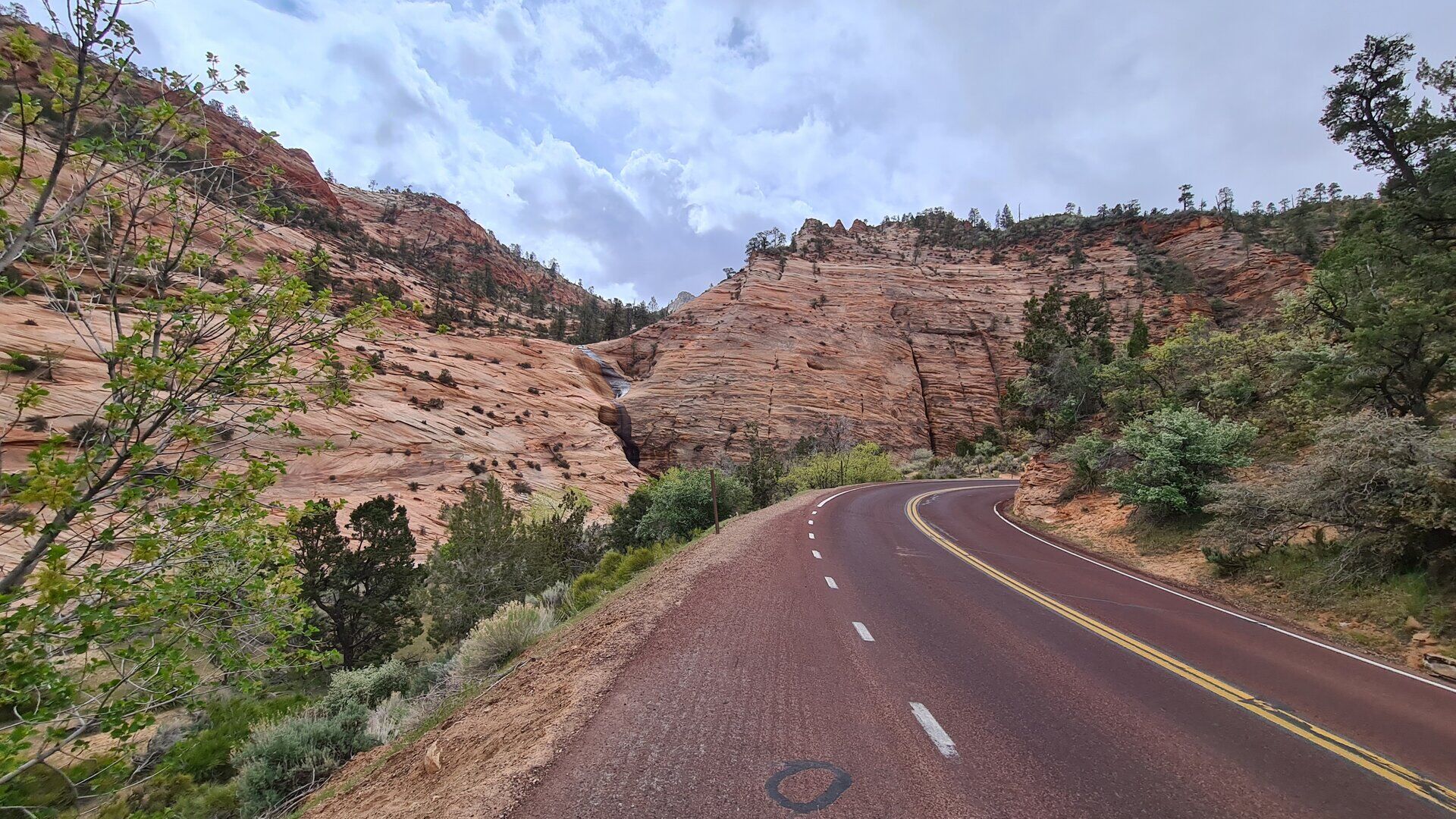
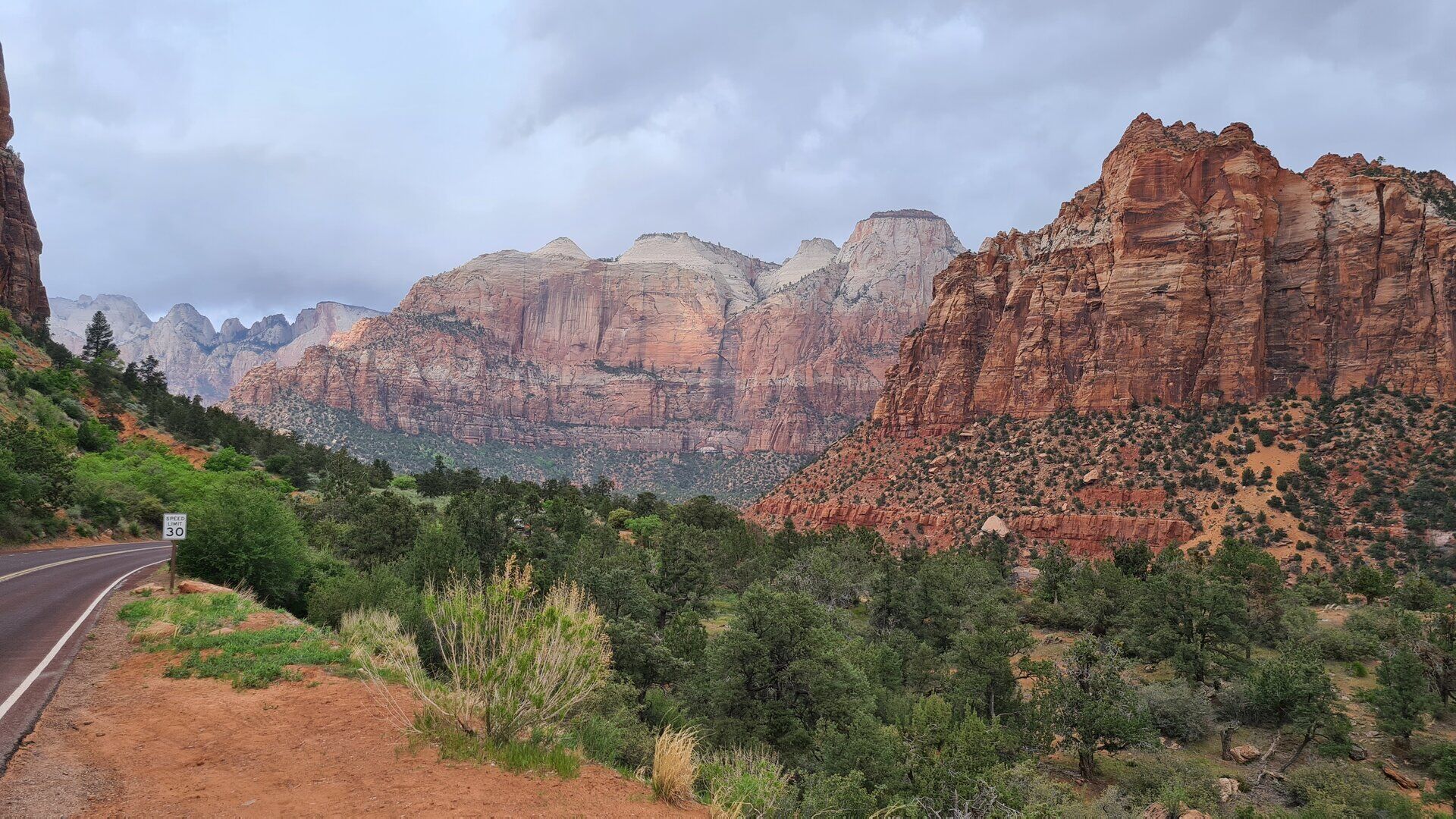
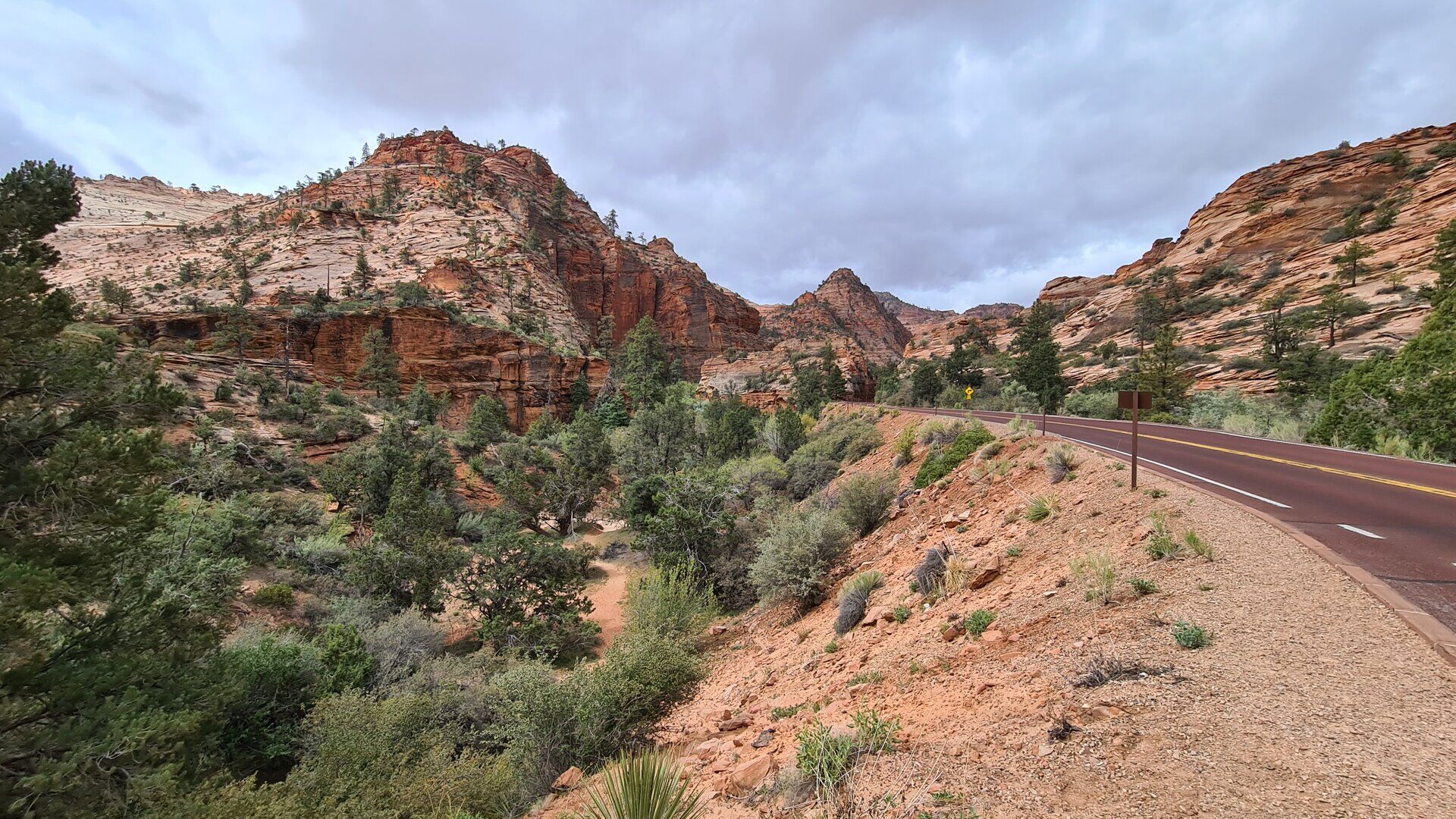
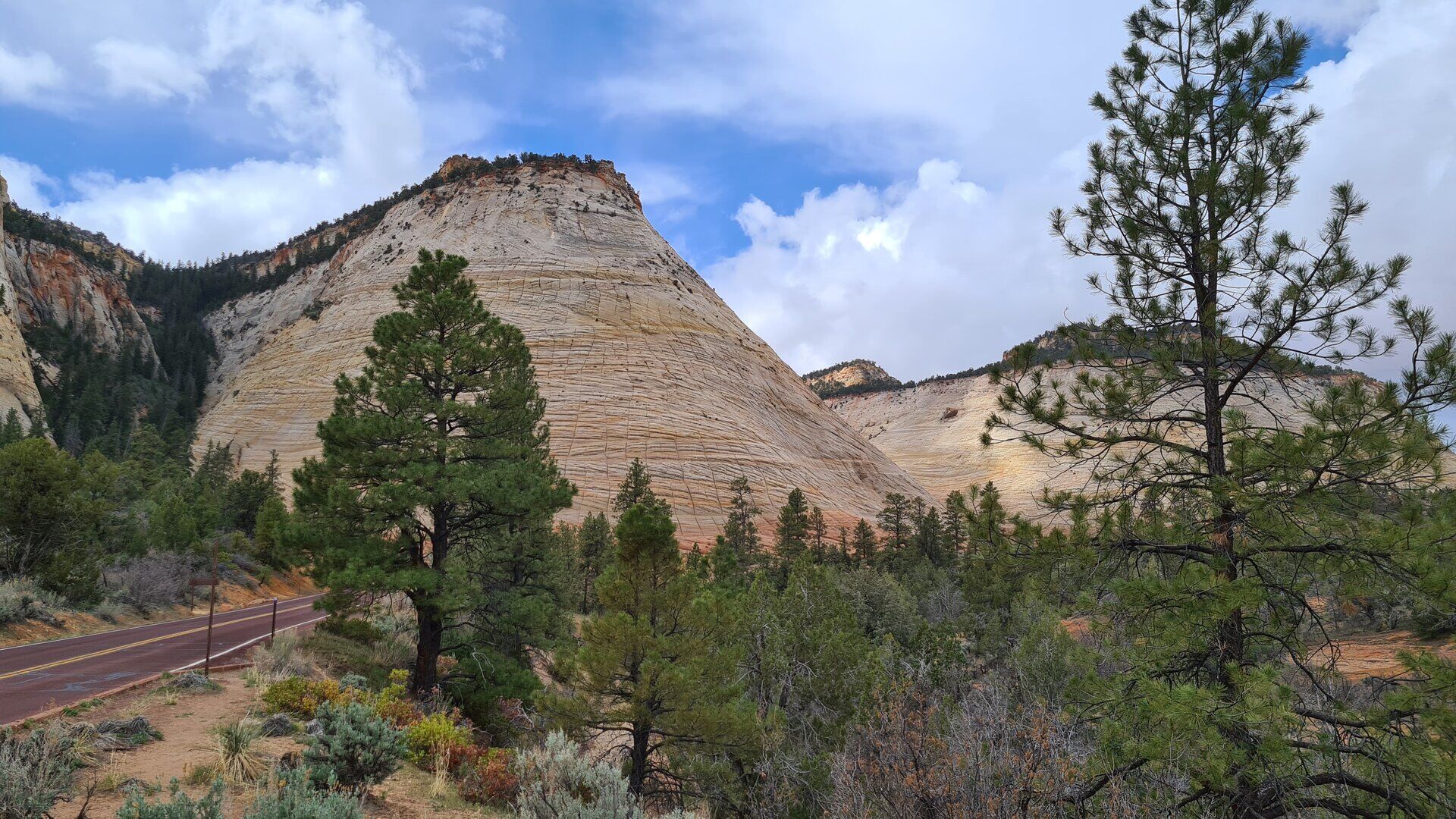
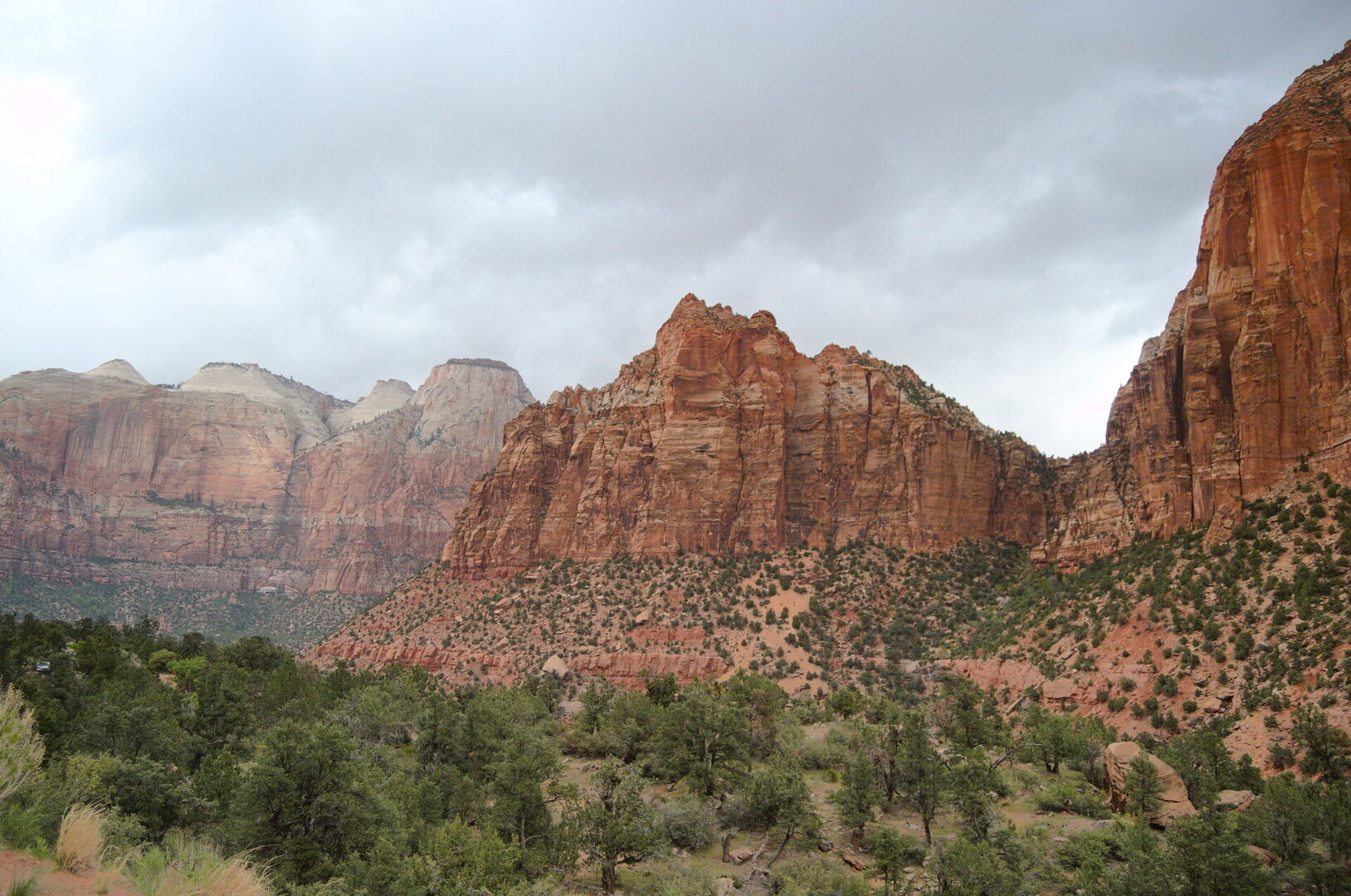
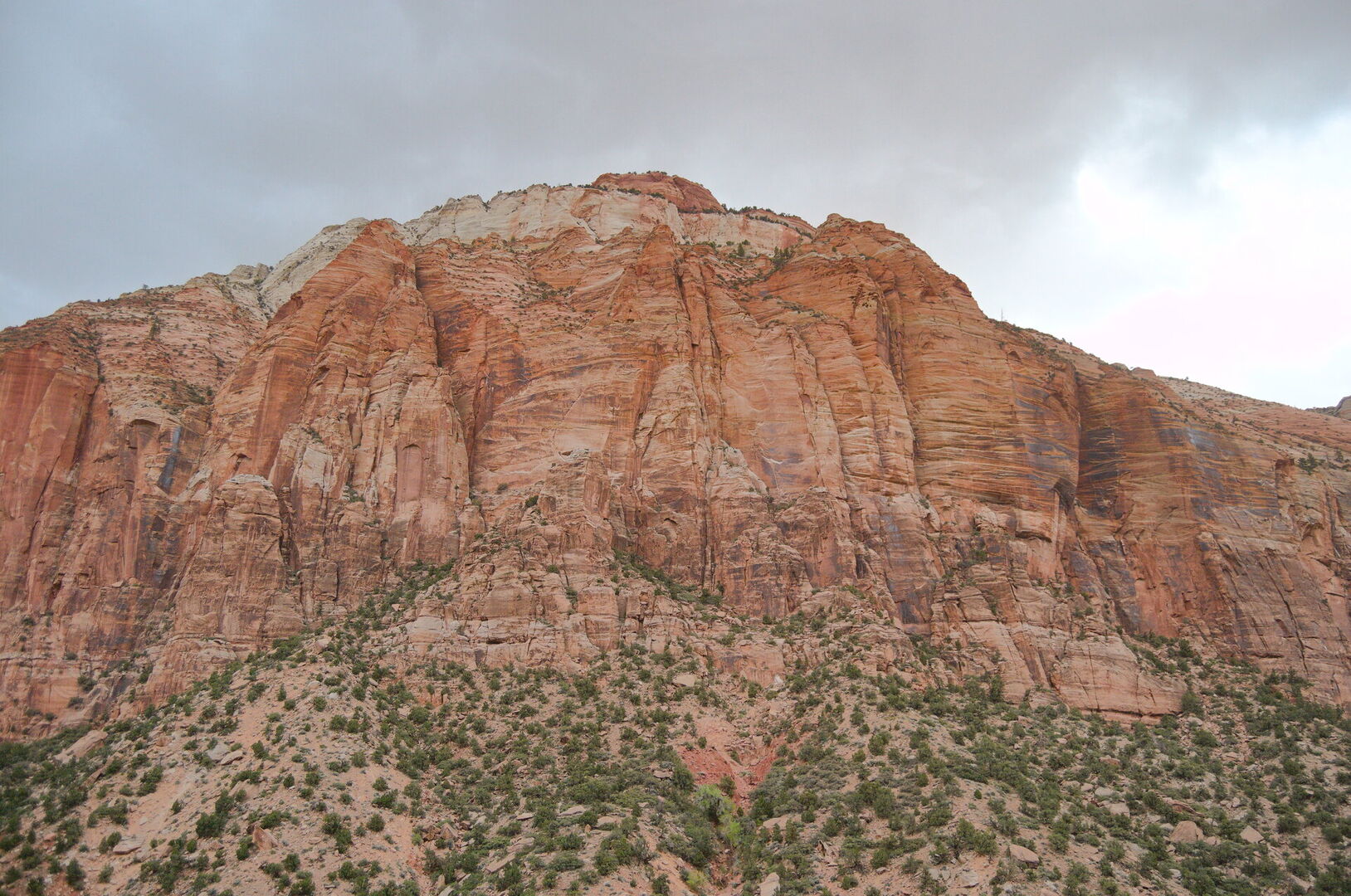
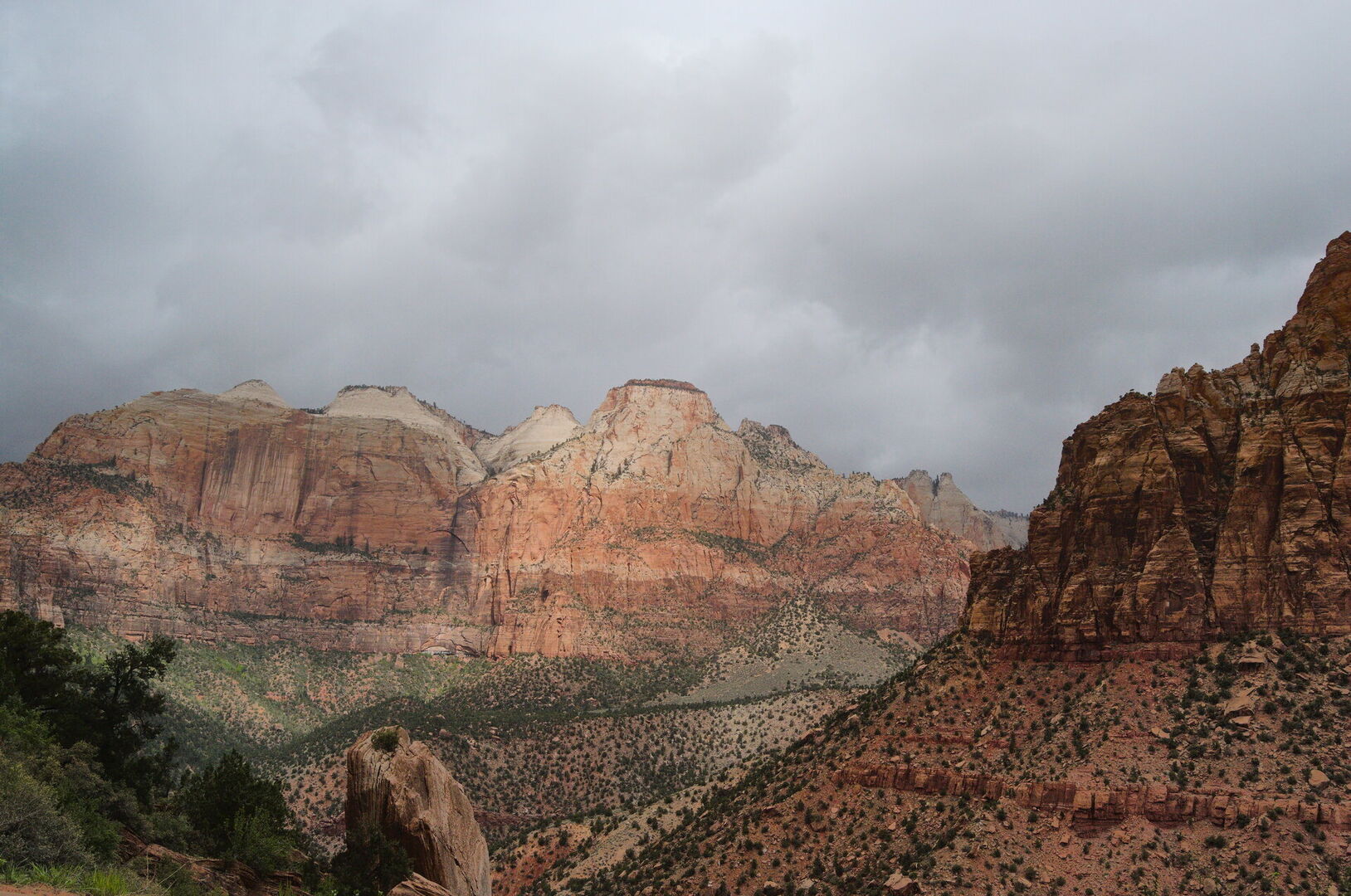
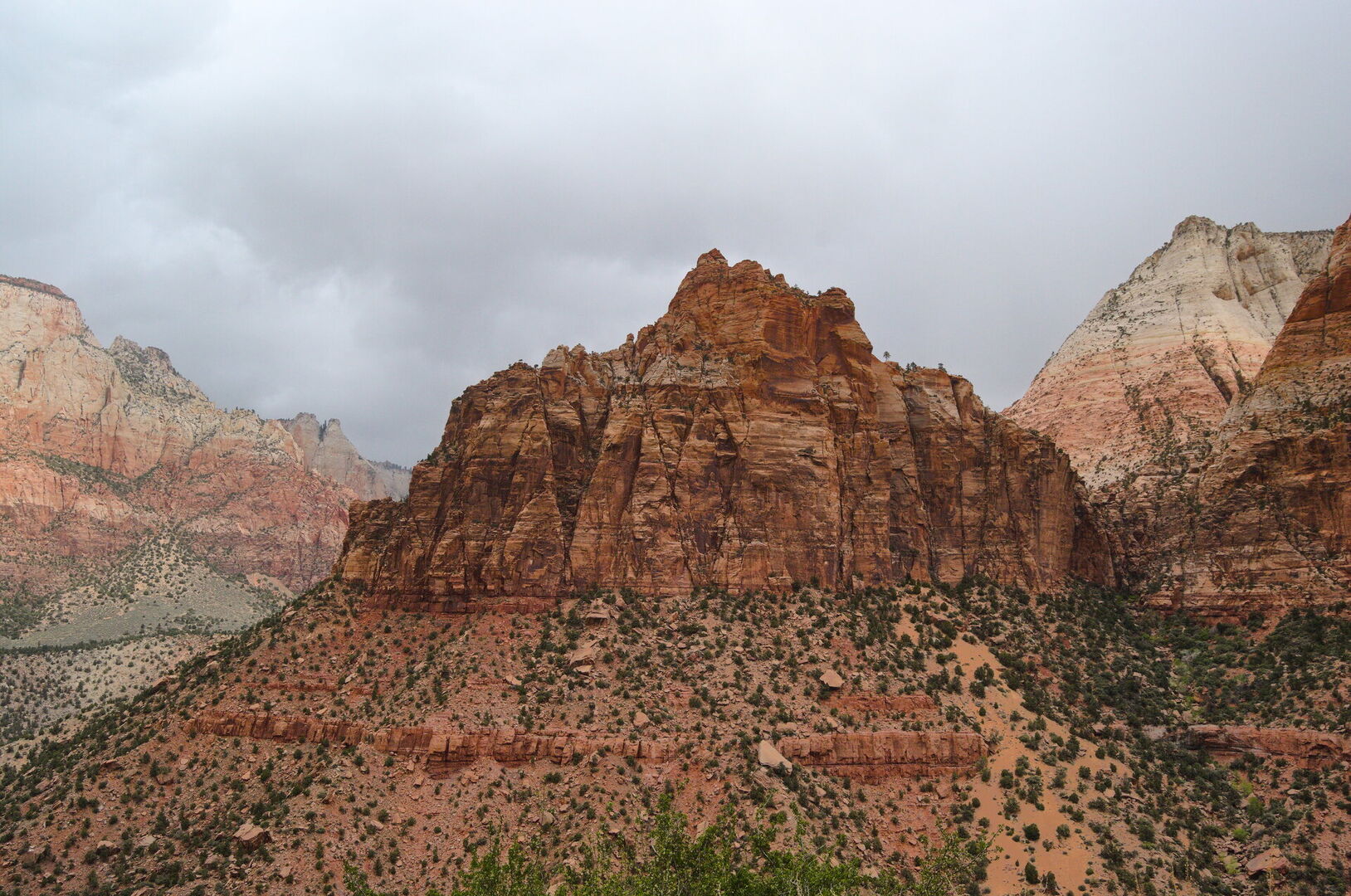
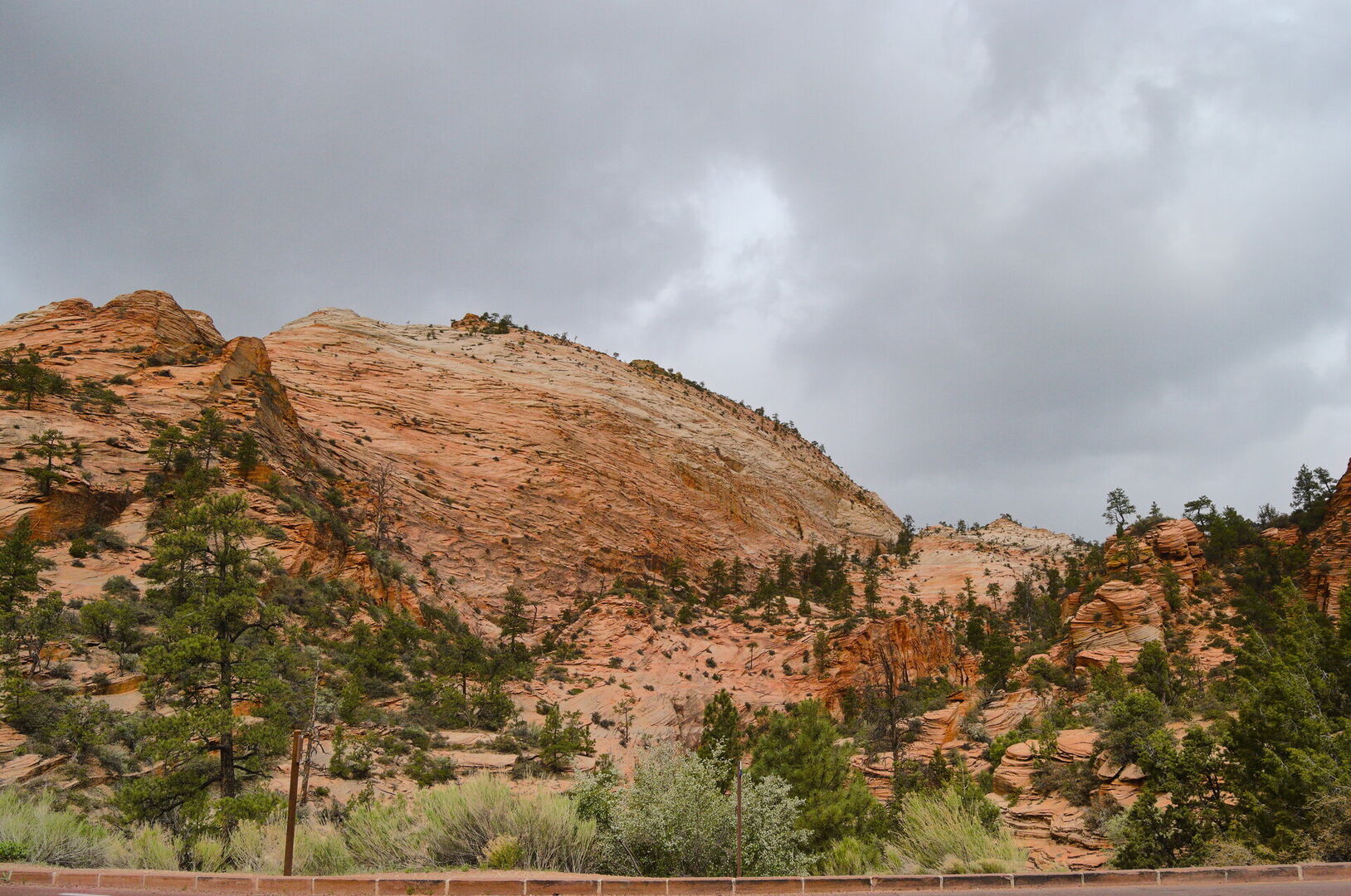
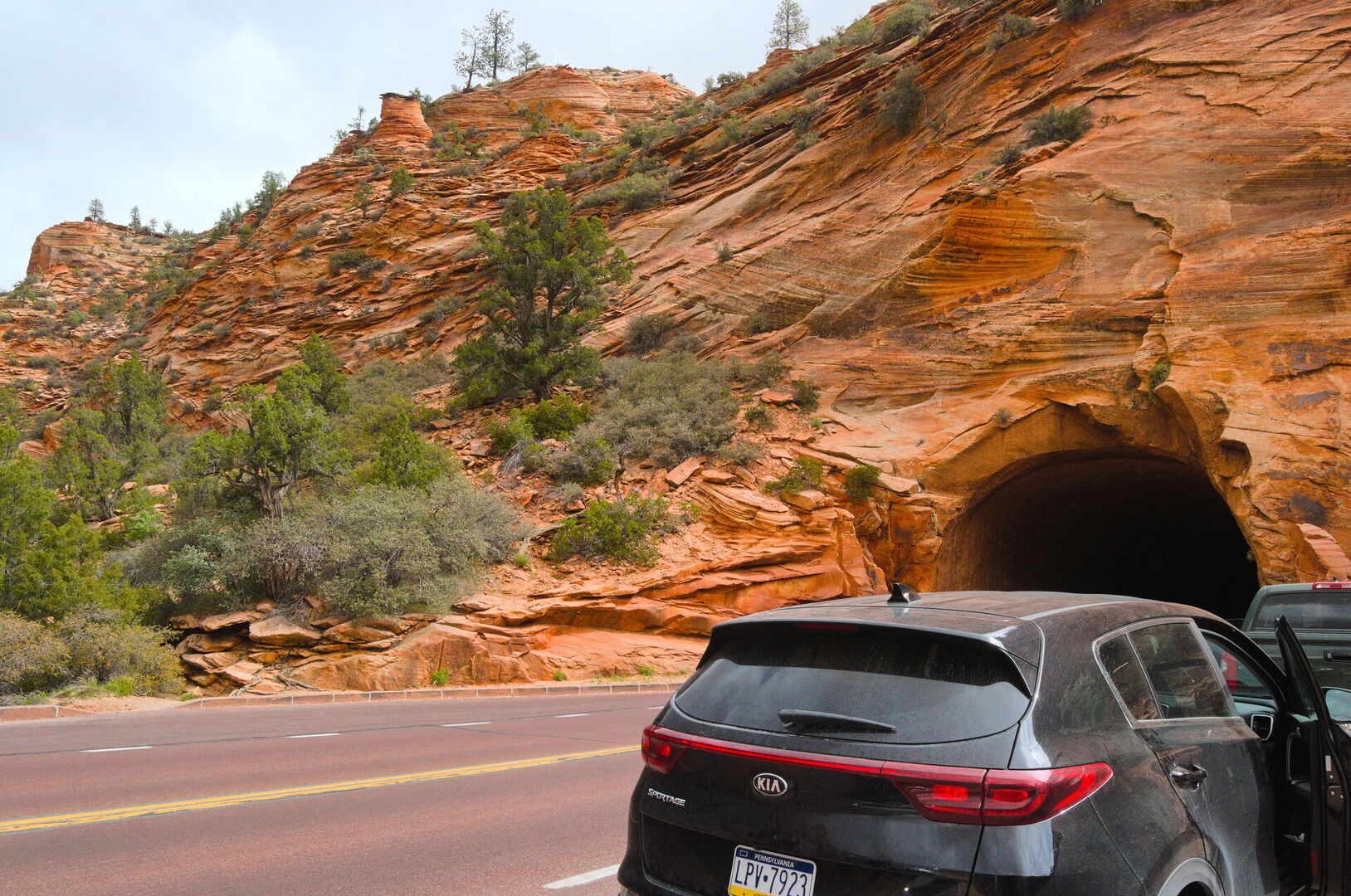
Utah’s landscapes are among the most visually striking in North America. Southern Utah is dominated by red rock deserts, slot canyons, towering cliffs, and expansive plateaus. These areas contain some of the most iconic scenery in the American Southwest.
Central and northern Utah feature mountain ranges, alpine lakes, forests, and river valleys. Snowmelt from these mountains supports agriculture and urban centers along the Wasatch Front. Great Salt Lake, a remnant of an ancient inland sea, is a defining natural feature of the state.
Utah supports diverse ecosystems, from desert-adapted plants and animals to alpine species. Elevation changes and isolated habitats contribute to biodiversity and unique ecological zones.
Things to See
Utah offers an exceptional range of natural, cultural, and recreational attractions:
National Parks and Natural Landmarks
- Zion National Park with towering sandstone canyons
- Bryce Canyon National Park and its hoodoos
- Arches National Park with natural stone arches
- Canyonlands National Park and vast canyon systems
- Capitol Reef National Park and scenic monoclines
Landscapes and Scenic Areas
- Red rock deserts and mesas
- Alpine mountains and high plateaus
- Great Salt Lake and surrounding wetlands
Outdoor Activities
- Hiking, climbing, and canyoneering
- Scenic driving routes and viewpoints
- Skiing and winter sports in mountain regions
- Photography and stargazing in remote areas
Experience and Character
Utah is defined by scale, color, and geological drama. The state’s landscapes emphasize verticality, openness, and deep time, creating powerful visual and emotional impressions. Many areas remain undeveloped, allowing visitors to experience silence, darkness, and vast horizons.
Utah balances rapid urban growth with extensive land protection. Its strong outdoor culture, combined with historical and cultural depth, makes the state a focal point for both recreation and conservation in the western United States.