
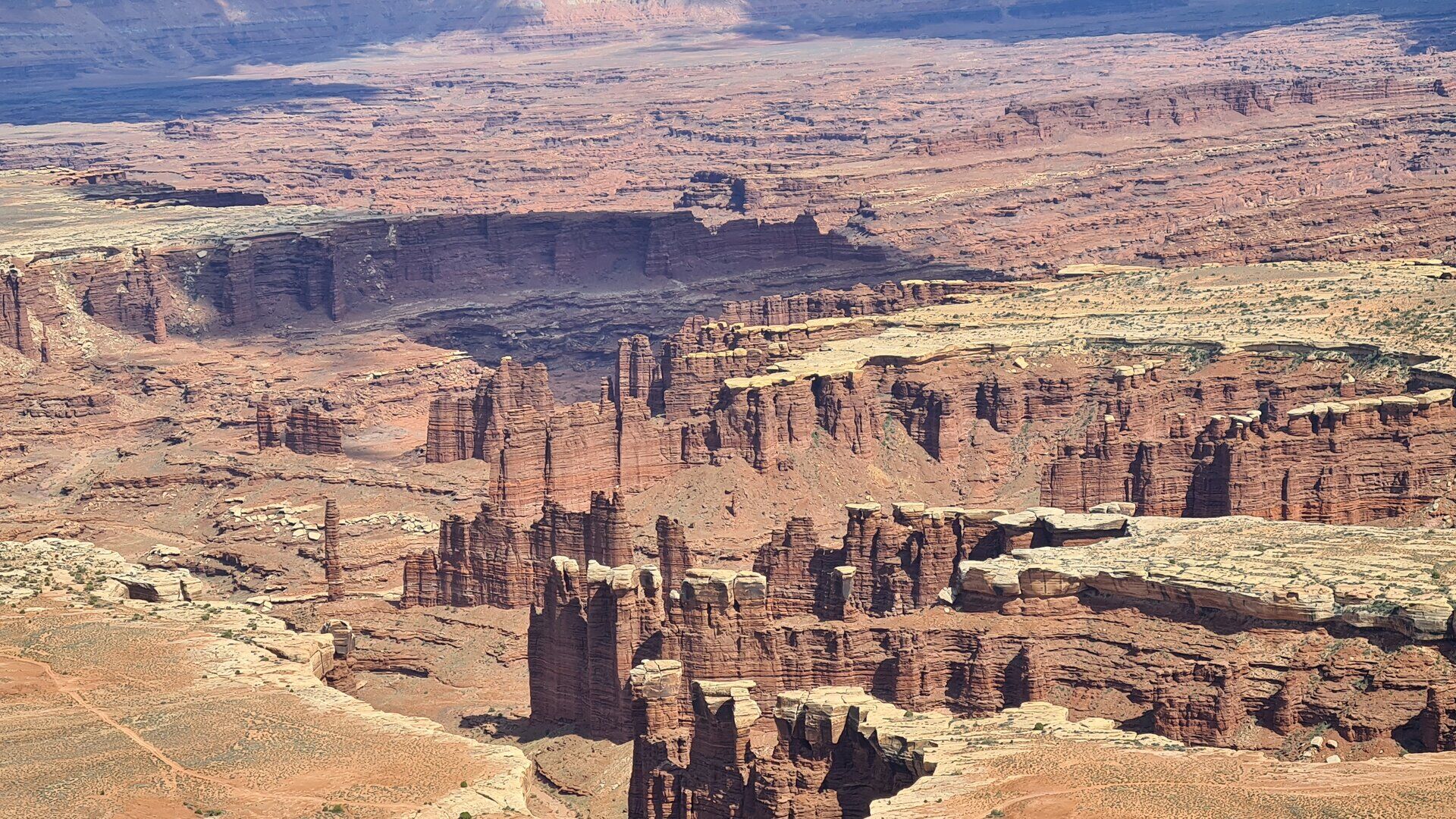
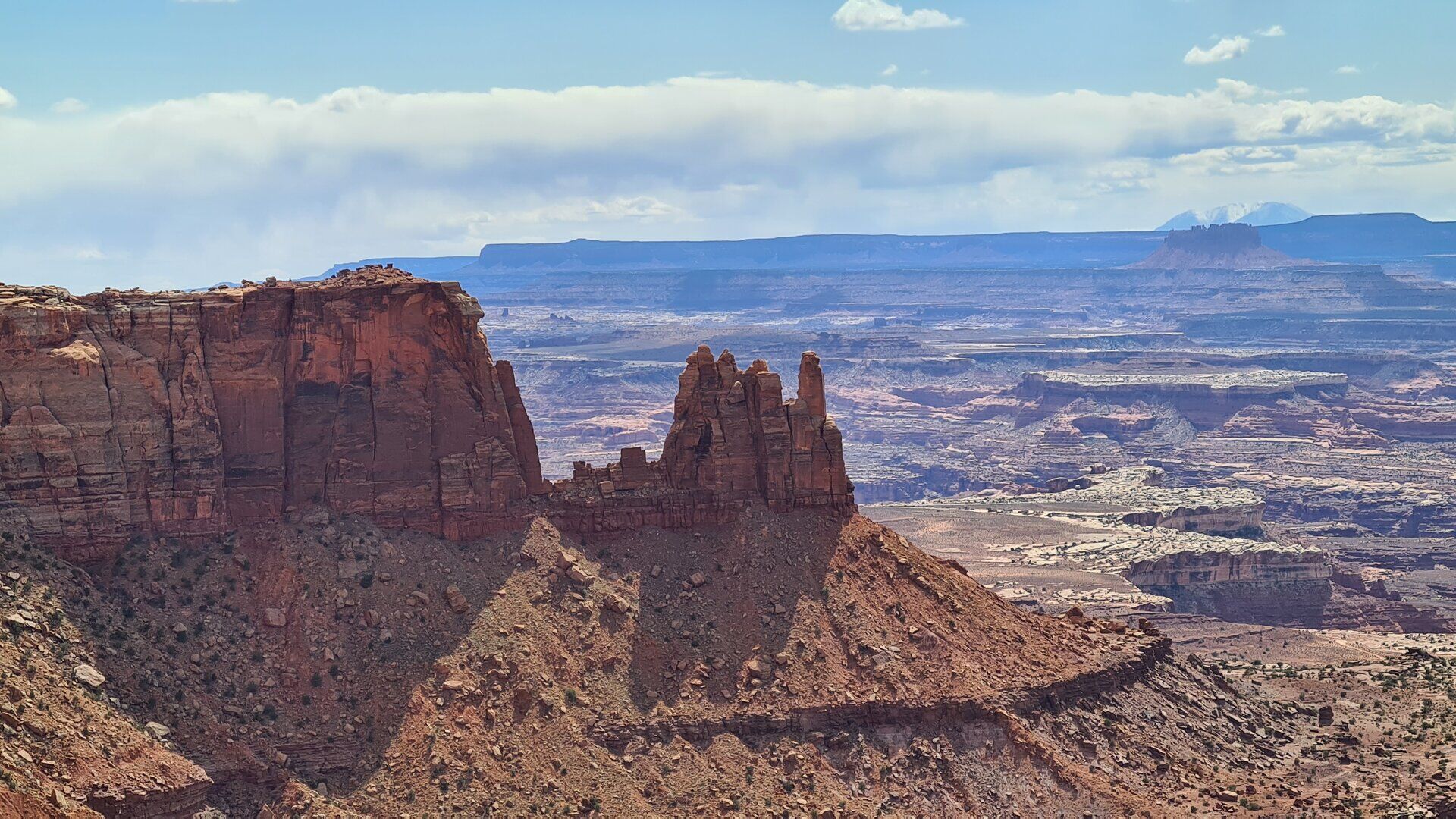
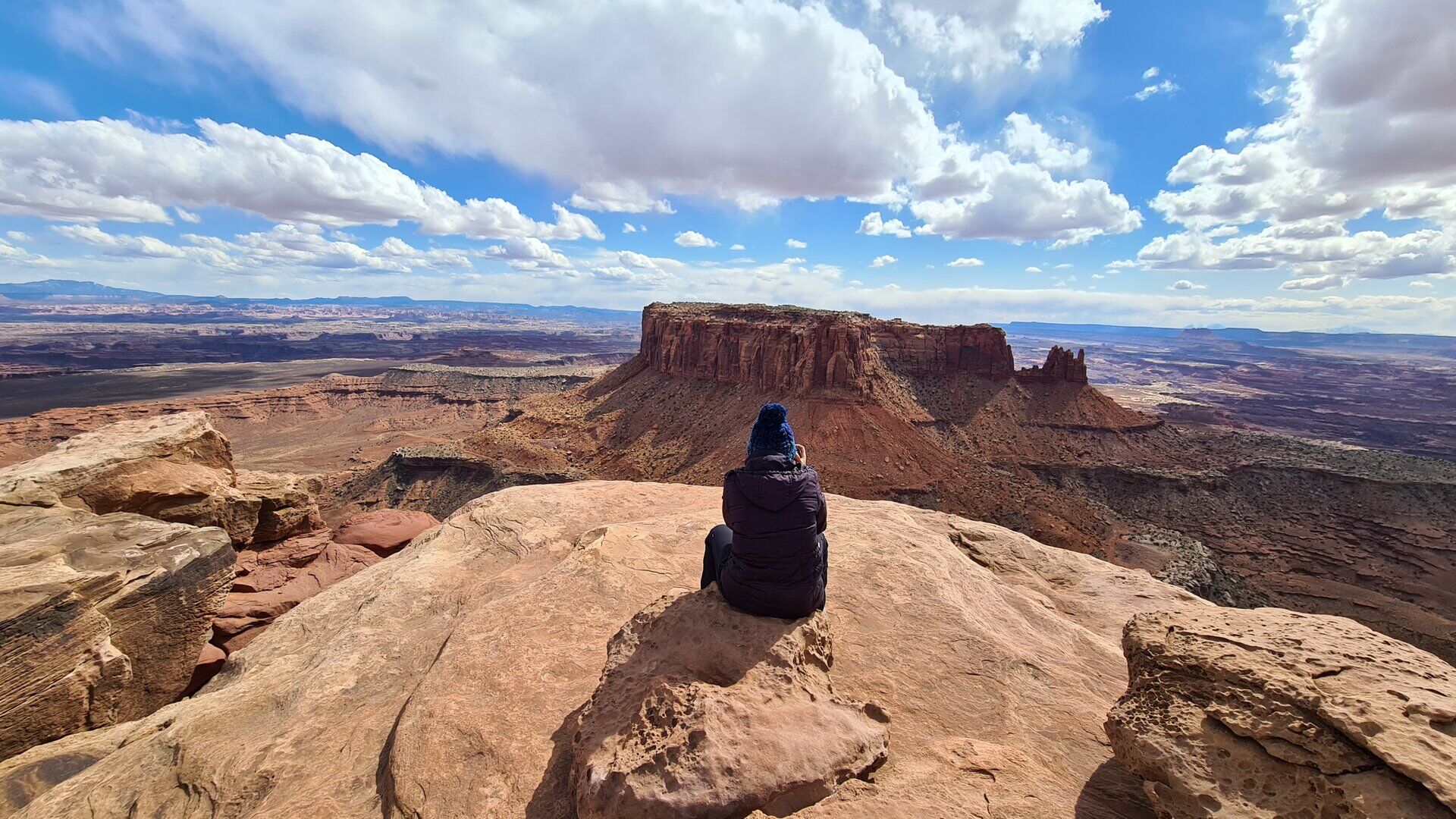
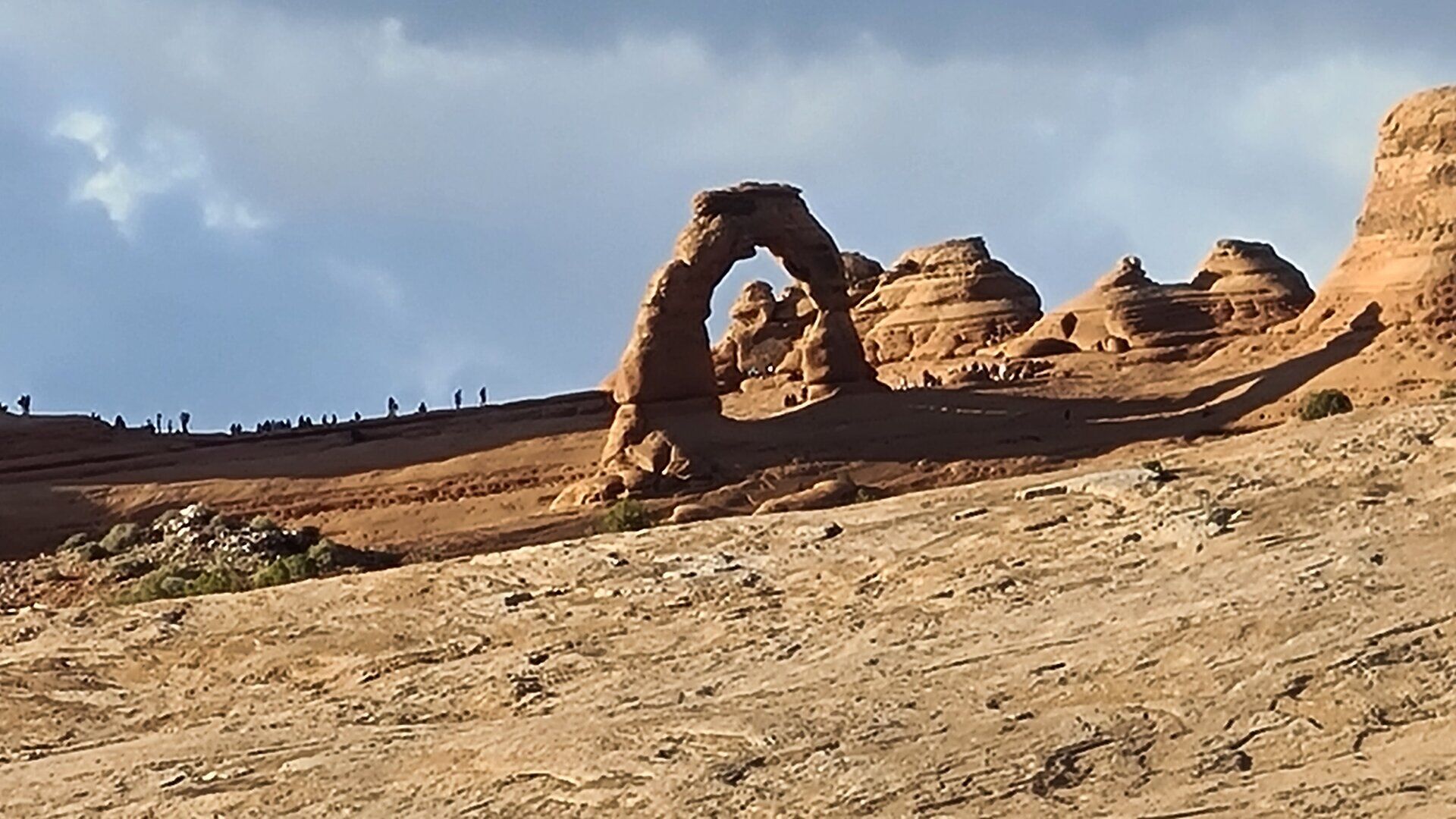
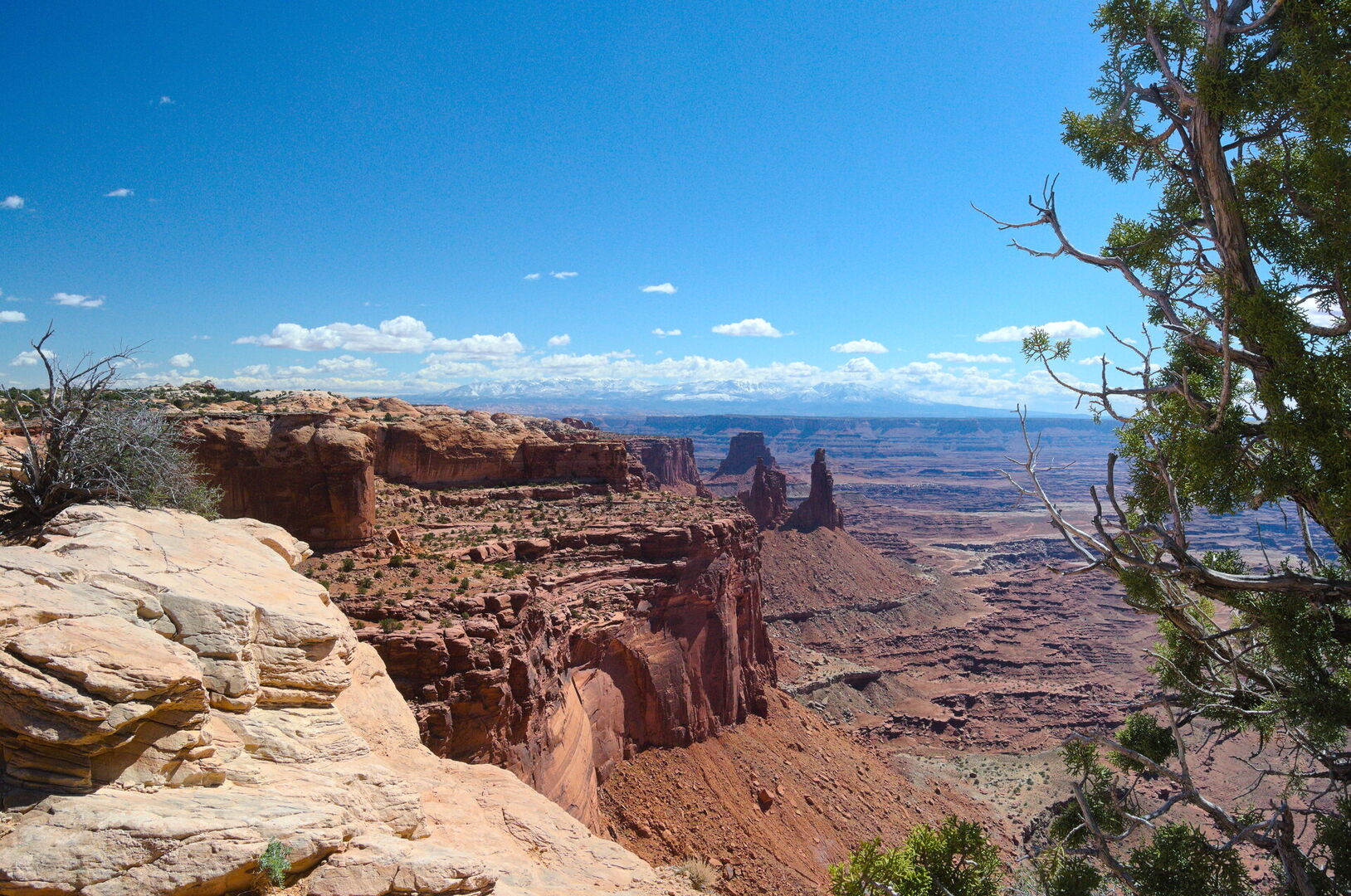

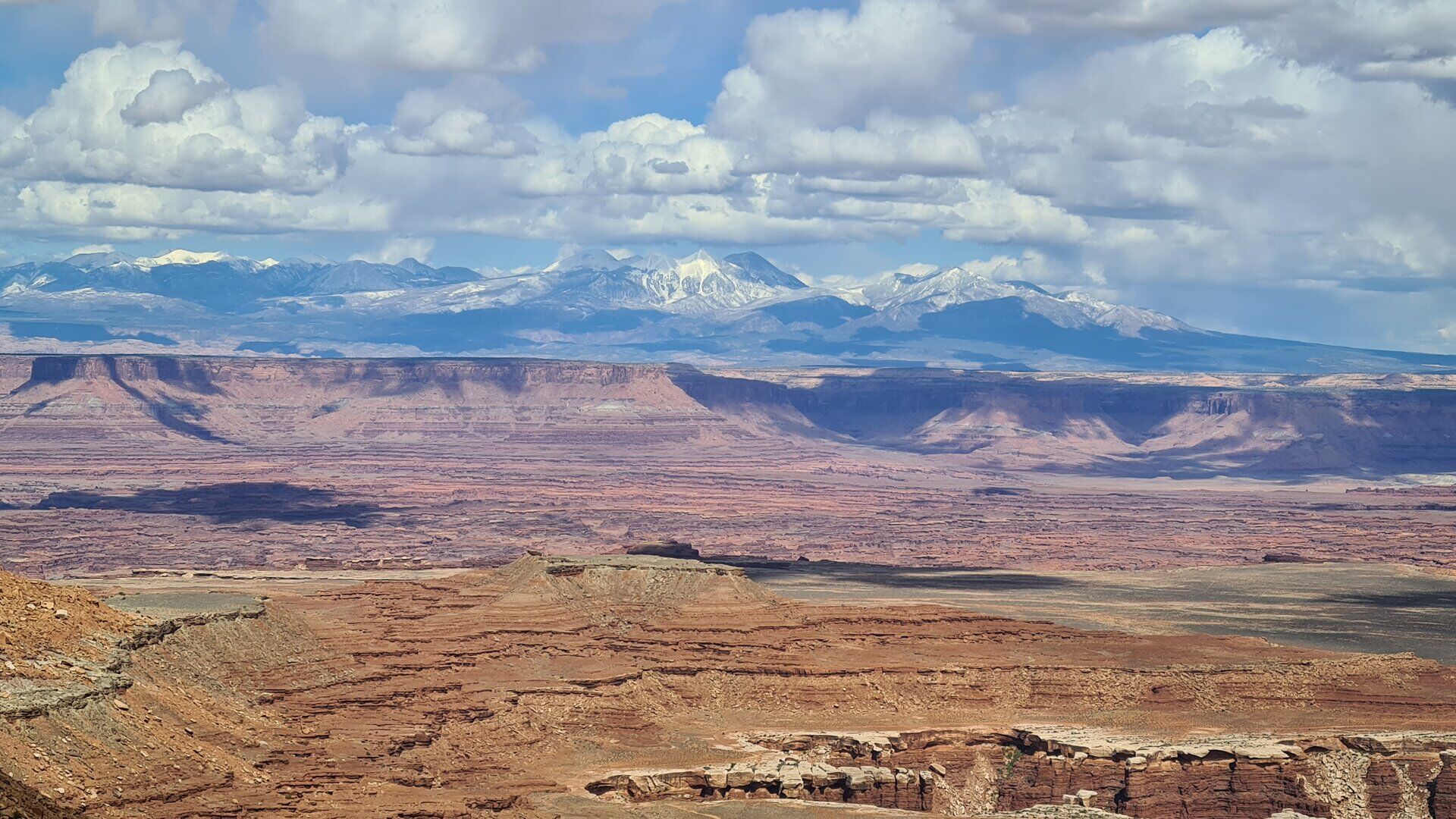
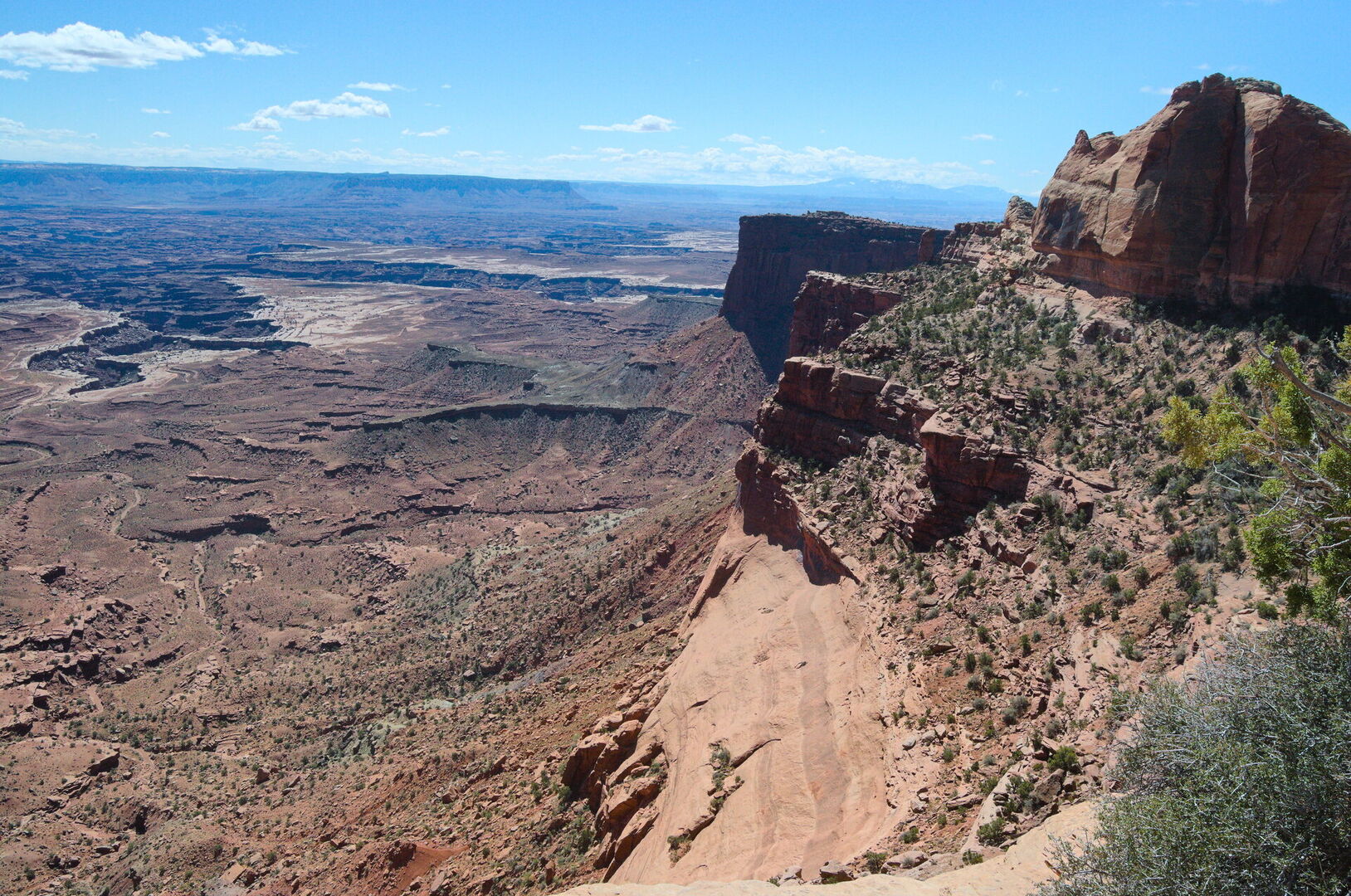
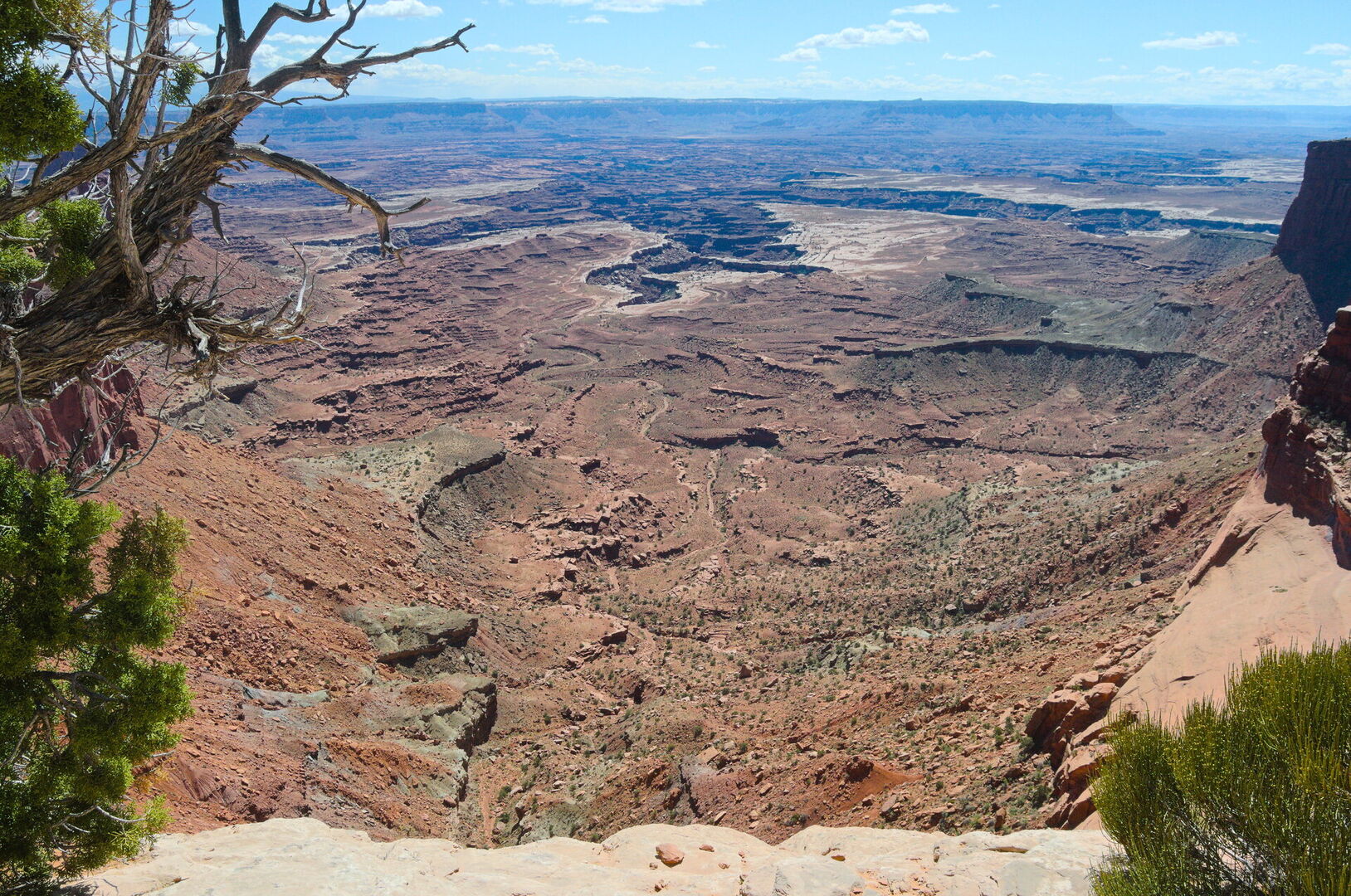
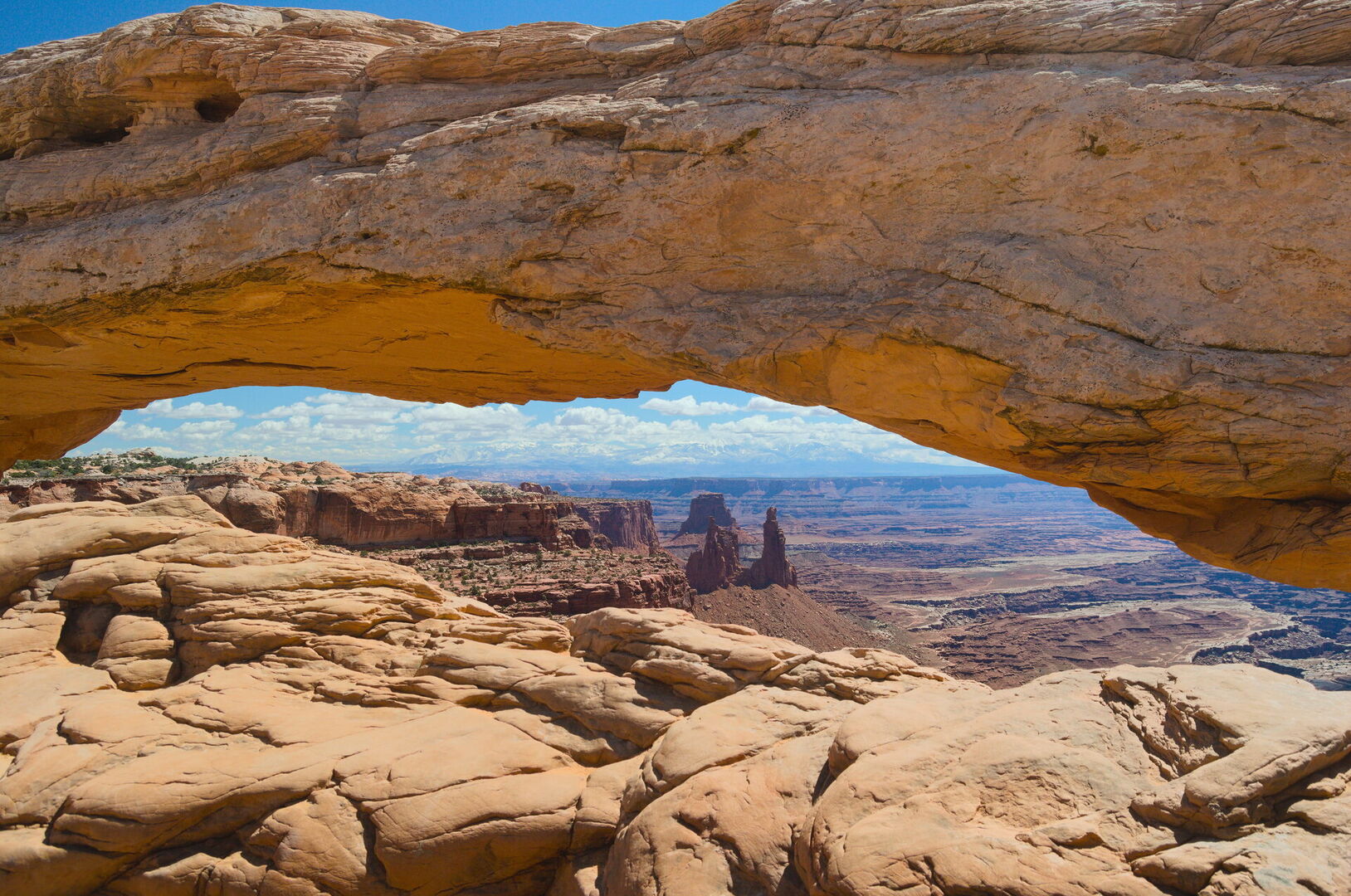
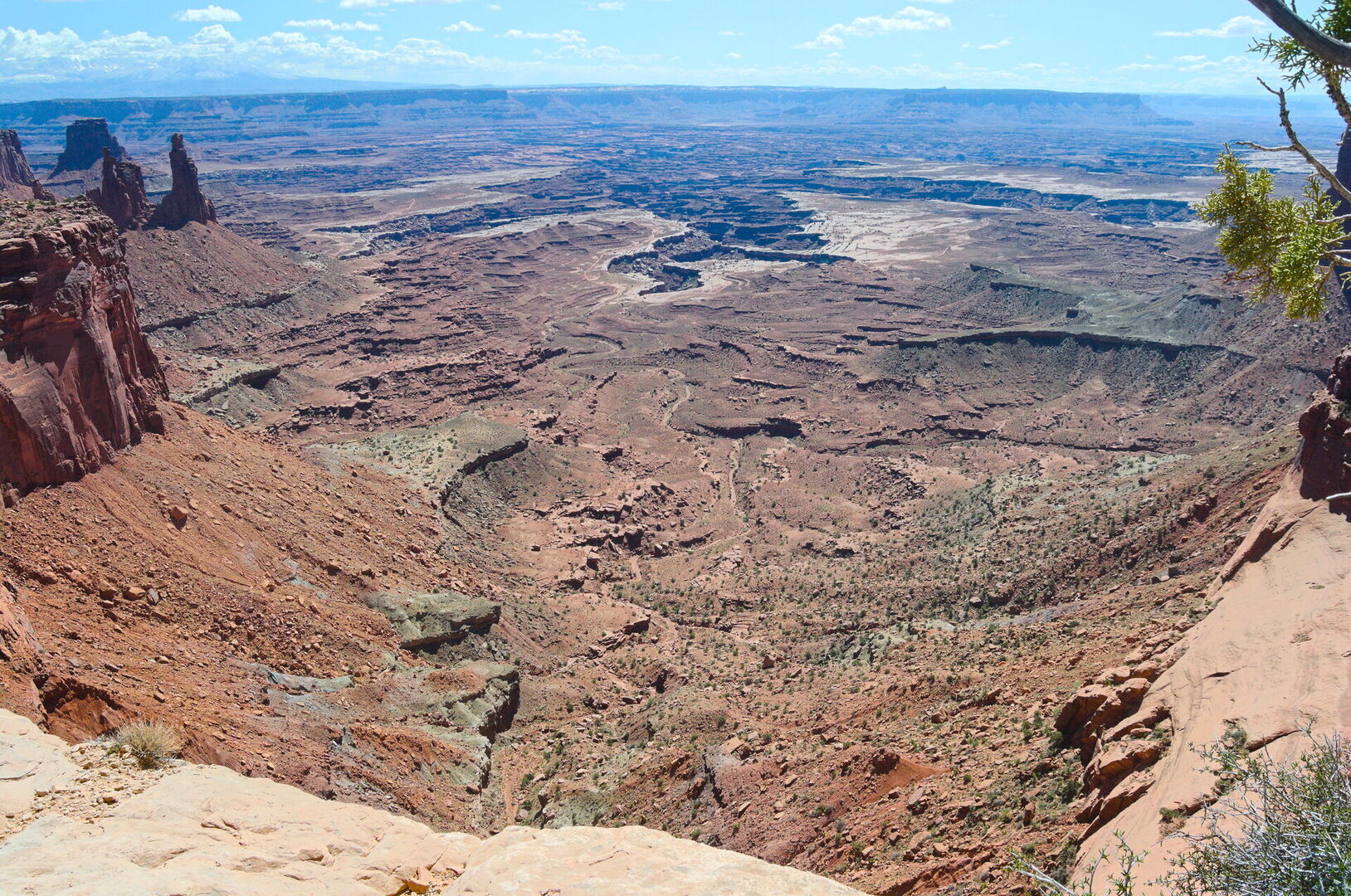
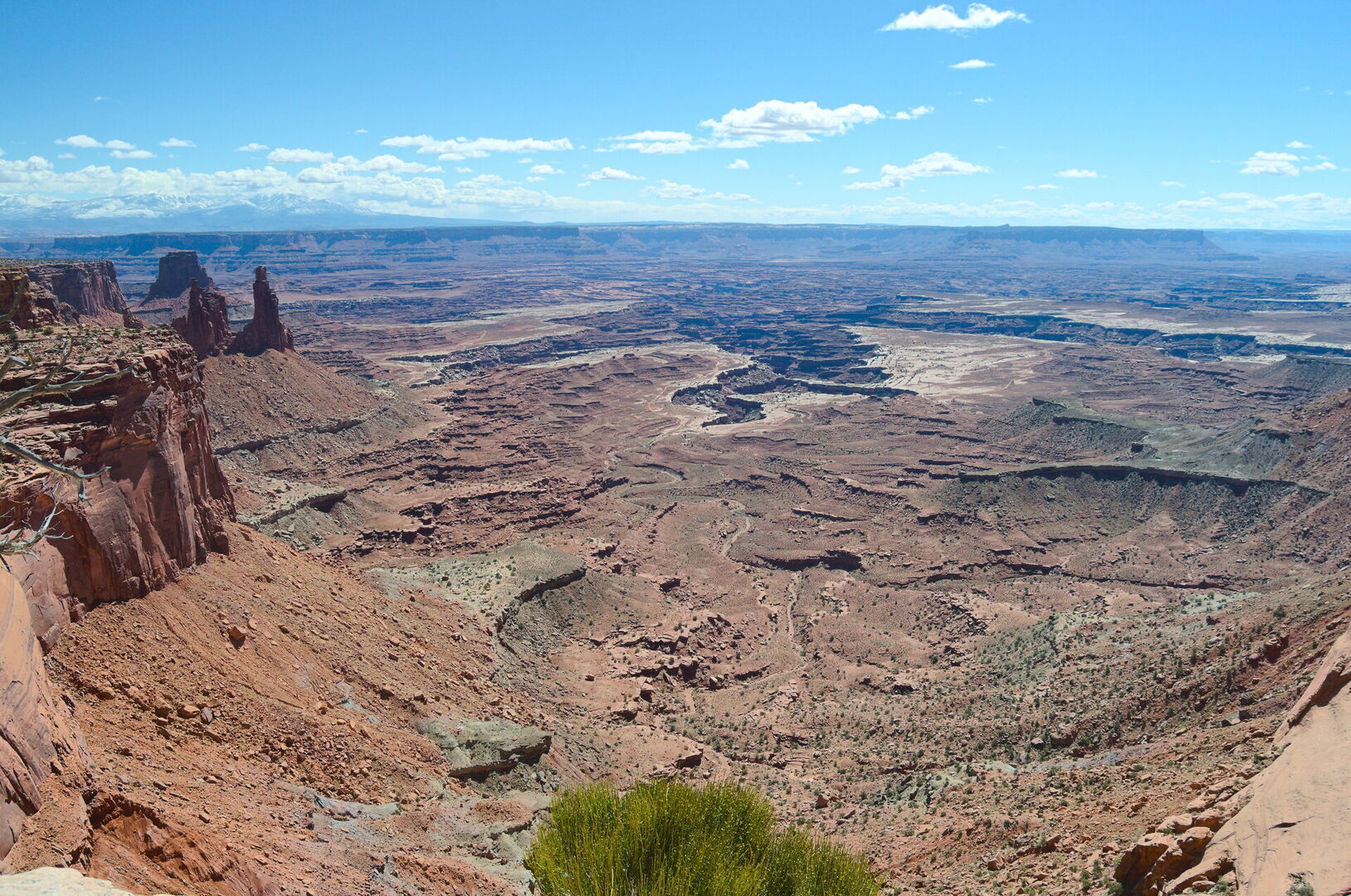





Canyonlands National Park is a vast and rugged protected area located in southeastern Utah, near the town of Moab. The park preserves an immense landscape shaped primarily by the Colorado River and the Green River, which have carved deep canyons into the Colorado Plateau over millions of years. Canyonlands is known for its remote character, dramatic scale, and complex canyon systems.
The park is divided into several distinct districts, each offering a different perspective on the landscape. These districts are separated by deep canyons and are not directly connected by roads, reinforcing the sense of isolation and wilderness. Elevations range from high mesas to canyon floors thousands of meters below, creating extreme vertical relief.
Canyonlands has an arid desert climate with hot summers, cold winters, and low annual precipitation. Large temperature differences between day and night are common. The park is less developed and generally less crowded than some other Utah national parks, making it particularly appealing to visitors seeking solitude and expansive desert scenery.
History
Human presence in the Canyonlands region dates back thousands of years. Indigenous peoples, including the Ancestral Puebloans and later Ute and Paiute groups, lived in and traveled through the area. They left behind rock art, habitation sites, storage structures, and tools that reflect long-term adaptation to a challenging desert environment.
European-American exploration began in the 19th century, driven by westward expansion, mapping expeditions, and later resource exploration. Ranching and limited mining occurred in surrounding areas, but the rugged terrain of Canyonlands largely resisted permanent settlement.
Growing recognition of the area’s scenic and scientific value led to its designation as a national park in 1964. Since then, Canyonlands has been managed to protect its geological features, cultural sites, and wilderness character while allowing for controlled recreation.
Geology
Canyonlands National Park is one of the finest examples of erosion-dominated landscapes in North America. Its geology records hundreds of millions of years of Earth’s history, preserved in thick layers of sedimentary rock deposited by ancient seas, rivers, deserts, and floodplains.
Tectonic uplift of the Colorado Plateau raised these rock layers to high elevations without significant folding, allowing rivers to cut deeply into the landscape. The Colorado and Green Rivers carved vast canyon systems, isolating mesas, buttes, and plateaus.
Rock layers exposed in Canyonlands include sandstone, shale, limestone, and evaporite deposits, each contributing to the park’s color and texture. Erosion by wind, water, and gravity continues to shape the landscape through rockfall, flash floods, and gradual weathering.
Landscapes and Natural Environment
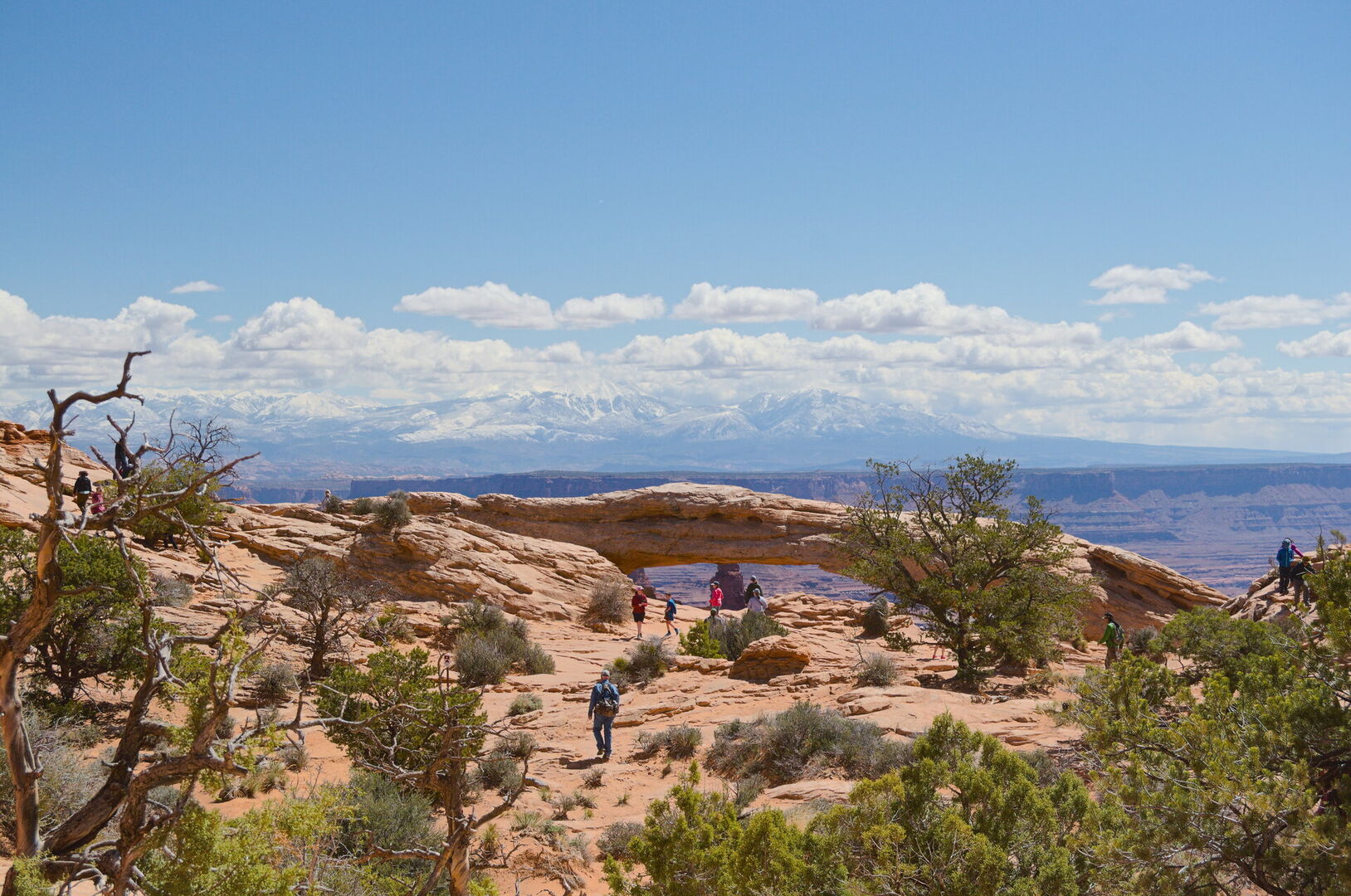
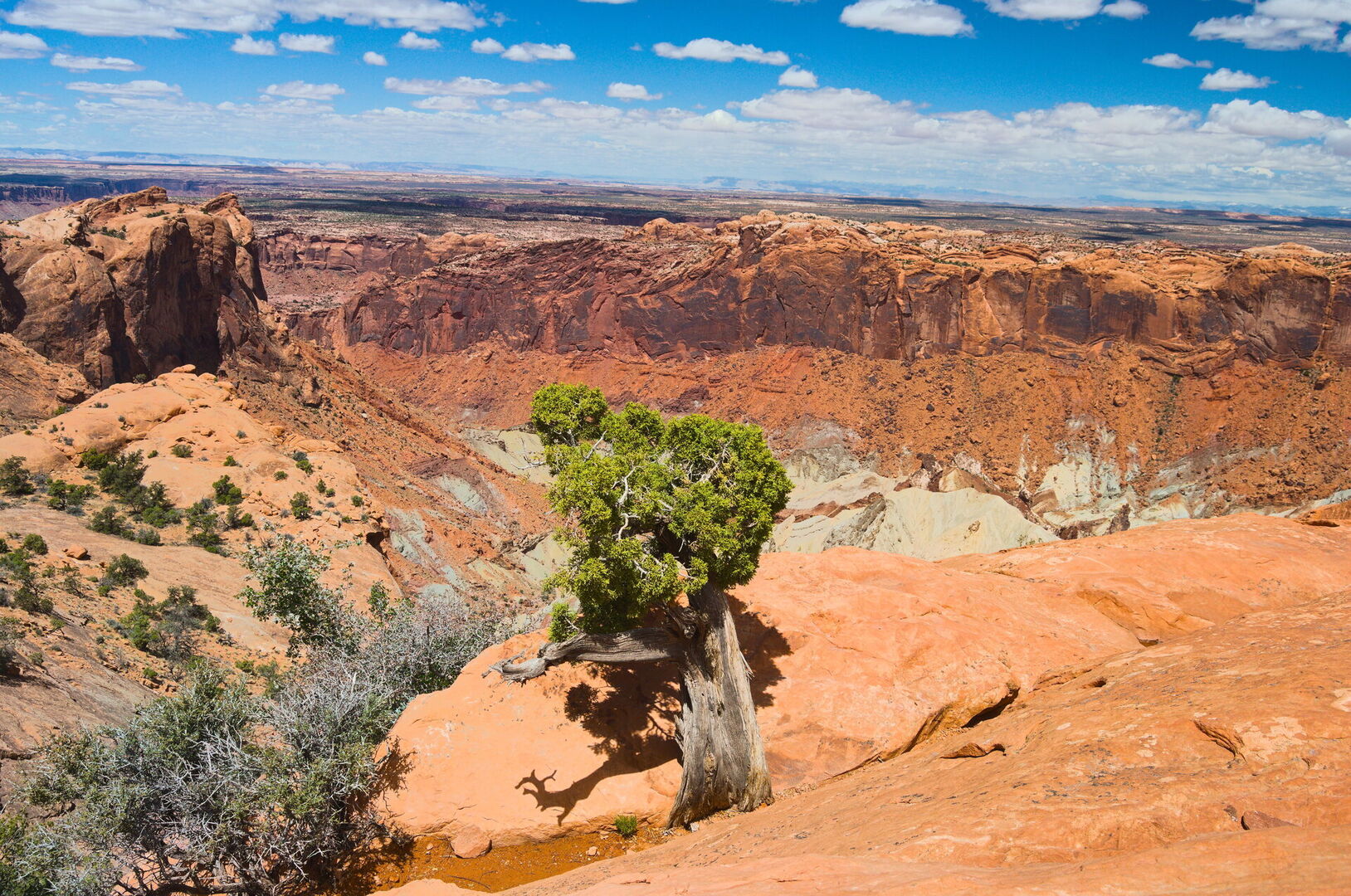
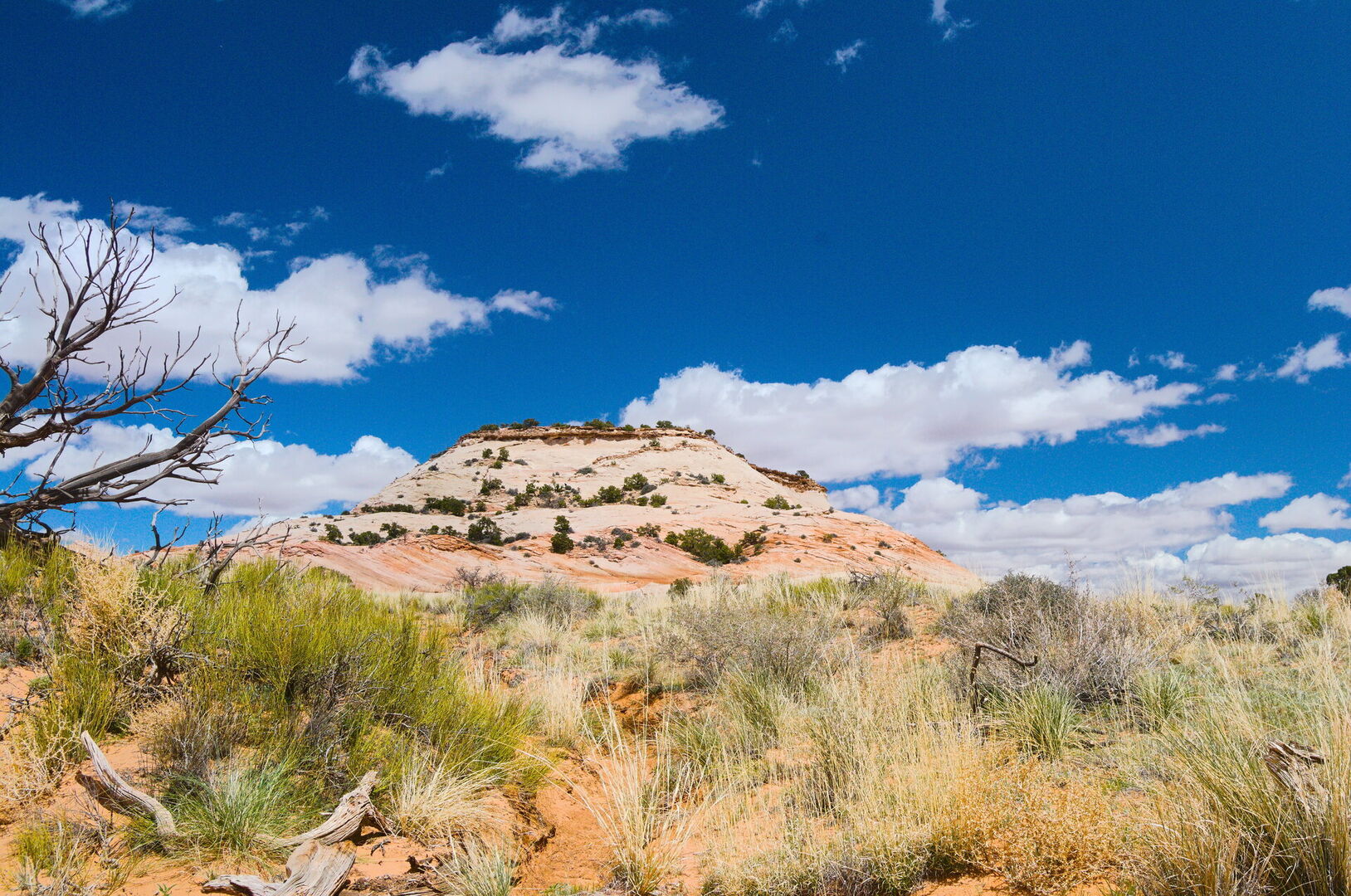
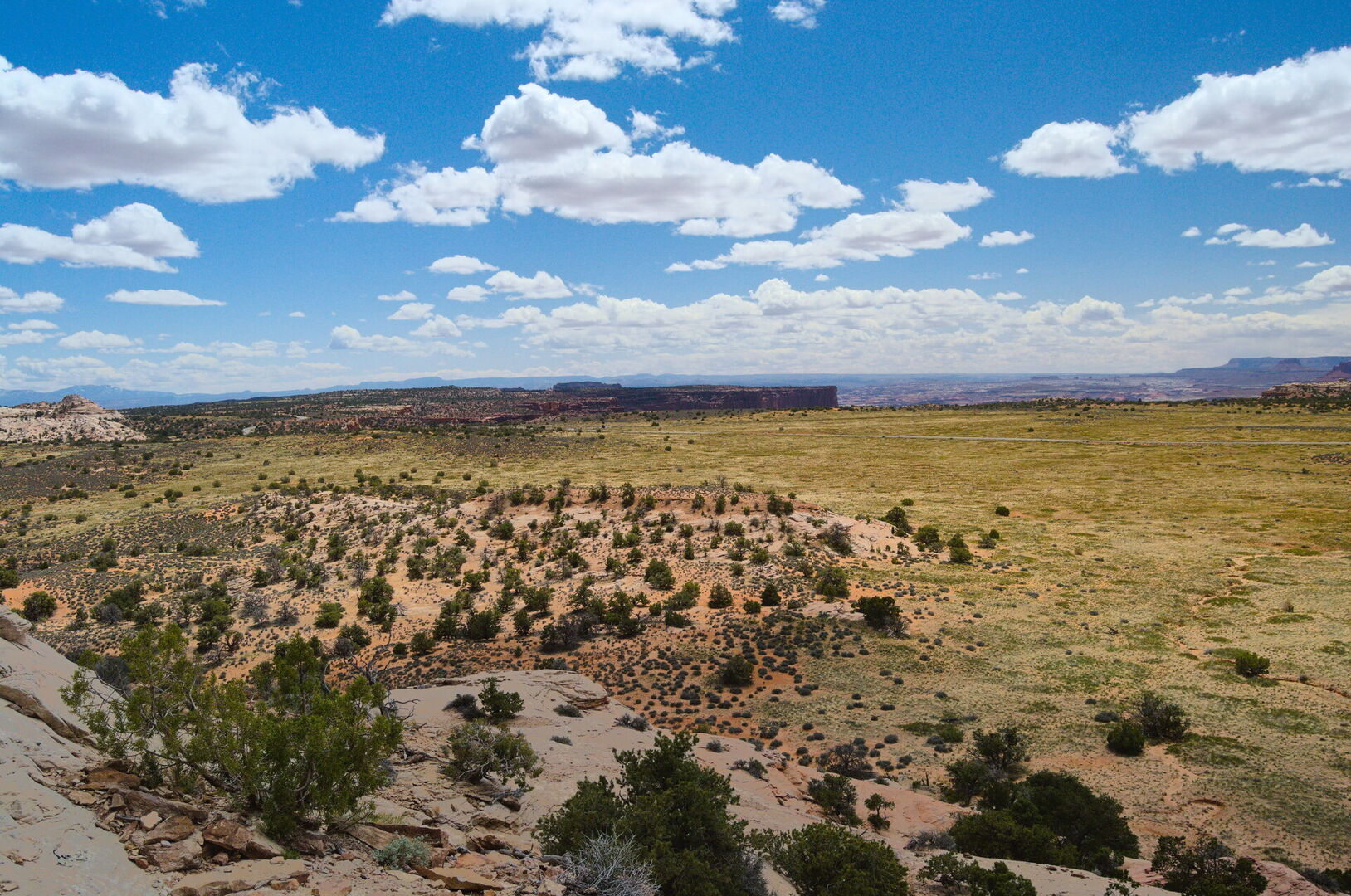
Canyonlands is defined by immense open spaces, deep canyons, and broad mesas. The landscape appears stark and austere, yet it contains subtle variations in color, form, and light. Sheer cliffs drop into winding canyons, while flat-topped mesas provide expansive viewpoints.
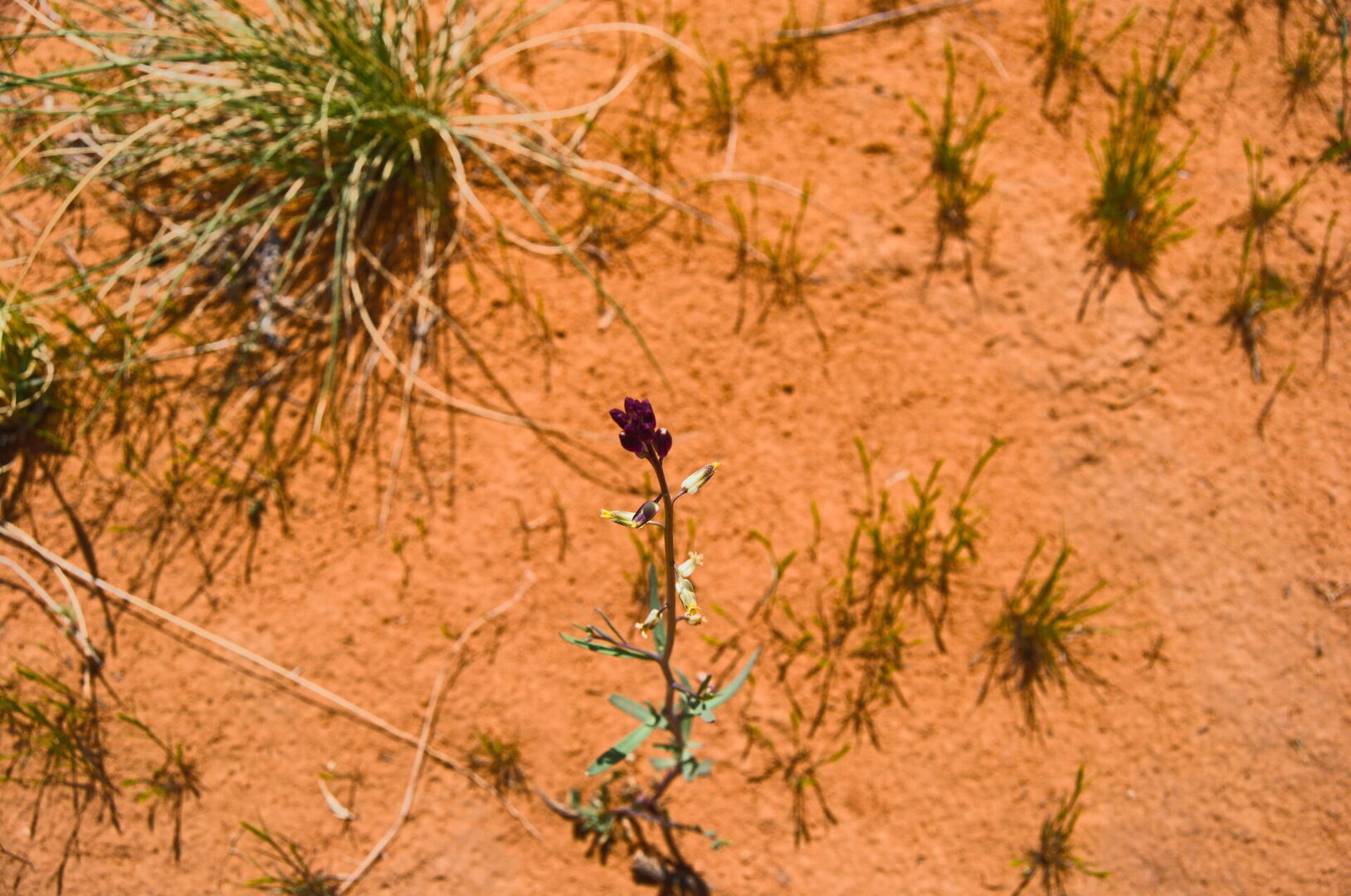
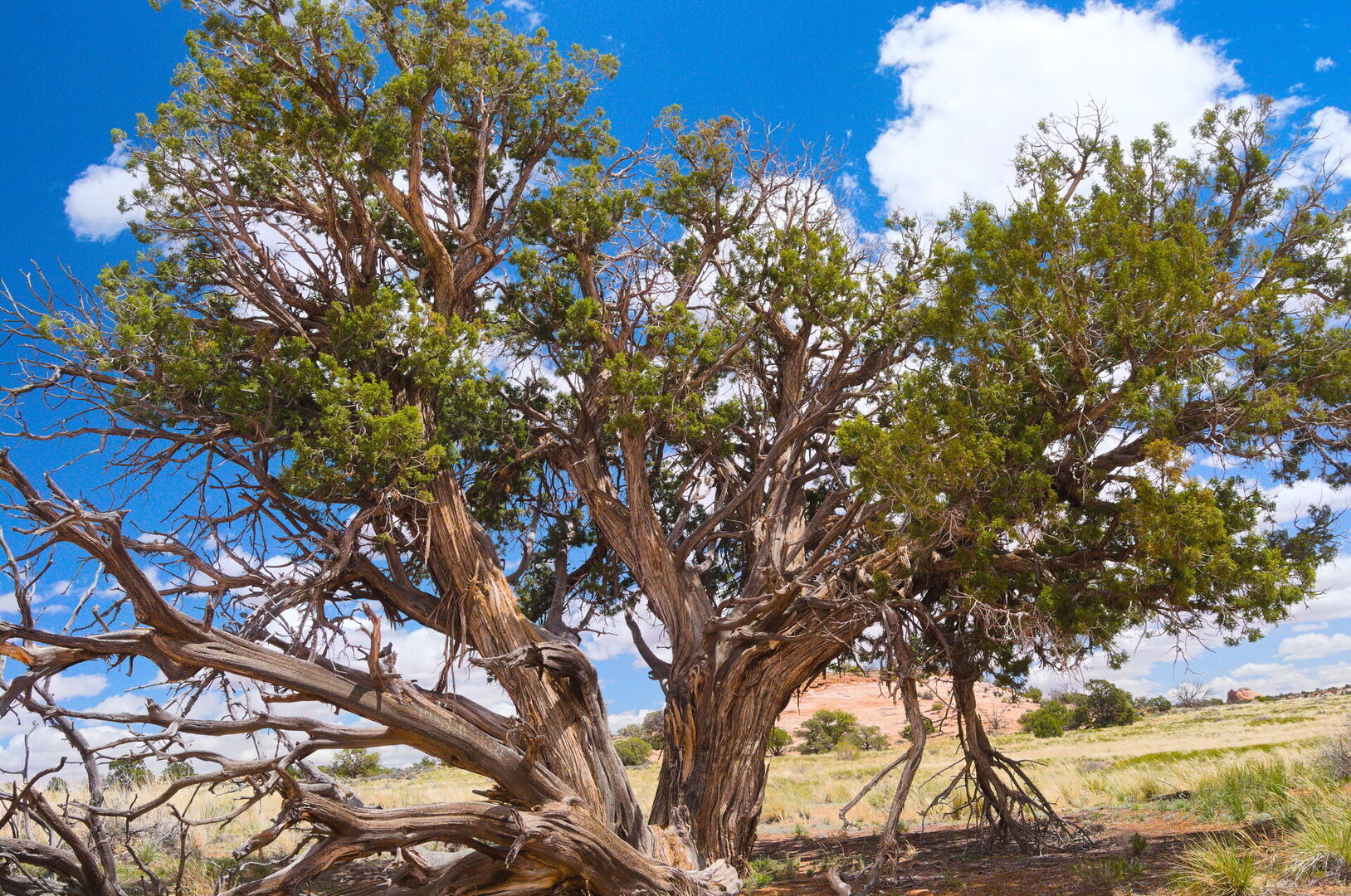
Vegetation is sparse and adapted to arid conditions. Desert shrubs, grasses, and hardy plants cling to rock ledges and sandy soils. Riparian zones along rivers support denser vegetation and provide critical habitat for wildlife.
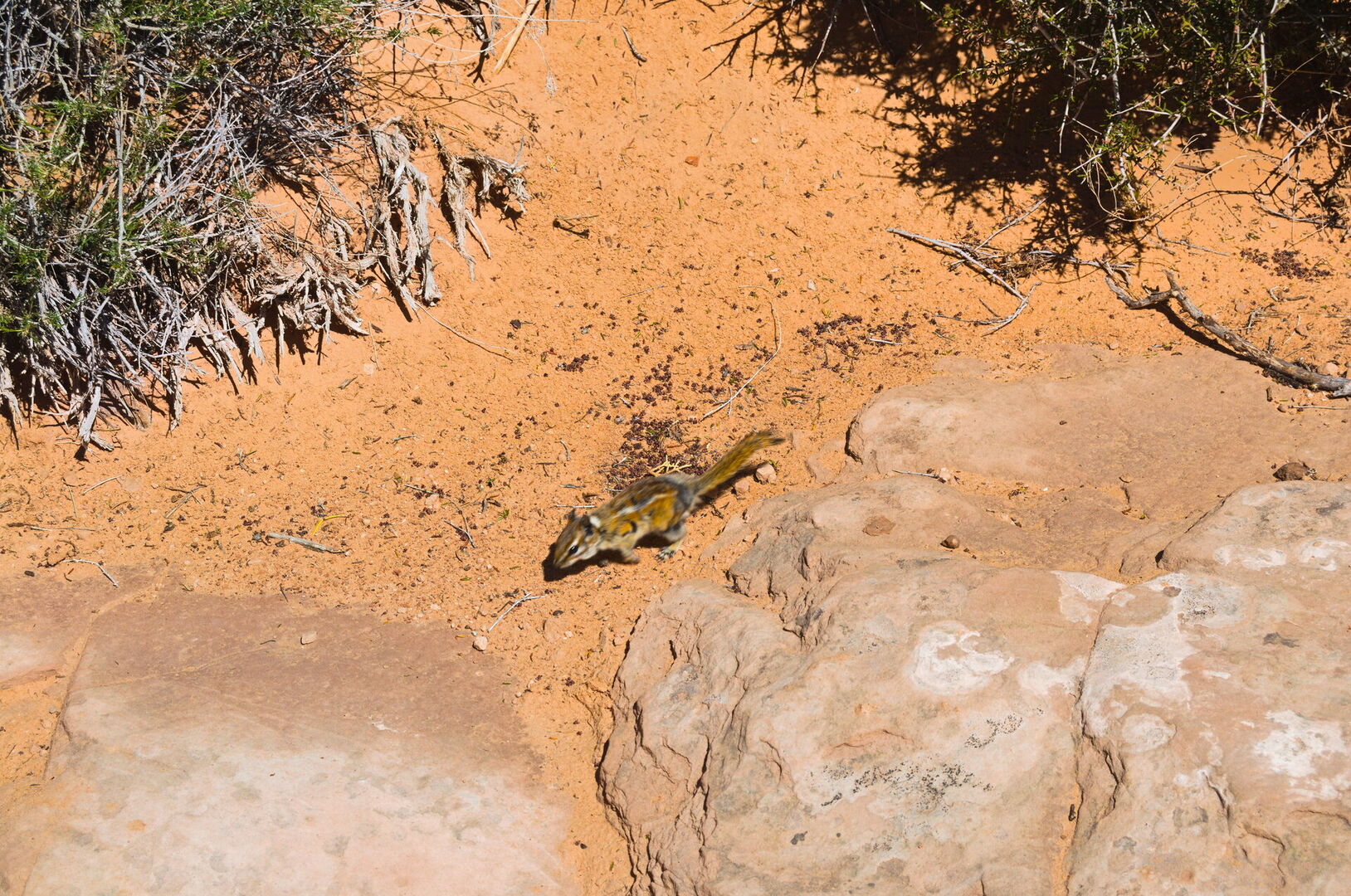
Animal life includes desert reptiles, birds of prey, small mammals, and larger species such as desert bighorn sheep. Many species are nocturnal or highly seasonal, reflecting the harsh environmental conditions.
Things to See
Canyonlands National Park offers a wide range of dramatic natural features and experiences:
Canyon and Plateau Landscapes
- Vast canyon systems carved by the Colorado and Green Rivers
- High mesas and buttes with panoramic views
- Sheer cliffs and exposed rock layers
River Features
- The confluence of the Colorado and Green Rivers
- Meandering river corridors deep below canyon rims
- Seasonal changes in water flow and color
Cultural and Historic Sites
- Ancient rock art panels
- Archaeological remains from Indigenous cultures
- Historic ranching and exploration remnants
Outdoor Activities
- Scenic overlooks and remote viewpoints
- Hiking routes along canyon rims and into backcountry areas
- Off-road routes on designated trails
- Photography and stargazing in dark-sky environments
Experience and Character
Canyonlands National Park is defined by scale, isolation, and raw geological power. Unlike parks with concentrated iconic landmarks, Canyonlands offers vast, open views where the immensity of the landscape becomes the central experience. Distances are large, and the terrain feels untamed and demanding.
The park encourages contemplation and self-reliance. Its silence, expansive horizons, and layered rock formations emphasize geological time and natural forces. Canyonlands represents one of the most profound expressions of desert wilderness in the American Southwest.