
California is a large and geographically diverse state located on the west coast of the United States, bordered by the Pacific Ocean. It is the most populous U.S. state and one of the most influential regions in the world in terms of economy, culture, and innovation. California’s identity is defined by its remarkable range of landscapes, climates, and ecosystems.
The state stretches from the temperate rainforests of the far north to the arid deserts of the south-east, and from rugged coastal cliffs to high mountain ranges. California’s coastline extends for more than 1,300 kilometers and includes beaches, rocky headlands, wetlands, and natural harbors. Inland, fertile valleys, volcanic plateaus, and alpine regions create strong contrasts over relatively short distances.
California’s economy ranks among the largest globally and is driven by technology, entertainment, agriculture, tourism, education, and international trade. Major urban centers such as Los Angeles, San Francisco, San Diego, and Silicon Valley coexist with rural farming regions, protected wilderness areas, and national parks.
History
Human presence in California dates back more than 13,000 years. Indigenous peoples lived throughout the region long before European contact, developing complex societies adapted to California’s varied environments. Hundreds of tribes with distinct languages and cultures existed, reflecting the state’s ecological diversity.
European exploration began in the 16th century, with Spanish expeditions establishing missions along the coast in the late 18th century. These missions became centers of settlement and agriculture but also caused profound disruption to Indigenous communities. California later became part of Mexico before being transferred to the United States in 1848.
The discovery of gold in 1848 triggered the California Gold Rush, bringing rapid population growth and economic transformation. Throughout the late 19th and 20th centuries, California emerged as a center of agriculture, manufacturing, entertainment, aerospace, and technology. Waves of migration from across the United States and the world shaped the state’s multicultural character.
Geology
California’s geology is among the most complex and dynamic in North America. The state lies along the boundary between the Pacific and North American tectonic plates, making it highly active in terms of earthquakes and mountain formation. The San Andreas Fault system is the most well-known expression of this tectonic boundary.
Major geological features include the Sierra Nevada mountain range, the Central Valley, coastal mountain ranges, and extensive desert basins. The Sierra Nevada consists largely of granite formed deep underground and later exposed by uplift and erosion, creating dramatic landscapes such as Yosemite Valley.
Volcanic activity shaped large parts of northern California, leaving lava flows, volcanic cones, and geothermal features. Glaciation during the last ice age carved valleys, lakes, and steep cliffs in the mountains. Erosion, faulting, and tectonic uplift continue to reshape California’s landscape today.
Landscapes and Natural Environment
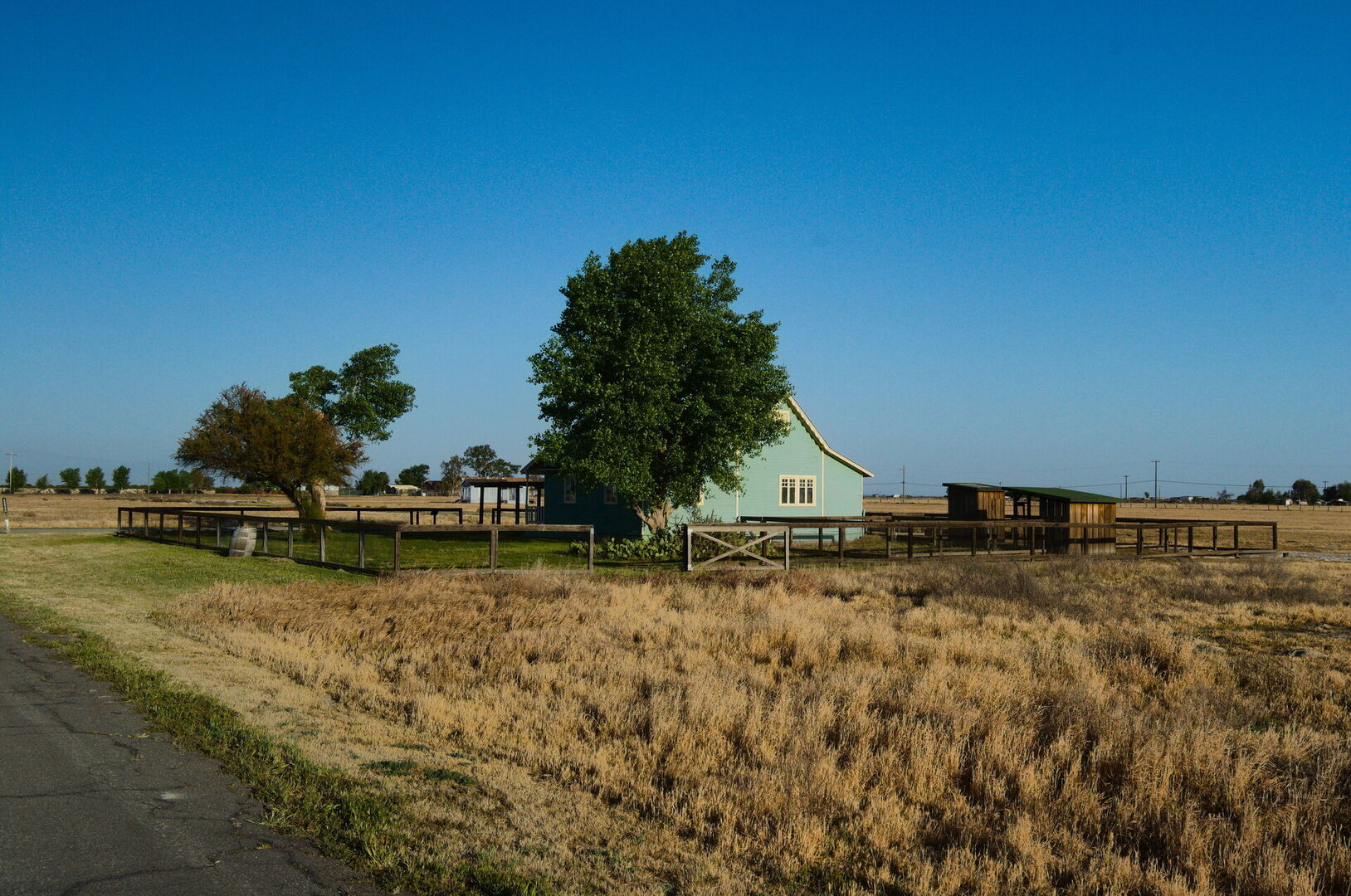
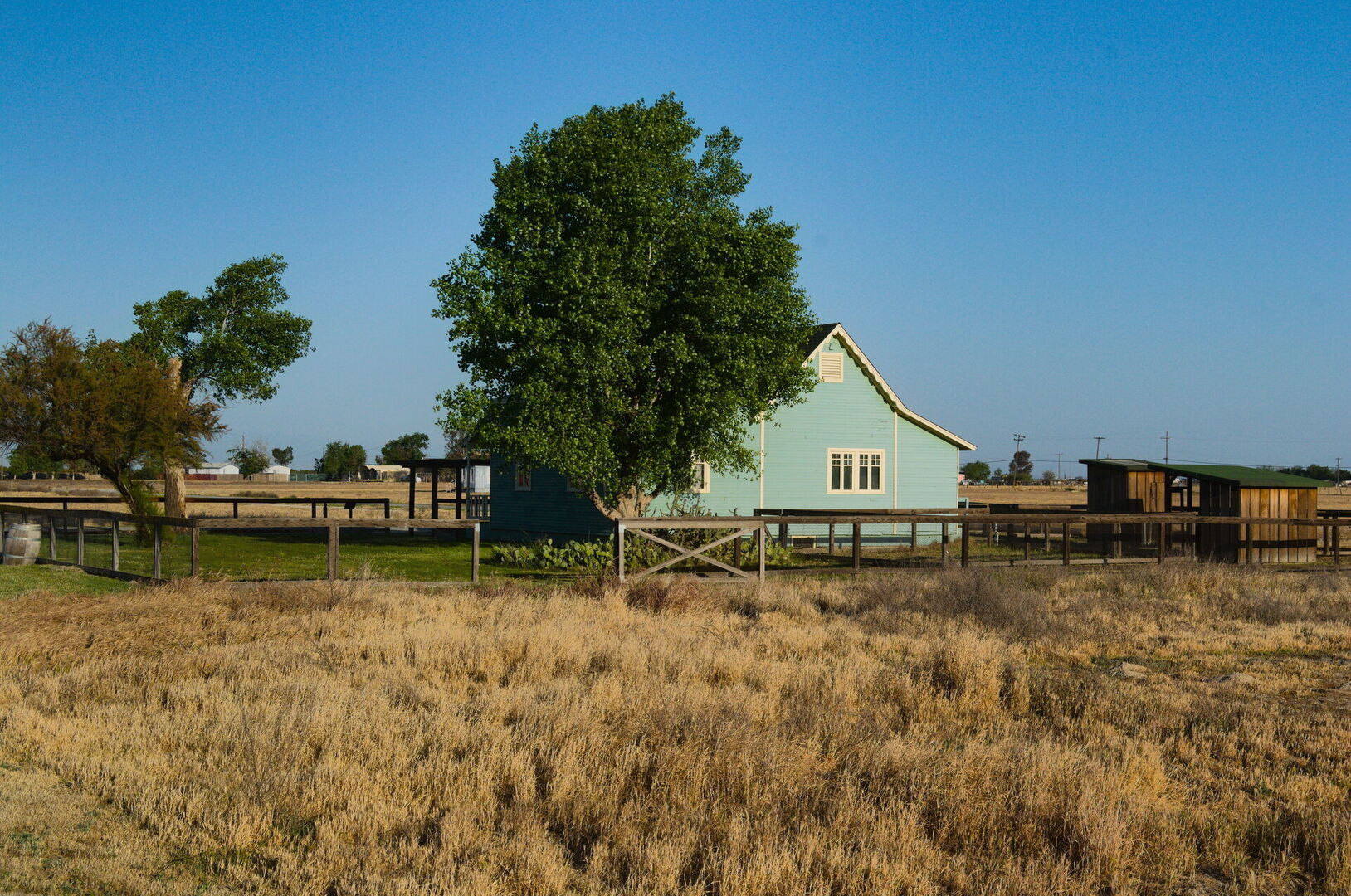
California contains an extraordinary variety of natural environments. Coastal regions feature cliffs, sandy beaches, estuaries, and marine ecosystems. The Central Valley is one of the most productive agricultural regions in the world, supported by fertile soils and extensive irrigation systems.
Mountain regions include the Sierra Nevada, the Cascade Range, and coastal ranges, with environments ranging from pine forests to alpine tundra. California is home to the highest peak in the contiguous United States, Mount Whitney, as well as some of the deepest valleys.
Desert regions such as the Mojave and Colorado deserts include vast arid plains, rock formations, sand dunes, and extreme temperature variations. Forest ecosystems range from redwood forests in the north to chaparral-covered hills and oak woodlands further south.
California hosts more national parks than any other U.S. state, protecting iconic landscapes and diverse wildlife.
Things to See
California offers a wide range of natural, cultural, and recreational attractions:
Natural Landscapes
- Pacific coastline with cliffs, beaches, and scenic highways
- Sierra Nevada mountains and alpine lakes
- Redwood forests with some of the tallest trees on Earth
- Desert landscapes in Death Valley, Joshua Tree, and Mojave
Cultural and Urban Centers
- Los Angeles and the global entertainment industry
- San Francisco and the San Francisco Bay Area
- San Diego and its coastal neighborhoods
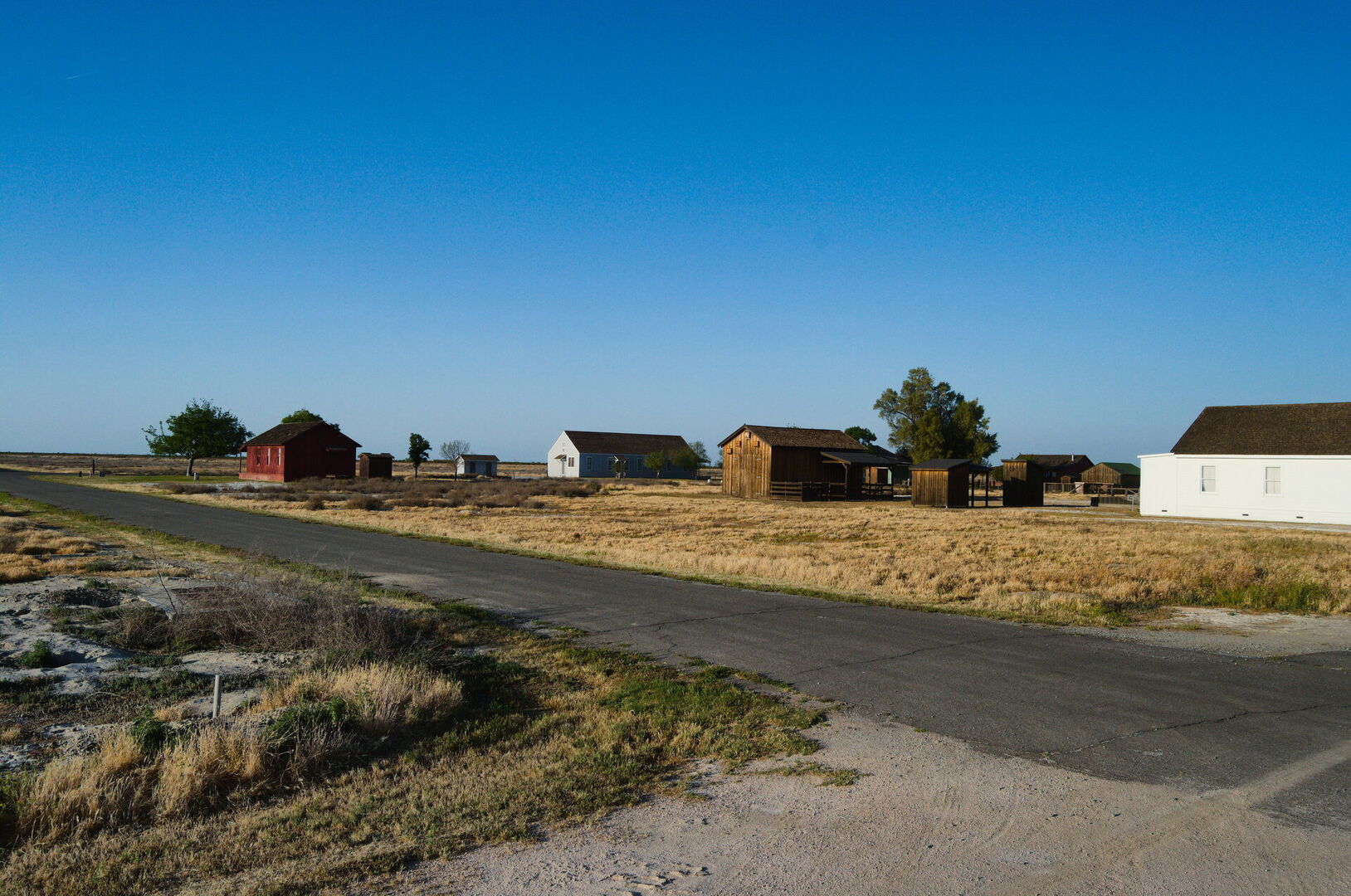
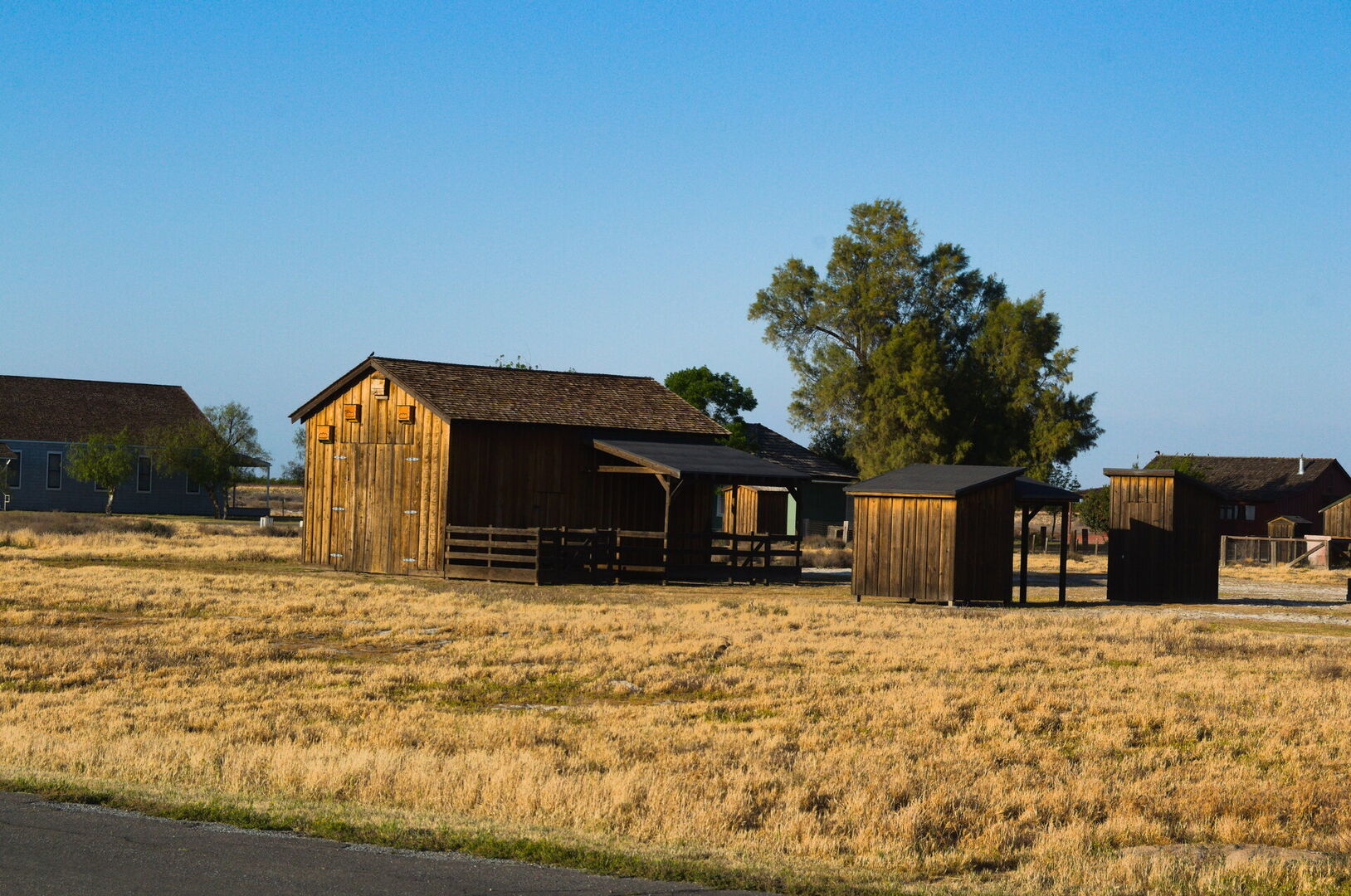
- Historic mission sites and Gold Rush towns
Outdoor Activities
- Hiking, skiing, mountaineering, and camping
- Surfing, swimming, and marine recreation
- National parks, state parks, and wilderness areas
- Wine regions, agricultural valleys, and scenic drives
Experience and Character
California is often associated with innovation, creativity, and outdoor living. Its mild climate, varied landscapes, and cultural diversity encourage an active lifestyle and strong connection to the natural environment. At the same time, California faces challenges related to water management, population growth, natural hazards, and environmental protection.
The state’s influence extends far beyond its borders through technology, entertainment, and cultural trends. California remains a place of opportunity, experimentation, and contrast, where urban intensity and natural wilderness exist side by side.