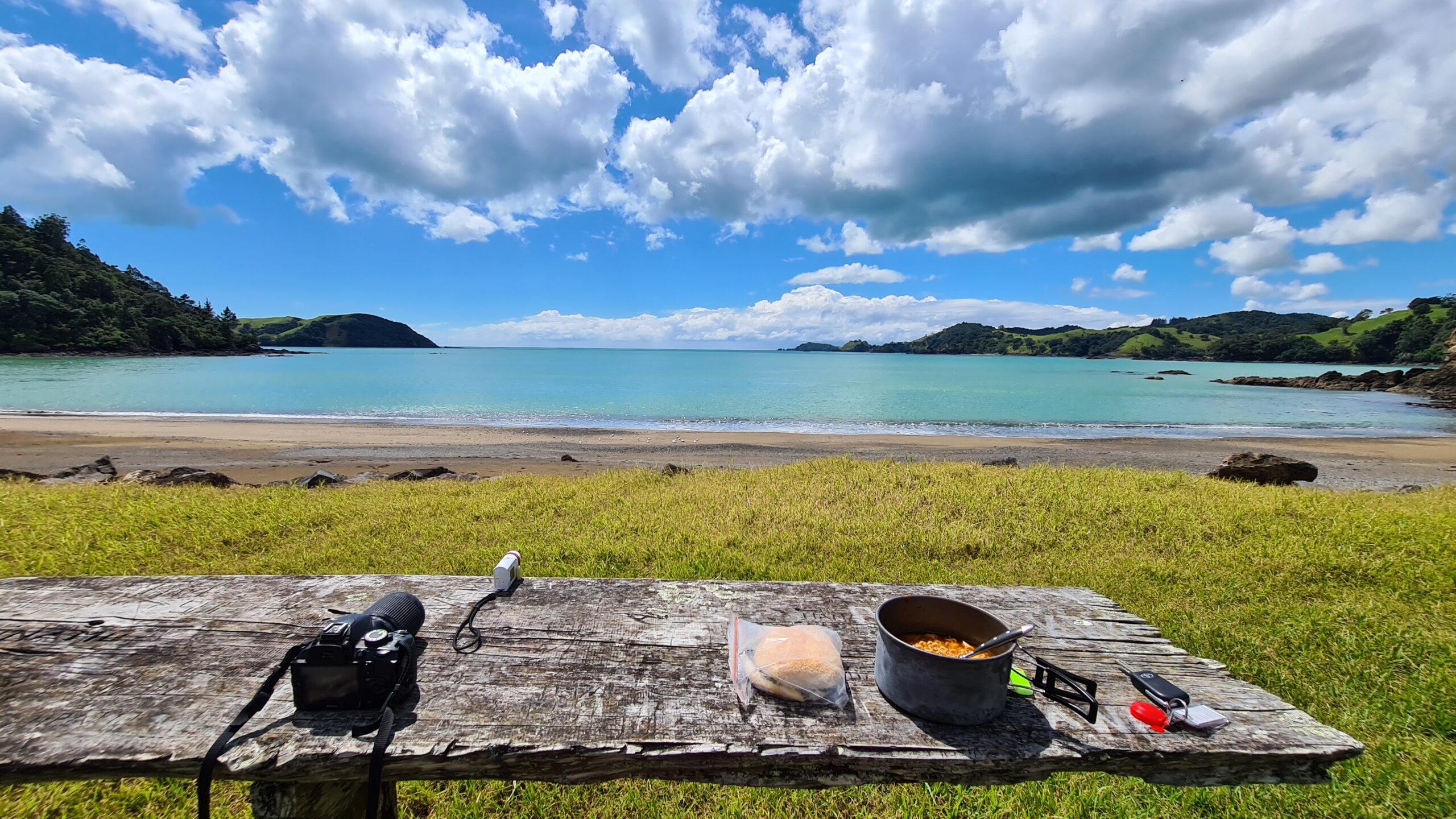


The area around Whangārei encompasses a diverse and scenic part of New Zealand’s Northland region, stretching from sheltered harbours and sandy beaches to rolling farmland, forested hills, and offshore islands. While Whangārei functions as the main urban center, the surrounding area is predominantly rural and coastal, characterized by small settlements, lifestyle blocks, and natural reserves.
This wider region offers a strong contrast between developed urban services and largely untouched natural landscapes. Many communities around Whangārei maintain a close connection to the land and sea, with agriculture, fishing, and nature-based tourism forming the backbone of local life. Travel distances are relatively short, allowing easy access from the city to remote-feeling beaches, bush walks, and quiet bays.
The climate is warm and temperate, often described as subtropical, with hot summers and mild winters. This climate supports outdoor living year-round and contributes to the region’s appeal for residents seeking space, sunshine, and a slower pace of life.
History
The wider Whangārei area has a long and layered history of Māori settlement. Numerous iwi and hapū established pā sites, fishing grounds, and gardening areas throughout the coastal and inland zones. Rivers, harbours, and fertile valleys formed important transport routes and food sources, and many sites retain cultural significance today.
European settlement expanded during the 19th century, driven by timber extraction, farming, and maritime trade. Small ports, wharves, and farming communities developed along the coast and river systems. Gum digging and logging also played a role in shaping settlement patterns across Northland.
As transport infrastructure improved, Whangārei became the primary service center, while surrounding communities remained smaller and more dispersed. Today, the region reflects a blend of Māori heritage, early colonial history, and contemporary rural and coastal lifestyles.
Geology
The geology around Whangārei is varied and complex, reflecting Northland’s unique geological past. The region includes ancient sedimentary rocks, volcanic remnants, and uplifted coastal landscapes. Basaltic volcanic cones and lava flows are scattered throughout the countryside, contributing to rolling hills and fertile soils.
Coastal areas consist of drowned river valleys, sandy beaches, rocky headlands, and estuaries shaped by rising sea levels after the last ice age. Inland valleys contain alluvial soils deposited by rivers, supporting agriculture but also prone to erosion and flooding in heavy rainfall.
This geological diversity has shaped land use, vegetation patterns, and settlement distribution, while also creating a wide range of scenic environments within a relatively compact area.
Things to See
The area around Whangārei offers an exceptional range of natural and cultural attractions:
Coastal and Marine Environments
- Sandy beaches, sheltered bays, and tidal inlets
- Offshore islands and marine reserves
- Harbours and estuaries ideal for boating and kayaking
- Coastal walking tracks and lookout points
Natural Landscapes
- Native forest reserves and regenerating bush
- Waterfalls, rivers, and swimming holes
- Rolling farmland and scenic rural roads
- Volcanic hills and panoramic viewpoints
Cultural and Heritage Sites
- Māori pā sites and culturally significant landscapes
- Historic settlements, wharves, and cemeteries
- Small museums and community heritage centers
- Art trails and local craft studios
Experience and Character
The character of the Whangārei surroundings is defined by openness, space, and connection to nature. Life here tends to move at a slower rhythm than in major cities, with strong community ties and a focus on outdoor activity. Residents and visitors alike value the ability to move easily between coast, countryside, and town.
The region appeals to people seeking lifestyle properties, eco-tourism experiences, and quiet coastal living without complete isolation. Its mix of accessibility and remoteness makes it distinctive within New Zealand, offering both convenience and a strong sense of escape.