



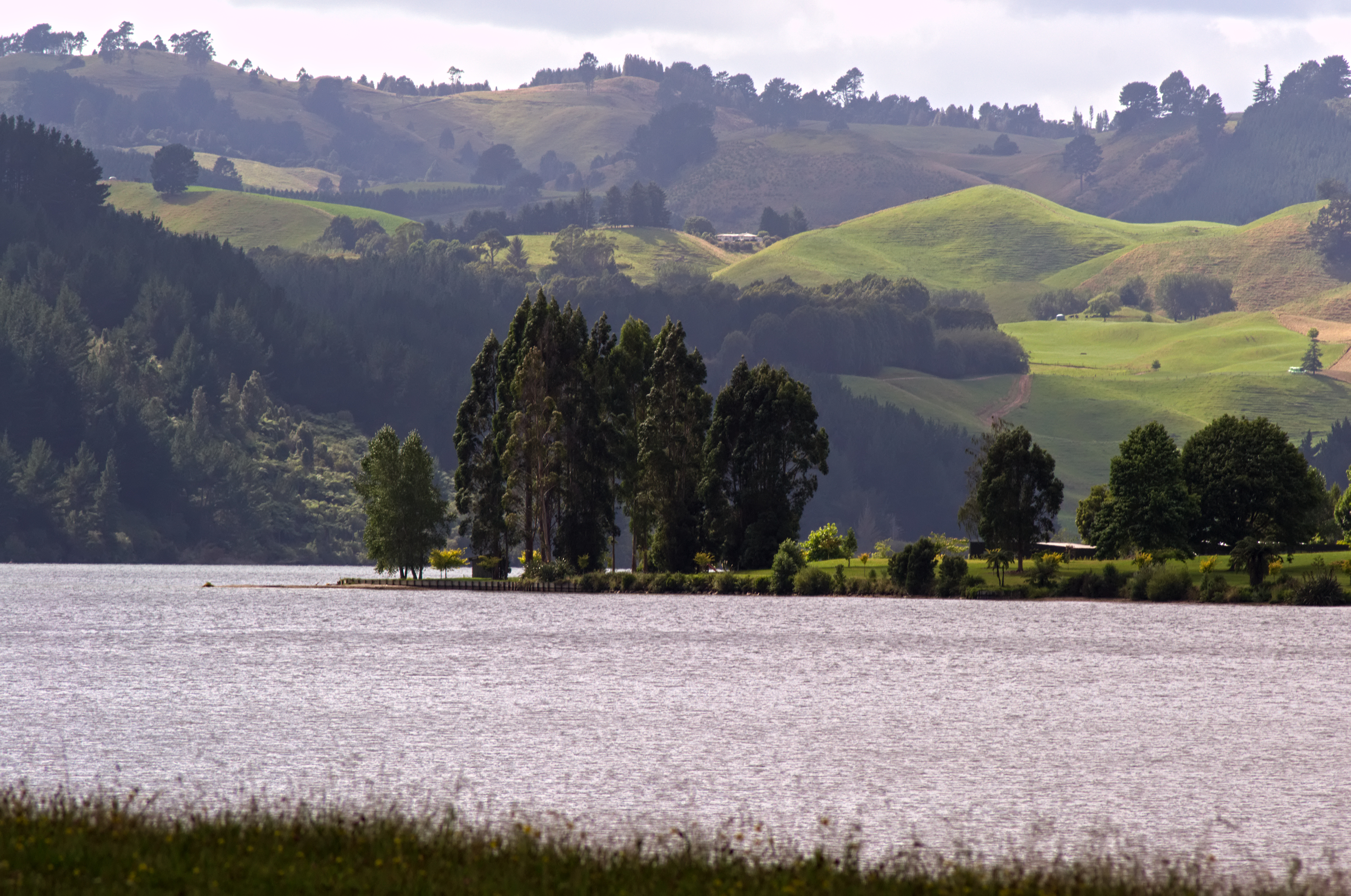


Lake Taupō is the largest lake in New Zealand and one of the most significant natural features of the North Island. It is located in the central North Island within the Waikato Region and occupies the caldera of a massive volcanic system. The lake lies at an elevation of approximately 350 meters above sea level and covers an area of around 616 square kilometers.
The lake is surrounded by forests, volcanic plateaus, mountain ranges, and agricultural land, creating a landscape of exceptional diversity. The town of Taupō sits on the northern shore and serves as the main urban center for the region, providing accommodation, services, and access to outdoor activities.
Lake Taupō has a temperate climate with warm summers and cool winters. The lake plays a central role in the regional economy through tourism, recreation, fishing, and hydroelectric power generation. It is also an important source of freshwater and environmental conservation efforts focus on maintaining water quality and ecosystem health.
History
The Lake Taupō region has a long history of Māori settlement. The lake and surrounding land are of great cultural and spiritual significance to local iwi, particularly Ngāti Tūwharetoa, who are the guardians of the lake. Traditional Māori life in the region was closely connected to fishing, hunting, and seasonal movement.
European exploration of the area began in the early 19th century. As settlement expanded, the region became known for its geothermal features and natural beauty. The town of Taupō developed as a service center for farming and forestry and later grew into a major tourist destination.
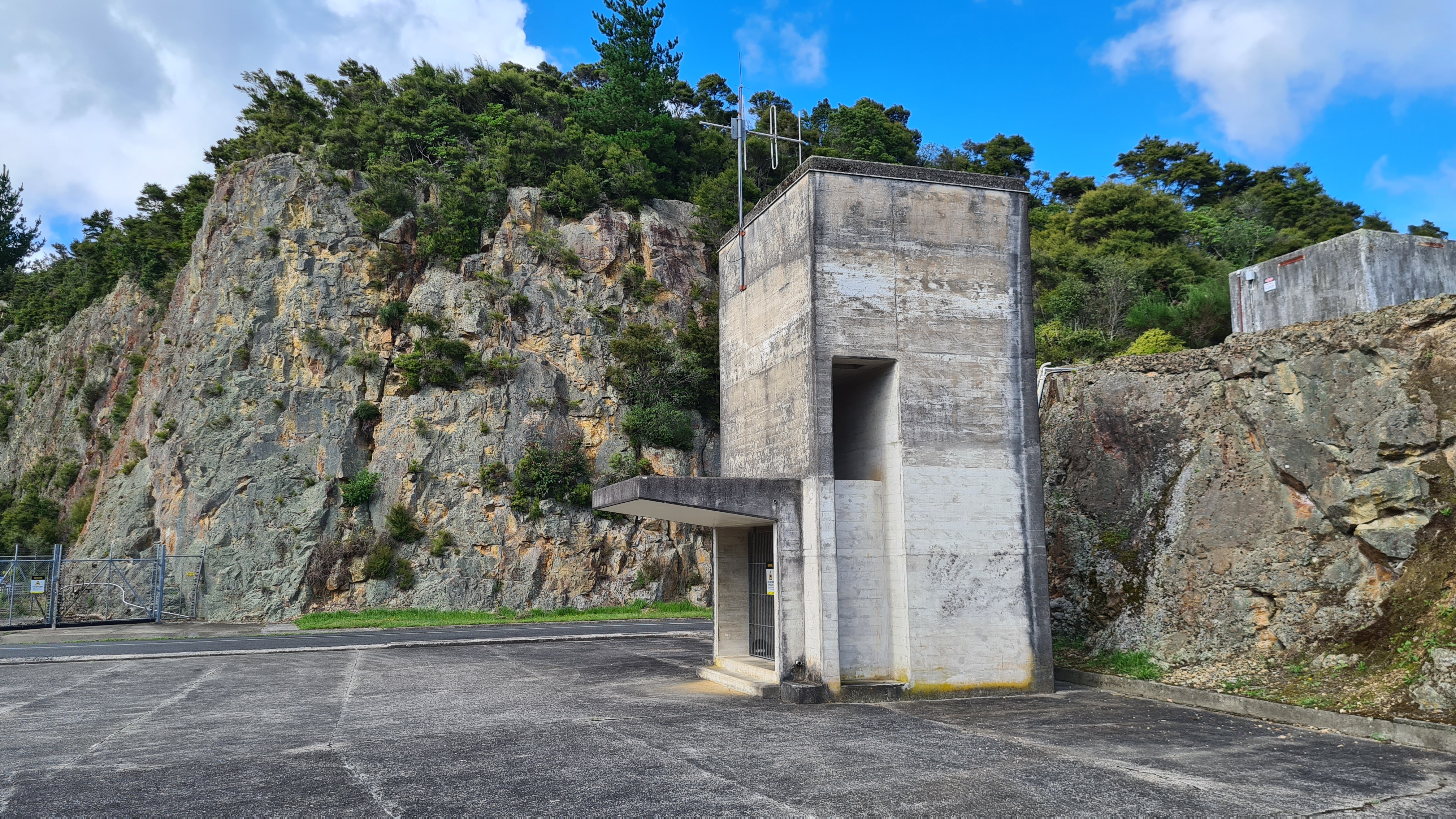
Throughout the 20th century, Lake Taupō became central to New Zealand’s hydroelectric system. The Waikato River, which flows out of the lake, was developed with a series of dams that now supply a significant portion of the country’s electricity. At the same time, tourism and conservation became increasingly important to the region’s development.
Geology
Lake Taupō sits within the Taupō Volcanic Zone, one of the most active volcanic regions on Earth. The lake occupies a large caldera formed by a series of massive volcanic eruptions, including the Taupō eruption around 232 CE, one of the most powerful eruptions in recorded human history.
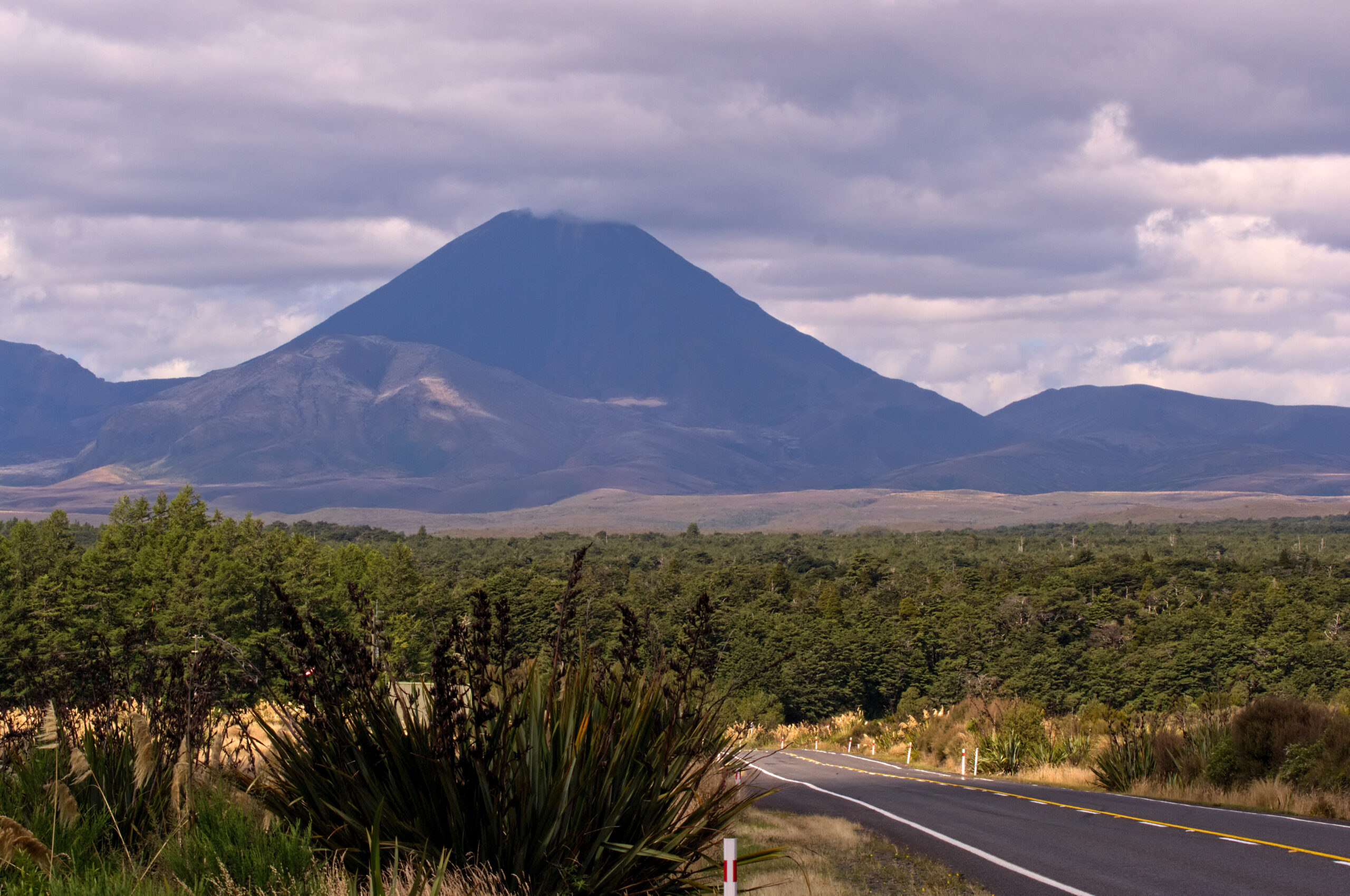
These eruptions deposited thick layers of volcanic ash and ignimbrite across much of the North Island. The surrounding landscape includes rhyolitic domes, lava flows, geothermal fields, and fault-controlled valleys. Mount Ruapehu, Mount Tongariro, and Mount Ngauruhoe lie to the south of the lake and form part of the same volcanic system.
Volcanic and geothermal activity continues beneath the surface, influencing landforms, soils, and hydrology. The region’s geology has shaped its ecosystems, settlement patterns, and ongoing scientific research.
Things to See
Lake Taupō and its surroundings offer a wide range of natural, cultural, and recreational attractions:
Natural Landscapes
- Lake Taupō shoreline, beaches, and bays
- Tongariro National Park, a UNESCO World Heritage Site
- Volcanic mountains including Ruapehu and Tongariro
- Forests, rivers, and geothermal areas
Cultural and Historical Sites
- Māori cultural sites and storytelling experiences
- Carvings at Mine Bay, accessible by boat
- Historic towns and early settlement sites
- Museums and visitor centers in Taupō
Outdoor Activities
- Trout fishing, boating, and kayaking
- Hiking, including the Tongariro Alpine Crossing
- Cycling trails and scenic drives
- Winter sports on nearby volcanic mountains