

Madeira Airport, officially known as Cristiano Ronaldo Madeira International Airport, is the main gateway to the island of Madeira. It is located near the town of Santa Cruz on the south-east coast of the island, approximately 20 kilometers from Funchal. The airport serves as the primary arrival and departure point for both international and domestic flights and plays a central role in Madeira’s tourism and economy.
The airport is known worldwide for its challenging location and distinctive runway design. Built along a narrow coastal strip between the Atlantic Ocean and steep hills, Madeira Airport operates in an environment shaped by strong winds, changing weather, and limited flat land. Despite these constraints, it is a modern and well-equipped facility capable of handling large passenger volumes.
Madeira Airport operates year-round, with increased traffic during peak tourist seasons. It connects the island with major European cities and with mainland Portugal, providing essential accessibility for residents, visitors, and cargo transport.
History
The original airport on Madeira opened in the early 1960s, significantly improving access to the island. Before its construction, travel to Madeira was largely limited to sea routes, which were slow and weather-dependent. The airport marked a turning point in Madeira’s integration into international tourism and trade.
Due to the island’s geography, the original runway was short and posed operational challenges. Several incidents and near-misses highlighted the need for improvements. In response, a major runway extension project was undertaken in the late 20th century.
The expansion involved building a runway extension supported by concrete pillars over the ocean. Completed in the early 2000s, this engineering project transformed Madeira Airport into one of the most notable airport constructions in the world. The airport was later renamed to honor Cristiano Ronaldo, one of Madeira’s most famous natives.
Engineering and Infrastructure
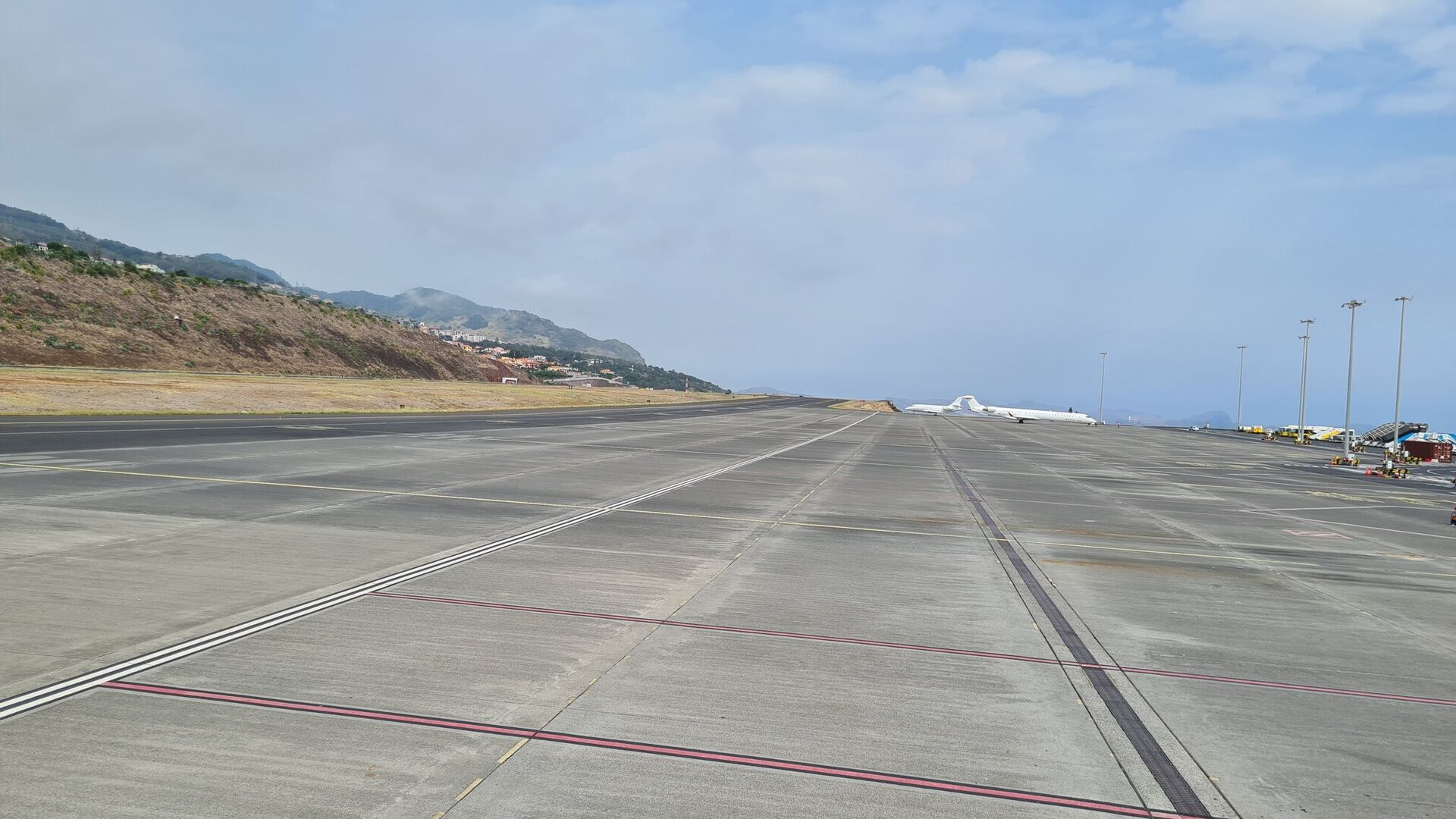
The runway at Madeira Airport is its most distinctive feature. To overcome the lack of flat land, engineers constructed an elevated runway extension supported by dozens of reinforced concrete columns. This design allows aircraft to land and take off safely while minimizing impact on the surrounding terrain and coastline.
The airport’s infrastructure includes a modern passenger terminal, navigation systems adapted to local wind conditions, and safety measures designed for complex approach paths. Pilots operating at Madeira Airport require specific training due to the challenging approach and variable weather.
Despite its reputation, the airport meets international safety standards and is considered safe and reliable. Continuous monitoring and operational improvements ensure efficient handling of aircraft movements.
Landscape and Setting
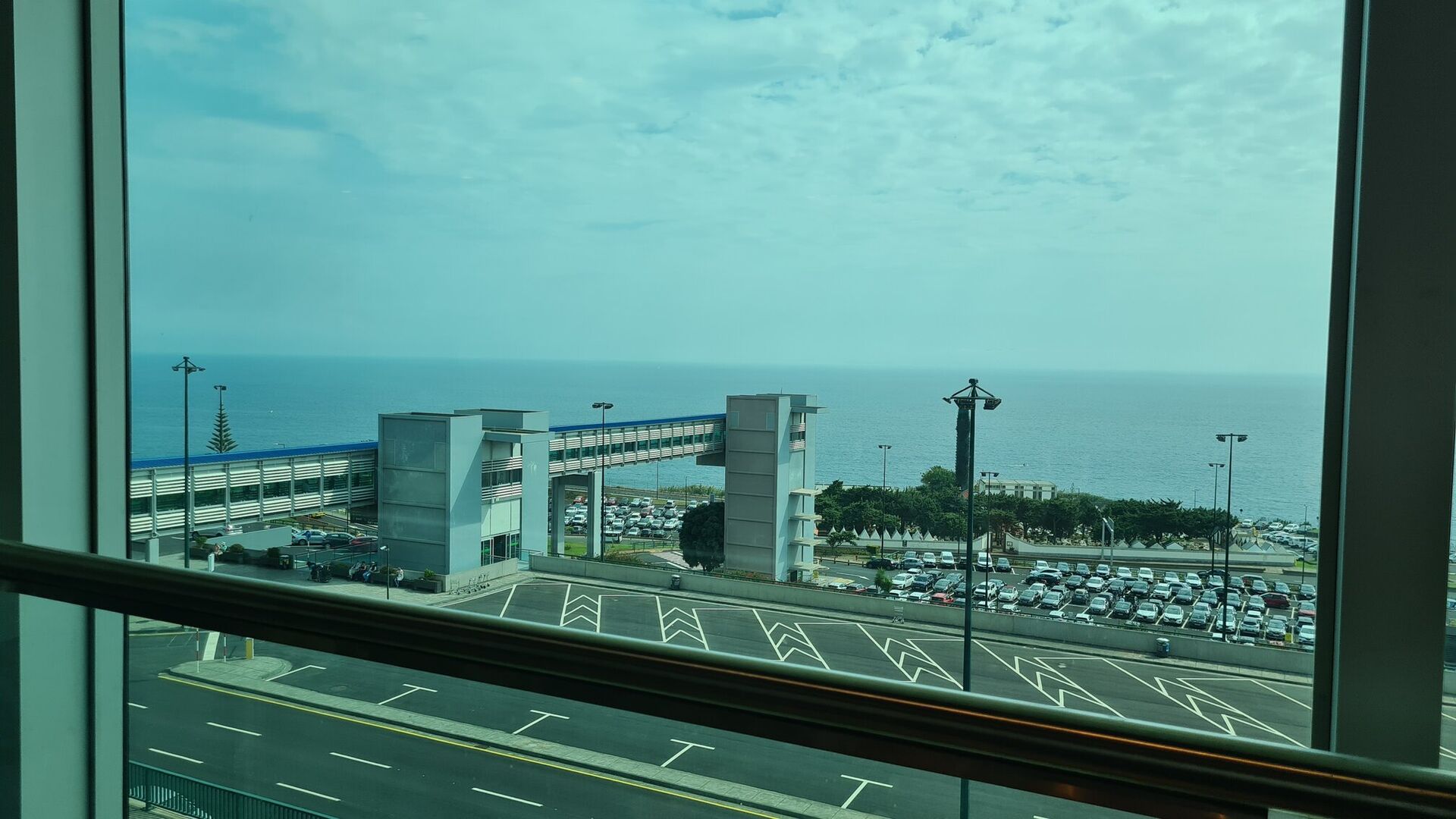
Madeira Airport’s setting is dramatic and visually striking. From the runway and terminal, passengers can see the Atlantic Ocean on one side and steep, green hills on the other. The proximity of the sea and mountains emphasizes the island’s volcanic origin and rugged landscape.
Approaches to the airport often provide panoramic views of the coastline, terraced slopes, and surrounding settlements. Weather conditions, particularly wind and cloud cover, add to the dynamic nature of arrivals and departures.
The airport’s location also influences noise patterns and land use planning, with careful management to balance operational needs and nearby communities.
Passenger Experience
The terminal at Madeira Airport is modern and functional, offering essential services for travelers. Facilities include shops, cafés, car rental desks, and transport connections to Funchal and other parts of the island.
Despite its relatively small size compared to major international hubs, the airport handles large numbers of visitors efficiently. Clear signage and compact layout make navigation straightforward.
Public transport, taxis, and shuttle services provide easy access to hotels, resorts, and towns across Madeira. The airport serves as a first and last impression for many visitors, shaping perceptions of the island.
Role in Madeira’s Economy
Madeira Airport is vital to the island’s economy, supporting tourism, employment, and trade. The majority of visitors arrive by air, making the airport essential for hotels, restaurants, tour operators, and local businesses.
The airport also facilitates the transport of goods, including agricultural products and essential supplies, reinforcing Madeira’s connection to external markets. Its operation supports regional development and maintains Madeira’s accessibility despite its remote Atlantic location.