
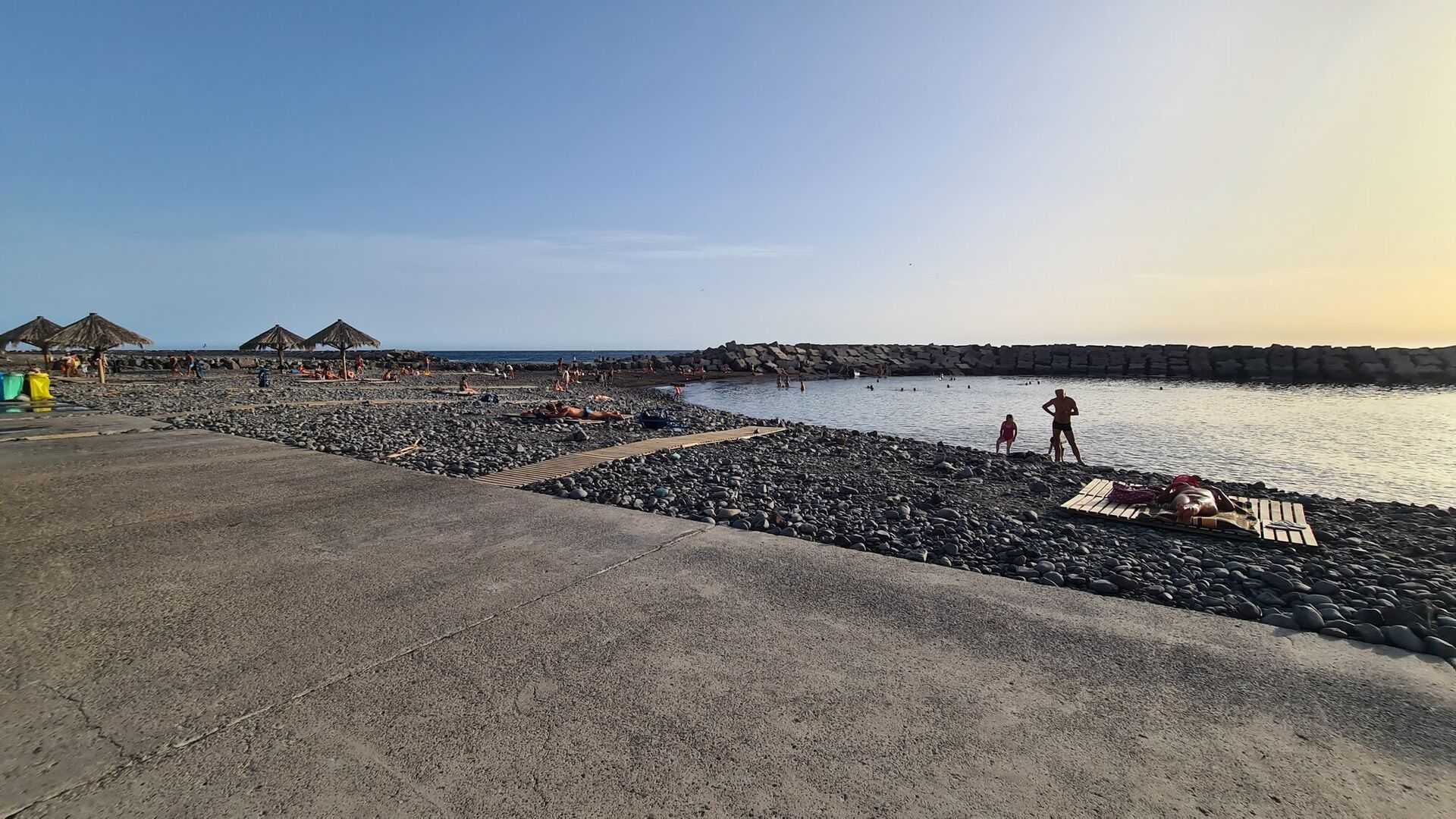
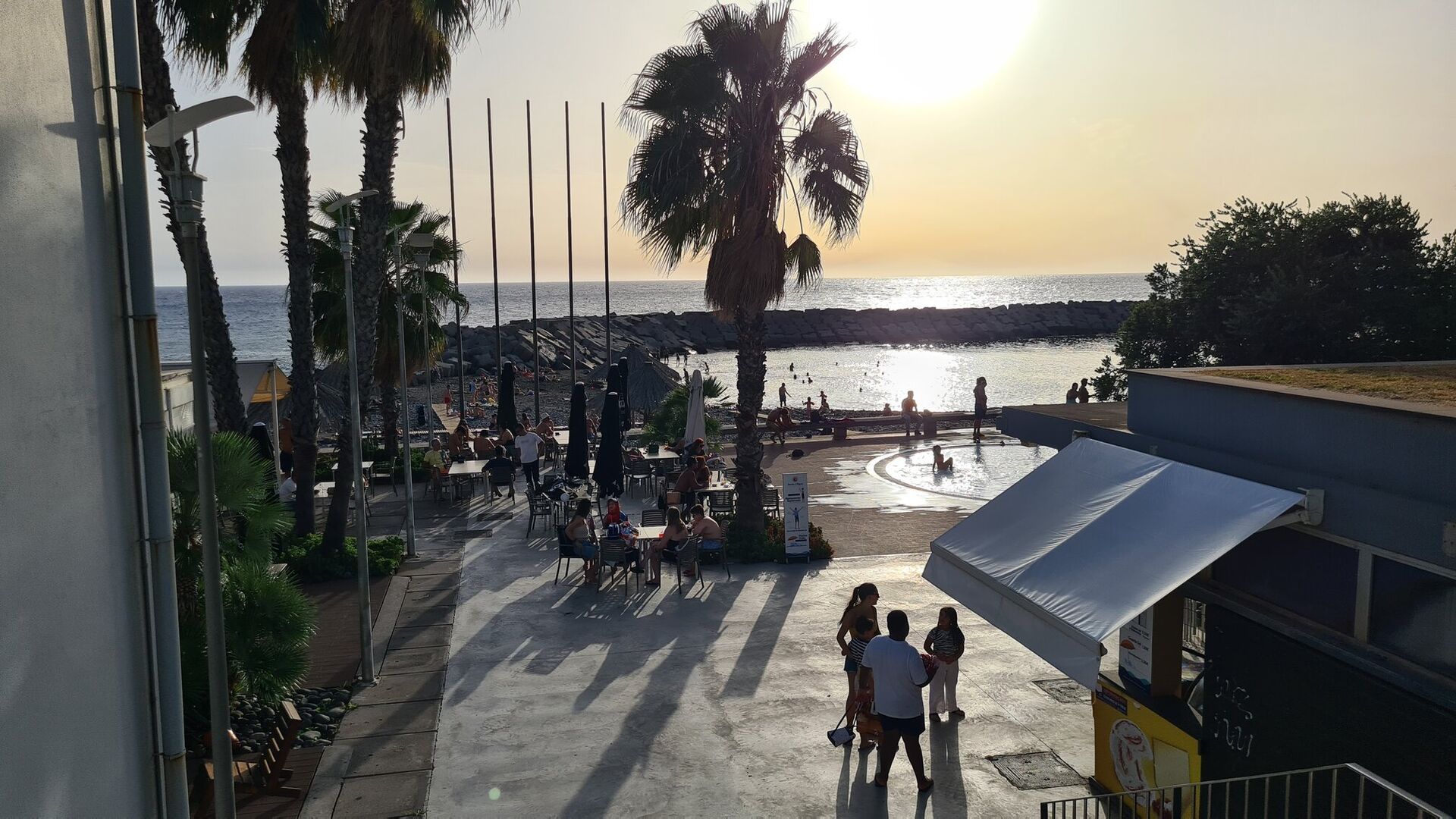
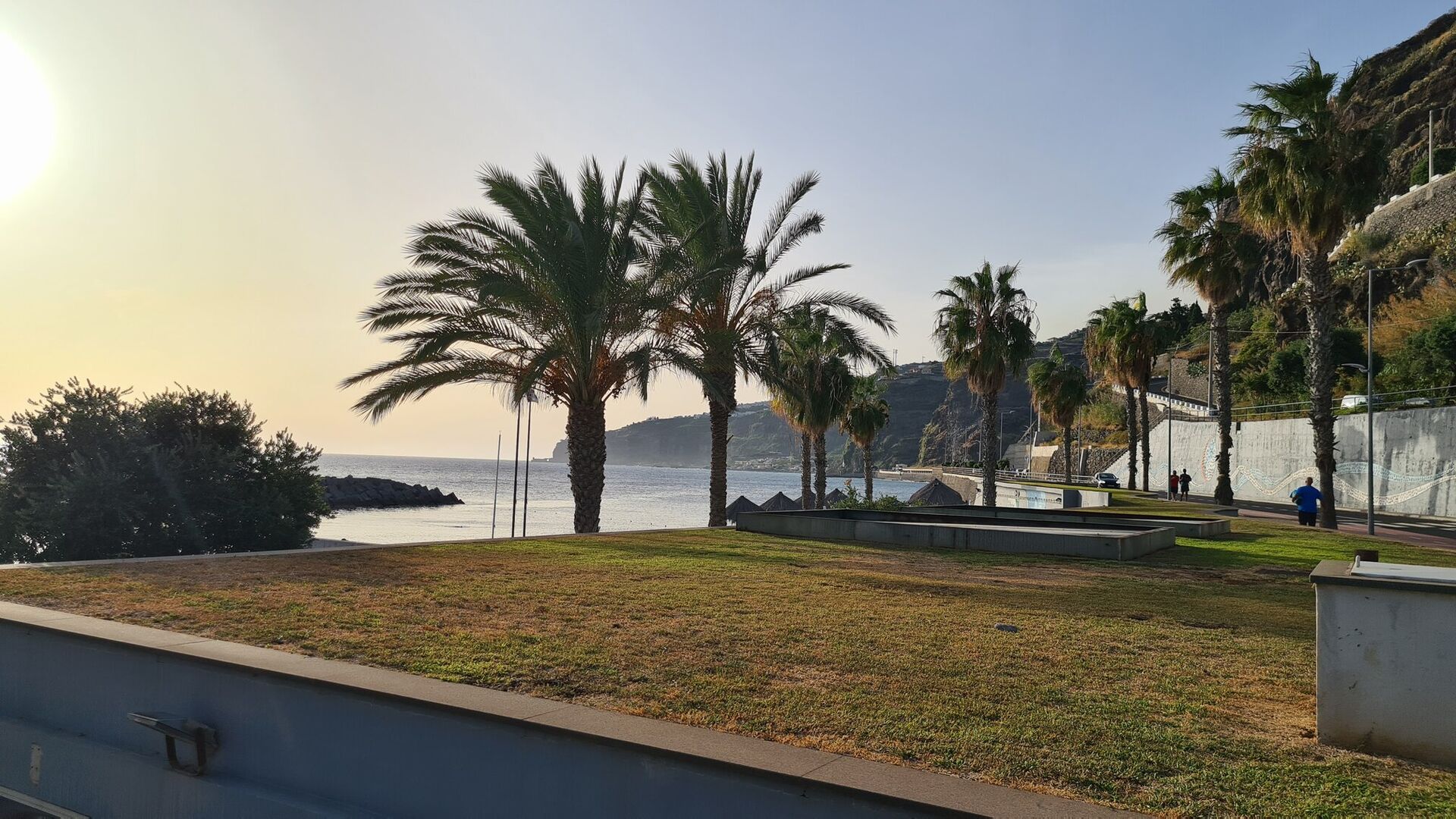
Madeira is the principal island of the Madeira Archipelago, an autonomous region of Portugal located in the northeastern Atlantic Ocean. Geographically and biogeographically, Madeira belongs to the Macaronesian island group, alongside the Azores, Canary Islands, and Cape Verde. The island rises steeply from the surrounding deep-sea basin and exhibits exceptionally high relief energy, with elevations ranging from sea level to over 1,800 meters within short horizontal distances.
Climatically, Madeira is characterized by an oceanic–subtropical regime strongly influenced by orography. Moist trade winds are forced upward along the central mountain range, producing pronounced precipitation gradients between the wetter northern and high-elevation areas and the comparatively drier southern coast. This climatic heterogeneity generates a complex mosaic of microclimates and vegetation zones. As a result, Madeira supports a high degree of ecological diversity relative to its size, including endemic flora and fauna.
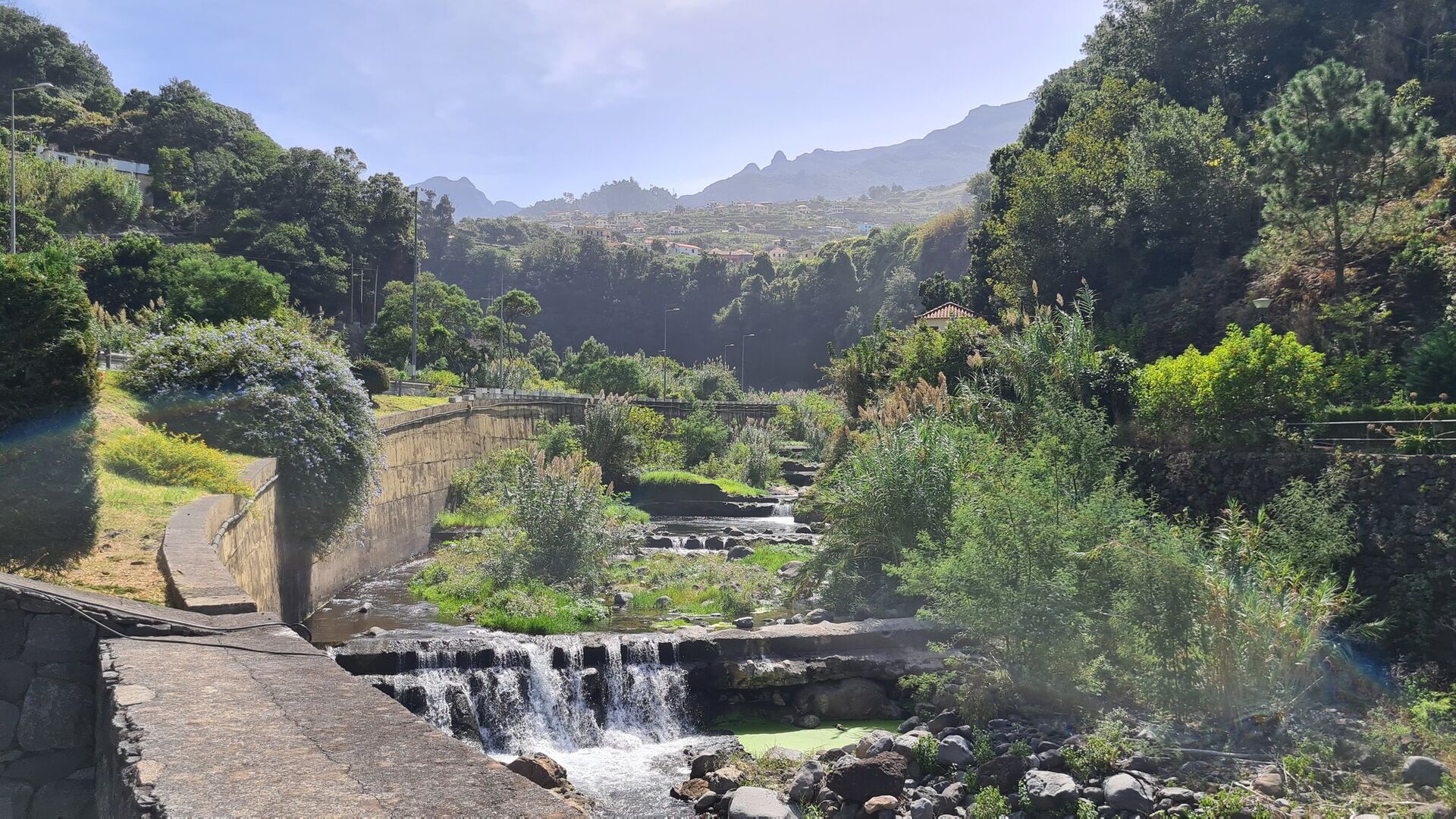
The island’s cultural landscape reflects long-term adaptation to steep terrain, limited arable land, and variable water availability. Terracing, irrigation infrastructure, and linear settlement patterns are widespread and remain defining features of Madeira’s landscape structure.
History
There is no reliable evidence for permanent human settlement on Madeira prior to the 15th century. The island was officially recorded by Portuguese navigators in 1419–1420 during the early phase of Atlantic exploration under the patronage of Prince Henry the Navigator. Systematic colonization began shortly thereafter, integrating Madeira into emerging Atlantic economic and political networks.
During the 15th and 16th centuries, Madeira became a major center of sugarcane cultivation, representing one of the earliest large-scale plantation economies in the Atlantic world. This period was marked by extensive land clearance, the construction of irrigation systems, and integration into transcontinental trade routes. From the 17th century onward, economic focus gradually shifted toward viticulture, with Madeira wine gaining international prominence due to its durability and suitability for long-distance maritime transport.
In the 19th century, Madeira emerged as a destination for climate therapy and early international tourism, particularly among European elites. The 20th century brought political transformation, culminating in Madeira’s designation as an autonomous region in 1976 following Portugal’s democratic transition. In recent decades, the island’s economy has become increasingly oriented toward tourism, services, and related infrastructure, raising new challenges related to sustainability, land use, and environmental management.
Geology
Madeira is an oceanic volcanic island formed through intraplate volcanism on the African Plate. Volcanic construction occurred primarily during the late Miocene to Pliocene, although age estimates vary depending on dating methods and stratigraphic interpretations. The island is not associated with an active plate boundary; instead, its formation is attributed to mantle melting processes related to hotspot activity or lithospheric weakness zones.
The geological structure of Madeira consists predominantly of basaltic lava flows, interbedded with pyroclastic deposits such as tuffs and scoria. Intrusive features, including dyke swarms, are widespread and provide evidence of former magma conduits. The volcanic edifice was built rapidly and subsequently subjected to intense erosion.
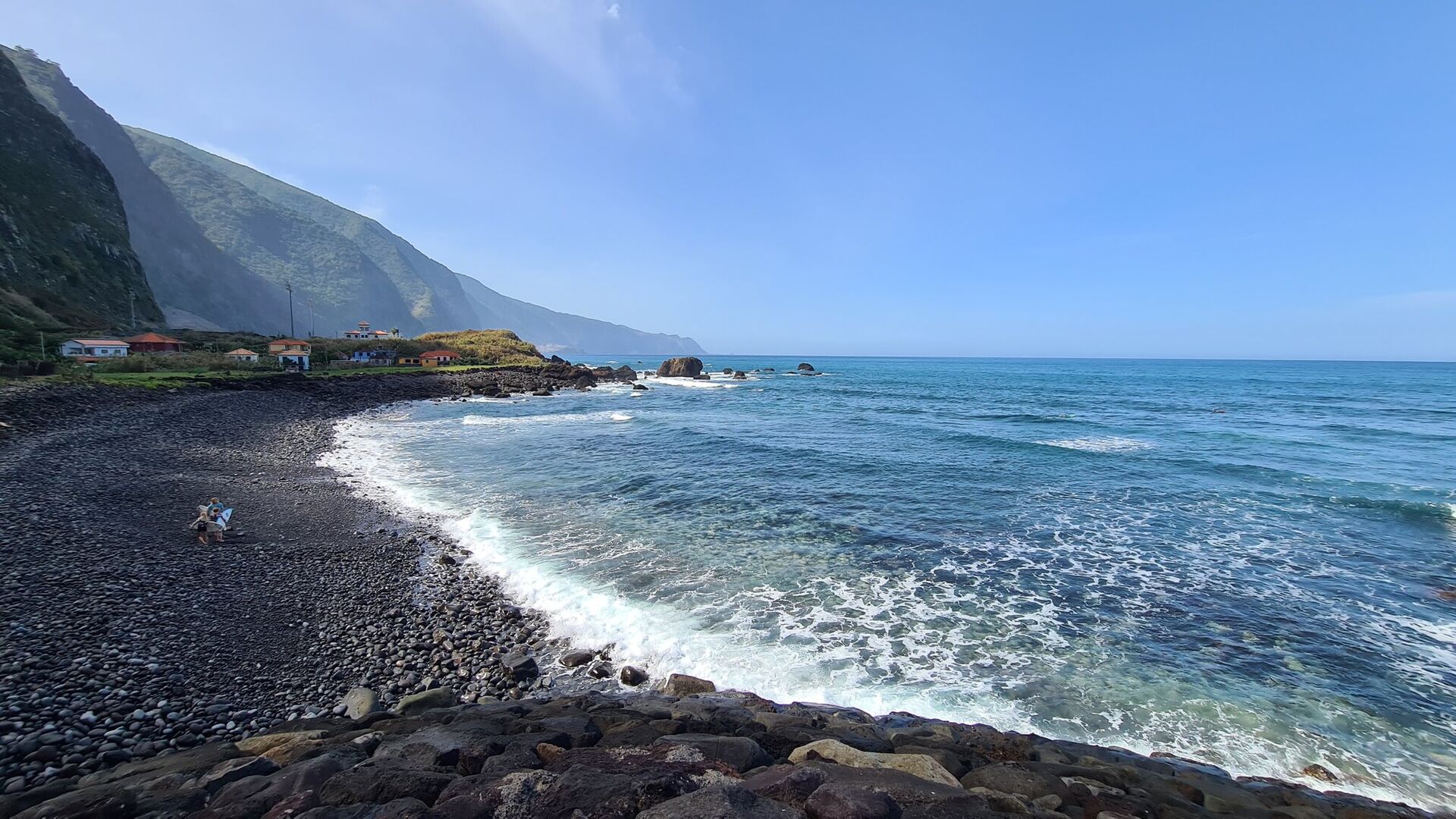
Geomorphologically, Madeira is characterized by a deeply dissected relief, with steep valleys, sharp ridgelines, and extensive cliff systems along much of the coastline. Fluvial erosion, mass movements, and marine abrasion are the dominant shaping processes. The central mountain ridge, including peaks such as Pico Ruivo (1,862 m) and Pico do Arieiro, forms a climatic and hydrological divide across the island.
Things to See
Madeira Island offers a wide range of natural and cultural features reflecting its volcanic origin, climatic diversity, and historical development:
- Central Mountain Range
High-elevation landscapes with exposed volcanic formations, panoramic viewpoints, and strong climatic gradients. - Laurisilva Forest
Extensive remnants of evergreen laurel forest, a UNESCO World Heritage Site and relic of Tertiary subtropical ecosystems. - Levada Network
Historic water-management channels traversing the island’s slopes and valleys, illustrating long-term adaptation to hydrological constraints. - Coastal Cliffs and Headlands
Dramatic basaltic coastlines shaped by marine erosion, particularly prominent along the northern and western shores. - Funchal
The island’s capital and primary urban center, combining natural harbor conditions with historical, administrative, and economic significance. - Terraced Agricultural Landscapes
Stone-supported terraces reflecting traditional land-use practices on steep volcanic terrain.