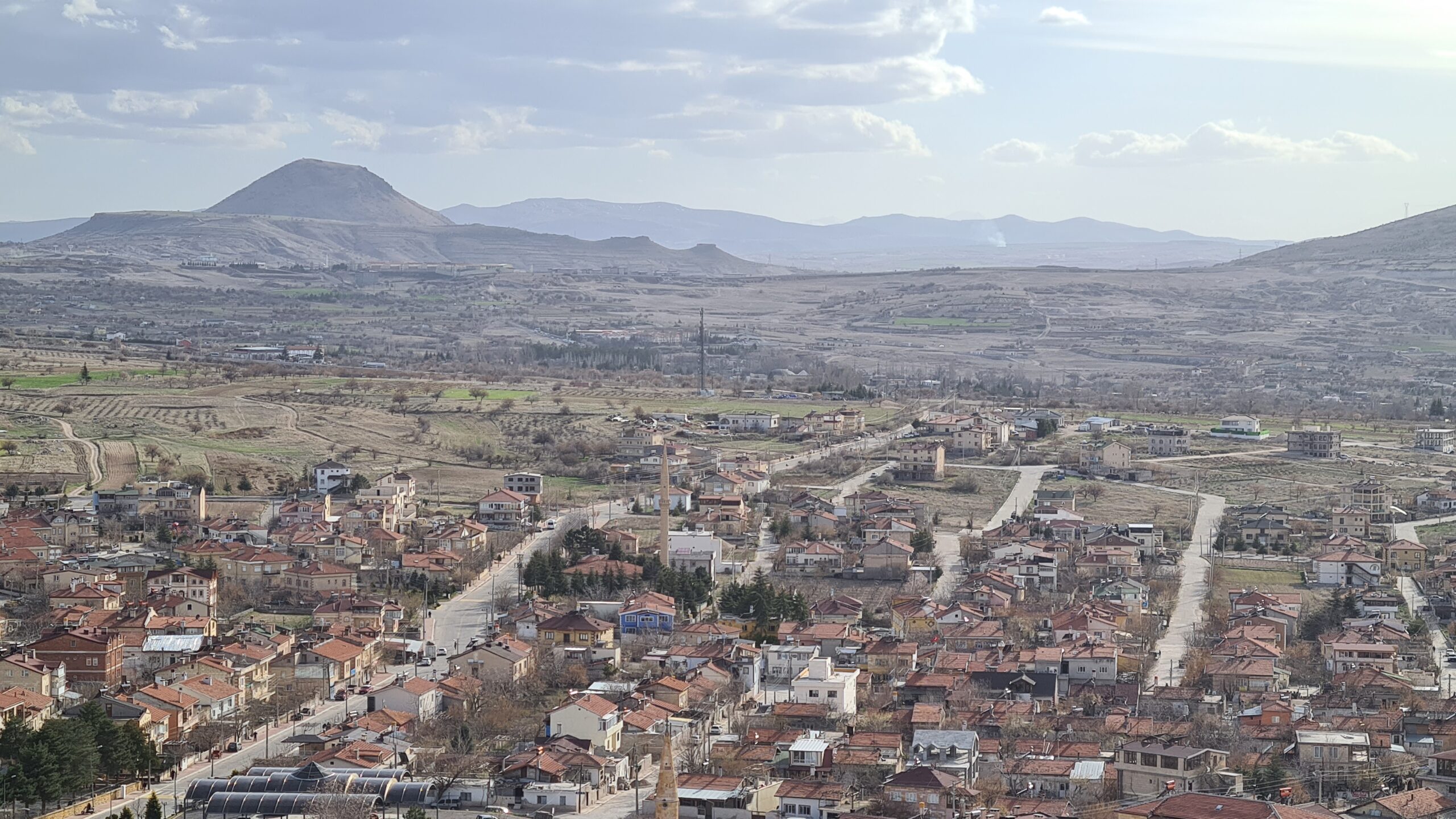








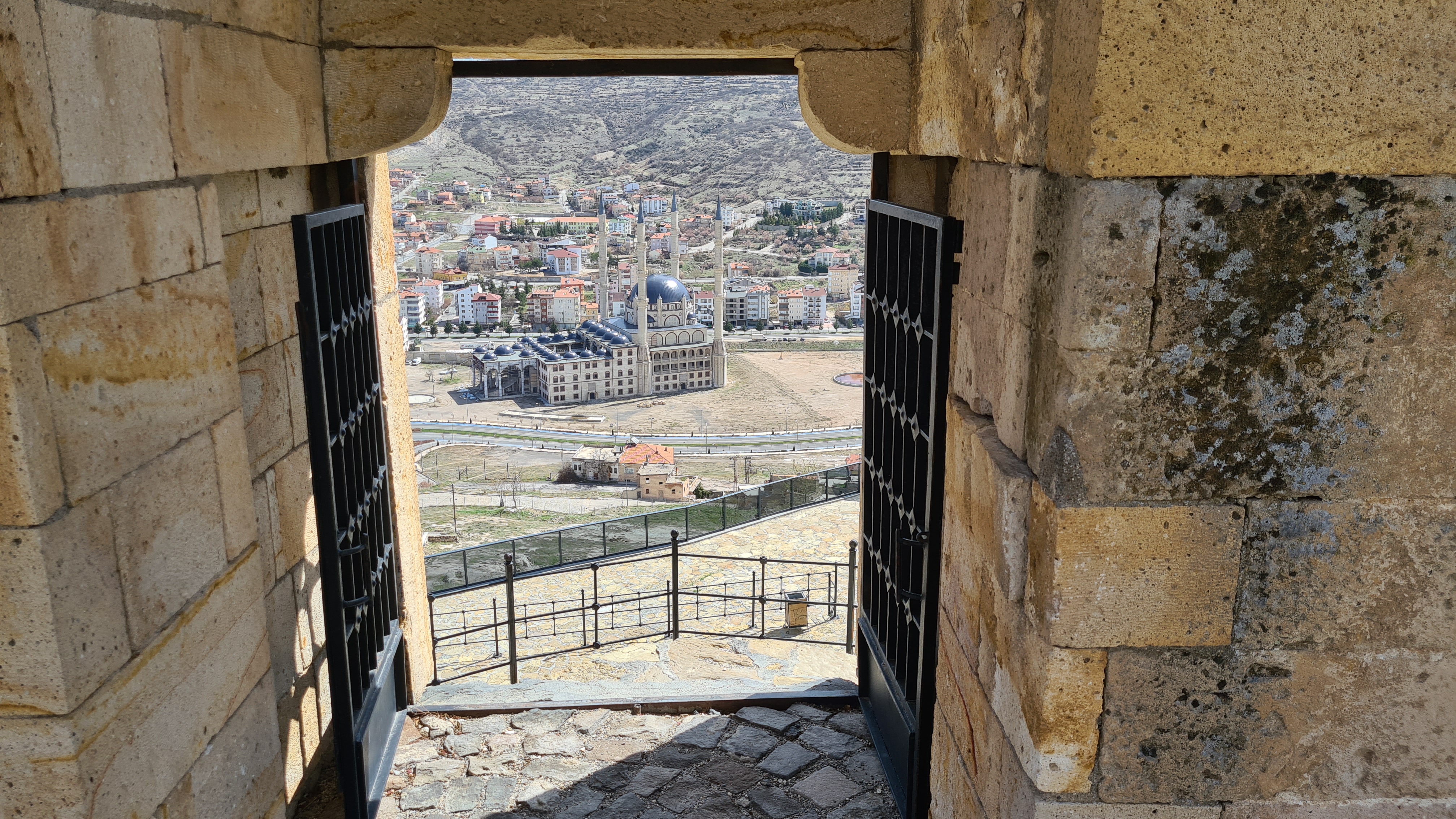

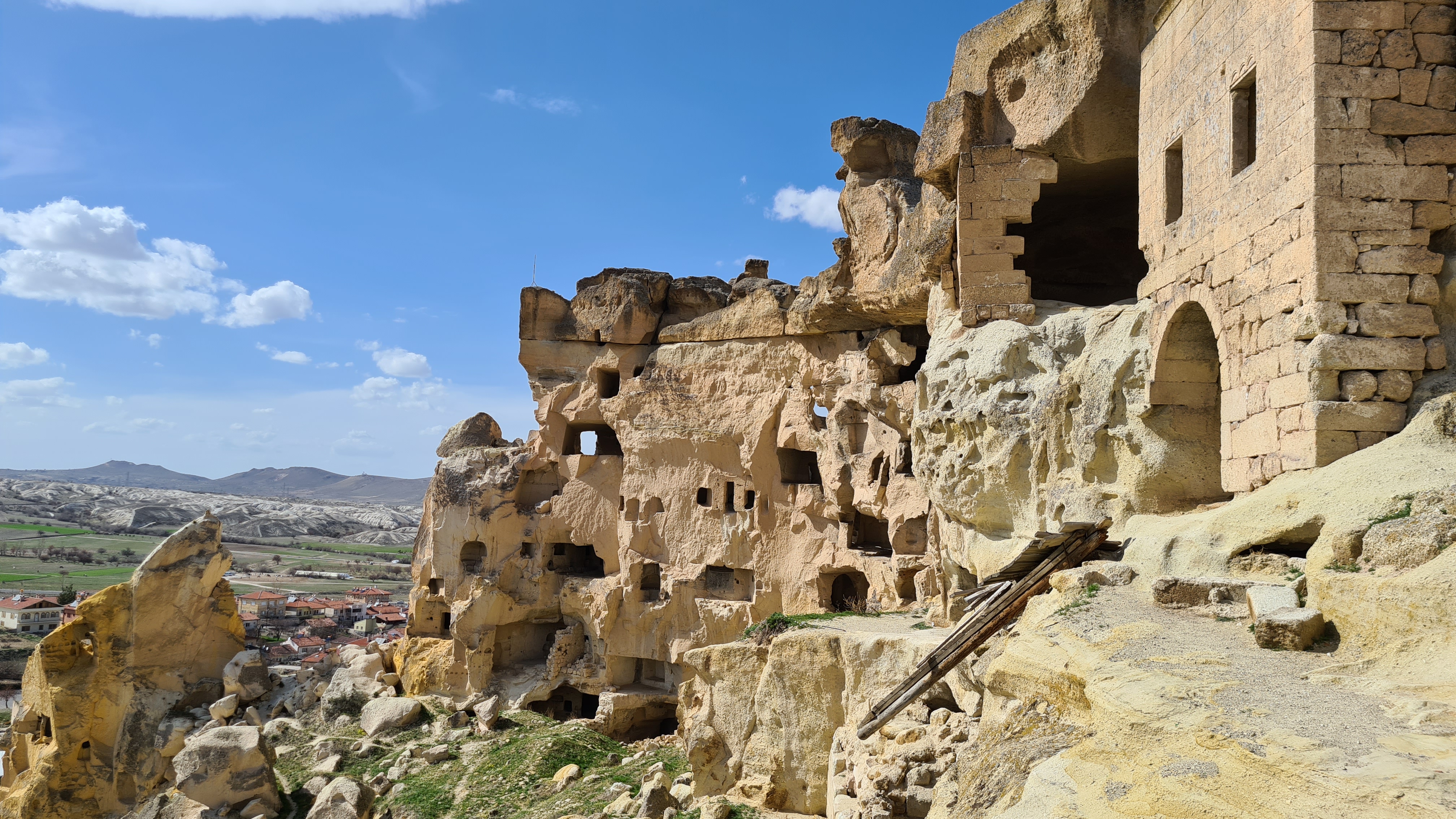
Cappadocia is a historical and geographical region located in central Turkey, primarily within the provinces of Nevşehir, Kayseri, Aksaray, and Niğde. It lies on the Central Anatolian Plateau and is internationally renowned for its unique landscapes, rock formations, underground cities, and long cultural history. Cappadocia is not a single city, but a region made up of towns, valleys, and archaeological sites.
The region is characterized by dramatic natural scenery, including cone-shaped rock formations commonly known as fairy chimneys, deep valleys, and expansive plateaus. Cappadocia’s settlements, such as Göreme, Ürgüp, Avanos, and Uçhisar, are closely integrated with the surrounding landscape, with homes, churches, and storage spaces carved directly into the rock.
Cappadocia has a continental climate, with hot summers, cold winters, and significant temperature differences between day and night. Tourism plays a central role in the regional economy, alongside agriculture, pottery, viticulture, and traditional crafts. The region is also a major destination for cultural, historical, and adventure tourism.
History
Cappadocia has been inhabited since prehistoric times due to its strategic location and natural defensive features. Early human settlements made use of the region’s soft volcanic rock to create shelters, storage rooms, and communal spaces. Over time, these early structures evolved into complex underground and rock-cut settlements.
During antiquity, Cappadocia became part of several major civilizations, including the Hittite Empire, the Persian Empire, and later the Roman Empire. Under Roman and Byzantine rule, the region gained particular importance as a center of early Christianity. Monks and Christian communities carved churches, monasteries, and entire religious complexes into the rock, many of which still preserve frescoes.
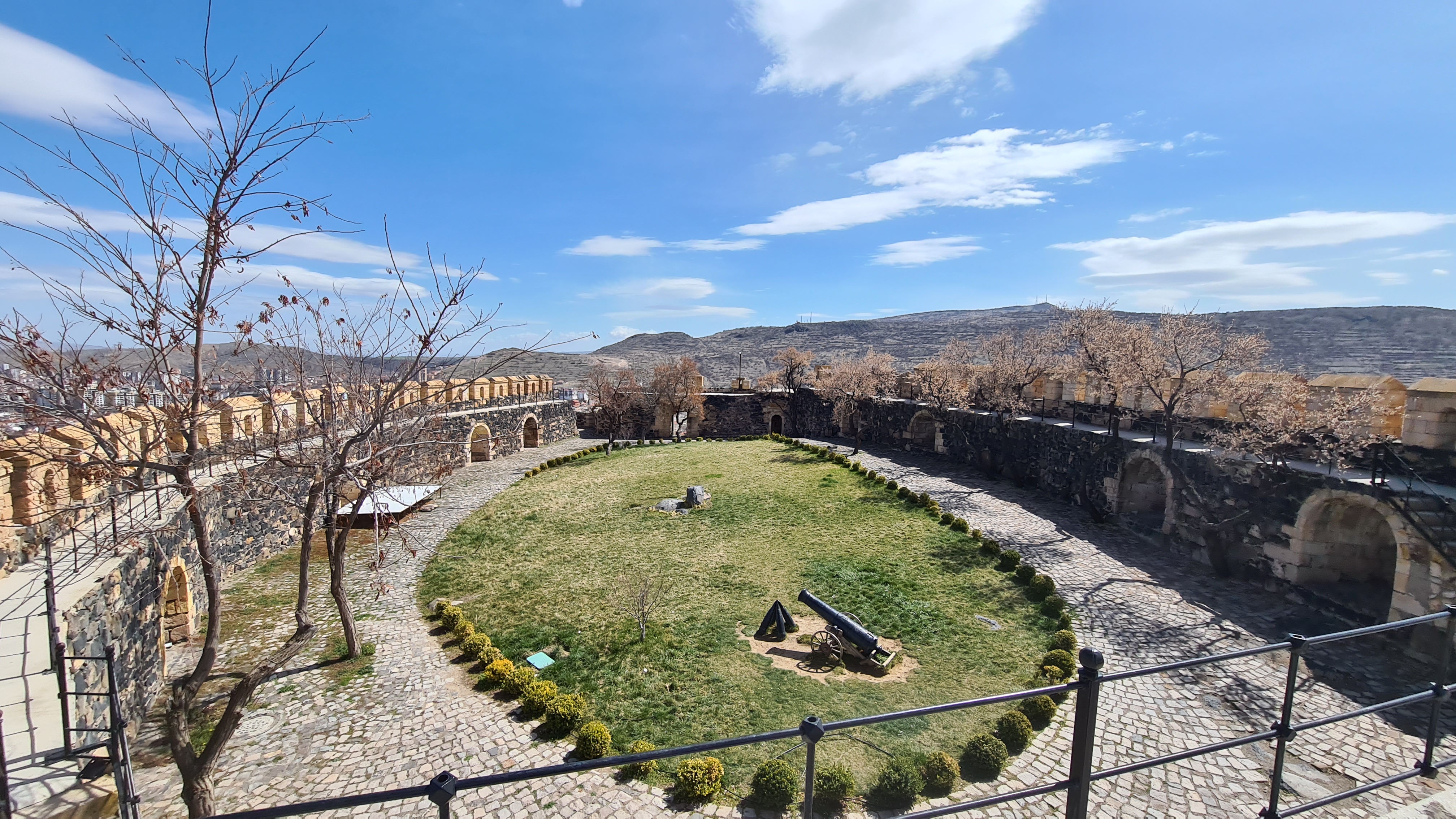
From the medieval period onward, Cappadocia came under Seljuk and later Ottoman control. While its political significance declined, its cultural and architectural heritage remained largely preserved due to the region’s relative isolation. Today, Cappadocia stands as a layered historical landscape reflecting thousands of years of continuous human presence.
Geology
The distinctive geology of Cappadocia is the result of extensive volcanic activity millions of years ago. Eruptions from volcanoes such as Mount Erciyes, Mount Hasan, and Mount Güllü covered the region with thick layers of volcanic ash, lava, and tuff.
Over time, wind, rain, and temperature changes eroded these soft volcanic deposits, forming valleys, cliffs, and the iconic fairy chimneys. Harder rock layers on top of softer tuff protected some formations from erosion, creating their unique shapes.
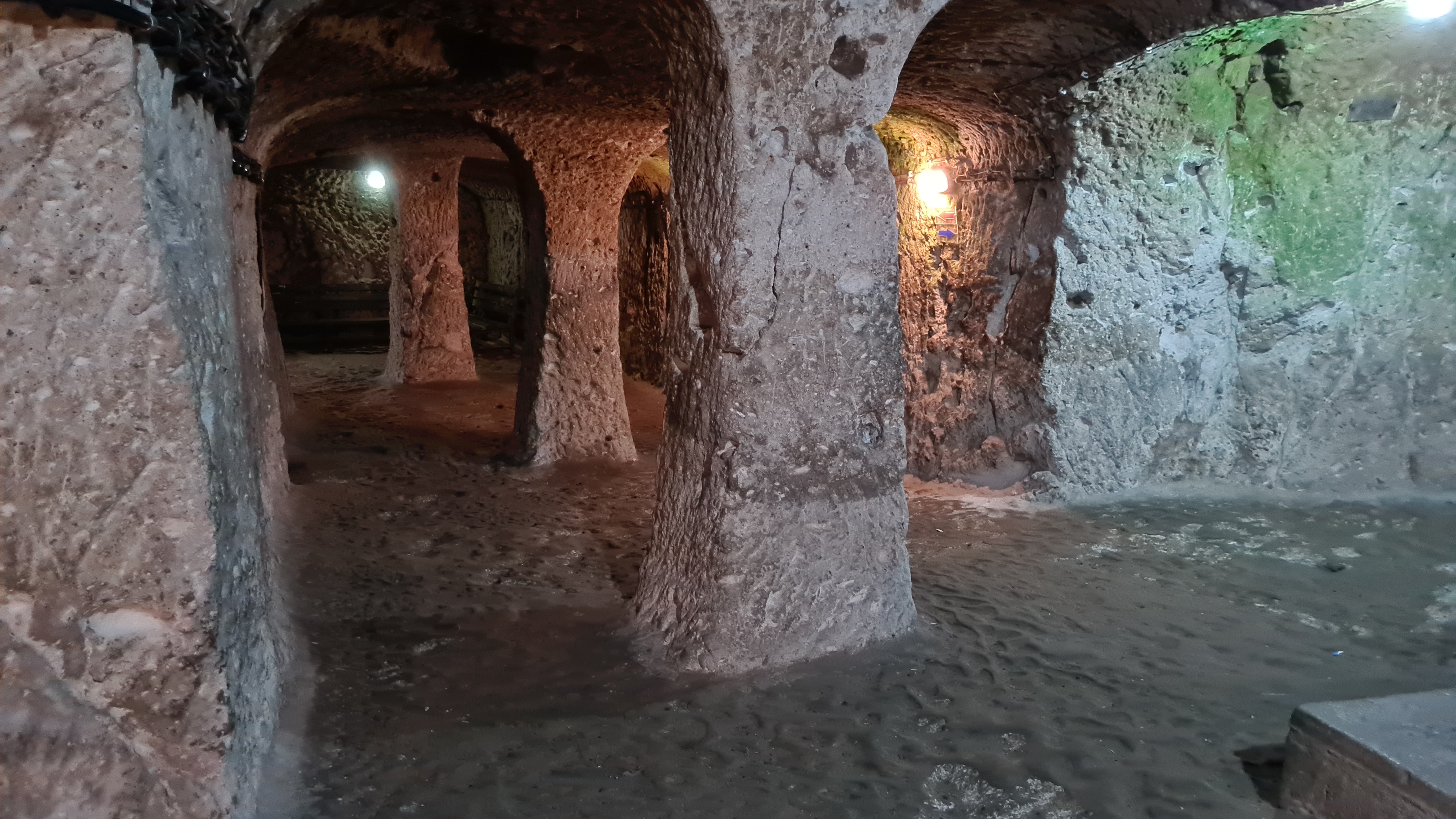
This geological structure made Cappadocia especially suitable for carving. The soft tuff allowed inhabitants to excavate homes, churches, underground cities, and tunnels with relative ease, while still providing insulation and protection. Cappadocia’s geology is therefore inseparable from its cultural and architectural development.
Things to See
Cappadocia offers an extraordinary range of natural, historical, and cultural attractions:
Natural Landscapes
- Fairy chimneys in Göreme, Pasabag, and Devrent Valley
- Deep valleys such as Ihlara Valley and Rose Valley
- Panoramic viewpoints from Uçhisar Castle
- Volcanic plateaus and eroded rock formations
Historical and Cultural Sites
- Göreme Open-Air Museum, a UNESCO World Heritage Site
- Rock-cut churches with Byzantine frescoes
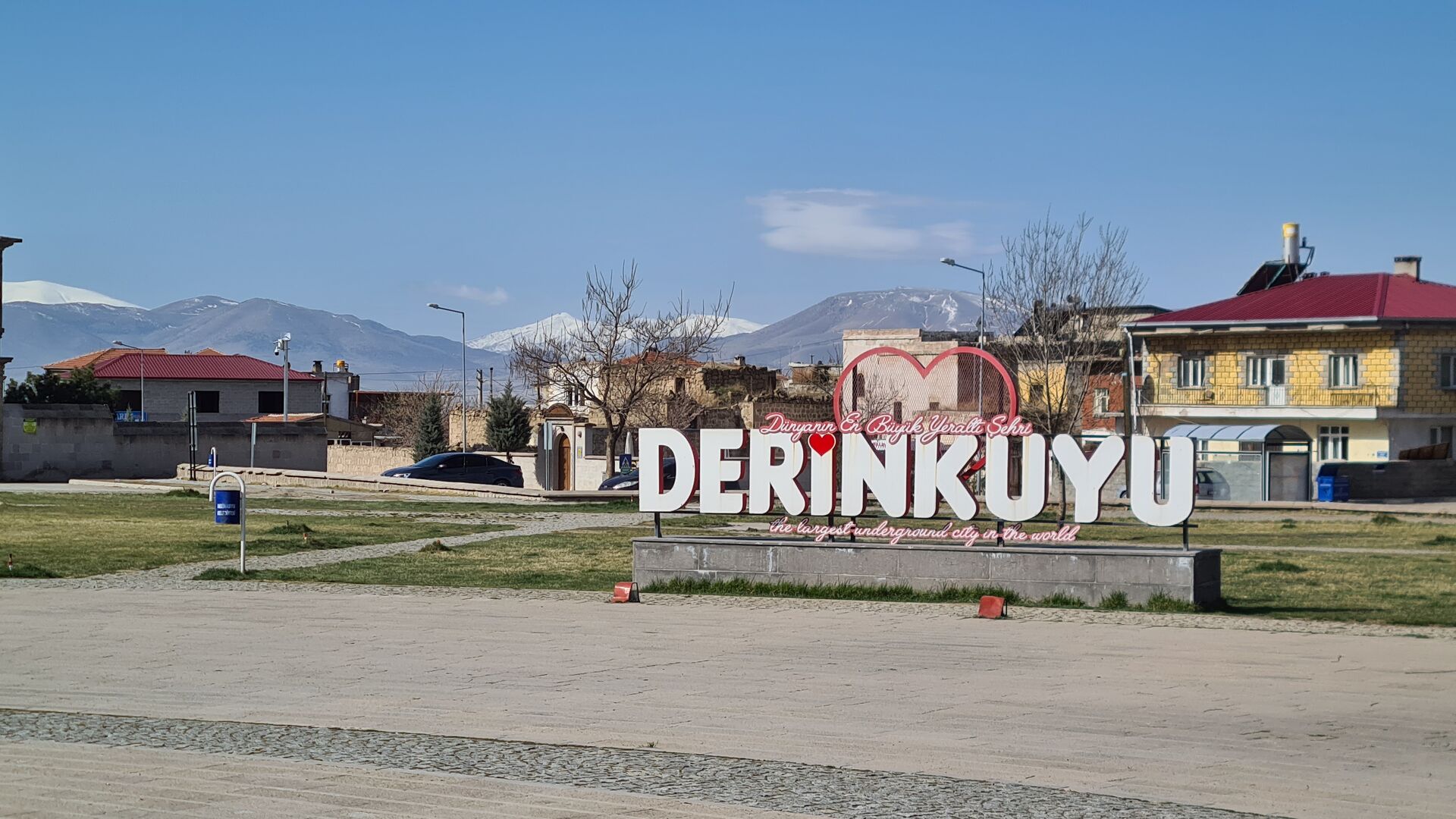
- Underground cities such as Derinkuyu and Kaymaklı
- Ancient cave dwellings and monastic complexes
Experiences and Activities
- Hot air balloon flights at sunrise
- Hiking and walking trails through valleys
- Traditional pottery workshops in Avanos
- Local cuisine, wine tasting, and cultural festivals