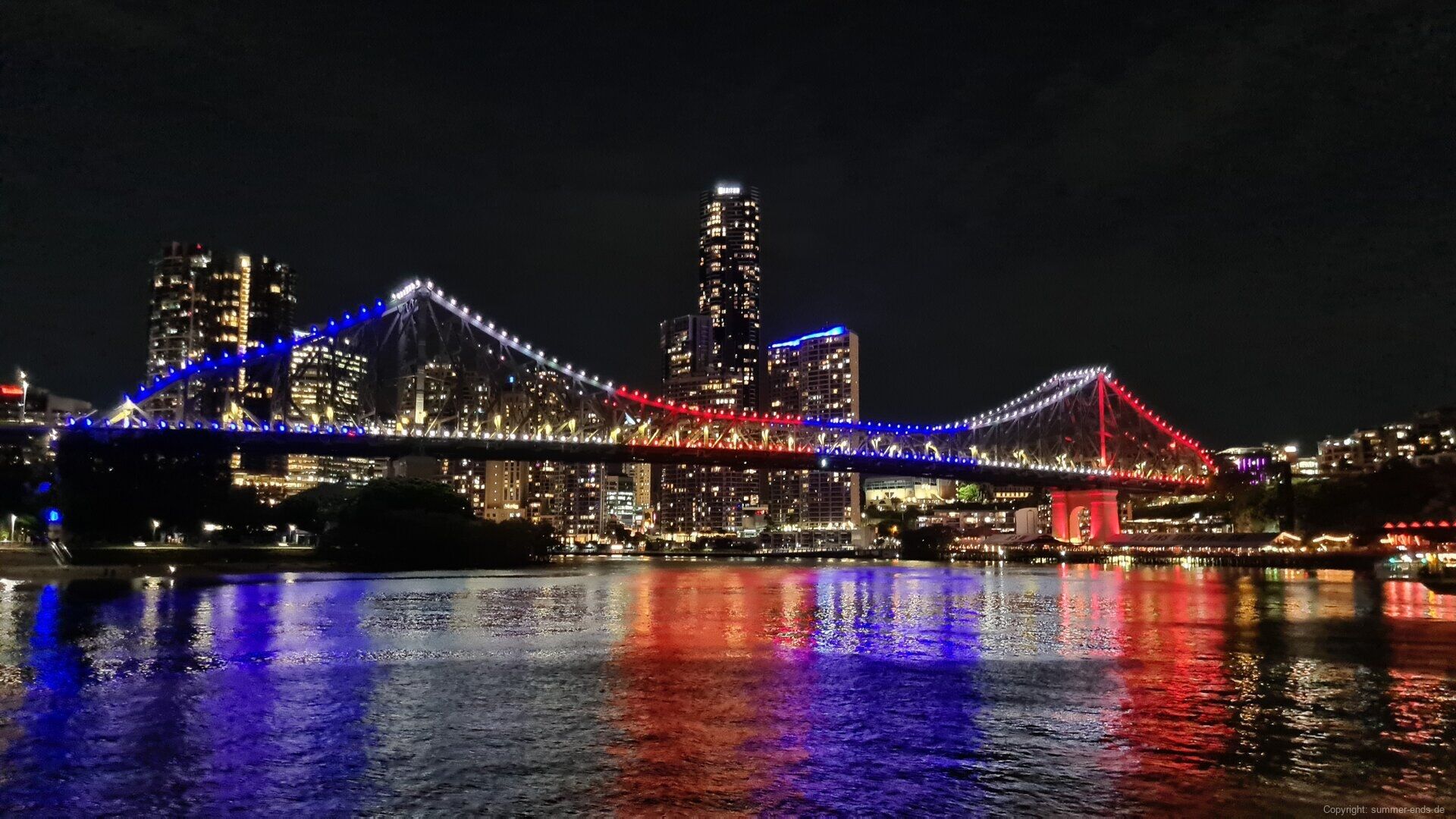
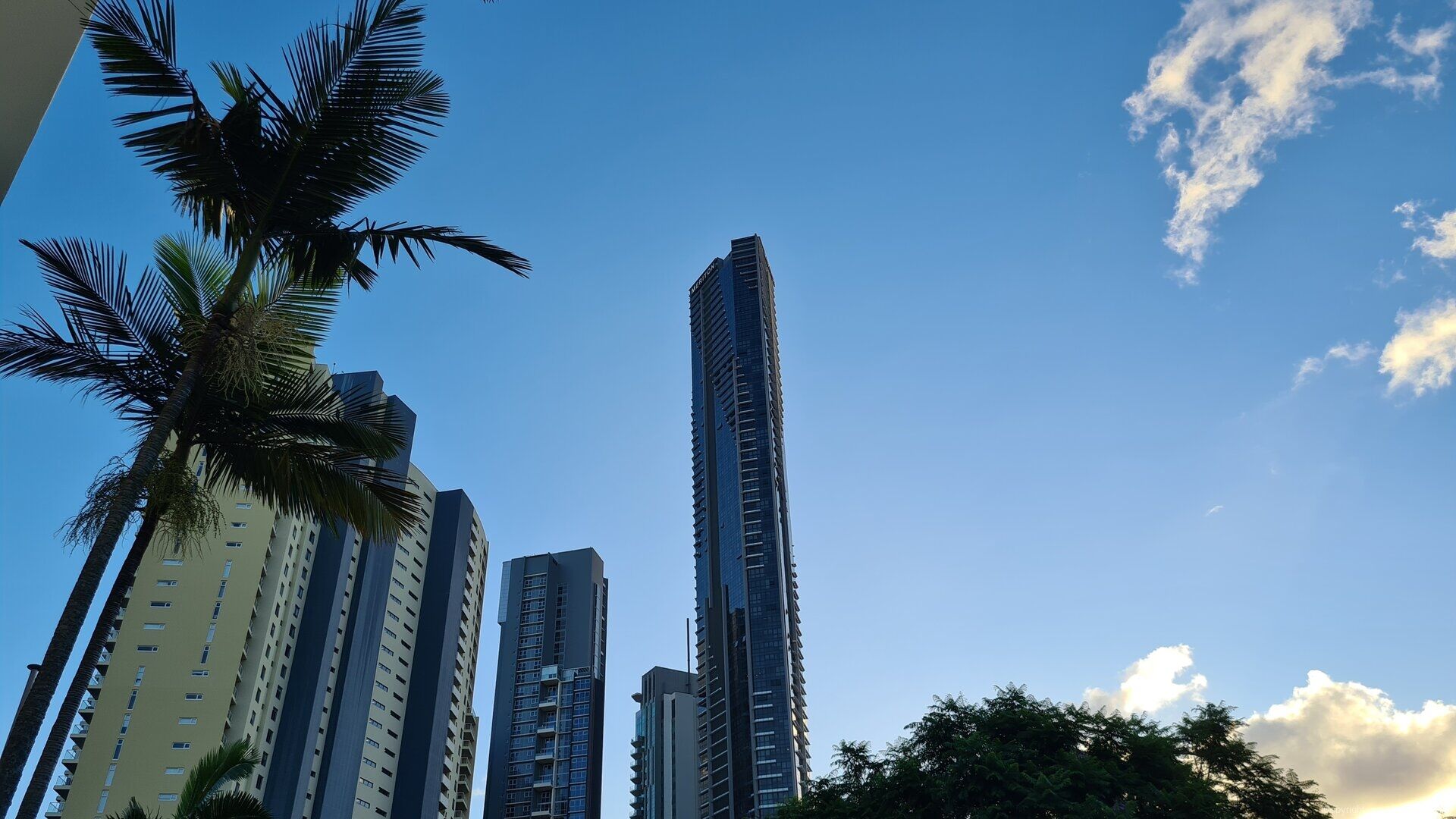
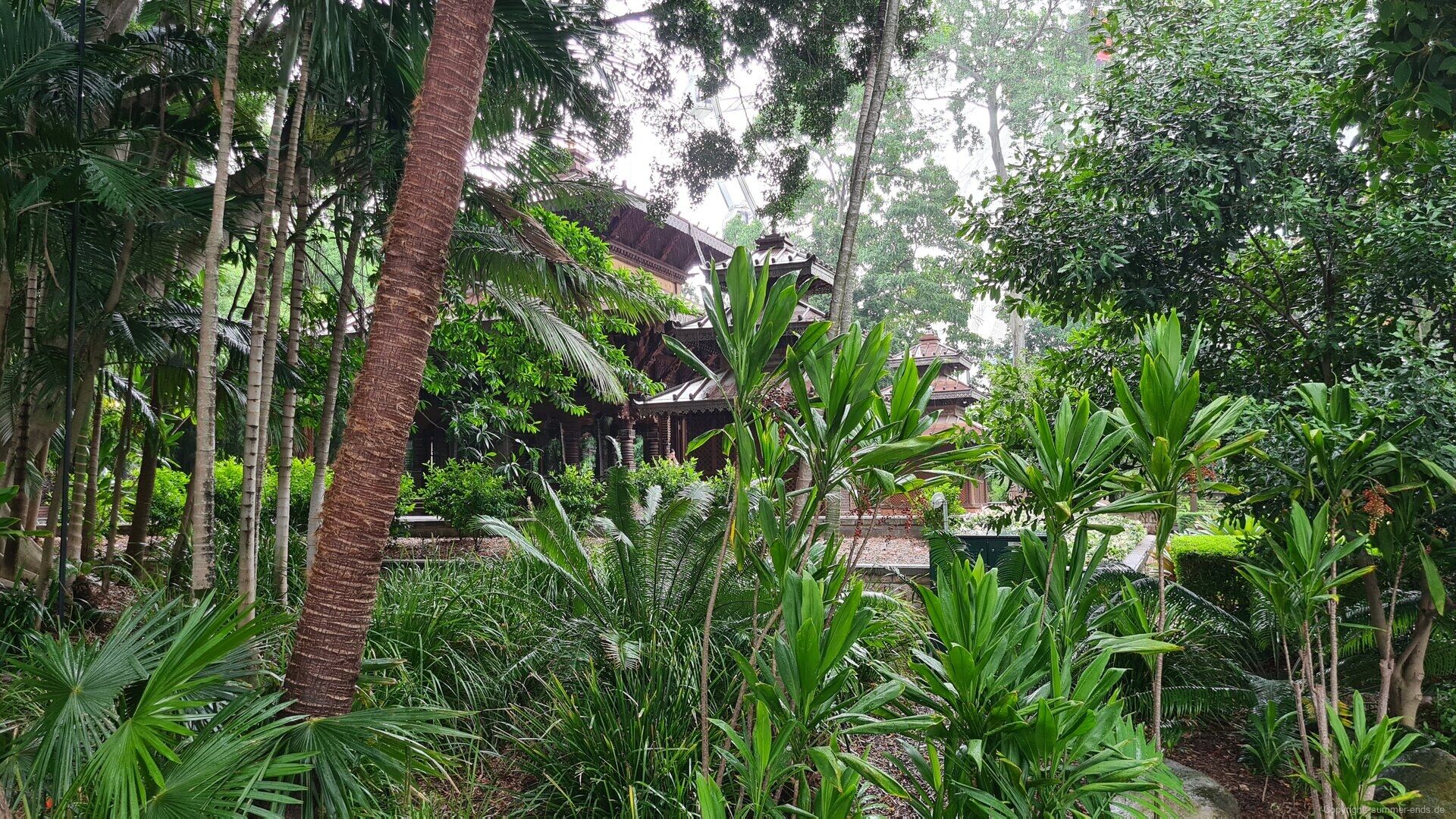
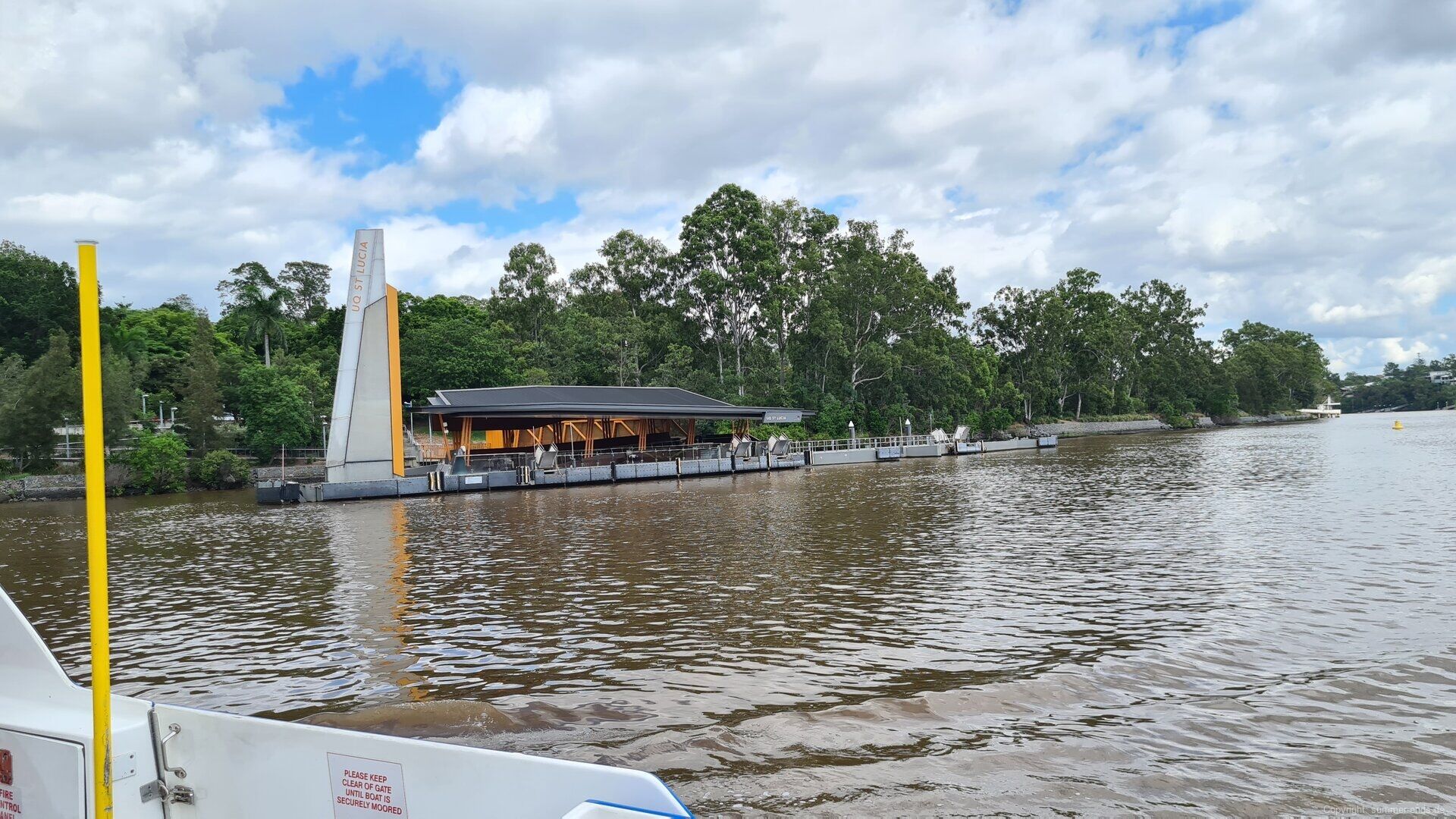
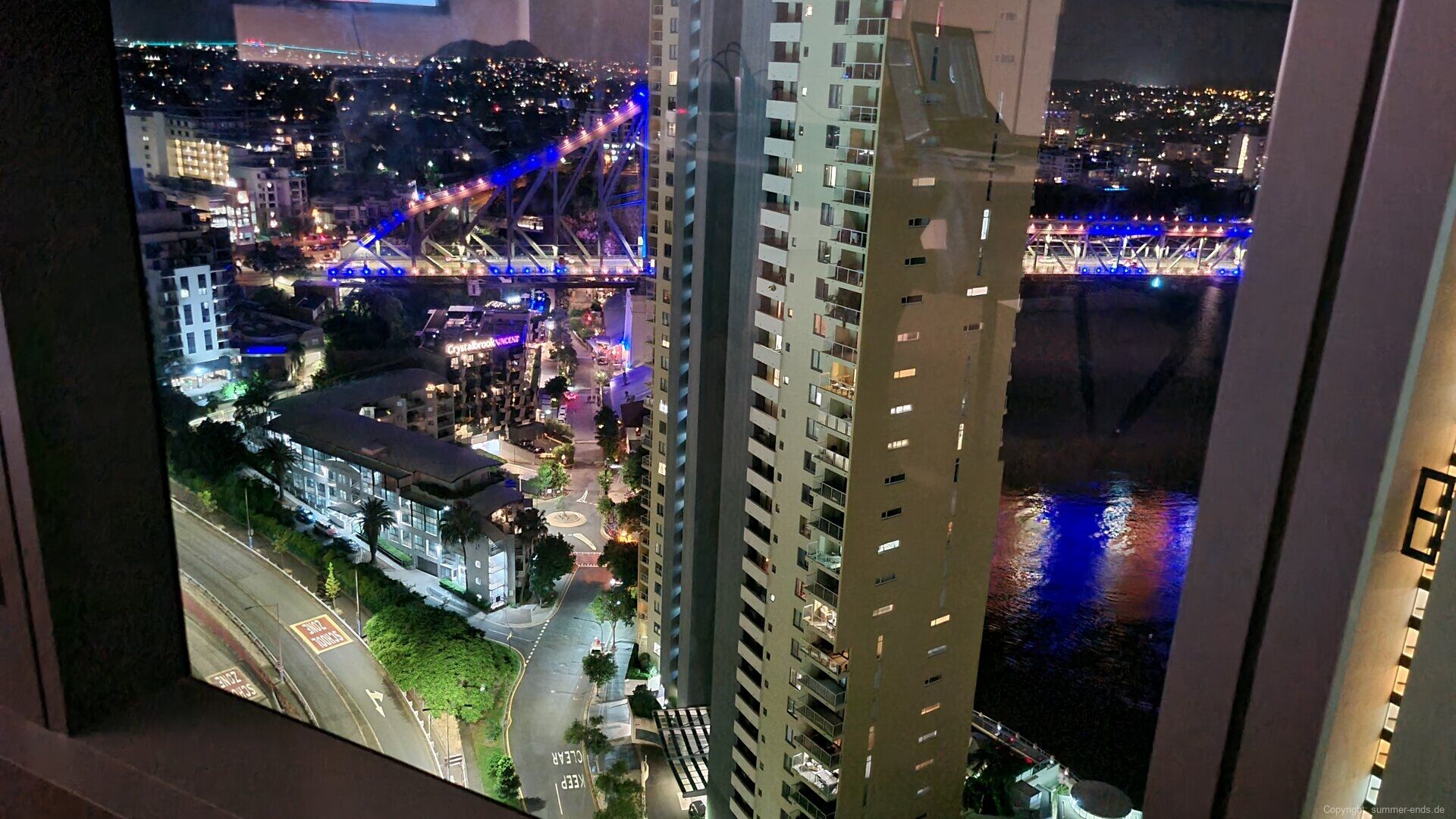
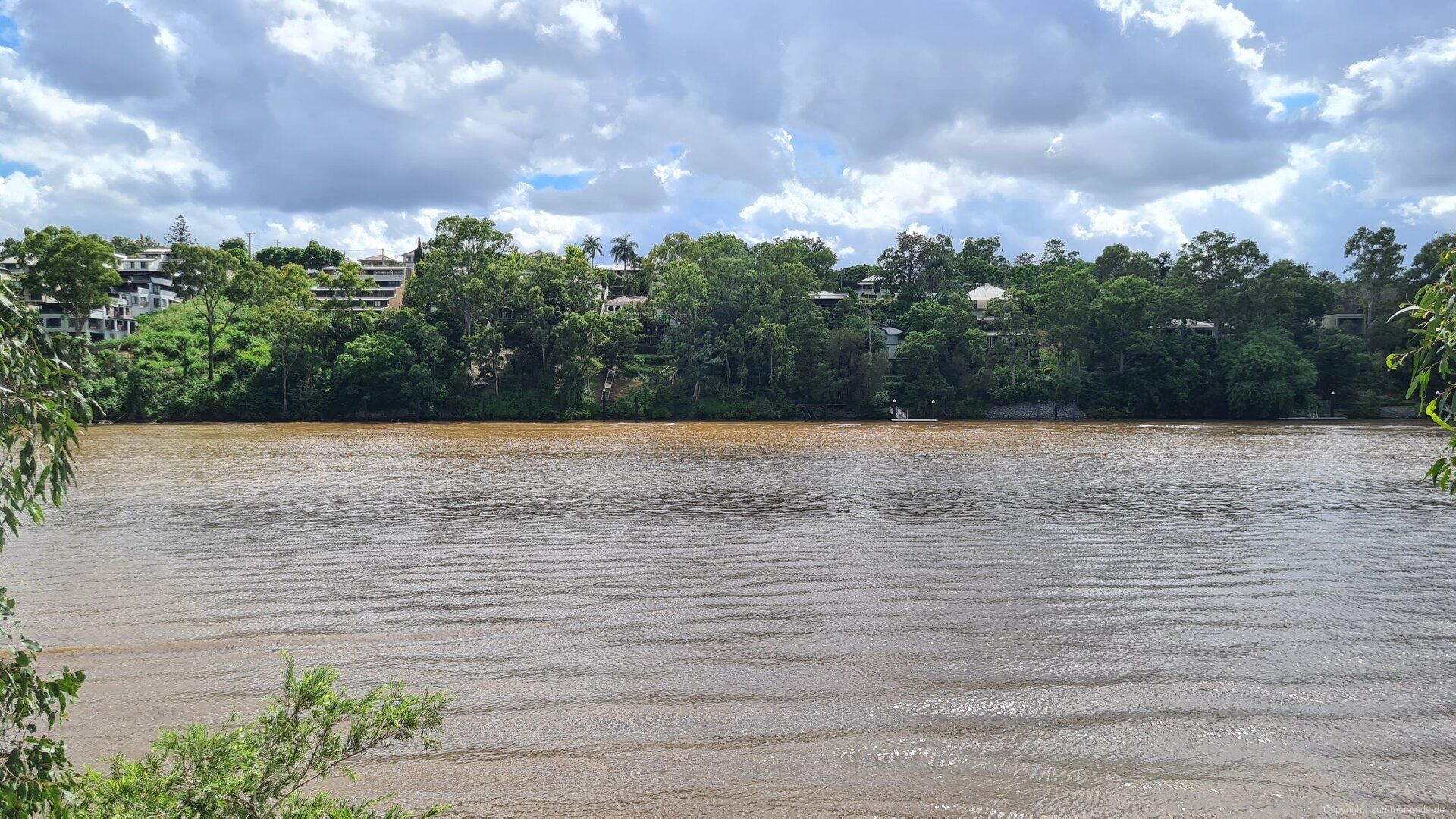
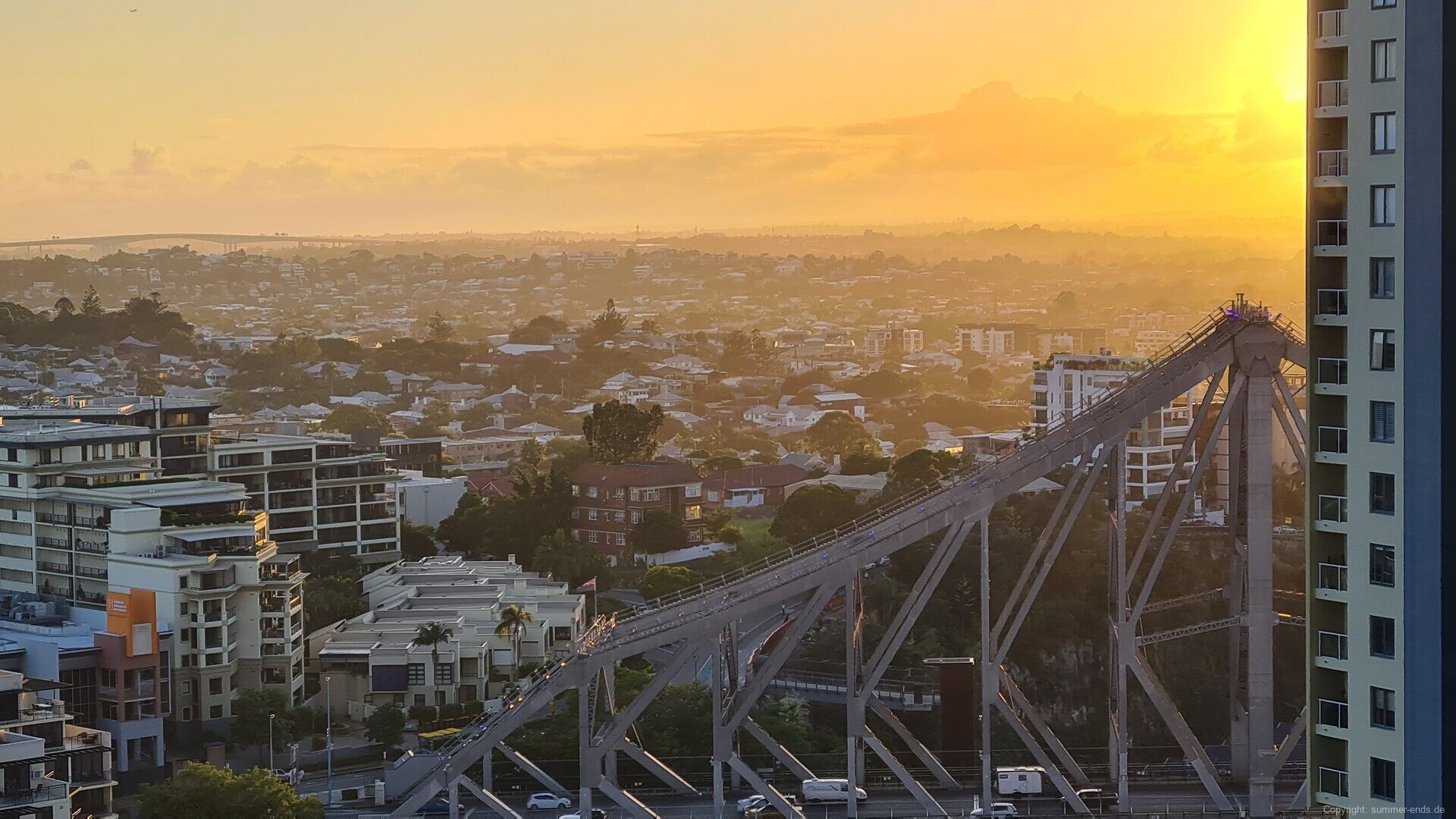
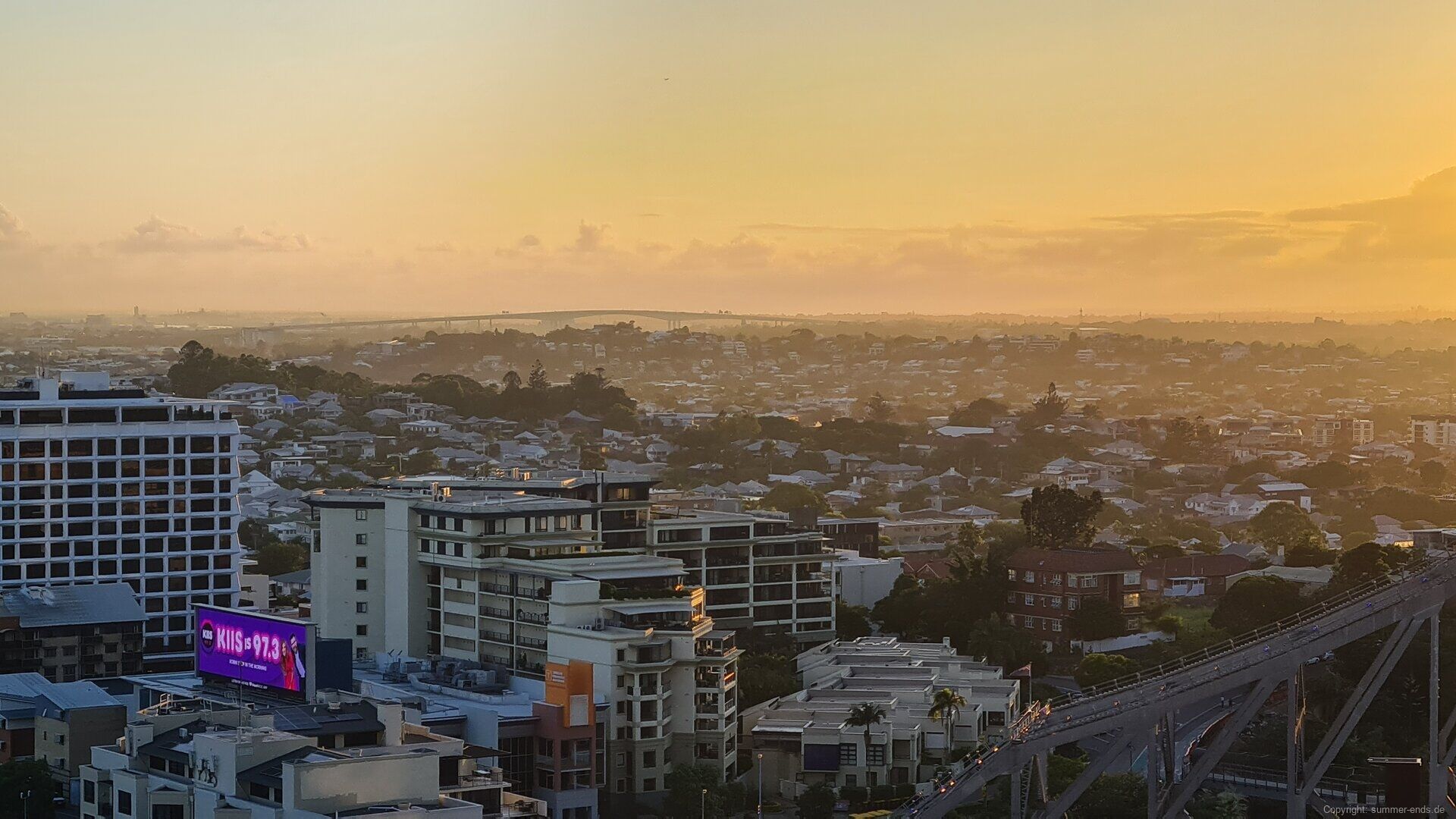
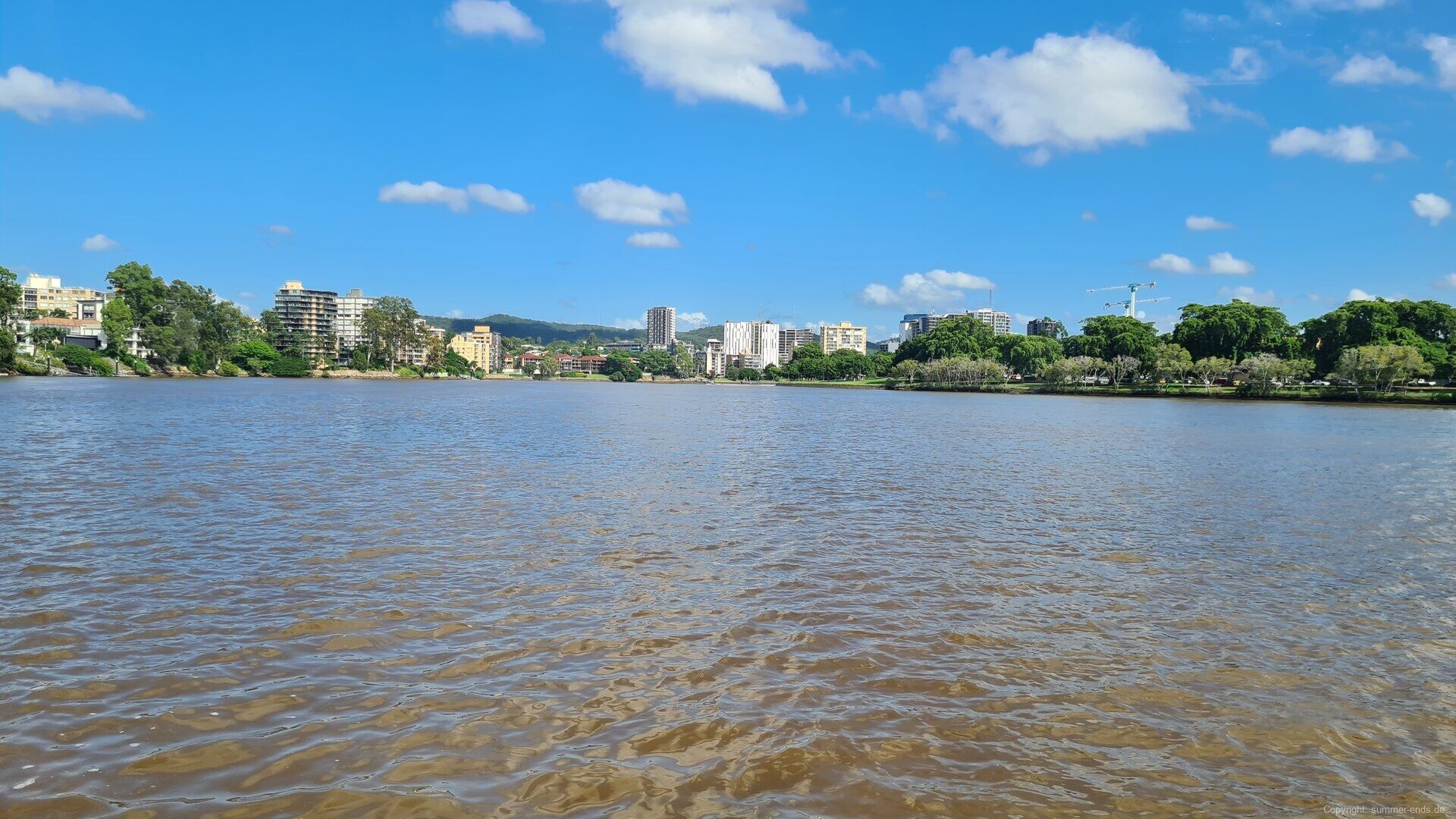
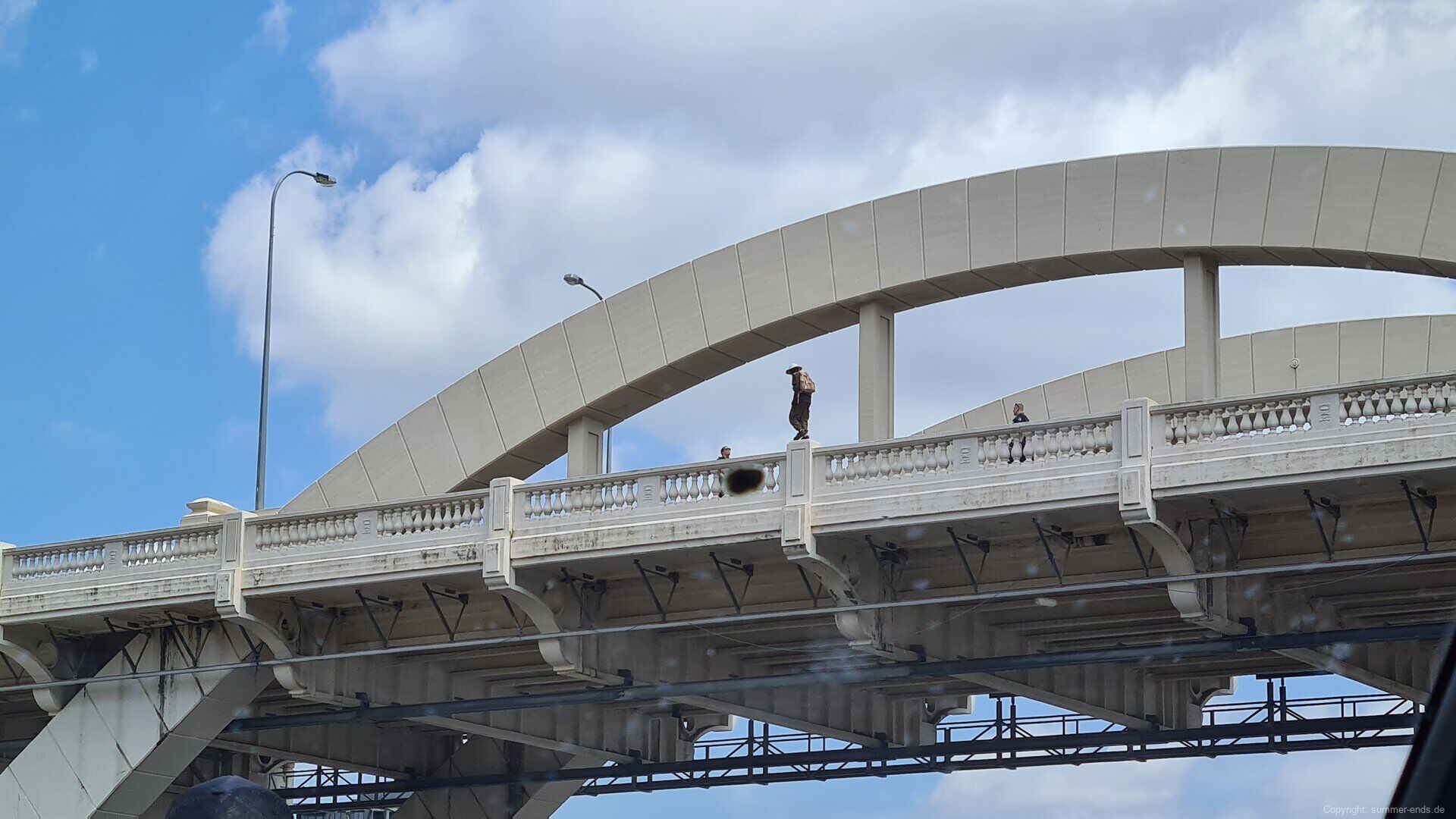
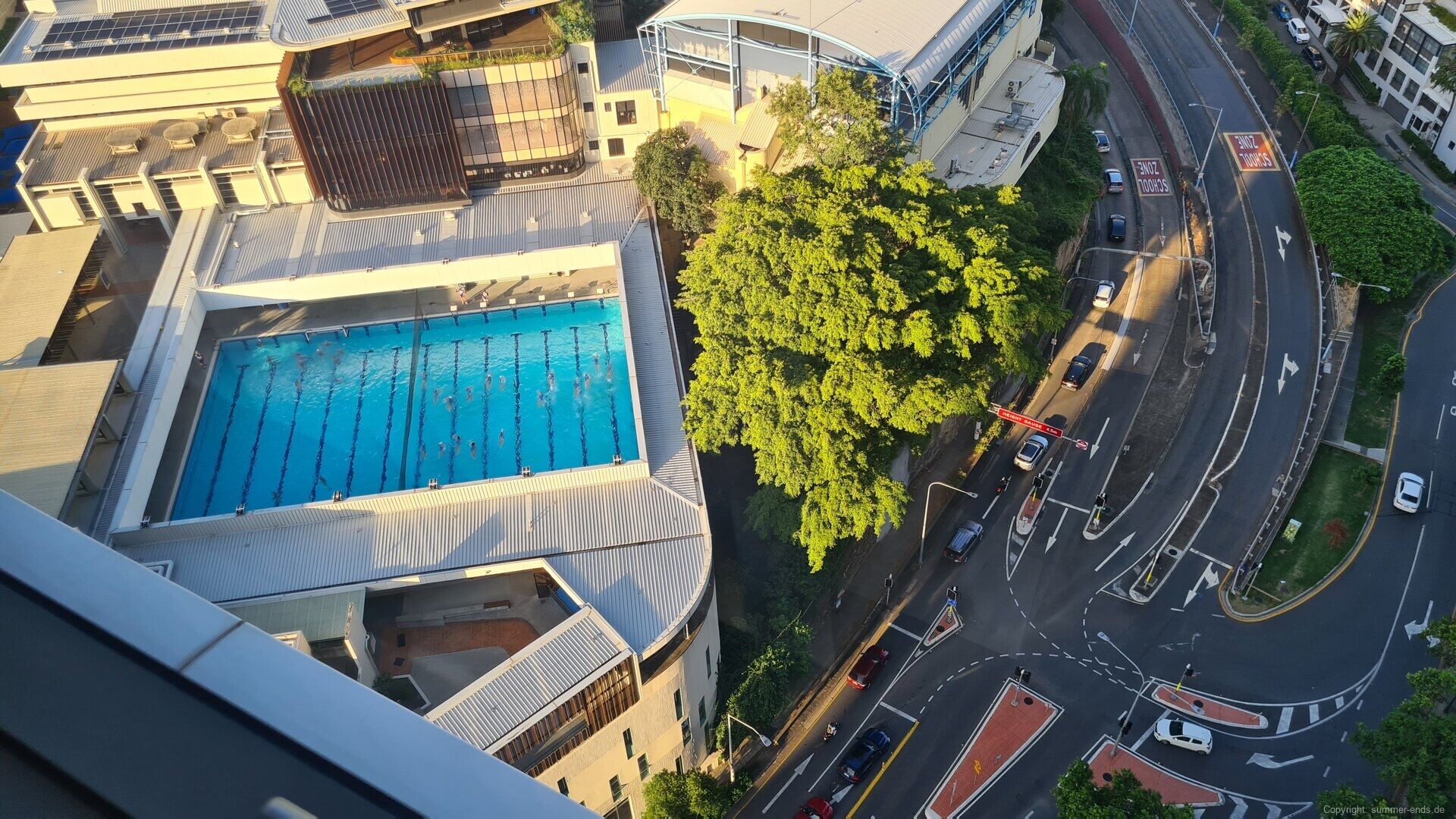
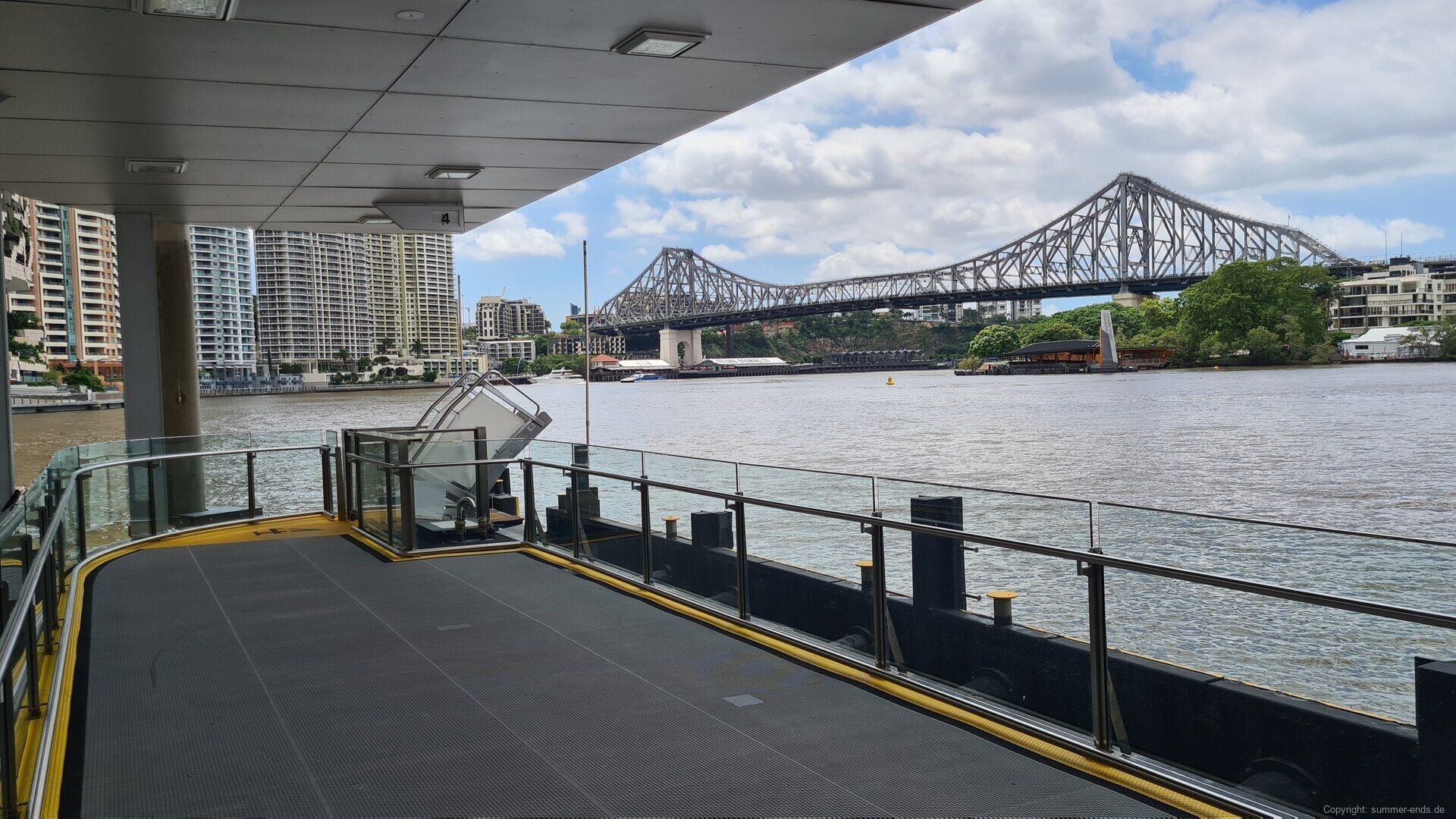
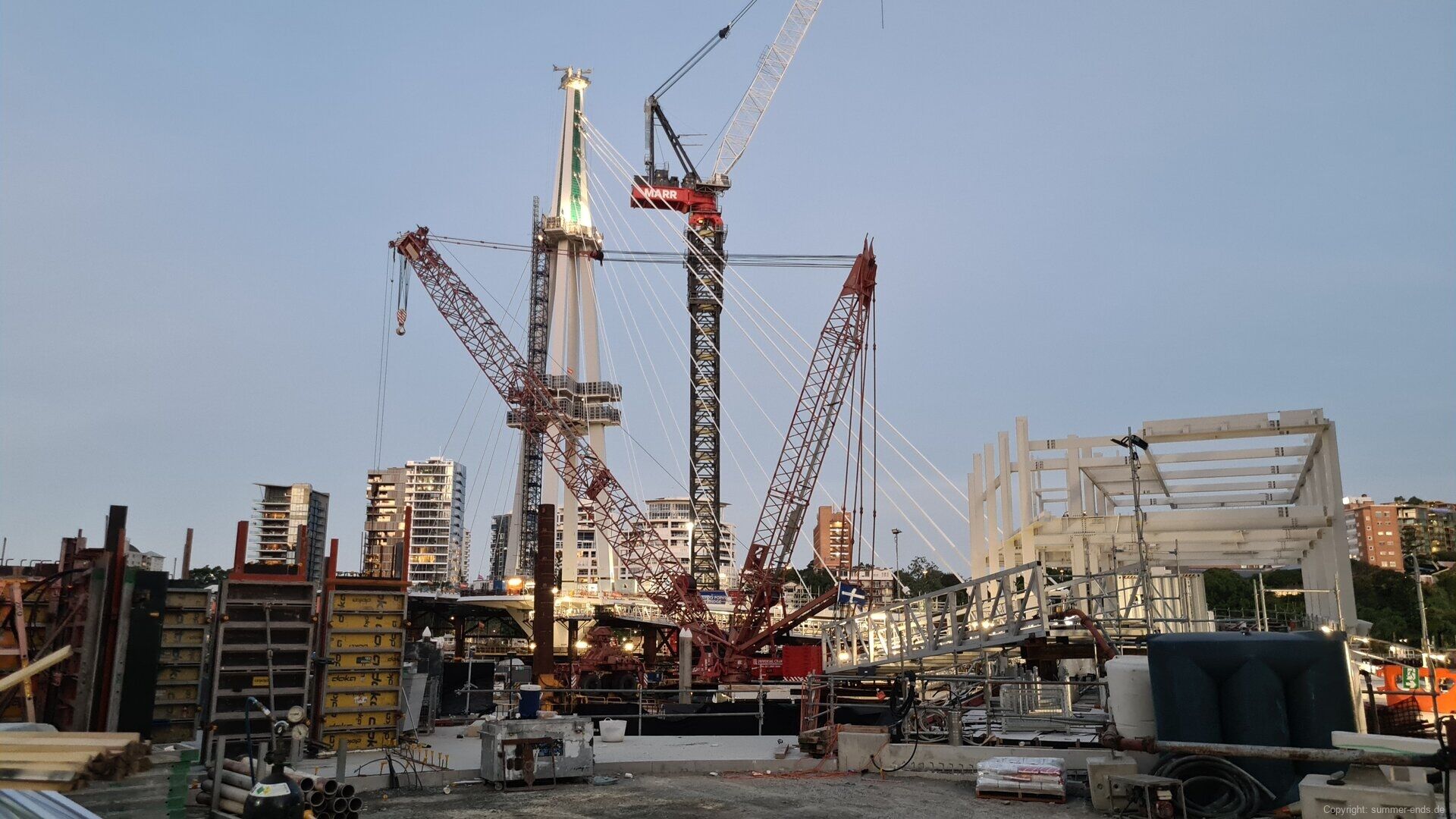
Brisbane is the capital city of the state of Queensland and the third most populous city in Australia. It is located in the south-eastern part of the country along the Brisbane River, approximately 20 kilometers inland from the Pacific coast. Brisbane serves as a major economic, cultural, and administrative center for Queensland and plays an important role within the broader South East Queensland region.
The metropolitan area includes the central city, inner suburbs, outer residential districts, and rapidly growing satellite communities. With a population exceeding 2.5 million people in the greater metropolitan area, Brisbane has experienced sustained growth driven by interstate migration, international arrivals, and economic development.
Brisbane has a humid subtropical climate, characterized by warm to hot summers, mild winters, and a high number of sunny days. This climate supports an outdoor lifestyle and influences the city’s urban design, with extensive riverfront areas, parks, and open spaces. The local economy is diversified, with key sectors including government administration, education, healthcare, construction, technology, tourism, and professional services.
History
The Brisbane region has been inhabited for tens of thousands of years by Aboriginal peoples, particularly the Turrbal and Jagera peoples, who lived along the river systems and coastal plains. These communities developed strong cultural connections to the land and waterways, which remain an important part of Brisbane’s heritage.
European settlement began in 1824, when the area was established as a penal colony. Initially isolated and restricted, the settlement gradually transitioned into a free community in the mid-19th century. Brisbane was officially declared a municipality in 1859, when Queensland became a separate colony from New South Wales.
During the late 19th and 20th centuries, Brisbane expanded through industrial development, port activity, and infrastructure growth. The city played a strategic role during World War II and experienced rapid suburban expansion in the post-war period. In recent decades, Brisbane has evolved into a modern, internationally connected city while preserving its historical character.
Geology
Brisbane’s geological setting is shaped by ancient volcanic activity, sedimentary processes, and river erosion. The city lies within the Brisbane River catchment, with underlying rock formations including sandstone, shale, and volcanic remnants from extinct volcanoes active millions of years ago.
Prominent geological features include the remnants of the nearby Glass House Mountains to the north and volcanic hills scattered throughout the metropolitan area. These formations contribute to the city’s rolling topography and varied landscapes.
The Brisbane River has played a central role in shaping the city’s development, carving valleys and depositing fertile sediments along its floodplain. While the river has supported trade and settlement, it has also influenced flood management and urban planning strategies.
Things to See
Brisbane offers a diverse range of attractions that combine natural settings, cultural life, and urban development:
Urban and Cultural Attractions
- South Bank Parklands, featuring gardens, cultural institutions, and public spaces
- Queensland Cultural Centre, including museums and performing arts venues
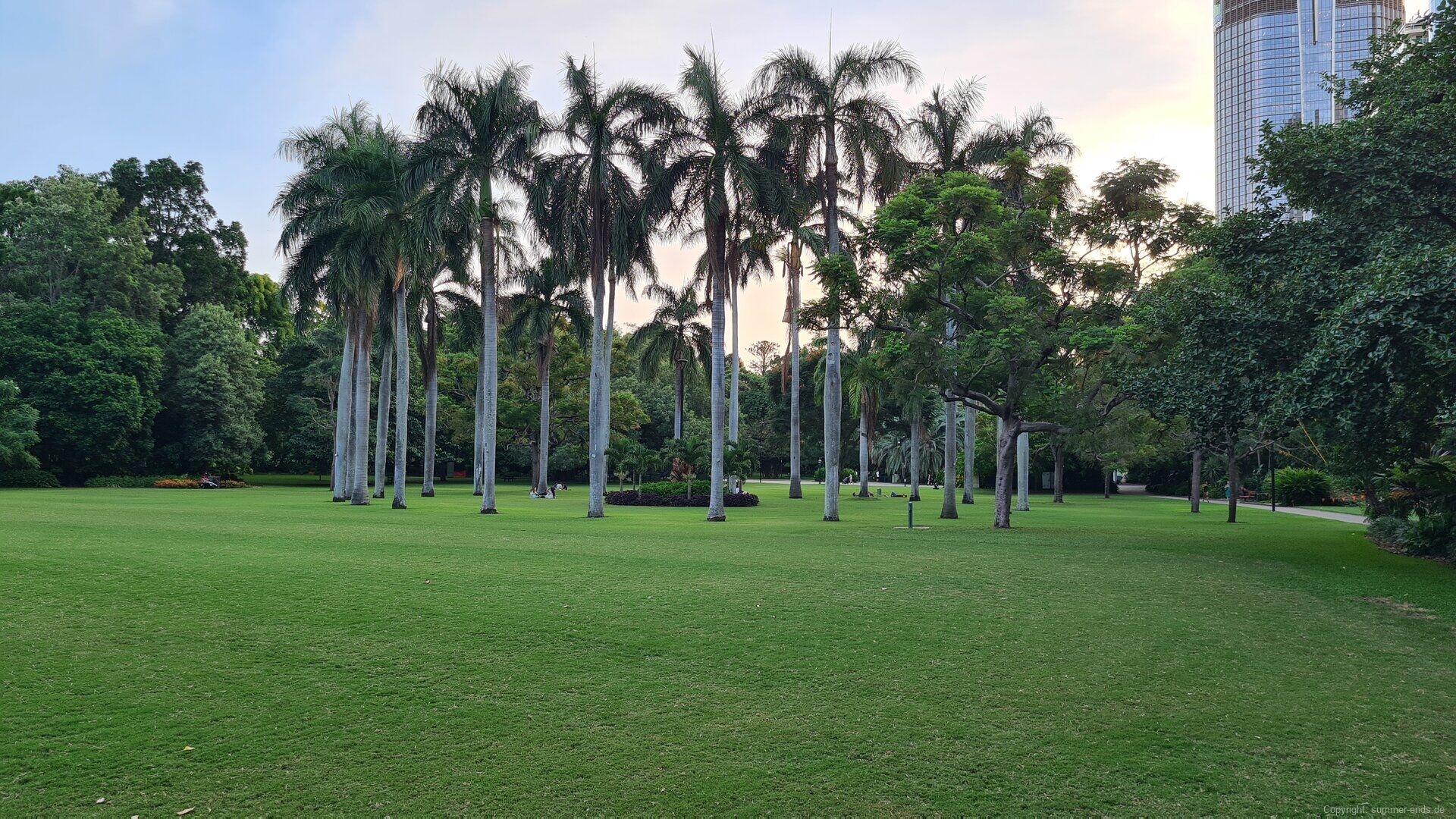
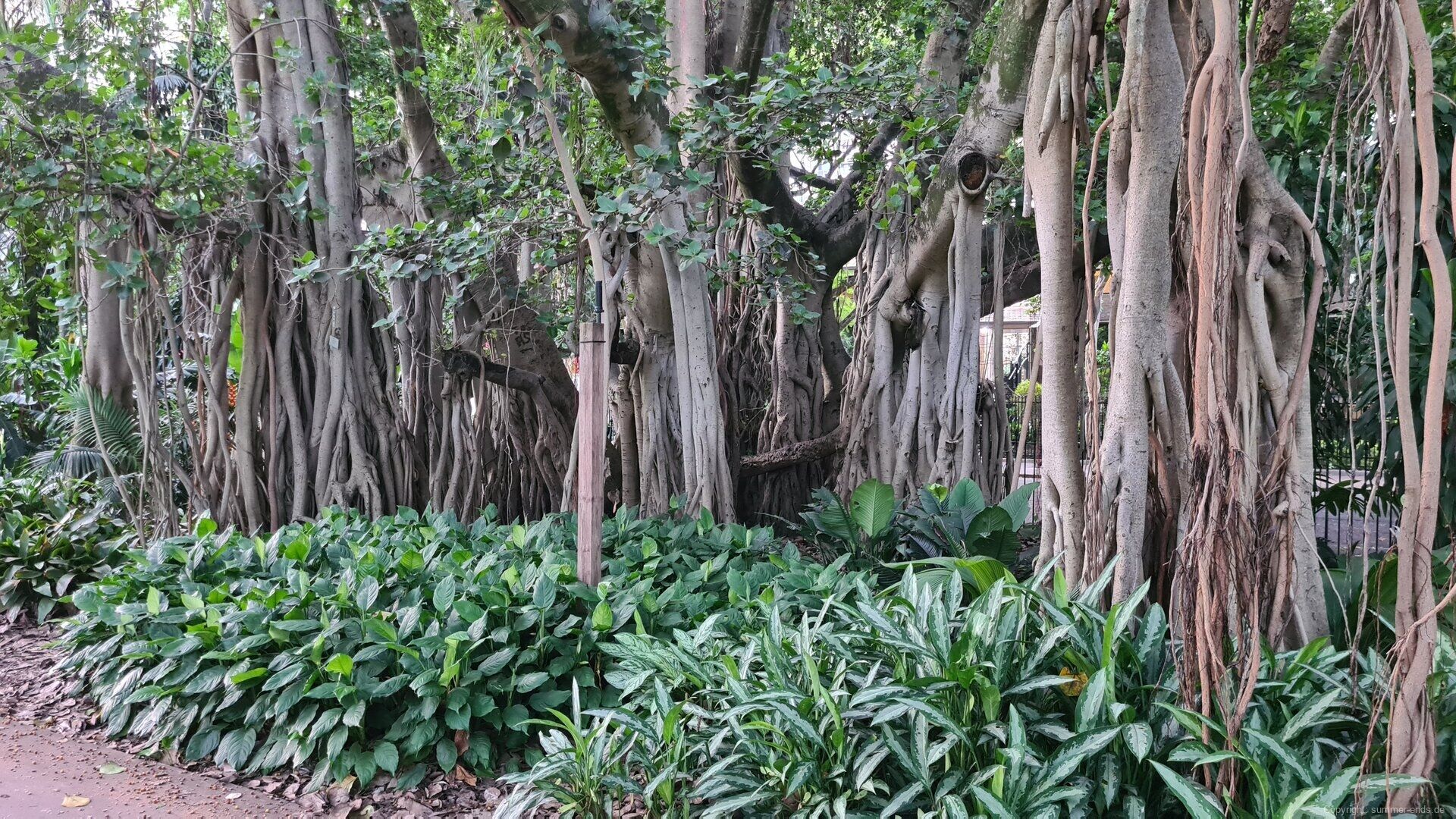
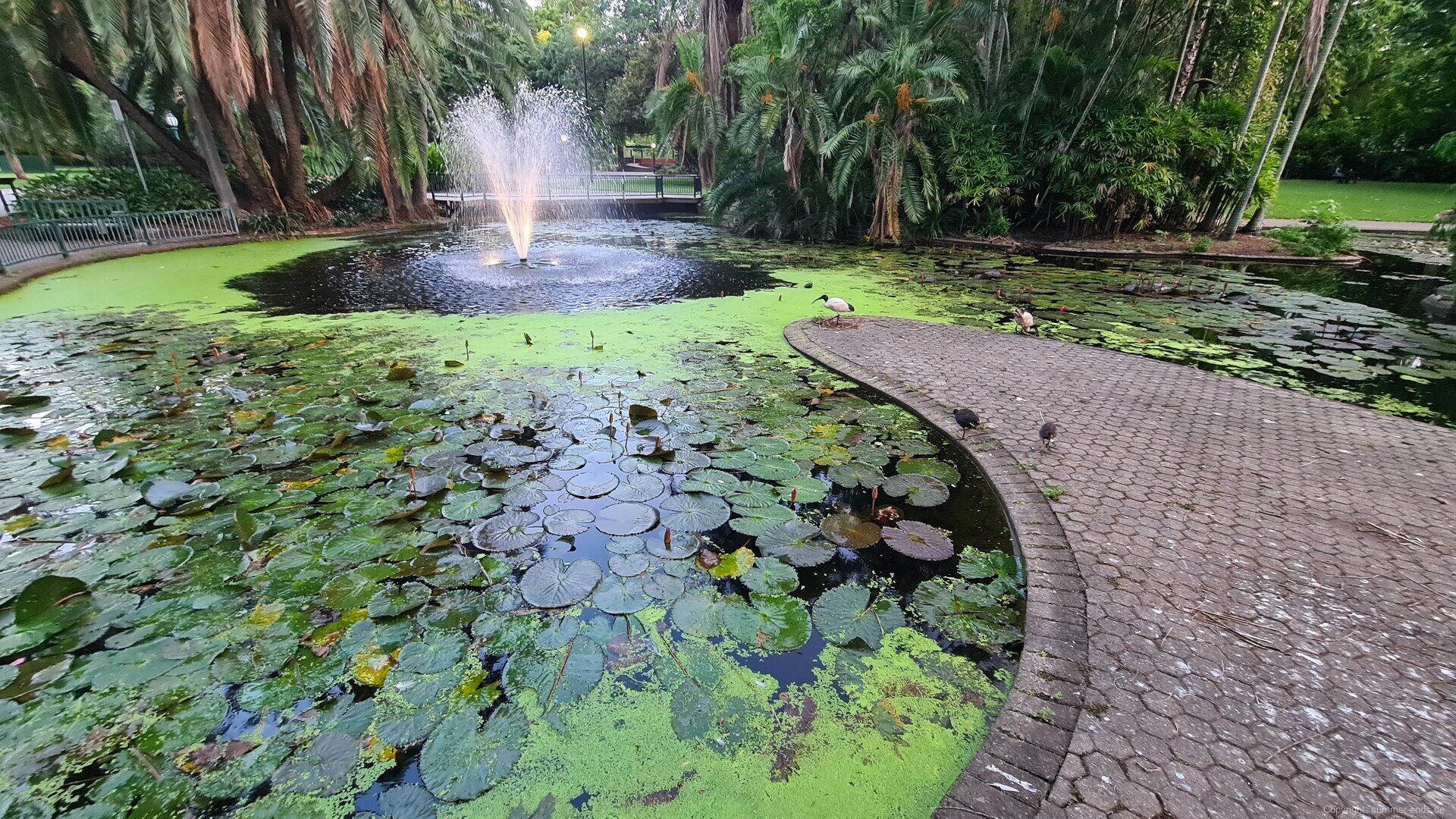
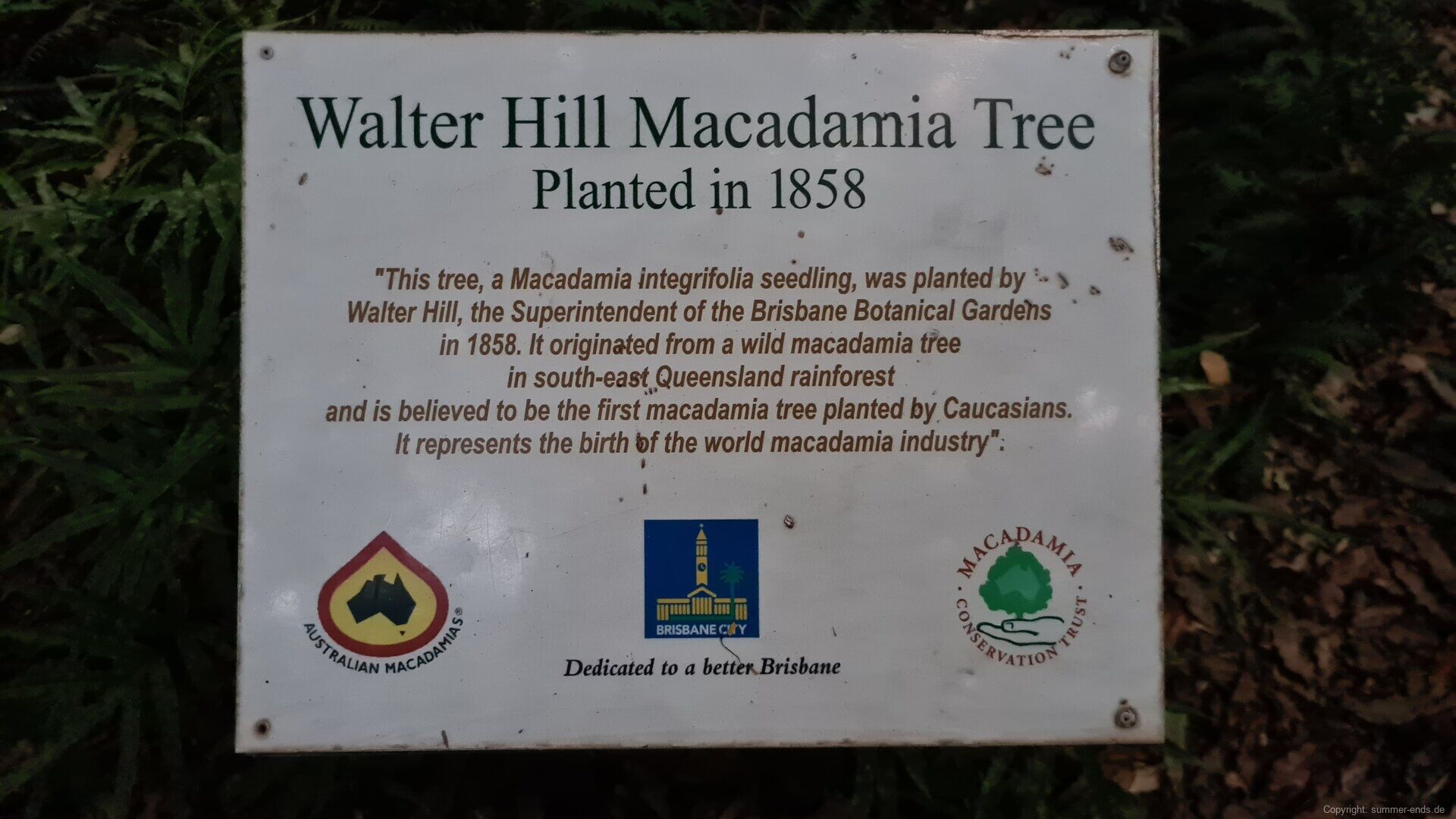
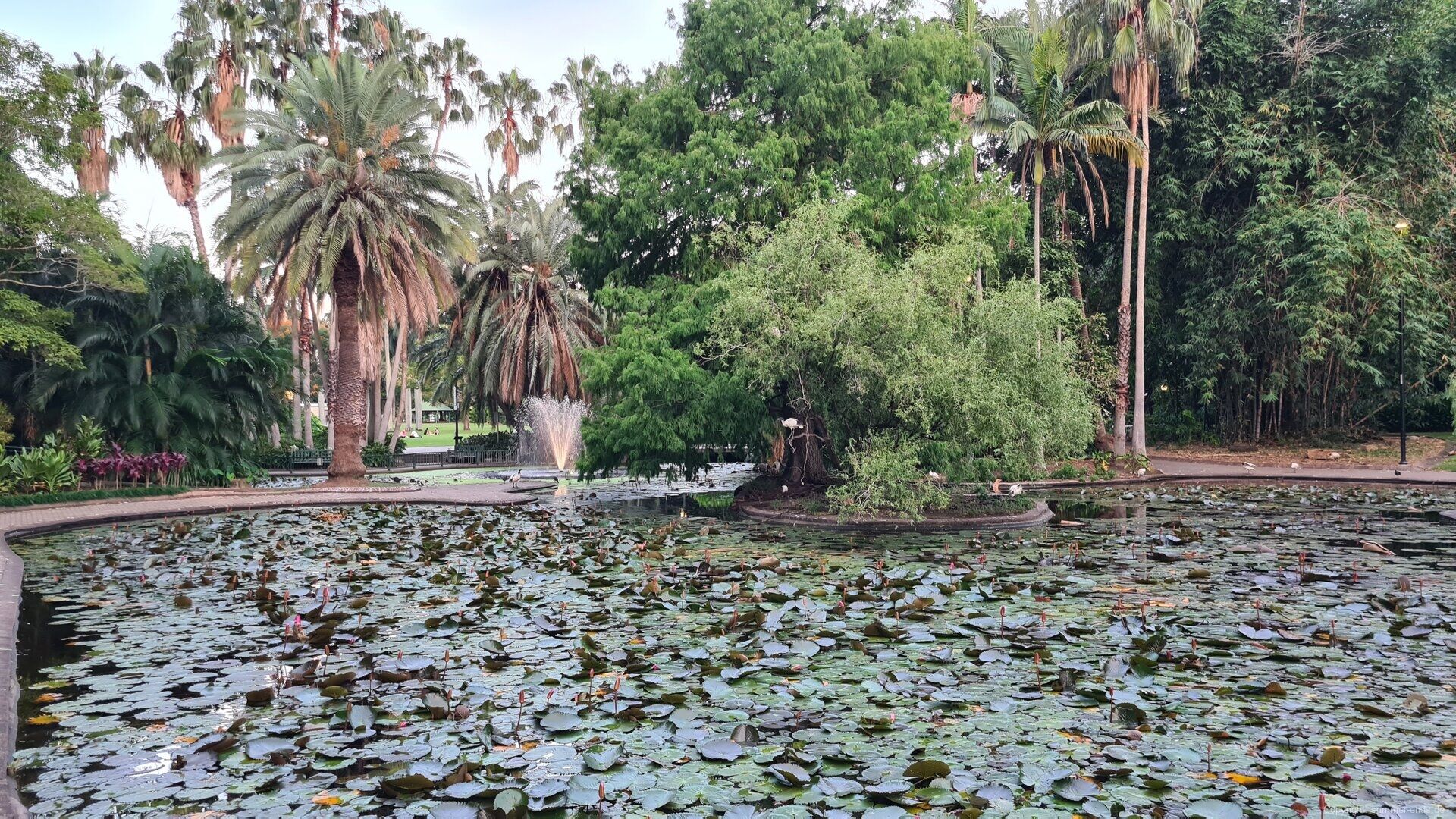
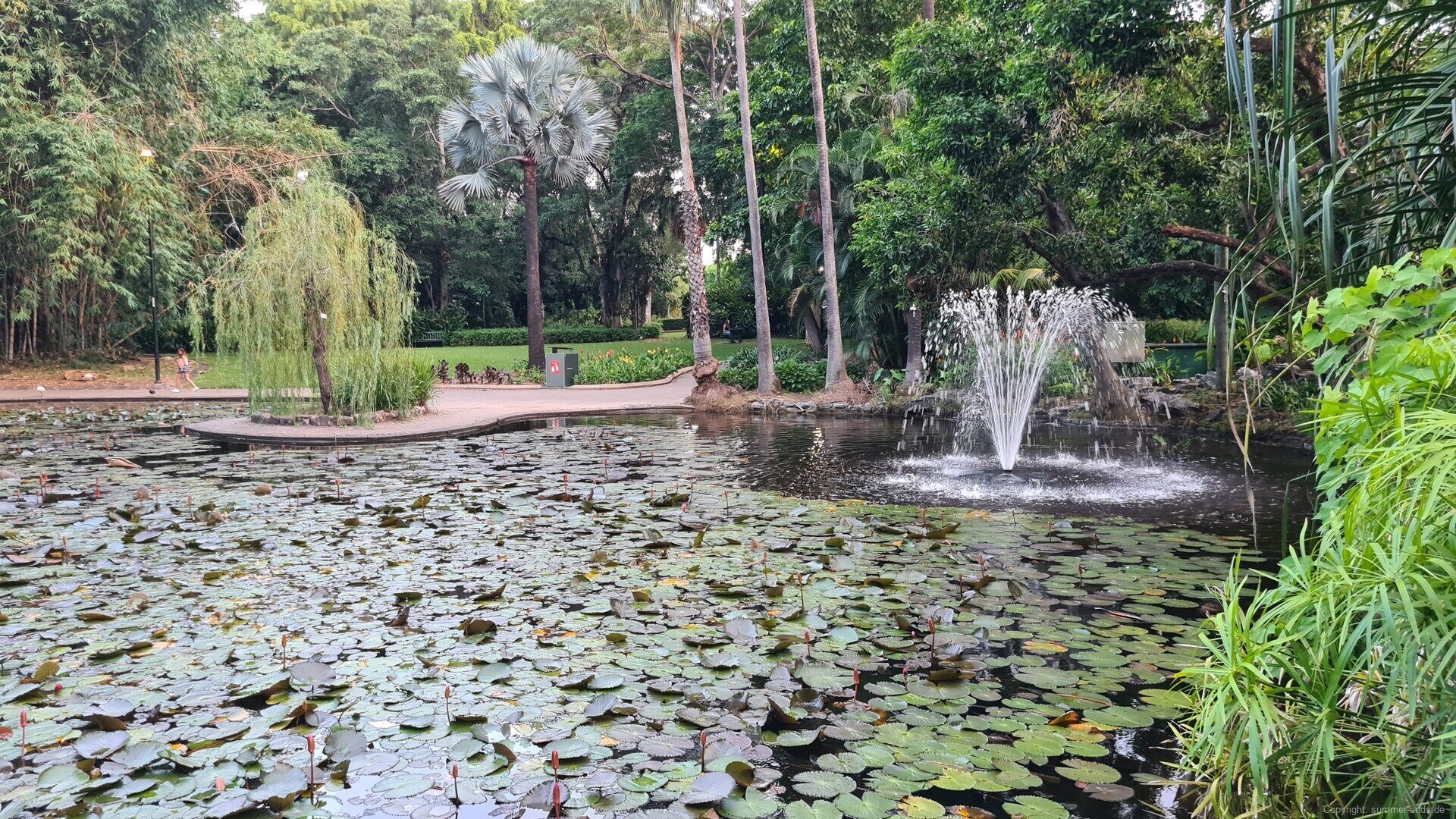
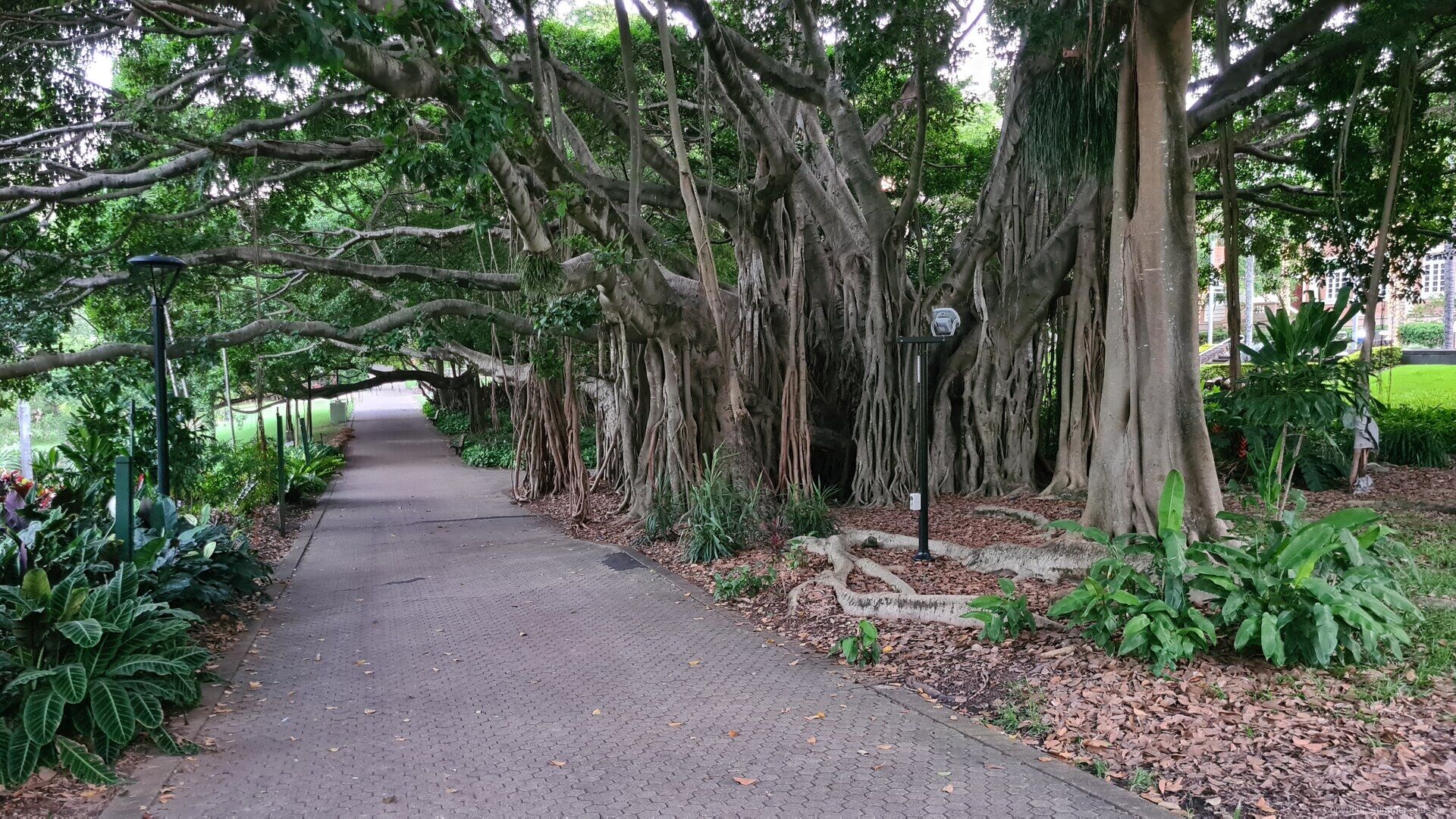
- Brisbane City Botanic Gardens and Roma Street Parkland
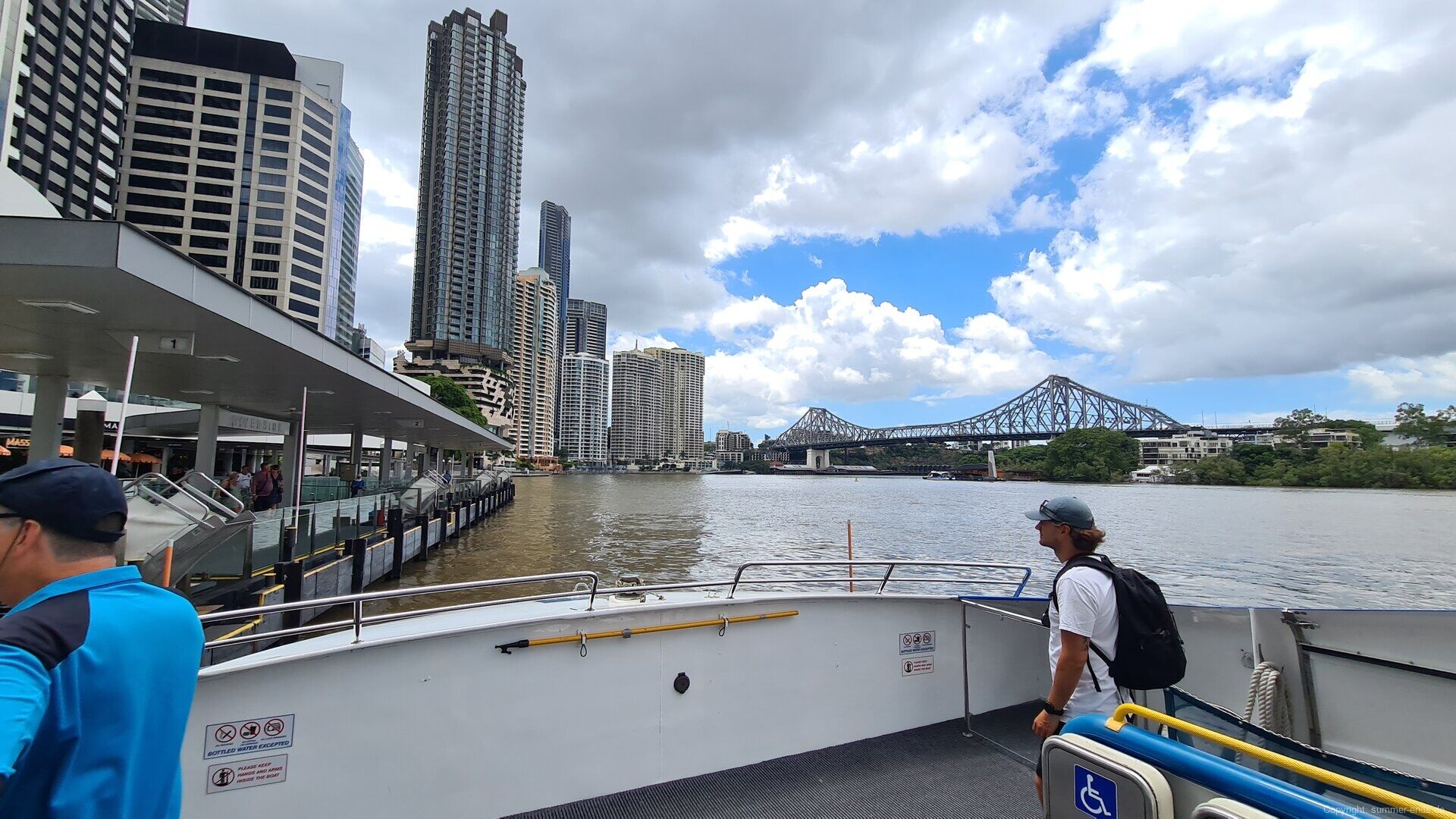
- Central Business District with historic and contemporary architecture
River and Outdoor Experiences
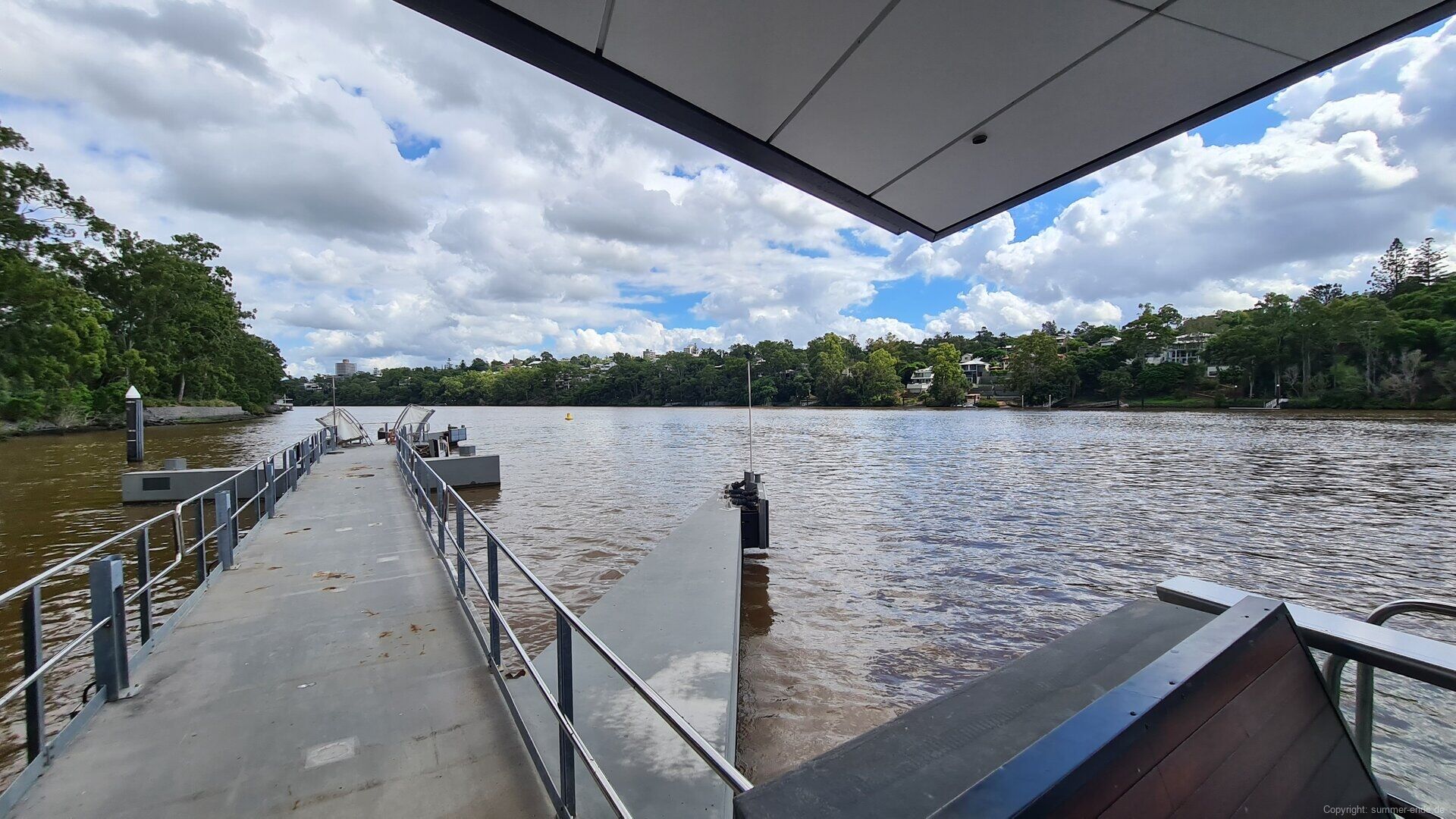
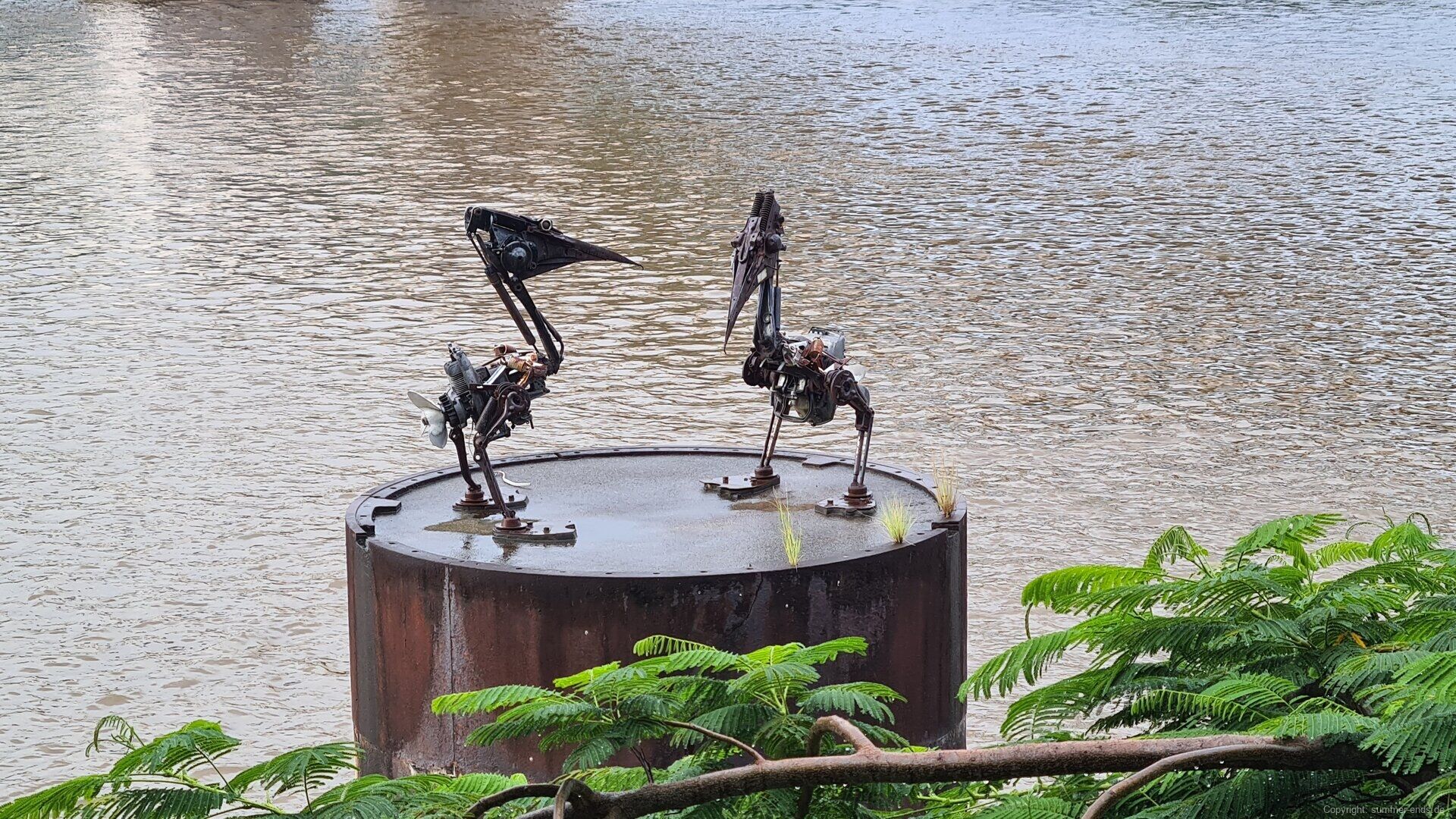
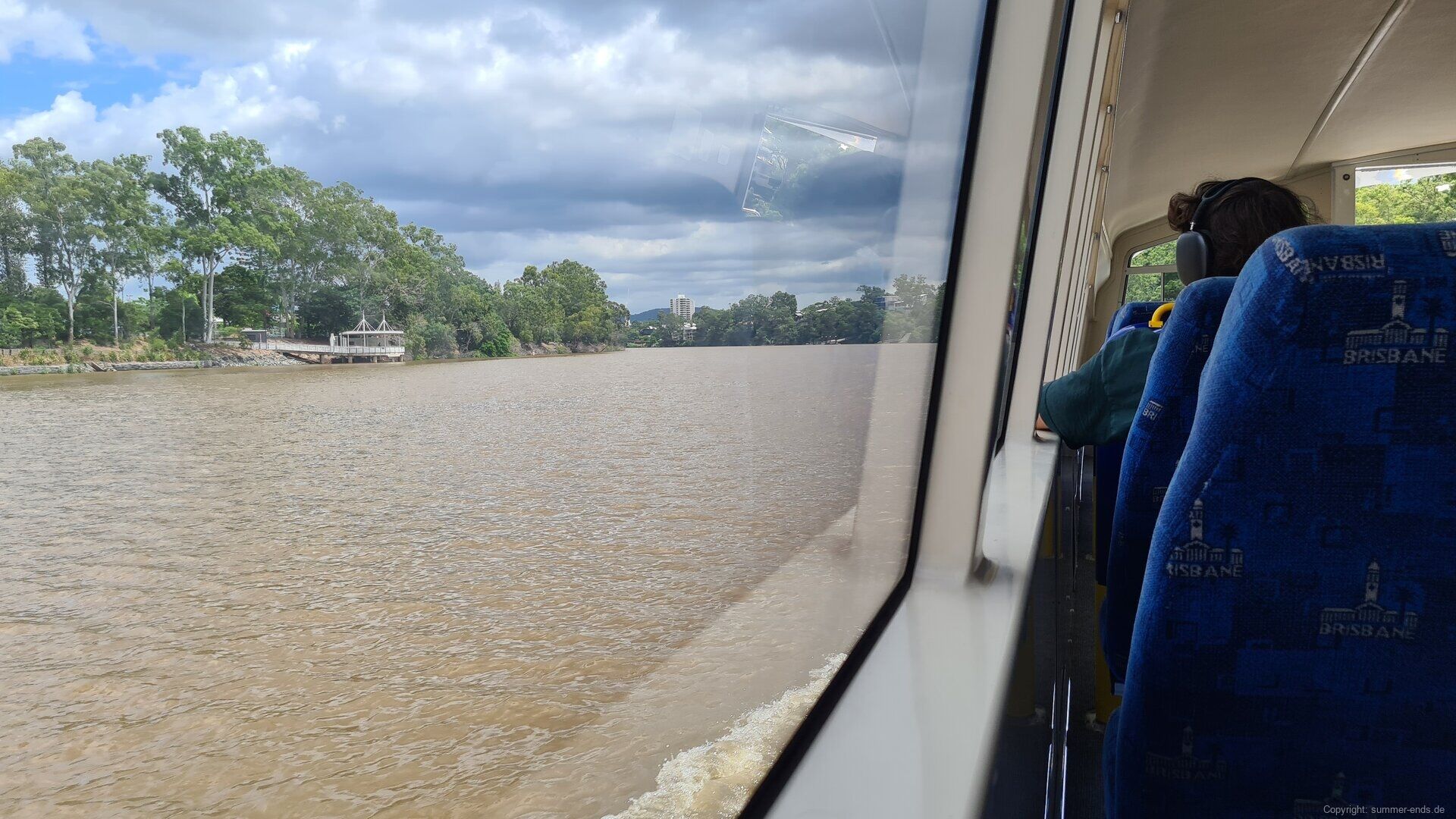
- Brisbane River walks, ferries, and riverfront precincts
- Kangaroo Point Cliffs, offering panoramic views and recreation
- Mount Coot-tha lookout and botanical gardens
- Extensive cycling and walking networks throughout the city
Lifestyle and Events
- Dining and entertainment precincts across inner-city neighborhoods
- Markets, festivals, and outdoor events
- Proximity to the Gold Coast and Sunshine Coast
- Sports venues and major international events