




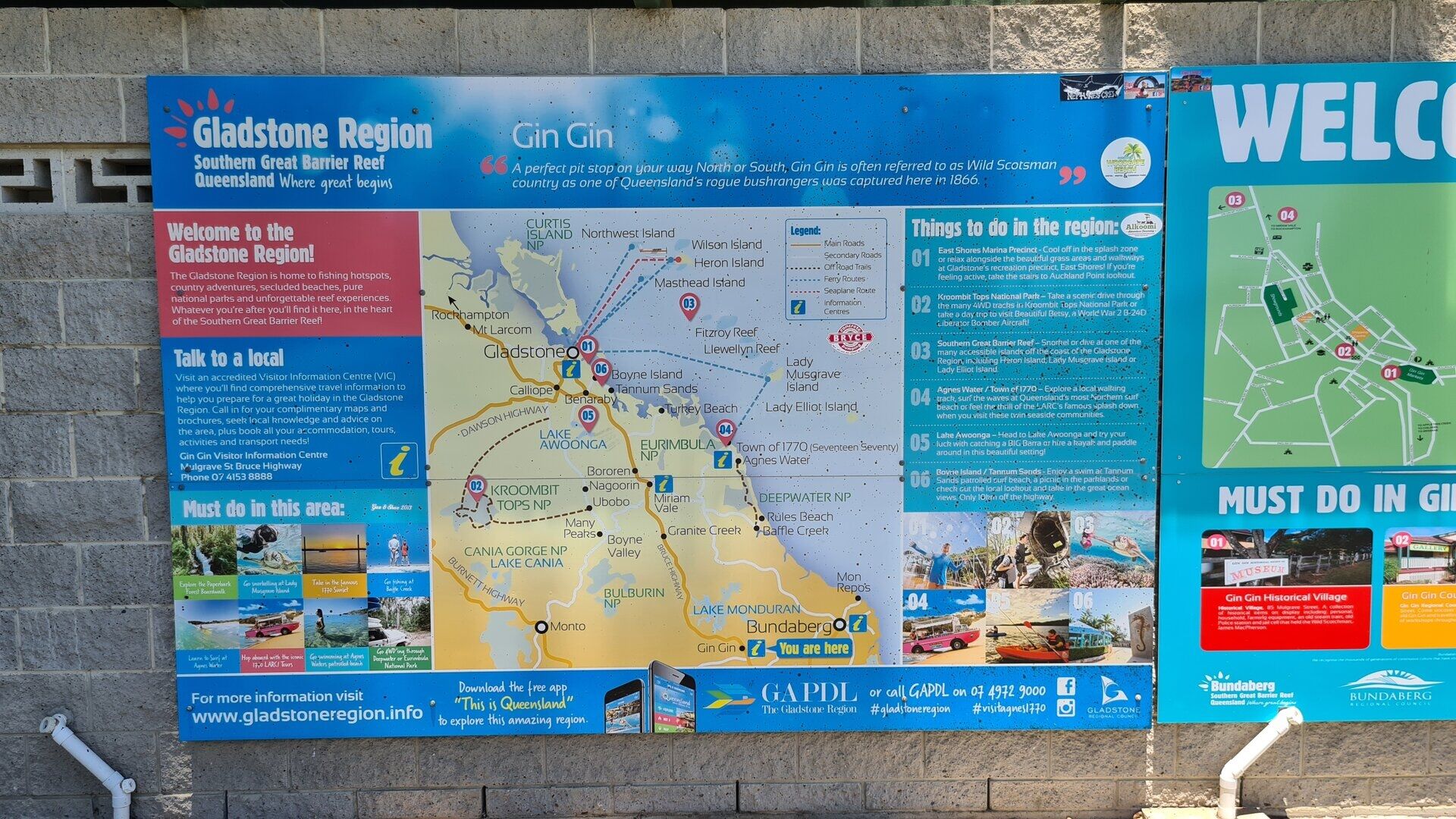




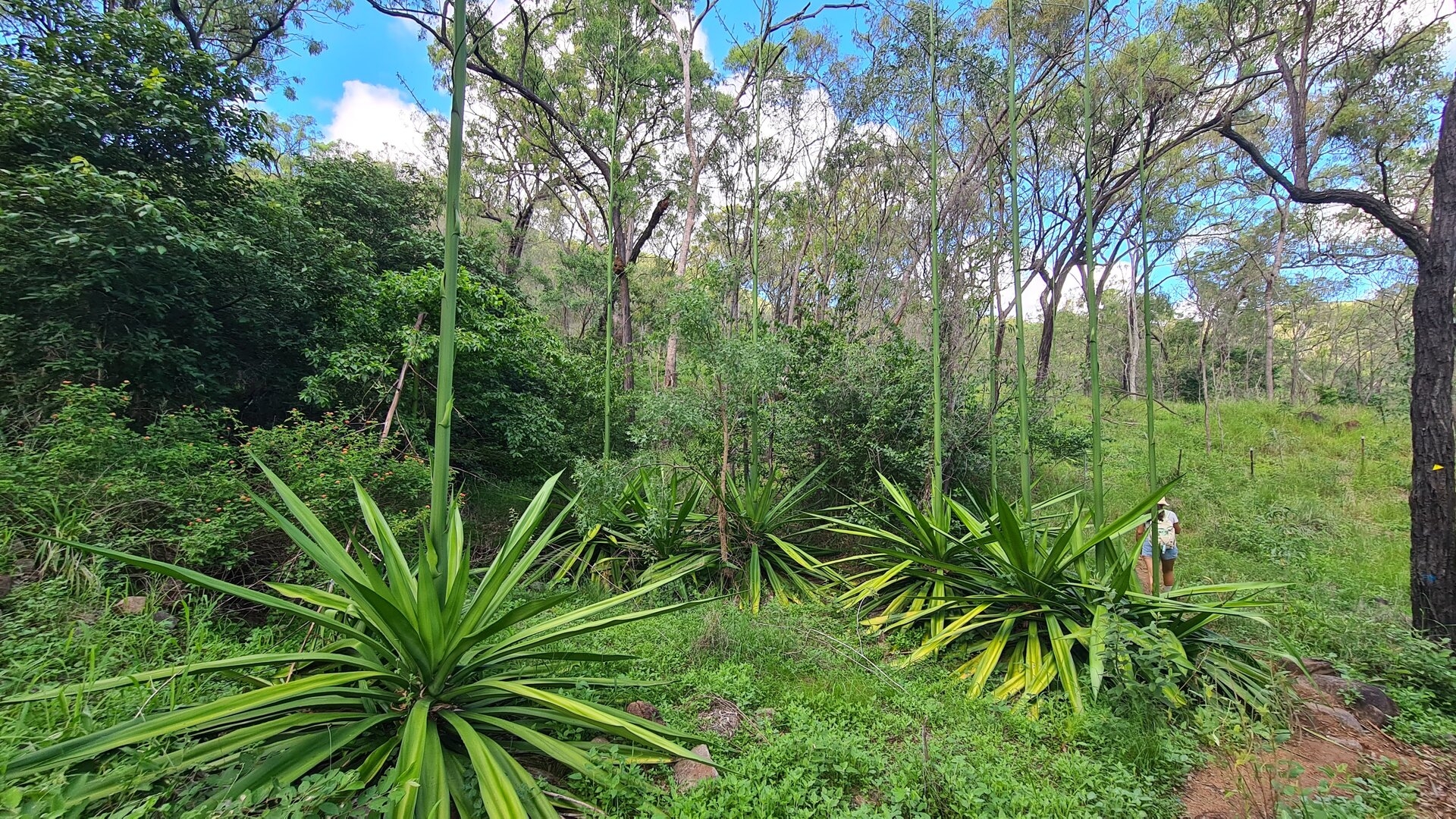

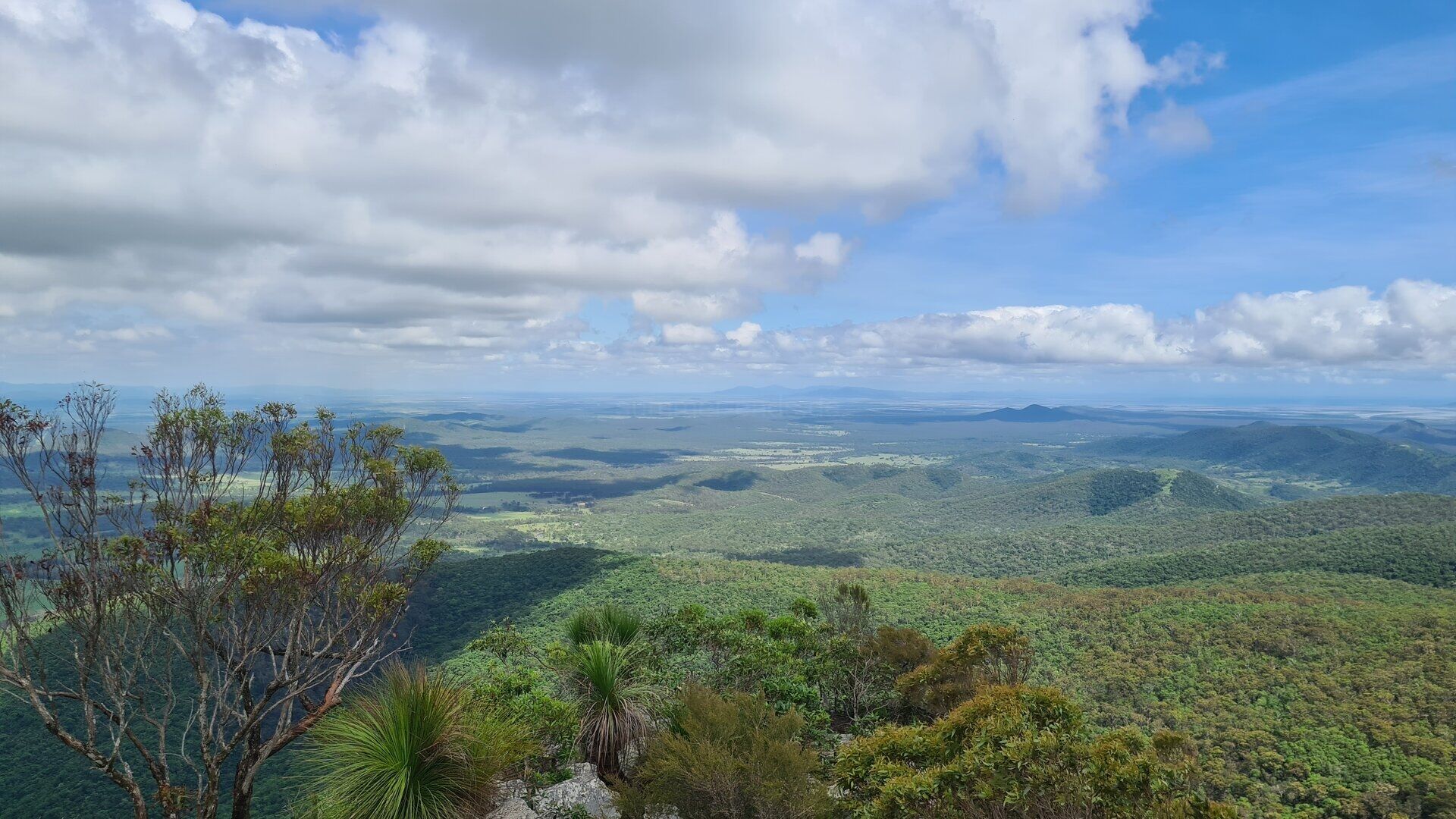

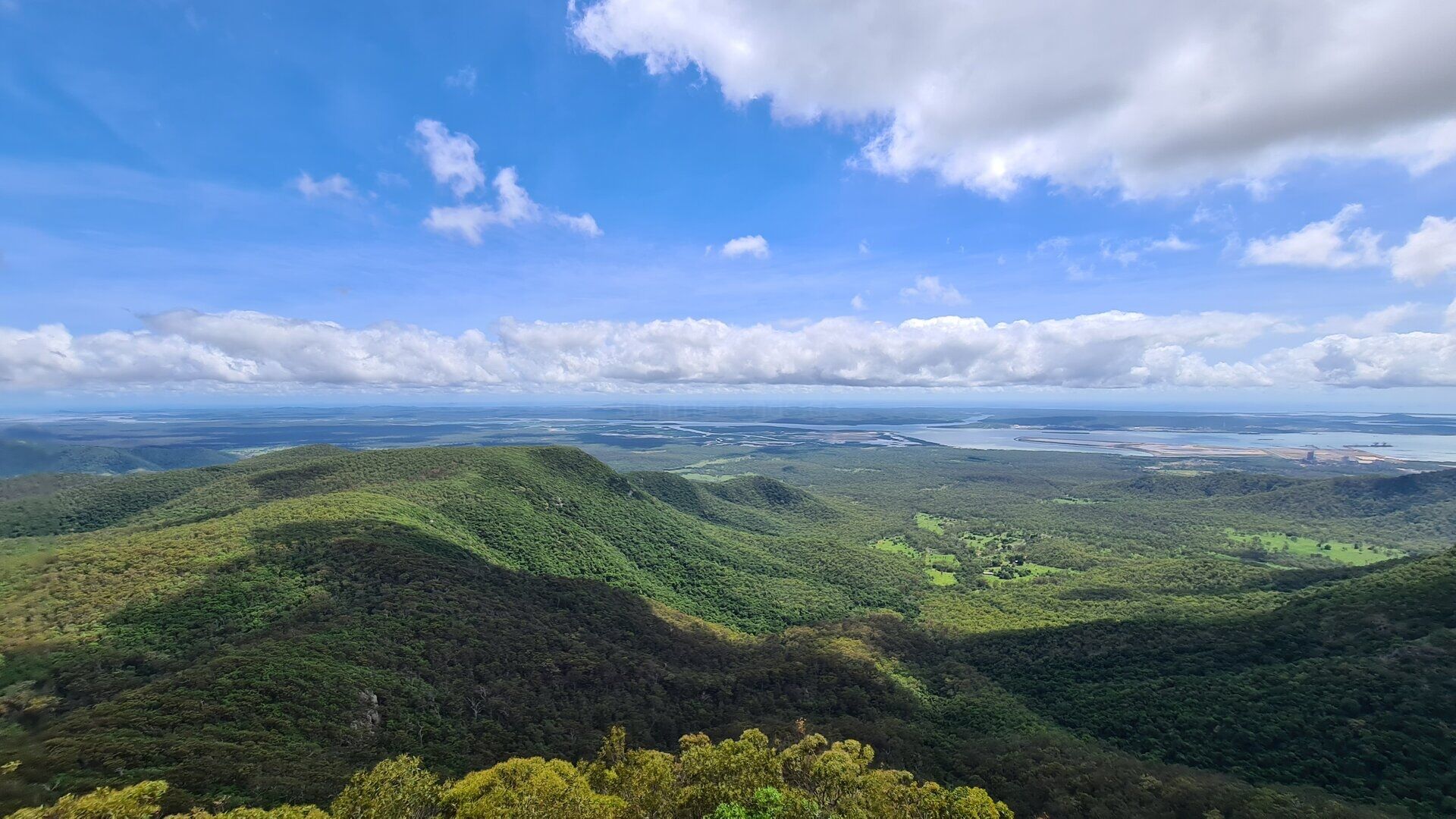
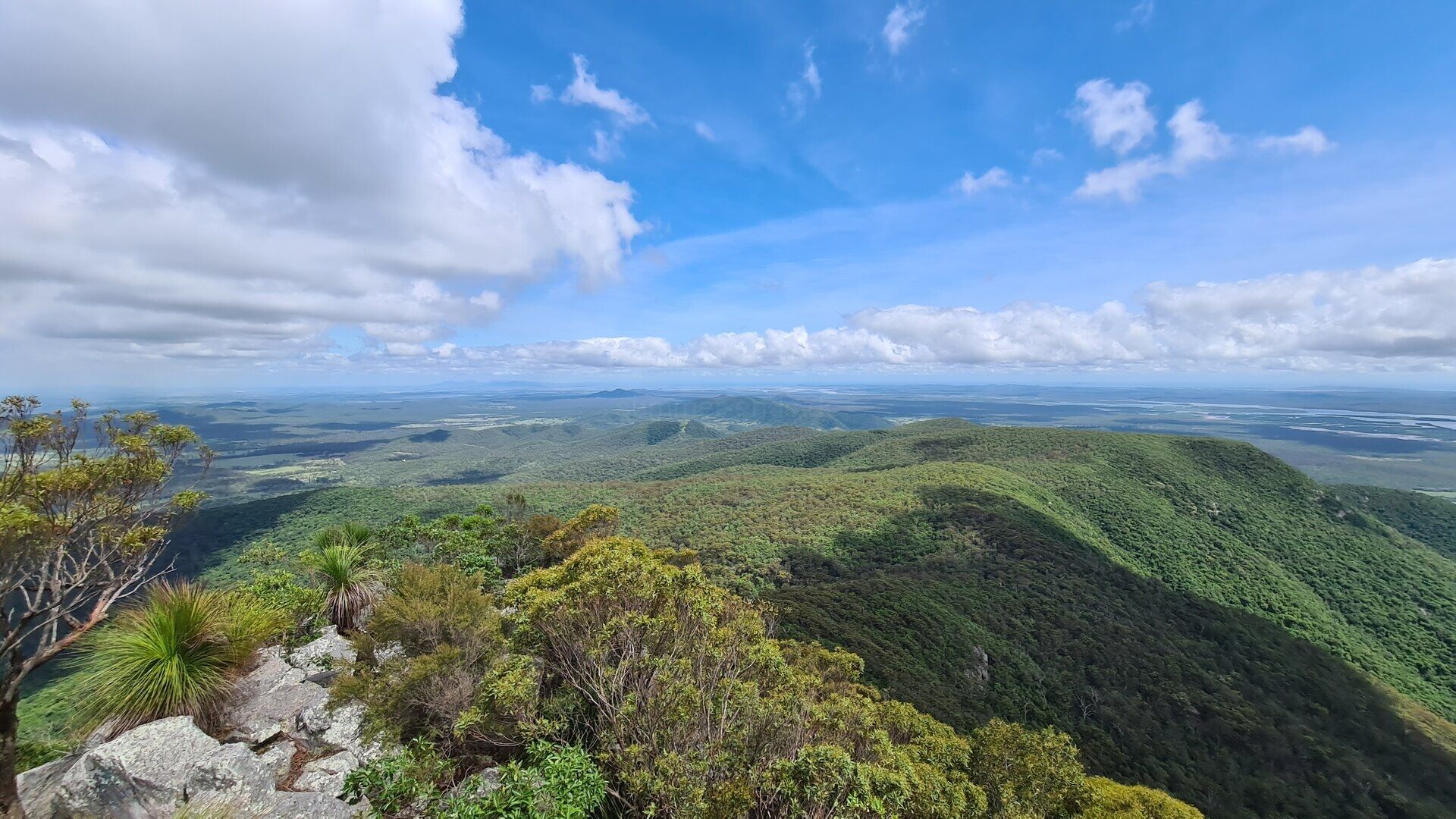
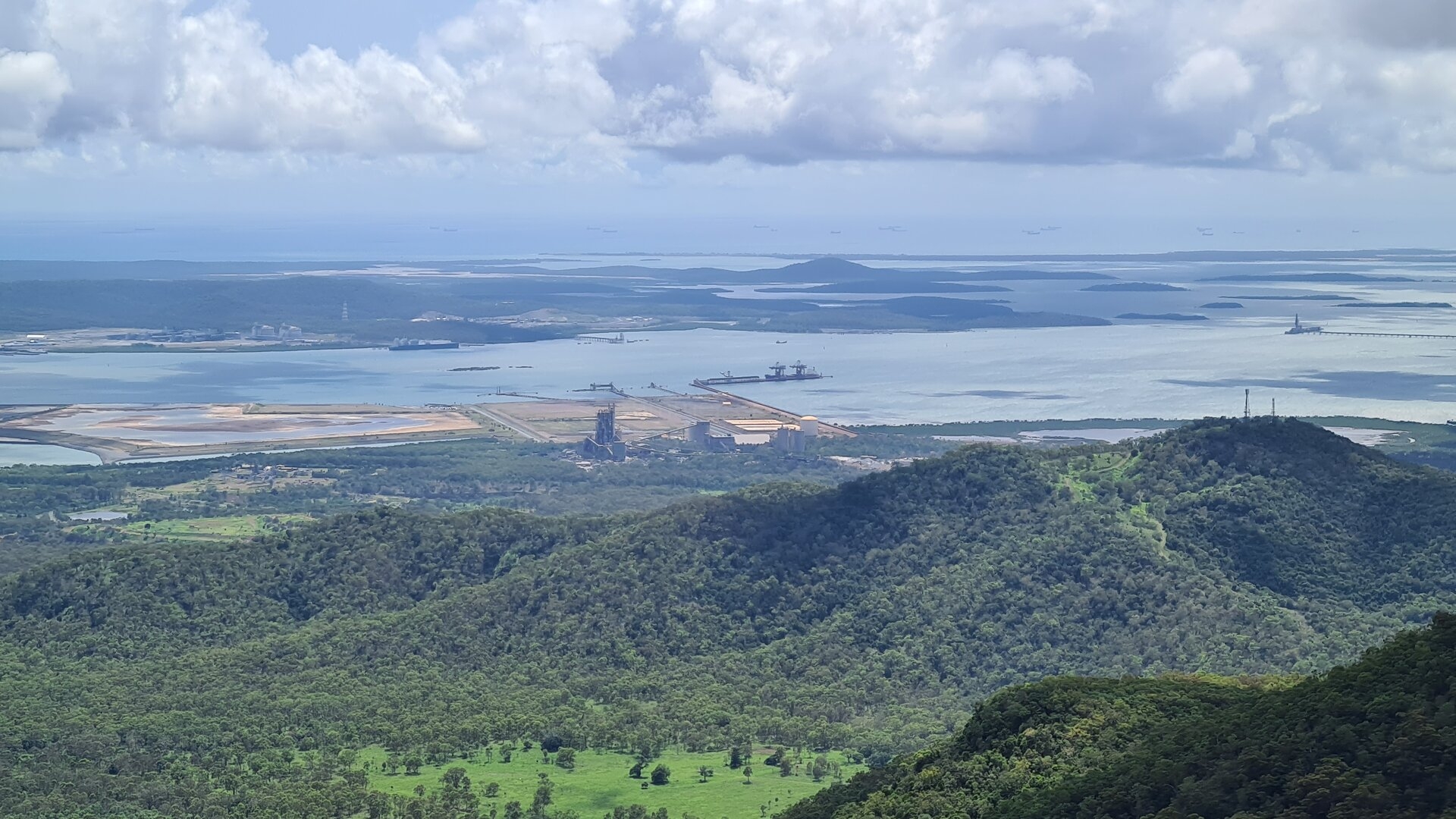
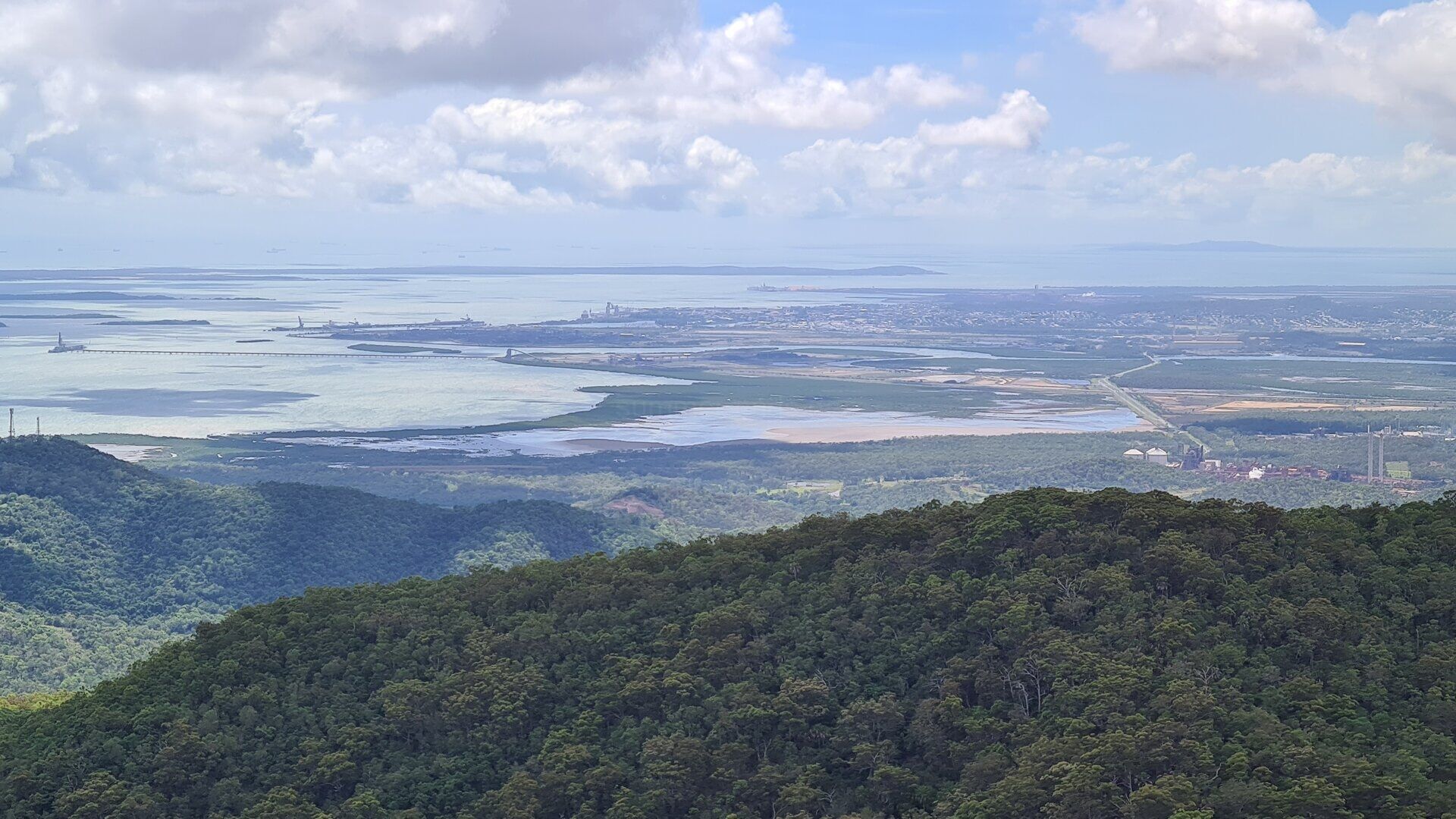



Gladstone is a coastal city located in central Queensland, Australia, and serves as one of the country’s most important industrial and port centers. Positioned on the shores of Port Curtis, approximately 550 kilometers north of Brisbane, Gladstone occupies a strategic location between Australia’s resource-rich interior and global maritime trade routes. The city is known for its deep-water harbor, heavy industry, and proximity to significant natural environments, including the southern Great Barrier Reef.
Geographic Setting
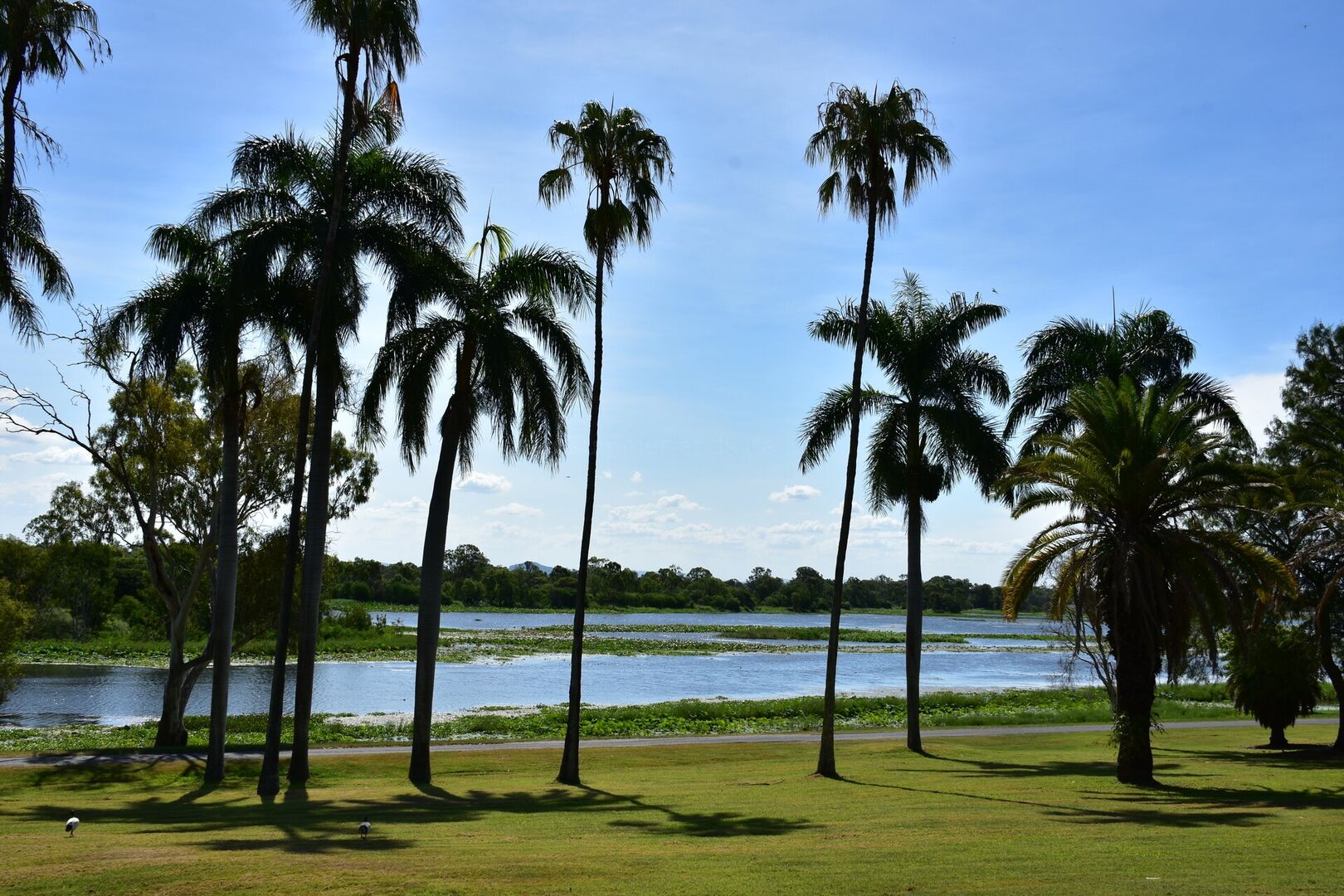
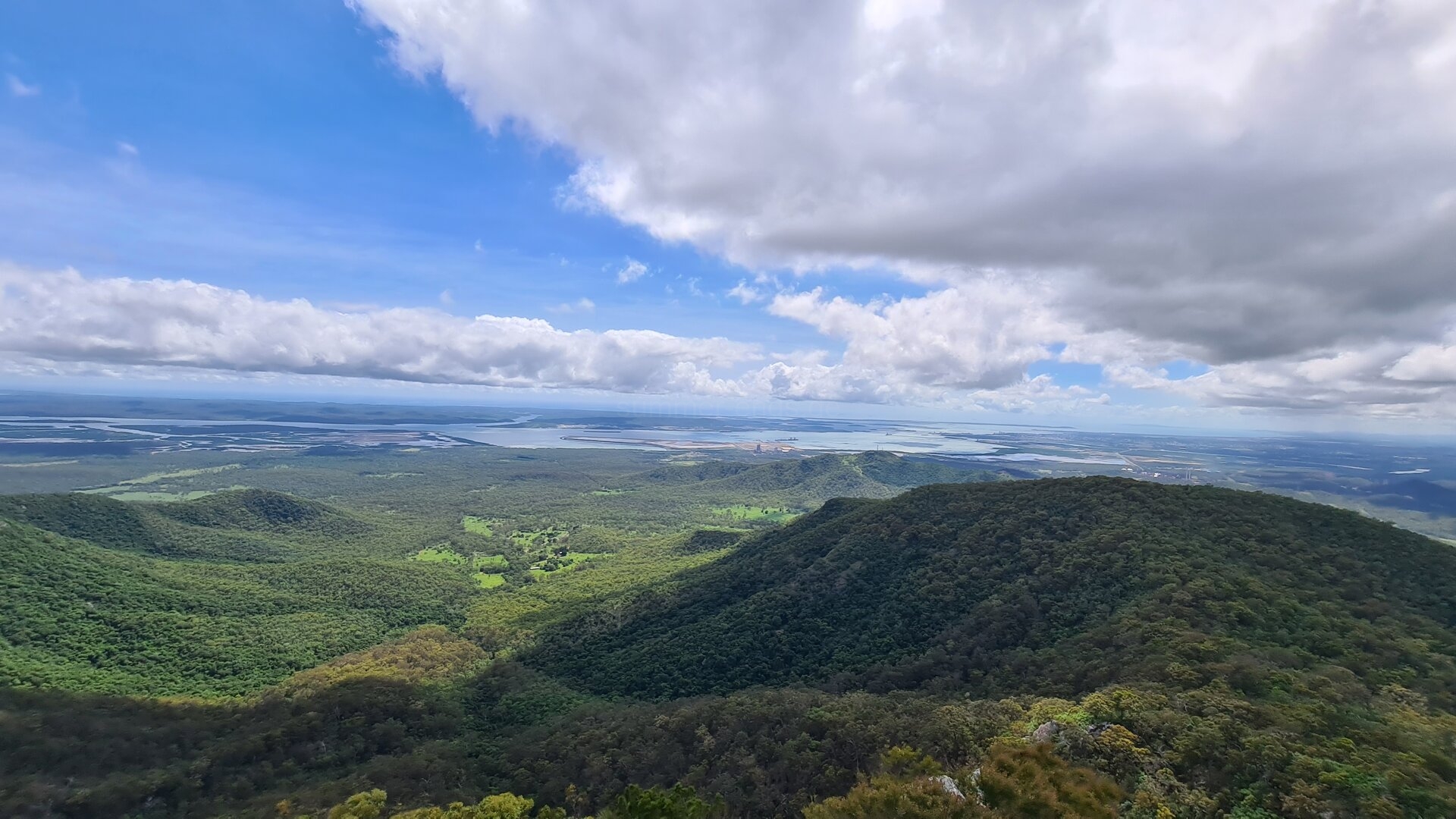
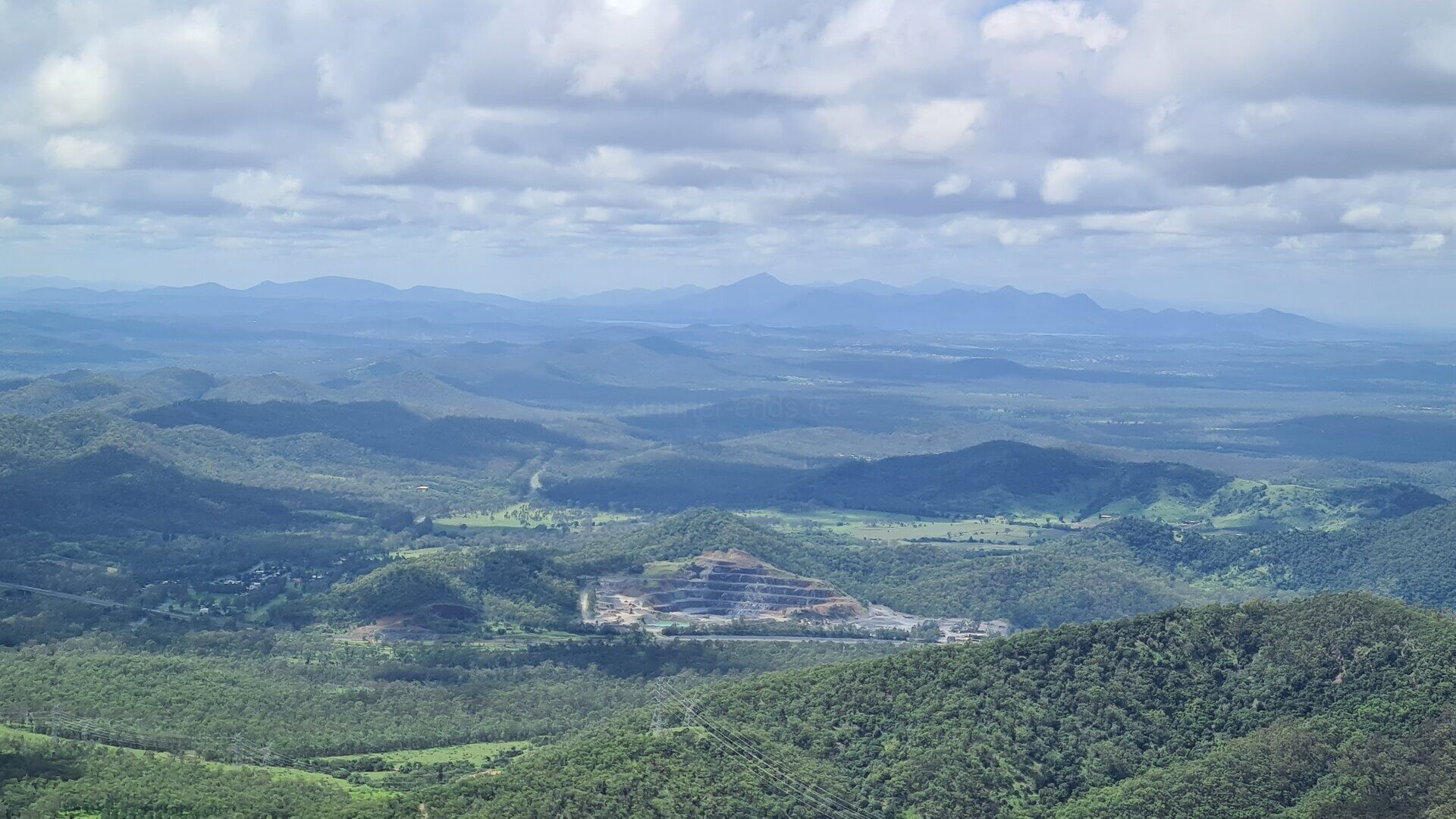
Gladstone lies on the central Queensland coast, where a natural harbor provides sheltered access to the Coral Sea. The surrounding region is characterized by a combination of coastal plains, low hills, and river systems, particularly the Calliope River catchment. The city experiences a subtropical climate, with warm to hot summers, mild winters, and a pronounced wet season influenced by tropical weather systems.
The coastal environment includes mangrove systems, tidal flats, and island groups such as the Facing Island and the Southern Keppel Islands, which form part of the broader Great Barrier Reef Marine Park. These natural features contribute to both ecological value and recreational use.
History
Indigenous Heritage
Prior to European settlement, the Gladstone region was traditionally inhabited by Aboriginal peoples, including the Gooreng Gooreng, Gurang, and Bailai groups. These communities maintained strong cultural, social, and economic connections to the coastal and inland landscapes, relying on fishing, hunting, and seasonal resource use. Indigenous heritage remains an important component of the region’s identity.
European Settlement
European exploration of the area began in the early 19th century, with Port Curtis identified as a suitable harbor. Gladstone was officially established in the 1850s and briefly designated as a potential administrative center for northern Australia, though this role did not develop as initially planned.
Throughout the late 19th and early 20th centuries, Gladstone grew slowly, functioning primarily as a regional port and service town. Its transformation into a major industrial city occurred during the mid-20th century, driven by infrastructure development and resource exports.
Industrial Development and Economy
Gladstone’s modern identity is closely tied to its role as a major industrial hub. The city hosts one of the largest multi-commodity ports in Australia, capable of handling coal, alumina, aluminum, liquefied natural gas (LNG), chemicals, and other bulk materials.
Key economic sectors include:
- Mining and resource export infrastructure
- Aluminum refining and smelting
- Liquefied natural gas (LNG) processing
- Power generation
- Logistics and maritime services
The Port of Gladstone is among Australia’s busiest, supporting both domestic industries and international trade. Industrial expansion has significantly shaped the city’s urban form, employment base, and demographic growth.
Urban Structure and Society
Gladstone has a population characterized by a mix of long-term residents, industrial workers, and transient labor associated with major projects. The urban area includes residential suburbs, industrial zones, and commercial districts, with infrastructure designed to support large-scale industrial operations.
Despite its industrial focus, Gladstone maintains community facilities, educational institutions, and cultural venues. The city serves as a regional center for surrounding towns and rural areas, providing healthcare, education, and administrative services.
Environment and Sustainability Challenges
Gladstone’s location adjacent to sensitive marine and coastal ecosystems presents ongoing environmental management challenges. Industrial activities coexist with the southern extent of the Great Barrier Reef, requiring regulation, monitoring, and mitigation efforts to manage impacts on water quality, marine life, and coastal habitats.
Balancing economic development with environmental protection is a central issue in the region. This includes port management, dredging activities, emissions control, and the protection of culturally and ecologically significant areas.
Regional and Strategic Importance
Gladstone holds strategic importance at both state and national levels. Its deep-water port, industrial capacity, and transport connections make it a critical node in Australia’s export economy. The city also plays a role in broader discussions about energy transition, given its involvement in fossil fuel processing alongside emerging interest in renewable energy and hydrogen production.