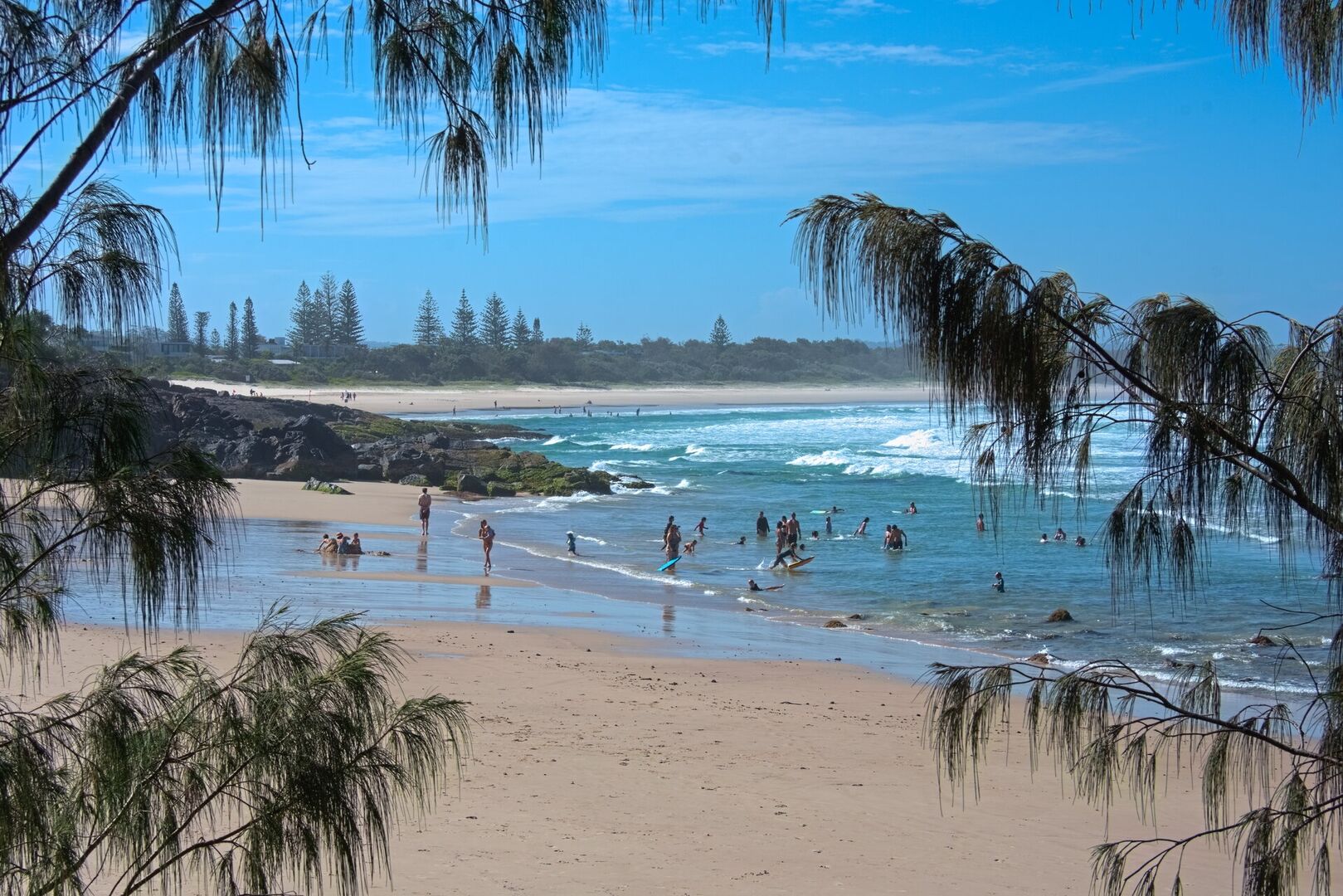
The Gold Coast is a major coastal metropolitan area located in south-eastern Queensland, Australia, bordering the Pacific Ocean. It lies approximately 70 kilometers south of Brisbane and forms part of the rapidly developing South East Queensland region. Internationally recognized for its beaches, surf culture, and tourism infrastructure, the Gold Coast is also an important residential, educational, and economic center.
The city extends along more than 50 kilometers of coastline and includes a diverse mix of high-density beachfront districts, suburban residential areas, canal estates, rural hinterland communities, and extensive protected natural environments. With a population exceeding 600,000 residents, it is one of Australia’s largest cities outside state capitals and continues to experience strong population growth.
The Gold Coast has a humid subtropical climate, featuring warm summers, mild winters, and a high number of sunny days each year. This climate supports outdoor lifestyles and year-round tourism. While tourism remains the backbone of the local economy, other key sectors include construction, education, healthcare, retail, creative industries, and professional services. The city has increasingly positioned itself as a hub for international students, events, and innovation.
History
The Gold Coast region has been inhabited for tens of thousands of years by Aboriginal peoples, particularly the Yugambeh language group. These communities maintained strong cultural, spiritual, and economic connections to the land and sea, utilizing coastal, river, and rainforest resources. Indigenous heritage continues to be recognized through cultural sites, place names, and community initiatives.
European exploration of the area began in the late 18th century, followed by settlement in the 19th century. Early economic activity focused on timber harvesting, farming, and small coastal villages. The region remained sparsely populated until the early 20th century, when improved transport links increased accessibility.
Significant transformation occurred after World War II, when tourism development accelerated. The adoption of the name “Gold Coast” symbolized a shift toward a leisure-focused identity. Large-scale construction, including hotels, apartments, and entertainment facilities, reshaped the coastline. Officially proclaimed a city in 1959, the Gold Coast has since evolved into a major urban center with global visibility.
Geology
The geology of the Gold Coast reflects a combination of ancient volcanic activity, sedimentary processes, and ongoing coastal dynamics. The coastal plain consists primarily of sand dunes, barrier beaches, estuaries, and floodplains formed by marine and river deposition over thousands of years.
In contrast, the hinterland to the west is dominated by the eroded remains of the Tweed Volcano, an extinct shield volcano active over 20 million years ago. This volcanic system created the dramatic escarpments, plateaus, and fertile soils found in areas such as Springbrook, Lamington, and Mount Tamborine.
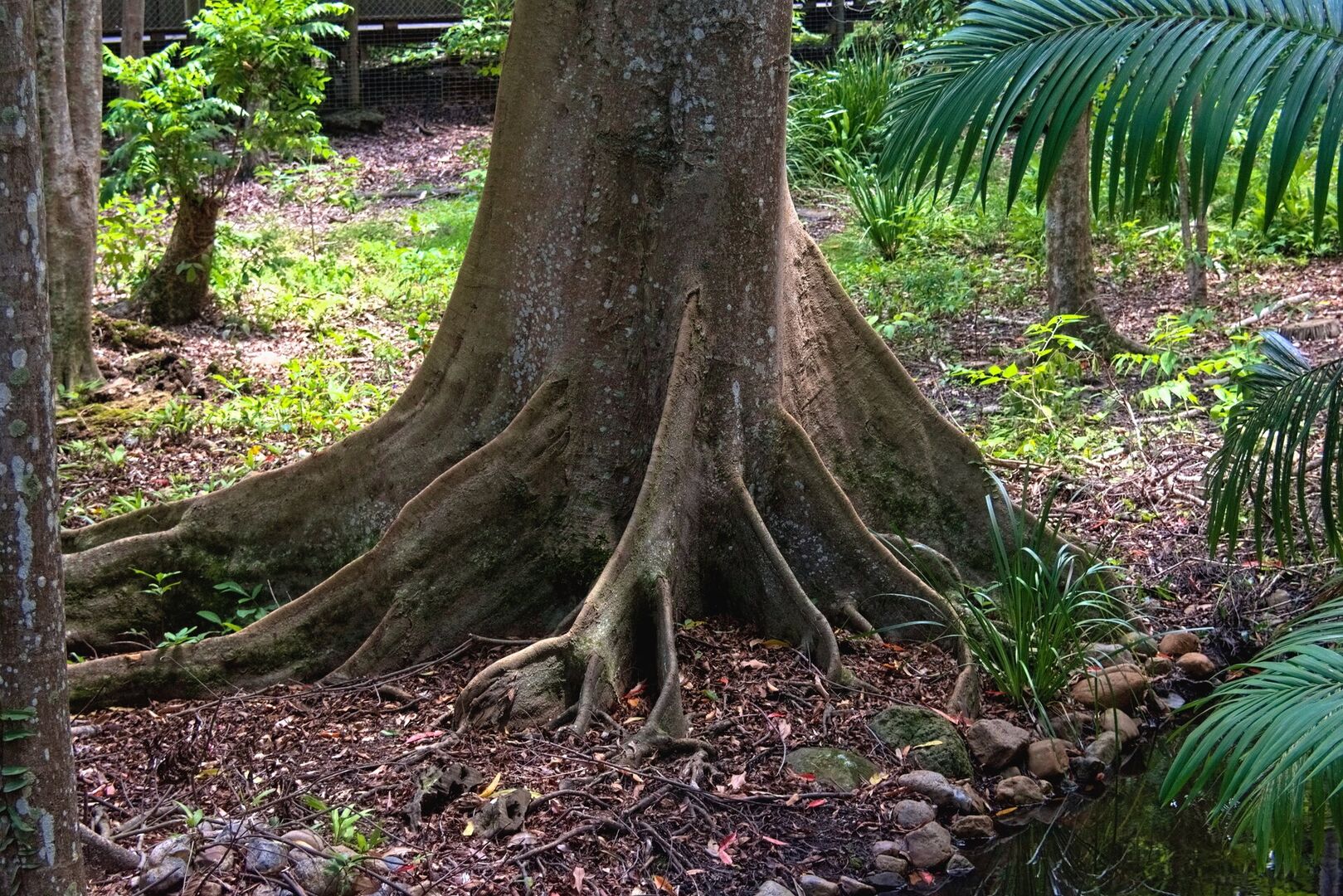
Geological processes continue to shape the region through coastal erosion, river migration, and weathering. These factors influence land use planning, coastal protection measures, and environmental conservation. The varied geology supports a wide range of ecosystems, from coral-influenced coastal waters to subtropical rainforests and freshwater systems.
Things to See
The Gold Coast offers a broad range of attractions that reflect its natural diversity, urban development, and cultural life:
Coastal and Marine Attractions
- Surfers Paradise, featuring a distinctive skyline and wide surf beaches
- Broadbeach and Main Beach, known for swimming, dining, and events
- Burleigh Heads and Coolangatta, combining surf culture with relaxed coastal environments
- Extensive oceanfront walking and cycling networks
Hinterland and Natural Areas
- Lamington National Park, a UNESCO World Heritage–listed rainforest area
- Springbrook National Park, featuring waterfalls, lookouts, and ancient forests
- Currumbin Valley, offering scenic drives, trails, and rural landscapes
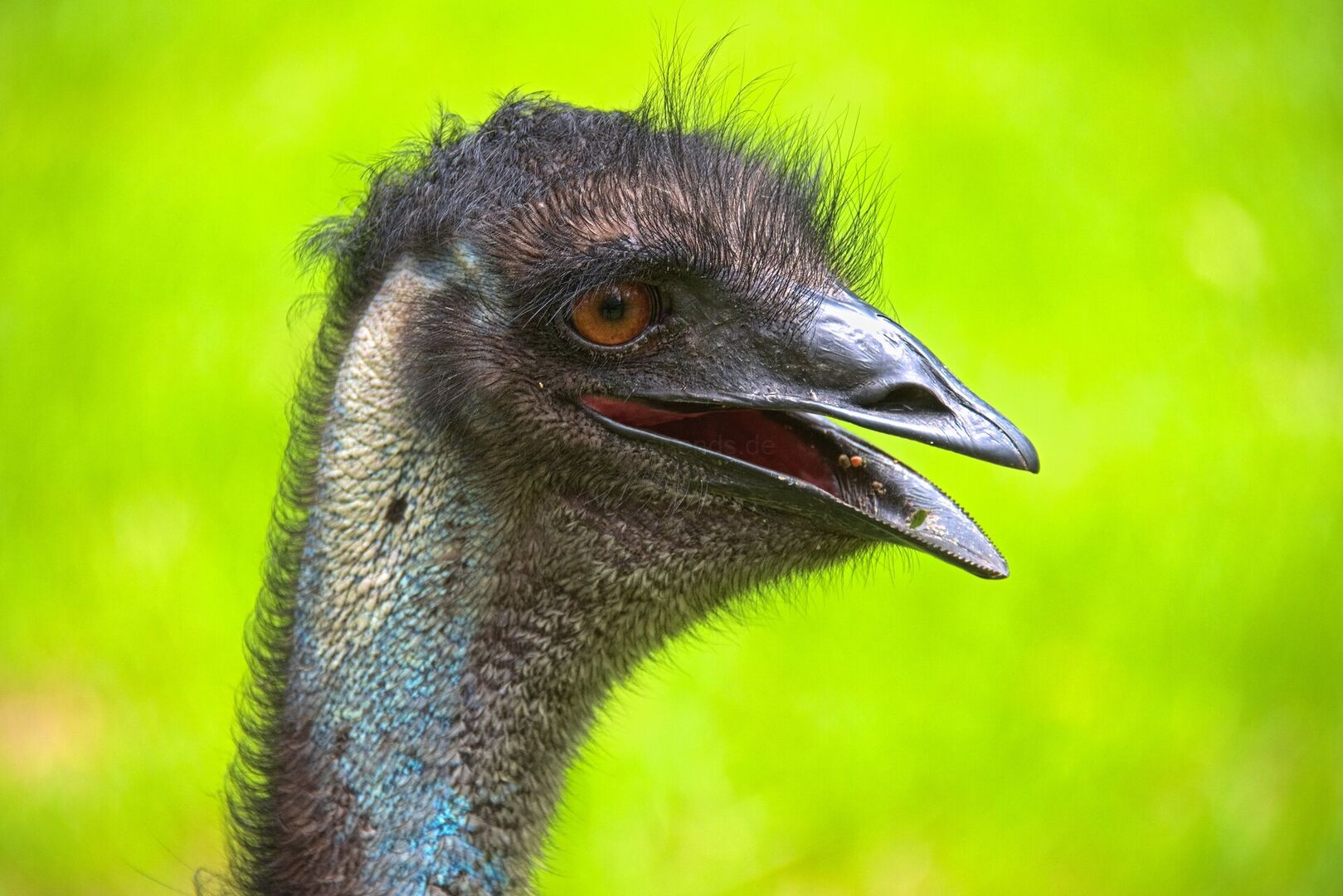
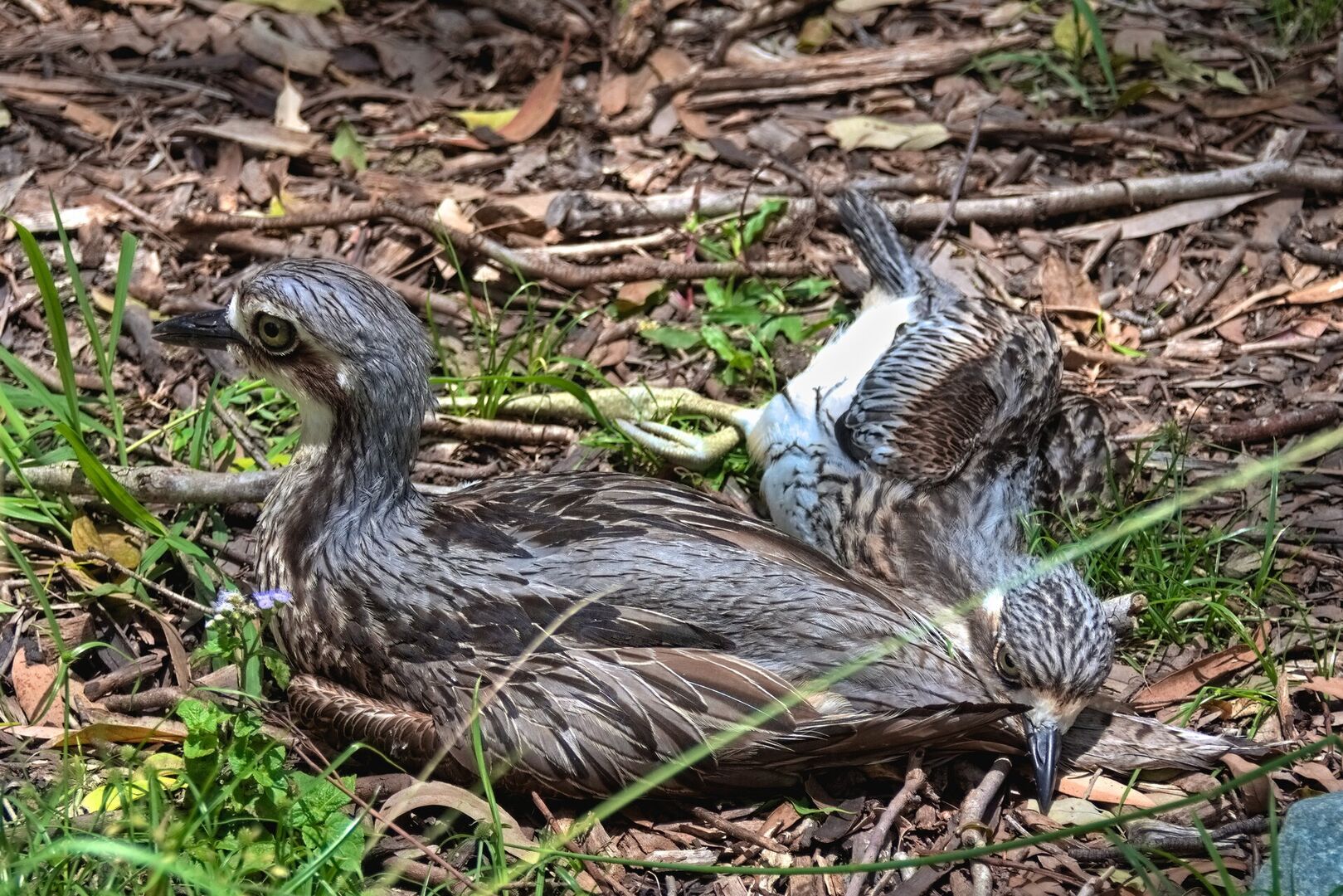
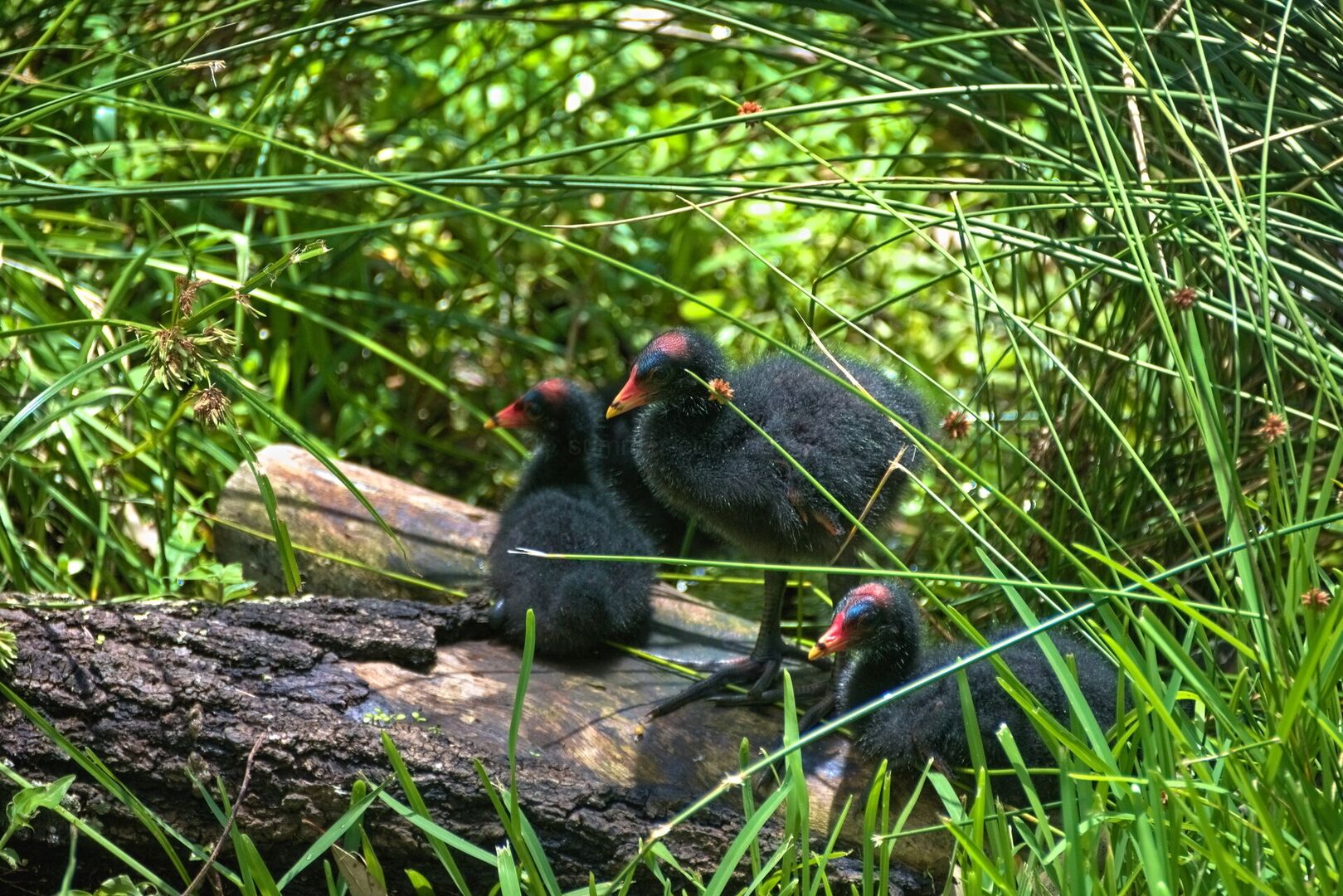
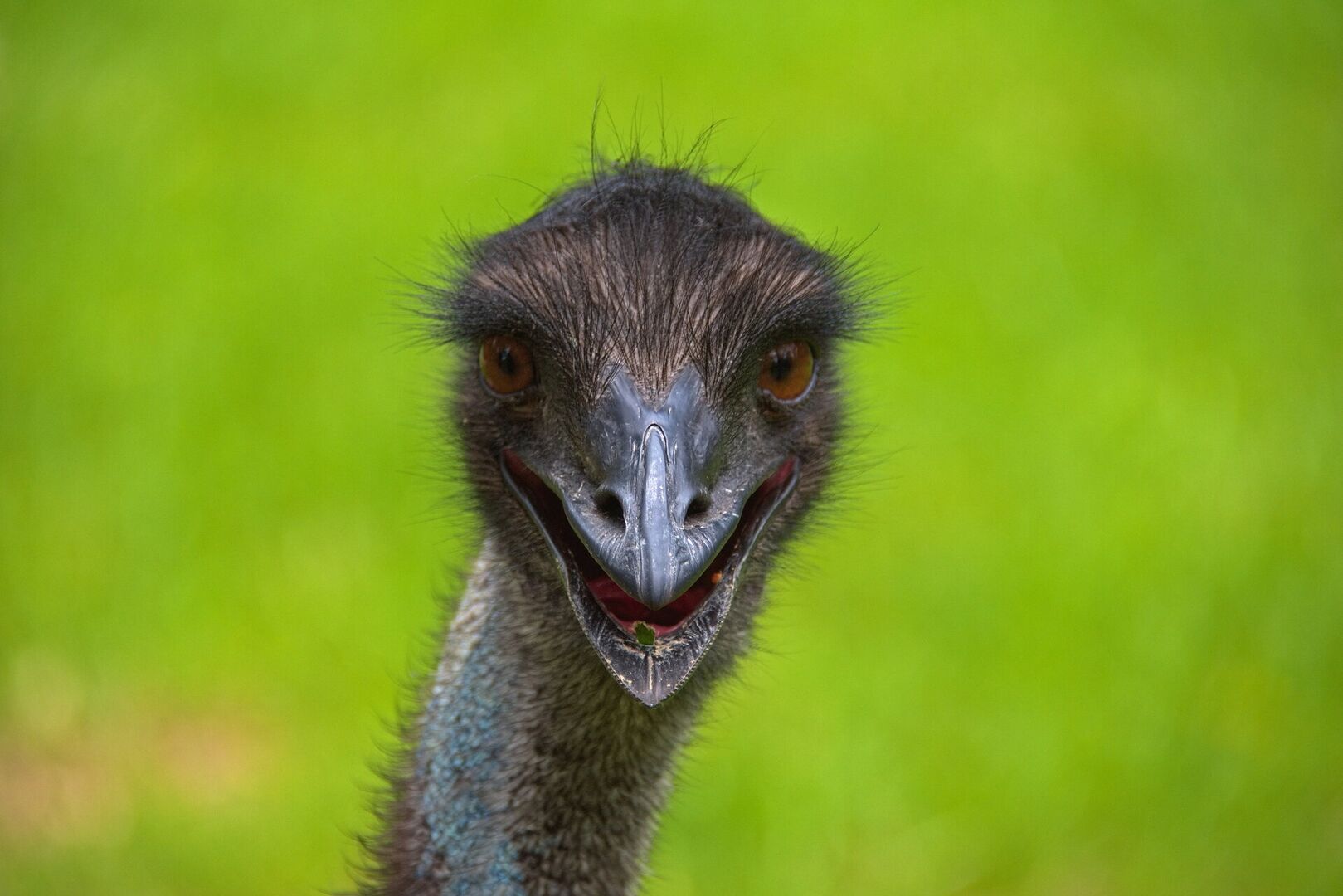
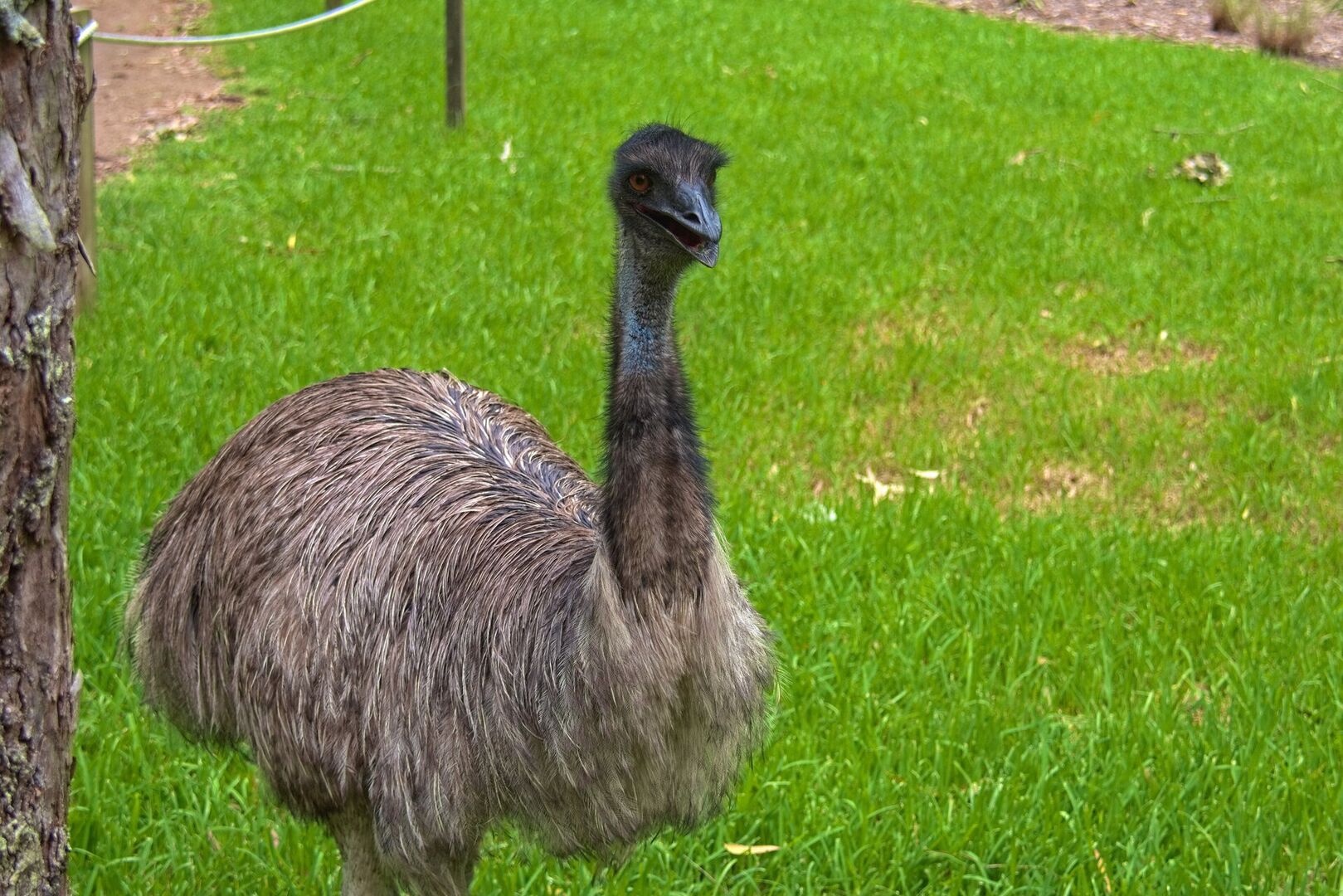
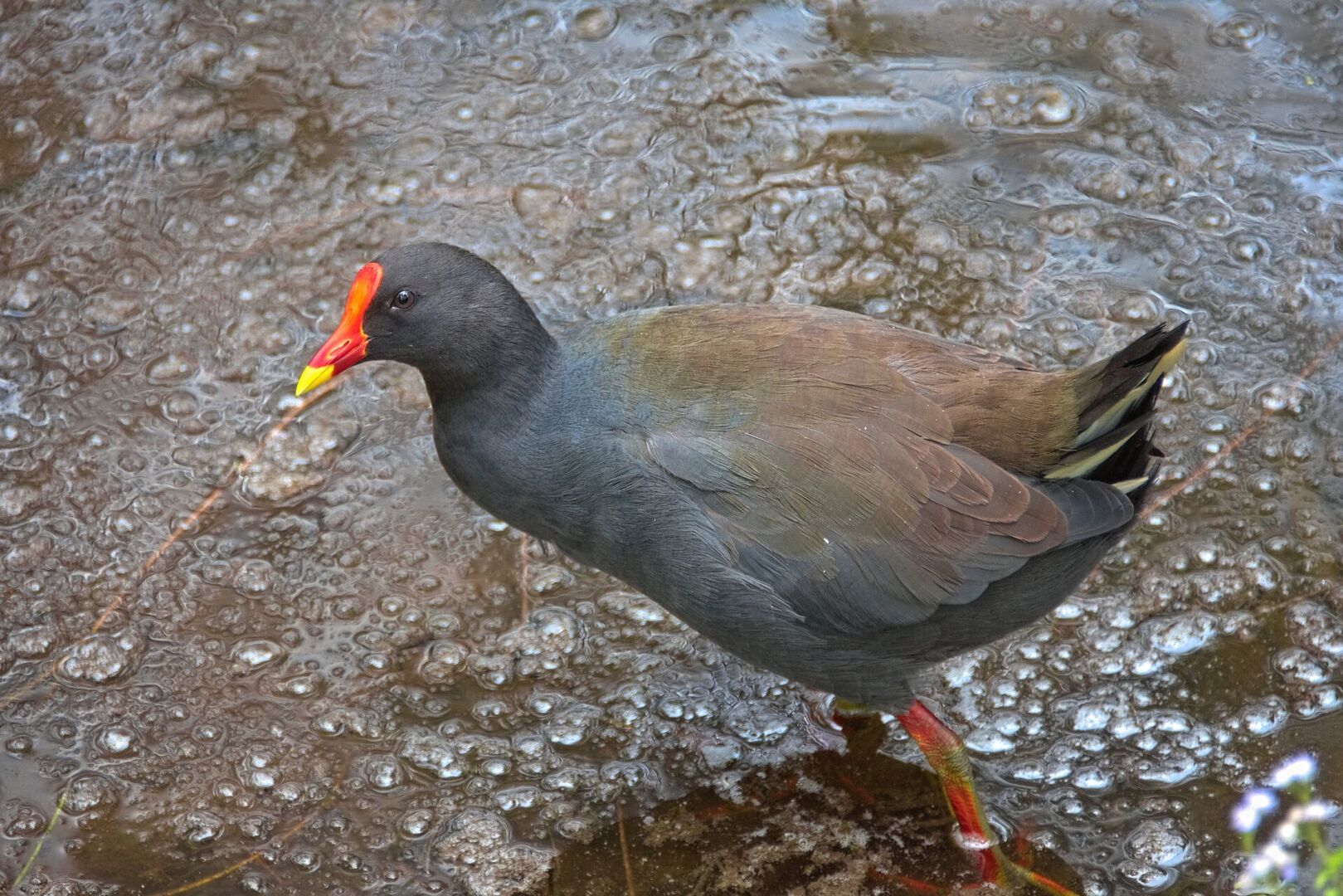
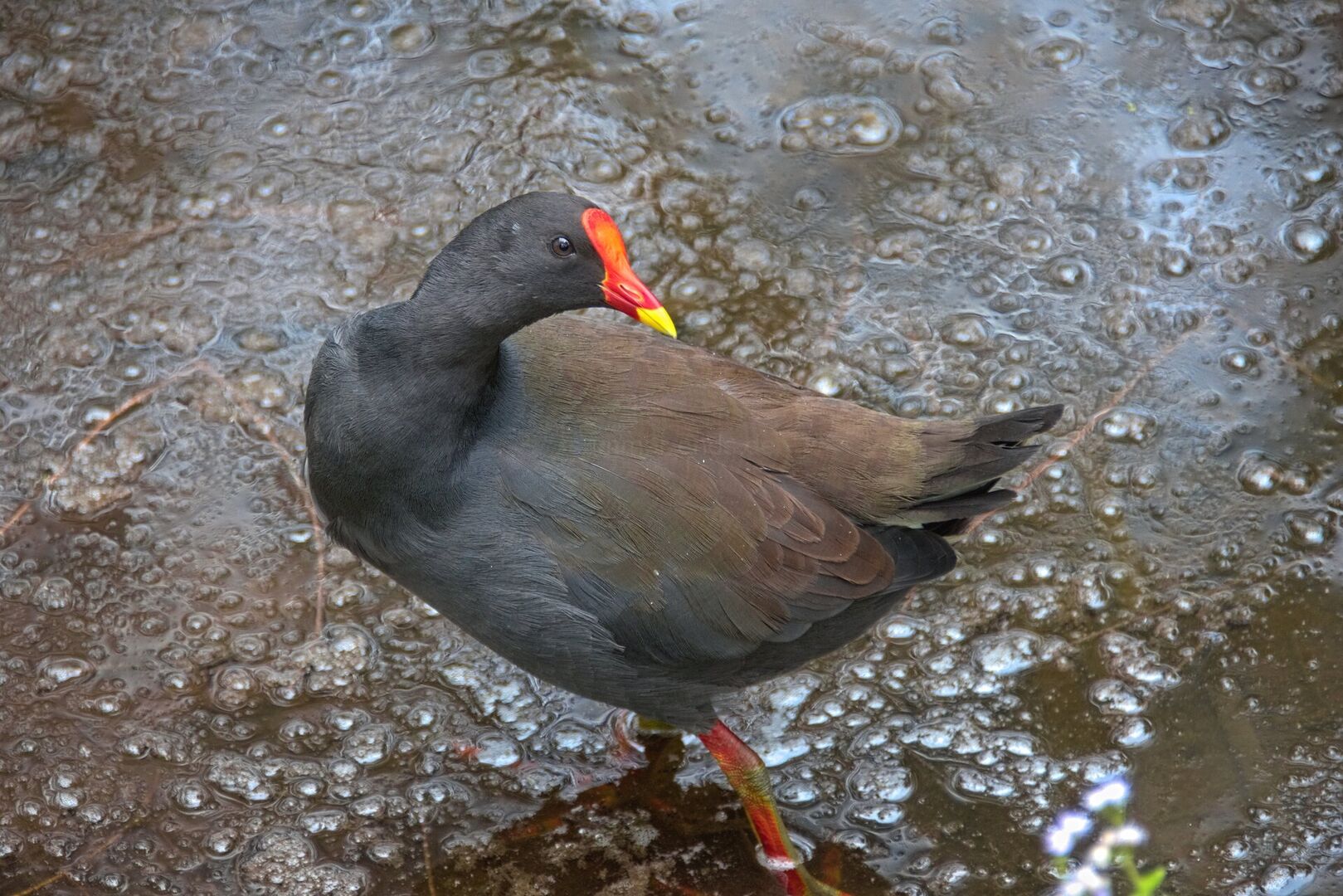
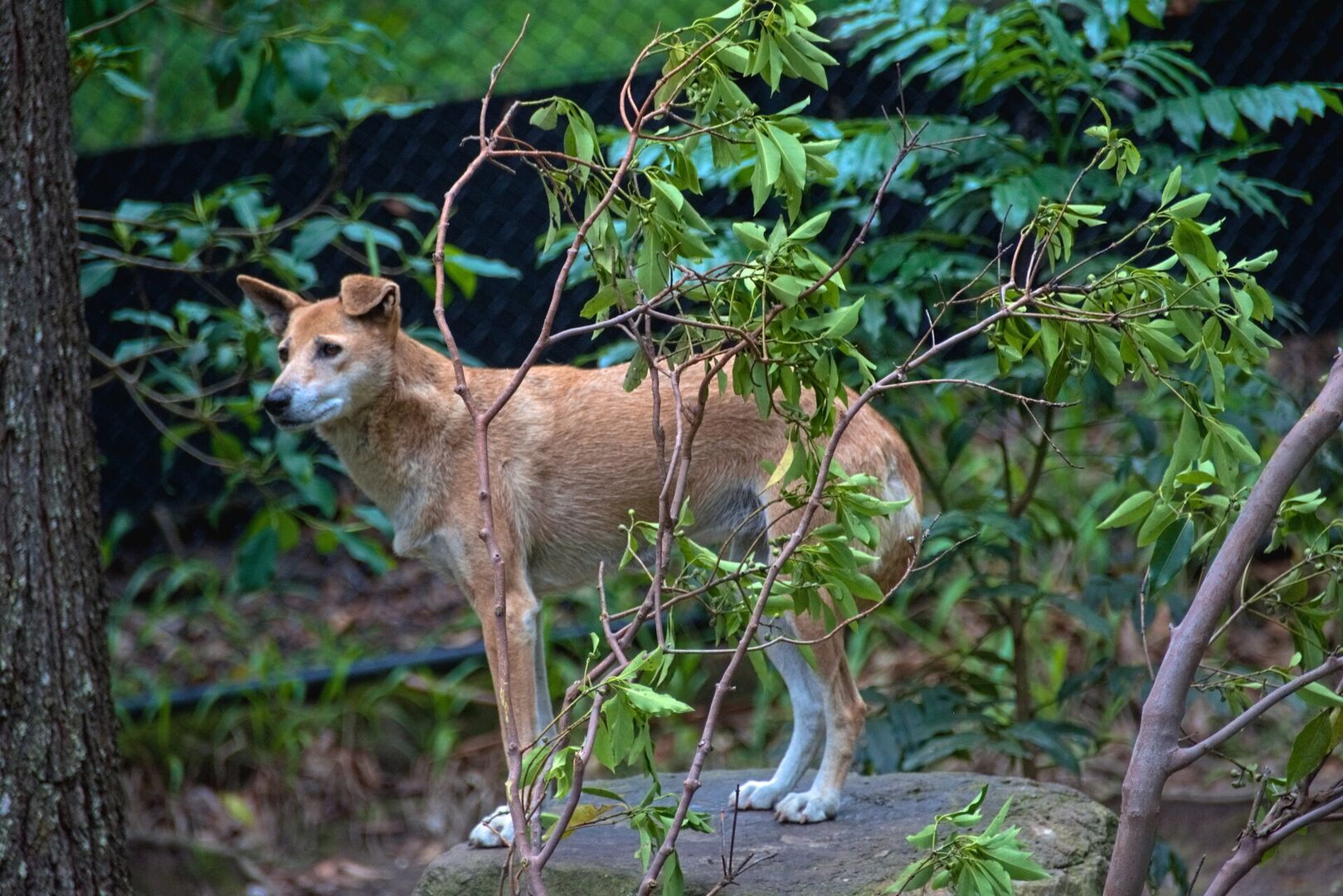
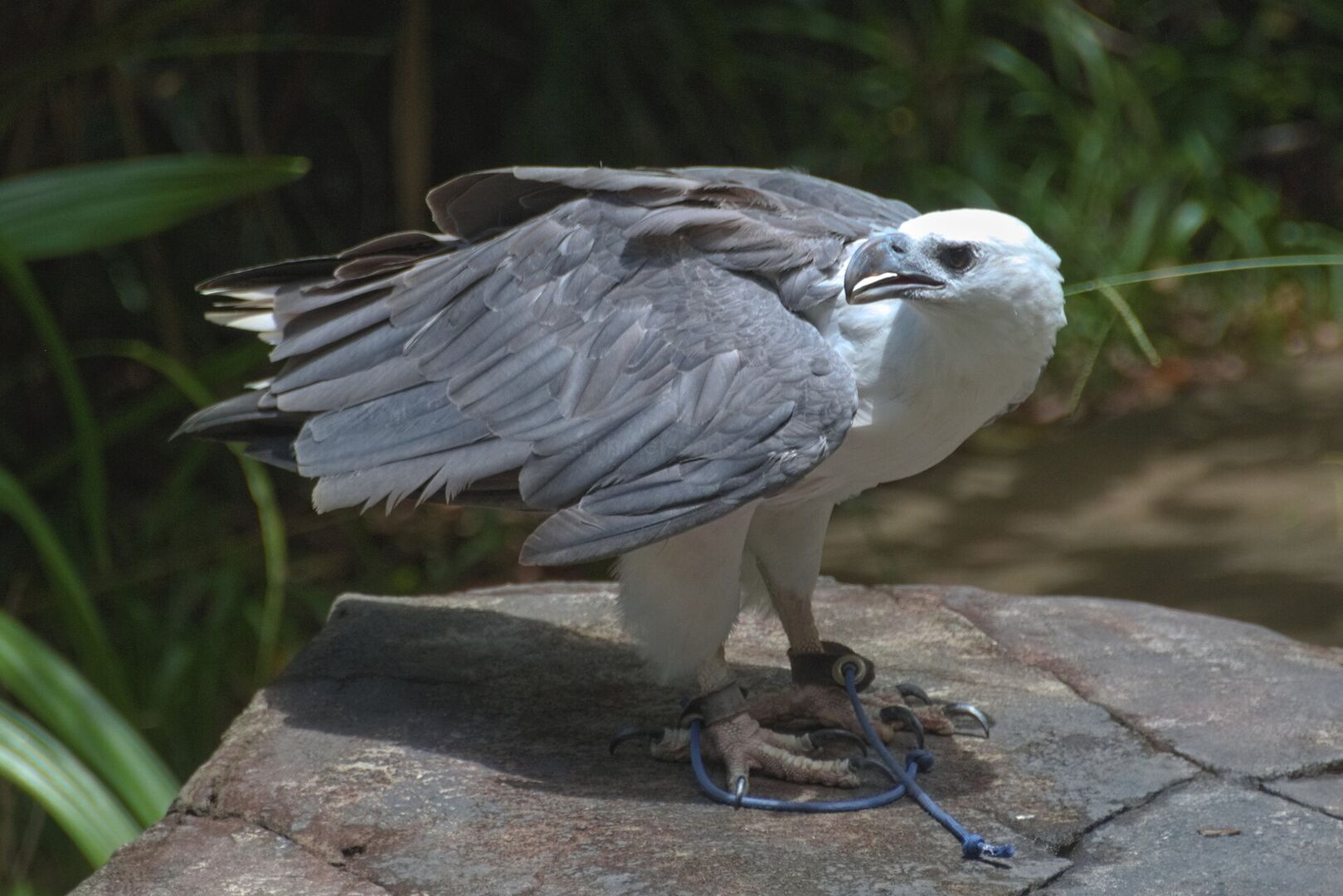
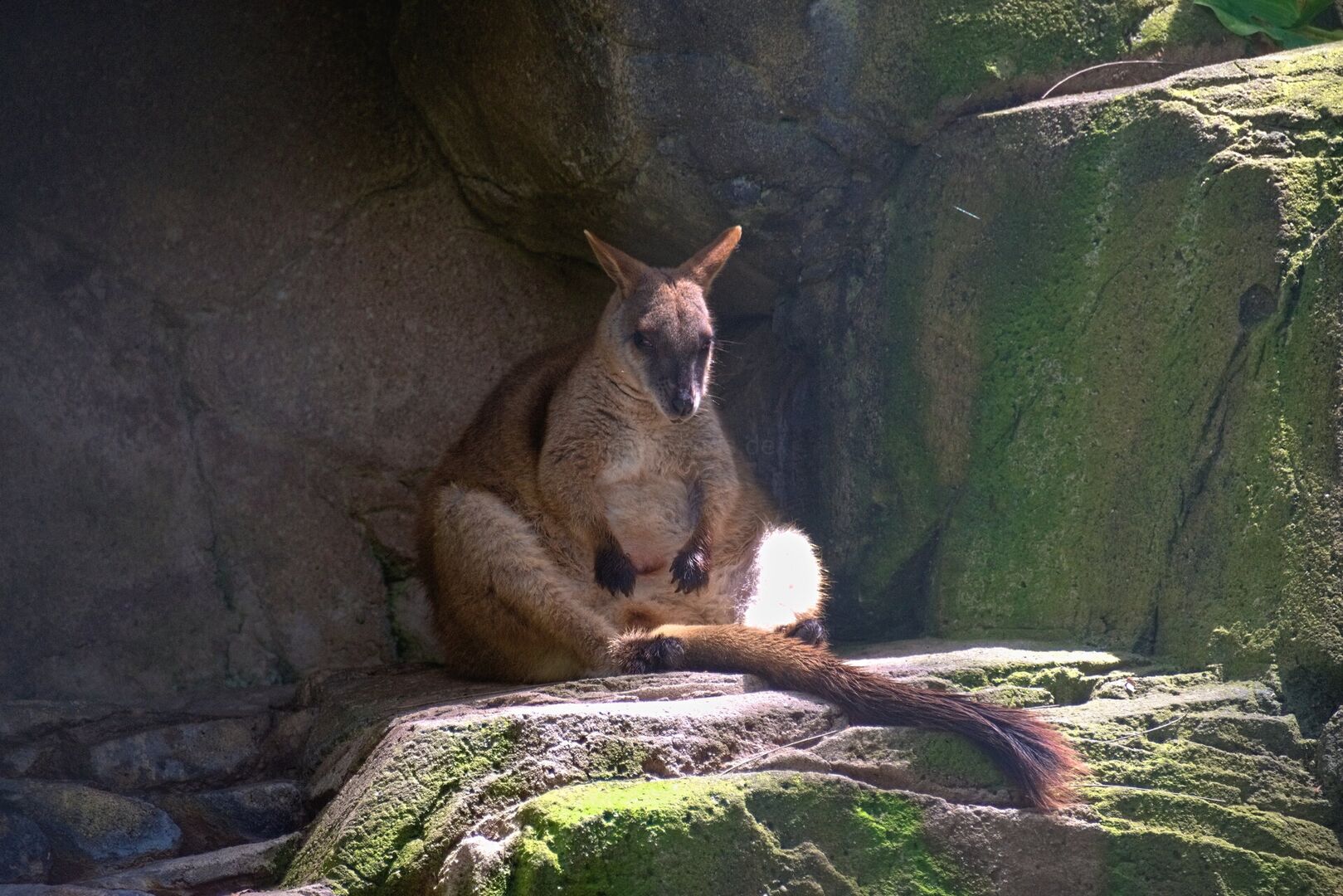
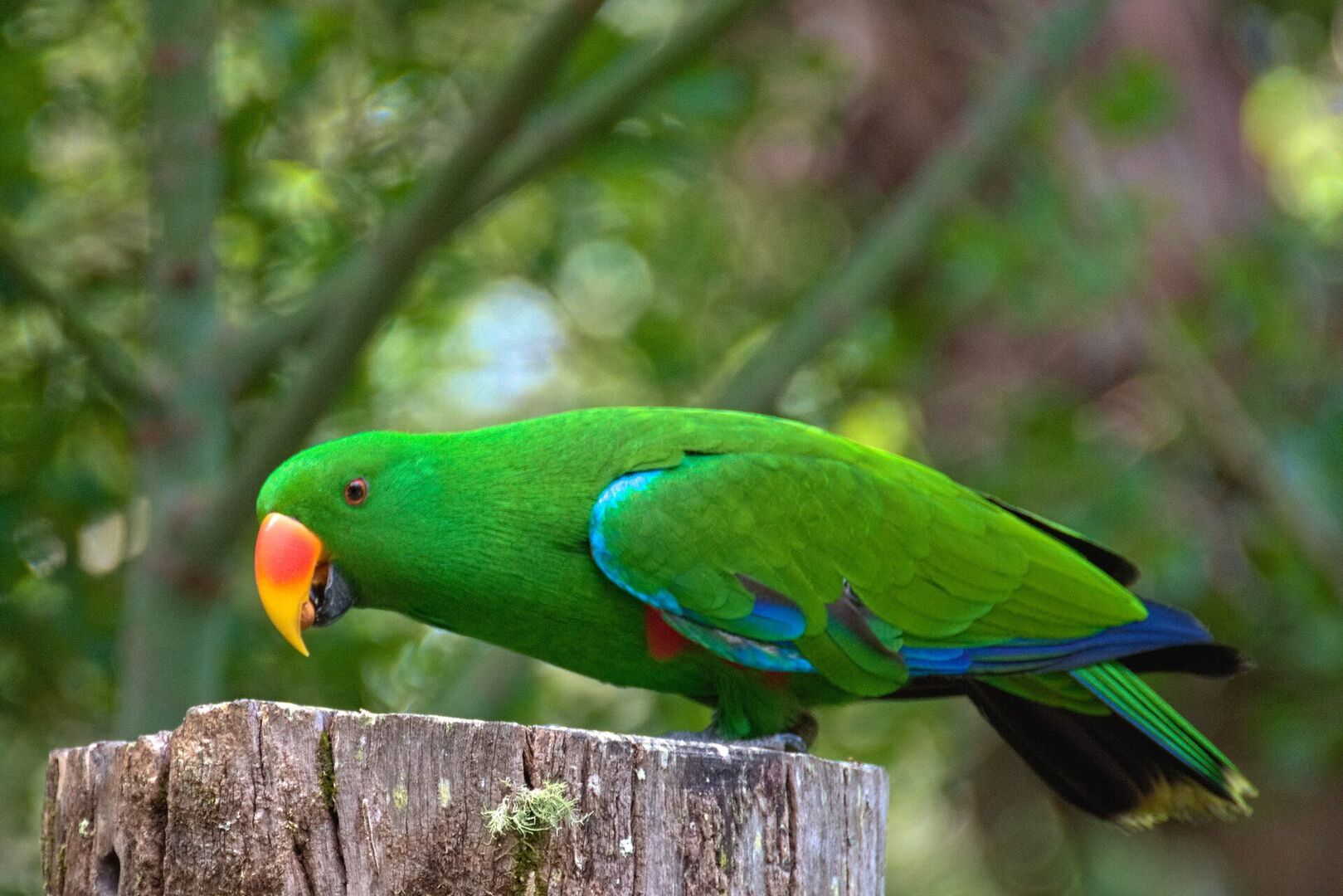
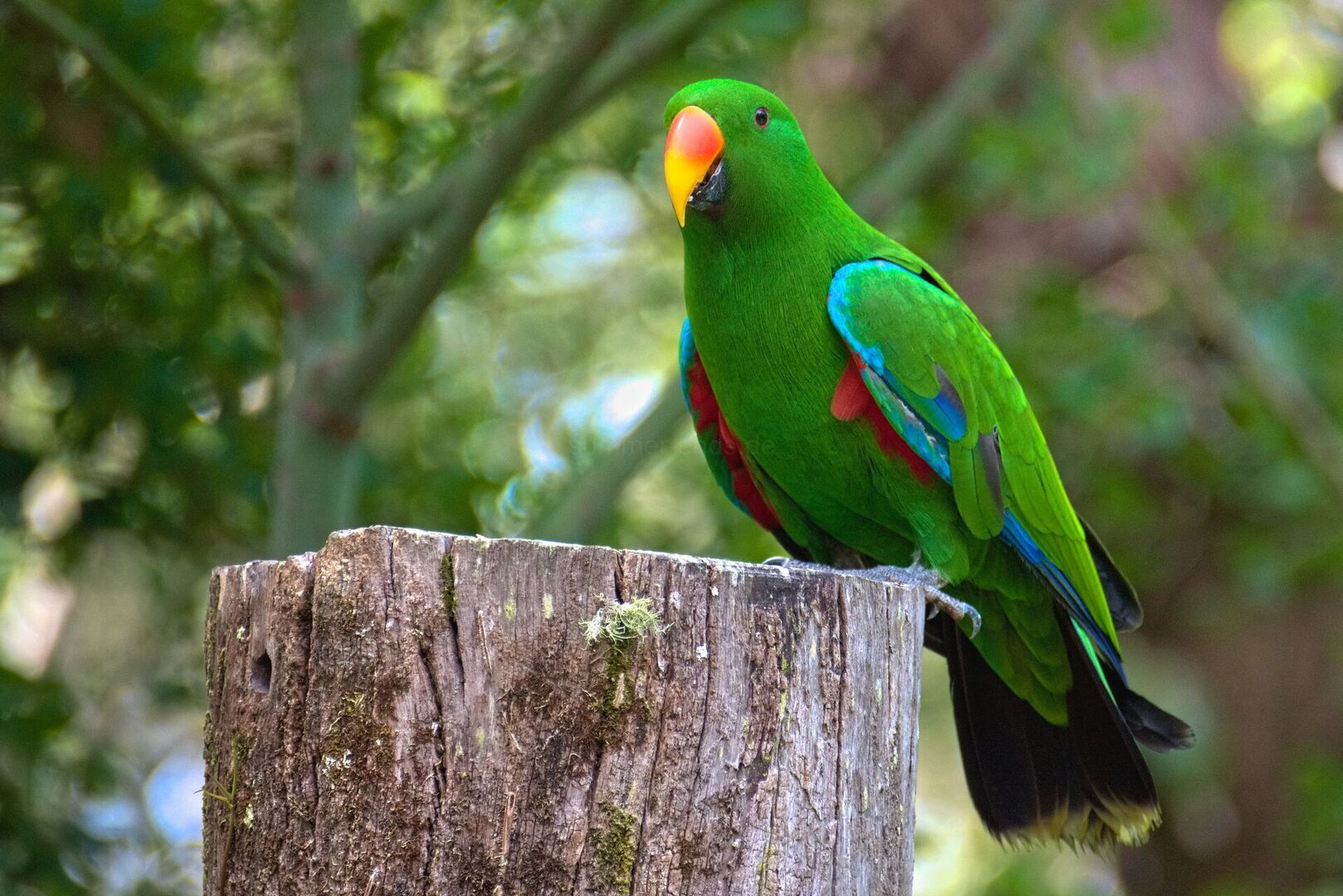
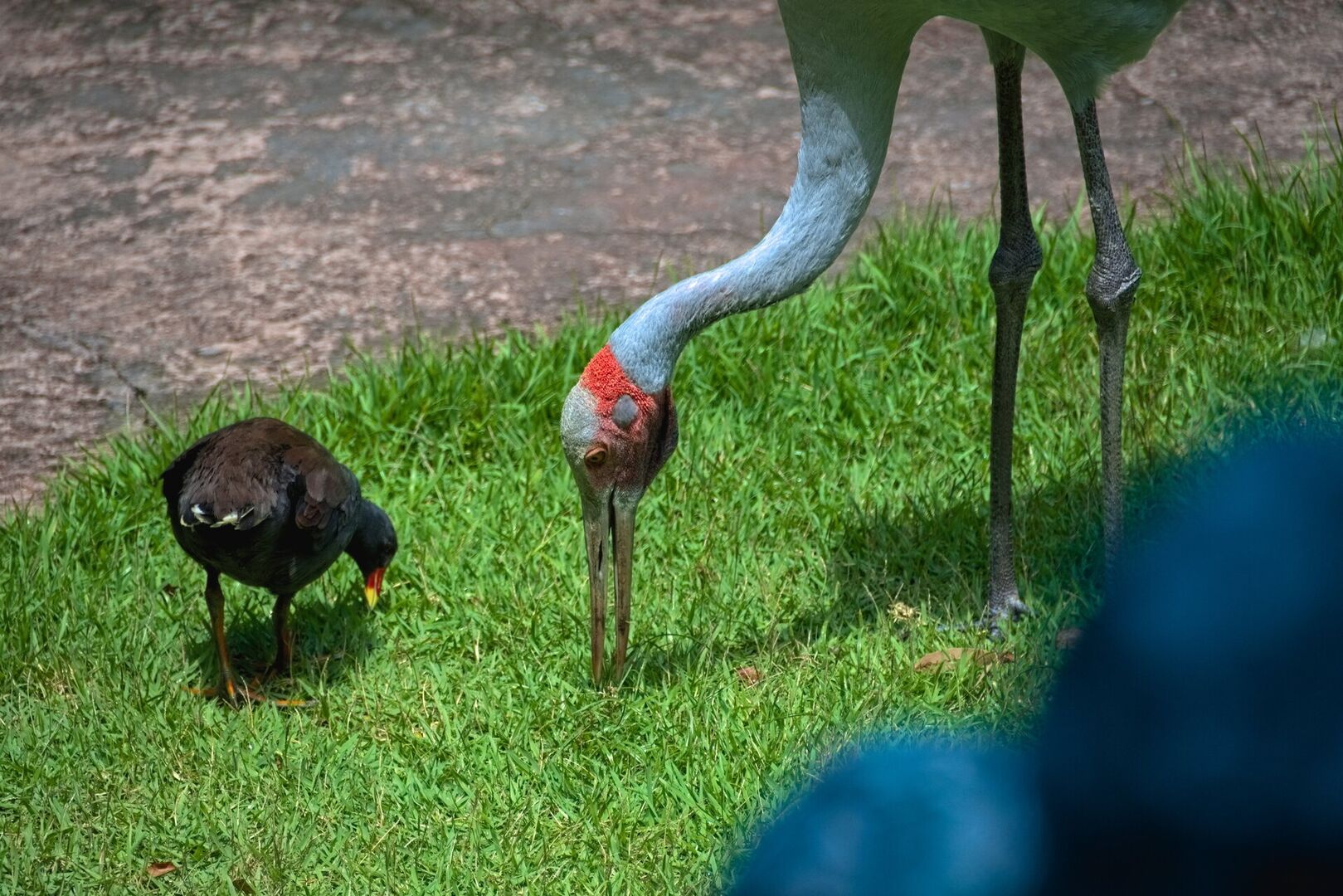
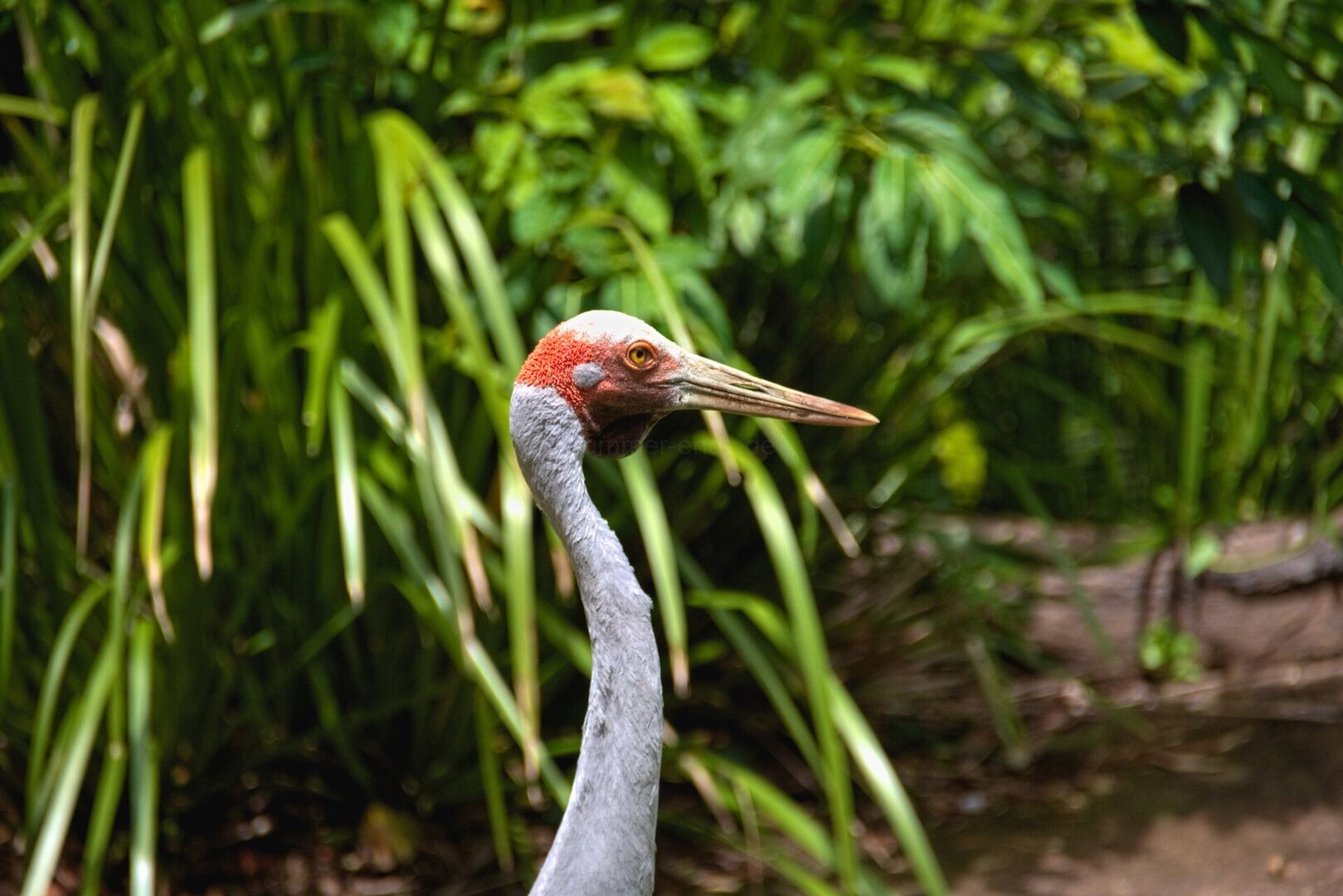
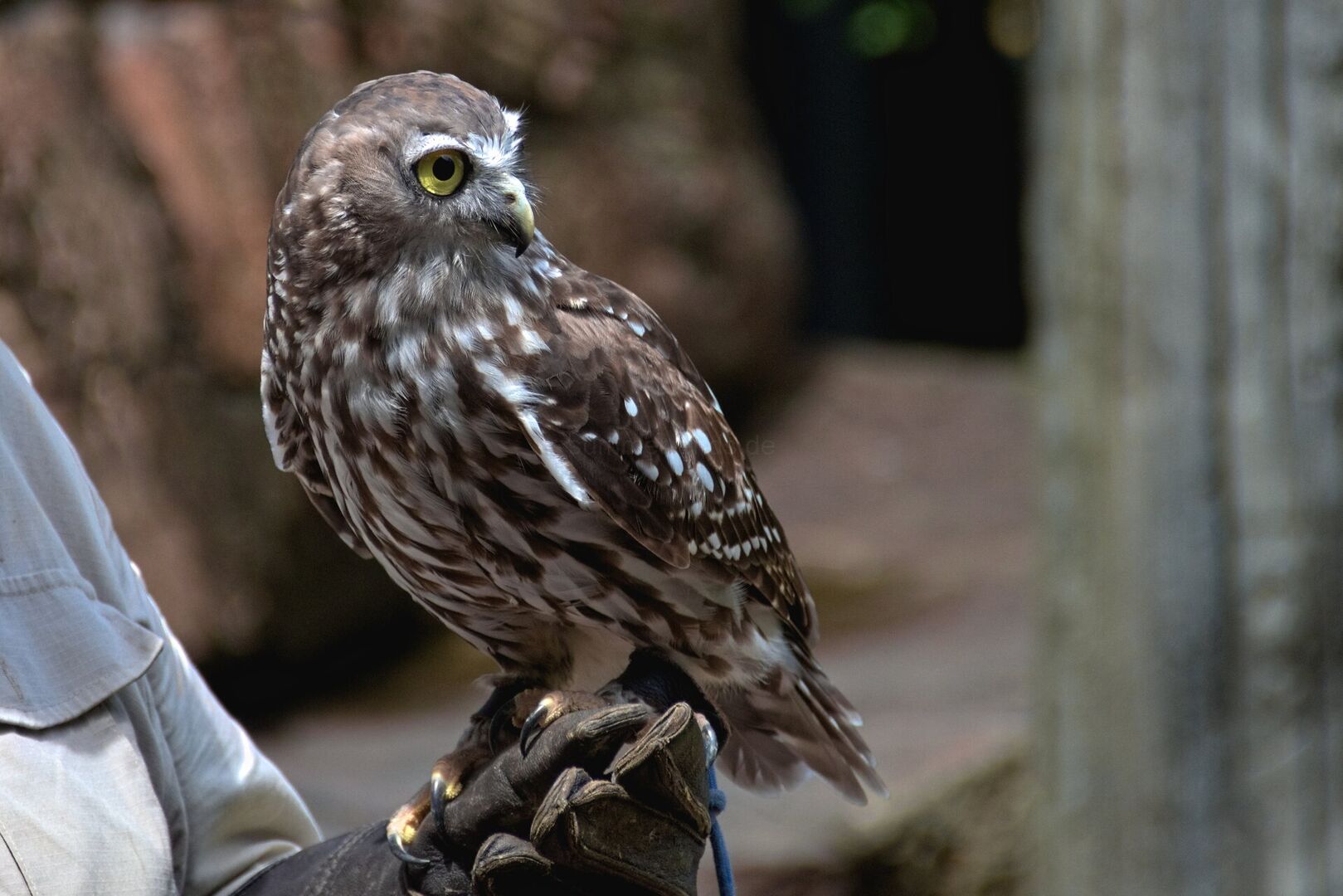
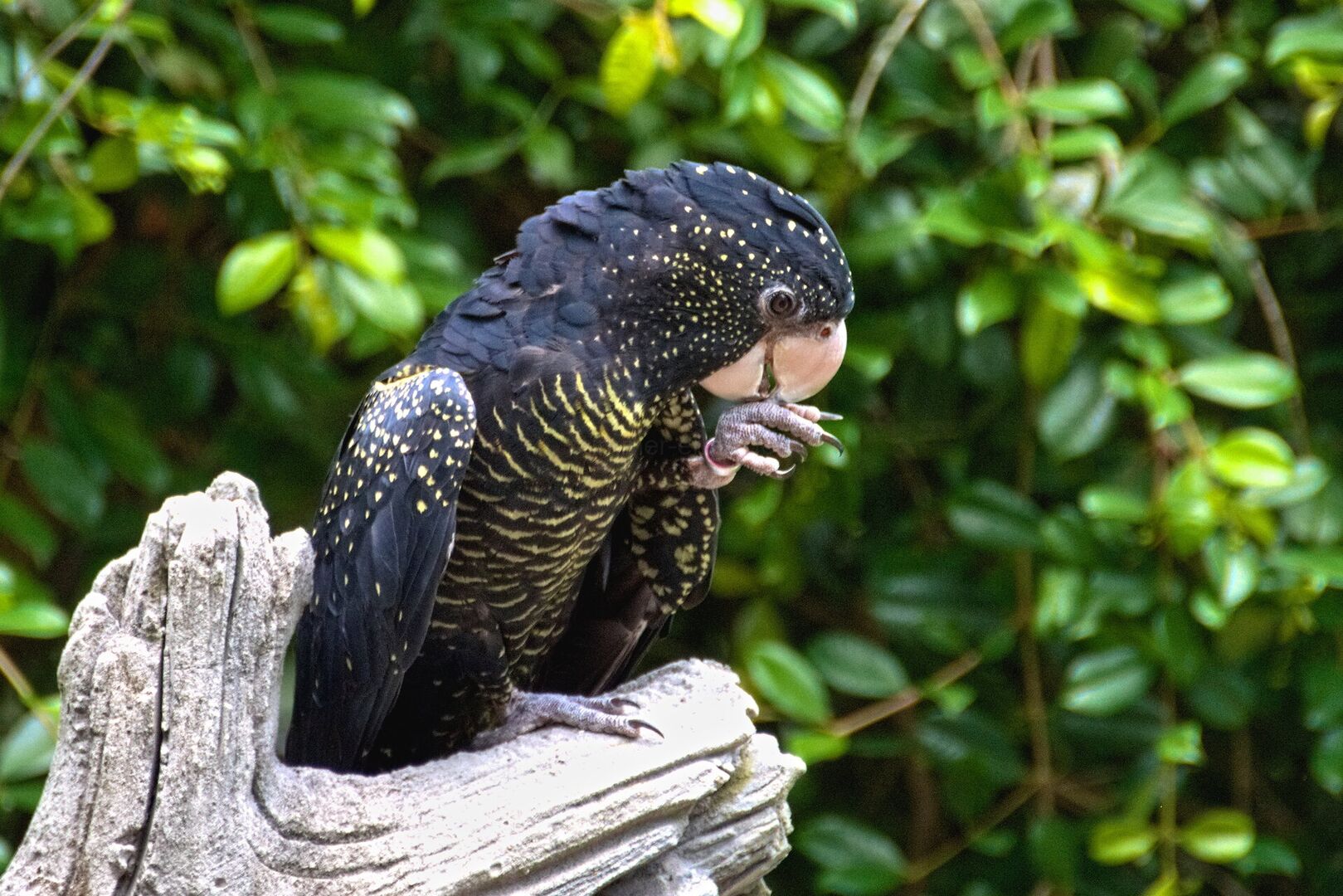
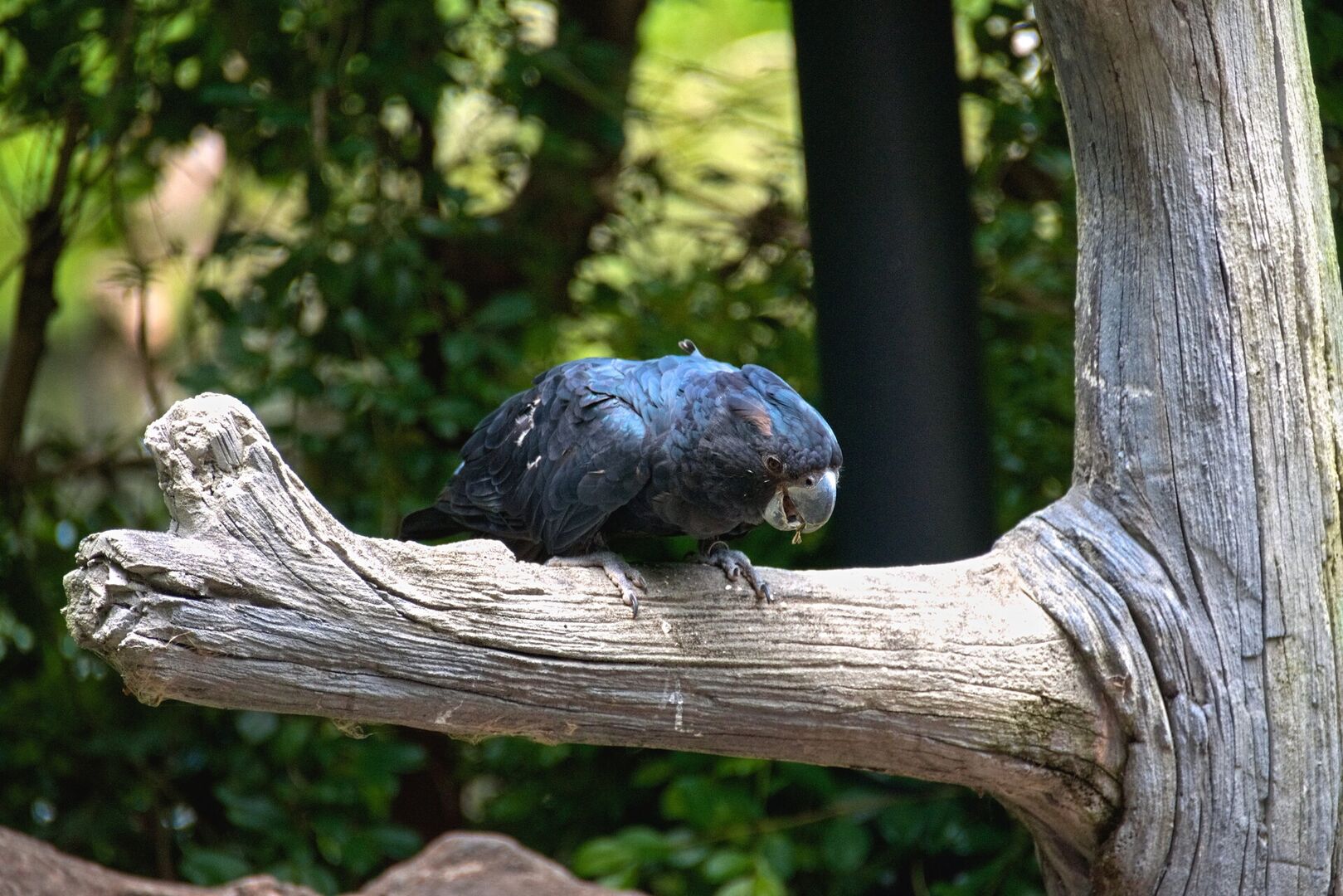
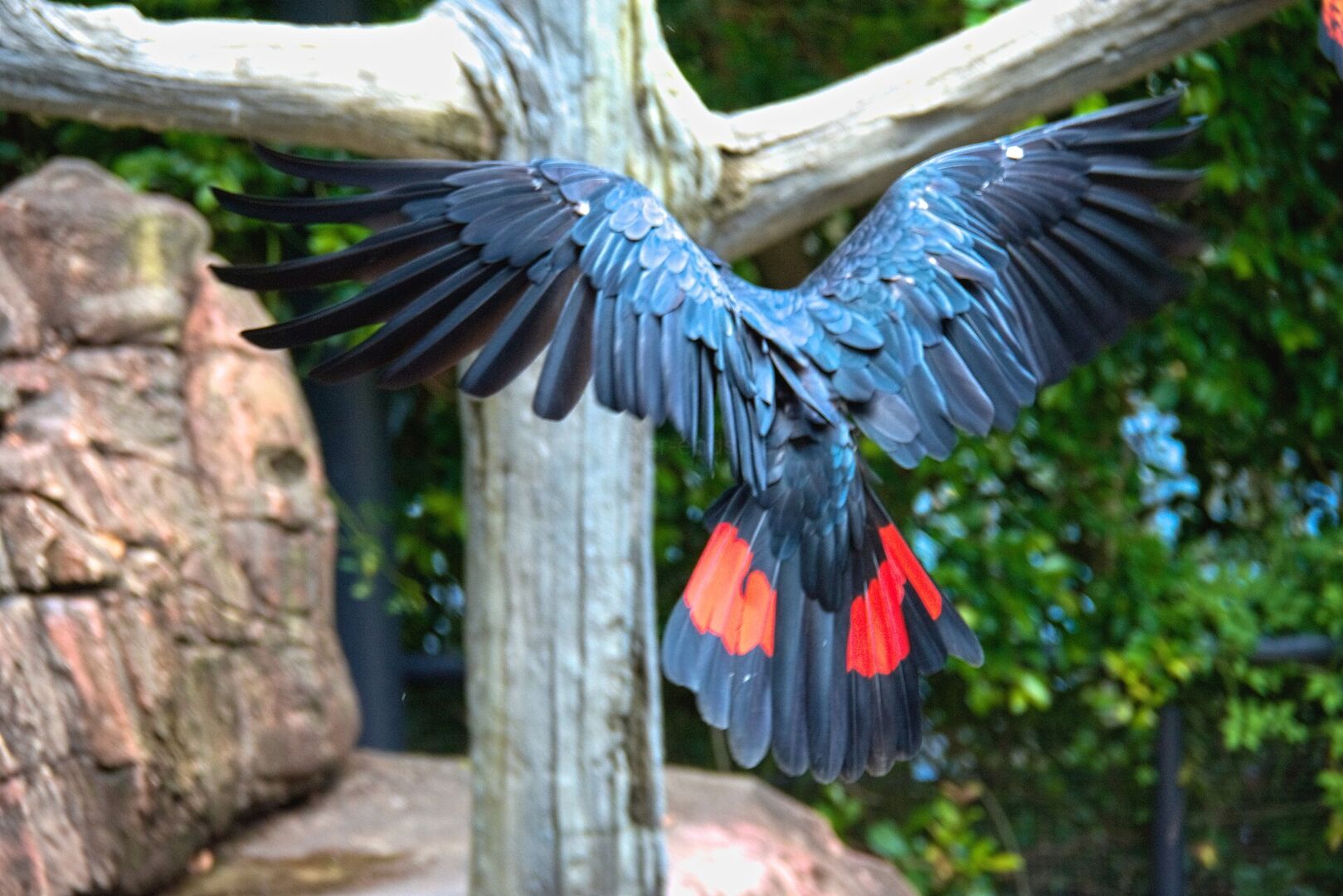
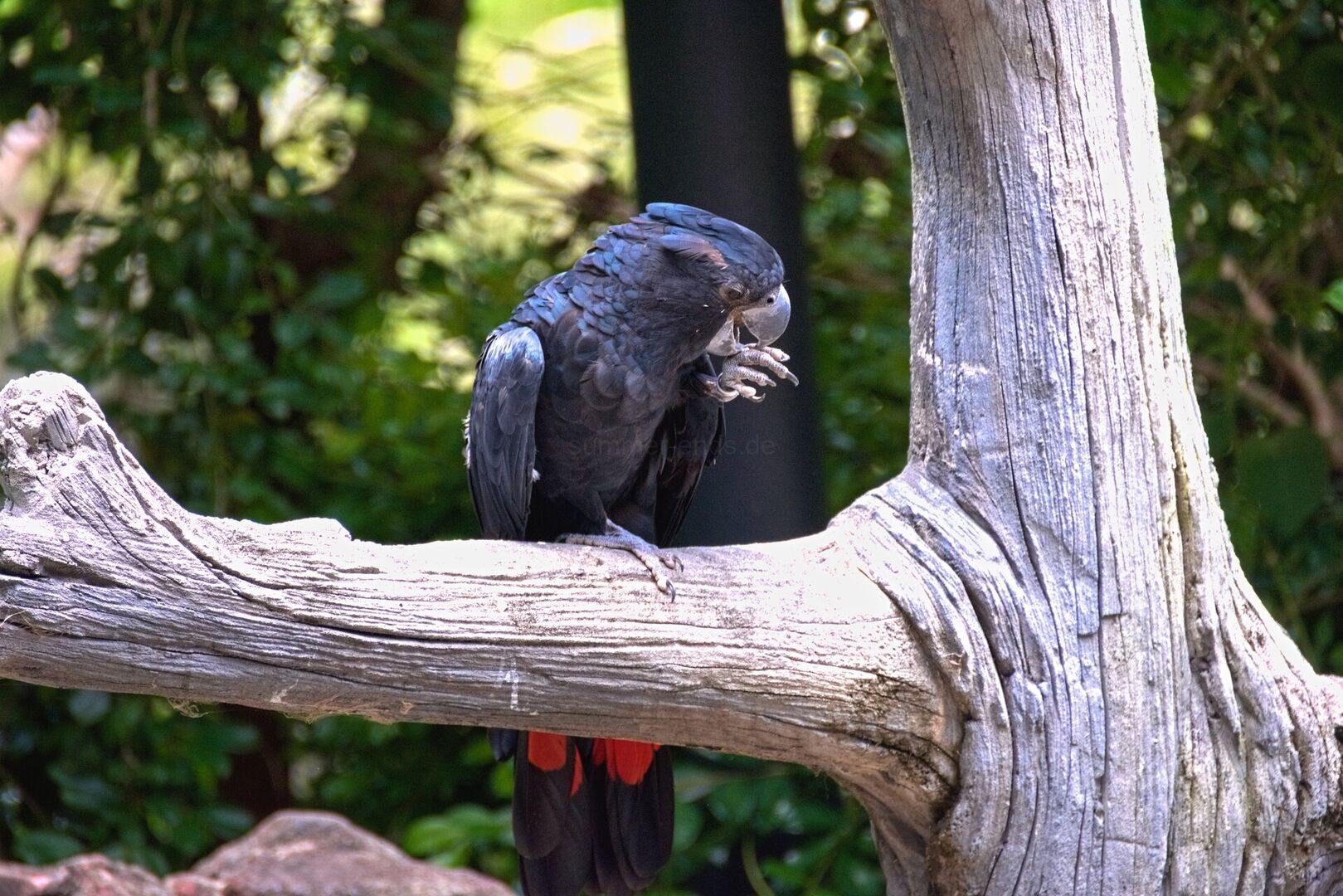
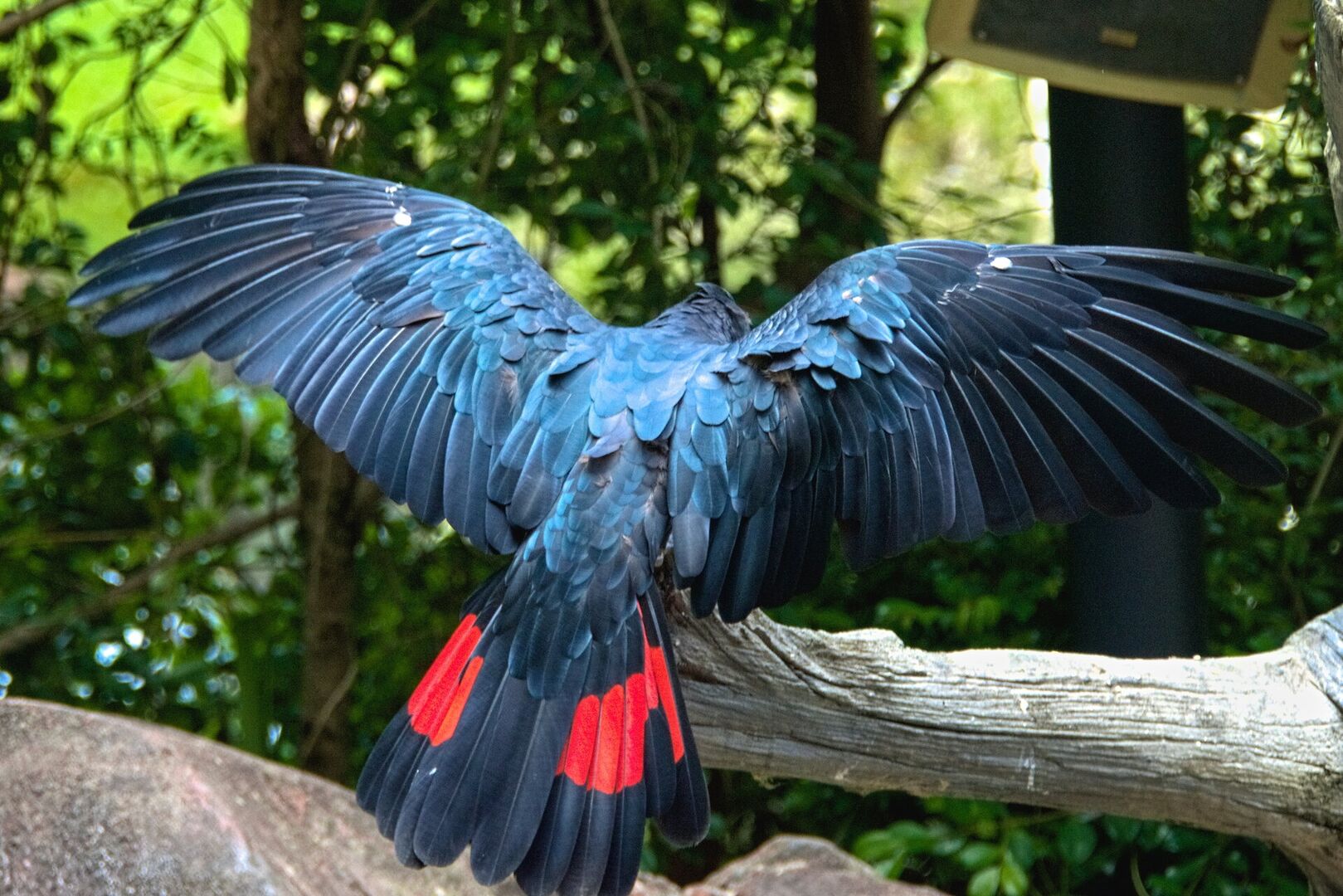
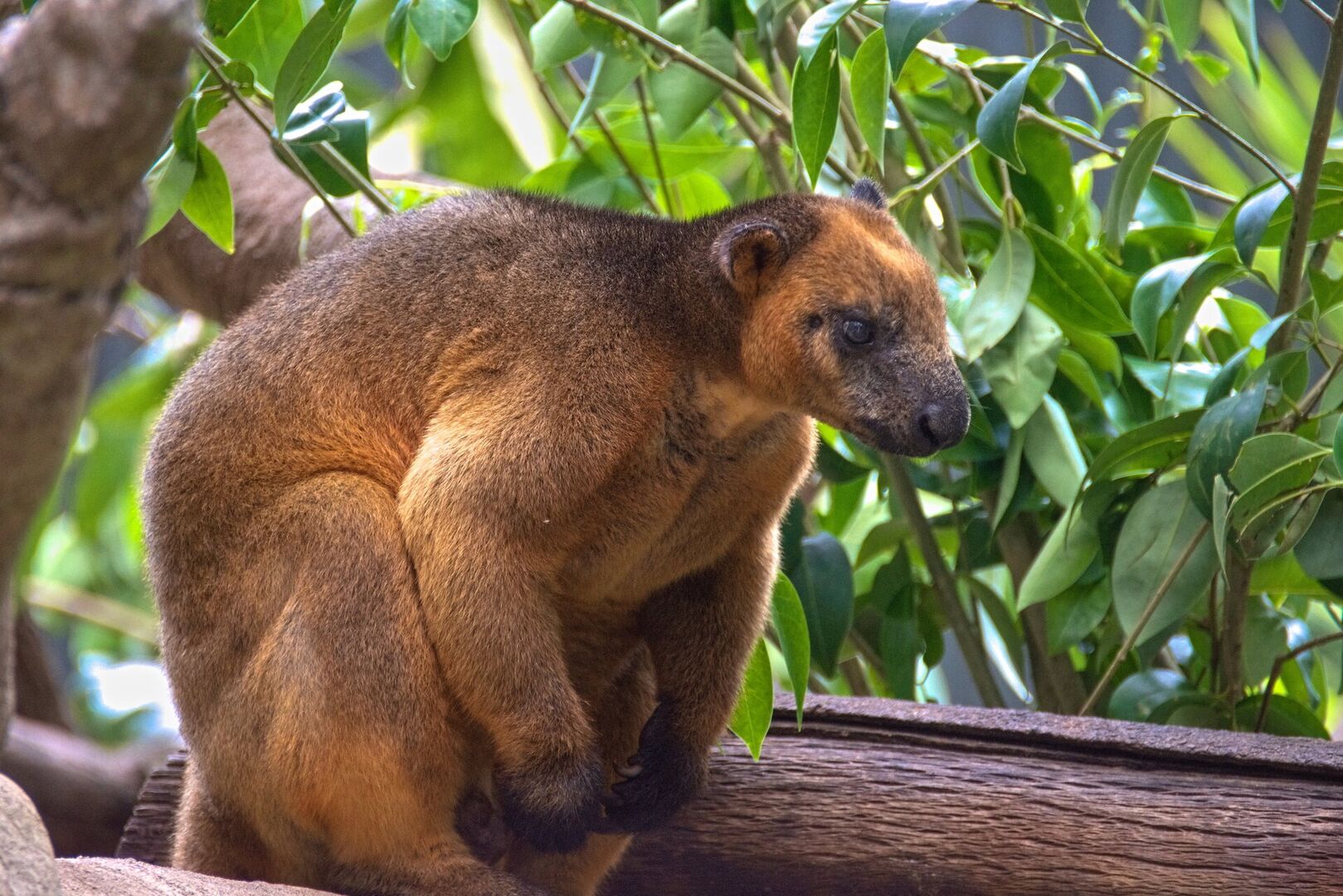
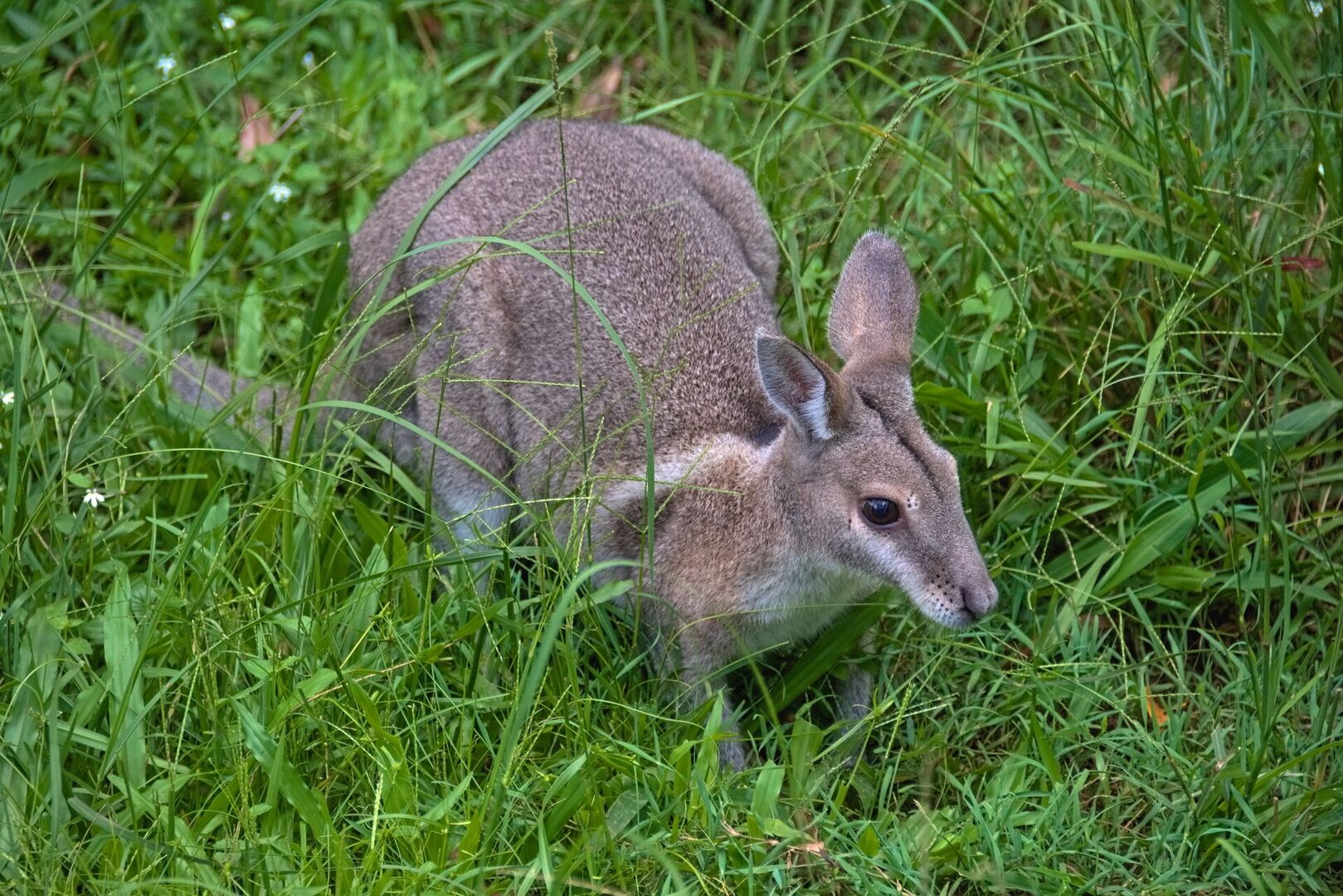
- Wildlife habitats supporting diverse native species
Urban, Cultural, and Recreational Sites
- Major theme parks including Dreamworld, Sea World, and Warner Bros. Movie World
- Arts and cultural precincts, galleries, and performance spaces
- Sporting venues and international events
- Dining, shopping, and nightlife districts across the city