
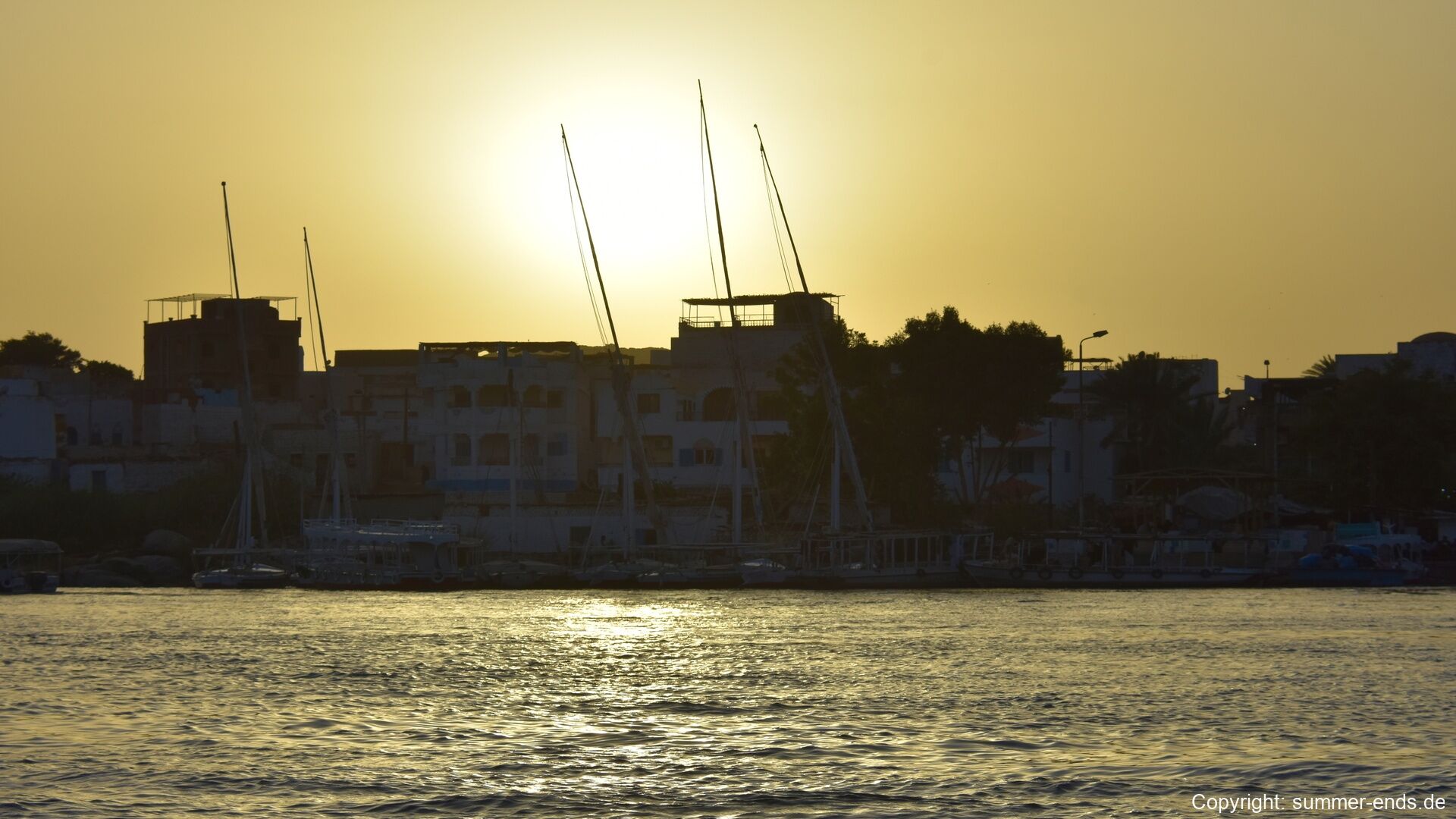


Elephantine Island is the largest island in the Nile at Aswan and one of the most historically significant sites in southern Egypt. Situated near the First Cataract, the island marks the ancient border between Egypt and Nubia and has been continuously inhabited since the Pre-Dynastic period.
Known in ancient times as Abu (meaning “elephant”), Elephantine served as a strategic military post, trading hub, and religious center. Today, the island contains extensive archaeological ruins, a Nubian village, and a museum, making it one of the most important attractions in Aswan for visitors interested in the intersection of ancient and modern cultures.
With its palm groves, quiet footpaths, and panoramic views of the Nile and desert hills, Elephantine Island offers a peaceful atmosphere combined with deep historical resonance.
History
Elephantine Island played a key role throughout the history of ancient Egypt. In the Old Kingdom, it was the capital of the first nome (province) of Upper Egypt and acted as a gateway for trade and military expeditions into Nubia and sub-Saharan Africa. The island’s name likely comes from its association with the ivory trade and its proximity to wild elephant habitats in ancient times.
The island was sacred to the god Khnum, the ram-headed deity of the Nile’s source and the creator god who fashioned humans on a potter’s wheel. His temple, along with those dedicated to Satet and Anuket (the goddesses of the Nile and fertility), formed the religious core of the island. These temples were rebuilt and modified over thousands of years, especially during the Middle Kingdom and New Kingdom.
Elephantine was also home to an important Nilometer, used to measure the height of the annual Nile flood. This measurement determined tax levels and agricultural planning across Egypt. The island’s strategic role continued through the Ptolemaic and Roman periods, and even into early Christian and Islamic times.
One of the most intriguing discoveries on the island is the remains of a Jewish temple and papyri dating to the 5th century BCE, indicating a multicultural population that included a community of Jewish mercenaries serving in the Persian garrison.
Geology
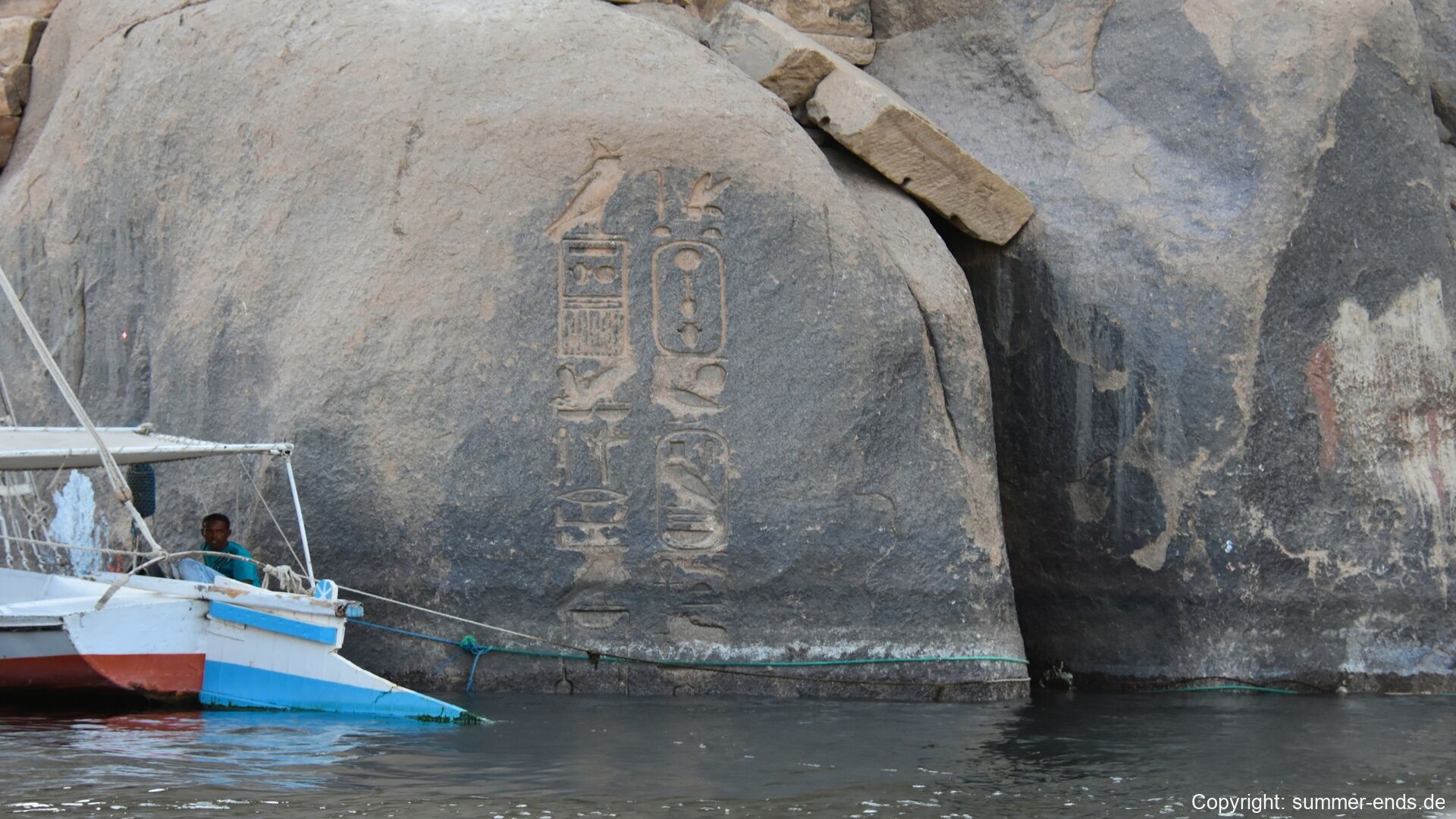
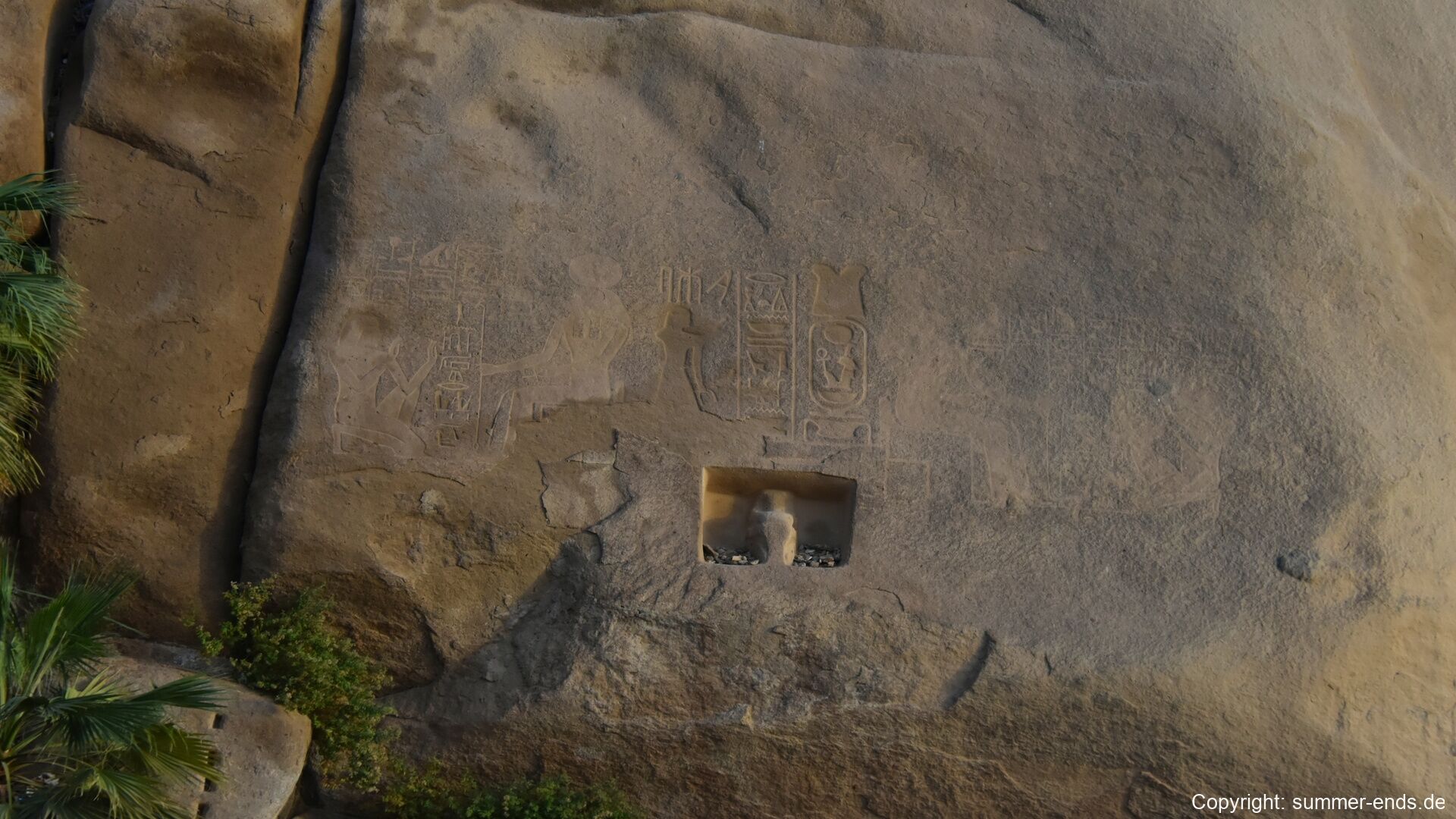
Elephantine Island is composed mainly of granitic bedrock and outcrops belonging to the Precambrian basement complex of the Nubian Shield. This hard, erosion-resistant granite was extensively quarried in antiquity and used in the construction of temples, statues, and obelisks throughout Egypt.
The island’s rugged geological features, including exposed granite domes and boulders, contrast with the more fertile, alluvial soils found on the nearby Nile banks. Its position near the First Cataract—a region where the Nile breaks into shallow rapids and rocky islands—made it a natural frontier and trade checkpoint.
The geology also contributed to the island’s defensive capabilities and its long-term habitation, with solid rock suitable for temple foundations, fortifications, and the Nilometer’s carved stairways.
Modern archaeological and geophysical surveys have mapped buried structures across the island, revealing deep cultural layers embedded within the granitic and sedimentary matrix.
Things to See
Elephantine Island offers a combination of ancient ruins, archaeological exhibits, and vibrant local culture. Highlights for visitors include:
The Temple of Khnum, partially reconstructed, showcases remains from the Late Period and Roman times. Reliefs, columns, and inscriptions testify to the temple’s long religious use. The adjacent Temple of Satet contains remains of even earlier structures, some dating to the Early Dynastic period.
The Nilometer on the southern tip of the island is one of the best-preserved in Egypt. This ancient structure consists of a stairway descending into the Nile with depth markings on the walls, used to measure the height of the inundation and predict the year’s harvest and taxation levels.
The Elephantine Museum displays artifacts excavated from the island, including pottery, statues, inscriptions, and daily-life objects from the Pre-Dynastic through Islamic periods. The museum also includes exhibits on the island’s Jewish community and Aramaic papyri.
The Nubian villages of Siou and Koti, located on the island, offer a glimpse into traditional Nubian culture. Visitors can explore brightly painted homes, purchase local crafts, and learn about Nubian history and displacement following the construction of the Aswan High Dam.
Other notable features:
- Ongoing excavation sites, often visible from public walkways, where international teams continue to uncover layers of Elephantine’s past.
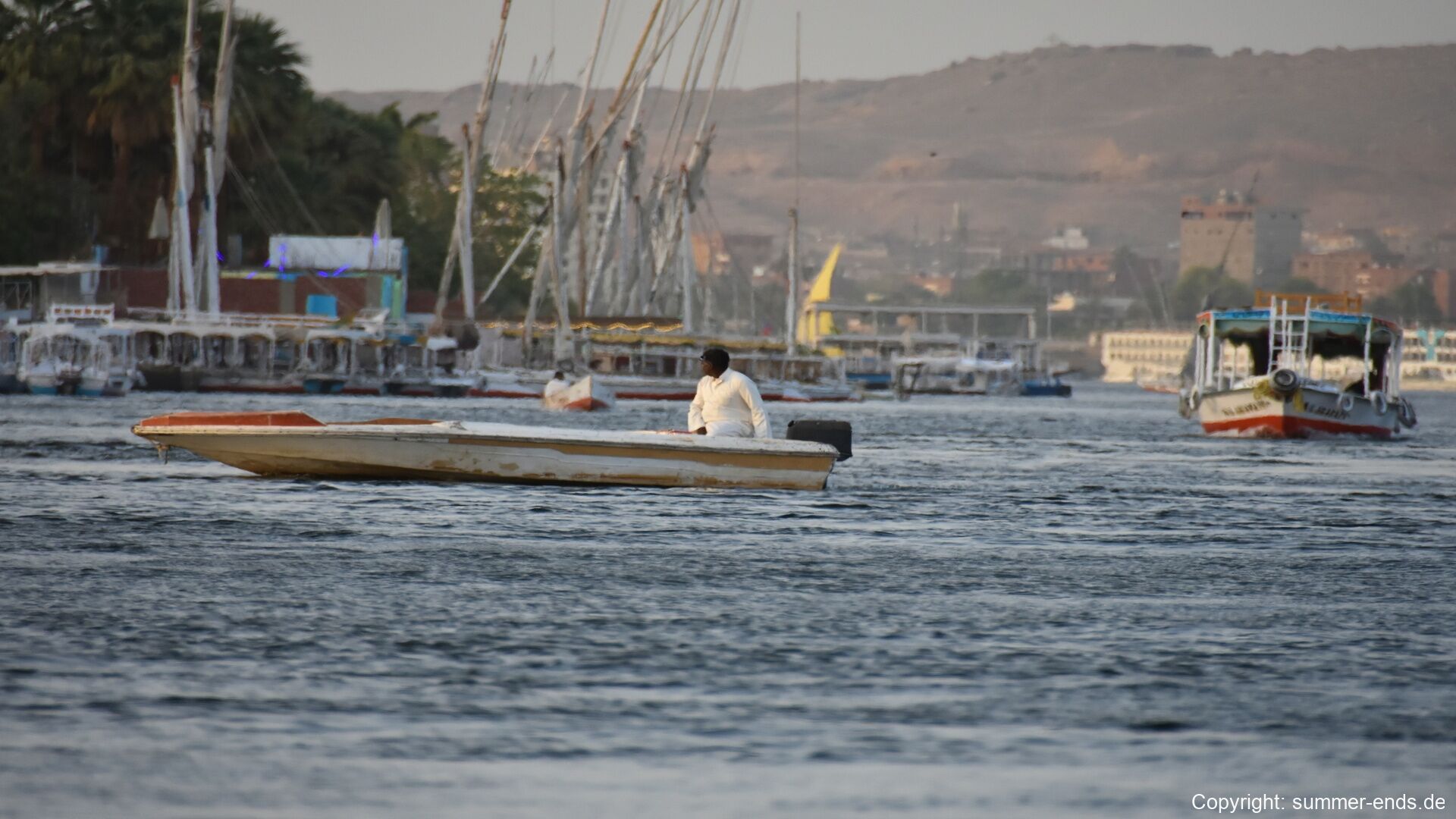
- Quiet walking trails along the island’s perimeter, with views of the Nile, feluccas, and desert hills.
- The House of the German Archaeological Institute, supporting long-term archaeological research and conservation.
Elephantine Island is accessible by public ferry from Aswan’s corniche and offers an ideal half-day or full-day visit. Whether you are drawn to ancient ruins, Nile landscapes, or local life, the island provides a serene and educational experience.