
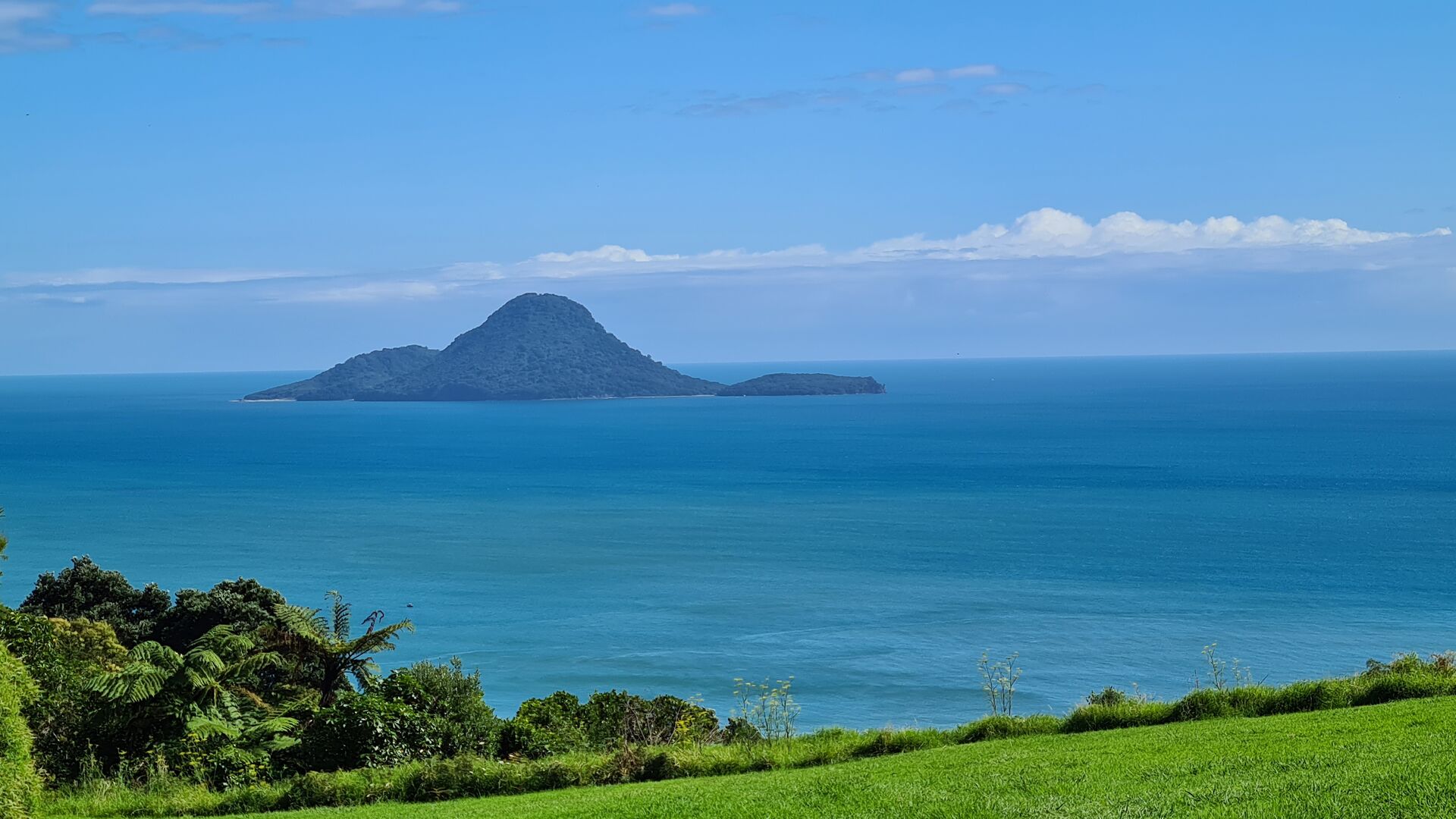
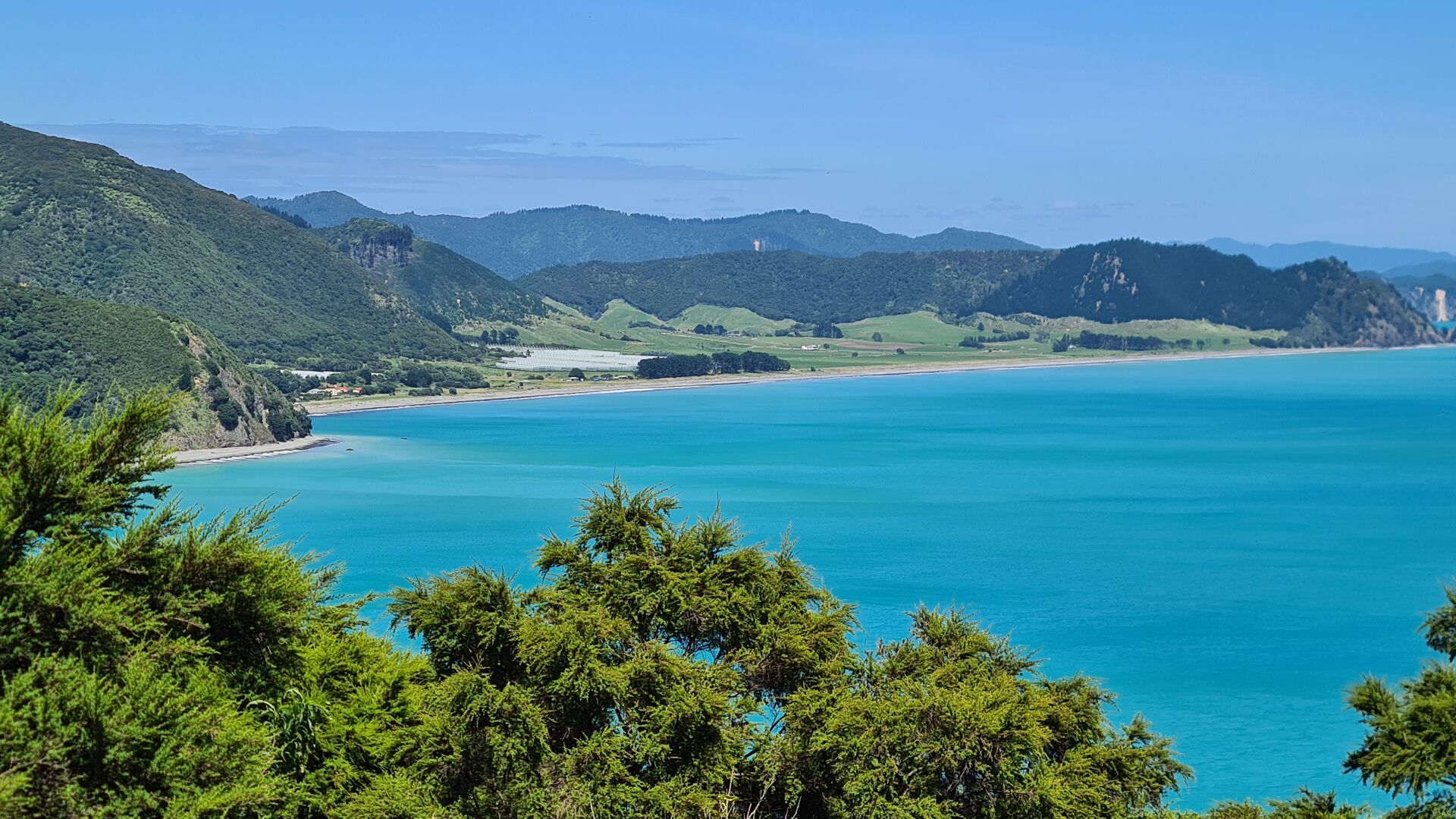
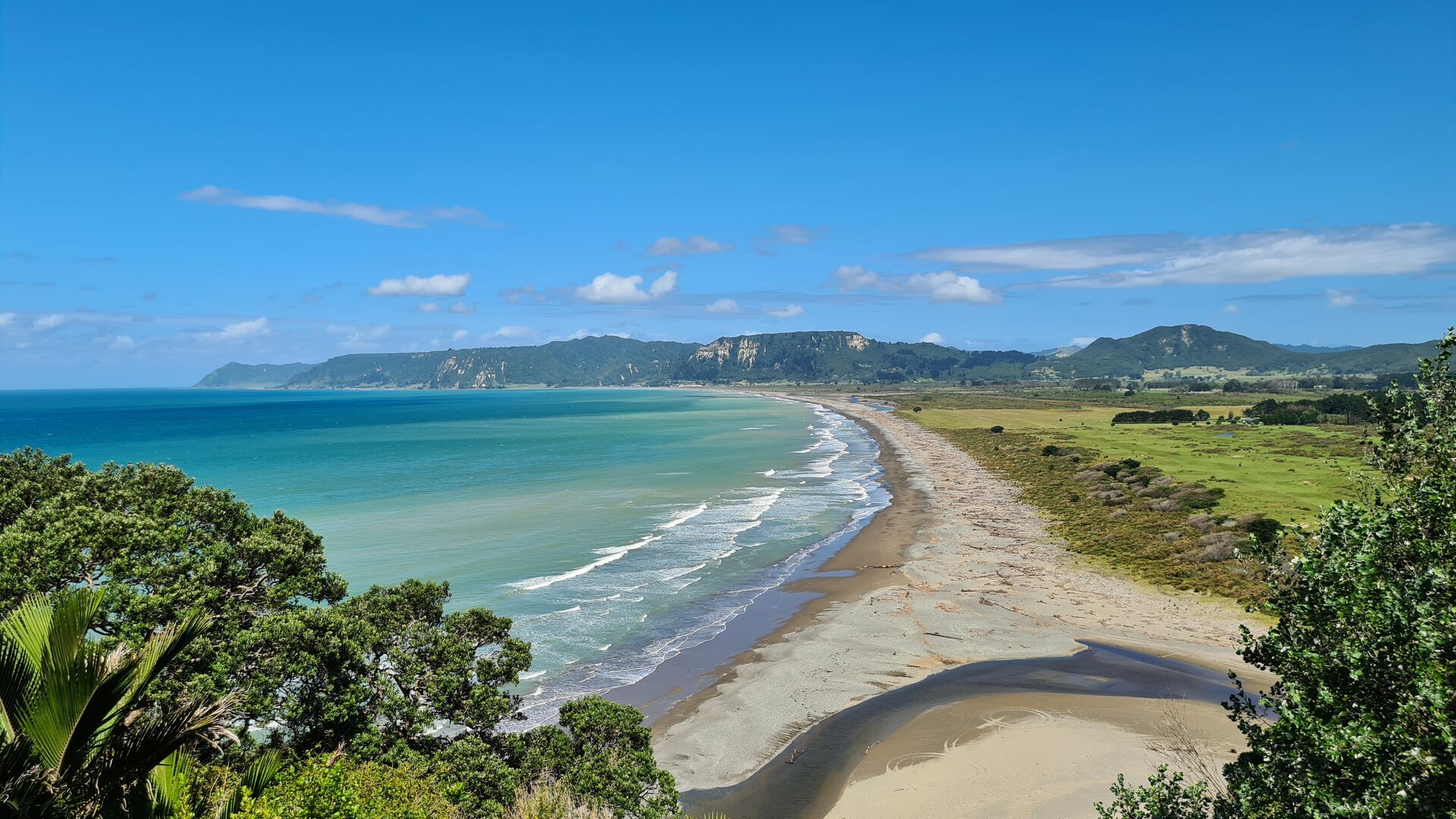
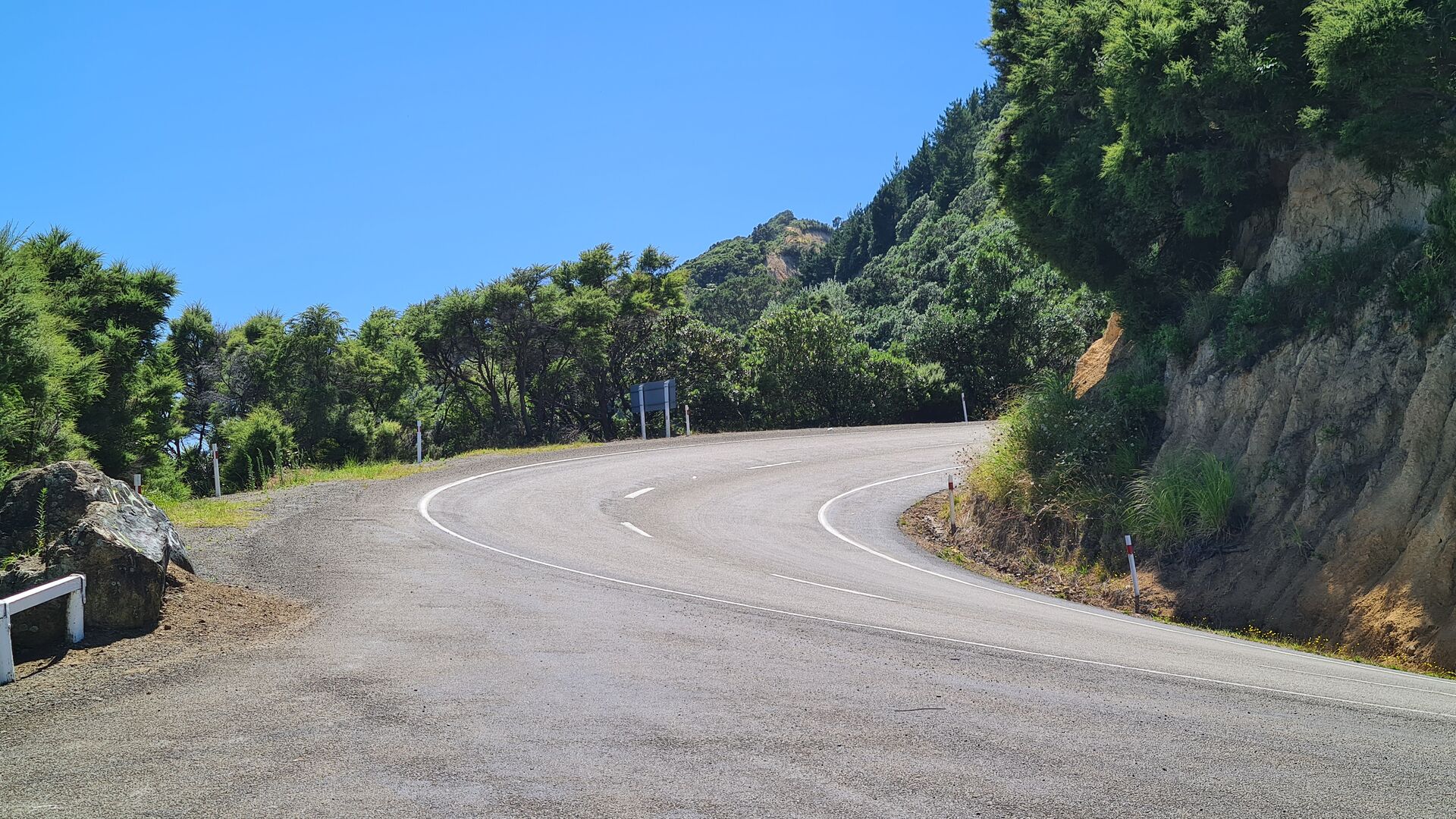
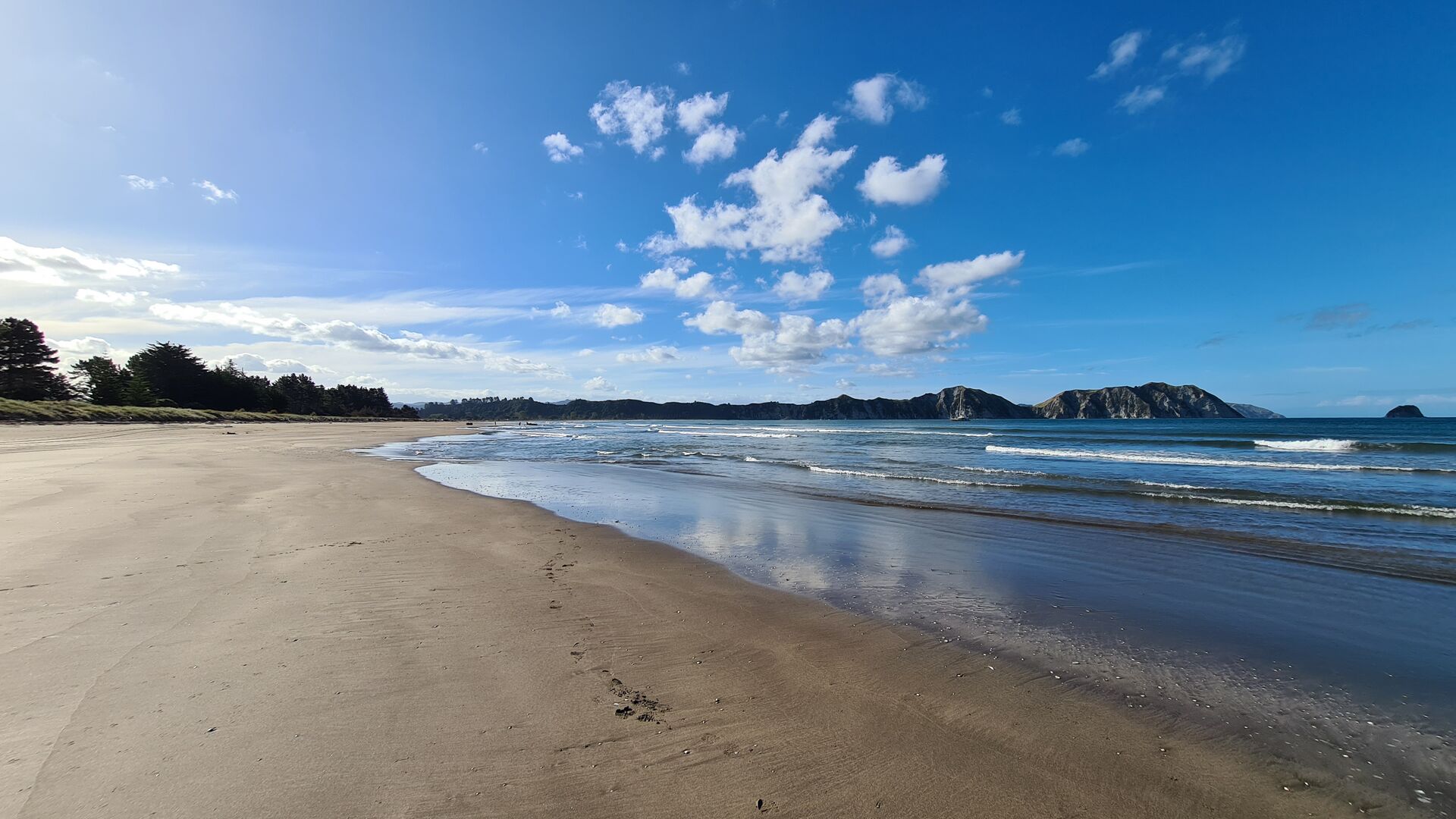
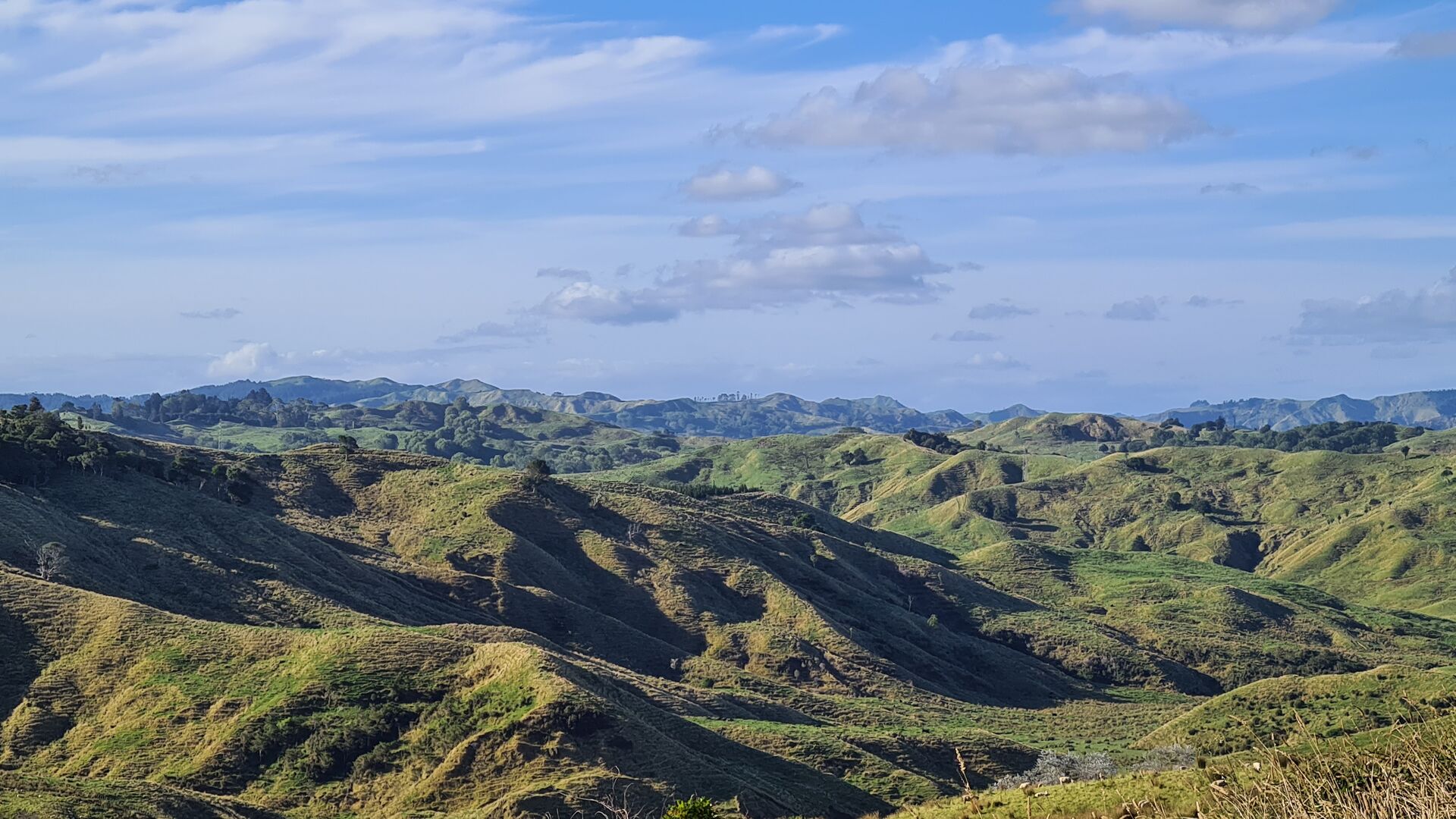
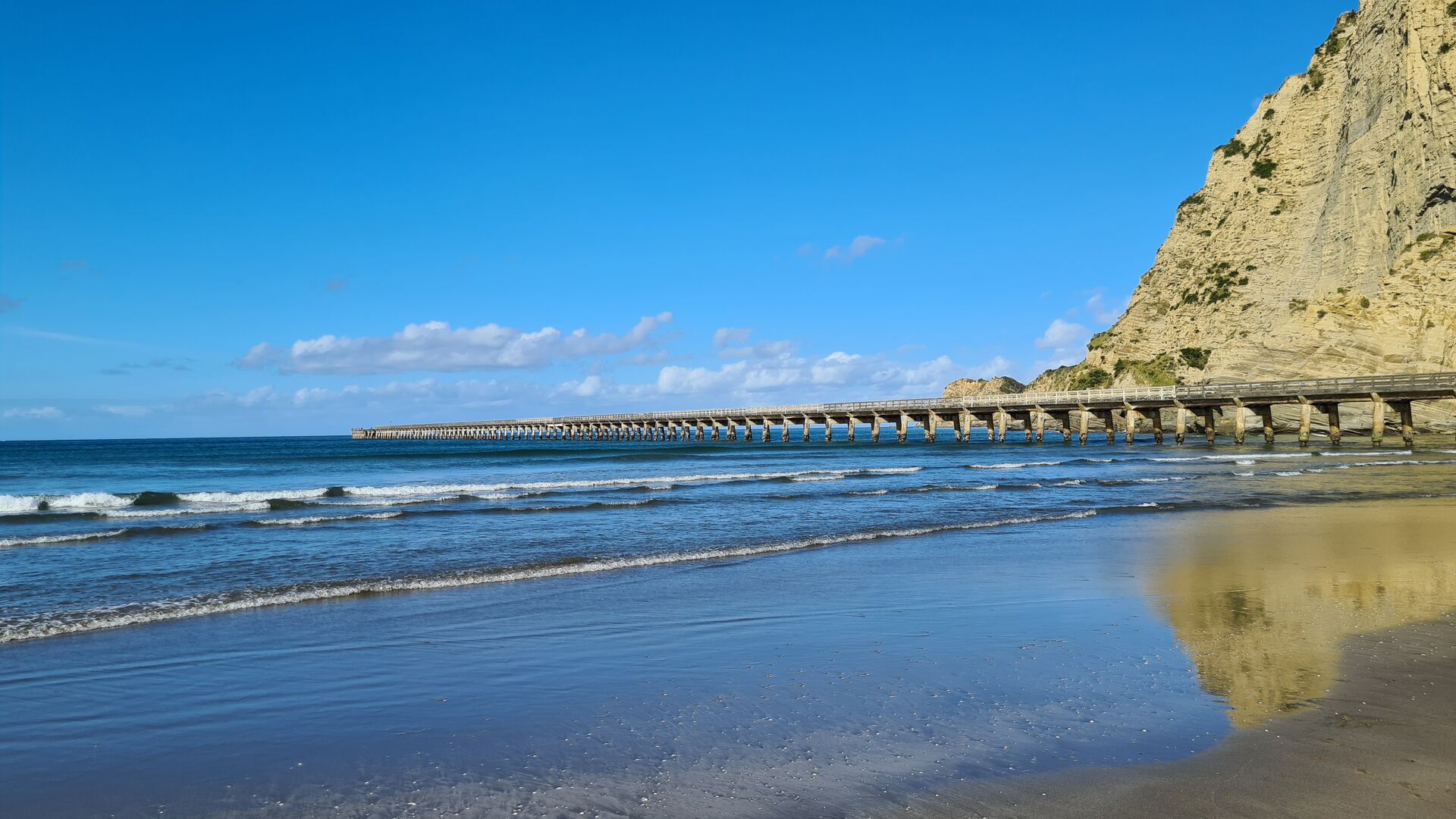
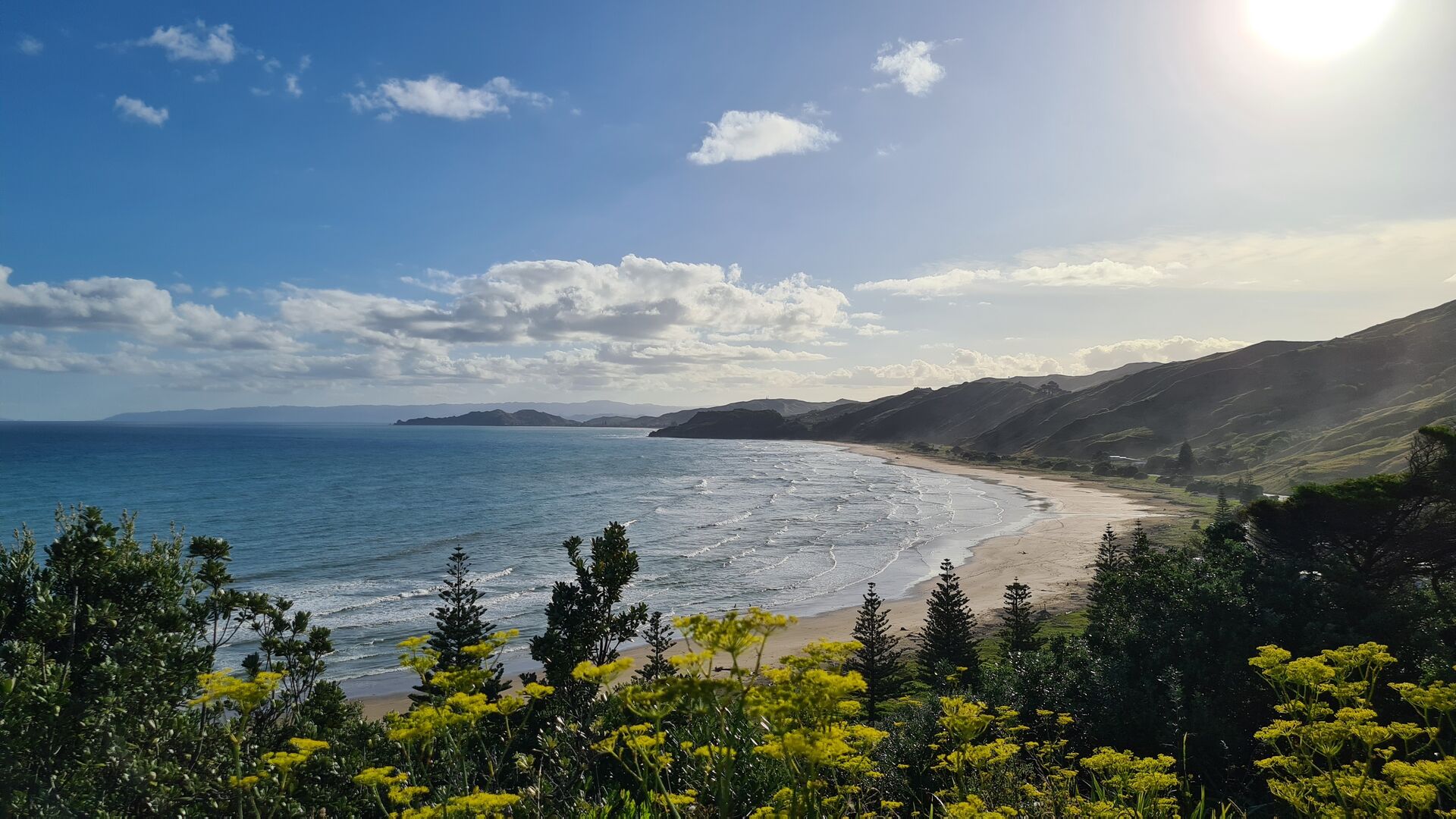
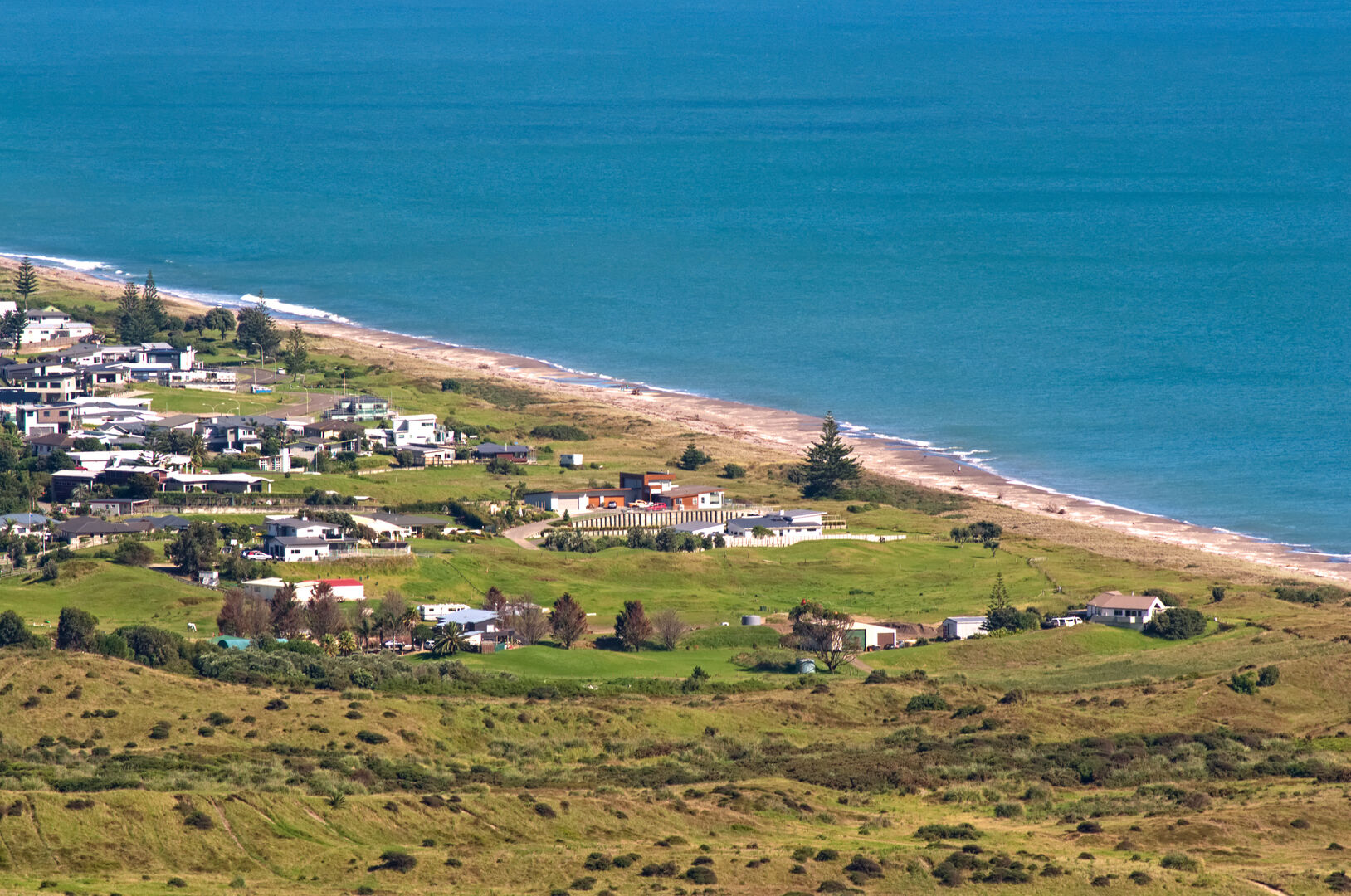
Gisborne is a coastal city located on the east coast of New Zealand’s North Island, within the Gisborne District, which functions as both a city and a regional authority. It lies along the shores of Poverty Bay, facing the Pacific Ocean, and is one of the most geographically isolated cities in the country. Gisborne is widely known for being one of the first places in the world to see the sunrise each day.
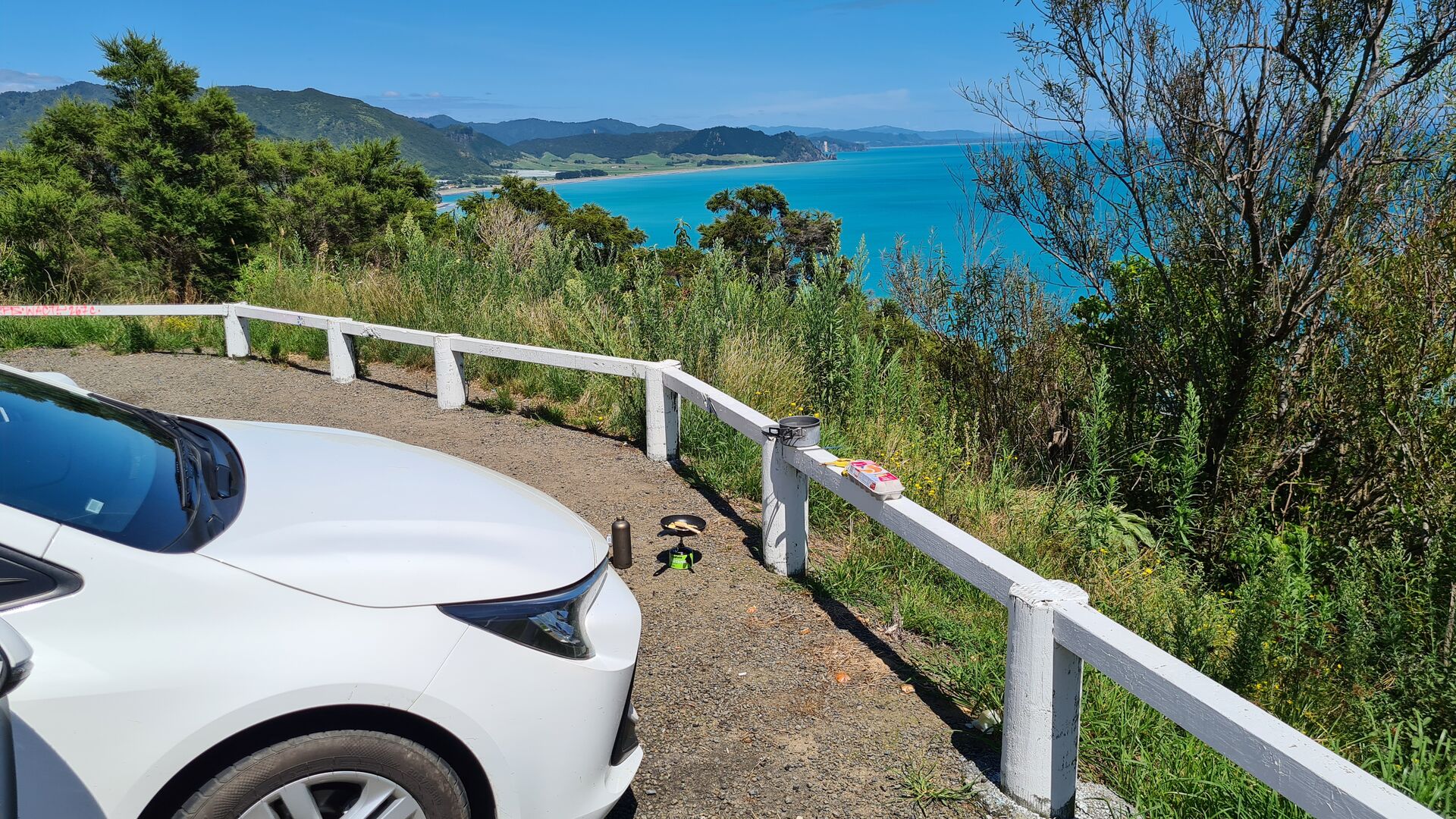
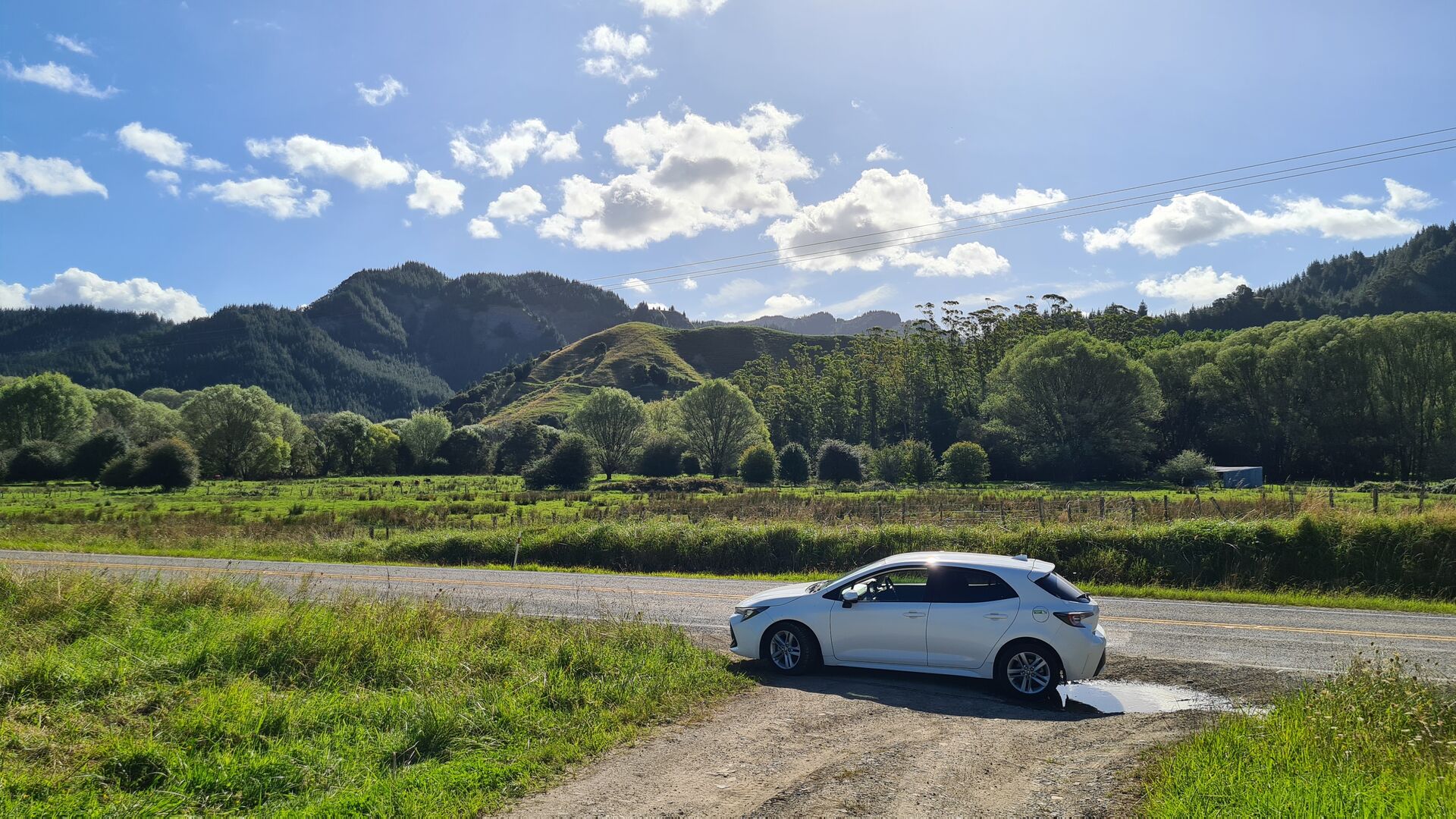
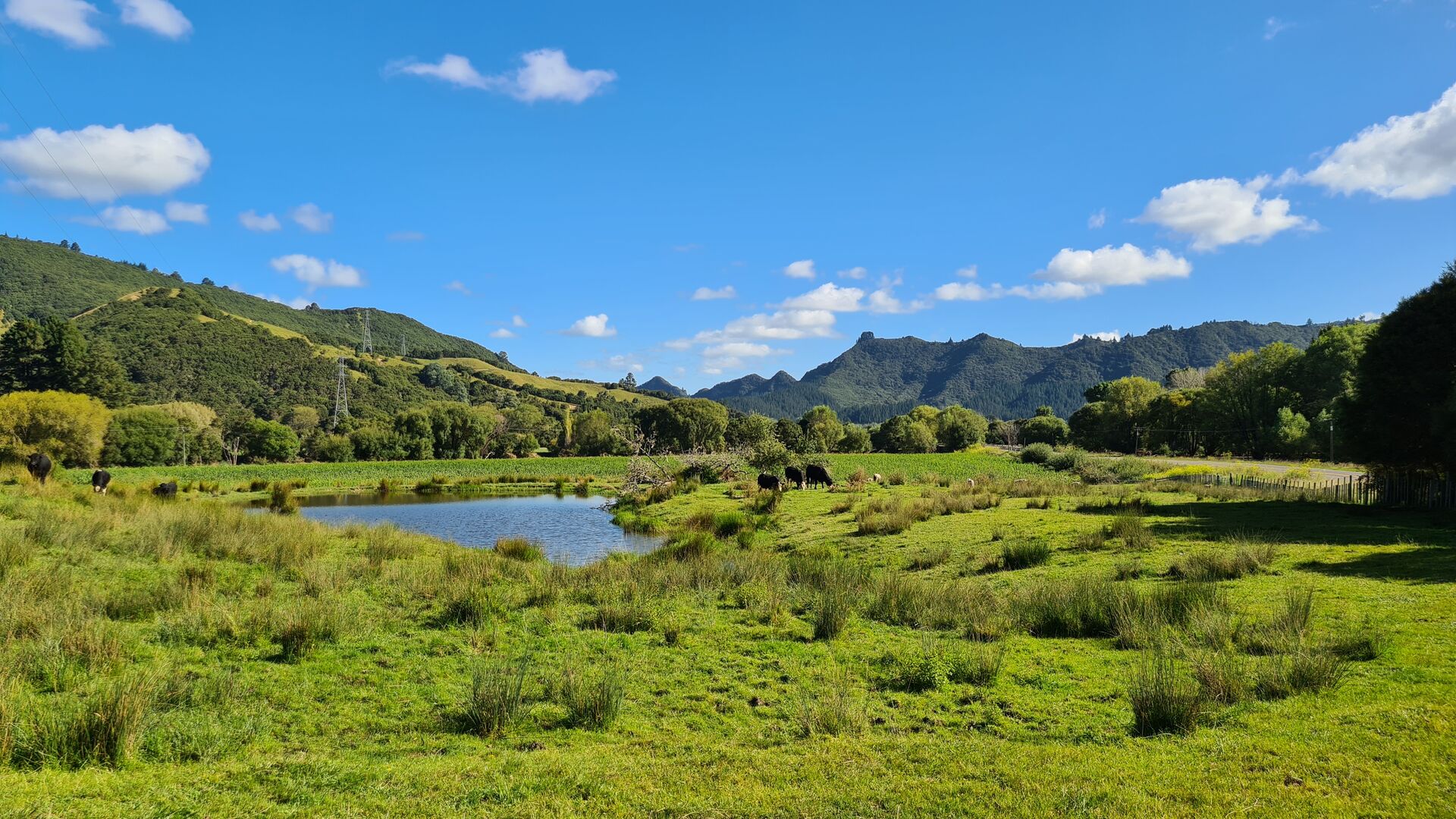
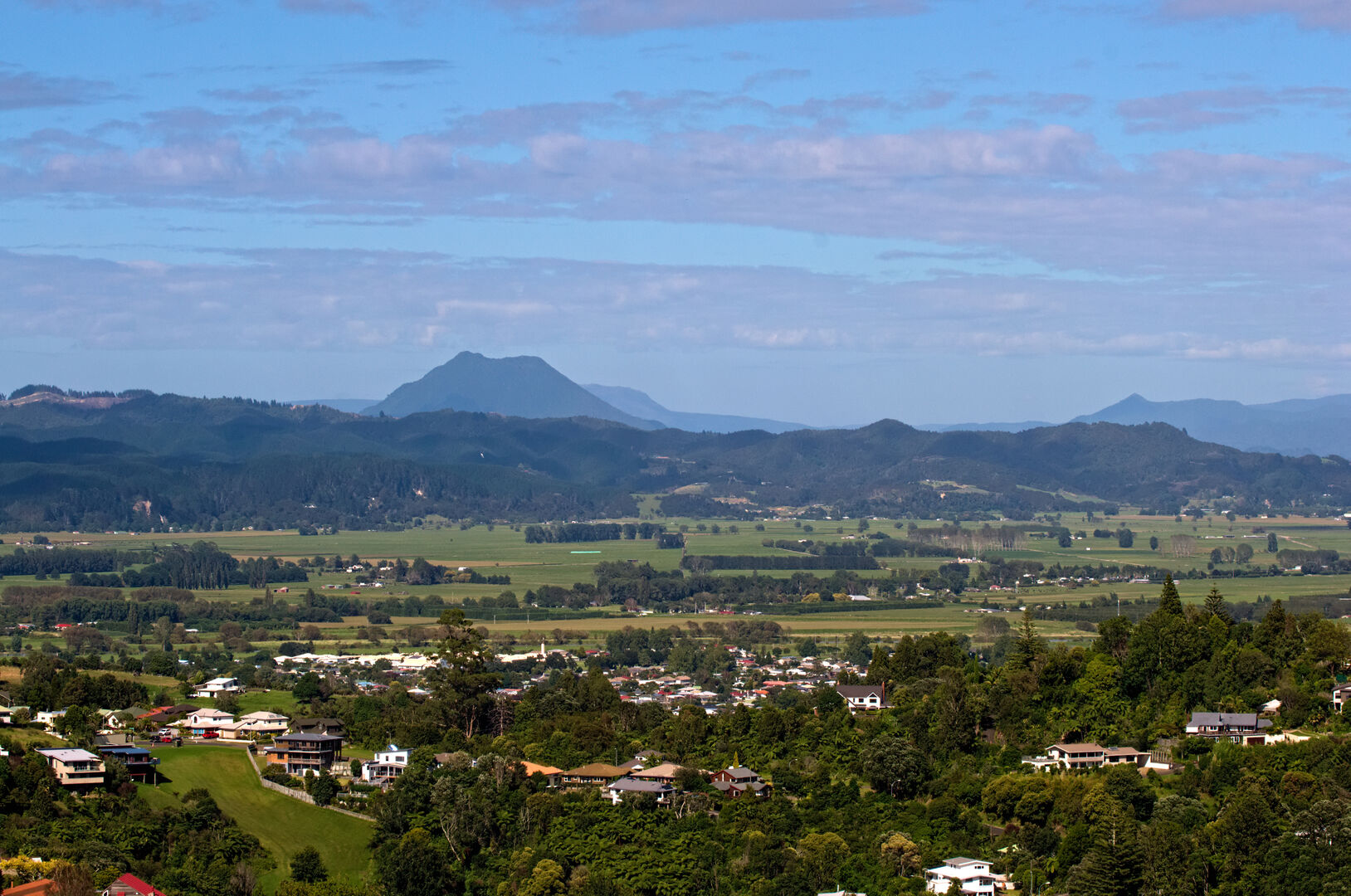
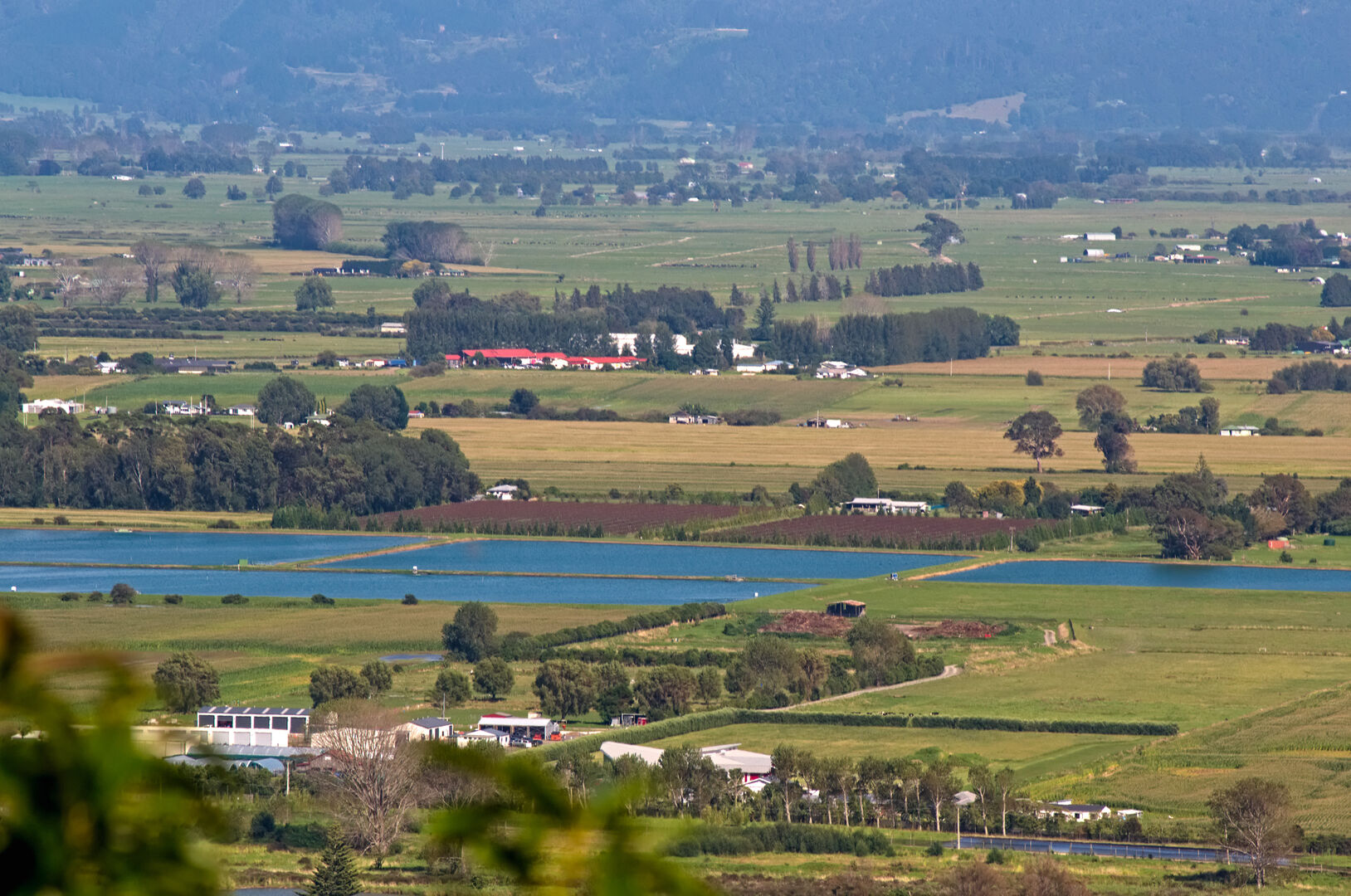
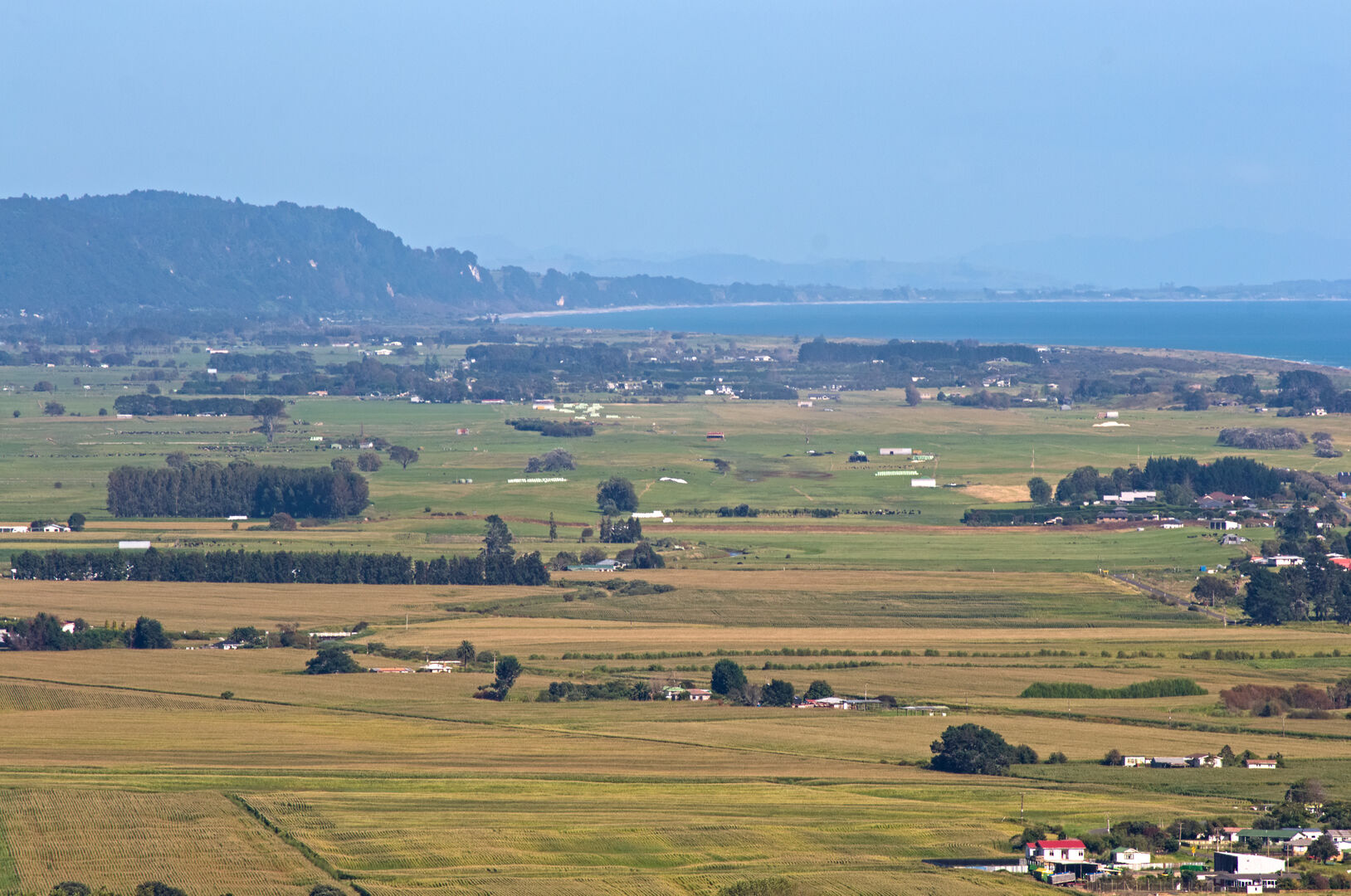
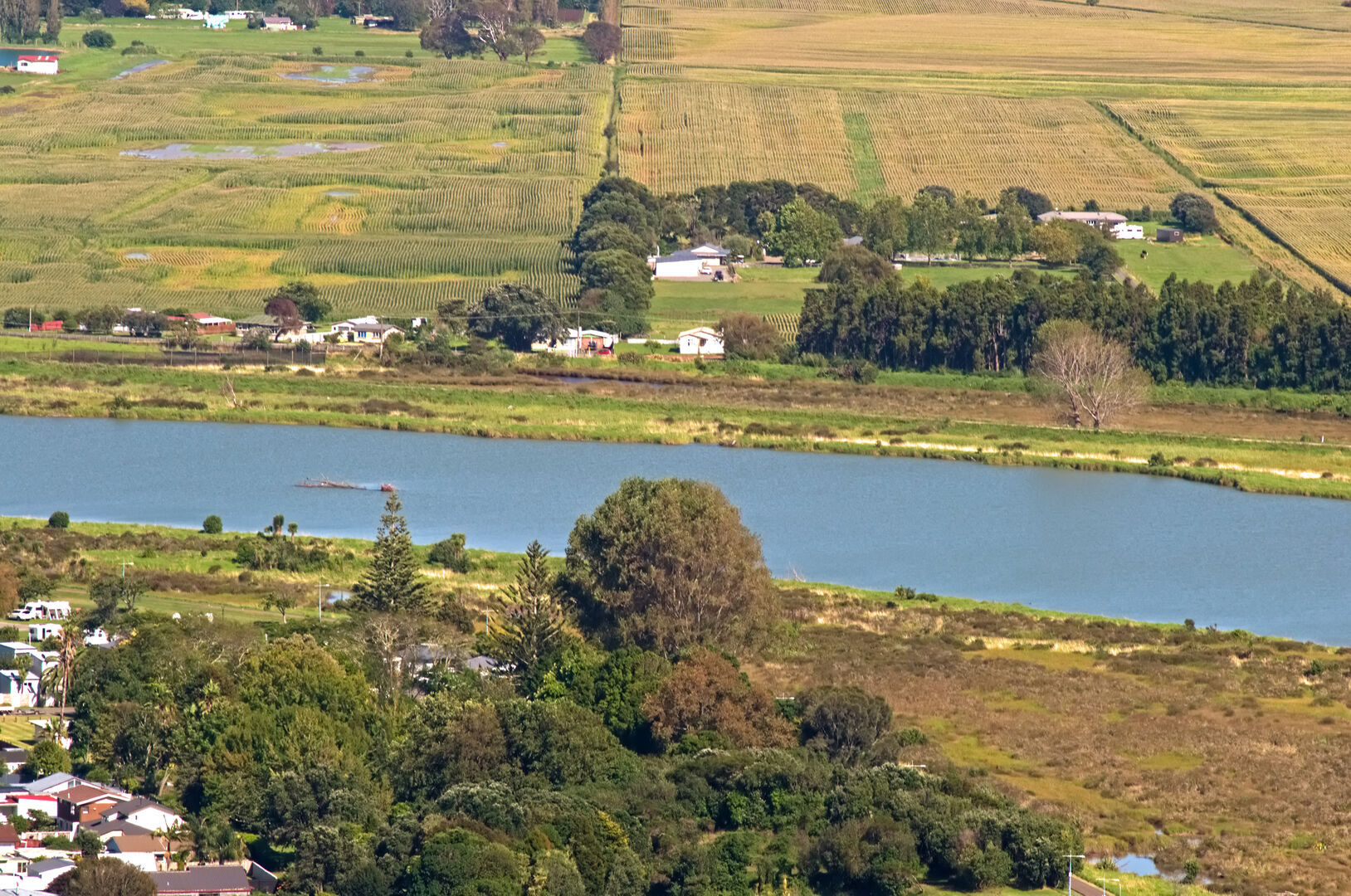
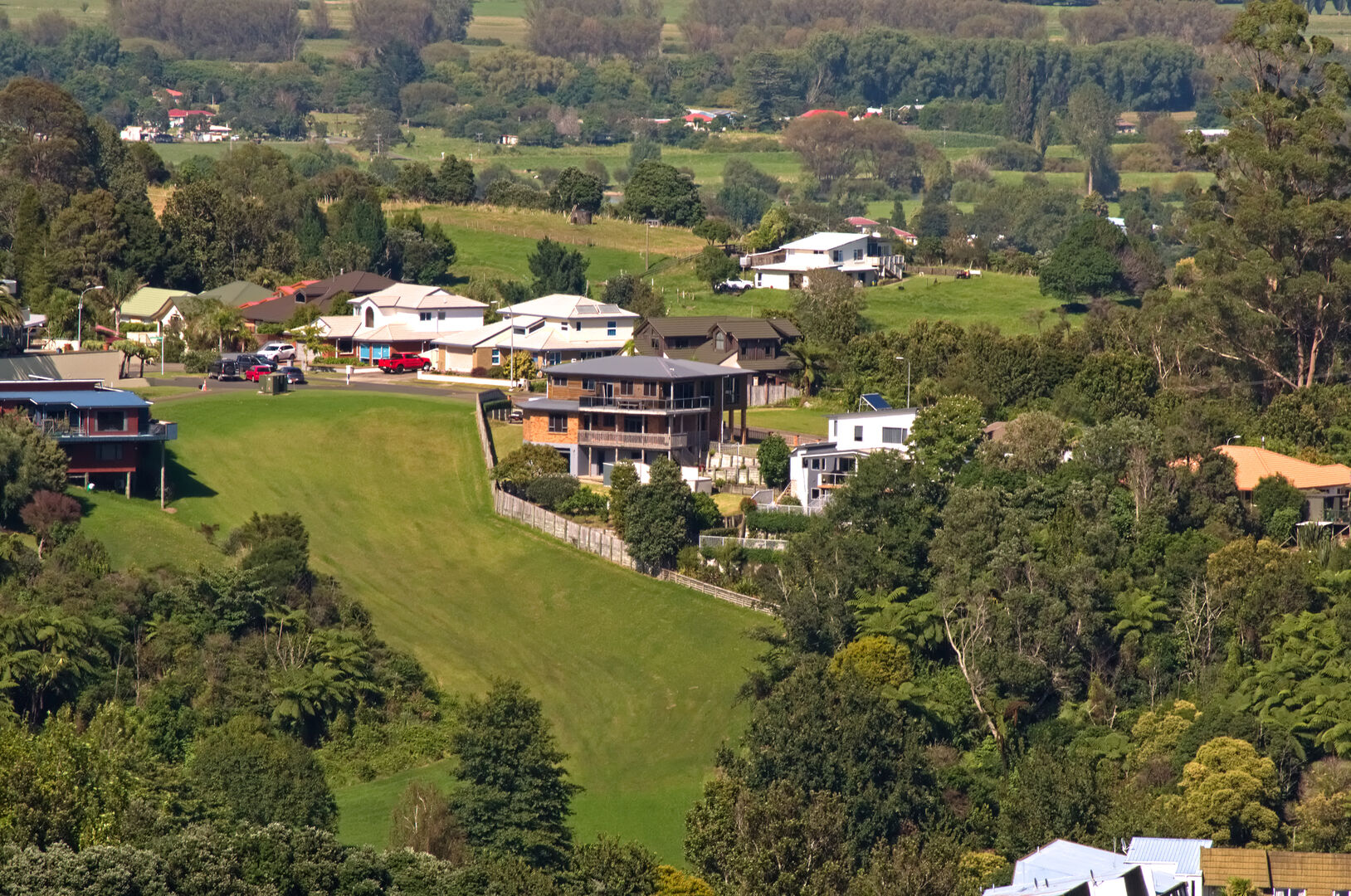
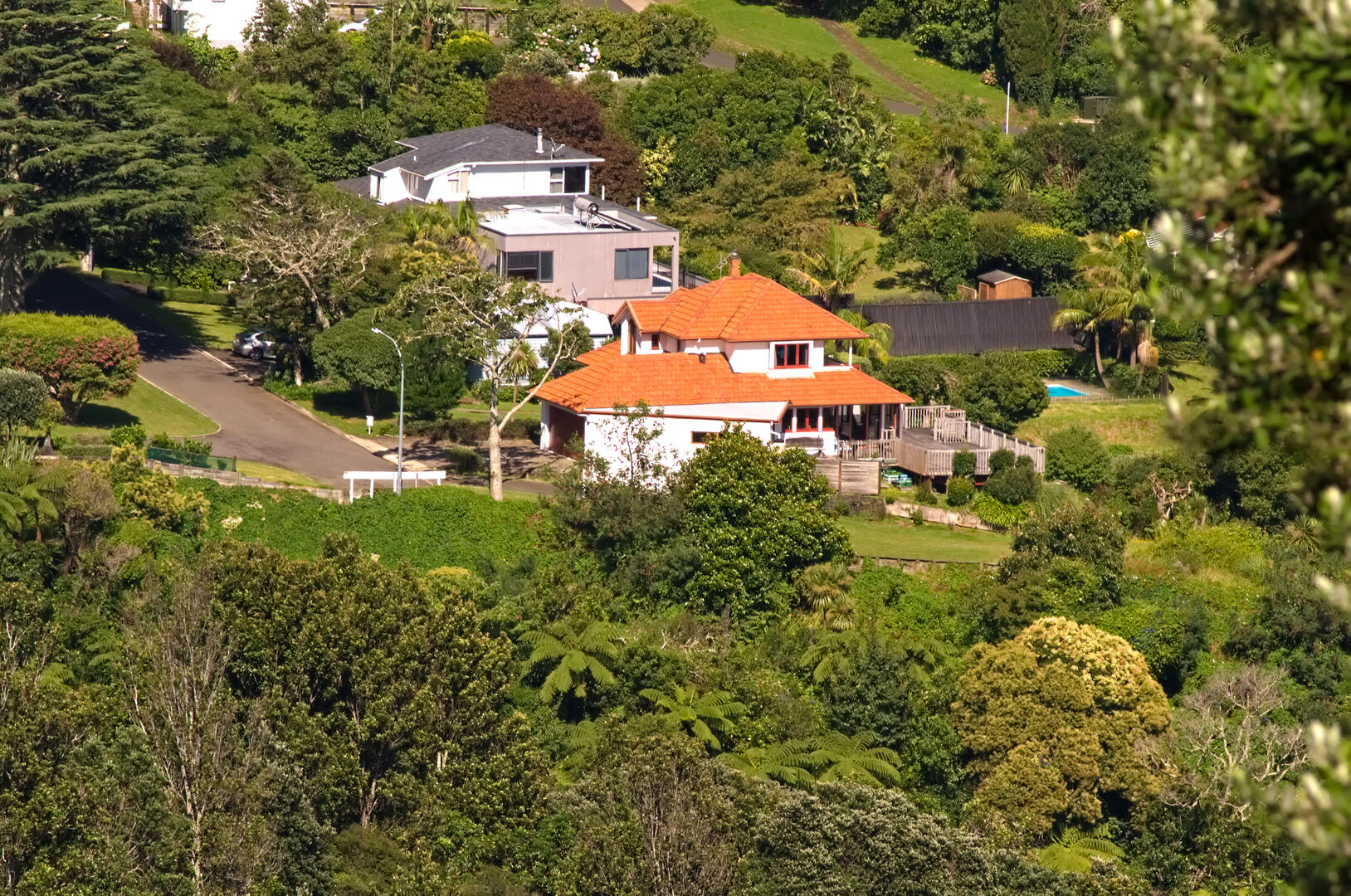
The city is surrounded by fertile plains, rolling hills, rivers, and a rugged coastline. Its setting combines agricultural land with beaches and rural landscapes, giving Gisborne a strong connection to both land and sea. The wider region includes small settlements, Māori communities, vineyards, and remote coastal areas.
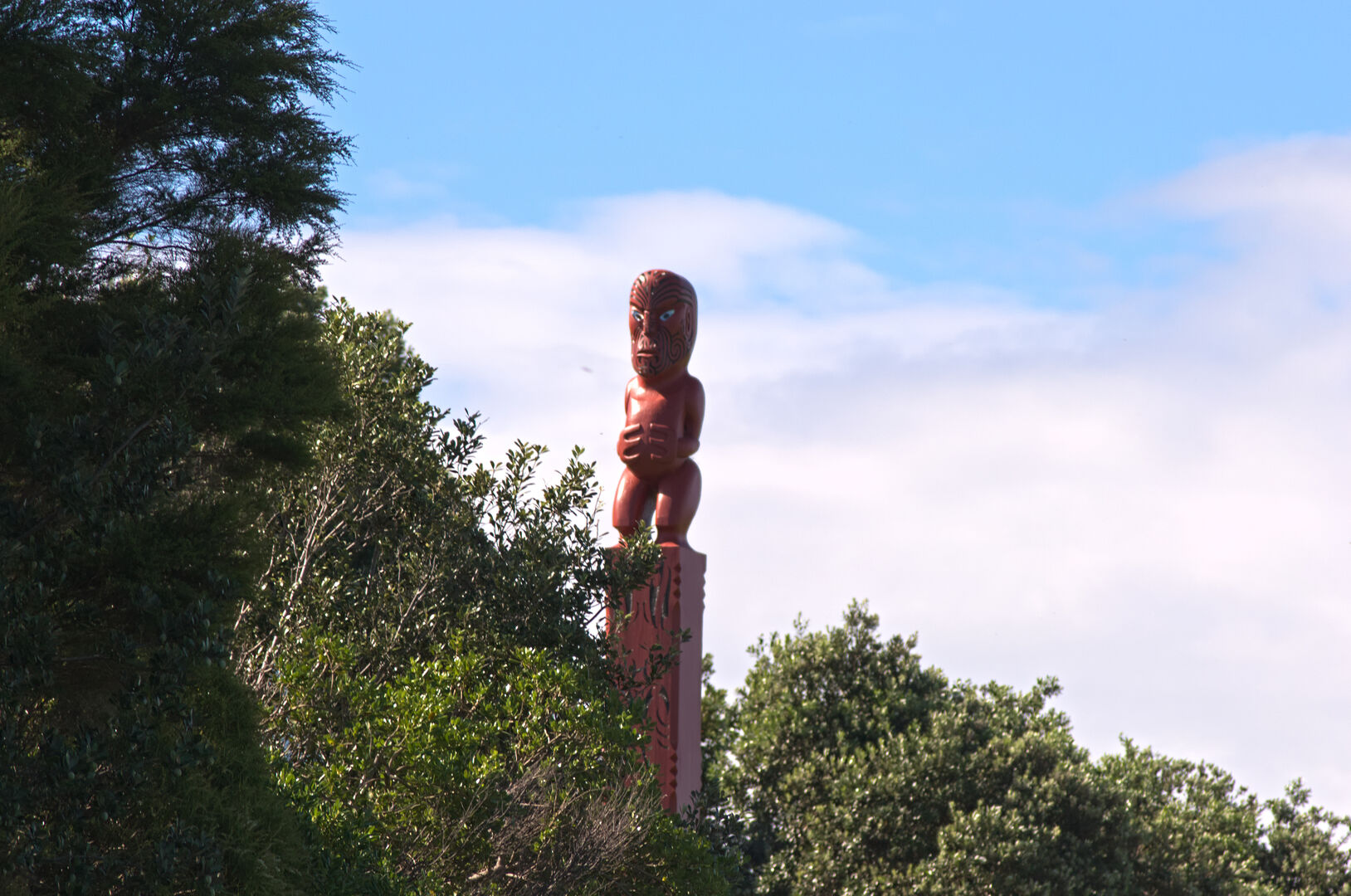
Gisborne has a temperate maritime climate with warm summers, mild winters, and relatively high sunshine hours. The local economy is based on agriculture, horticulture, wine production, fishing, forestry, tourism, and public services. Gisborne is also recognized for its relaxed pace of life, strong community identity, and rich Māori cultural presence.
History
The Gisborne region has a deep and continuous Māori history. It is traditionally associated with the iwi Rongowhakaata, Te Aitanga-a-Māhaki, and Ngāi Tāmanuhiri. Māori settlement in the area dates back centuries, with communities closely tied to rivers, fertile land, and coastal resources.
Gisborne holds a significant place in New Zealand’s colonial history. In 1769, Captain James Cook made his first landfall in New Zealand near present-day Gisborne, marking the beginning of sustained European contact. This encounter is a key historical moment, though it is also associated with conflict and misunderstanding between Māori and Europeans.
European settlement expanded during the 19th century, with Gisborne developing as a port and service center for surrounding agricultural districts. Sheep farming, cropping, and later horticulture shaped the regional economy. In the 20th century, Gisborne grew steadily as a regional hub, while maintaining its strong Māori cultural identity and rural character.
Geology
Gisborne’s geology is shaped by its location along the eastern margin of the North Island, near the boundary between the Pacific and Australian tectonic plates. This makes the region geologically active, with uplifted landscapes, fault systems, and a history of earthquakes.
The surrounding hills consist largely of sedimentary rock, including mudstone and sandstone, which are prone to erosion and landslides, especially during heavy rainfall. Rivers flowing from inland ranges have deposited fertile alluvial soils across the Poverty Bay flats, supporting intensive agriculture.
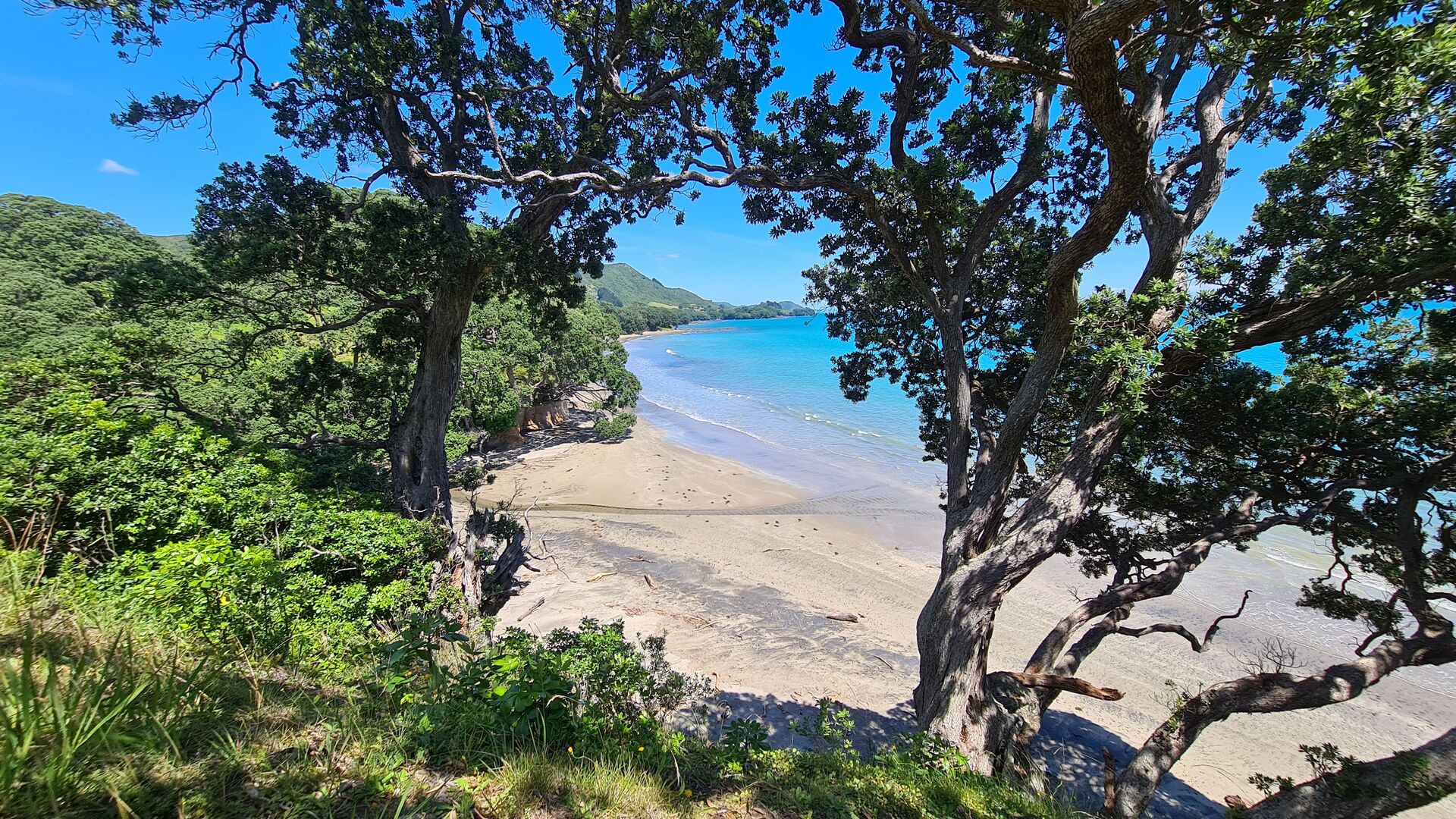
The coastline reflects a combination of sandy beaches, river mouths, and rocky headlands shaped by marine erosion and tectonic uplift. Offshore, the Hikurangi Trench marks a major subduction zone that continues to influence the region’s geology and seismic activity.
Things to See
Gisborne and its surrounding region offer a rich mix of cultural, natural, and recreational attractions:
Natural Landscapes
- Beaches such as Waikanae Beach, Wainui Beach, and Midway Beach
- Coastal headlands and scenic lookouts
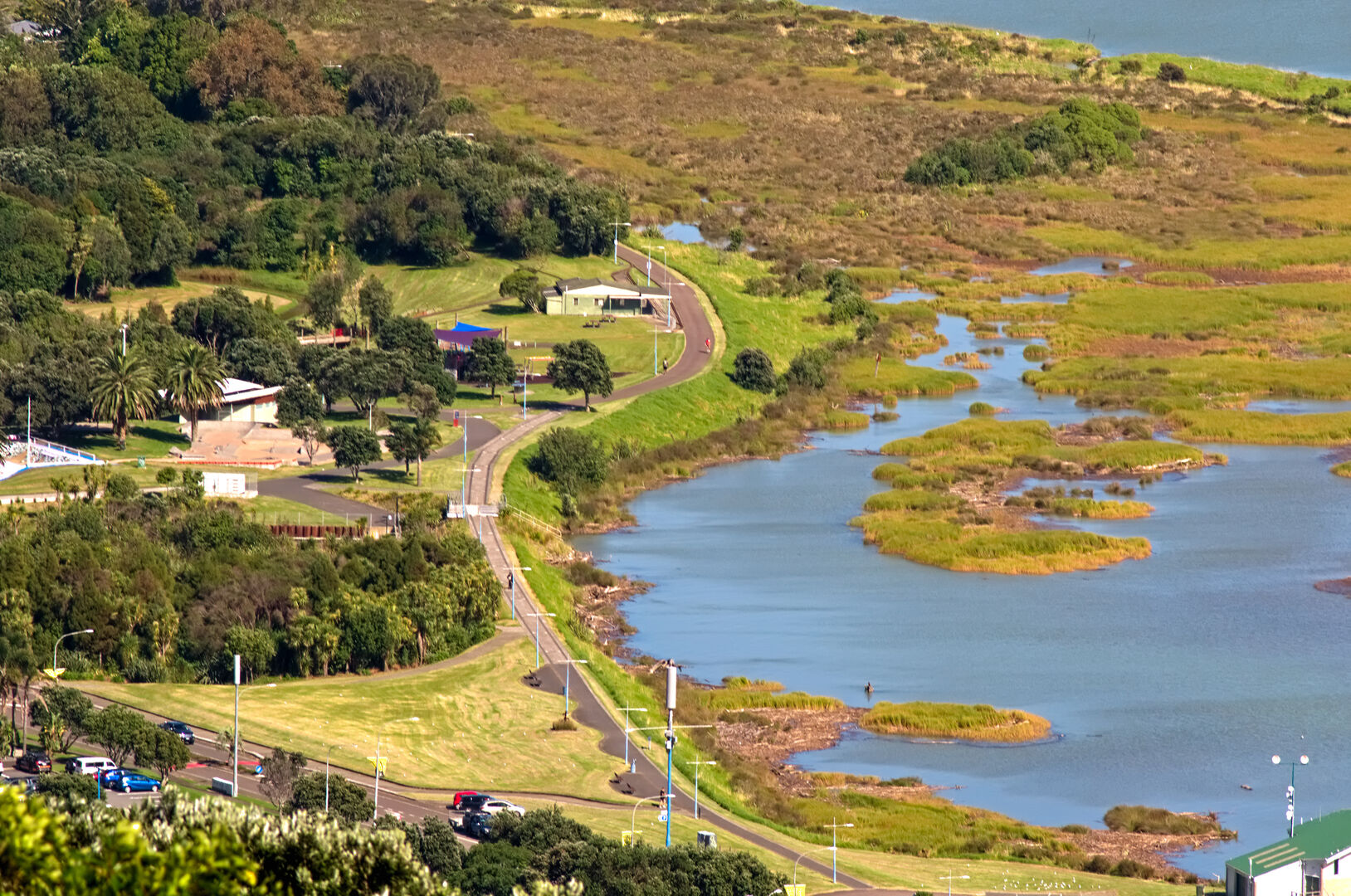
- Rivers and estuaries flowing into Poverty Bay
- Rolling rural landscapes and vineyards
Cultural and Historical Sites
- Tairāwhiti Museum, focusing on regional and Māori history
- Sites connected to early Māori settlement and navigation
- Memorials related to Captain Cook’s arrival
- Local marae and cultural centers
Regional Experiences
- Wine tasting in the Gisborne wine region, known for Chardonnay
- Surfing, swimming, and coastal recreation
- Walking and cycling tracks along the coast and rivers
- Community festivals, markets, and cultural events