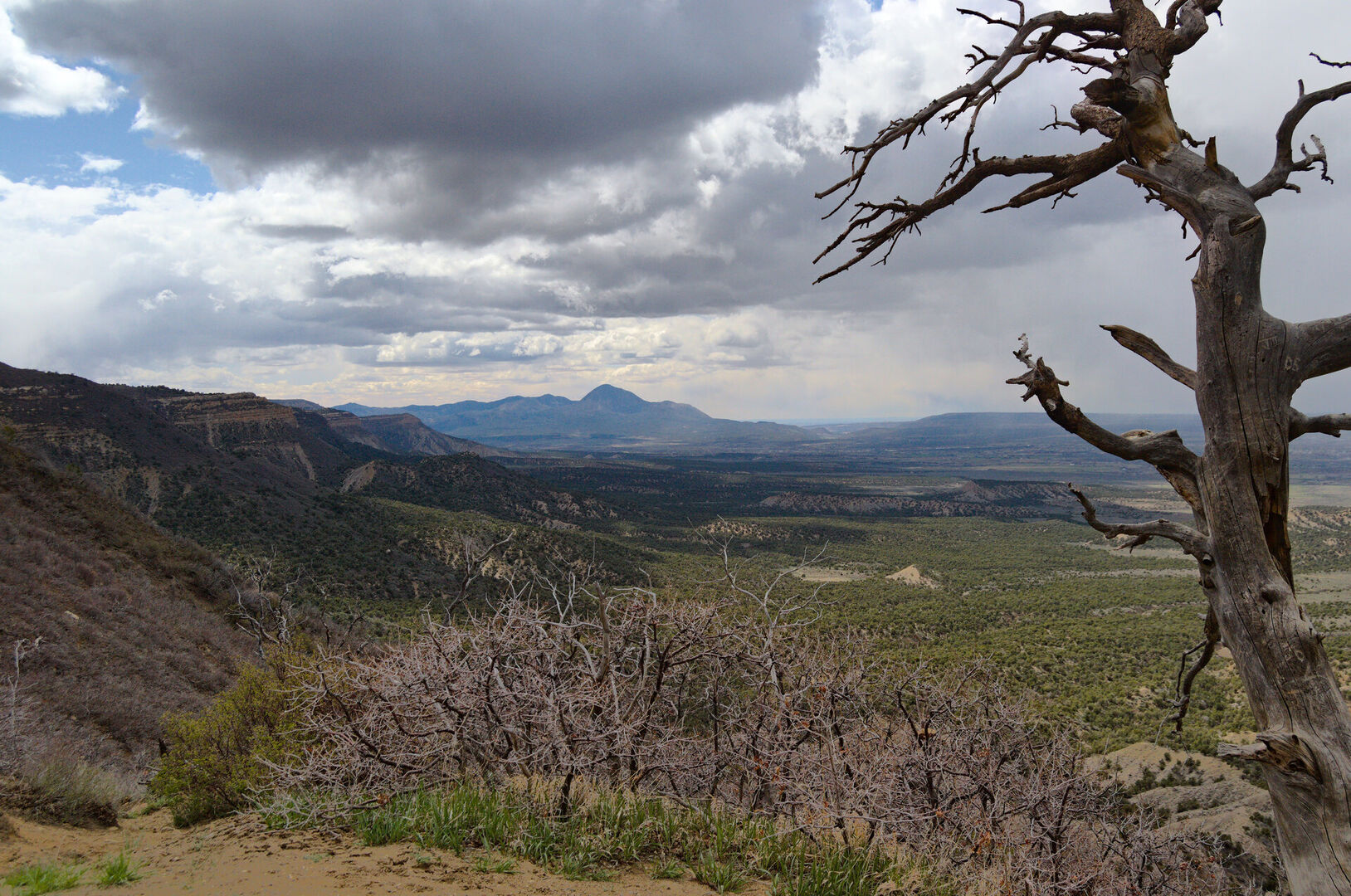
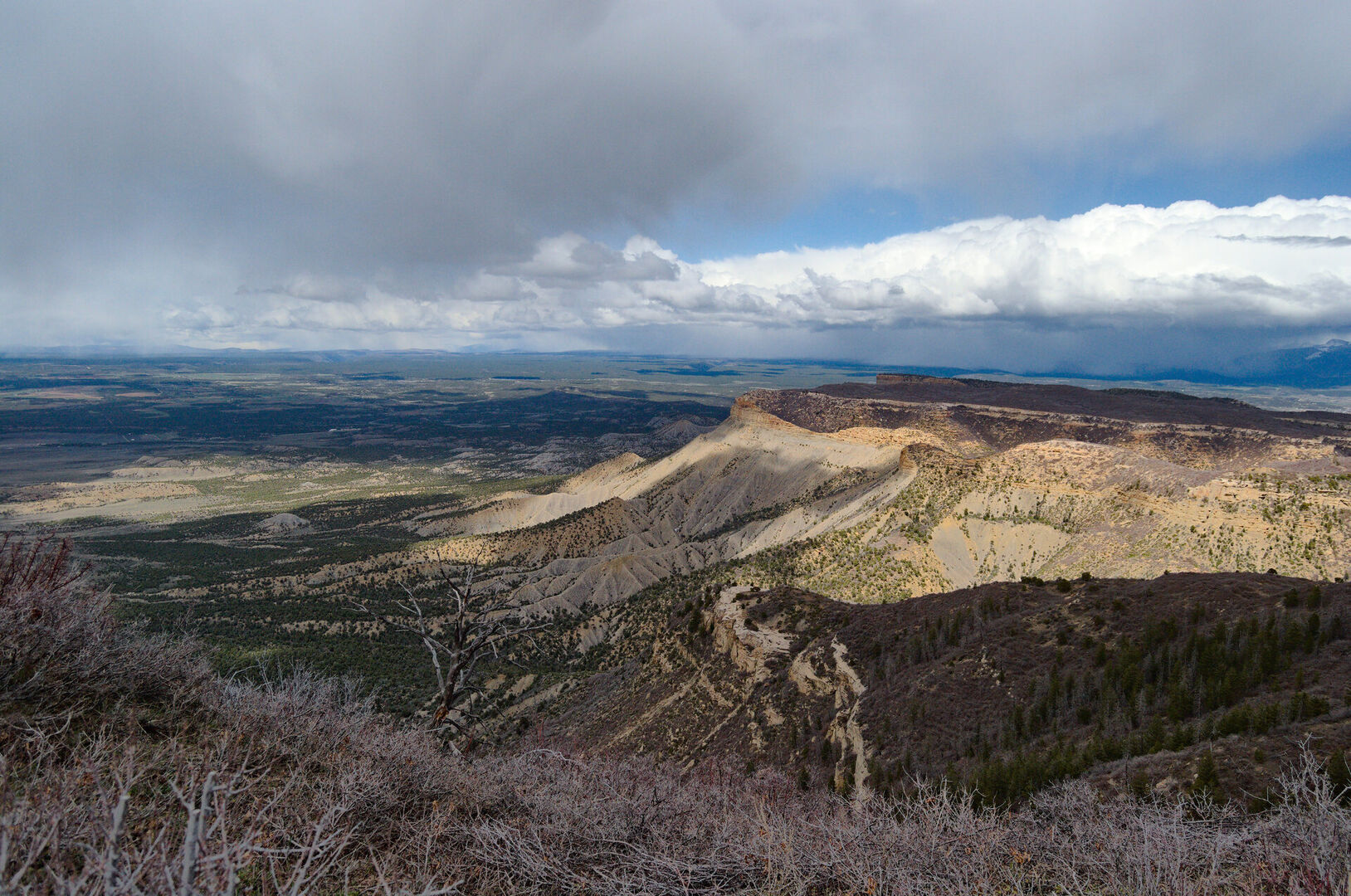
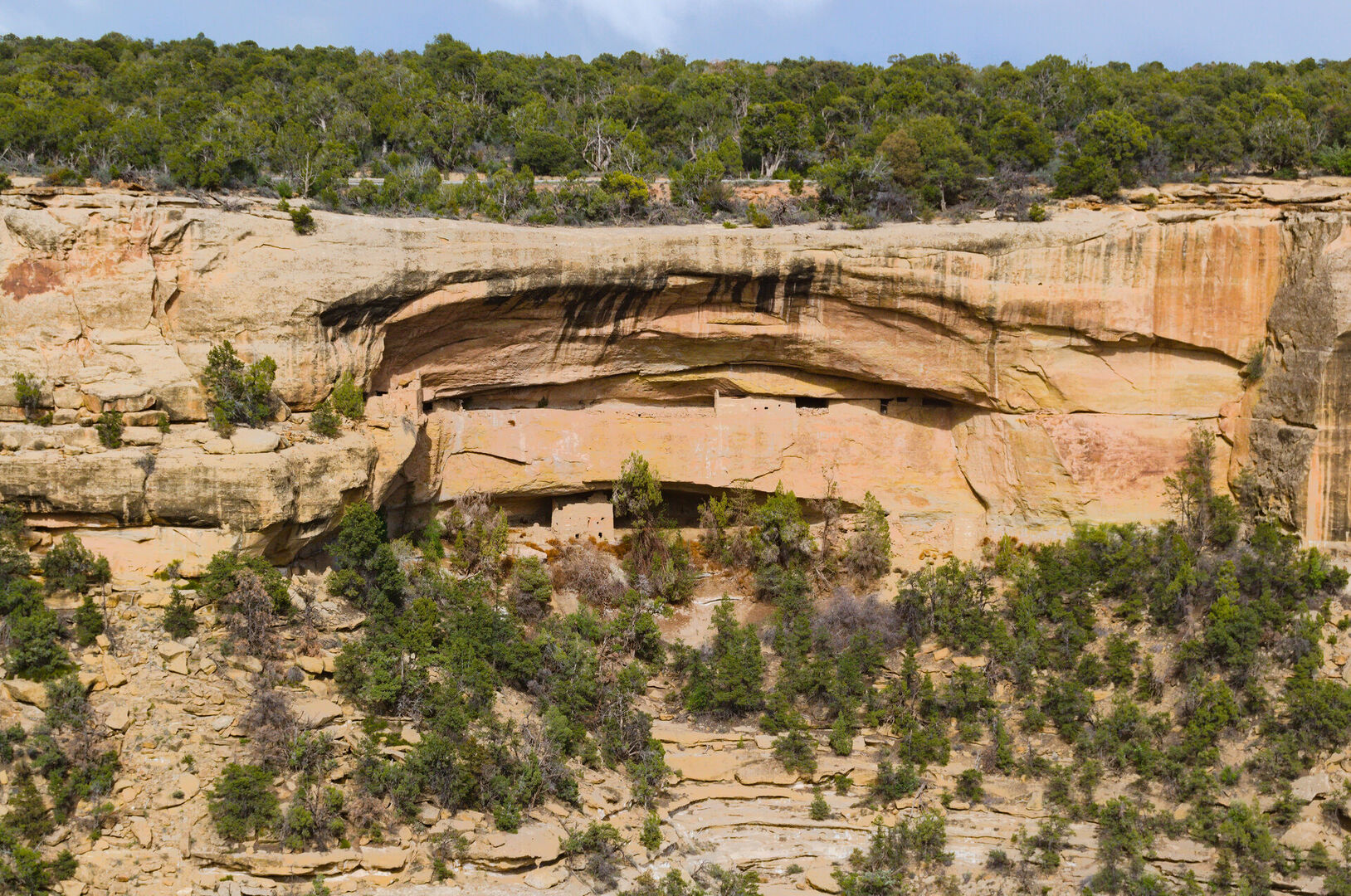
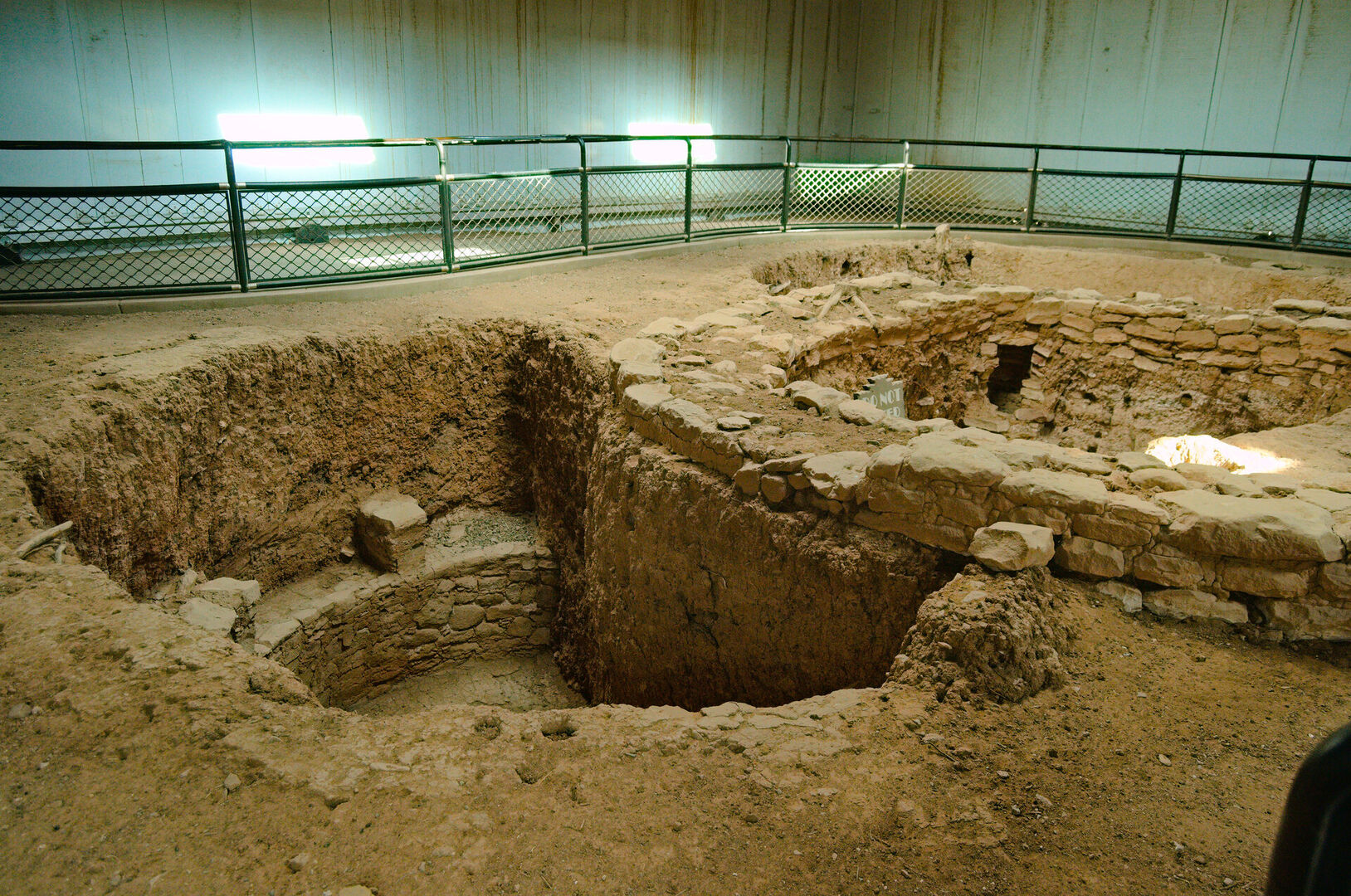
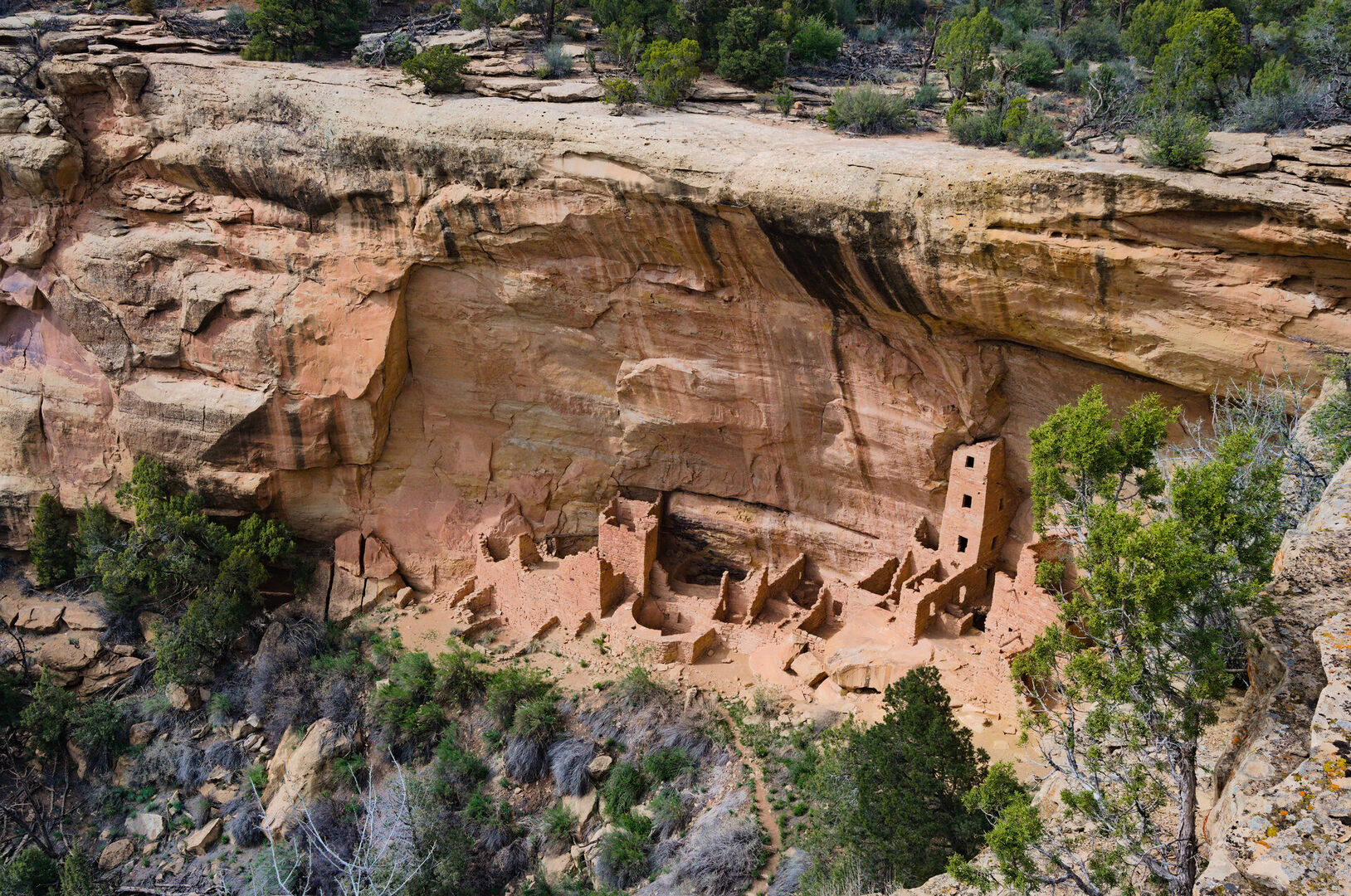
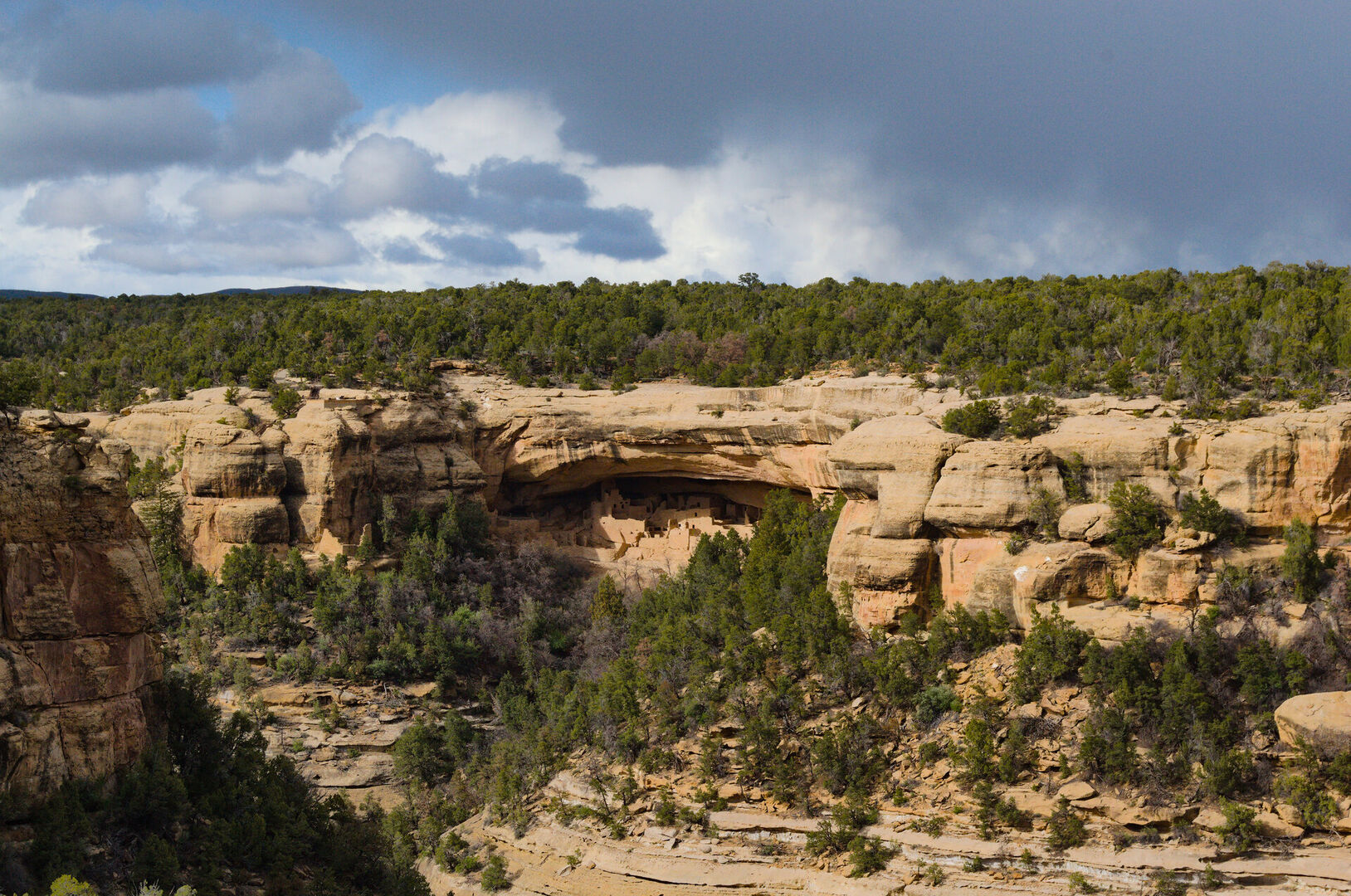
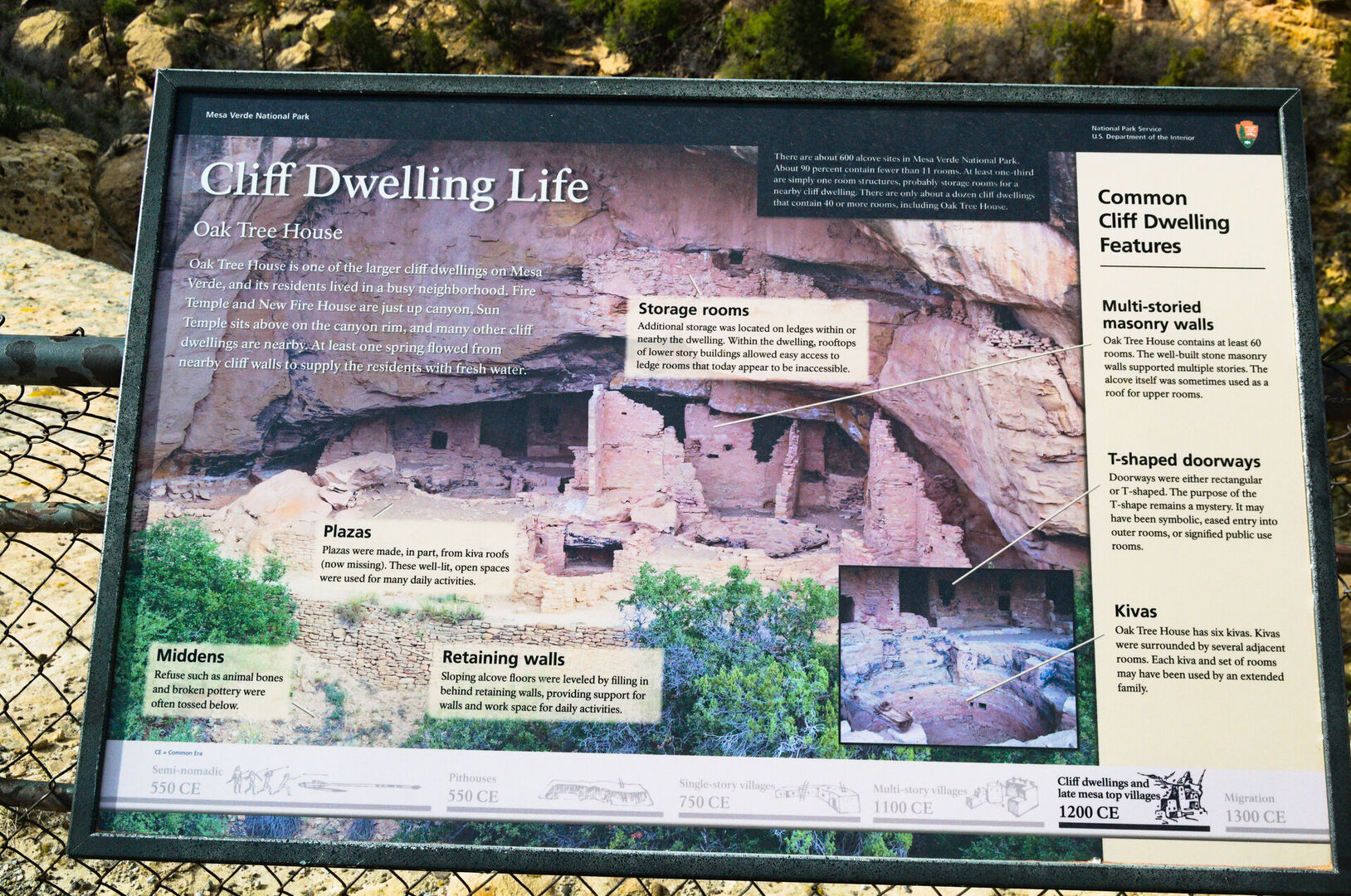
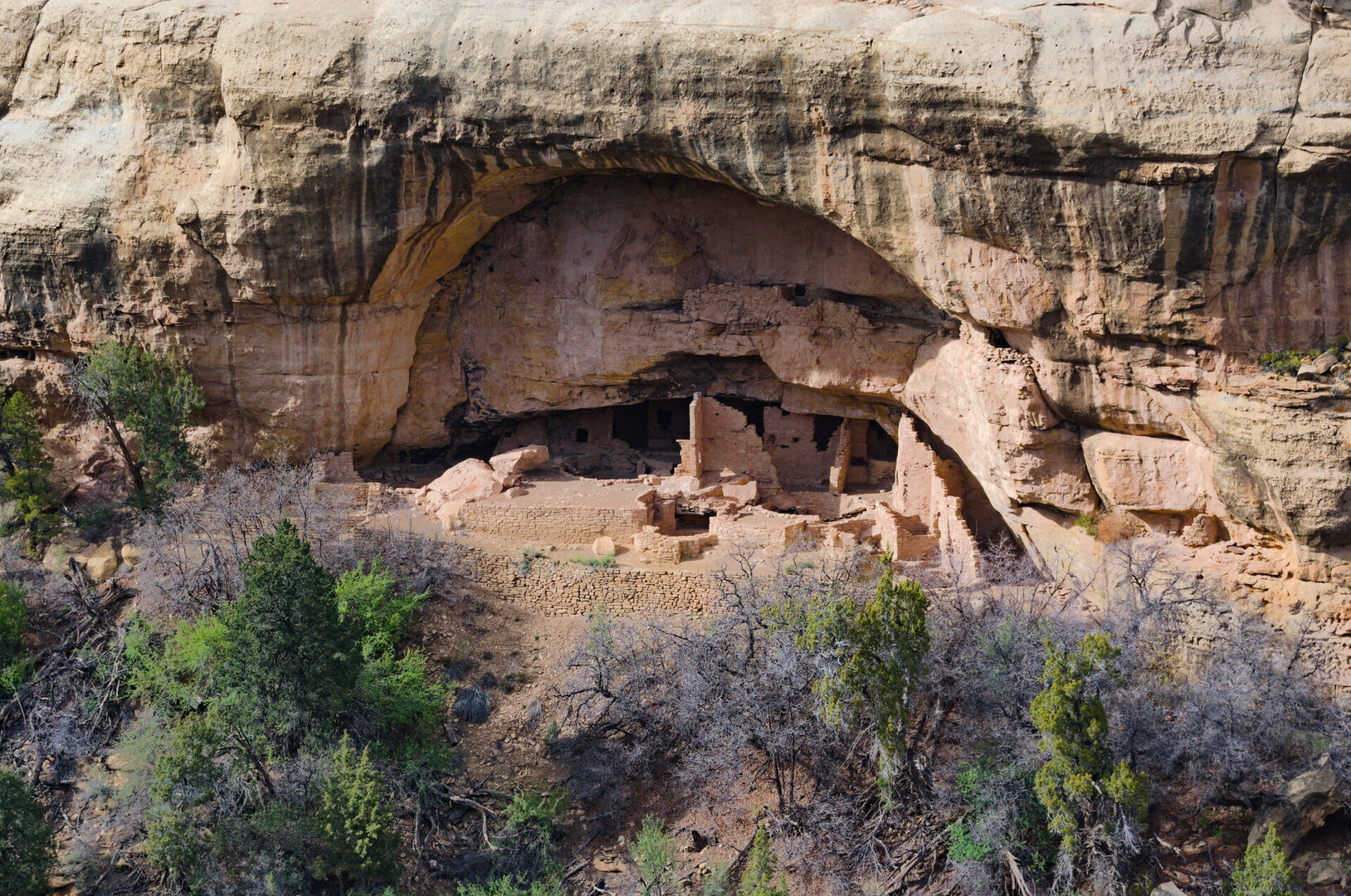
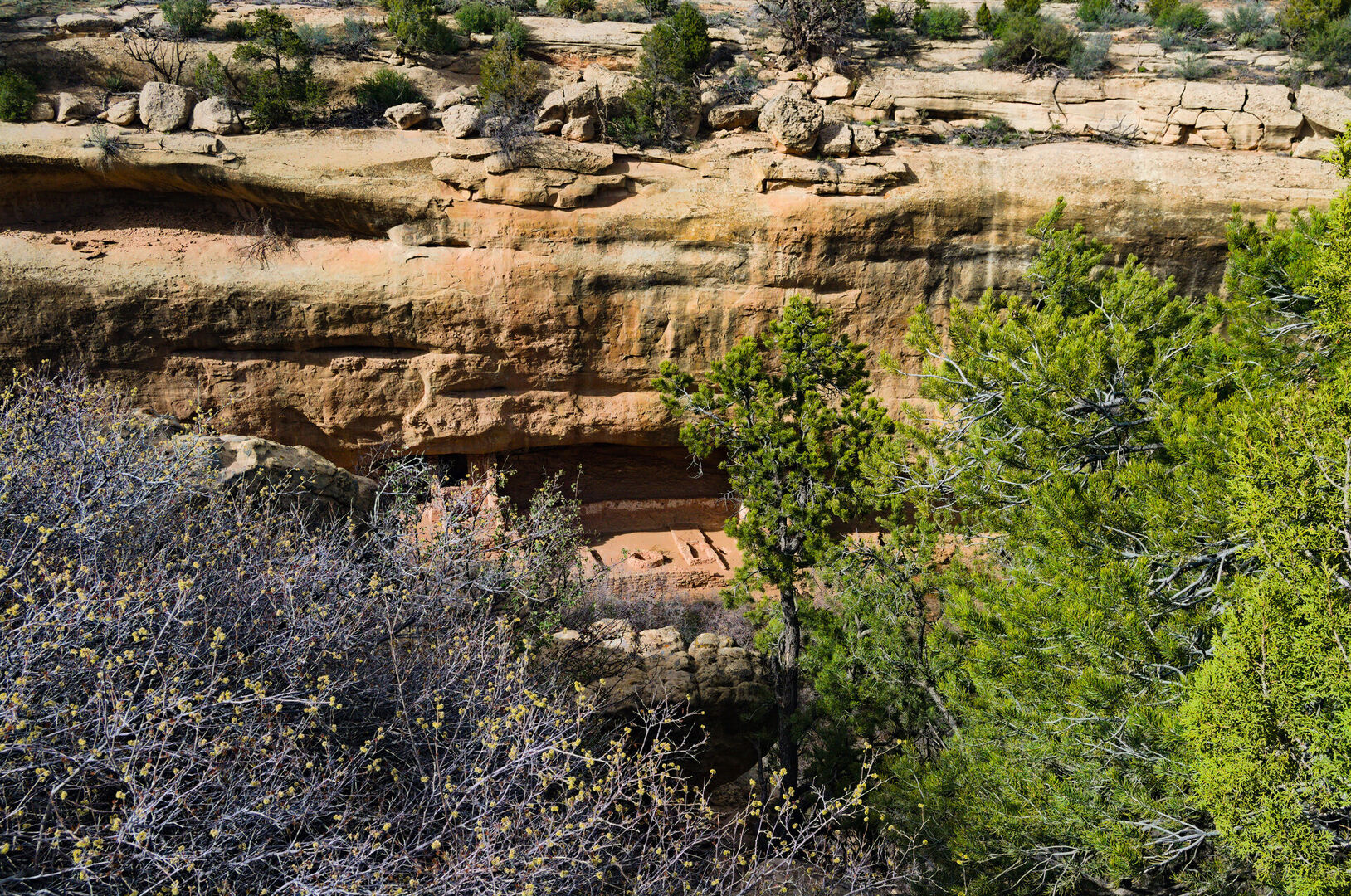
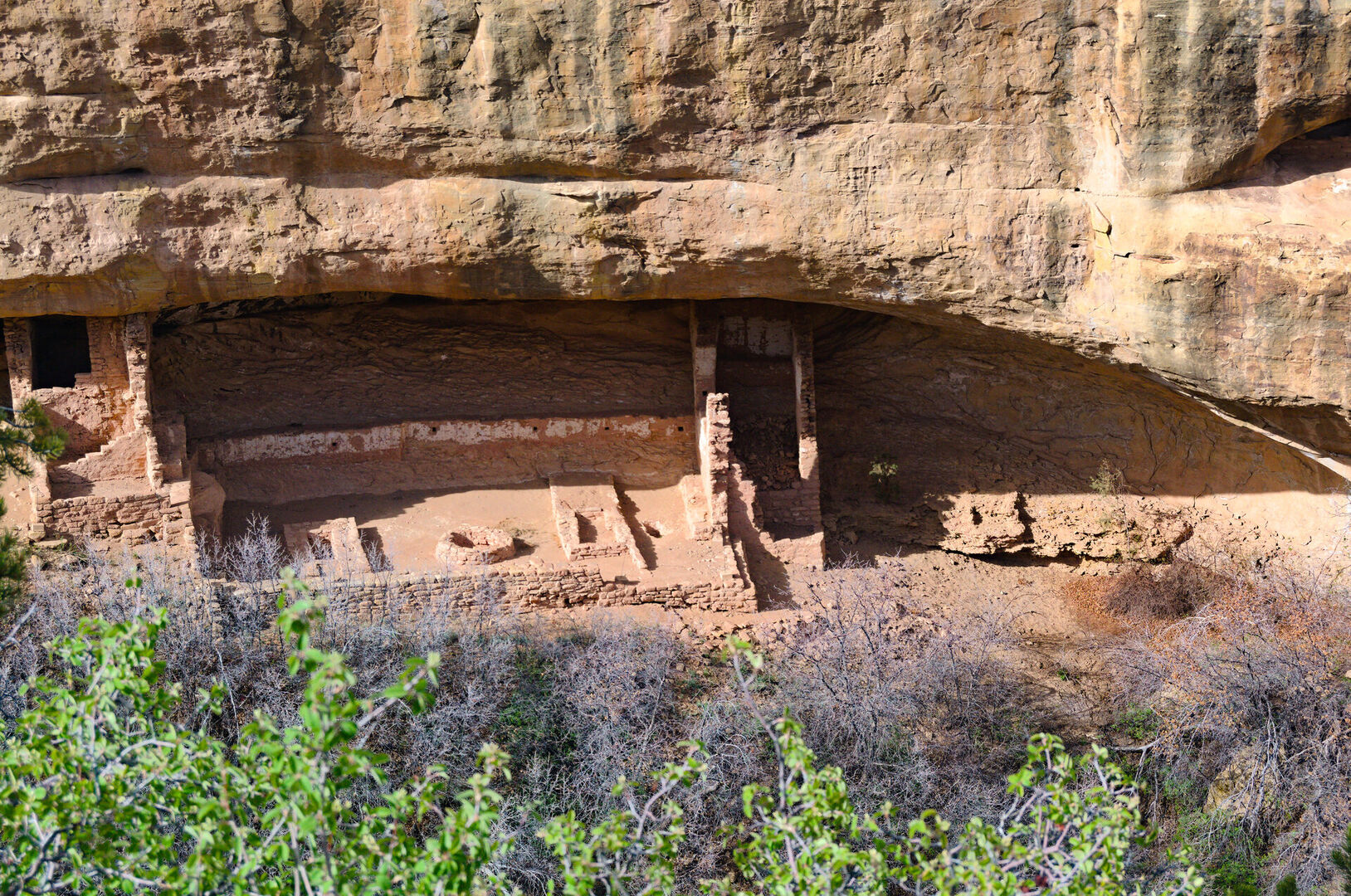
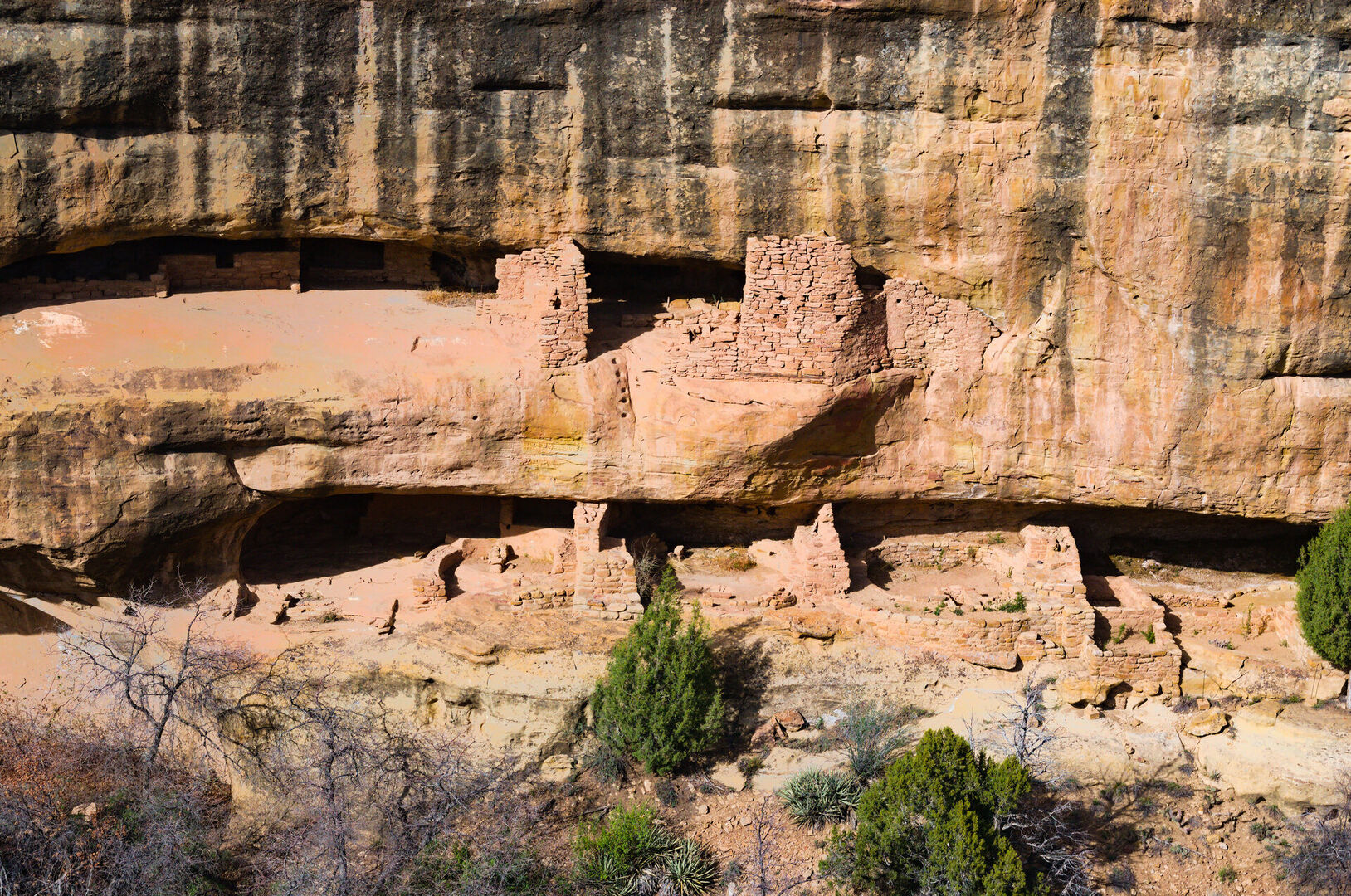
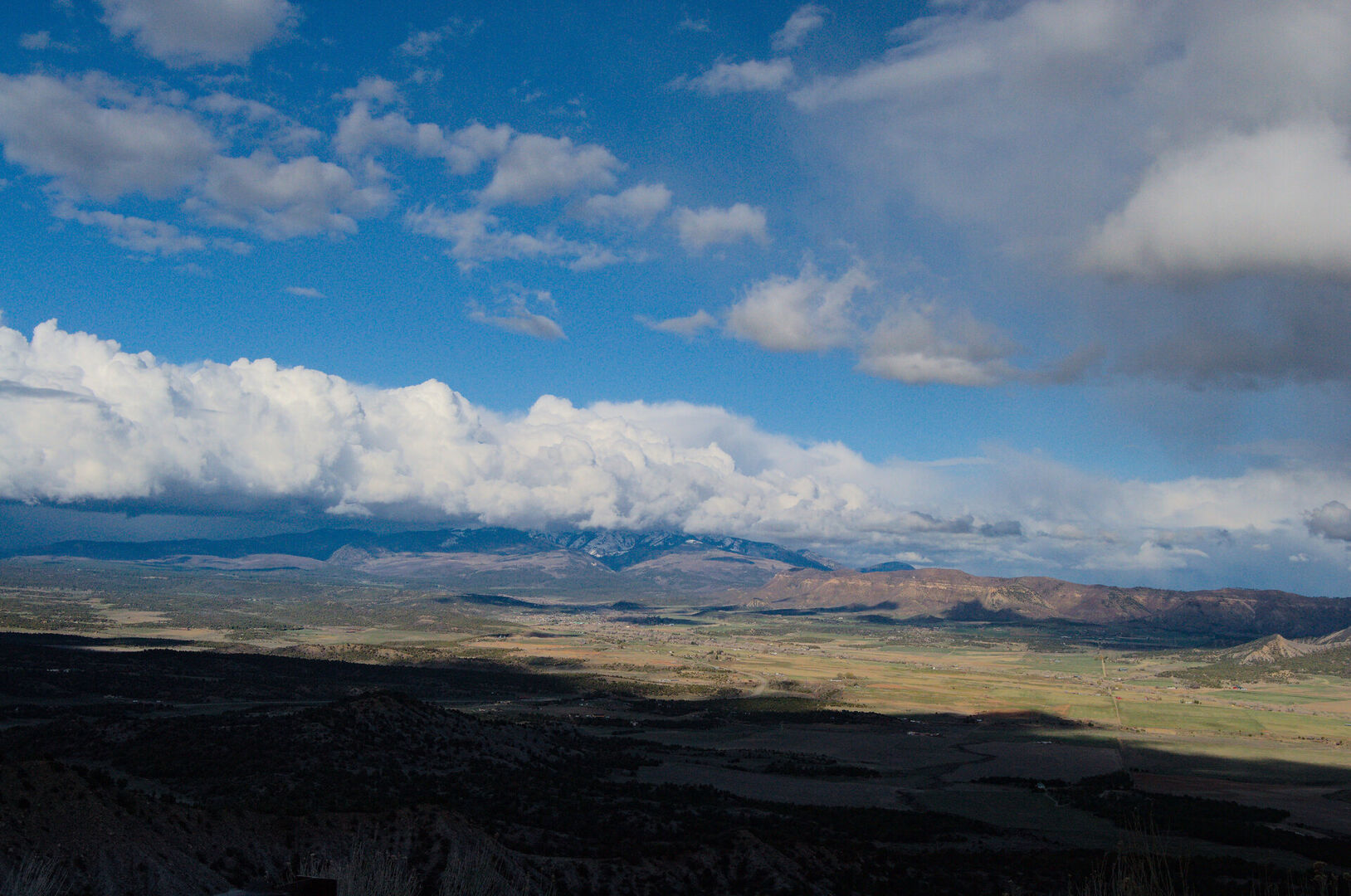
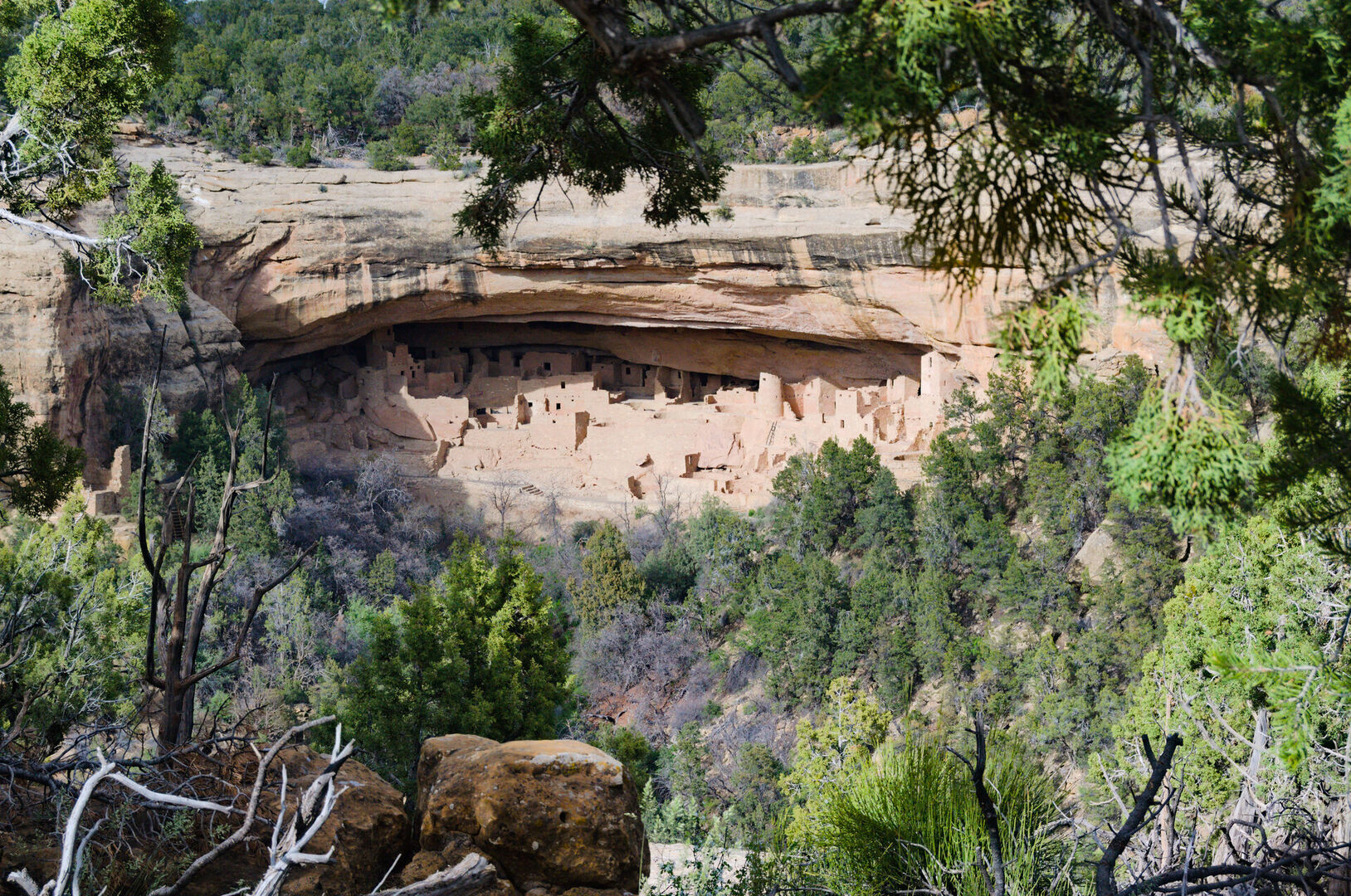
Mesa Verde National Park is a protected cultural and natural landscape located in southwestern Colorado, near the town of Cortez. The park is internationally known for its exceptionally well-preserved ancestral Puebloan cliff dwellings, which are among the most significant archaeological sites in North America. Mesa Verde, meaning “green table” in Spanish, refers to the broad plateau that forms the core of the park.
The park sits on the Colorado Plateau at elevations ranging from high mesas to deeply incised canyons. Its landscape combines forested tablelands, steep canyon walls, and sheltered alcoves where ancient dwellings were built. Mesa Verde represents a transition zone between mountain and desert environments, with a climate characterized by warm summers, cold winters, and moderate precipitation compared to surrounding lowland deserts.
Unlike many national parks that are celebrated primarily for dramatic geological scenery, Mesa Verde is defined by the integration of human history and landscape. The park preserves both natural ecosystems and cultural heritage, making it a unique destination focused on archaeology, history, and cultural understanding.
History
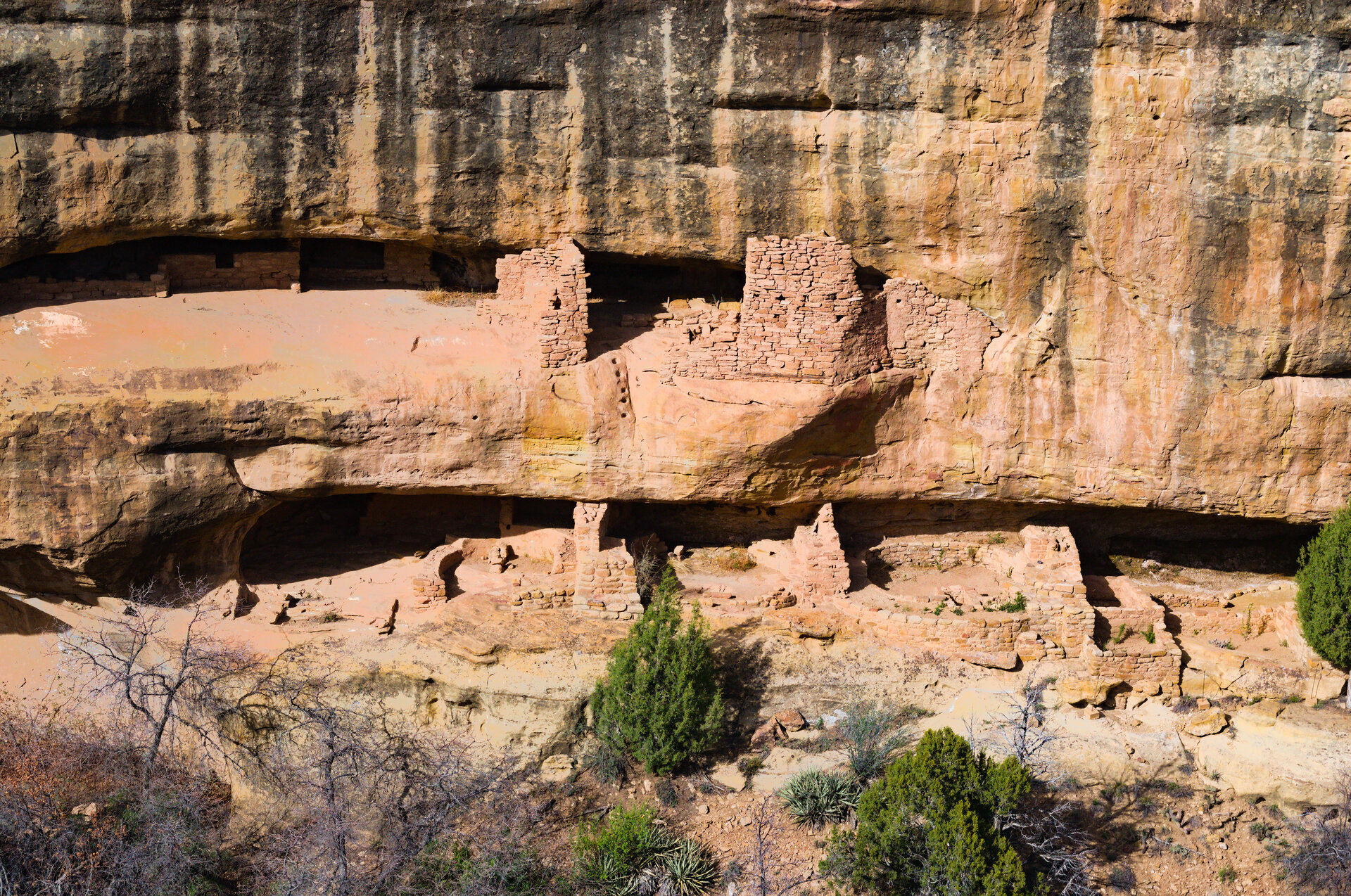
Mesa Verde was inhabited by Ancestral Puebloans, also known as the Ancestral Pueblo people, from approximately the 6th century until the late 13th century. Early inhabitants lived on the mesa tops in pit houses and later developed complex stone villages. Over time, communities began constructing multi-room dwellings in sheltered canyon alcoves, creating the iconic cliff dwellings for which the park is famous.
These communities developed advanced agricultural techniques, including dry farming of corn, beans, and squash, as well as sophisticated architectural and social systems. Cliff dwellings served as residential, ceremonial, and storage spaces, reflecting complex community organization.
By the late 1200s, the Ancestral Puebloans had left the region, likely due to a combination of prolonged drought, resource stress, and social factors. Descendant Pueblo communities maintain cultural and spiritual connections to Mesa Verde today.
European-American interest in Mesa Verde began in the late 19th century, leading to archaeological exploration and concern over site preservation. Mesa Verde National Park was established in 1906, becoming one of the first national parks created specifically to protect cultural resources.
Geology
Mesa Verde’s geology is closely tied to the sedimentary history of the Colorado Plateau. The park is composed primarily of layered sandstone, shale, and limestone deposited by ancient seas and river systems over millions of years.
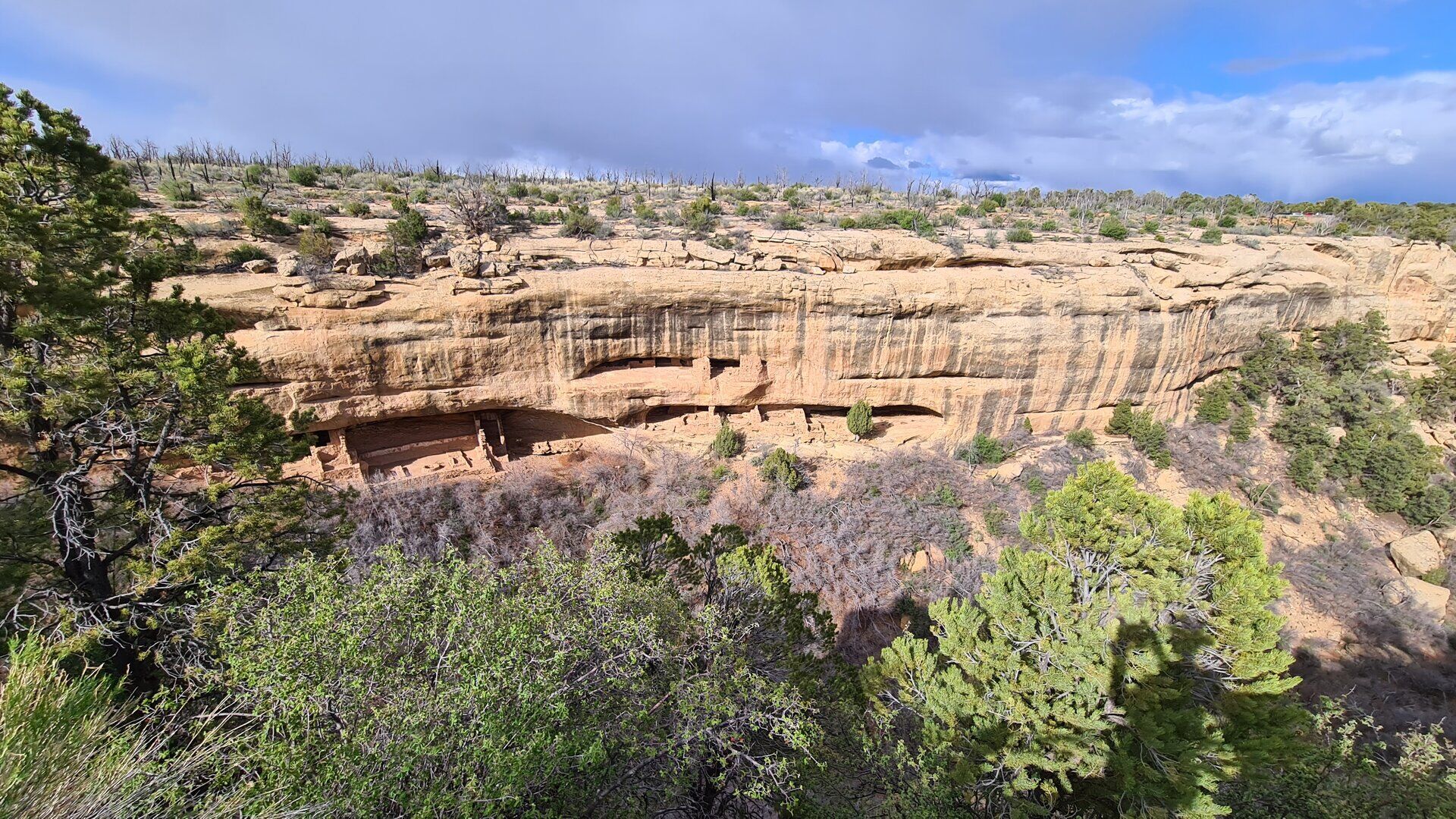
Erosion carved deep canyons into the plateau, creating the steep walls and natural alcoves that made cliff dwellings possible. These alcoves formed where softer rock layers eroded beneath harder sandstone, producing sheltered overhangs.
The mesa top remains relatively flat, while canyon systems dissect the plateau, exposing geological layers and creating varied microenvironments. The region is tectonically stable compared to other parts of the western United States, allowing archaeological sites to remain well preserved over long periods.
Landscapes and Natural Environment
Mesa Verde’s landscape is a mix of forested mesa tops, pinyon-juniper woodlands, and canyon ecosystems. Vegetation varies with elevation and exposure, supporting grasses, shrubs, and trees adapted to semi-arid conditions.
Canyons provide sheltered environments with cooler temperatures and increased moisture, supporting denser plant growth. Wildlife includes mule deer, coyotes, birds of prey, small mammals, and reptiles.
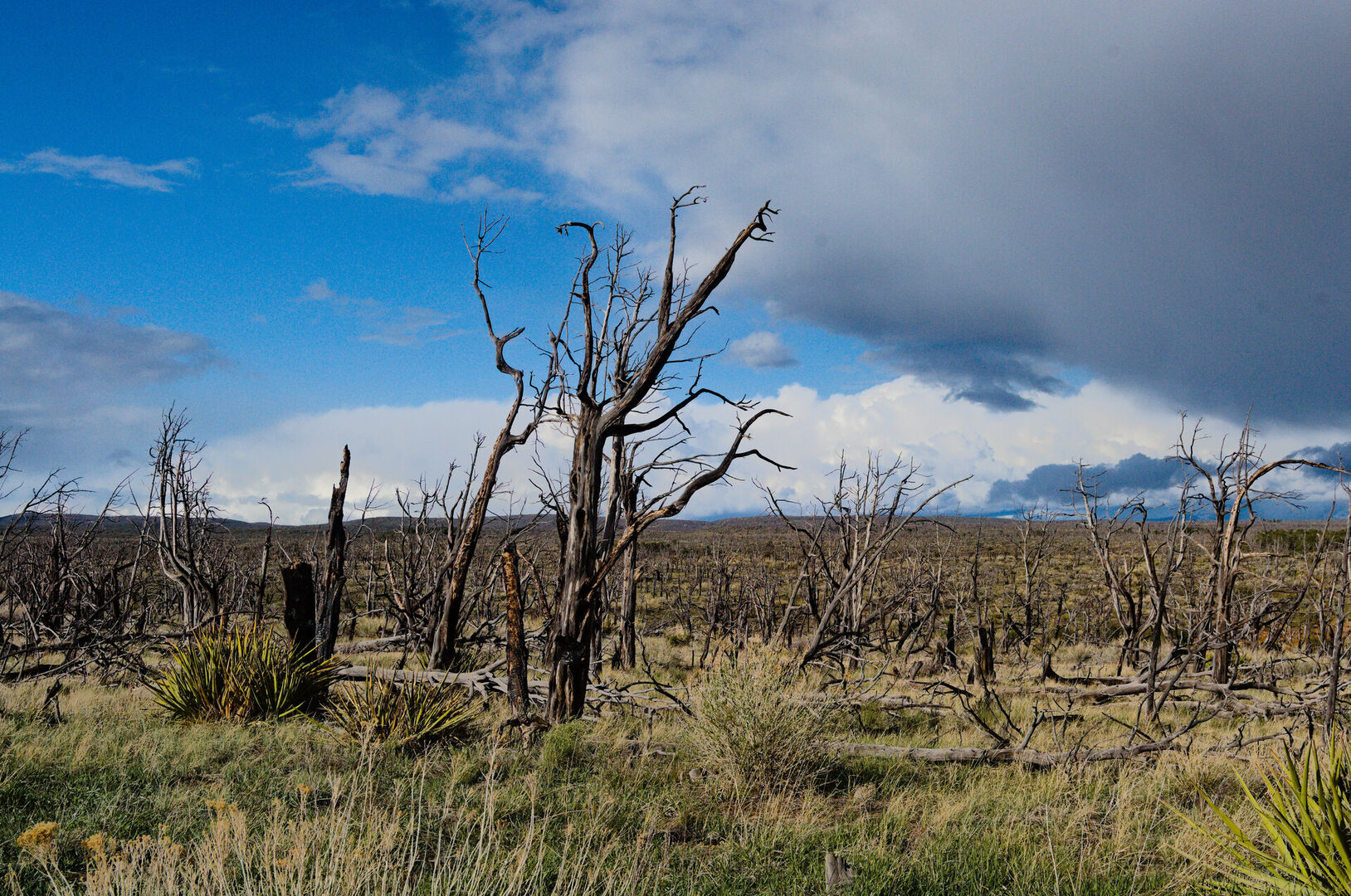
Fire, drought, and seasonal weather patterns play important roles in shaping the park’s ecosystems. Management efforts focus on balancing natural processes with the protection of fragile archaeological resources.
Things to See
Mesa Verde National Park offers a rich combination of cultural and natural attractions:
Archaeological and Cultural Sites
- Cliff dwellings built into canyon alcoves
- Multi-room stone structures and towers
- Kivas used for ceremonial purposes
Landscape and Scenic Areas
- Broad mesa-top views across the Colorado Plateau
- Deep canyons and eroded sandstone walls
- Forested tablelands and open grasslands
Educational Experiences
- Guided tours of cliff dwellings
- Museums and visitor centers with archaeological exhibits
- Interpretive trails explaining Ancestral Puebloan life
Outdoor Activities
- Hiking trails through mesa and canyon environments
- Wildlife observation and photography
- Scenic drives connecting major archaeological sites
Experience and Character
Mesa Verde National Park is defined by reflection, scale, and human ingenuity. The cliff dwellings create a powerful sense of connection between people and place, highlighting how communities adapted to and thrived in a challenging environment.
The park offers a quieter and more contemplative experience than many other national parks. Its focus on cultural heritage encourages visitors to consider long-term human relationships with the land, making Mesa Verde a deeply meaningful and educational destination.