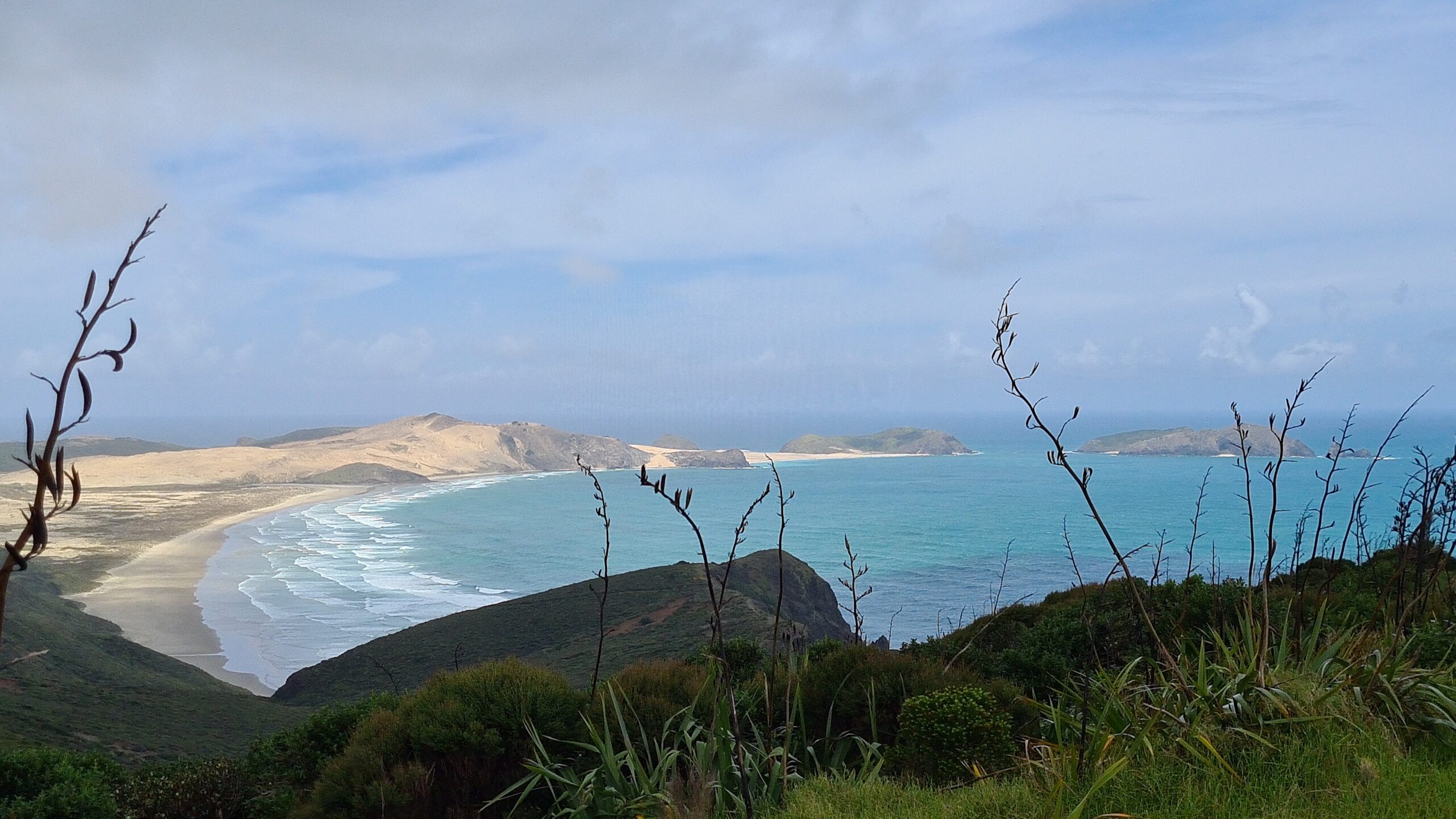


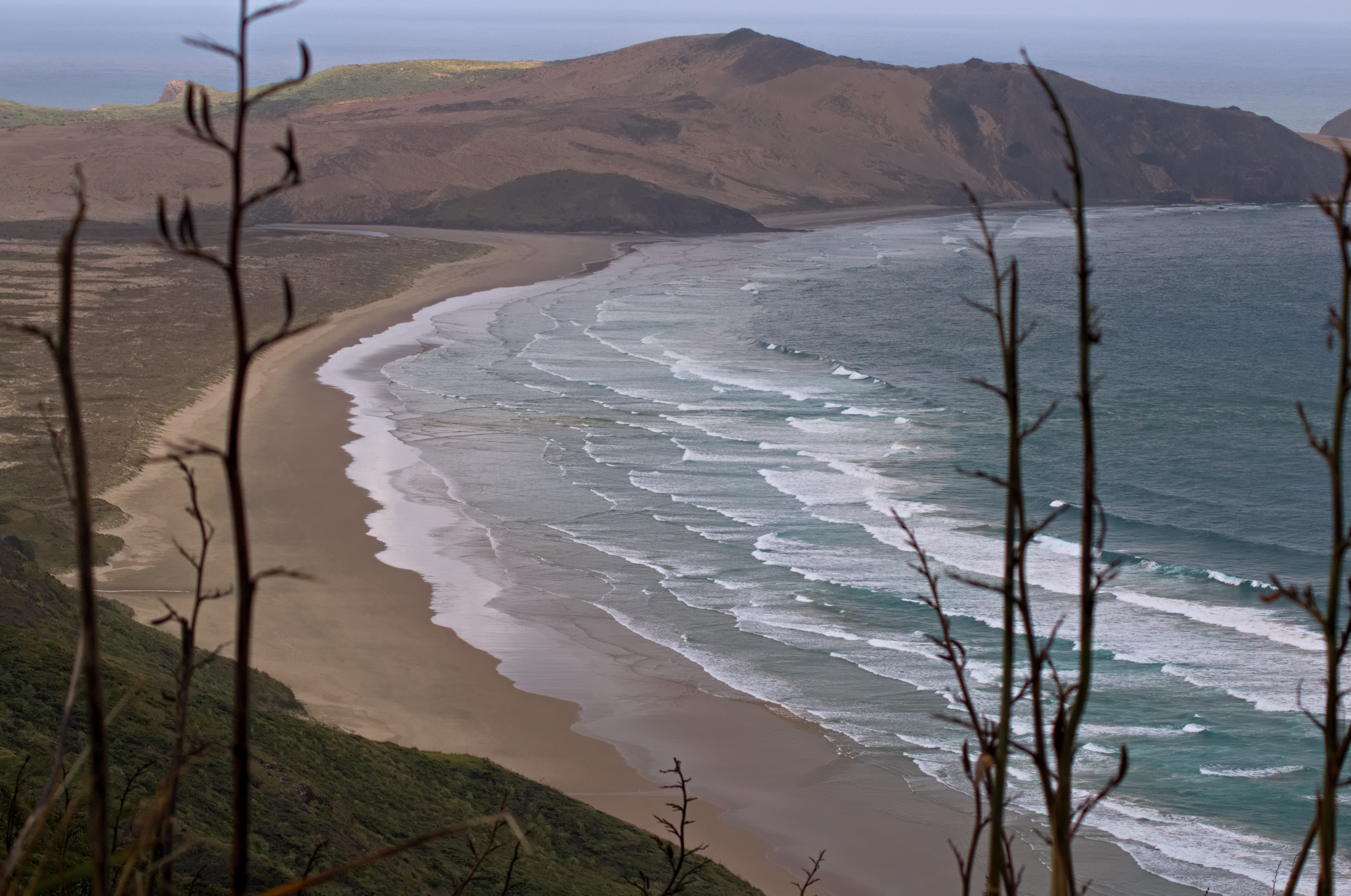


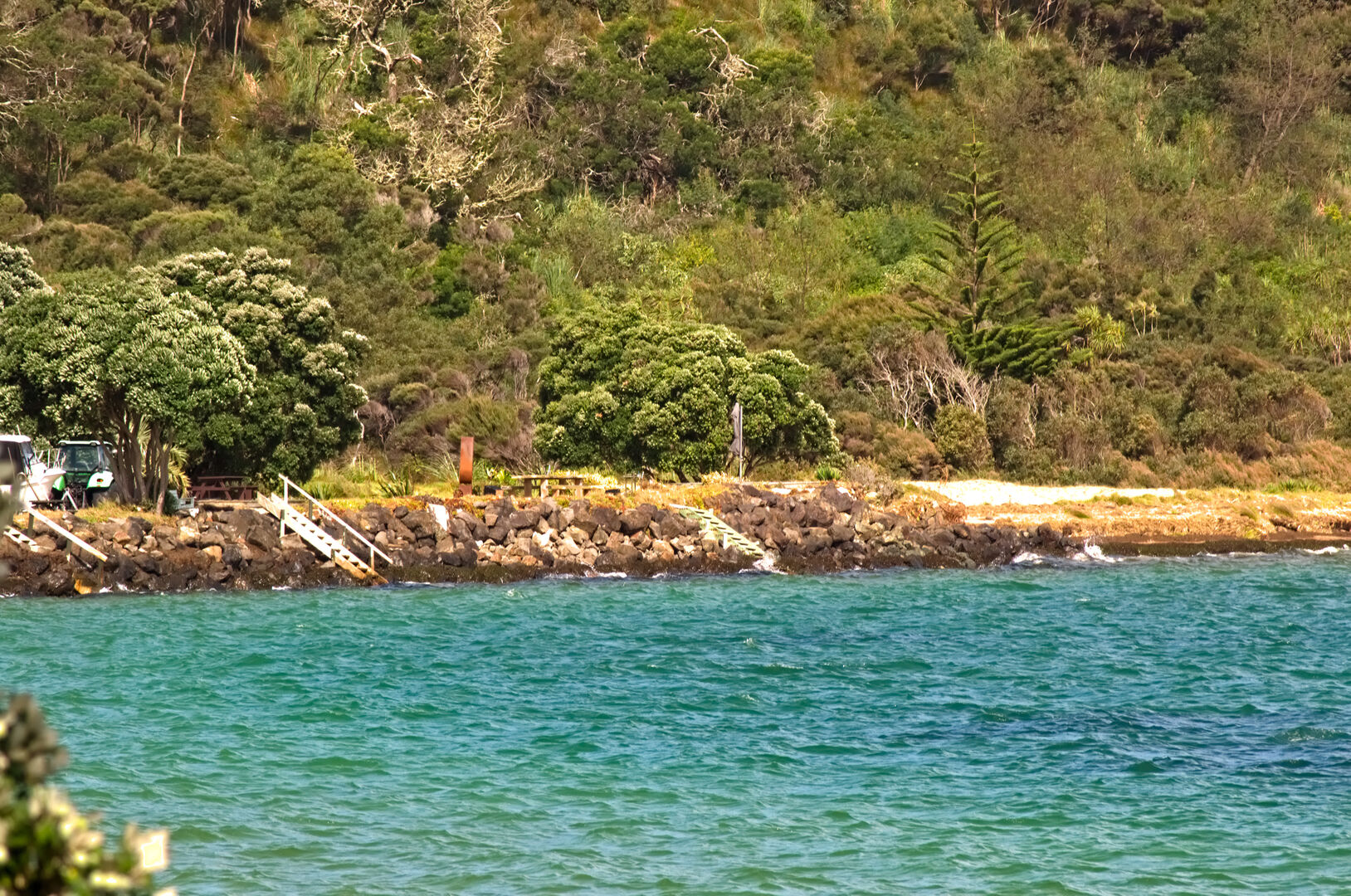

Cape Reinga is a dramatic and culturally significant headland located at the northern tip of New Zealand’s North Island, in the Far North region. It marks the meeting point of the Tasman Sea and the Pacific Ocean and is widely regarded as one of the most iconic natural landmarks in the country. Although often described as the northernmost point of New Zealand, the true northernmost point lies slightly to the east; nevertheless, Cape Reinga holds immense symbolic and geographical importance.
The cape is characterized by steep cliffs, windswept landscapes, and expansive ocean views. The area is sparsely populated and protected, with minimal development to preserve its natural and cultural integrity. A lighthouse stands near the tip of the cape and serves as both a navigational aid and a focal point for visitors.
Cape Reinga has a temperate maritime climate, with strong winds common throughout the year and rapidly changing weather conditions. Tourism is the primary activity in the area, but visitor access is carefully managed to protect fragile ecosystems and sacred sites.
History
Cape Reinga holds profound spiritual significance in Māori culture. It is known in te reo Māori as Te Rerenga Wairua, meaning “the leaping-off place of spirits.” According to Māori belief, the spirits of the dead travel to Cape Reinga and descend into the ocean from an ancient pōhutukawa tree at the edge of the cliffs, beginning their journey back to the ancestral homeland of Hawaiki.
For centuries, the cape has been regarded as a sacred place rather than a settlement area. Māori traditions emphasize respect, silence, and appropriate behavior when visiting, reflecting the site’s role in spiritual transition rather than everyday life.
European awareness of Cape Reinga increased during the 19th century as explorers and settlers mapped the coastline. The lighthouse, first built in the early 20th century, became an important navigational landmark for shipping routes along the North Island’s west and east coasts. Today, the site represents both Māori spiritual heritage and New Zealand’s maritime history.
Geology
Cape Reinga’s geology reflects the complex geological history of New Zealand’s far north. The headland is composed mainly of ancient sedimentary rocks, including sandstone and mudstone, formed millions of years ago and later uplifted by tectonic forces.
The dramatic cliffs and headlands have been shaped by intense marine erosion, driven by powerful ocean currents, wave action, and strong winds. The visible convergence of the Tasman Sea and the Pacific Ocean creates distinctive surface patterns, though the mixing of waters occurs gradually over a broader area.
The region lies near major tectonic boundaries that influence the shape of the coastline and contribute to seismic activity. Ongoing erosion continues to reshape the cape, making it a dynamic geological environment as well as a visually striking one.
Things to See
Cape Reinga offers a powerful combination of natural beauty, cultural meaning, and sensory experience:
Natural Features
- The Cape Reinga lighthouse with panoramic ocean views
- Steep coastal cliffs and rugged headlands
- The visible meeting of the Tasman Sea and Pacific Ocean
- Windswept vegetation adapted to harsh coastal conditions
Cultural and Spiritual Sites
- Te Rerenga Wairua, the sacred departure place of spirits
- The ancient pōhutukawa tree clinging to the cliffs below
- Interpretation panels explaining Māori beliefs and traditions
- Memorials and signage emphasizing respectful visitation
Visitor Experience
- Coastal walking paths and viewpoints
- Expansive skies and dramatic light conditions
- Strong sense of remoteness and isolation
- Quiet, reflective atmosphere encouraged by the setting
Experience and Character
Visiting Cape Reinga is often described as a deeply moving experience rather than a conventional sightseeing stop. The combination of vast ocean views, constant wind, and cultural significance creates a powerful sense of place. Many visitors report a feeling of stillness, reflection, and connection to the land and sea.
The cape’s isolation enhances its impact. With limited facilities and no nearby urban development, the environment feels raw and elemental. Visitors are encouraged to move slowly, observe respectfully, and appreciate the site’s spiritual importance.
Cape Reinga represents the intersection of natural forces and cultural meaning. It stands as a symbol of beginnings and endings, anchoring New Zealand’s northern edge both physically and spiritually.