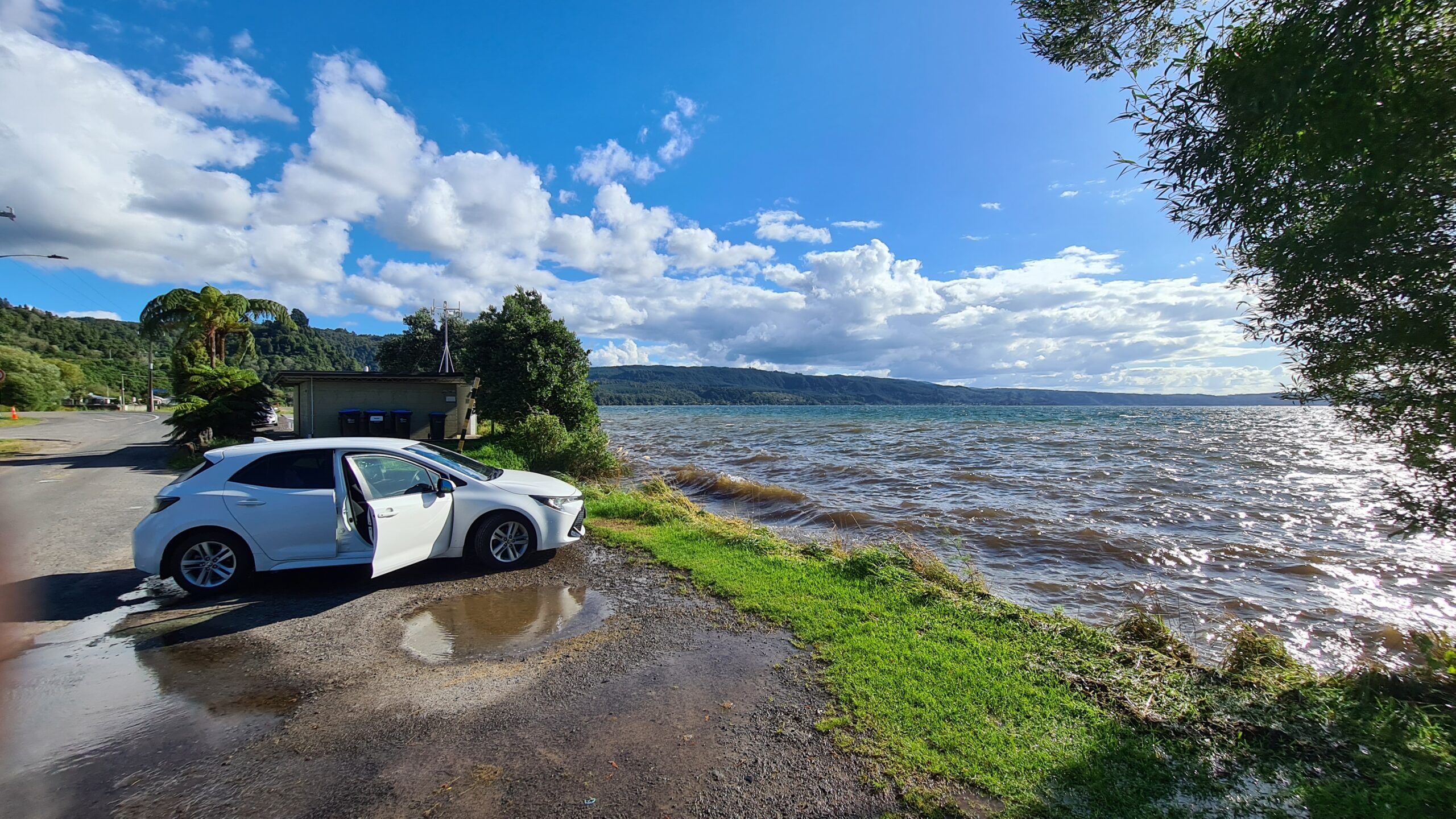









Rotorua is a city located in the Bay of Plenty region on New Zealand’s North Island. It sits on the southern shores of Lake Rotorua and is internationally known for its geothermal activity, Māori culture, and natural landscapes. Rotorua serves as a regional center for tourism, culture, education, and public services in the central North Island.
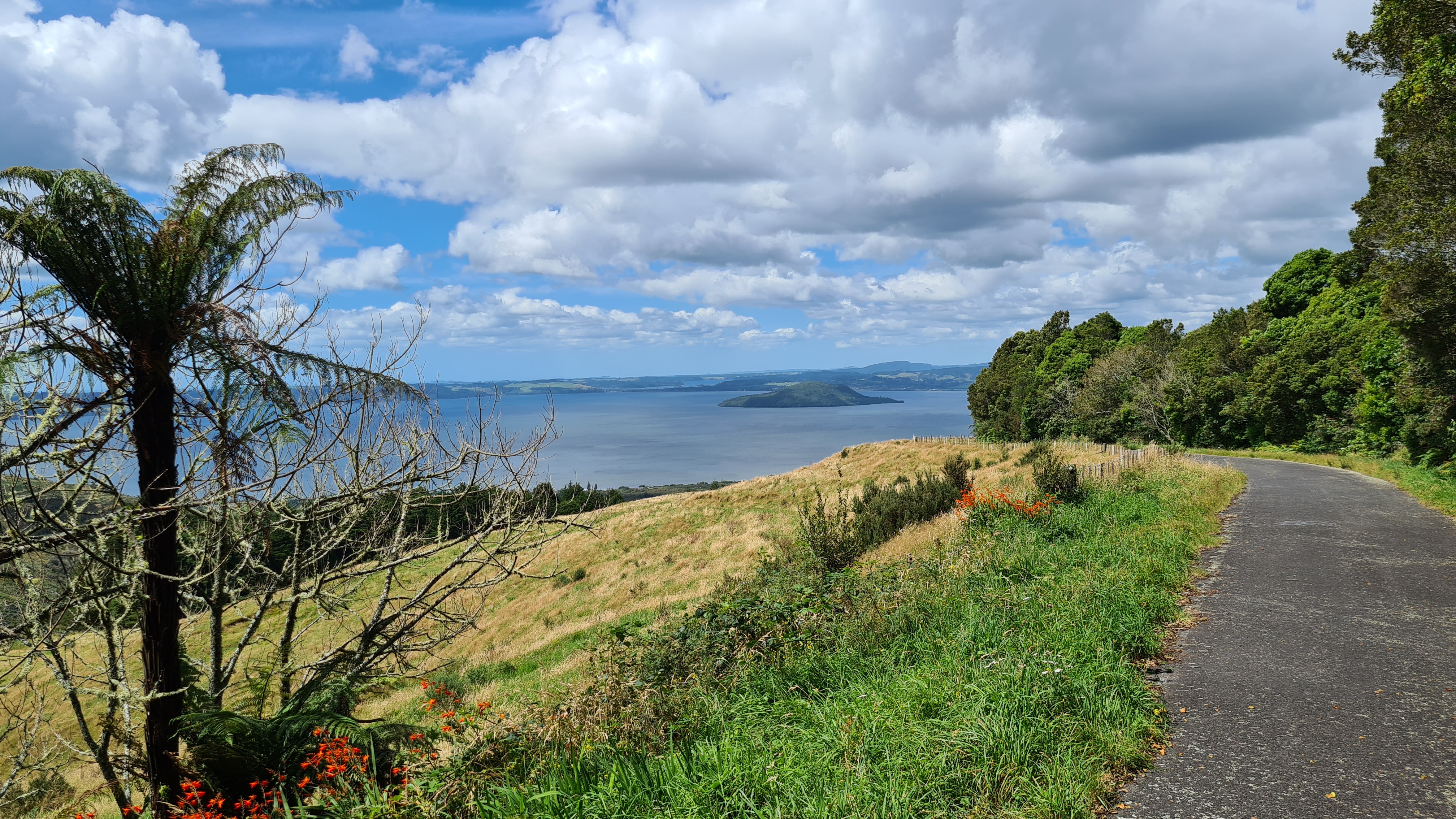
The city is surrounded by forests, lakes, volcanic plateaus, and rolling farmland. Its urban area is relatively compact, with residential neighborhoods, parks, and geothermal fields located close to the city center. Rotorua’s environment gives it a distinctive character, with visible steam vents, sulfur scents, and geothermal features present in several parts of the city.
Rotorua has a temperate climate with warm summers, cool winters, and regular rainfall throughout the year. Tourism is a major driver of the local economy, supported by forestry, agriculture, education, and government services. Rotorua is also an important center for Māori cultural tourism and heritage preservation.
History
The Rotorua region has been inhabited for centuries by Māori iwi (tribes), particularly Te Arawa, who settled around the lakes and geothermal areas. The geothermal resources were traditionally used for cooking, bathing, and healing, and the land holds deep cultural and spiritual significance.
European interest in Rotorua increased in the 19th century, largely due to its geothermal wonders. In the late 1800s, Rotorua was developed as a spa town by the colonial government, attracting visitors seeking health treatments based on mineral waters and geothermal mud.
The city grew steadily in the 20th century, becoming one of New Zealand’s most visited tourist destinations. Rotorua also played an important role in the development of Māori tourism enterprises, cultural performances, and educational initiatives. Today, Rotorua reflects a strong partnership between Māori heritage and modern urban life.
Geology
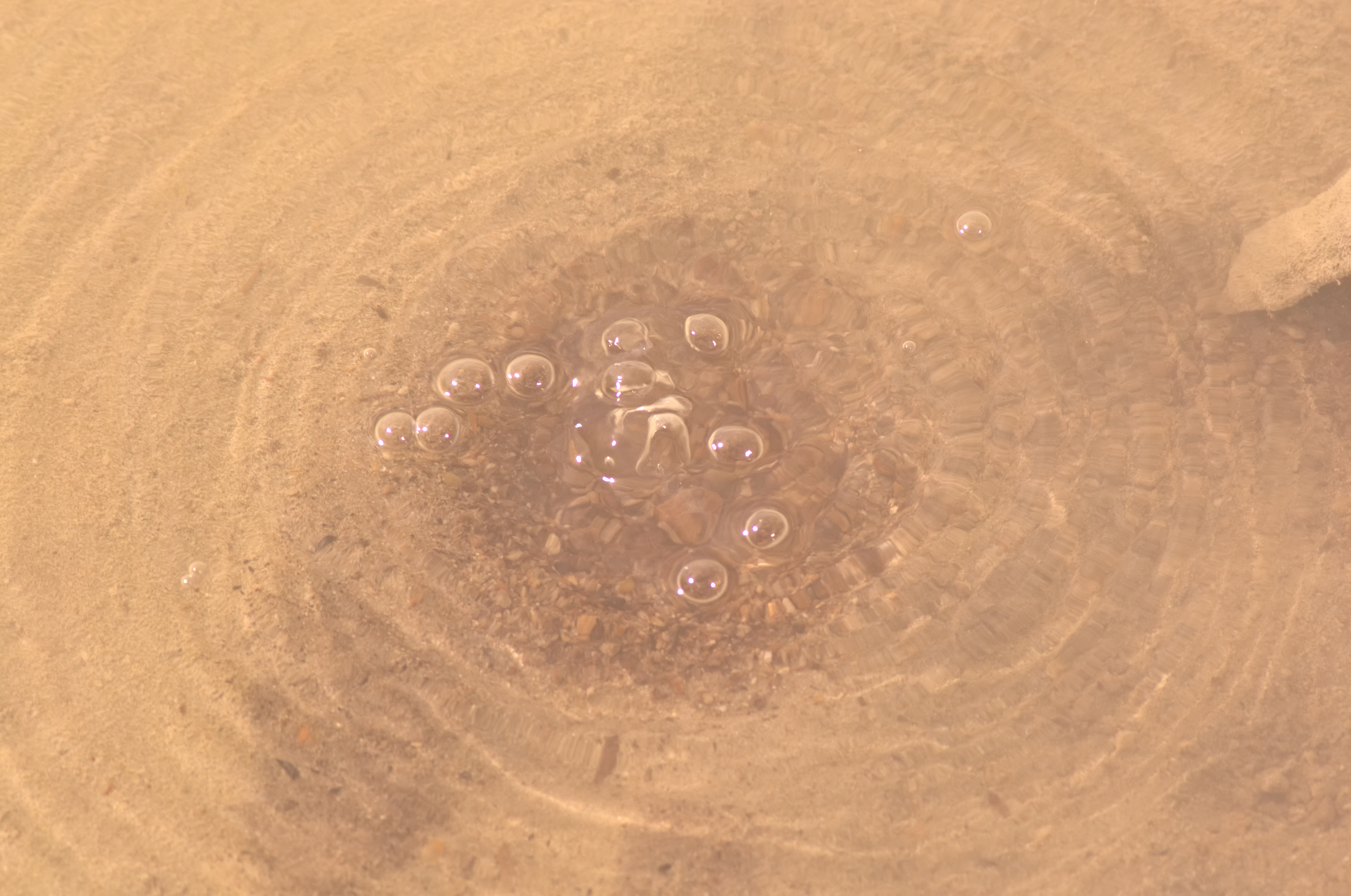
Rotorua is located within the Taupō Volcanic Zone, one of the most geothermally active regions in the world. The city sits on a volcanic caldera formed by large eruptions thousands of years ago. This geological setting is responsible for the area’s hot springs, geysers, mud pools, fumaroles, and geothermal lakes.
The surrounding landscape includes rhyolitic and ignimbrite rock formations produced by explosive volcanic activity. Lake Rotorua itself occupies part of a collapsed volcanic structure, and geothermal heat continues to rise through faults and fractures beneath the city.
Geological processes remain active in the region, influencing land use, infrastructure planning, and environmental management. Rotorua’s geology makes it a key location for scientific research into volcanism and geothermal energy.
Things to See
Rotorua offers a wide variety of natural, cultural, and recreational attractions:
Geothermal and Natural Attractions
- Geysers, hot springs, and mud pools at geothermal parks
- Lake Rotorua and surrounding lakes for boating and fishing
- Redwood forests and walking trails
- Volcanic landscapes and scenic viewpoints
Cultural and Historical Sites
- Māori villages and cultural centers
- Traditional performances, carving, and storytelling
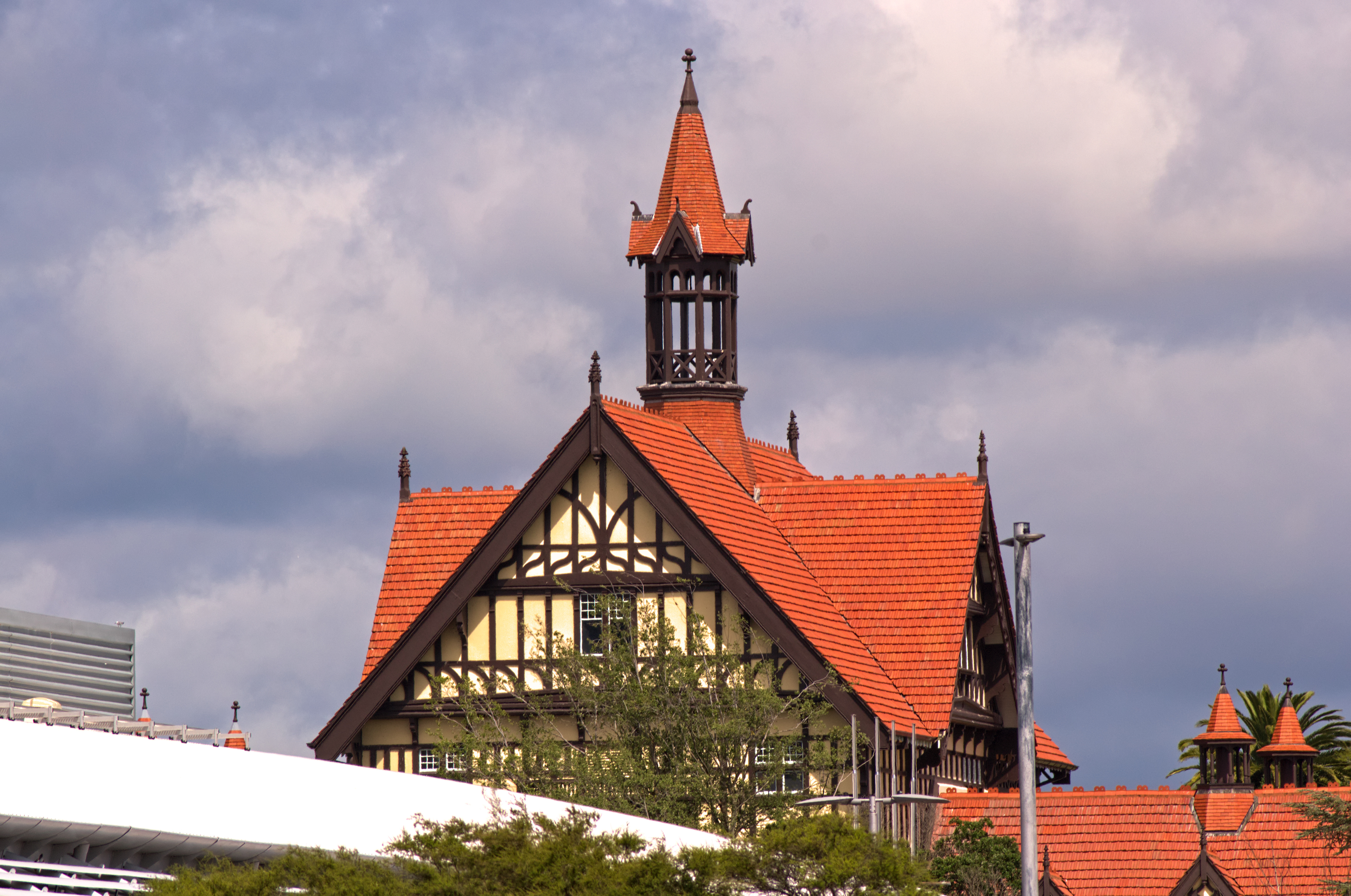
- Museums and historic spa buildings
- Sites linked to early tourism and colonial history
Activities and Experiences
- Geothermal bathing and wellness experiences
- Hiking, mountain biking, and outdoor recreation
- Wildlife encounters and eco-tourism
- Local markets, festivals, and cultural events