




Mount Taranaki, also known as Mount Egmont, is a prominent volcanic mountain located on the west coast of New Zealand’s North Island. Rising to 2,518 meters above sea level, it dominates the landscape of the Taranaki region and is one of the most recognizable natural landmarks in the country. The mountain is noted for its near-perfect conical shape and its dramatic isolation from other major mountain ranges.
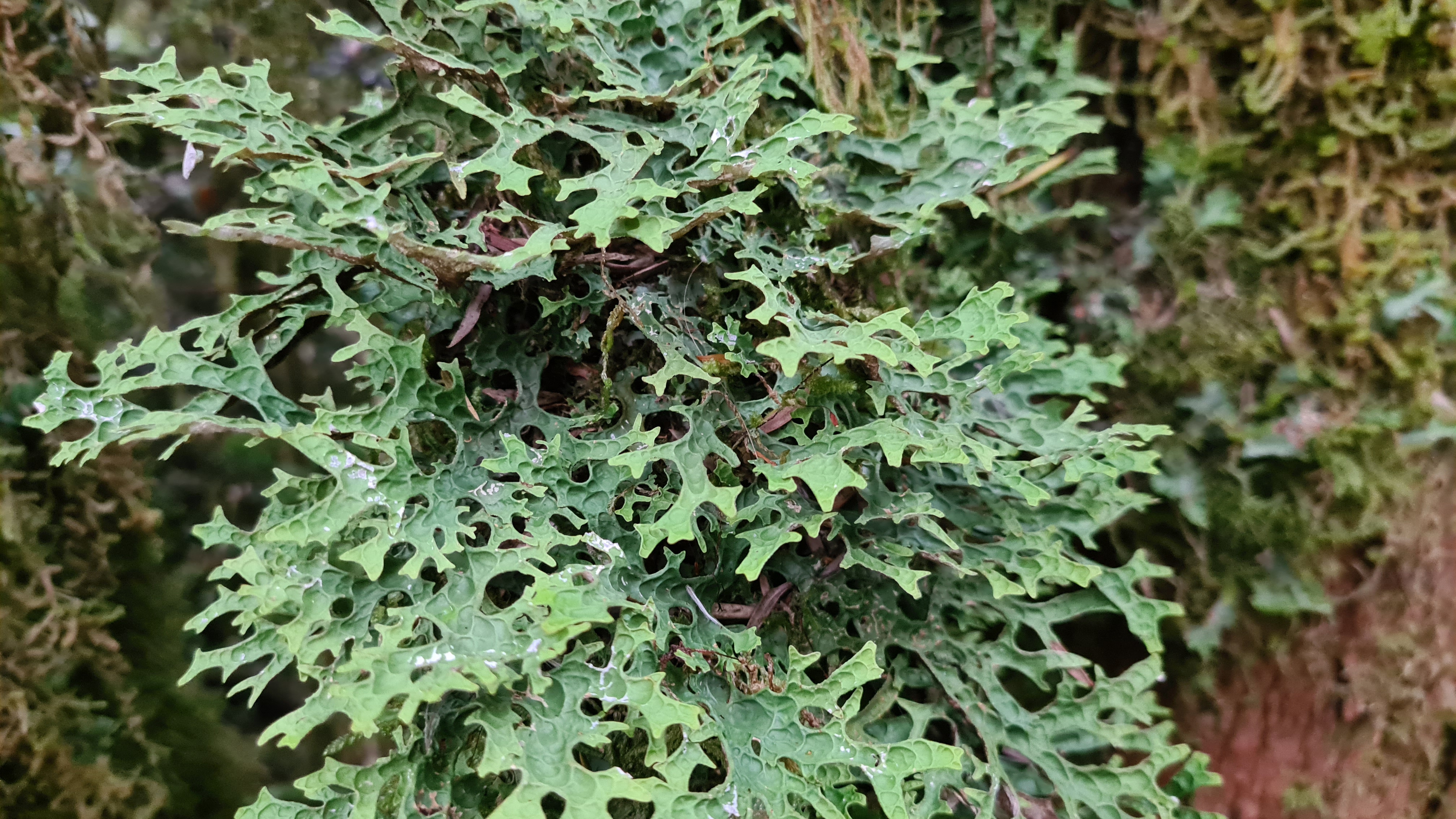
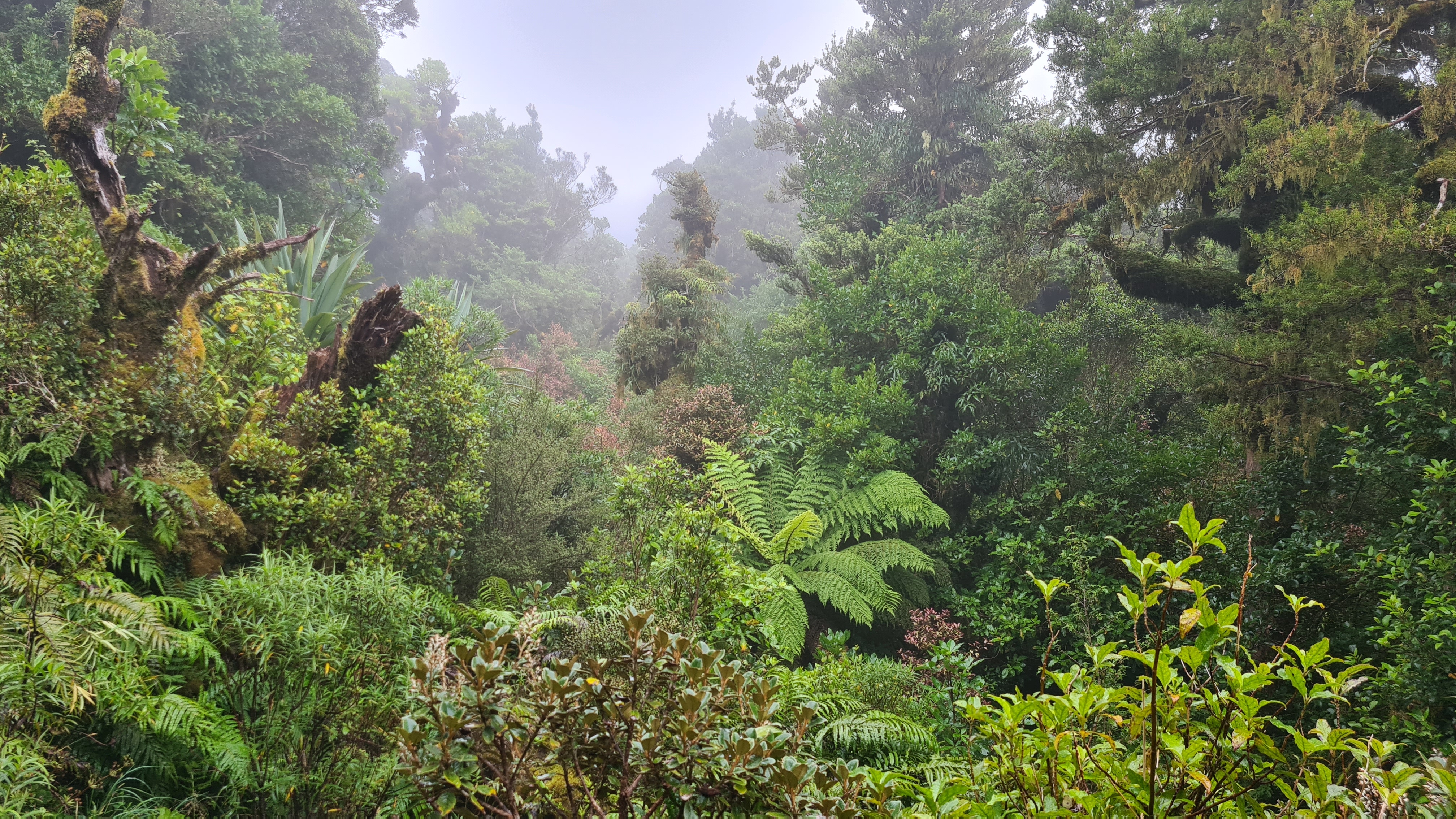
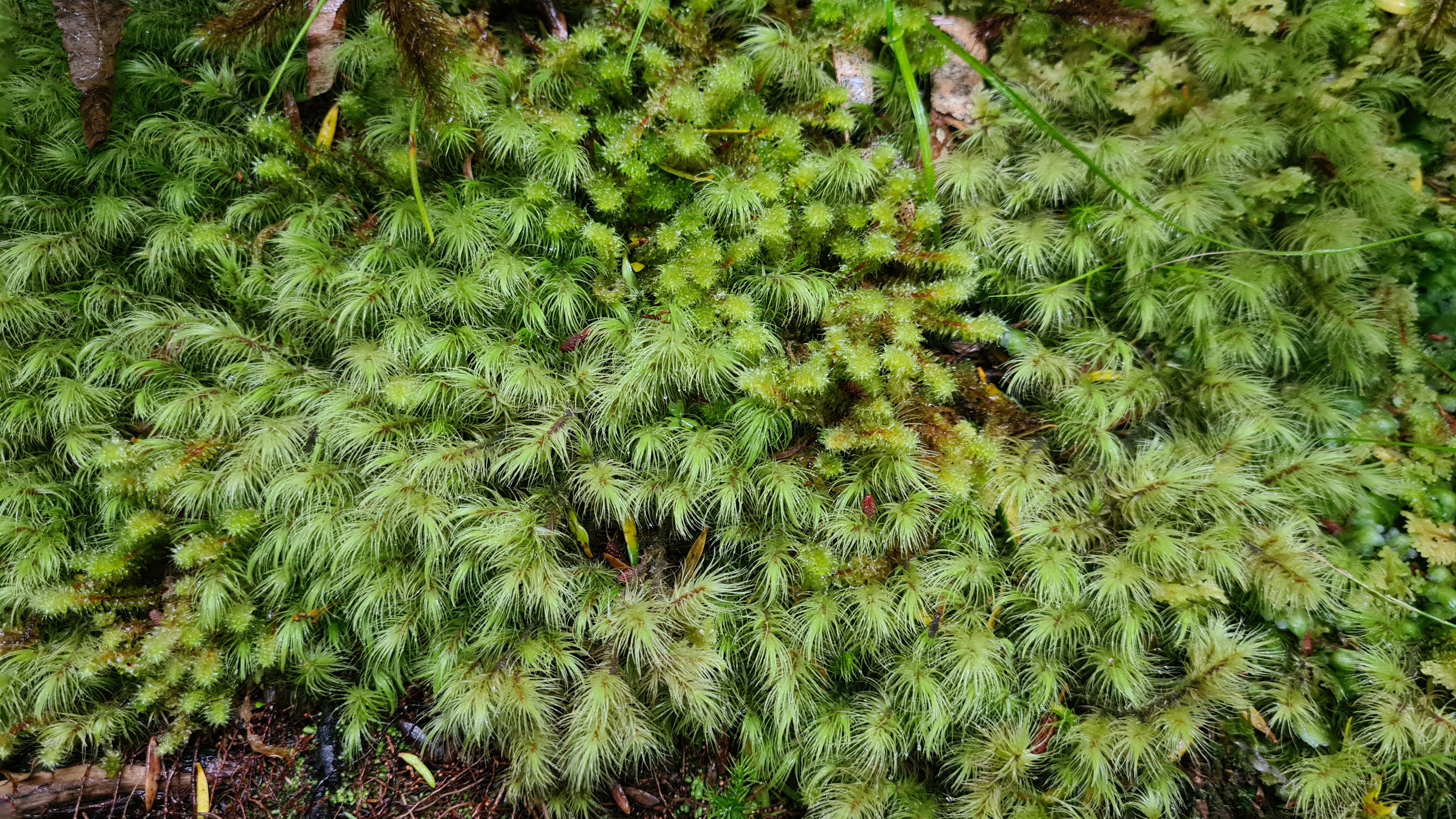
Mount Taranaki is the central feature of Egmont National Park, a protected area that surrounds the volcano in a roughly circular boundary. The park encompasses dense native rainforest, alpine environments, waterfalls, and river systems that radiate outward from the mountain. This clear transition from coastal lowlands to alpine terrain within a short distance is a defining characteristic of the region.
The mountain experiences a highly changeable climate. Weather conditions can shift rapidly, with clear skies giving way to cloud, rain, or snow within hours. These conditions strongly influence access, recreation, and safety, making Mount Taranaki both visually striking and environmentally dynamic.
History
Mount Taranaki holds deep cultural and spiritual significance for Māori, particularly the iwi of the Taranaki region. In Māori tradition, the mountain is regarded as an ancestor and a living entity, closely connected to surrounding landscapes and waterways. Its name, Taranaki, reflects this ancestral relationship and is widely used today in recognition of Māori heritage.
European explorers first recorded the mountain in the late 18th century, with Captain James Cook naming it Mount Egmont in 1770. This name was commonly used during the colonial period, particularly in official and cartographic contexts. Over time, increasing recognition of Māori culture led to the restoration of the name Mount Taranaki, which is now widely accepted and officially recognized alongside Mount Egmont.
During the 19th and early 20th centuries, European settlement expanded around the mountain, with forest clearance for agriculture dramatically altering the surrounding lowlands. The establishment of Egmont National Park helped preserve the remaining native ecosystems on the mountain’s slopes, protecting them from further deforestation and development.
Geology
Mount Taranaki is a stratovolcano formed through repeated volcanic eruptions over hundreds of thousands of years. It is considered one of the most symmetrical volcanic cones in the world, built from layers of lava, ash, and volcanic debris.
The volcano is part of the Taranaki Volcanic Lineament, a series of volcanic features extending offshore and inland. Although Mount Taranaki is currently dormant, it is classified as an active volcano, with future eruptions possible on geological timescales.
Erosion has played a significant role in shaping the mountain, particularly through landslides and lahars (volcanic mudflows). These processes have carved deep valleys and contributed to fertile soils in the surrounding region. Radial river systems flow from the mountain, influencing drainage patterns and agricultural productivity.
Things to See
Mount Taranaki and its surrounding landscapes offer a wide range of natural, recreational, and cultural experiences:
Natural Landscapes
- Dense native rainforest at lower elevations
- Alpine tussock and rocky summit environments
- Waterfalls, streams, and moss-covered valleys
- Snow-covered slopes during winter months
Walking and Hiking
- Pouakai Circuit, a multi-day alpine track with panoramic views
- Summit track for experienced climbers
- Short forest walks and waterfall trails
- Boardwalks through wetlands and subalpine areas
Scenic and Cultural Features
- Mirror lakes reflecting the mountain’s cone
- Viewpoints across farmland toward the Tasman Sea
- Interpretation panels explaining geology and ecology
- Strong visual presence from surrounding towns and roads
Experience and Character
Mount Taranaki is often described as one of New Zealand’s most striking and solitary mountains. Its isolation from other peaks enhances its visual impact and creates a powerful sense of place. The mountain is visible from great distances and acts as a constant reference point within the region.
Recreation on Mount Taranaki ranges from casual sightseeing to demanding alpine climbing. The rapidly changing weather and steep terrain require respect and preparation, contributing to the mountain’s reputation as both beautiful and challenging.
Beyond recreation, Mount Taranaki plays a central role in regional identity. It influences local climate, agriculture, tourism, and cultural expression. The mountain’s presence shapes daily life in the region, reinforcing its status as both a natural monument and a cultural symbol.