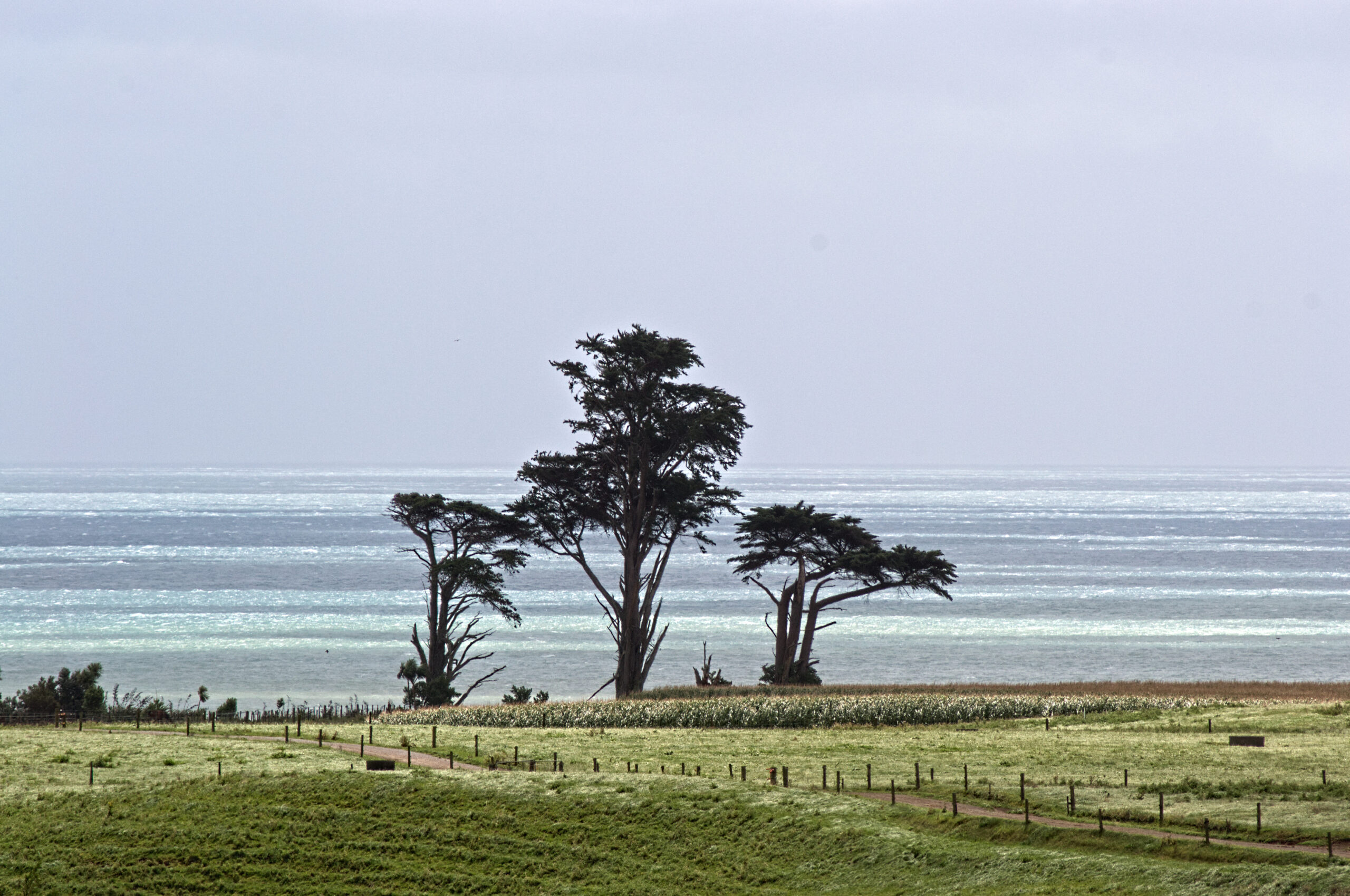
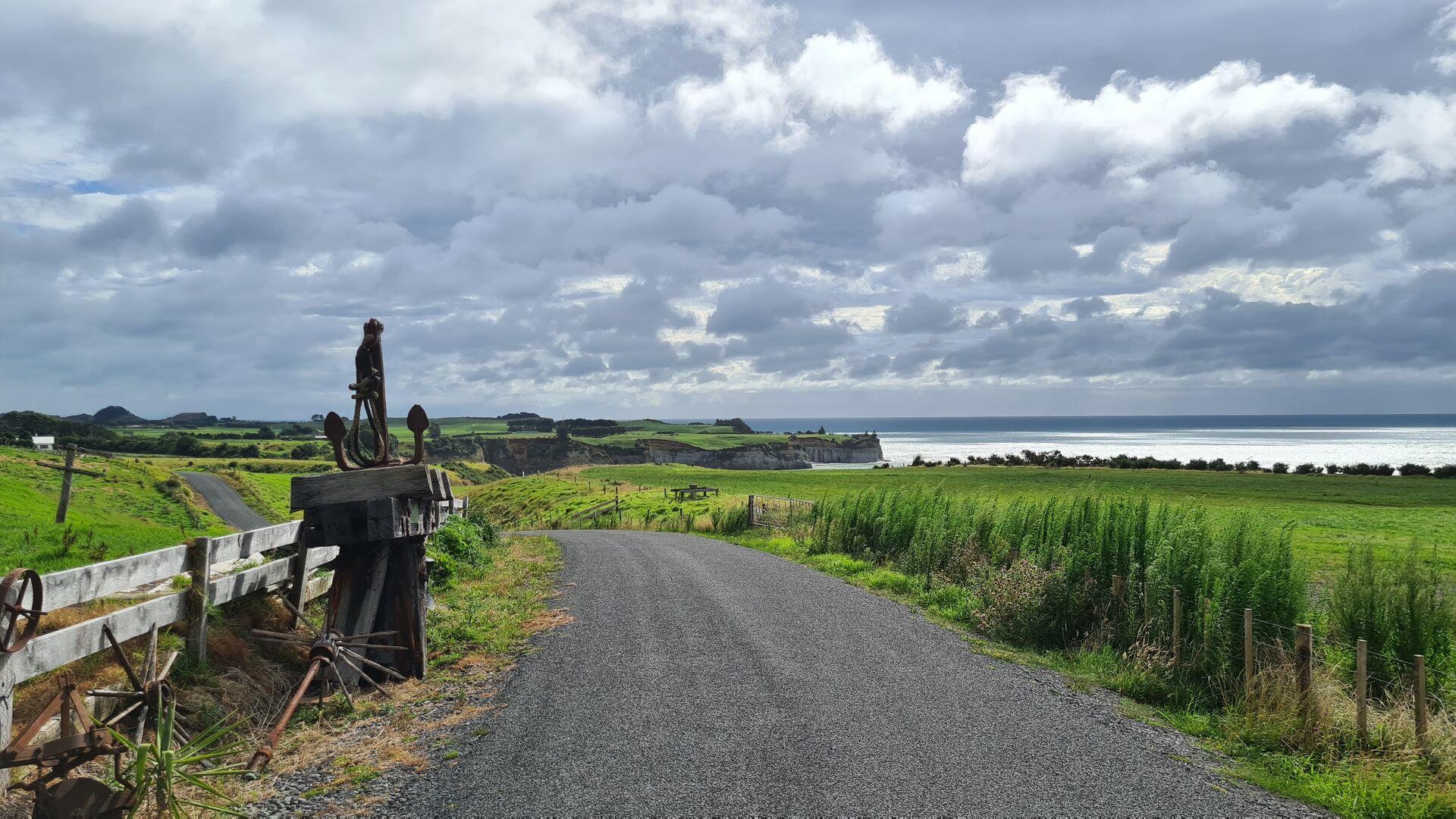
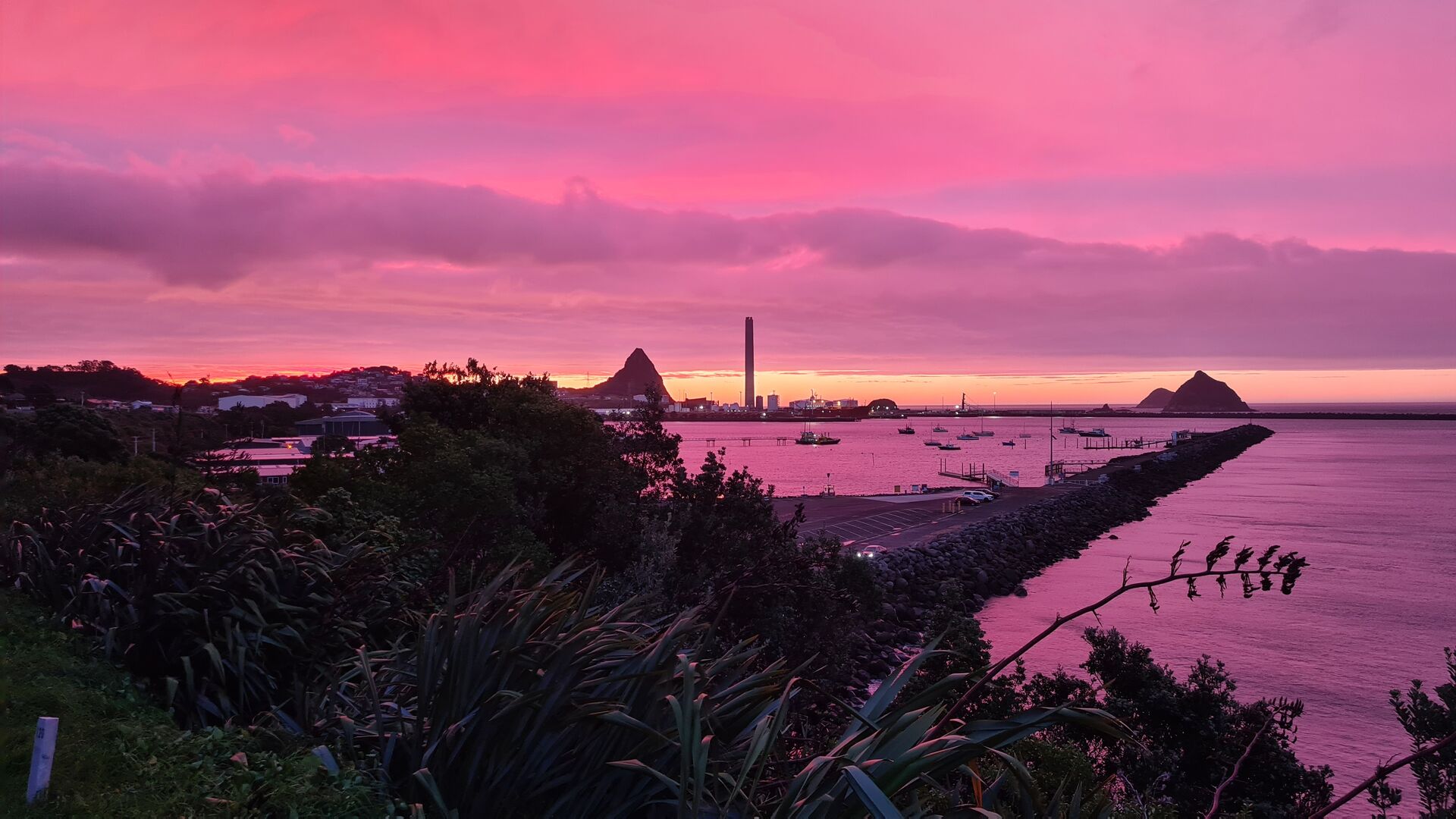
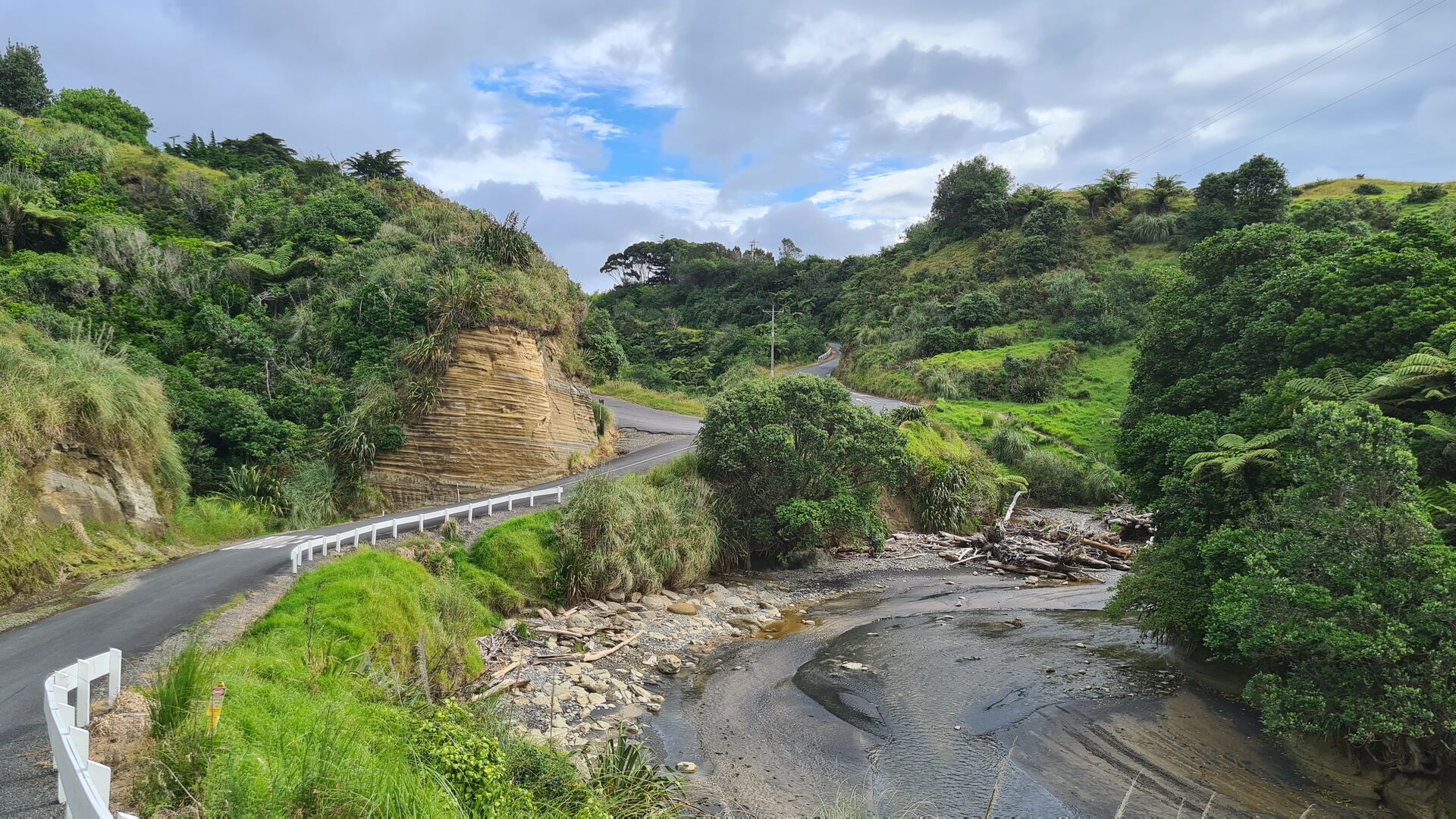
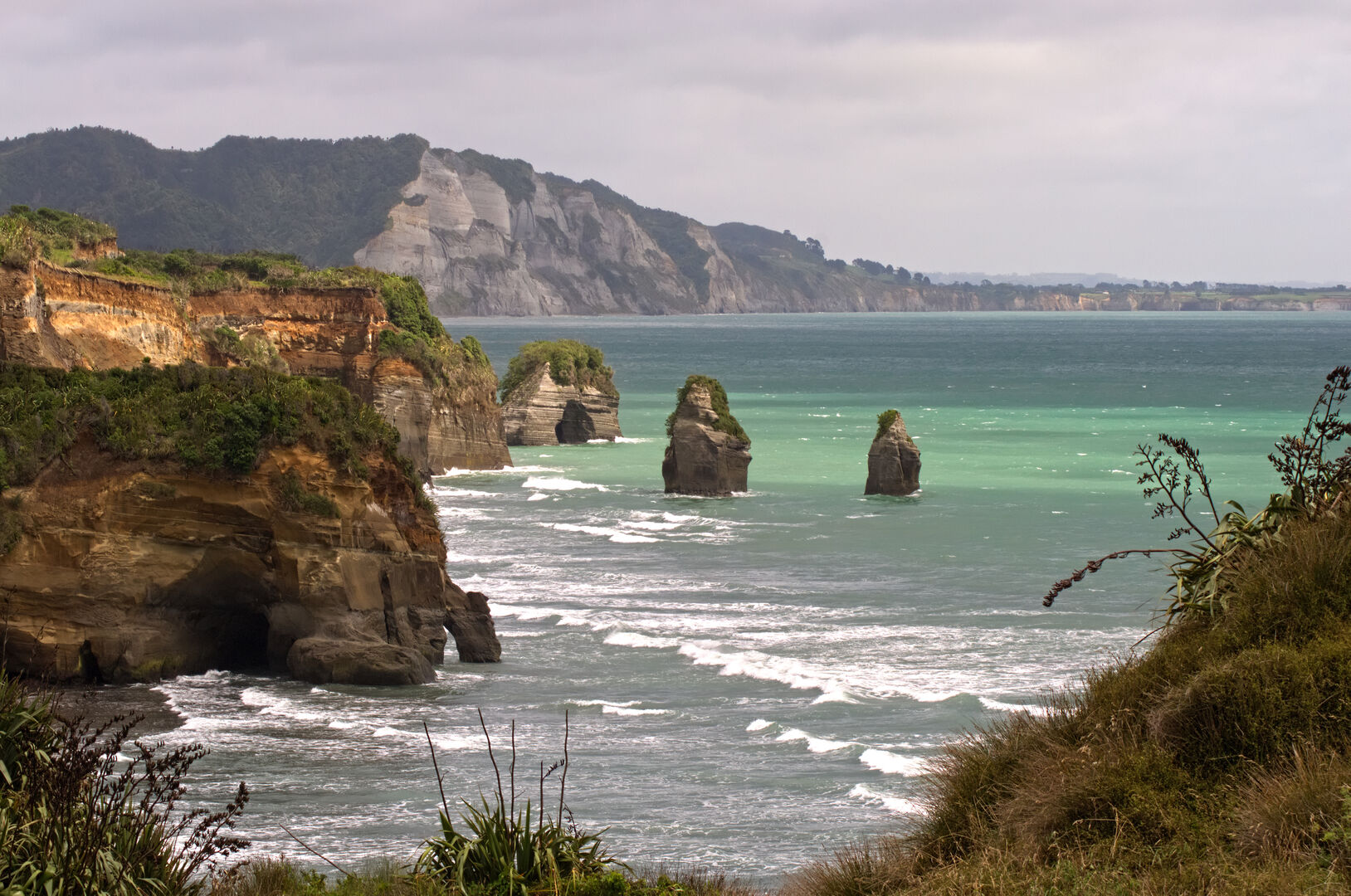
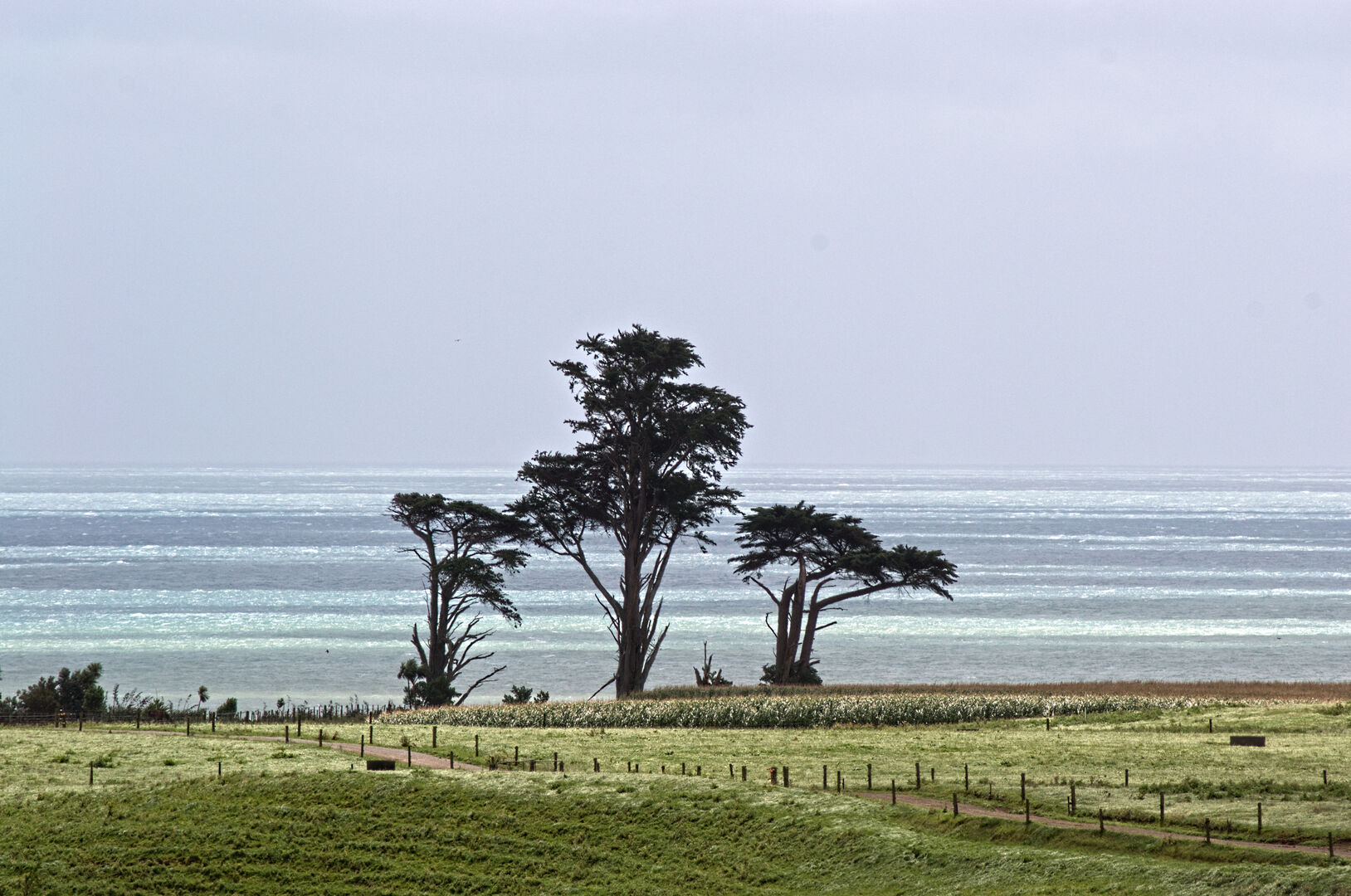
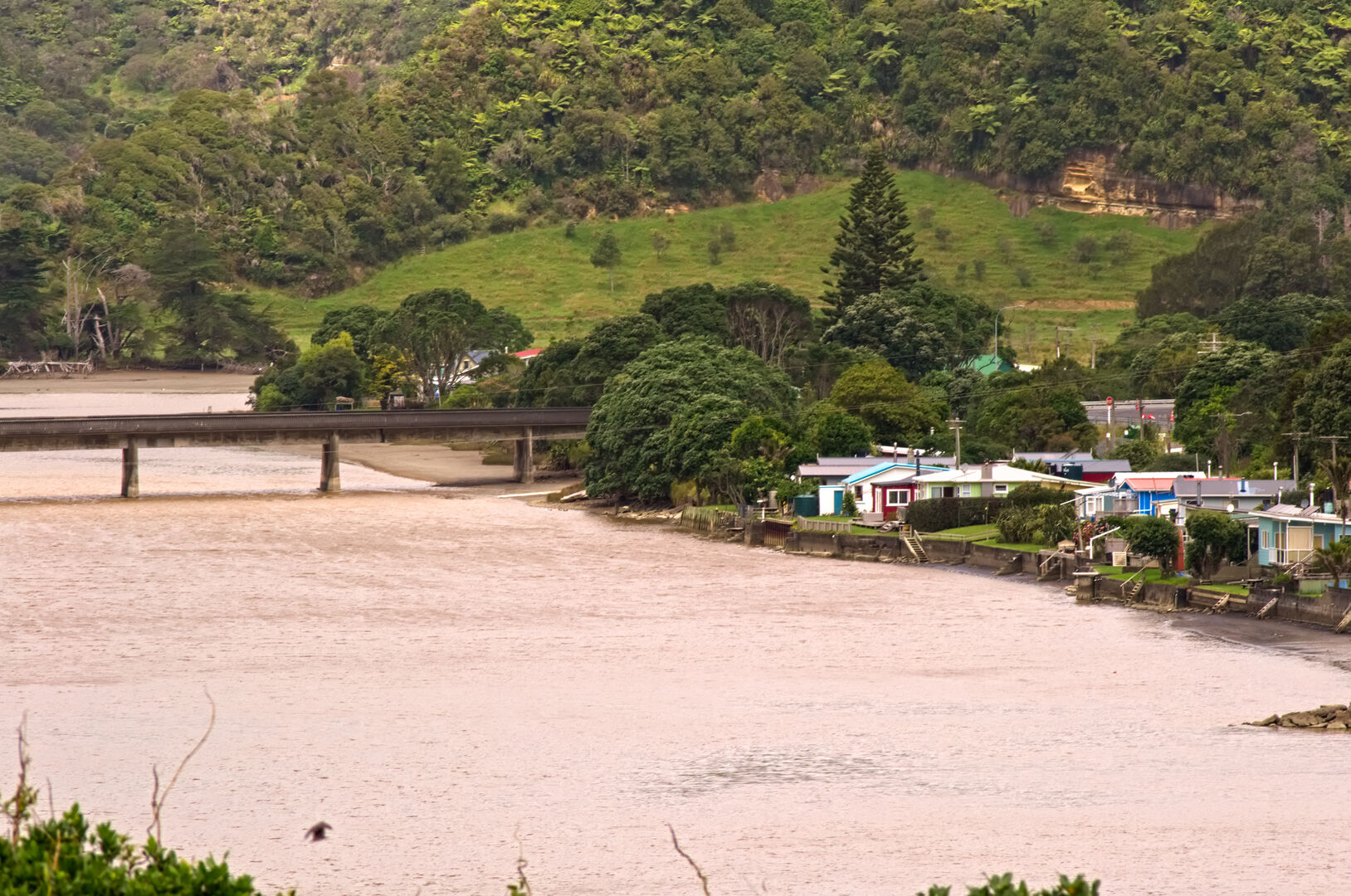
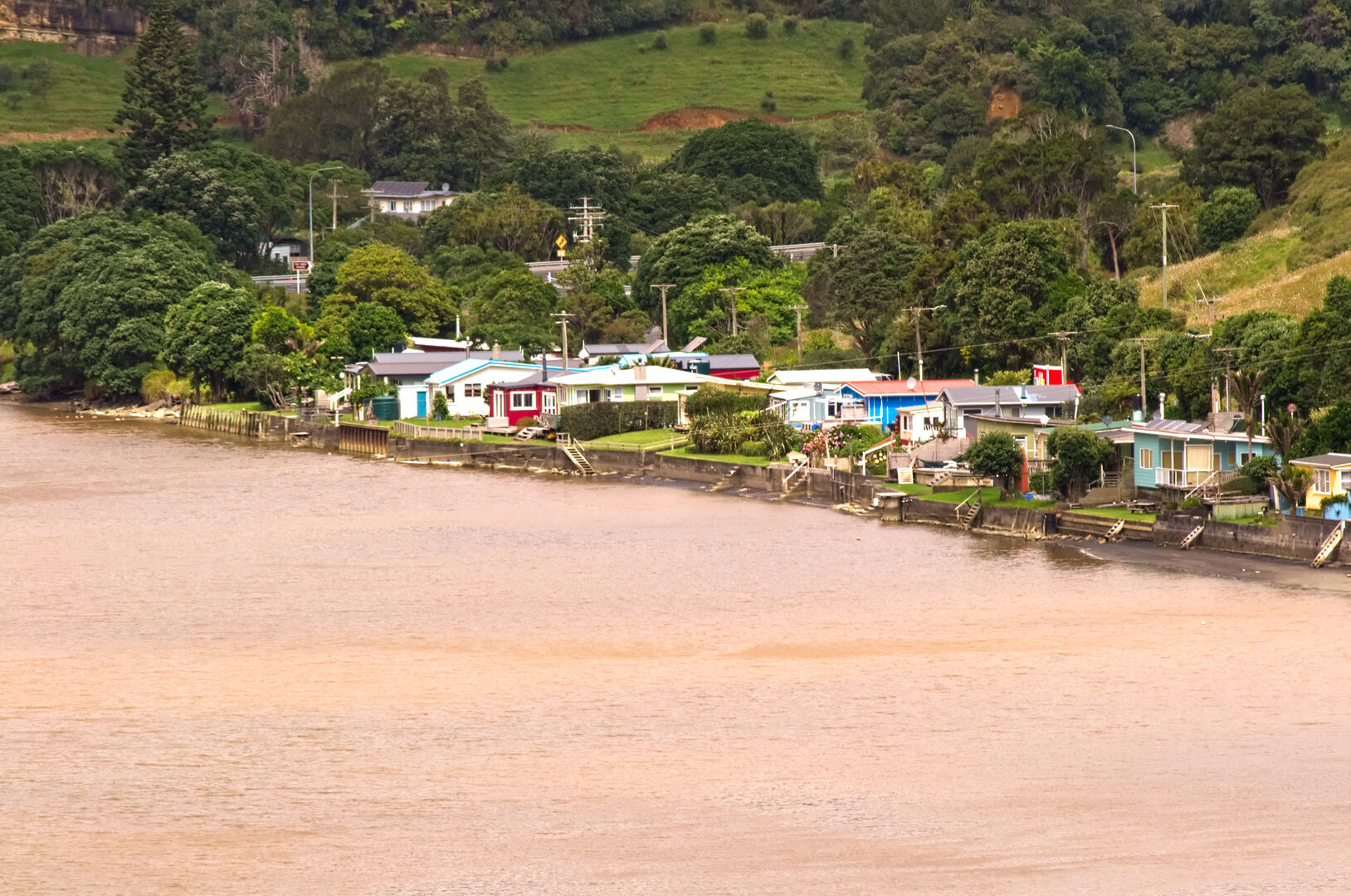
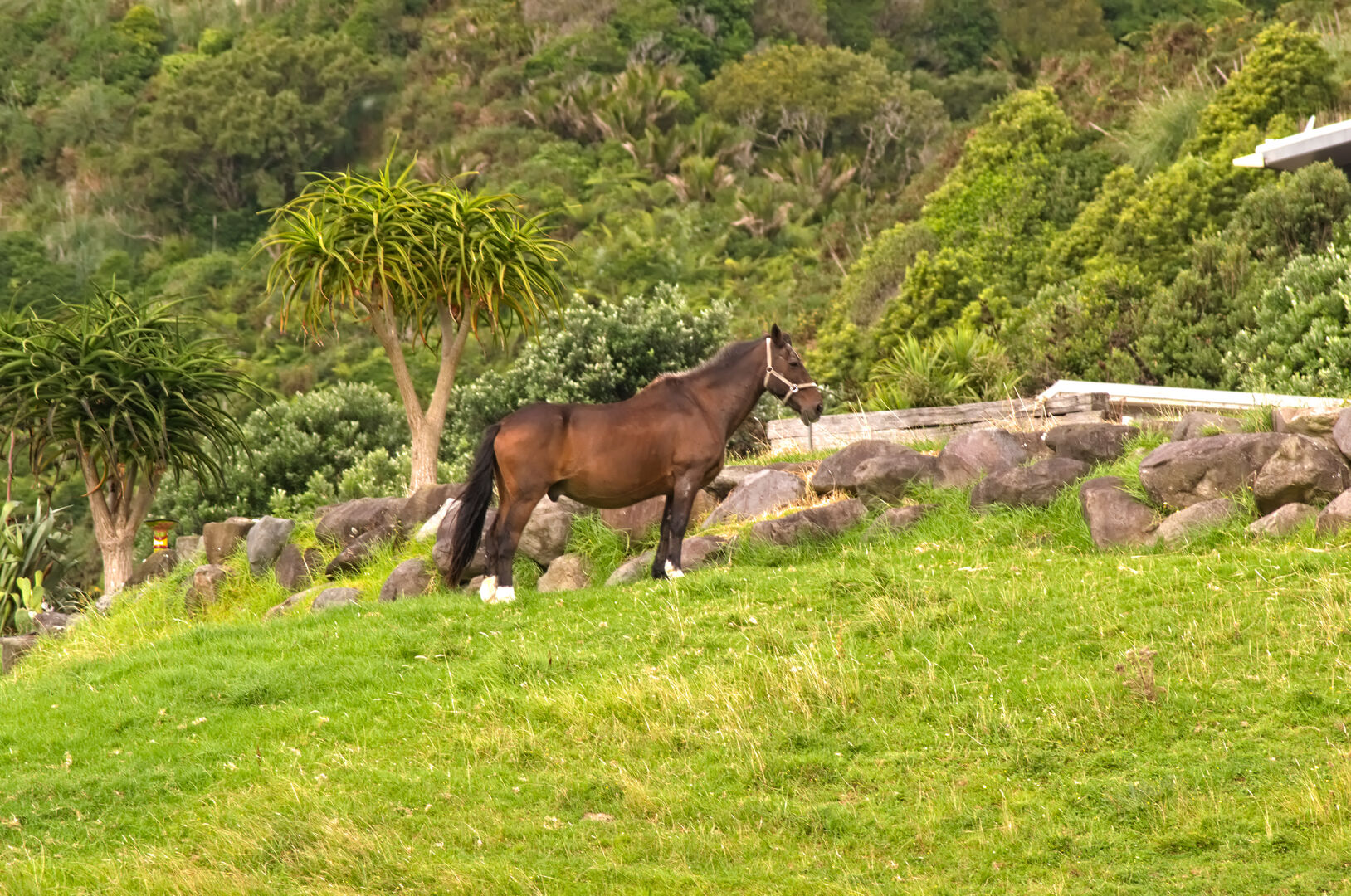
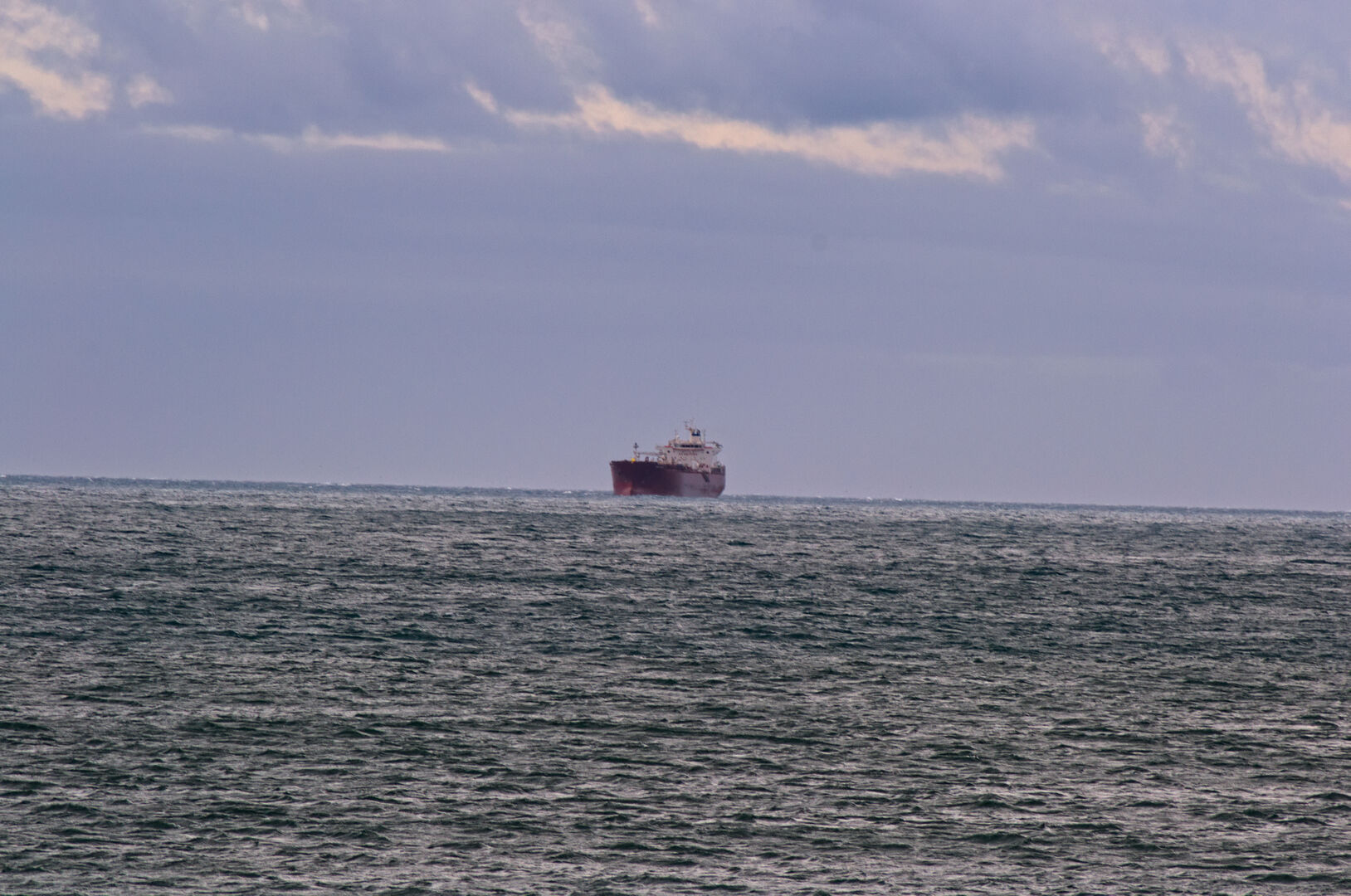
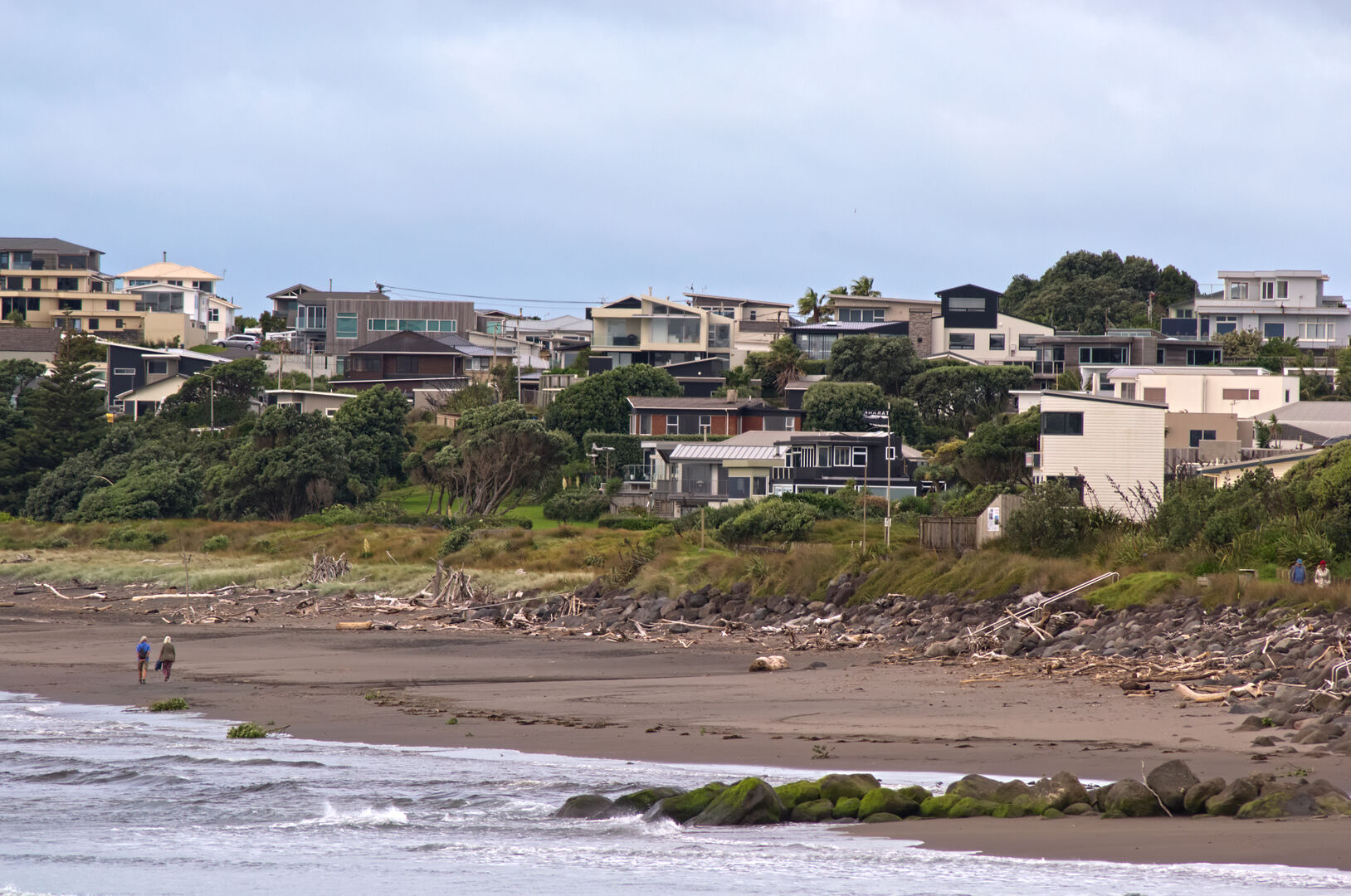
New Plymouth is a coastal city located on the west coast of New Zealand’s North Island and serves as the main urban center of the Taranaki region. It lies along the Tasman Sea, with Mount Taranaki rising prominently to the south-east, creating one of the most distinctive natural settings of any city in the country. The city functions as Taranaki’s economic, cultural, and administrative hub.
New Plymouth has a population of around 60,000 residents within the city and a larger catchment across the wider district. It combines a compact urban core with residential suburbs, coastal environments, farmland, and native reserves. The city is known for its balance between urban life and access to nature, with beaches, parks, and walking tracks integrated into daily life.
The climate is temperate and maritime, with mild winters, moderate rainfall, and warm summers influenced by coastal winds. New Plymouth’s economy is diverse, with key sectors including energy, agriculture, manufacturing, education, tourism, and creative industries. The city is also known for its strong arts scene and high quality of life.
History
The New Plymouth area has a long history of Māori settlement, primarily associated with Te Āti Awa iwi. Māori communities lived along the coast and inland areas, relying on fishing, gardening, and trade networks. Mount Taranaki and the surrounding land hold deep cultural and spiritual significance.
European settlement began in 1841, when New Plymouth was established by the Plymouth Company as one of the earliest planned colonial settlements in New Zealand. The city developed rapidly as a farming and trading center but also became a focal point of land disputes during the New Zealand Wars of the 1860s.
Following the conflicts of the 19th century, New Plymouth expanded as agriculture intensified and infrastructure improved. The discovery and development of oil and gas resources offshore and onshore in the 20th century significantly influenced the city’s economy. Today, New Plymouth reflects a layered history that includes Māori heritage, colonial settlement, industrial development, and modern urban growth.
Geology
New Plymouth’s geology is strongly influenced by volcanic activity associated with Mount Taranaki and the wider Taranaki Volcanic Lineament. The region is dominated by volcanic soils formed from ash and lava deposits, which have created fertile land well suited to agriculture.
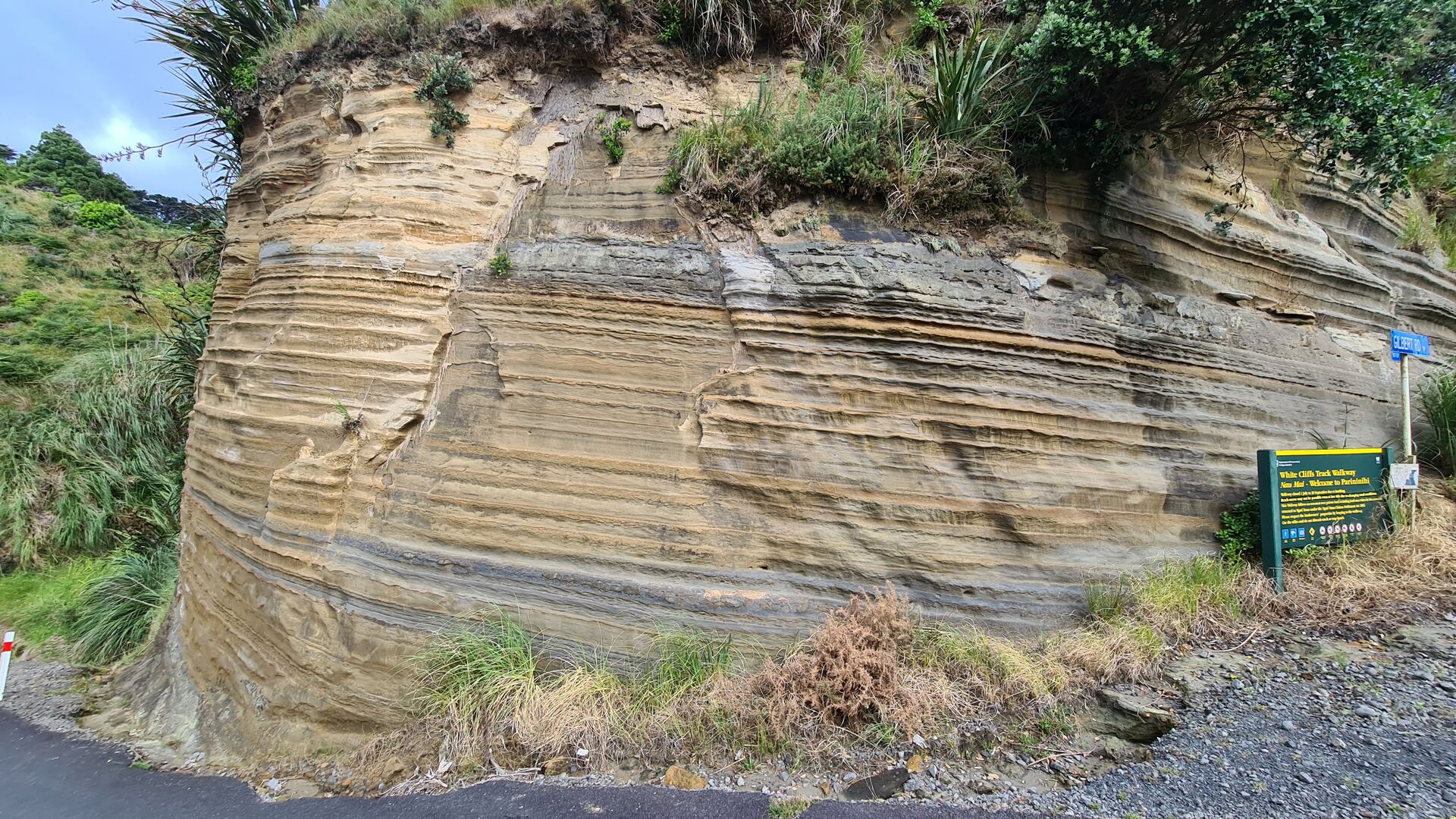
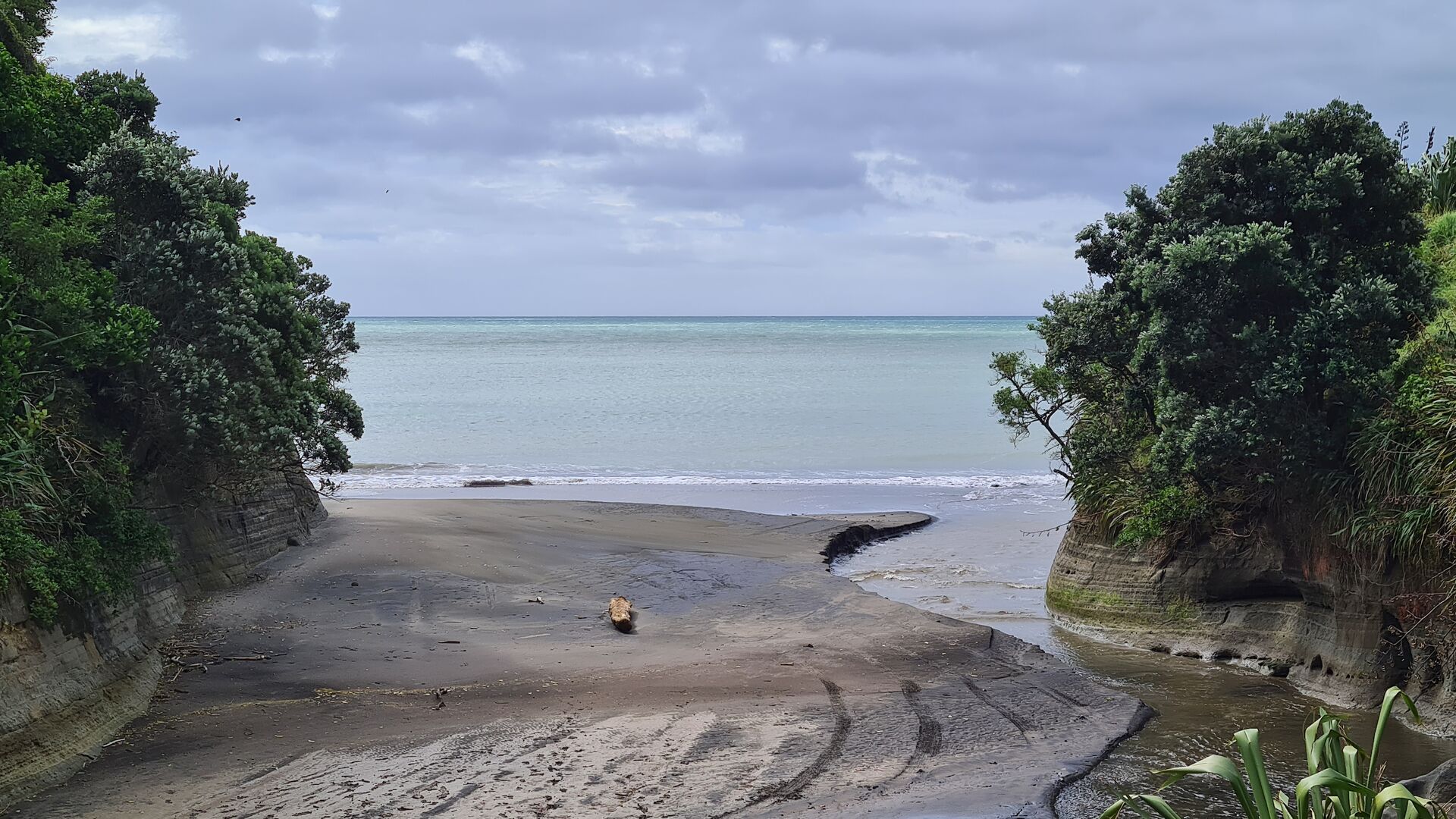
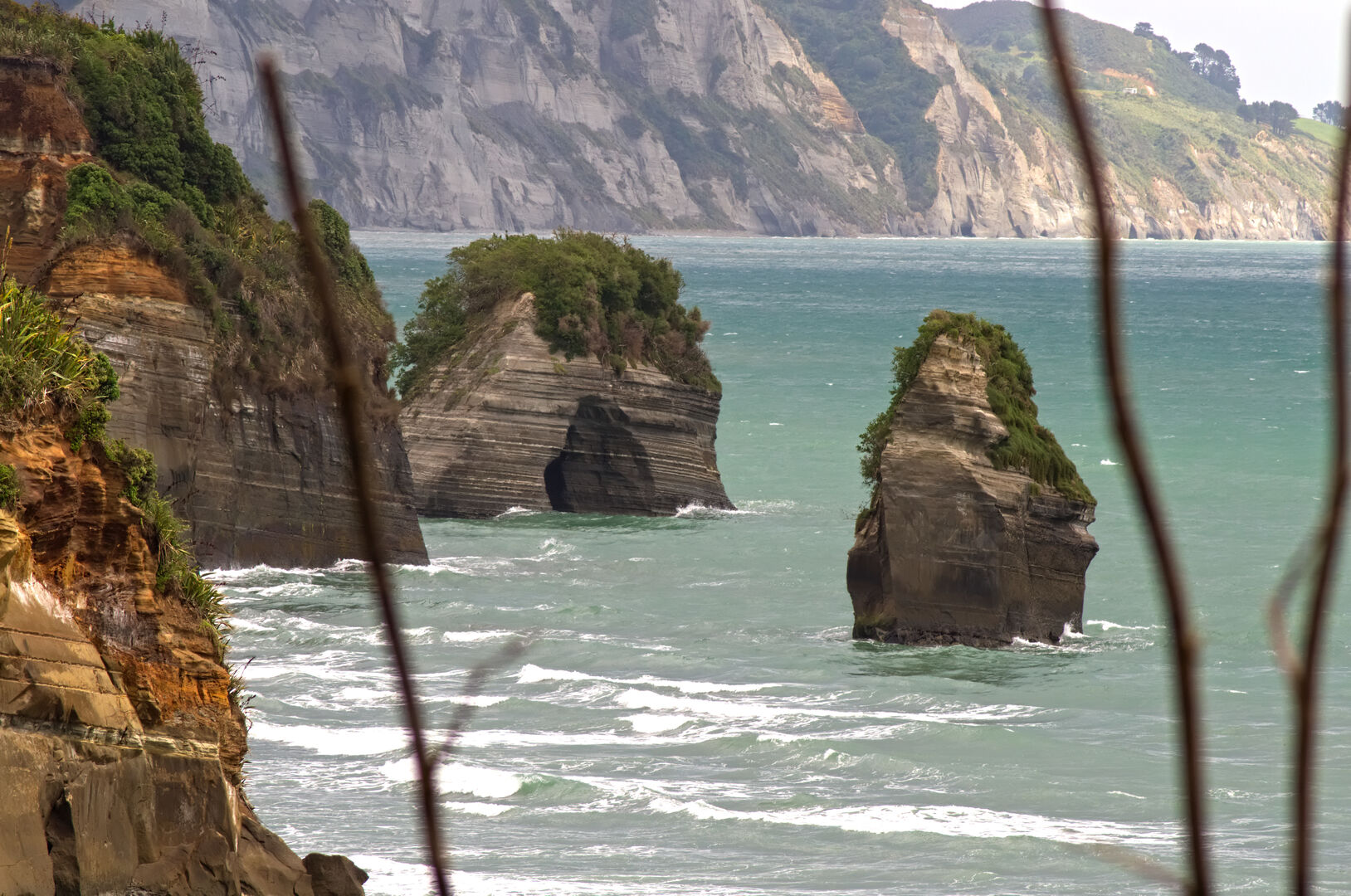
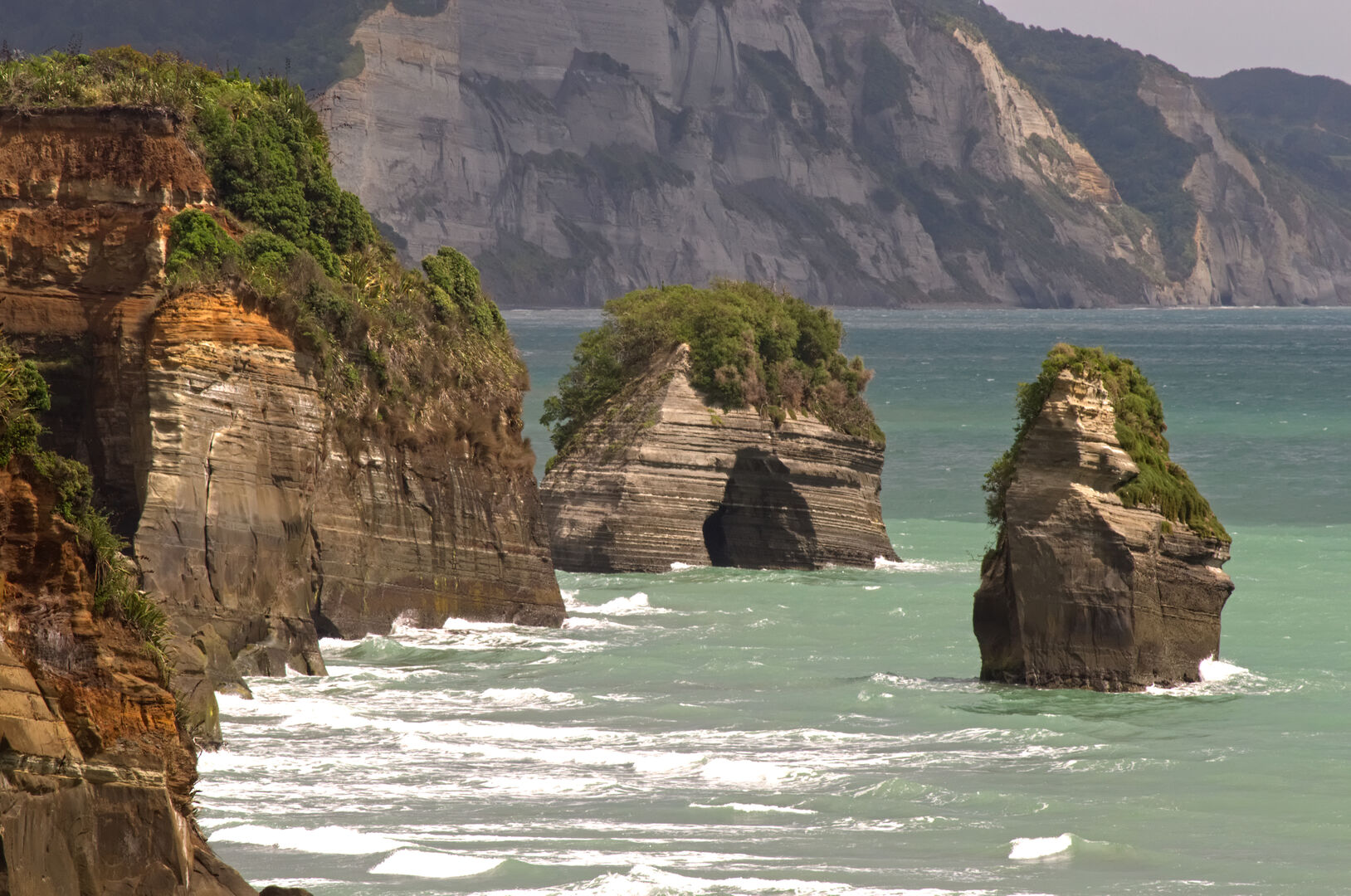
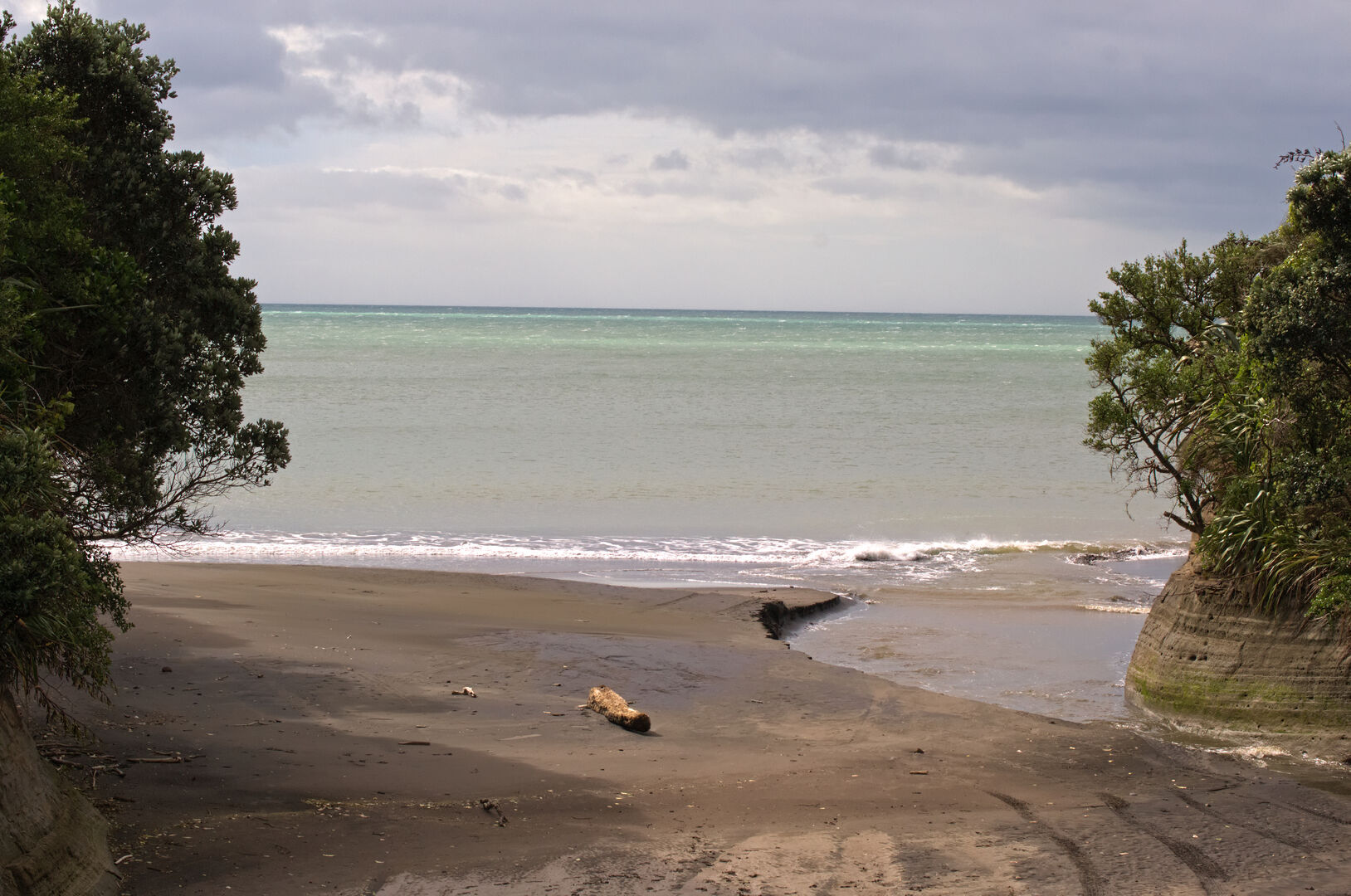
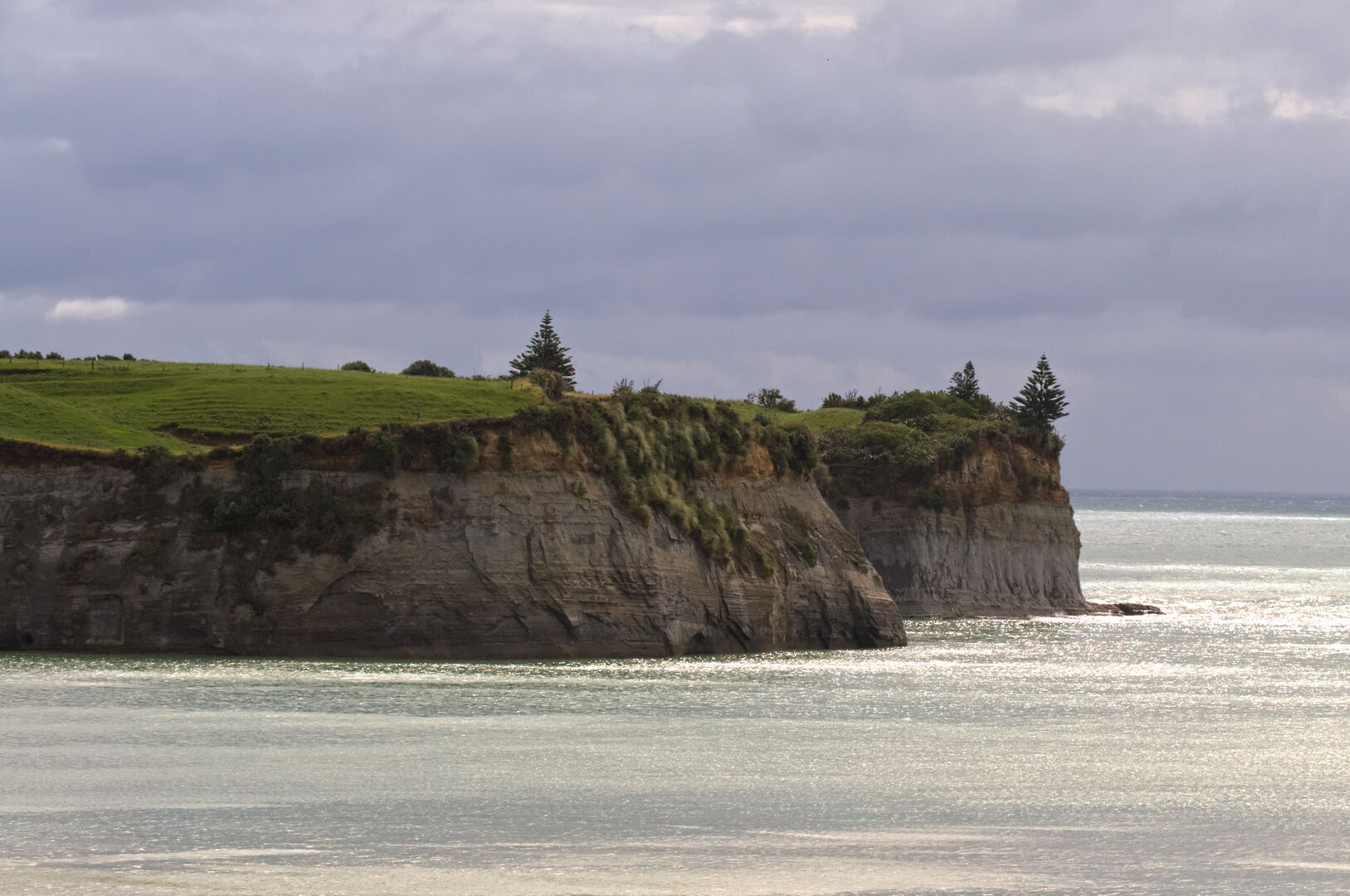
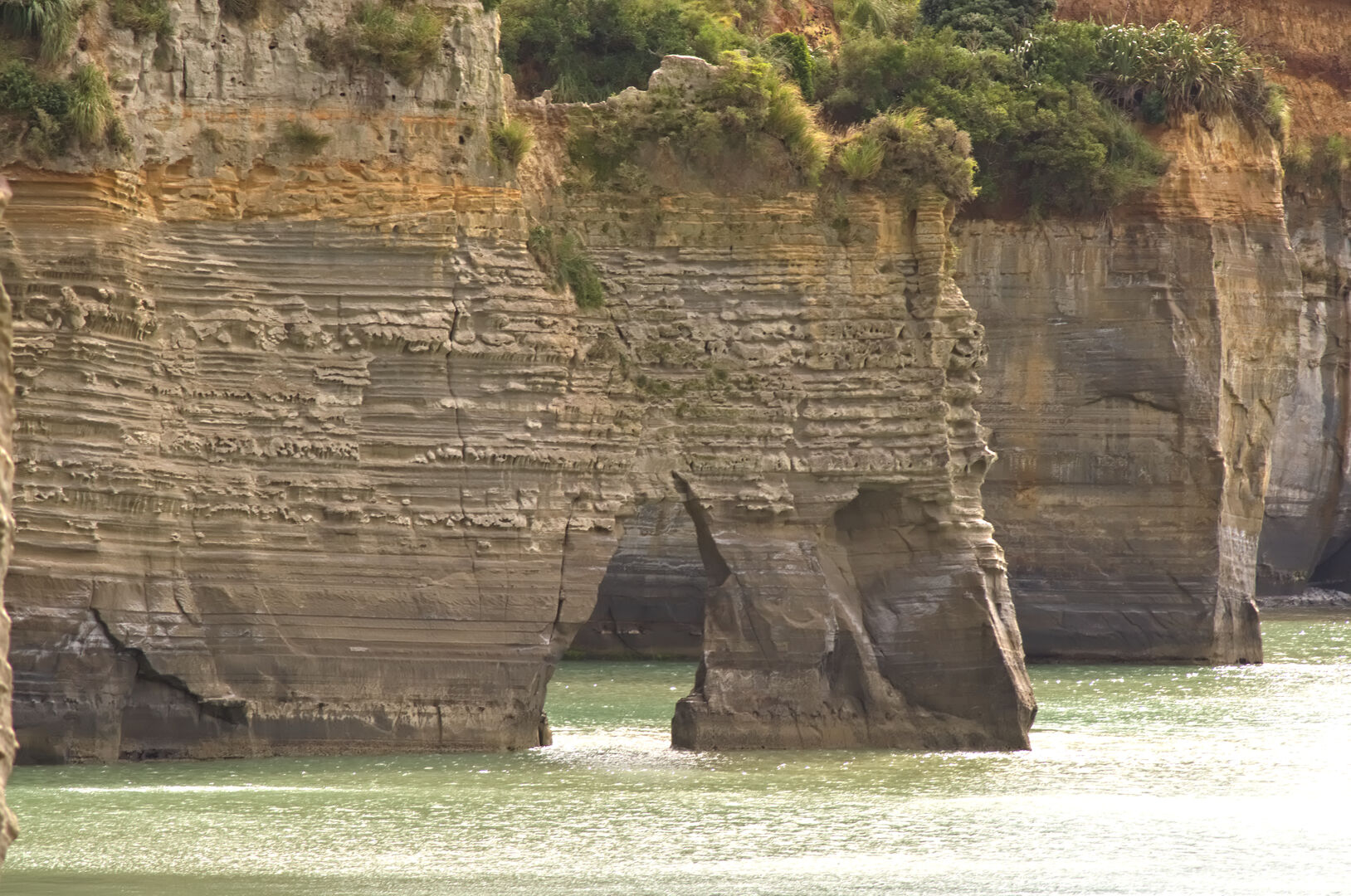
The coastline around New Plymouth features cliffs, rocky platforms, and sandy beaches shaped by marine erosion and tectonic uplift. Volcanic lahars and erosion from Mount Taranaki have contributed to the formation of river valleys and coastal plains.
Offshore, the Taranaki Basin is one of New Zealand’s most important geological features, containing significant hydrocarbon resources. Geological processes continue to shape the region through erosion, coastal change, and seismic activity.
Things to See
New Plymouth offers a rich mix of natural, cultural, and recreational attractions:
Coastal and Natural Attractions
- Coastal Walkway, stretching along the Tasman Sea
- Surf beaches such as Fitzroy Beach and Back Beach
- Coastal cliffs and tidal pools
- Views of Mount Taranaki from multiple vantage points
Cultural and Urban Sites
- Govett-Brewster Art Gallery and Len Lye Centre
- Pukekura Park, known for gardens and events
- City museums and cultural institutions
- Public art installations throughout the city
Recreation and Lifestyle
- Walking, cycling, and coastal recreation
- Surfing and water sports
- Festivals, concerts, and community events
- Cafés, restaurants, and local markets
Experience and Character
New Plymouth is often described as a city where nature and culture are closely intertwined. The presence of Mount Taranaki provides a dramatic backdrop, while the Tasman Sea shapes the city’s outlook and lifestyle. Residents and visitors alike enjoy easy access to outdoor activities alongside a vibrant arts and events scene.
The city has developed a reputation for creativity, environmental awareness, and community engagement. Despite its relatively small size, New Plymouth offers a high standard of amenities, education, and cultural life, making it one of New Zealand’s most livable regional cities.