









The Forgotten World Highway is a scenic and historically significant route located in the central western part of New Zealand’s North Island. Officially designated as State Highway 43, it connects the towns of Stratford in Taranaki with Taumarunui in the central North Island, covering a distance of approximately 150 kilometers. The highway is renowned for its remote character, rugged landscapes, and strong sense of isolation.
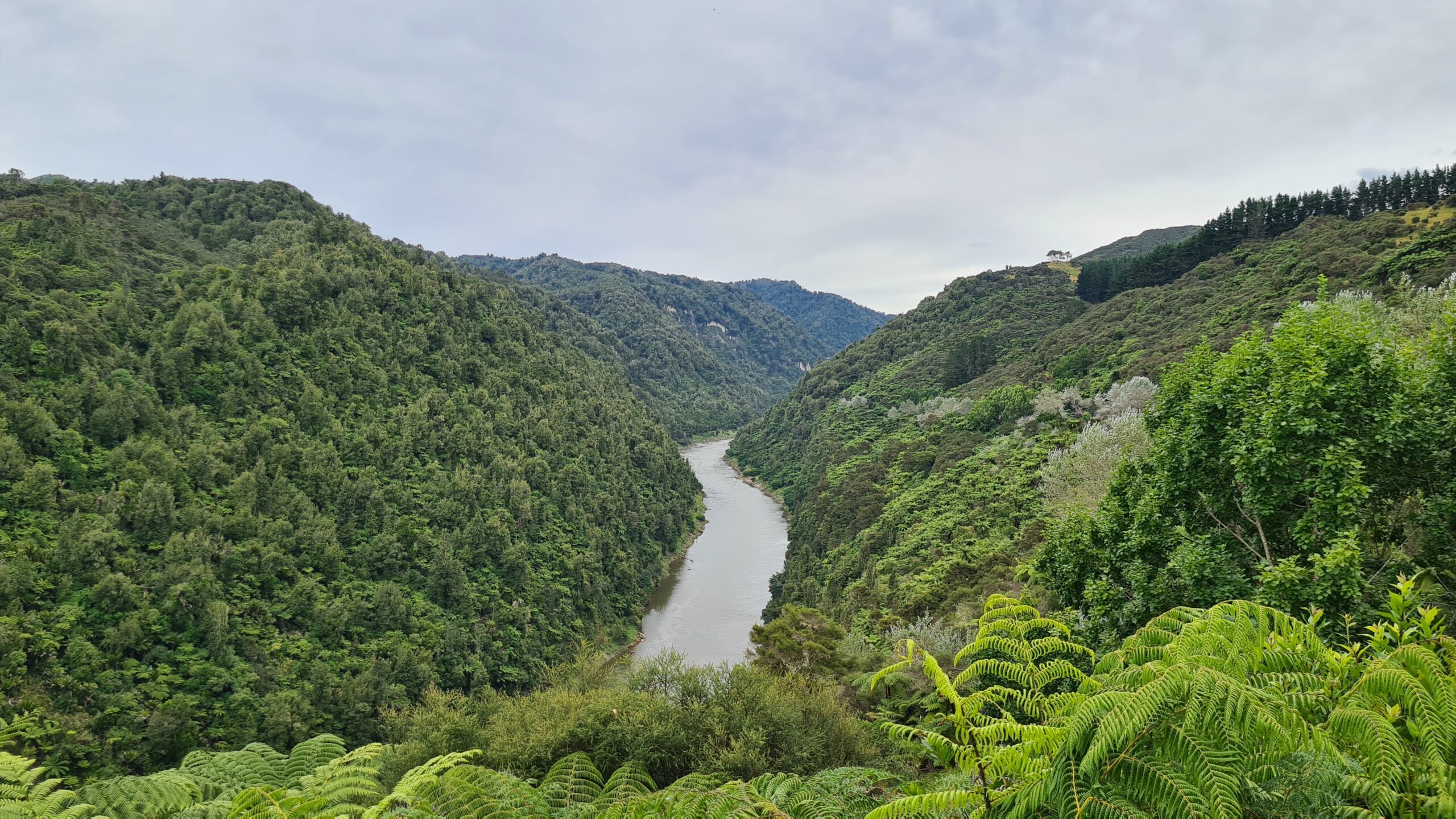
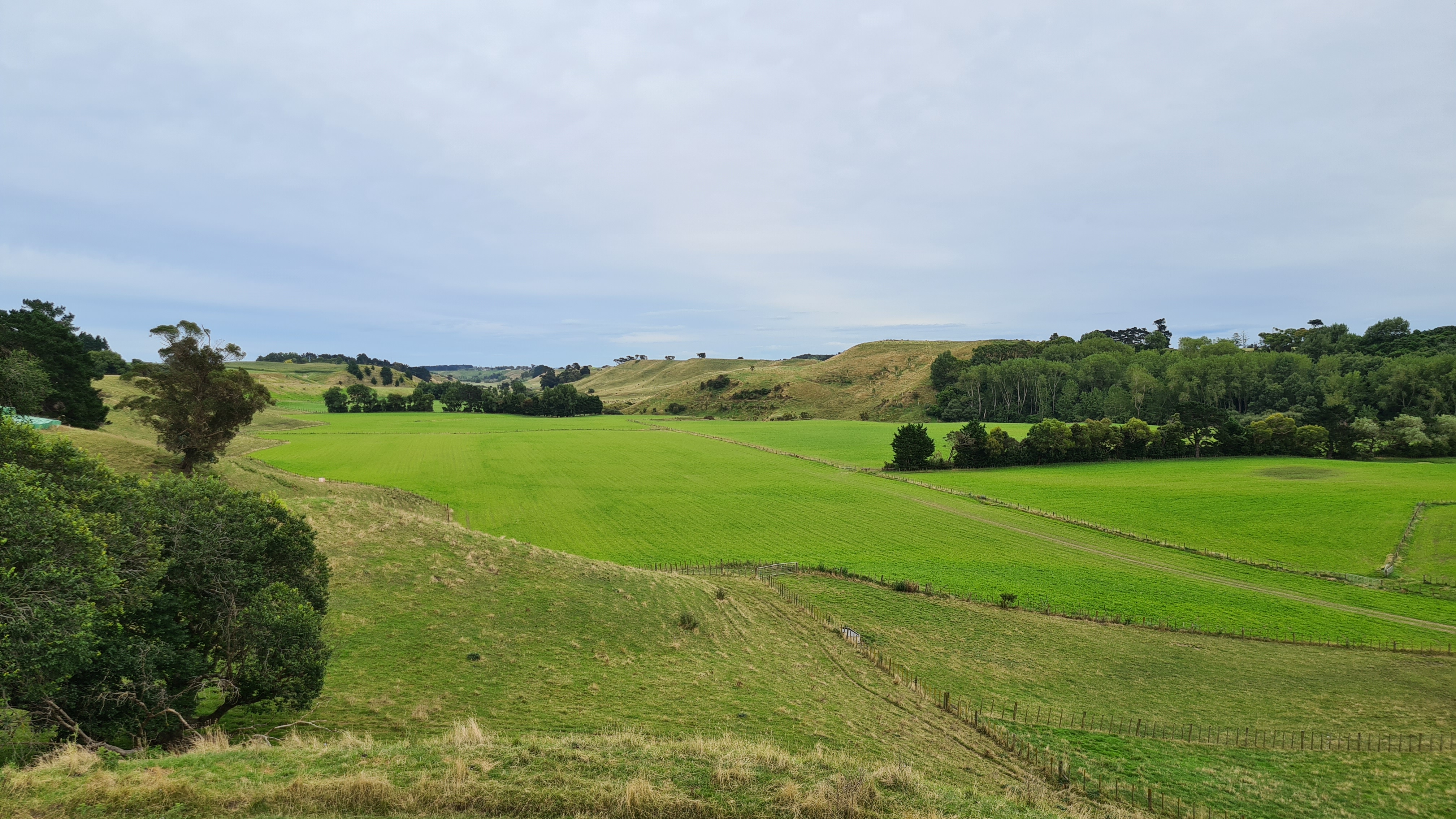
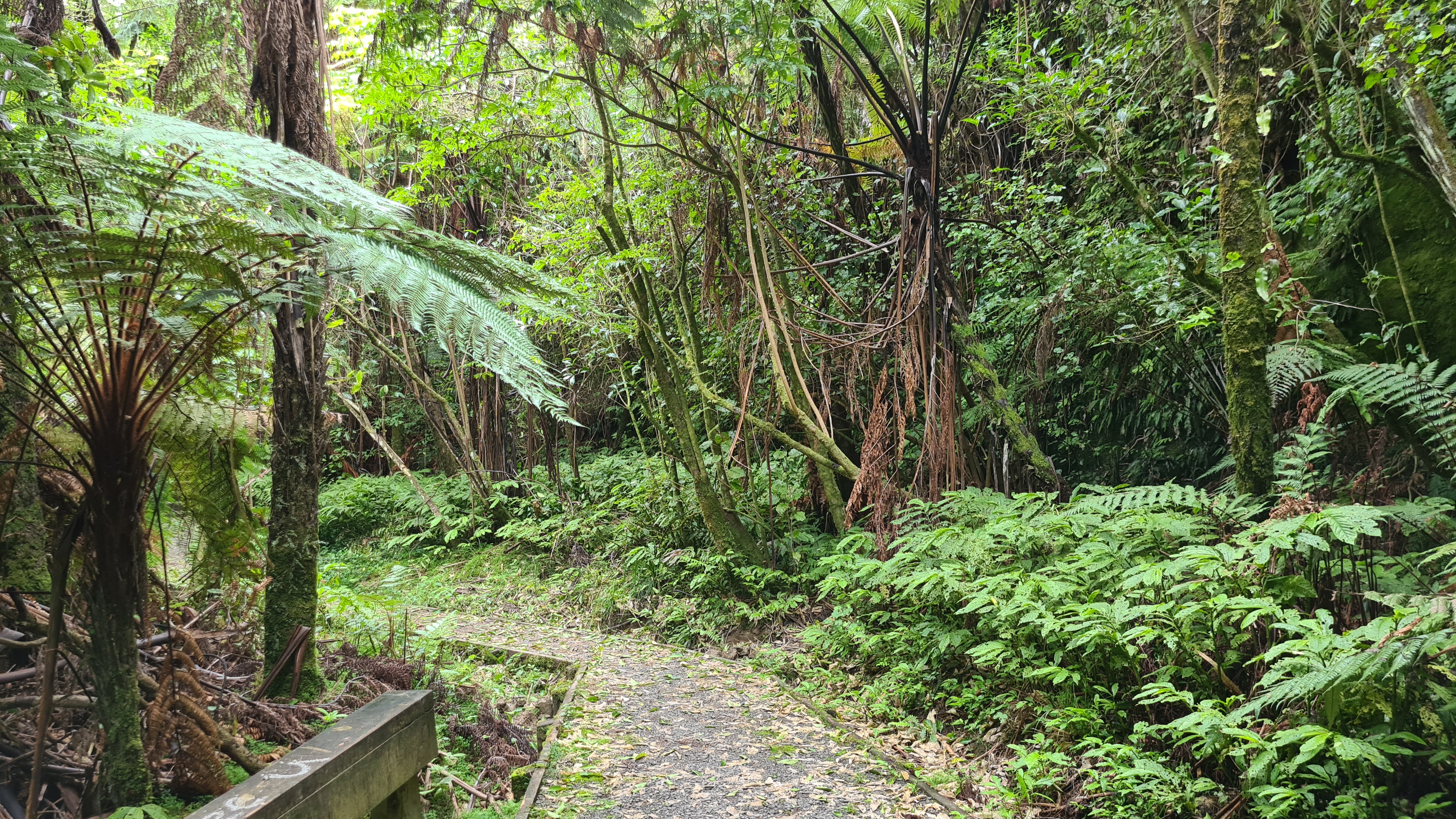
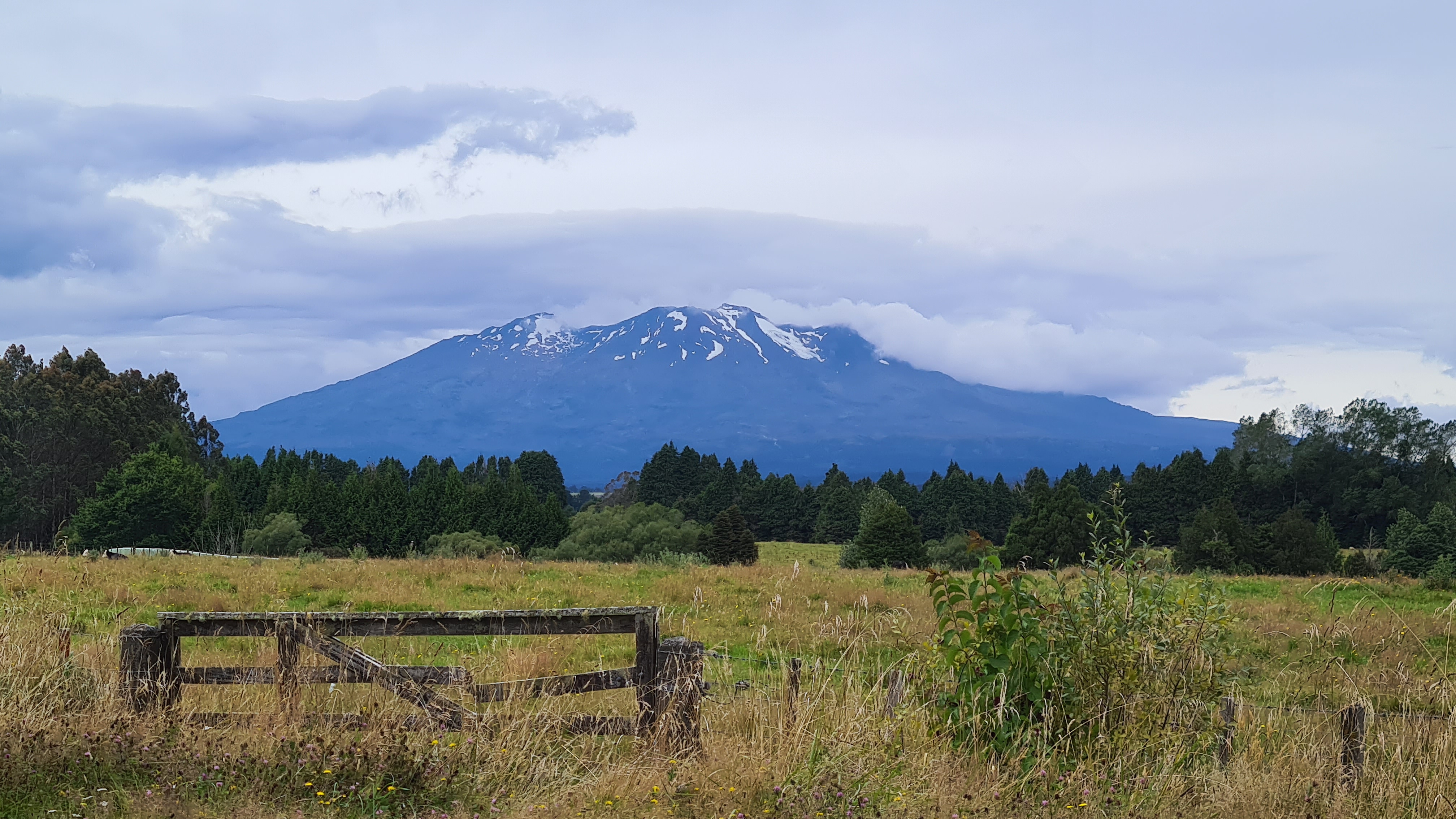
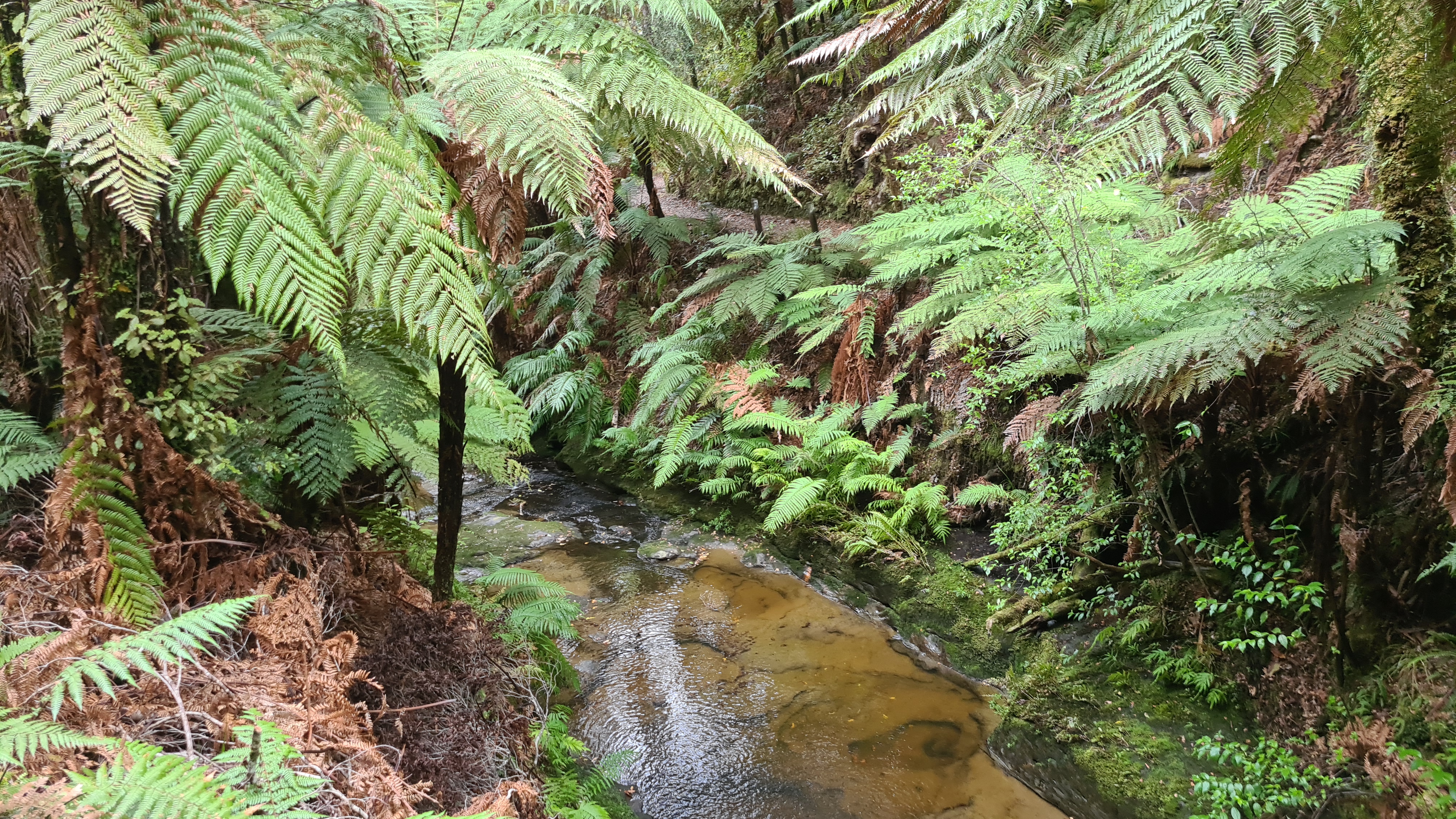
Unlike most state highways in New Zealand, the Forgotten World Highway passes through areas with no large towns, limited services, and long stretches of undeveloped countryside. The road winds through dense native forest, rolling farmland, river valleys, and steep hills, offering a journey that feels both historical and adventurous. Some sections remain narrow and winding, contributing to the highway’s reputation as one of the country’s most distinctive drives.
The highway is primarily used for tourism, local transport, and agricultural access rather than high-volume traffic. It attracts visitors seeking slow travel, historical exploration, and an immersive experience of New Zealand’s rural interior. Driving the Forgotten World Highway is often considered as much a destination as the places it connects.
History
The history of the Forgotten World Highway is closely tied to Māori settlement, European colonization, and the challenges of accessing New Zealand’s interior. For centuries before European arrival, Māori used river routes and forest paths to travel through the region, relying on knowledge of the land and waterways.
European settlement in the area began in the late 19th century, driven by farming, timber extraction, and attempts to establish inland communities. Isolated settlements developed along the route, supported by railways, small industries, and subsistence farming. However, the difficult terrain, limited infrastructure, and economic challenges made long-term growth difficult.
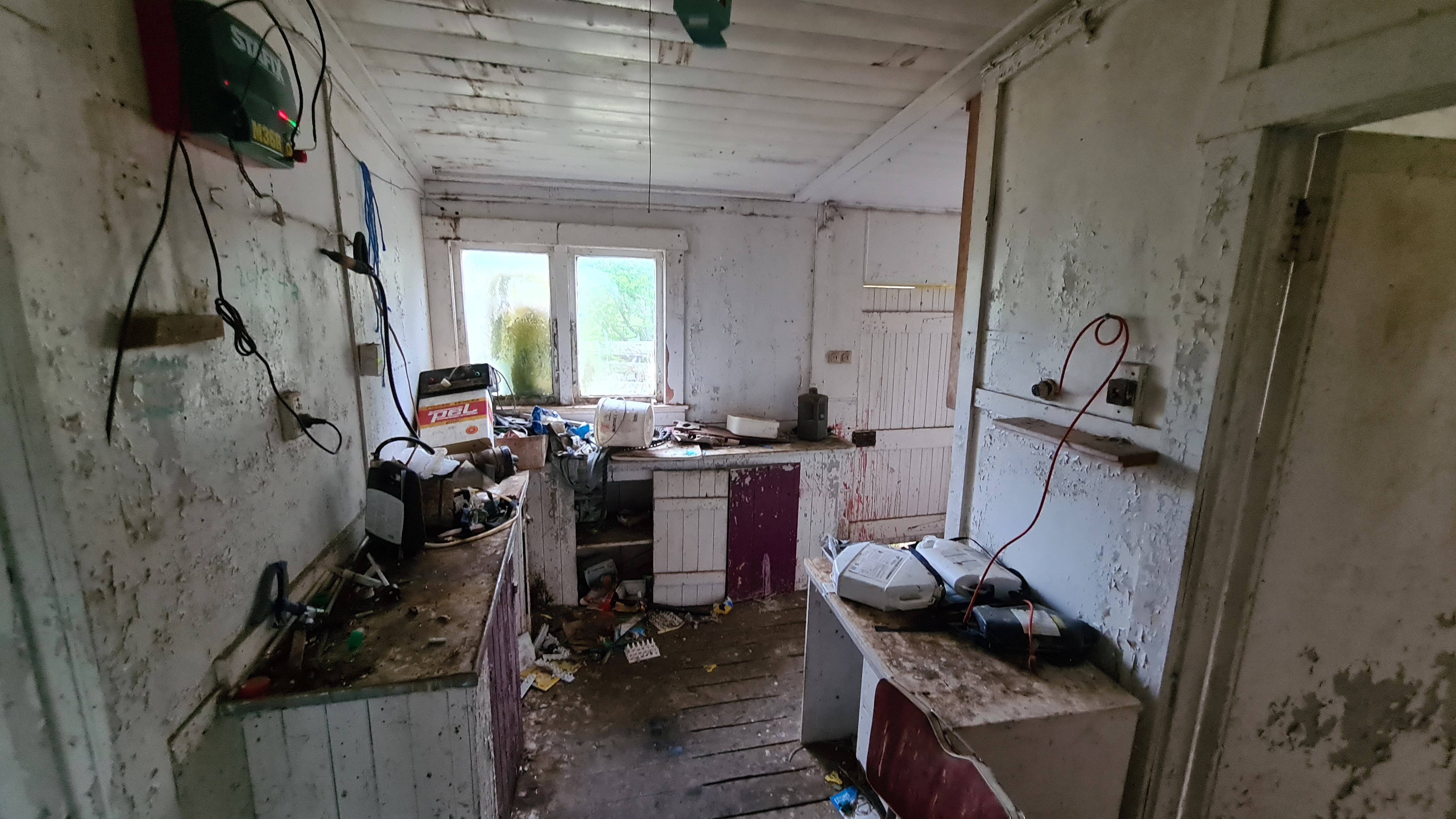
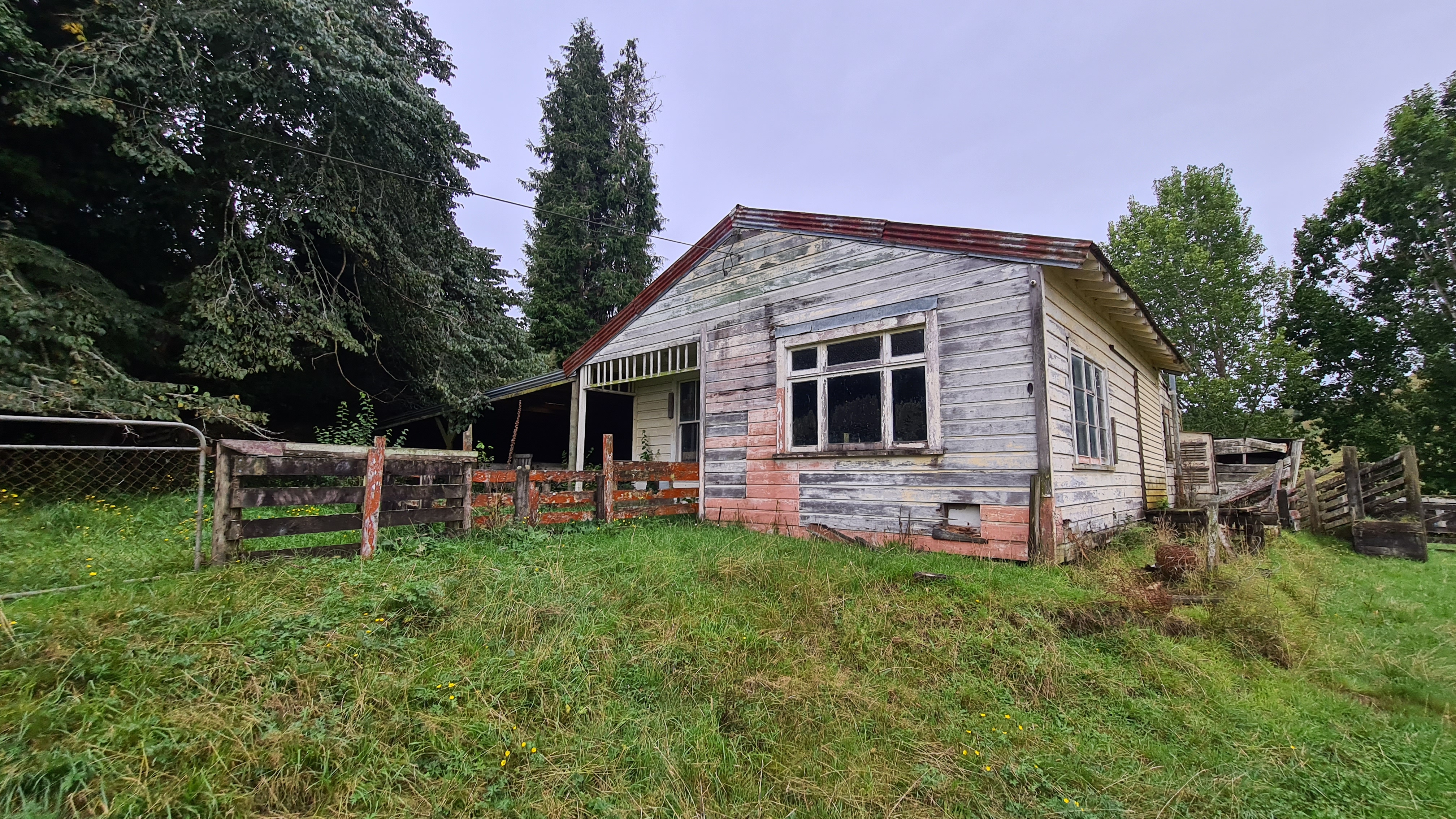
During the early 20th century, roads were gradually constructed to connect these isolated communities. The route that became State Highway 43 was one of the last in New Zealand to be fully sealed, with paving completed only in the late 20th century. As populations declined and rail lines closed, many settlements along the route were abandoned, giving rise to the name “Forgotten World.”
Today, the highway stands as a living reminder of these historical patterns, preserving landscapes and structures that reflect a vanished era of rural life and frontier settlement.
Geology
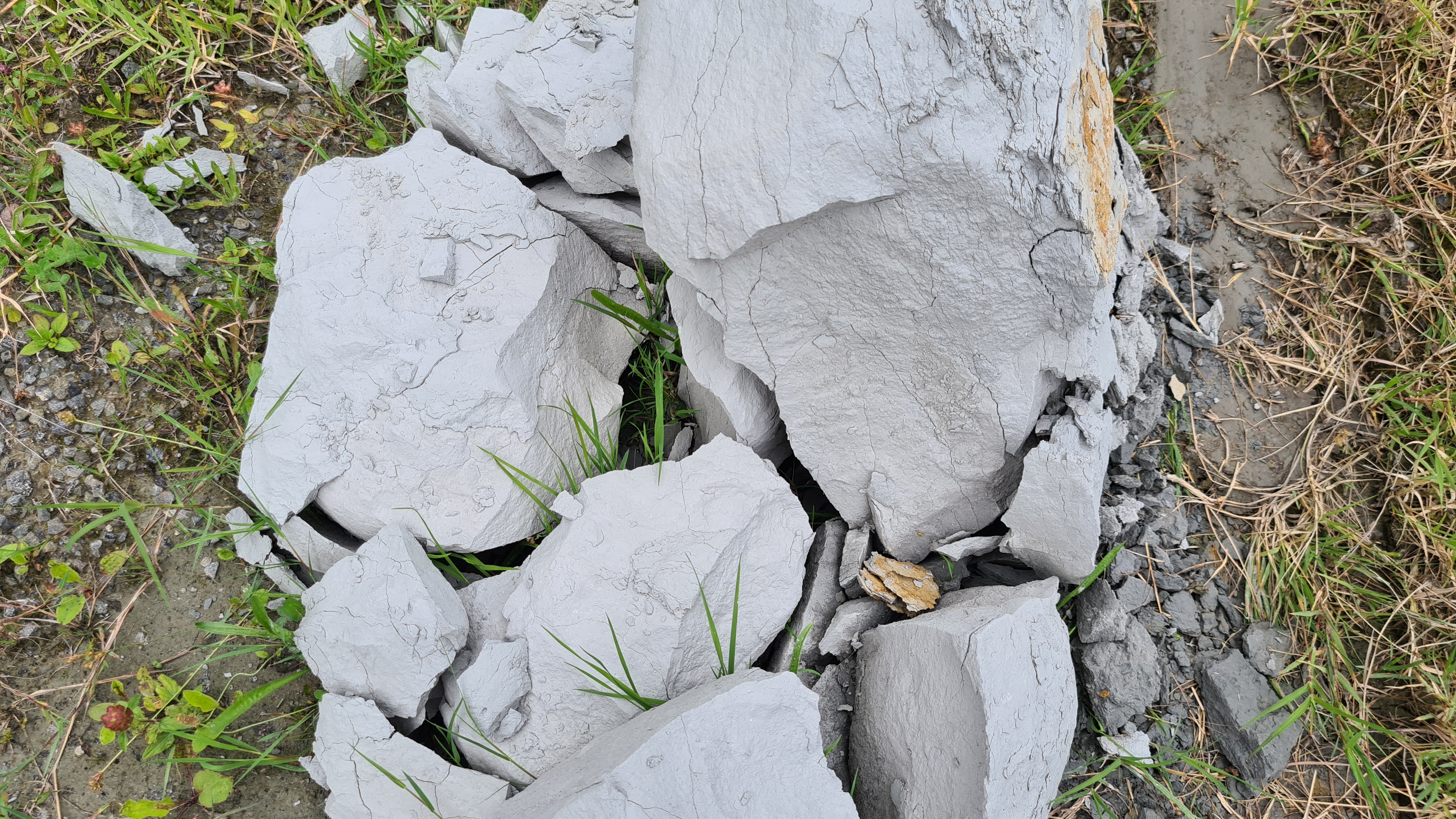
The Forgotten World Highway passes through a geologically complex area shaped by ancient volcanic activity, tectonic uplift, and erosion. The landscape is dominated by sedimentary rock formations, volcanic remnants, steep ridges, and deeply incised river valleys.
Much of the terrain was formed by volcanic activity millions of years ago, followed by uplift and erosion that created sharp hills, gorges, and unstable slopes. The soft sedimentary rocks in some sections are prone to landslides, which have influenced both the alignment and maintenance of the road.
Rivers such as the Whanganui and its tributaries have carved valleys that guide the highway’s path. These waterways played a crucial role in early transport and settlement and continue to shape the region’s ecology. The geological complexity contributes to the dramatic scenery and reinforces the sense of remoteness that defines the highway.
Things to See
The Forgotten World Highway offers a wide range of natural, historical, and experiential highlights along its length:
Landscapes and Natural Features
- Dense native forests and regenerating bush
- Rolling hill country and steep ridgelines
- River valleys, gorges, and crossings
- Panoramic viewpoints with minimal human development
Historical and Cultural Features
- Remnants of early European settlements and farms
- Historic bridges, tunnels, and road structures
- Tangarakau Gorge, one of the most dramatic sections of the route
- Whangamōmona, a small settlement known for its unique identity and history
Travel Experience
- Narrow, winding sections emphasizing slow travel
- Limited services enhancing the sense of isolation
- Opportunities for photography, walking, and reflection
- A strong atmosphere of heritage and discovery
Experience and Character
Driving the Forgotten World Highway is often described as a journey back in time. The absence of urban development, cell coverage in some areas, and modern infrastructure creates an experience that emphasizes self-reliance and awareness of the landscape.
The highway encourages travelers to slow down, appreciate changing scenery, and engage with New Zealand’s rural and historical identity. It is popular with road-trip travelers, cyclists, and motorcyclists who value quiet roads and immersive journeys.
Seasonal changes alter the character of the route, with mist, rain, and shifting light adding to its dramatic atmosphere. Despite its challenges, the highway remains accessible and rewarding for those prepared for its conditions.