



Ponta do Sol is a small coastal town and municipality located on the south coast of Madeira, west of Funchal. It is widely regarded as one of the sunniest places on the island, benefiting from its south-facing position, sheltered valleys, and relatively stable weather conditions. The town sits at the mouth of a steep valley that rises quickly into Madeira’s mountainous interior.
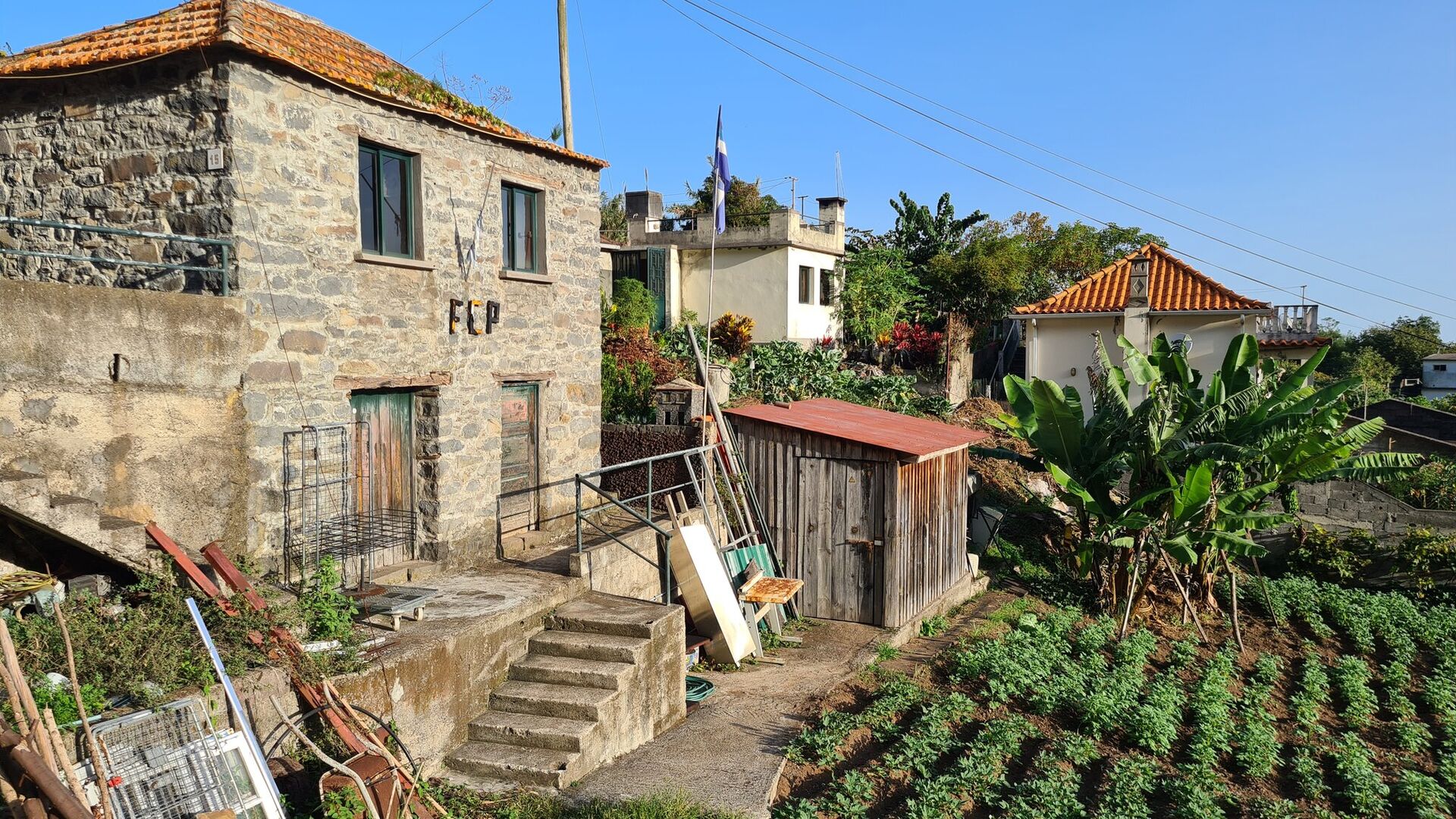
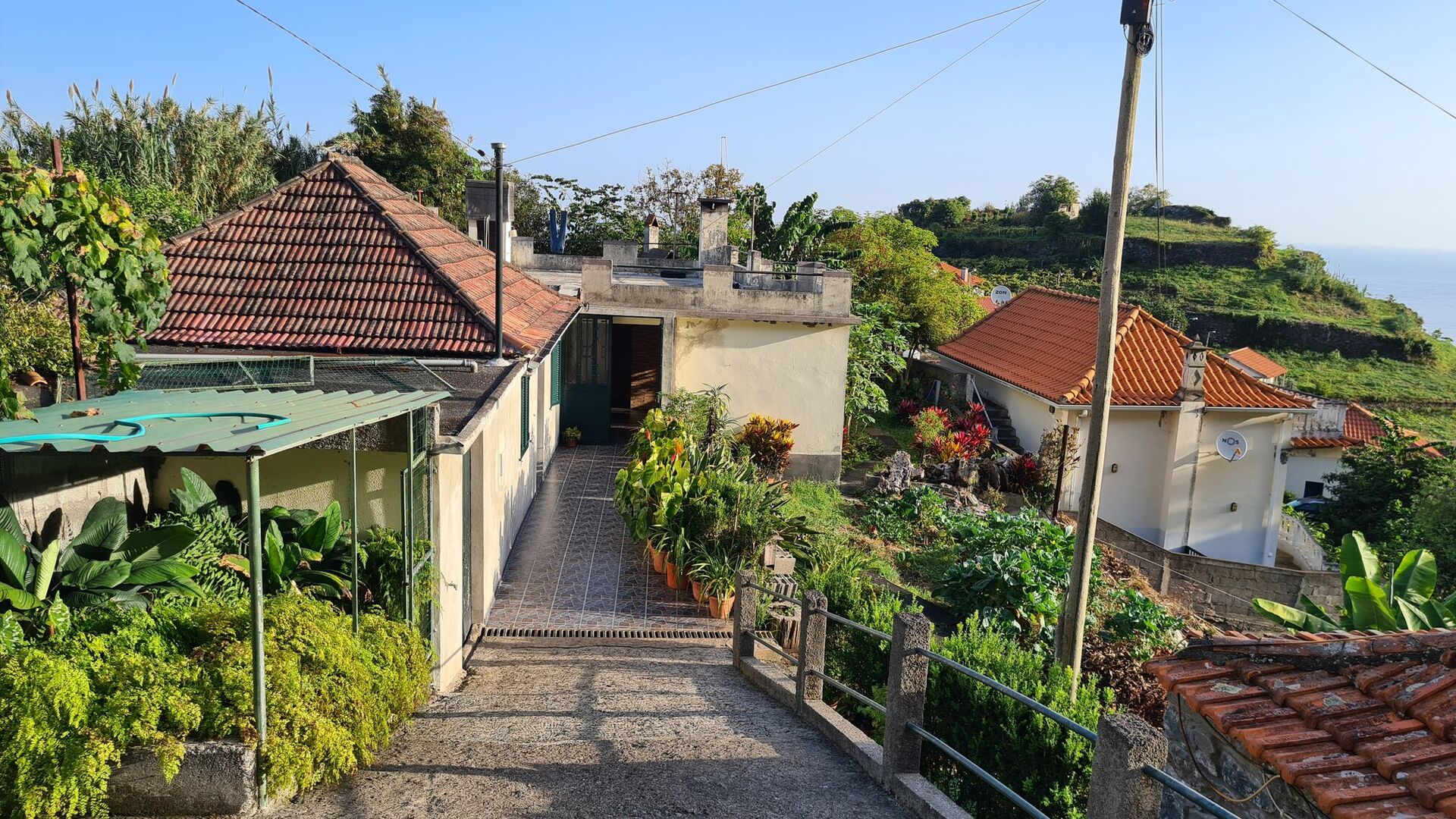
The settlement consists of a compact historic center along the coast, surrounded by residential areas that extend up the hillsides. Agricultural terraces, banana plantations, and vineyards dominate the landscape above the town, reflecting a long tradition of hillside farming. Despite its small size, Ponta do Sol functions as an important local hub for nearby rural communities.
The atmosphere in Ponta do Sol is calm and residential rather than resort-oriented. Tourism exists but remains low-key, focused on long-term visitors, digital nomads, and travelers seeking a quieter alternative to larger coastal centers. Daily life blends coastal living with strong ties to agriculture and the surrounding natural environment.
History
Ponta do Sol is one of the oldest settlements on Madeira. It was officially founded in the early 15th century, shortly after the island’s discovery and colonization by the Portuguese. Its early development was closely linked to agriculture and maritime trade, with sugar cane playing a central role during Madeira’s first economic boom.
The town’s natural harbor, though small, allowed for the export of agricultural products and contributed to its growth as a local trading point. During the sugar and later wine periods, Ponta do Sol became a prosperous settlement, attracting merchants and landowners. Many historic buildings from these periods still shape the town’s architectural character.
Over time, shifts in global trade and agricultural practices reduced the town’s economic importance, but Ponta do Sol retained its role as a regional center. In recent decades, renewed interest in sustainable tourism and remote work has brought new attention to the area, while its historical identity remains clearly visible.
Geological Setting
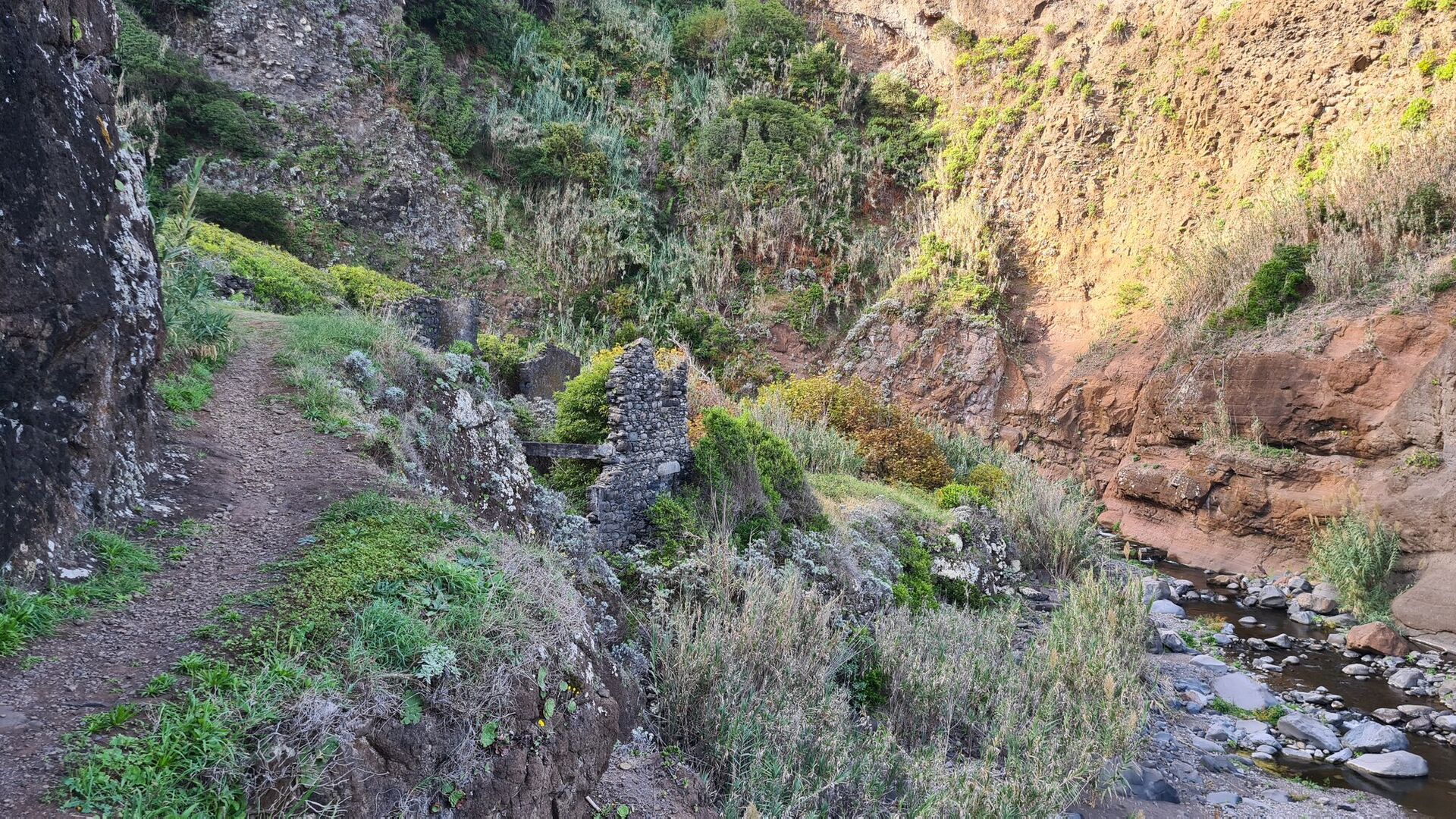
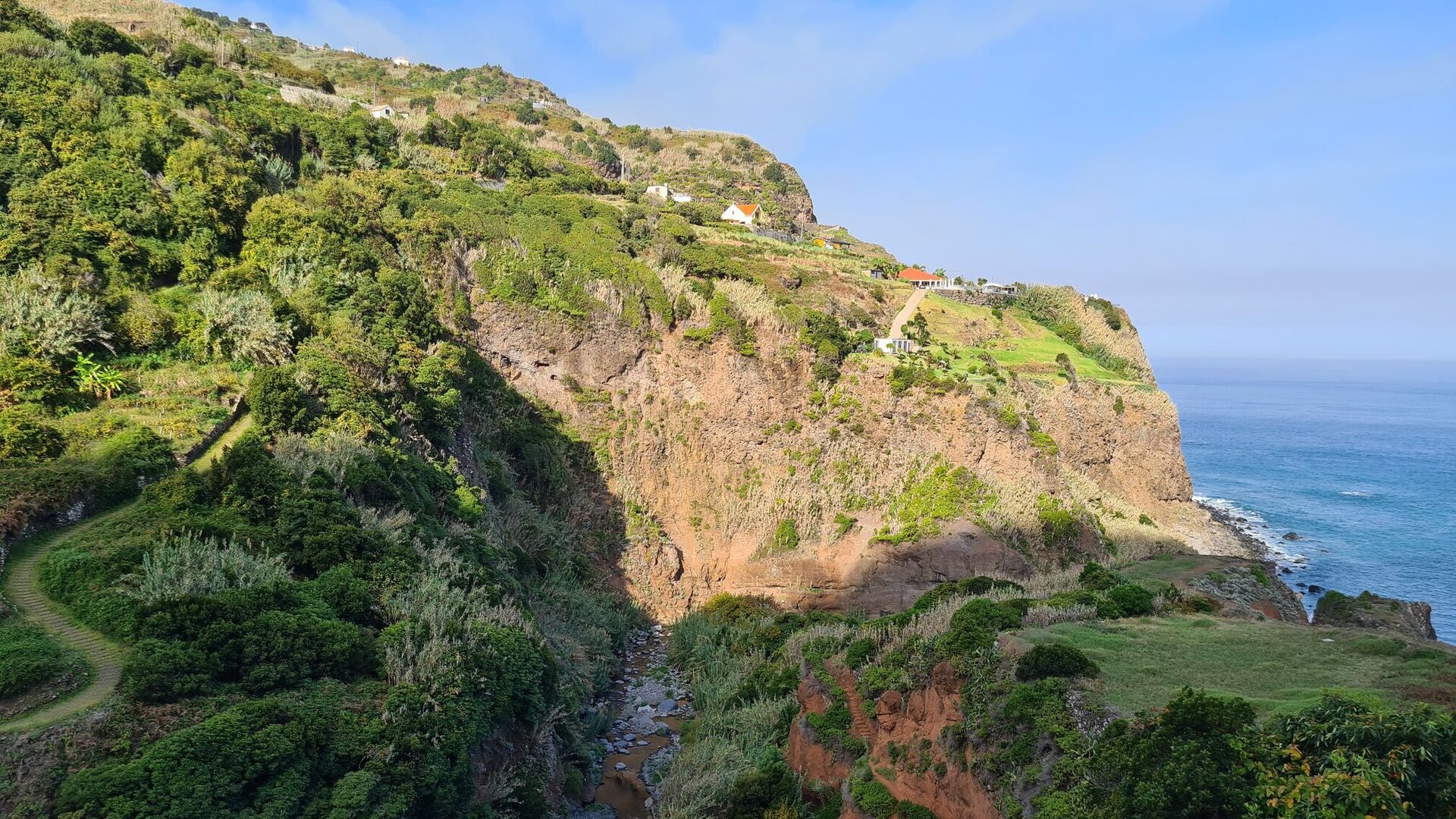
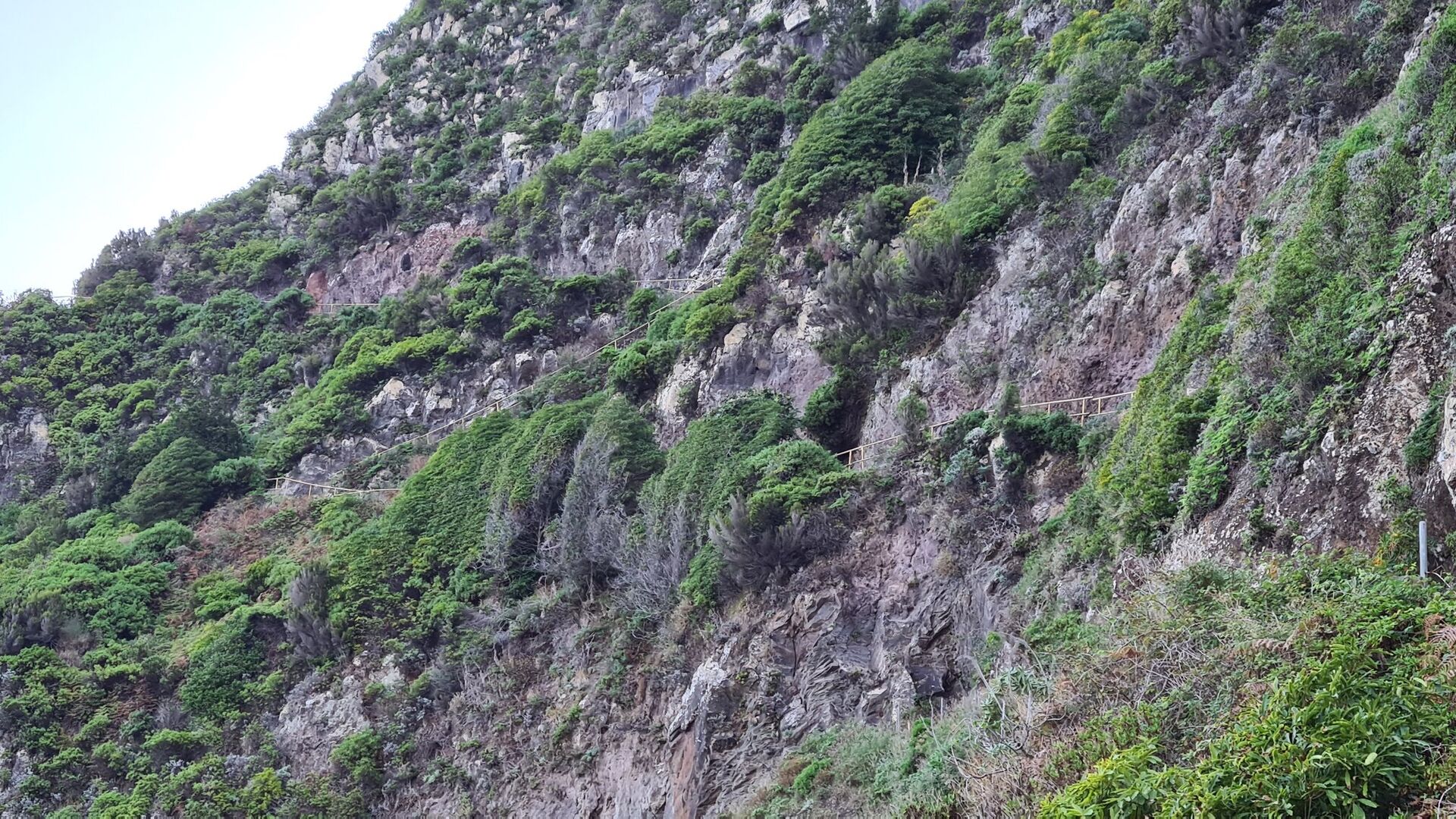
Ponta do Sol’s landscape is strongly influenced by Madeira’s volcanic origin and subsequent erosion. The town lies at the base of a deep valley carved by water over thousands of years, creating steep slopes that rise dramatically from the coastline toward the island’s central mountains.
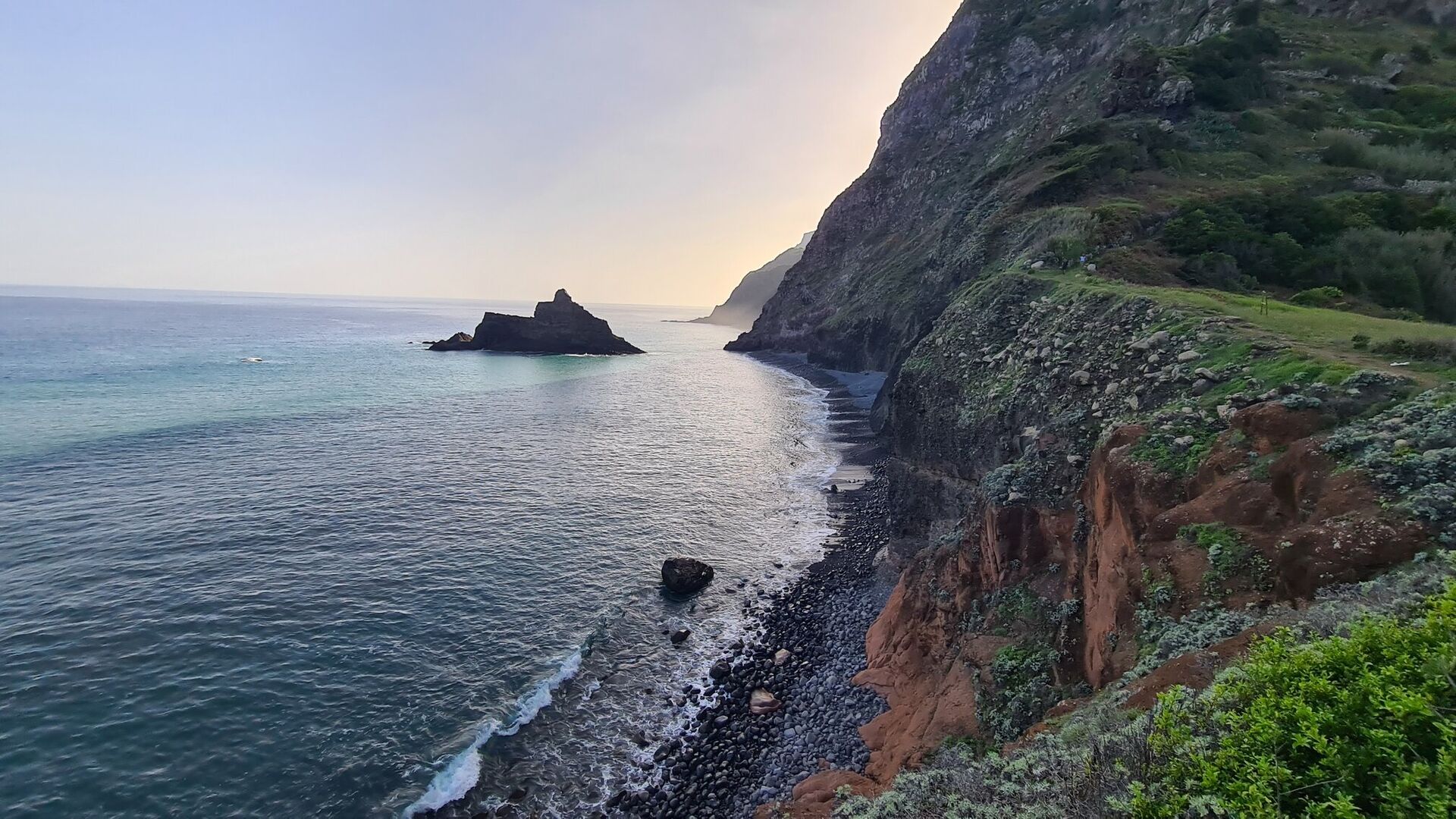
Basaltic rock forms the foundation of the area, visible in cliffs, ravines, and rocky coastal formations. The valley acts as a natural channel for moisture and cooler air from higher elevations, supporting agriculture and contributing to the area’s greenery despite its generally dry southern exposure.
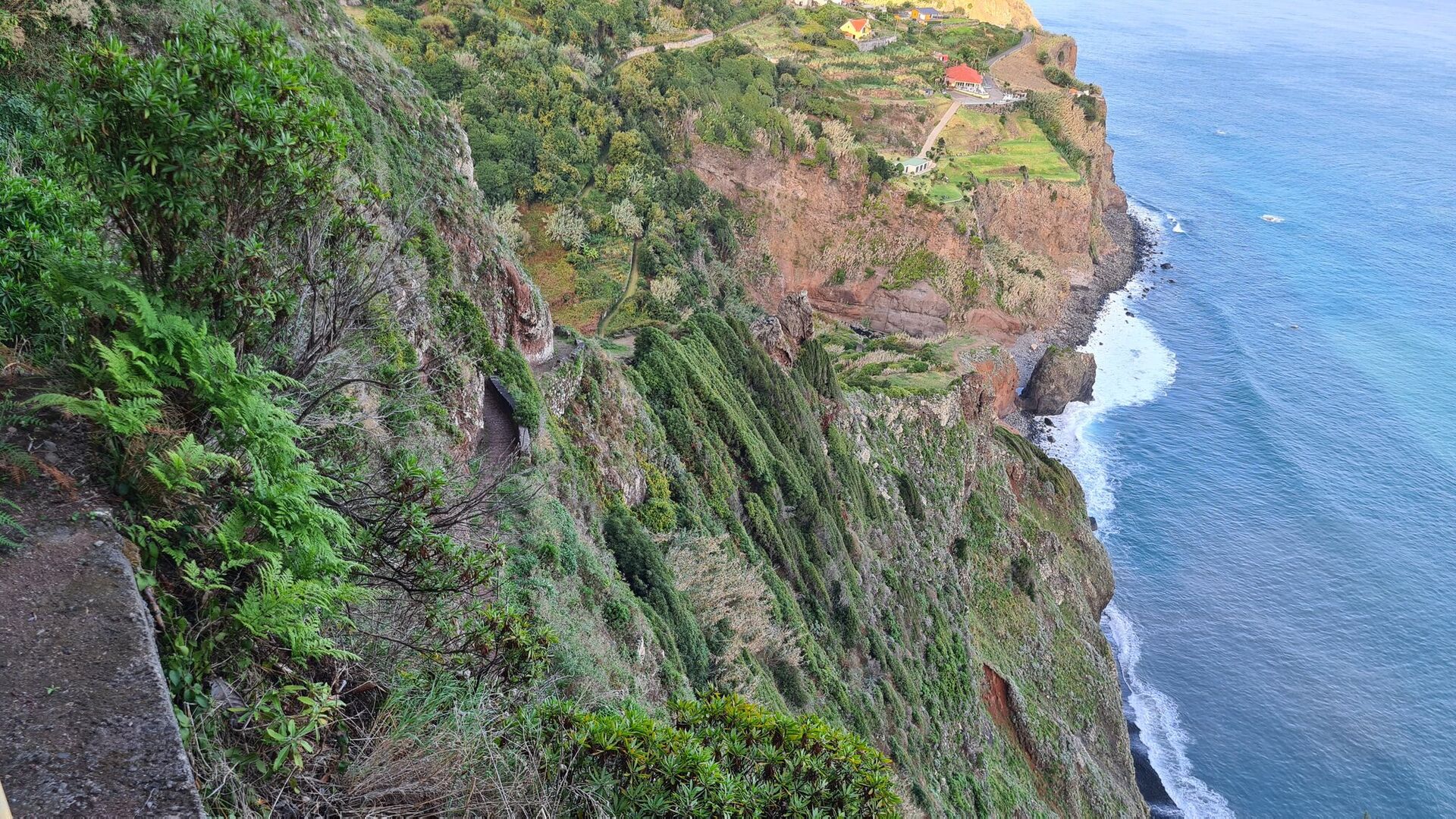
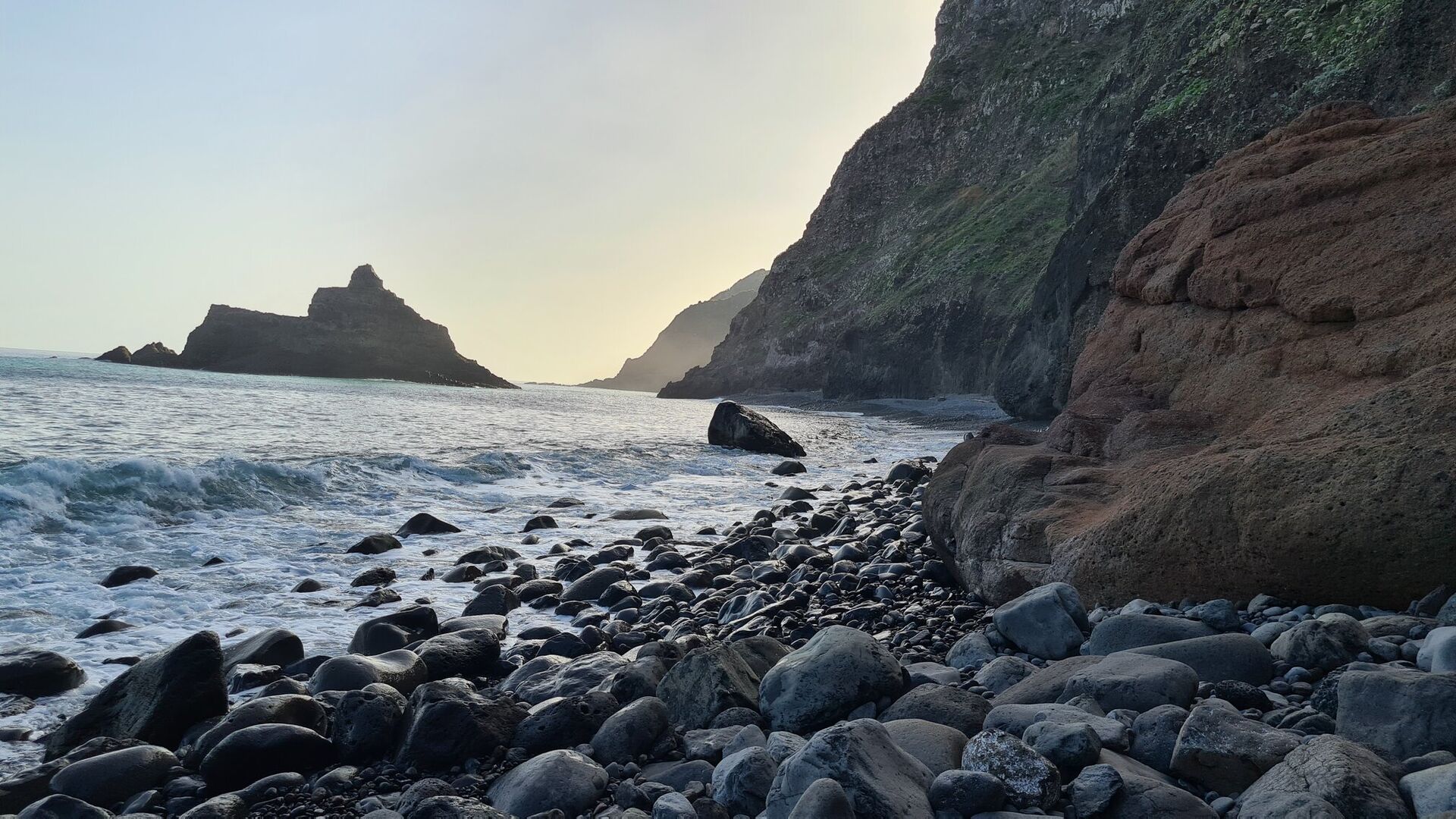
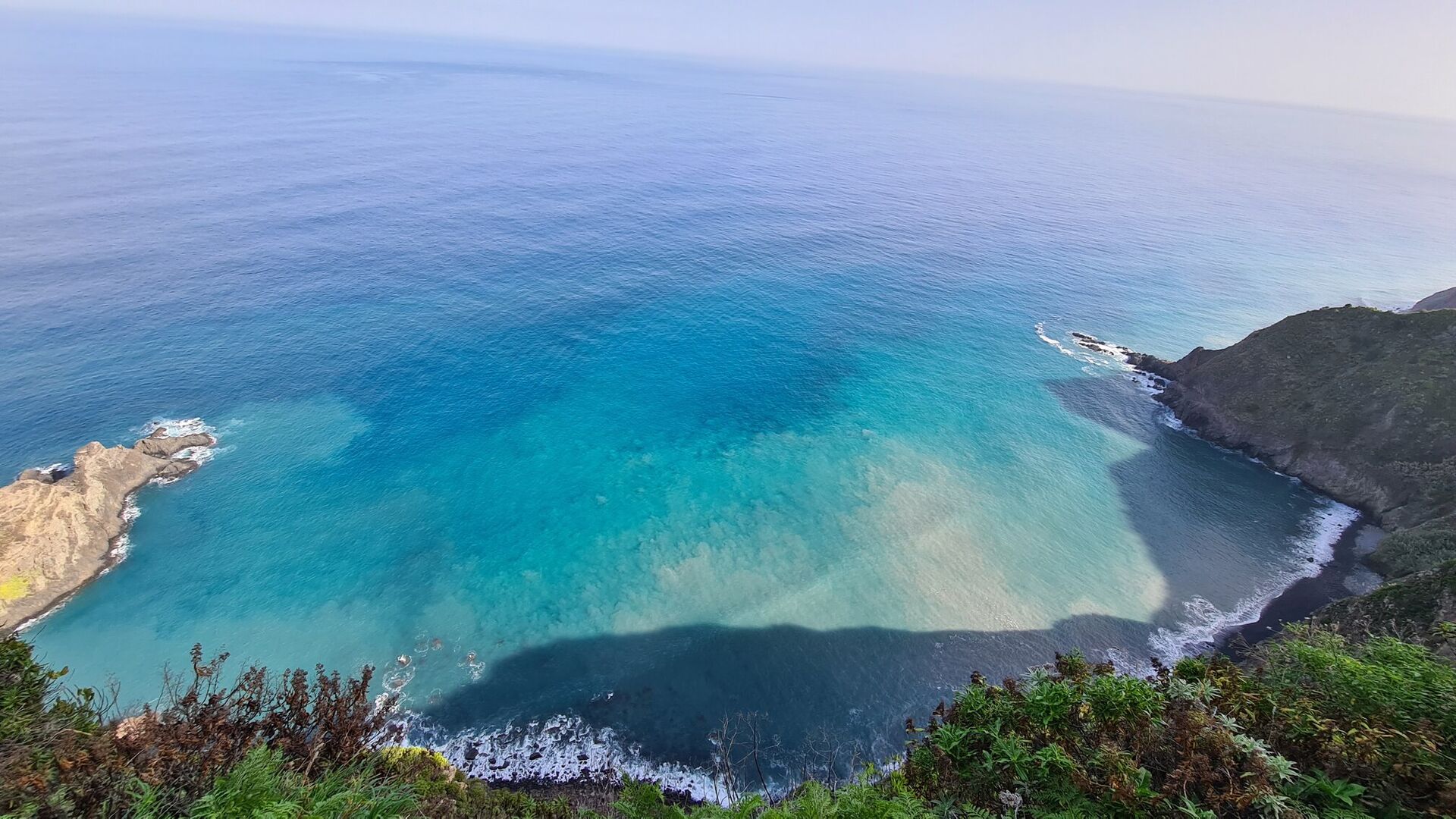
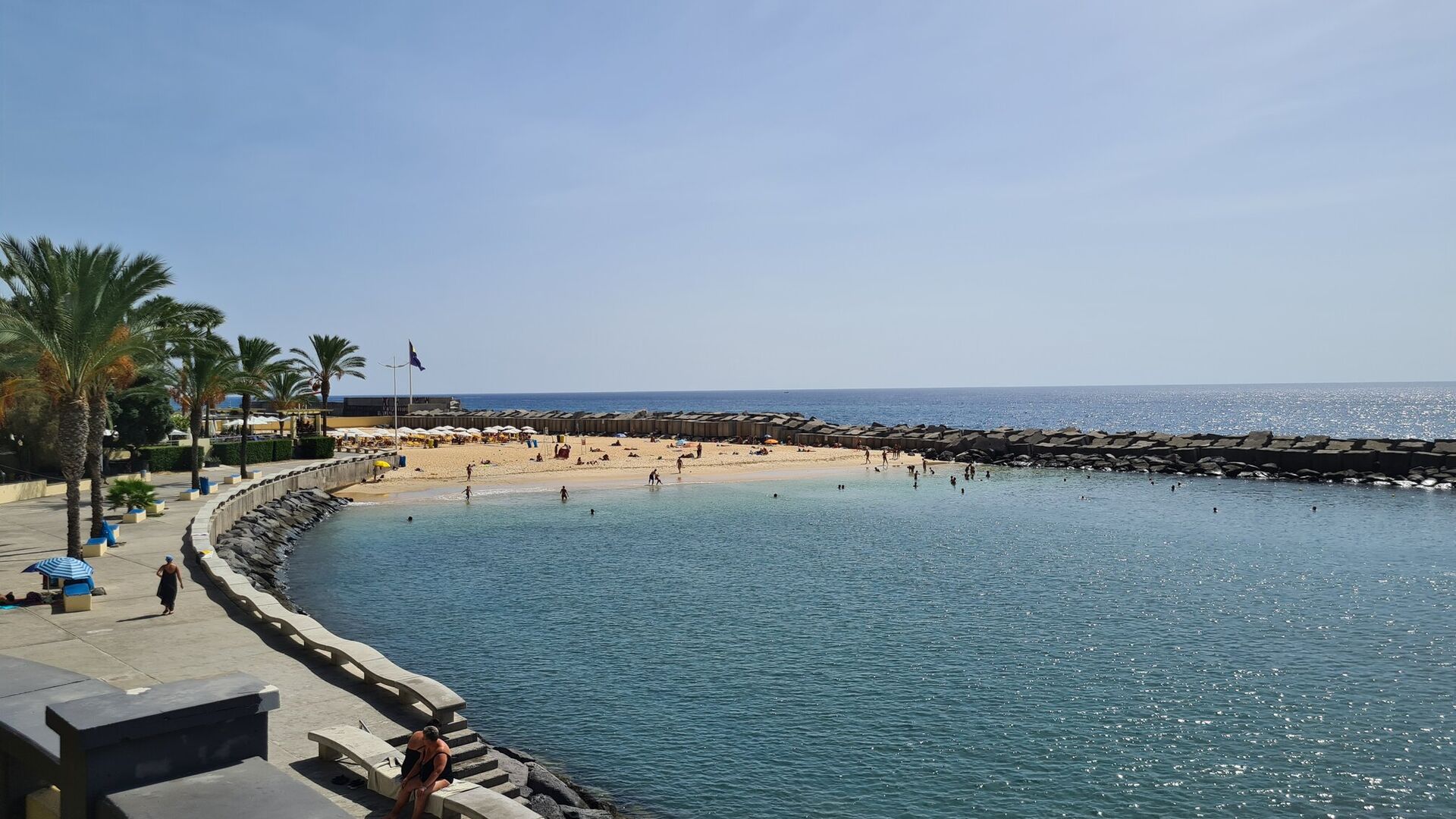
The coastline near Ponta do Sol is characterized by rocky shores and pebble beaches, shaped by wave action and limited sediment deposition. Landslides and erosion have influenced settlement patterns, leading to compact development along safer coastal and lower-slope areas.
Landscape and Natural Environment
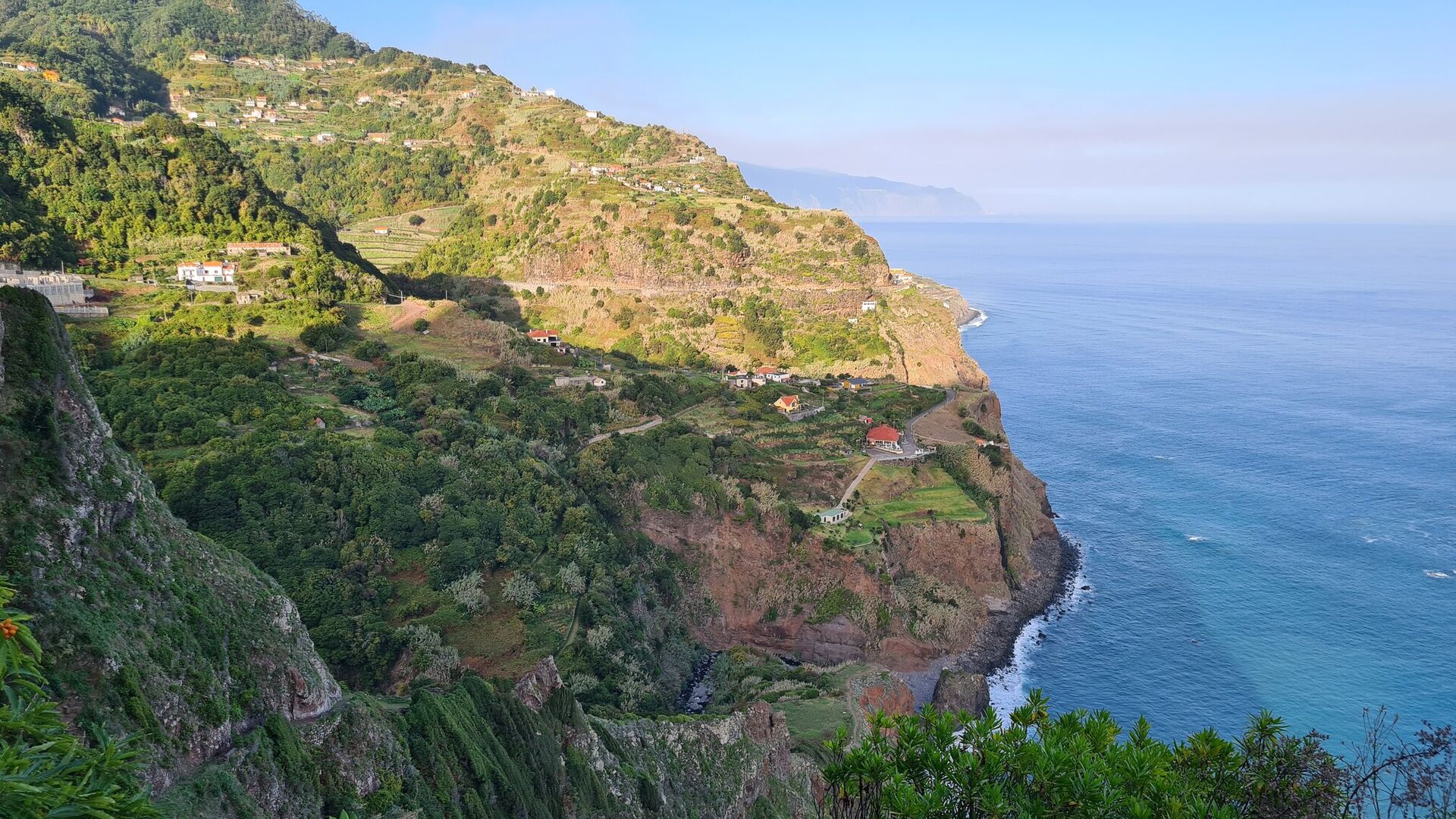
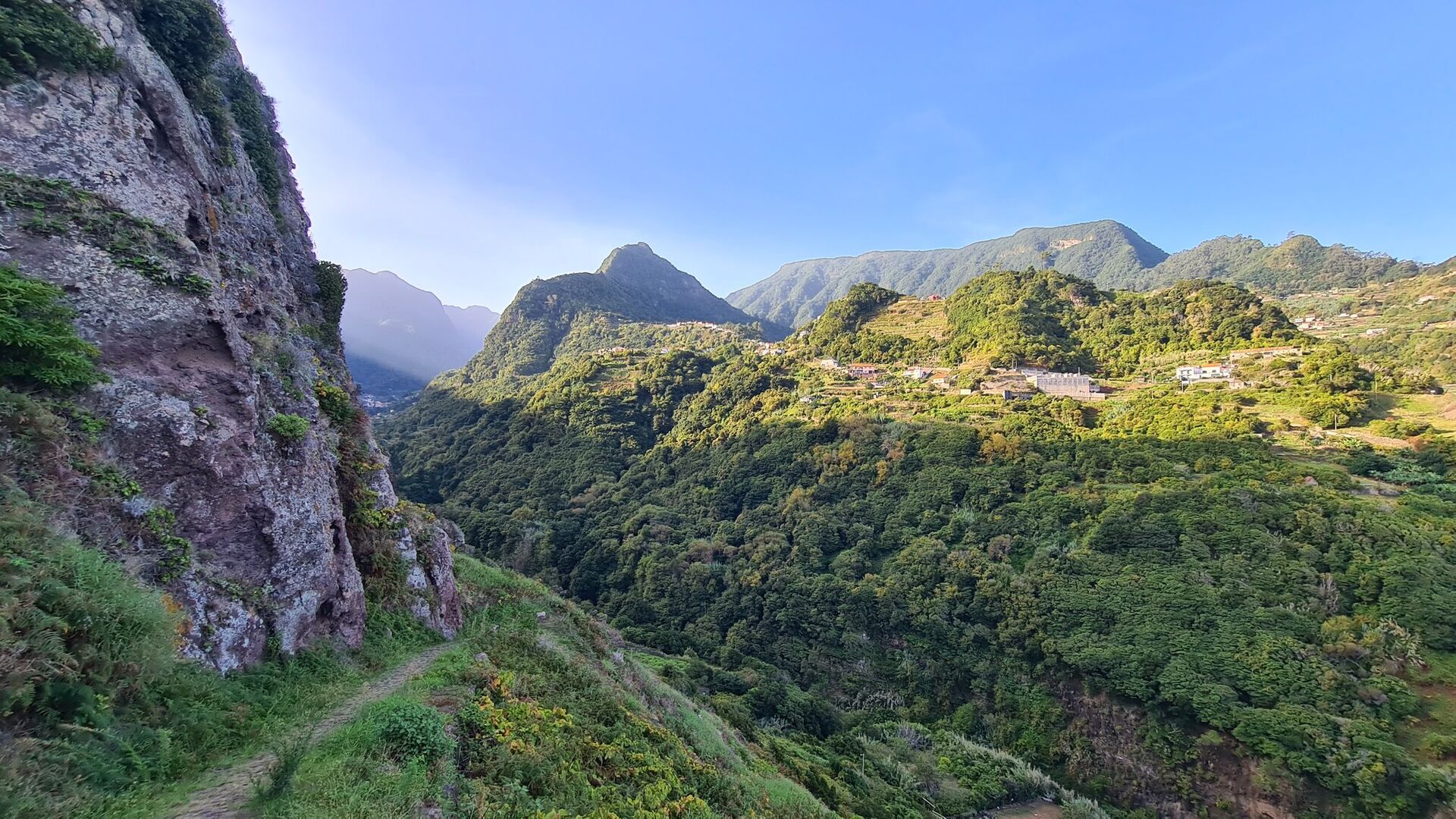
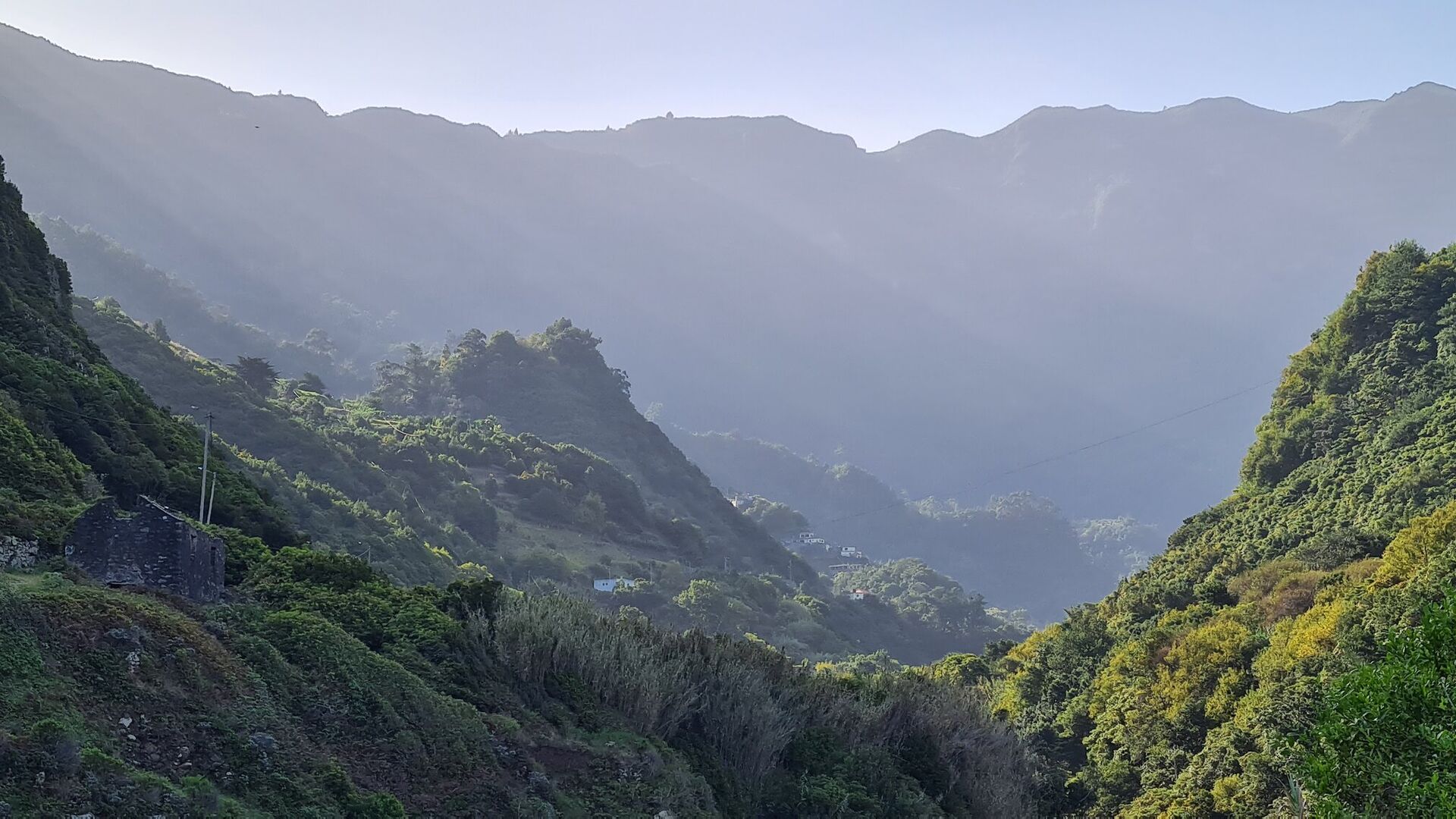
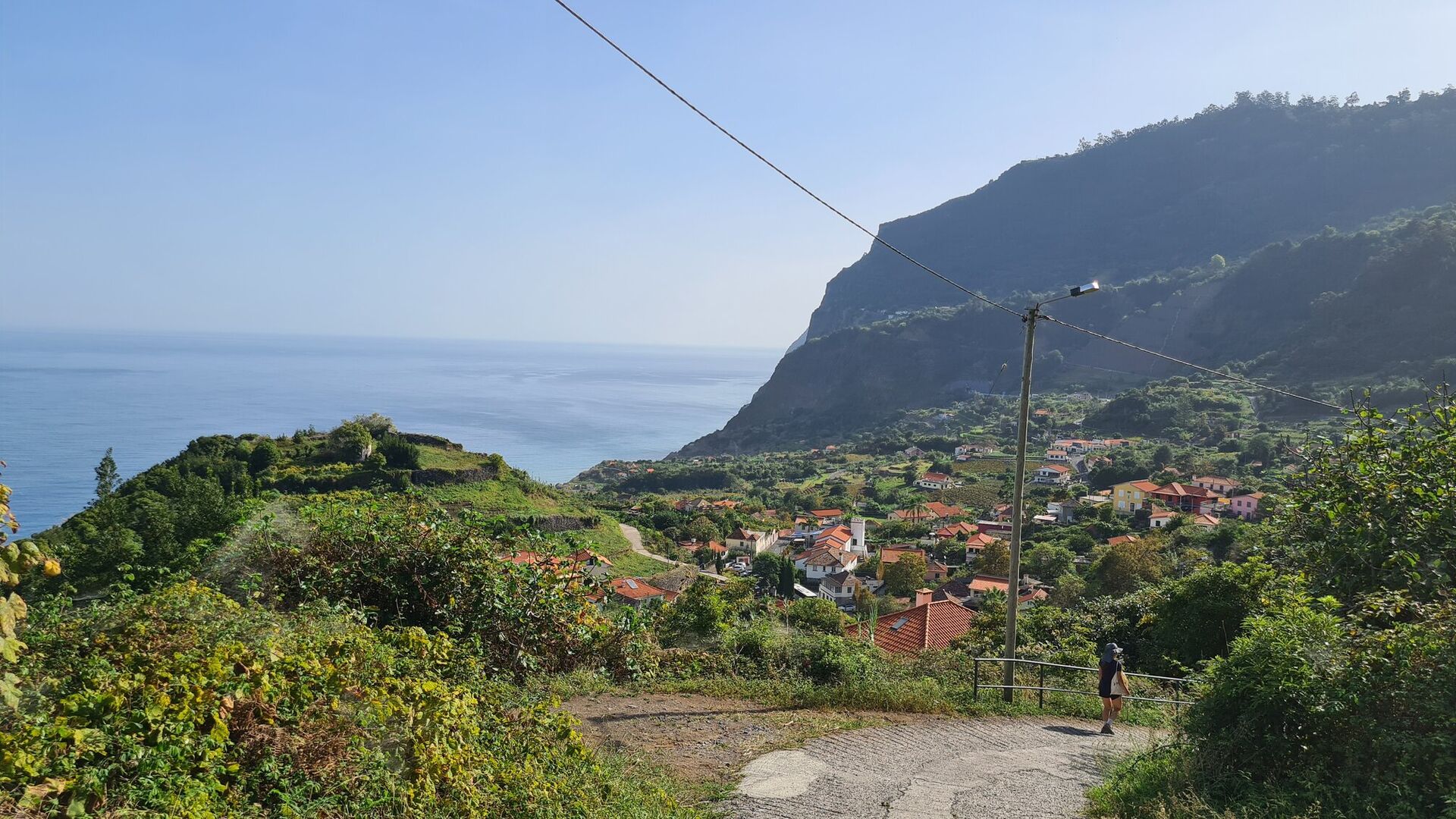
The landscape around Ponta do Sol is a striking blend of coast, valley, and mountains. From sea level, the terrain rises steeply through terraced farmland into forested and mountainous zones. This vertical structure creates strong visual contrasts and varied microclimates within a short distance.
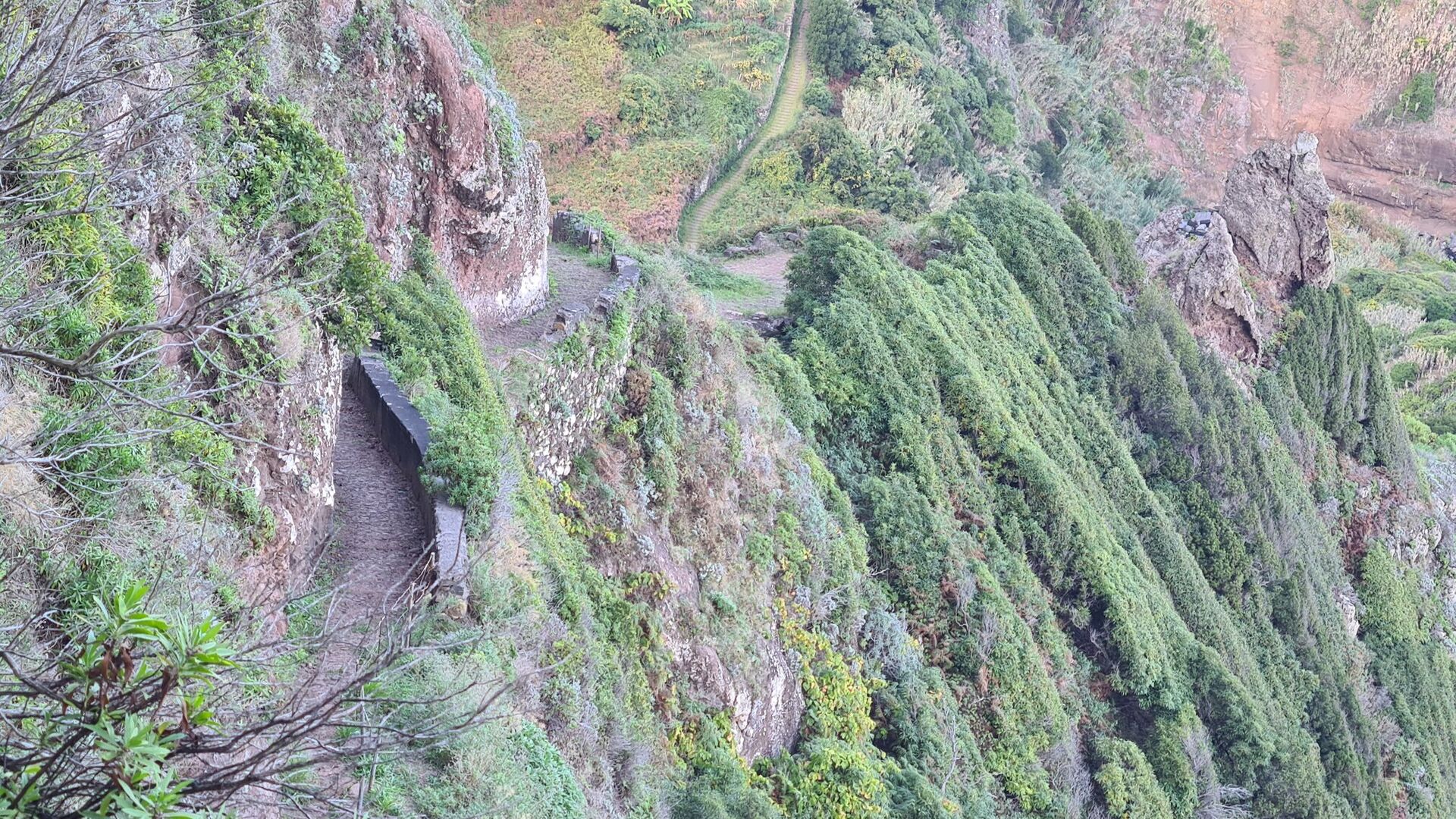
Lower slopes are dominated by agricultural terraces, particularly banana plantations supported by stone walls and irrigated by levadas. Higher elevations transition into mixed vegetation, with shrubs, forest patches, and access routes to popular hiking areas.
The valley behind the town provides access to levada walks and mountain paths, making Ponta do Sol a base for exploring Madeira’s interior. Views from elevated points reveal the Atlantic Ocean below and the layered structure of terraces and ridges above.
Urban Character and Architecture
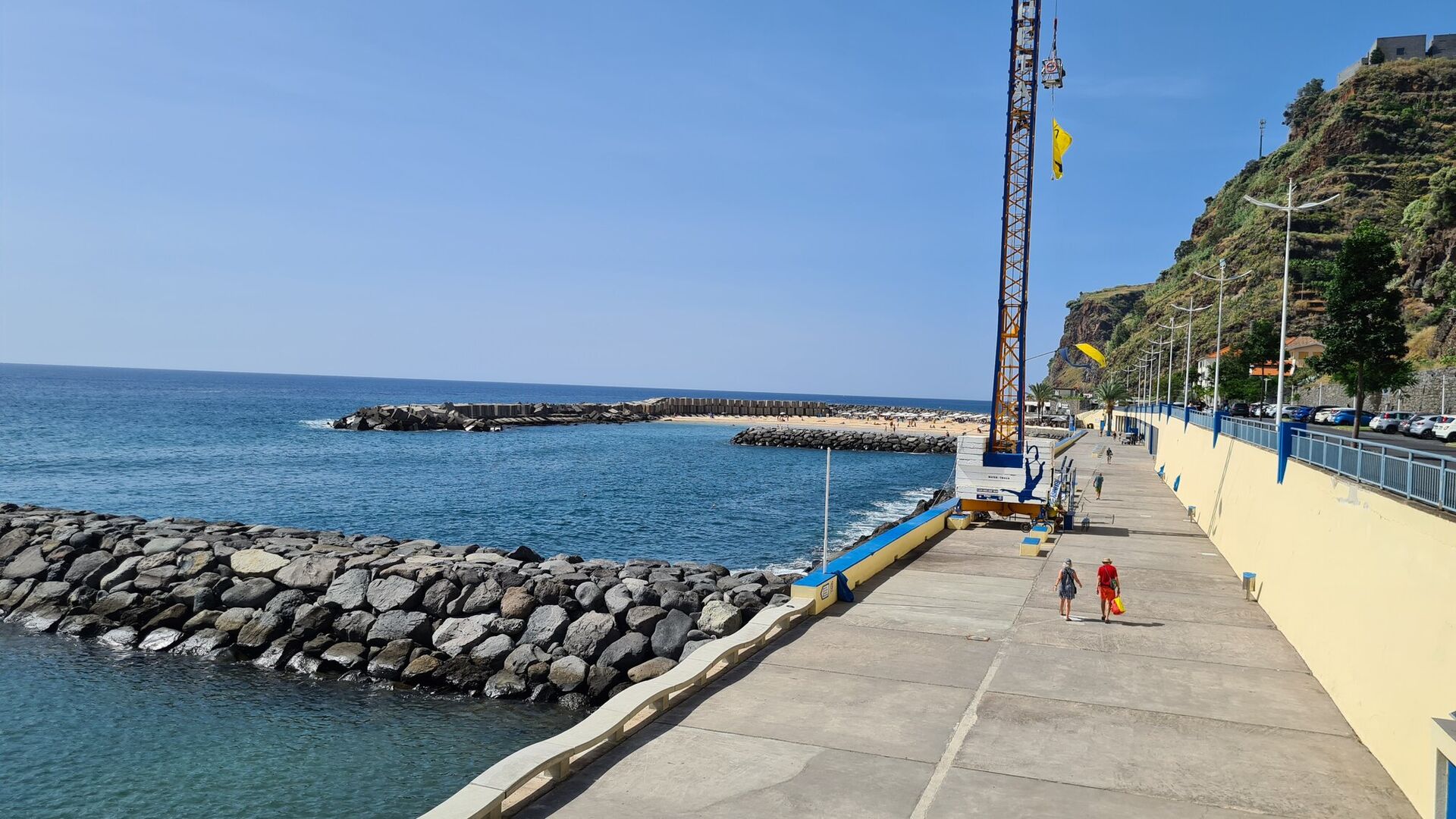
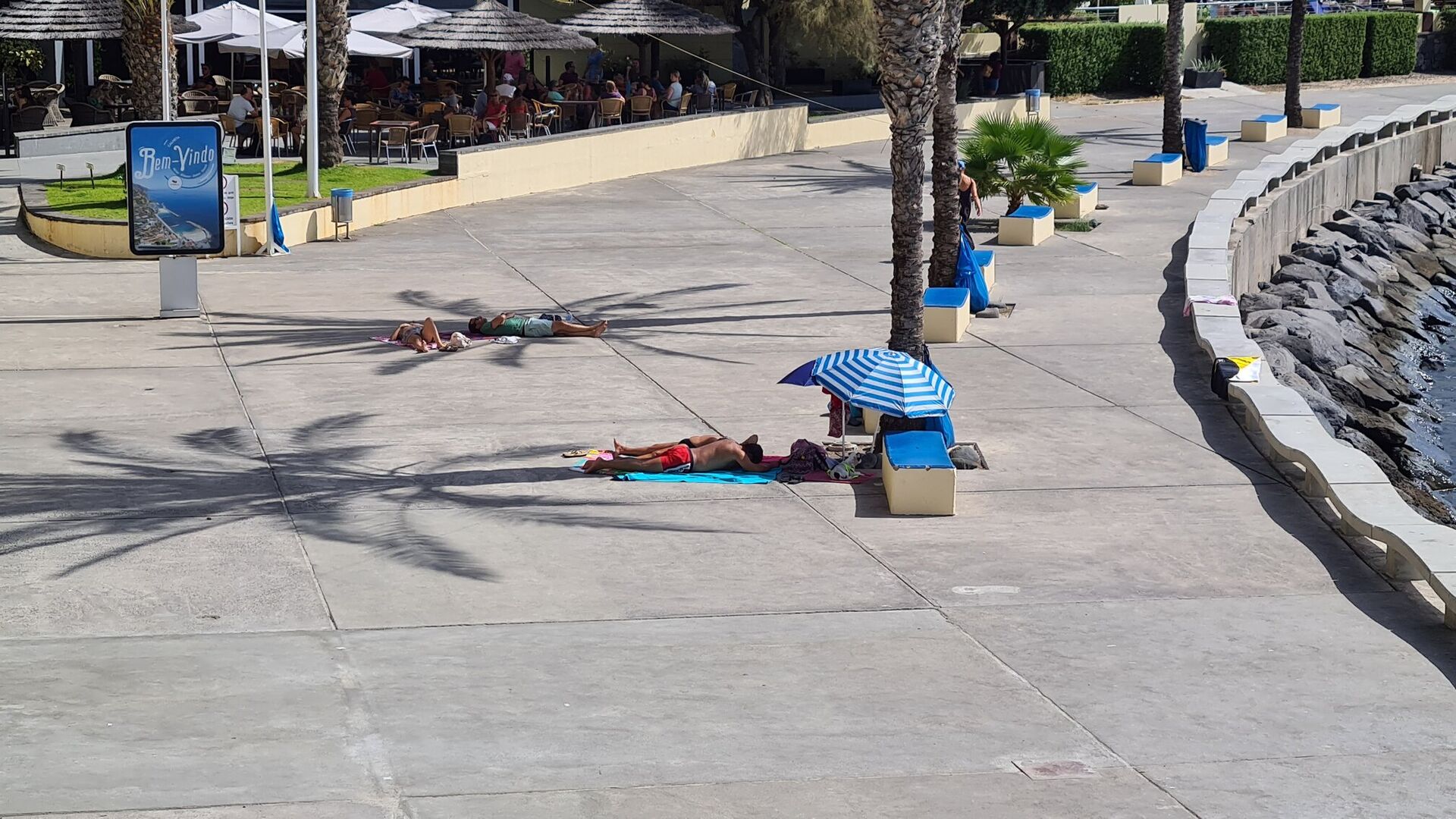
Ponta do Sol’s historic center is compact and visually cohesive. Narrow streets, pastel-colored buildings, and small squares reflect traditional Madeiran architecture. The waterfront area includes a small pebble beach, a promenade, and restored historic structures.
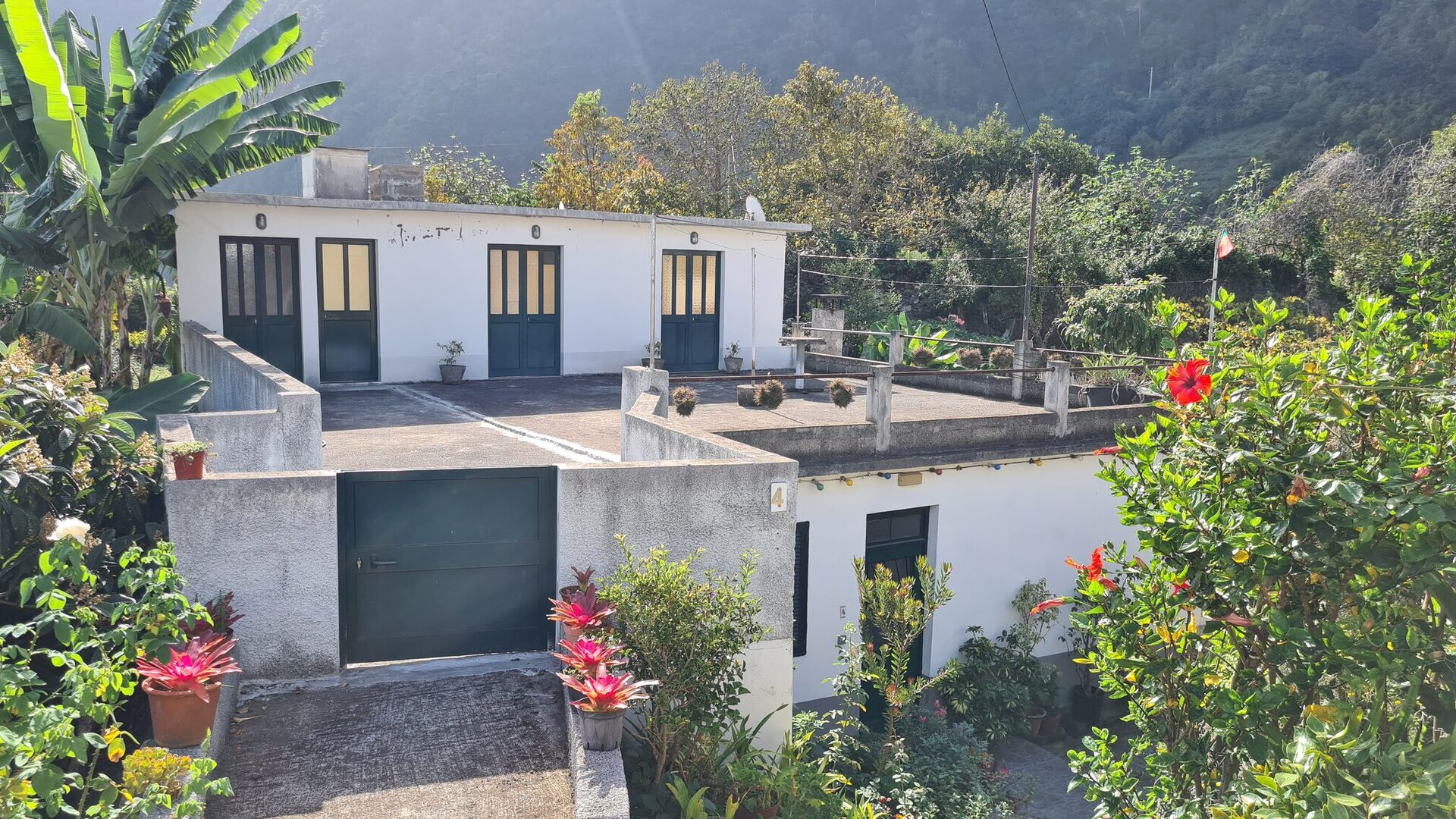
Residential neighborhoods extend up the surrounding hills, often with homes built into steep terrain. These hillside areas offer expansive views but also highlight the challenges of construction and access in Madeira’s rugged landscape.
Unlike larger towns, Ponta do Sol has avoided large-scale resort development. Its built environment remains relatively low-rise and integrated into the natural surroundings, preserving the town’s identity and sense of place.
Experience and Atmosphere
Ponta do Sol is often associated with tranquility, light, and openness. Its sunny climate, ocean views, and slow pace of life appeal to visitors seeking relaxation rather than entertainment-driven tourism. The town supports a strong sense of community, with daily life centered on local cafés, markets, and small businesses.
The combination of coast and mountains creates a balanced lifestyle environment. Residents and visitors can easily move between seaside прогул, agricultural landscapes, and hiking routes into the island’s interior. Seasonal changes are subtle, but light conditions and vegetation vary enough to give the landscape a dynamic quality throughout the year.