
Rum production on Madeira is closely connected to the island’s agricultural history, climate, and long-standing traditions of sugar cane cultivation. Unlike industrial rum production in many parts of the world, Madeiran rum is typically produced in small quantities, using traditional methods that emphasize quality, local identity, and craftsmanship.
Sugar cane is grown primarily along the island’s southern and lower coastal areas, where warm temperatures and irrigation systems provide suitable conditions. The harvested cane is processed in local distilleries, many of which operate seasonally during the sugar cane harvest period.
Madeiran rum is generally characterized by its agricultural style, meaning it is distilled directly from fresh sugar cane juice rather than molasses. This approach results in a spirit with a distinct, fresh character that reflects the island’s terroir and production methods.
History
Sugar cane was introduced to Madeira shortly after the island’s settlement in the 15th century. The crop quickly became the foundation of Madeira’s early economy, earning the island significant wealth and establishing it as a major sugar producer in the Atlantic world.
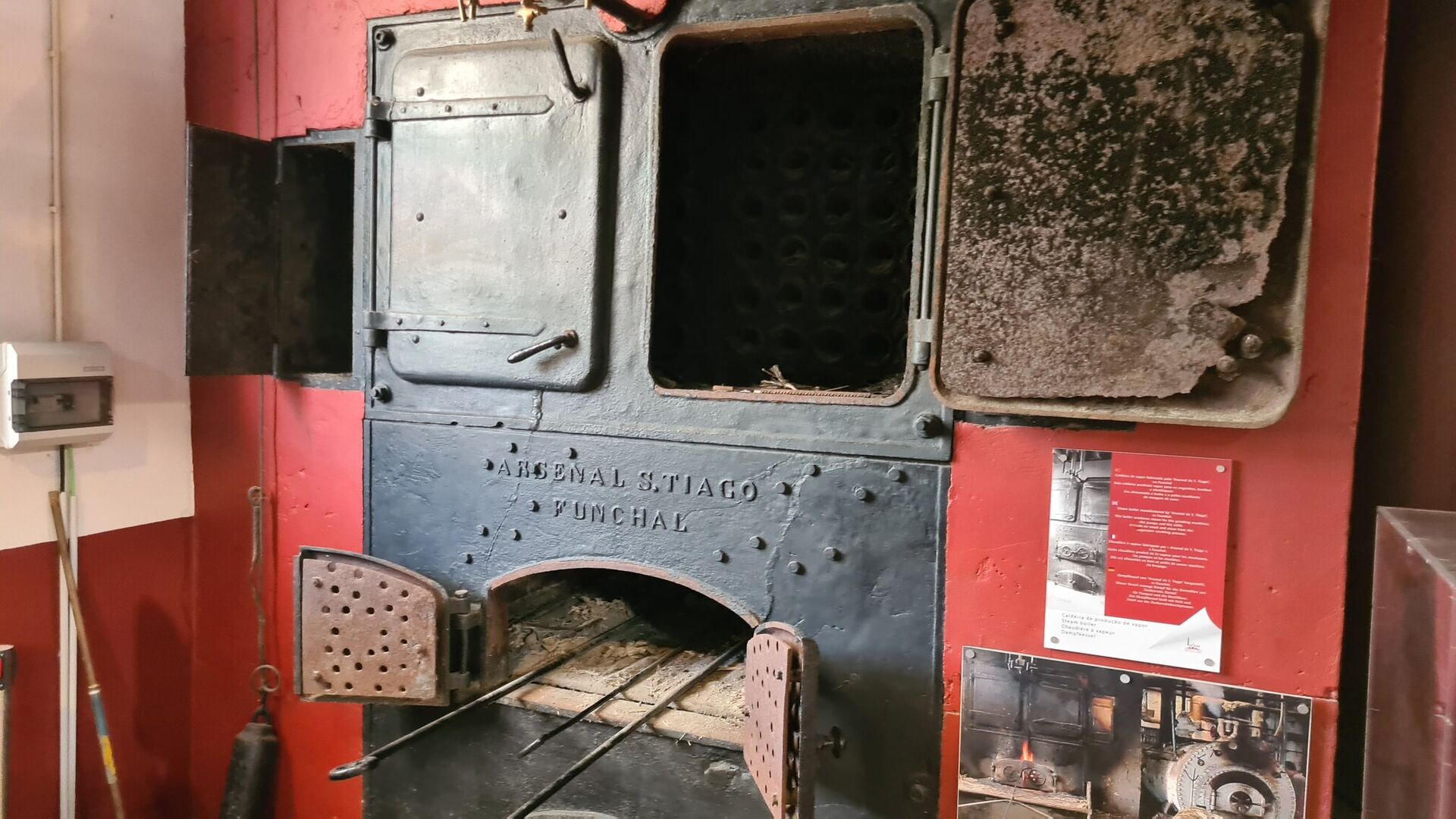
During this period, sugar mills powered by water and animal labor processed cane into sugar and by-products, including early forms of distilled spirits. As global sugar production shifted to other regions, Madeira’s sugar industry declined, but small-scale cultivation and distillation survived in local communities.
Rum production evolved from this historical context, preserving techniques passed down through generations. Today’s rum distilleries represent a direct link to Madeira’s early agricultural economy and its role in Atlantic trade networks.
Agricultural Context
Sugar cane cultivation on Madeira is labor-intensive due to the island’s steep terrain. Fields are often small and terraced, supported by stone walls and irrigated by levadas. Mechanical harvesting is limited, making much of the work dependent on manual labor.
The harvest season typically occurs in spring, when cane reaches optimal sugar content. During this period, distilleries become active, processing freshly cut cane to preserve its natural aromas and flavors.
This close connection between field and distillery is a defining feature of Madeiran rum. Production volumes are limited by land availability, climate, and traditional farming methods, reinforcing the artisanal nature of the spirit.
Production Process
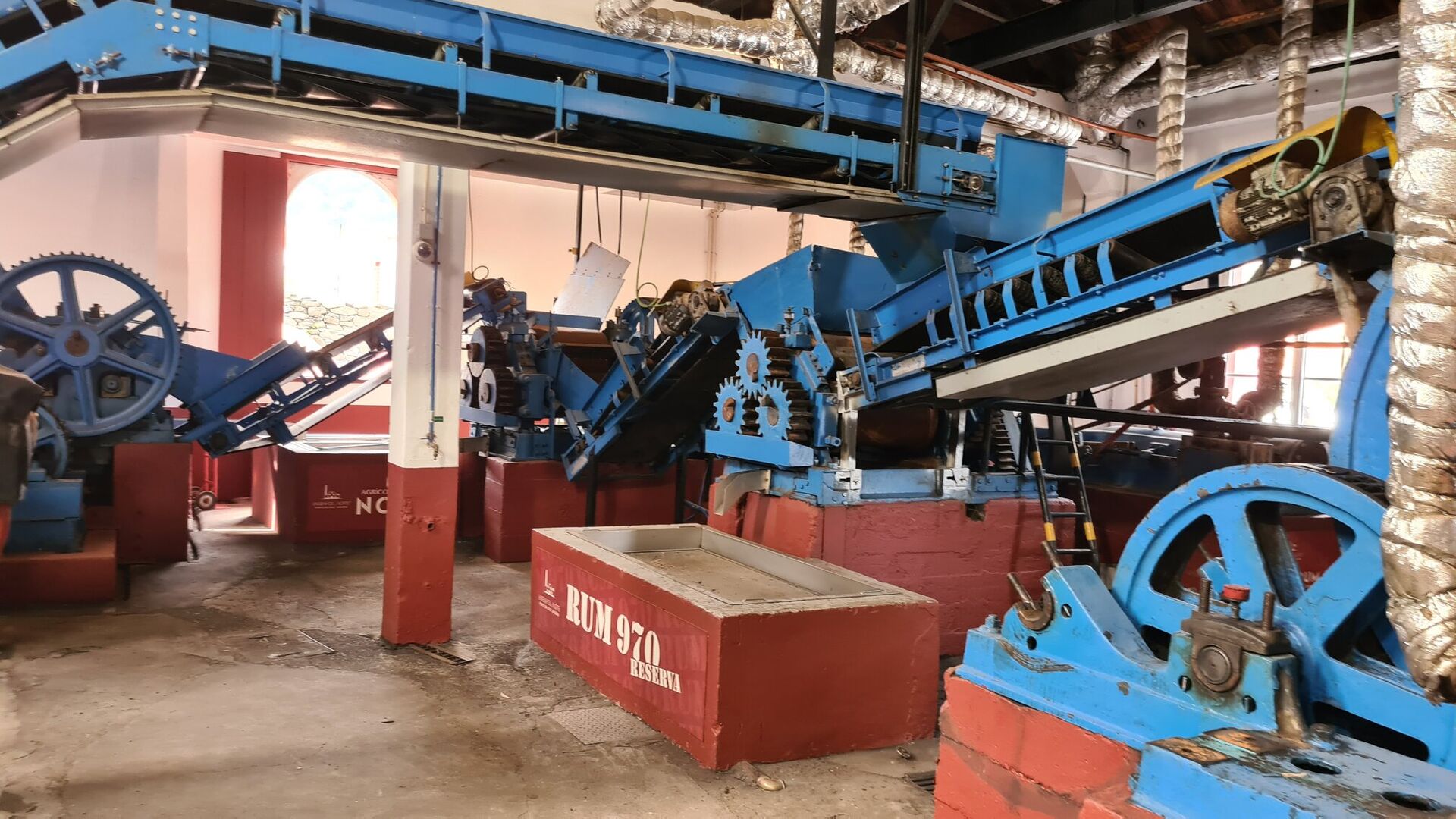
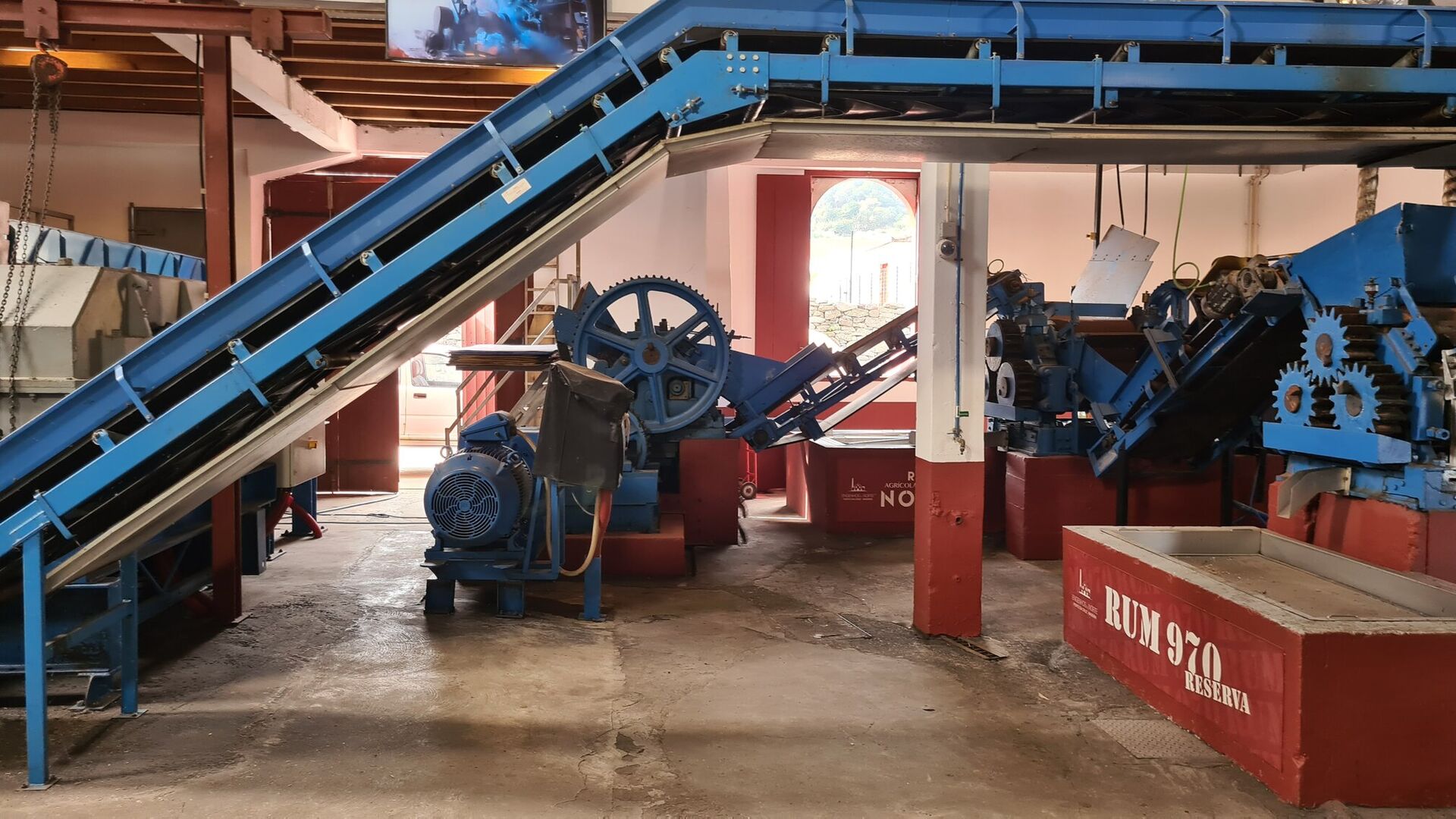
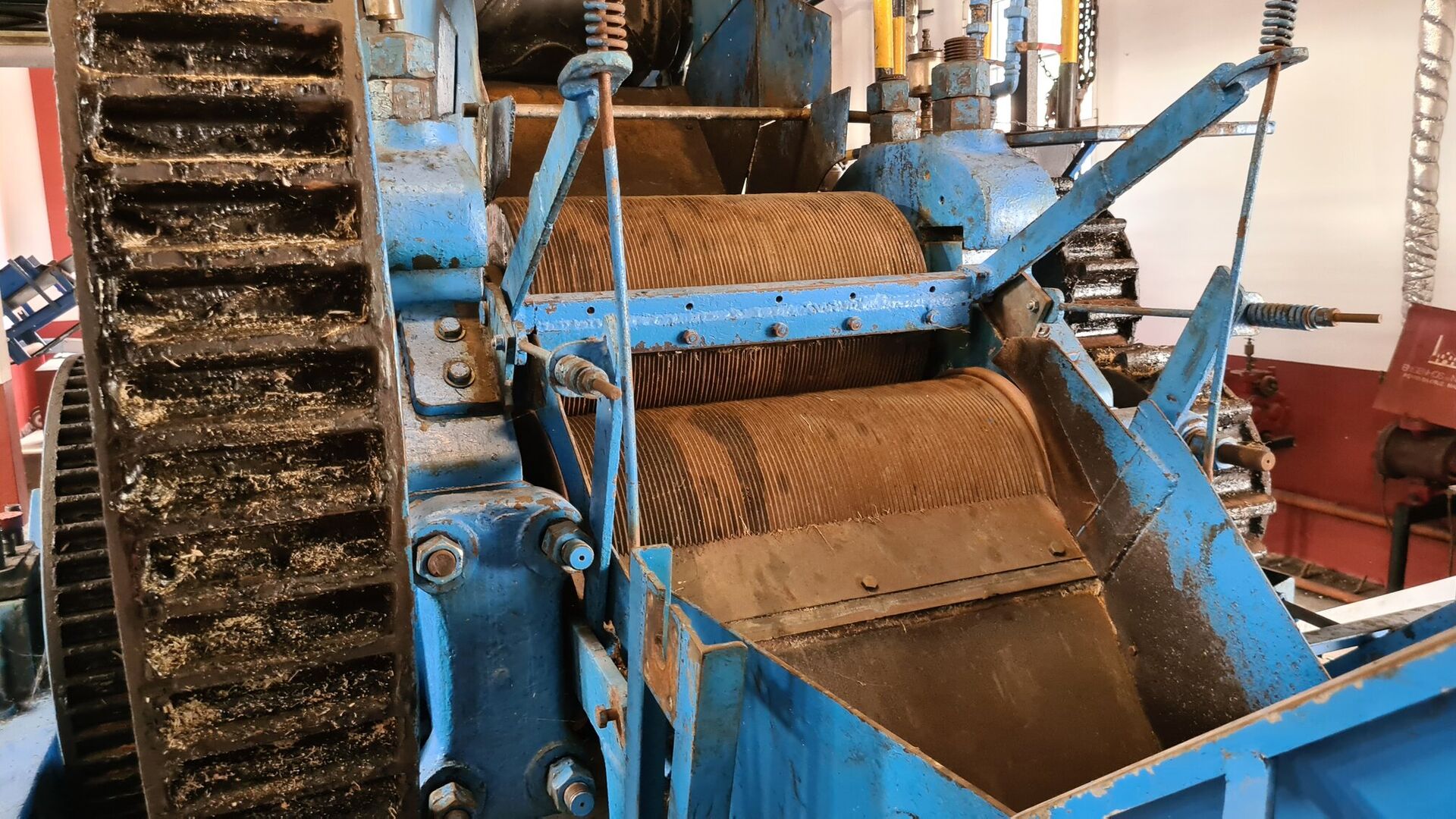
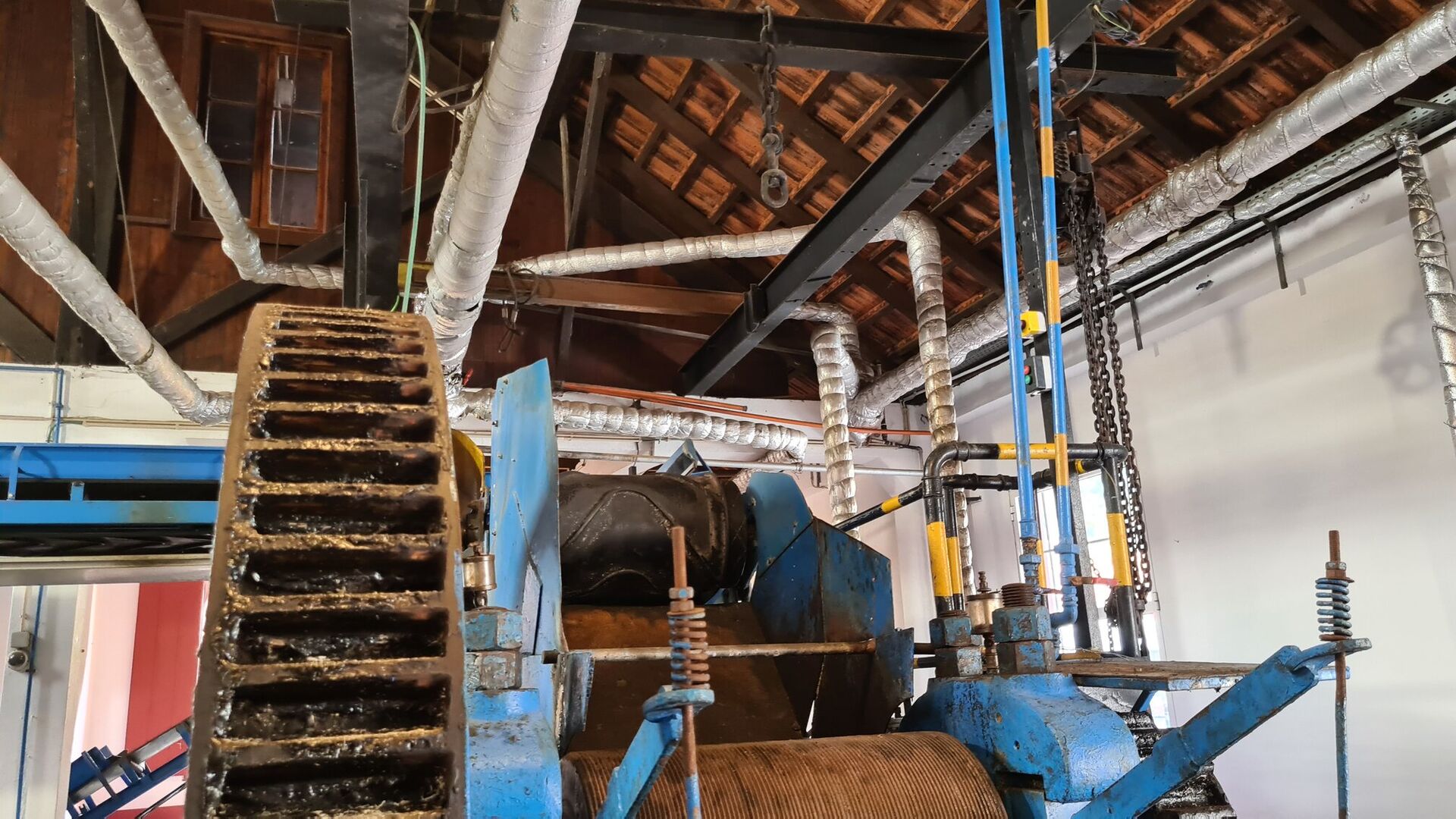
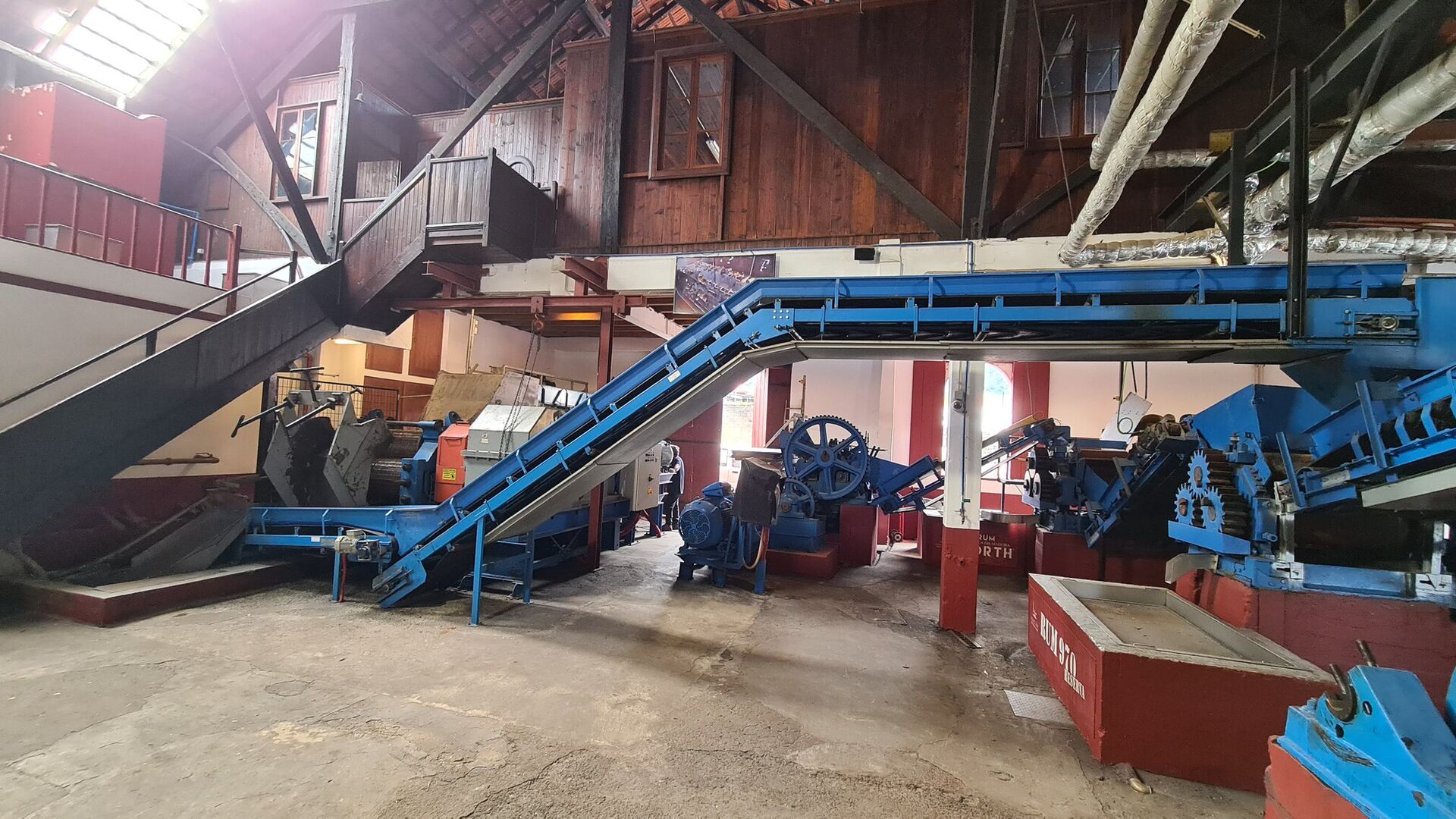
Rum production on Madeira begins with the crushing of freshly harvested sugar cane to extract juice. This juice is fermented shortly after extraction to prevent spoilage and to maintain freshness.
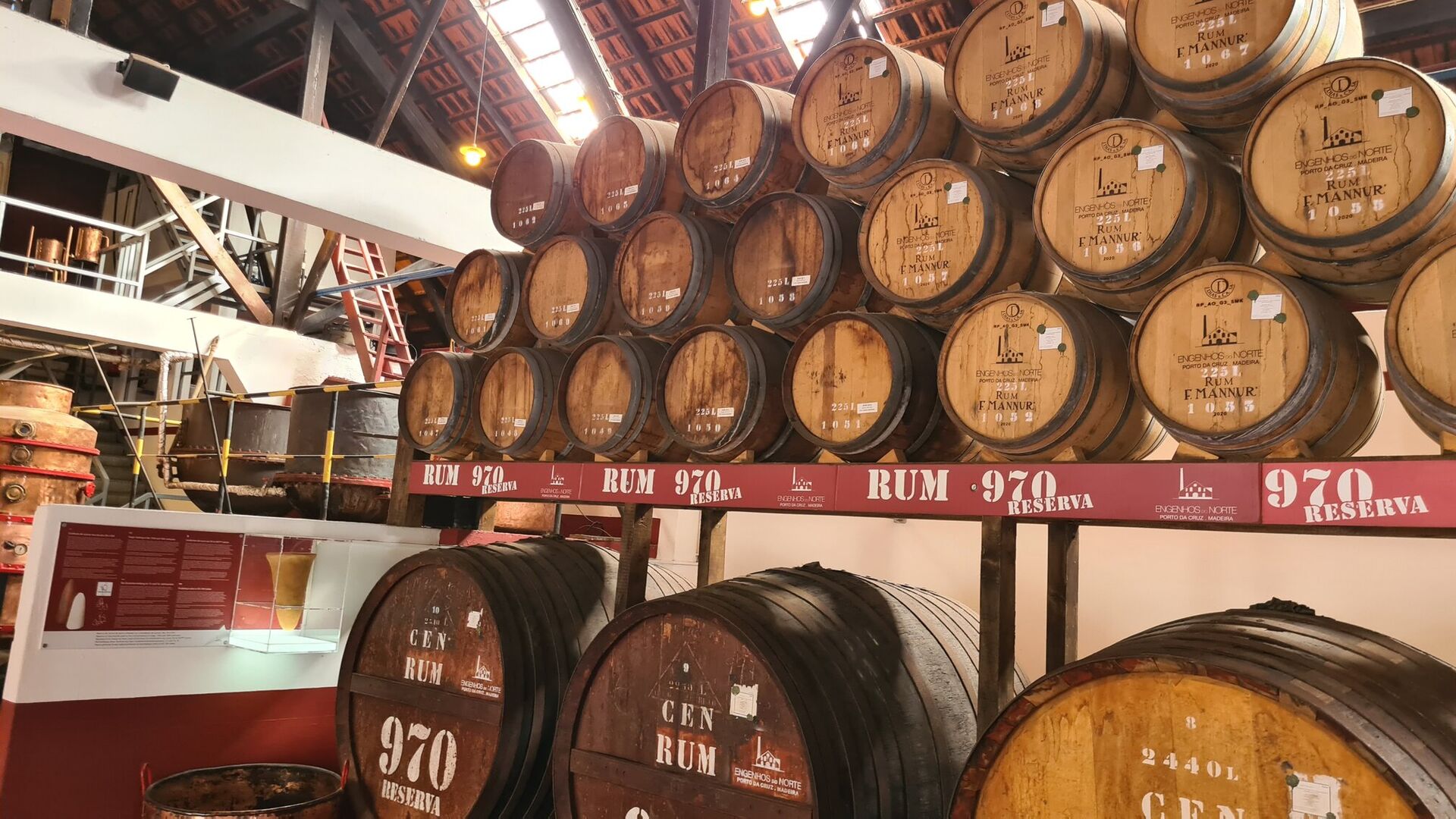
Distillation is usually carried out in column stills or traditional copper apparatus, producing a clear, high-proof spirit. The resulting rum may be bottled unaged or aged in wooden barrels, depending on the style.
Some producers focus on white agricultural rum, valued for its pure and expressive character. Others experiment with aging and blending, often using barrels previously employed for Madeira wine or other spirits, adding complexity and regional influence.
Cultural Significance
Rum holds an important place in Madeiran culture. It is commonly used in traditional drinks, celebrations, and culinary applications. Local beverages often combine rum with honey, citrus, or spices, reflecting island flavors and customs.
Festivals and agricultural events frequently highlight sugar cane and rum production, particularly during harvest season. These occasions celebrate both the product and the labor-intensive traditions behind it.
Rum production also supports rural communities by maintaining demand for sugar cane cultivation and preserving knowledge that might otherwise disappear in a modernized agricultural economy.
Landscape and Distilleries
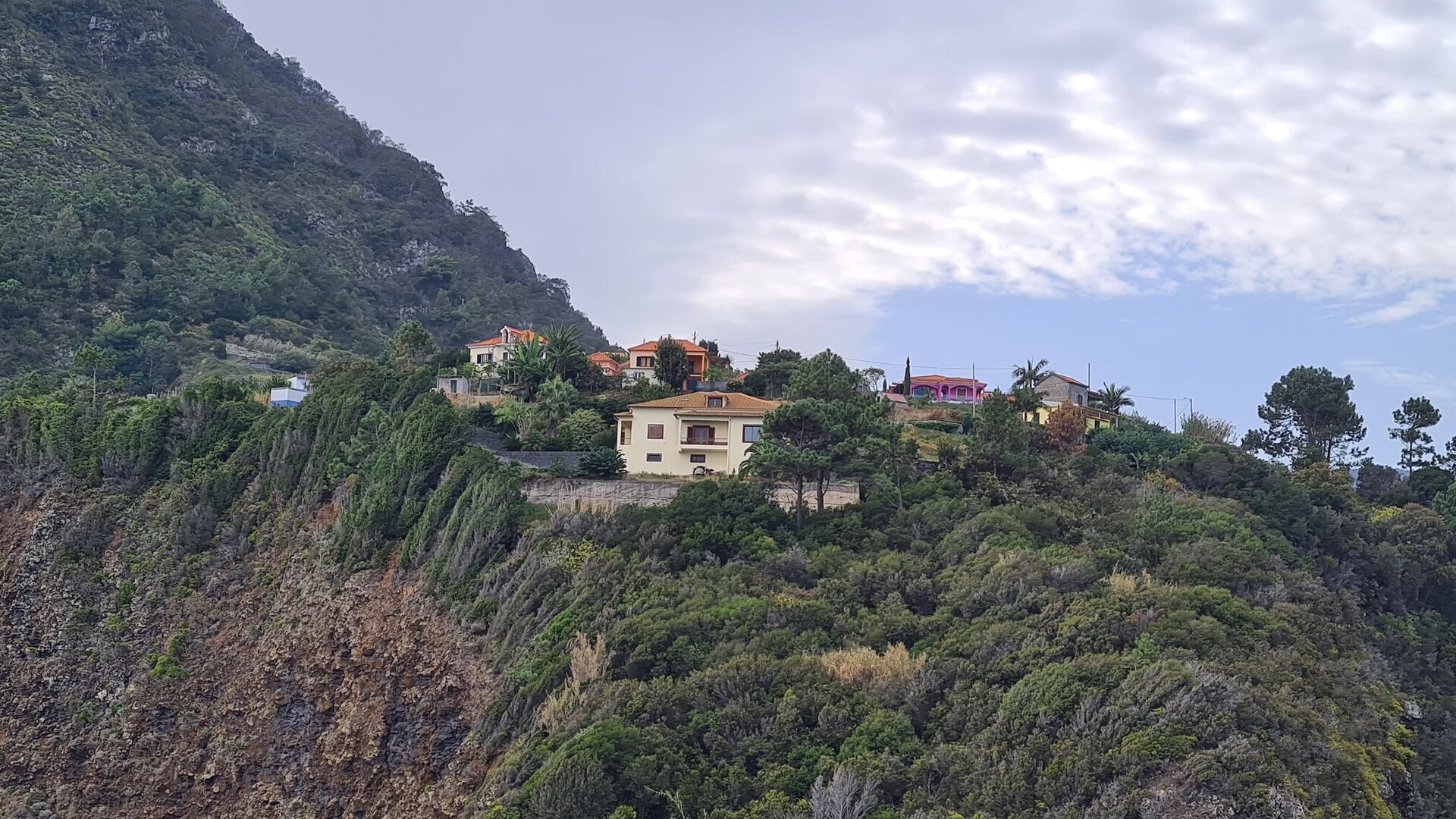
Distilleries on Madeira are typically small and integrated into rural settings. They are often located near cane fields or water sources, reinforcing the close relationship between landscape and production.
Visitors can observe the contrast between green cane fields, stone terraces, and industrial elements such as presses and stills. This setting provides insight into how traditional industries adapt to Madeira’s challenging terrain.
Some distilleries are open to visitors, offering guided tours that explain production methods and historical context. These visits combine agricultural, cultural, and sensory experiences.