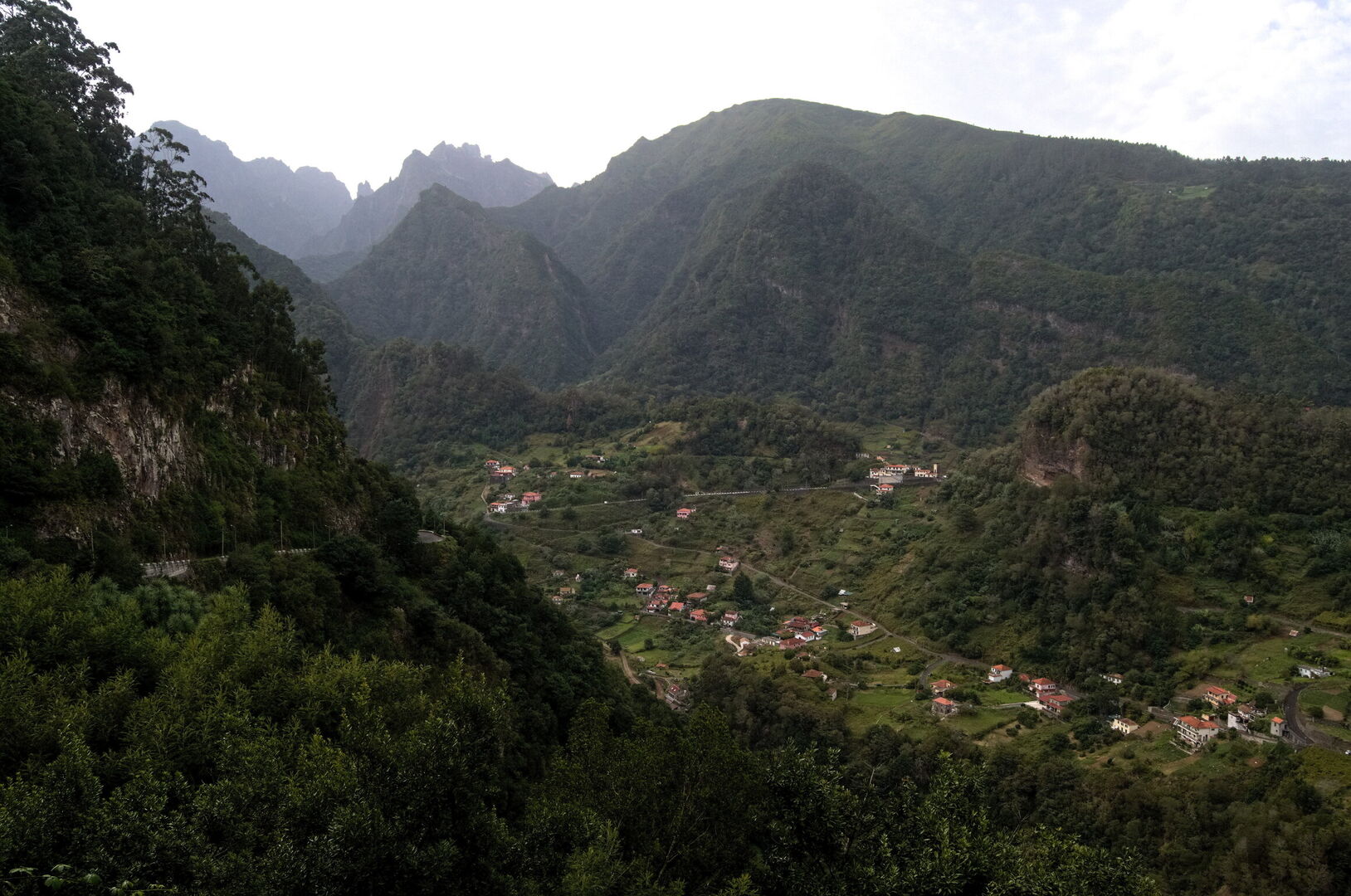
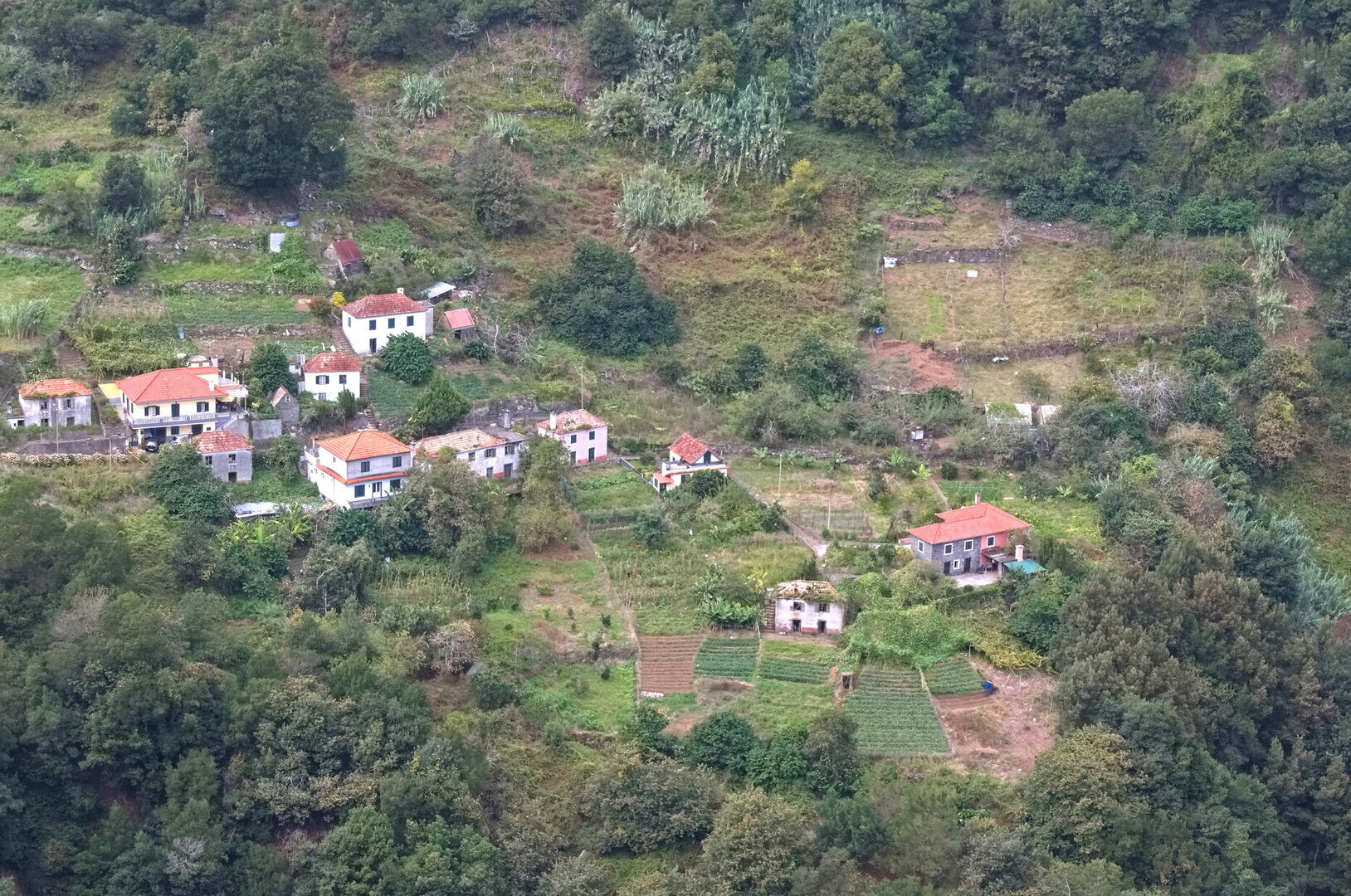
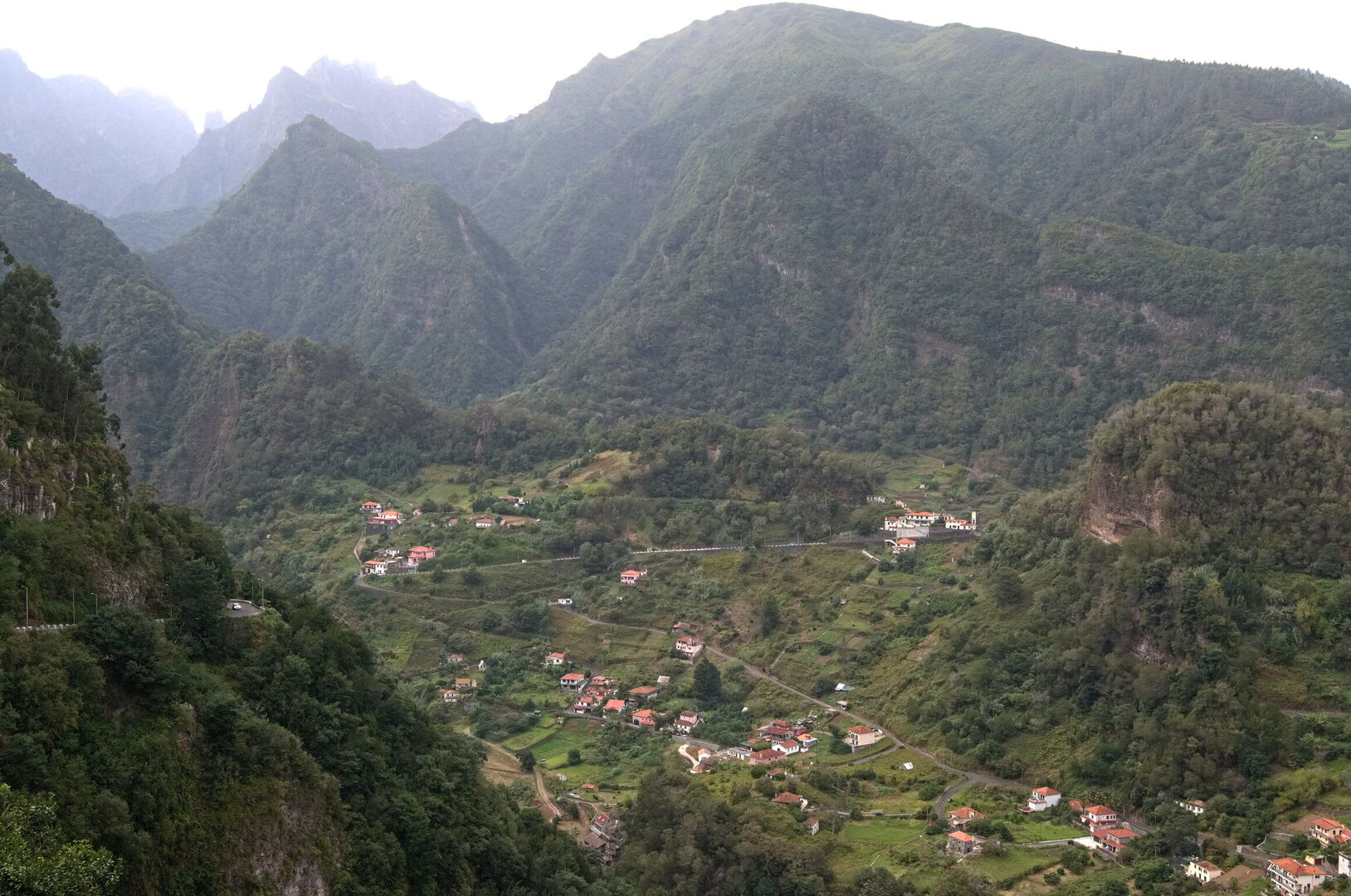
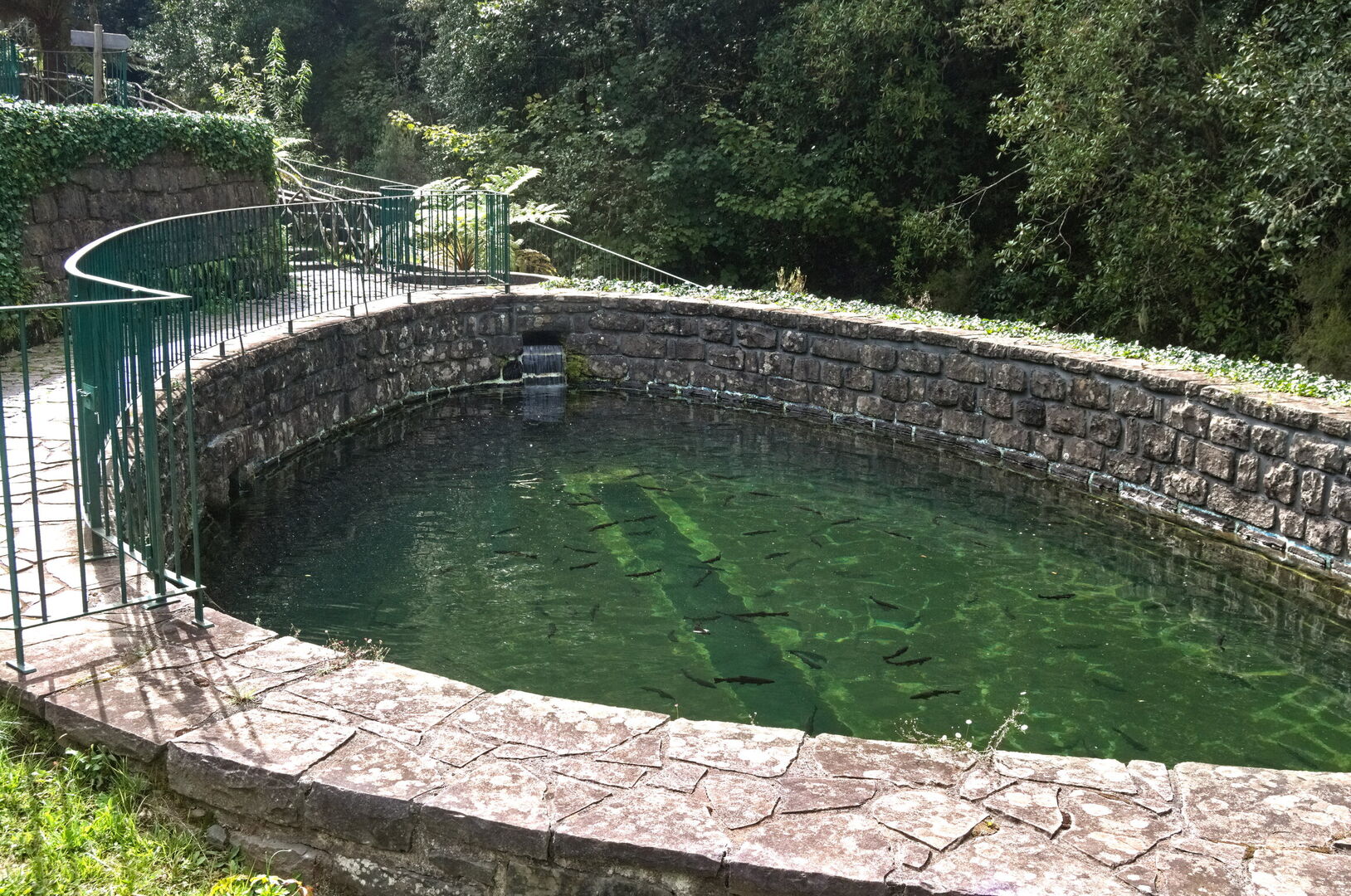
The cuisine of Madeira reflects the island’s geography, climate, and history, combining Atlantic maritime influences with Portuguese culinary traditions and local adaptations shaped by isolation and resource availability. Madeiran food is characterized by simple preparations, high-quality ingredients, and a strong connection to agriculture, fishing, and seasonal production. While often rustic in appearance, the cuisine is deeply rooted in long-standing cultural practices and regional identity.
Geographic and Cultural Influences
Madeira’s food culture has been shaped by several key factors:
- Island geography, limiting available ingredients and encouraging local self-sufficiency
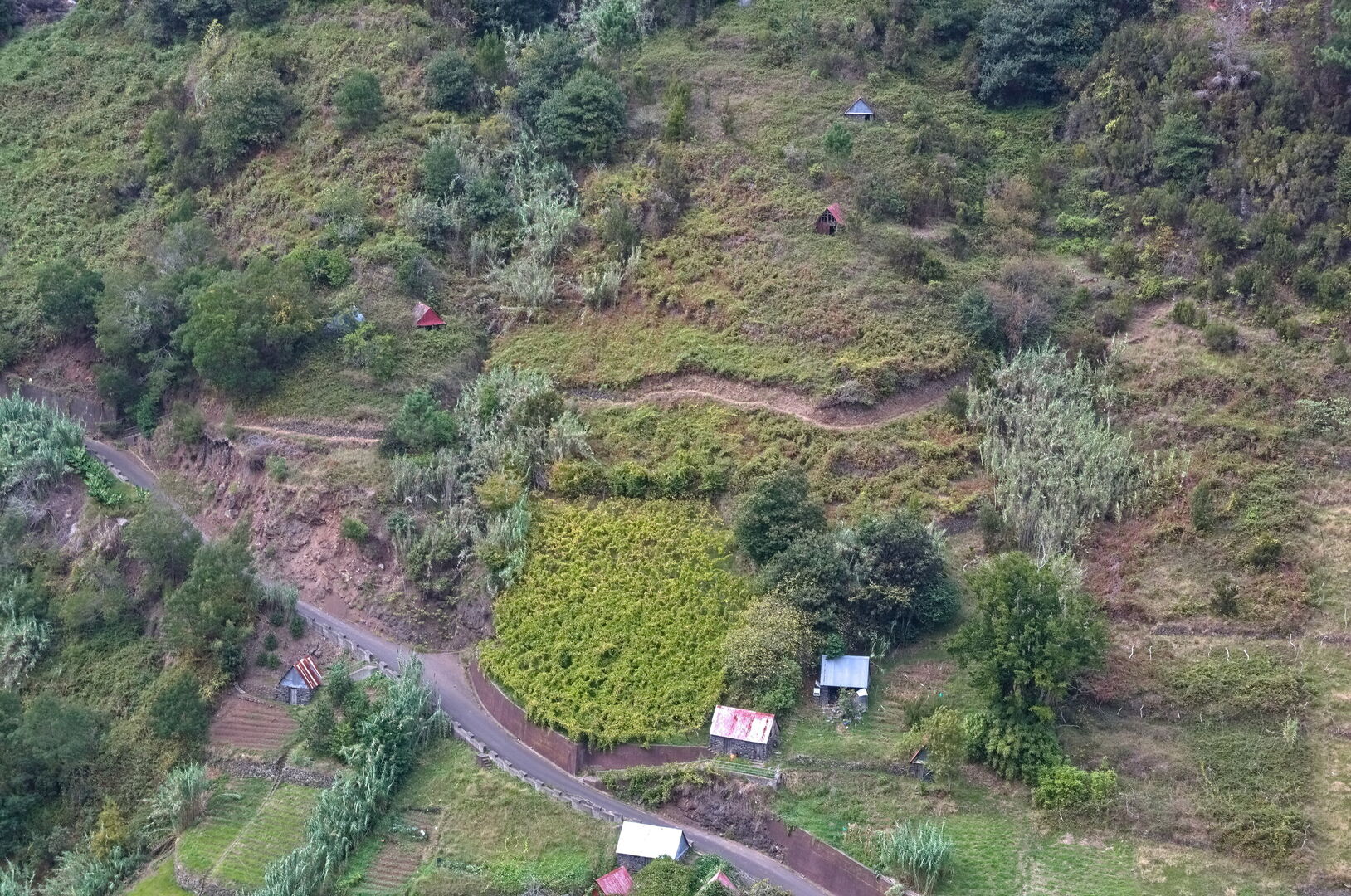
- Volcanic soils, which support fertile agriculture despite steep terrain
- Atlantic waters, providing a steady supply of fish and seafood
- Portuguese colonization, introducing staples such as wheat, wine, olive oil, and garlic
Historically, food on Madeira developed around what could be produced locally or preserved effectively. Techniques such as salting, drying, marinating, and grilling remain central to many traditional dishes.
Staple Ingredients
Meat
Meat plays an important role in Madeiran cuisine, particularly pork and beef. Cattle farming is common in higher elevations, while pork has historically been central to household food production.
Key meat-based ingredients include:
- beef, often used for skewers and stews
- pork, especially in marinated or slow-cooked preparations
- cured and salted meats for preservation
Fish and Seafood
Given Madeira’s location in the Atlantic, fish is a dietary cornerstone. Fishing traditions are especially strong along the southern and western coasts.
Commonly used fish include:
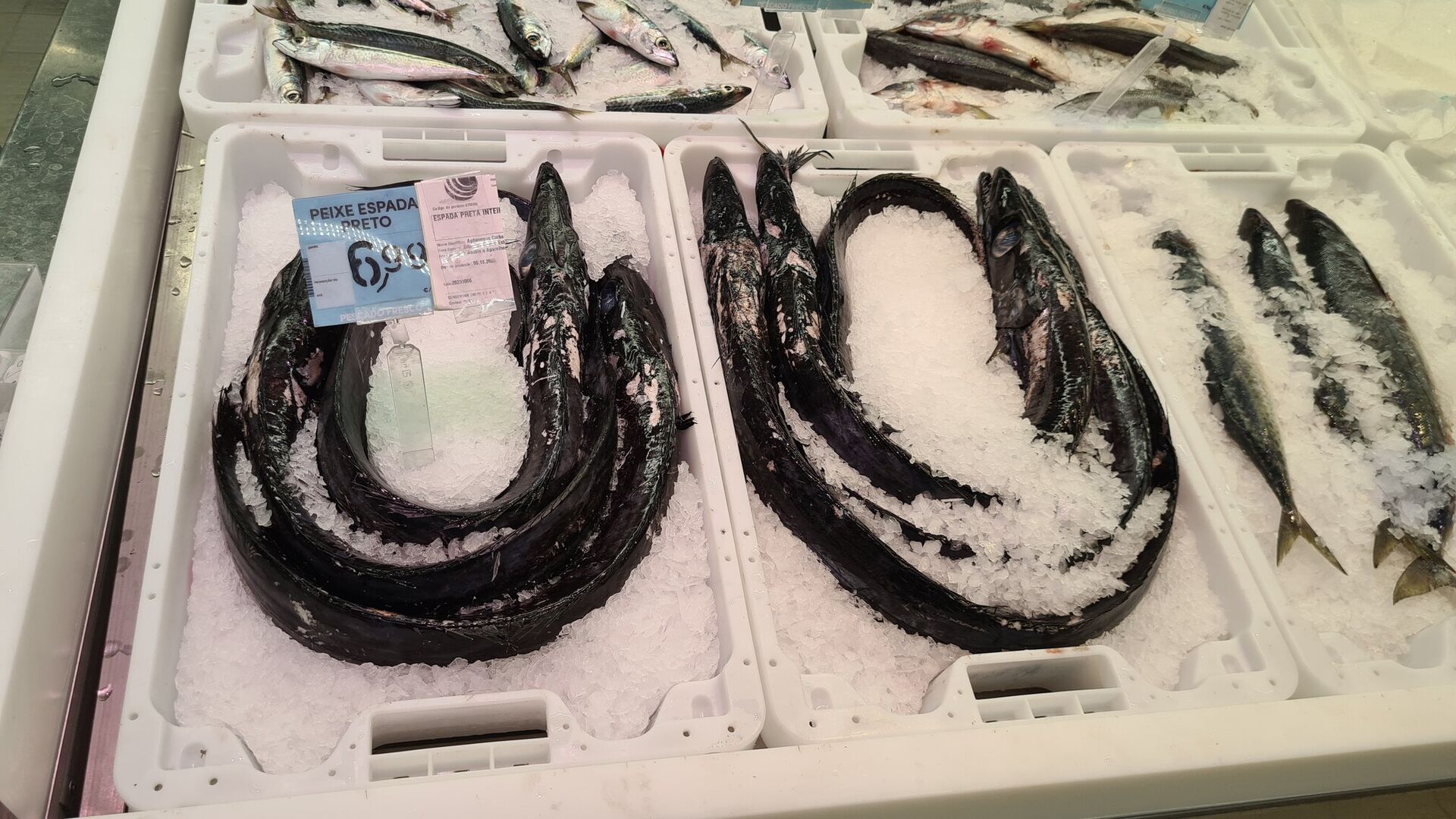
- black scabbardfish (espada preta), a deep-sea species
- tuna varieties
- limpets (lapas), harvested along rocky shores
Seafood is typically grilled or lightly seasoned to preserve its natural flavor.
Traditional Dishes
Espetada
Espetada is one of Madeira’s most emblematic dishes. It consists of marinated beef skewered on bay laurel branches and traditionally cooked over open flames. The use of laurel reflects the island’s native vegetation and contributes a distinctive aroma.
Espada com Banana
Black scabbardfish served with fried banana is a uniquely Madeiran combination, illustrating the blending of marine and agricultural products. The dish reflects both local taste preferences and the island’s subtropical fruit production.
Lapas Grelhadas
Grilled limpets seasoned with garlic, butter, and lemon juice are a popular coastal dish, typically served as a starter. They highlight the importance of shellfish in Madeiran food culture.
Stews and Soups
Hearty soups and stews are common, particularly in rural areas. These dishes often combine vegetables, legumes, and meat, providing nourishment suited to physically demanding agricultural work.
Bread and Accompaniments
Bolo do Caco
Bolo do caco is a traditional flatbread made from wheat flour and sweet potato. It is usually served warm with garlic butter and accompanies many meals. Historically baked on a basalt stone slab, it reflects Madeira’s volcanic environment.
Vegetables and Side Dishes
Vegetables such as cabbage, pumpkin, sweet potato, and corn-based products feature prominently. Milho frito (fried cornmeal cubes) is a common side dish, especially in rural and coastal areas.
Fruits and Agricultural Products
Madeira’s subtropical climate allows for the cultivation of a wide variety of fruits, including bananas, passion fruit, papaya, guava, and citrus fruits. Many fruits are consumed fresh, while others are used in juices, desserts, or liqueurs. The diversity of fruit production is a defining characteristic of the island’s food landscape.
Desserts and Sweets
Traditional Madeiran desserts are often simple and ingredient-driven. Honey cake (bolo de mel), made with sugarcane molasses and spices, is one of the island’s most enduring culinary traditions and is typically prepared during festive seasons. Its long shelf life reflects historical preservation needs.
Wine and Beverages
Madeira Wine
Madeira wine is internationally recognized for its unique production process, which involves controlled oxidation and heat exposure. This method results in exceptional stability and longevity. Historically, Madeira wine played a major role in Atlantic trade and remains an important cultural symbol.
Poncha
Poncha is a traditional alcoholic drink made from sugarcane rum, honey, and citrus juice. Originally associated with fishermen and rural communities, it is now widely consumed across the island.
Contemporary Food Culture
Modern Madeiran cuisine exists at the intersection of tradition and innovation. While classic dishes remain central to local identity, contemporary chefs increasingly reinterpret traditional recipes using refined techniques and locally sourced ingredients. At the same time, everyday food culture continues to emphasize communal dining, seasonal produce, and regional continuity.