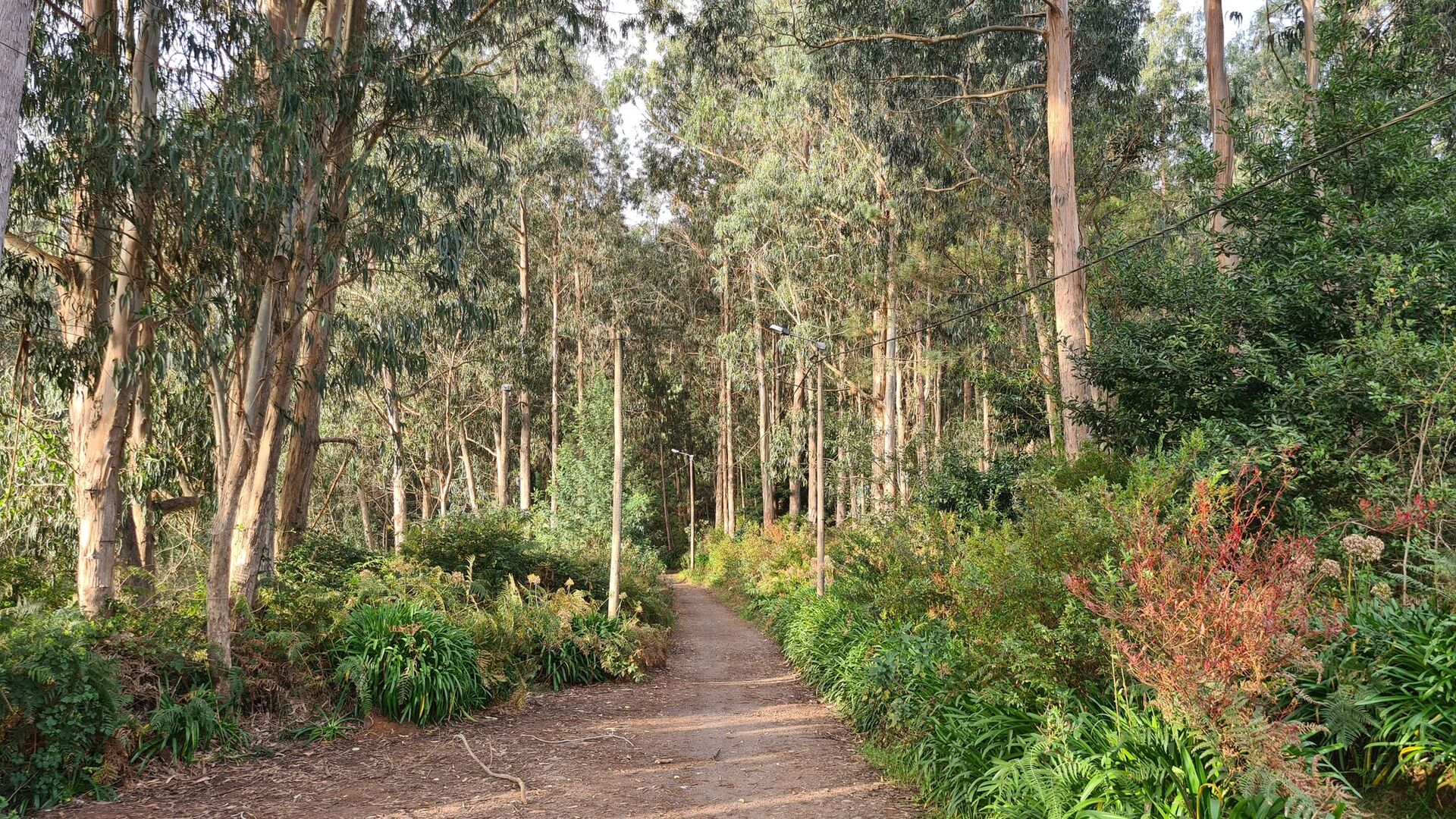
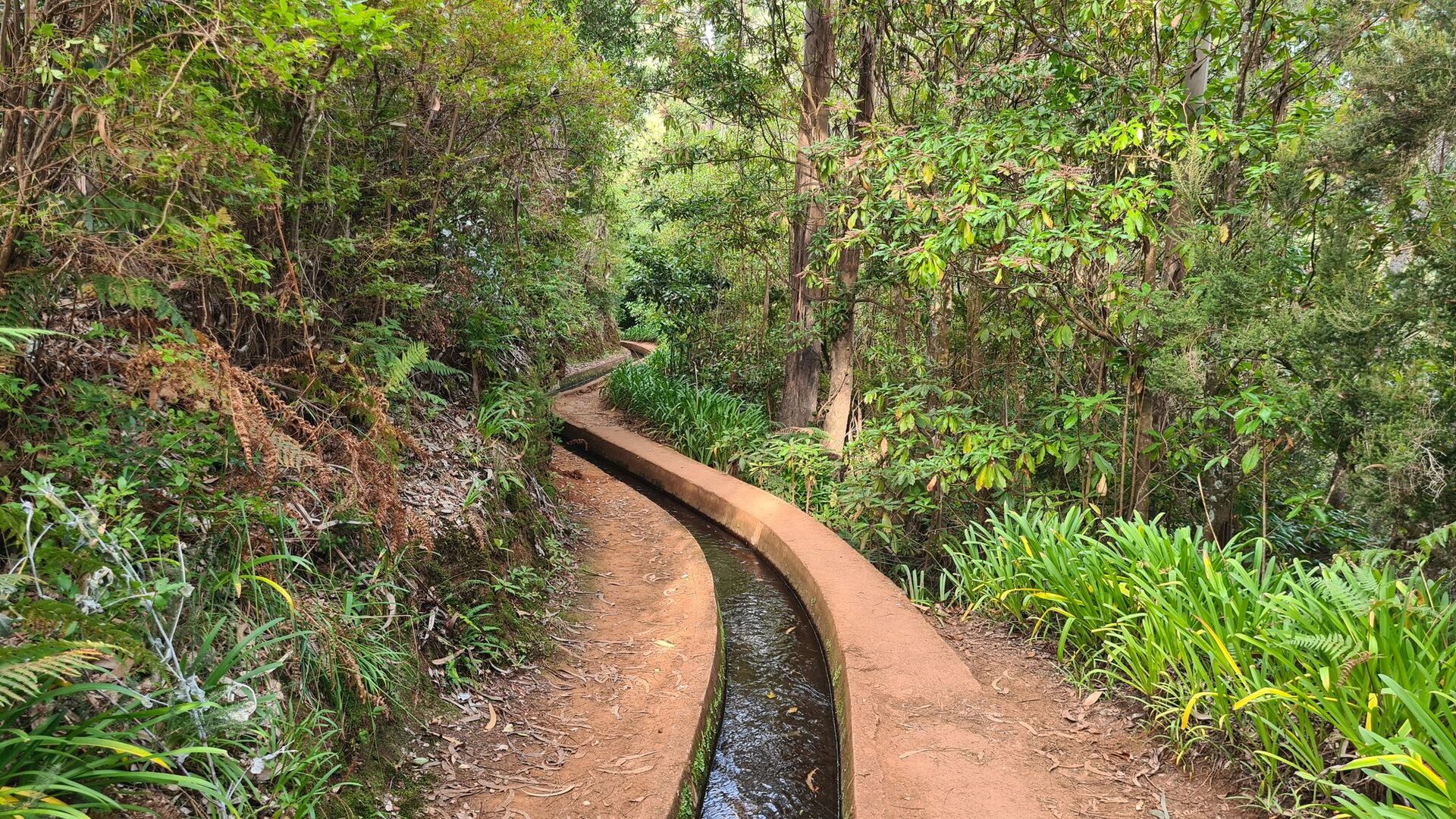
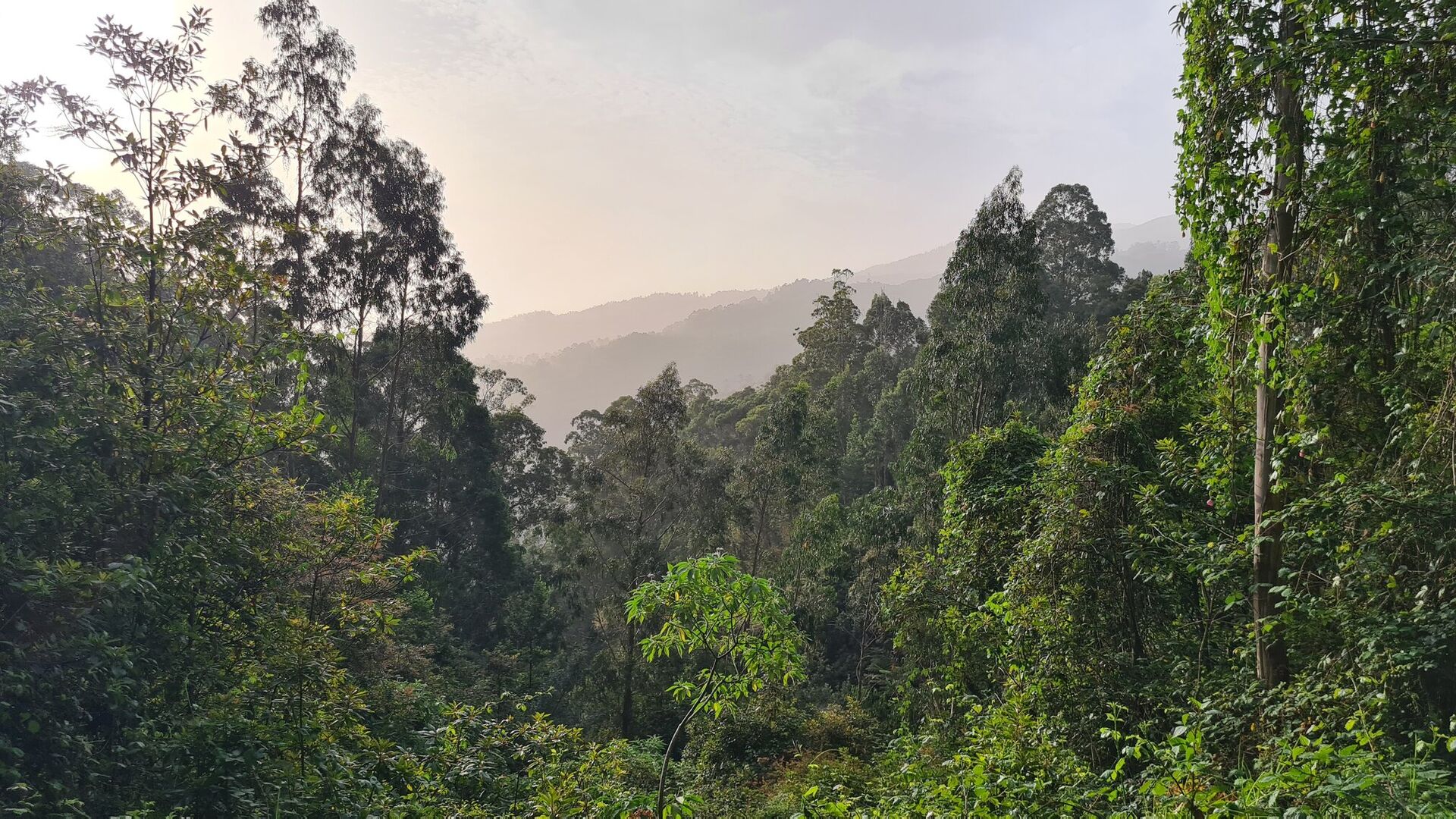
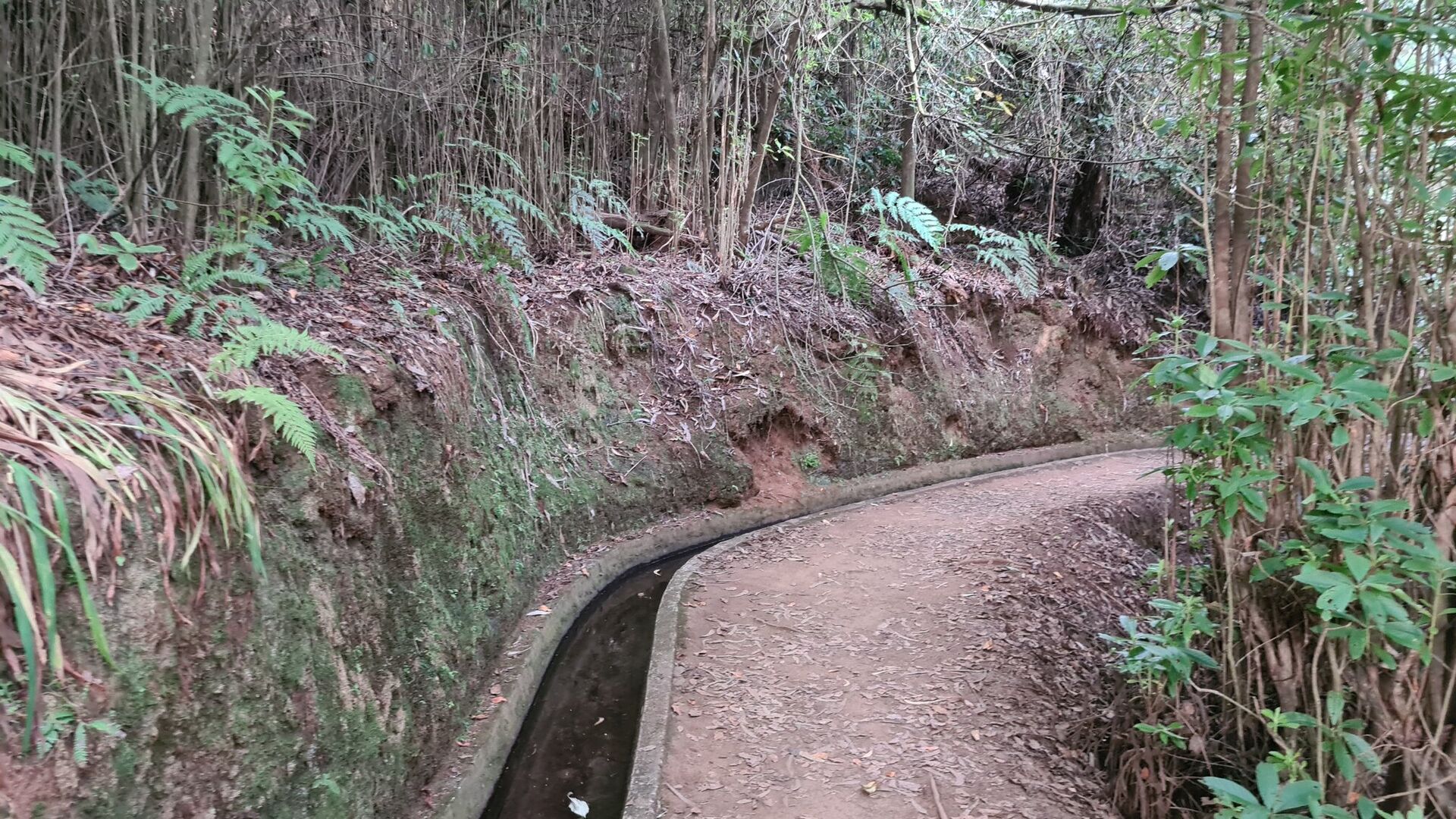



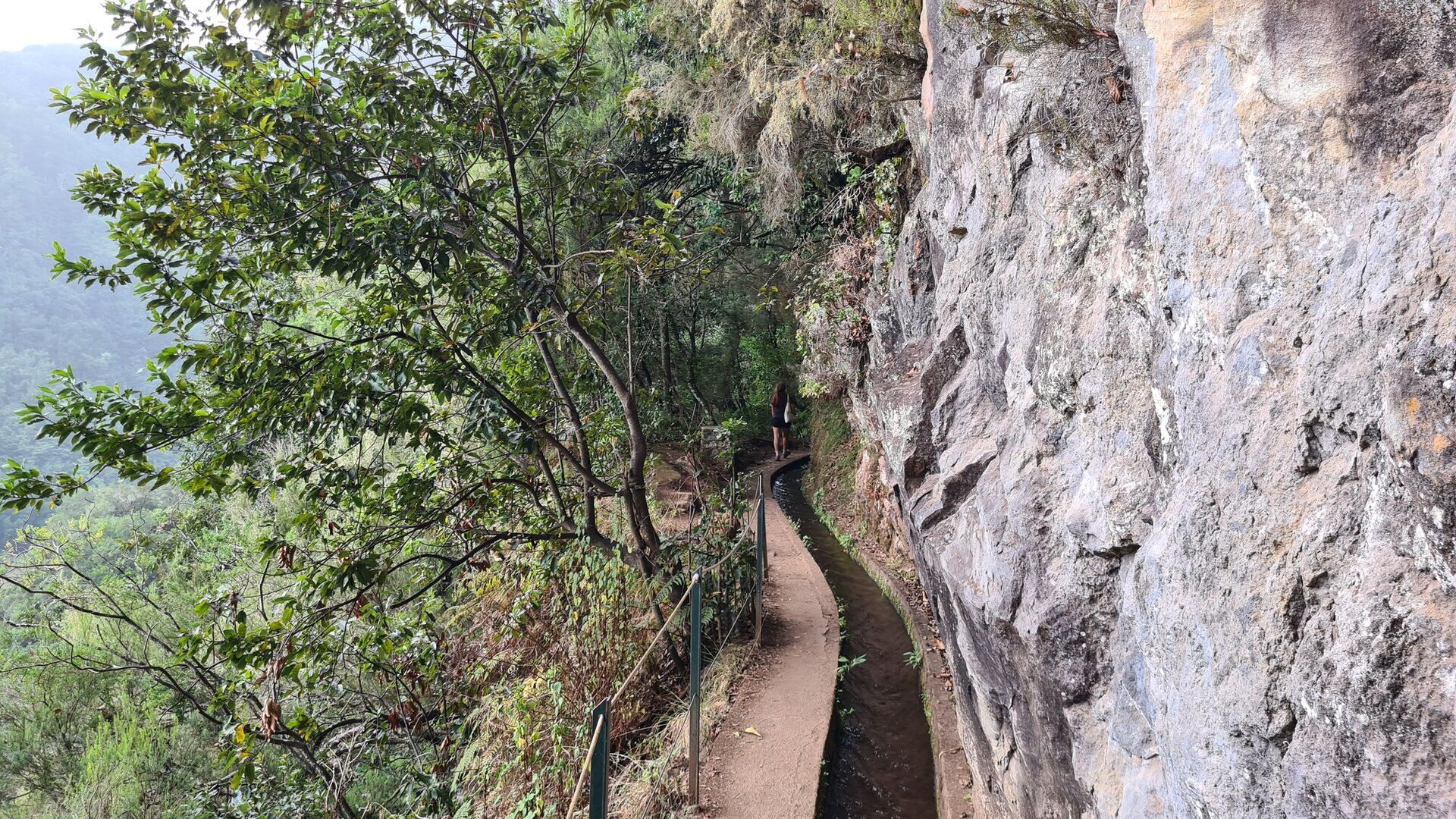
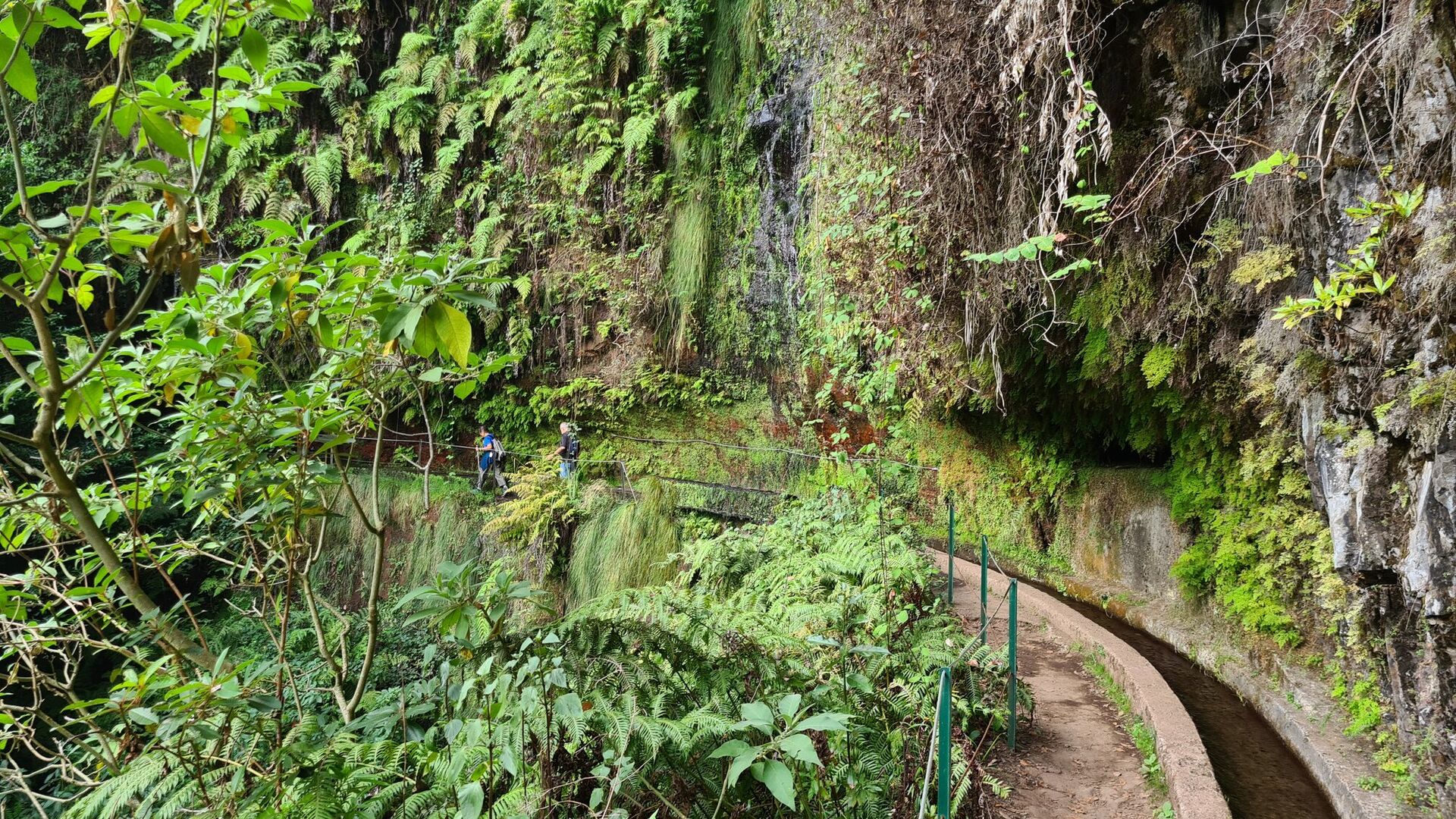

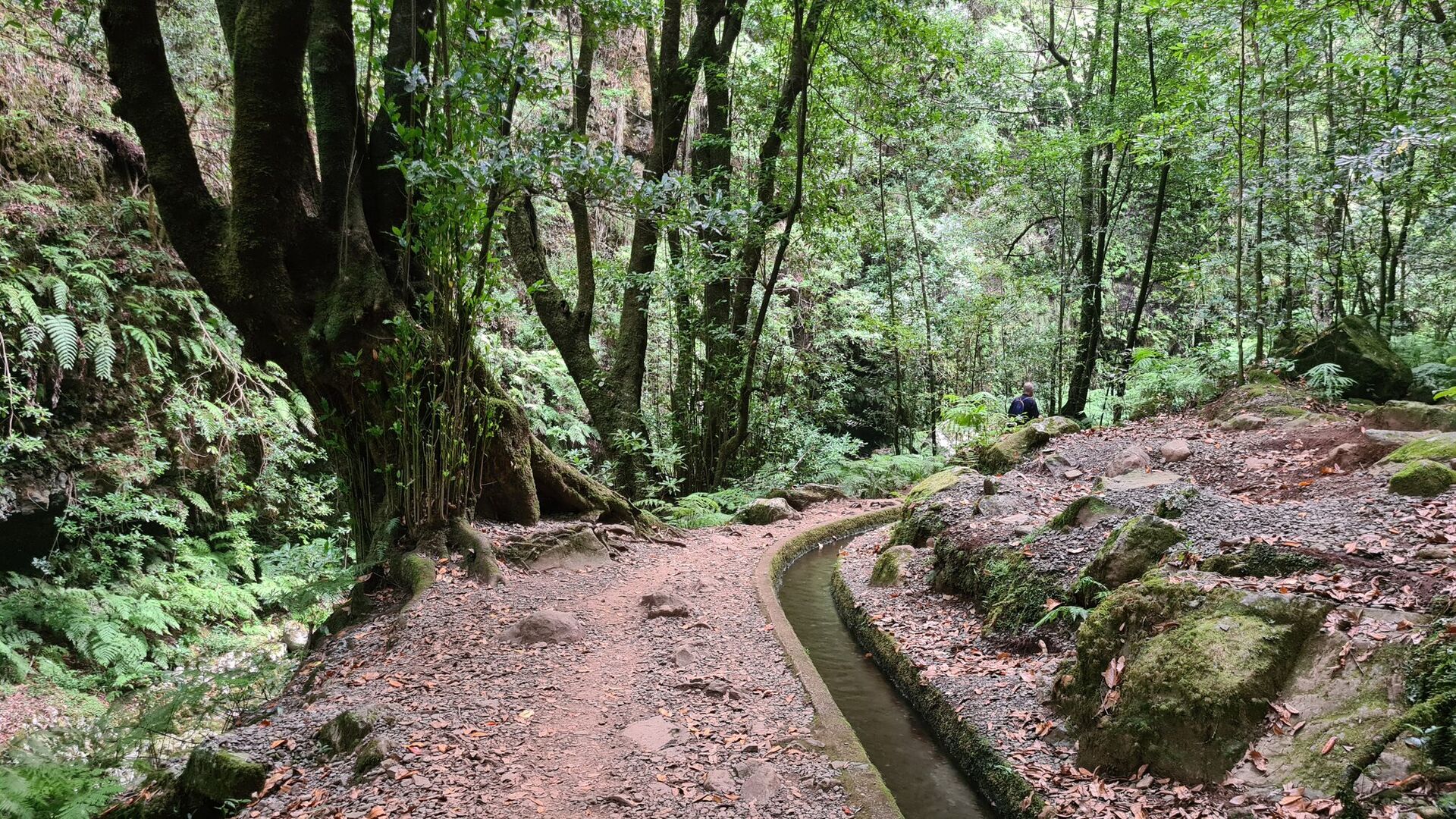
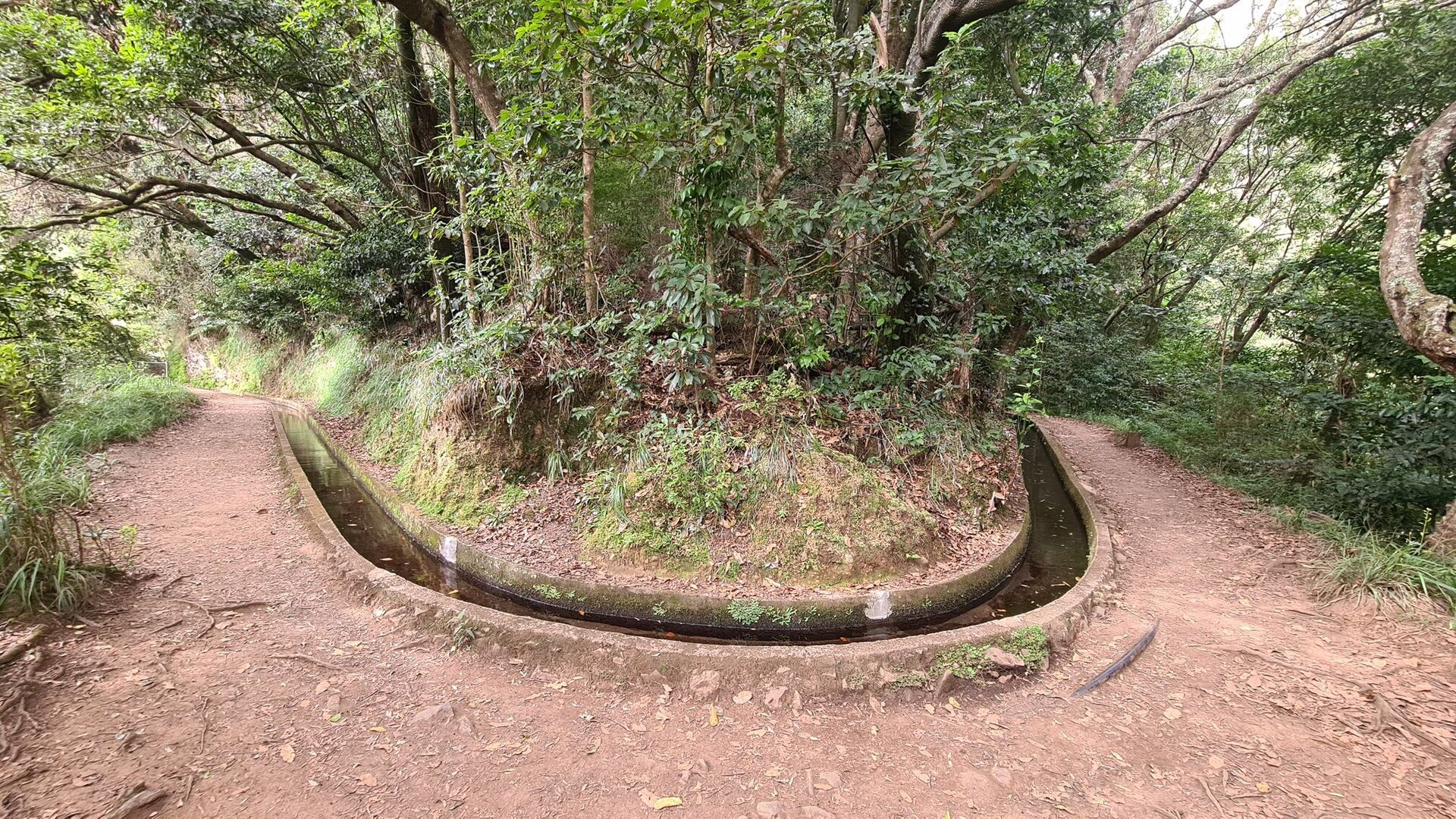

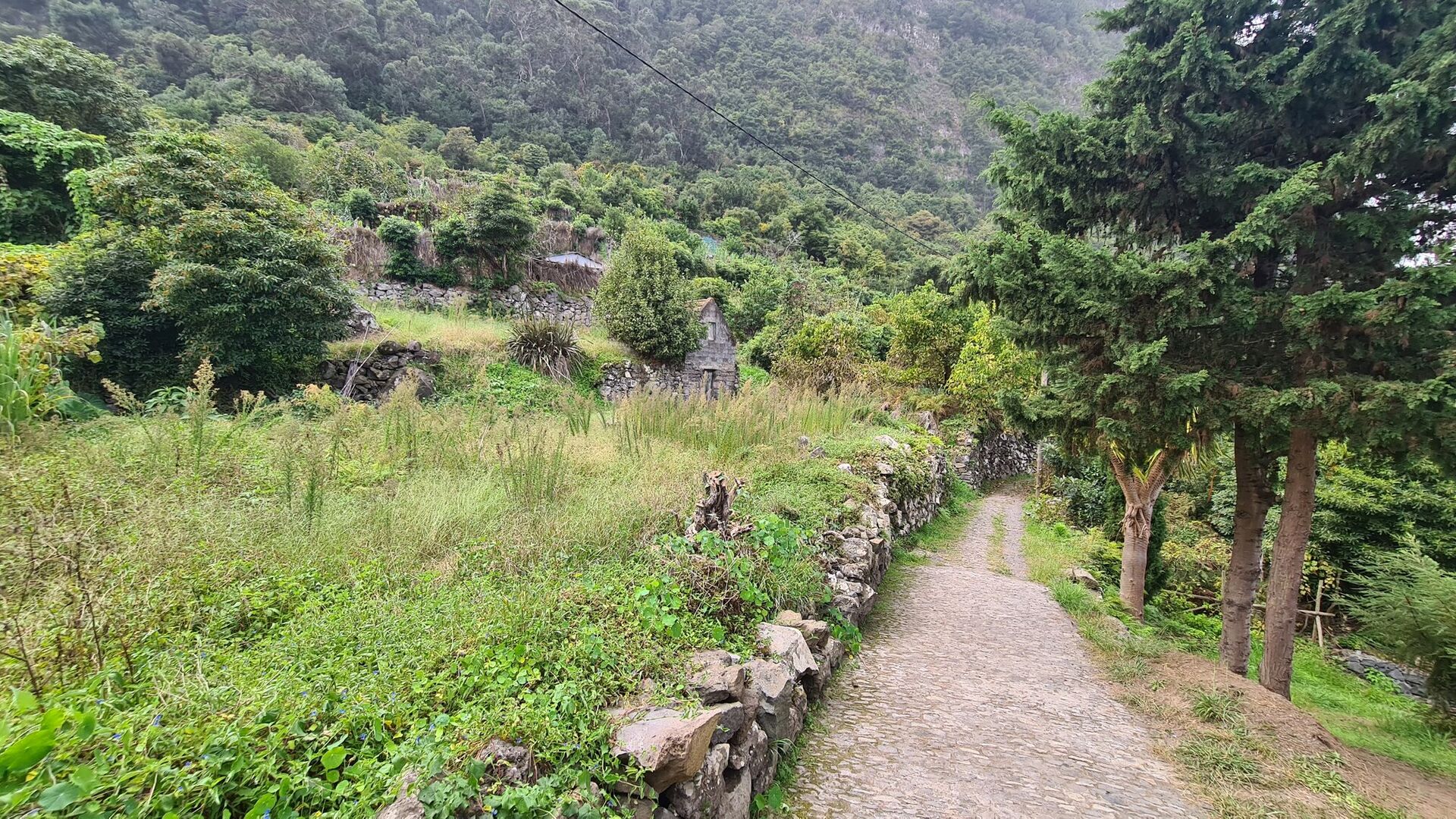


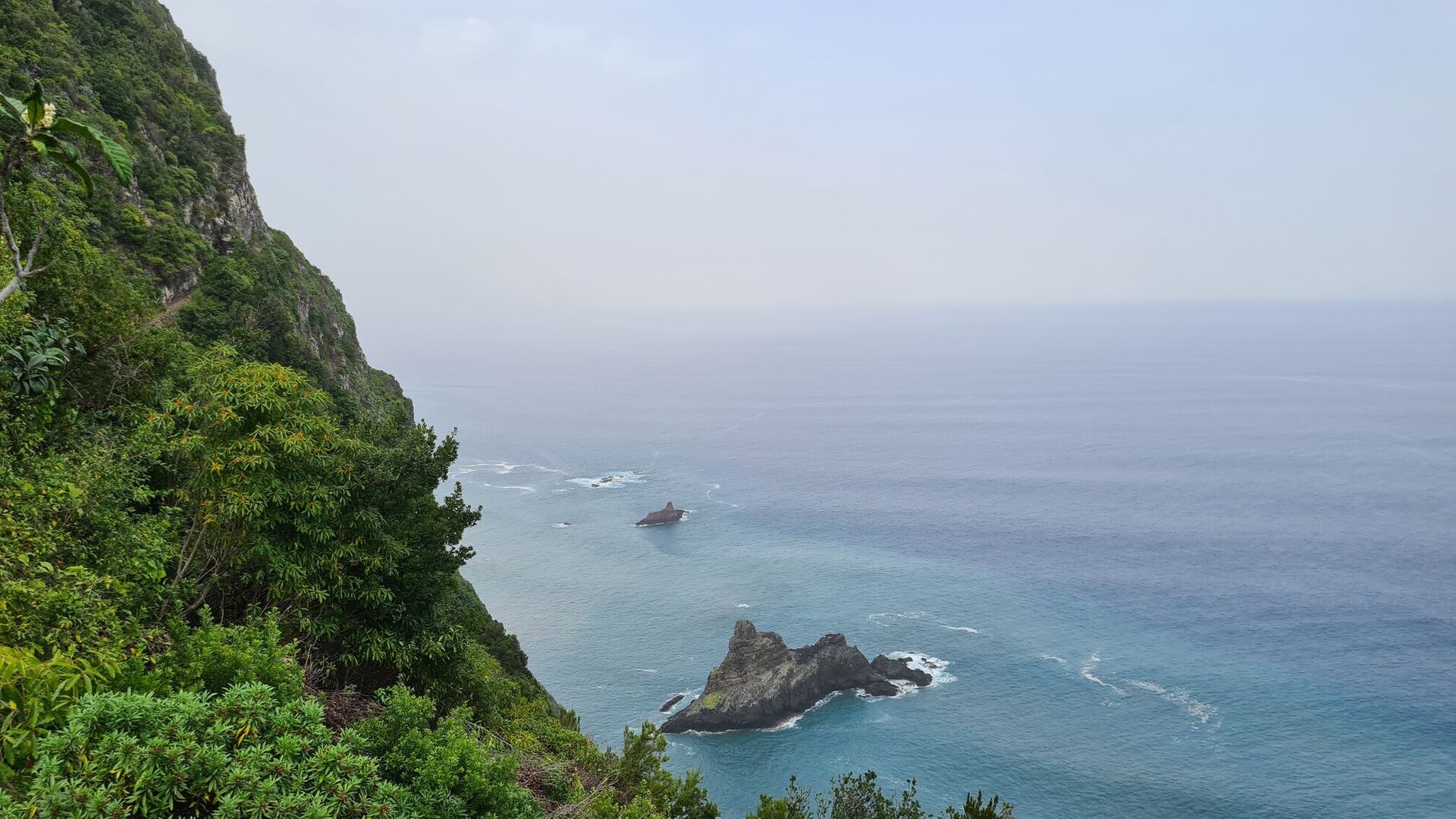
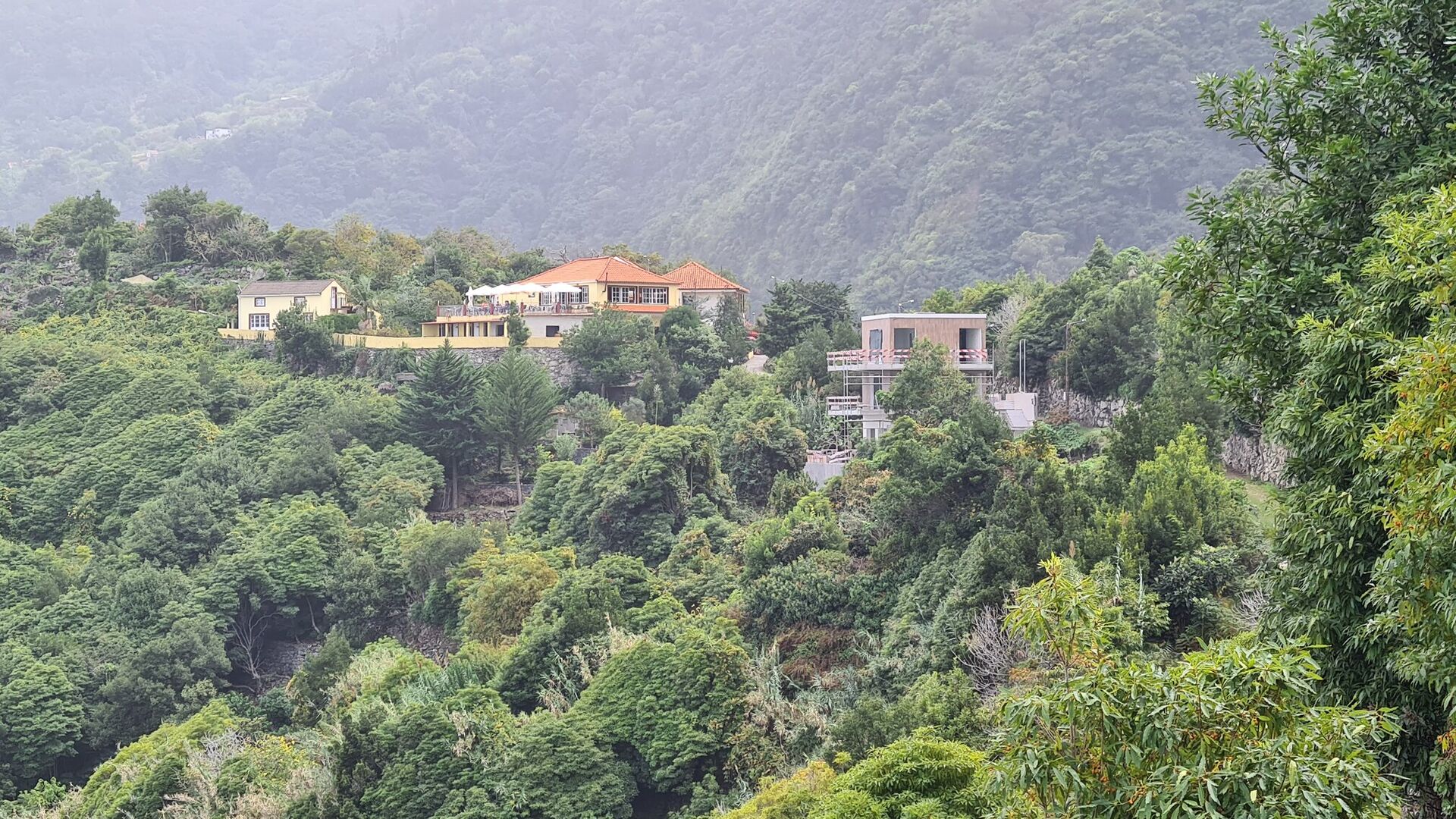
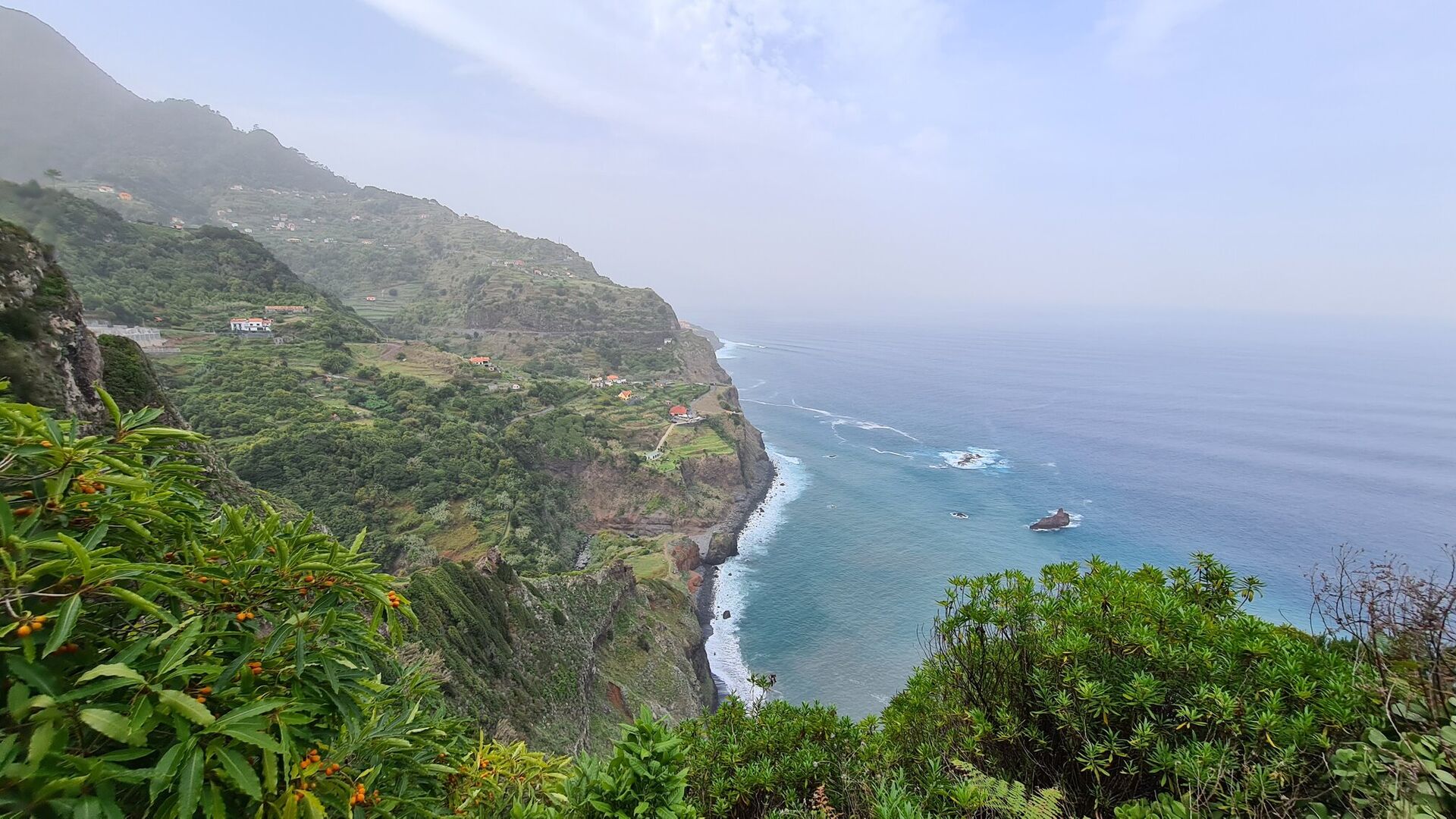
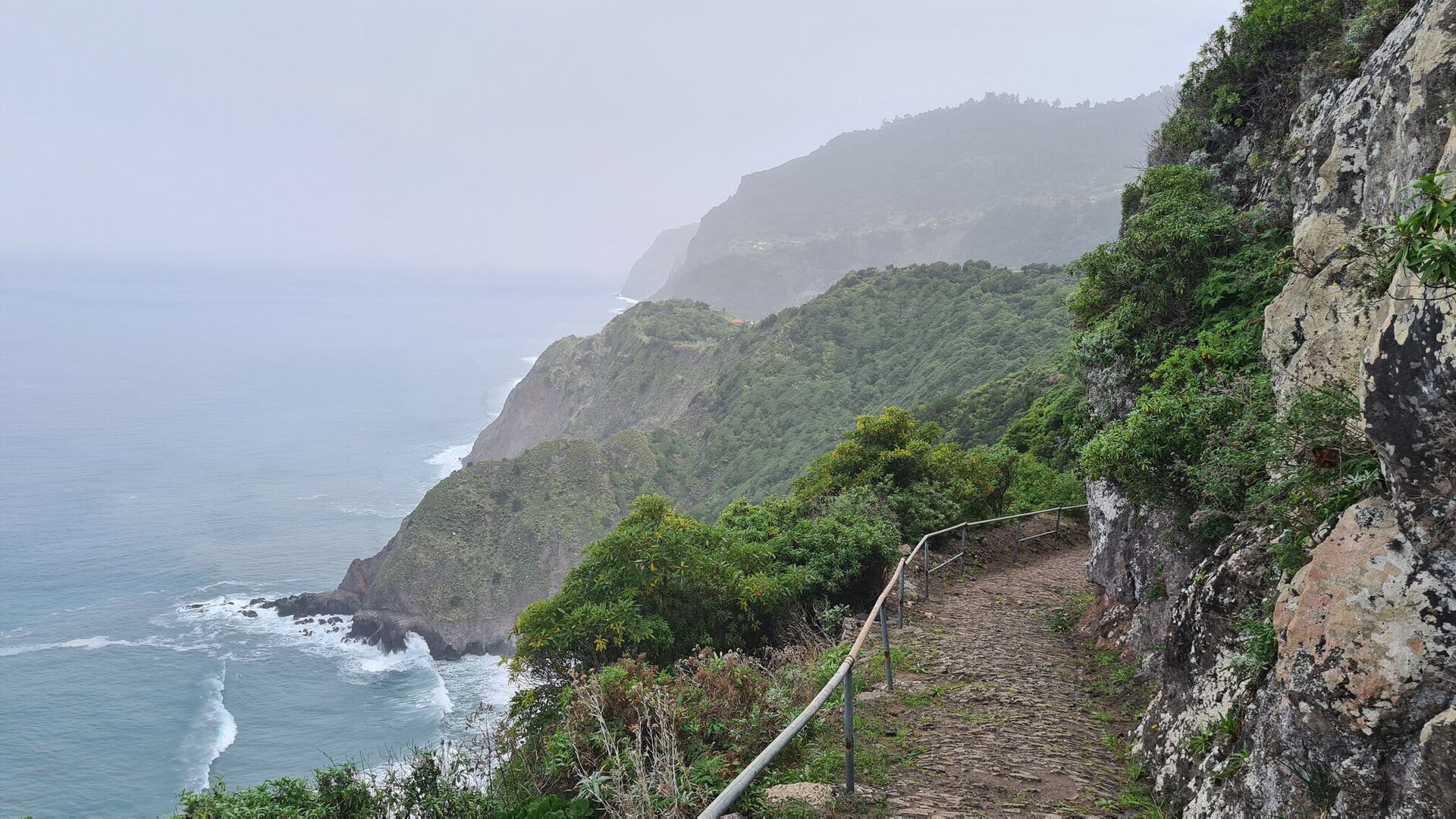
Madeira is one of Europe’s most distinctive hiking destinations, an Atlantic island known for steep volcanic mountains, deep green valleys, and dramatic coastal cliffs. Hiking on Madeira is defined by variety: you can walk through humid laurel forests, cross high ridgelines above the clouds, follow narrow coastal paths, or explore the famous levadas—historic irrigation channels that now form an extensive network of walking routes.
The island’s compact size makes it easy to reach trailheads from towns such as Funchal, Machico, Santana, and Porto Moniz. Many walks can be done as day hikes, while experienced hikers often combine routes into multi-day itineraries. Madeira’s climate is mild year-round, but weather can change quickly at higher elevations, especially around the central mountains.
Madeira’s hiking infrastructure is well developed. Waymarked routes, stairways, tunnels, and viewing platforms are common on popular paths, while remote trails can be rugged and require careful planning. Because terrain is often steep and exposed, footwear, hydration, and basic mountain awareness are essential even on shorter walks.
History
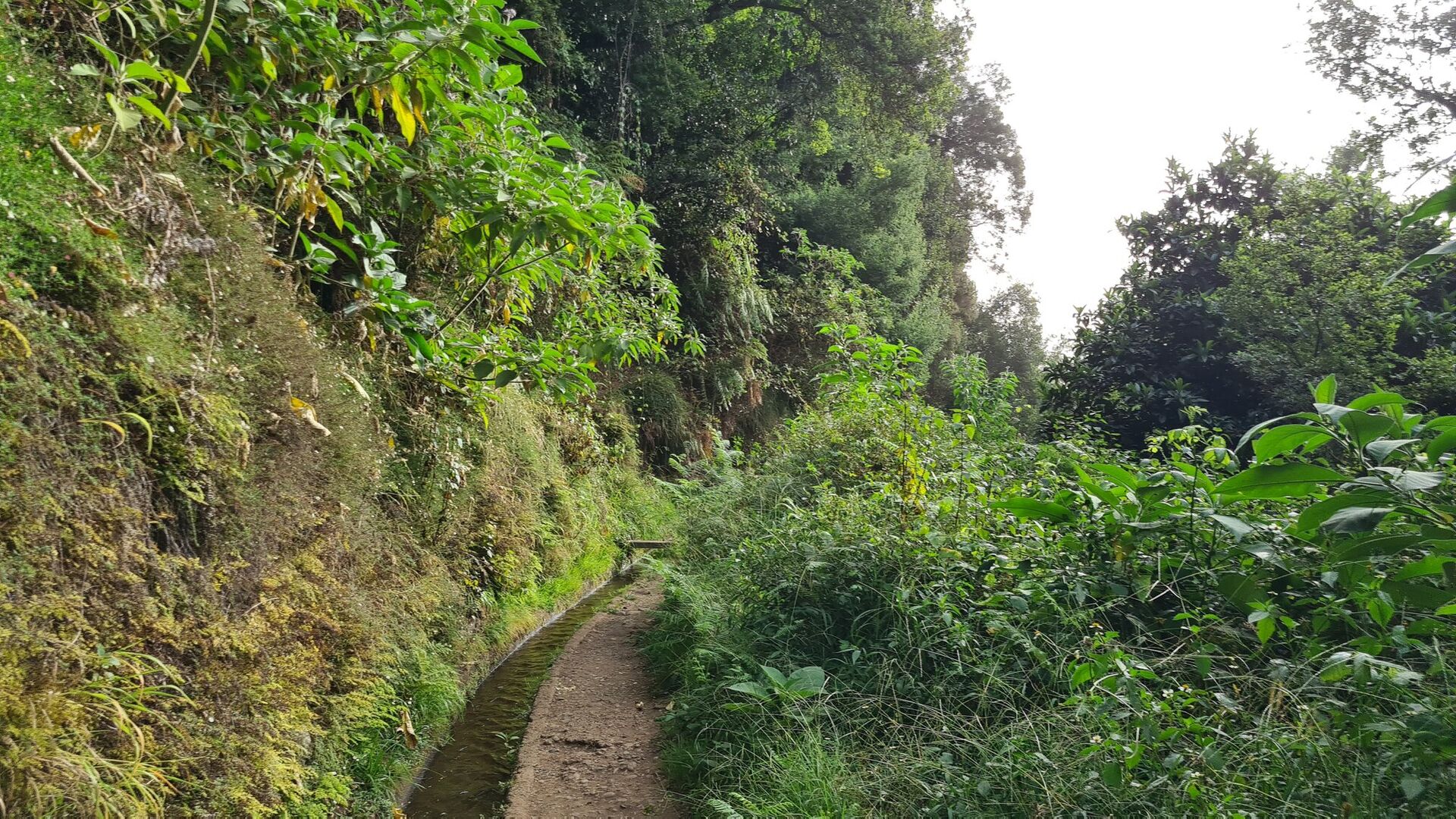
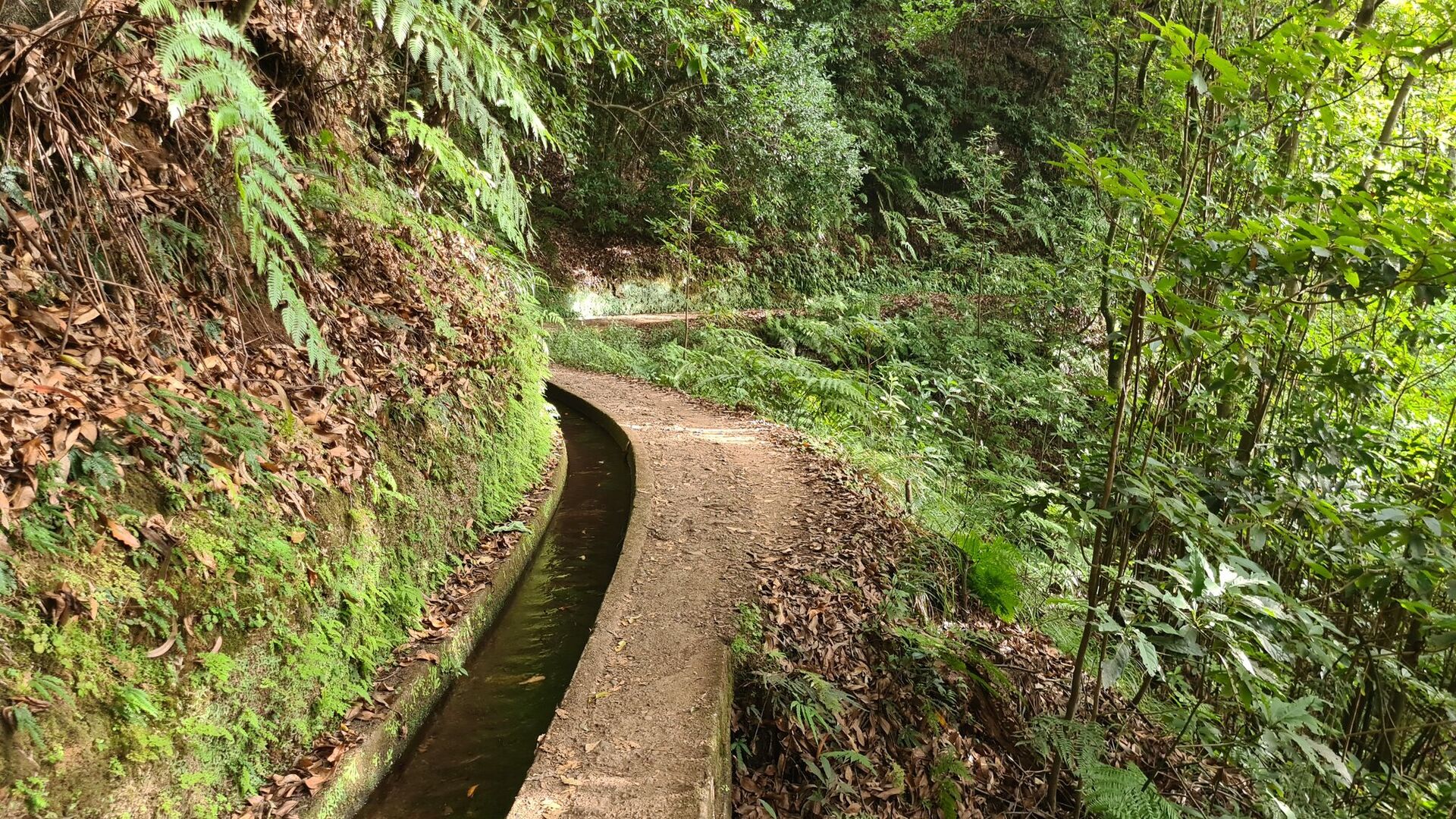
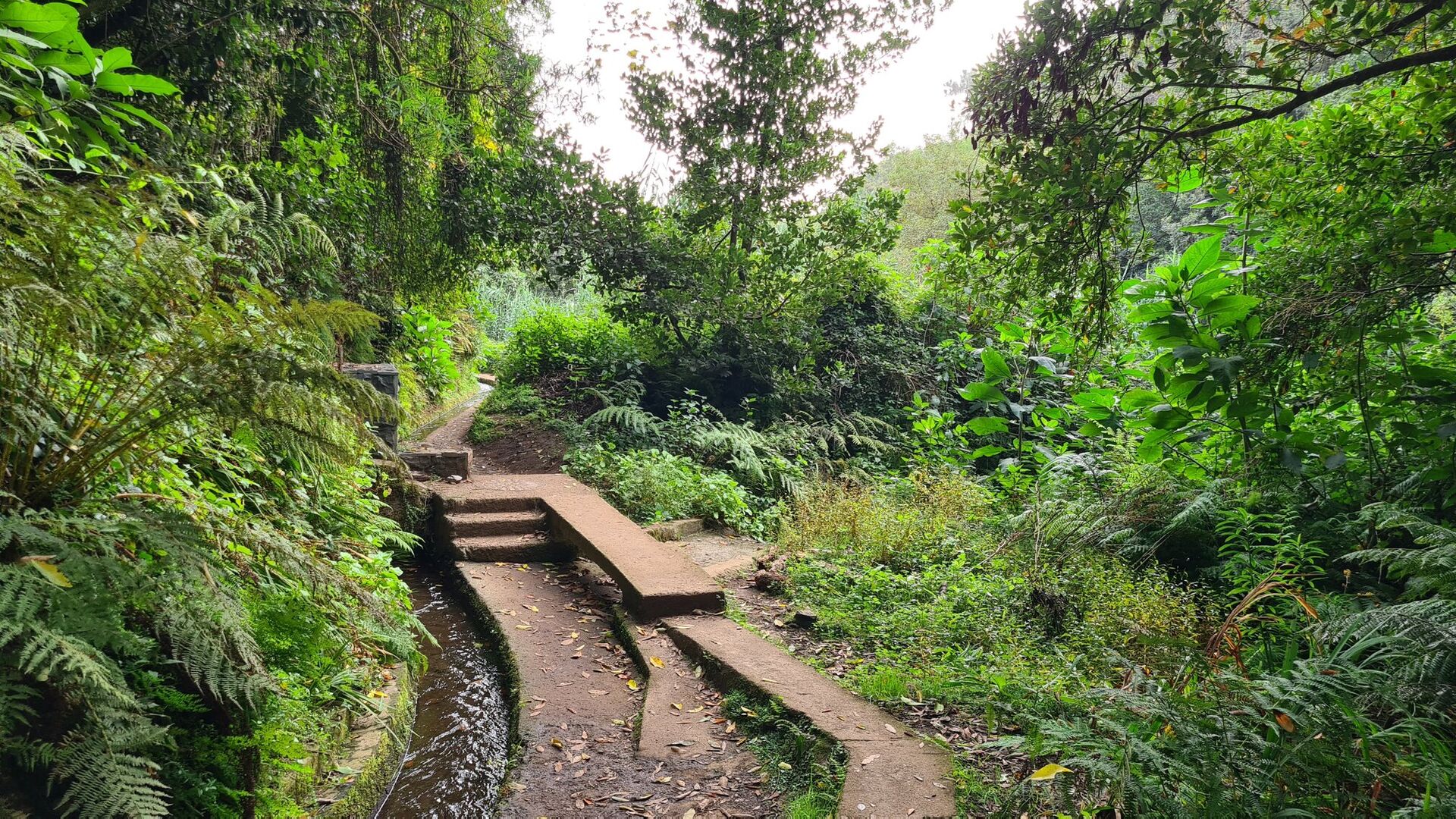
Madeira’s hiking routes reflect centuries of settlement and land management. The most iconic trails follow the levadas, which were built from the 15th century onward to transport water from the wetter north and highlands to agricultural areas in the south. These channels shaped Madeira’s economy by enabling terraced farming and supporting communities in otherwise dry regions.
Over time, maintenance paths alongside the levadas became informal walking routes. As tourism developed, many of these paths were mapped, restored, and integrated into an official network of trails, including PR routes (Pequena Rota) that are signposted and maintained.
Hiking also connects to Madeira’s cultural landscape: stone terraces, small chapels, isolated villages, and old mule tracks show how people moved across the island long before modern roads. Many trails still pass through working agricultural areas, offering a direct view of traditional land use.
Geology
Madeira is volcanic in origin, created by eruptions that built a rugged island of basaltic rock rising sharply from the ocean floor. This geology is the reason for Madeira’s dramatic relief: narrow ridges, deep ravines, vertical cliffs, and high central peaks. Erosion has carved the island into a network of valleys and amphitheater-like basins, producing spectacular viewpoints and challenging terrain for hikers.
The central mountain chain, including areas around Pico Ruivo and Pico do Arieiro, exposes hard volcanic rock and knife-edge ridgelines. In contrast, the north-facing slopes collect moisture from trade winds, supporting dense vegetation and frequent waterfalls. These environmental differences create distinct hiking zones across short distances.
Geological processes also influence trail design. Tunnels, cliff-cut paths, and exposed traverses are common where routes must cross steep terrain. Landslides and rockfalls can occur after heavy rain, so trail conditions and closures matter on Madeira more than in many lowland hiking regions.
Things to See
Madeira’s trail network offers highlights across mountains, forests, and coastline. The following are among the most well-known hiking experiences on the island.
Mountain and Ridge Routes
High-altitude hikes deliver dramatic views, steep stair sections, and rapidly changing weather. These trails often start above the cloud line and cross exposed ridges.
- Pico do Arieiro to Pico Ruivo ridge traverse (iconic high-mountain route)
- Pico Ruivo summit approaches (Madeira’s highest point)
- Viewpoints over the central massif and deep interior valleys
Levada Walks
Levada trails are typically narrower, more sheltered, and often follow gentle gradients, making them accessible to a wide range of hikers. Many include tunnels and cliff sections.
- Levada routes through rainforest and along steep valley walls
- Waterfall sections, mossy rock corridors, and long scenic traverses
- Traditional irrigation landscapes and terraced farming areas
Laurel Forest Trails
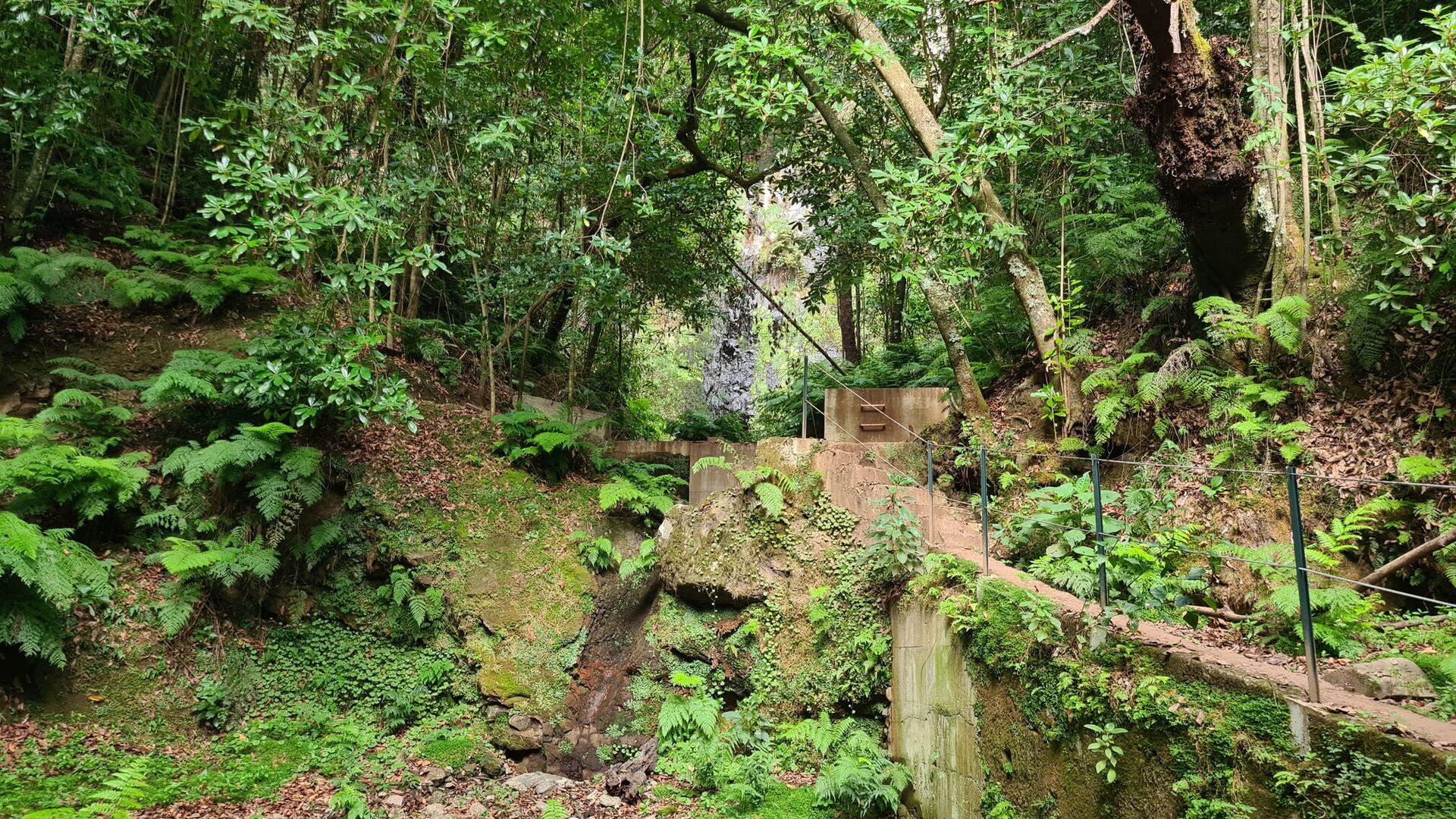
The Laurisilva forest is one of Madeira’s defining environments, with humid air, ferns, and ancient-looking tree canopies. Forest hikes are cooler and often misty.
- Paths through UNESCO-listed laurel forest zones
- Ravines, streams, and viewpoints into green valleys
- Birdlife and endemic plant species in protected areas
Coastal and Cliff Walks
Madeira’s coastline can be rugged and exposed, with cliff paths and strong ocean winds. These hikes often feature dramatic sea views and dry vegetation.
- Cliff trails above the Atlantic with panoramic horizons
- Routes past coastal villages and terraces
- Sunset viewpoints along west-facing headlands
Hiking Conditions and Planning
Madeira is rewarding but requires practical planning:
- Weather changes quickly in the mountains; fog and wind are common even when the coast is sunny.
- Many trails include tunnels; a headlamp is recommended on routes with long or dark sections.
- Some paths are narrow with steep drops. Comfort with exposure is important on ridge and cliff routes.
- Start early for popular hikes to avoid crowds and to finish before afternoon cloud build-up.
- Check official trail status when possible, as temporary closures can occur after storms or rockfall.