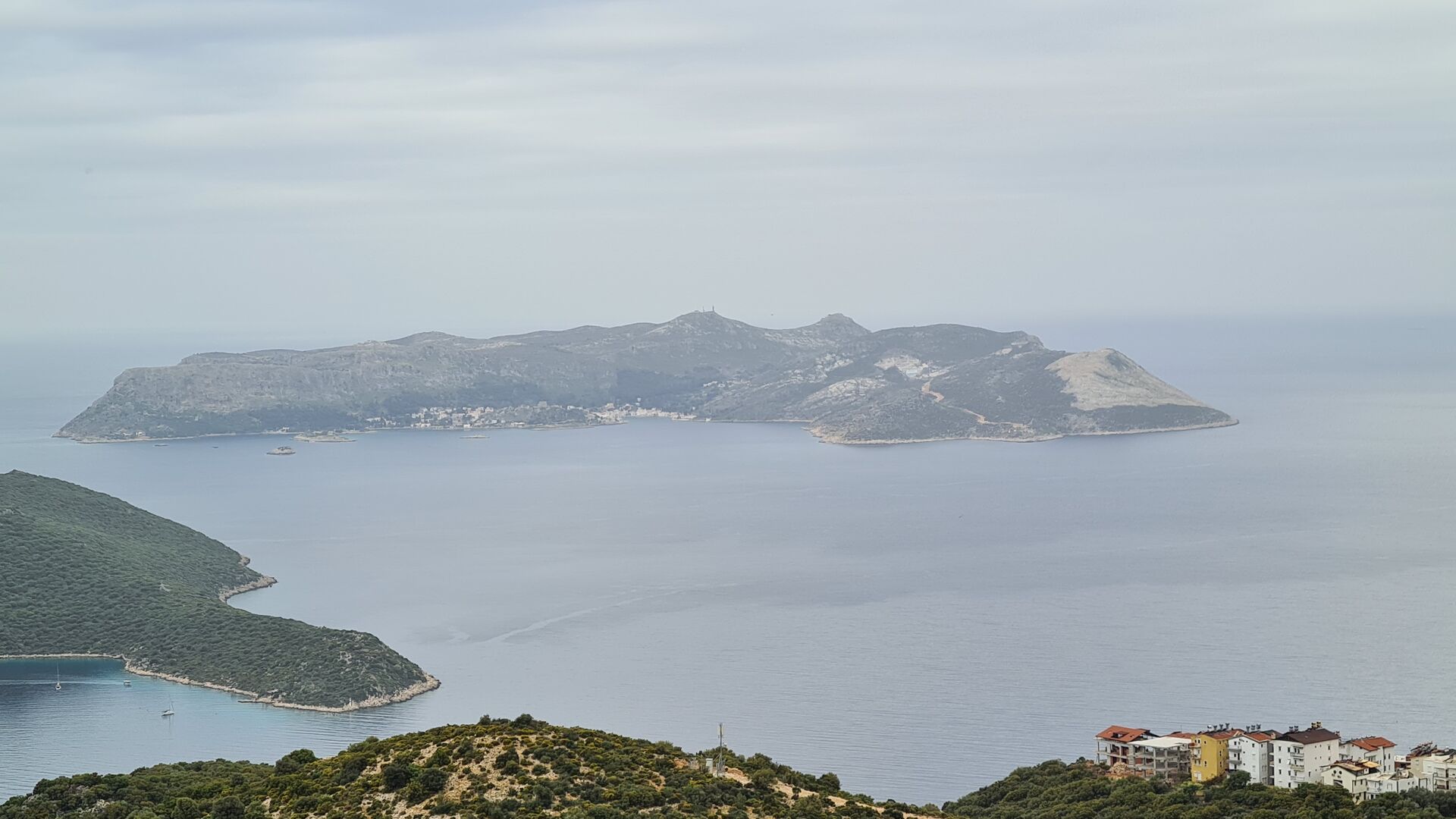
Dalyan is a small town located in Muğla Province in south-western Turkey, near the Mediterranean coast. It lies along the Dalyan River, which connects Köyceğiz Lake with the Mediterranean Sea, and is surrounded by wetlands, reed beds, and fertile agricultural land. Dalyan is best known for its natural environment, archaeological heritage, and protected ecosystems.
The town has a relatively small population and a low-rise, low-density urban structure. Development in Dalyan has been carefully regulated to preserve its natural character and avoid large-scale resort construction. As a result, Dalyan maintains a calm atmosphere and a strong focus on nature-based and cultural tourism.
Dalyan has a Mediterranean climate with hot, dry summers and mild, wet winters. Tourism and agriculture are the main economic activities, with citrus farming, pomegranate cultivation, and small-scale fishing playing important roles. The town is also internationally known for its environmental conservation efforts.
History
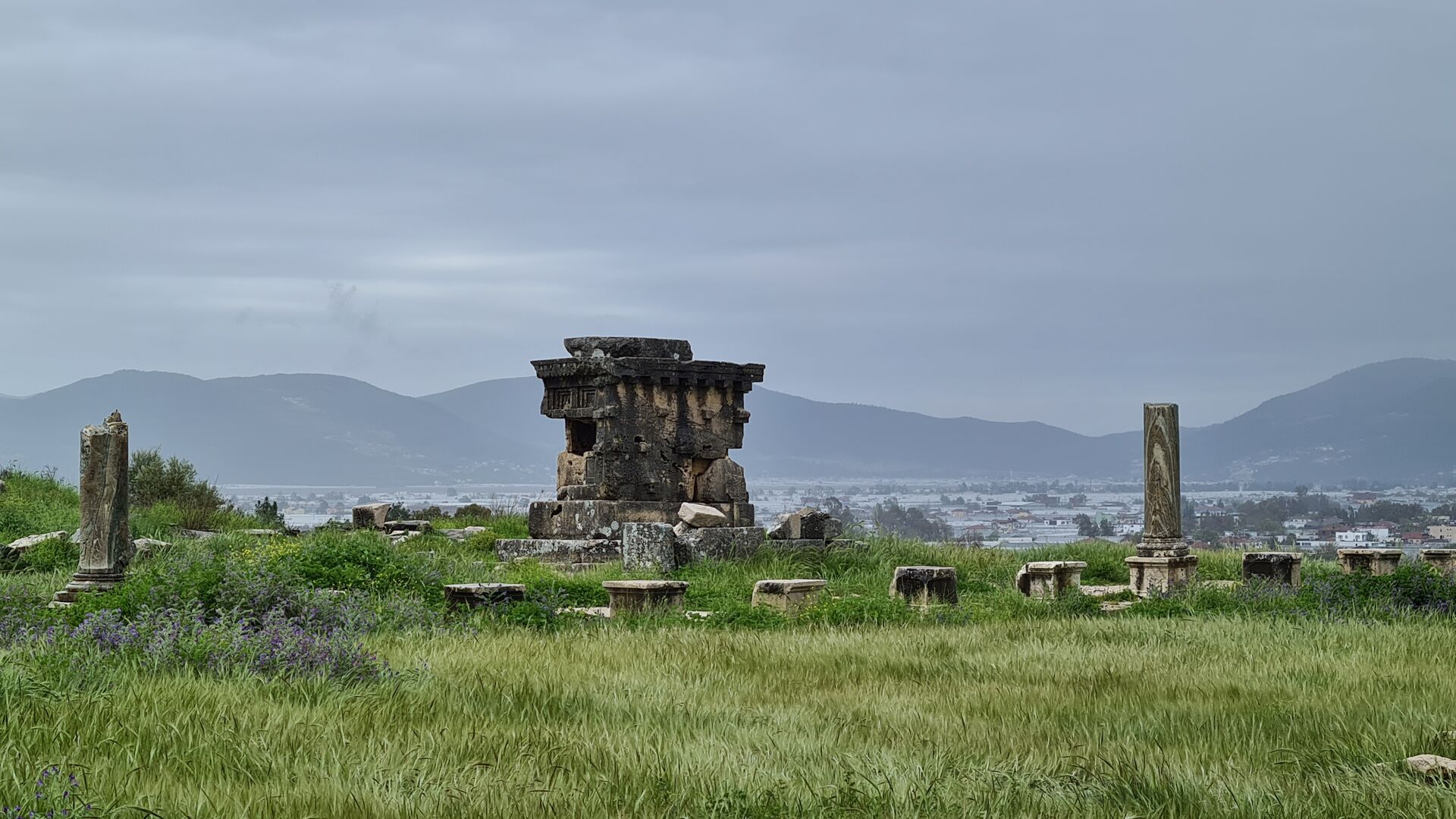
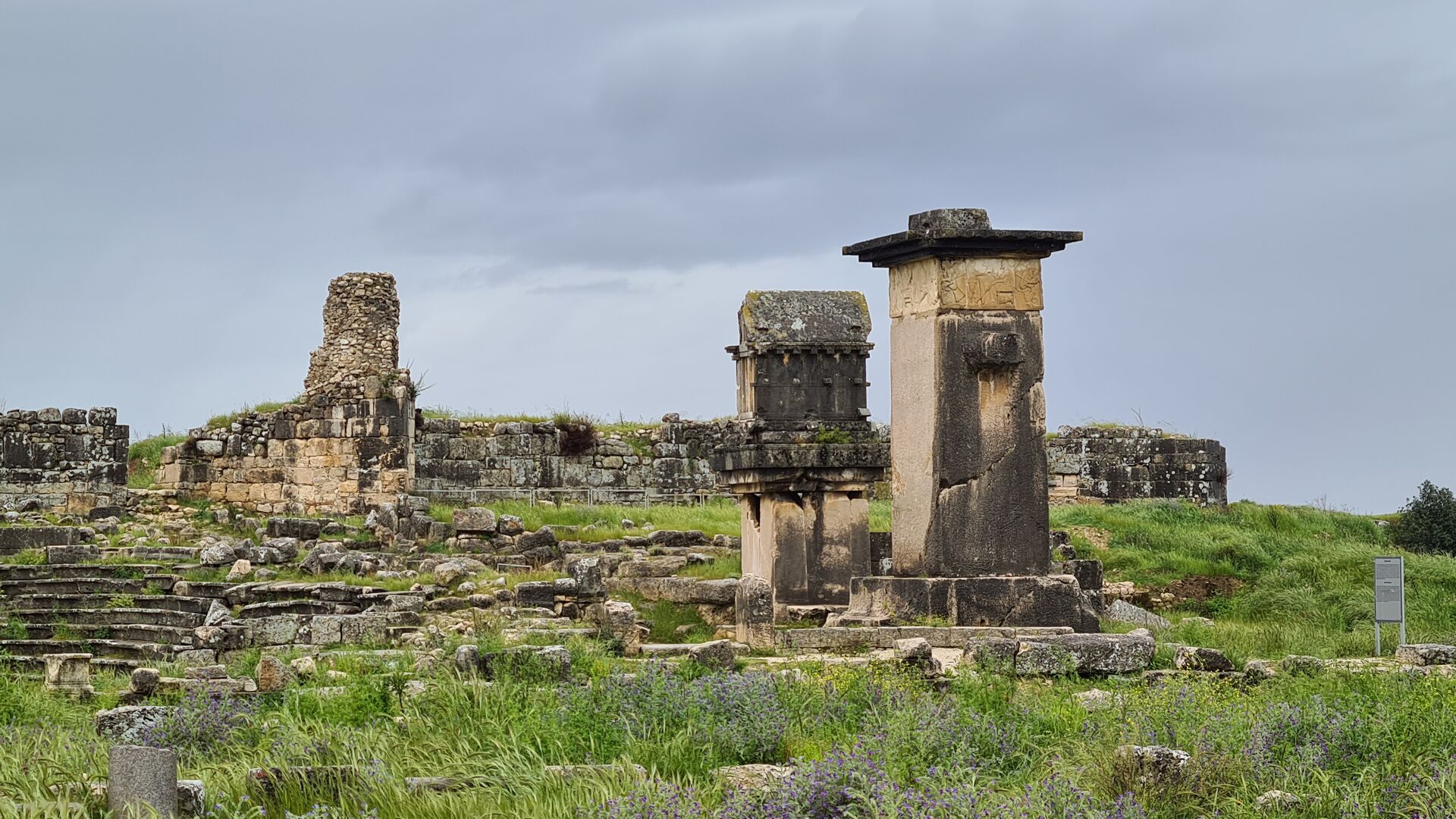
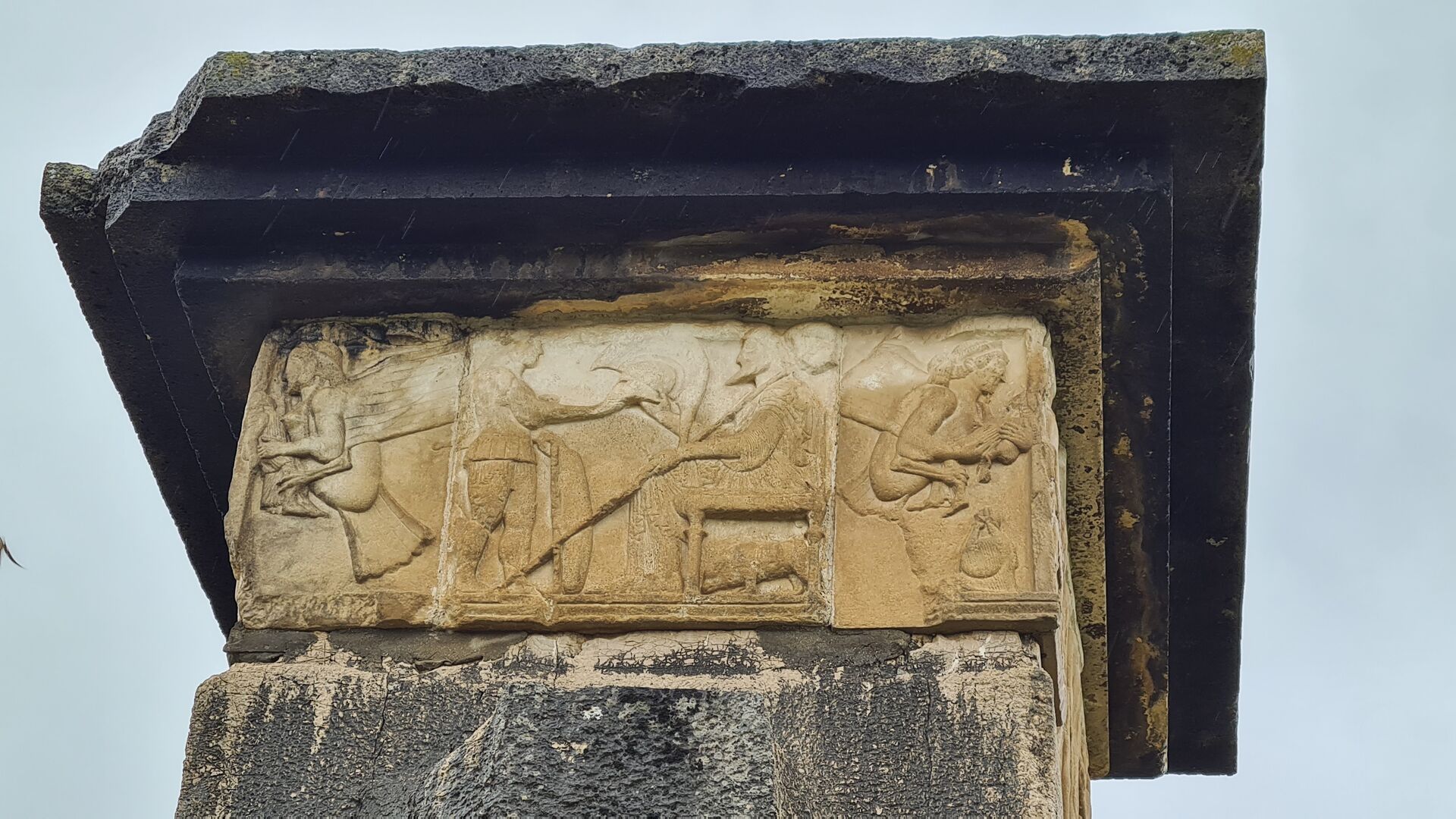
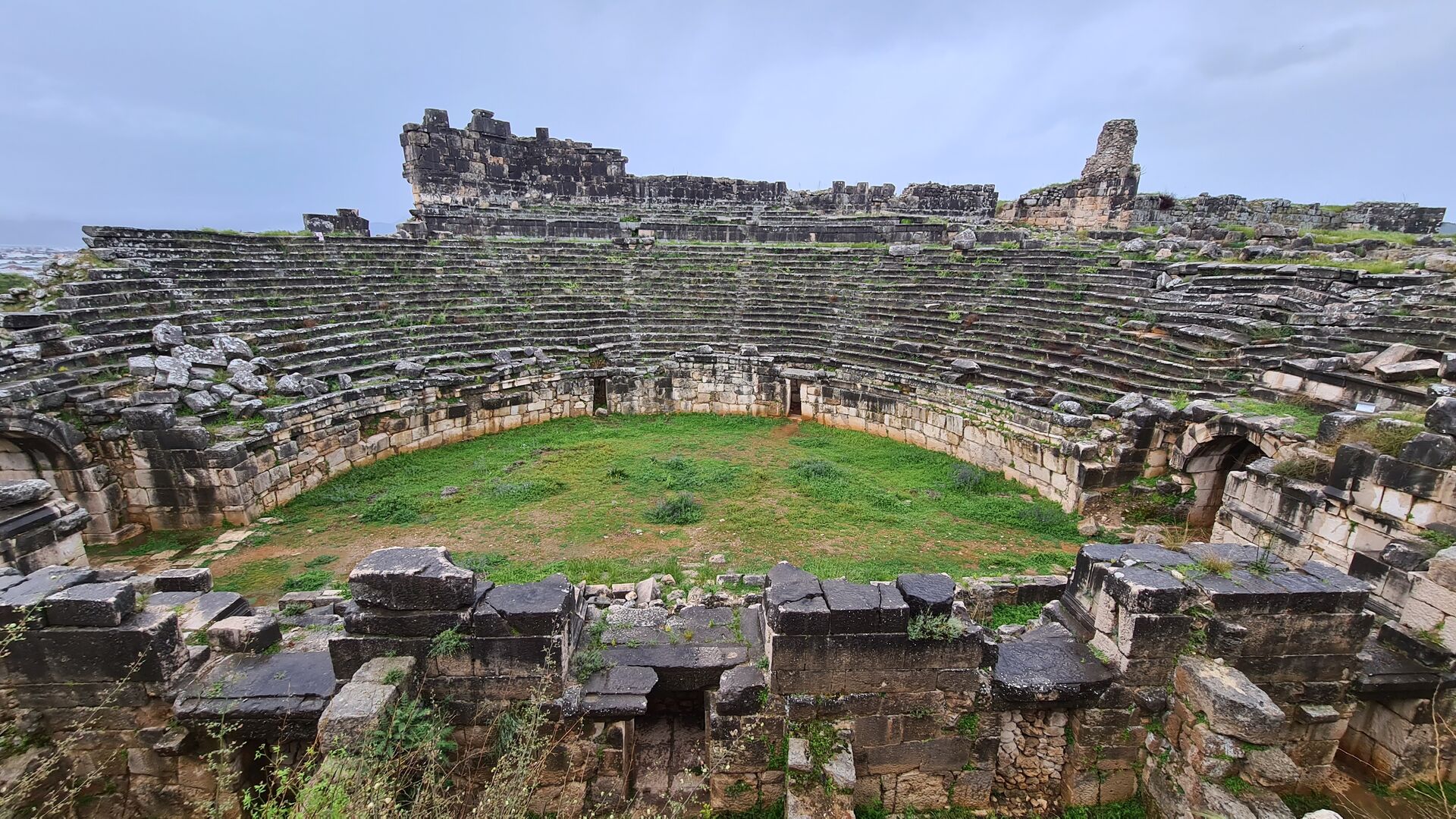
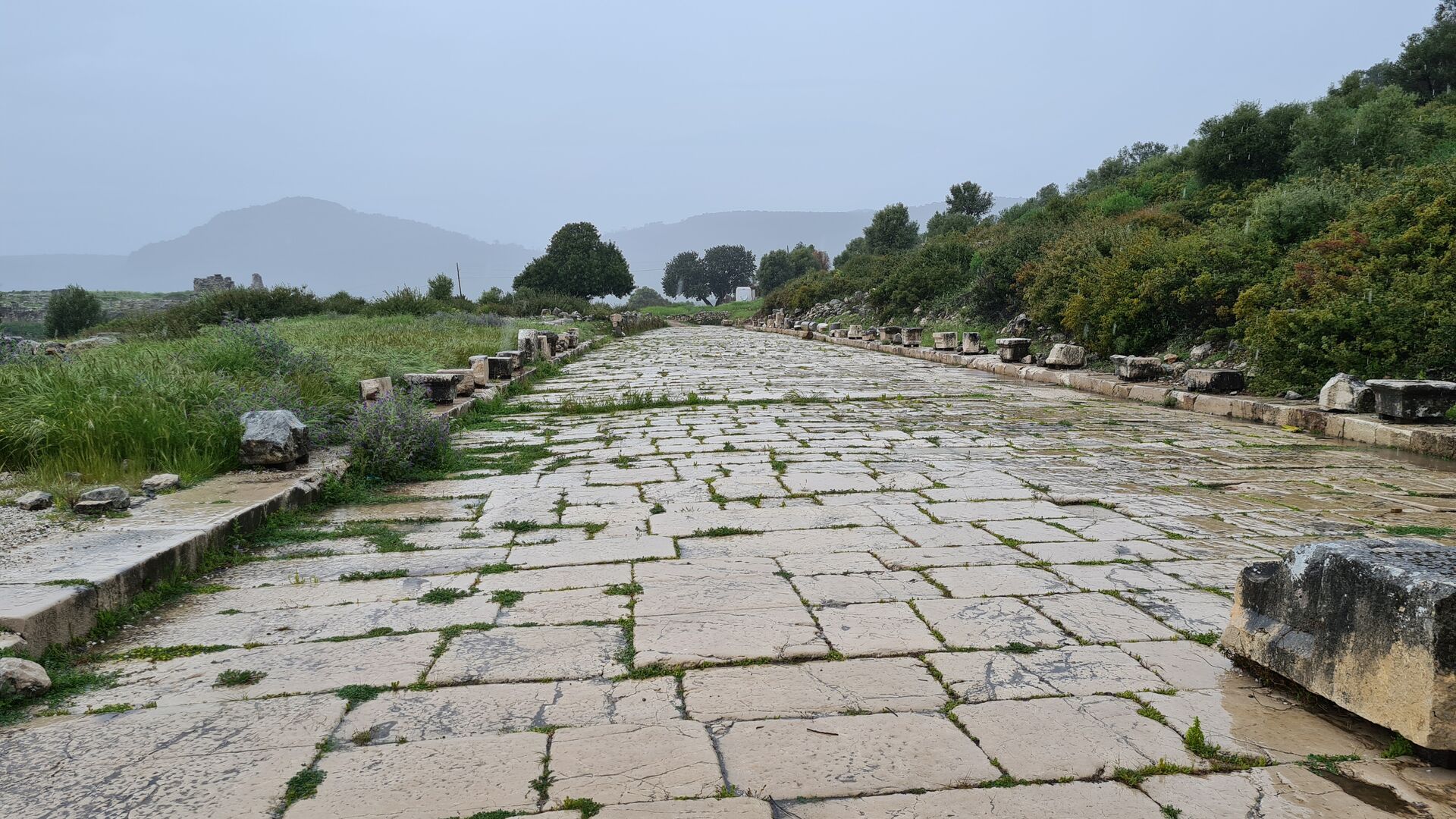
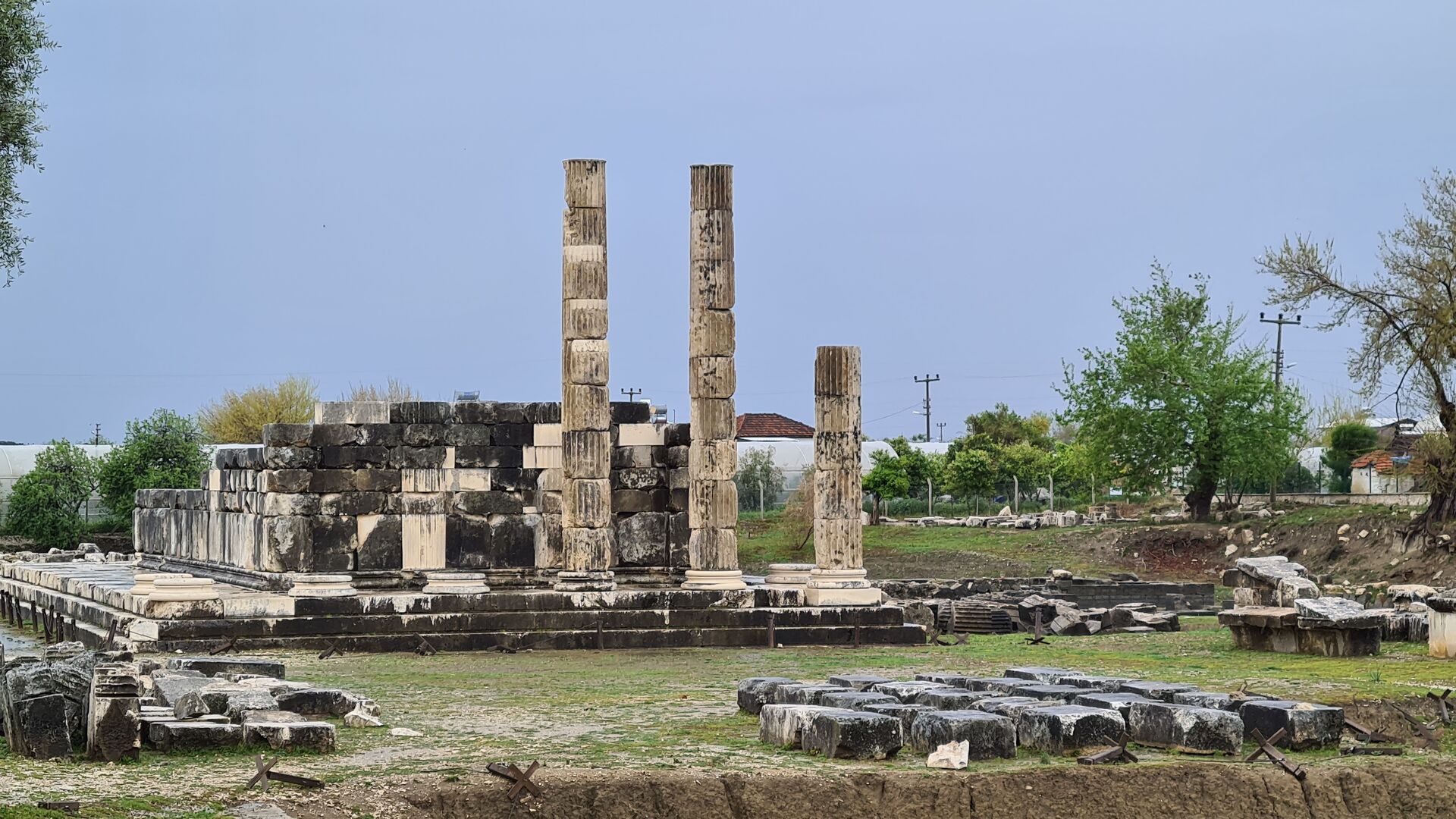
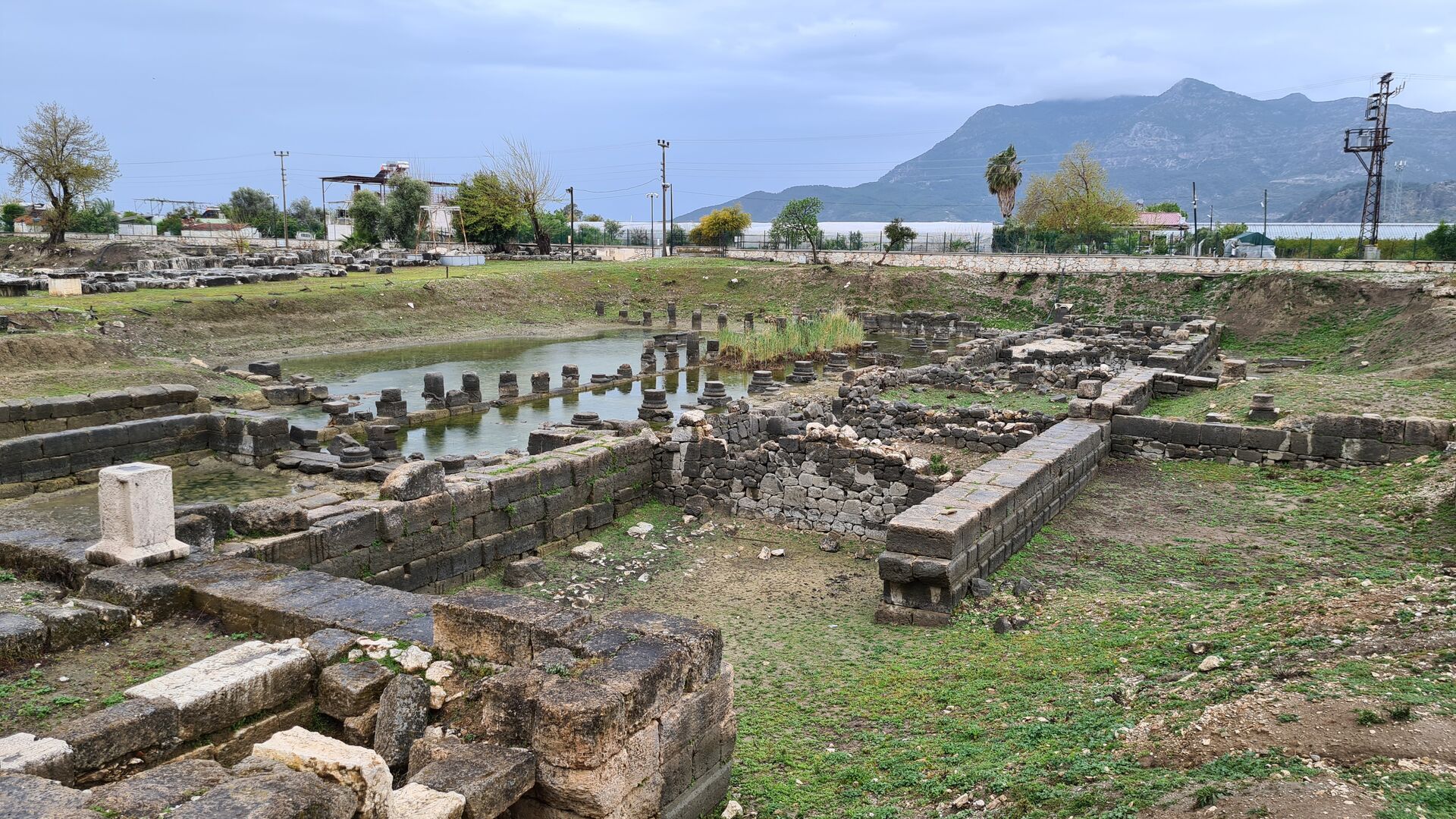
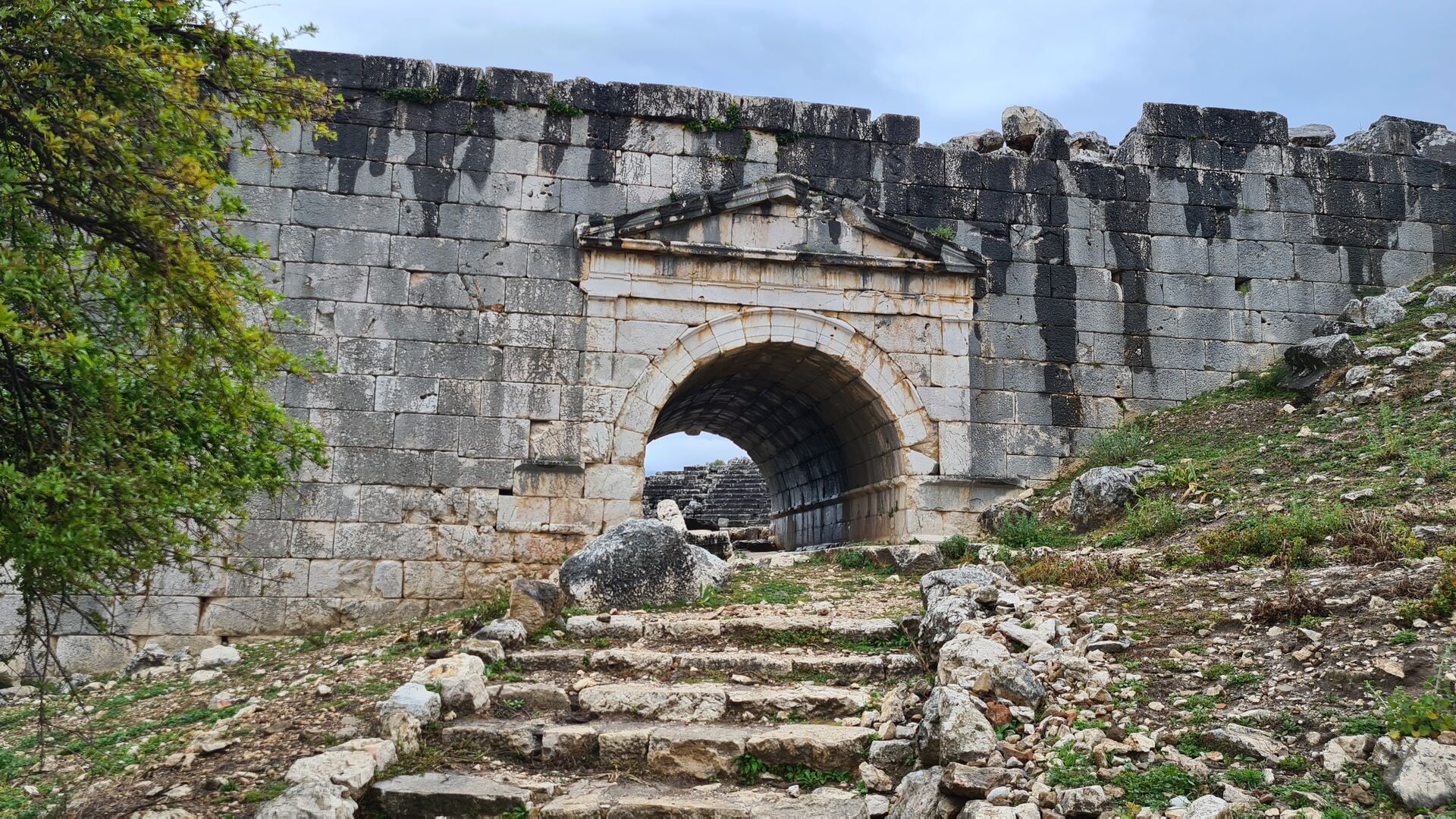
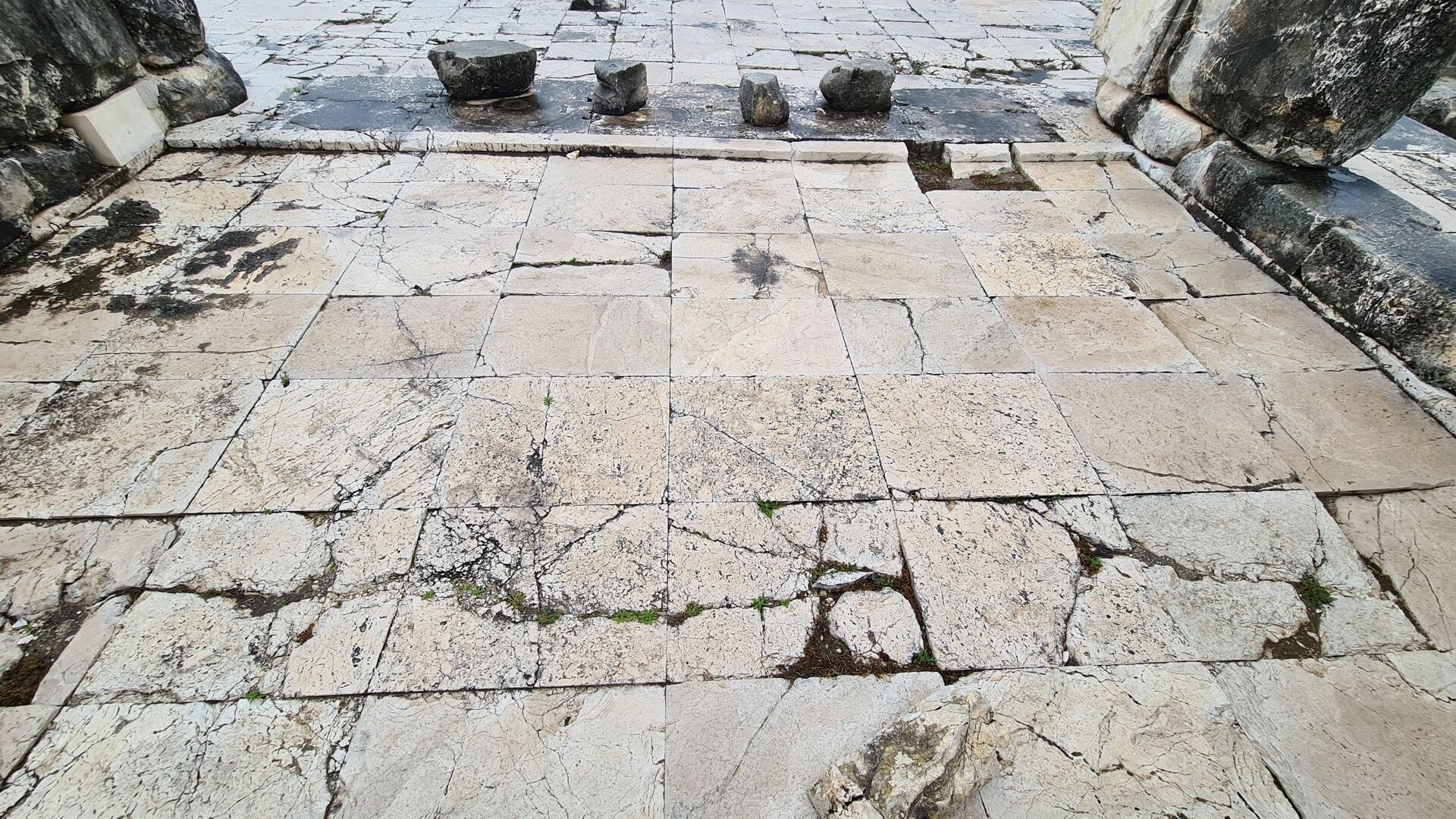
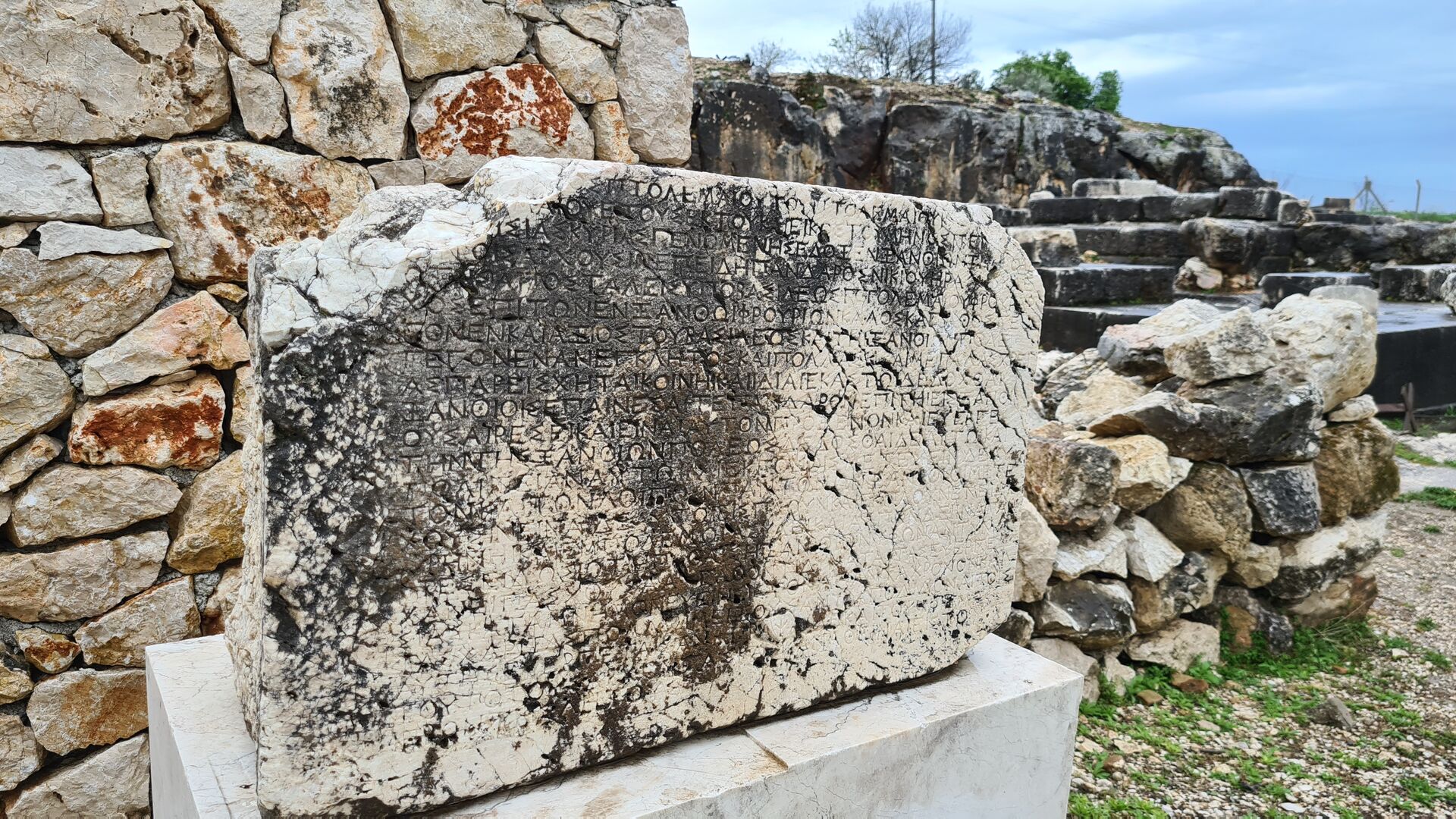
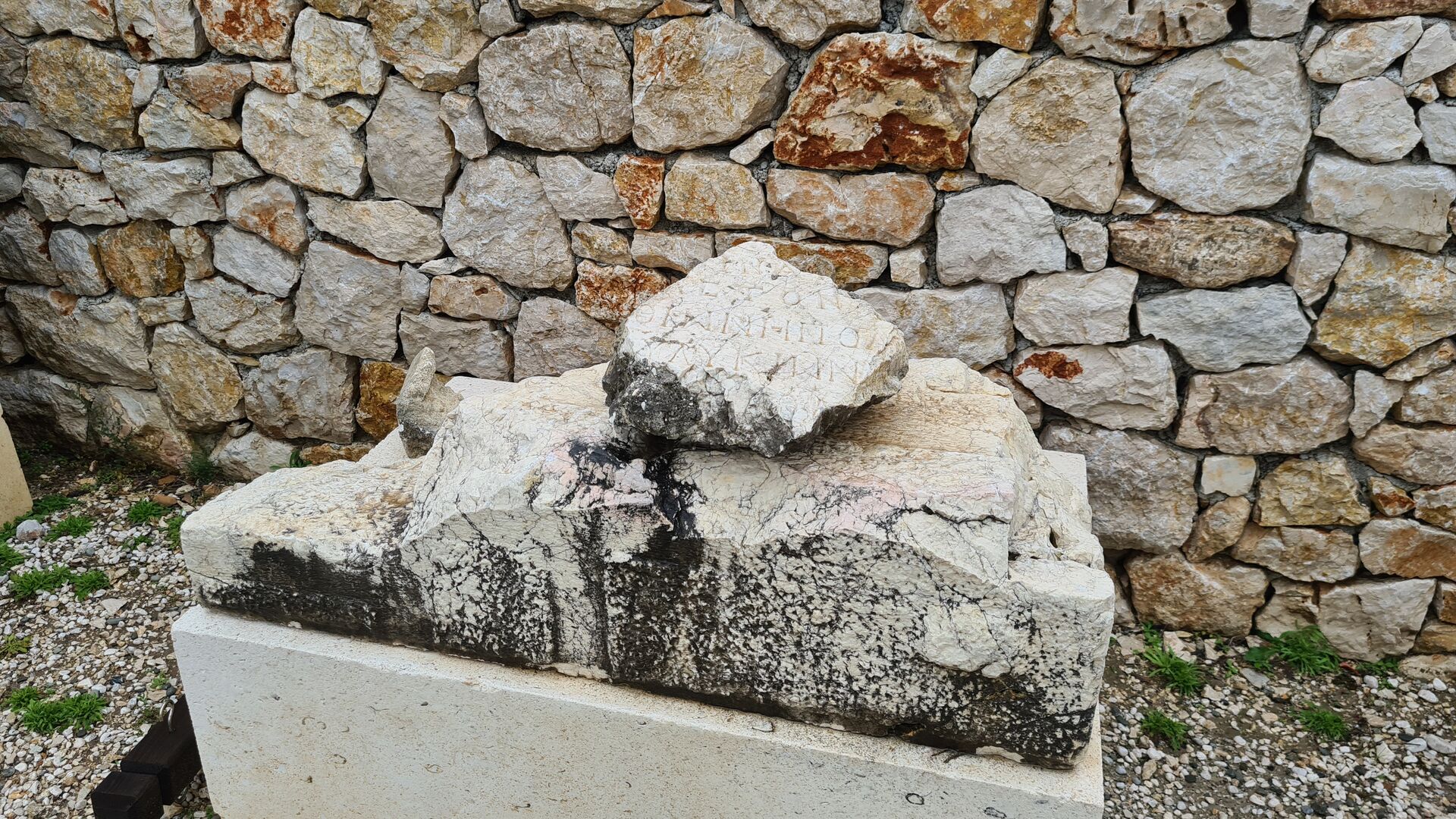
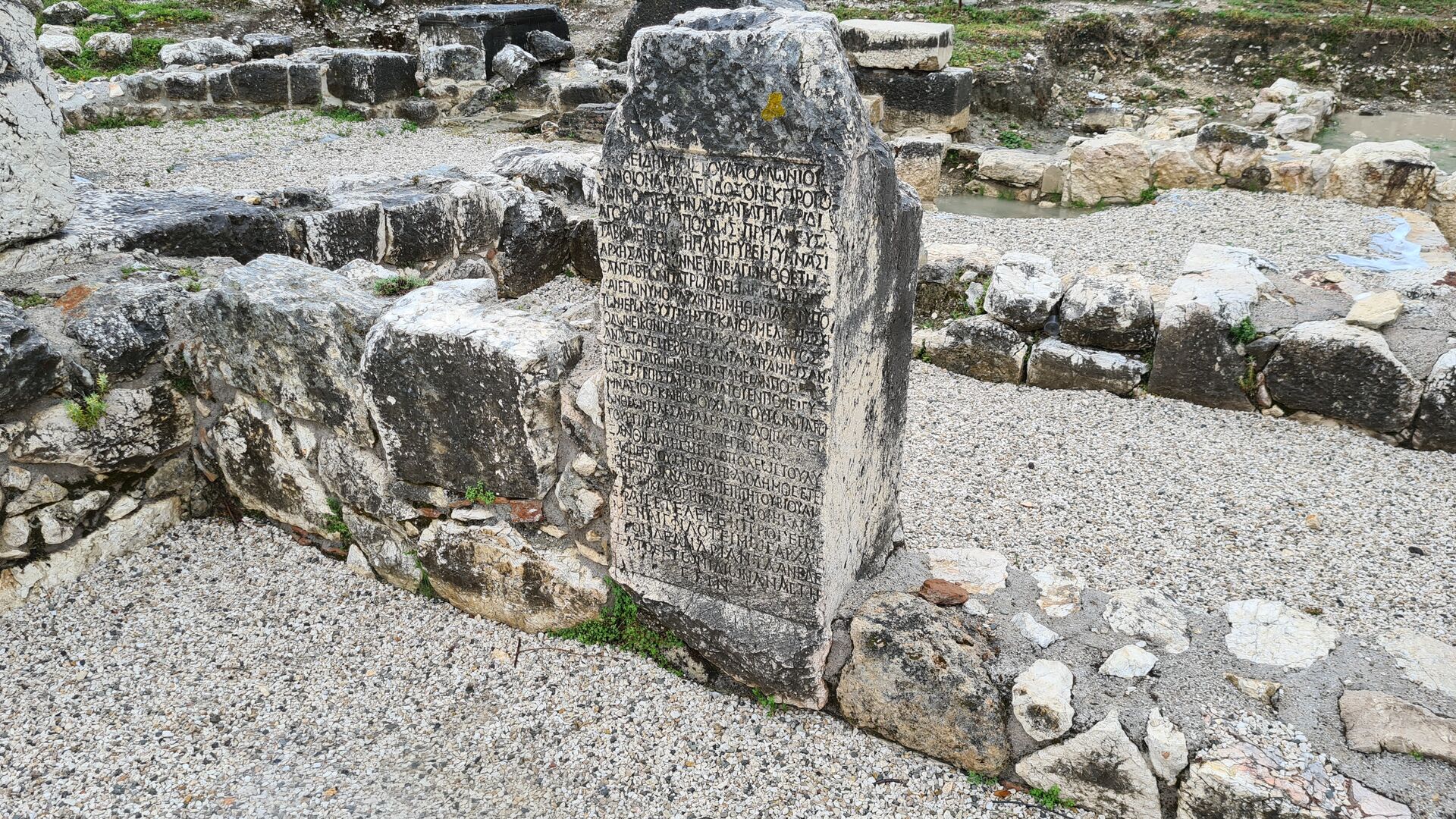
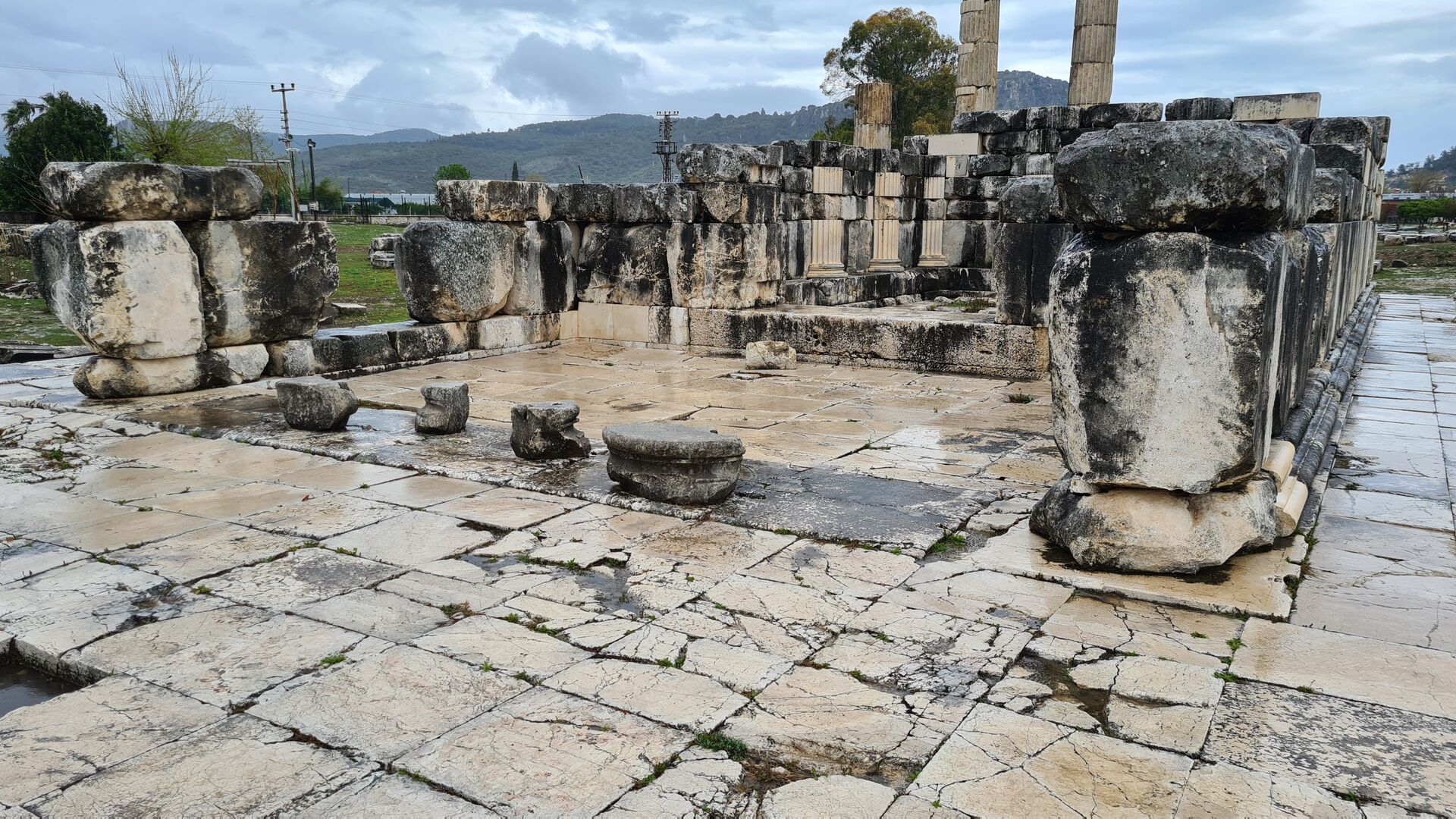
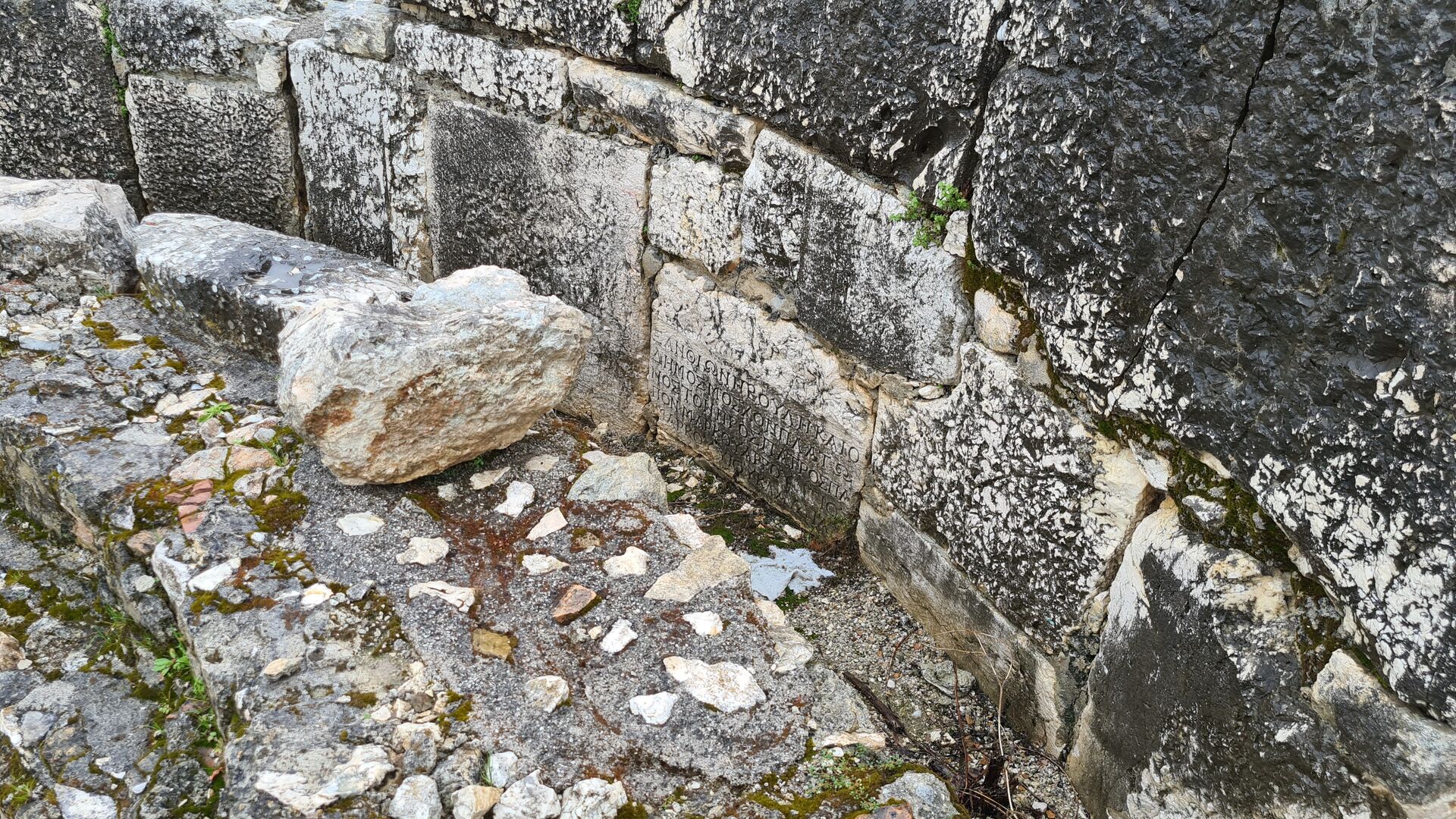
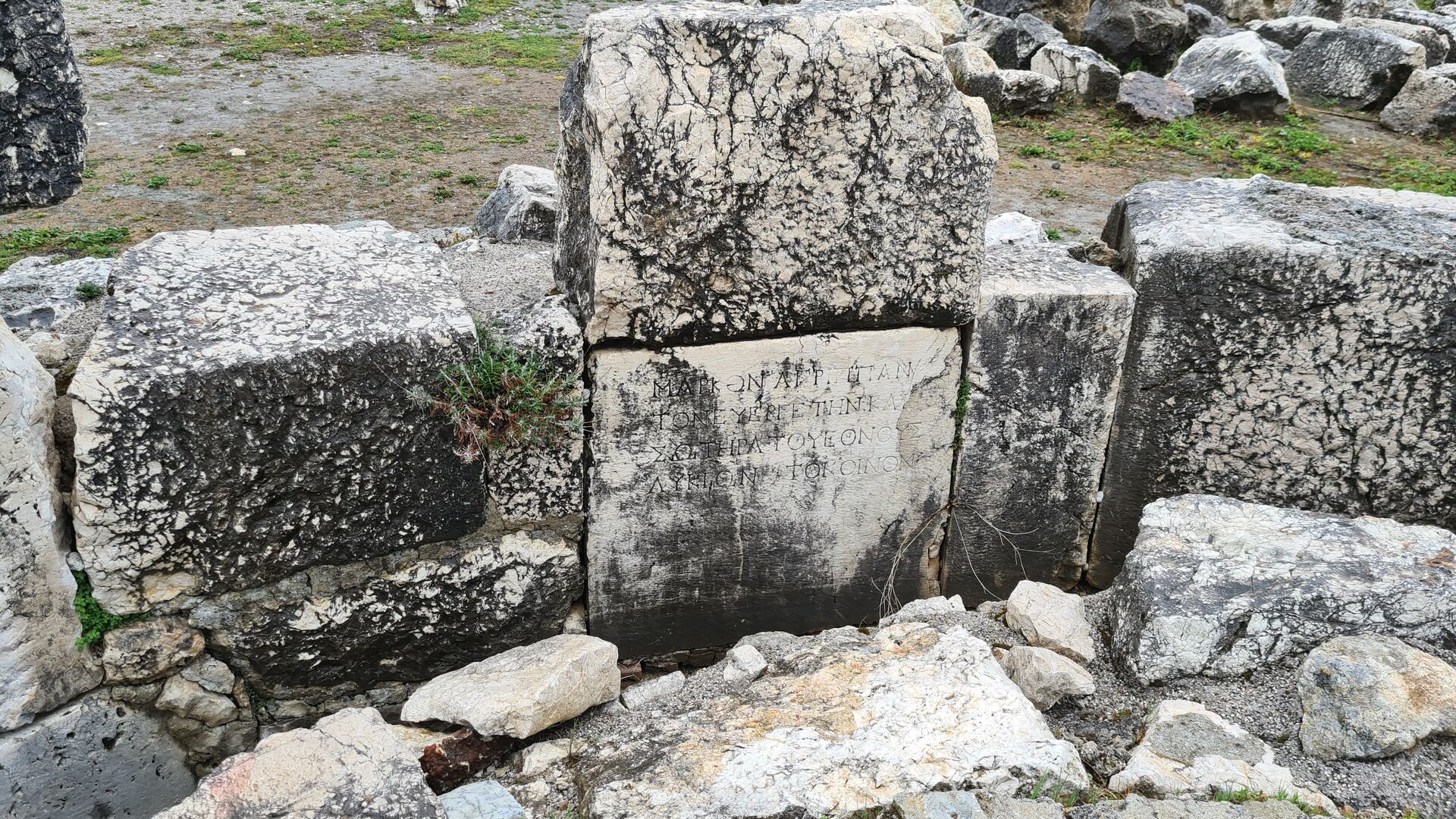
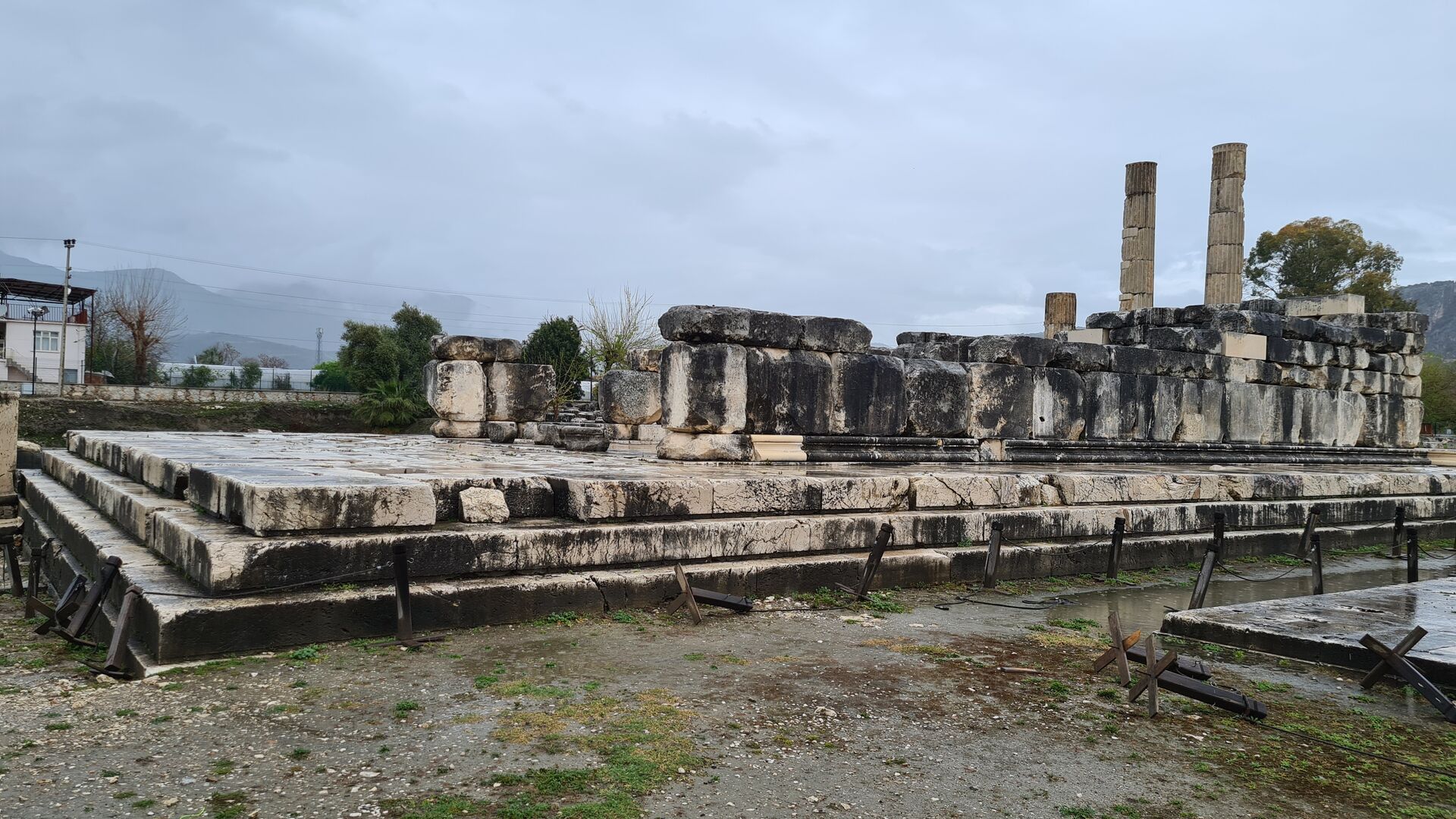
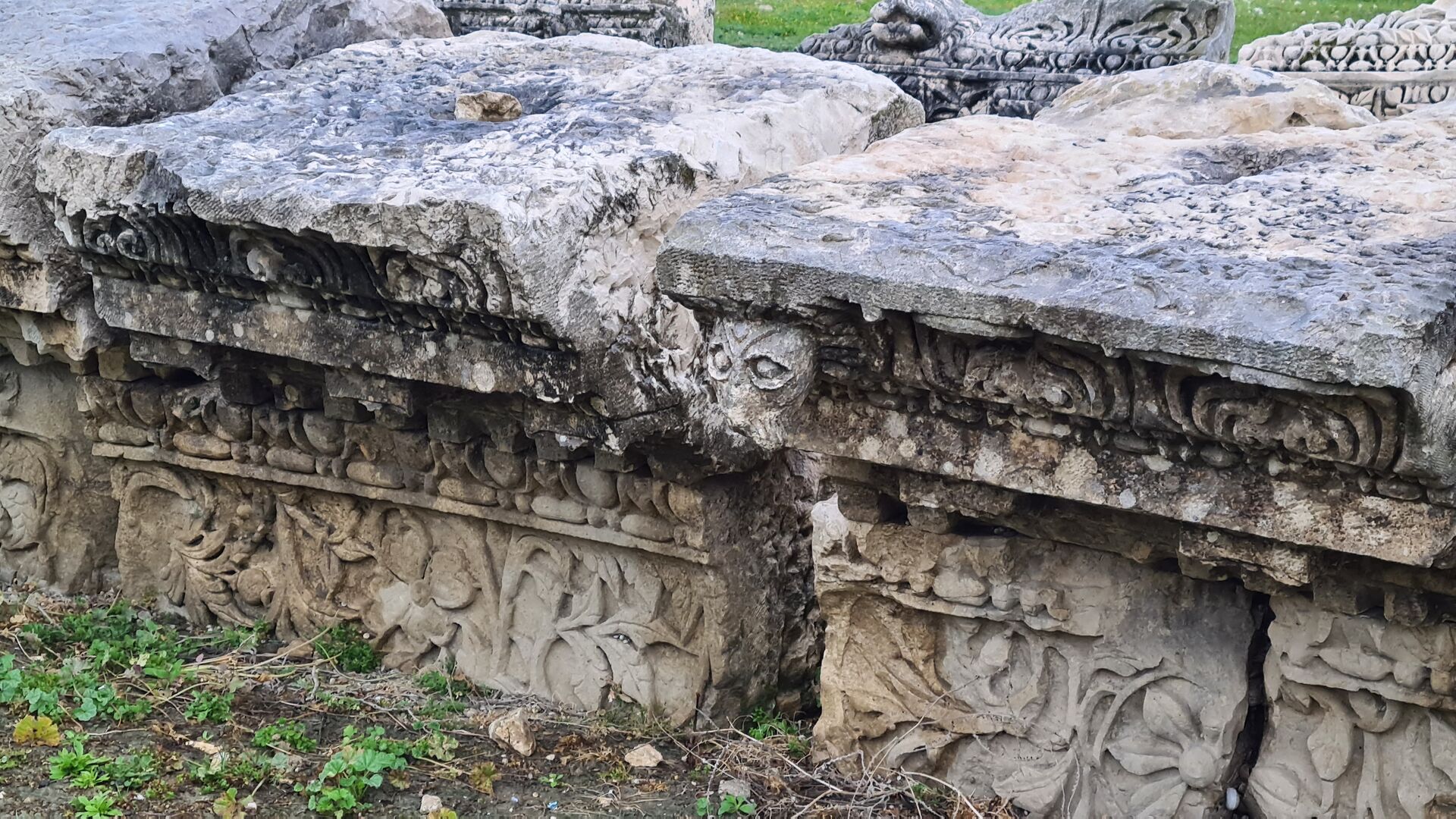
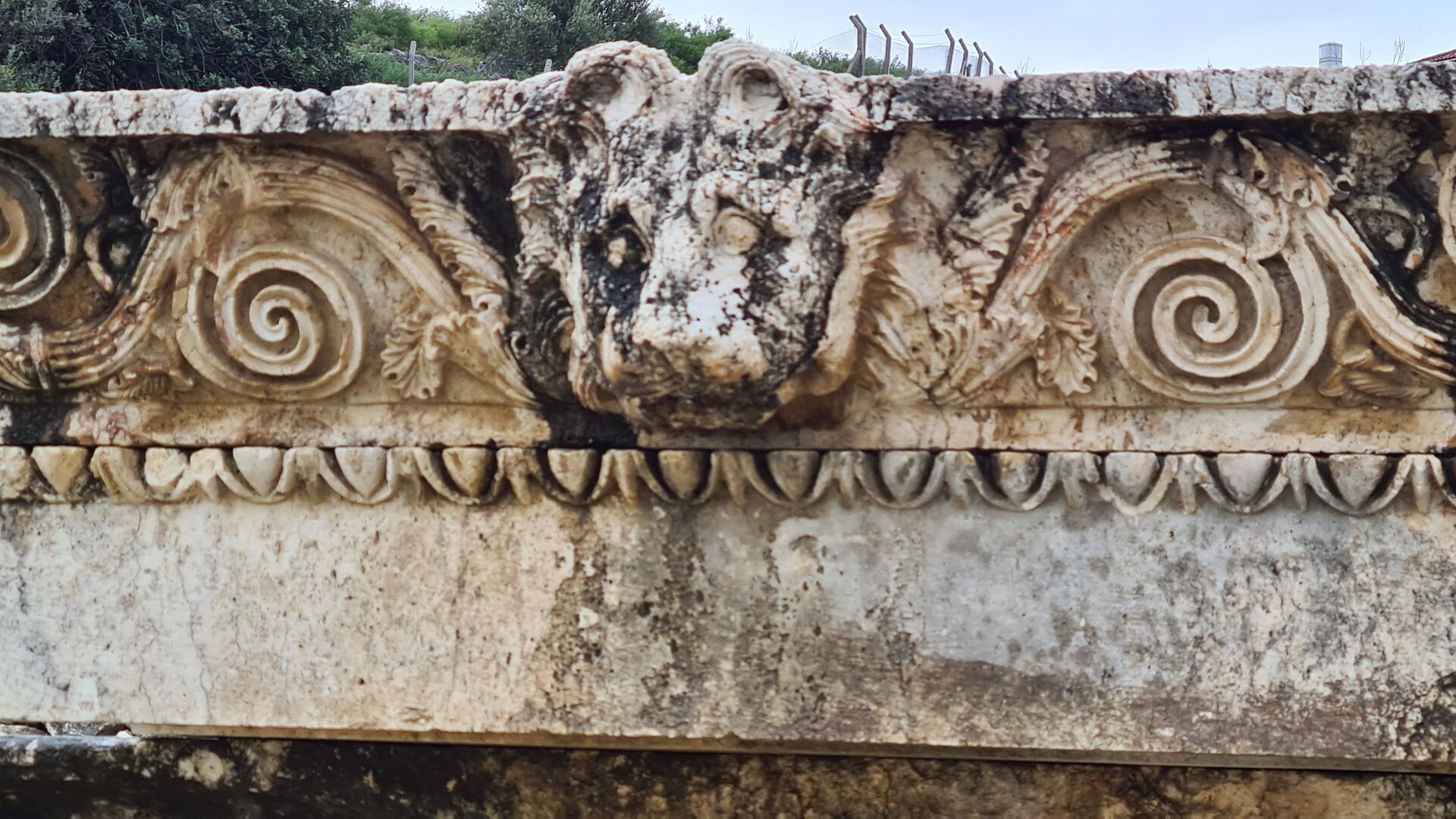
Dalyan is located near the ancient city of Kaunos, one of the most important settlements in the region of Caria. Kaunos was founded in antiquity and flourished during the Classical, Hellenistic, and Roman periods as a major port and trading center.
Due to geological changes and the silting of its harbor, Kaunos gradually lost its access to the sea and declined in importance. The city was eventually abandoned, leaving behind well-preserved ruins that reflect its former significance.
The modern town of Dalyan developed primarily in the 20th century as a small fishing and farming community. Its transformation into a tourism destination began in the late 20th century, driven by increased awareness of its archaeological sites and unique natural environment. Conservation efforts have played a key role in shaping Dalyan’s modern identity.
Geology
Dalyan’s geology is shaped by river, lake, and coastal processes rather than mountain-building activity. The Dalyan River and Köyceğiz Lake have deposited layers of sediment over thousands of years, forming wetlands, deltas, and fertile plains.
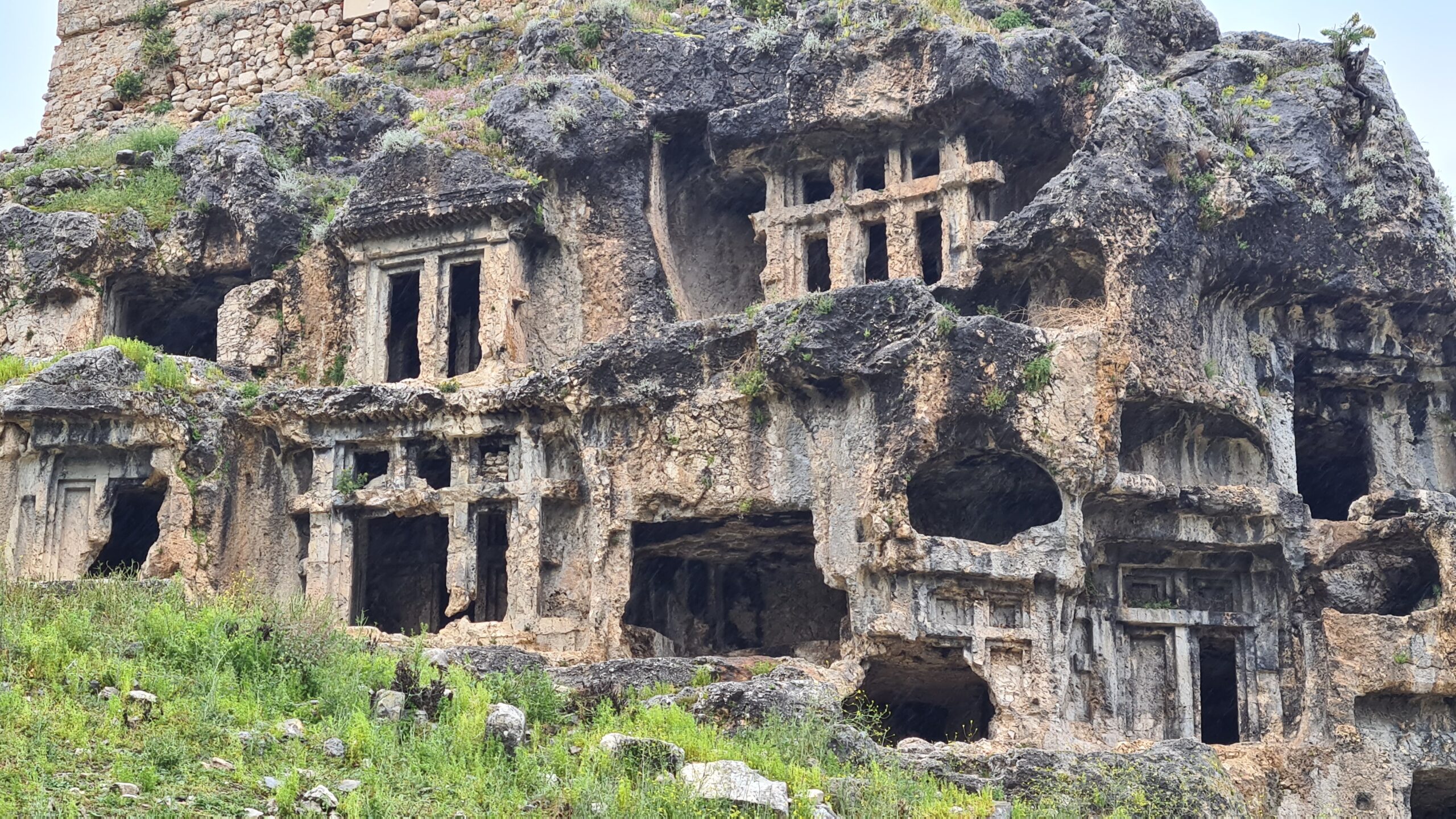
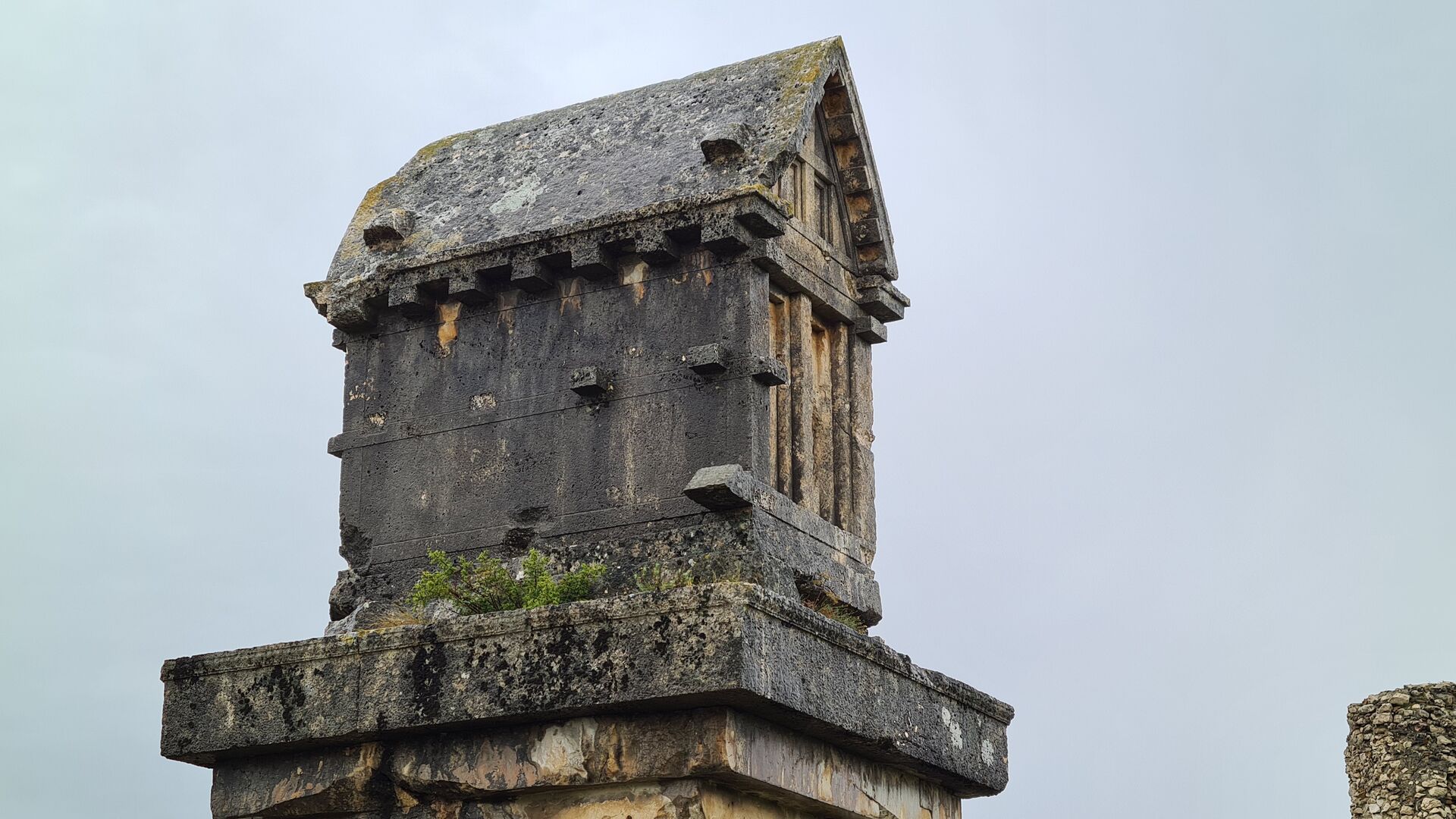
The surrounding landscape includes limestone hills and rocky outcrops typical of the region’s karst geology. These formations provided suitable surfaces for the carving of ancient rock tombs near Kaunos.
Coastal processes have played a significant role in shaping the area. Sediment deposition gradually transformed Kaunos from a coastal port into an inland settlement, illustrating how geological and environmental changes directly influenced historical development.
Things to See
Dalyan offers a unique combination of natural beauty and historical sites:
Archaeological and Historical Sites
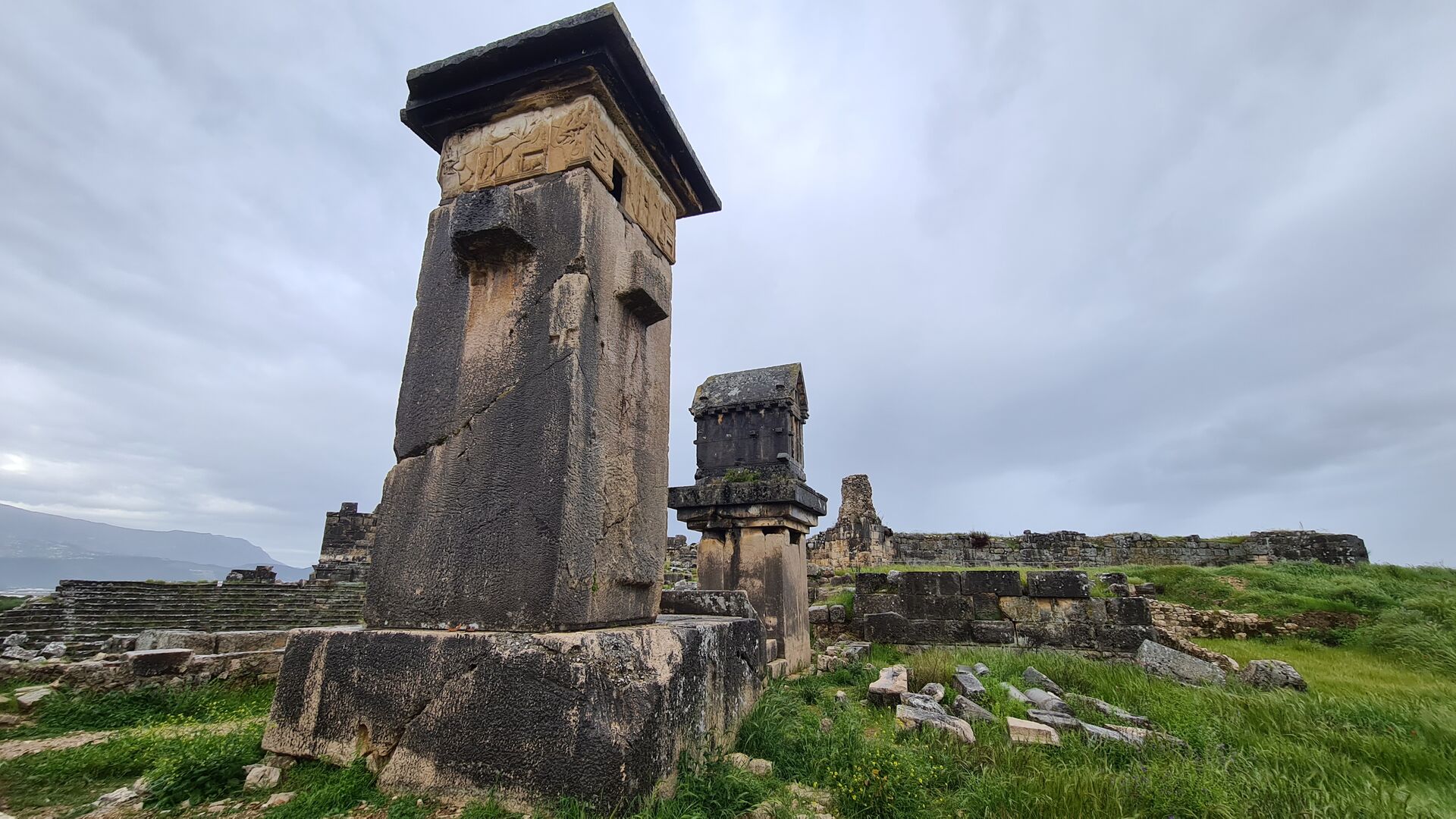
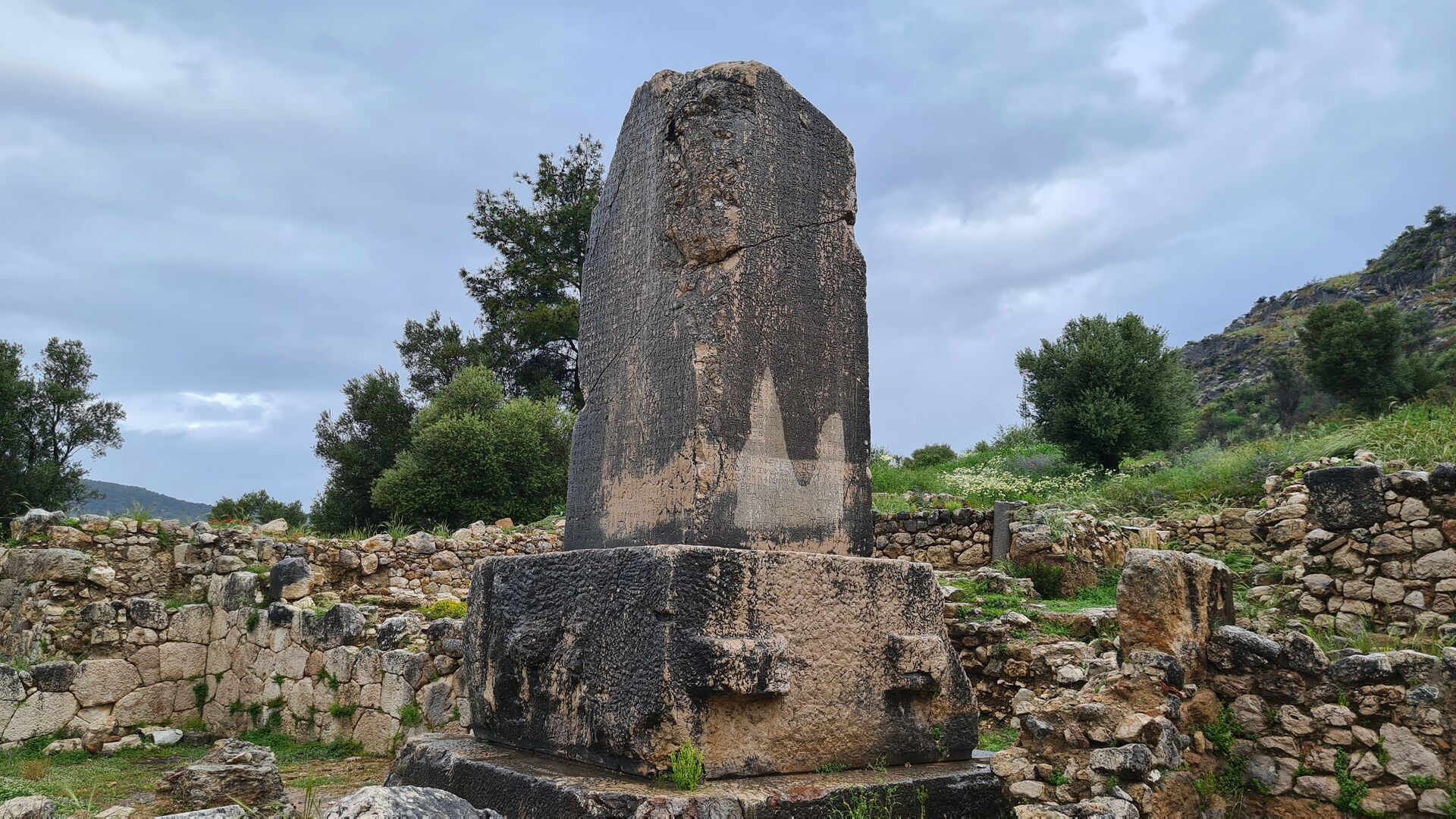
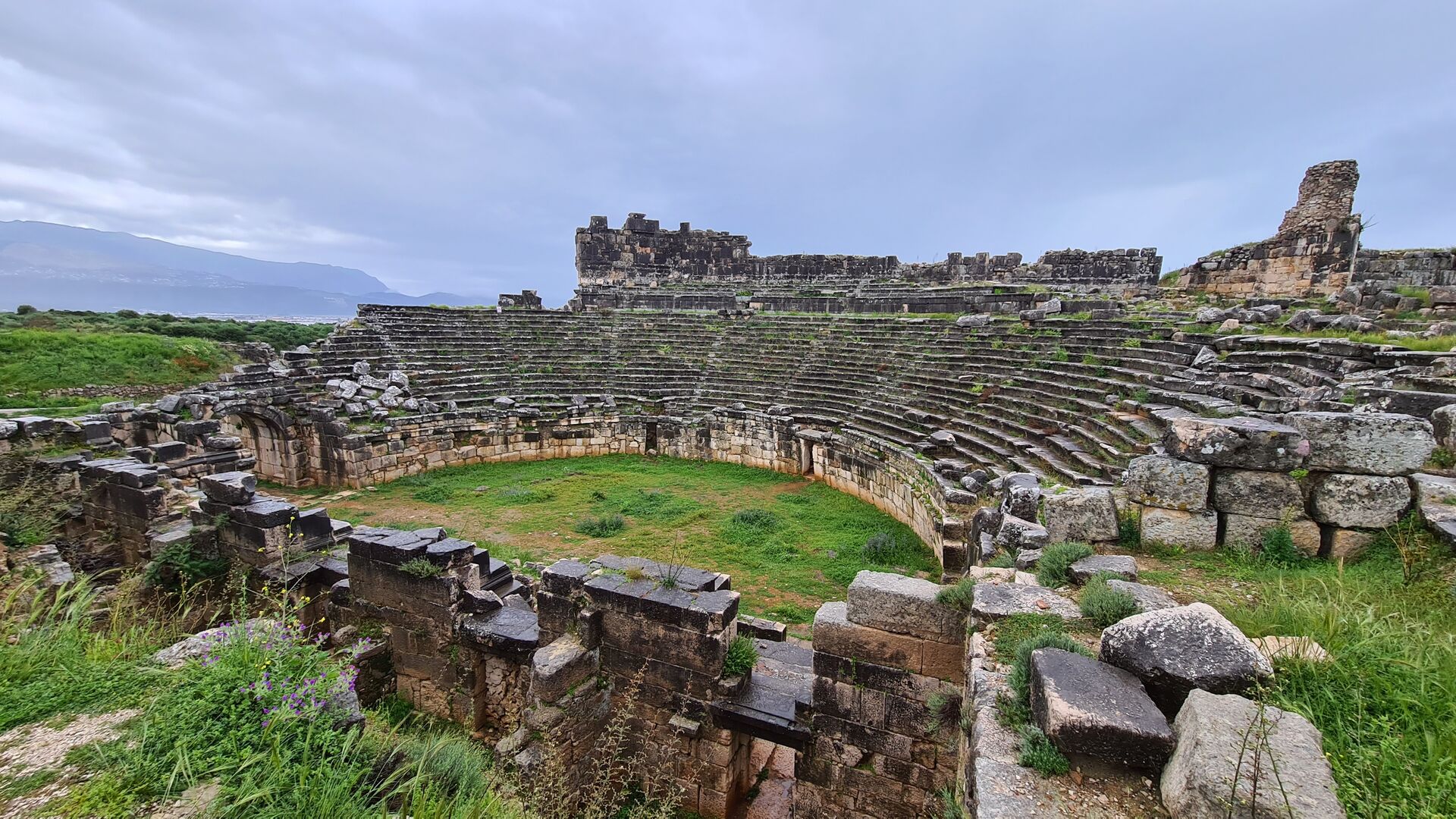
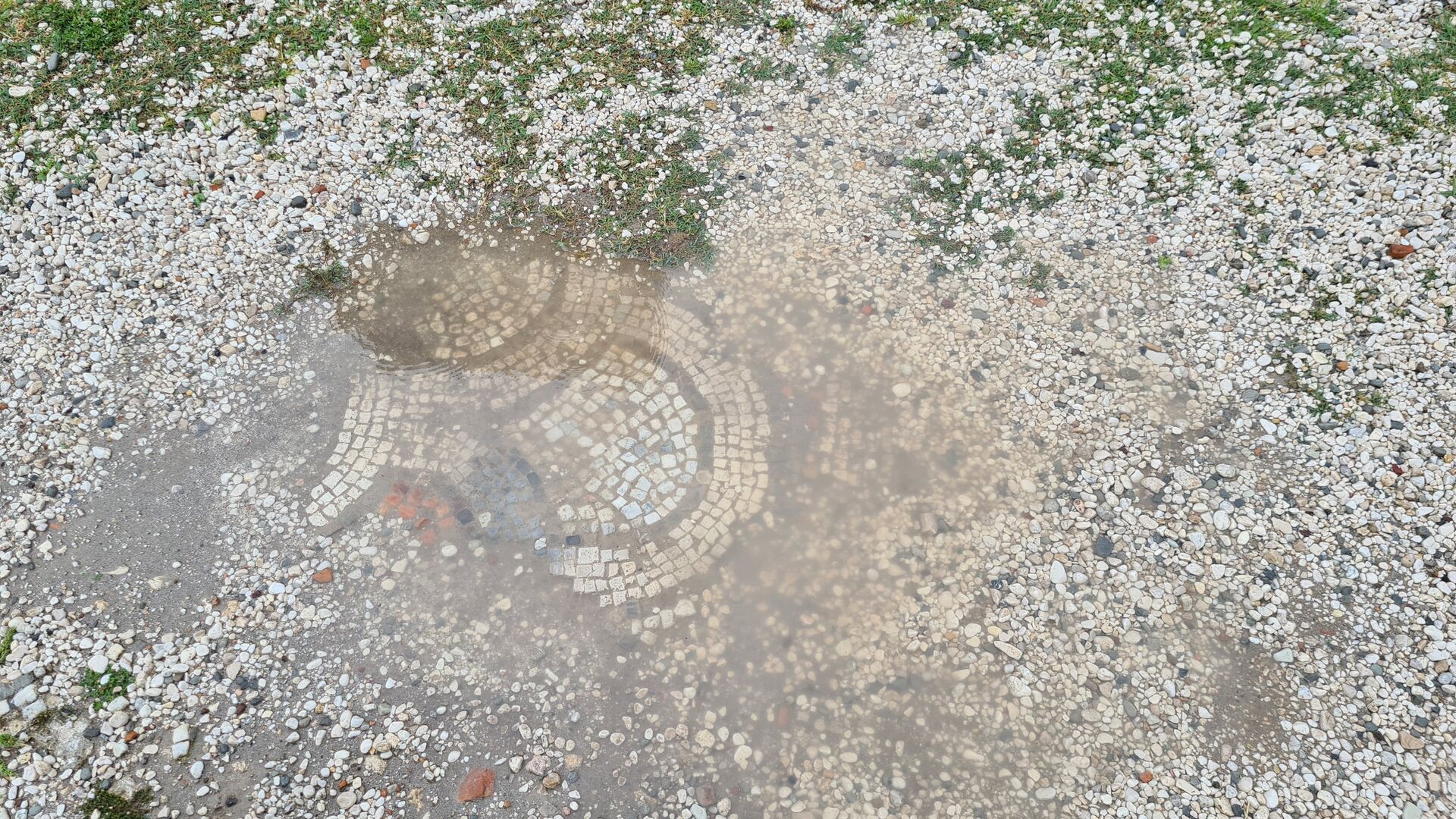
- Kaunos Ancient City, with ruins of theaters, baths, and temples
- Lycian rock-cut tombs carved into cliffs overlooking the river
- Remains of ancient city walls and harbor structures
Natural Attractions
- İztuzu Beach, a protected nesting site for loggerhead sea turtles
- Köyceğiz Lake and surrounding wetlands
- Dalyan River boat routes through reed beds
- Thermal mud baths and hot springs
Local Life and Experiences
- Boat trips along the river and delta
- Walking and cycling in protected natural areas
- Local markets and traditional cuisine
- Wildlife observation and eco-tourism activities