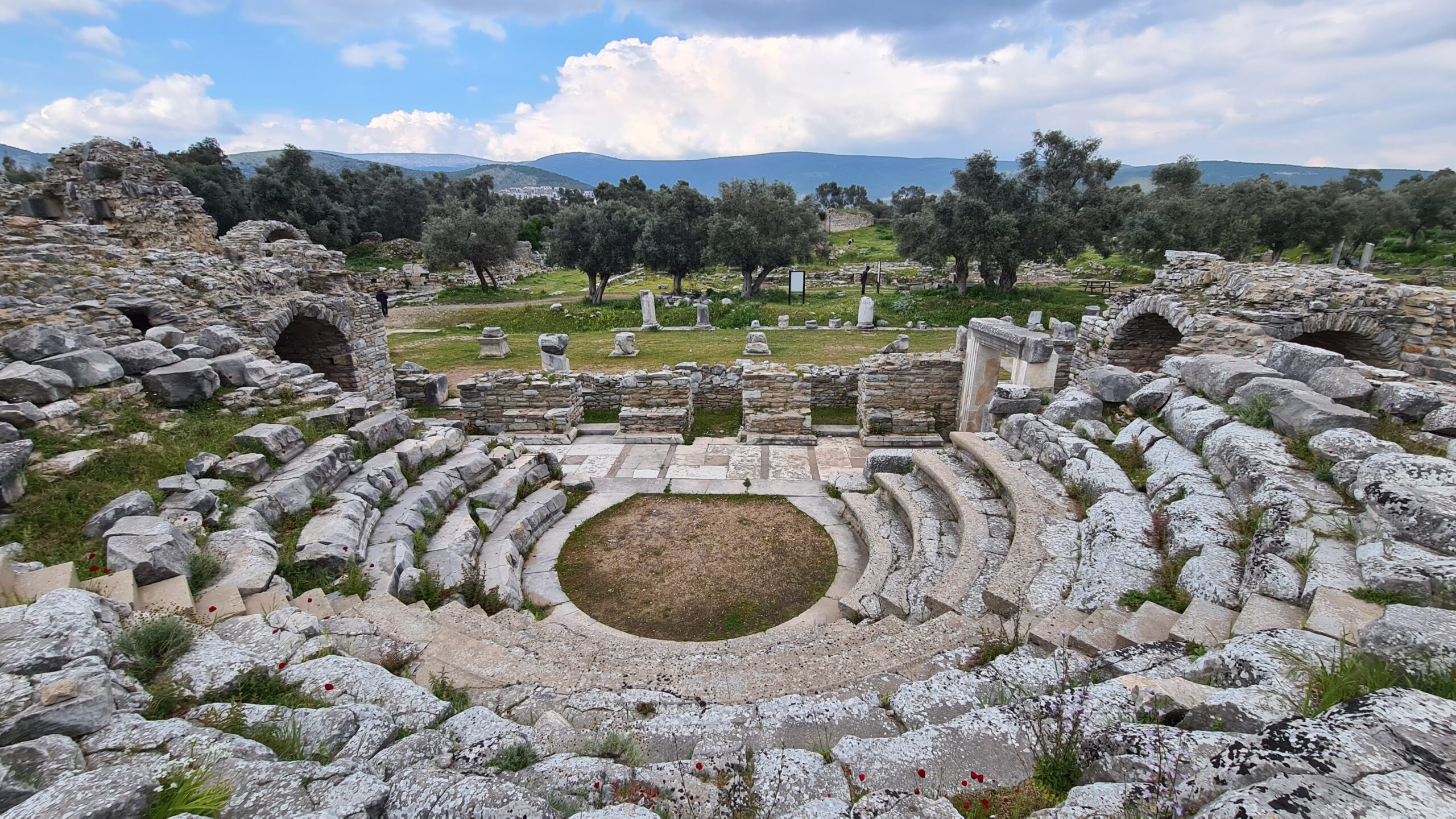
Didim is a coastal town and district located in Aydın Province in western Turkey, along the Aegean Sea. It lies on a peninsula between the Gulf of Güllük and the Büyük Menderes River delta, an area known for its mild climate, long coastline, and historical significance. Didim combines ancient heritage with modern coastal development and is one of the most popular destinations along Turkey’s Aegean coast.
The town includes several residential and resort areas, such as Altınkum, Akbük, and Mavişehir. Didim has experienced rapid growth since the late 20th century, particularly due to tourism and second-home development. Despite this expansion, large areas of natural coastline and agricultural land remain preserved.
Didim has a Mediterranean climate with hot, dry summers and mild, wet winters. Tourism is a major economic driver, supported by hospitality, real estate, retail, and services. Agriculture also remains important in surrounding areas, with olive cultivation, citrus fruits, and small-scale farming contributing to the local economy.
History
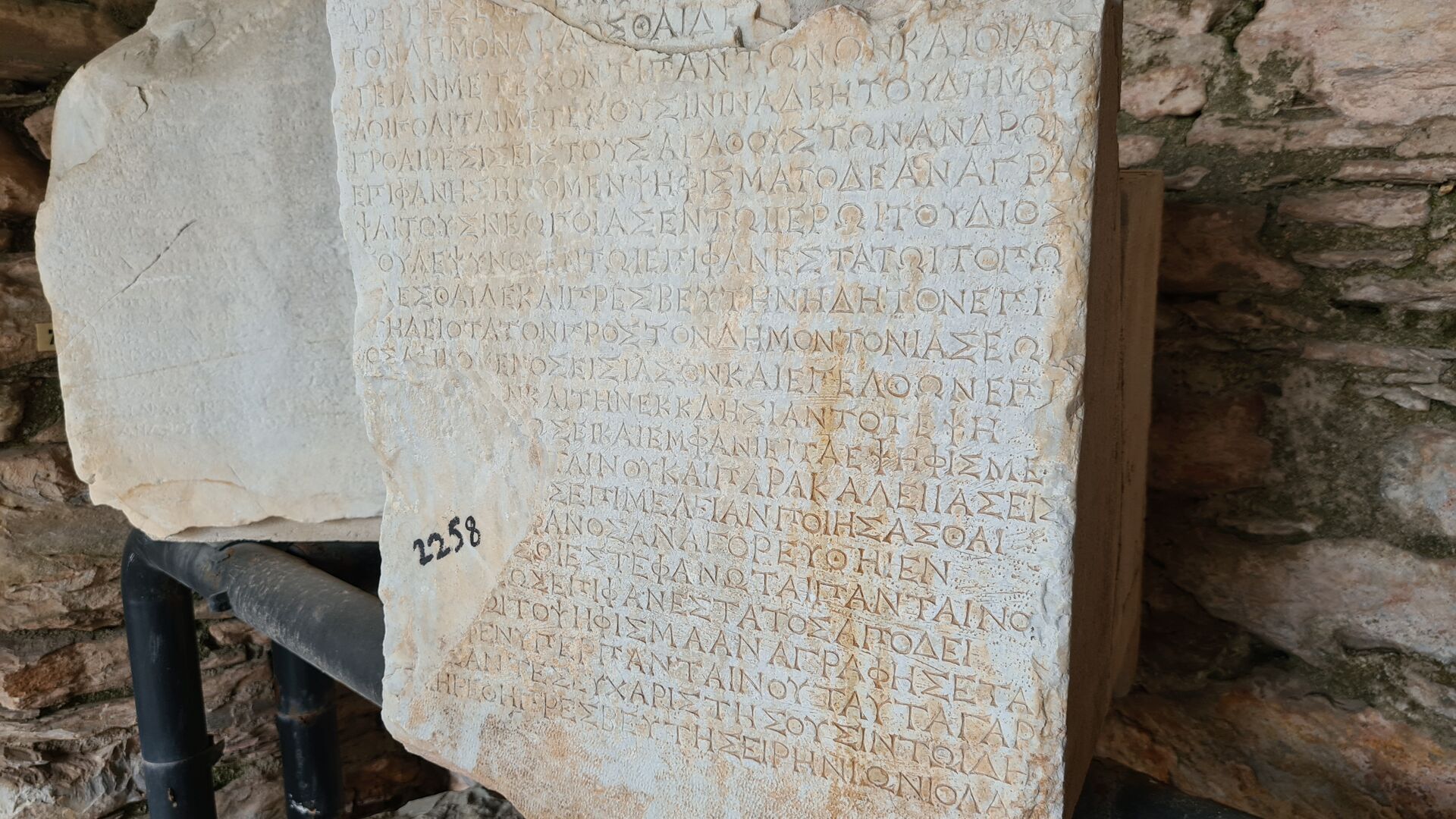
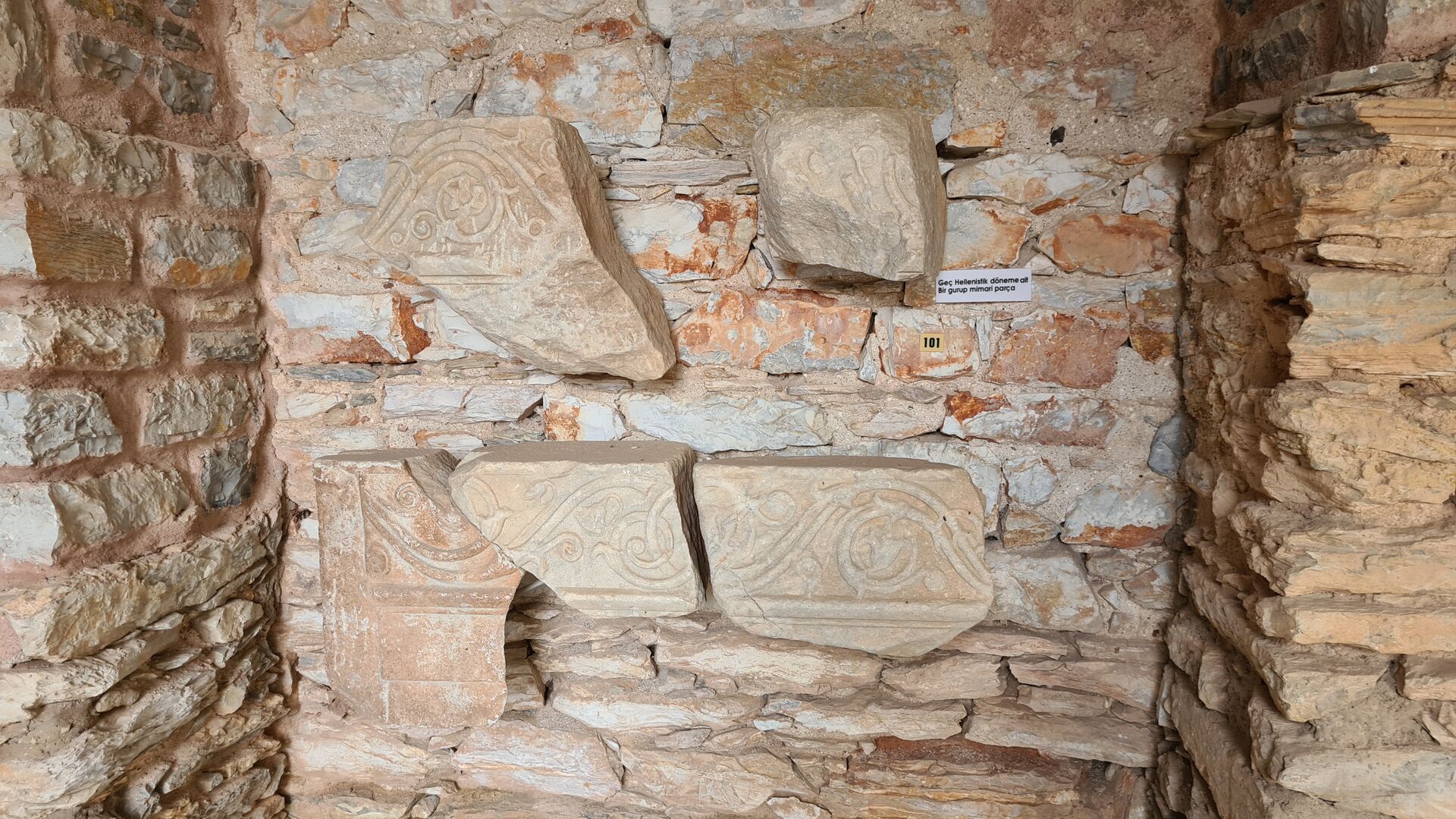
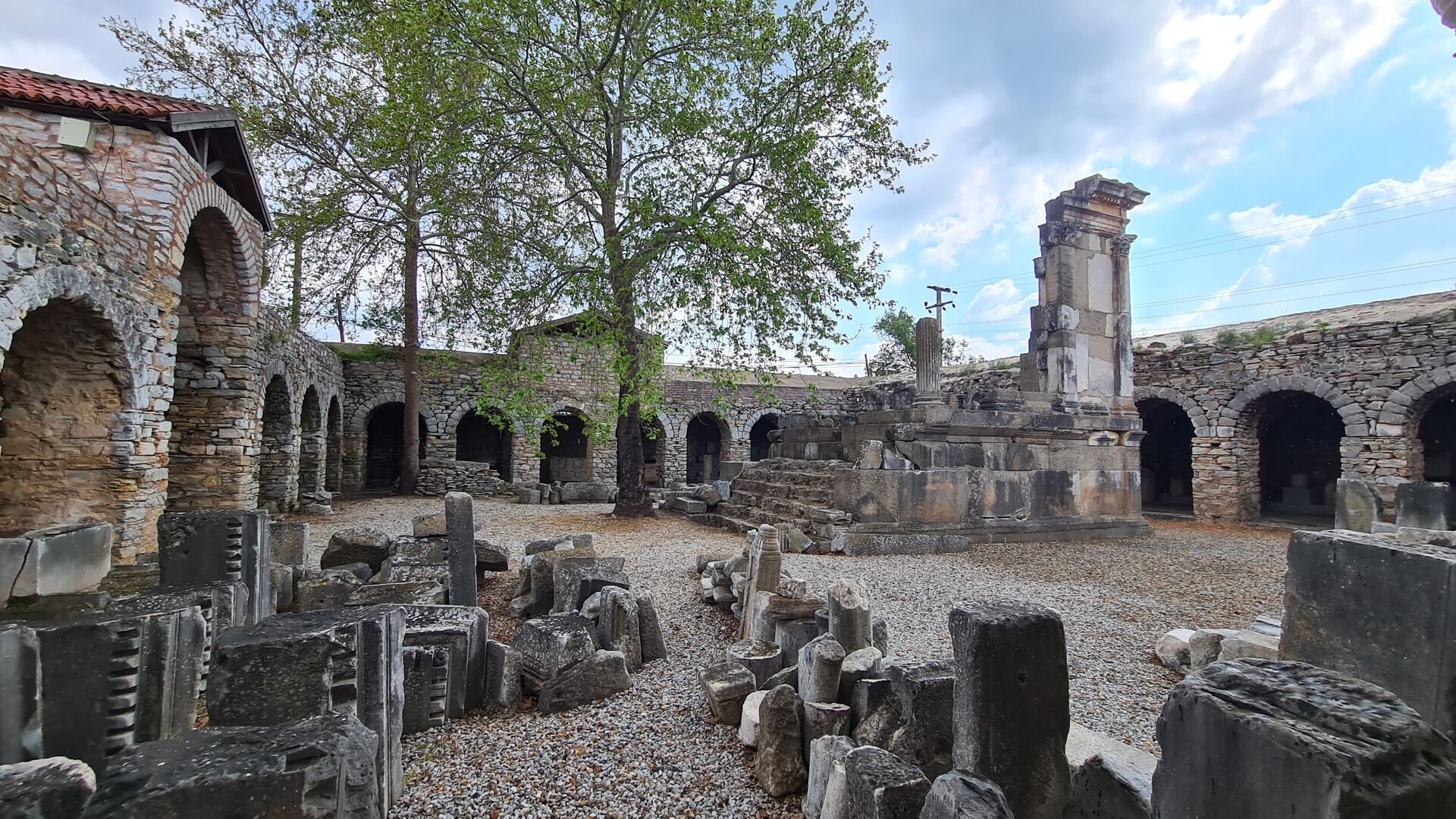
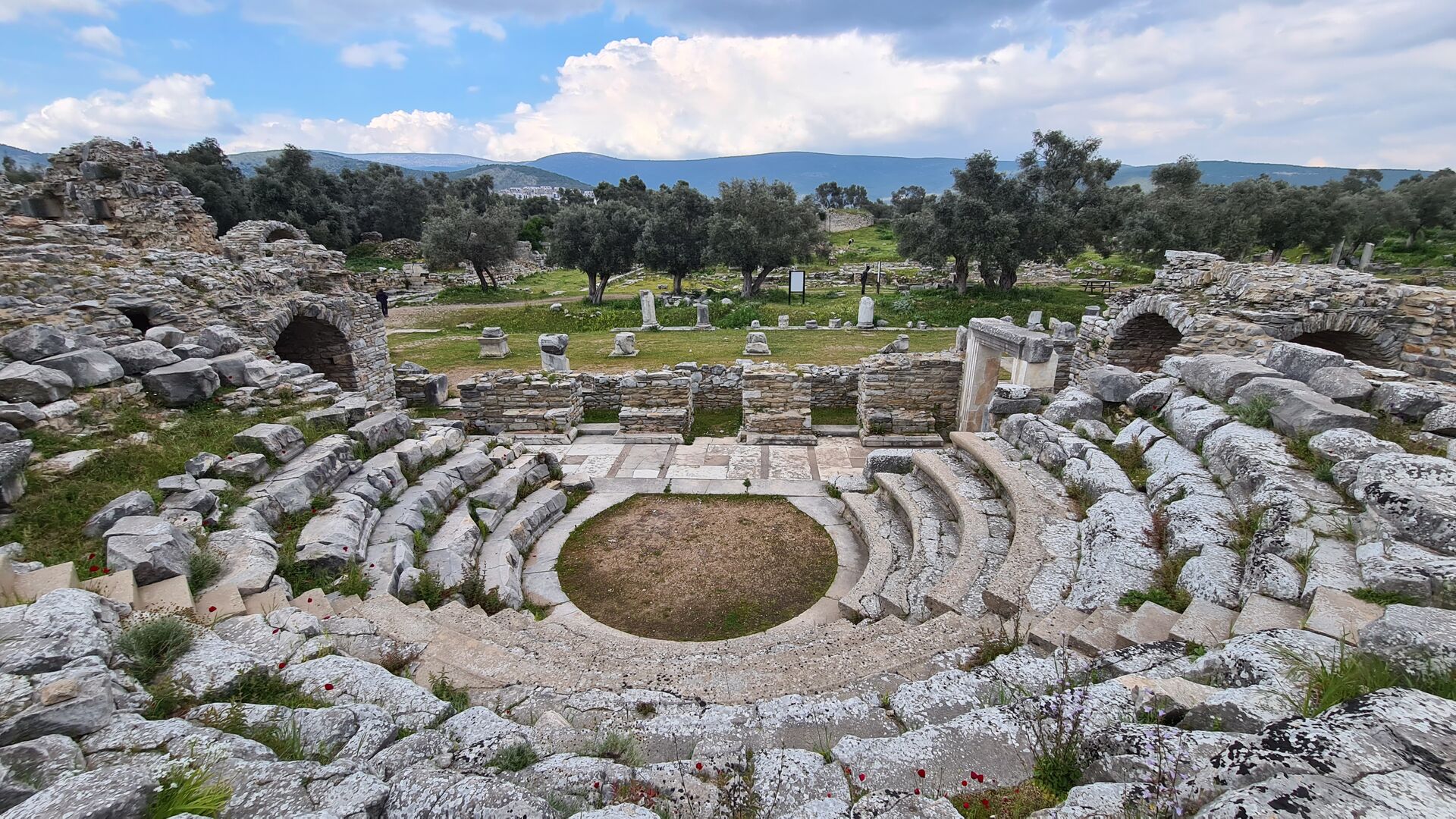
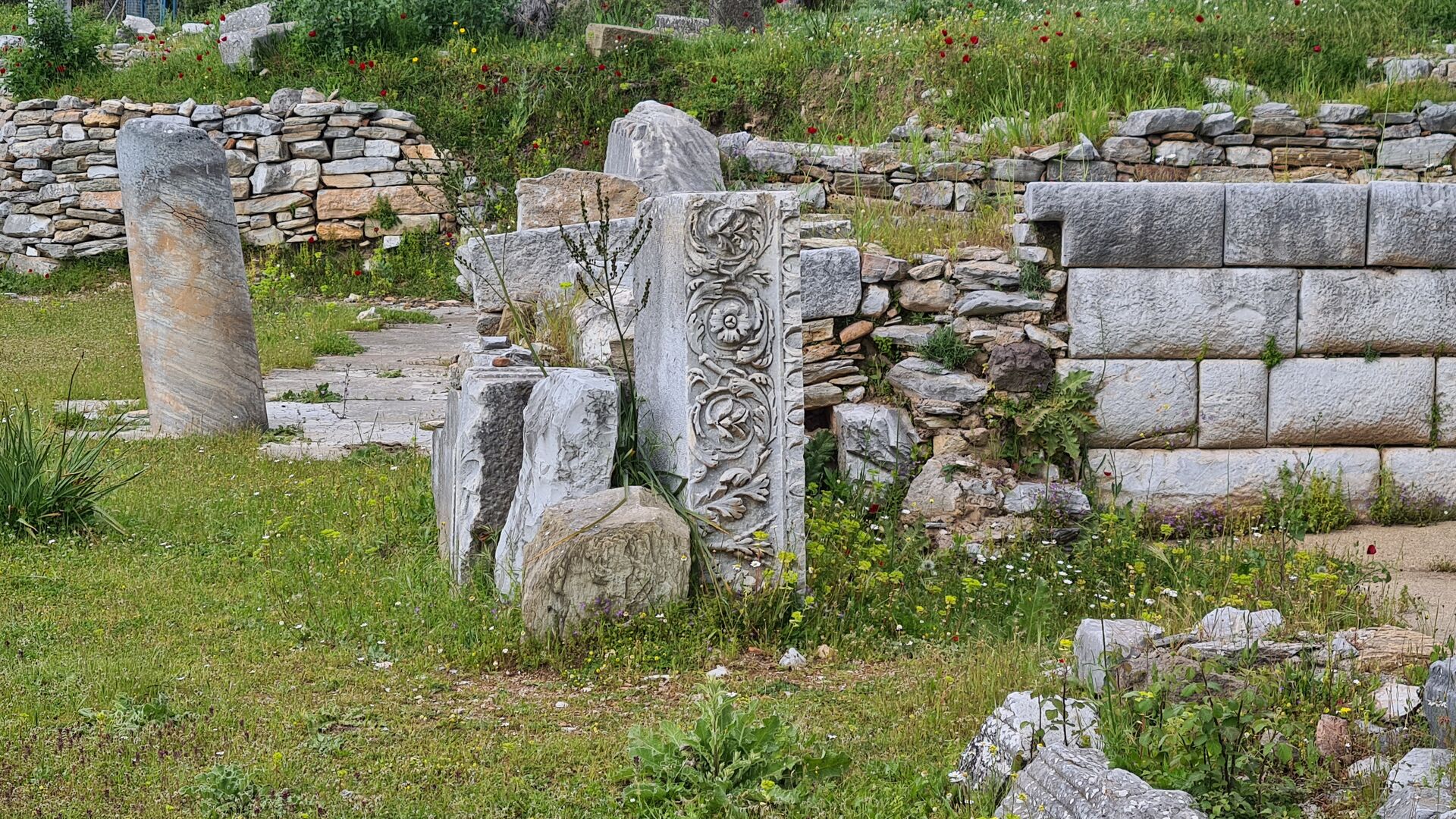
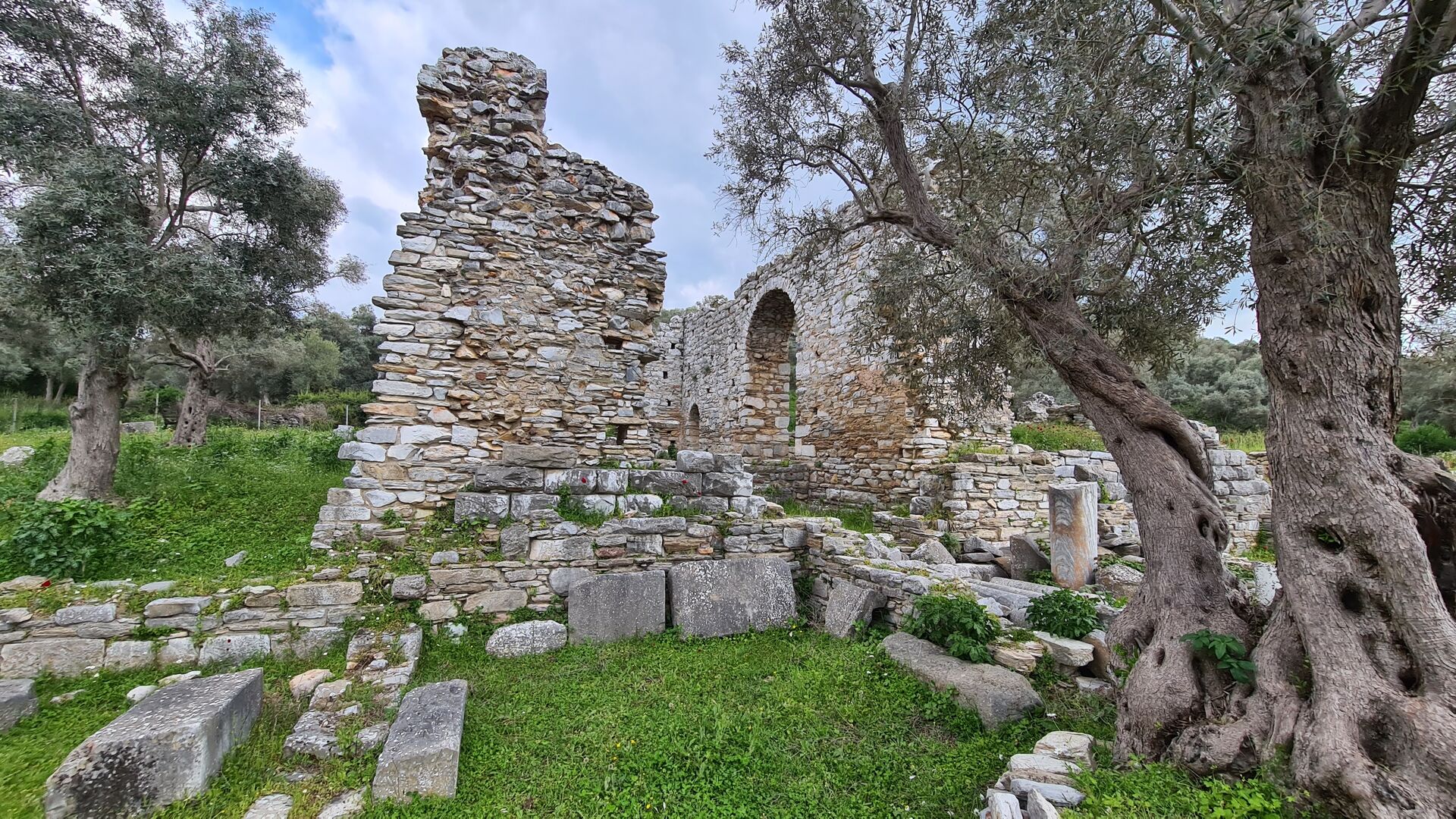
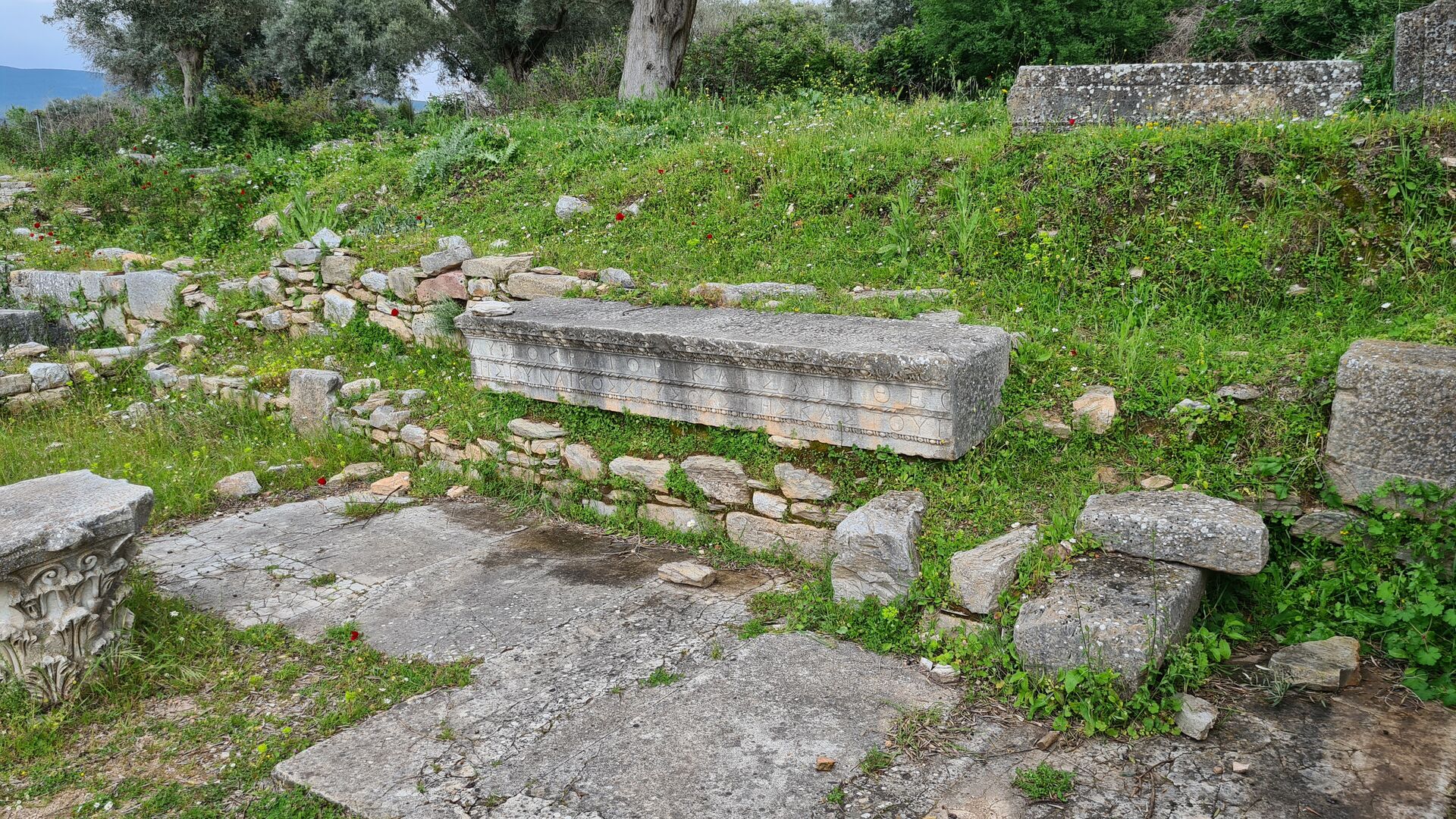
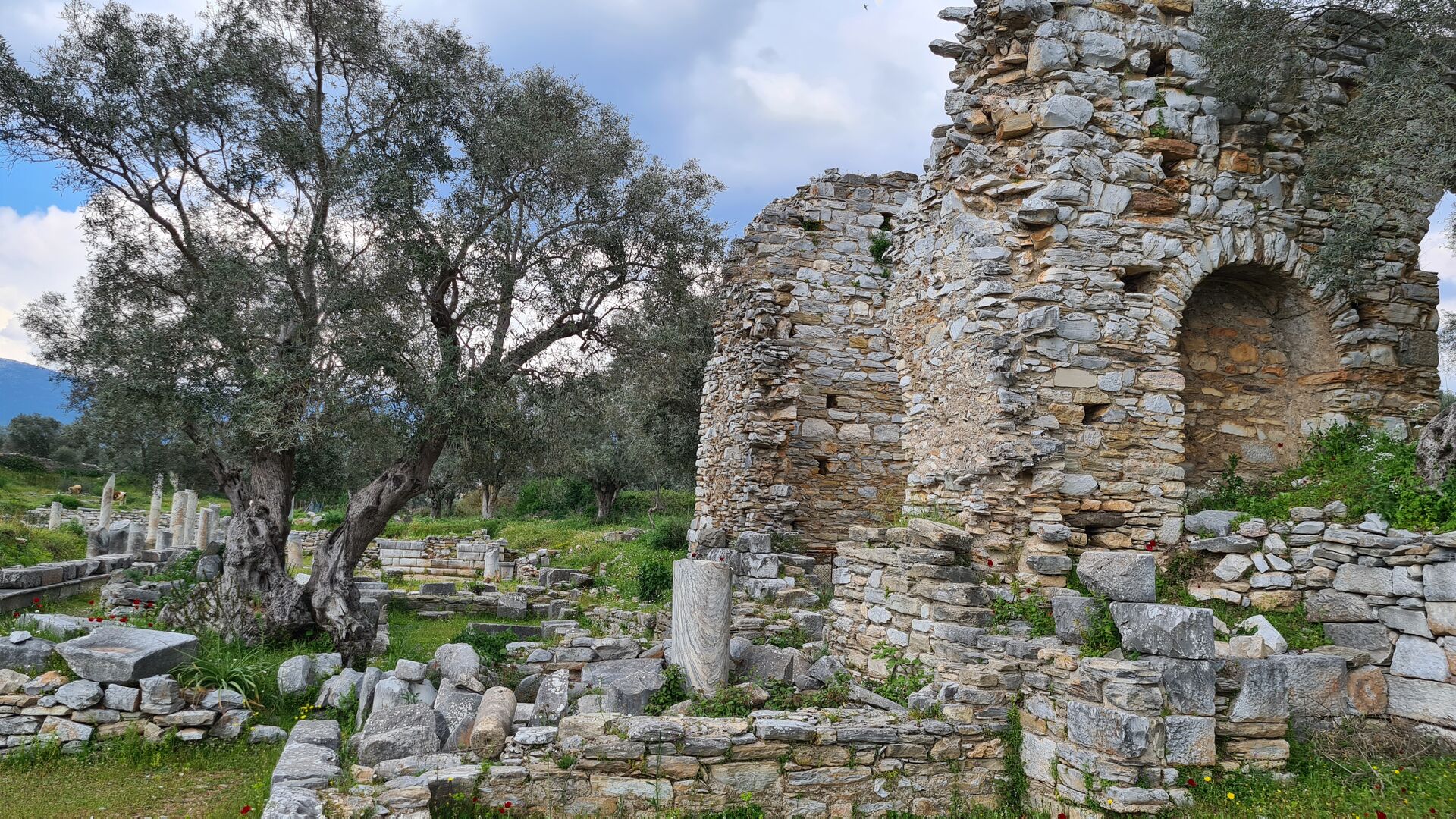
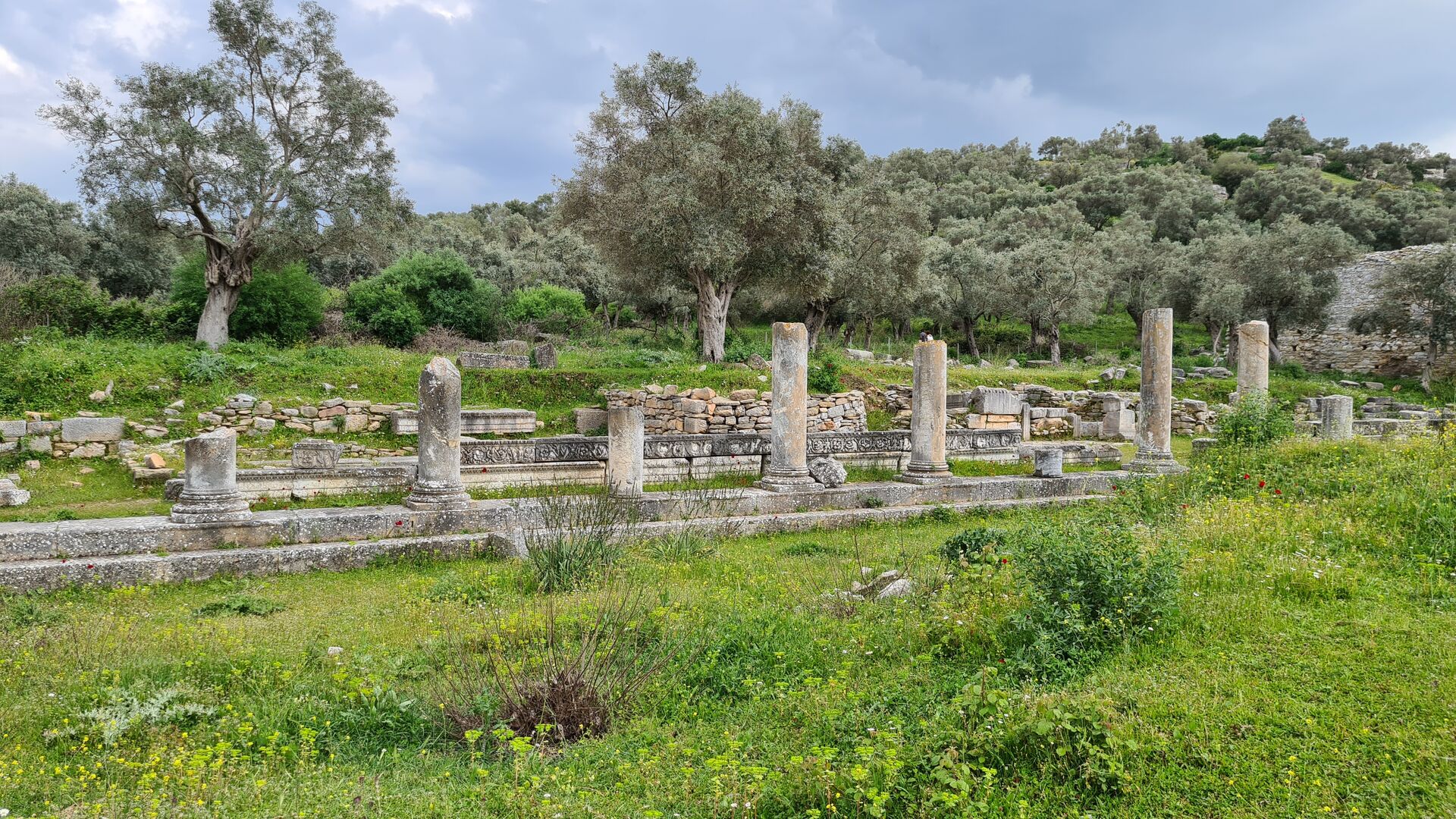
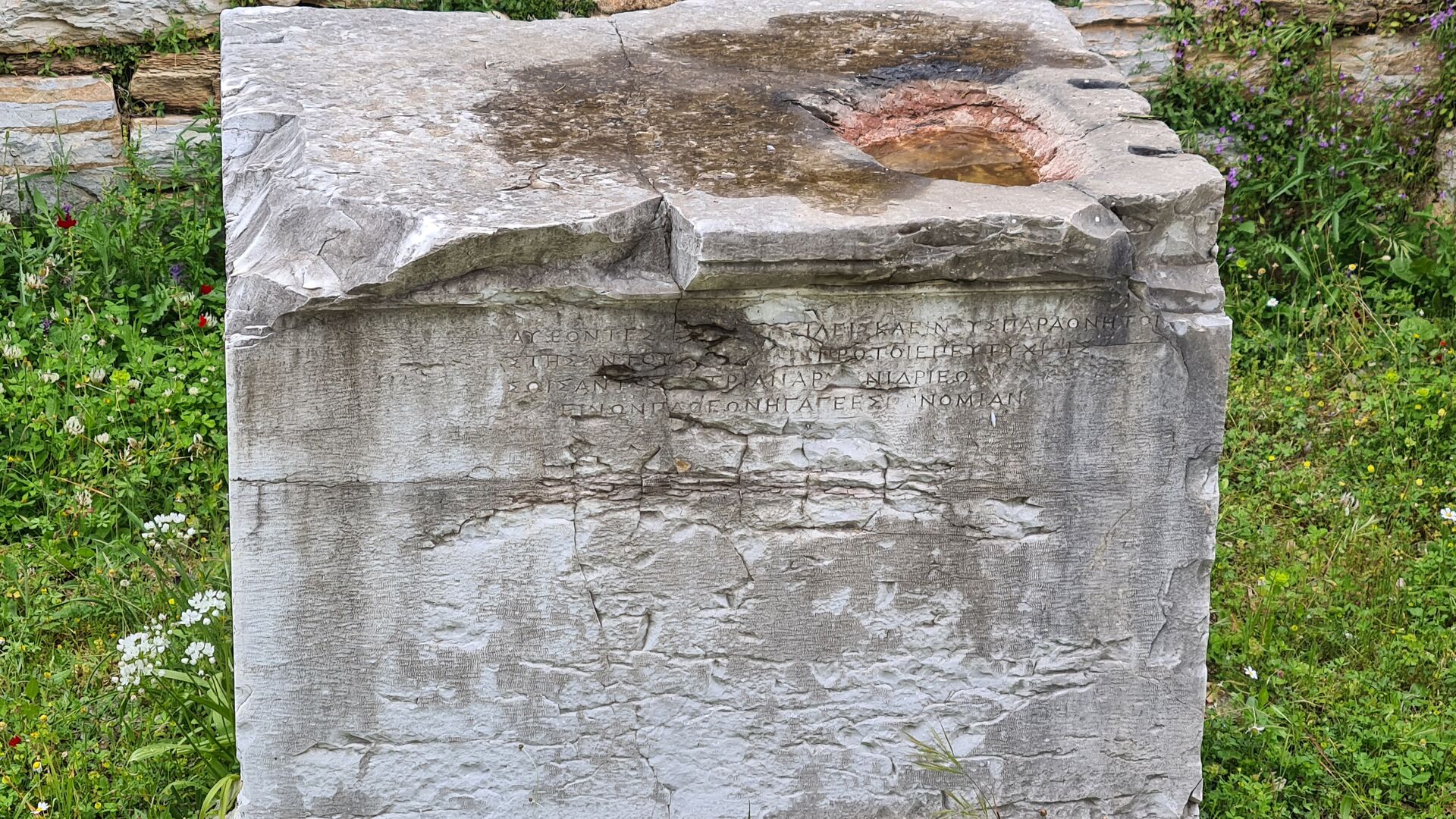
Didim is closely associated with the ancient city of Didyma, one of the most important religious centers of the ancient Greek world. Didyma was famous for the Temple of Apollo, which functioned as a major oracle site rivaling Delphi.
The sanctuary of Apollo at Didyma dates back to at least the 8th century BCE and reached its peak during the Hellenistic and Roman periods. The site was connected to the ancient city of Miletus by a sacred road, emphasizing its religious and cultural importance.
Following periods of decline during late antiquity and the early medieval era, the area became sparsely populated. Under Byzantine, Seljuk, and Ottoman rule, Didim remained a small settlement. Modern development began in the 20th century, particularly after improved transportation links and growing interest in coastal tourism. Archaeological excavations in Didyma brought international recognition to the area.
Geology
Didim’s geology reflects the broader geological structure of the Aegean region, which is characterized by tectonic activity, fault systems, and coastal processes. The peninsula consists mainly of sedimentary rocks, including limestone and marl, shaped by erosion and seismic movement.
The Büyük Menderes River delta to the north has deposited fertile alluvial soils over thousands of years, influencing settlement patterns and agricultural use. Coastal erosion and sediment accumulation have shaped Didim’s beaches, bays, and rocky headlands.
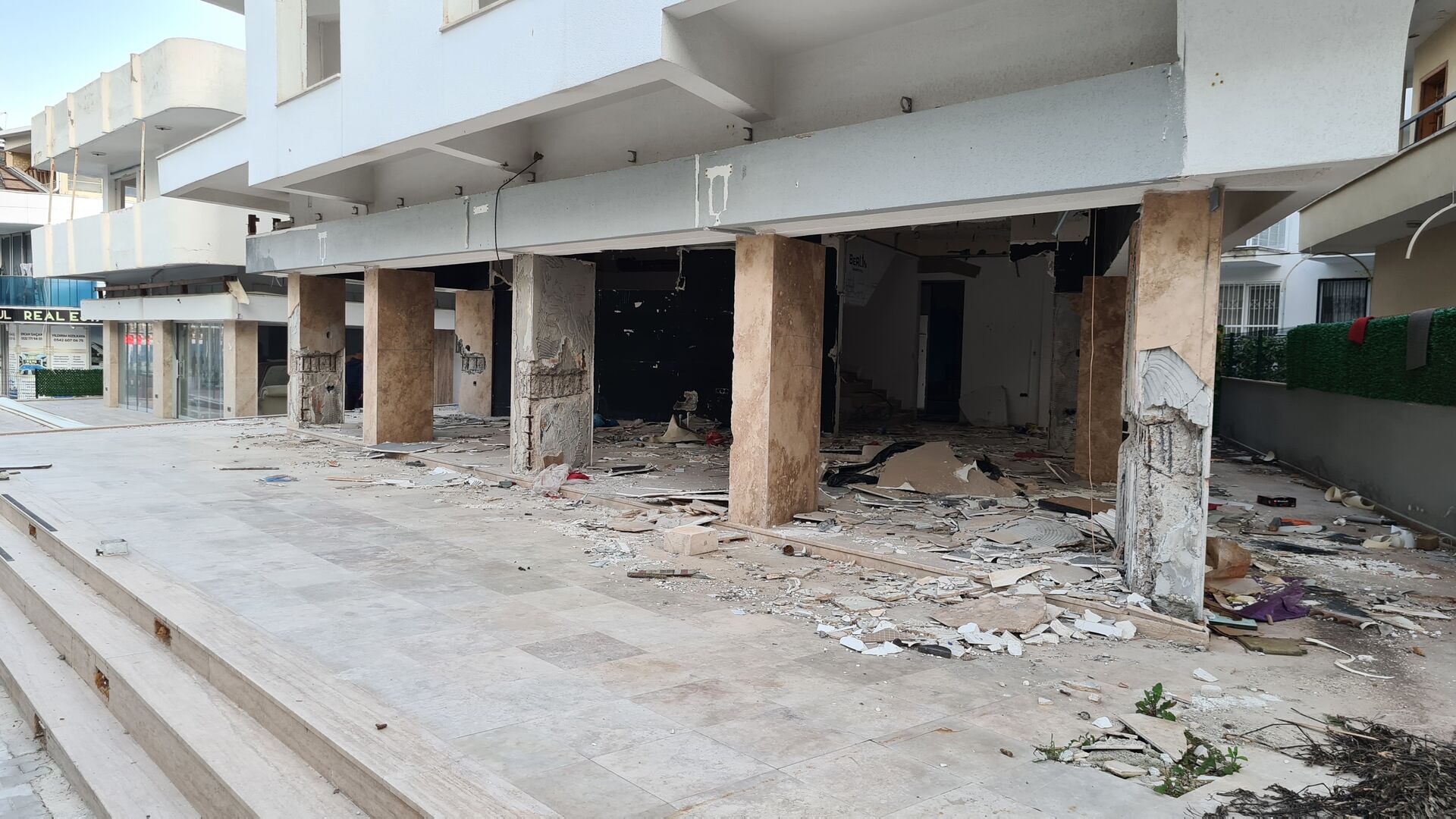
The region’s geology also explains the presence of thermal springs and seismic activity, which have influenced both ancient religious practices and modern land-use planning.
Things to See
Didim offers a wide range of attractions combining archaeology, natural landscapes, and modern coastal life:
Historical and Archaeological Sites
- Temple of Apollo at Didyma, one of the largest temples of the ancient world
- Sacred Road connecting Didyma to ancient Miletus
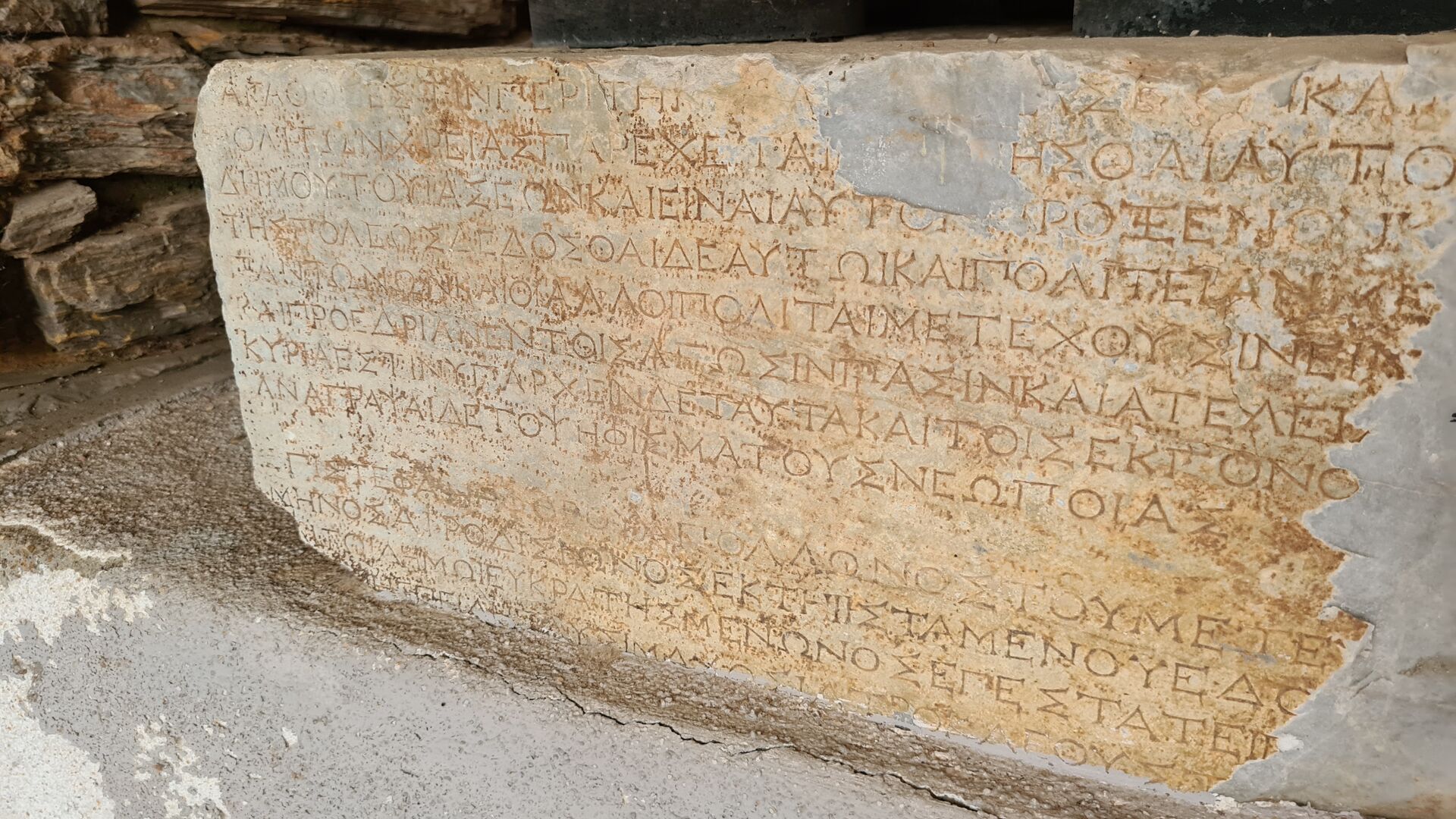
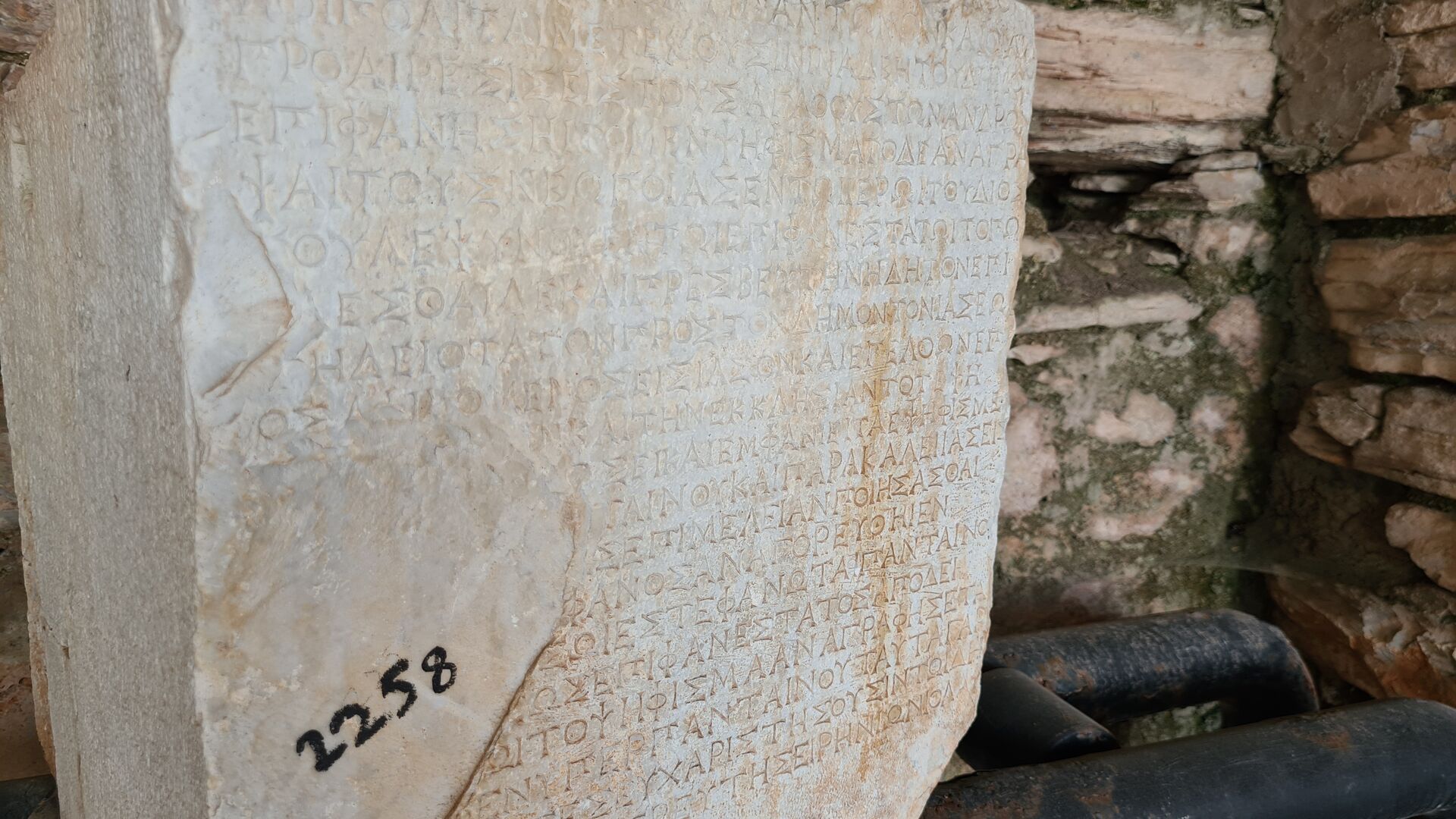
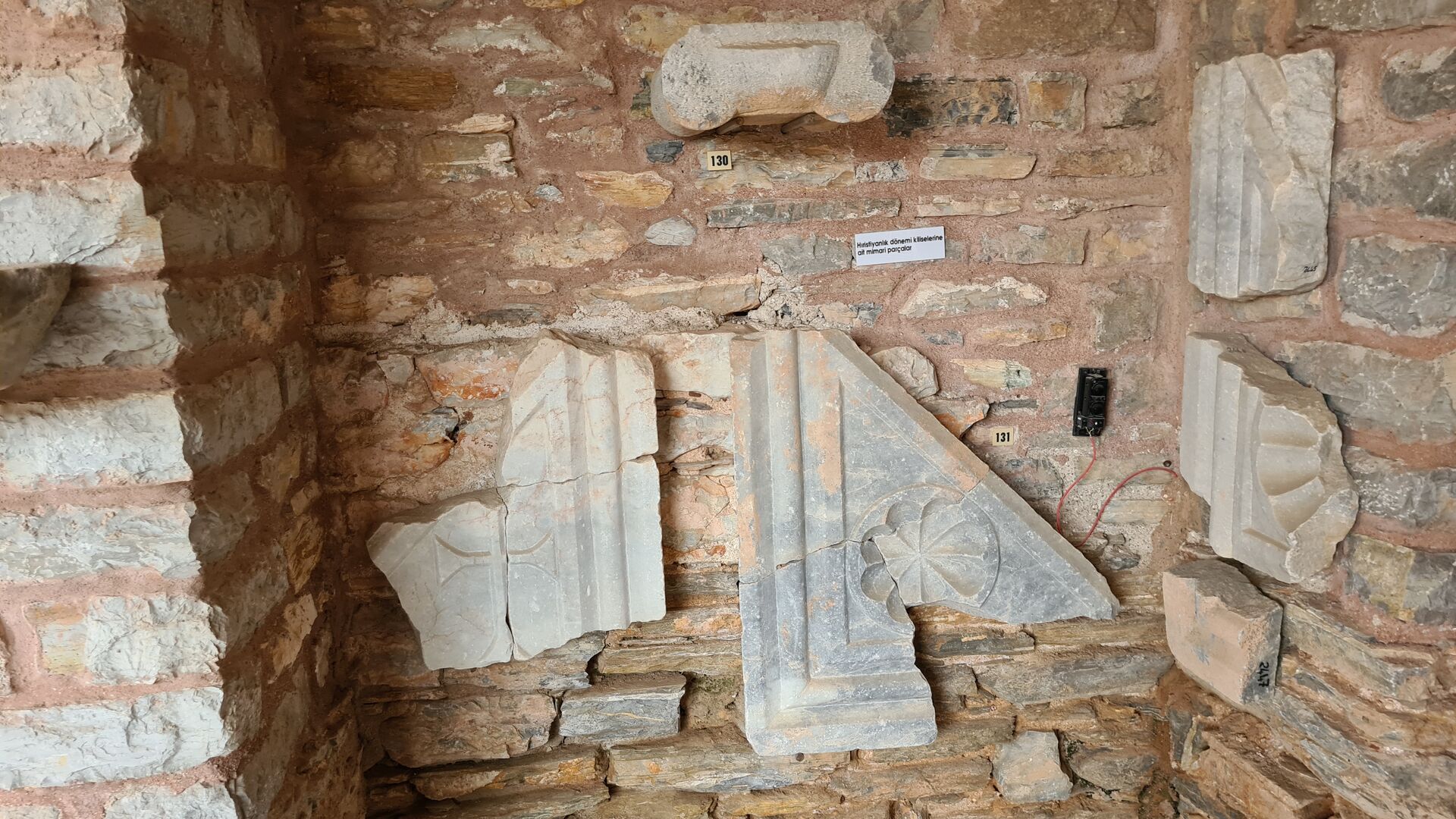
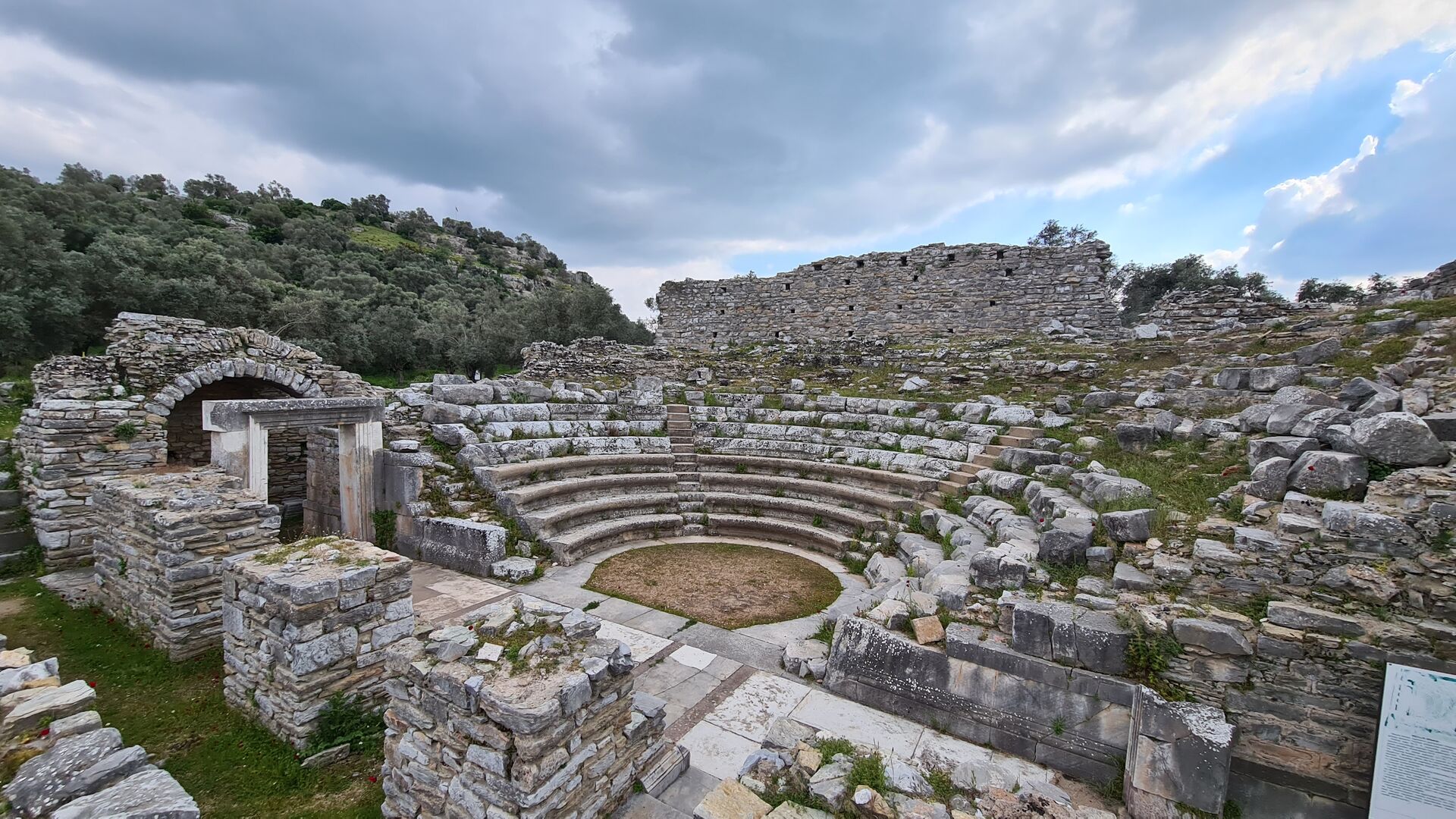
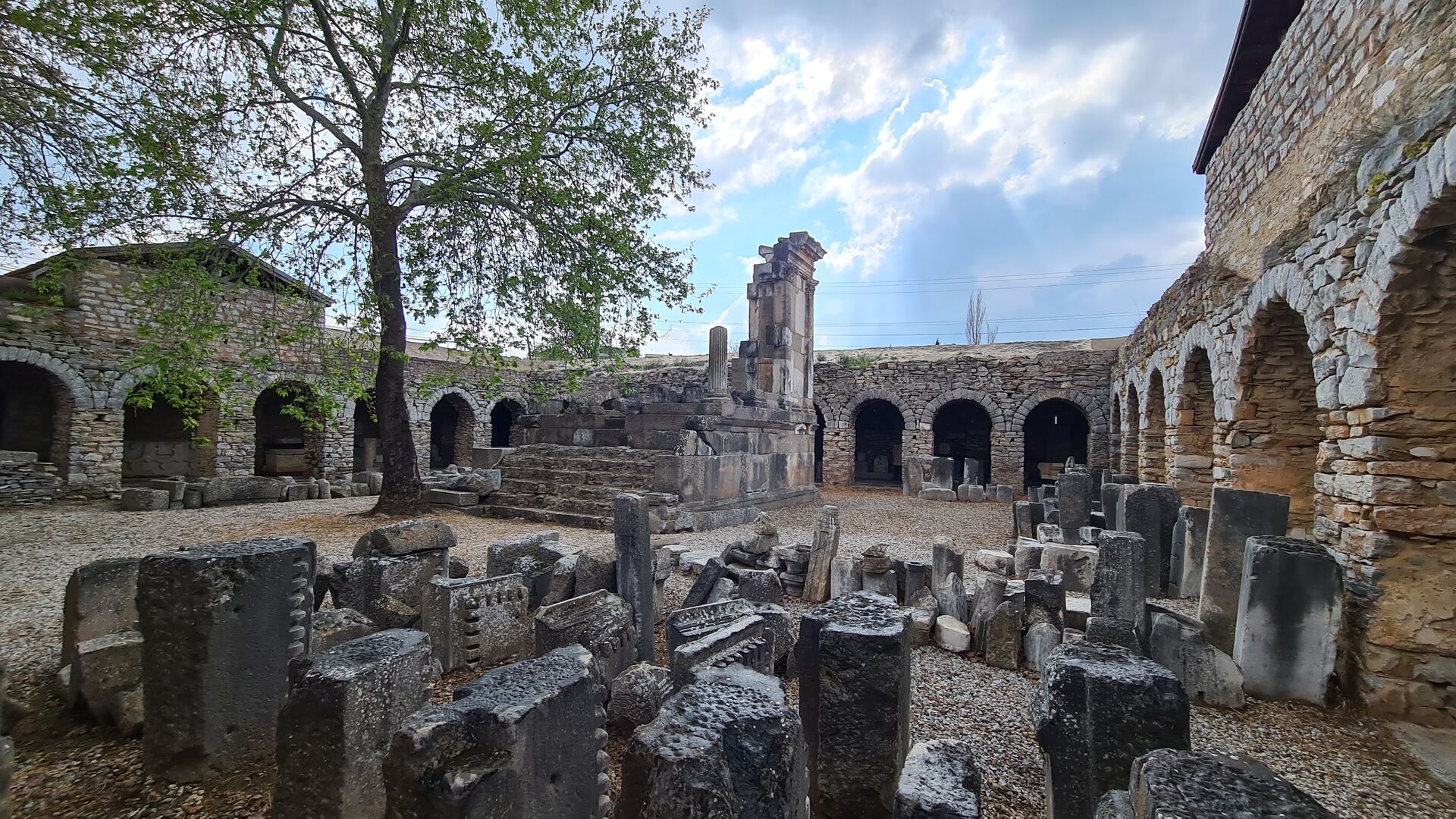
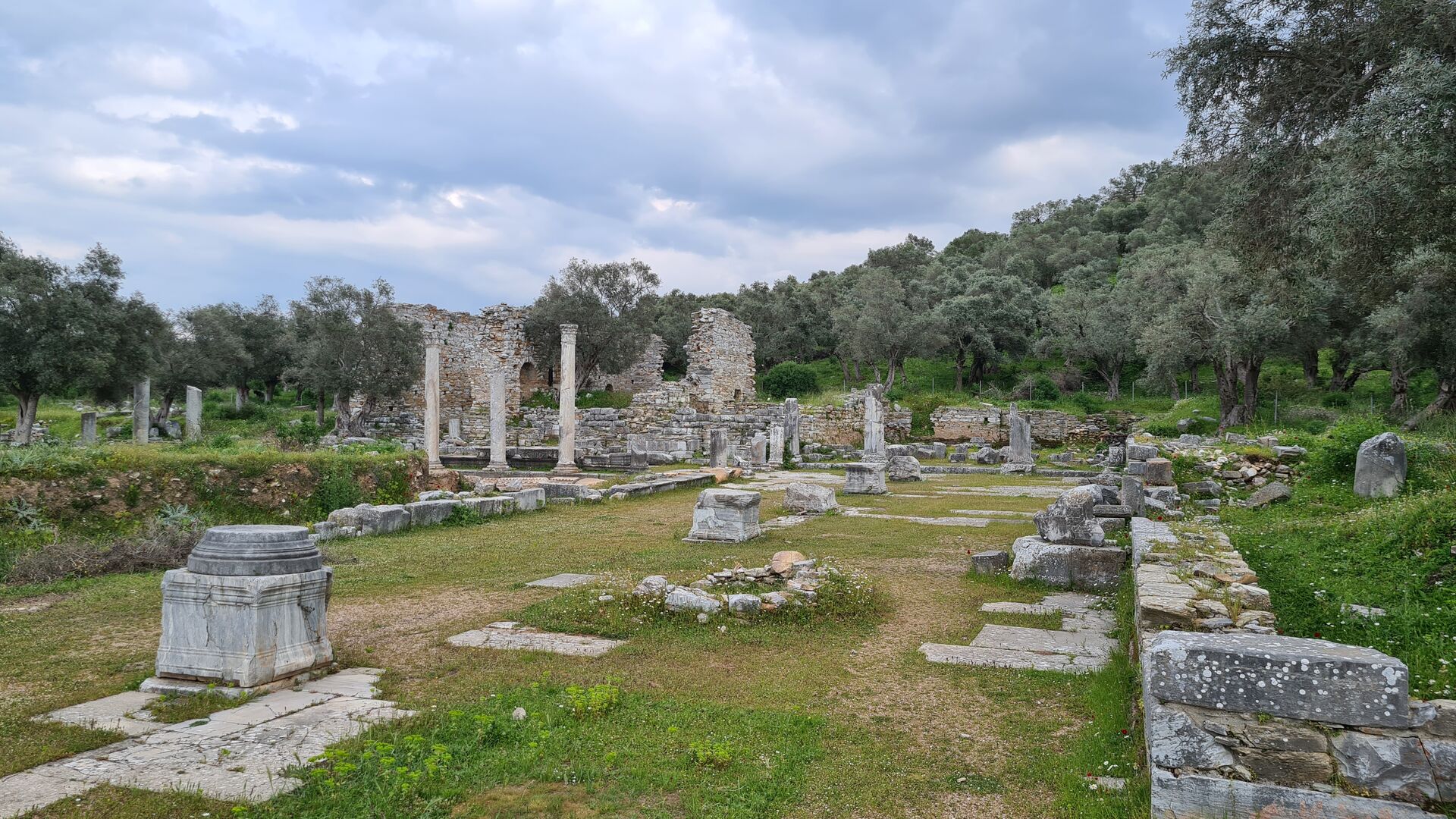
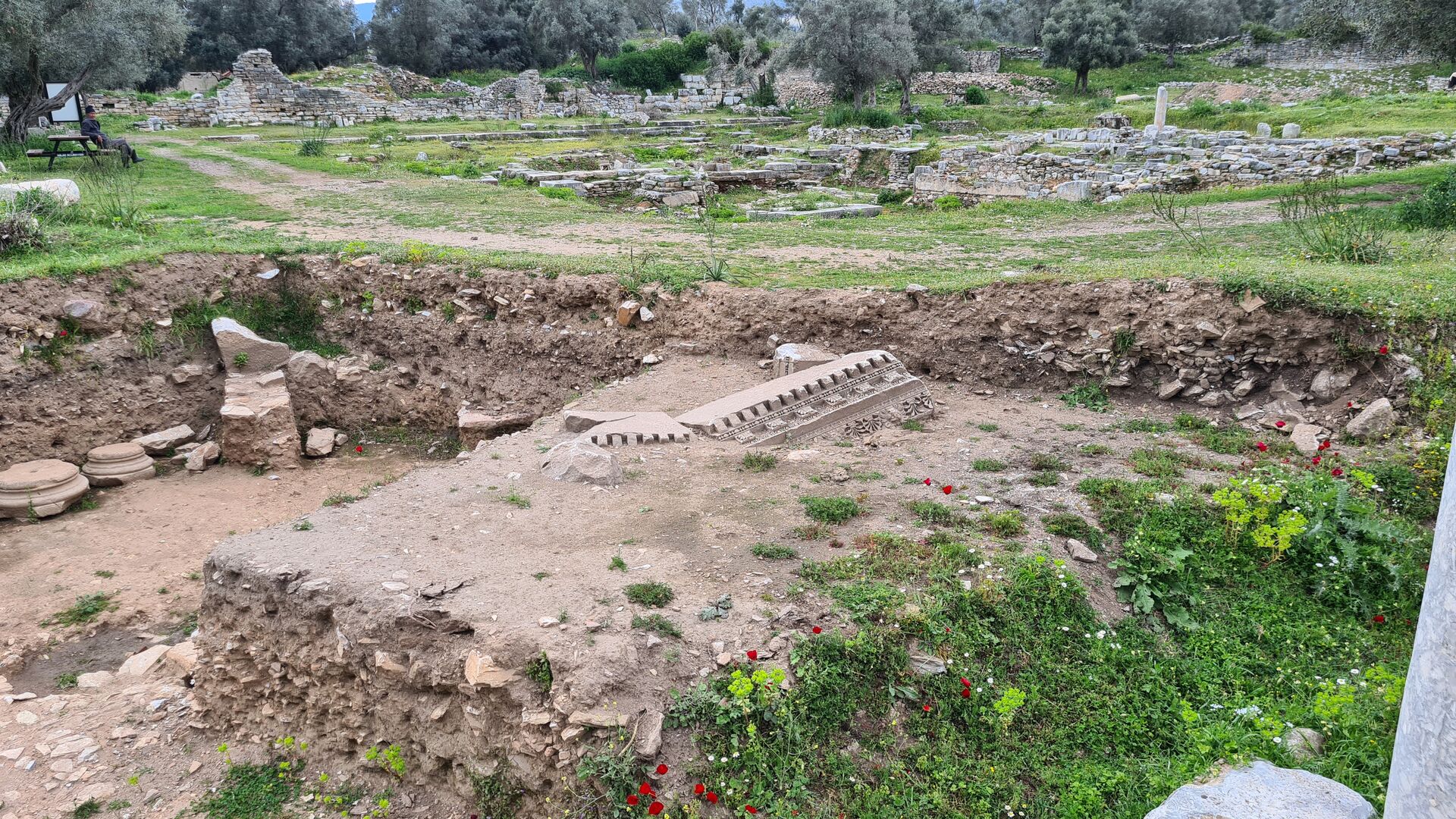
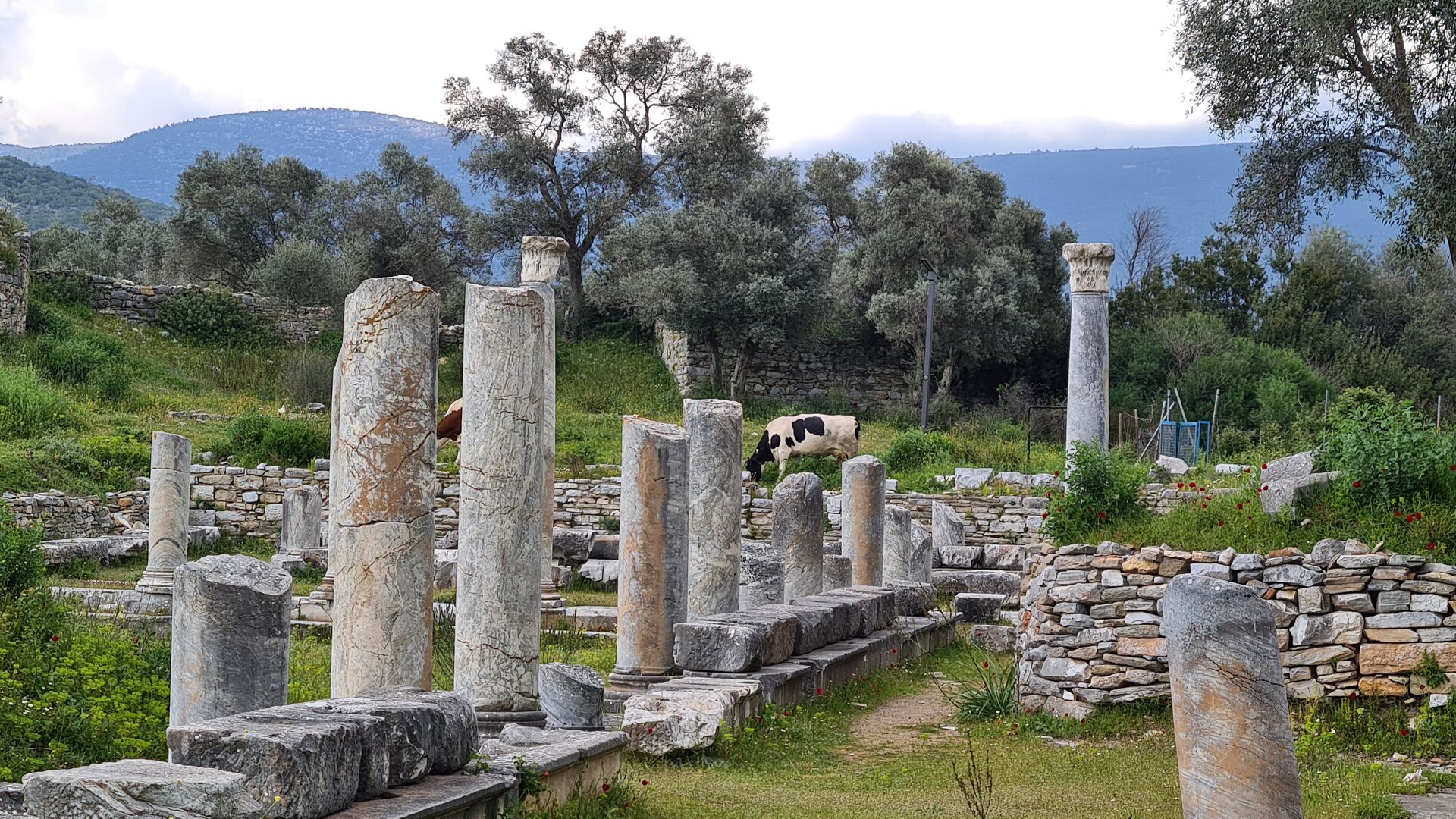
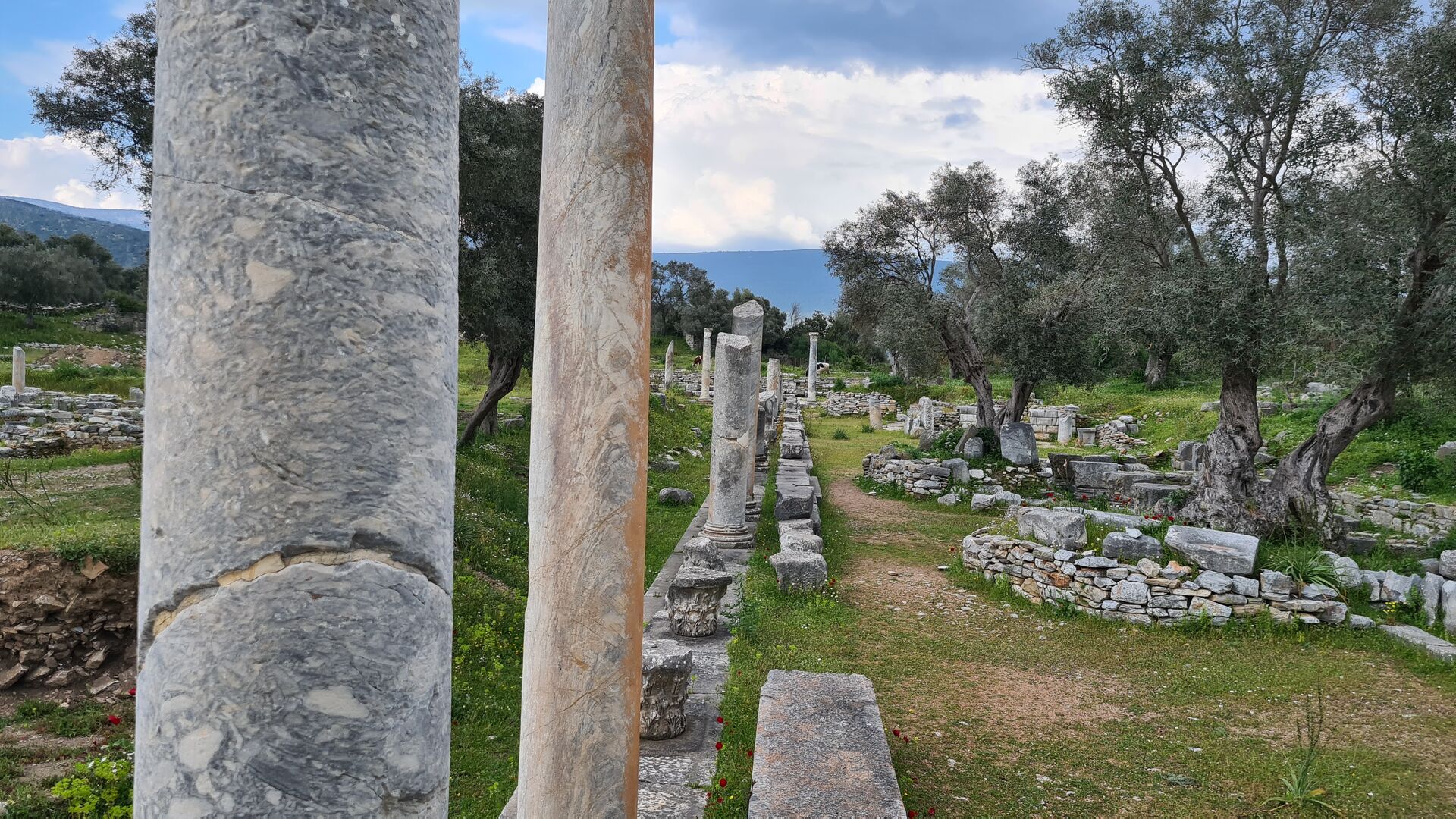
- Archaeological remains of ancient settlements in the region
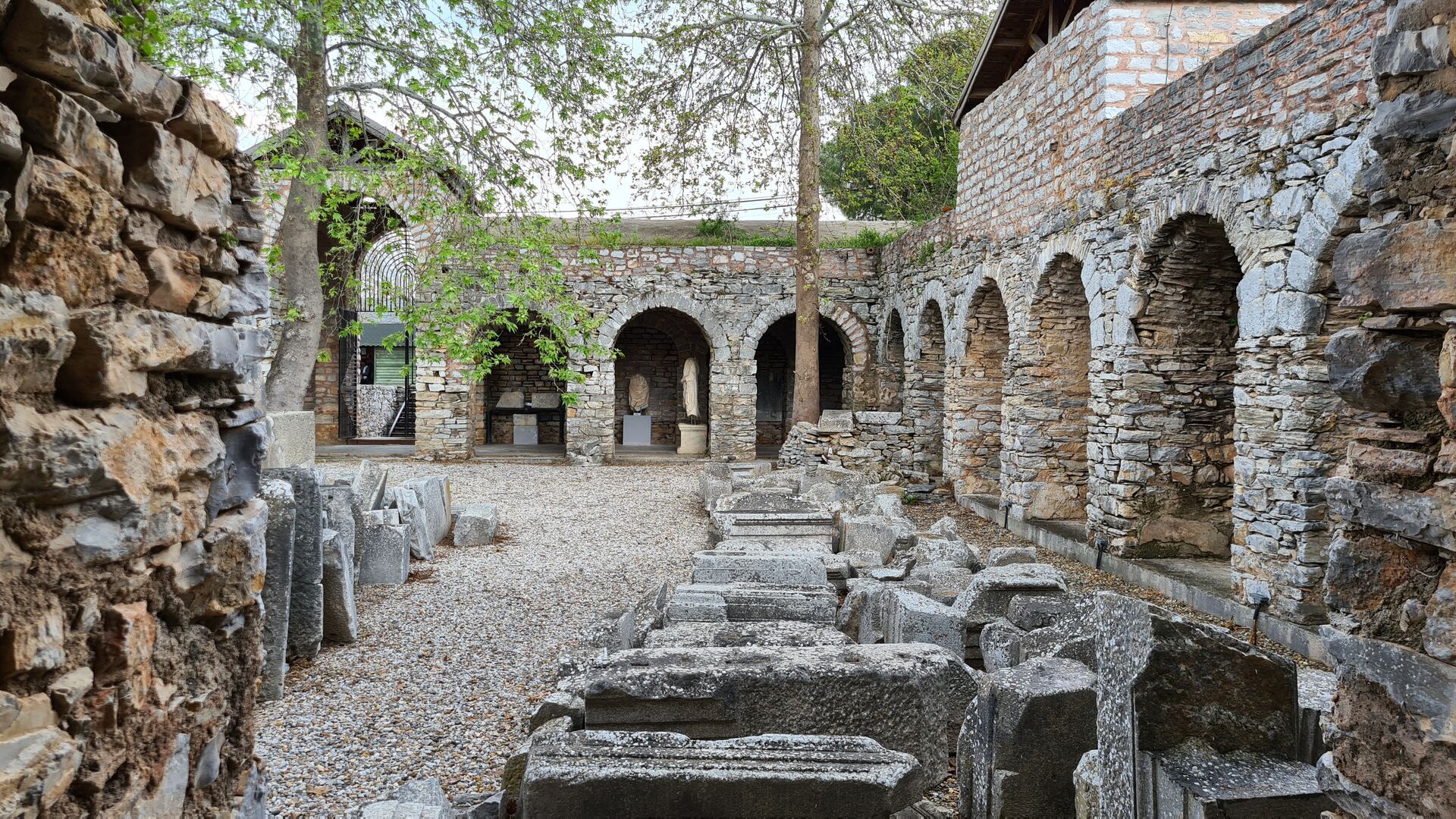
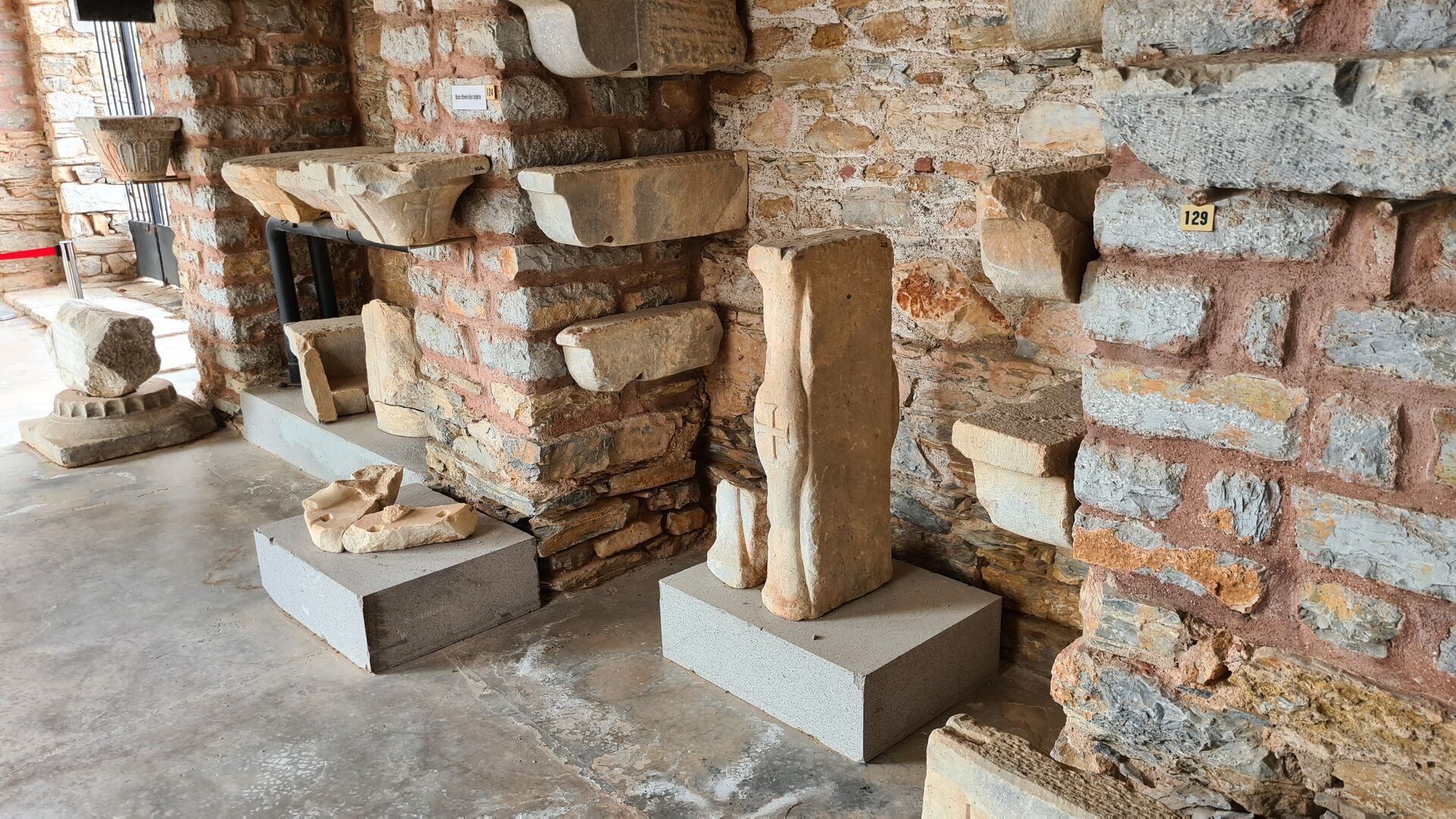
- Local museums and visitor centers
Natural and Coastal Attractions
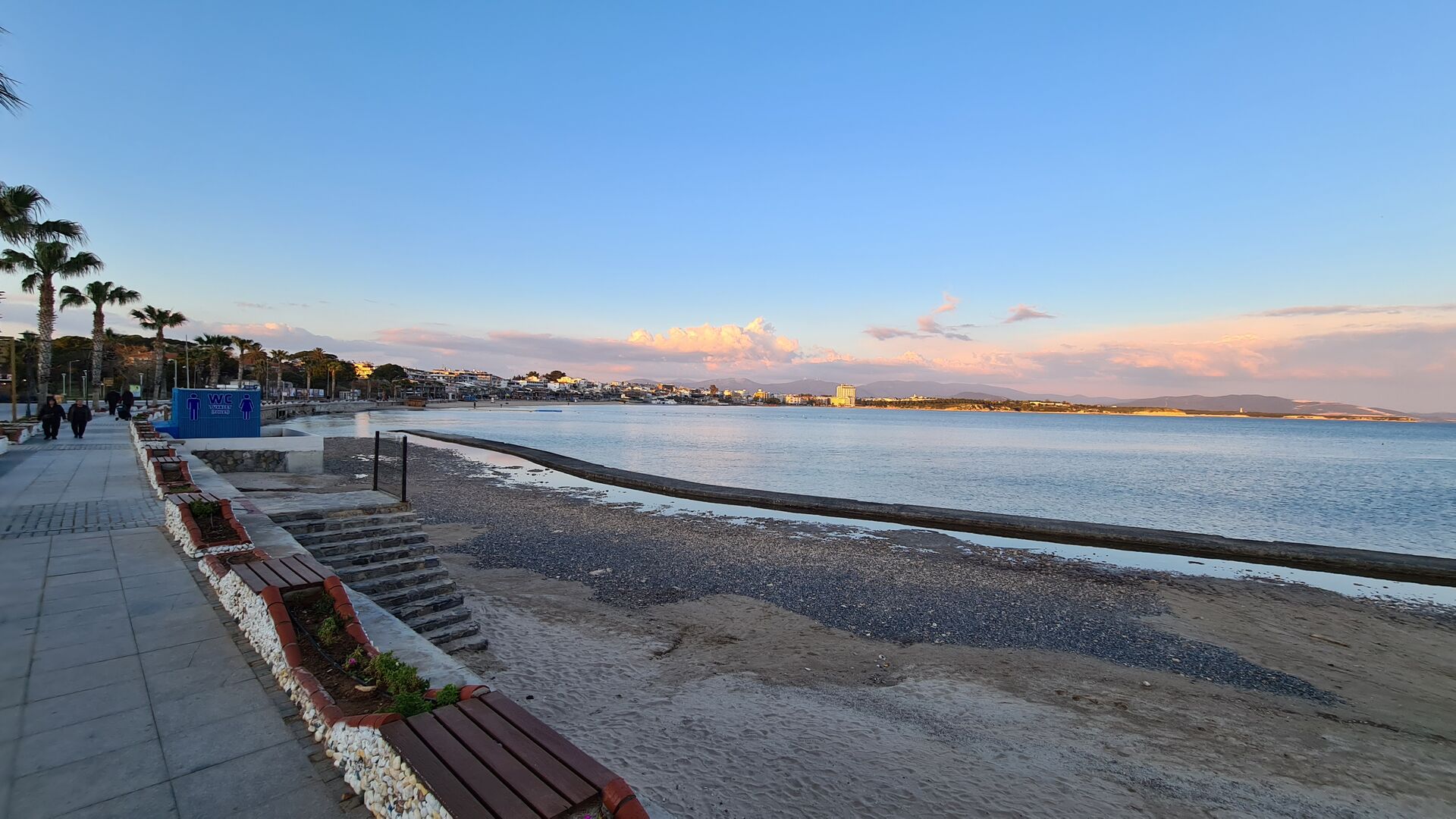
- Altınkum Beach, known for its fine sand and shallow waters
- Akbük Bay, surrounded by hills and pine forests
- Mavişehir promenade and sunset viewpoints
- Nearby access to the Büyük Menderes delta wetlands
Urban Life and Activities
- Marina and waterfront areas
- Restaurants offering Aegean cuisine and seafood
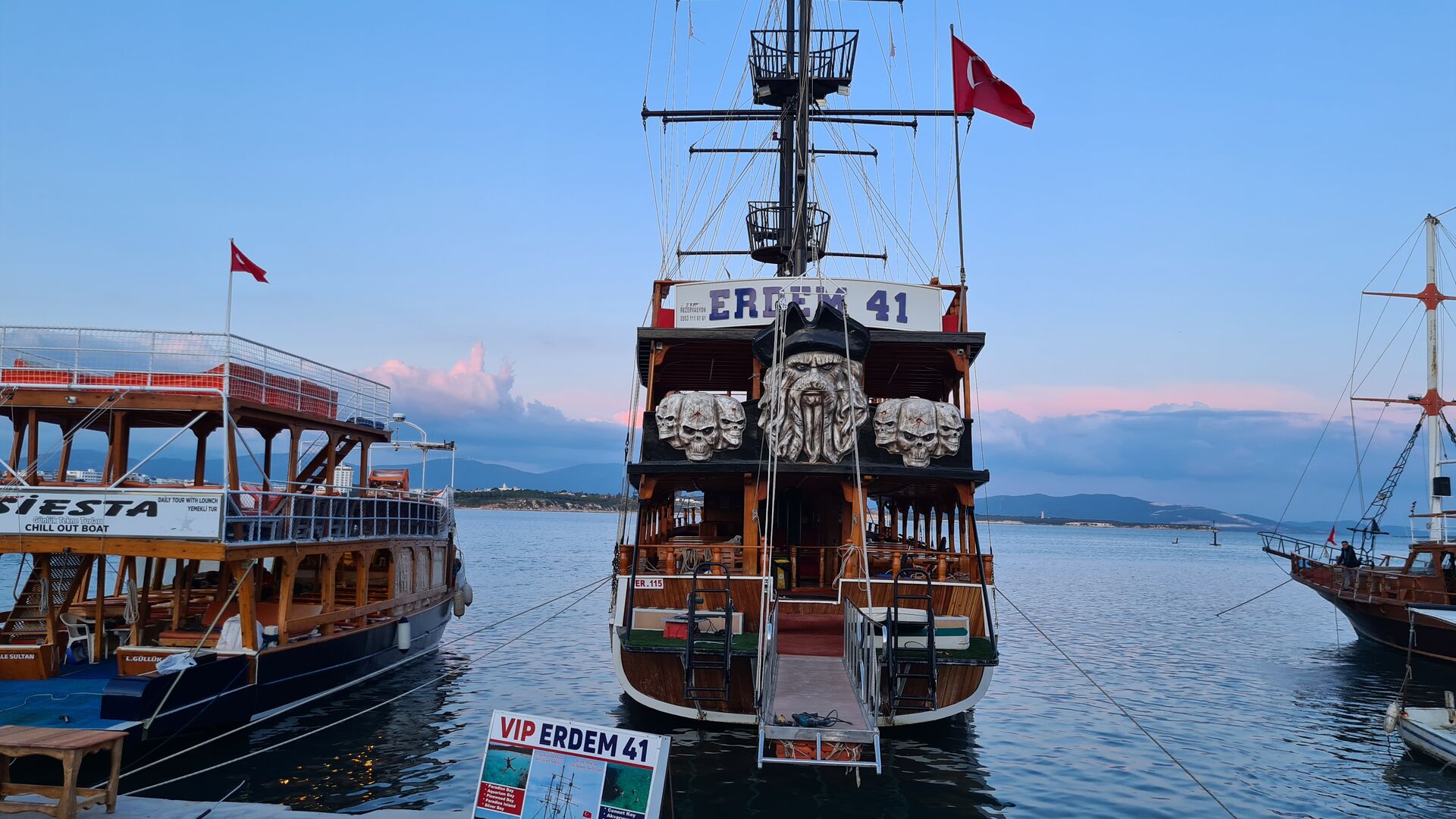
- Boat tours, water sports, and coastal walks
- Local markets and seasonal festivals