Didim is a coastal town and district in Aydın Province in western Turkey, located along the Aegean Sea. It occupies a strategic position between the Gulf of Güllük to the south and the Büyük Menderes River delta to the north, placing it at the center of a region rich in natural landscapes, fertile plains, and ancient settlements.
The wider Didim area includes coastal resorts such as Altınkum, Akbük, and Mavişehir, as well as rural villages, olive groves, wetlands, and low mountain ranges. Unlike many purely resort-based destinations, Didim is closely connected to its surrounding countryside and historical hinterland, offering a mix of coastal life, agriculture, and cultural heritage.
Didim has a Mediterranean climate with long, hot summers and mild winters. Tourism is a major economic activity, but agriculture remains significant in the surrounding region, particularly olive cultivation, fig production, and small-scale farming. The area has become increasingly attractive for long-term visitors and residents due to its climate, natural diversity, and relatively low density compared to major tourist centers.
History
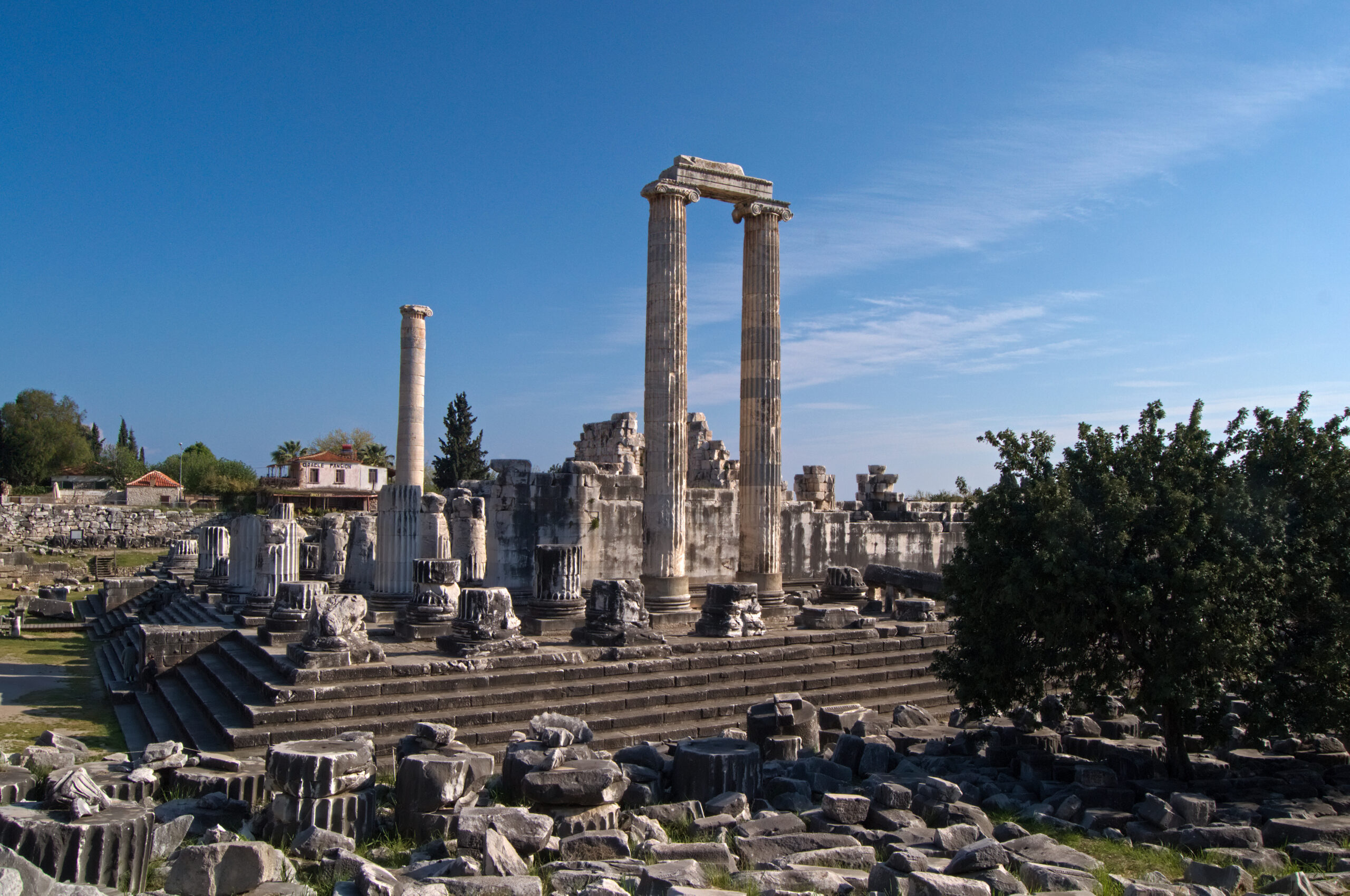
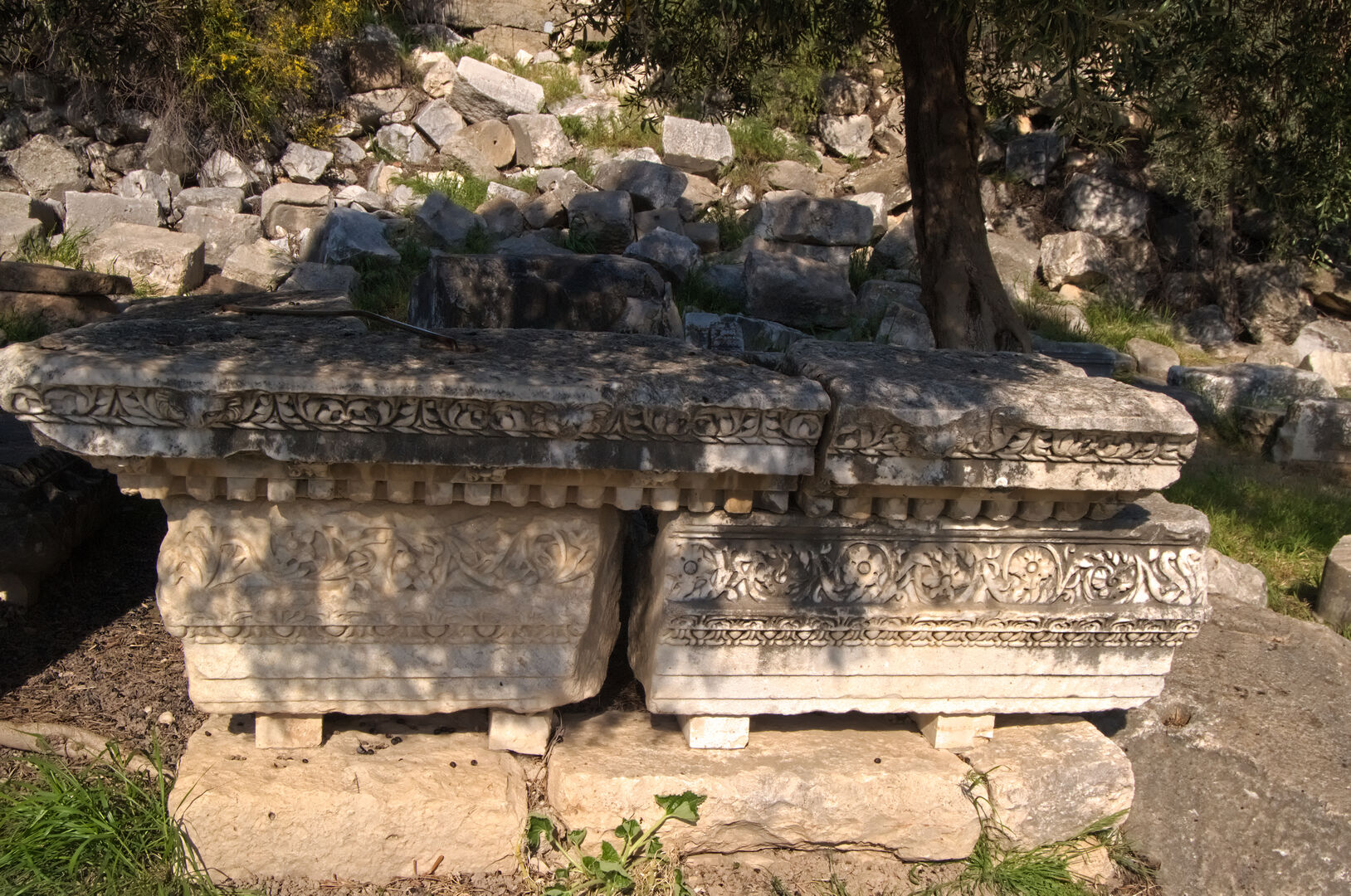
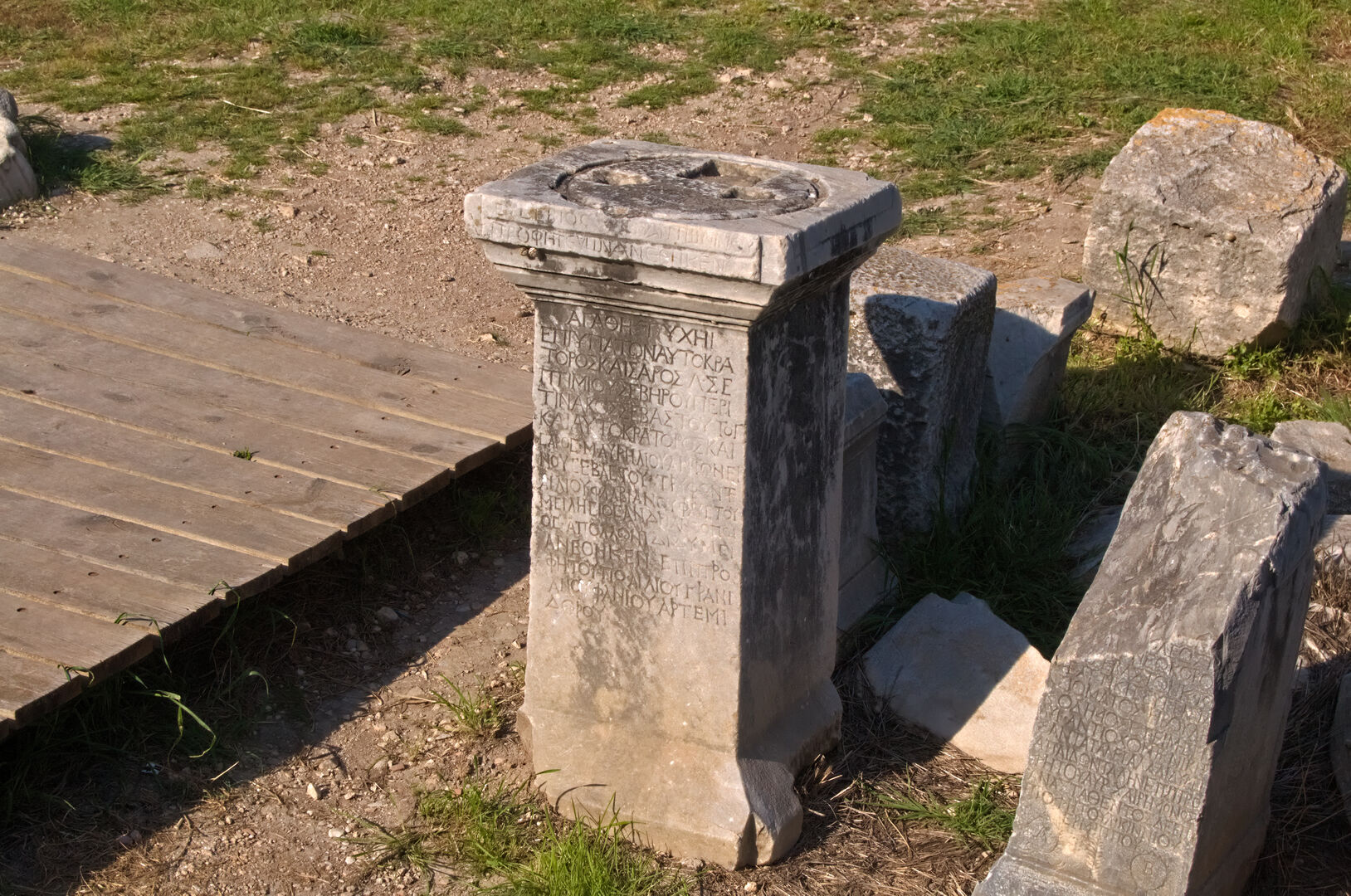
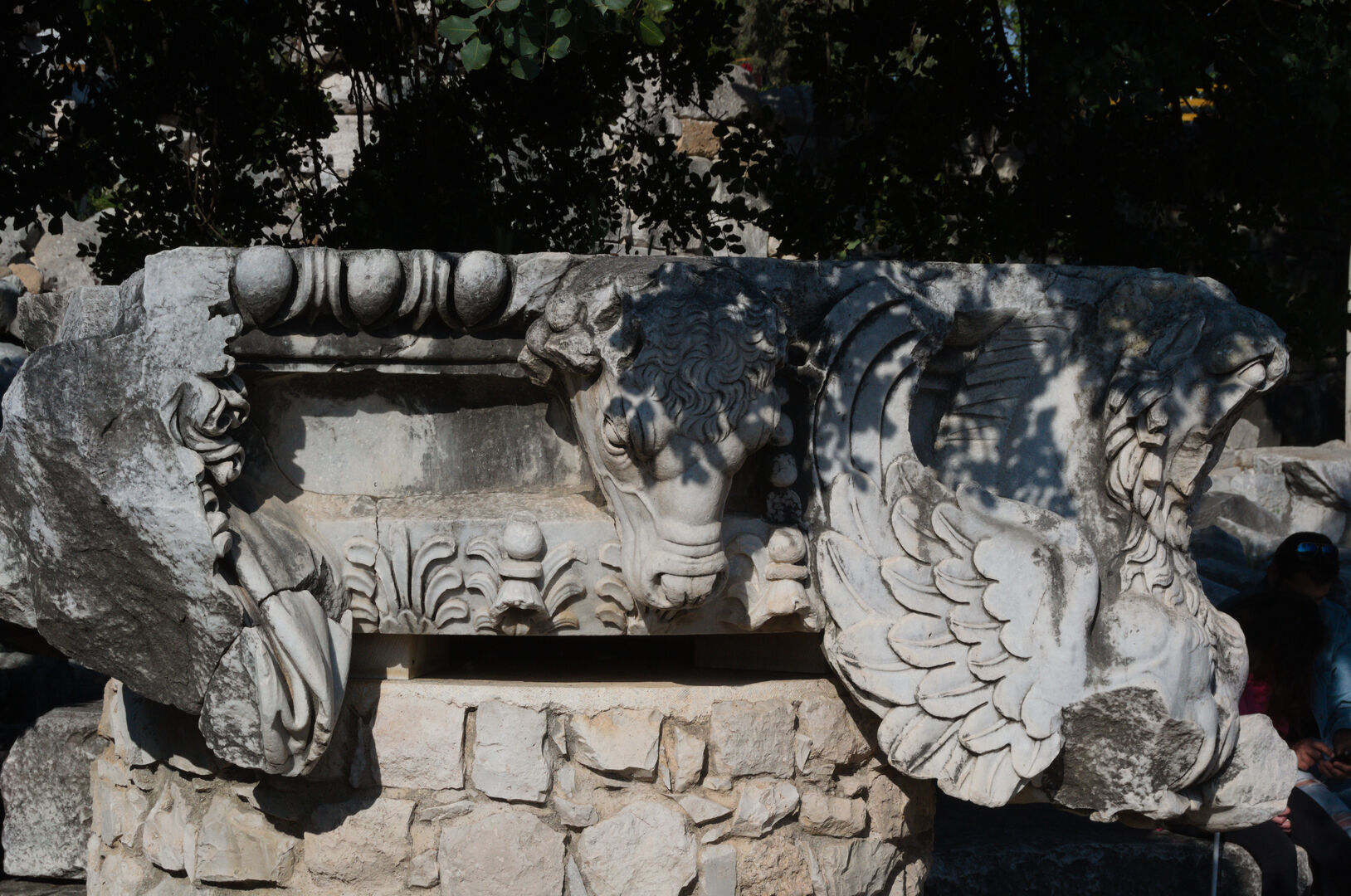
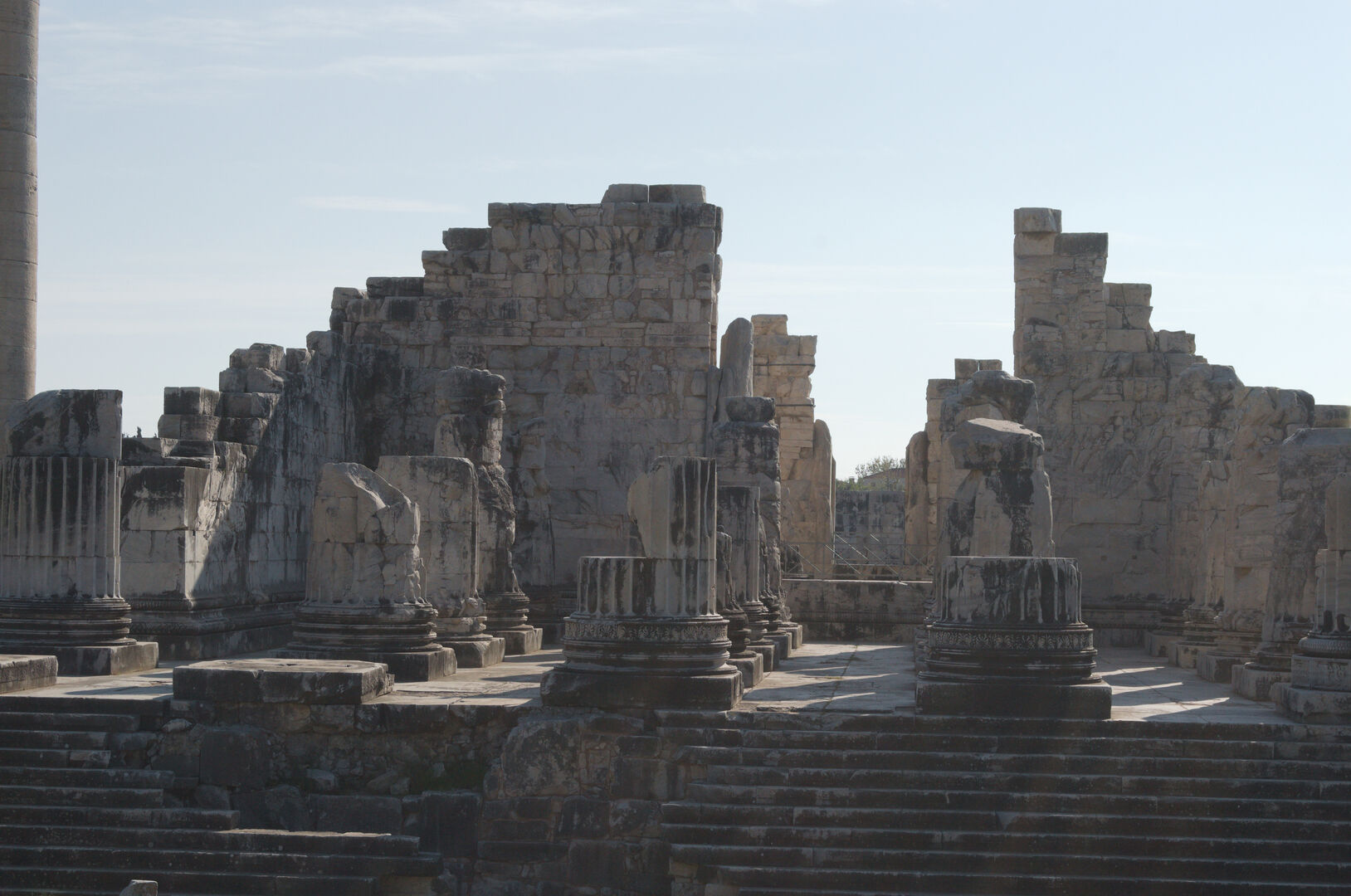
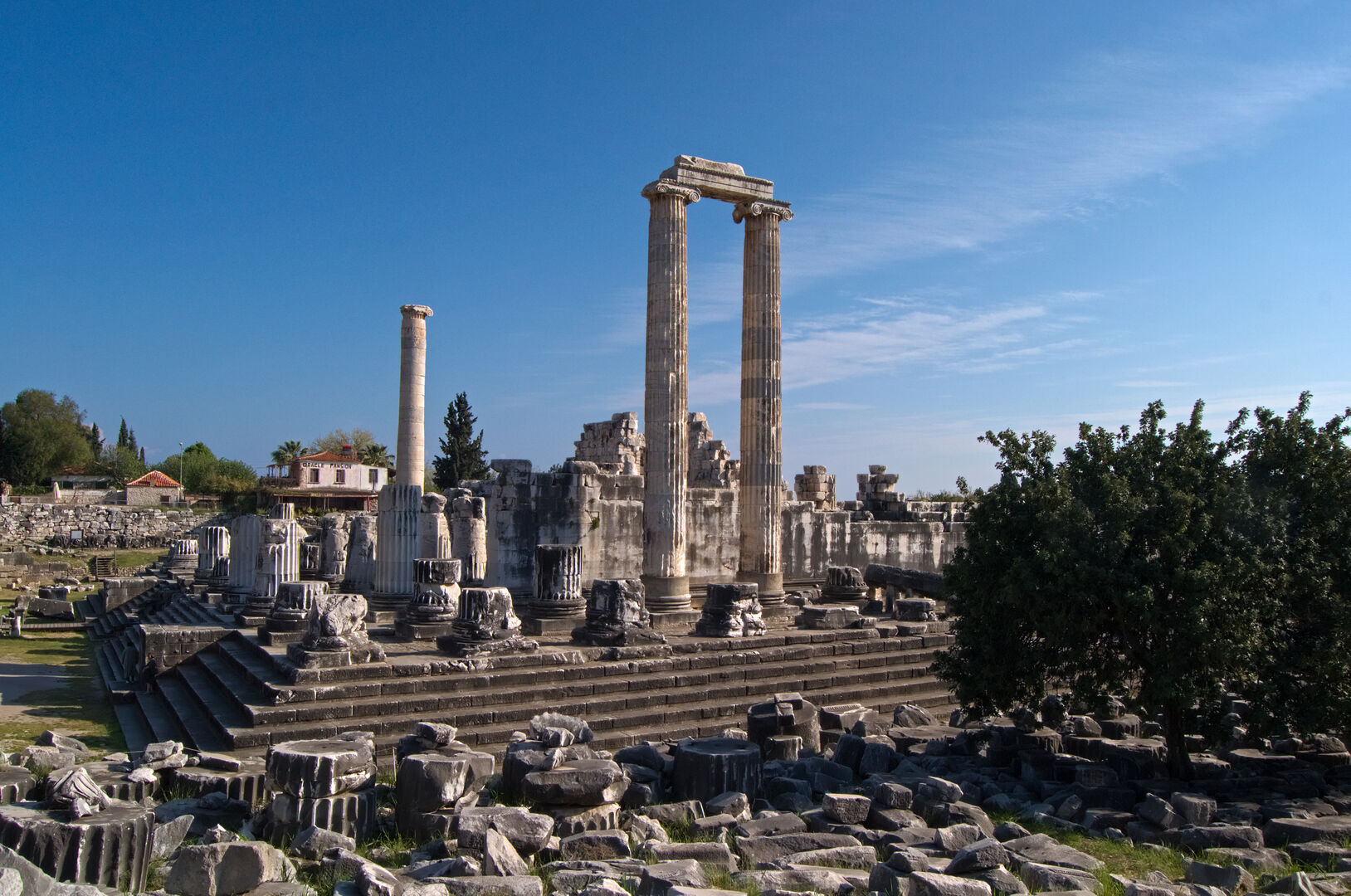
Didim’s historical importance is inseparable from its surrounding ancient landscape. The area is dominated by the sanctuary of Didyma, home to the Temple of Apollo, one of the most influential oracle centers of the ancient Greek world. Didyma was not an independent city but a sacred site closely connected to the nearby ancient metropolis of Miletus.
The Sacred Road linking Didyma to Miletus passed through agricultural land and smaller settlements, highlighting the integrated nature of the region in antiquity. Miletus itself was one of the most powerful cities of ancient Ionia, known for its philosophers, urban planning, and maritime trade.
The broader region also includes other important ancient cities such as Priene and Heraclea at Latmos, located near the slopes of Mount Mycale and the shores of ancient Lake Bafa. These cities formed a dense cultural and economic network, shaped by changing coastlines and river deltas.
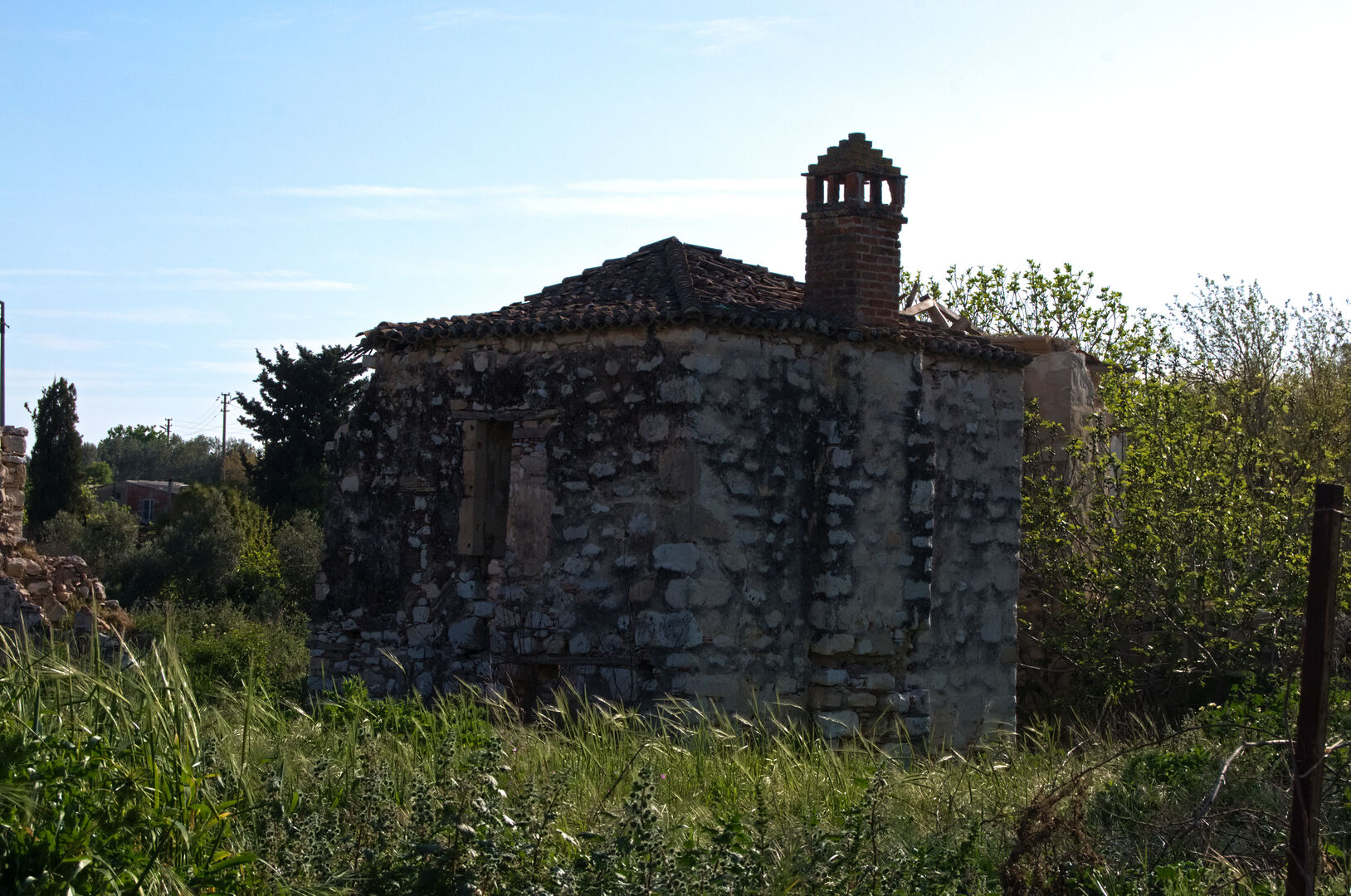
Over time, silting from the Büyük Menderes River altered the coastline, moving ancient ports inland and transforming maritime centers into agricultural landscapes. During Byzantine, Seljuk, and Ottoman periods, the region became more rural, with small settlements and farming communities. Modern Didim developed in the 20th century as coastal access improved and archaeological discoveries attracted international attention.
Geology
Didim and its surrounding region are part of the geologically active Aegean zone, characterized by fault systems, uplifted blocks, and coastal subsidence. The landscape is shaped by tectonic movement combined with erosion and sedimentation.
The Büyük Menderes River delta to the north is one of the most influential geological features in the region. Over thousands of years, the river deposited massive amounts of sediment, creating fertile plains while gradually pushing the coastline outward. This process dramatically altered the ancient geography, affecting cities such as Miletus and Priene.
The Didim peninsula itself consists mainly of limestone and sedimentary rock, with low hills, rocky headlands, and sandy bays. Nearby Lake Bafa, once a bay of the Aegean Sea, became isolated due to sedimentation, forming a unique ecological and geological environment surrounded by ancient ruins and rocky landscapes.
Things to See
Didim’s surroundings offer an exceptional concentration of historical, natural, and cultural sites:
Archaeological and Historical Sites
- Temple of Apollo at Didyma, one of the largest temples of antiquity
- Ancient city of Miletus, with theater, baths, and city walls
- Priene, a well-preserved ancient Greek city on Mount Mycale
- Heraclea at Latmos, near Lake Bafa, with fortifications and rock art
Natural Landscapes
- Büyük Menderes River delta and wetlands
- Lake Bafa Nature Park, combining archaeology and biodiversity
- Akbük Bay, surrounded by forested hills
- Olive groves, rural villages, and coastal plains
Coastal and Local Experiences
- Altınkum Beach and nearby coves
- Mavişehir coastline, known for sunsets
- Hiking and cycling routes connecting villages and ancient sites
- Local markets, Aegean cuisine, and seasonal festivals